Remember Any Of These?
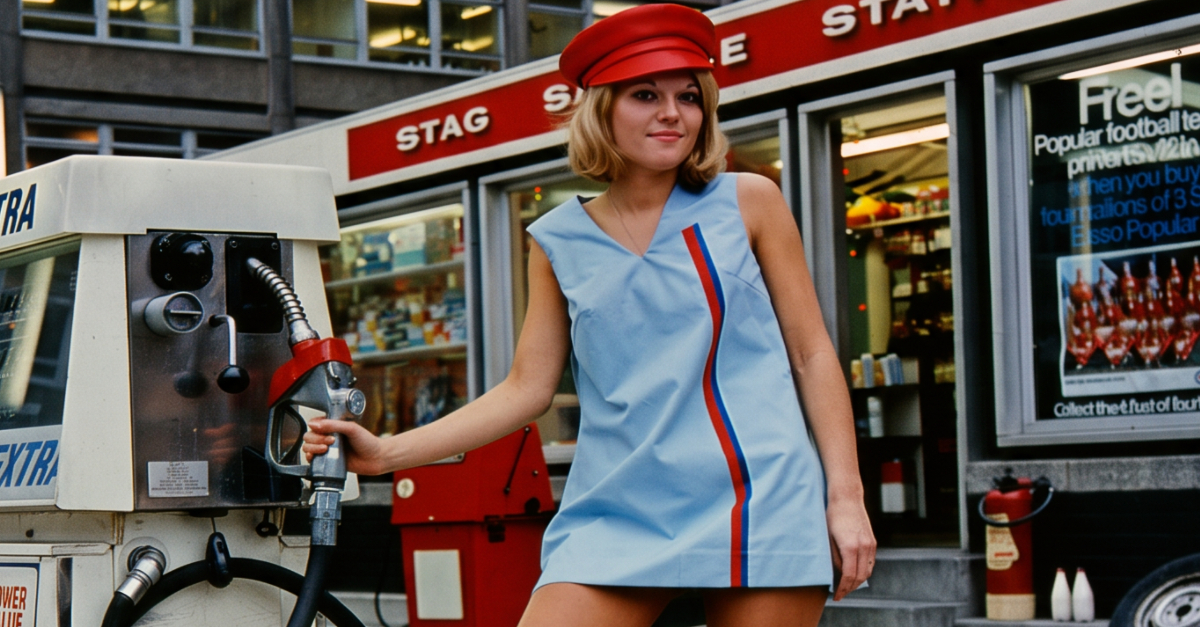
Gas stations were everywhere in the 1970s. But many of the names on those signs were not the same as they are today. And we're betting that most people probably couldn't name five of them—even if they filled up there every week.
APCO
If you drove around Oklahoma or neighboring states during the 70s, APCO was hardly obscure. The Oklahoma City company operated stations across a surprisingly large chunk of the Midwest and Southwest. Then, in 1979, APCO was dissolved. Independent stations sometimes kept the familiar name afterward, but the original company was gone.
 Charles O'Rear, Wikimedia Commons
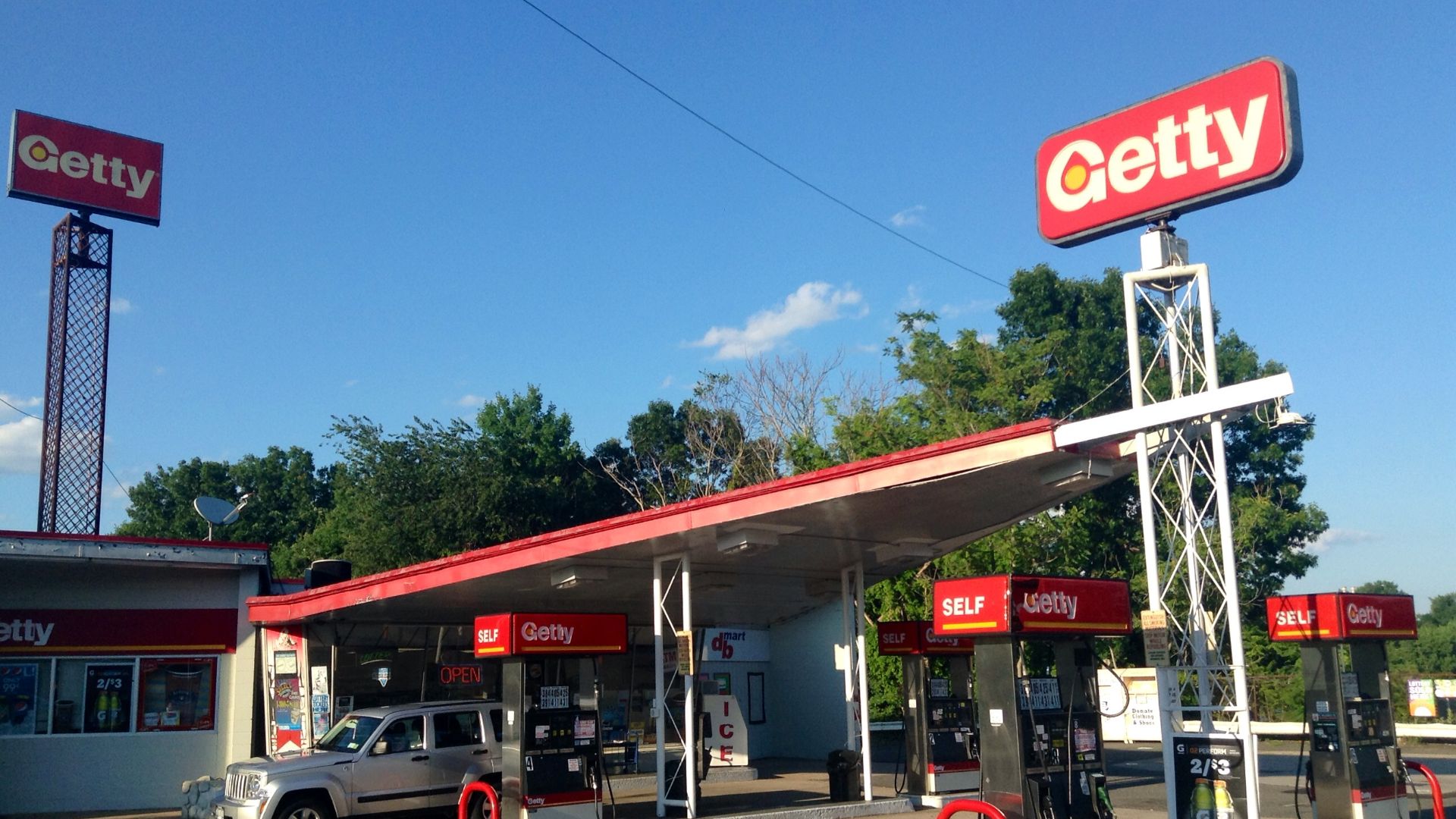
Getty
Before Getty was something people associated with a museum, Getty Oil signs could be found above gas stations. The Getty name began replacing Flying A at stations around 1970, and Skelly was merged into Getty in 1977. Texaco bought Getty in 1984, and another once-familiar gasoline name started disappearing from the roadside.
 Mike Mozart from Funny YouTube, USA, Wikimedia Commons
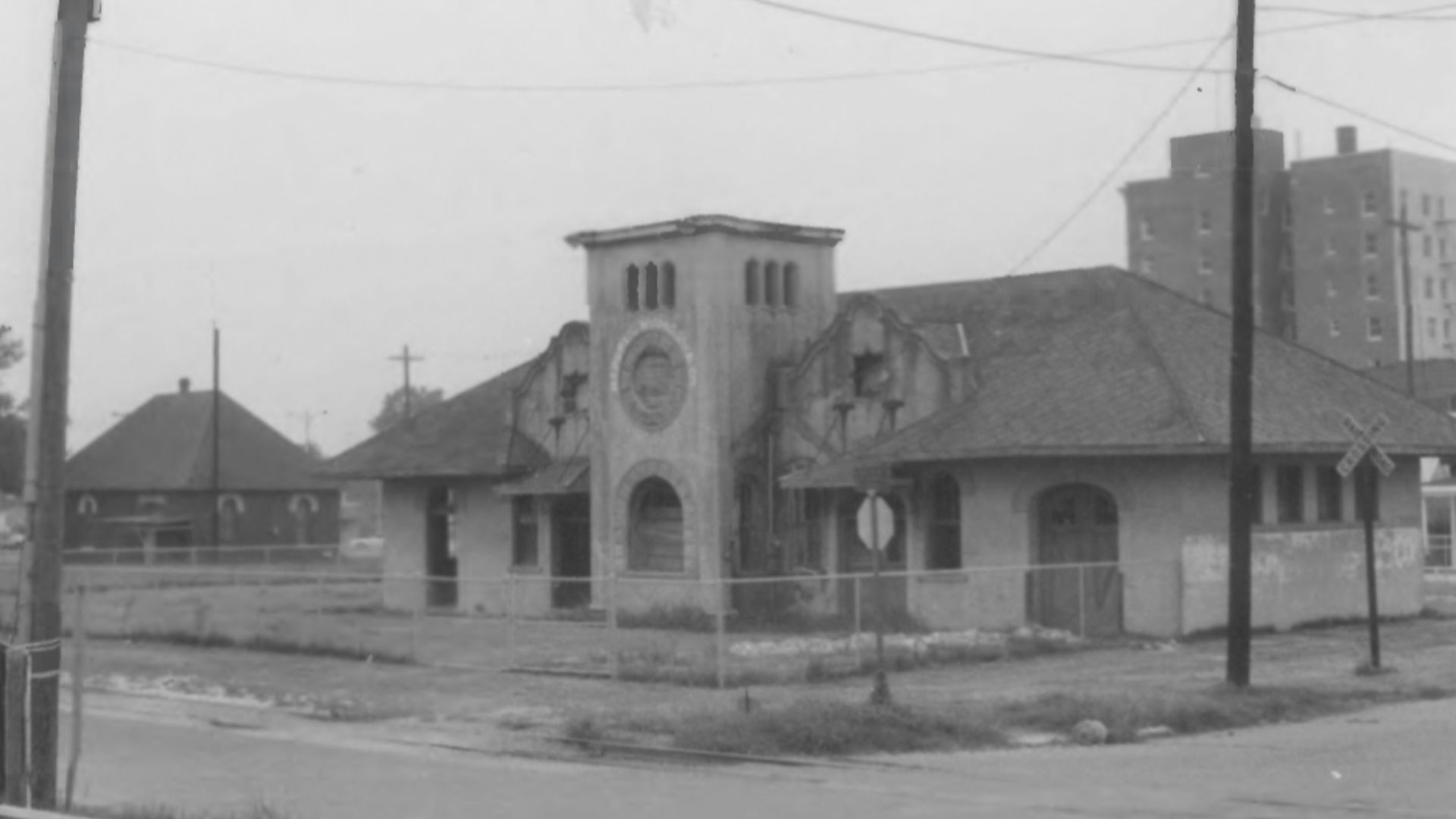
Billups
Billups was once common enough across parts of the South that drivers hardly gave the name a second thought. A 1979 road-trip story even mentions stopping at a Billups in Crowley, Louisiana. Today, ask someone under 40 about Billups and you'll probably get a very different kind of blank stare.
 Jonathan Fricker, Wikimedia Commons
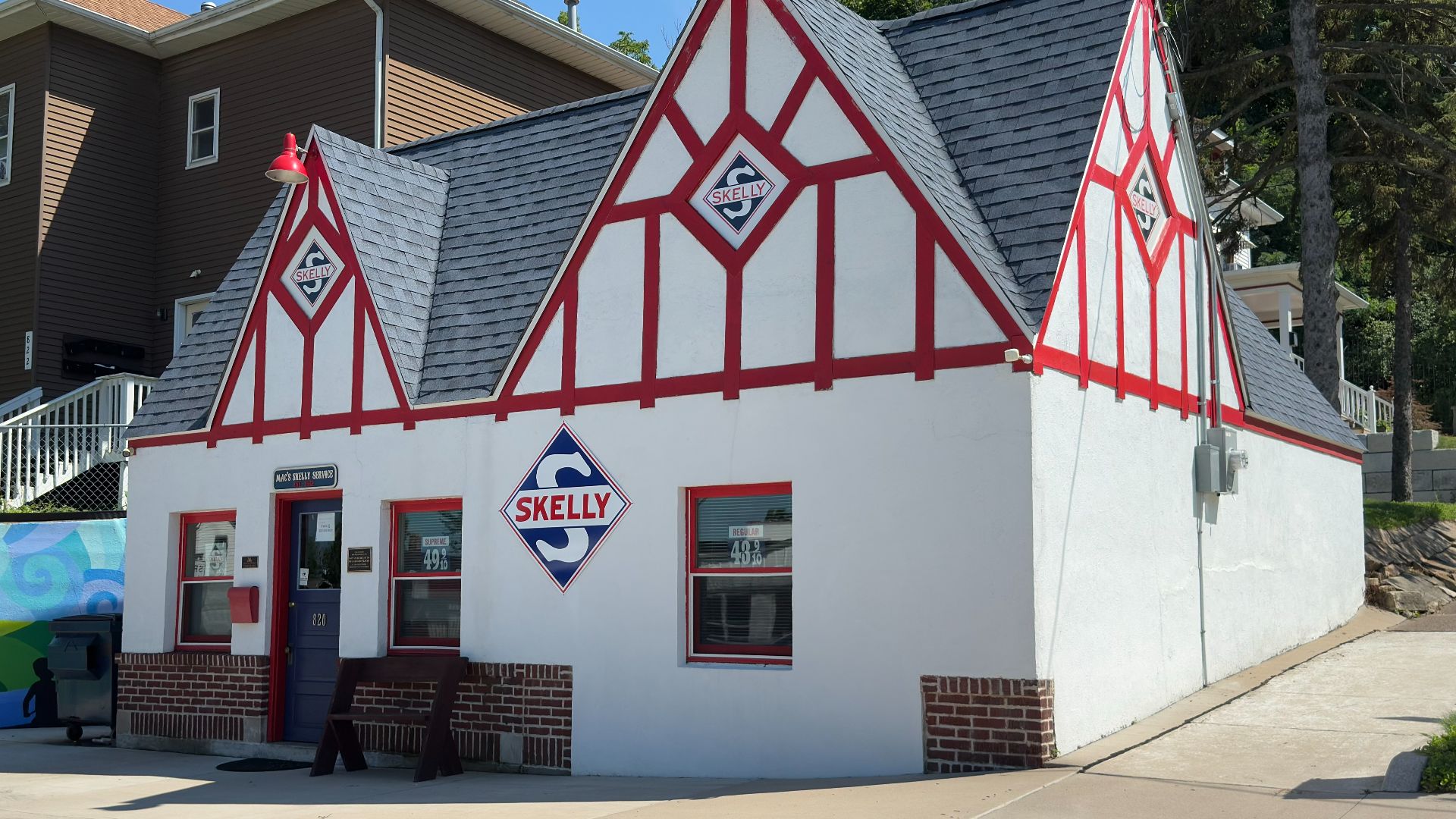
Skelly
That red, white and blue diamond used to be a familiar sight across the Midwest. Skelly was especially strong in states like Oklahoma, Kansas and Nebraska, and the company had a huge regional network. Skelly was fully merged into Getty Oil in 1977, and its stations were rebranded with the Getty name.
 Farragutful, Wikimedia Commons
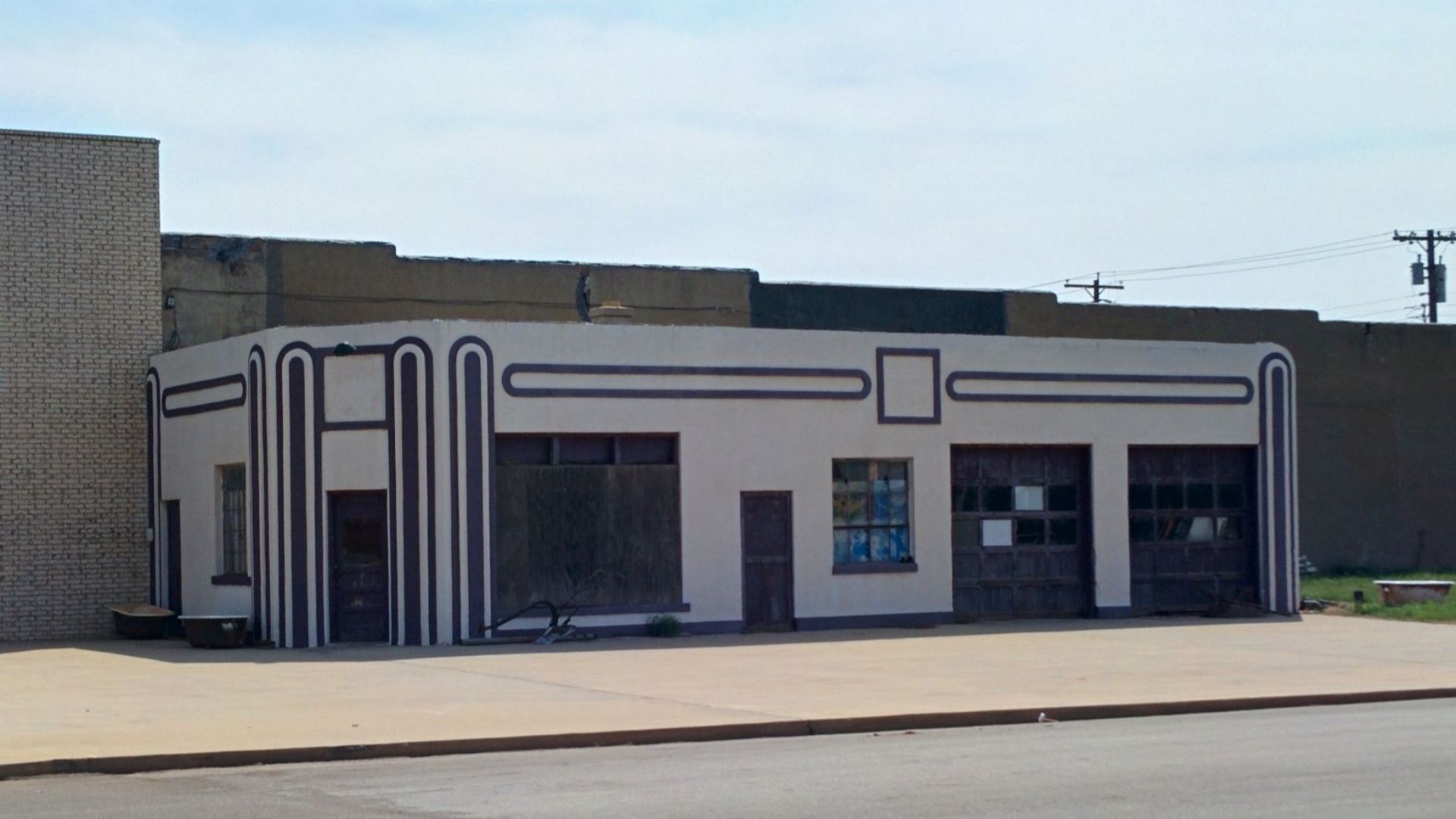
Champlin
Champlin's slogan was “A Great Name on the Great Plains,” and for decades that was pretty accurate. The company had stations scattered across the central United States, particularly around its Oklahoma base. The retail operation eventually went to American Petrofina, which meant those familiar Champlin signs gradually gave way to Fina.
 Crimsonedge34, Wikimedia Commons
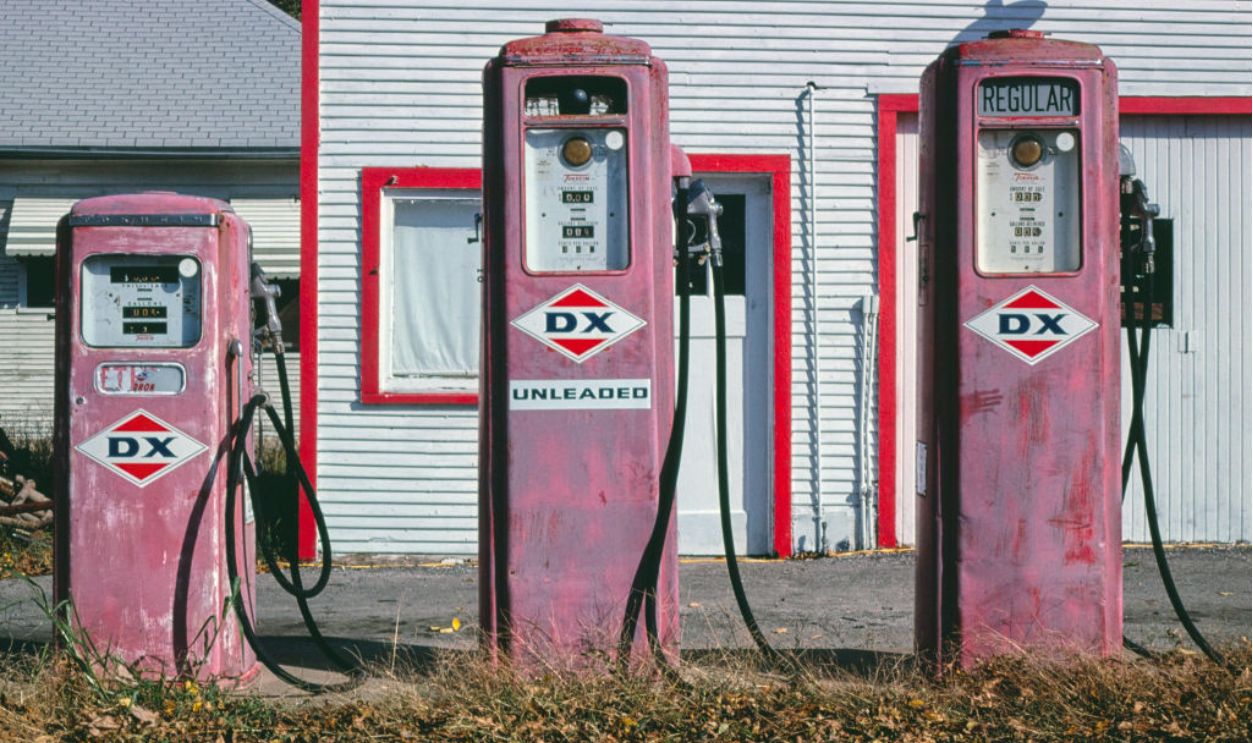
DX
Younger drivers may recognize Sunoco. DX? Probably not. Sun Oil acquired Sunray DX in 1968, but the DX name didn't immediately vanish. Drivers across parts of the Midwest continued seeing those familiar DX signs throughout the 70s before Sunoco gradually replaced them with its own branding.
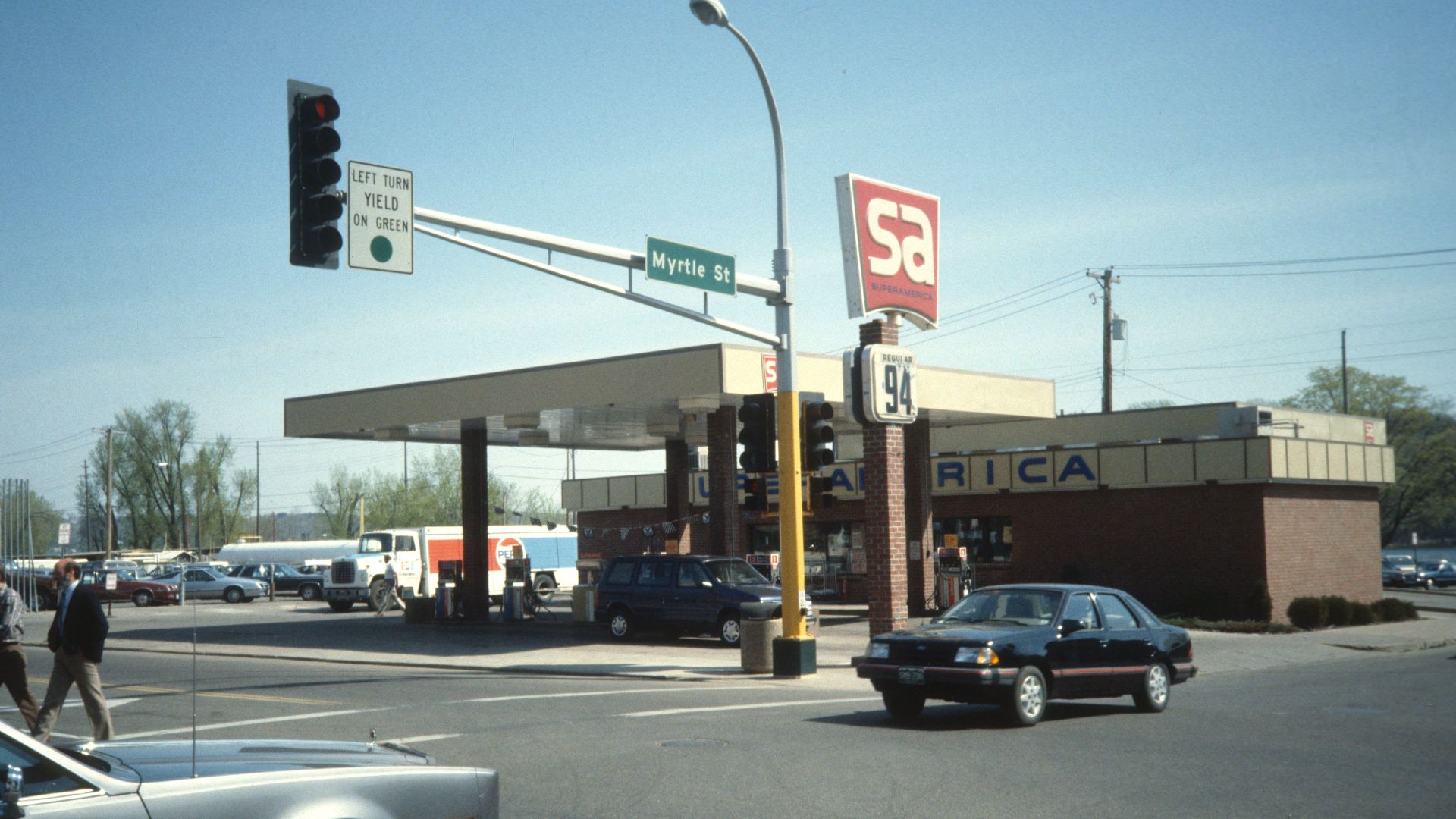
Ashland
Today, Ashland doesn't immediately make most people picture a neighborhood gas station. In the 60s and 70s, though, Ashland operated a sizable retail network. The company increasingly shifted toward names such as SuperAmerica as convenience stores and self-service stations became the future of the business.
 Stillwater Planning Department, Wikimedia Commons
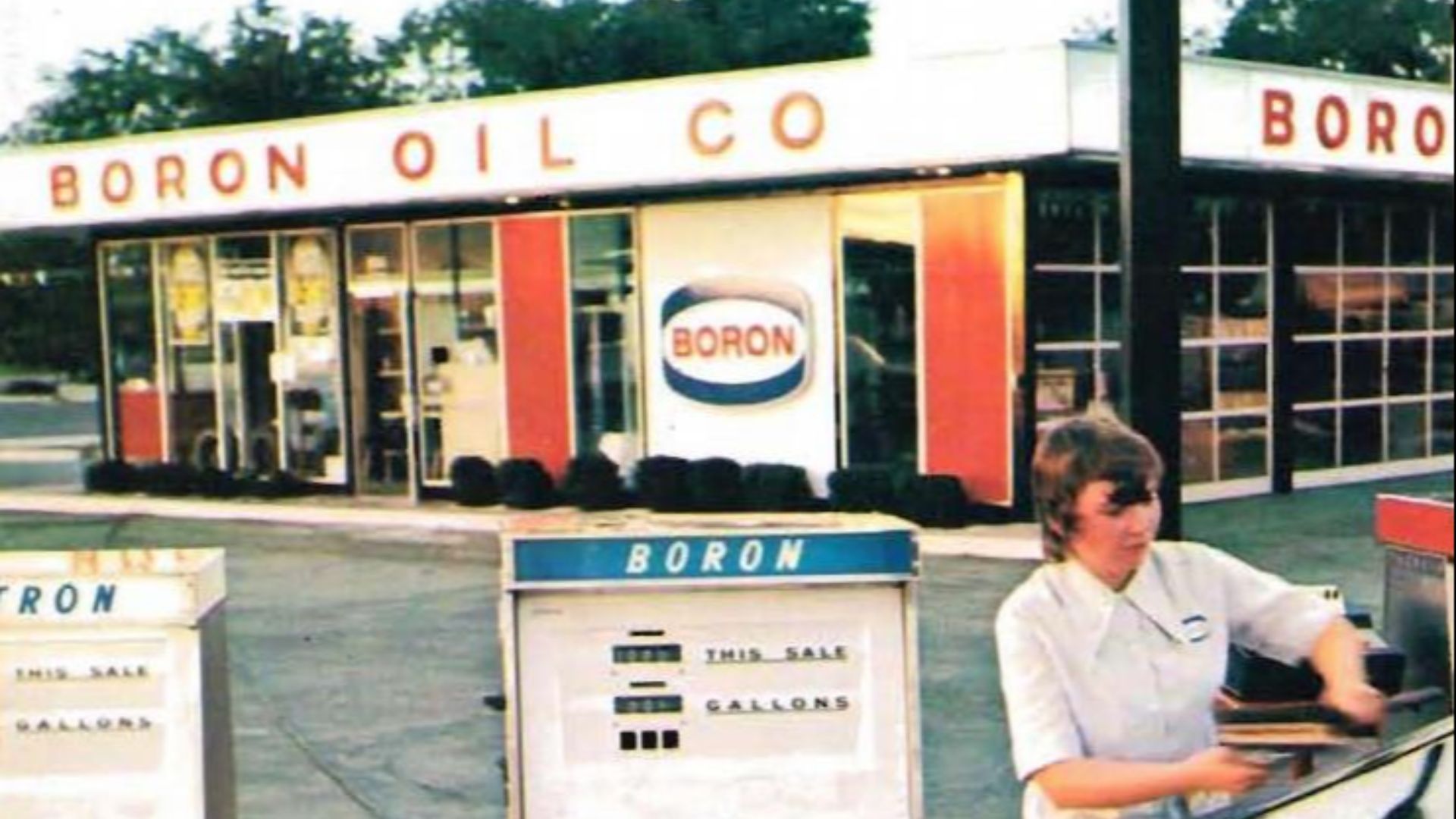
Boron
Yes, there really was a gas station called Boron. Standard Oil of Ohio used the name outside Ohio, where the company couldn't simply plaster Sohio over everything. Boron stations could be found in neighboring states, and the brand remained around long after the 70s before BP eventually consolidated the network.
 The Standard Oil Company, Wikimedia Commons
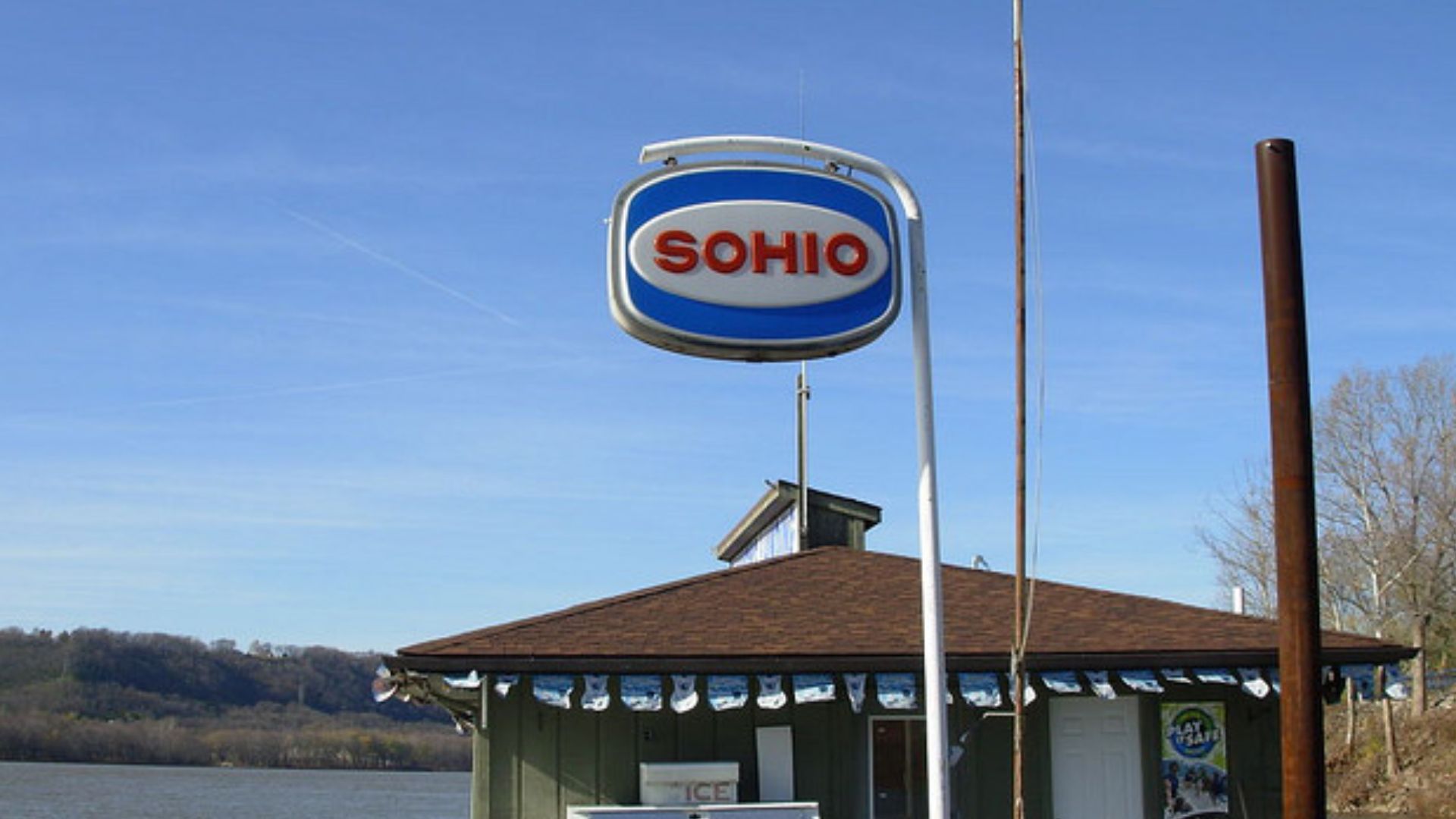
Sohio
Inside Ohio, Boron's parent company used a much more familiar name: Sohio. For generations of Ohio drivers, those red-and-white signs were everywhere. BP gradually increased its ownership of Standard Oil of Ohio, and in 1991 the remaining Sohio stations were finally converted to BP.
 Dirtyharry667, Wikimedia Commons
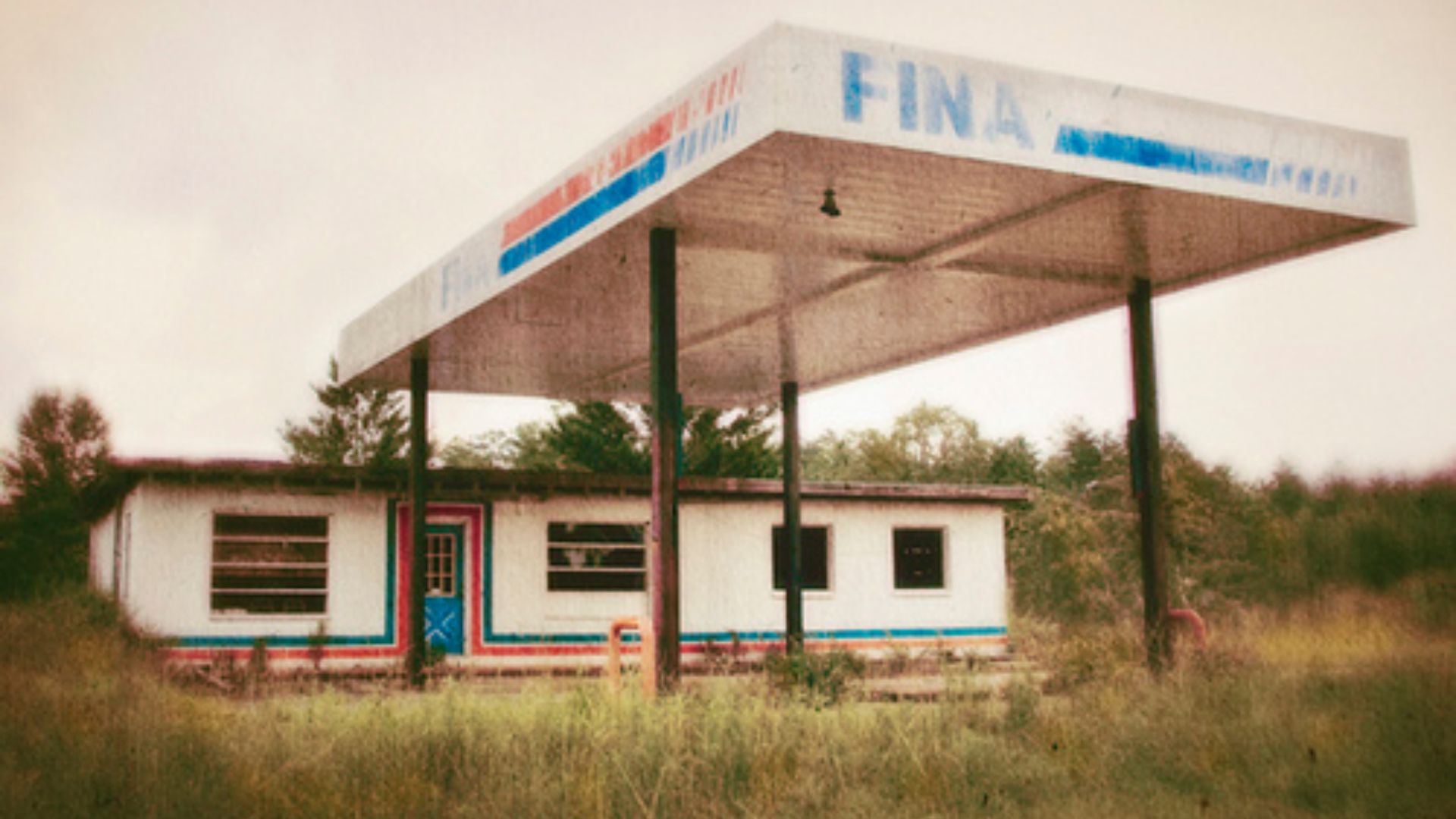
Fina
The bright Fina signs were especially familiar across Texas and neighboring states. American Petrofina entered the U.S. market in the 50s and built a sizable station network. The name survived well beyond the 70s, but eventually disappeared from American roads. Plenty of younger drivers have probably never seen one.
 Bryankreutz 77 (talk) Bryan Kreutz, Wikimedia Commons
Tenneco/Bay
This sounds less like a gas station and more like two companies that couldn't agree whose name went on the sign. During the late 60s and early 70s, though, Tenneco and Bay actually appeared together on stations. The unusual dual branding lasted until 1973.
![Tenneco Service Station - Tallahassee, Florida 1967. Looking east on Tennessee from Magnolia. Street.
Photographed by Harvey Eugene Slade.
Via [1]](https://www.factinate.com/storage/app/media/driversdaily/2026/9/19/1789802078c12ae544e4a92ef432e2f759ccc4b5024ca79b7e.jpg) Harvey E. Slade, Wikimedia Commons
Harvey E. Slade, Wikimedia Commons
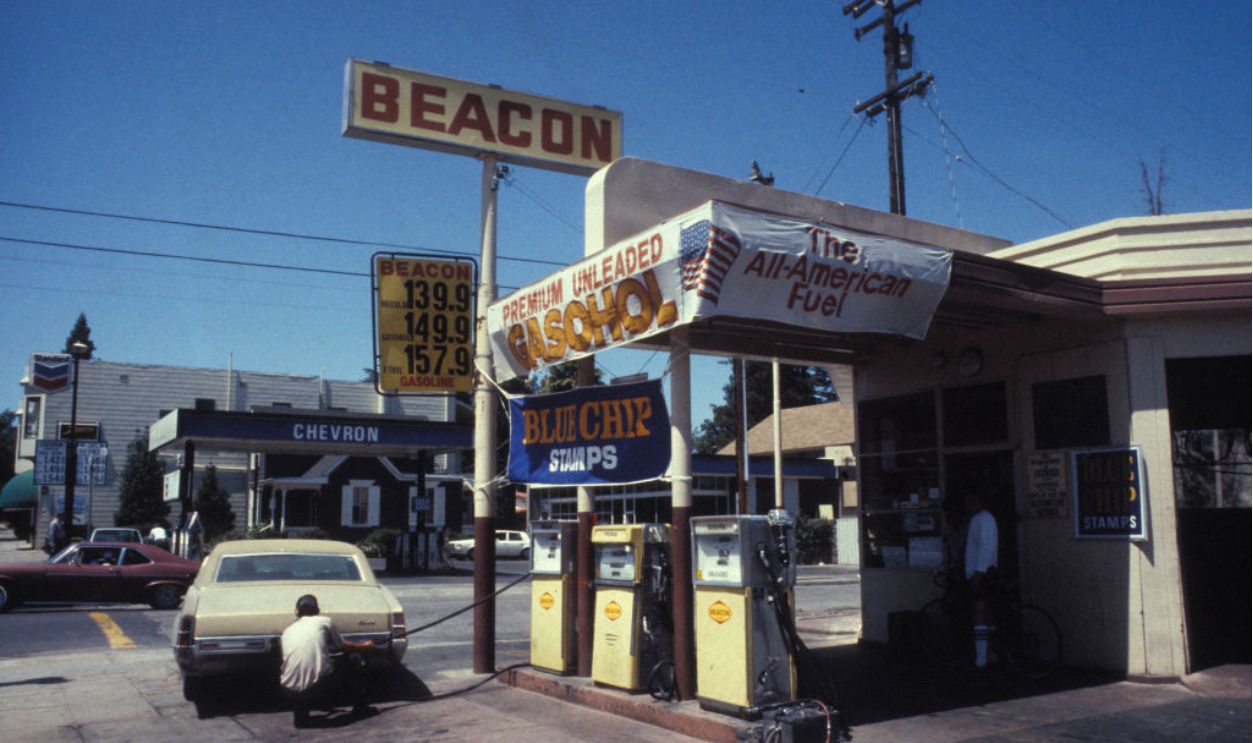
Beacon
West Coast drivers might remember Beacon. The name appeared on California filling stations into the 70s, and city records in San Jose still show stations operating under the Beacon name throughout that decade. Outside the West, though, this may be one of those logos that looks completely unfamiliar.
Enco
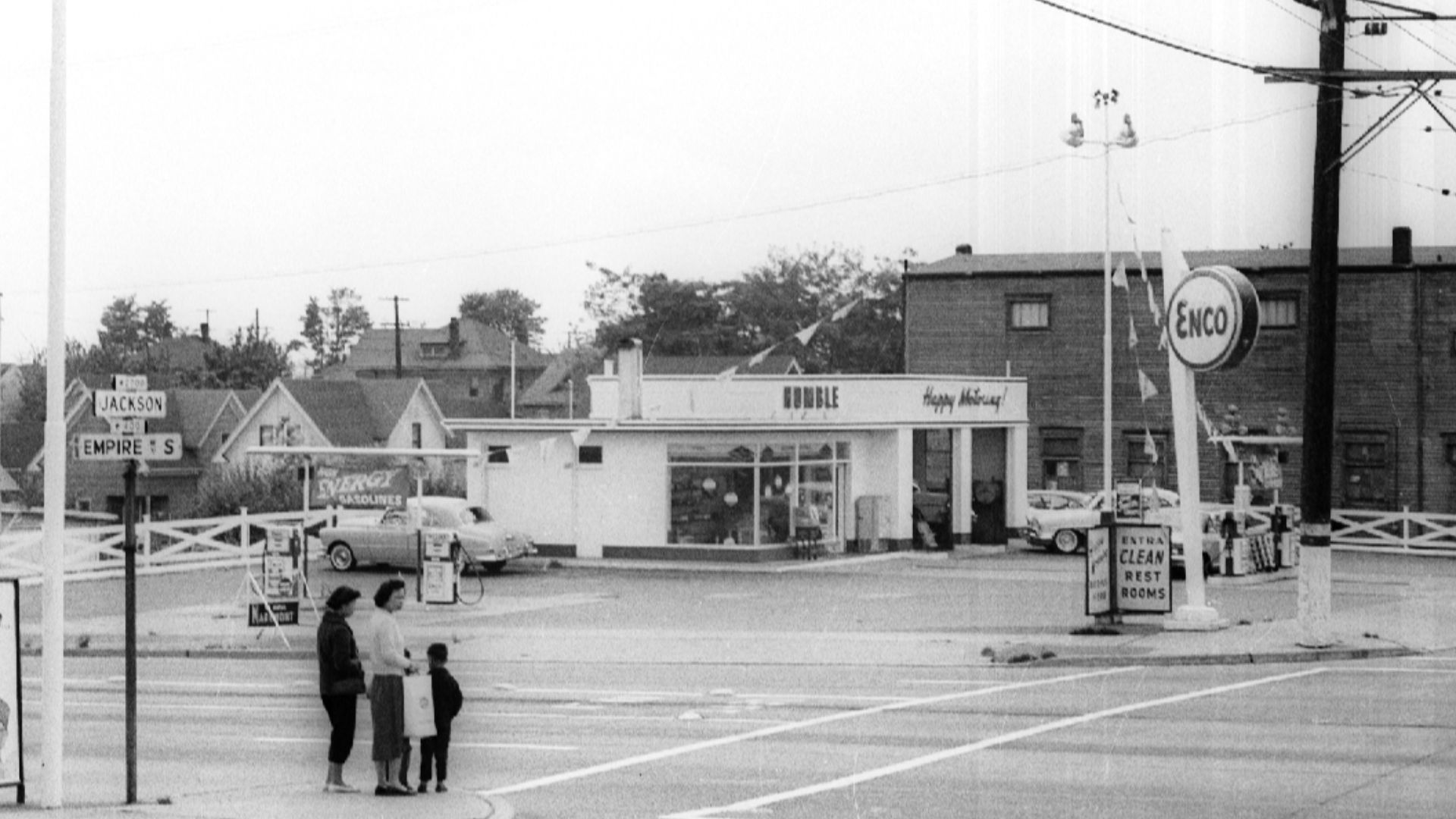
For a brief moment in the early 70s, Enco was one of the biggest gasoline names in America. It belonged to Humble Oil and was used in areas where the company couldn't use the Esso name. Then the company decided it wanted one national identity. By 1973, Enco signs were being replaced by Exxon.
 Seattle Municipal Archives from Seattle, WA, Wikimedia Commons
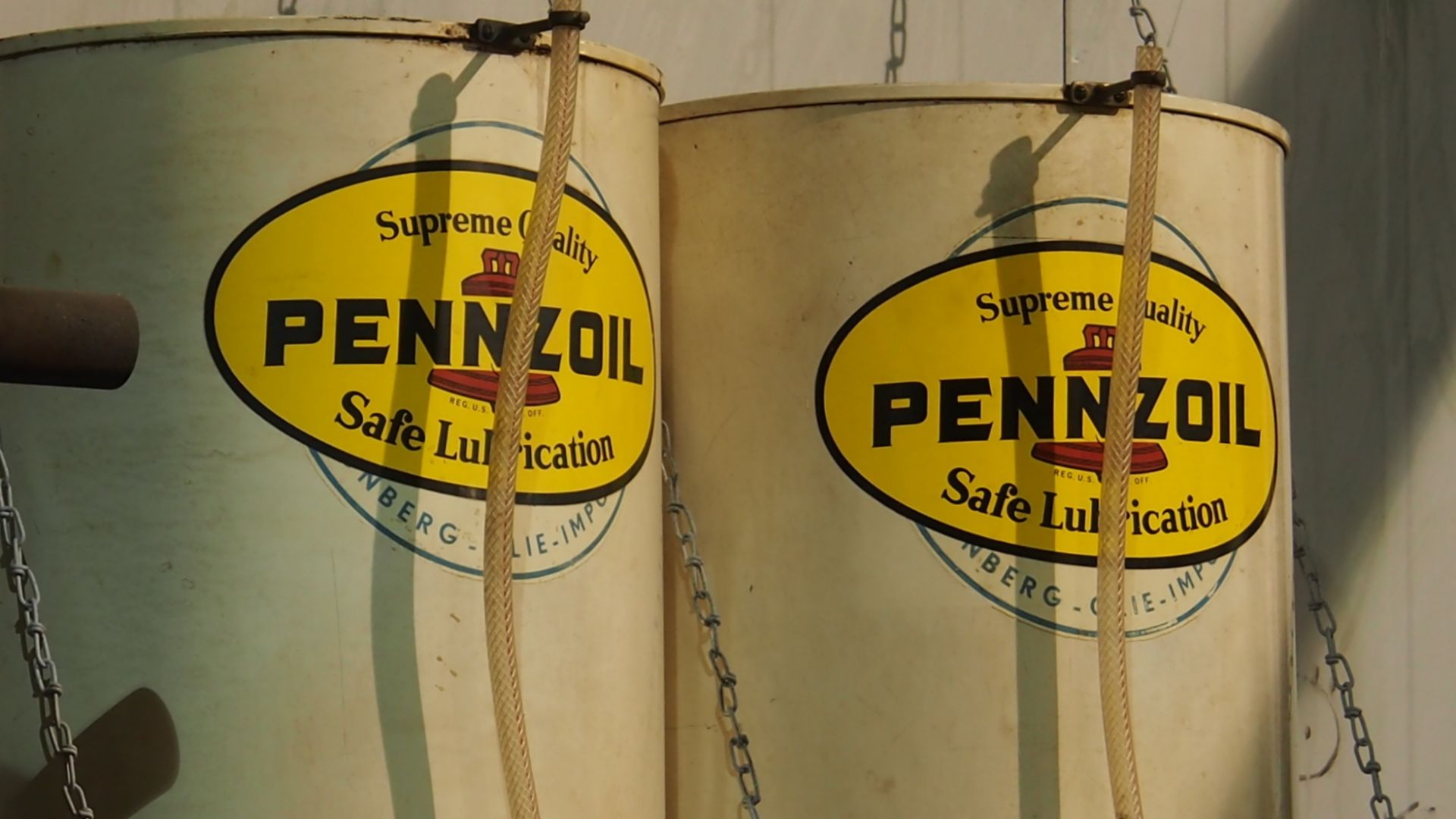
Fleet-Wing
Fleet-Wing sounds like it should have been selling airplane fuel. Instead, it was an old gasoline brand with deep roots around Ohio and neighboring states. Sohio had owned the operation before Pennzoil acquired it, and some distributors were still associated with Fleet-Wing as the 70s rolled along.
 Alf van Beem, Wikimedia Commons
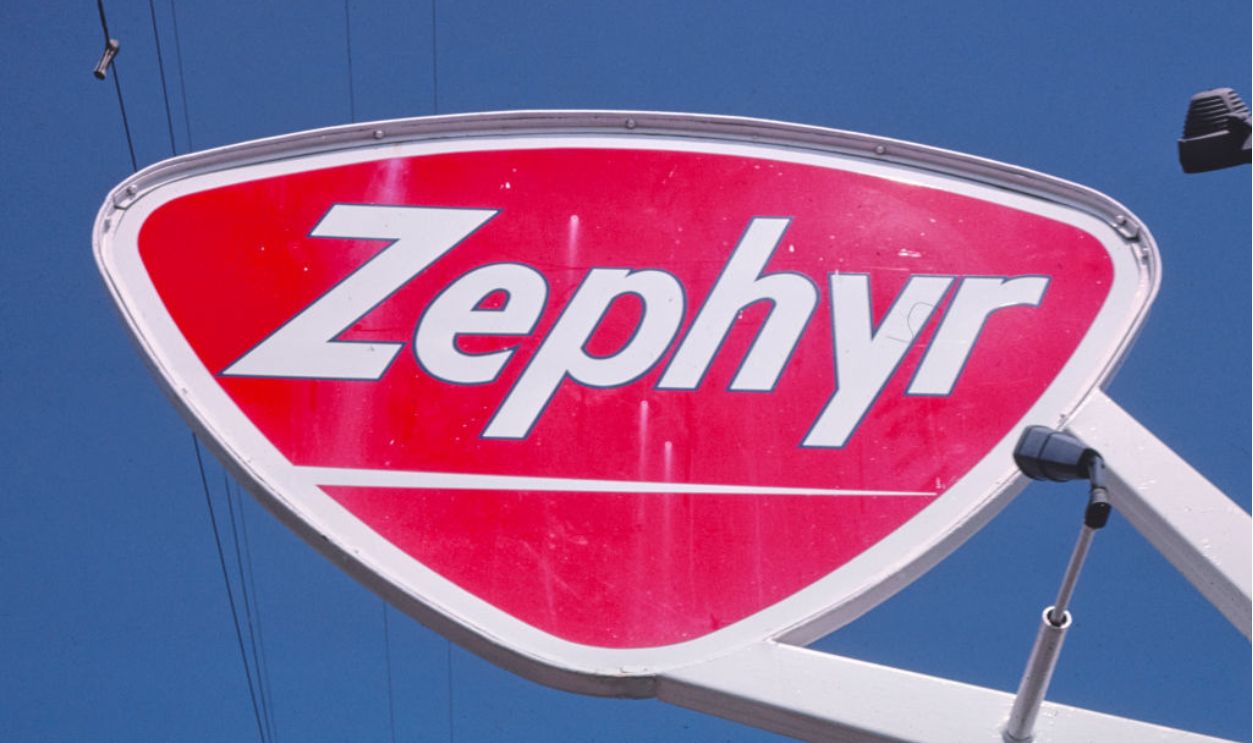
Zephyr
Zephyr was the gasoline brand of St. Louis-based J.D. Streett & Company. It was never a coast-to-coast giant, but that is exactly why memories of it are so regional. During the 70s, Streett began shrinking the Zephyr network and converting some locations to major brands, although the Zephyr name survived much longer in a few places.
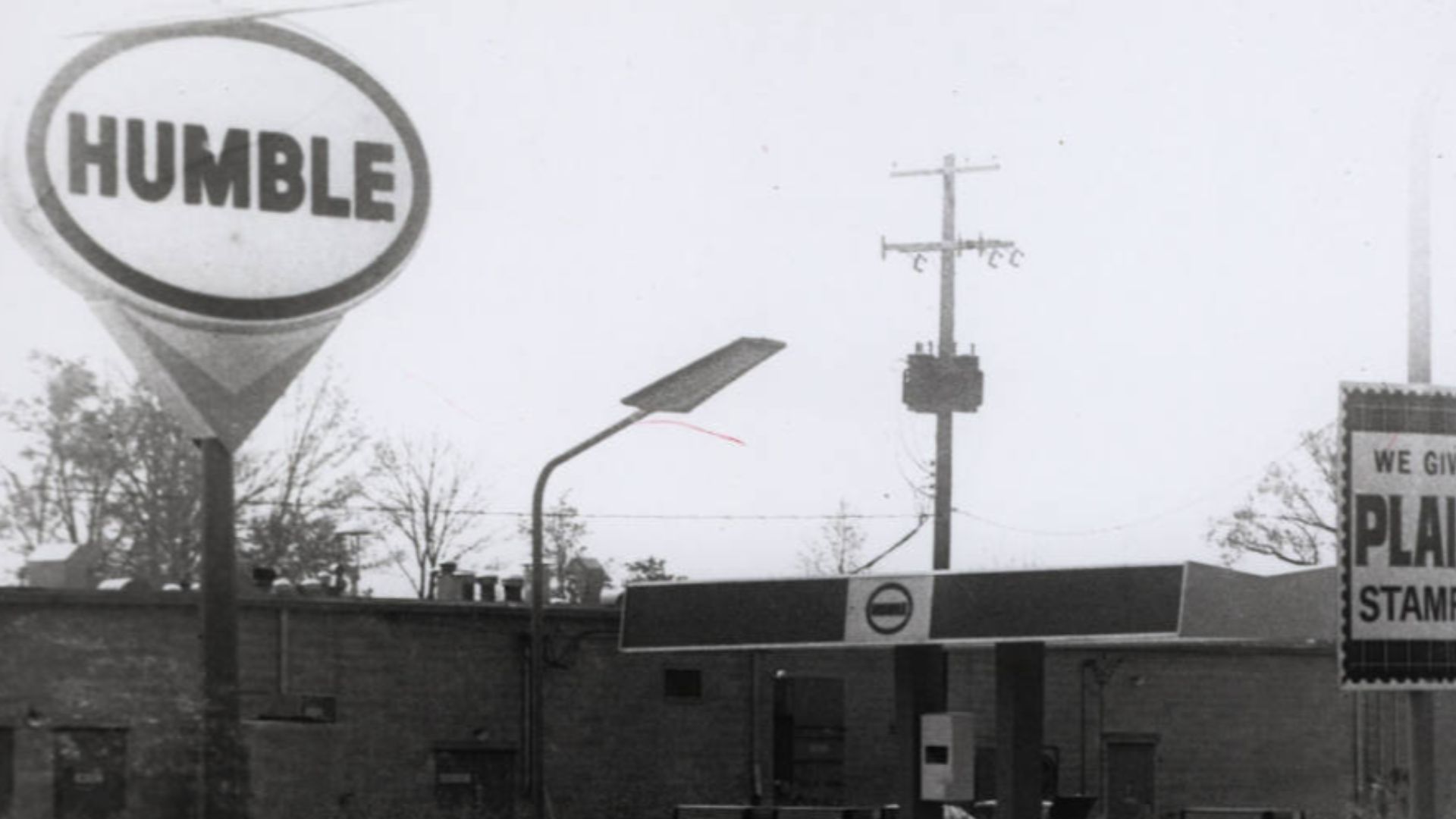
Humble
And Enco wasn't the only familiar name that disappeared when Exxon arrived. Humble Oil had been one of the biggest petroleum companies in the country, and its name appeared on stations and corporate signage across the U.S. When Exxon became the national brand in the early 70s, Humble quickly faded from everyday view.
 Unknown authorUnknown author, Wikimedia Commons
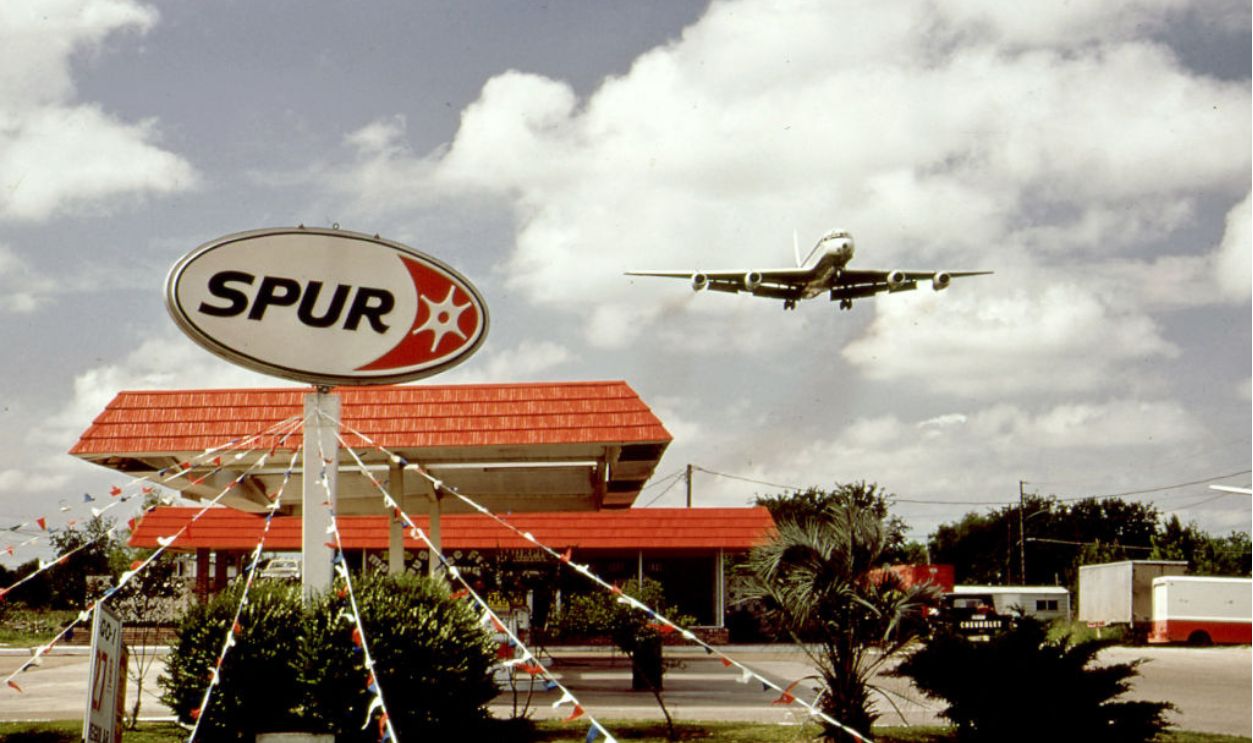
Spur
Before anyone starts thinking about steak restaurants, this Spur sold gasoline. The American brand had been around since the 1930s and developed a network stretching across numerous states. It was still operating during the 70s before the Spur name finally disappeared from most American roads.
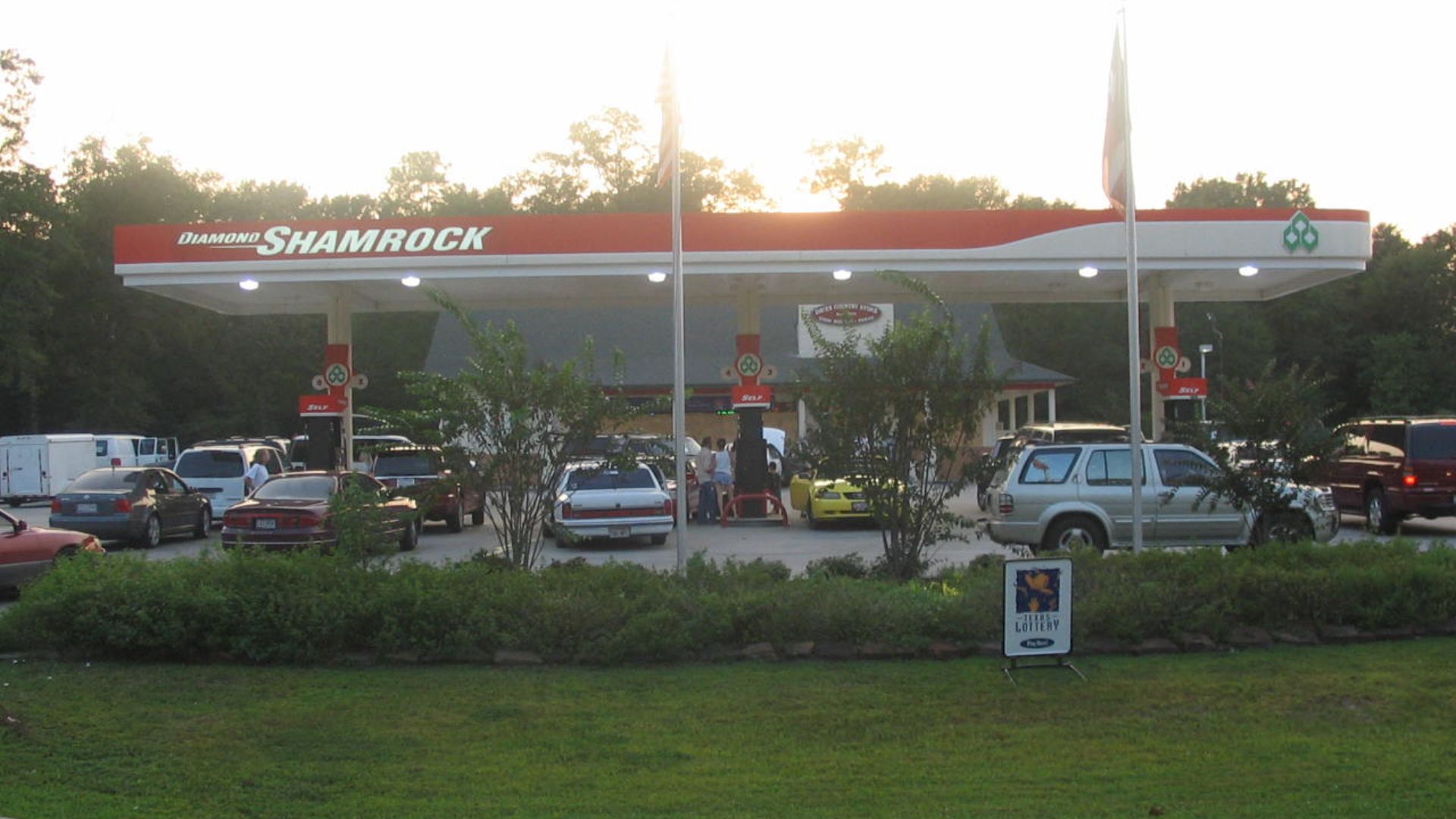
Sigmor
Sigmor became a surprisingly big operation from very modest beginnings. Founder Tom Turner named the company after former employer Sigfried Moore, and the chain eventually grew to more than 600 outlets. Sigmor remained a familiar name around Texas through the 70s before Diamond Shamrock acquired it in 1983.
 Orgullomoore, Wikimedia Commons
Fill-Em Fast
Honestly, gas stations should still have names this good. Fill-Em Fast started in Houston in 1968 and expanded as self-service gasoline took off. During the 70s it became associated with Sigmor and could be found from Texas all the way to Virginia. Eventually, many locations became part of the larger Sigmor network.
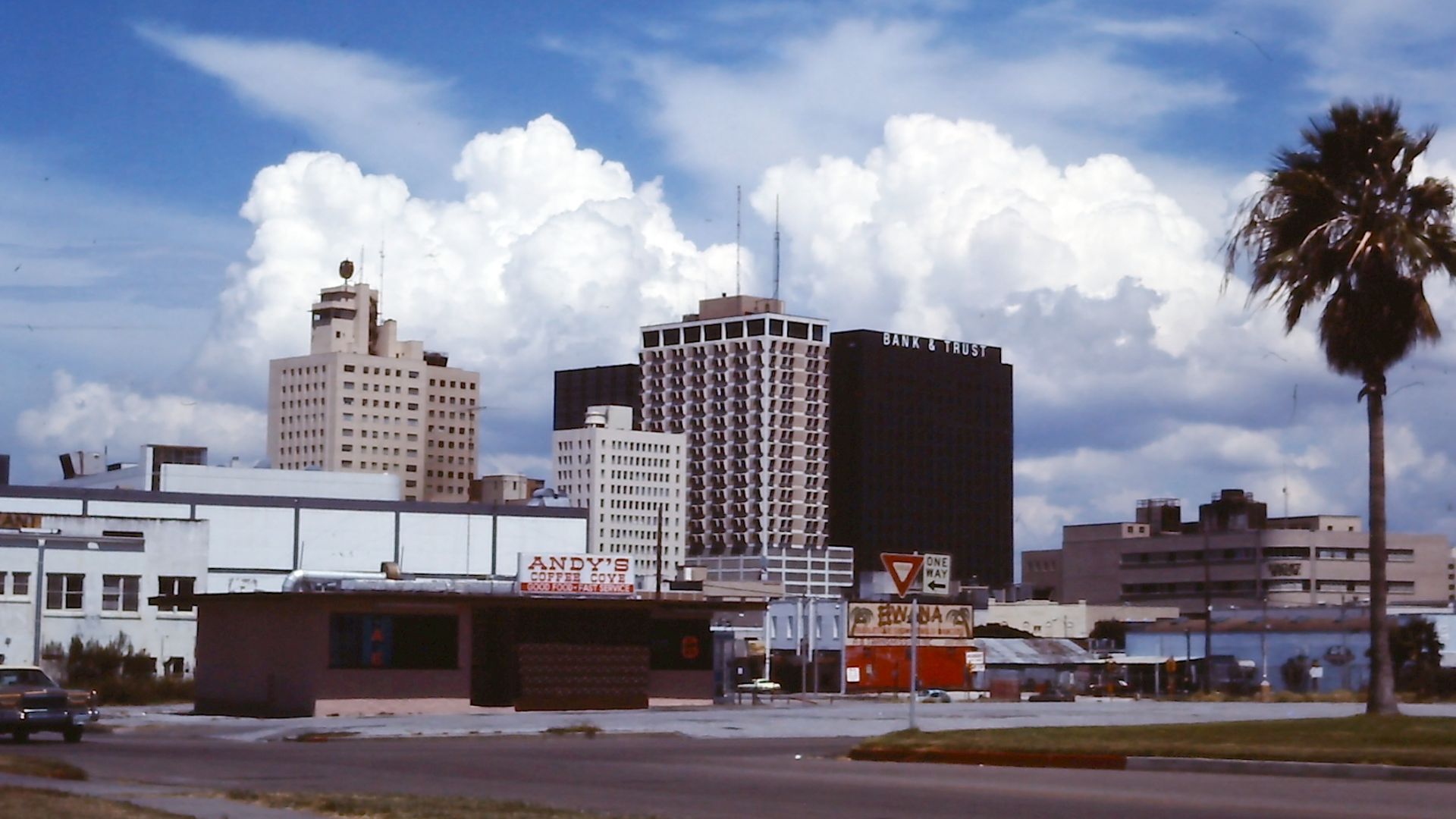
EZ Serve
Another product of the self-service revolution was EZ Serve. The company got started around Houston in the late 60s, making it perfectly positioned for the huge changes coming to gas stations in the 70s. It eventually expanded much further, although the old EZ Serve name has largely disappeared.
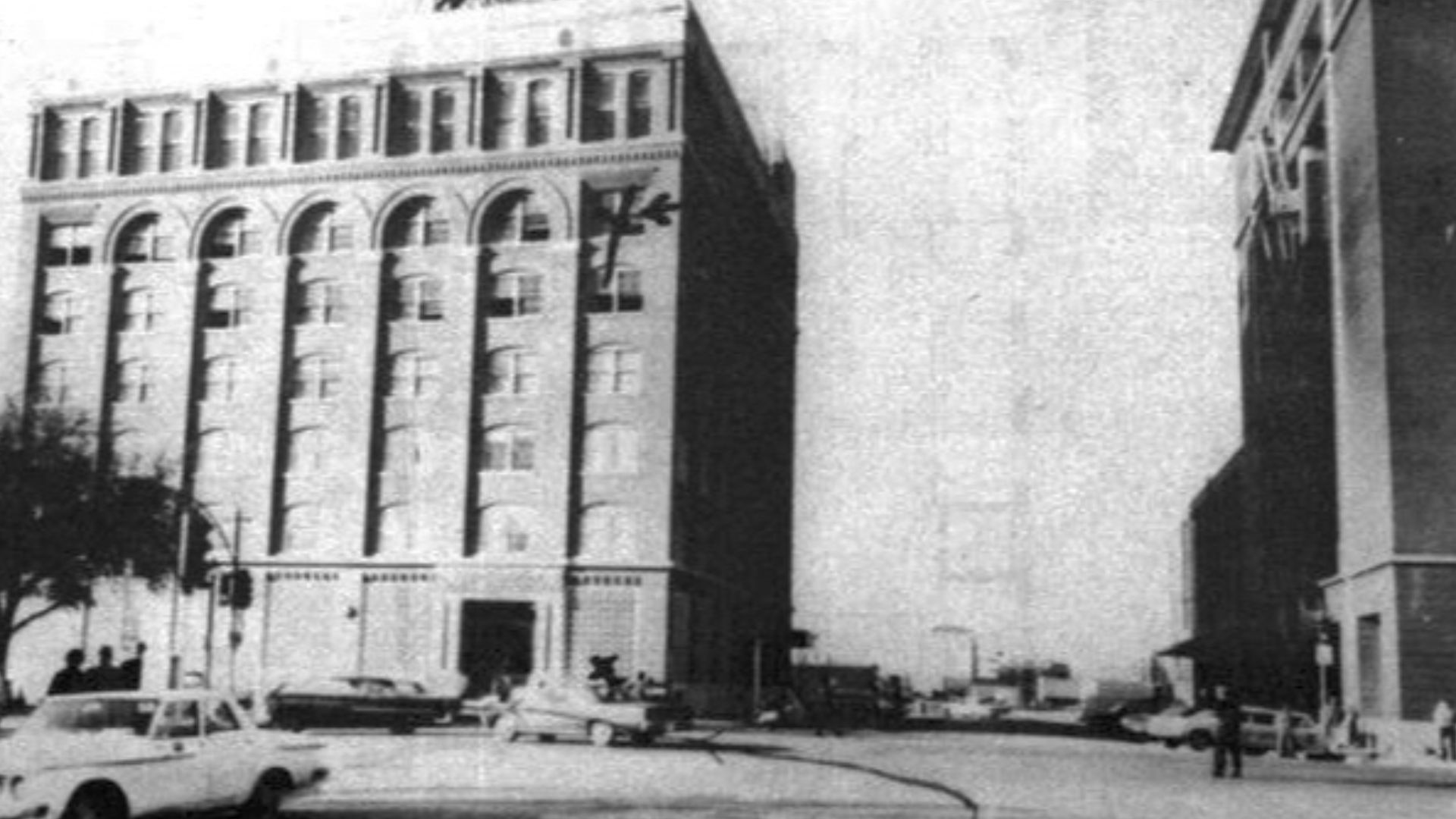 Warren Commission, Wikimedia Commons
Hicksatomic
Now this is a name that could only have come from another era. Illinois-based Hicks Oil marketed gasoline under the Hicksatomic name, complete with atomic-age branding. Its station count peaked in the early 70s, before the energy crisis helped push the small independent operation into decline.
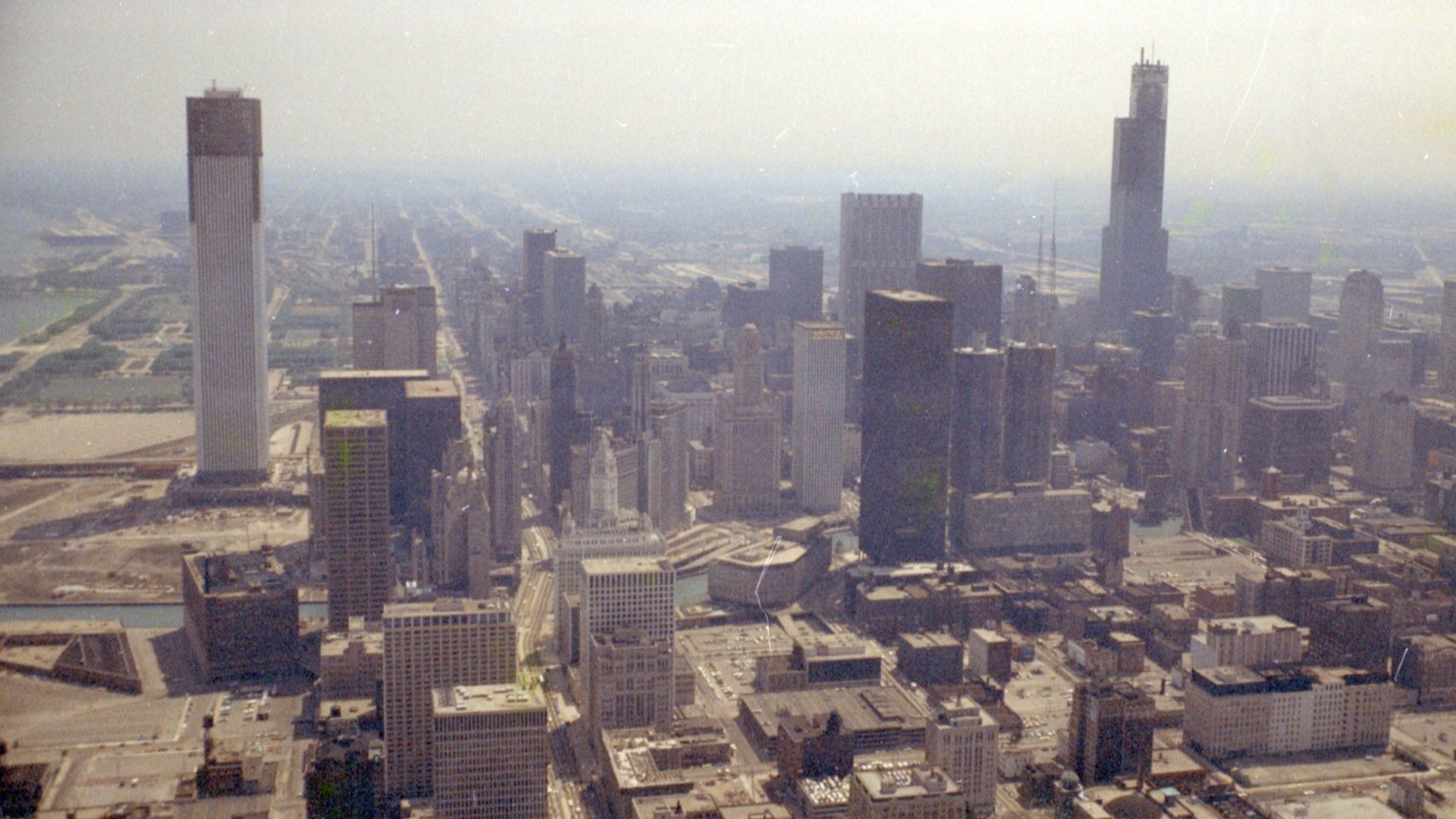 Joe+Janette Archie, Wikimedia Commons
Martin Oil Products
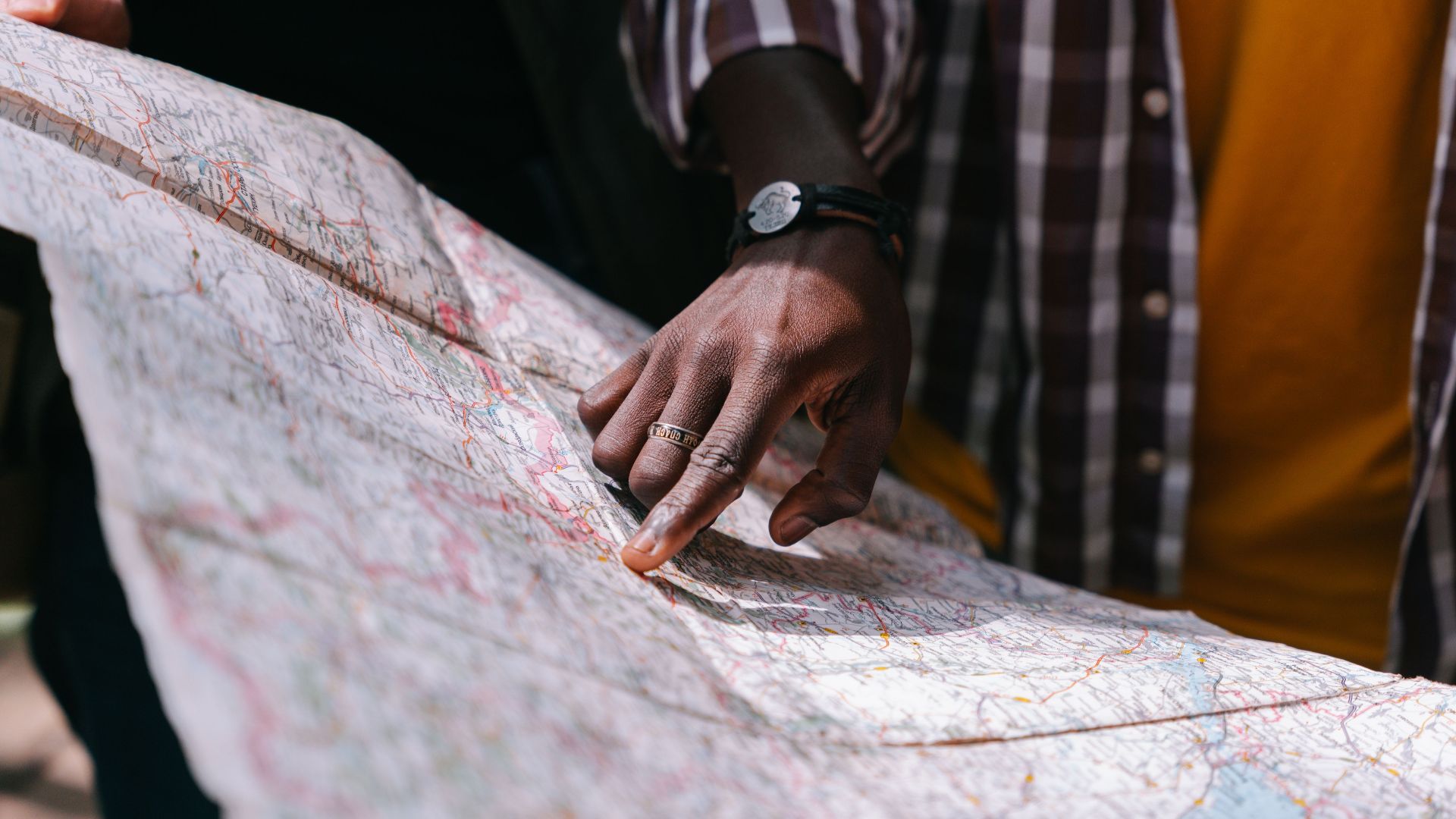
Martin Oil Products wasn't just one neighborhood station with an impressive-sounding name. Road-map records show its stations across Illinois, Missouri, Indiana, Kentucky, Tennessee, Arkansas and Mississippi around the beginning of the 70s. By 1973, the company's own road maps were still advertising its multistate network.
Imperial Refineries
Imperial Refineries was based in Clayton, Missouri, and marketed gasoline around the Midwest and even down into Florida. The company's road-map history stretches into 1972. That means plenty of early-70s drivers would have recognized the name—even though today it sounds more like an oil company from a board game.
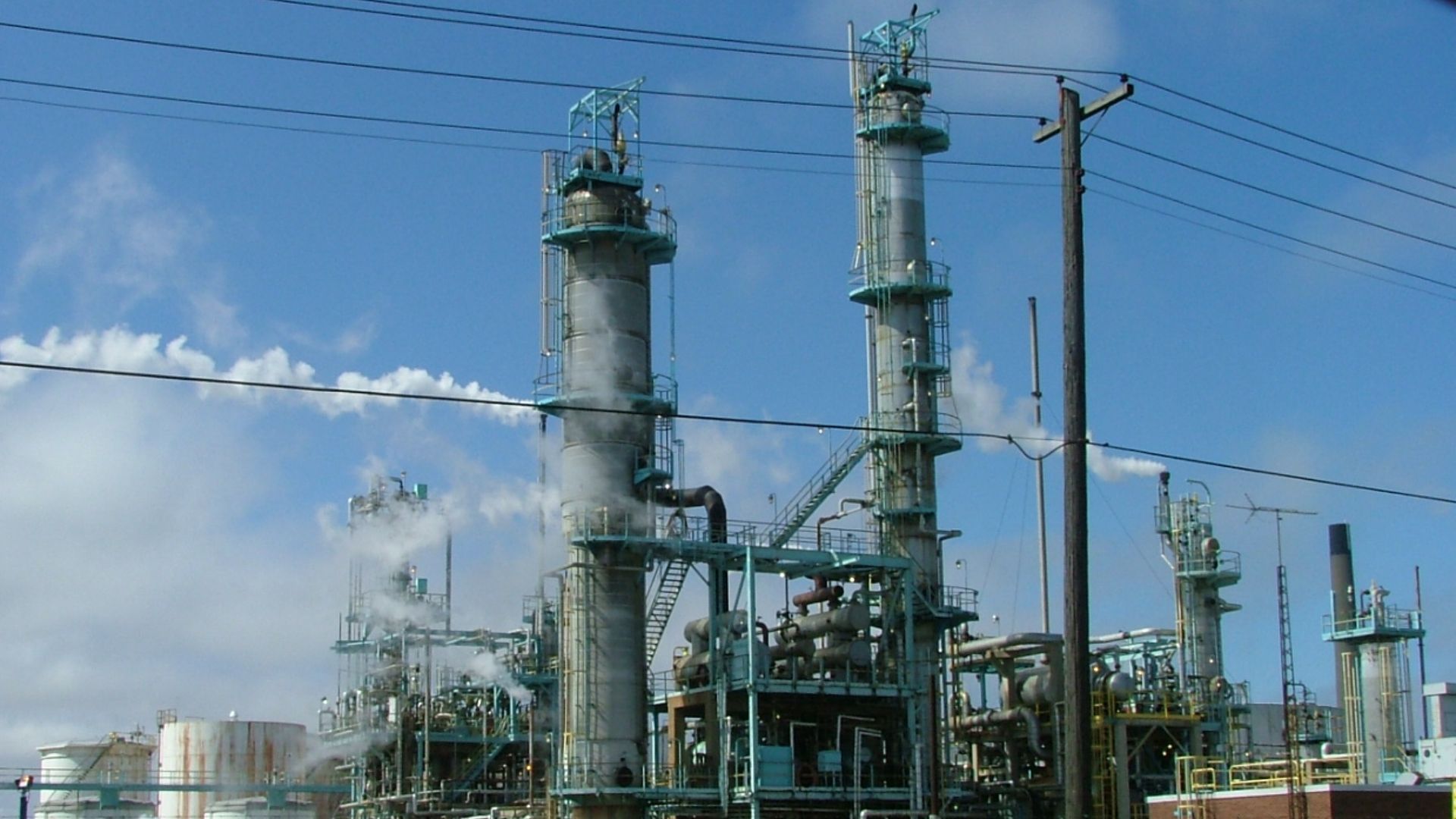
Kerr-McGee/Deep Rock
Kerr-McGee became a massive energy company, but it also had ordinary filling stations. Some were associated with the older Deep Rock name, creating another piece of roadside branding that was still familiar in the 70s. Deep Rock faded away, and eventually Kerr-McGee stations disappeared too.
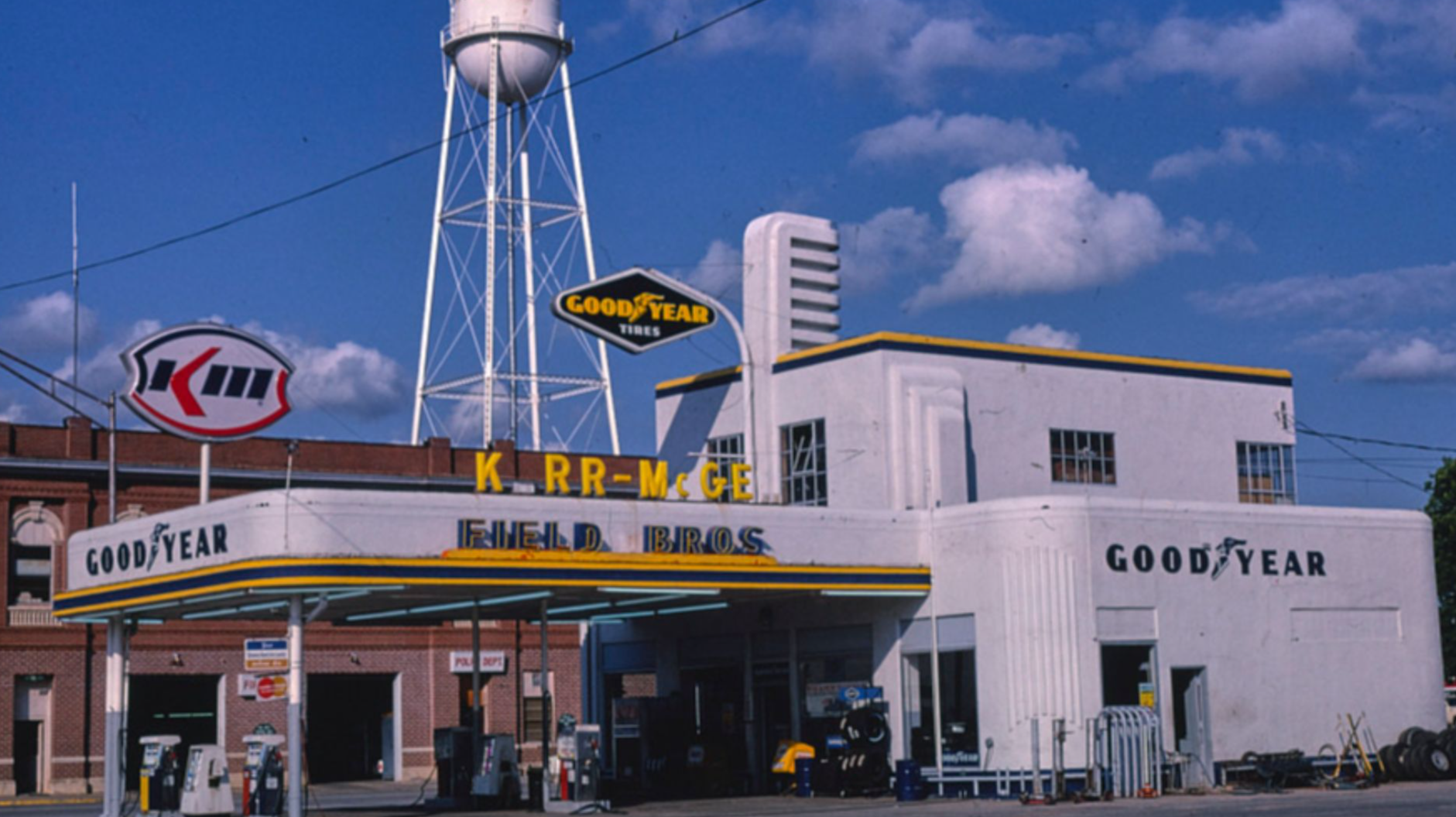 The Library of Congress from Washington, DC, United States, Wikimedia Commons
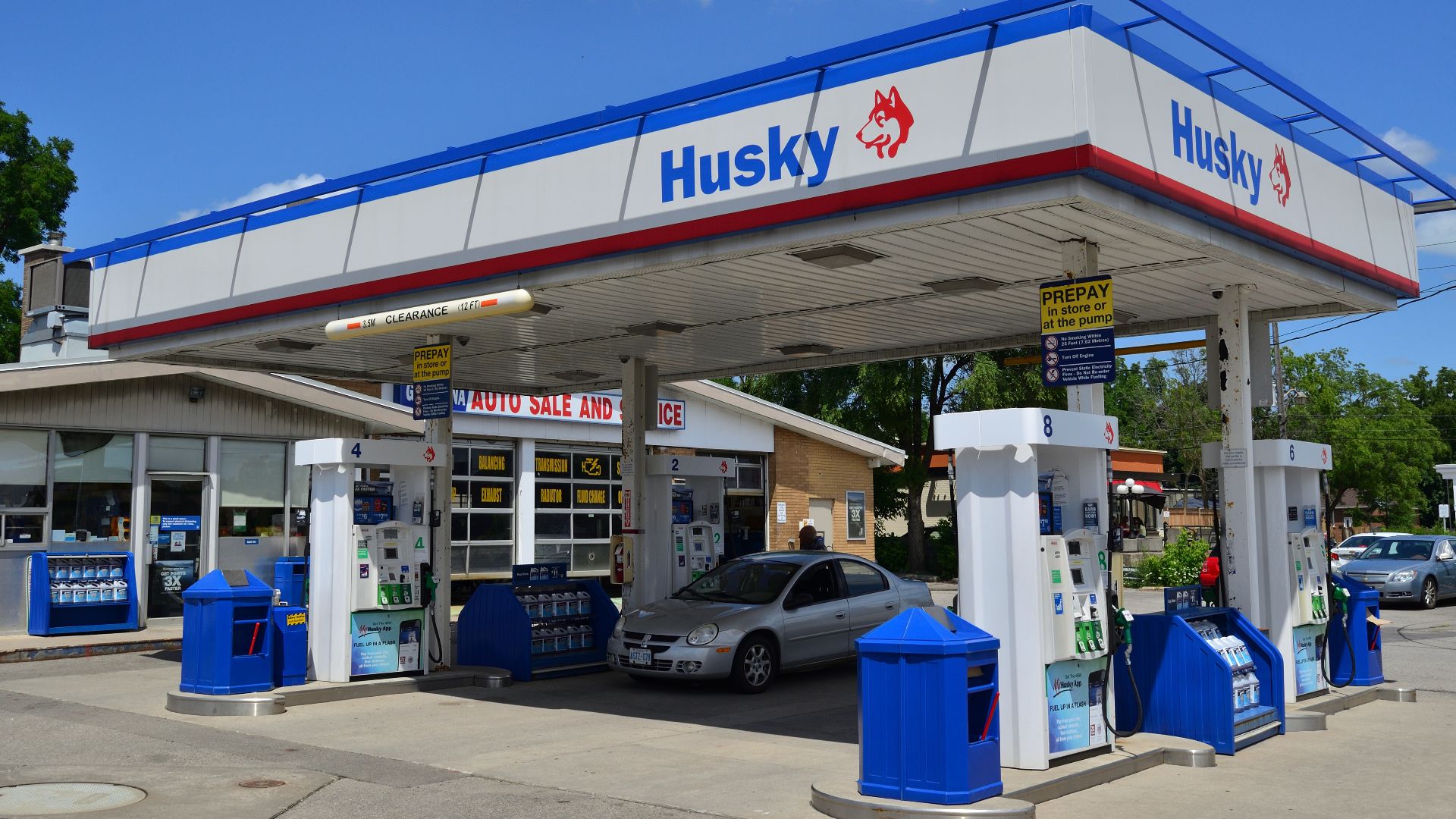
Husky
Canadian drivers may still recognize Husky, but the company once had a substantial American station business too. After buying Frontier's refining and marketing operations, Husky had more than 1,200 U.S. outlets at one point. The company eventually sold its American service-station assets in 1984.
 Raysonho @ Open Grid Scheduler / Scalable Grid Engine, Wikimedia Commons
Leonard
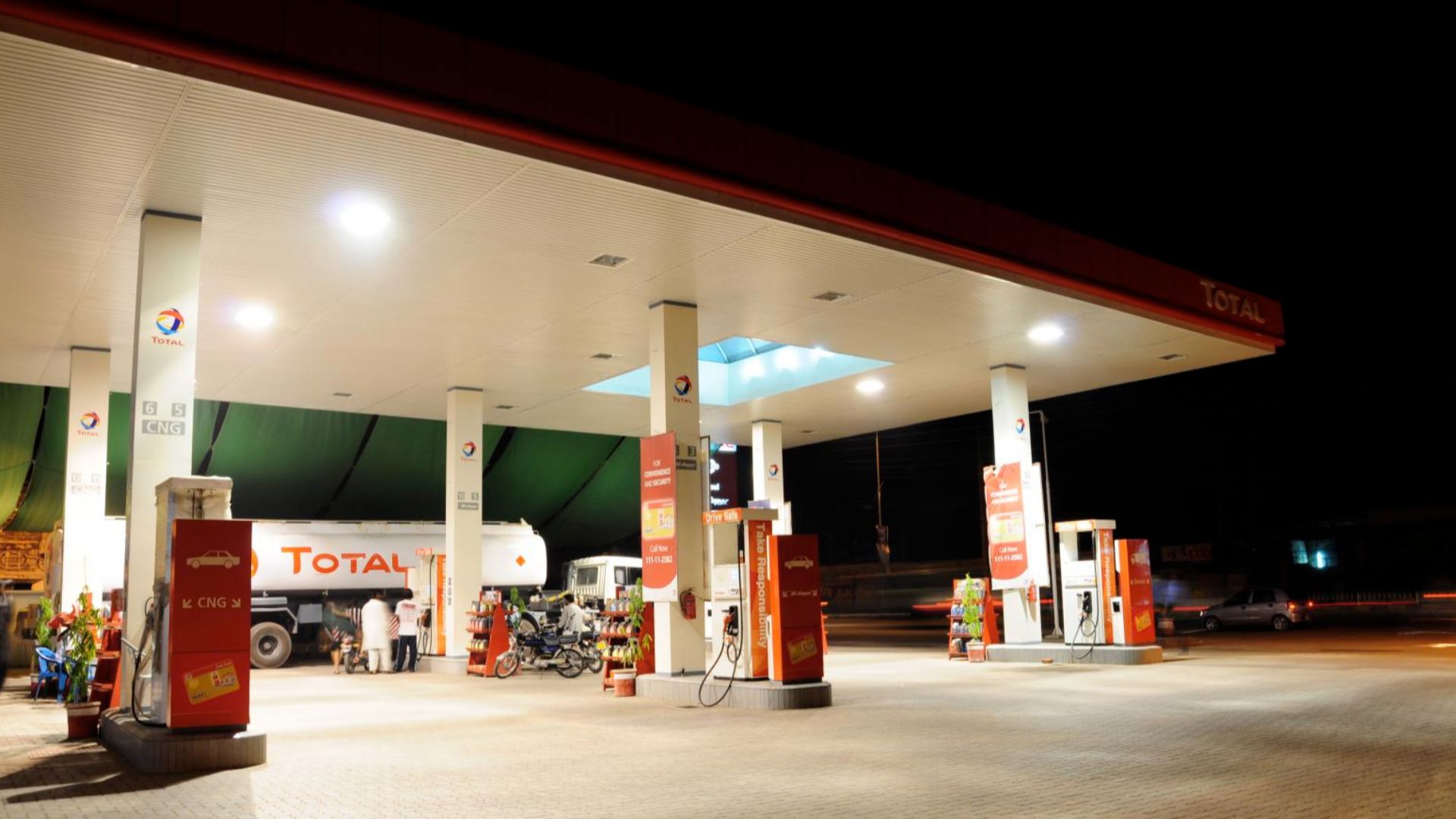
This one disappeared early enough that even plenty of Boomers may have forgotten it. Leonard was a major Michigan gasoline name before merging into Total in 1970. By 1971, Total signs were already replacing Leonard branding at stations. A regional name drivers had known for decades disappeared remarkably quickly.
That's A Lot Of Forgotten Gas
A lot of these companies weren't tiny. Some had hundreds of stations, regional followings and signs drivers passed every single day. So...how many did you actually remember? And be honest—did you make it to five?
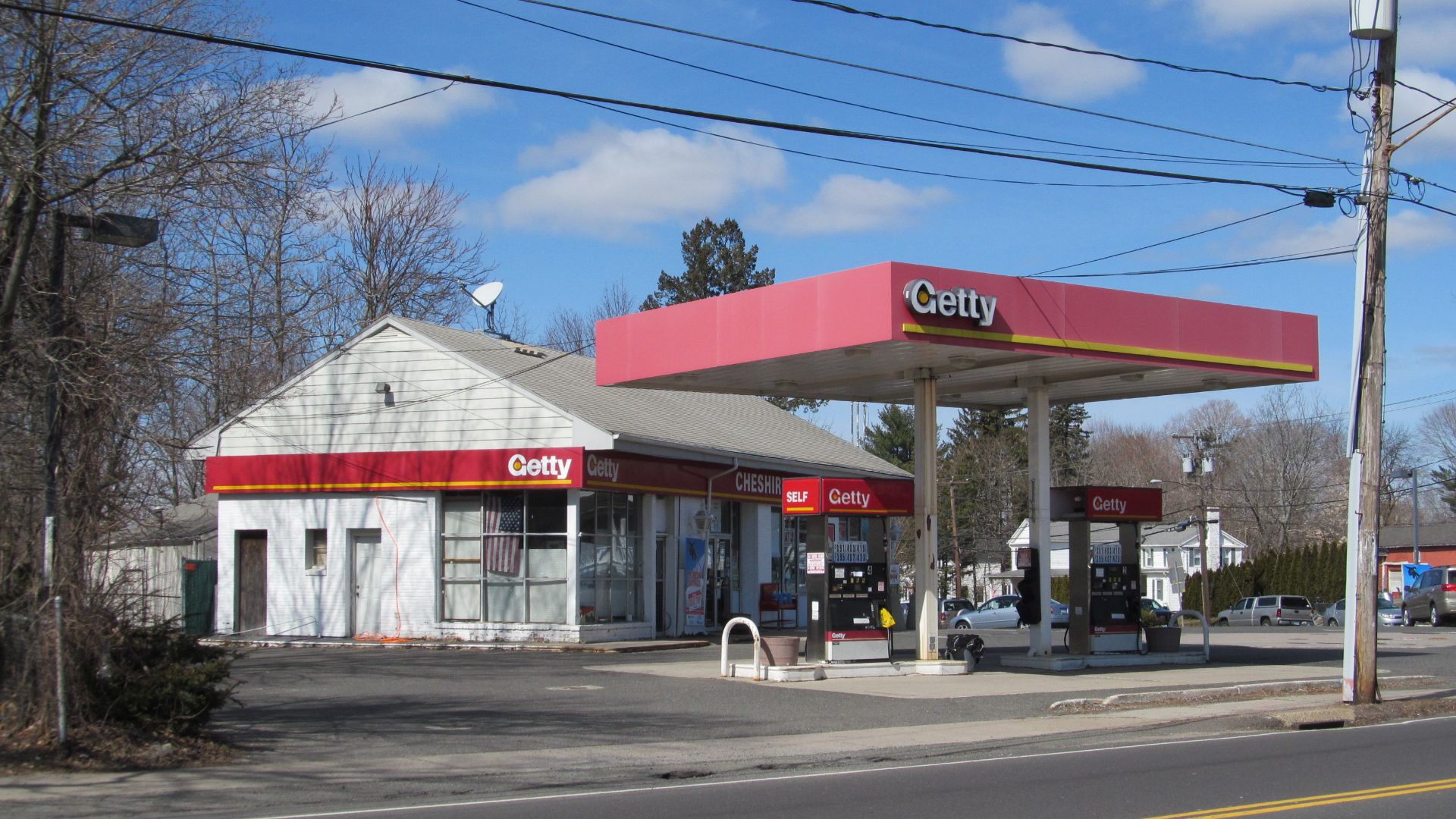 John Phelan, Wikimedia Commons
You Might Also Like:
Car Dealership “Rules” Buyers Still Believe, That Aren't Necessarily True