Same…But Quite Different
Driving in Canada looks and feels almost identical to the U.S. The roads look the same, the signs are familiar, and everything seems routine. But it isn’t all the same. In fact, some things Americans do without thinking twice (and usually without consequence) can come with real penalties north of the 49th parallel.

Turning Right on Red Isn’t Always Allowed
In most of the U.S., turning right on red is legal unless posted otherwise. In Canada, it depends where you are. Montreal bans it entirely, and other cities use signage to restrict it. Fines typically range from about $100–$200 depending on the province and situation.
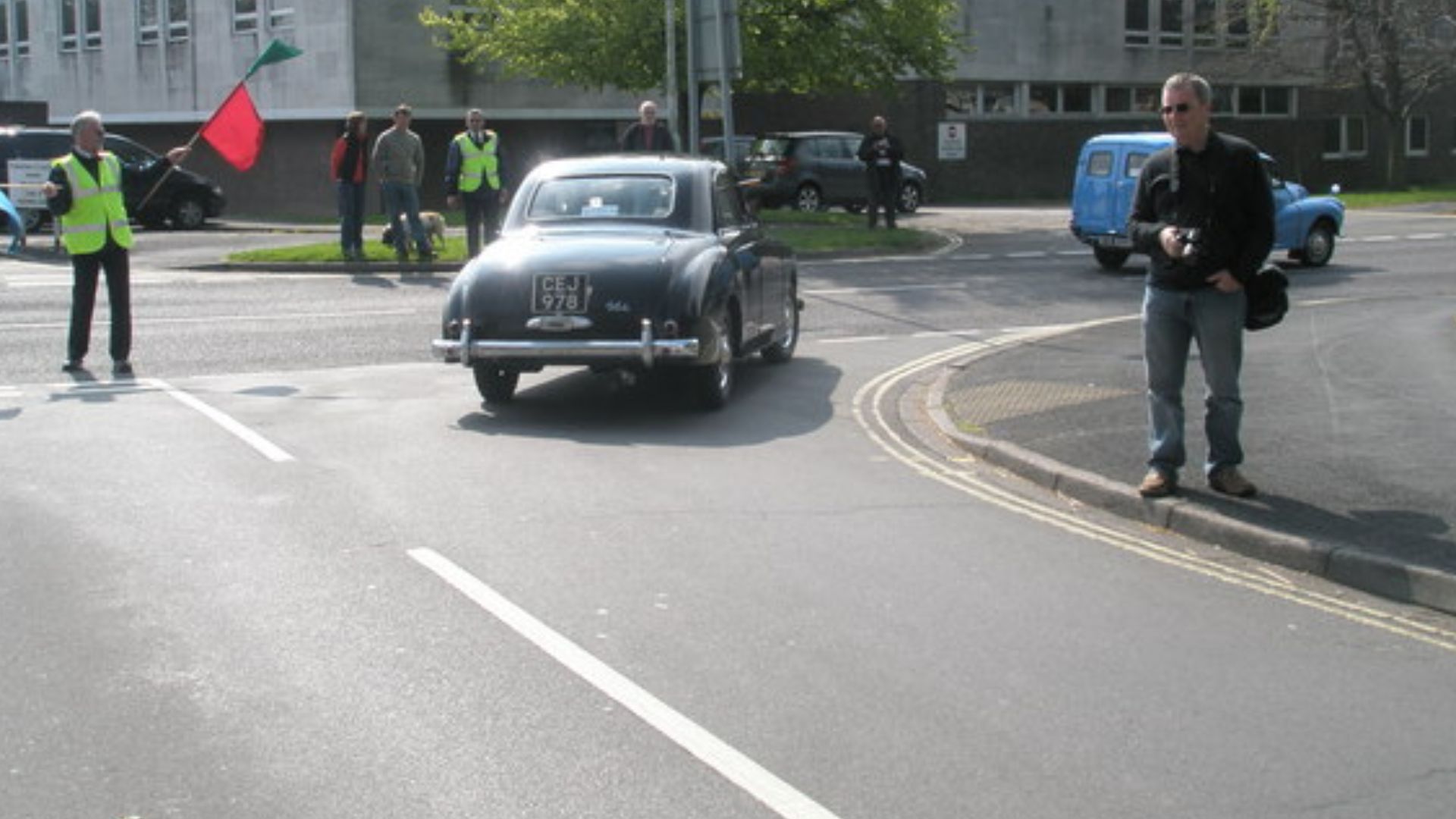 Basher Eyre, Wikimedia Commons
Using Your Phone While Stopped Can Still Be Illegal
In some U.S. states, phone use while fully stopped is treated differently or enforced less strictly. In Canada, that distinction usually doesn’t exist. In Ontario, a first distracted driving offense is about $615, plus 3 demerit points and long-term insurance impacts.

Simply Holding Your Phone Can Get You Ticketed
Some U.S. laws focus on texting or active use. In Canada, the rules are broader. Just holding your phone—even briefly—can trigger a ticket. Repeat offenses can lead to license suspensions of up to 30 days or more.

Radar Detectors Are Banned in Several Provinces
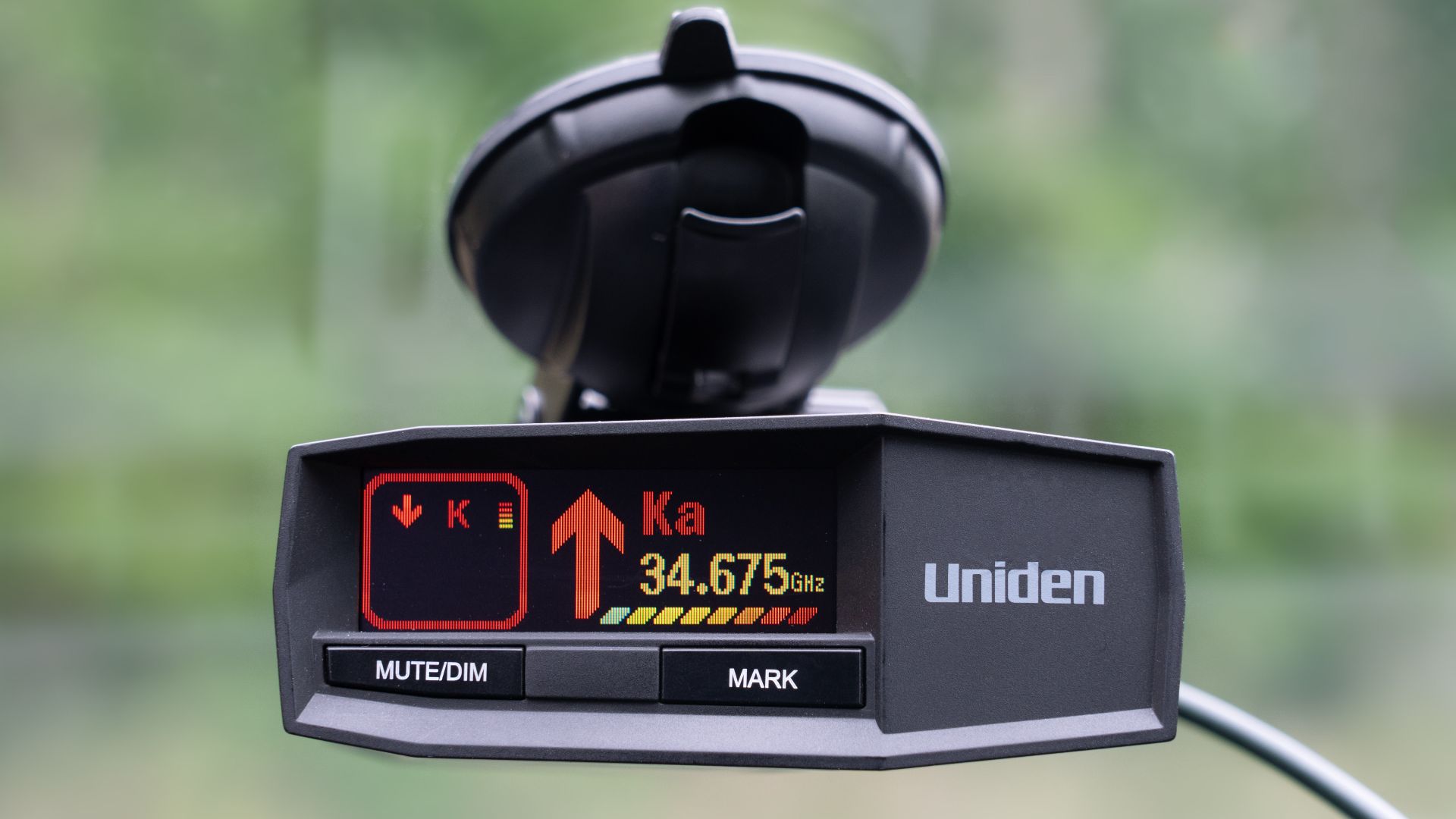
Radar detectors are legal in most U.S. states. In Canada, provinces like Ontario, Quebec, and Manitoba ban them entirely. Devices can be seized immediately, with fines ranging from about $100 to over $1,000 depending on where you are stopped.
 Vortex Radar, Wikimedia Commons
Leaving Your Car Running Unattended Can Break Local Laws
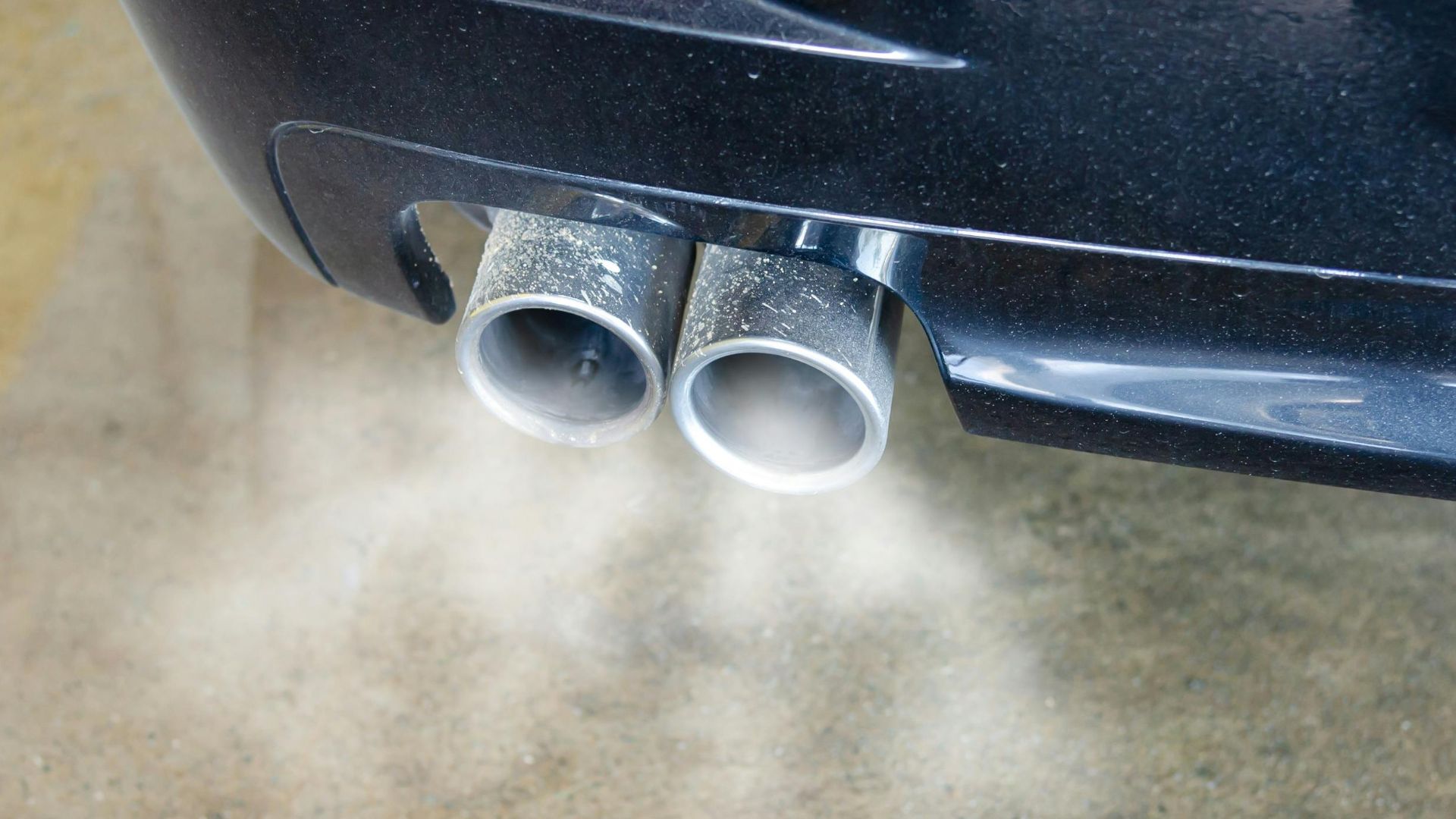
Many Canadian cities enforce anti-idling bylaws. For example, Toronto limits unnecessary idling to roughly 1–3 minutes, with fines starting around $125. Leaving a vehicle running unattended can also violate separate traffic rules in certain situations.
Passing on the Right Has Tighter Limits
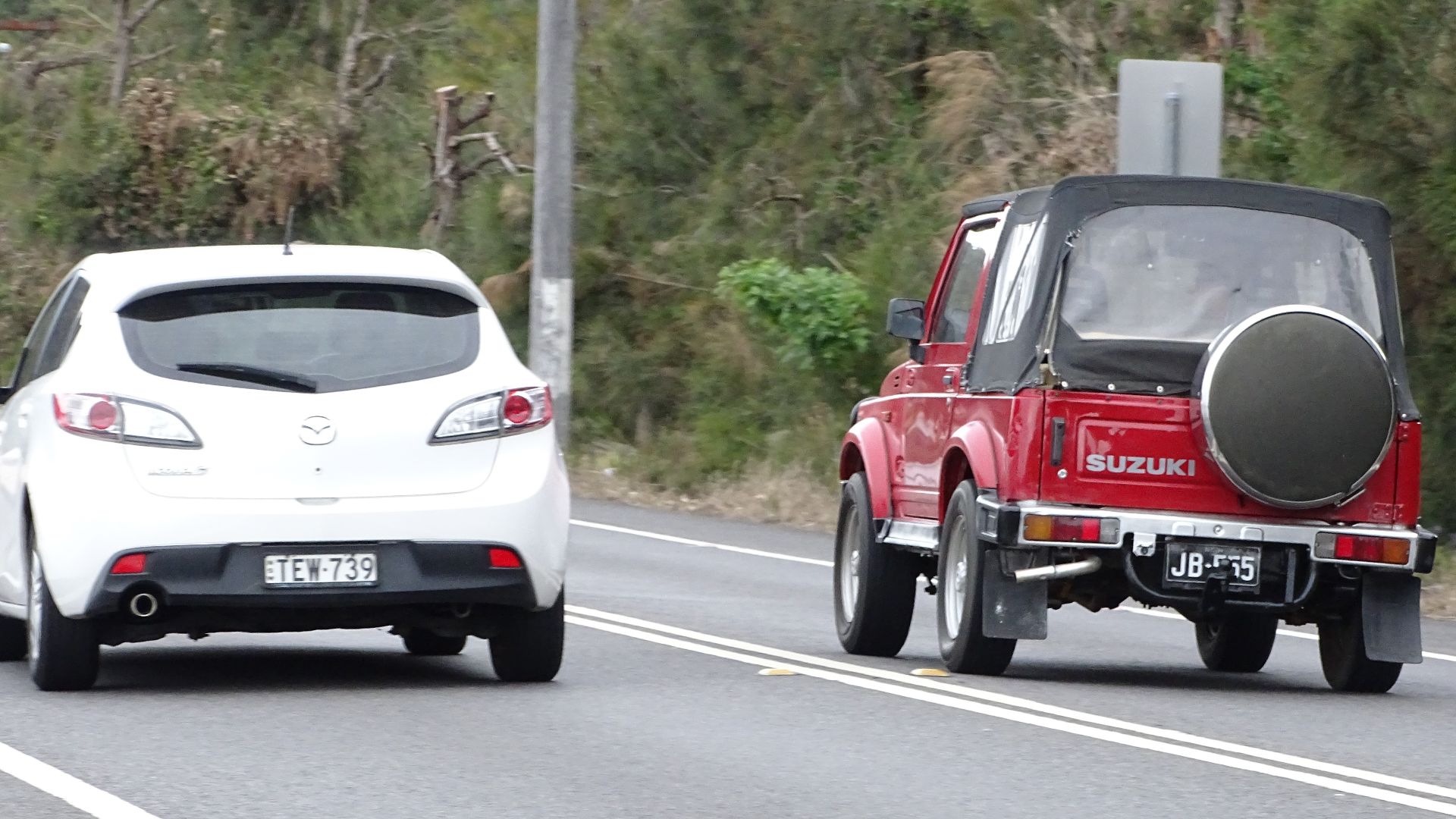
Passing on the right is allowed in both countries, but more restricted in Canada. It’s typically only legal when a vehicle is turning left or on multi-lane roads. Improper passing can result in fines and added demerit points.
Flashing Headlights Isn’t Always Harmless
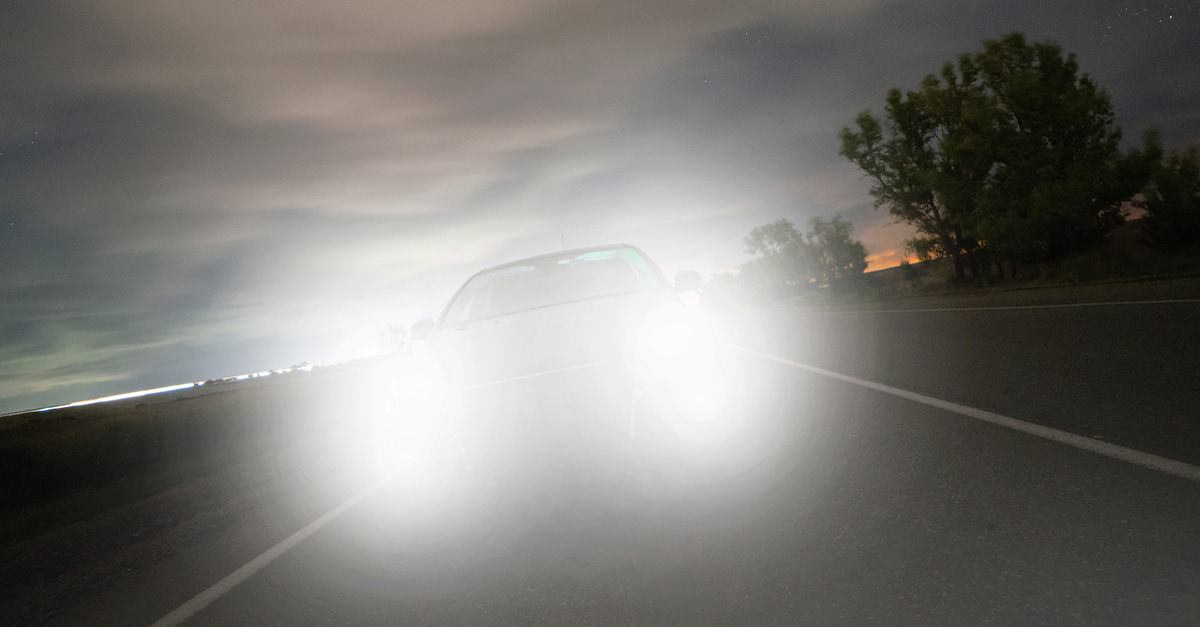
In parts of the U.S., flashing headlights has even been protected as free speech in certain cases. In Canada, it can be interpreted as interfering with law enforcement. While not always enforced, drivers have been ticketed under broader obstruction laws.
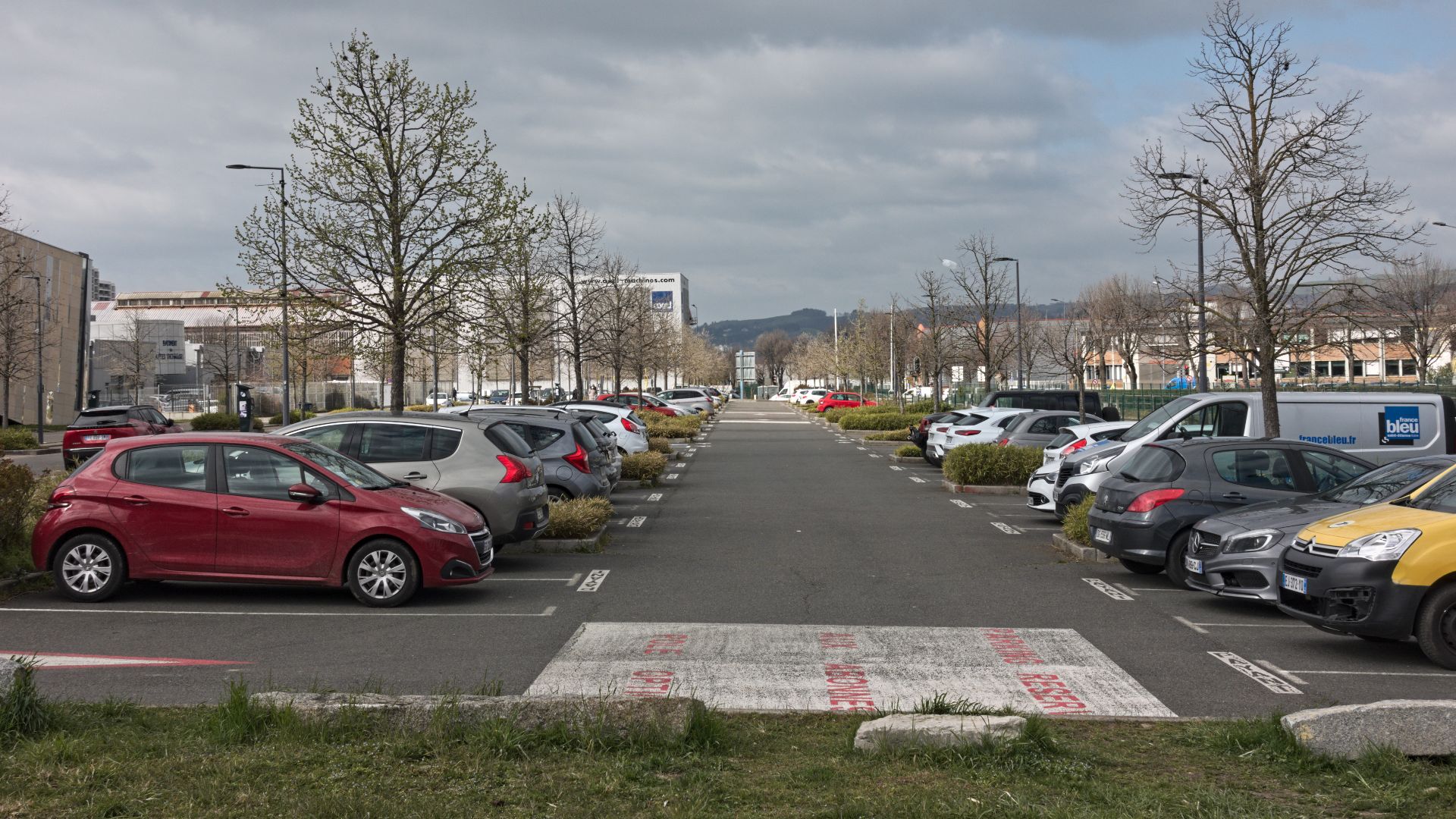
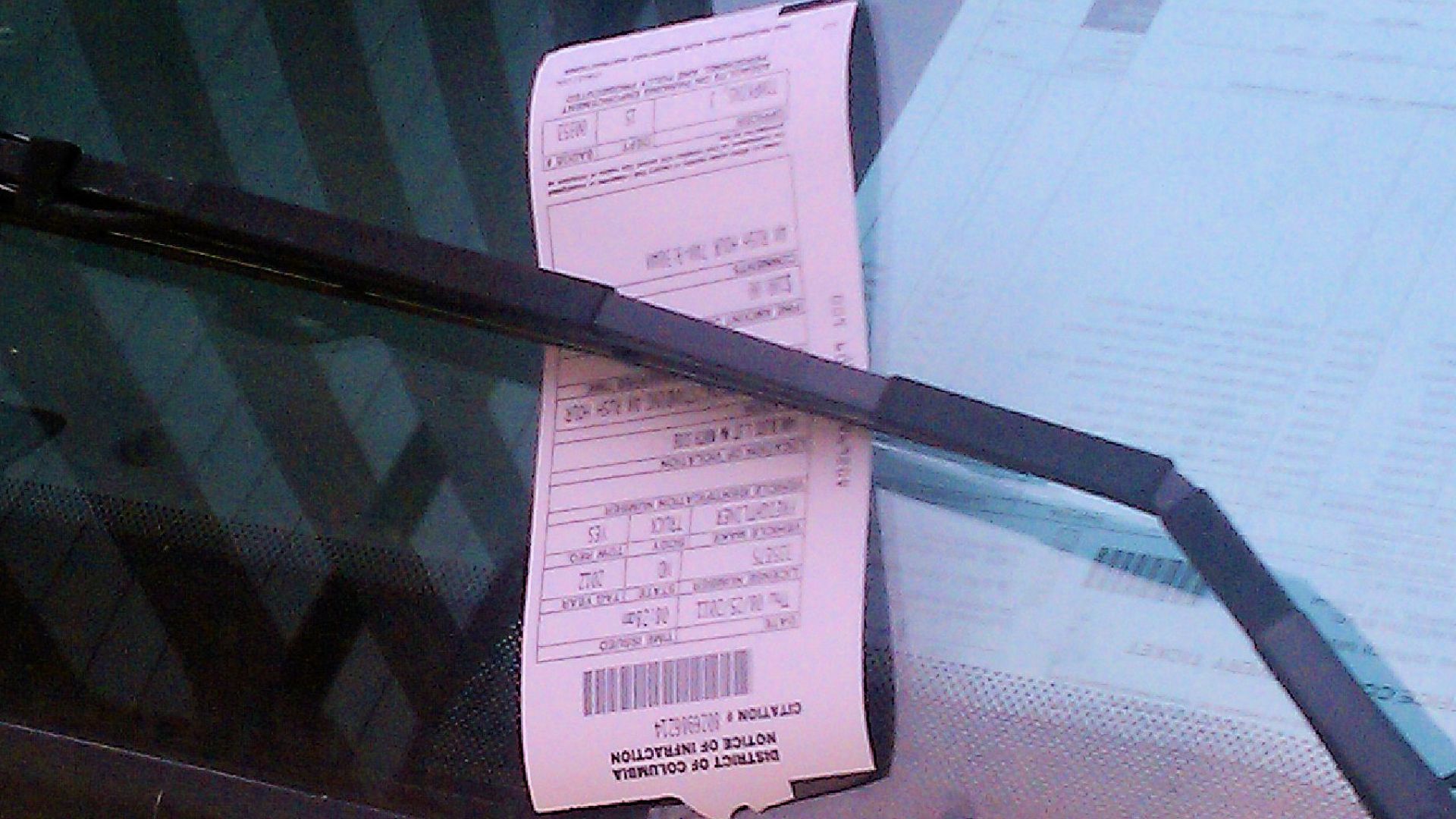
Parking Facing the Wrong Direction Can Get You Ticketed
In many Canadian municipalities, vehicles must be parked in the direction of traffic flow. Fines are often around $30–$60, making it a small but very common ticket for unfamiliar or visiting drivers.
 Touam (Herve Agnoux), Wikimedia Commons
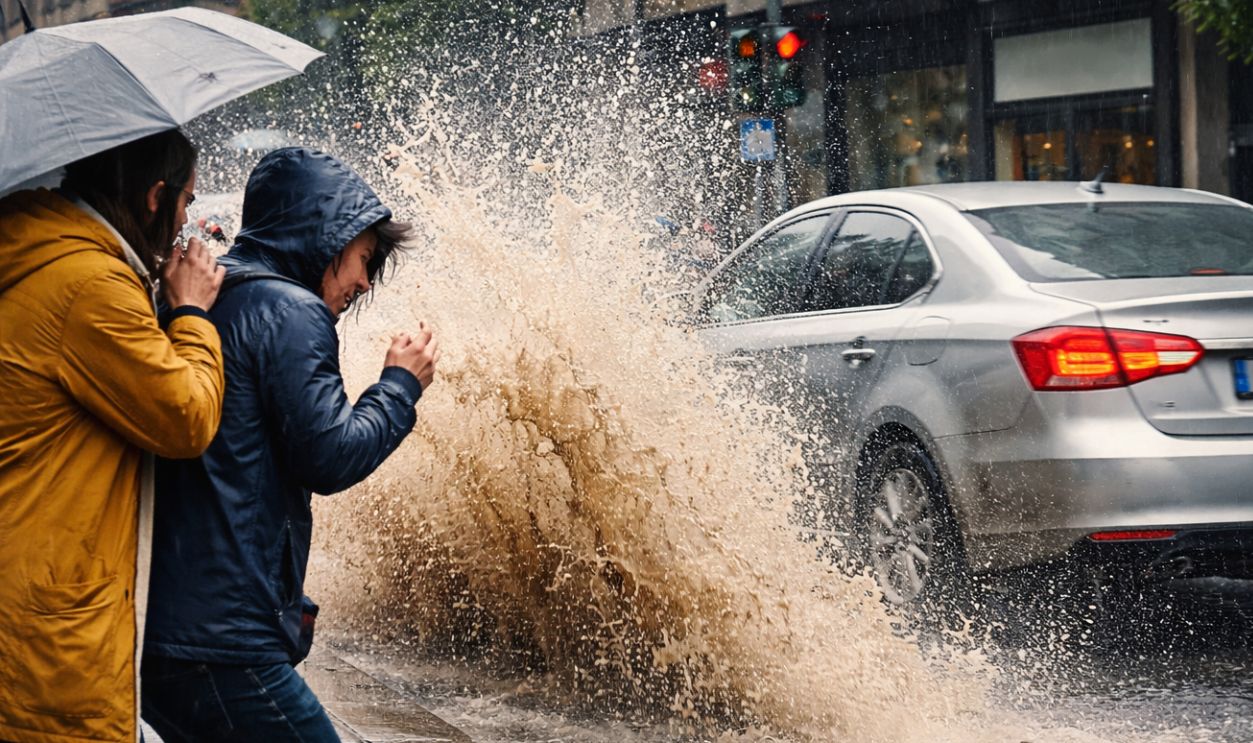
Splashing Pedestrians Can Be a Ticketable Offense
In Canada, splashing pedestrians can fall under careless driving laws. Fines can exceed $400, and in more serious cases, drivers can receive demerit points or even face court proceedings depending on the situation.
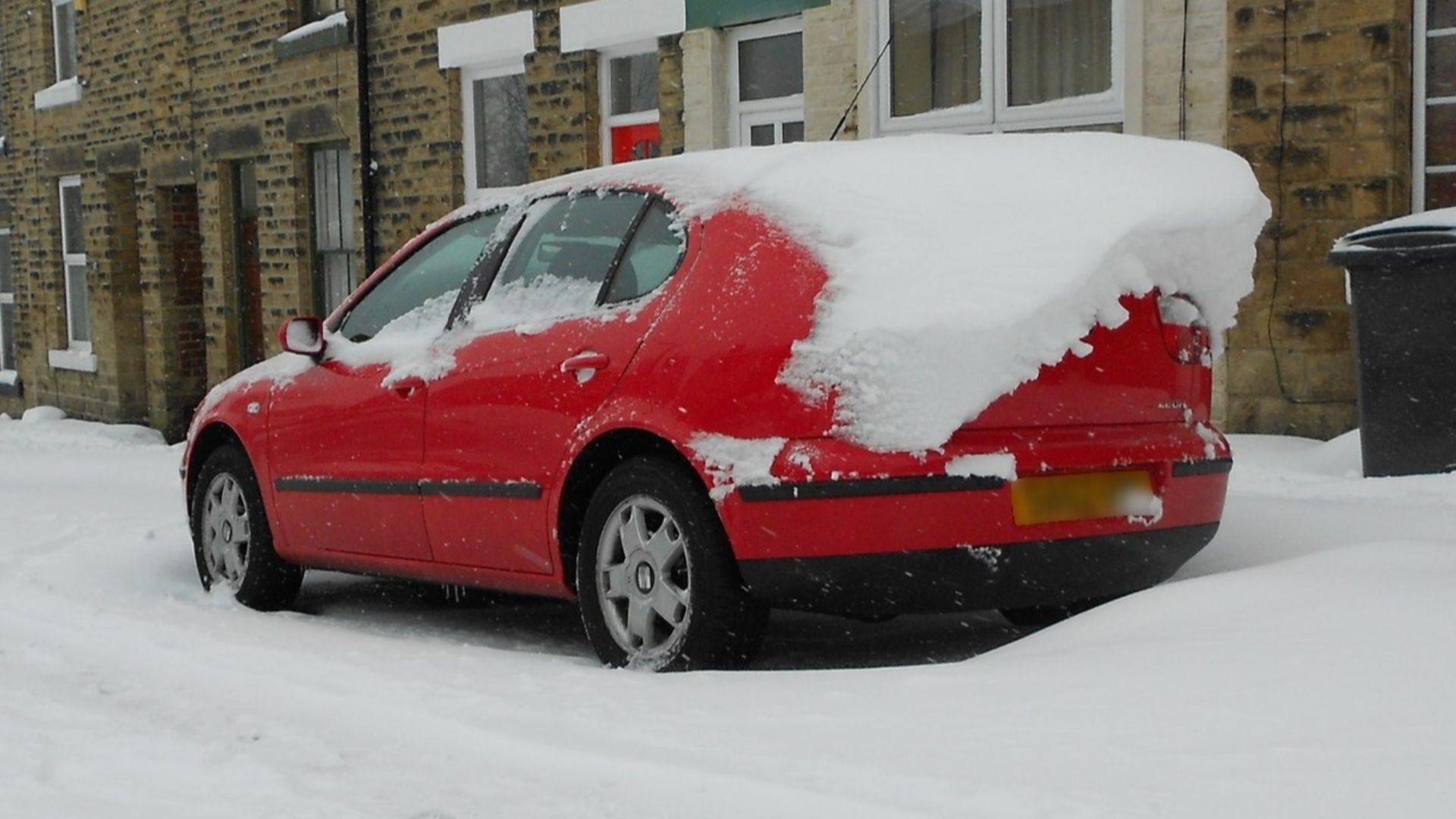
Snow and Ice Must Be Fully Cleared From Your Vehicle
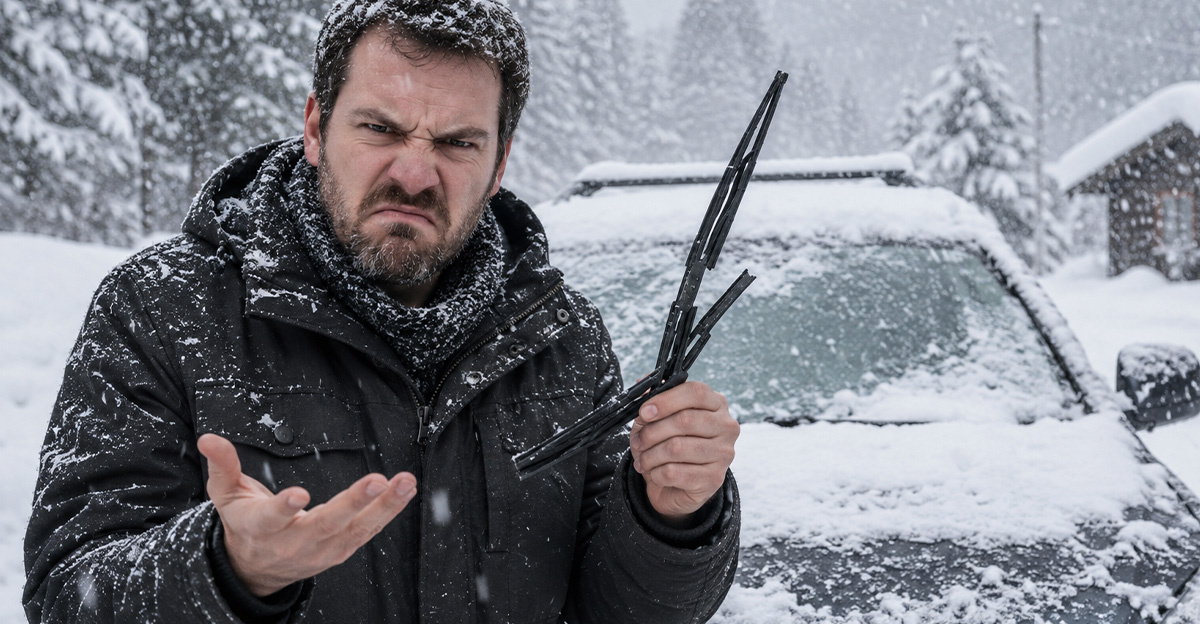
Several provinces enforce laws requiring drivers to remove snow and ice from their entire vehicle. Fines are typically $100–$200, but if debris causes damage or injury, penalties can increase significantly beyond that.
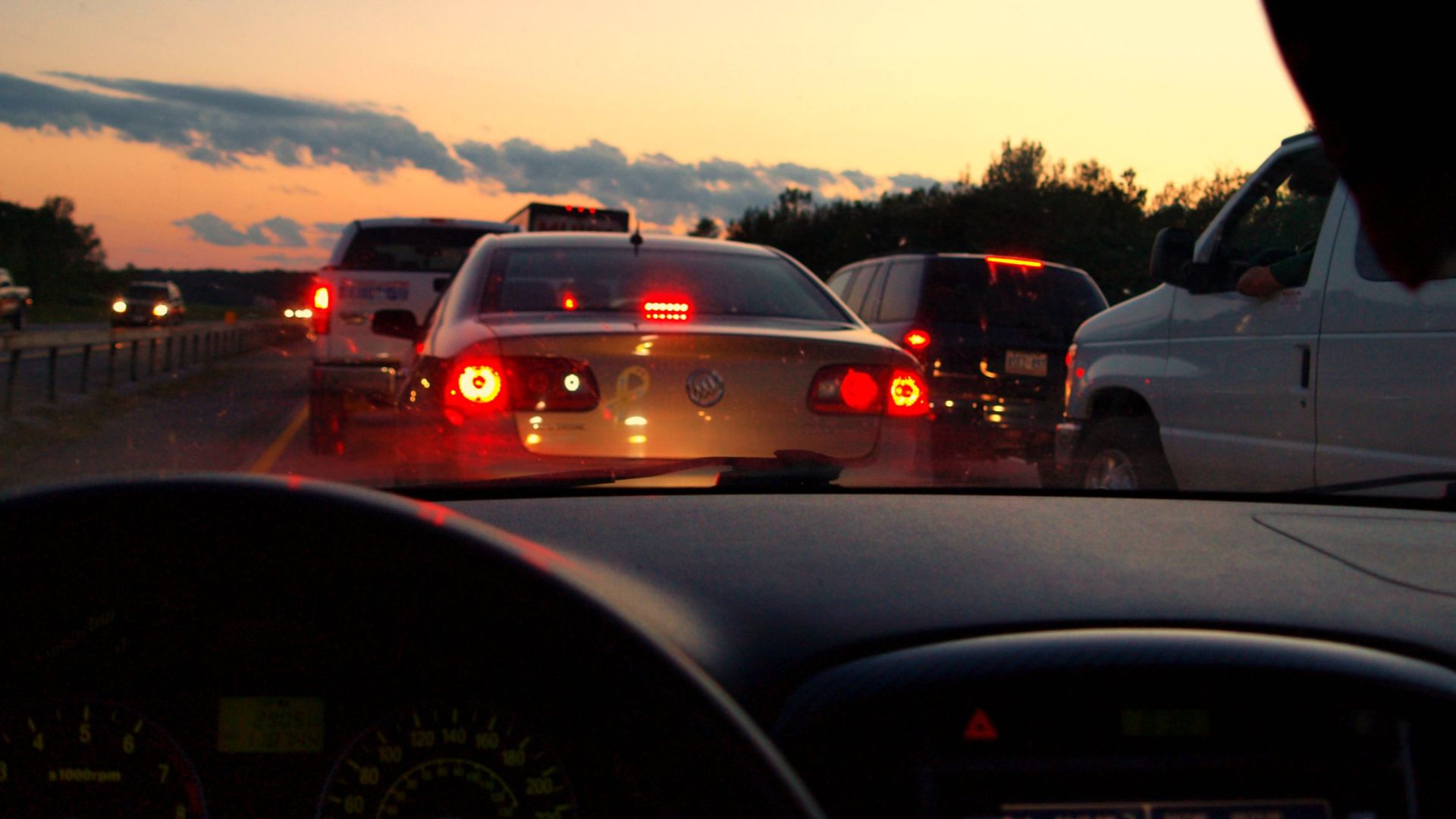
Driving Too Slowly Can Still Get You Pulled Over
Impeding traffic is a ticketable offense. Drivers traveling significantly below the speed limit without cause can face fines around $85–$150, especially on highways where maintaining consistent traffic flow is critical.
 Michael from Calgary, AB, Canada, Wikimedia Commons
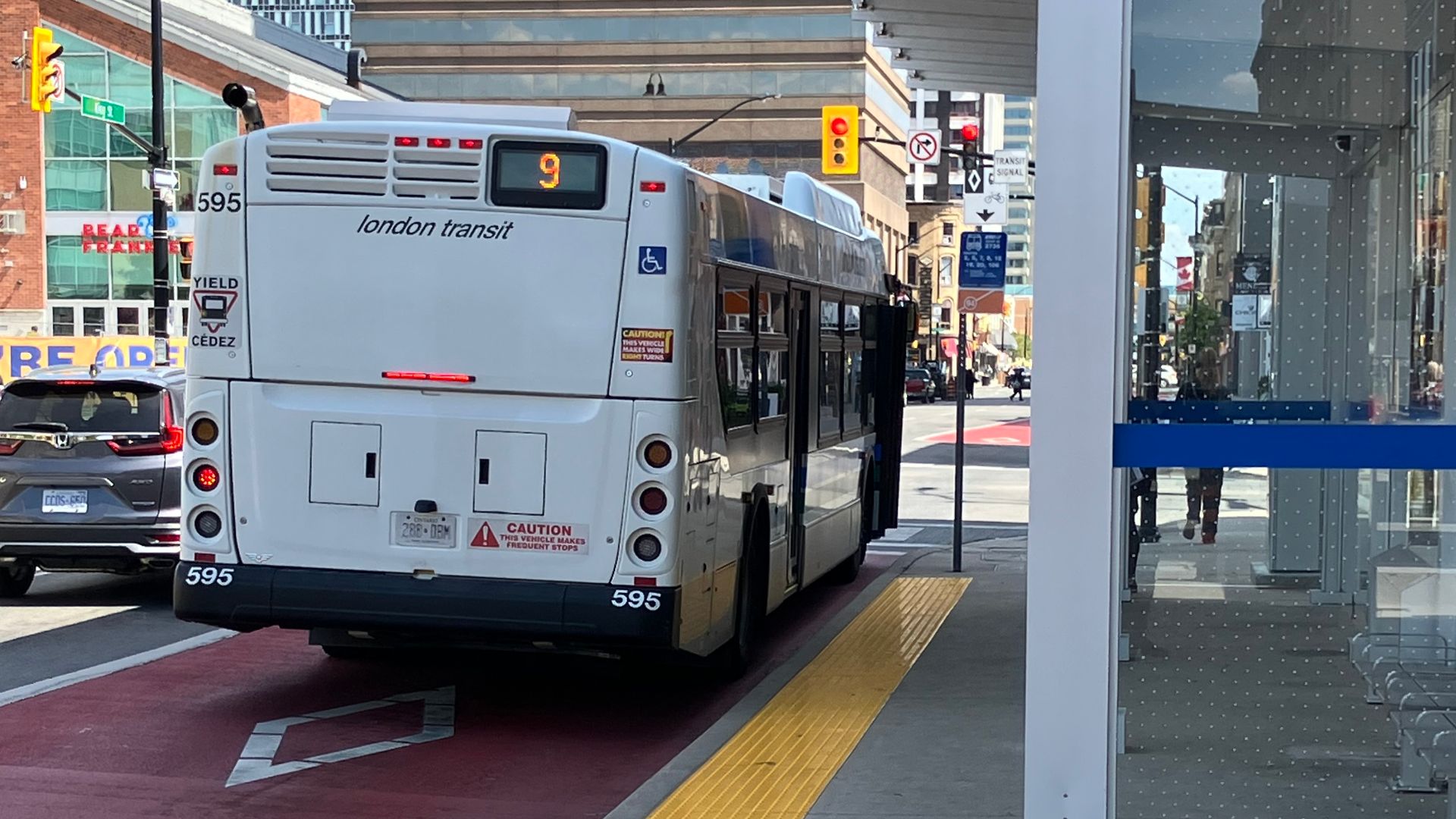
You Must Yield to Buses Re-Entering Traffic
Under laws like Ontario’s Highway Traffic Act, drivers must yield when a bus signals to leave a stop. Failing to do so can result in fines around $85–$150 and possible demerit points on your record.
Move Over Laws Are More Consistently Applied
Drivers must slow down and move over for emergency vehicles, tow trucks, and roadside workers. In Ontario, fines range from $400 to $2,000, plus 3 demerit points and possible license suspension for repeat violations.

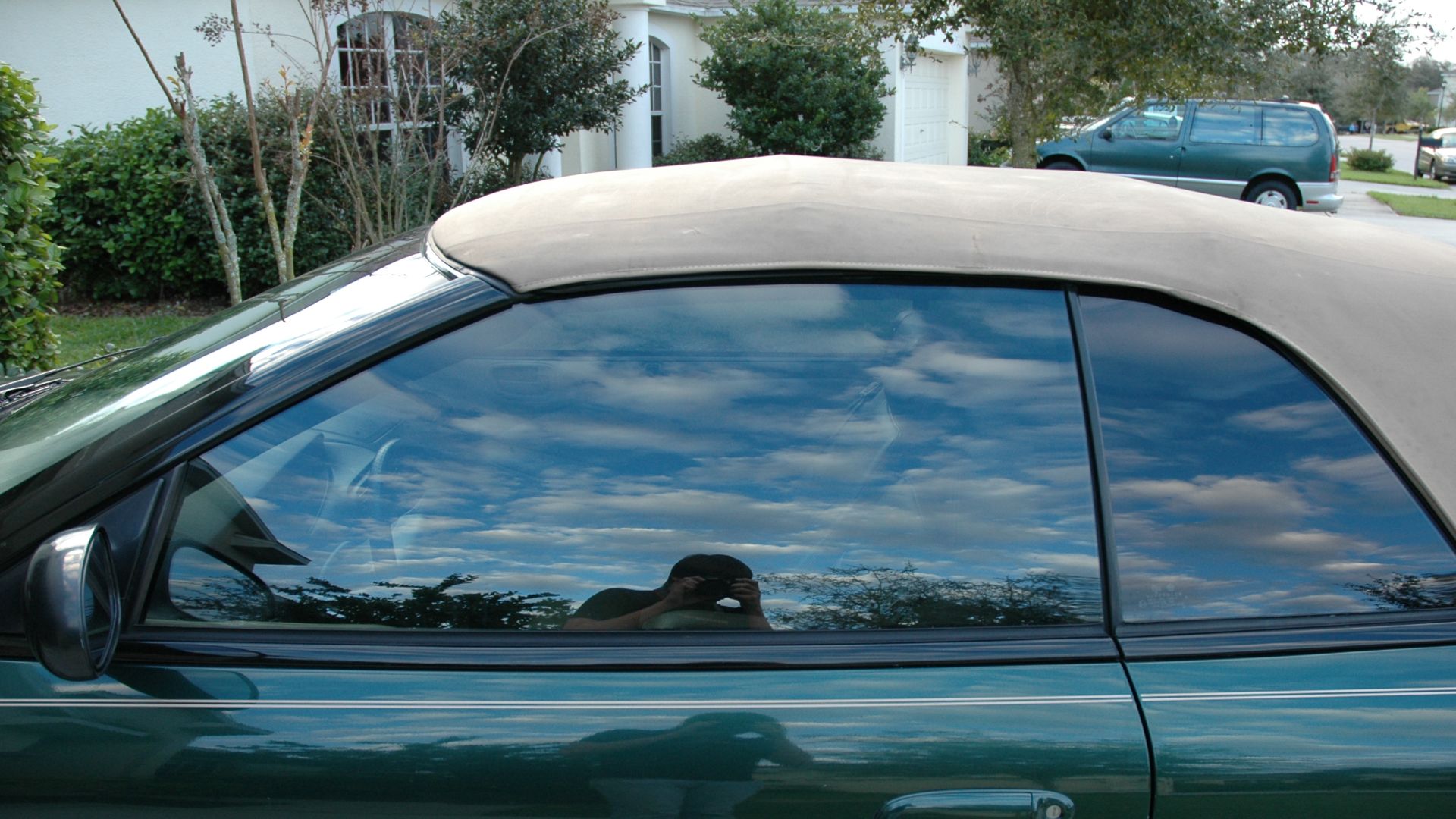
Window Tint Rules Can Be Stricter
Front side window tint laws in Canada often require about 70% light transmission. If your tint is too dark, you can be ticketed and ordered to remove it—even if it’s fully legal in your home state.
 The original uploader was Steevven1 at English Wikipedia., Wikimedia Commons
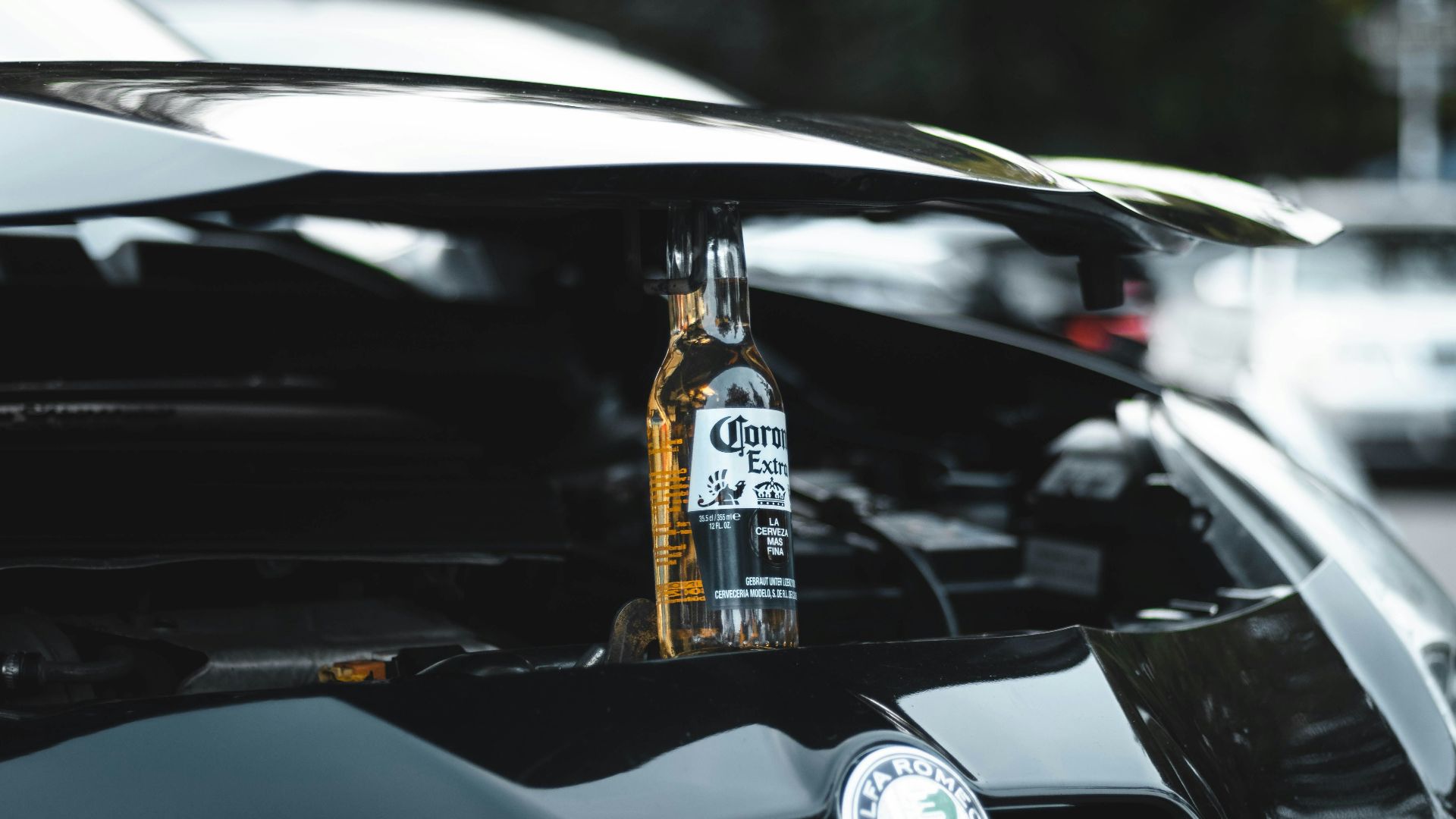
Open Alcohol Rules Leave Less Room for Error
Open alcohol must be sealed and stored out of reach—typically in the trunk. Violations can result in fines starting around $200 and may escalate further if combined with other driving-related offenses.
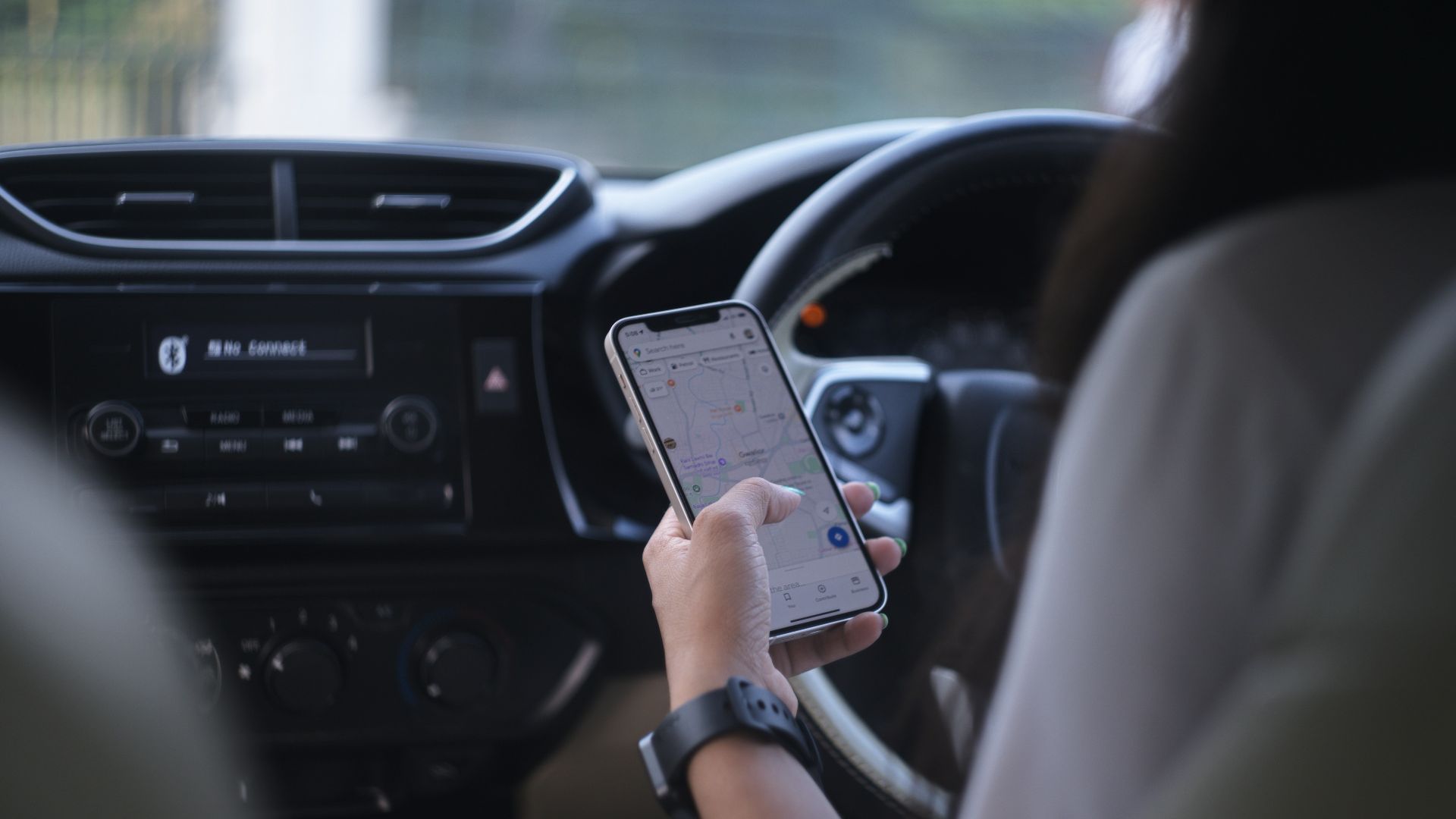
Distracted Driving Laws Are Broader
Canadian distracted driving laws include texting, calling, and interacting with apps or devices. Penalties increase with repeat offenses and can lead to license suspensions up to 90 days depending on the province.
Fines Can Be Higher Than Expected
Many Canadian traffic violations come with both fines and demerit points. Insurance premiums can increase significantly after just one major offense, especially for distracted driving or unsafe driving behavior.
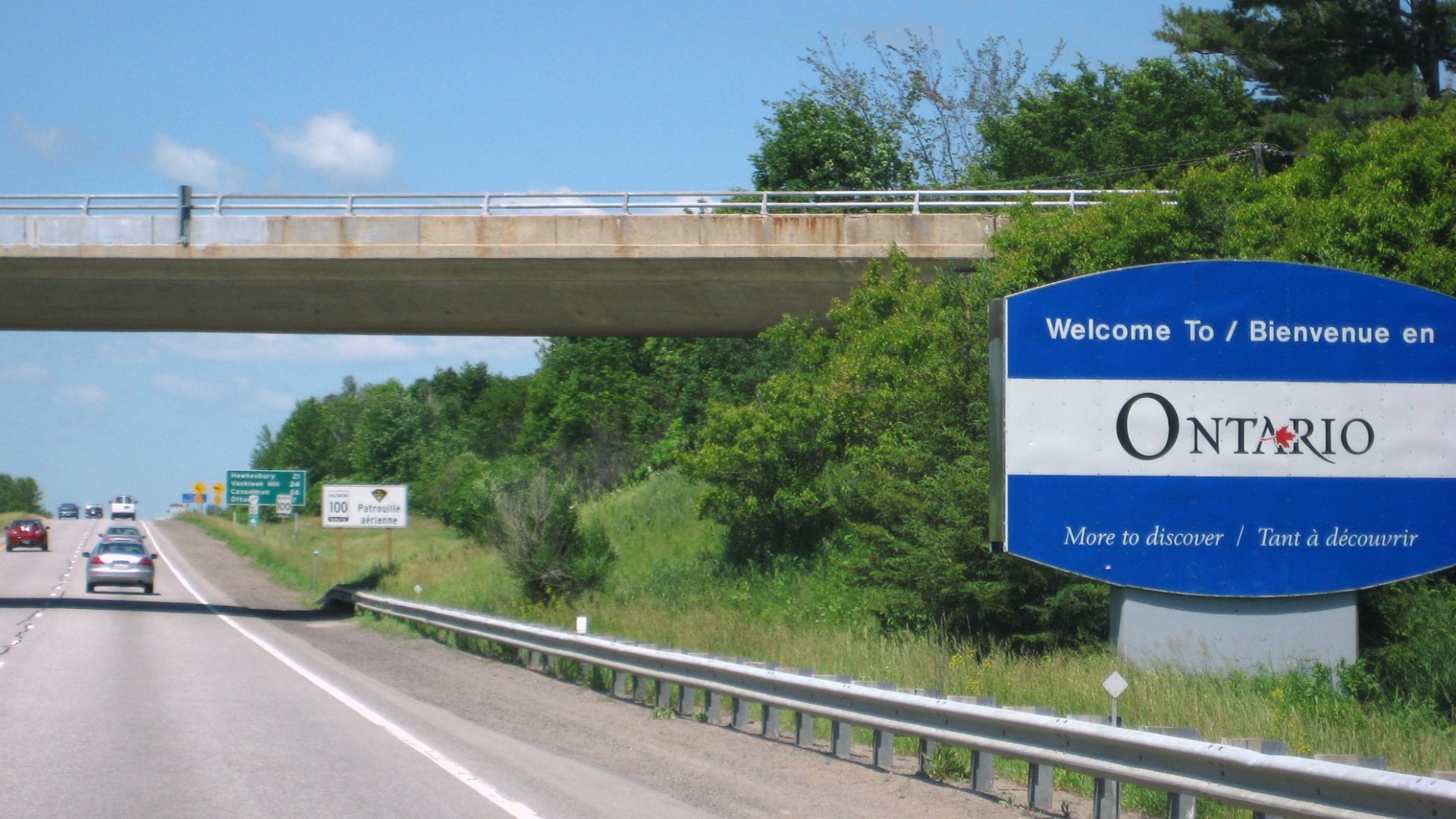
Familiar Roads, Different Rules
Driving in Canada feels familiar—but the legal expectations can be different in important ways. A habit that’s perfectly legal in parts of the U.S. can quickly turn into a fine once you cross the border.
You Might Also Like: