Same Car, Very Different Rulebook
The rental car has four wheels, an automatic transmission and a cupholder roughly the size of a thimble. How different could driving it really be? Very different.
Some completely ordinary American driving habits are prohibited across large parts of Europe, and “but everyone does that back home” is not much of a defense.

Europe Is Not One Giant Country
Europe does not have one traffic code. Some of these rules are widespread across the continent, while others apply in a handful of countries or one especially strict jurisdiction. Every habit here, however, is clearly prohibited somewhere an American tourist might realistically drive.
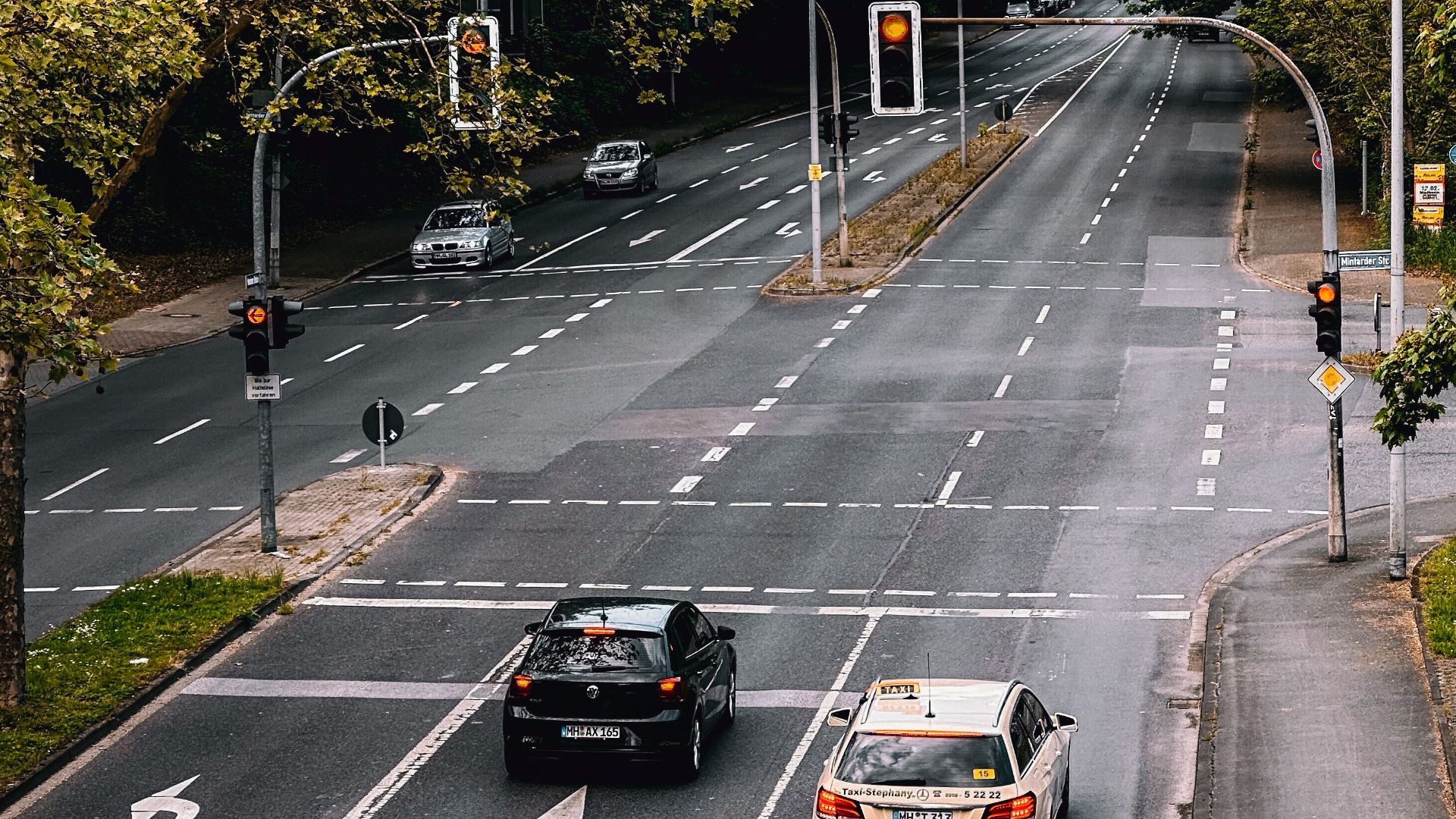
Turn Right On Red Without A Special Signal
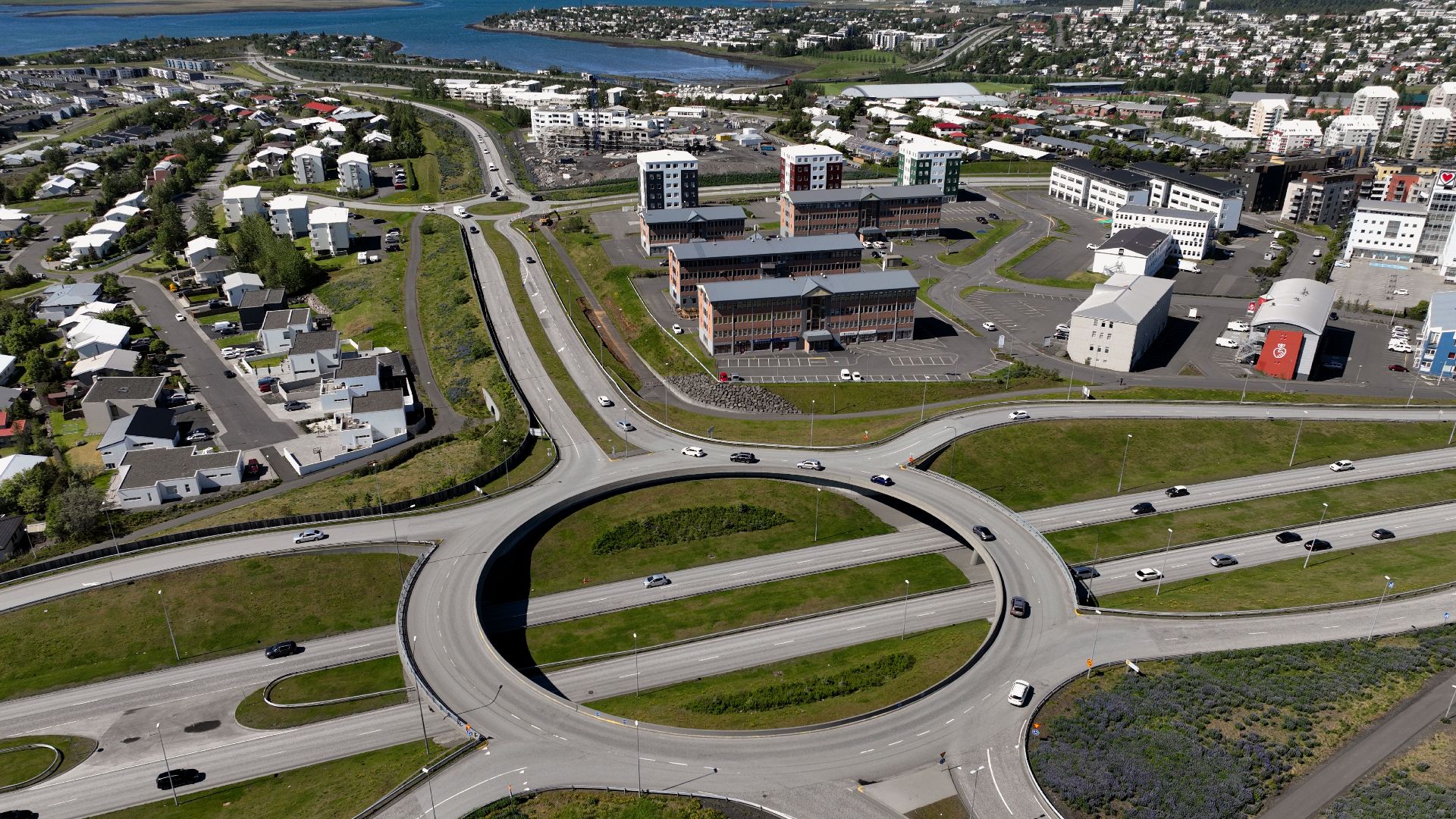
The American-style right turn on red is not the default across Europe. In Germany, red means stop unless a green-arrow sign or separate signal specifically permits the turn. Poland uses a similar green-arrow exception—but drivers still have to stop first. No arrow means no turn, even when the road looks completely empty.
Wear Earbuds While Driving
Plenty of Americans use one earbud for directions, calls or music. That can cause trouble in more than one European country. France prohibits drivers from wearing earpieces or headphones, and Spain also bans driving with headphones connected to sound devices. The rental car’s confusing Bluetooth system suddenly looks much more appealing.

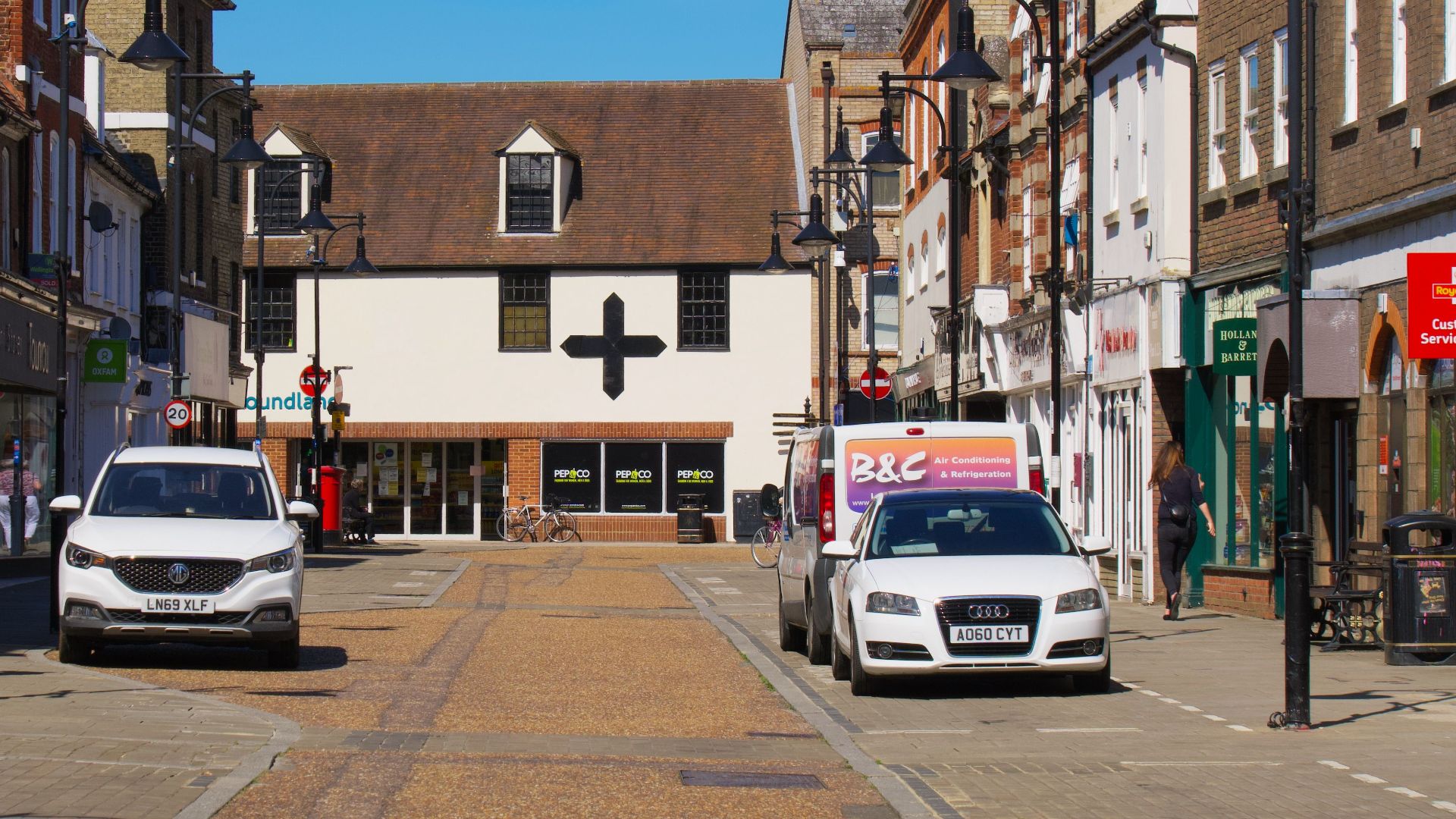
Leave The Engine Running While Waiting
Sitting outside a hotel with the engine running and the air conditioning blasting is still completely ordinary in America. Britain prohibits unnecessary idling while stationary on a public road, and Germany also bans leaving an engine running unnecessarily. This is not merely one environmentally enthusiastic city making up its own rule.
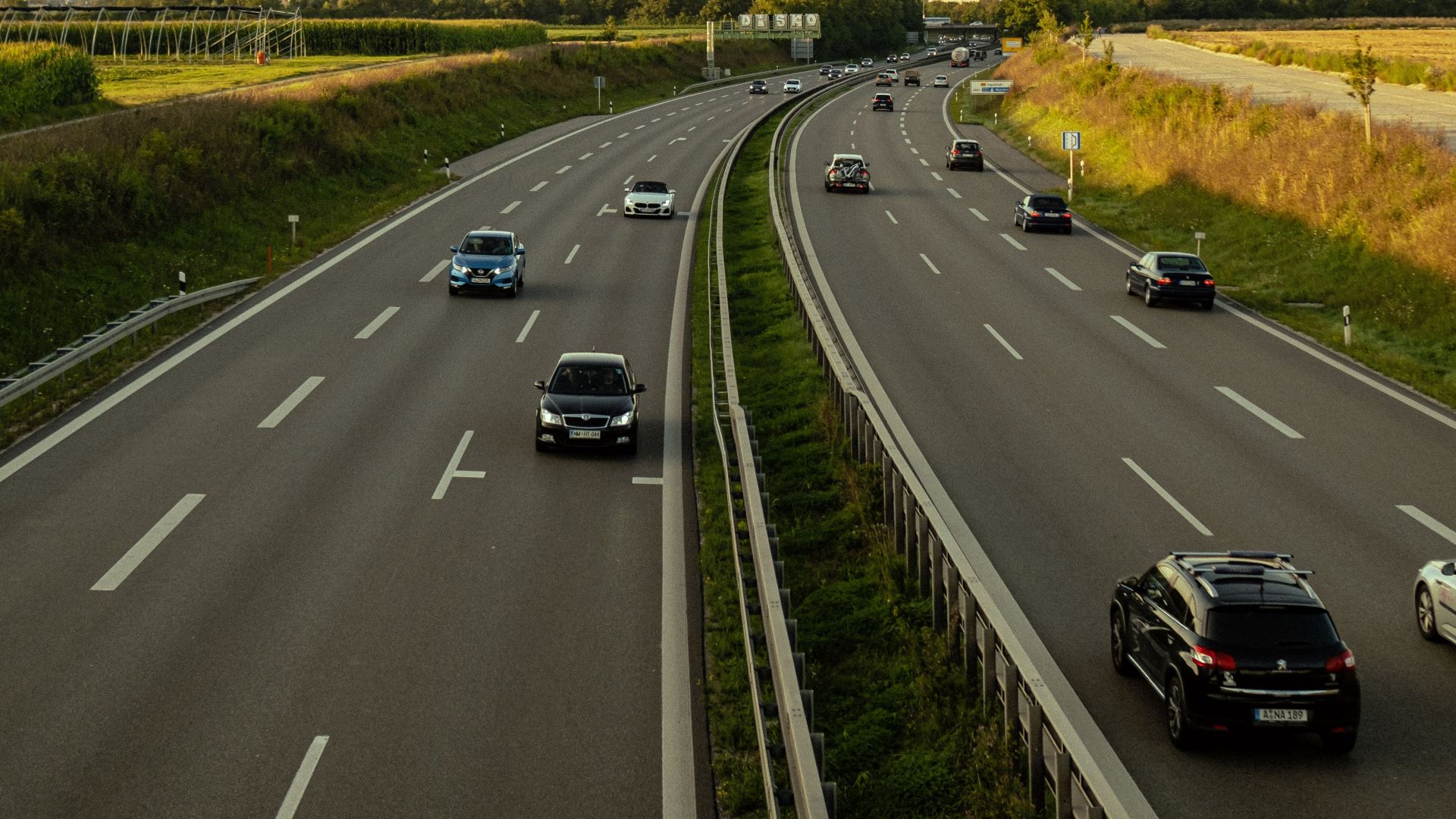
Pass A Slower Car On The Right
American drivers frequently slide past a slower vehicle using whichever lane happens to be moving. In Germany, drivers generally overtake on the left, and passing on the right is prohibited outside limited situations involving slow or congested traffic. The open lane is not automatically the legal lane.
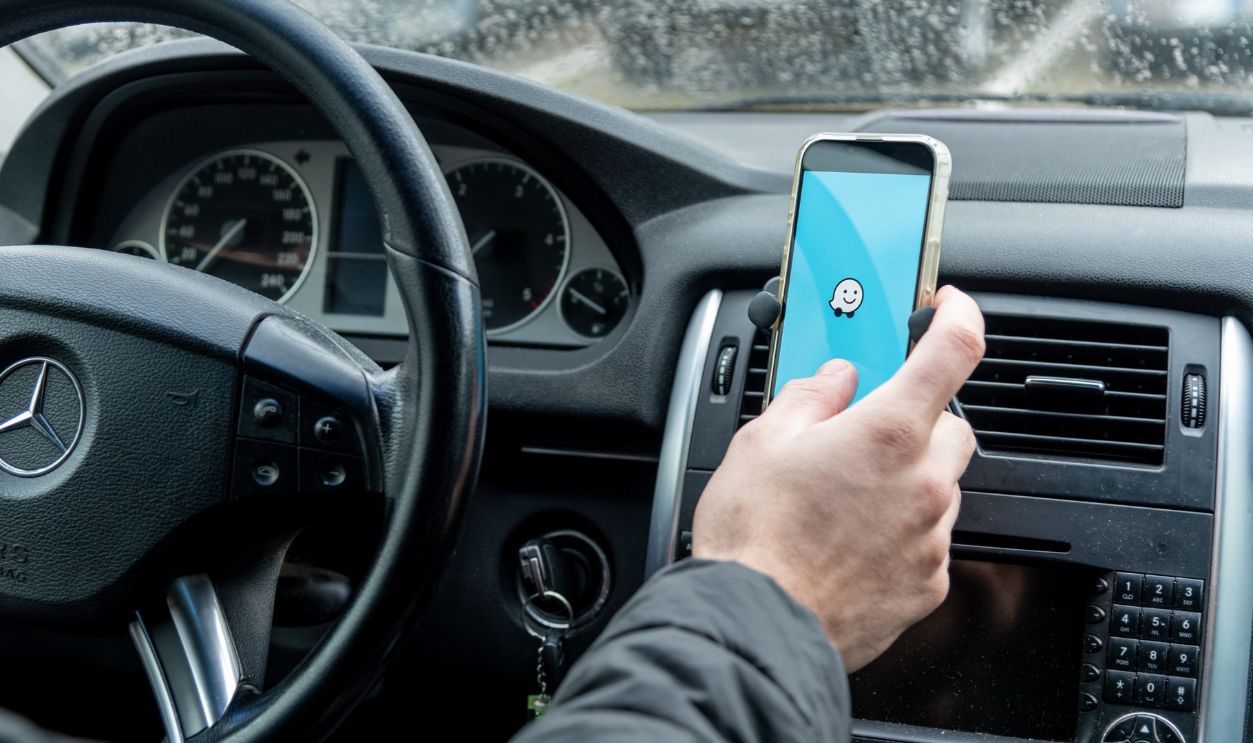
Use A Speed-Camera Warning App
Those helpful little navigation alerts are not legal everywhere in Europe. Germany prohibits drivers from using automated warnings for speed-enforcement locations, while Switzerland bans radar detectors and driver-alert systems designed to warn motorists about speed traps. Switzerland may even confiscate the device, which makes missing an exit seem like the cheaper mistake.
Sit Normally When Highway Traffic Stops
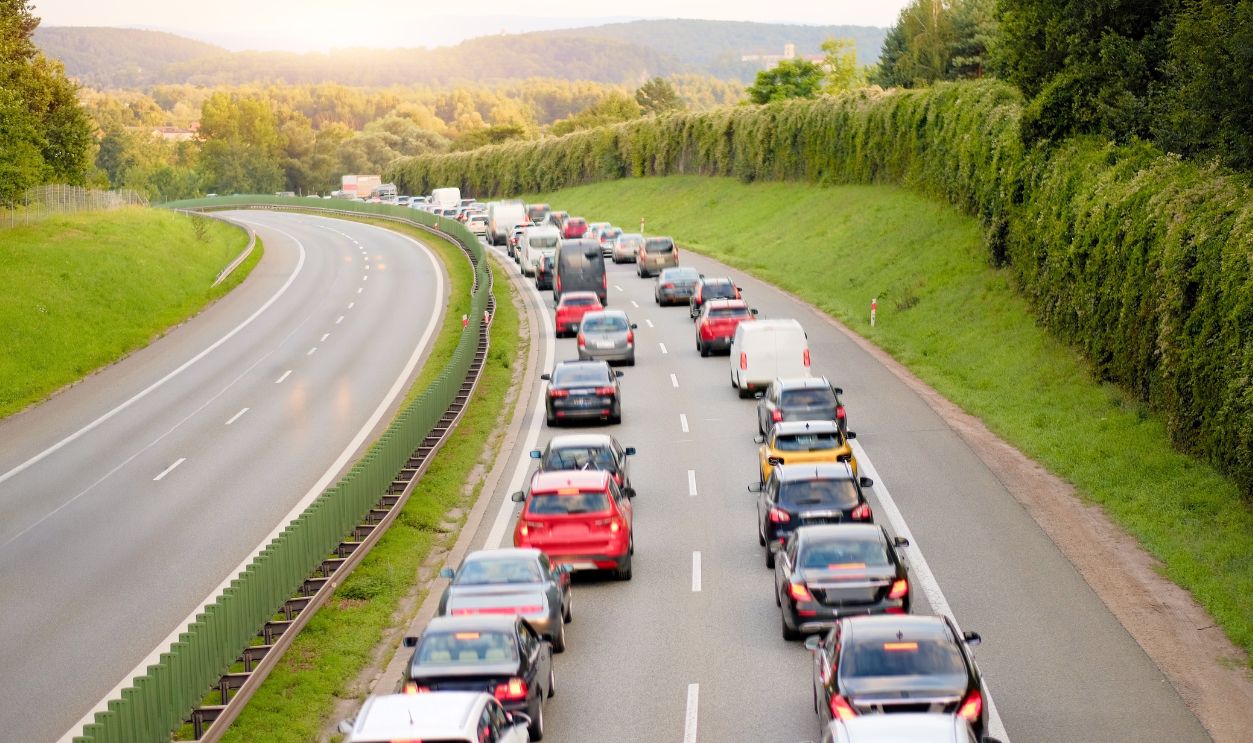
When an American freeway becomes a parking lot, drivers usually remain wherever they happened to stop. Germany and Austria require drivers to begin creating an emergency corridor as traffic slows—before emergency vehicles appear. Austria has required the corridor on motorways and expressways since 2012, so this is clearly a regional rule rather than an obscure German tradition.
 I am from Mykolayiv, Shutterstock
Drive During The Day Without Any Lights
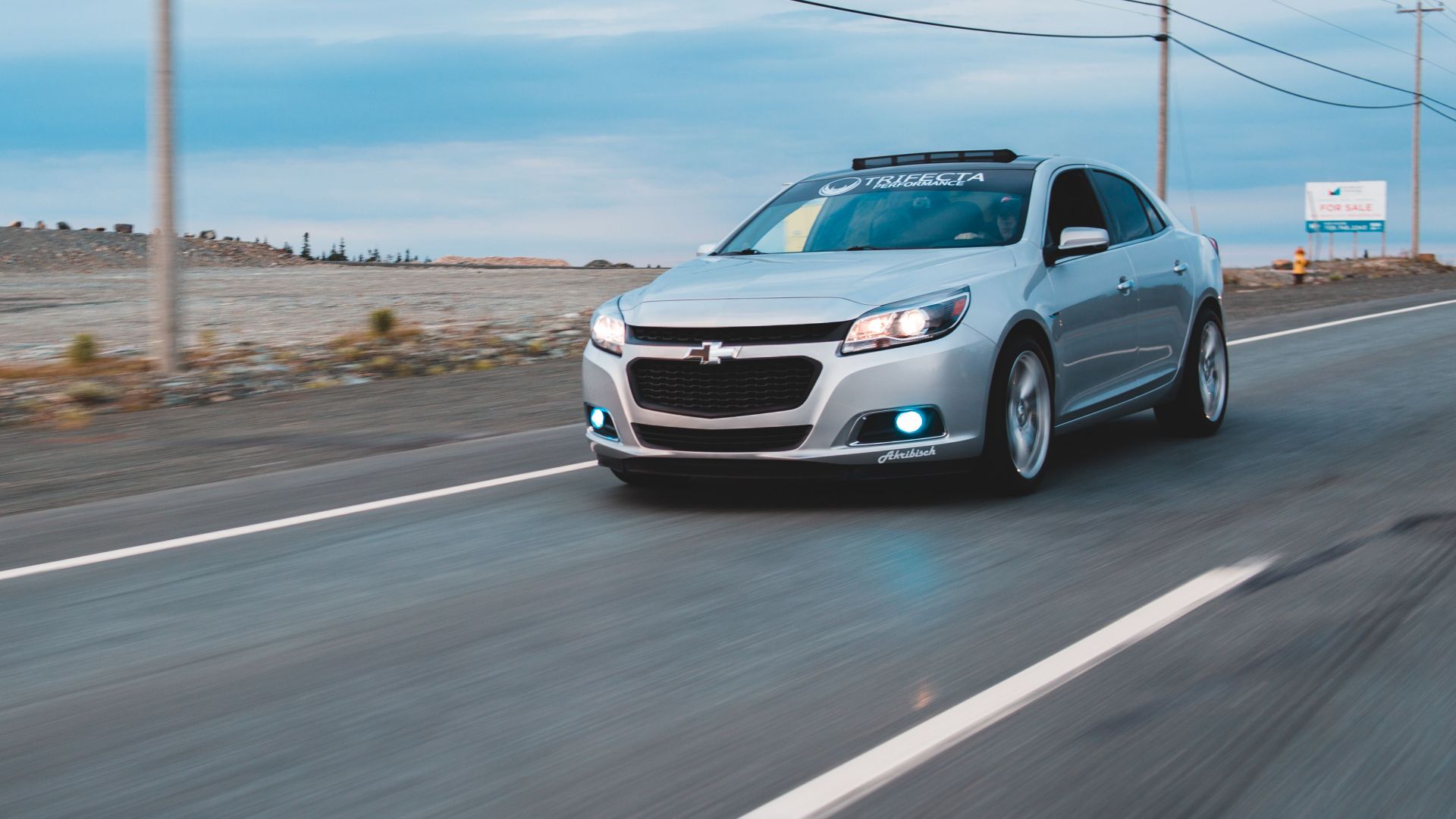
Daytime-light requirements exist across a sizeable part of Europe, although the exact rules vary. Italy requires lights during the day on motorways and roads outside built-up areas, while Poland also has a daytime-light requirement. The sun may be shining, the sky may be blue and the headlights may still legally need to be on.
Assume Any All-Season Tire Is Good Enough
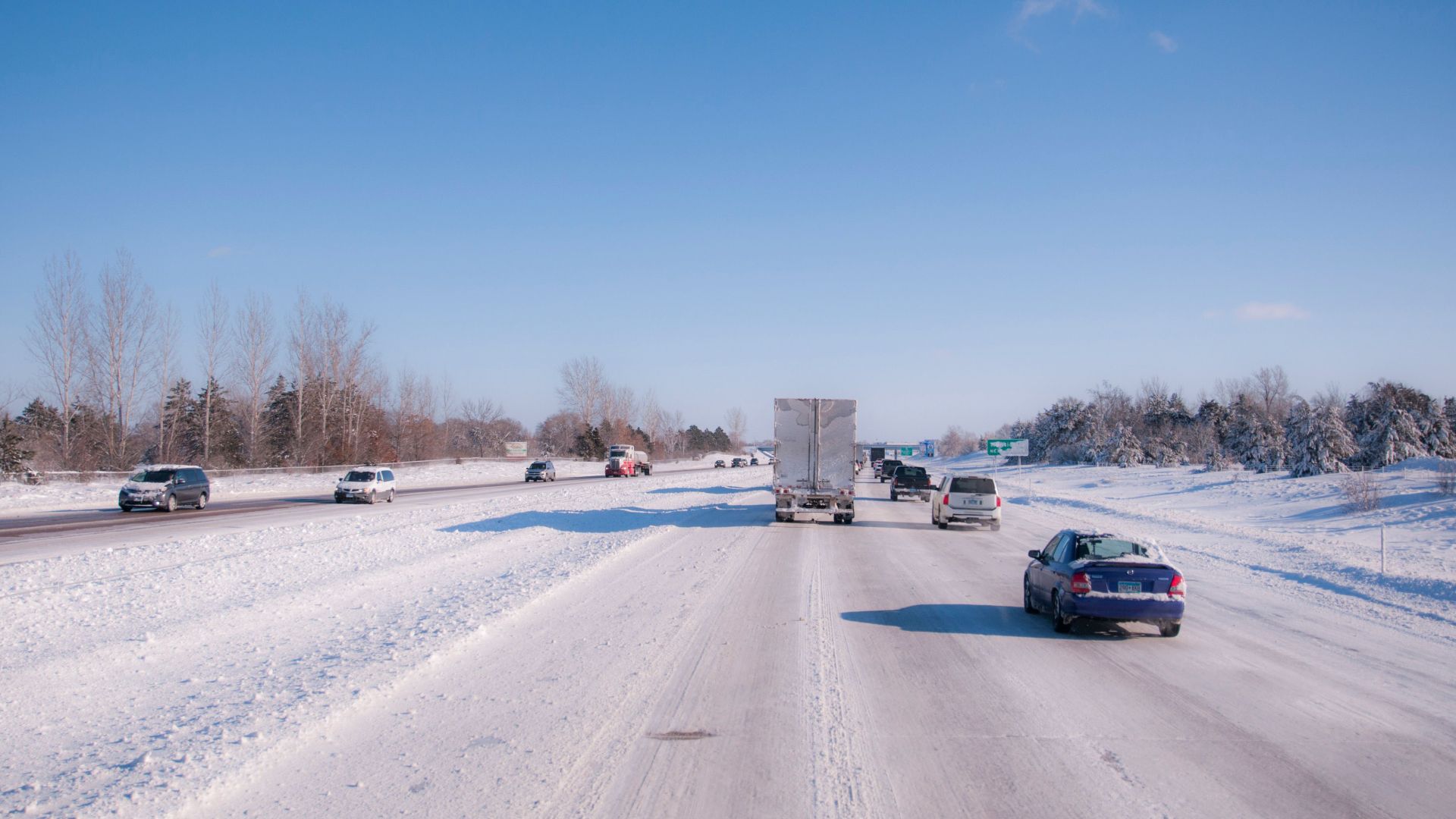
Winter-tire laws are common across Central, Northern and Eastern Europe, but the dates, weather triggers and approved markings differ. Austria requires suitable winter tires during wintry conditions, and Germany also imposes weather-dependent tire requirements. The words “all season” on an American receipt do not automatically make the tires legally suitable.
Drive Without A Vest, Triangle Or First-Aid Kit
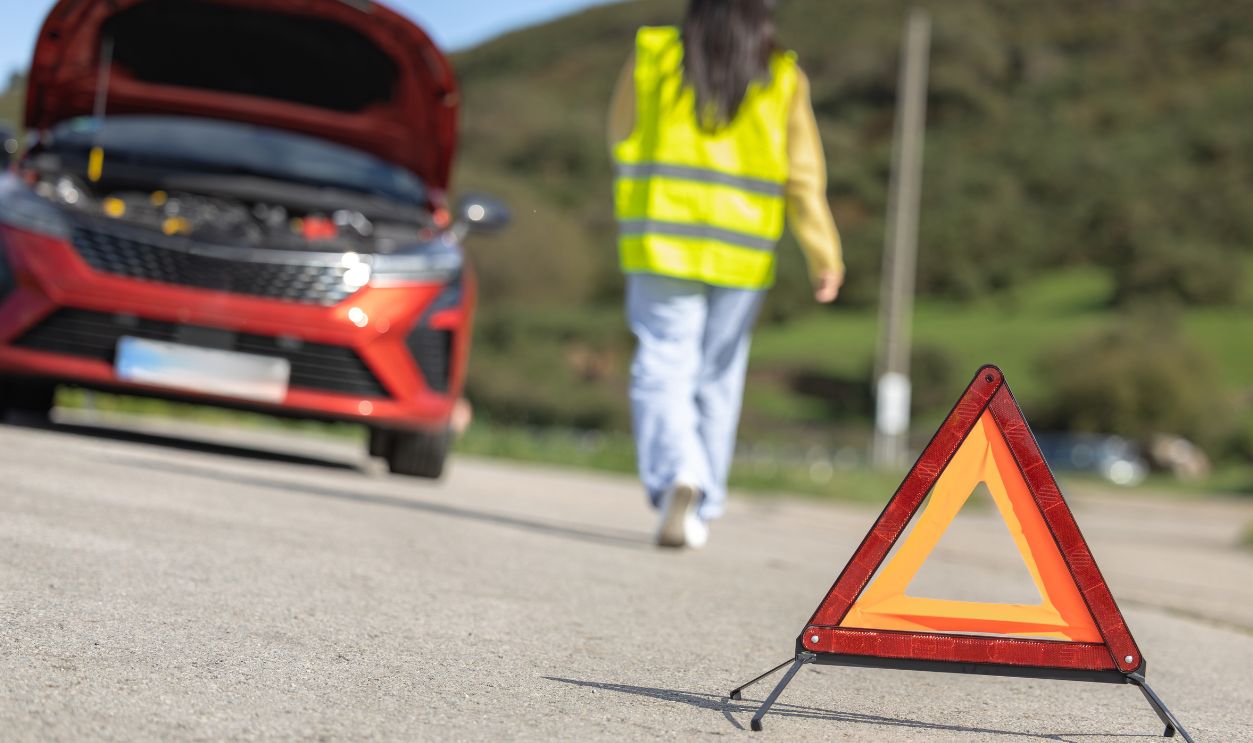
Mandatory emergency equipment is widespread across Europe. France requires items including a reflective vest and warning triangle, while Austria also requires a first-aid kit. Most Americans barely know what is underneath the rental car’s trunk floor—until a roadside officer asks them to produce it.
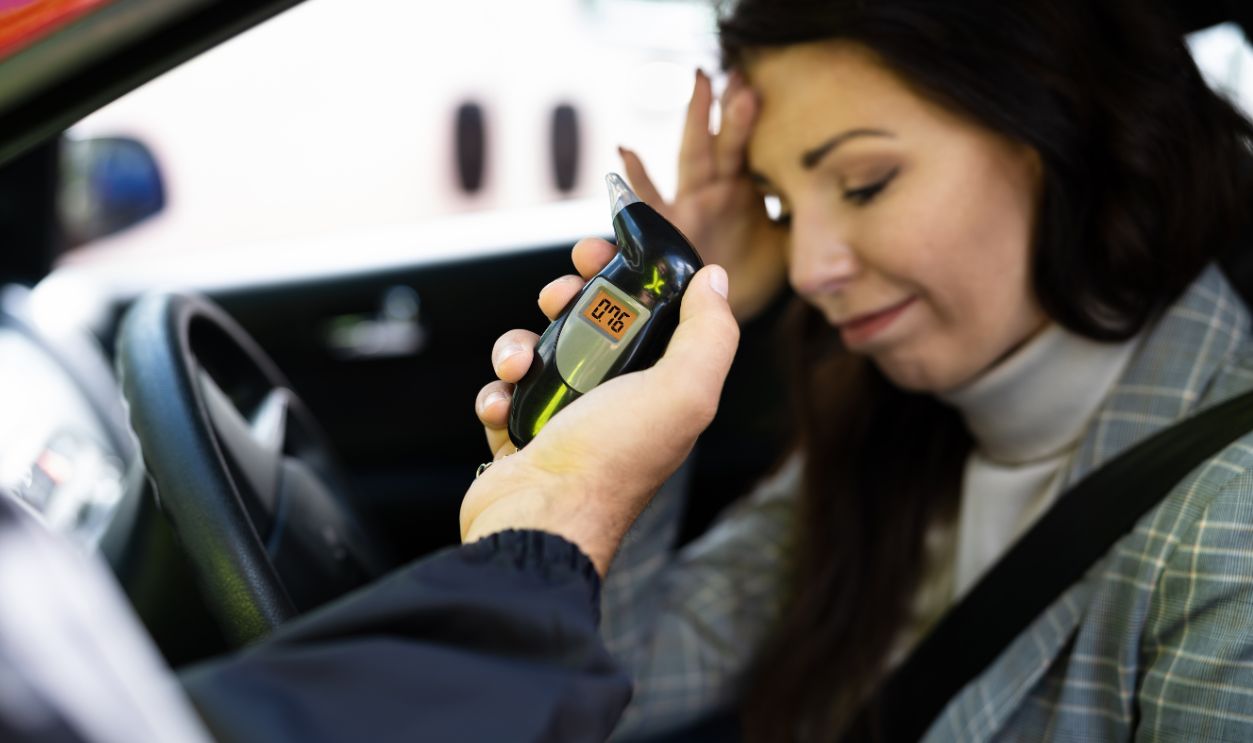
Assume America’s 0.08 Limit Applies
The familiar American 0.08% blood-alcohol threshold is not the European default. France generally uses 0.05%, with an even lower limit for novice drivers, while Poland’s limit is below 0.02%. A driver who believes they are safely under the American threshold could already be well beyond the legal one.
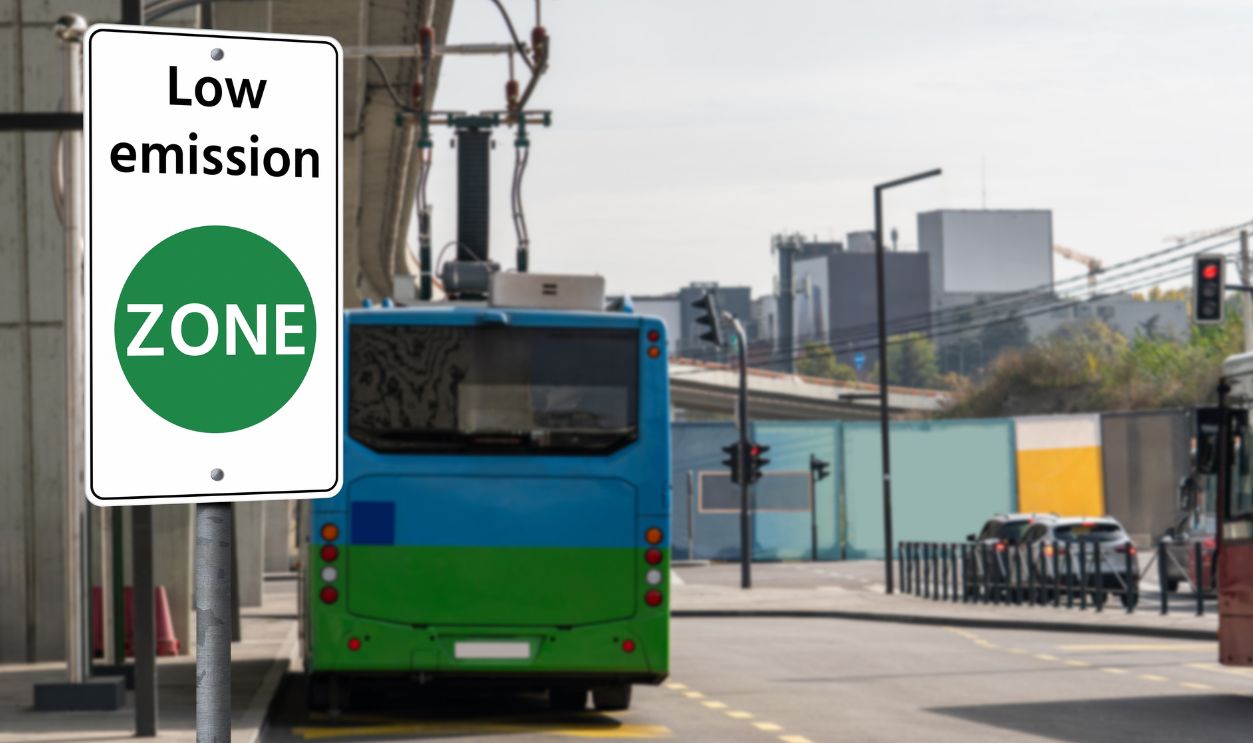
Enter A City Without Checking Its Emissions Rules
Low-emission zones have spread across European cities, so this is definitely not just a Berlin issue. Berlin requires qualifying vehicles to display a green sticker inside its environmental zone, while Brussels restricts vehicles across its entire capital region and requires most foreign vehicles to register before entering.
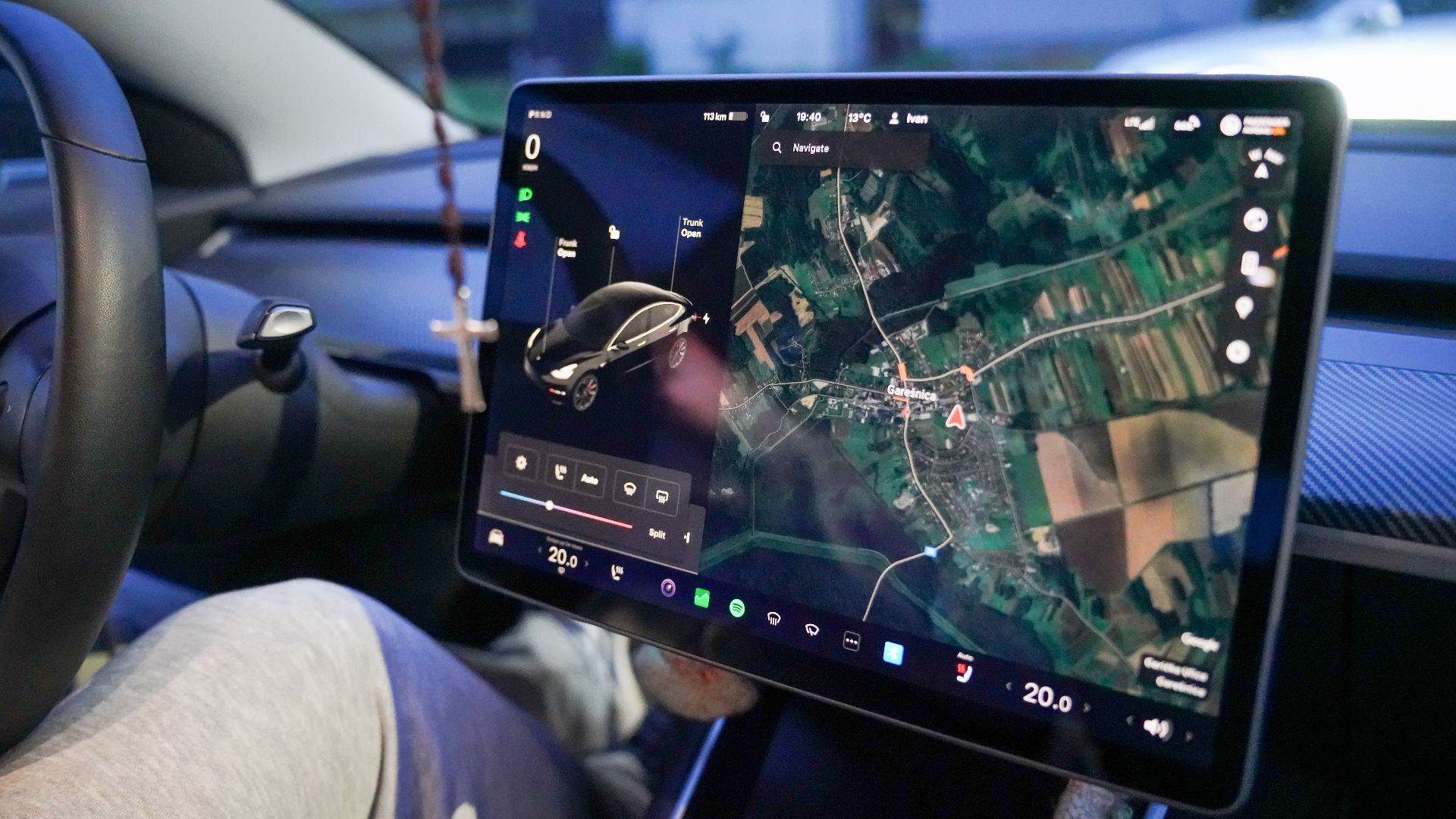
Follow The GPS Into A Historic City Center
Restricted central zones are common enough across Europe that blindly following the GPS is a genuinely risky habit. Rome operates permit-controlled limited-traffic zones, while Milan’s Area C charges eligible vehicles to enter and uses electronic gates to read license plates. The navigation system sees a road; the camera sees paperwork.
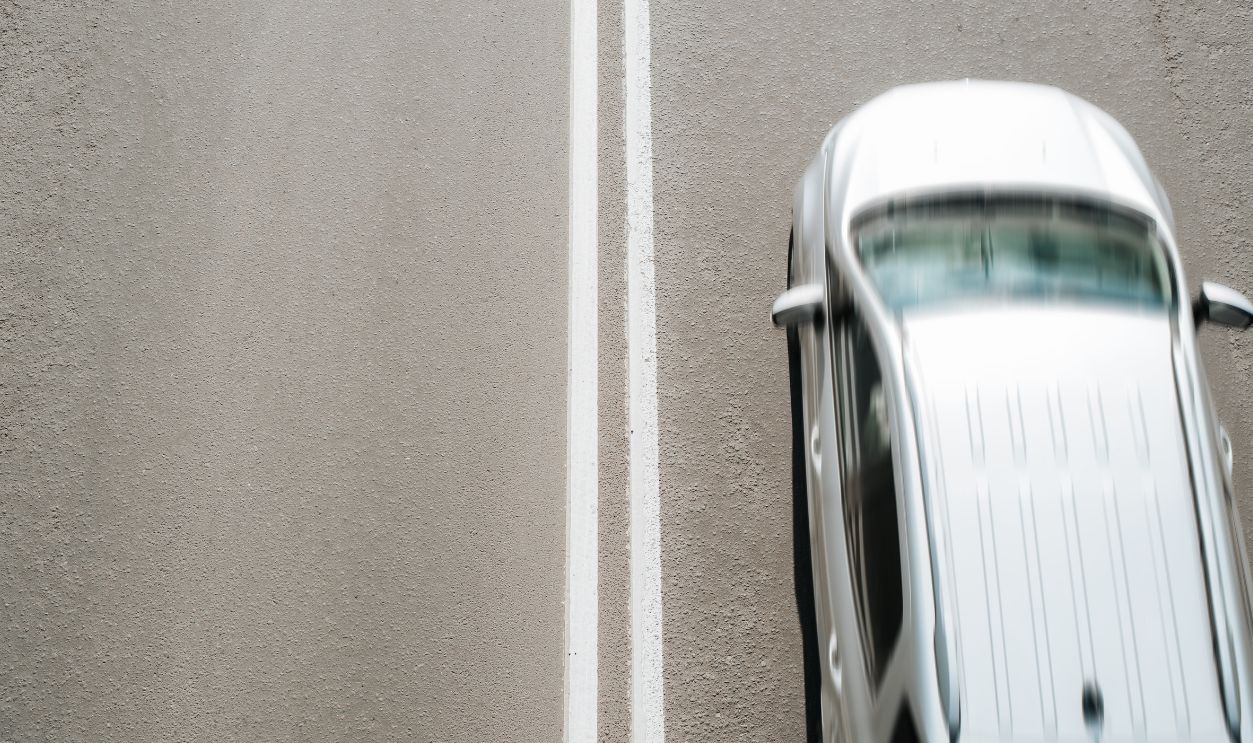
Cross The Solid Line In A Double-White-Line System
A single solid white lane line in America often means crossing is discouraged rather than automatically forbidden. Britain’s double-white-line system is different. When the line nearest the driver is solid, crossing or straddling it is prohibited except under narrow listed circumstances. Familiar-looking paint can carry considerably more authority overseas.
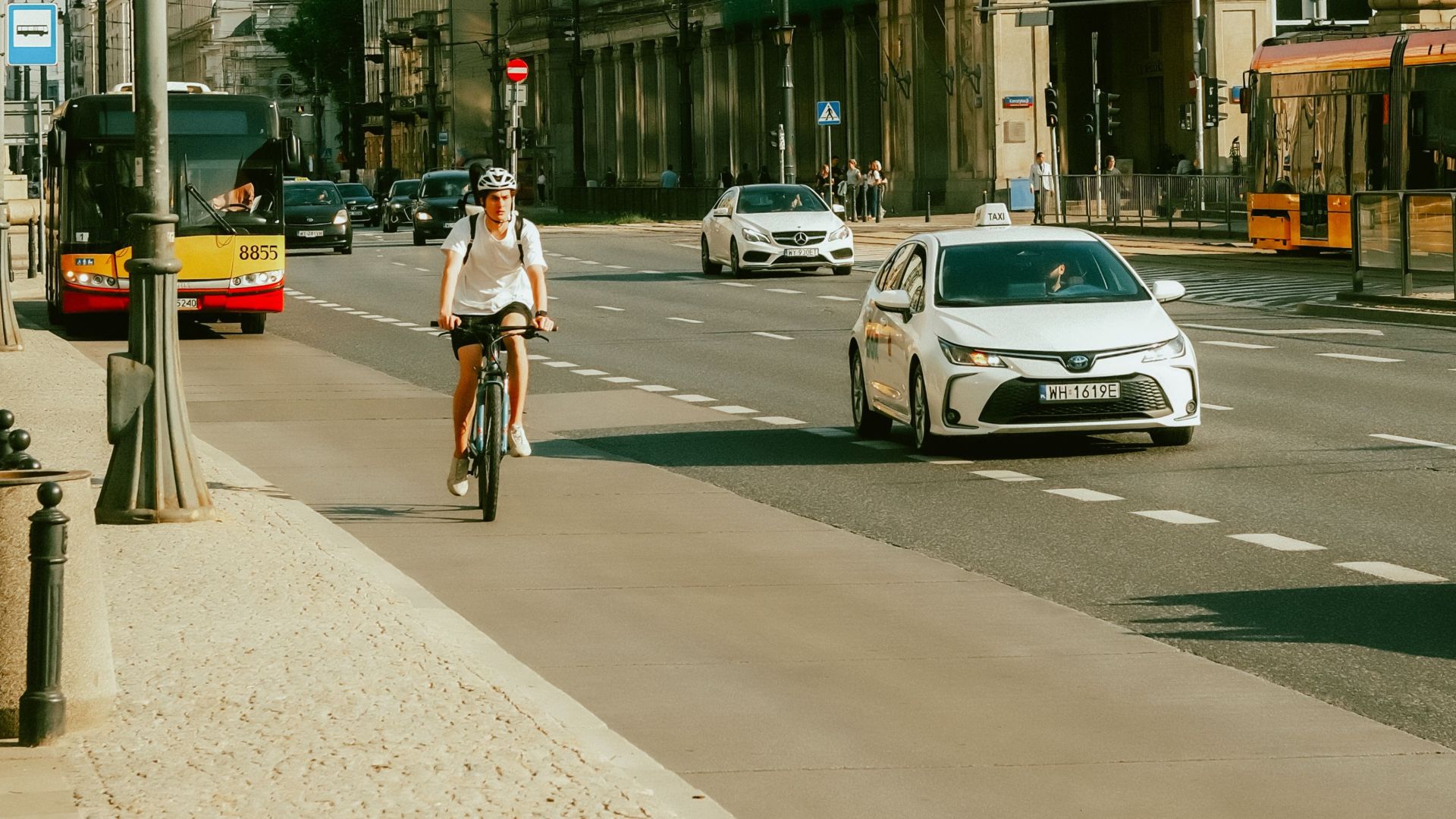
Give A Cyclist Only Three Feet Of Room
A three-foot passing rule feels generous in several American states. Germany requires at least 1.5 metres in towns and two metres outside them—roughly five feet and six-and-a-half feet. Similar larger-distance rules exist elsewhere in Europe, so an American driver’s idea of a respectful gap may still be illegally close.
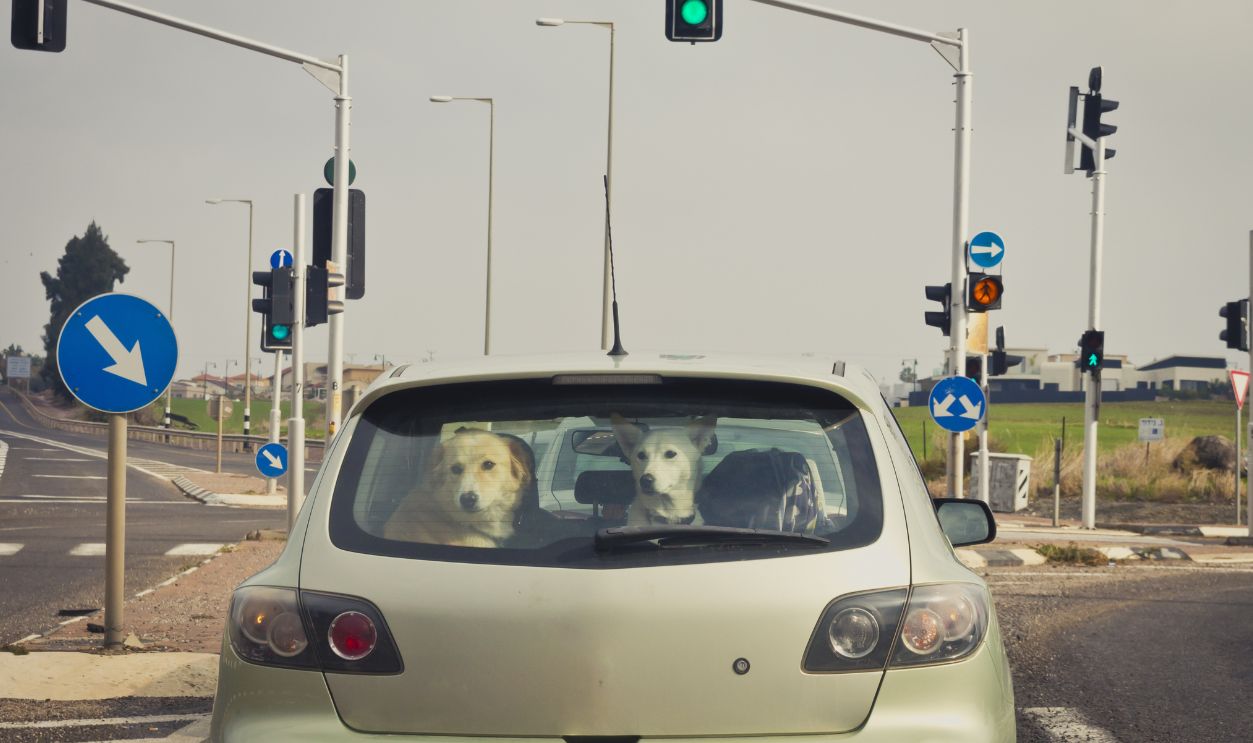
Let Two Dogs Roam Loose In The Car
Two dogs bouncing around the back seat may look like a perfectly normal American road trip. Italy prohibits carrying more than one domestic animal loose unless the animals are secured in a cage or container or kept in a properly separated rear compartment. Apparently even the dogs need an assigned seating plan.
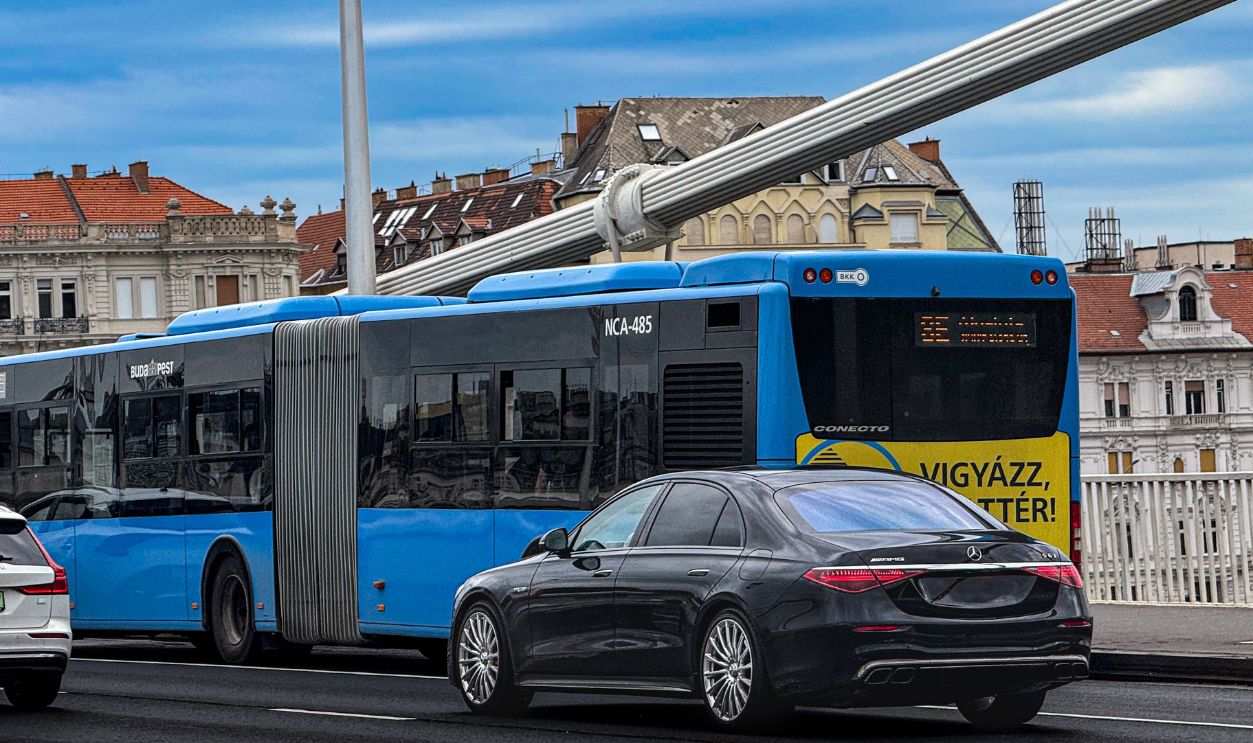
Pass A Stopped City Bus At Normal Speed
This one is specifically German, but it is exactly the kind of rule an American could never see coming. A regular transit bus stopped with its hazard lights flashing may be passed only at walking speed. That requirement also applies to oncoming traffic using the same roadway. It is not just yellow school buses that matter.
 TheCarPhotographer, Shutterstock
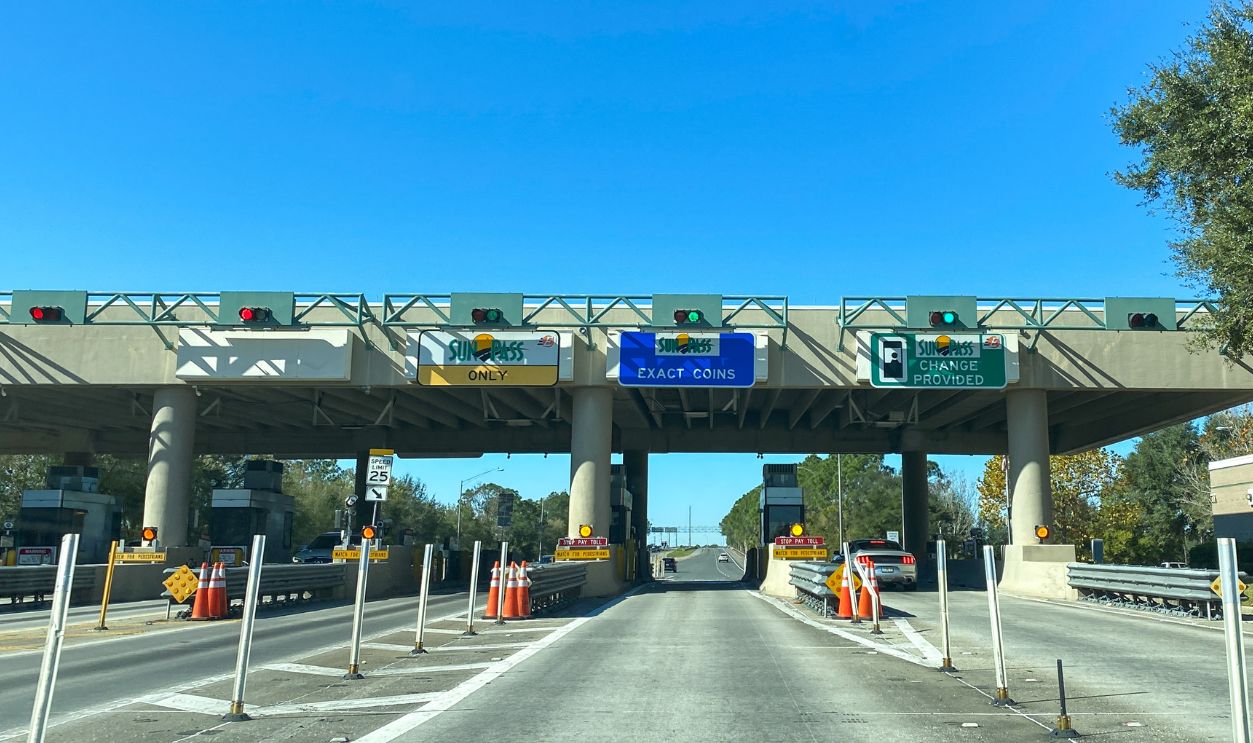
Expect The Toll Bill To Arrive Later
American toll roads increasingly photograph the license plate and send a bill or charge an electronic account. Austria expects drivers to obtain a valid physical or digital vignette before using most motorways and expressways. Drive first and sort it out later, and the next envelope may contain something considerably less friendly than an invoice.
Drive With Darkly Tinted Front Windows
Texas permits front side windows that transmit as little as 25% of visible light. Britain requires at least 70% through front side windows and 75% through the windshield on most newer vehicles. Tint that is perfectly legal in Texas could therefore make the same car illegal to drive in Britain.
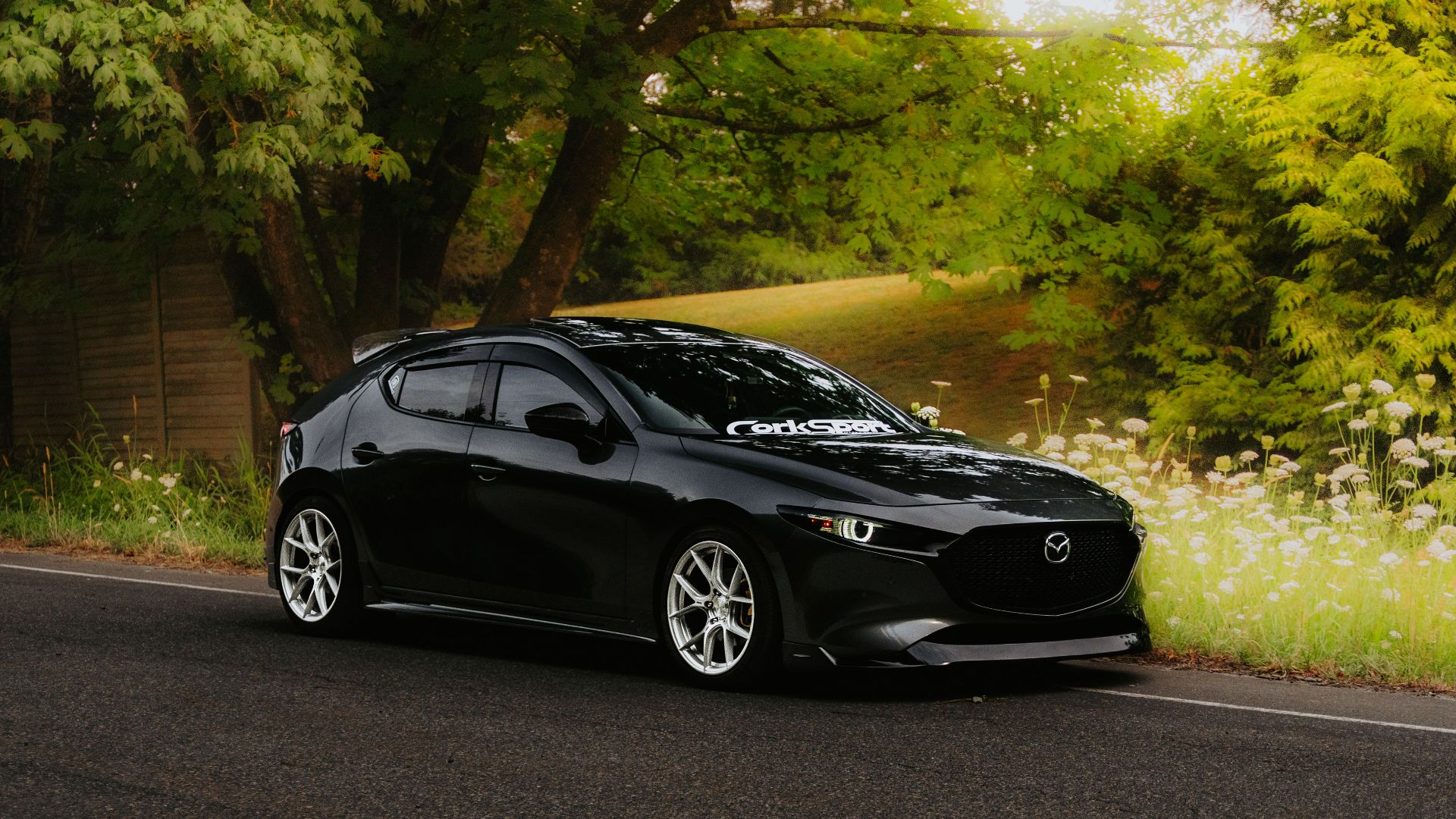
Use Studded Winter Tires
Studded tires remain a normal seasonal option in colder American states. Alaska permits them during designated winter periods, but Germany generally does not permit tire surfaces with protrusions capable of damaging a paved road. Those little metal studs that provide extra confidence in Alaska can make the same vehicle illegal on normal German roads.
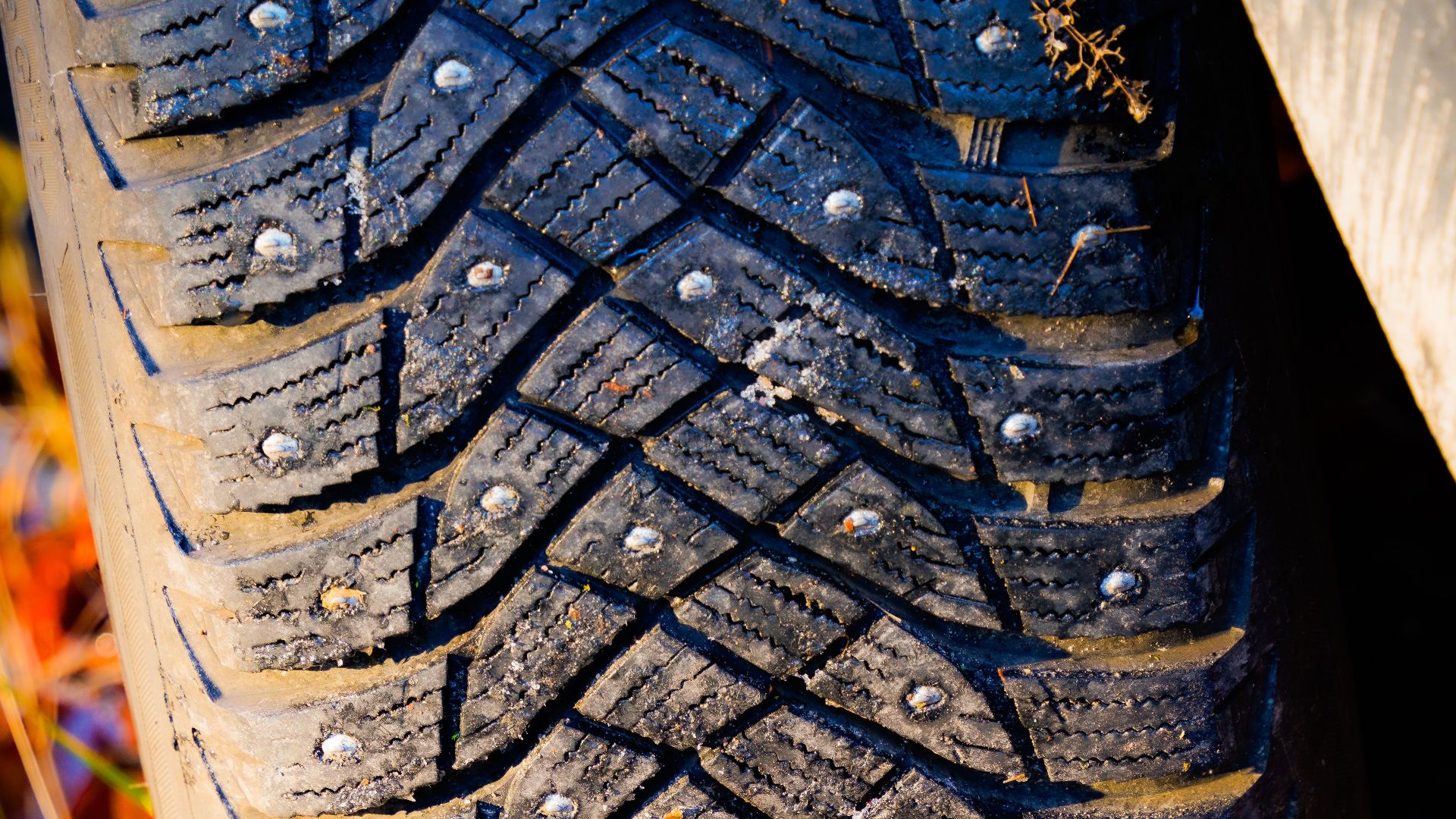
Tow A Trailer Like You Do At Home
American drivers may assume the regular highway limit and every passing lane still apply when a trailer is attached. Britain limits cars towing trailers to 50 mph on single-carriageway roads and 60 mph on dual carriageways and motorways. Trailers also cannot use the outside lane of a motorway with more than two lanes.
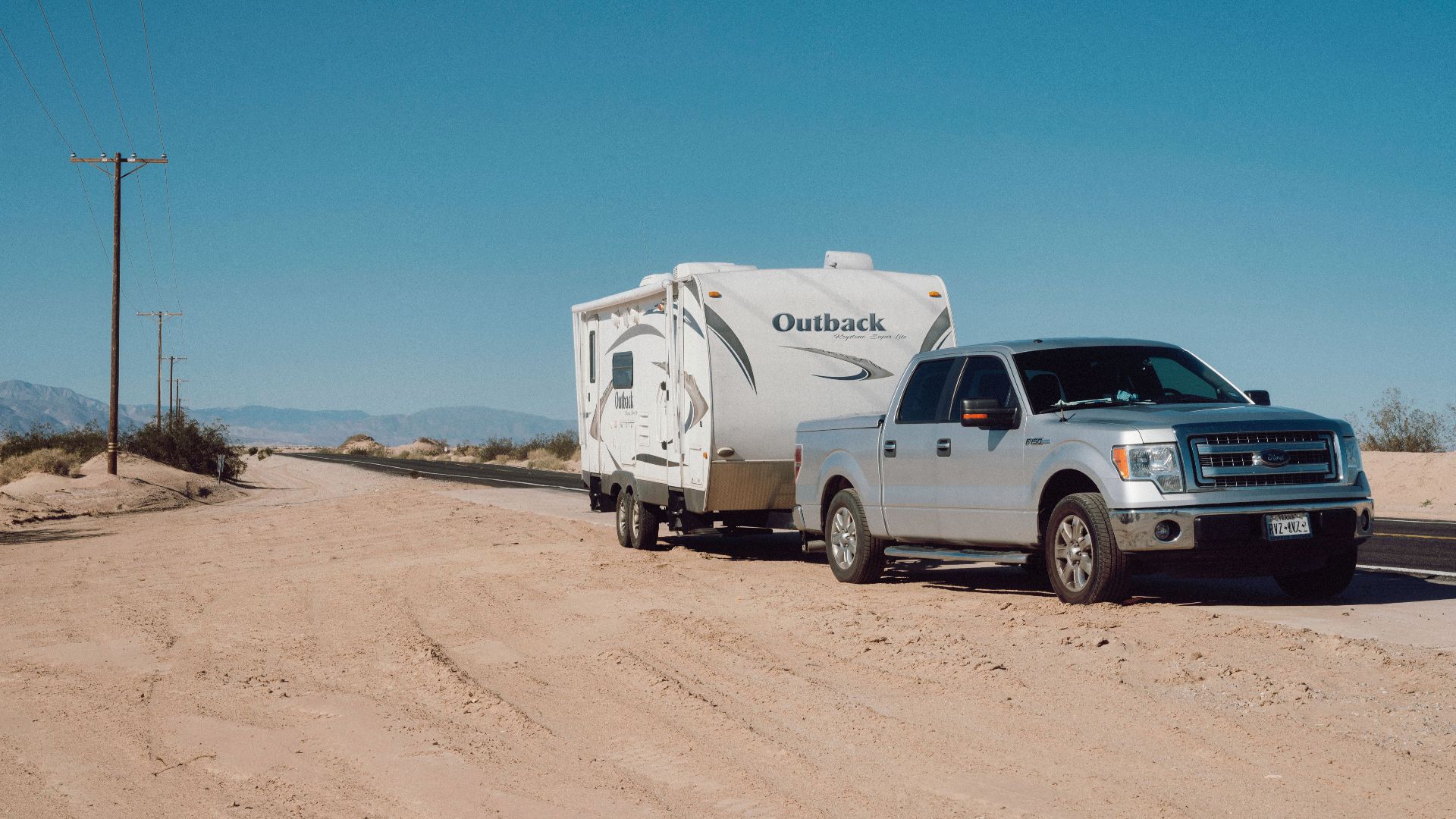
The Rules Change At Every Border
European roads are not necessarily harder. They are simply less forgiving of habits Americans have repeated for so long that they no longer realize they are habits. Many of these rules apply across several countries, while others change at one seemingly invisible border—long before the rental company gets around to explaining anything.
You Might Also Like:
Car Brands Baby Boomers Thought Would Last Forever—Now No One Born After 2000 Has Even Heard Of Them