When All-Season Sounds Like It Should Mean Everything
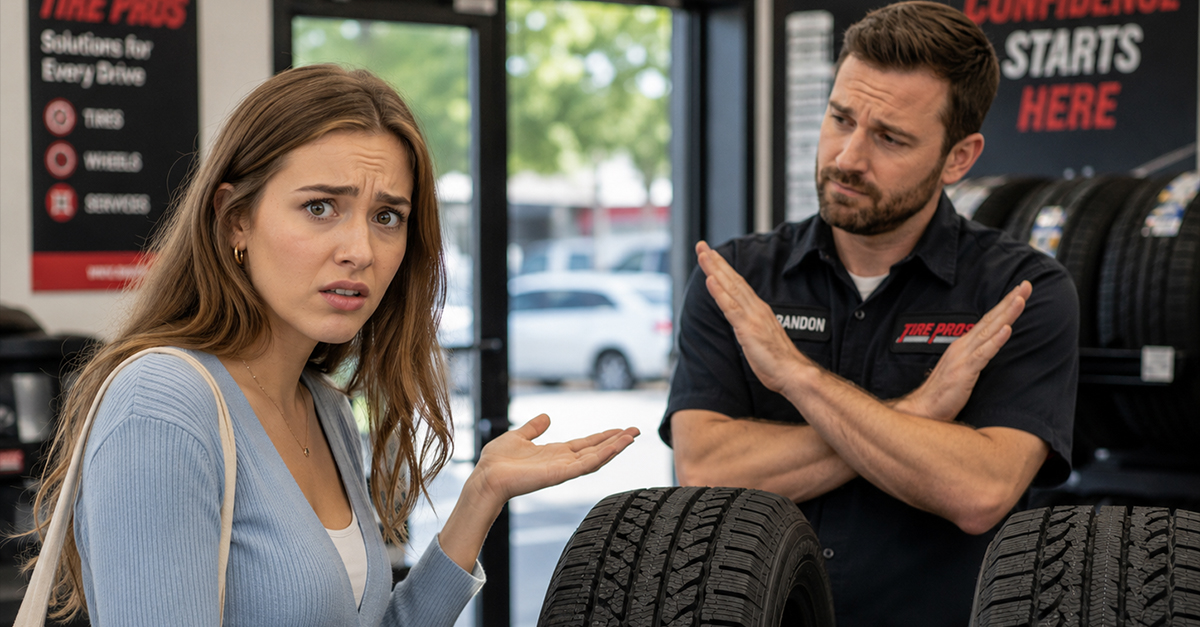
Buying all-season tires feels practical. The name suggests they should handle rain, dry pavement, mild cold, and even some snow. But the label can be misleading in places with real winter weather. All-season tires may be useful for many conditions, but they are not the same as dedicated winter tires.
Here are some things to consider...
The Name Can Create False Confidence
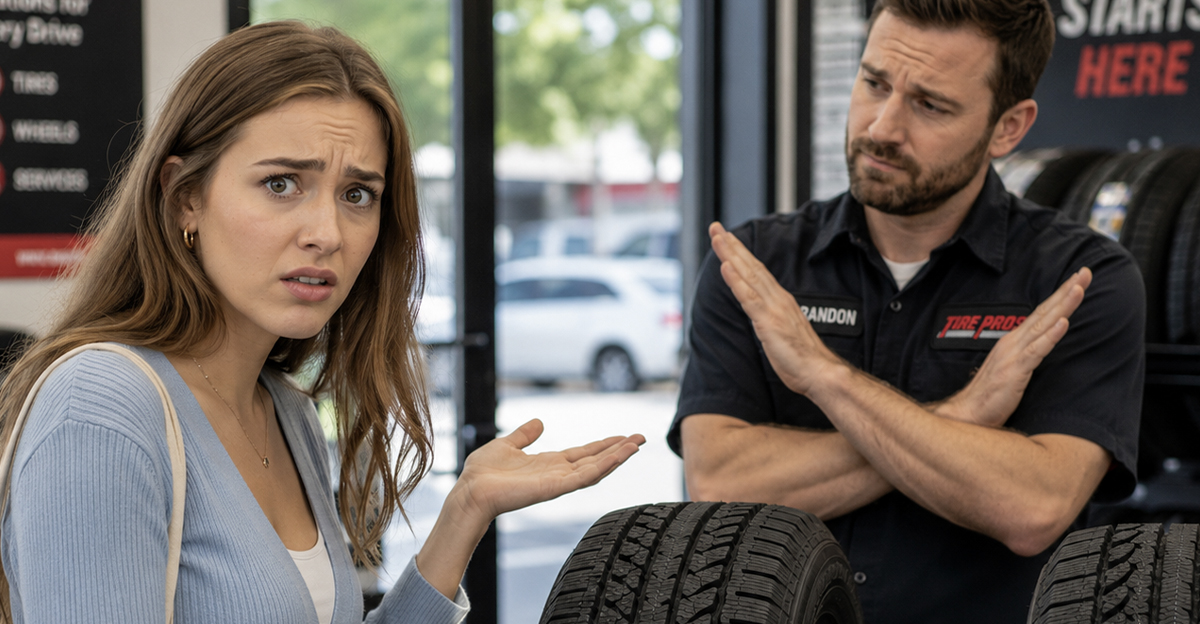
All-season does not mean best in every season. It usually means the tire is designed to perform reasonably across a broad range of conditions. That compromise can work well in moderate climates, but it becomes more noticeable when temperatures drop, roads ice over, or snow starts piling up.
Winter Tires Are Built For Cold, Not Just Snow
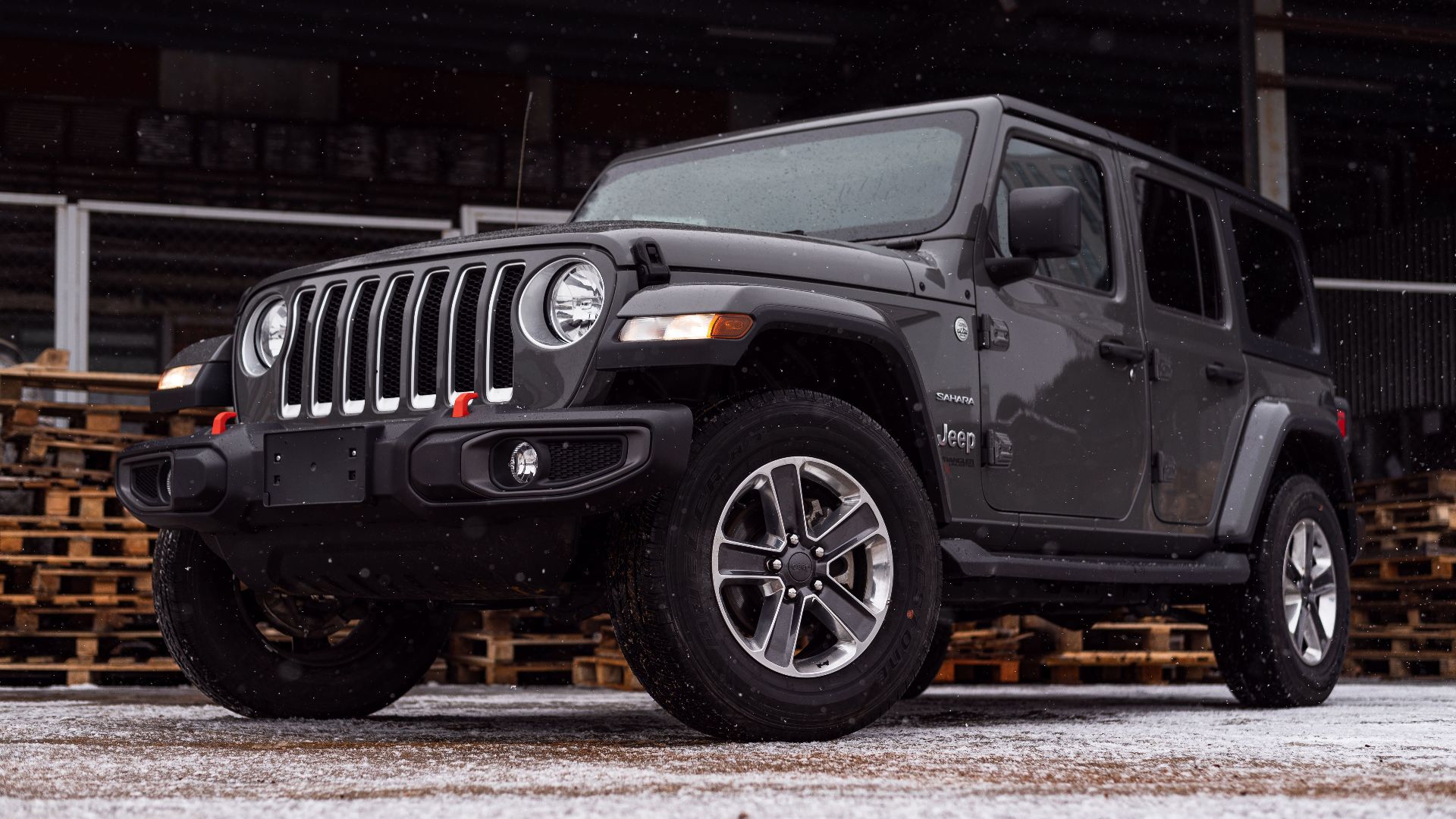
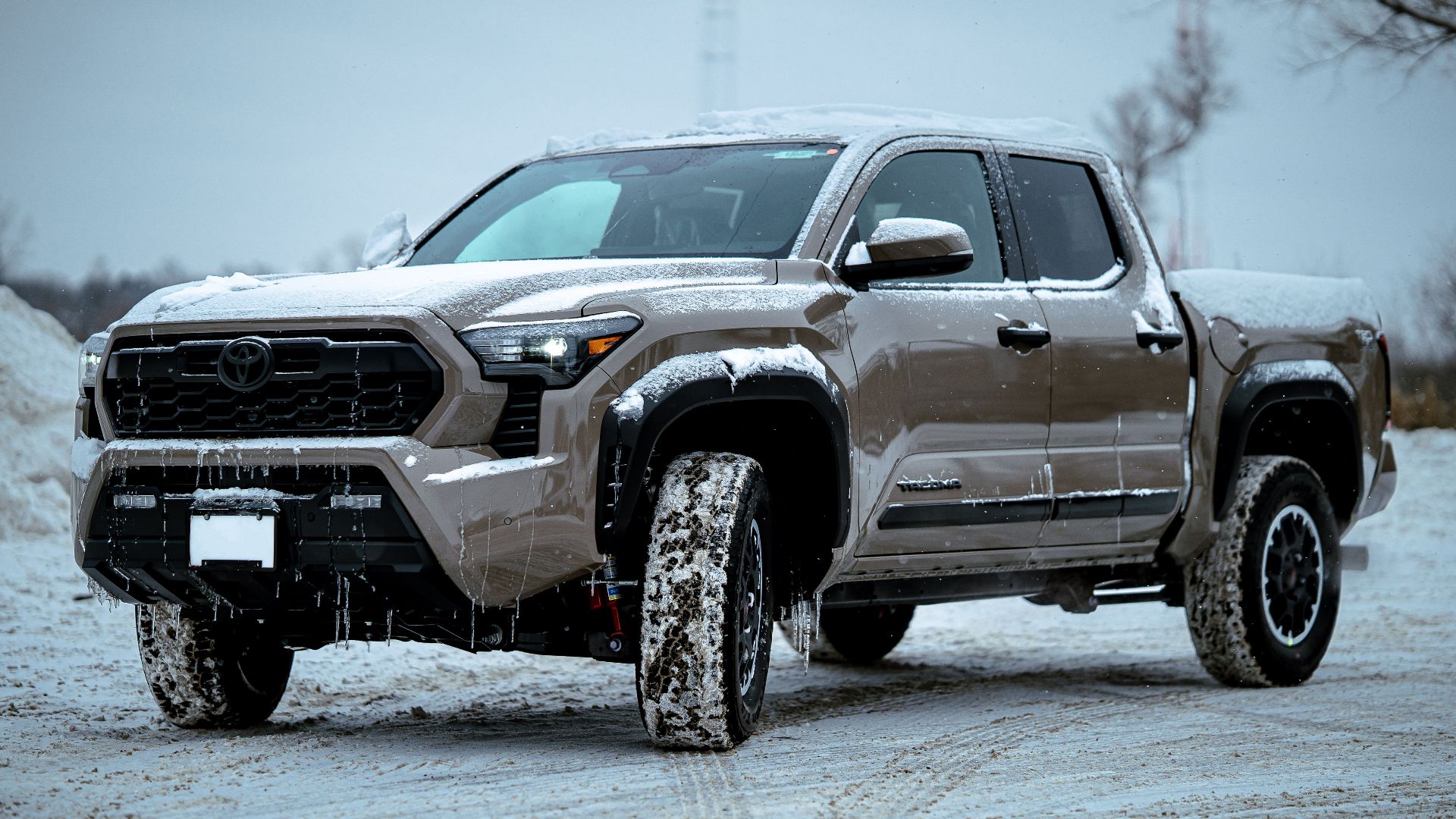
Many drivers think winter tires only matter when roads are covered in snow. In reality, winter tires are designed to stay more flexible in cold temperatures, which helps with grip even on cold, dry pavement. Ontario's winter driving guidance notes that all-season tires can start losing grip around 7 C.
Rubber Compound Makes A Huge Difference
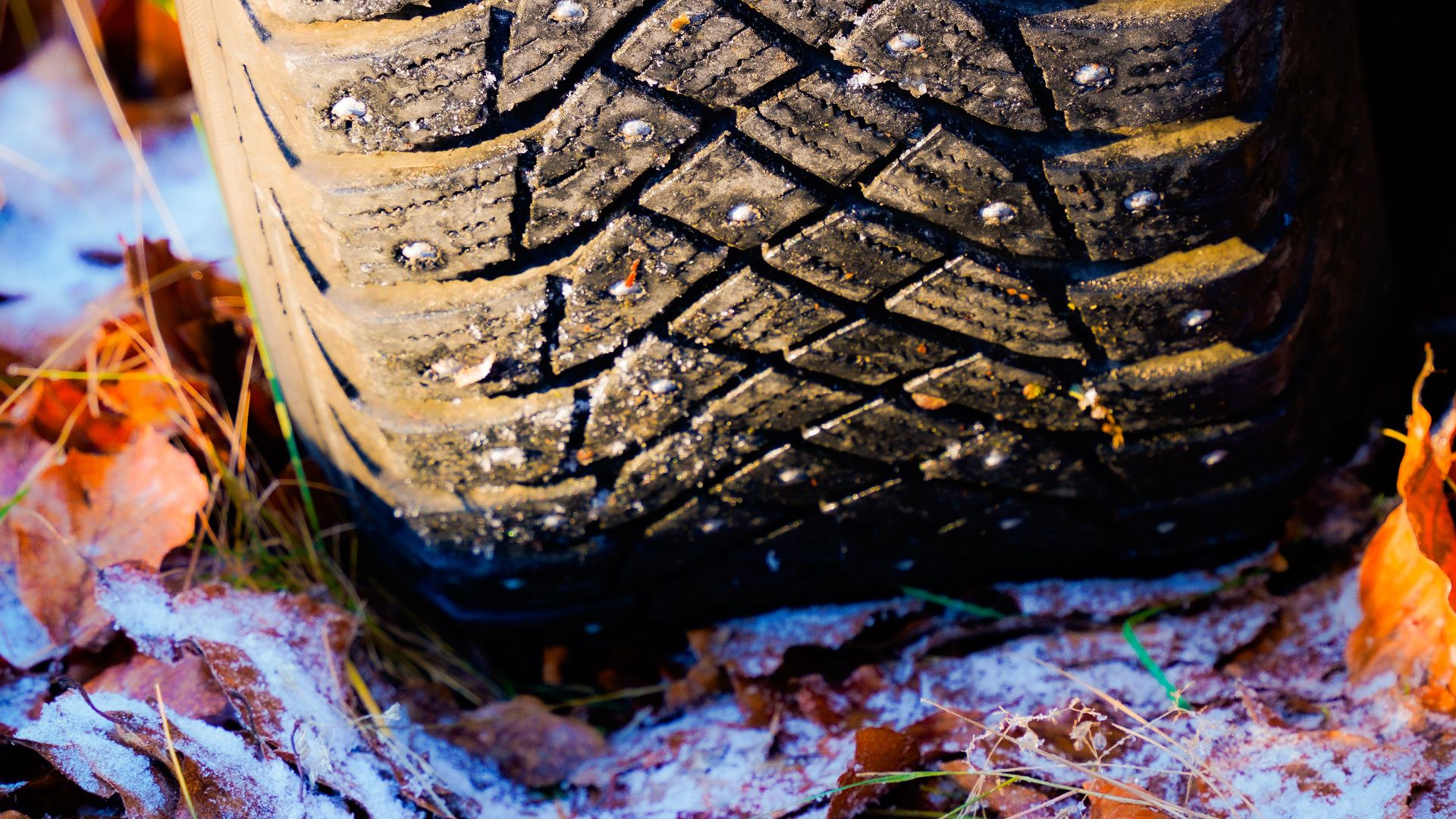
Tires are not just about tread pattern. The rubber compound matters too. In colder weather, all-season tire rubber can harden, reducing traction. Winter tires use compounds meant to remain more pliable, helping the tire maintain better contact with the road when temperatures fall.
Tread Design Also Matters
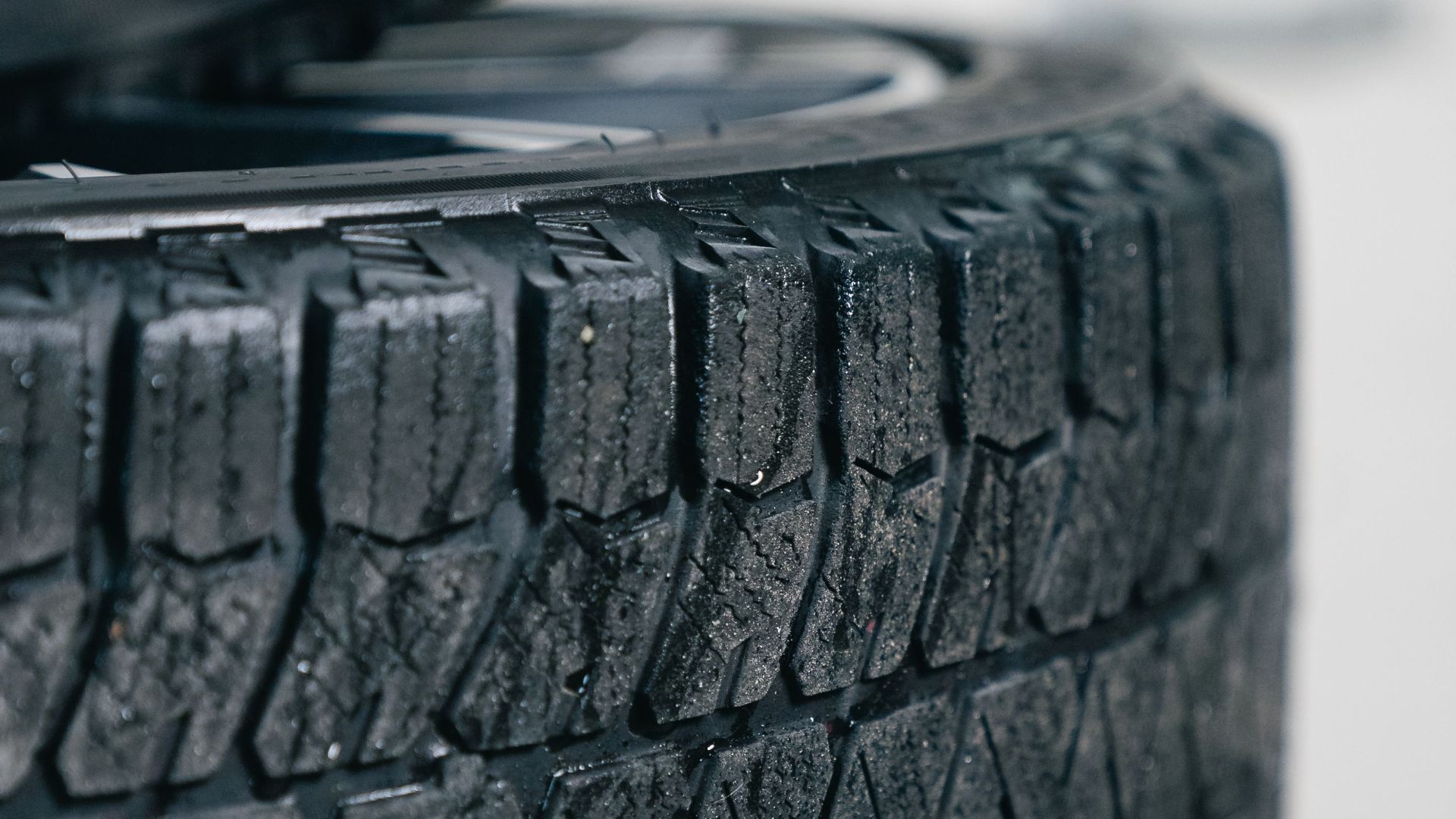
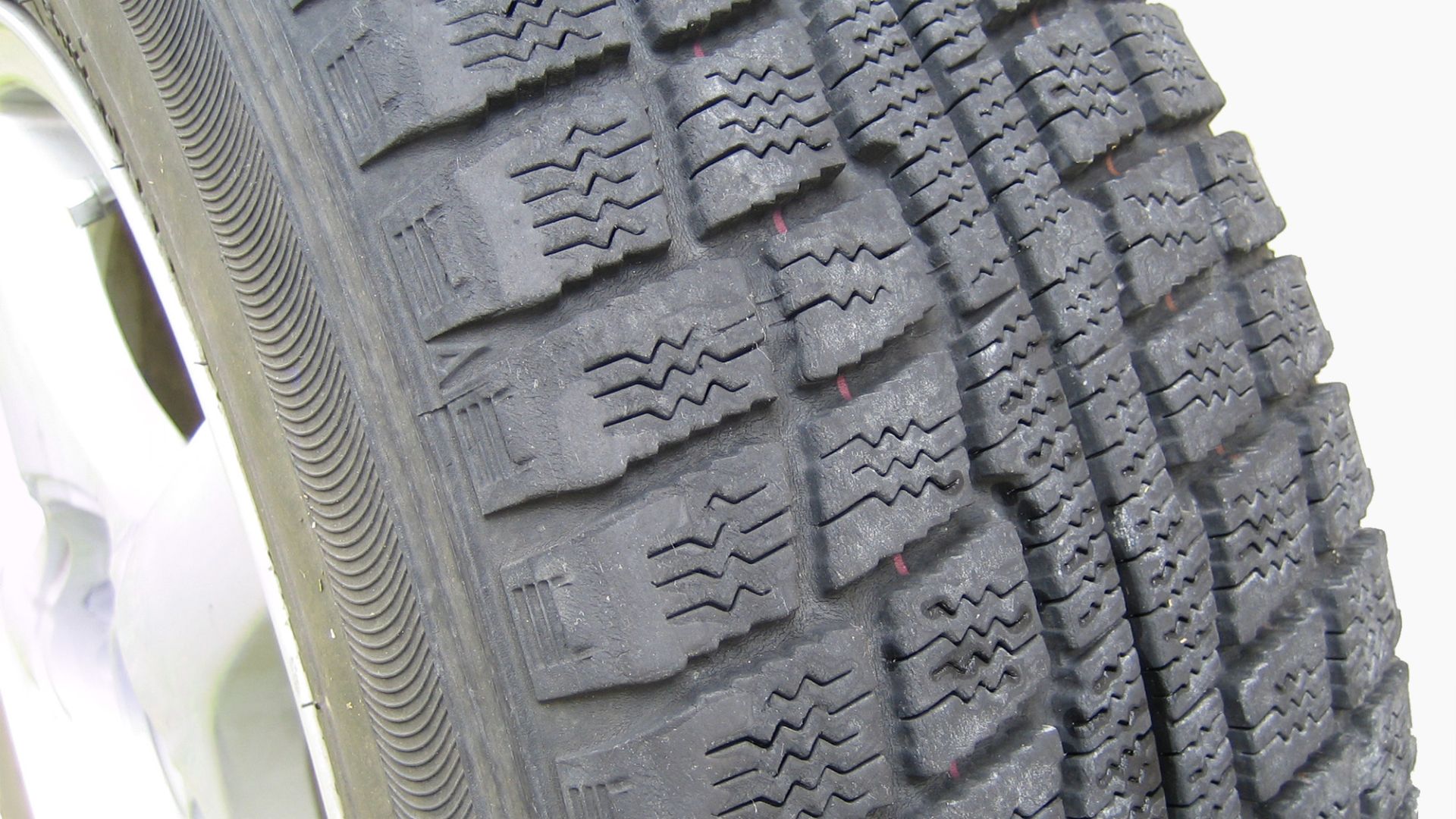
Winter tires usually have deeper tread patterns, more biting edges, and tiny grooves called sipes that help grip snow and slush. All-season tires are designed to balance dry, wet, and light winter conditions. That balance can be useful, but it usually cannot match a true winter tire in harsh conditions.
Stopping Distance Is The Big Safety Issue
The most important difference is often how quickly your vehicle can stop. Transport Canada tested identical vehicles and found that all-season tires had longer stopping distances on ice compared with winter tires. In real traffic, those extra metres can be the difference between a close call and a crash.
All-Season Tires Can Handle Light Snow, But There Are Limits
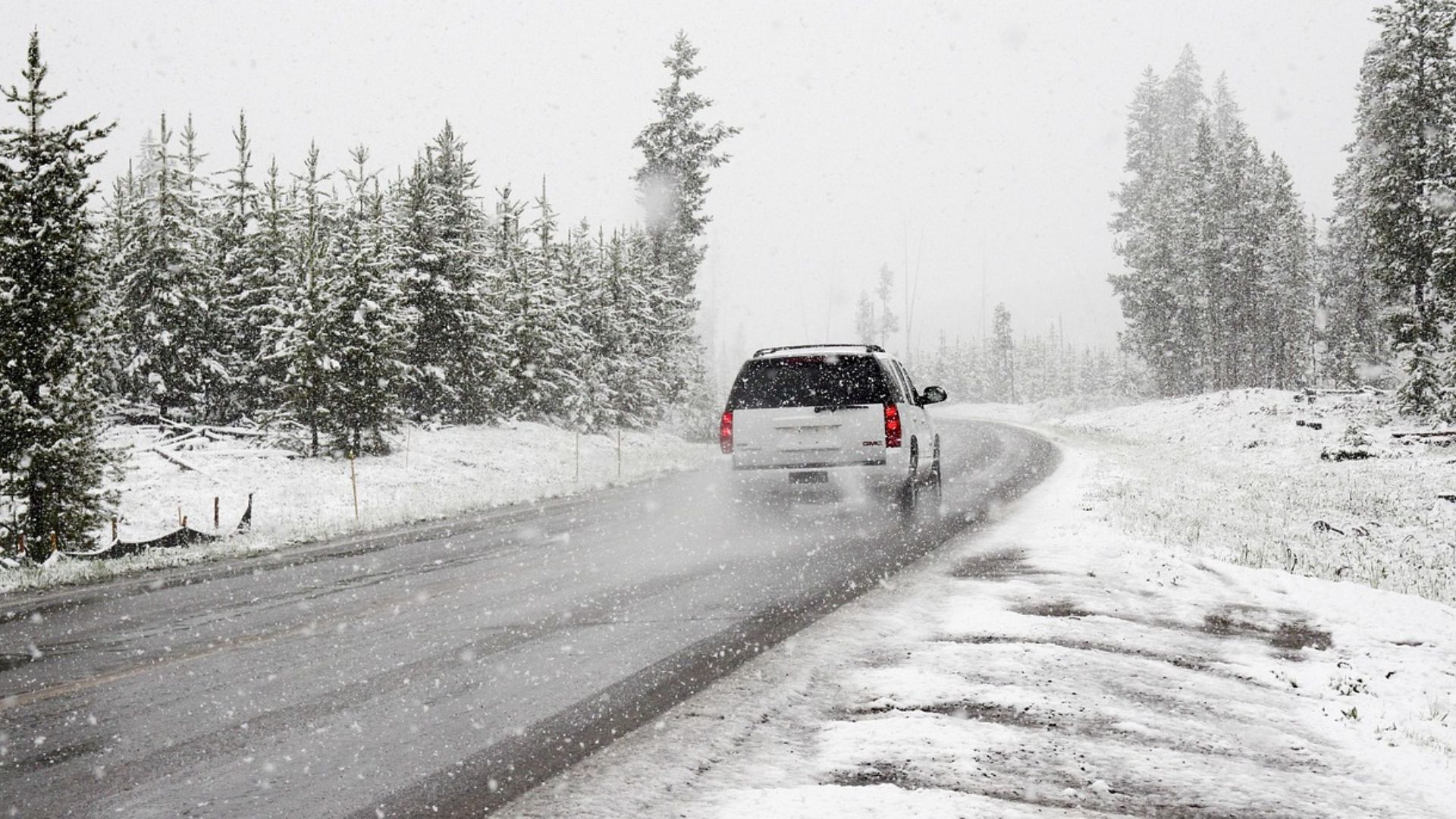
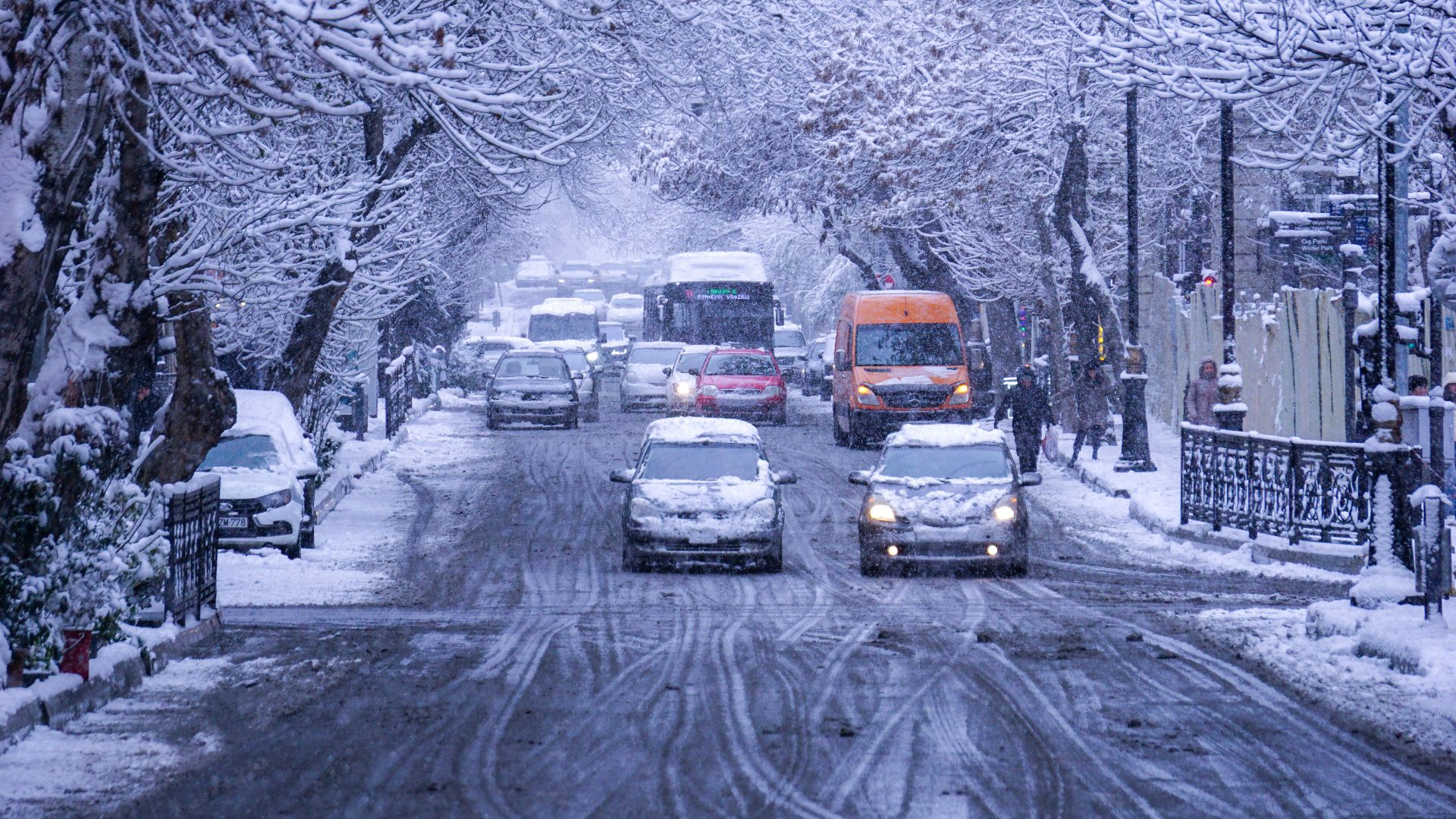
If you live somewhere with mild winters and occasional light snow, all-season tires may feel adequate most of the time. The problem is that winter driving rarely stays mild. Freezing rain, black ice, packed snow, and sudden storms can quickly expose the limits of a tire designed for compromise.
All-Wheel Drive Does Not Replace Winter Tires
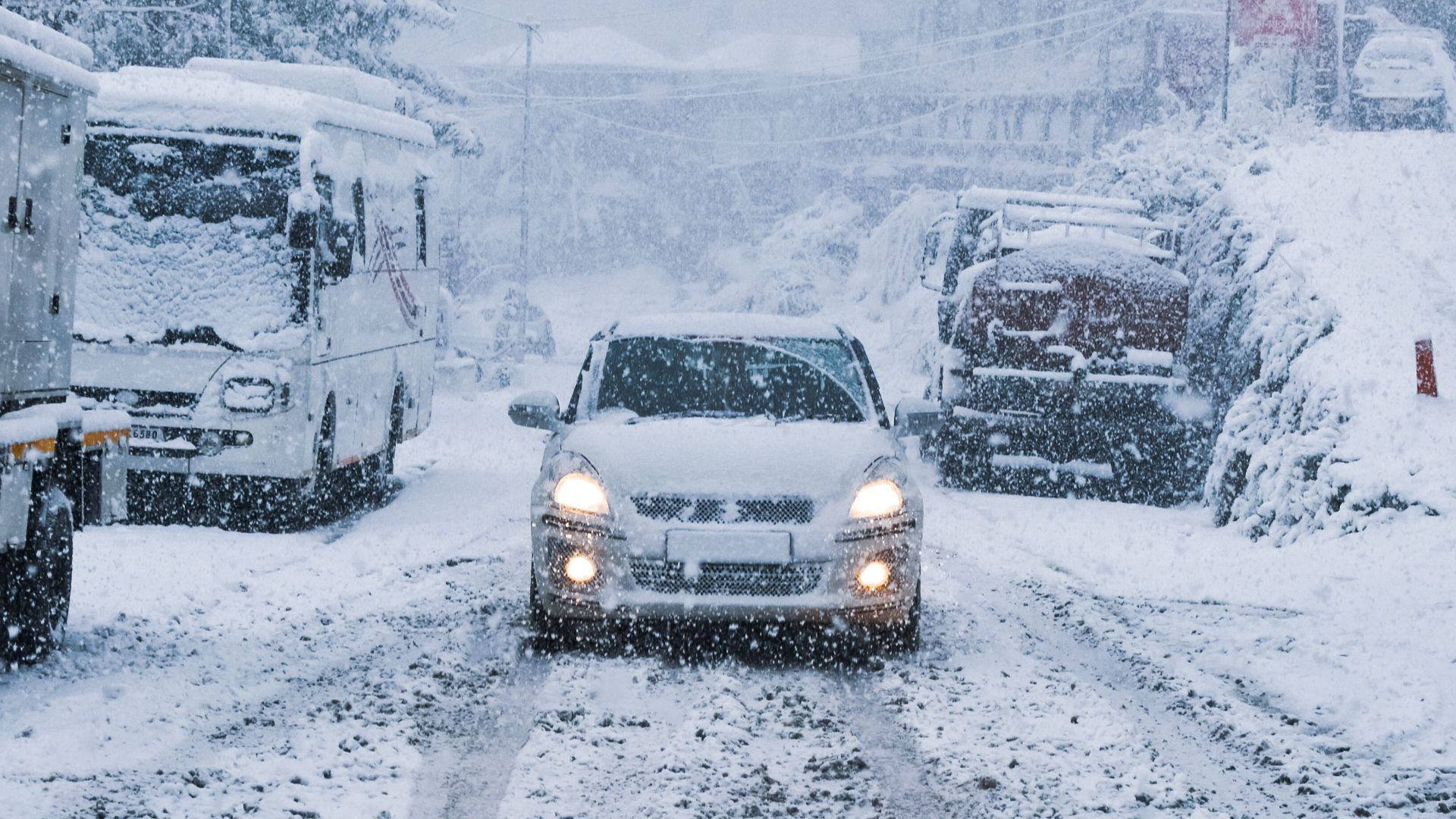
All-wheel drive can help your vehicle accelerate, but it does not magically improve braking distance or cornering grip. Every vehicle still depends on its tires to stop and steer. A two-wheel-drive car on winter tires may feel more controlled in snow than an all-wheel-drive vehicle on worn all-seasons.
Four Winter Tires Are Safer Than Two
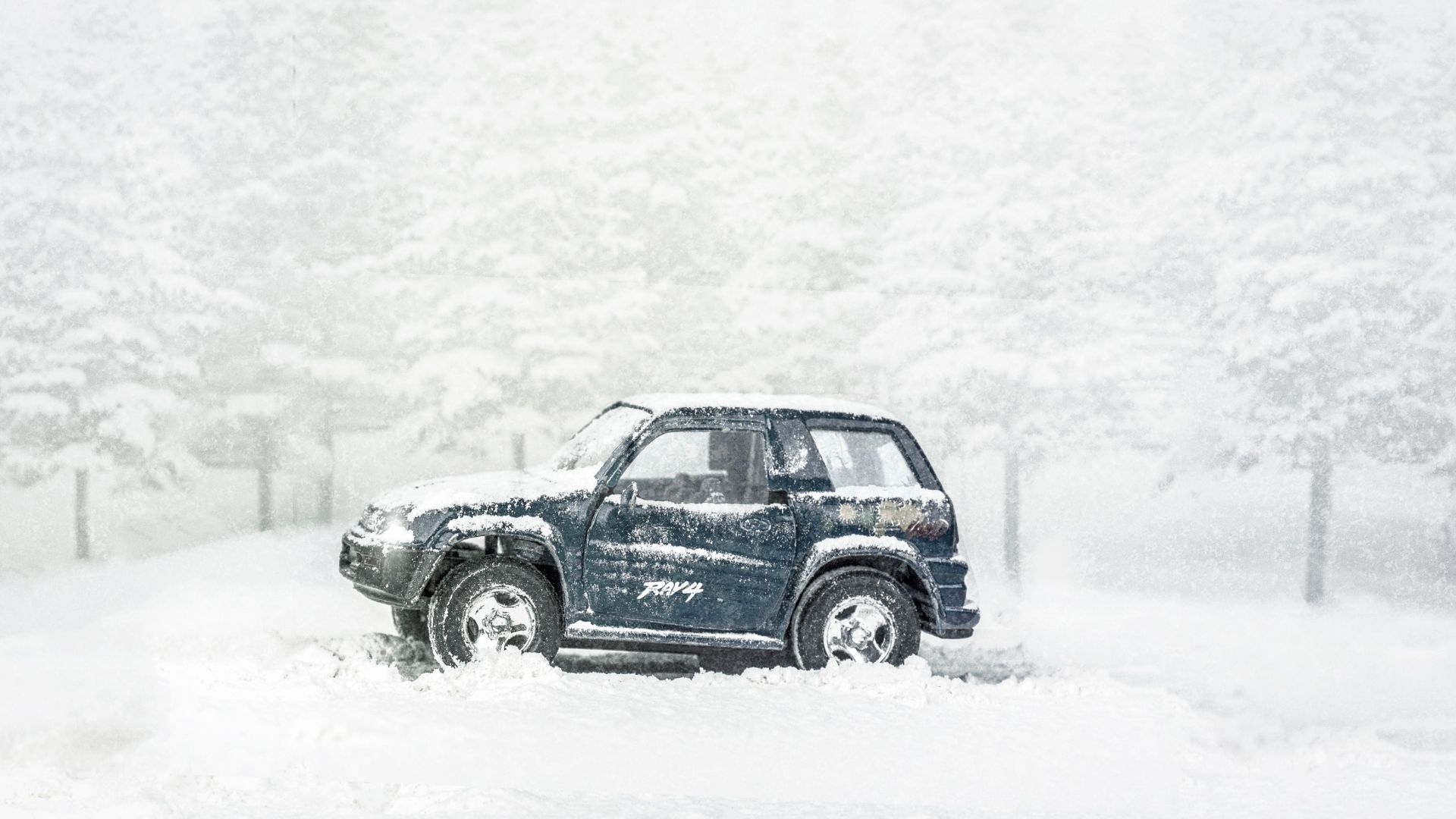
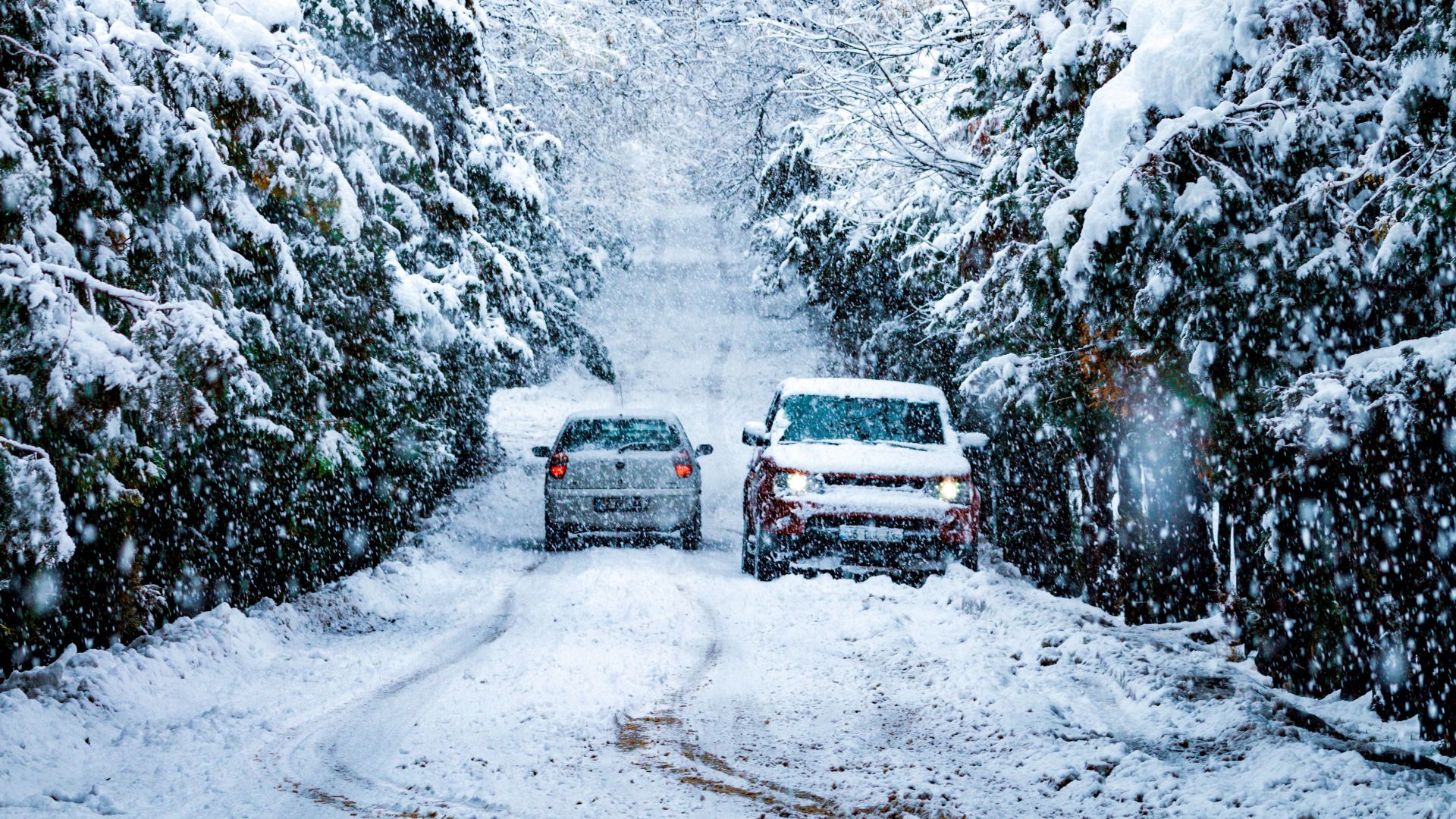
Some drivers try to save money by installing winter tires only on the drive wheels. That can create dangerous handling problems because the front and rear tires grip differently. The Automobile Protection Association warns that using only two winter tires can cause instability and loss of control.
The Mountain Snowflake Symbol Matters
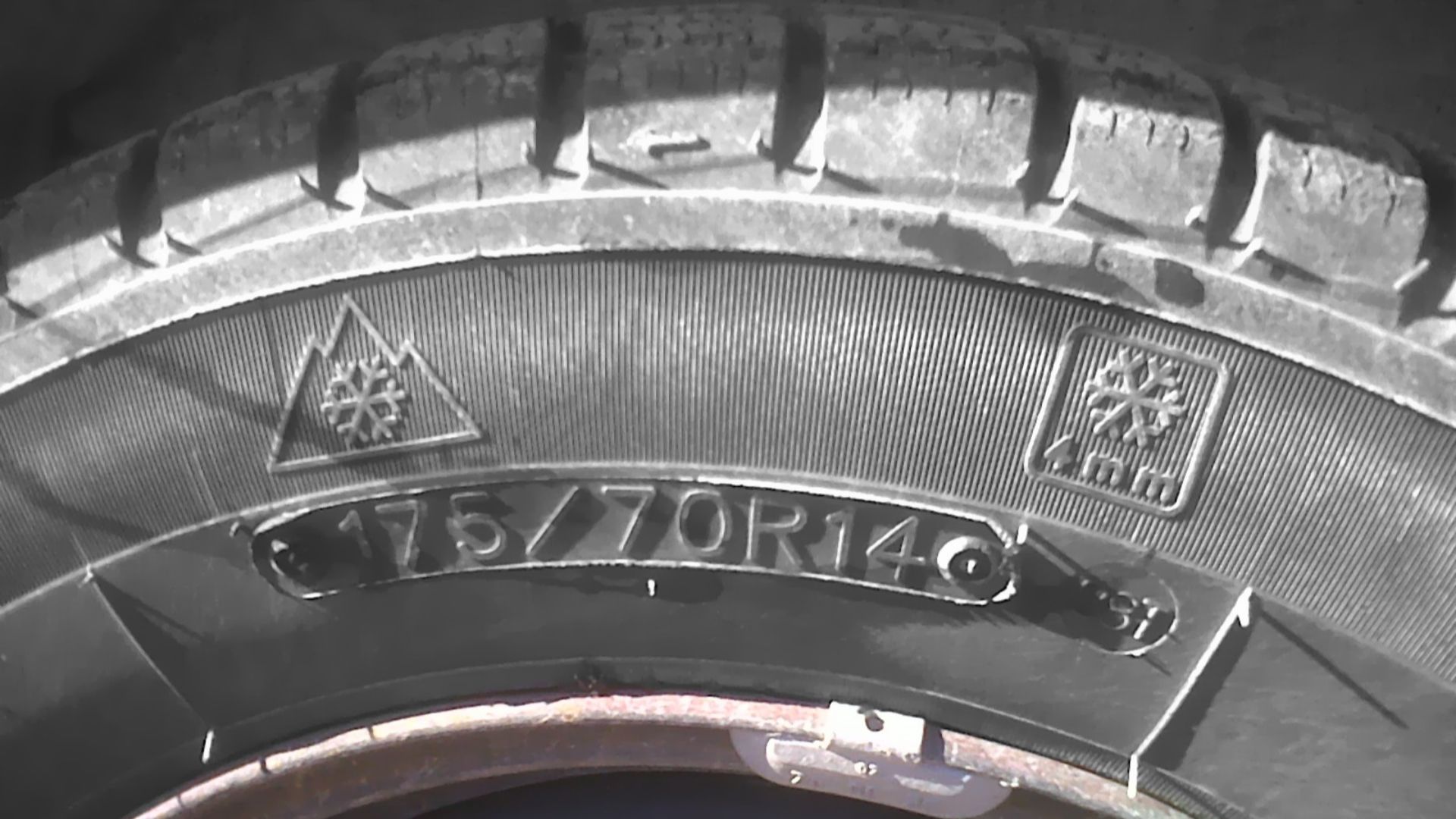
True winter tires usually carry the three-peak mountain snowflake symbol, showing they meet specific snow traction standards. Some all-weather tires also carry this symbol, but ordinary all-season tires often do not. If winter performance matters, check the sidewall rather than relying only on the sales label.
All-Weather Tires Are A Middle Ground
All-weather tires are different from traditional all-season tires. They are designed for year-round use and often carry the mountain snowflake symbol. They can be a practical option for some drivers, especially in milder winter regions, but dedicated winter tires may still perform better in severe snow, ice, and deep cold.
Local Laws May Decide For You
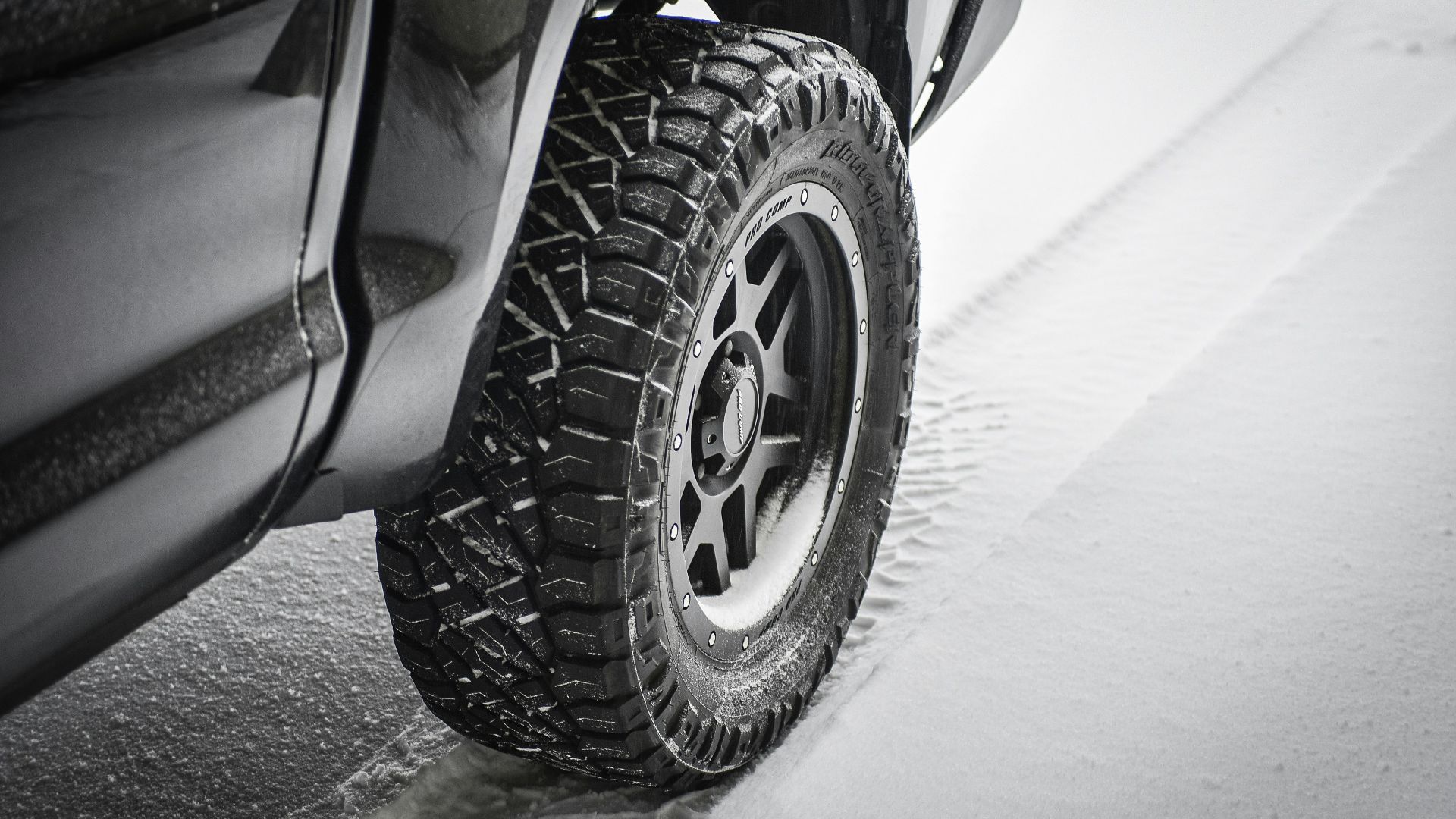
In some places, winter tires are not just a recommendation. Quebec requires winter tires on most registered motorized road vehicles from December 1 to March 15, with compliant tires carrying the required winter pictogram or being studded where allowed. Fines can apply for non-compliance.
Insurance Discounts May Help Offset The Cost
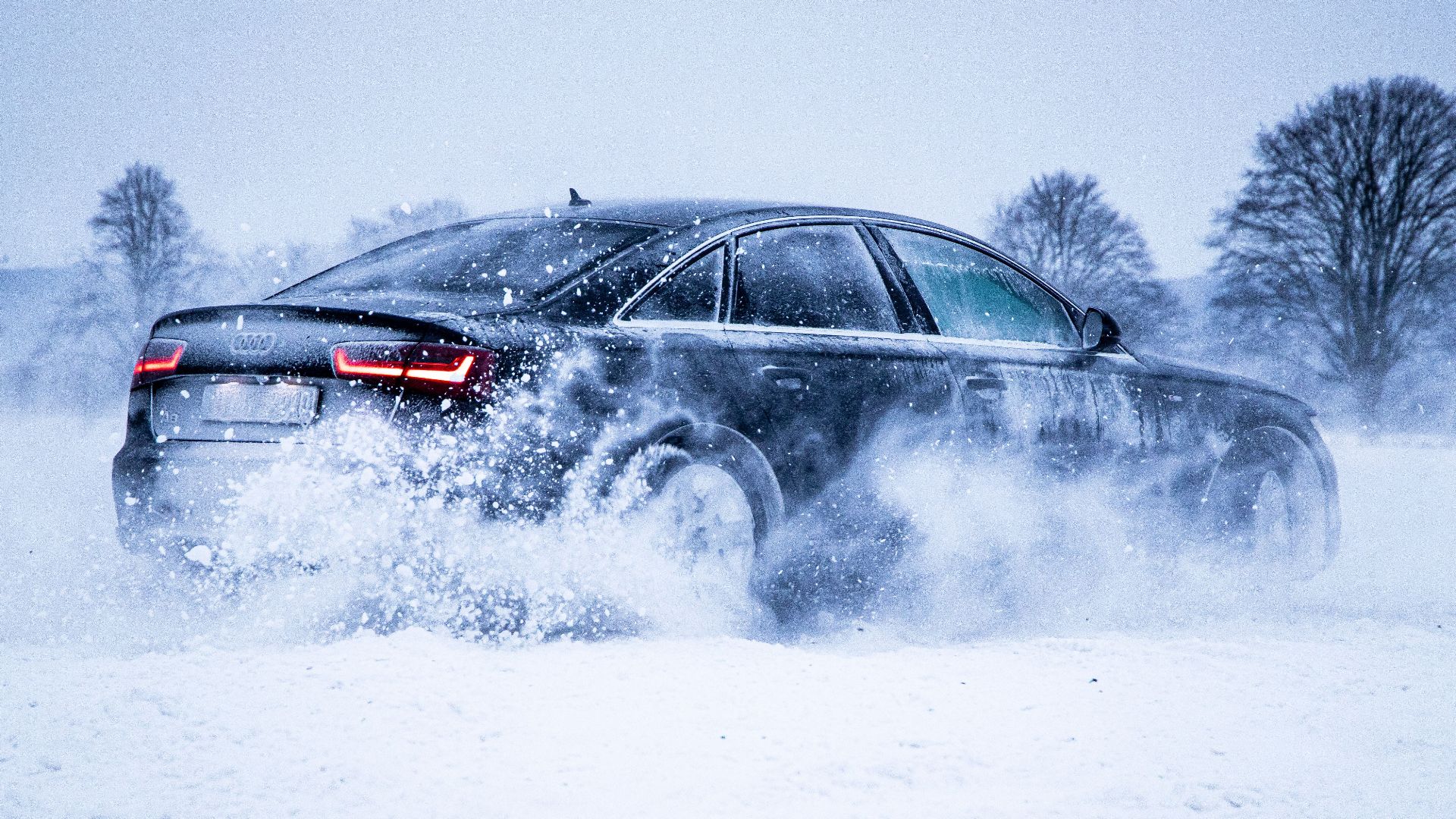
Some insurers offer discounts for using winter tires, especially in Canadian provinces where winter driving risk is significant. The discount may not cover the full cost, but it can soften the blow. It is worth asking your insurer whether winter tires could reduce your premium.

Cost Feels High, But The Tires Share The Work
Buying a second set of tires is expensive upfront, but you are not using both sets at once. When winter tires are on the car, your all-season tires are resting, and vice versa. Over time, alternating sets can stretch the usable life of both, especially if they are rotated and stored properly.
Winter Tires Are Not For Year-Round Use
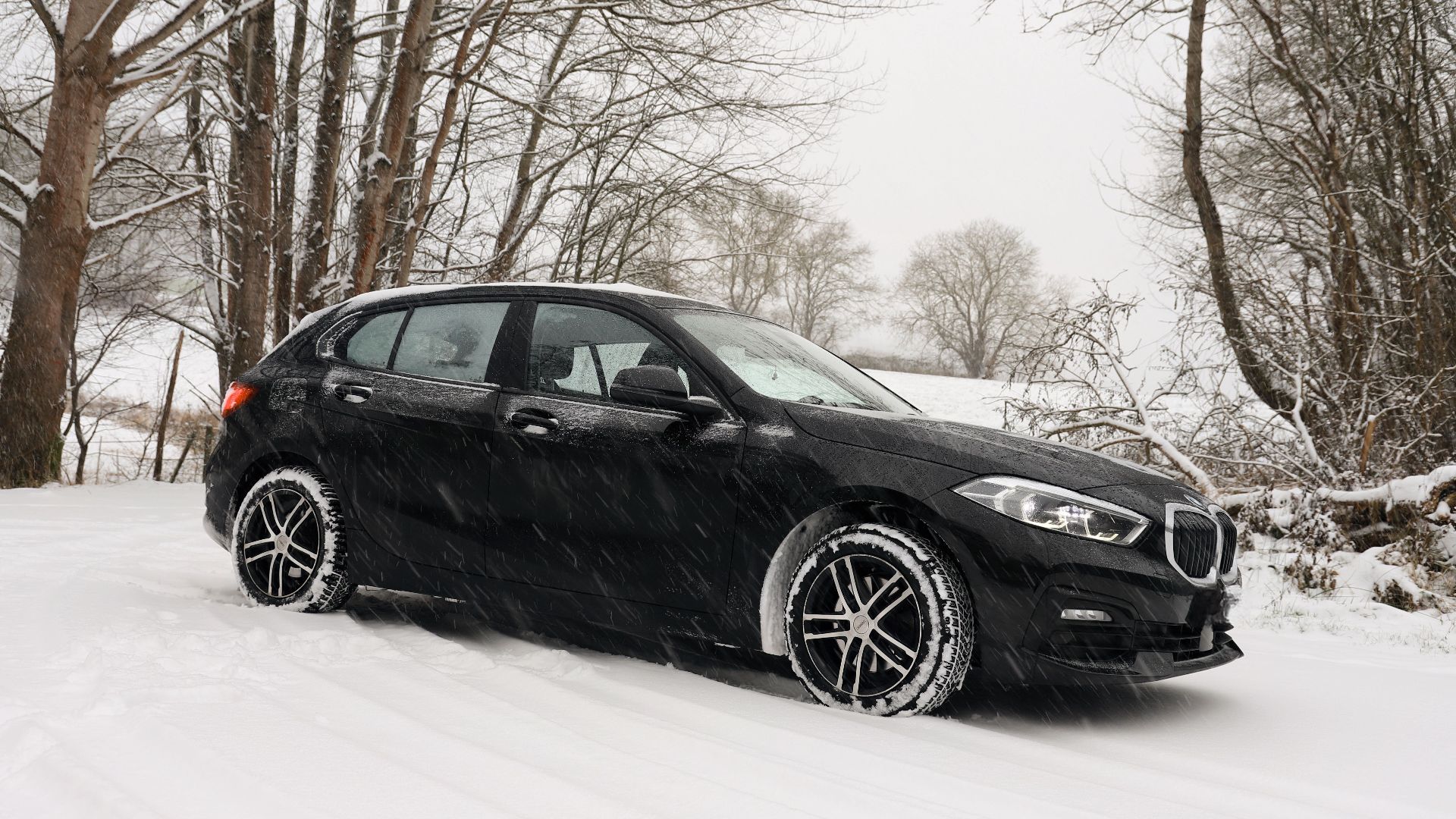
Winter tires are excellent in cold weather, but they are not ideal during warm months. Their softer rubber can wear faster on hot pavement and may not handle as crisply in summer conditions. The safest approach is seasonal switching rather than leaving winter tires on all year.
Tread Depth Still Matters
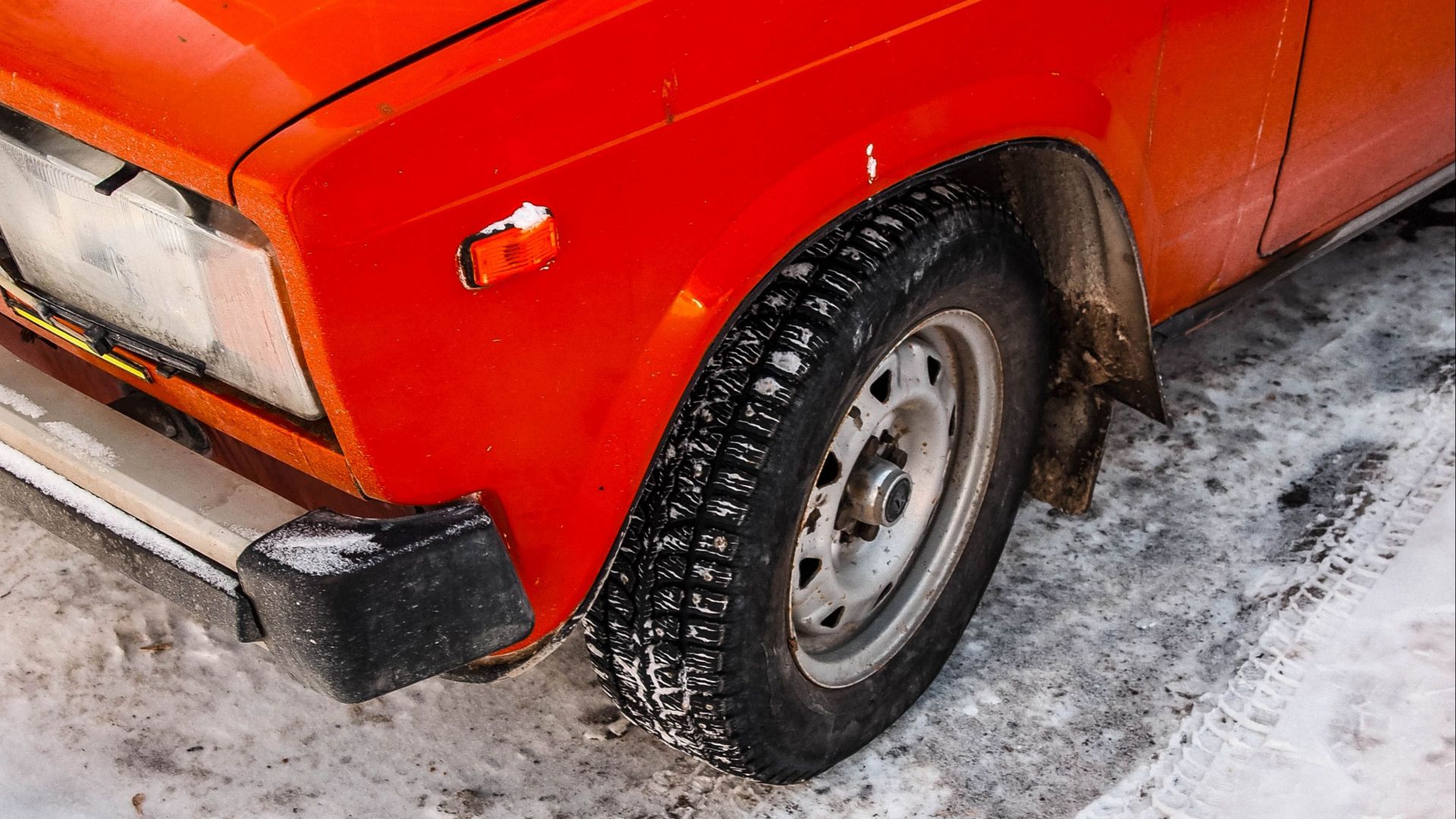
Even good winter tires lose effectiveness as they wear down. The Automobile Protection Association notes that the legal wear limit is not the same as ideal winter safety, and experts often recommend more tread depth at the start of winter than the absolute minimum. Worn winter tires can become a false sense of security.
Your Driving Habits Should Influence The Choice
If you mostly drive short city trips on well-plowed streets, your needs may differ from someone who commutes on rural roads before sunrise. Hills, highways, freezing rain, and long commutes all increase the value of dedicated winter tires. The more winter exposure you face, the stronger the case becomes.

Storage And Installation Are Part Of The Decision
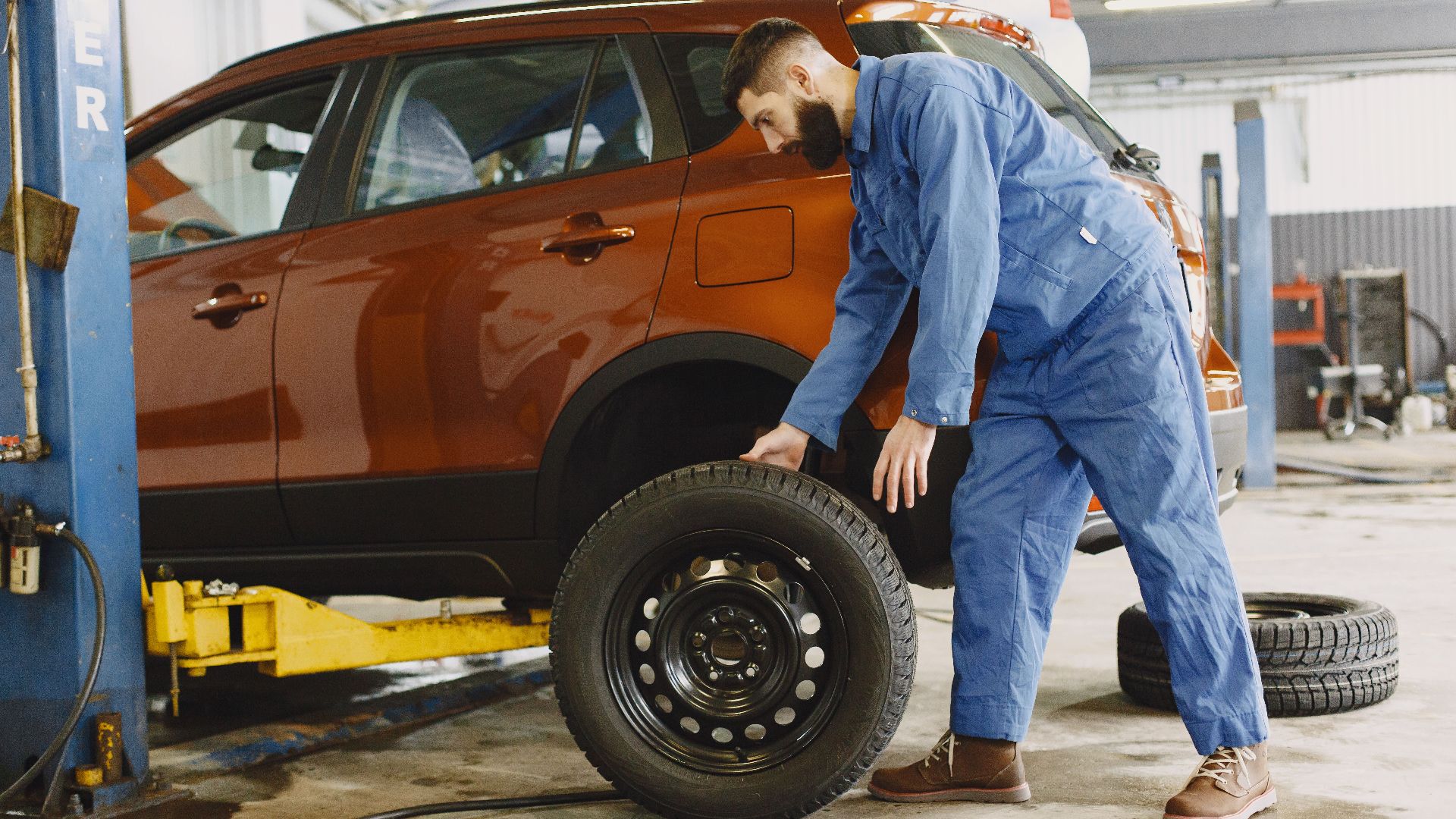
Winter tires require planning. You need a place to store the off-season set, and you may need seasonal installation appointments. Many drivers make this easier by mounting winter tires on separate rims, which can reduce seasonal labor time and make the switch more convenient.
The Necessary Answer Depends On Your Winter
Are winter tires absolutely necessary for every driver everywhere? No. Are they strongly recommended in places with cold temperatures, ice, snow, or frequent winter storms? Yes. The colder and harsher your driving environment is, the harder it becomes to justify relying only on standard all-season tires.
So What's The Verdict?
All-season tires can be useful, but they are not a full substitute for winter tires in serious winter conditions. If temperatures regularly drop near or below freezing, or if you drive on snow and ice, winter tires can improve grip, braking, and control. They are not just an upsell. In many climates, they are a real safety investment.

You May Also Like:
Car Repair And Maintenance Tools That Aren't Necessary—But Make Things A Whole Lot Easier
Which Is Better For You And Your Family: A Minivan or an SUV?