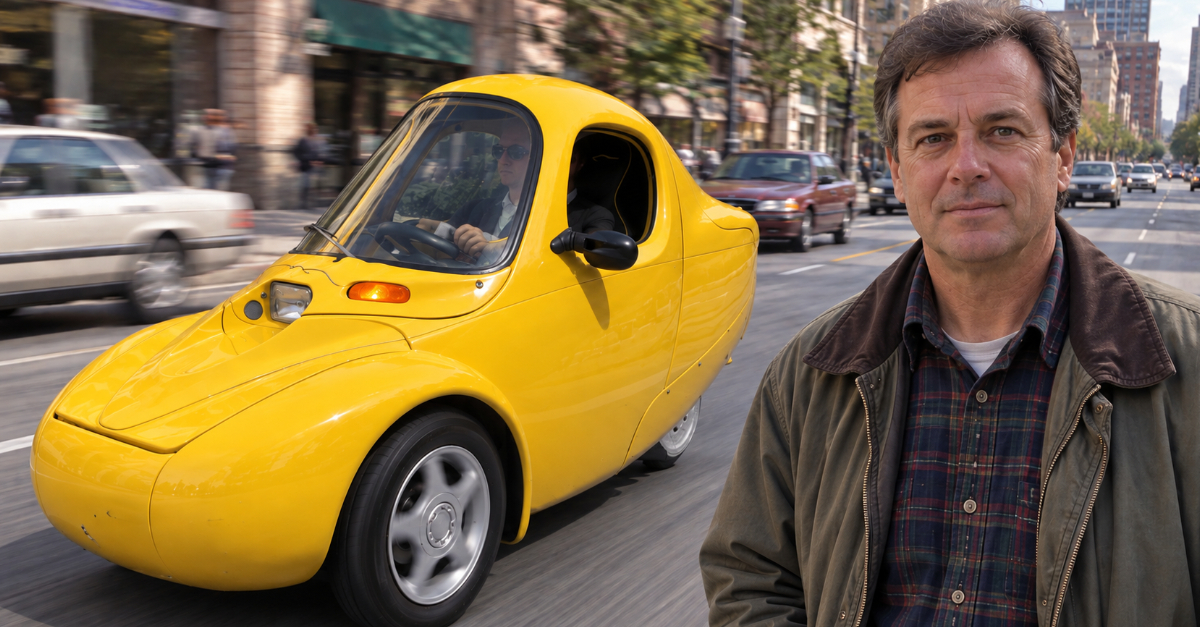
These Make A Smart Car Look Huge
Some cars are small—and then there are these cars. Honestly, have you ever seen even one pass you in traffic? We're pretty sure you'd remember if you had.
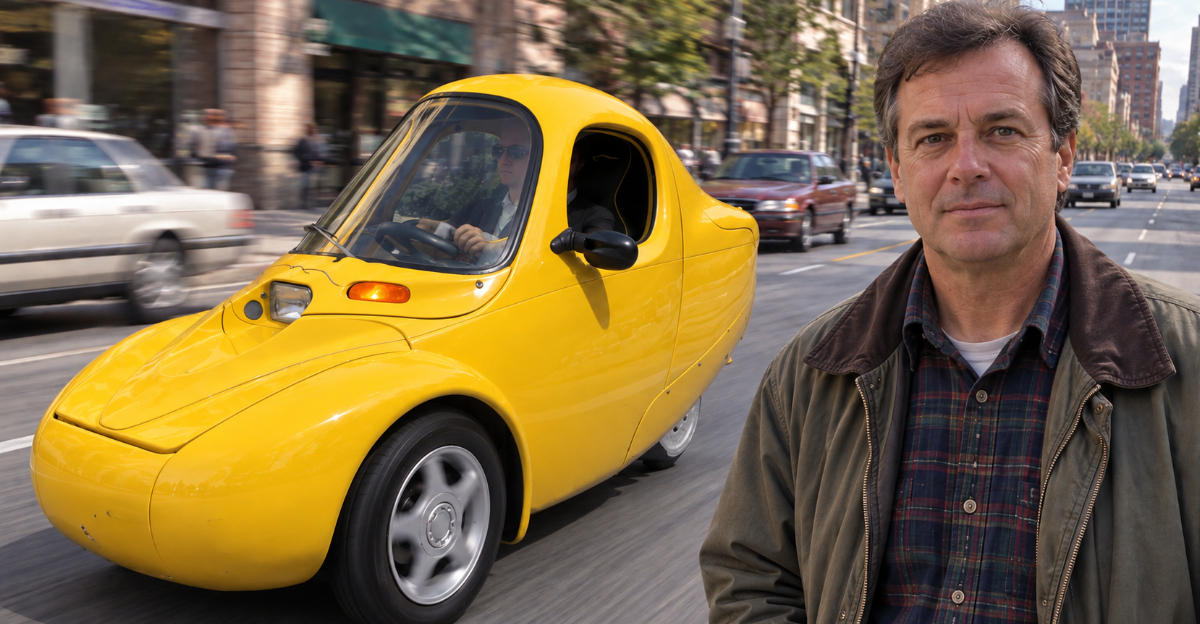
Renault Twizy
The Renault Twizy has two seats, but the passenger sits directly behind the driver. Depending on its power and market, it was classified as either a light or heavy quadricycle. At less than eight feet long, it could fit into parking spaces most drivers would ignore.
 Corvettec6r, Wikimedia Commons
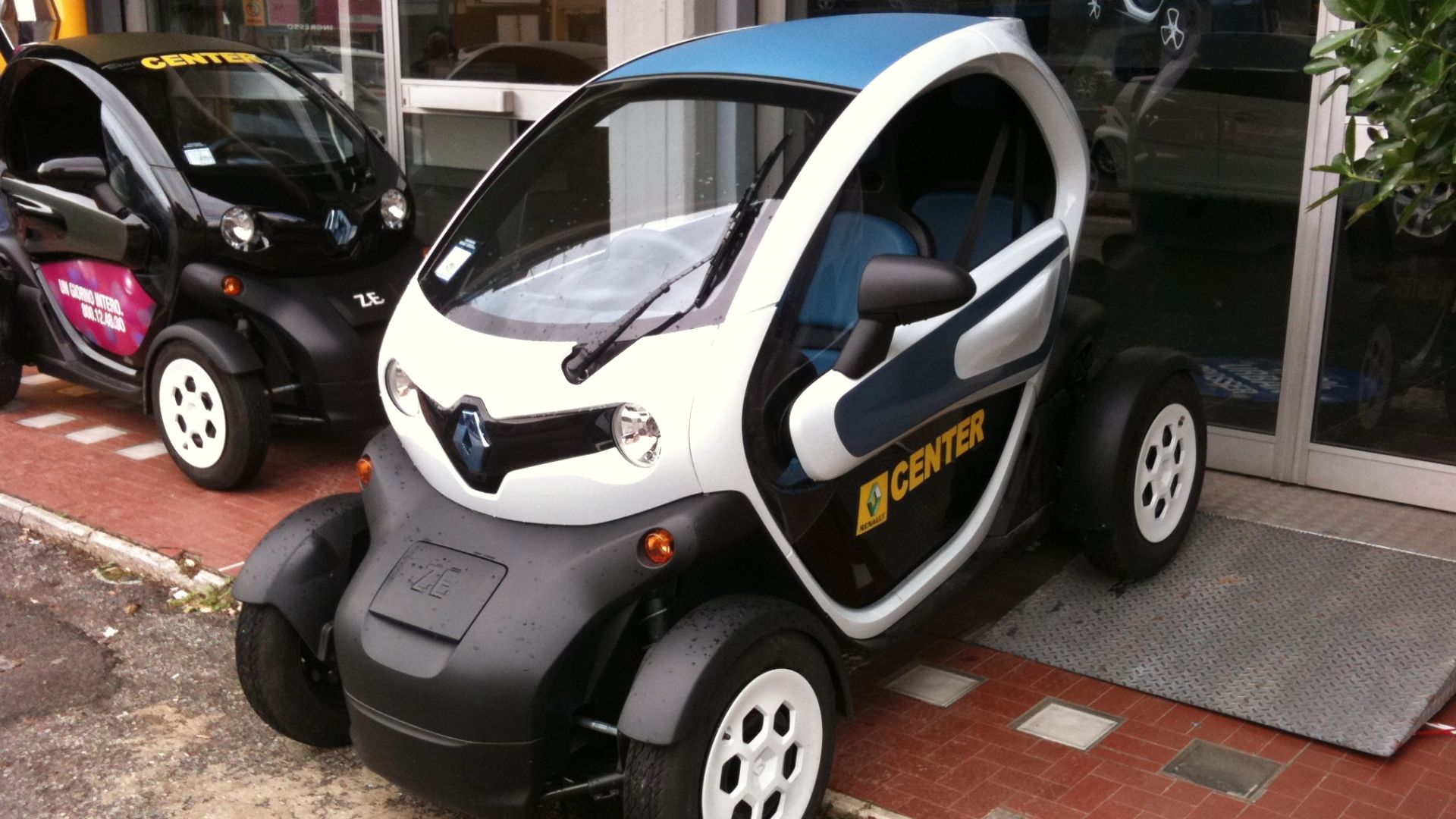
Willam City
Despite the ambitious name, the Willam City was barely big enough for one city resident and a few groceries. Built in Italy and marketed in France, this four-wheeled microcar measured just 78 inches long. Parking was probably the easiest part of owning one.
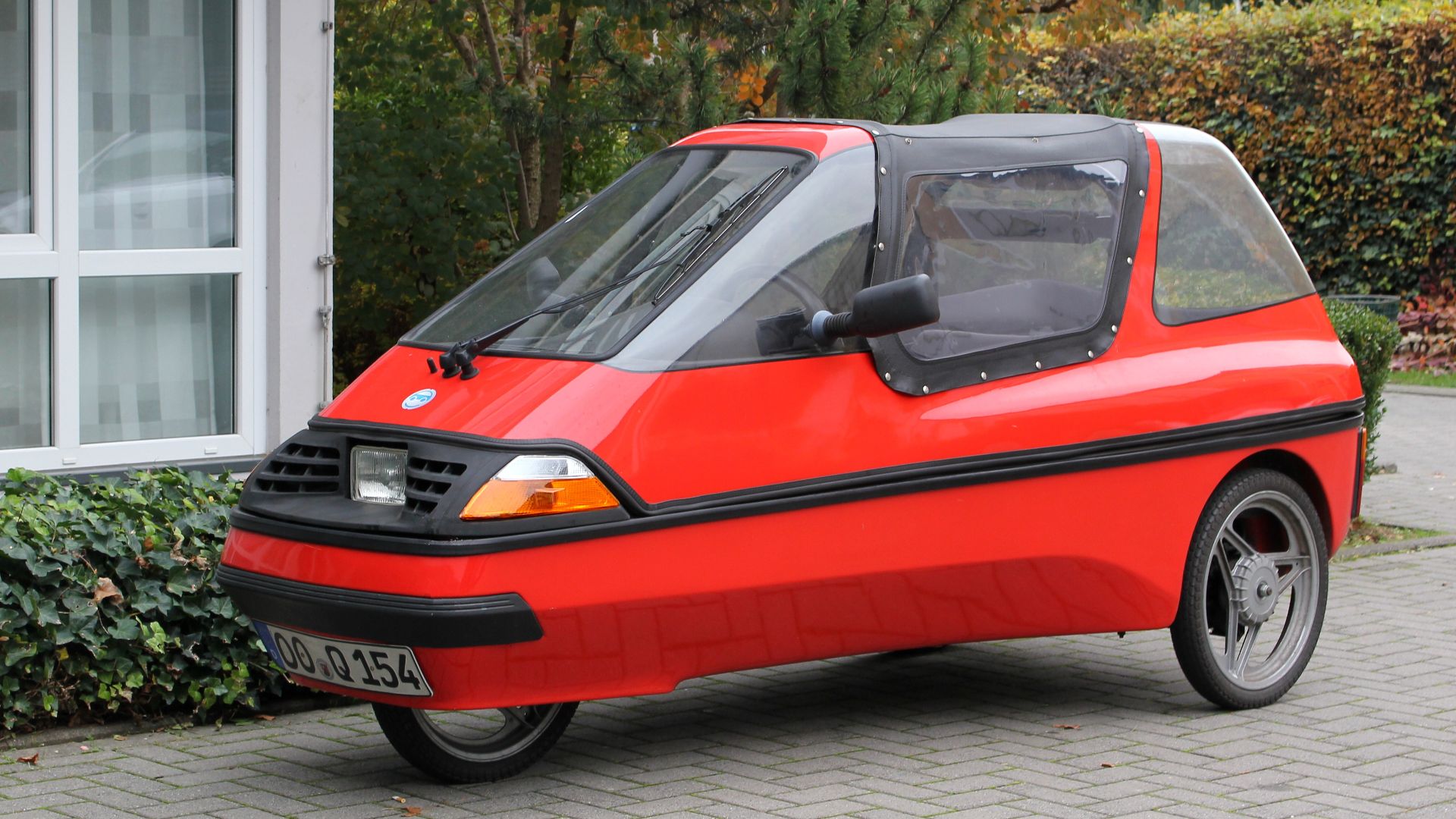
CityEL
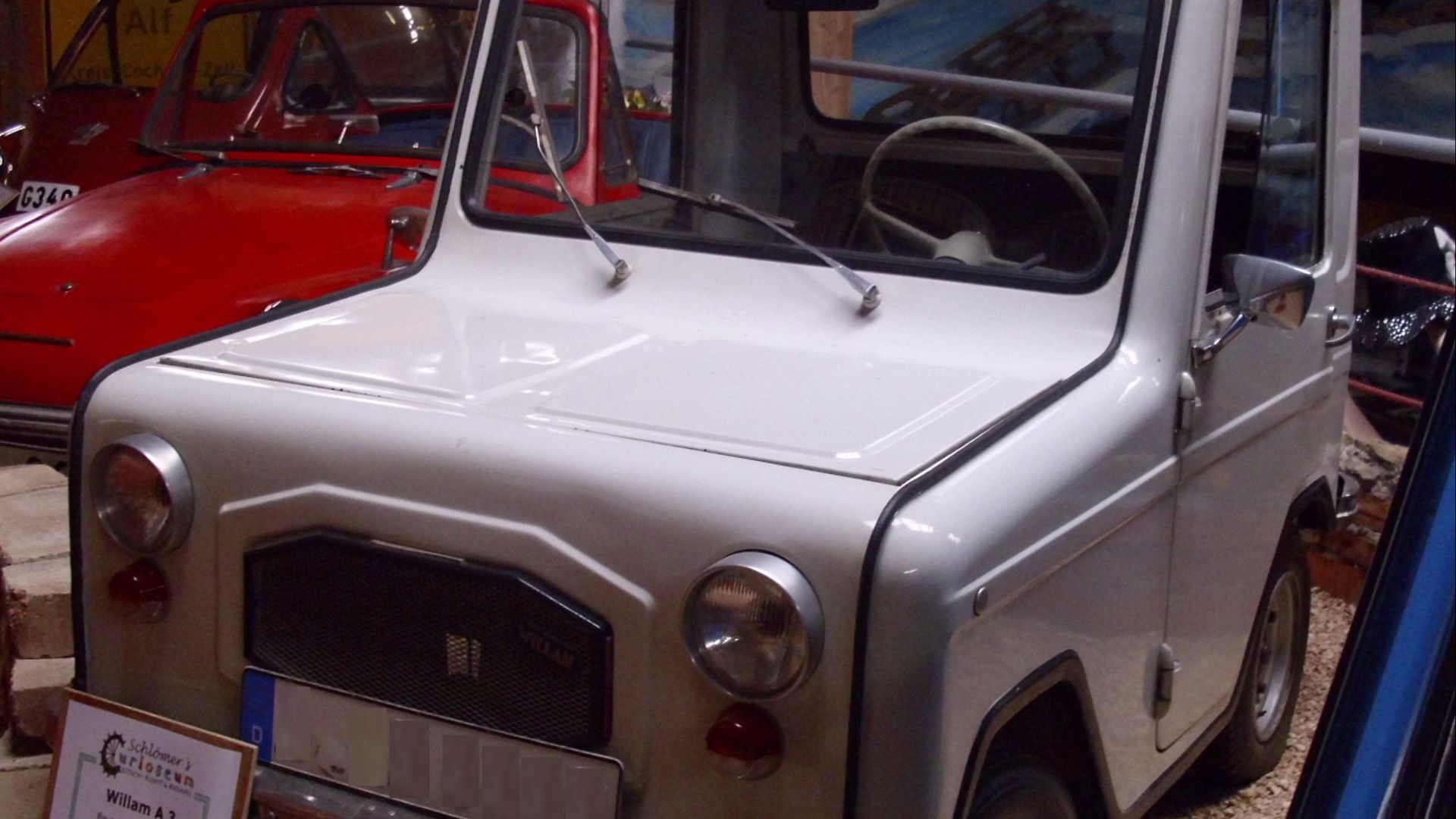
The CityEL began life in Denmark during the 1980s and looked more like an enclosed motorcycle helmet than a car. Its entire upper section tilted forward so the driver could climb inside. It had three wheels, one seat and enough electric power for short urban trips.
 Lothar Spurzem, Wikimedia Commons
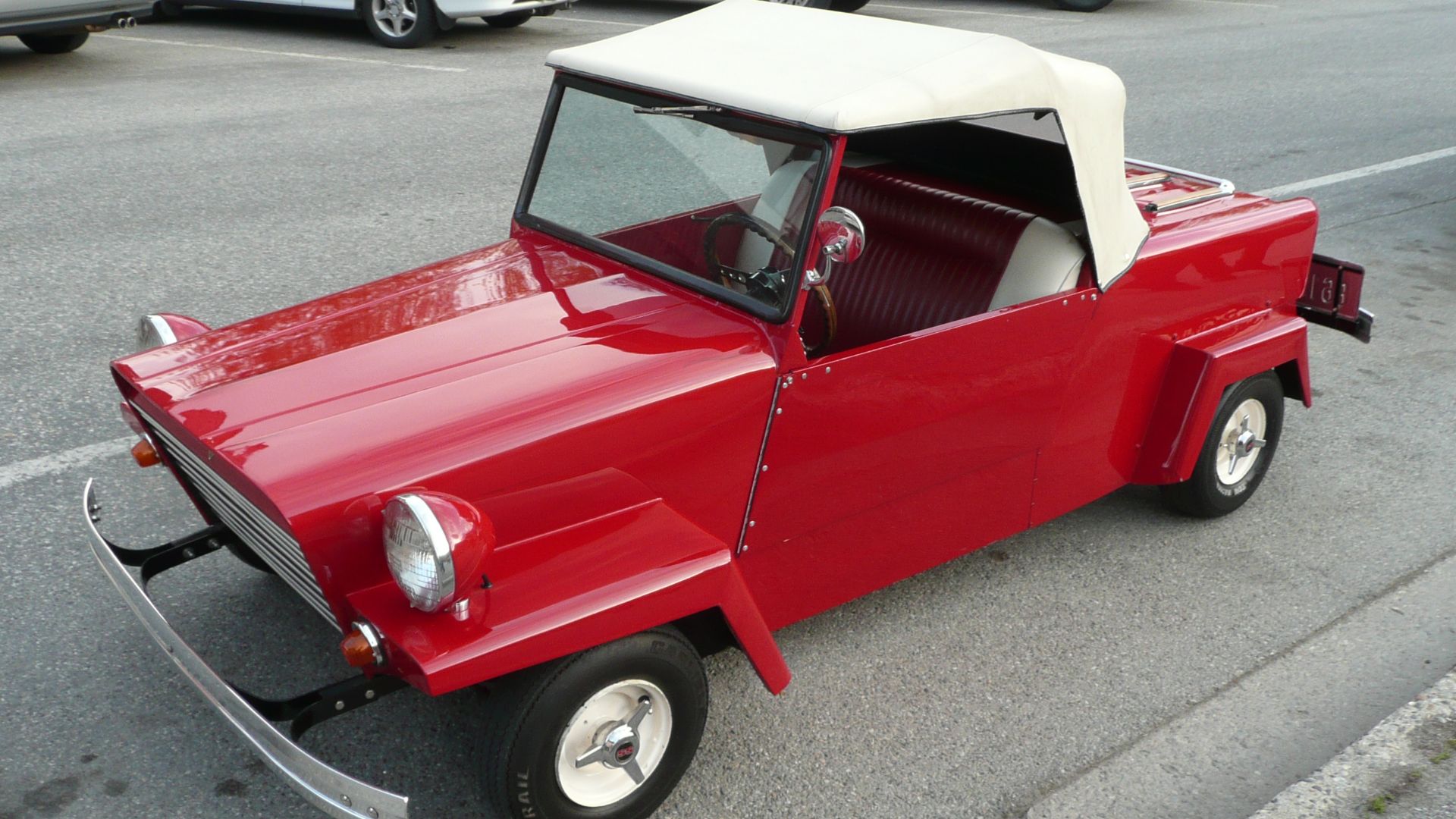
King Midget Model II
The King Midget was one of the few American microcars to enjoy a reasonably long production run. The Model II arrived during the early 1950s with a tiny aluminum body and a single-cylinder engine. At only about eight feet long, it made almost every other American car look enormous.
 joaquin uy from Seattle;cropped by uploader Mr.choppers, Wikimedia Commons
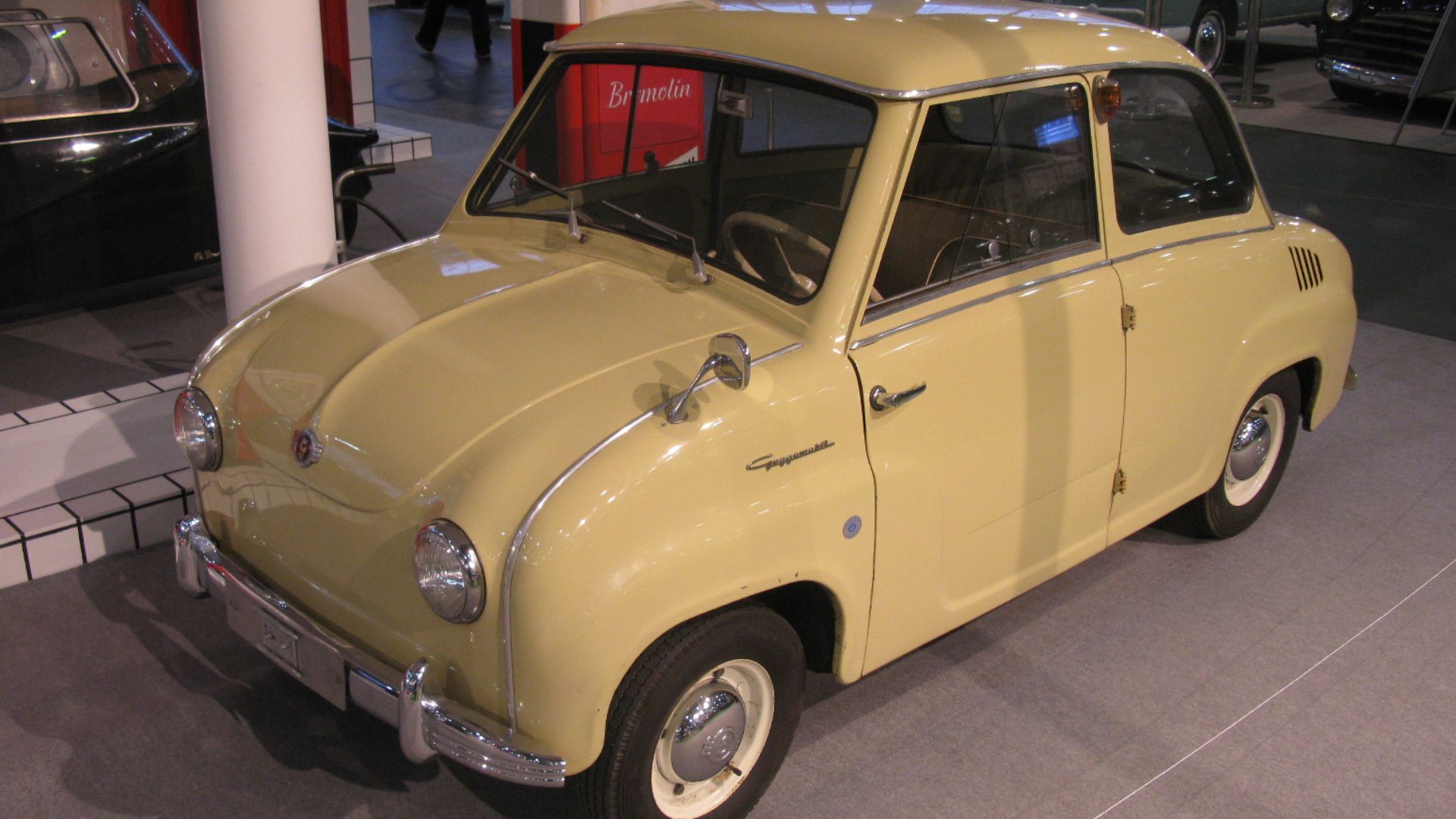
Goggomobil T250
The Goggomobil T250 looked surprisingly normal until someone parked a regular car beside it. The German microcar was only about nine-and-a-half feet long and used a rear-mounted 245cc two-cylinder engine. It even offered four seats, although those in the back probably needed to be extremely understanding.
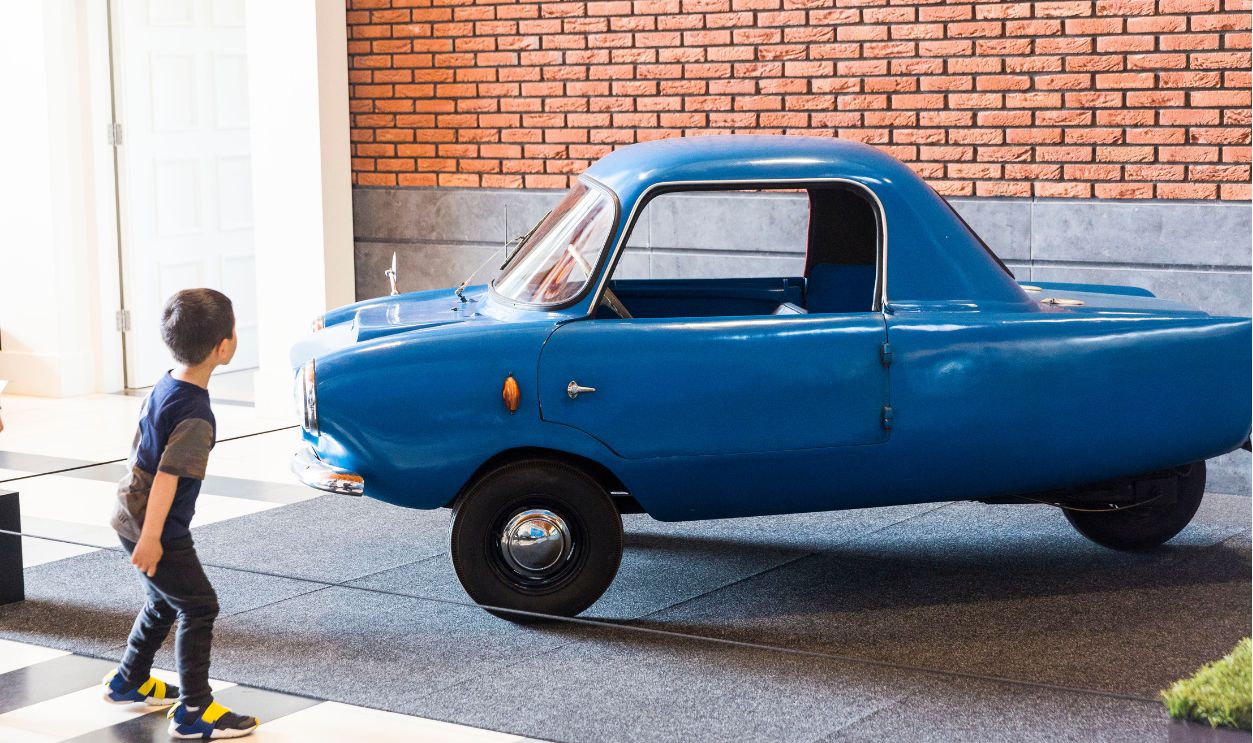
Frisky Family Three
The wonderfully named Frisky Family Three arrived in Britain in 1959. Despite “Family” appearing in its name, this three-wheeler was barely over nine feet long and offered extremely cozy seating. Its small Villiers engine kept costs down while its unusual styling made it impossible to ignore.
Berkeley T60
Berkeley was better known for tiny sports cars, but the T60 squeezed that idea into a three-wheeled package. Its fiberglass body sat remarkably low to the ground, while a motorcycle-derived engine provided the power. British licensing rules made three-wheelers like this attractive to motorcycle drivers.
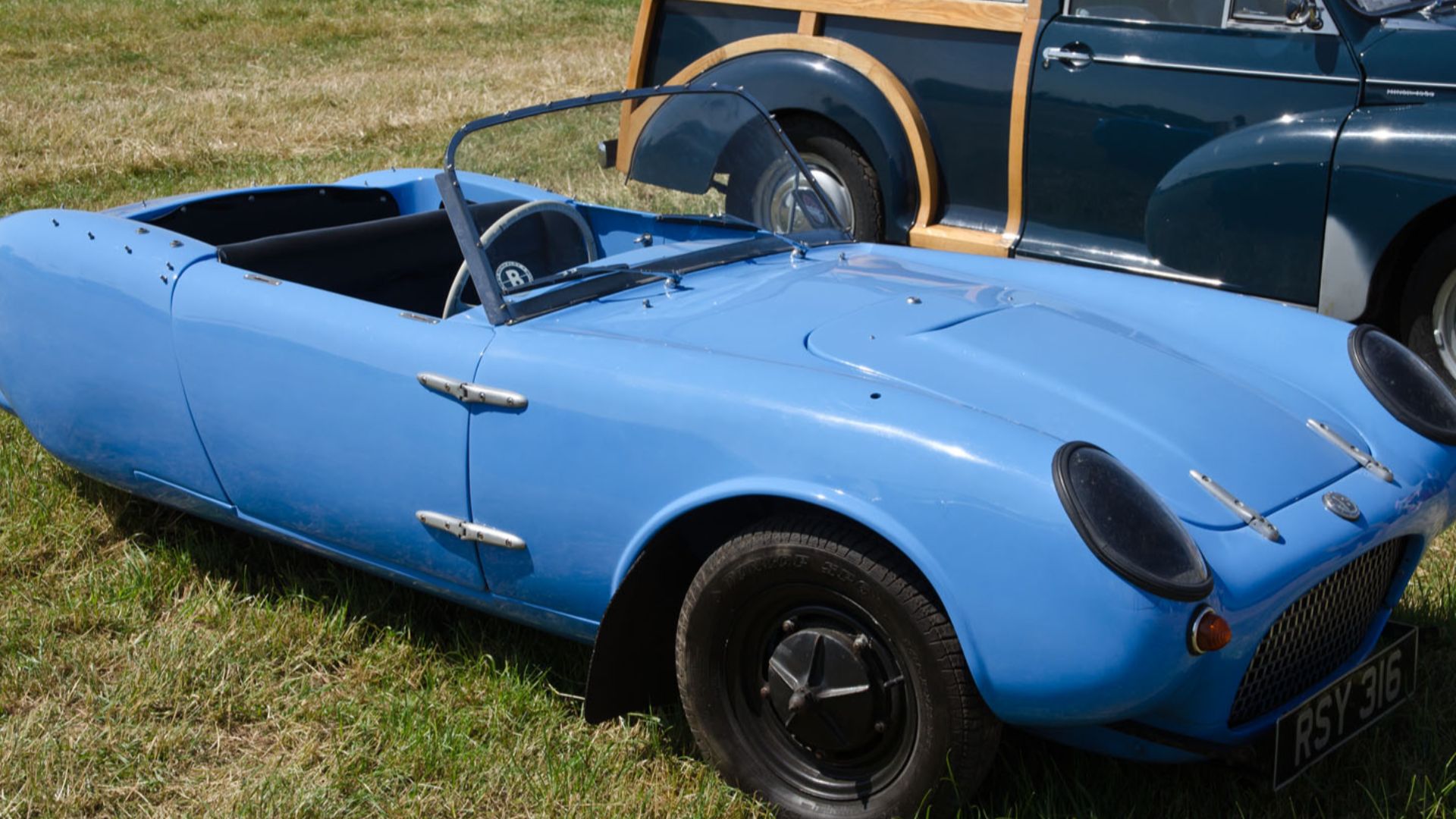
Avolette Record Deluxe
The Avolette Record Deluxe was the most powerful version of this tiny French microcar. It measured only eight feet long and used a 250cc Maico engine borrowed from a scooter. Only one Record Deluxe is known to survive, which makes seeing one in traffic especially unlikely.
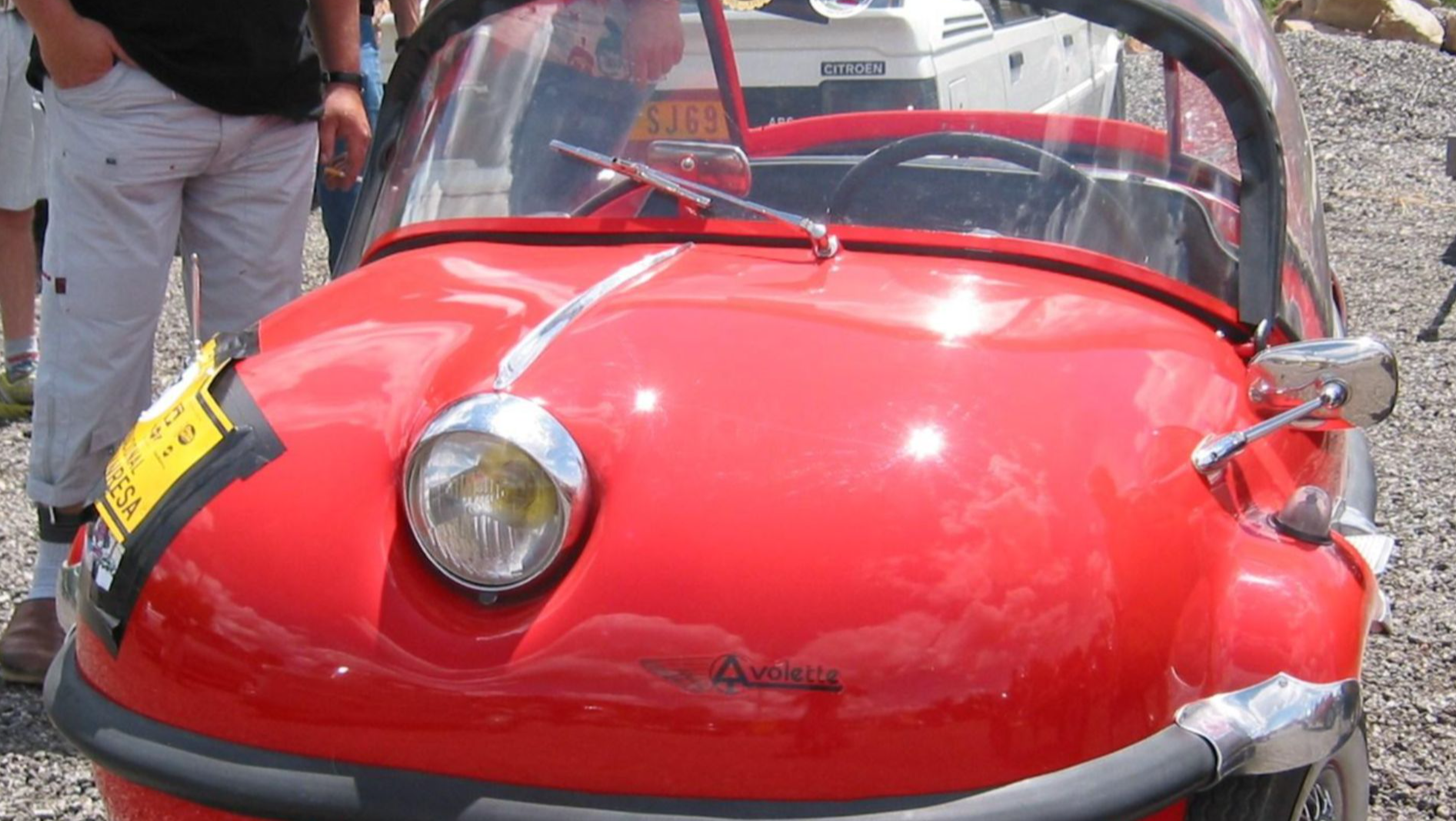
Paul Vallée Chantecler
French industrialist and racing-team founder Paul Vallée introduced the Chantecler during the 1950s. The tiny three-wheeler had two seats, a 125cc engine and bodywork that appeared to be smiling. Only around 200 were reportedly produced before Vallée moved on to other ventures.
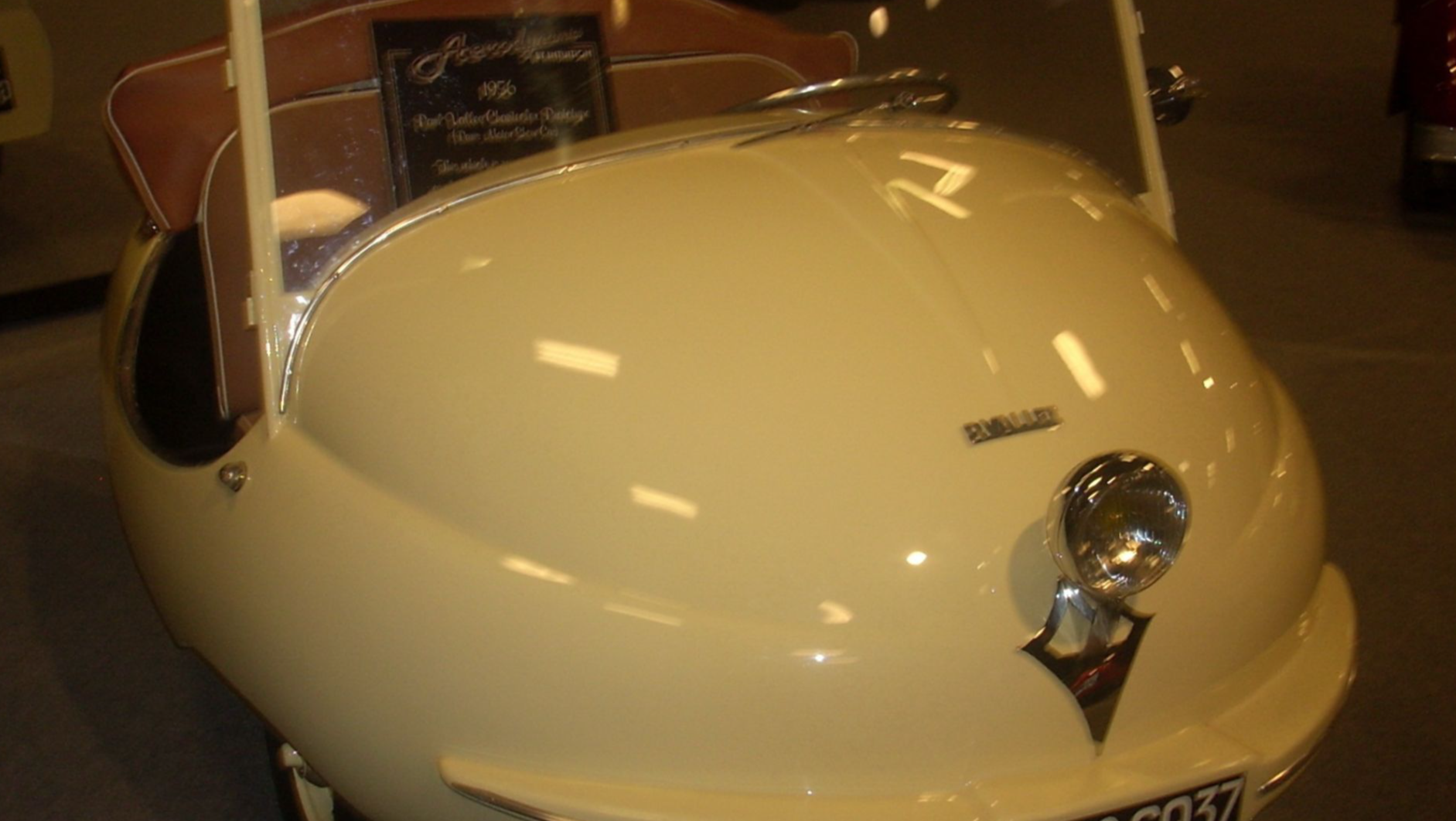
ACOMA Mini Comtesse
France’s ACOMA Mini Comtesse measured only 66 inches long and 35 inches wide. It had one main wheel at the front, two rear wheels and tiny stabilizing wheels to help prevent embarrassing tip-overs. French regulations even allowed it to be driven without a conventional license.
 Thesupermat, Wikimedia Commons
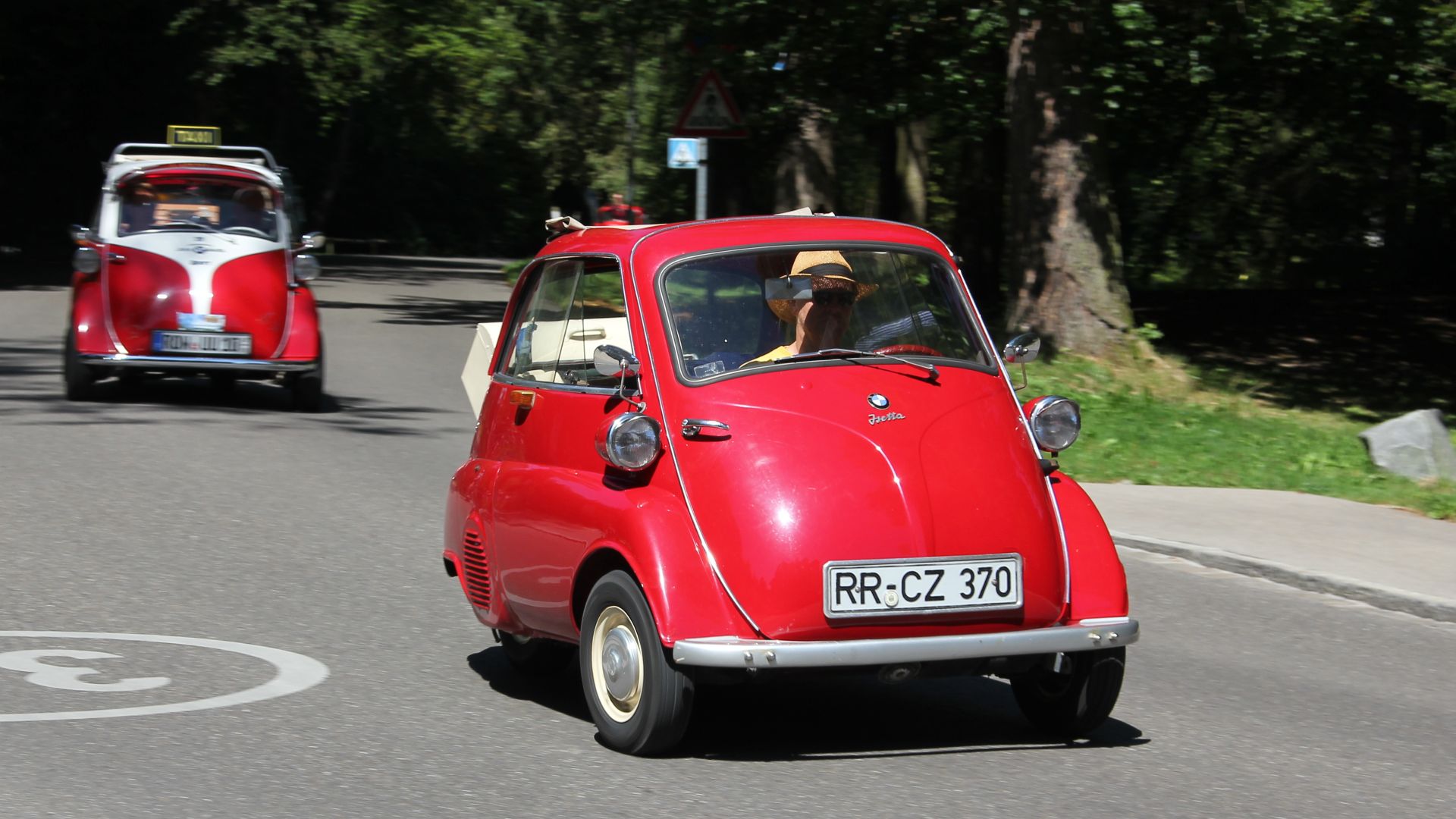
BMW Isetta
The BMW Isetta is famous now, but actually encountering one in regular traffic would still be startling. Instead of side doors, nearly the entire front of the car swung open. BMW’s version measured roughly seven-and-a-half feet long and helped the struggling company through a difficult period.
 Lothar Spurzem, Wikimedia Commons
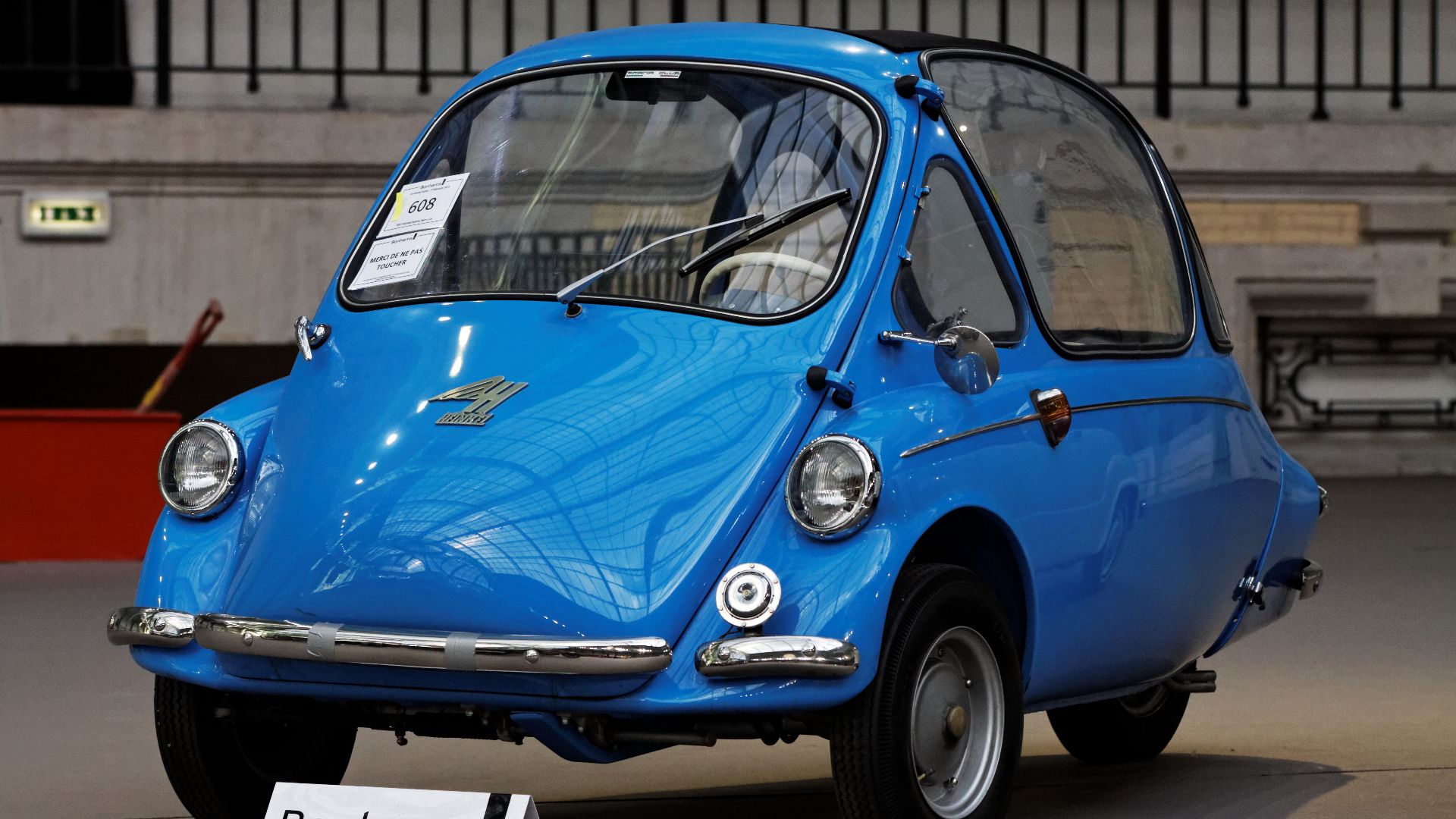
Heinkel Kabine
Aircraft manufacturer Heinkel entered the microcar business during the 1950s with the Kabine. Like the Isetta, it had a large front door, but its steering column remained in place when that door opened. Depending on the version, it came with three or four extremely small wheels.
 Thesupermat, Wikimedia Commons
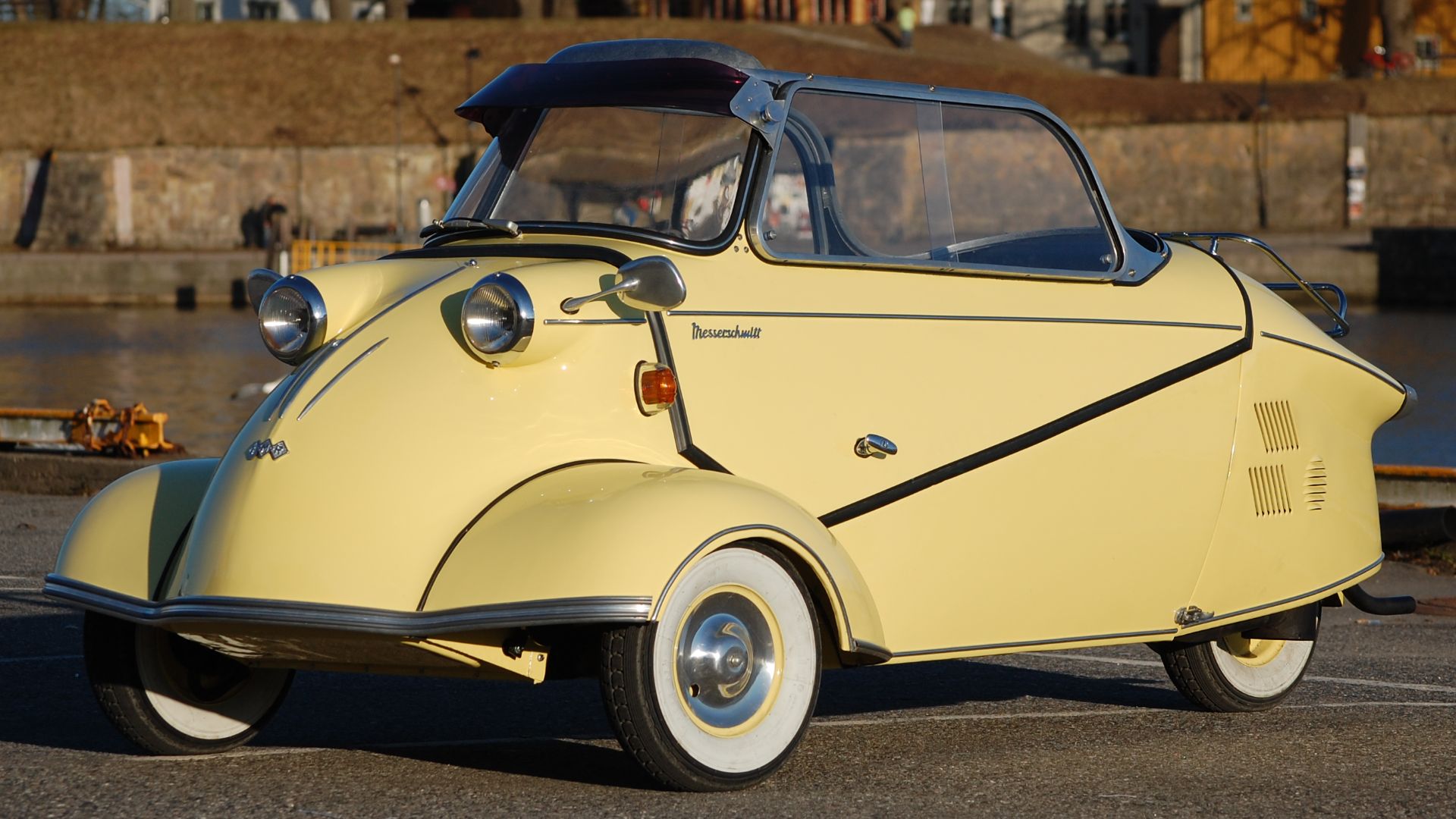
Messerschmitt KR200
Another former aircraft manufacturer gave us the Messerschmitt KR200, which explains why it resembled an airplane cockpit without wings. Driver and passenger sat in tandem beneath a clear canopy. Its 191cc engine could push the approximately nine-foot-long machine to nearly 60 mph.
 Gjermundsen, Wikimedia Commons
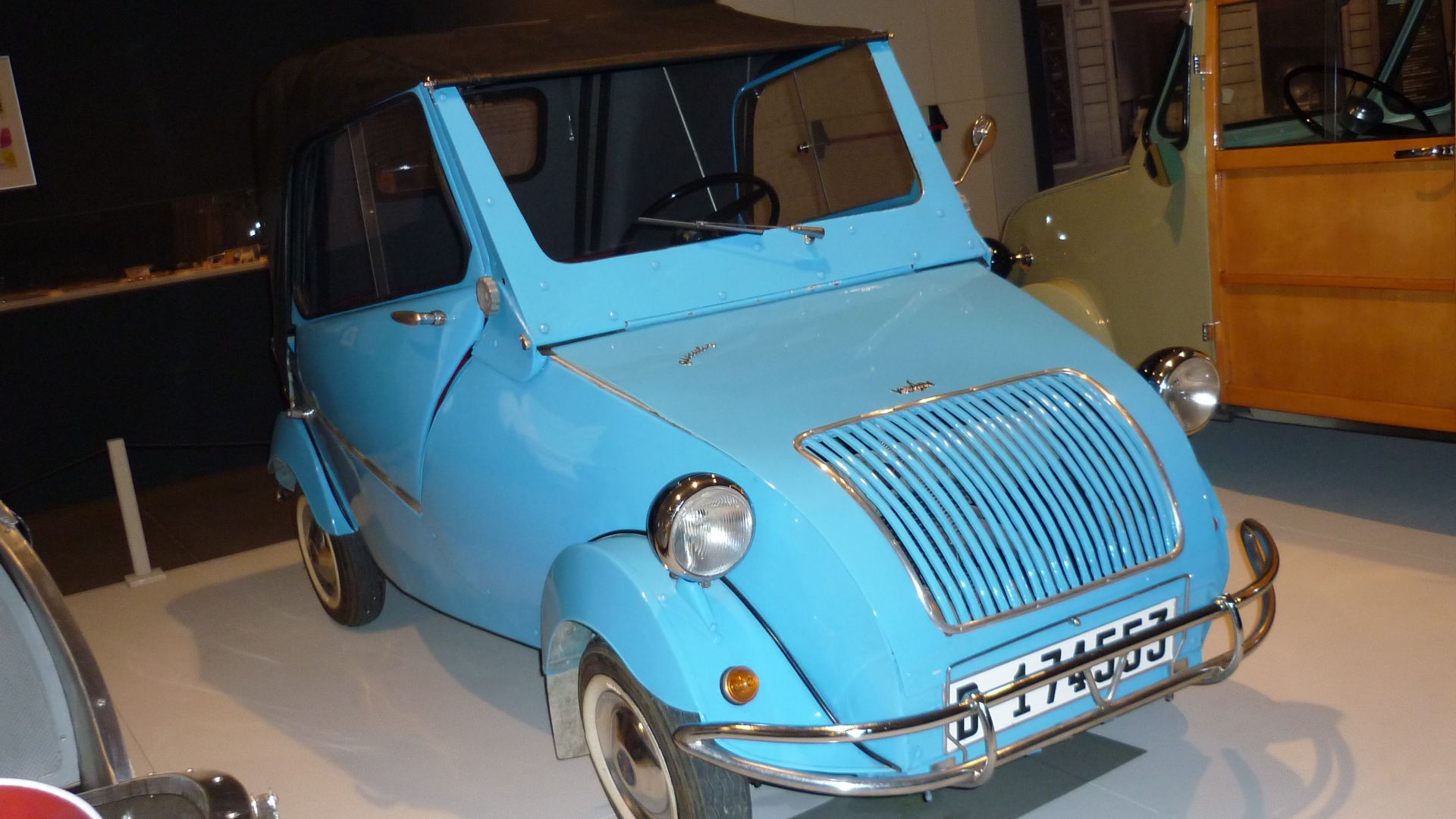
Biscúter 200-A
The Spanish Biscúter was created when affordable transportation mattered far more than comfort. Doors and windows were optional canvas pieces, while the earliest cars lacked reverse. Later 200-A models solved that problem by restarting their two-stroke engines in the opposite direction.
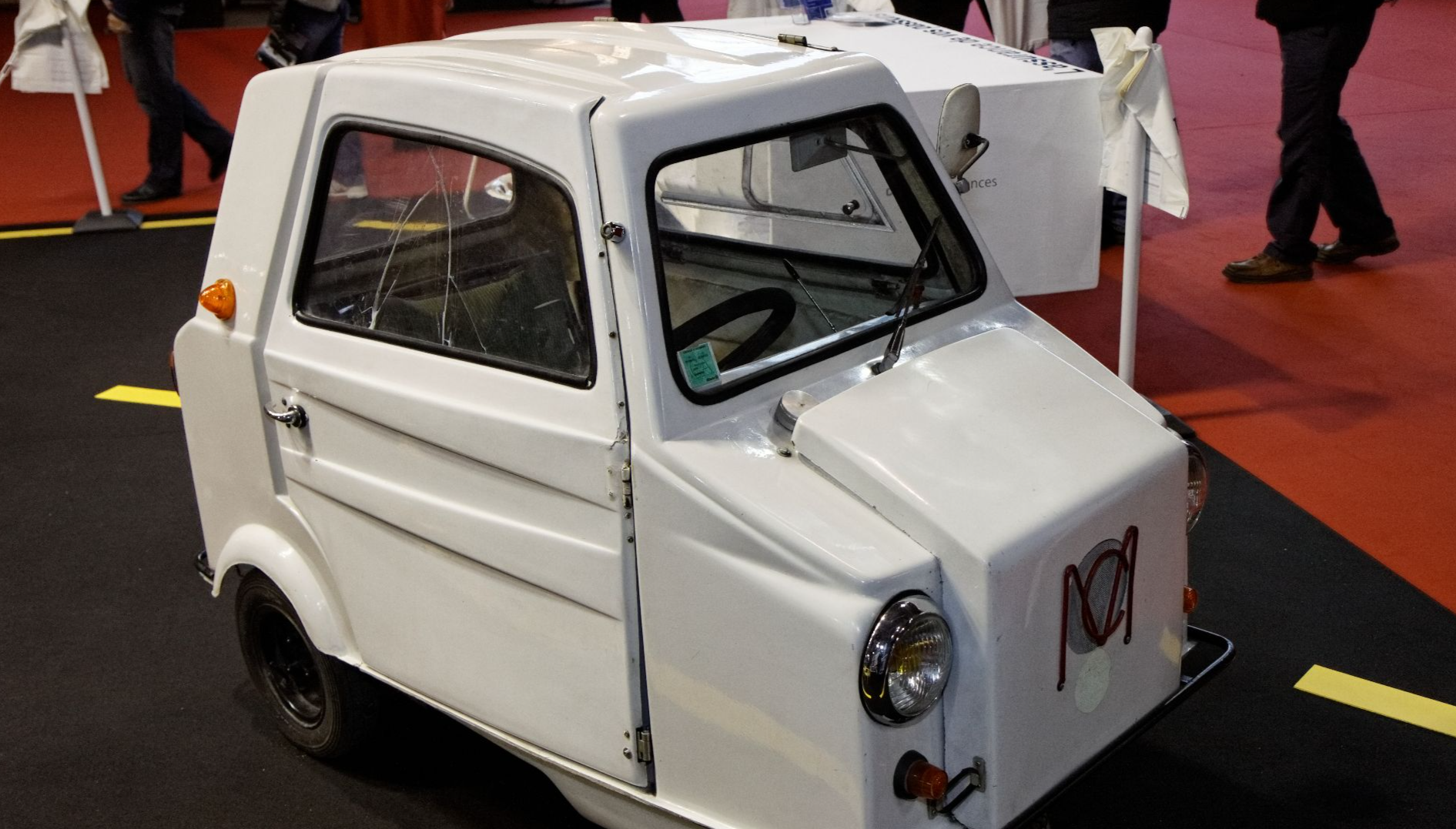
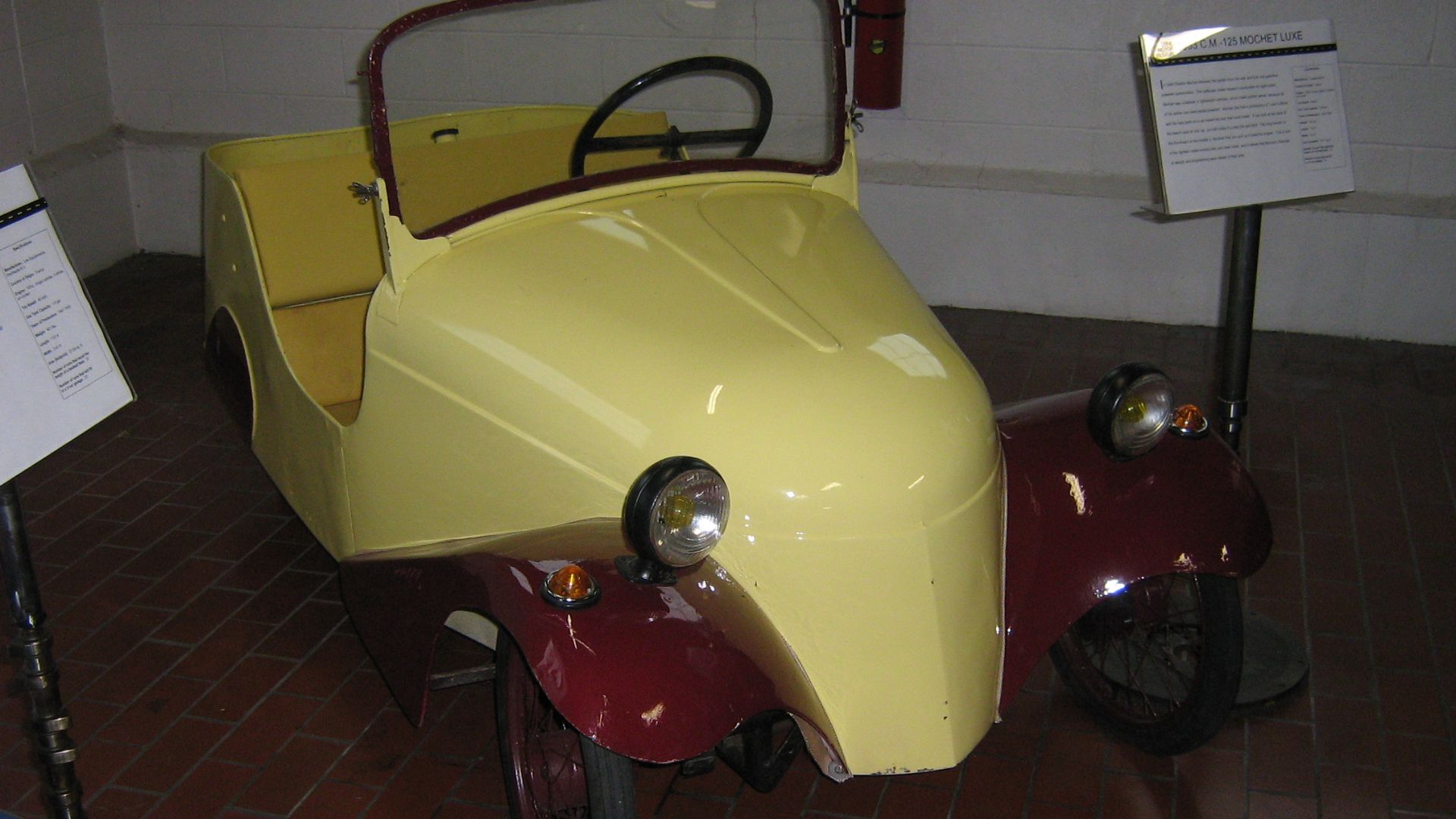
Mochet CM-125
Before building microcars, French manufacturer Mochet made small pedal-powered vehicles. That background was fairly obvious in the CM-125, a tiny two-seater powered by a 125cc engine. It was narrow, light and uncomplicated, yet it was still intended to travel on public roads with regular automobiles.
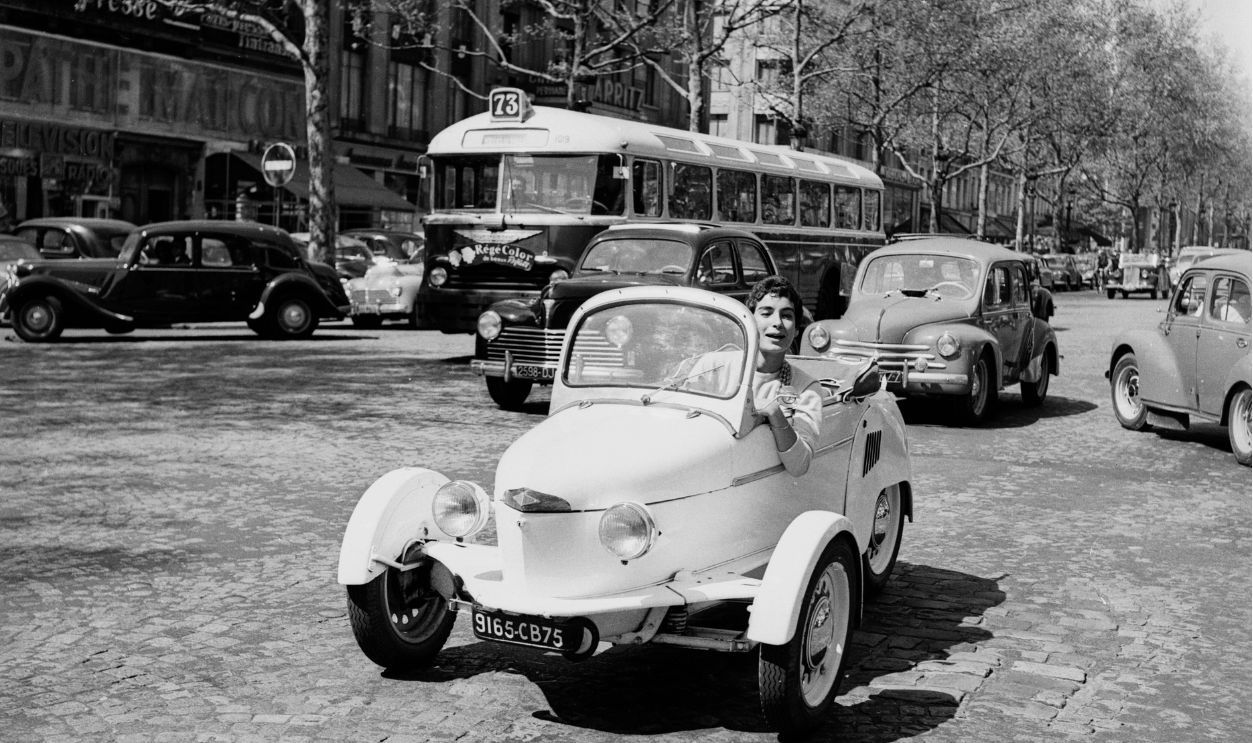
Reyonnah
The Reyonnah had a trick most tiny cars could not match. Its front wheels could fold inward, reducing its width enough to squeeze through extremely narrow spaces. The French microcar appeared at the 1950 Paris Motor Show, but only around 17 were ultimately constructed.
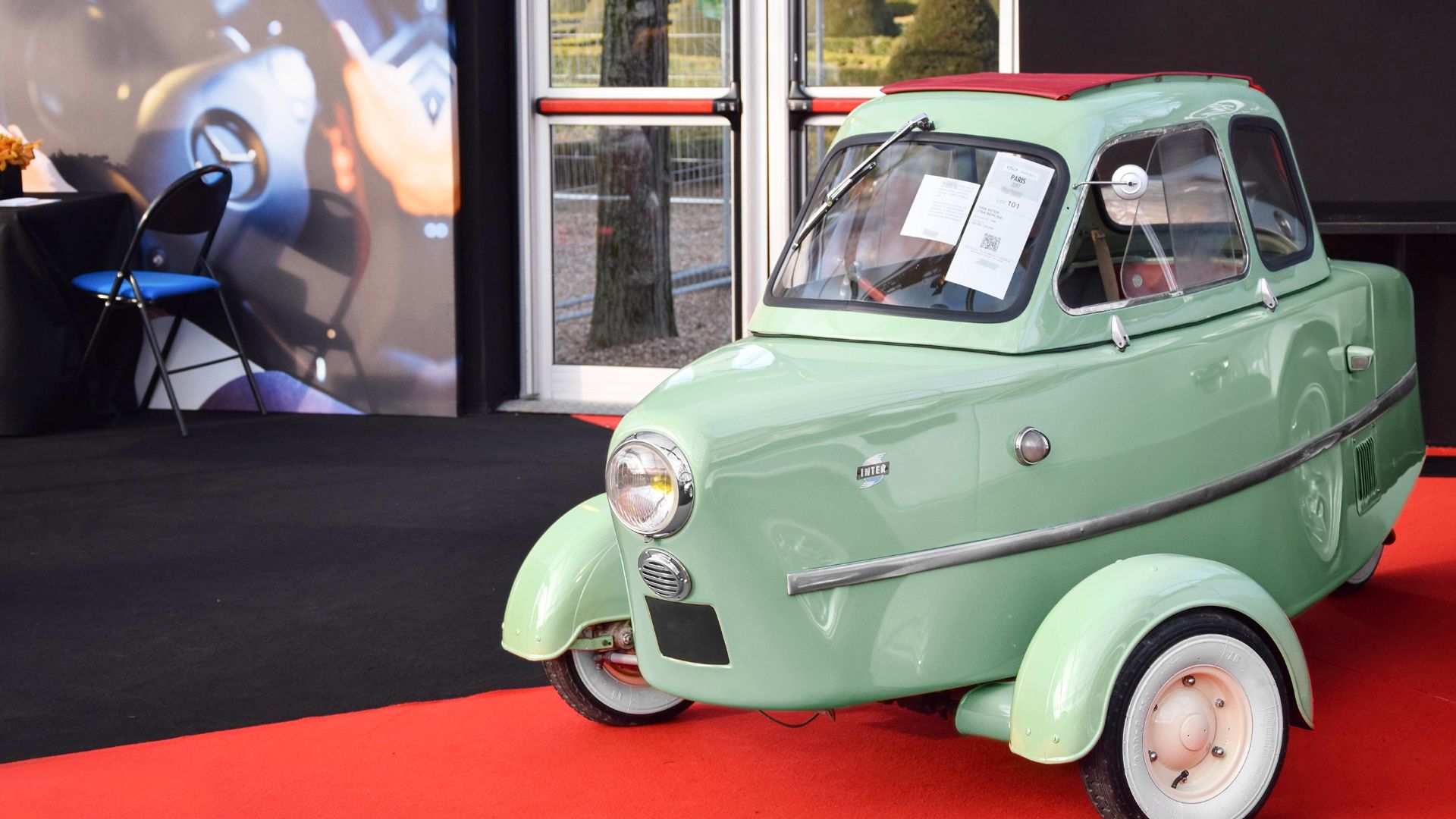
Inter 175A Berline
The Inter 175A looked less like a car and more like a small airplane that had misplaced its wings. Built in France during the 1950s, it featured tandem seating, a bubble canopy and three wheels. Its front wheels could even fold inward to make storage easier.
 Alexandre Prevot from Nancy, France, Wikimedia Commons
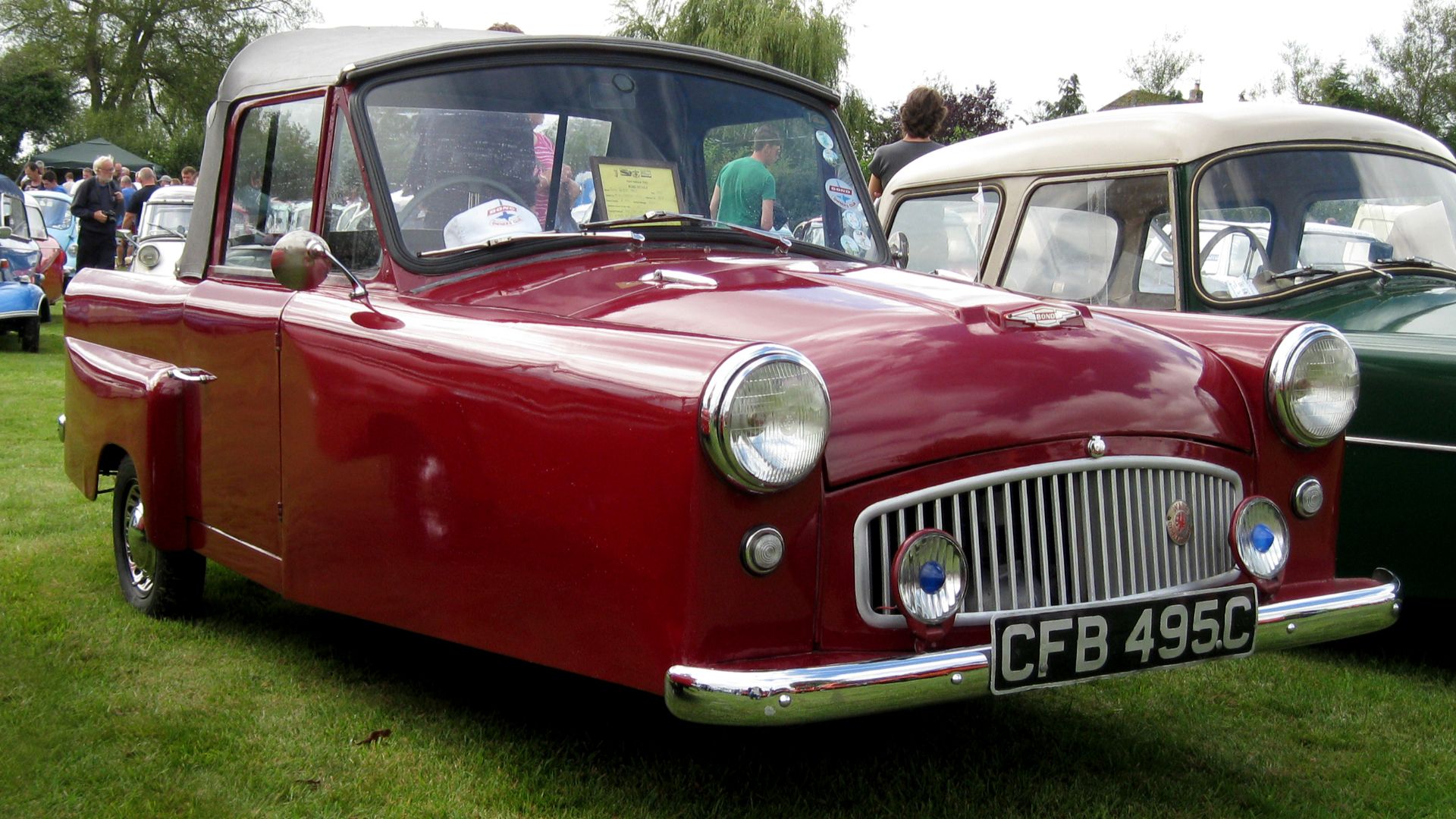
Bond Minicar
The early Bond Minicar reduced driving to the bare essentials. It had three wheels, a tiny motorcycle engine and a front wheel that turned along with the engine and transmission. Some versions were so maneuverable that they could practically rotate within their own length.
 Mighty Antar, Wikimedia Commons
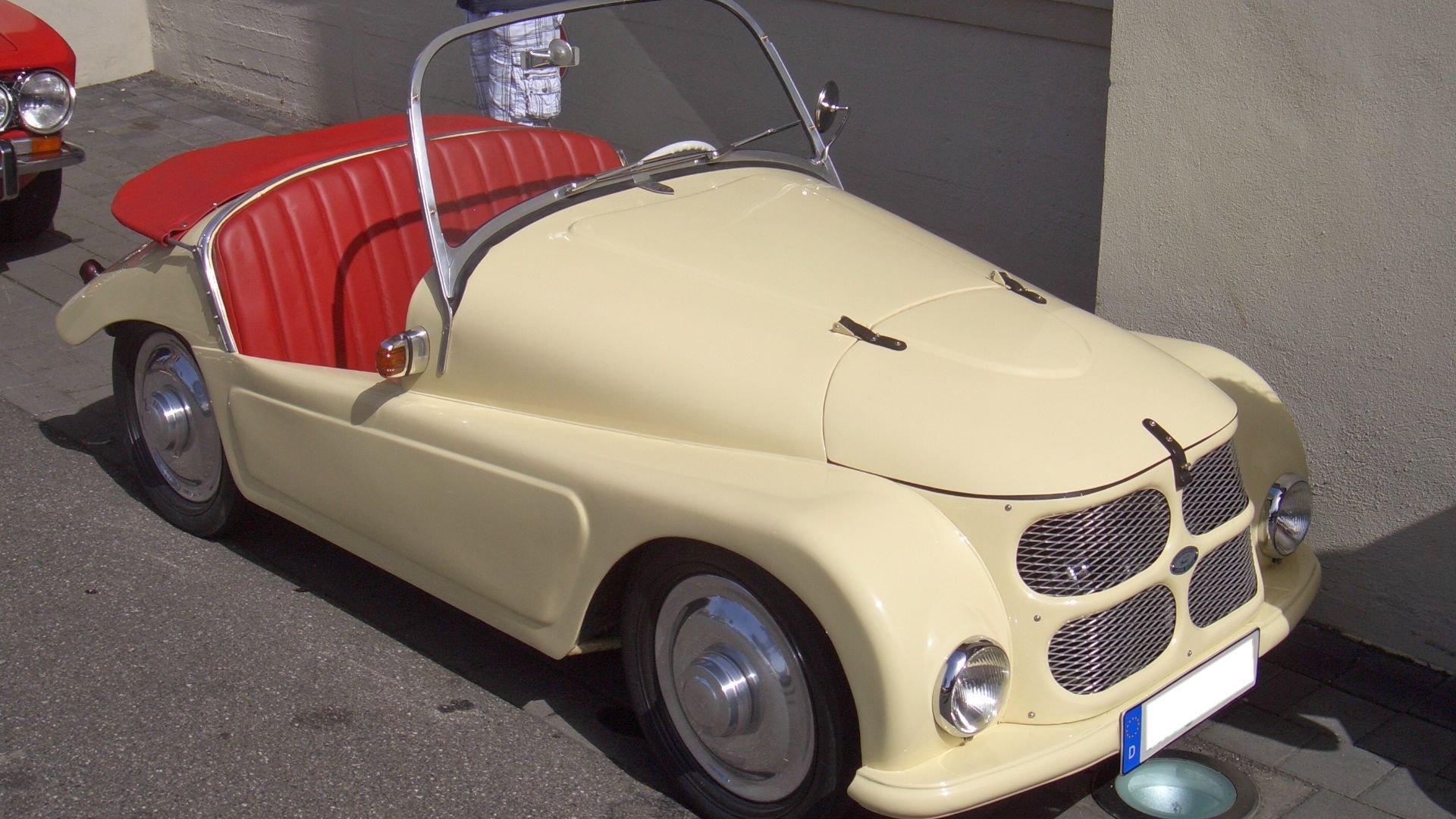
Kleinschnittger F125
Germany’s Kleinschnittger F125 had an aluminum body, no doors and a tiny 125cc engine. At roughly nine feet long and weighing around 330 pounds, it was light enough for its owner to maneuver manually. It was basic, but approximately 2,000 were built during the 1950s.
 Detectandpreserve, Wikimedia Commons
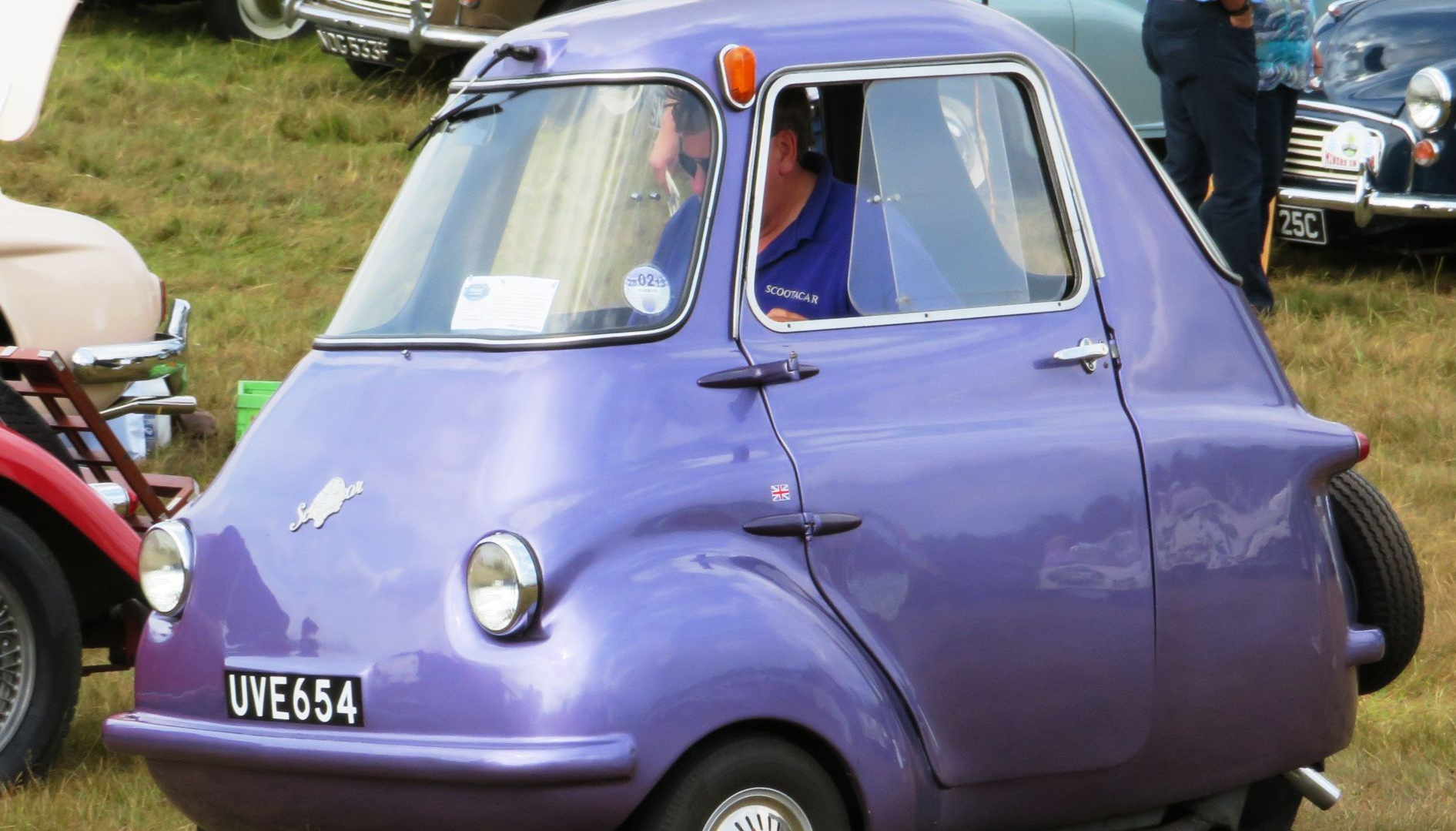
Scootacar Mk I
The Scootacar was reportedly created after the wife of a railway-company director wanted something easier to park than her Jaguar. The resulting car was only 87 inches long but nearly five feet tall. Two occupants either sat slightly staggered or squeezed themselves beside each other.
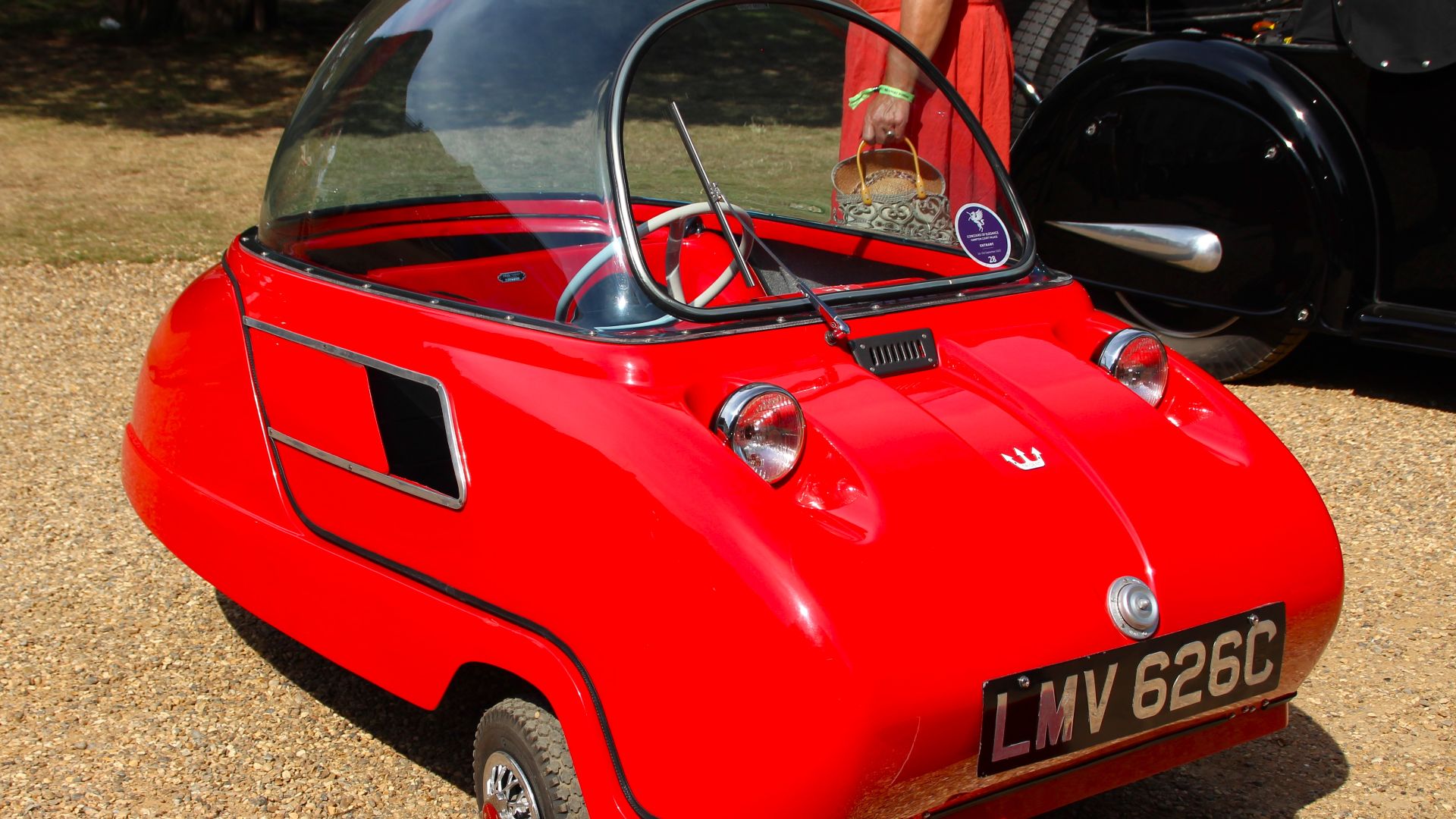
Peel Trident
The Peel Trident resembled a flying saucer that had been told to stay on the ground. Its clear bubble canopy lifted upward to provide access to an extremely narrow bench seat. Measuring only 73 inches long, it was promoted as an occasional two-seater despite its almost comically small footprint.
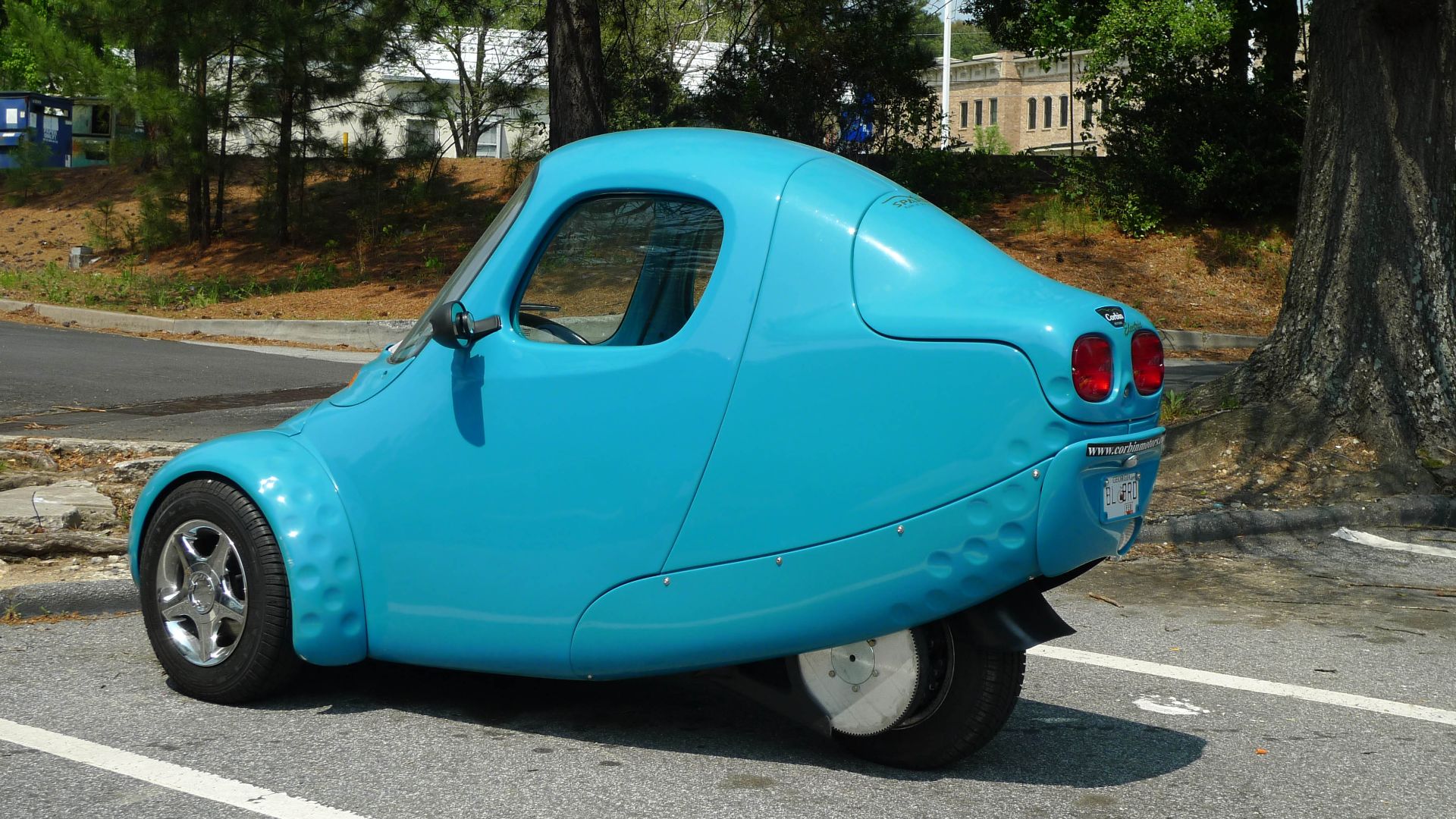
Corbin Sparrow
The electric Corbin Sparrow looked like a jelly bean that had somehow acquired headlights. Built in California beginning in 1999, it carried one person, rode on three wheels and measured eight feet long. A later delivery-oriented hatchback was developed for Dominos.
 Terrible Tim, Wikimedia Commons
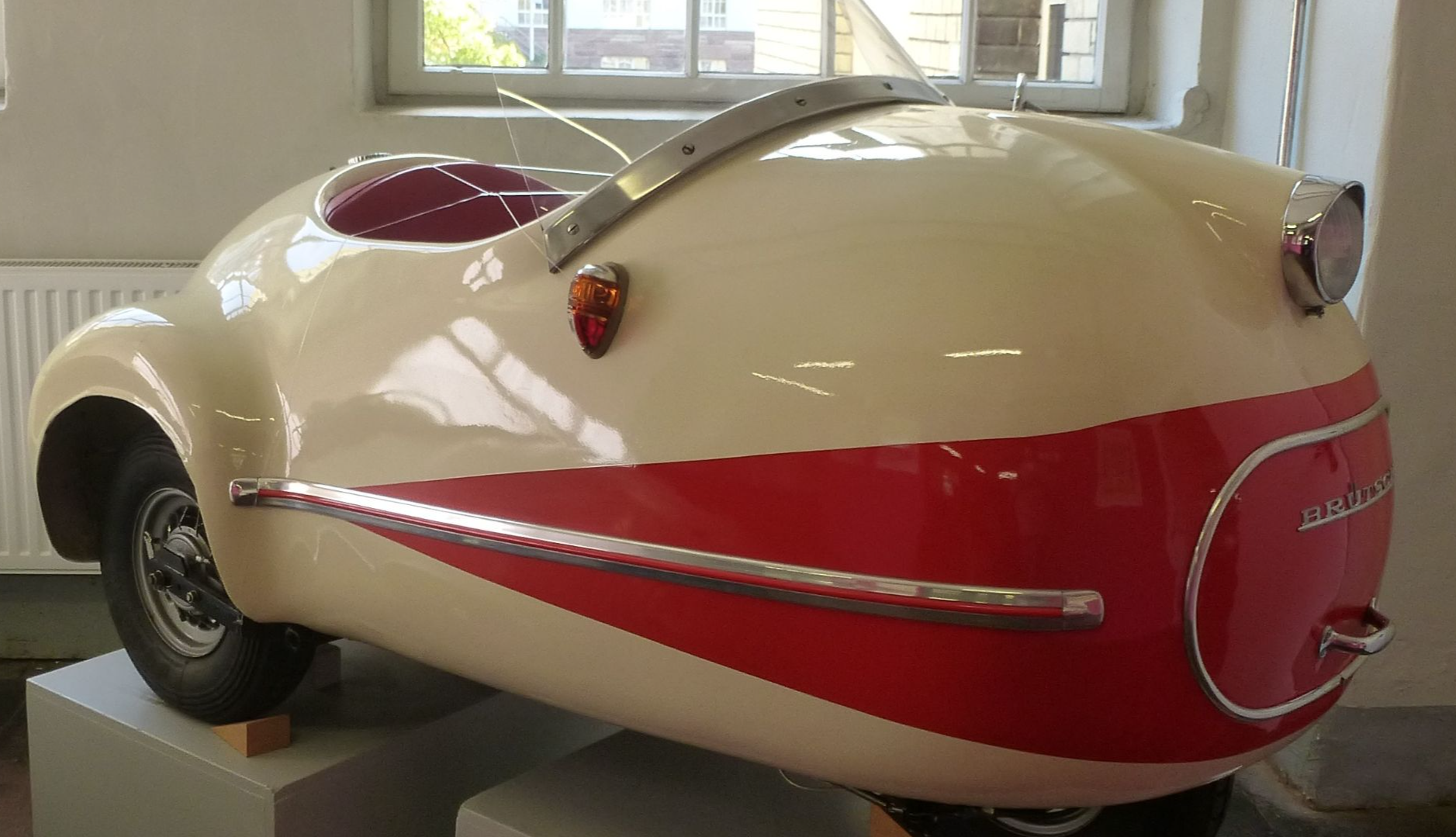
Brütsch Mopetta
The Brütsch Mopetta was scarcely more substantial than a scooter wearing a fiberglass shell. It measured just five feet long, had one seat and balanced on three tiny wheels. Only 14 were reportedly built, which explains why most people have never seen one outside a museum.
FGL Alicante
Spanish mechanic Francisco Gómez López completed the tiny FGL Alicante around 1959. It measured only five feet ten inches long, yet it took another two years to secure the necessary paperwork. It officially became road-legal in 1961 and remained with López’s family until 1977.

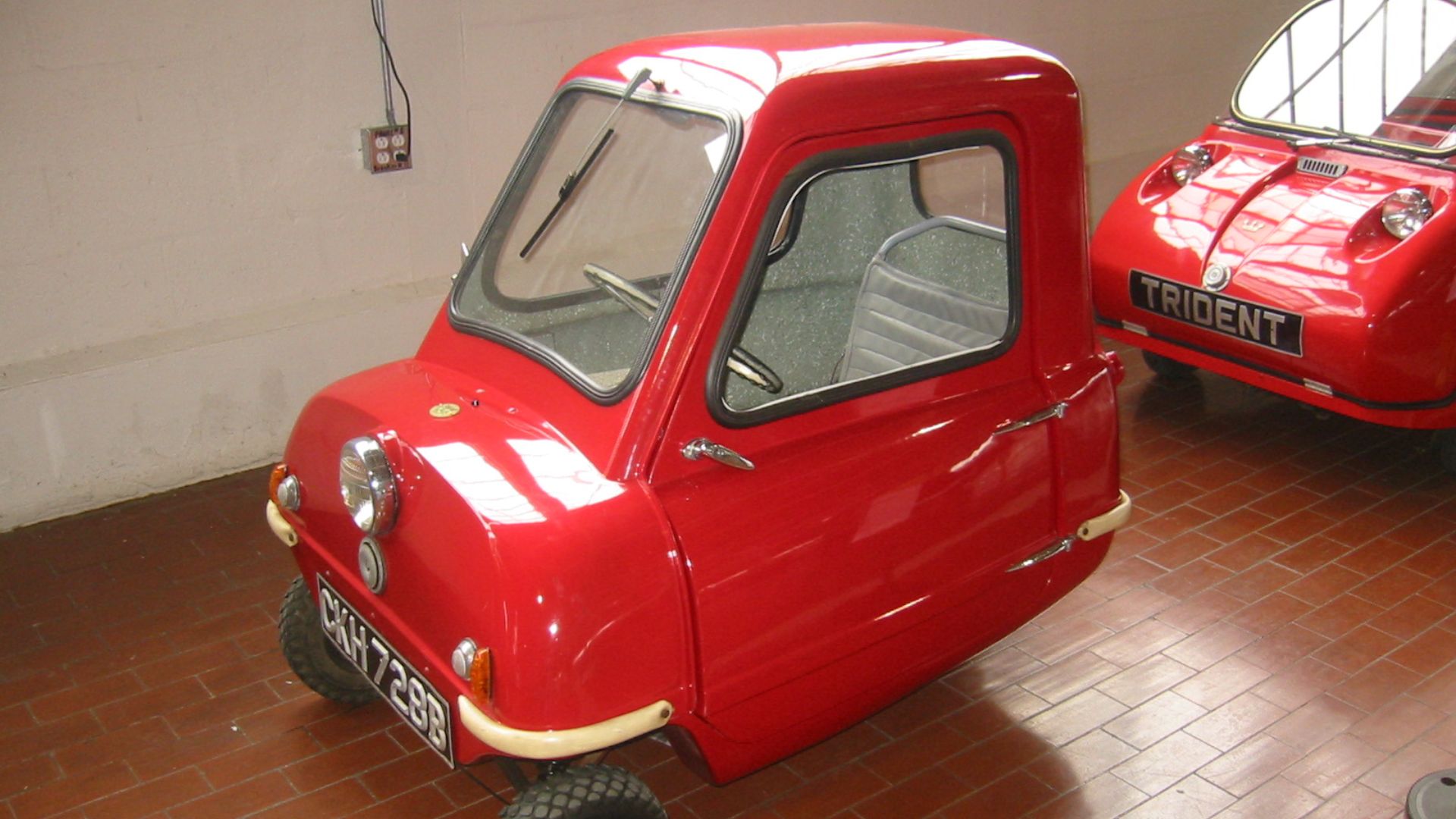
Peel P50
And then there is the undisputed champion. The original Peel P50 measured only 54 inches long, 39 inches wide and weighed about 130 pounds. It carried one adult and a shopping bag, had no reverse gear and remains recognized as the smallest production car ever made.
 Philip (flip) Kromer from Austin, TX, Wikimedia Commons
You Might Also Like:
The Best RVs For Digital Nomads
Affordable Cars From The 2000s That Quietly Became Impossible To Find In Good Shape
Roger Federer’s Million Dollar Car Collection Is A Smash Hit