The Acura TSX Wagon Could Have Been An American Legend
Every so often, a car arrives that seems engineered specifically for enthusiasts—practical, handsome, fun to drive, and backed by a reputation for reliability. And yet, despite ticking all the right boxes, it quietly disappears from the market, unloved and underappreciated. The Acura TSX Sport Wagon is one of those cars. Sold in the U.S. from 2011 to 2014, it was a rare blend of luxury, utility, and driving engagement that Americans should have embraced—but didn’t. This is the story of why it failed, and why we missed out.

America’s Longstanding Love-Hate Relationship With Wagons
To understand the TSX Wagon’s fate, you first have to understand America’s complicated relationship with wagons. Once the default family vehicle, wagons fell hard from grace in the 1990s, replaced by SUVs and minivans. By the time Acura launched the TSX Wagon, the word “wagon” alone was enough to scare off many buyers—no matter how sleek or capable the car actually was.
 Greg Gjerdingen from Willmar, USA, Wikimedia Commons
The TSX Wagon Was Already Fighting An Uphill Battle
Acura didn’t just introduce a new model; it introduced a body style most Americans had already written off. Wagons were seen as slow, boring, and outdated—despite the fact that European buyers were happily snapping them up. The TSX Wagon arrived in a market dominated by crossovers, where ride height mattered more than handling.

A European Soul With Japanese Precision
What made the TSX Wagon special was its DNA. Based on the European-market Honda Accord Tourer, it was engineered with an emphasis on balance, chassis tuning, and refinement. This wasn’t a tall, floaty people-mover—it was a proper driver’s car that just happened to have a big cargo area.
 Thomas doerfer, Wikimedia Commons
Styling That Was Subtle, Not Shouty
The TSX Wagon didn’t scream for attention, and that may have been part of the problem. Its design was clean, elegant, and mature, lacking the aggressive lines or faux ruggedness Americans were gravitating toward. To enthusiasts, it looked classy and timeless. To the average buyer? Maybe a little too understated.

The Interior Was Peak Acura
Inside, the TSX Wagon delivered exactly what Acura did best in the early 2010s: excellent ergonomics, high-quality materials, and a driver-focused layout. The seats were supportive, the controls intuitive, and the cabin felt solidly screwed together. It wasn’t flashy—but it was comfortable, logical, and built to last.

Cargo Space Without Compromise
With the rear seats up, the TSX Wagon offered plenty of room for daily life. Fold them down, and it could swallow bikes, furniture, or a full Home Depot run without breaking a sweat. Unlike SUVs, you didn’t have to sacrifice handling or fuel economy to get real usability.
 Mr.choppers, Wikimedia Commons
The Driving Experience Was The Real Secret Weapon
This is where the TSX Wagon truly shined. It rode low, handled beautifully, and felt planted in corners in a way most crossovers simply can’t match. The steering was precise, the suspension well-tuned, and the chassis eager to be pushed. For enthusiasts who still valued road feel, this was gold.

A Naturally Aspirated Engine In A Turbo World
Power came from a 2.4-liter naturally aspirated inline-four making 201 horsepower. On paper, that doesn’t sound exciting—but in practice, it was smooth, responsive, and reliable. No turbo lag, no complexity, just honest power delivery that rewarded revs.
 Mr.choppers, Wikimedia Commons
The Manual Transmission That Almost Was
Here’s where Acura made a crucial misstep: the TSX Wagon never offered a manual transmission in the U.S. Sedan buyers could get one, but wagon buyers were stuck with a five-speed automatic. For a car aimed at enthusiasts, this omission was painful—and it undoubtedly cost Acura sales.
 Ralf Roletschek (talk) - Fahrradtechnik auf fahrradmonteur.de, Wikimedia Commons
Fuel Economy That Made Sense
At a time when SUVs were guzzling fuel, the TSX Wagon delivered respectable MPG numbers without hybrid complexity. It was efficient enough for commuters and road-trippers alike, reinforcing the idea that practicality didn’t have to come with a fuel penalty.

The Price Put It In A Tough Spot
The TSX Wagon wasn’t cheap. Priced in the low-to-mid $30,000 range, it sat awkwardly between mainstream wagons (which barely existed) and entry-level luxury crossovers. Many buyers looked at the sticker and thought, “Why not just get an SUV?”
 Raysonho @ Open Grid Scheduler / Scalable Grid Engine, Wikimedia Commons
Crossovers Were The Real Competition
The TSX Wagon didn’t fail because it was bad—it failed because crossovers were everywhere. Vehicles like the Acura RDX and Honda CR-V offered higher seating positions, available AWD, and the perception of versatility, even if they weren’t actually more practical.

Marketing Missed The Enthusiasts
Acura never fully committed to selling the TSX Wagon as an enthusiast’s car. Instead of highlighting handling, balance, and European roots, marketing leaned into vague luxury messaging. The buyers who would have loved it often didn’t even know it existed.

Americans Wanted Rugged, Not Refined
By the early 2010s, American buyers were obsessed with the idea of adventure—even if their vehicles never left paved roads. The TSX Wagon didn’t pretend to be rugged. It didn’t have plastic cladding or off-road pretensions. It was honest, refined, and road-focused—and that honesty hurt it.

Timing Couldn’t Have Been Worse
Had the TSX Wagon launched a decade earlier, it might have thrived. Had it launched a decade later, during today’s small wagon renaissance among enthusiasts, it might have found its audience. Instead, it landed right in the middle of peak crossover mania.
 Pi.1415926535, Wikimedia Commons
Reliability Was a Huge Underrated Strength
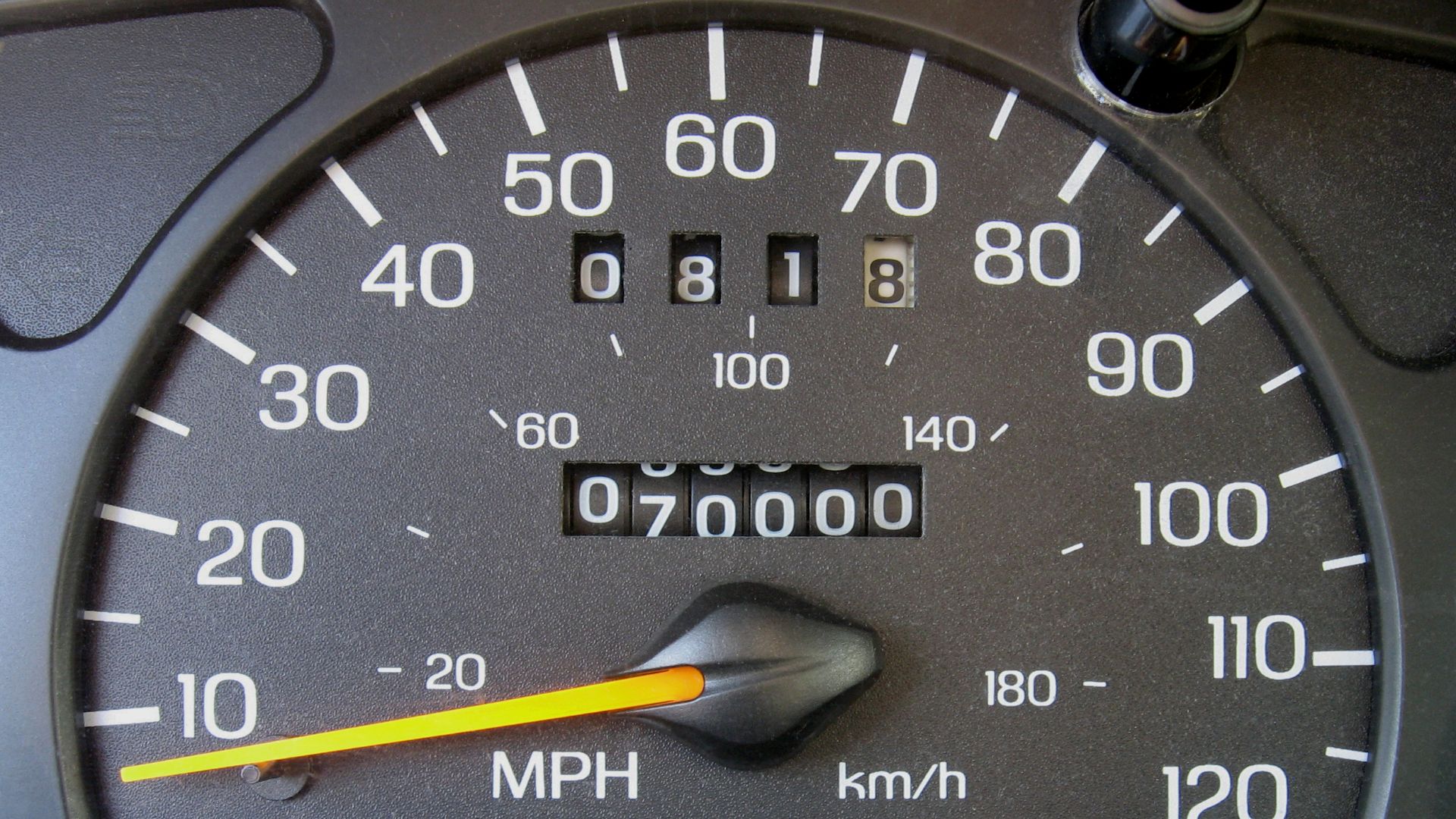
Like most Hondas and Acuras of the era, the TSX Wagon was built to last. Owners regularly report high mileage with minimal issues, making it one of the most dependable luxury wagons you can buy. That longevity only adds to its appeal today.
 Downtowngal, Wikimedia Commons
Compared To European Wagons, It Was A Bargain
Stack the TSX Wagon against an Audi A4 Avant or BMW 3 Series Touring of the same era, and the Acura looks like a steal. Lower maintenance costs, better reliability, and similar real-world performance made it a smarter long-term choice—if you were paying attention.
 Luftfahrrad, Wikimedia Commons
The All-Wheel-Drive Question
Another missed opportunity: no AWD. While front-wheel drive was perfectly fine for most conditions, American buyers had been conditioned to associate wagons with AWD, especially by Subaru. The lack of it made the TSX Wagon a harder sell in snowbelt states.

Enthusiasts Loved It—Quietly
Those who bought TSX Wagons tend to really love them. It’s the kind of car that grows on you, impressing with everyday usability and long-term satisfaction rather than flashy specs. Unfortunately, quiet appreciation doesn’t translate to strong sales numbers.

The Used Market Finally Gets It
Today, the TSX Wagon has become a cult favorite on the used market. Clean examples are increasingly hard to find, and prices have stabilized as buyers realize just how good this car is. It’s no longer ignored—it’s hunted.
 Jonathan Billinger, Wikimedia Commons
It Was the Anti-SUV Before That Was Cool
In hindsight, the TSX Wagon feels ahead of its time. It delivered everything people now claim to want: lower center of gravity, better handling, solid efficiency, and real cargo space—without the bloated proportions of an SUV.

Acura’s Own Lineup Didn’t Help
The TSX Wagon also suffered from internal competition. Acura’s growing SUV lineup received far more attention and updates, while the TSX Wagon felt like an afterthought. When the TSX was discontinued entirely, the wagon disappeared with barely a whisper.

What America Didn’t Realize
Americans didn’t reject the TSX Wagon because it failed at its mission. They rejected it because they didn’t understand it. It wasn’t about image, height, or aggression—it was about balance, usability, and driving joy.

Why It Deserved More Love
The TSX Wagon deserved a chance because it proved that practicality doesn’t have to be boring. It showed that you can haul gear, commute comfortably, and still enjoy a twisty road on the way home—all in one car.

The Wagon We Didn’t Deserve
In many ways, the TSX Wagon was too good for its market. It asked buyers to value substance over trends, and that’s a hard sell in any era. But for those who chose it, the reward was a near-perfect daily driver.
 Zoriana Zaitseva, Shutterstock
The Acura TSX Wagon’s Quiet Legacy
The Acura TSX Wagon may have been ignored when it was new, but its reputation has only grown with time. Today, it stands as a reminder that sometimes the best cars aren’t the ones that sell the most—they’re the ones that get everything right. America may have overlooked it, but enthusiasts know the truth: the TSX Wagon was one of the great missed opportunities of the modern automotive era.

You May Also Like:
Exactly What You Need To Know To Avoid Getting Scammed By A Private Seller
The DeSoto Adventurer: A Forgotten Powerhouse Of The ’50s