Caught On Camera
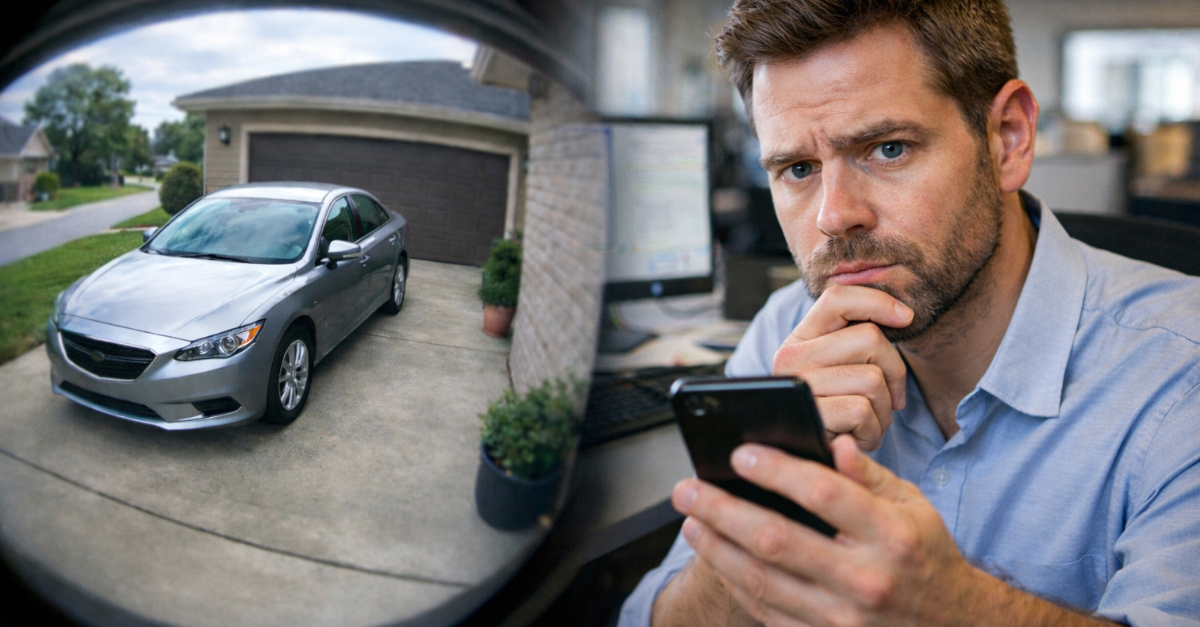
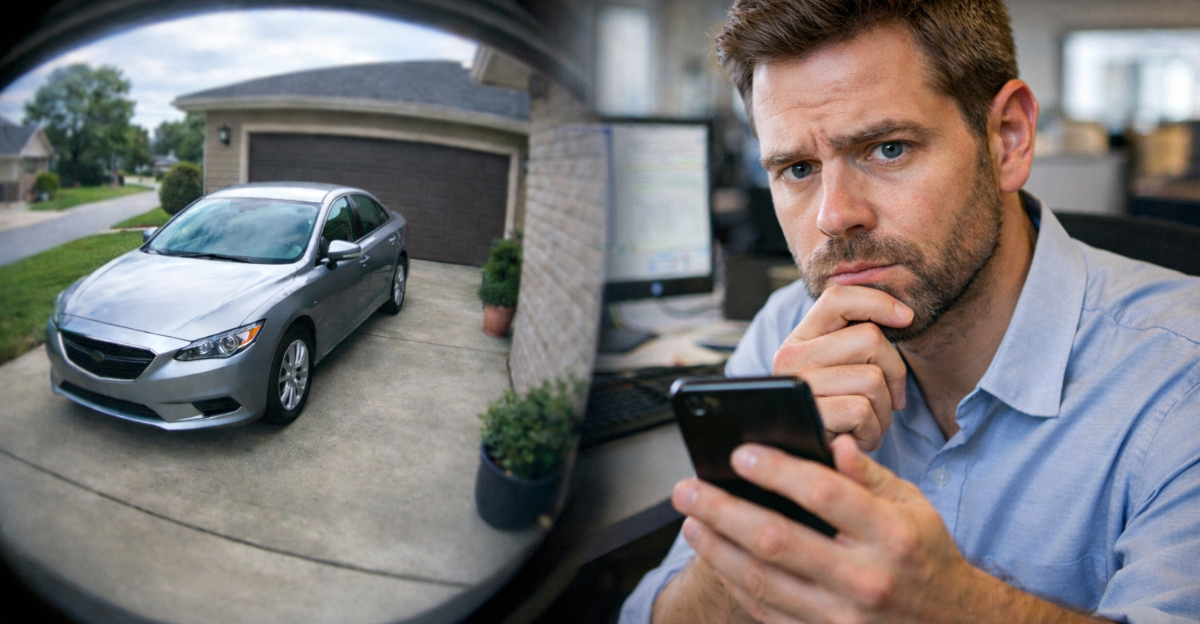
You check your doorbell cam during lunch—and there it is again. Your neighbor’s car sitting in your driveway while you’re at work. It’s frustrating. But beyond rude, it raises a bigger question: could this actually become your problem if something goes wrong?
It’s Private Property
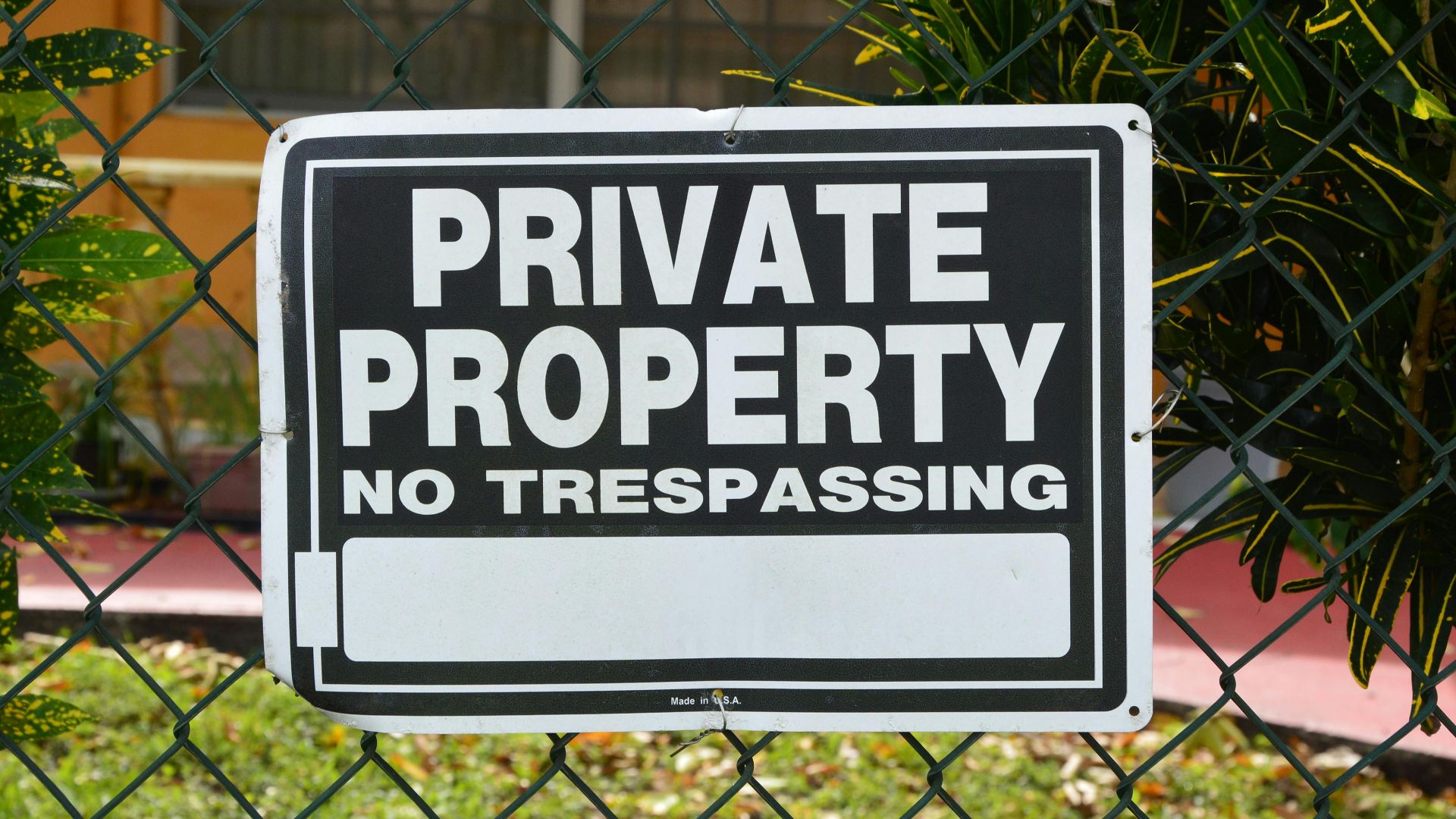
Your driveway is private property. In most states, parking there without permission can qualify as civil trespass. You don’t have to be home for it to count. “It was empty” isn’t legal permission.

Is This Technically Trespassing?
Trespass doesn’t require breaking a lock or hopping a fence. It simply means entering or remaining on property without consent. Once you’ve made it clear he doesn’t have permission, continued parking becomes harder to defend legally.
Why Liability Even Comes Up
This is where premises liability enters the conversation. Homeowners can sometimes be responsible for damage or injury caused by unsafe conditions on their property. The key question becomes whether you “allowed” the use.

Does A Trespasser Change Things?
Generally, homeowners owe a lower duty of care to trespassers than invited guests. But if someone repeatedly parks there and you never object, an insurer could argue implied permission. That’s where gray areas start forming.
How Common Are Liability Claims?
According to the Insurance Information Institute, about 1 in 20 insured homes files a claim each year. Homeowners liability claims often average over $30,000, according to industry data. Even if you aren’t ultimately responsible, investigations alone can be stressful.

The Storm Scenario
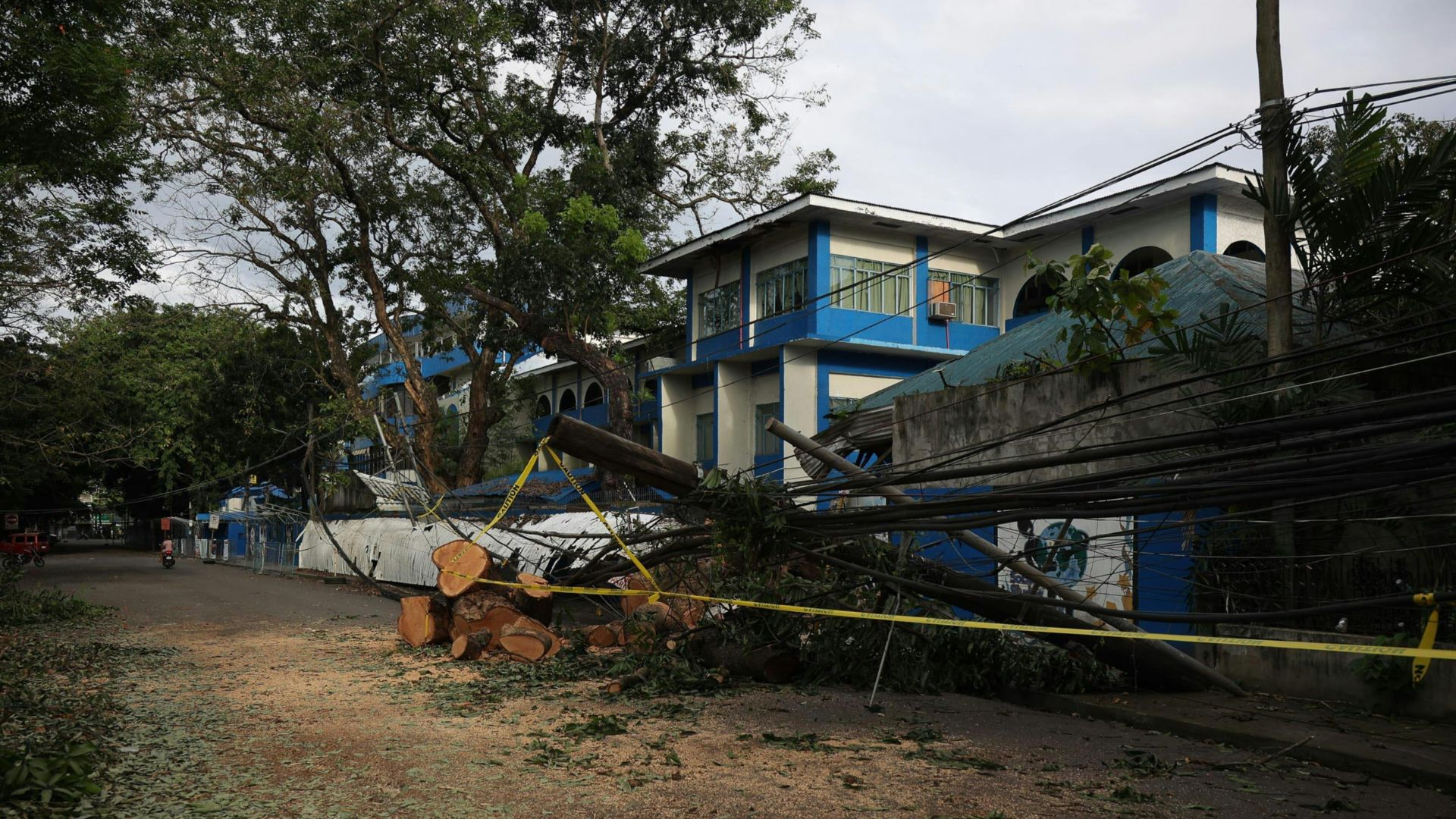
Imagine a storm hits while you’re gone. A branch from your tree falls onto his hood. He files a claim. His insurance contacts yours. Now you’re in a dispute you never asked for—all because his car was sitting on your property.
What If A Contractor Hits It?
Let’s say you’re having work done. A contractor backs into the car. Suddenly there’s finger-pointing about responsibility. Even if the contractor’s insurance pays, your homeowner policy could still get pulled into the discussion.

Oil Leaks And Driveway Damage
Beyond liability, there’s physical wear. Oil stains can permanently discolor concrete. Asphalt repair often runs $1,000–$3,000 depending on size and damage. If this becomes routine, you’re absorbing property deterioration for free.

Insurance Isn’t Automatic Protection
Homeowners insurance covers many accidents—but not every dispute. If your insurer believes you knowingly allowed ongoing use of your driveway, that could complicate coverage questions later. Clear boundaries matter.

Document Everything
Save the footage. Keep timestamps. If you speak to him, follow up with a brief written message confirming he does not have permission to park there. Documentation protects you if things escalate.

Start With A Calm Conversation
Before going nuclear, try direct communication. A simple, “Please don’t park in my driveway anymore,” establishes clear boundaries. Sometimes neighbors assume it’s fine because you’re not home.
Put It In Writing If Needed
If it continues, send a short written note or text. Keep it neutral. No threats. Just clarity. Once consent is clearly revoked, any future parking strengthens your legal position.

Install Visible Signage
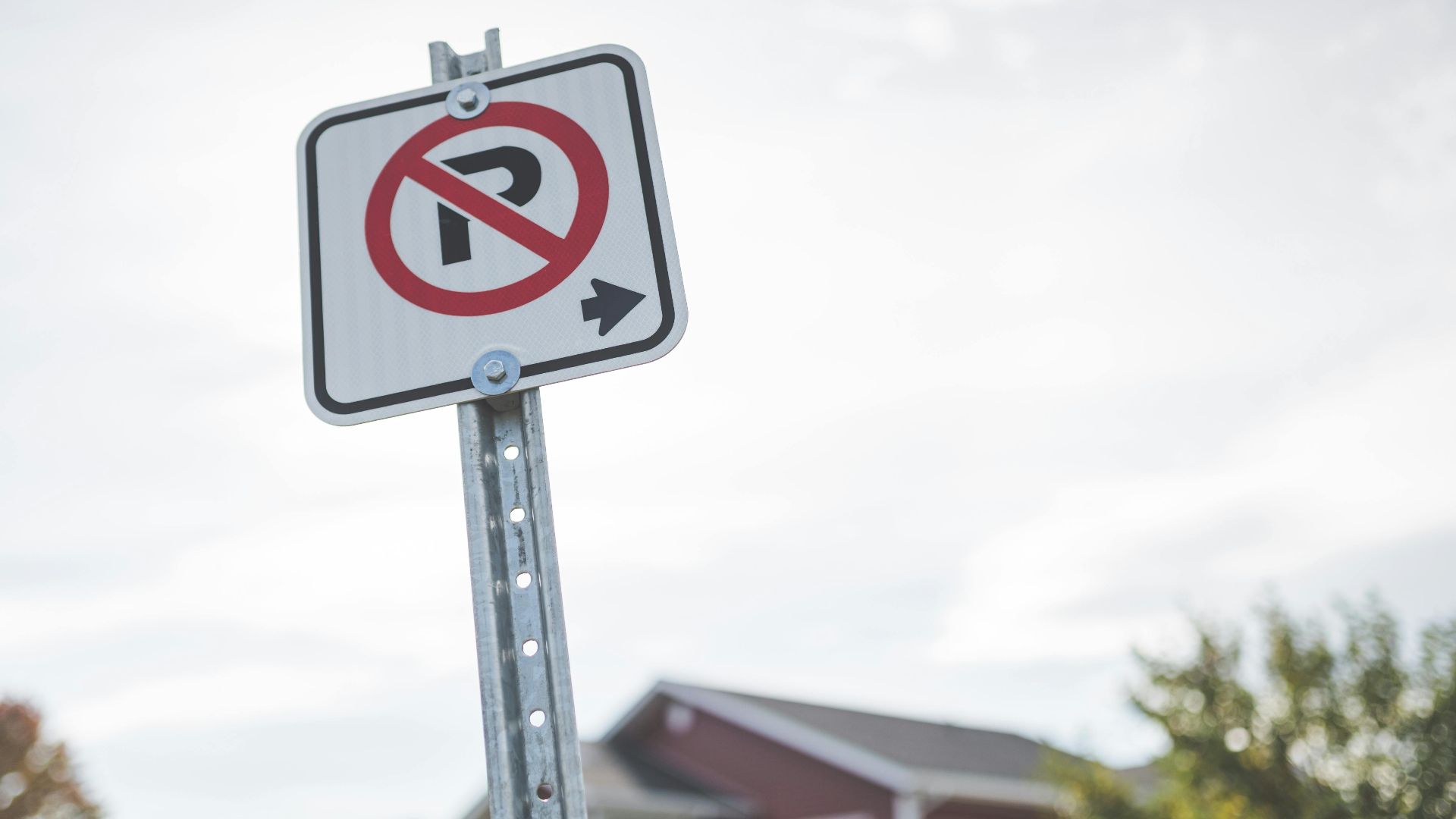
In some states, signage is required before towing is allowed. Even where it isn’t required, a visible “Private Driveway—No Parking” sign eliminates the “I didn’t know” defense and strengthens your footing.
What Do Towing Laws Say?
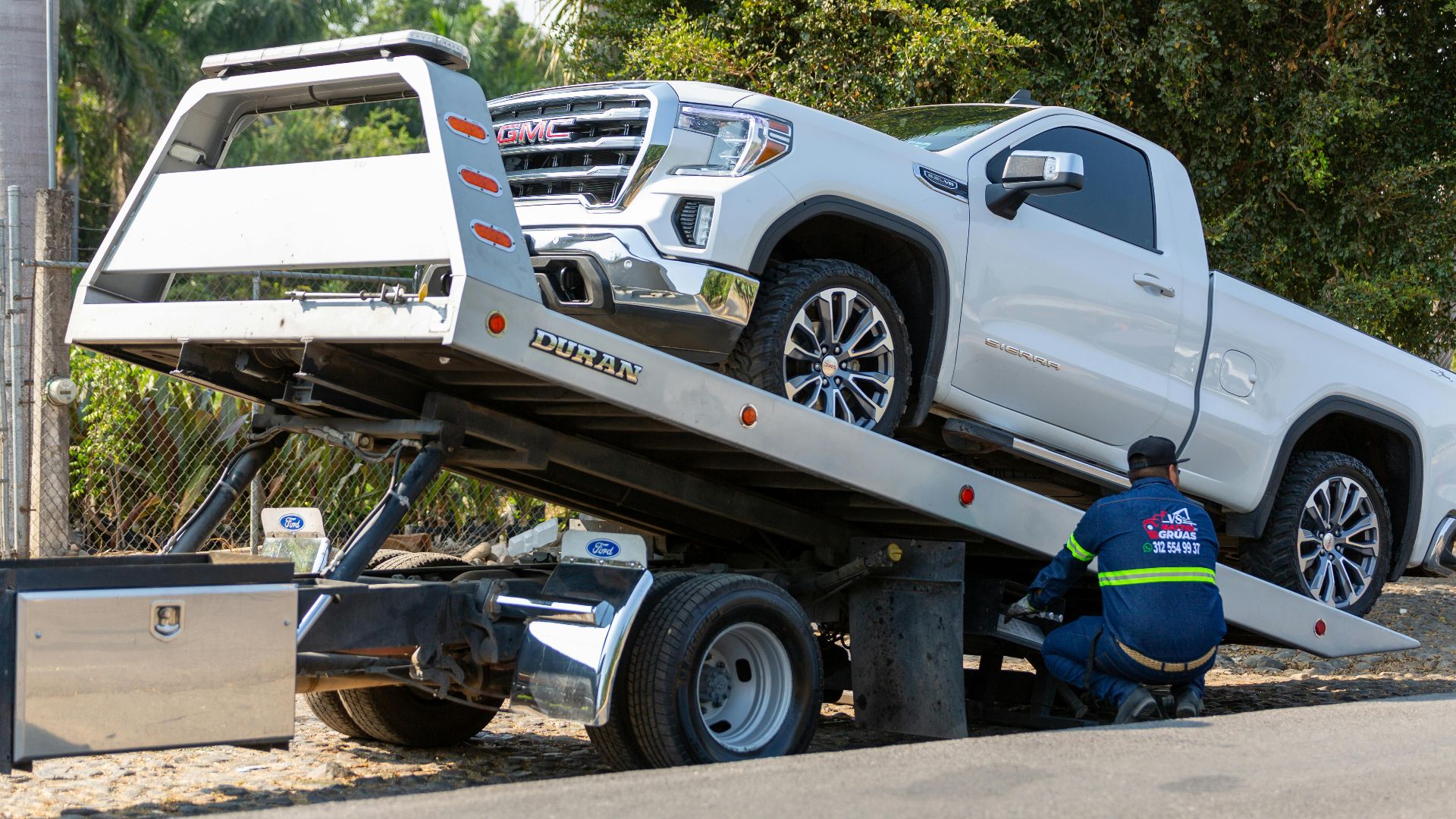
Towing rules vary by state. In Texas, property owners can tow unauthorized vehicles if proper signage is posted under Chapter 2308 of the Texas Occupations Code. In California and Florida, strict notice and signage requirements apply. Always confirm local rules first.
Should You Call The Police?
Not 911—but your local non-emergency line can clarify whether the situation qualifies for ticketing or towing and what documentation you’ll need. Creating a paper trail can protect you later.

When Towing Becomes Reasonable
If you’ve documented the issue, clearly revoked permission, and confirmed local towing rules, removal becomes a defensible step—not retaliation. Just understand it may permanently damage neighbor relations.
Worst-Case: The $30,000 Headache
The average homeowners liability claim often exceeds $30,000. Even if you ultimately win a dispute, legal consultations, insurance adjusters, and potential premium increases can turn a simple parking issue into a financial nuisance.

Avoid Retaliation Moves
Blocking him in, leaving aggressive notes, or touching the vehicle can backfire legally. Stay measured. Cameras record everything—including you.

Physical Deterrents Work
If conversation fails, consider driveway bollards, a small gate, or cones during work hours. Removing opportunity often works better than escalating conflict.

The Bottom Line
This isn’t just about annoyance. It’s about protecting your property, your insurance record, and your time. Set boundaries early. Follow local law carefully. Because the real risk isn’t the parked car—it’s what could happen while it’s there.
You Might Also Like:
Car Things Baby Boomers Did That No One Born After 2000 Has Ever Done
The Best Selling Pickup Truck In Every State