When Cars Were Metal, Seatbelts Were Optional, And Danger Was Part Of The Deal
If you grew up riding in cars during the 1950s, ’60s, or ’70s, chances are you survived things that would give modern safety engineers night sweats. Baby Boomers learned to drive in an era when cars were styled like fighter jets, dashboards were made of steel, and the phrase “crash test” basically meant “send it and see what happens.” Today’s vehicles are rolling safety laboratories, packed with sensors, computers, and federally mandated protections. The cars Boomers grew up driving? Not so much. Let’s take a nostalgic (and slightly terrifying) ride through modern safety standards that simply didn’t exist back when America’s highways were the Wild West.
No Mandatory Seatbelts
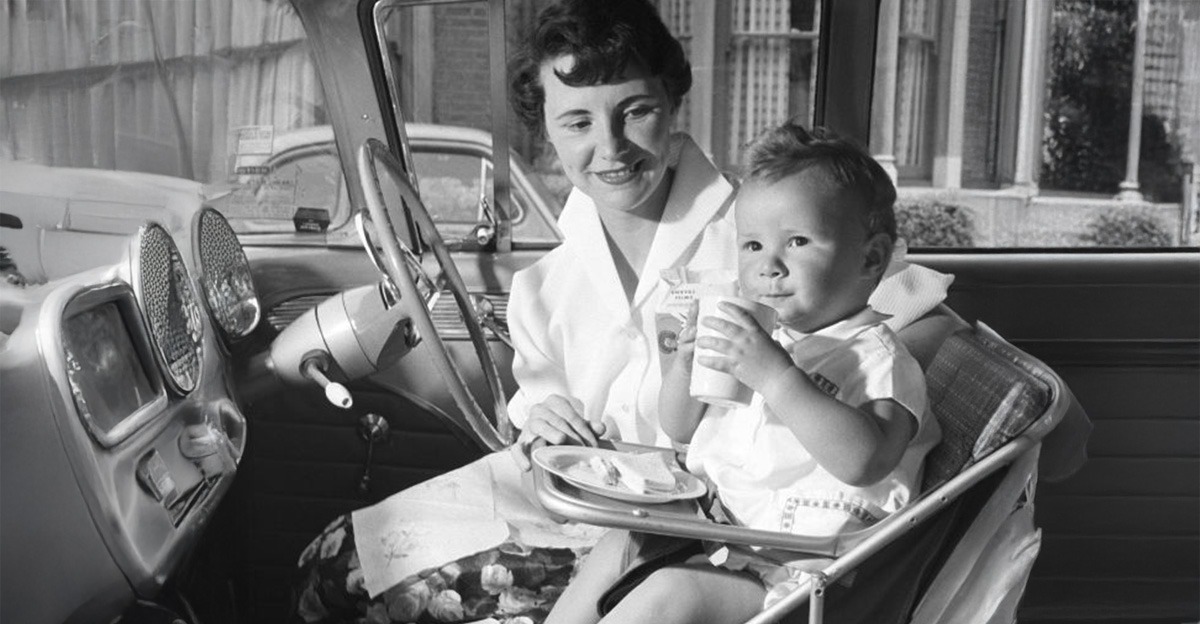
Hard to believe now, but seatbelts weren’t federally required in U.S. cars until 1968—and even then, no one had to use them. Early belts were optional, uncomfortable, and widely ignored. Many Boomers learned to drive without ever clicking one in, proudly trusting “good reflexes” instead.

No Airbags Anywhere
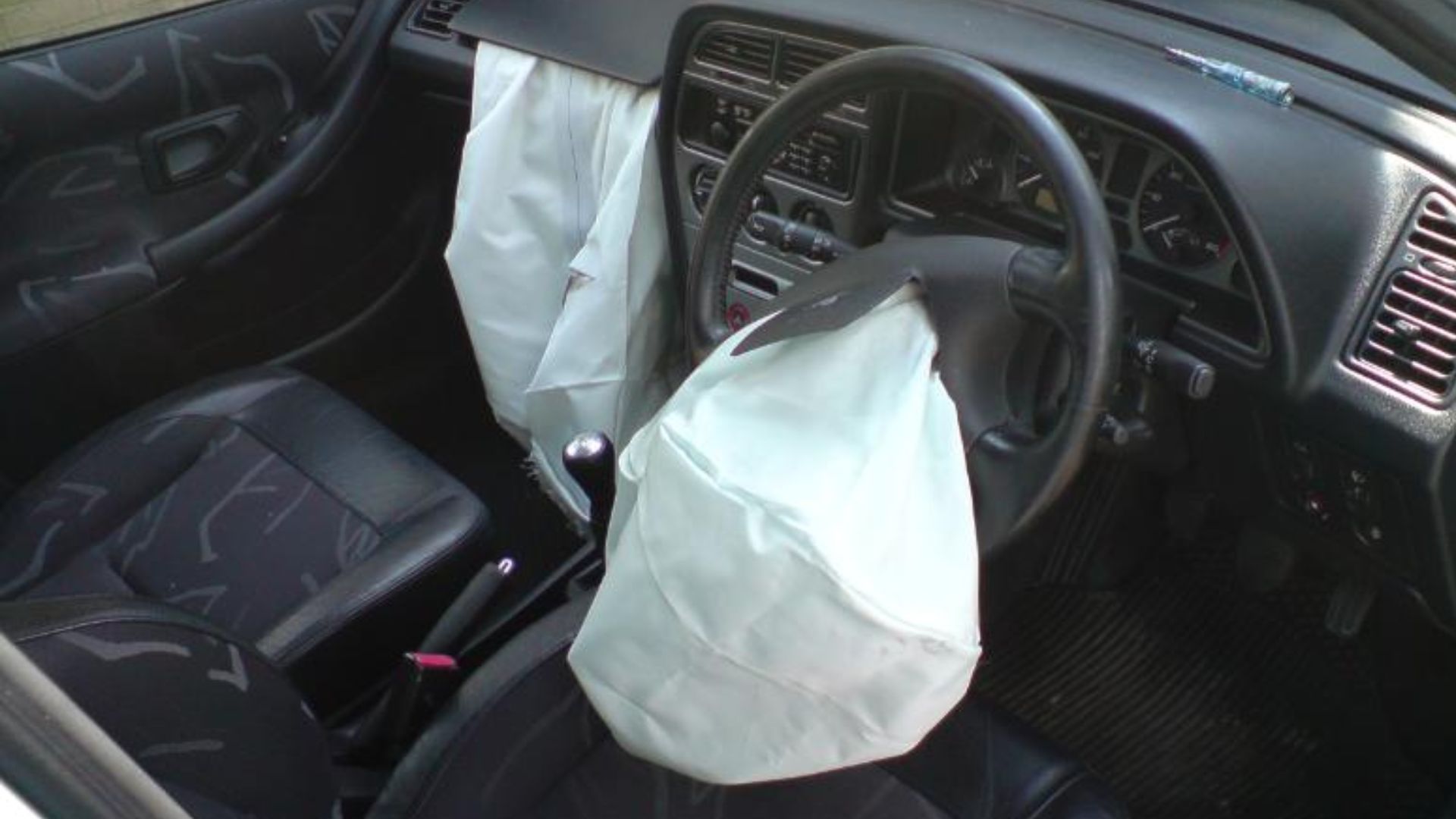
Front airbags became mandatory in the U.S. in 1998. Before that? Your primary restraint system was your own arms bracing against the steering wheel. Boomers grew up driving cars where the steering wheel itself was a chest-level battering ram in a crash.
 Janipewter at English Wikipedia, Wikimedia Commons
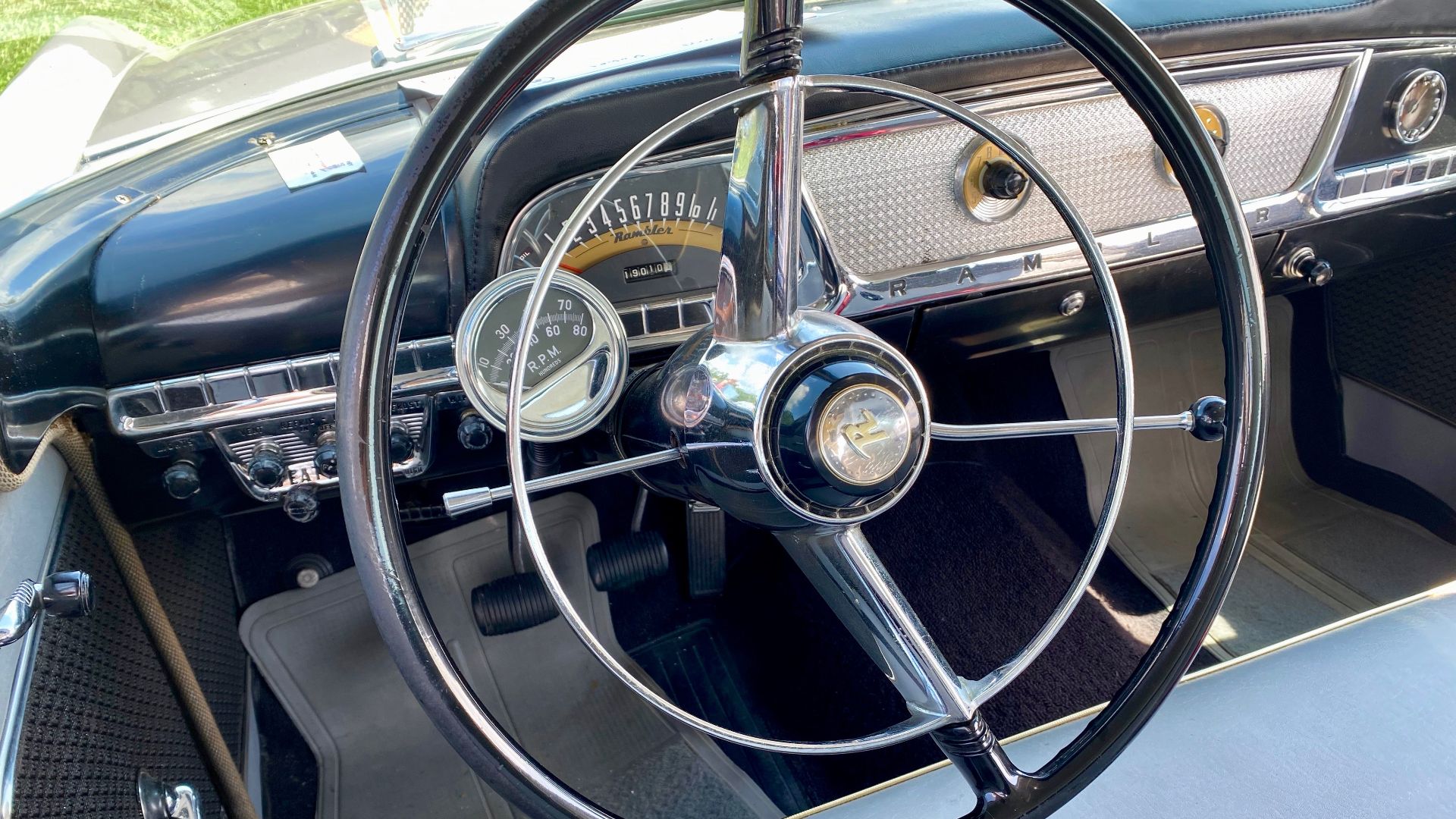
Steering Columns That Didn’t Collapse
Older cars had rigid steering columns that pointed straight at the driver’s ribcage. In a frontal collision, the column could spear the driver with brutal efficiency. Collapsible steering columns didn’t become common until the late 1960s—and even then, many cars missed out.
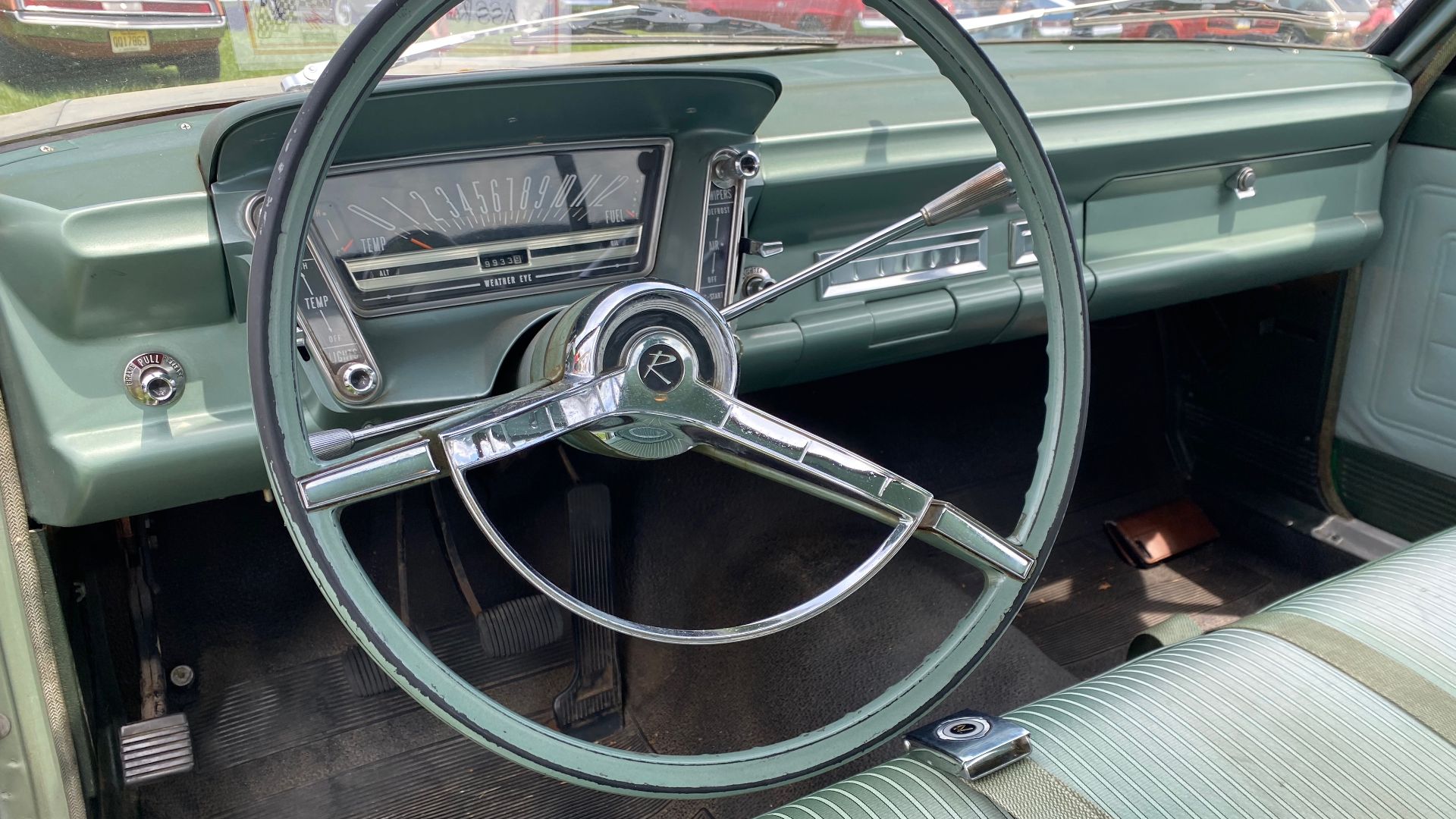
Metal Dashboards And Steel Knobs
Early dashboards were often stamped steel, decorated with chrome switches and sharp-edged knobs. In a crash, those shiny accents turned into face-seeking projectiles. Today’s padded dashboards exist specifically because of the injuries those old designs caused.
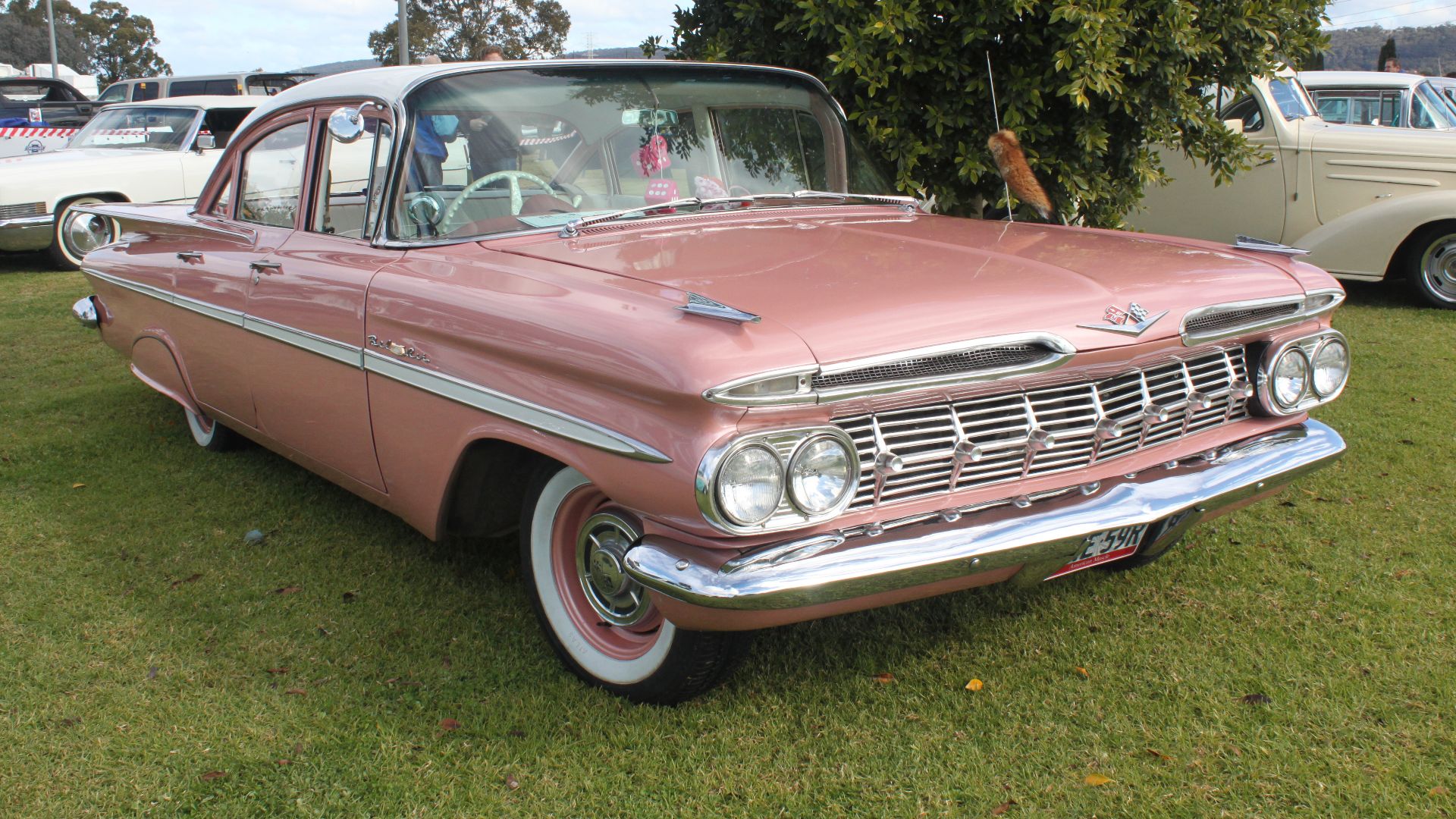
No Crumple Zones
Boomer-era cars were “built like tanks,” which sounds reassuring until you realize all that rigid metal transferred crash forces directly to occupants. Modern cars are designed to crumple and absorb energy. Old cars? They stayed intact while the passengers paid the price.
 Jeremy from Sydney, Australia, Wikimedia Commons
Windshields That Shattered Like Glass Bombs
Laminated safety glass wasn’t universal until the late 1960s. Earlier windshields could shatter into jagged shards during a collision. Being ejected through the windshield wasn’t just possible—it was common.

No Head Restraints
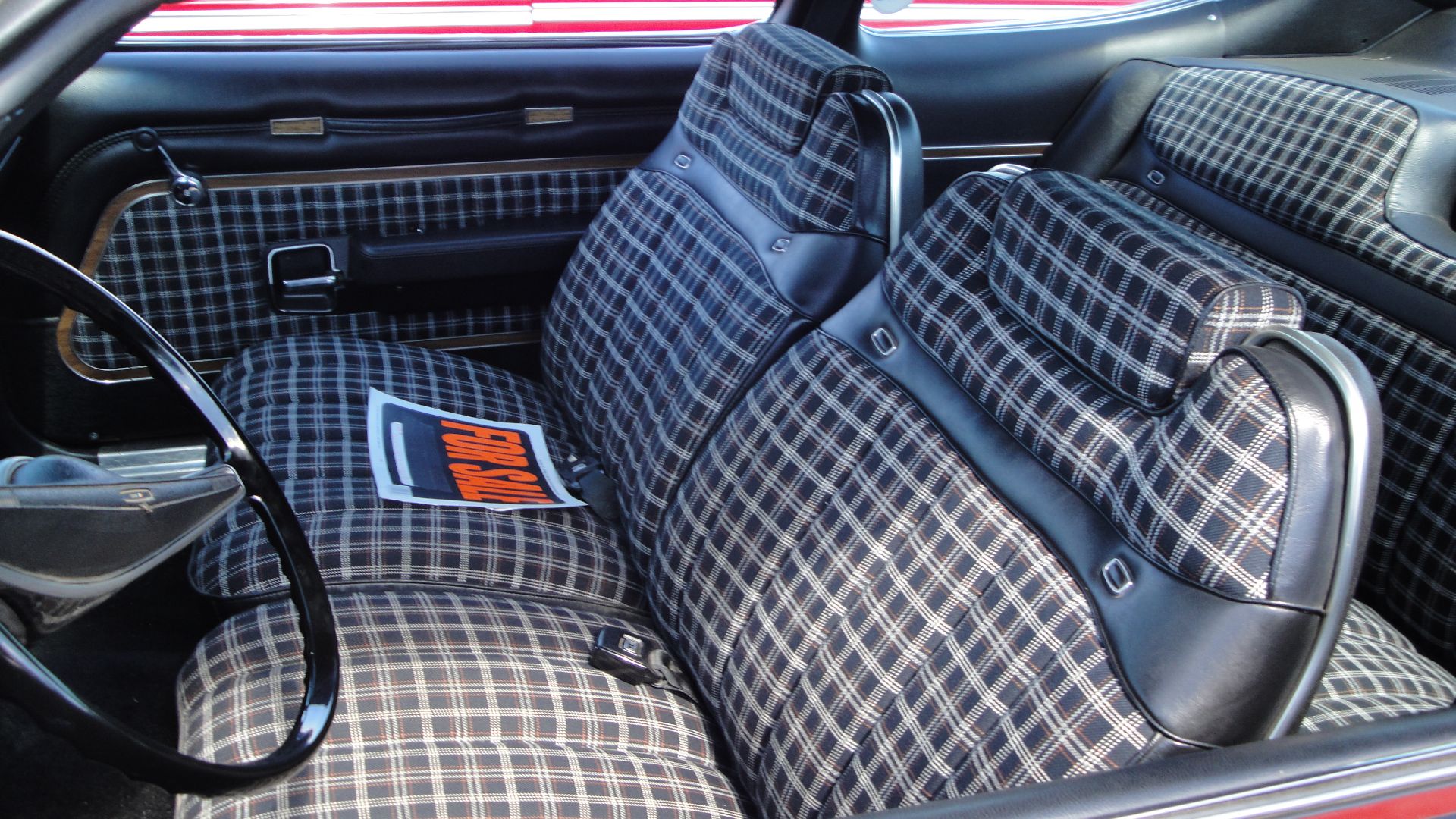
Whiplash injuries were rampant because headrests weren’t standard. Many front seats ended below shoulder height, offering zero support in rear-end collisions. Head restraints didn’t become mandatory in the U.S. until 1969—and even then, many designs were laughably inadequate.
 Greg Gjerdingen from Willmar, USA, Wikimedia Commons
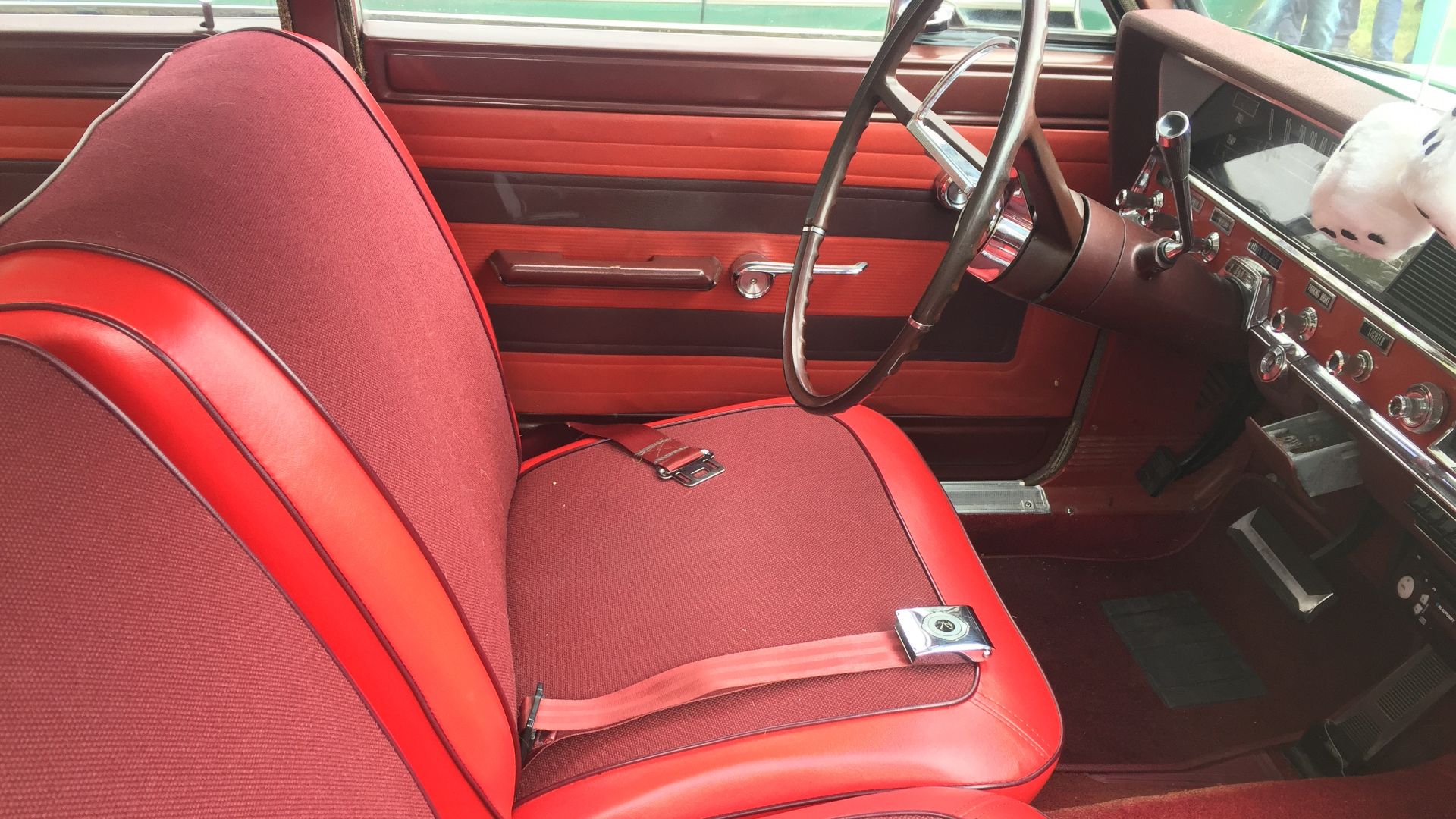
Lap Belts Only (If You Were Lucky)
Early seatbelts were lap-only, meaning your upper body was free to slam forward in a crash. Three-point belts didn’t become widespread until much later, leaving drivers protected mainly from sliding under the dashboard—assuming the belt was even worn.
No Side-Impact Protection
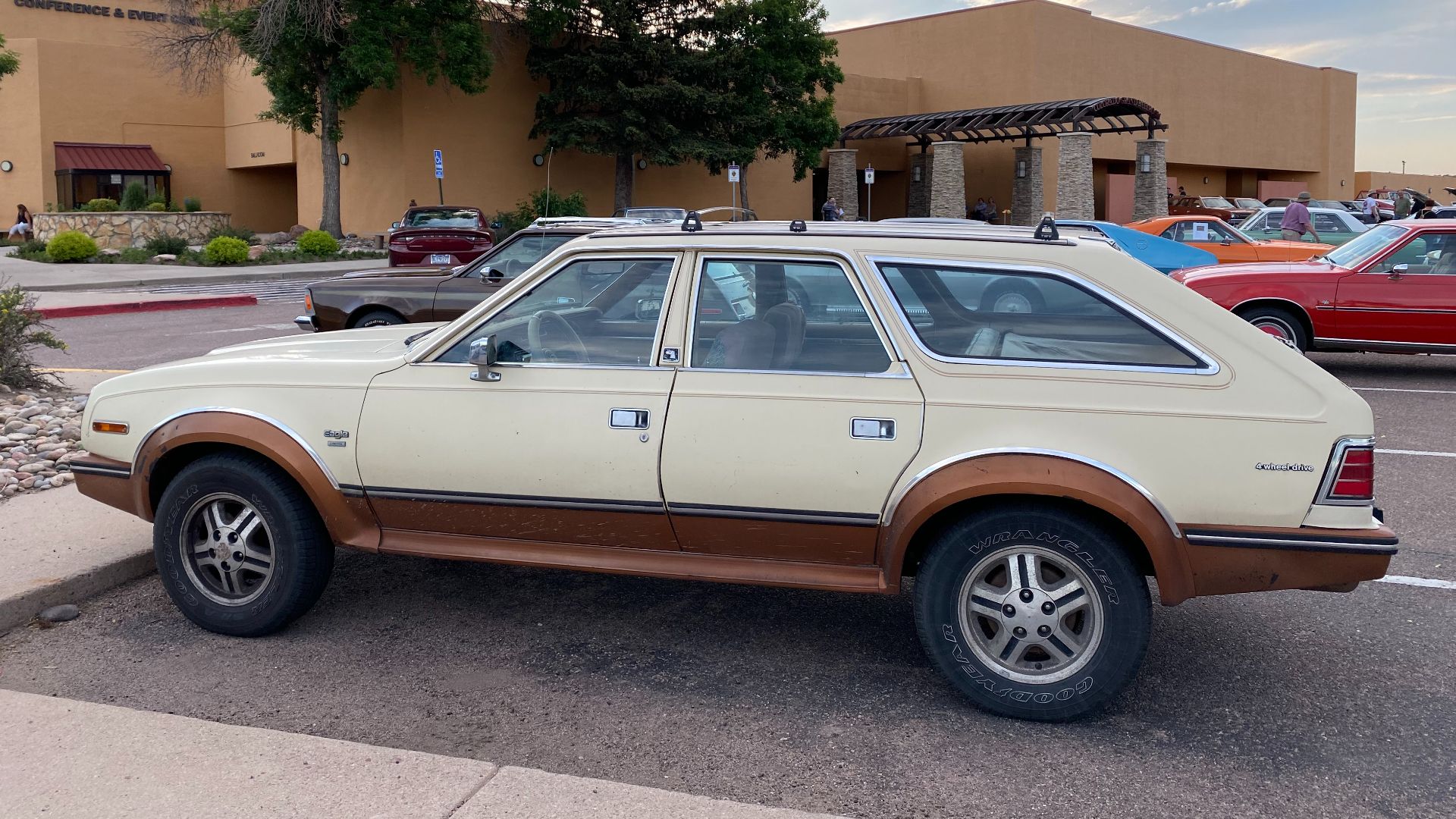
Side-impact crash standards didn’t exist for decades. Doors were thin, pillars were weak, and a T-bone collision often meant direct contact between the other car and your ribs. Side-impact beams didn’t become common until the 1980s and ’90s.
No Child Safety Seat Standards
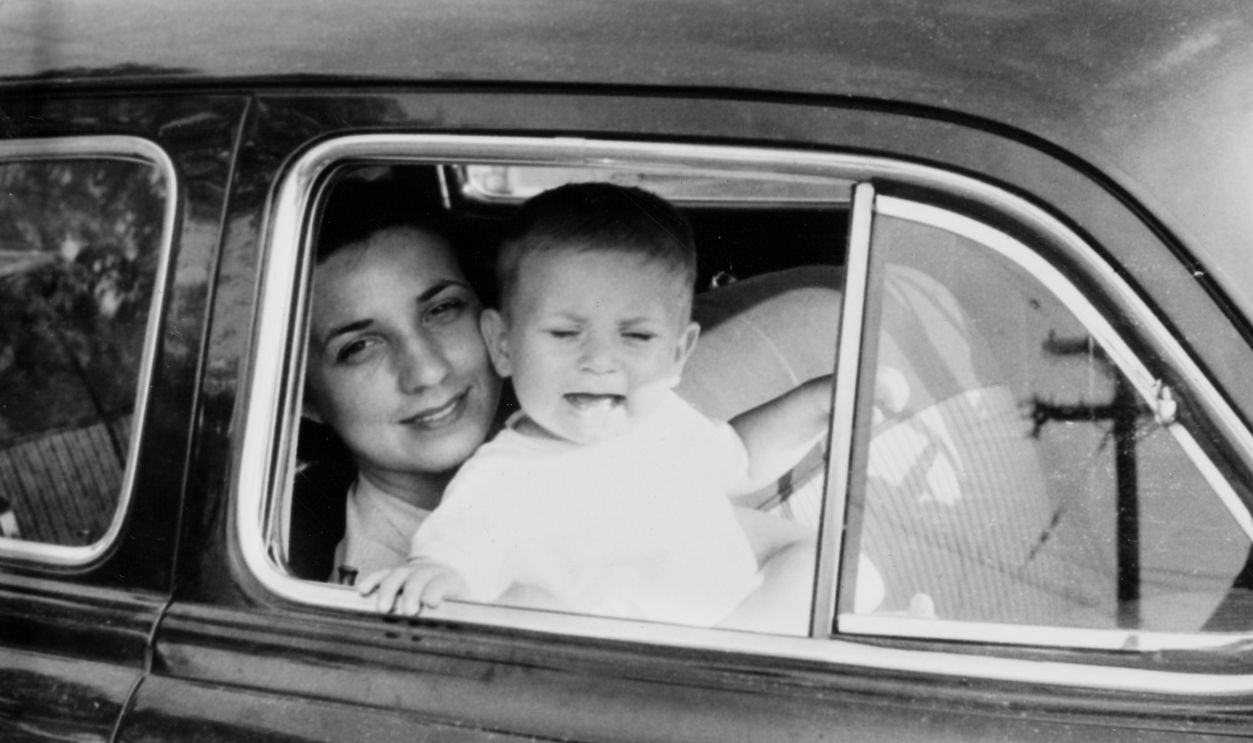
Boomer kids were often transported on laps, in the cargo area, or standing up in the front seat. Federal child seat standards didn’t arrive until the 1970s, and enforcement lagged for years. If you survived childhood car rides, congratulations—you beat the odds.
 Kirn Vintage Stock, Getty Images
No Roof Crush Resistance Rules
Older cars often had flimsy roof structures that collapsed during rollovers. Modern vehicles must meet strict roof-strength standards to protect occupants. Back then, a rollover could turn the roof into a pancake.
 dave_7 from Lethbridge, Canada, Wikimedia Commons
No Electronic Stability Control
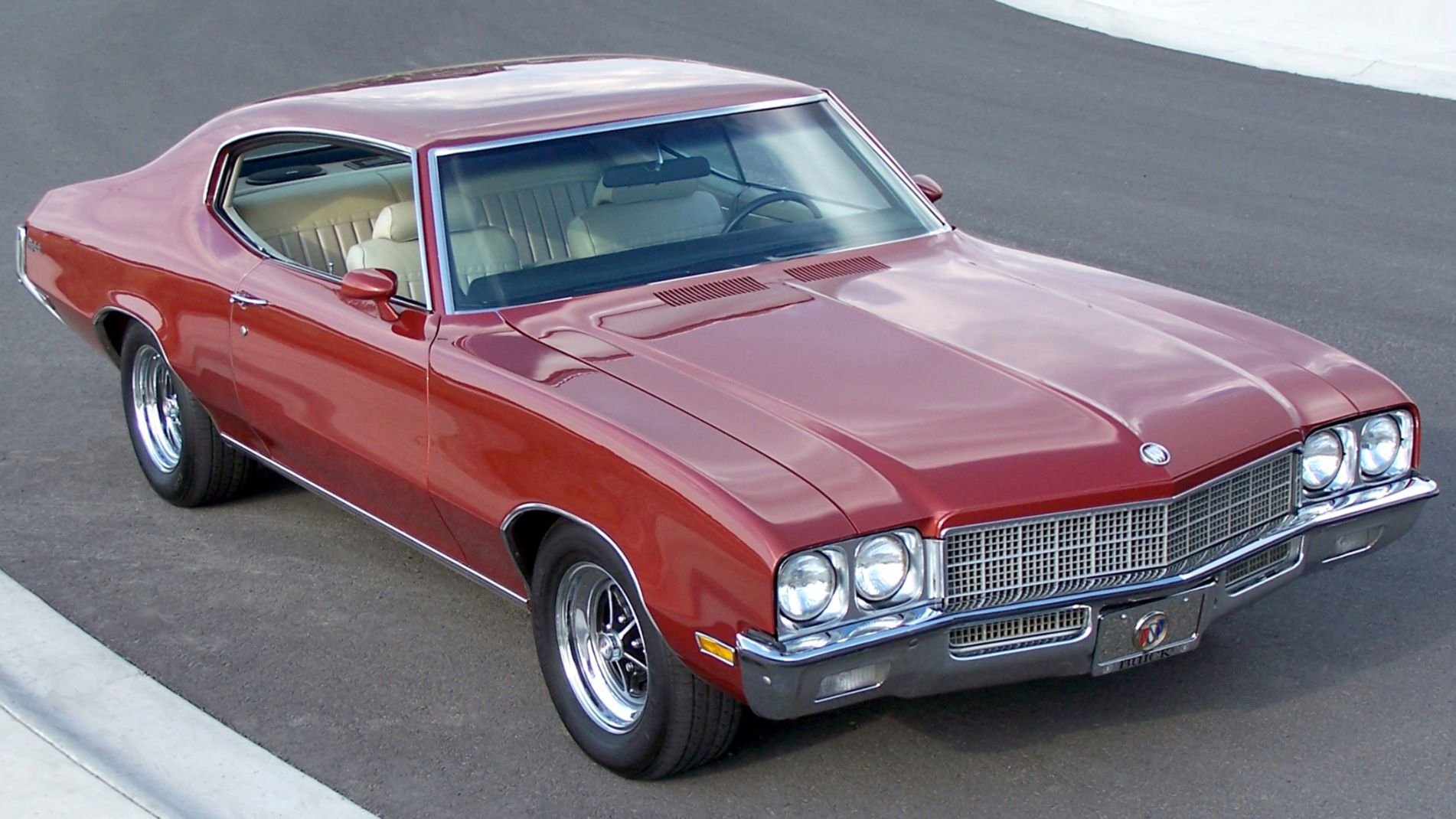
Stability control became mandatory in 2012. Before that, drivers relied on skill, luck, and bald bias-ply tires. Skids, spins, and fishtailing were considered “part of driving,” not a system failure.
Drum Brakes That Faded Fast
Disc brakes weren’t common until later decades. Drum brakes overheated quickly, faded under repeated use, and performed poorly in wet conditions. Emergency stopping distances were… optimistic at best.
 https://www.flickr.com/people/ryanfrost/, Wikimedia Commons
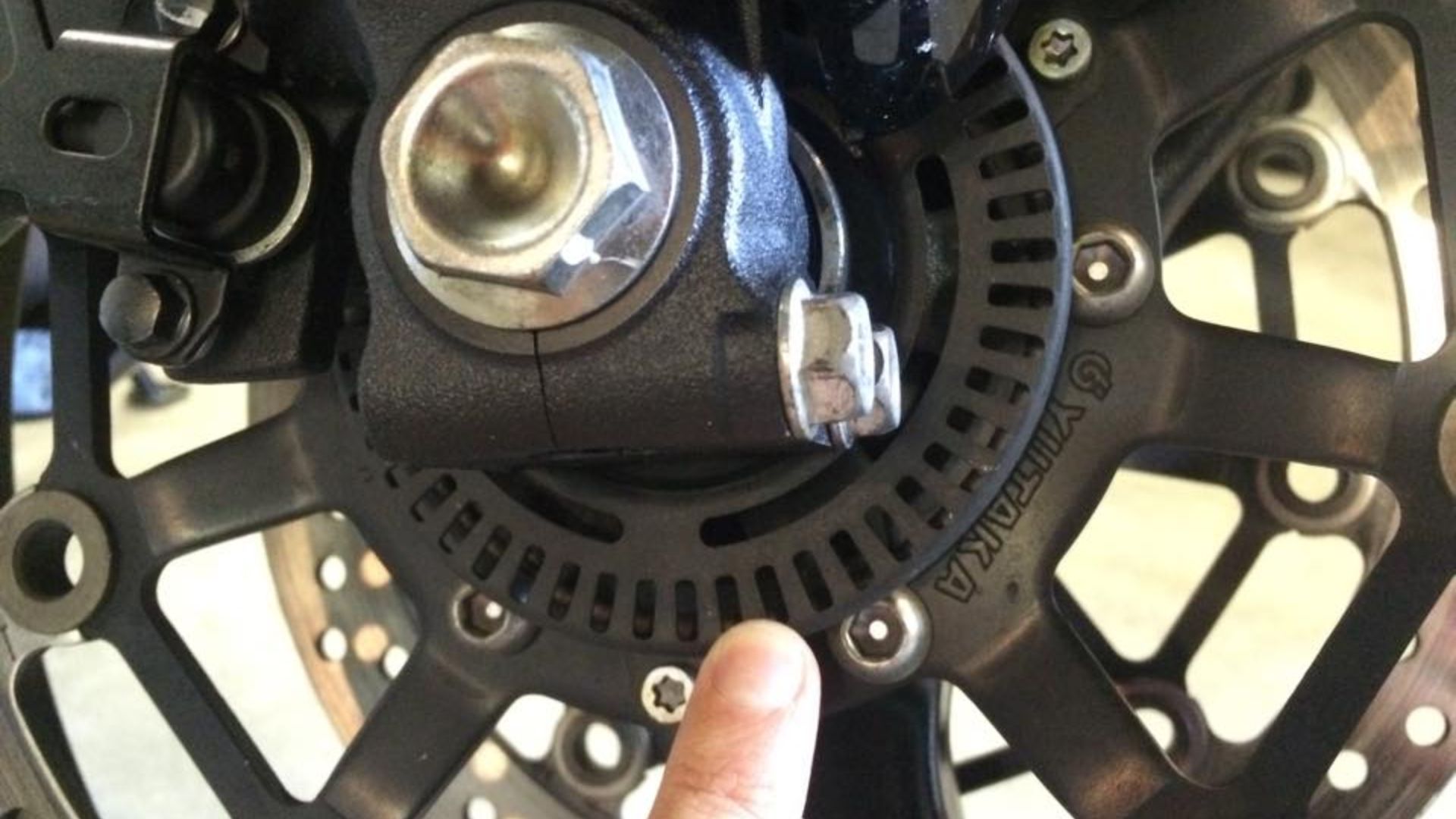
No Anti-Lock Brakes
ABS didn’t become widespread until the 1990s. Locking up your brakes and skidding uncontrollably was standard practice—and often taught as normal driving technique. “Just pump the brakes” was the entire safety system.
Tires With Minimal Standards
Modern tires undergo rigorous testing. Older tires often lacked consistent quality, wet grip standards, or heat resistance. Blowouts were common, and handling limits were vague suggestions rather than engineered guarantees.
 MercurySable99, Wikimedia Commons
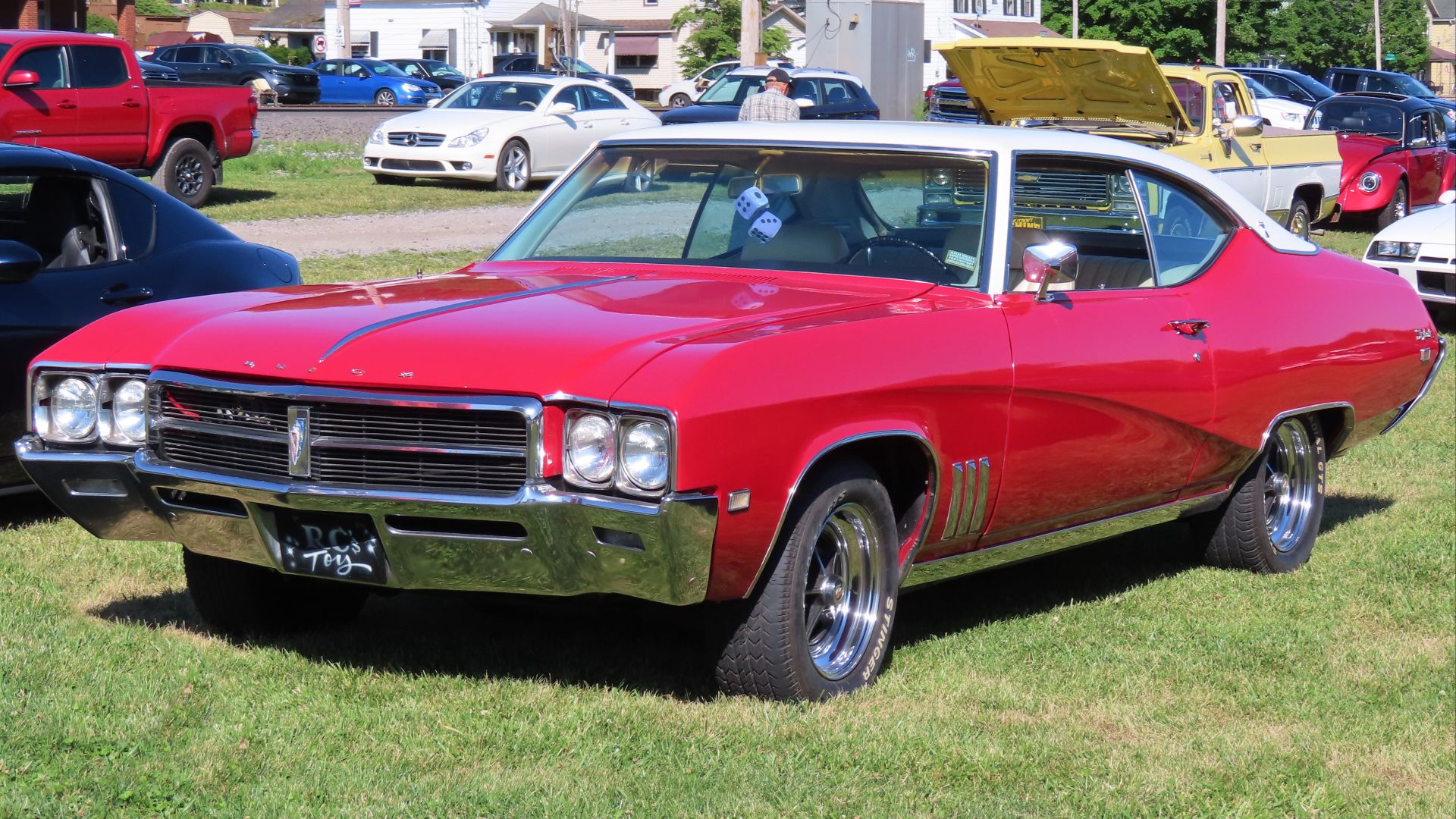
Fuel Tanks That Loved To Rupture
Fuel system integrity standards came late. Many older cars had fuel tanks positioned behind the rear axle or poorly protected. Rear-end collisions could—and often did—result in catastrophic fires.
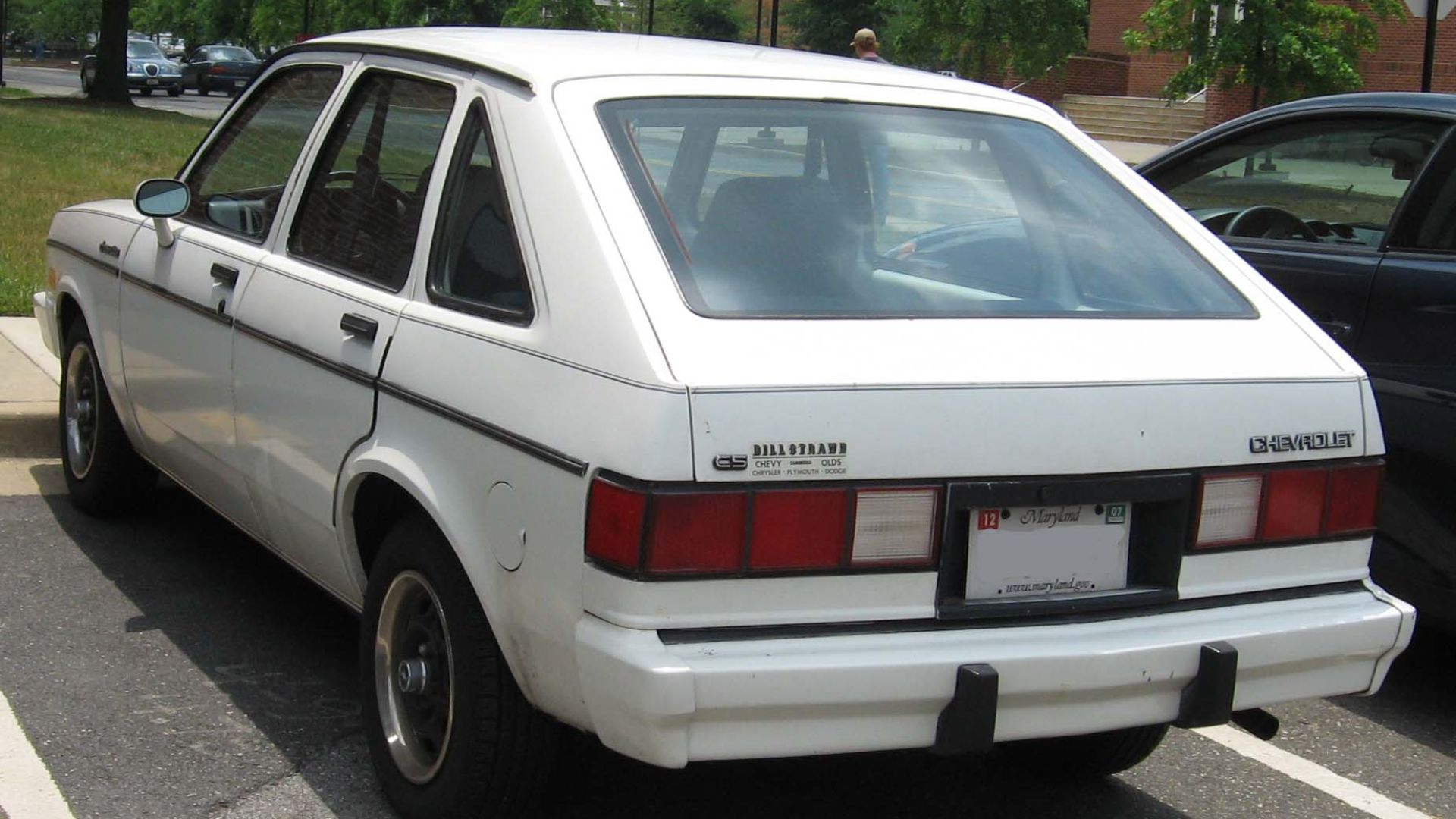
No Seatbelt Pretensioners
Modern seatbelts tighten instantly during a crash to hold occupants firmly in place. Older belts? Loose, slack, and slow to react. If you were wearing one, it was still doing the bare minimum.

No Pedestrian Safety Design
Modern cars are shaped to reduce injuries to pedestrians. Boom-era cars were tall, sharp-edged, and aggressively styled. Hitting a pedestrian in the 1960s was far more likely to be fatal.
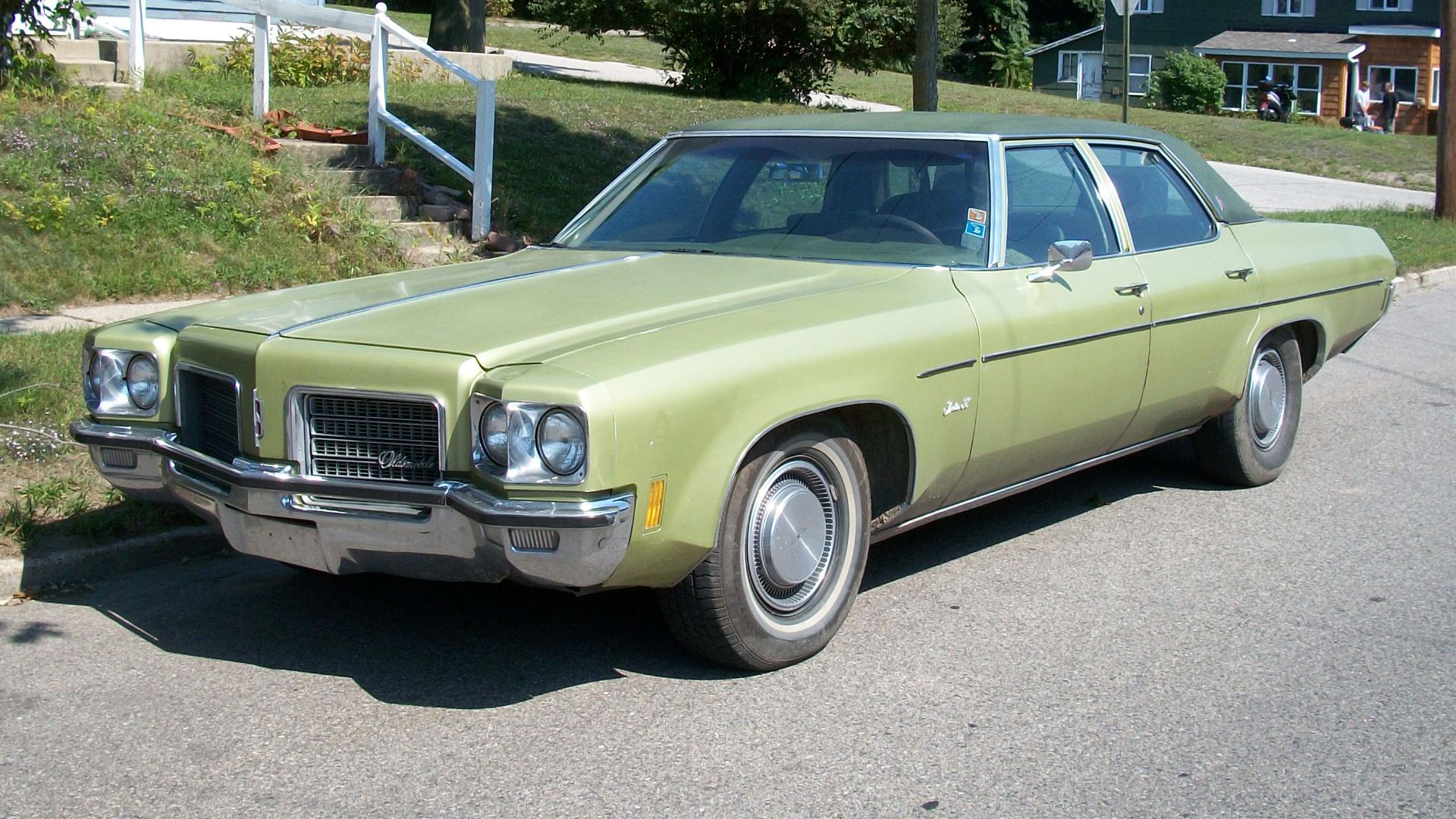
No Standardized Crash Testing
The now-famous crash test ratings didn’t exist. Manufacturers weren’t required to publish safety data, and consumers had no easy way to compare vehicles. You bought based on looks, power, and vibes—safety was an afterthought.
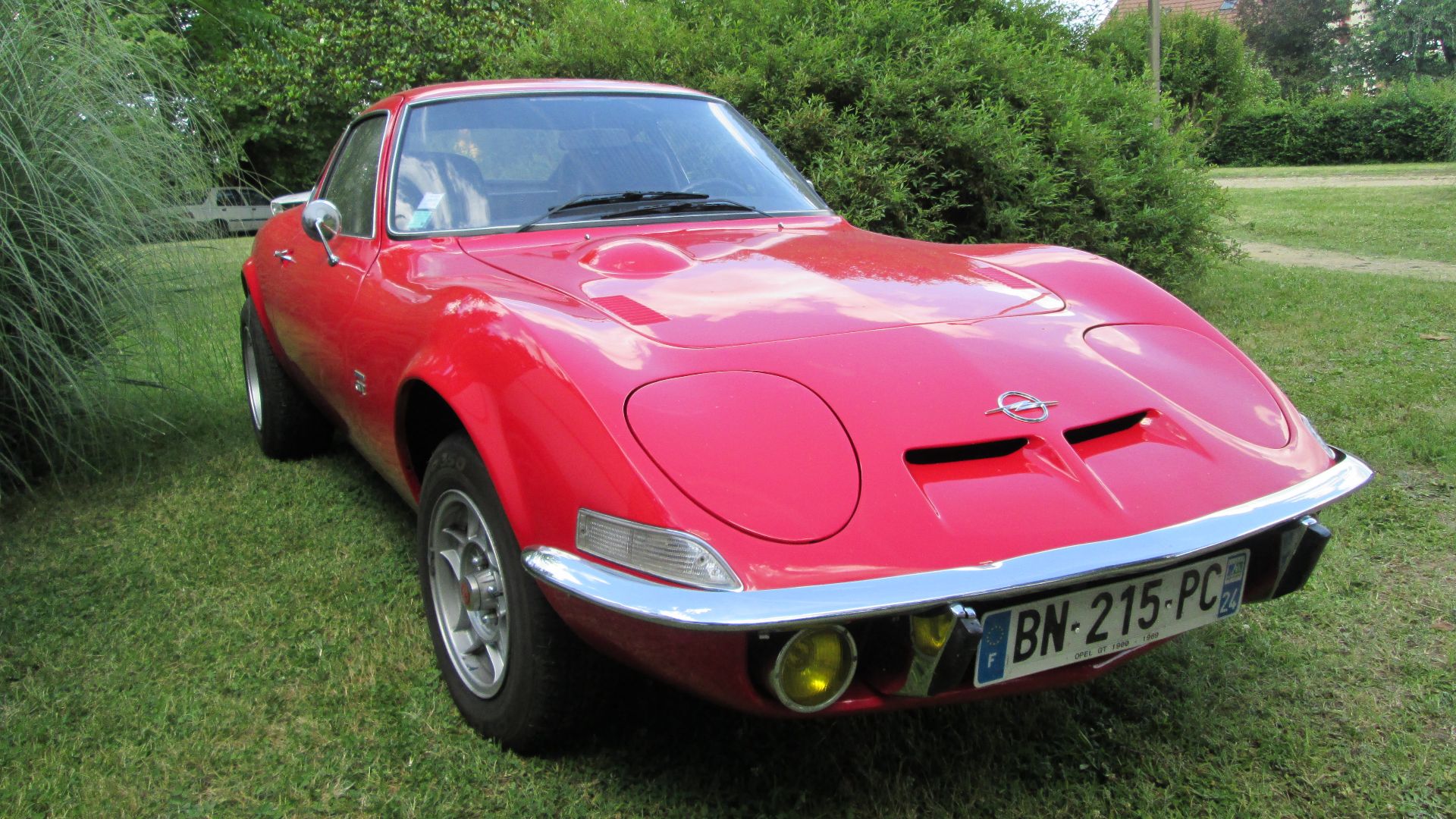
No Reinforced Door Latches
Doors on older cars could fly open during crashes, increasing the risk of ejection. Modern latch standards dramatically reduce this risk. Back then, staying inside the car was not guaranteed.
 Stratoswift, Wikimedia Commons
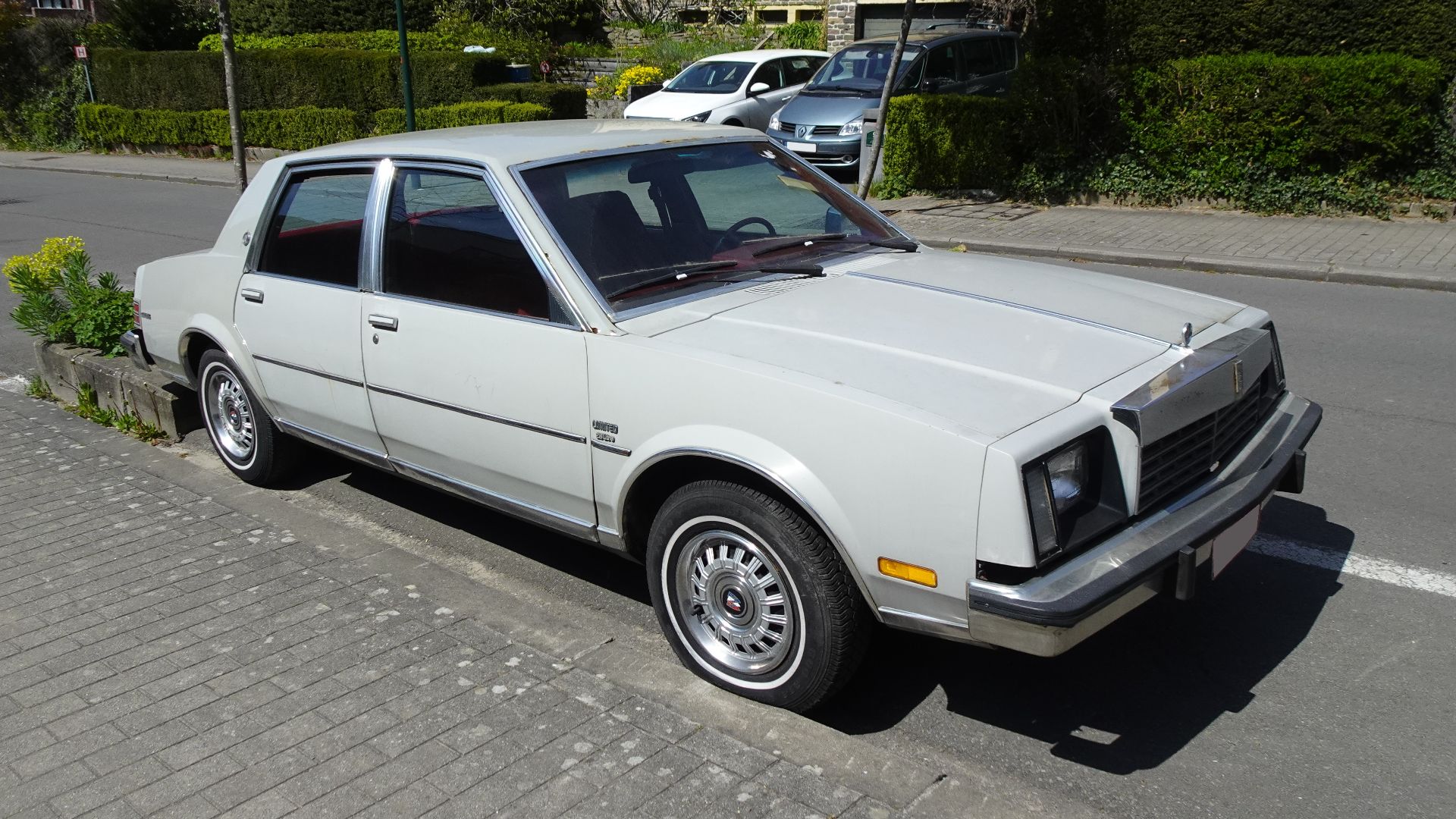
No Backup Cameras Or Sensors
Backing up meant turning around and hoping for the best. Blind spots were massive, and small children were tragically vulnerable. Rearview cameras didn’t become mandatory until 2018.

No Blind Spot Monitoring
Side mirrors were small, convex mirrors weren’t universal, and shoulder checks were your only defense. Lane changes were a test of faith—and sometimes physics.
 Francis Franklin, Wikimedia Commons
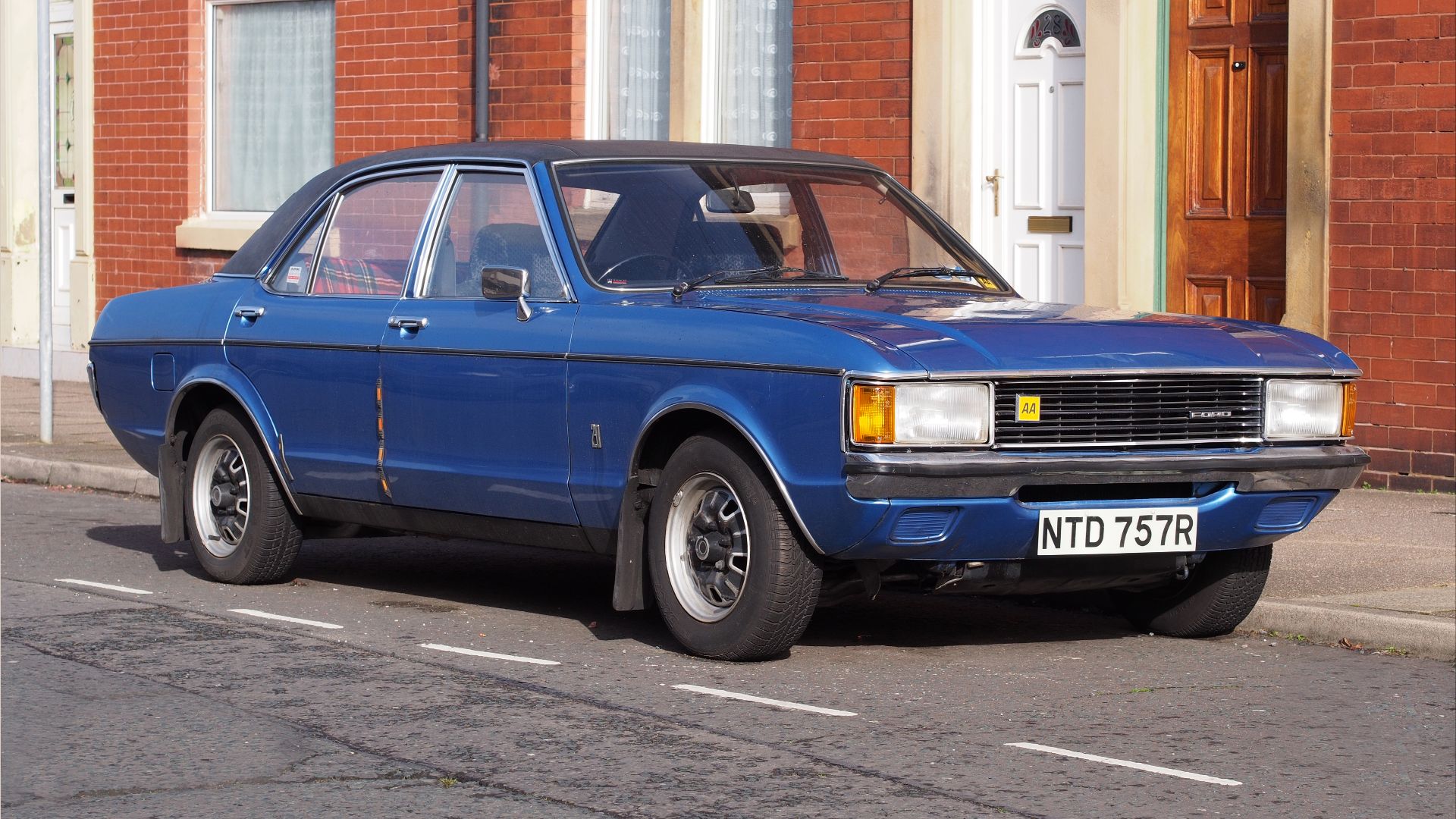
No Lane Departure Warnings
Drifting out of your lane was corrected by rumble strips or oncoming headlights. Today’s cars gently nudge you back. Older cars just let consequences happen.
 Barracuda1965 at English Wikipedia, Wikimedia Commons
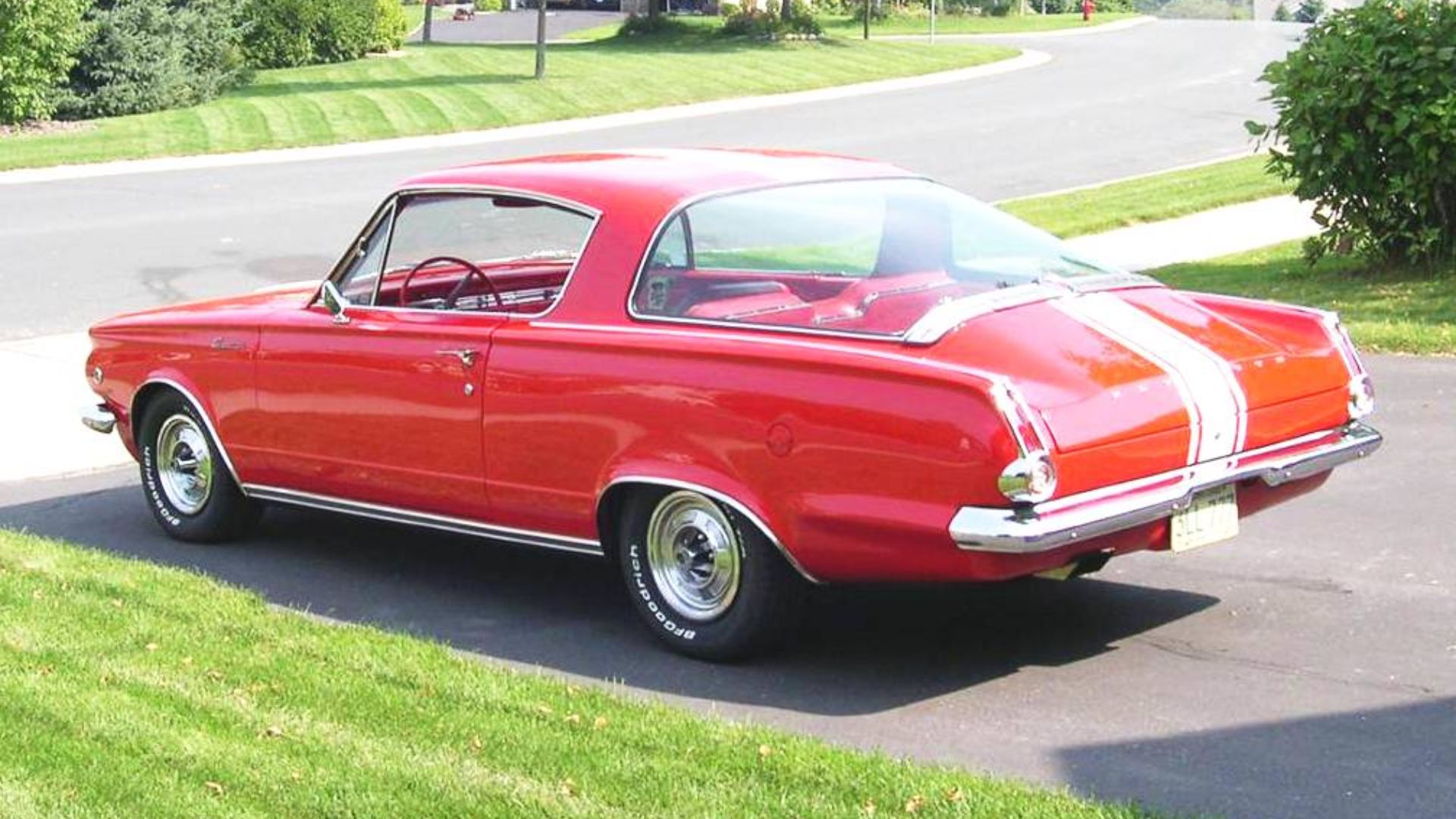
No Automatic Emergency Braking
If you didn’t react in time, that was it. No computers stepped in. Rear-end collisions were common, expected, and accepted as part of driving life.
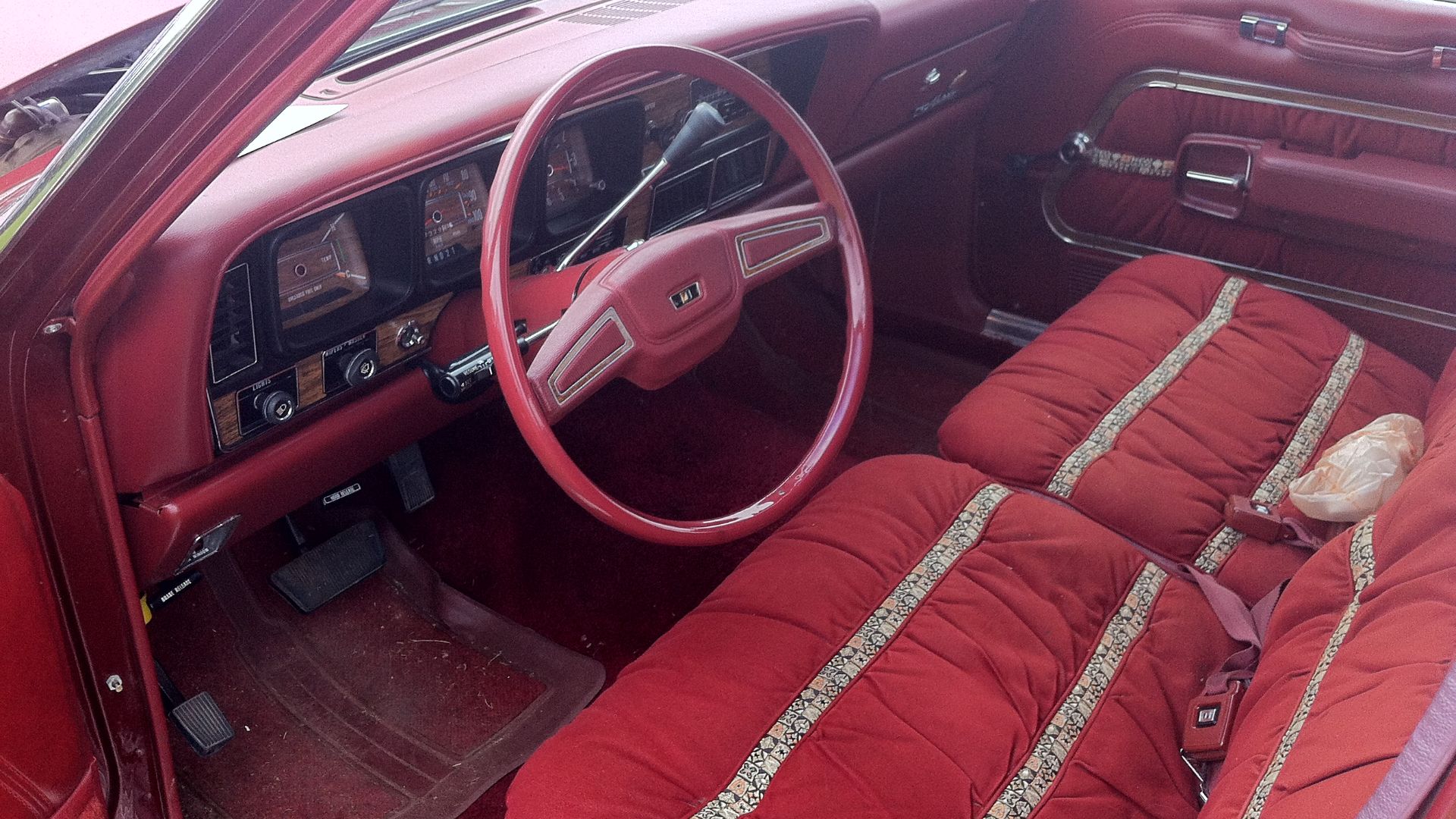
Interiors That Prioritized Style Over Survival
Chrome trim, hard plastics, and decorative hazards filled cabins. Modern interiors are designed to deform safely. Old ones were designed to look cool in brochures.
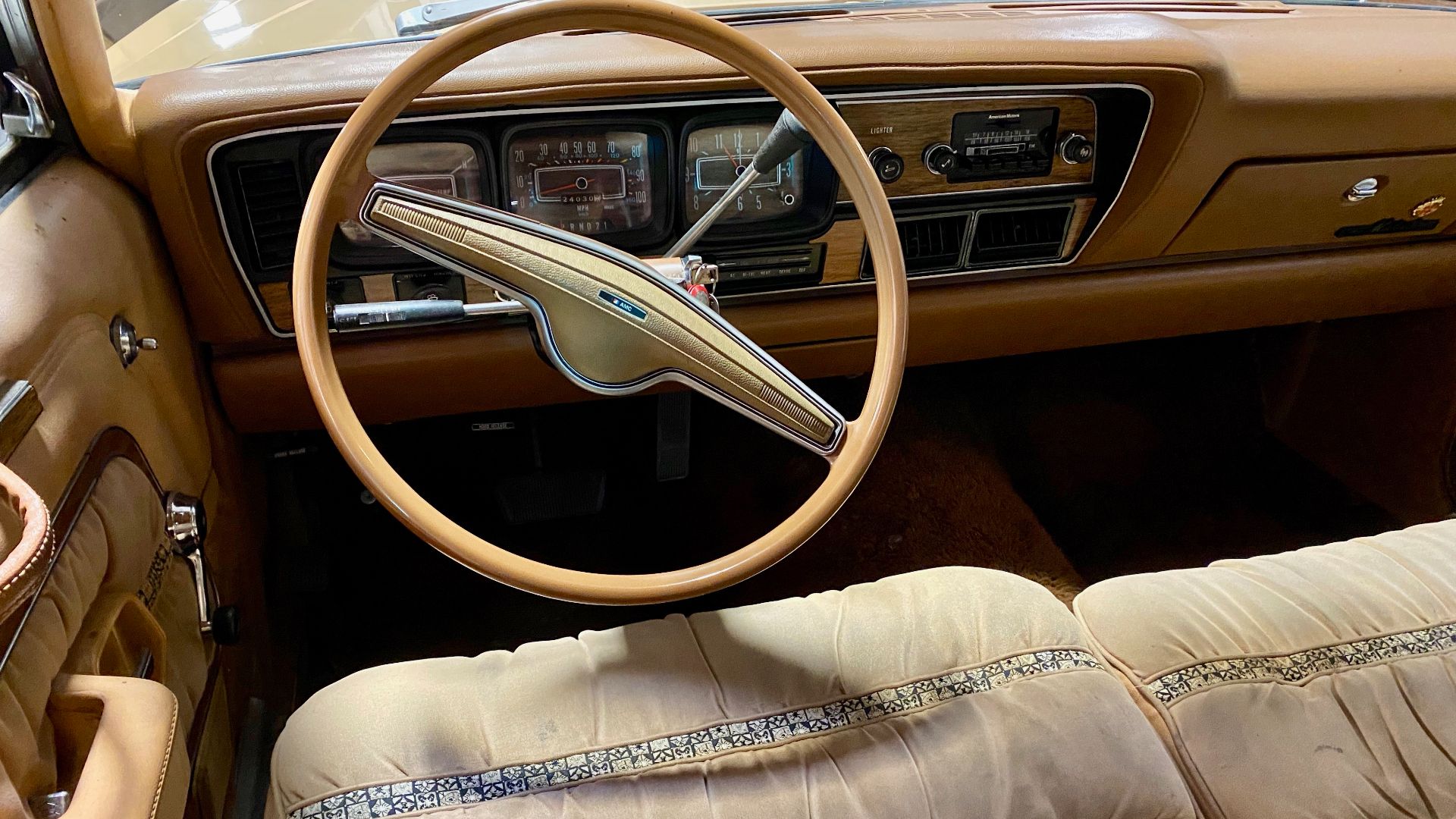
Why We Still Romanticize These Death Traps
Despite all this, Boomers often fondly remember these cars as “real.” They were louder, simpler, and more mechanical—but undeniably more dangerous. Survival became a badge of honor, and modern safety features are sometimes dismissed as “soft.”
 MercurySable99, Wikimedia Commons
Progress Looks Boring—Until It Saves Your Life
Cars that Boomers grew up driving wouldn’t just fail today’s safety tests—they’d never make it past the design stage. While modern vehicles may lack chrome fins and ashtrays, they’ve replaced bravado with survivability. So yes, Grandpa drove without airbags, ABS, or crumple zones—and lived to tell the tale. But that doesn’t mean it was safer. It just means he got lucky.
You May Also Like:
The Best Motorcycles Of The 1980s
Cars Baby Boomers Loved That Gen X Laughed At