A Change Of Winter Plans
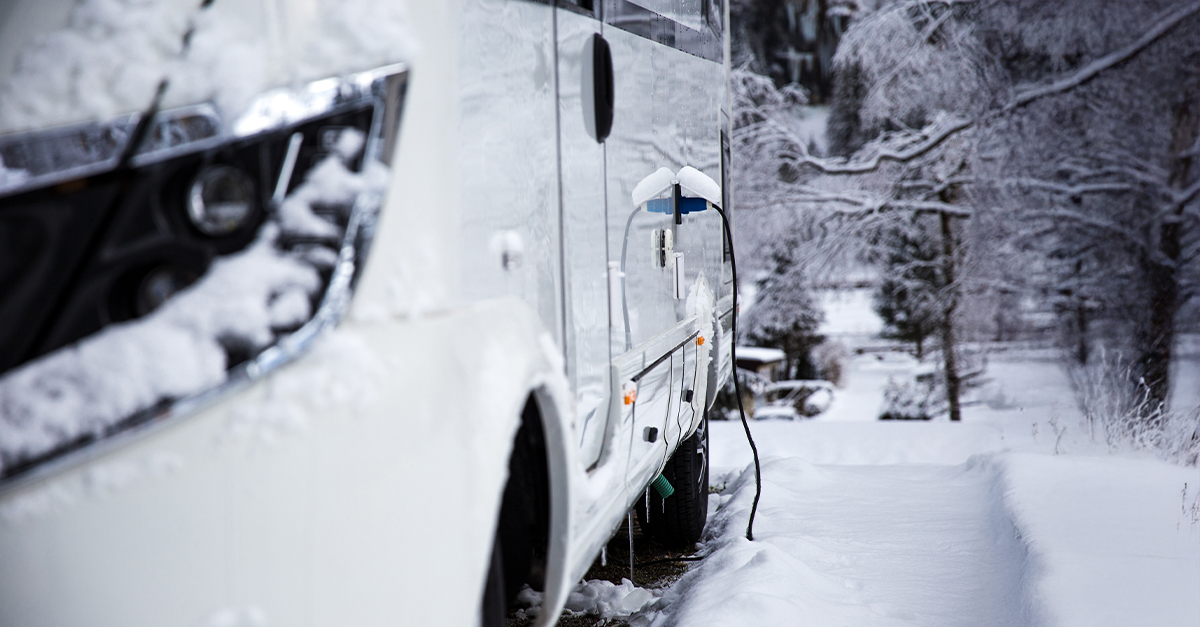
You’ve always planned your winters around warmth, sunshine, and easy RV living in Florida. Now life has intervened, and you’re facing a Wisconsin winter to help care for your dad. That shift means your RV, once a cold-weather afterthought, now needs serious preparation to survive freezing temperatures, snow, and long periods of limited use.

Live In The RV Or Store It?
Your first decision is the most important one: will you live in the RV through winter, or store it while staying elsewhere? Full-time winter RV living requires insulation, heat management, and daily maintenance. Storage demands full winterization. Being honest about how often you’ll be using the RV is what will help prevent expensive cold damage later.

Know What Freezing Temperatures Really Do
Wisconsin winters bring sustained subfreezing temperatures, not just overnight cold snaps. Water expands when frozen, cracking pipes, fittings, valves, and tanks. Batteries lose charge faster. Rubber seals harden. Understand that cold damage is cumulative. That’s why partial measures usually fail in true northern winters.
Drain And Winterize The Fresh Water System
If you won’t live in the RV full time, draining the entire freshwater system is essential. You’ll need to completely empty the fresh tank, water heater, and low-point drains. After draining, pumping RV antifreeze through every faucet, toilet, and shower ensures no trapped water freezes and ruptures plumbing lines.

Protect The Water Heater The Right Way
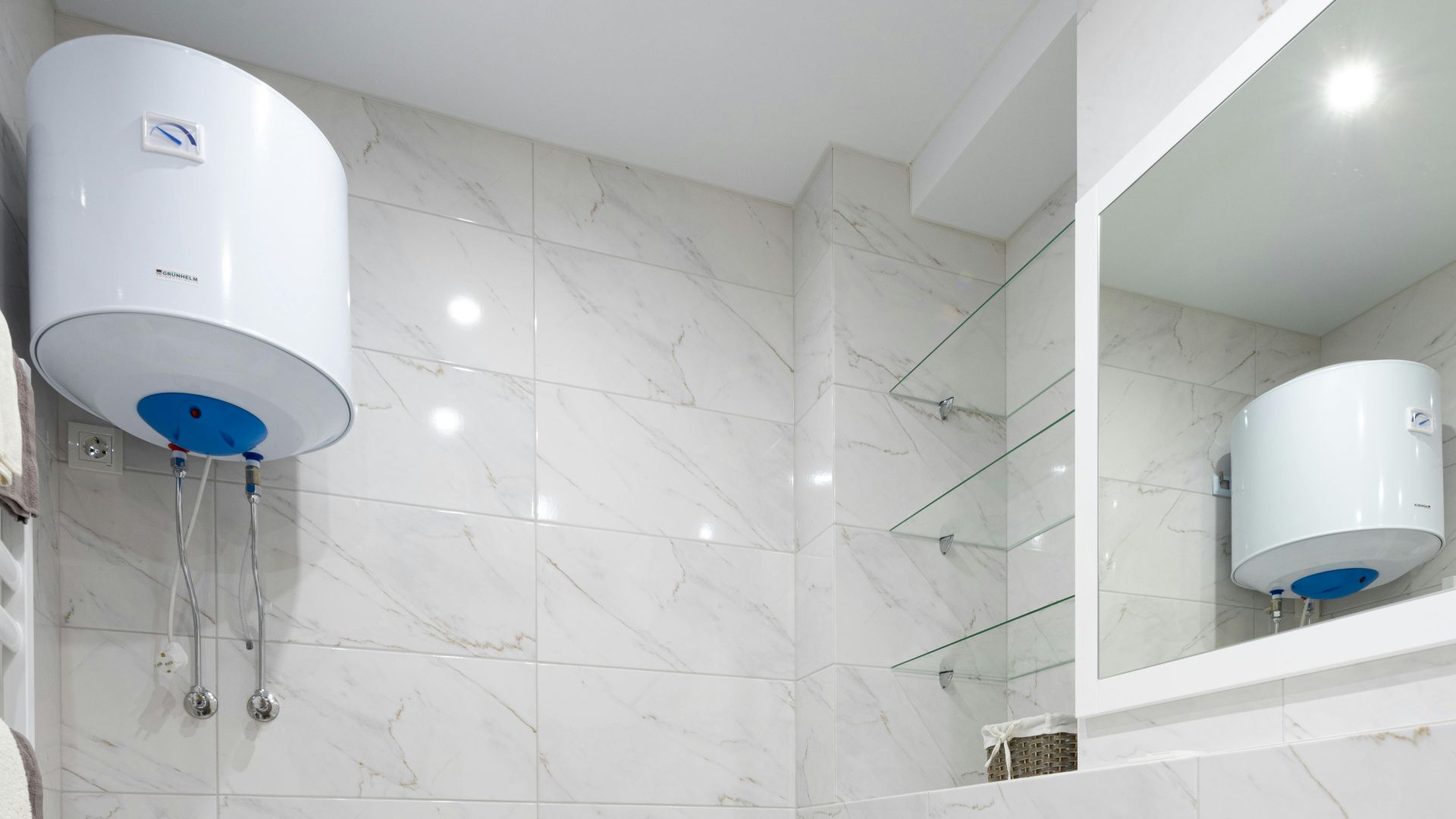
Your water heater needs special attention. Drain it fully, remove the anode rod if applicable, and bypass the heater before adding any antifreeze to the system. Leaving water inside the tank during freezing conditions can ruin the heater, turning a simple oversight into a costly replacement you never bargained for.
Gray And Black Water Tanks
Even empty holding tanks can crack if residual liquid freezes. Dump both tanks completely, flush them well, and leave the valves closed afterward. Many owners add a small amount of RV antifreeze to each tank through the drains. This protects valves and prevents seals from drying out over long cold months.
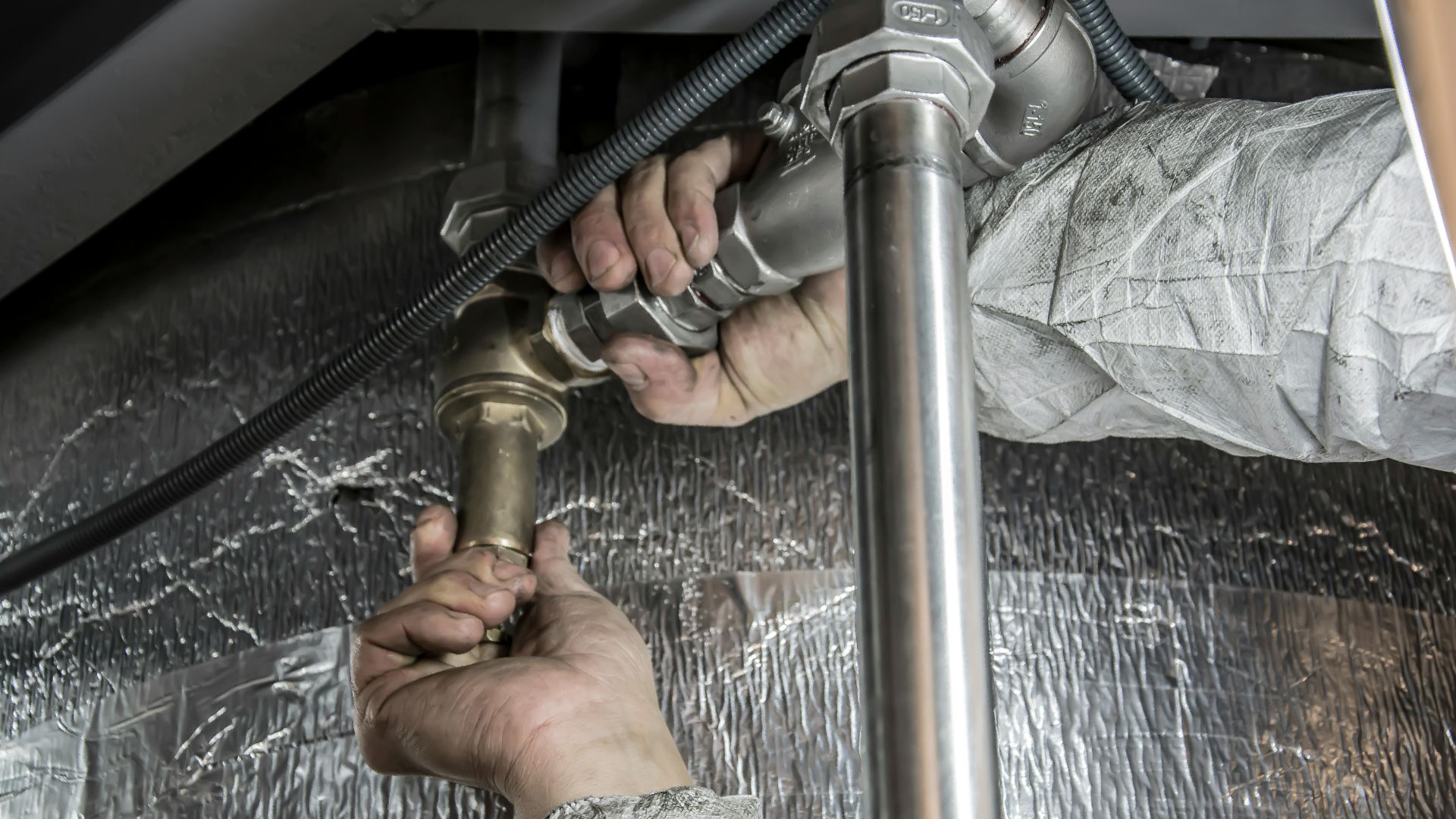
Insulate Exposed Water Lines And Valves
If you’re going to be using the RV occasionally, exposed water lines underneath need insulation. Foam pipe sleeves, heat tape rated for RV use, and insulated valve covers help reduce freezing risk. Skirting around the RV also traps heat beneath it, making a massive difference in comfort during prolonged cold spells and windy conditions.
Choose A Safe And Reliable Heat Source
Your RV’s furnace will be mission-critical in winter. Test it thoroughly before temperatures plunge. Propane furnaces protect plumbing by circulating warm air, but electric space heaters can supplement when plugged into shore power. You’ll want both options ready, since you’ll be going through a lot more propane during extended freezing weather.
 High Contrast, Wikimedia Commons
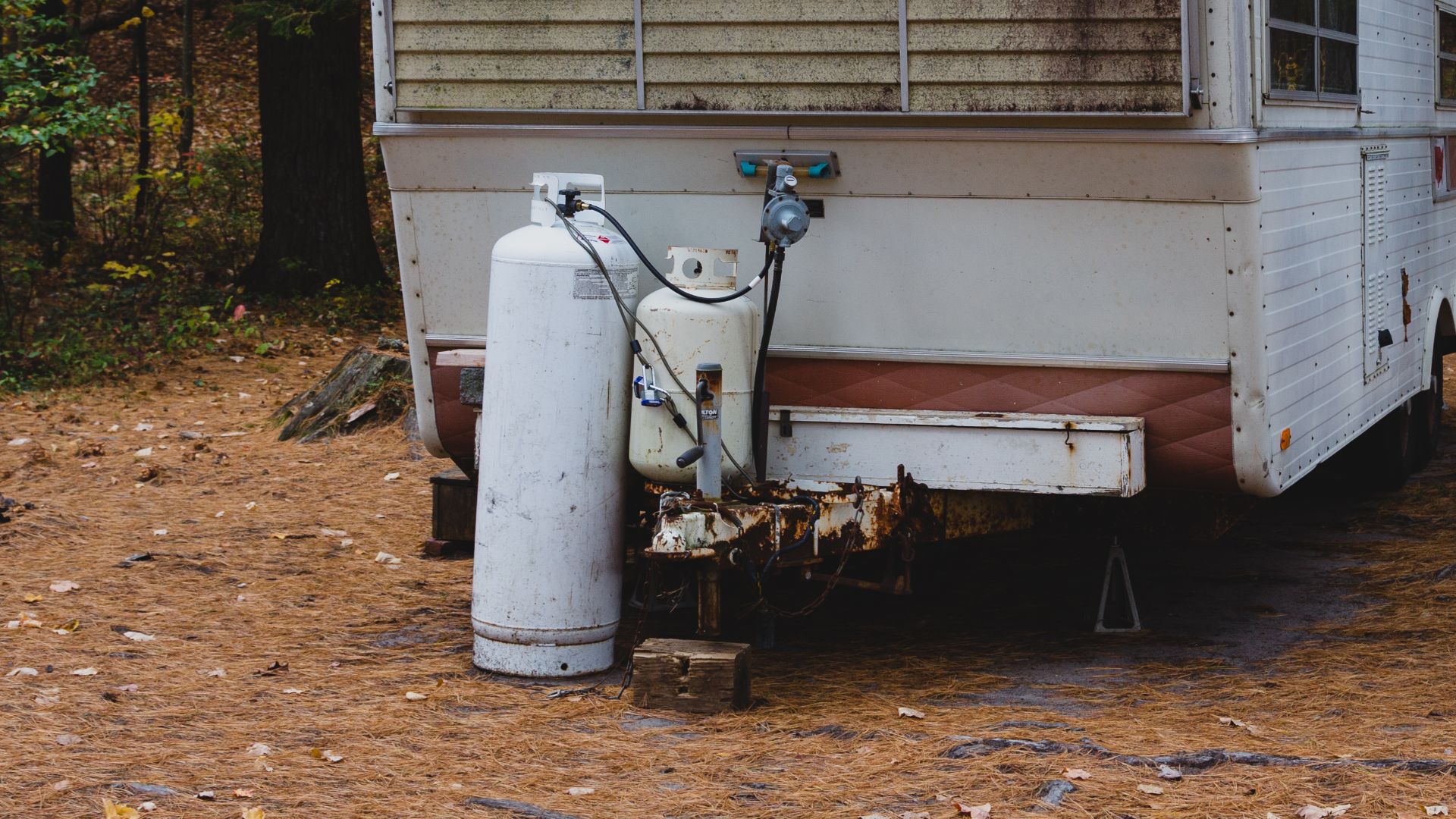
Manage Propane Supply In Cold Conditions
In case you didn’t catch what we just said, cold weather increases propane usage dramatically. Larger external tanks or frequent refills may be necessary. Regulators can freeze, so it’s important to keep them protected and dry. Monitoring propane levels closely stops furnace shutdowns that could lead to frozen pipes overnight, especially during the sudden temperature drops common in Midwestern winters.
 Tony Webster from Minneapolis, Minnesota, United States, Wikimedia Commons
Protect The RV’s Battery System
Cold reduces battery capacity and charging efficiency. Fully charge batteries before winter, clean the terminals, and consider removing them for indoor storage if you’re not going to be using the RV. If batteries stay installed, a trickle charger helps maintain charge levels and prevents permanent damage from deep discharge during long idle periods.
Prep The Engine And Chassis For Cold Storage
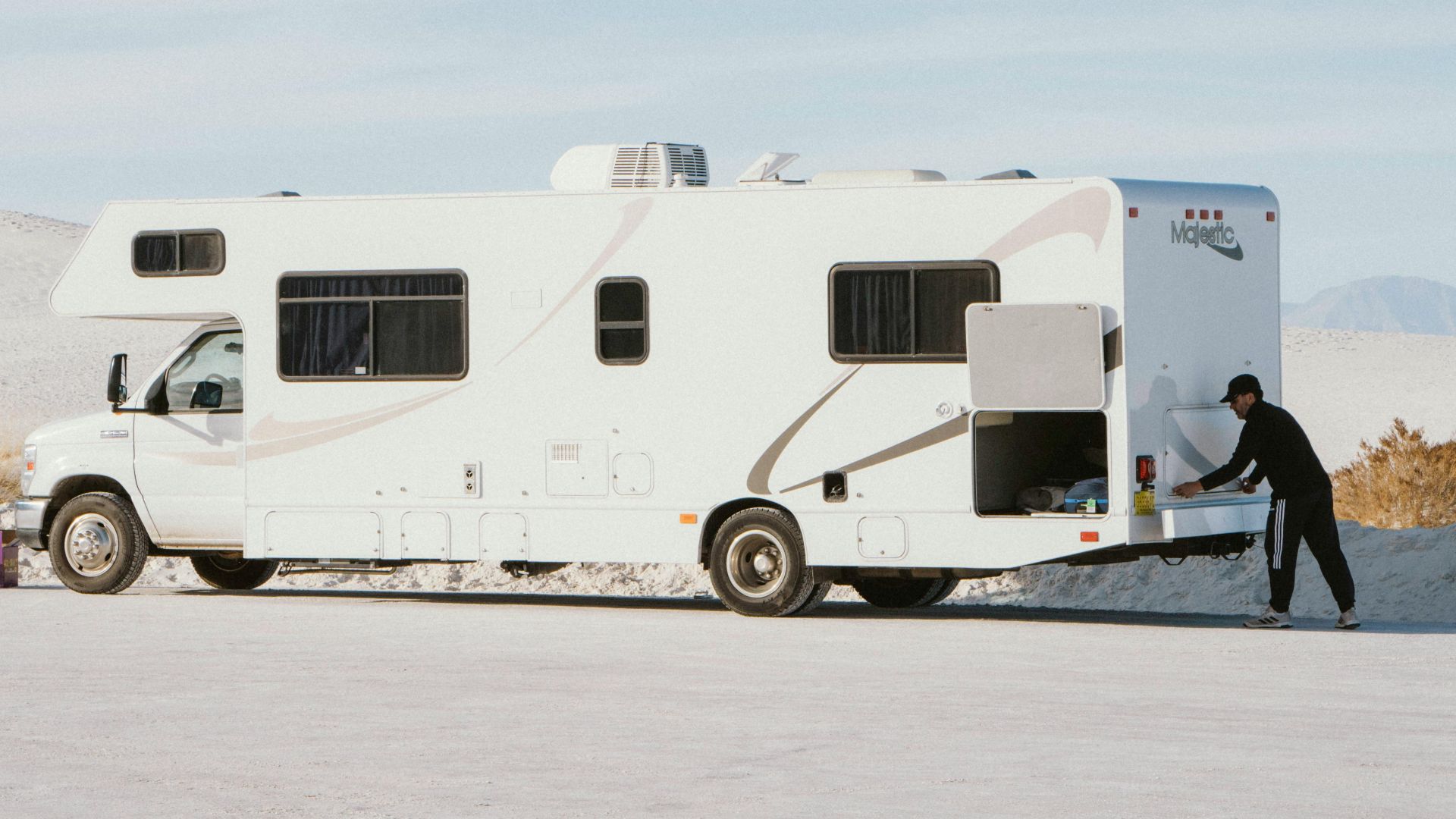
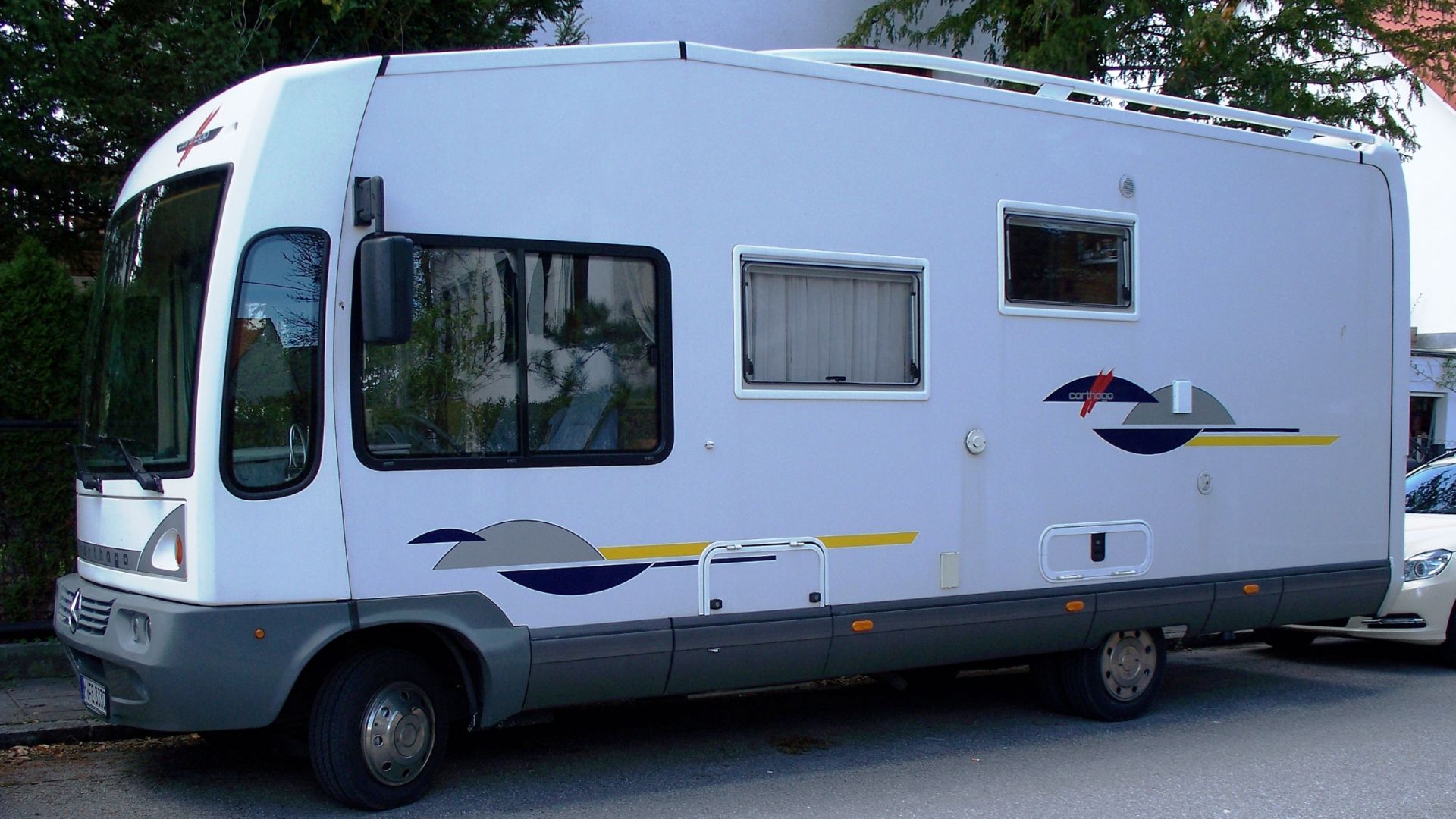
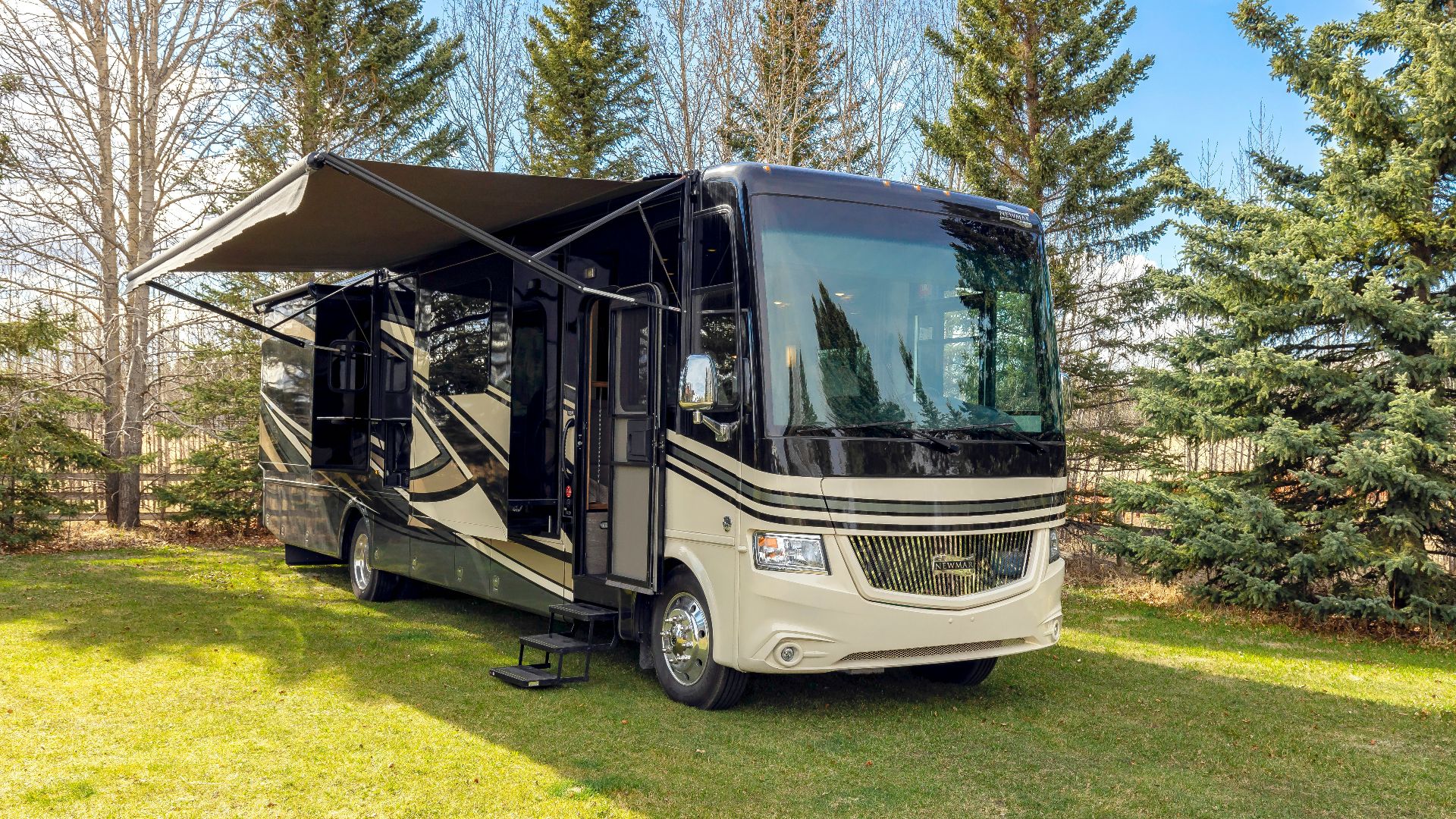
Motorhomes need engine winter prep just like cars. Check antifreeze strength, change oil, top off fluids, and ensure the fuel is stabilized if the RV is sitting unused. Diesel engines require anti-gel additives. Neglecting drivetrain prep can leave you with a non-starting RV just when you need it most.

Protect Tires
Extended cold storage stresses RV tires. Inflate them to the right pressure, cover them to block UV exposure, and consider leveling blocks or tire cradles to stop them from flat spotting. Moving the RV slightly every few weeks helps if possible, but full weight relief through jacks is even that much better.
Seal Drafts And Prevent Heat Loss
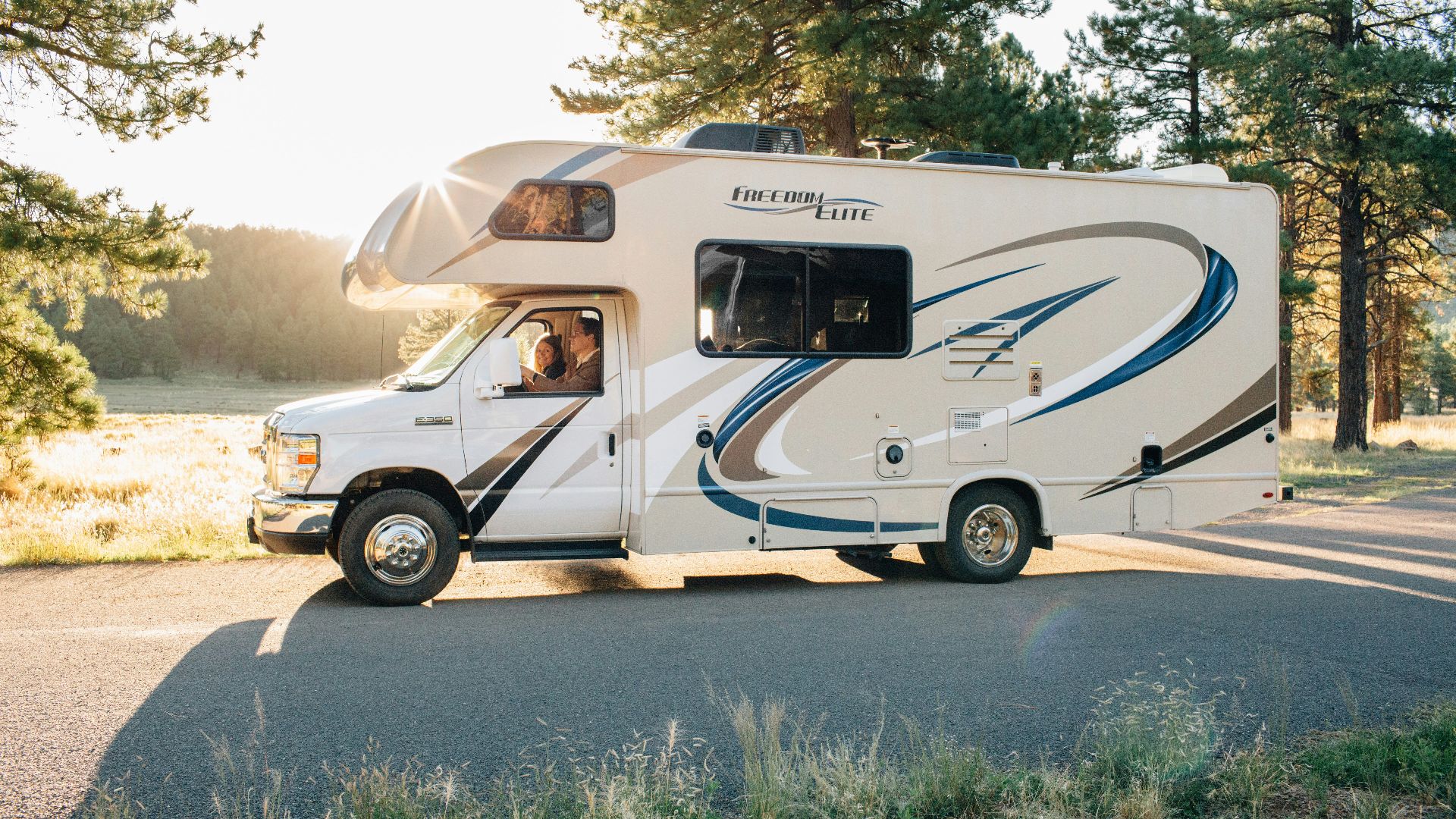
Cold air infiltration makes winter RVing miserable and expensive. Inspect door seals, slide-out gaskets, window frames, and storage bays. Use foam insulation, thermal curtains, and vent covers to keep the heat in. Even small drafts compound over time, driving up propane consumption and putting continuous wear on the heating systems.
Manage Moisture And Condensation Inside
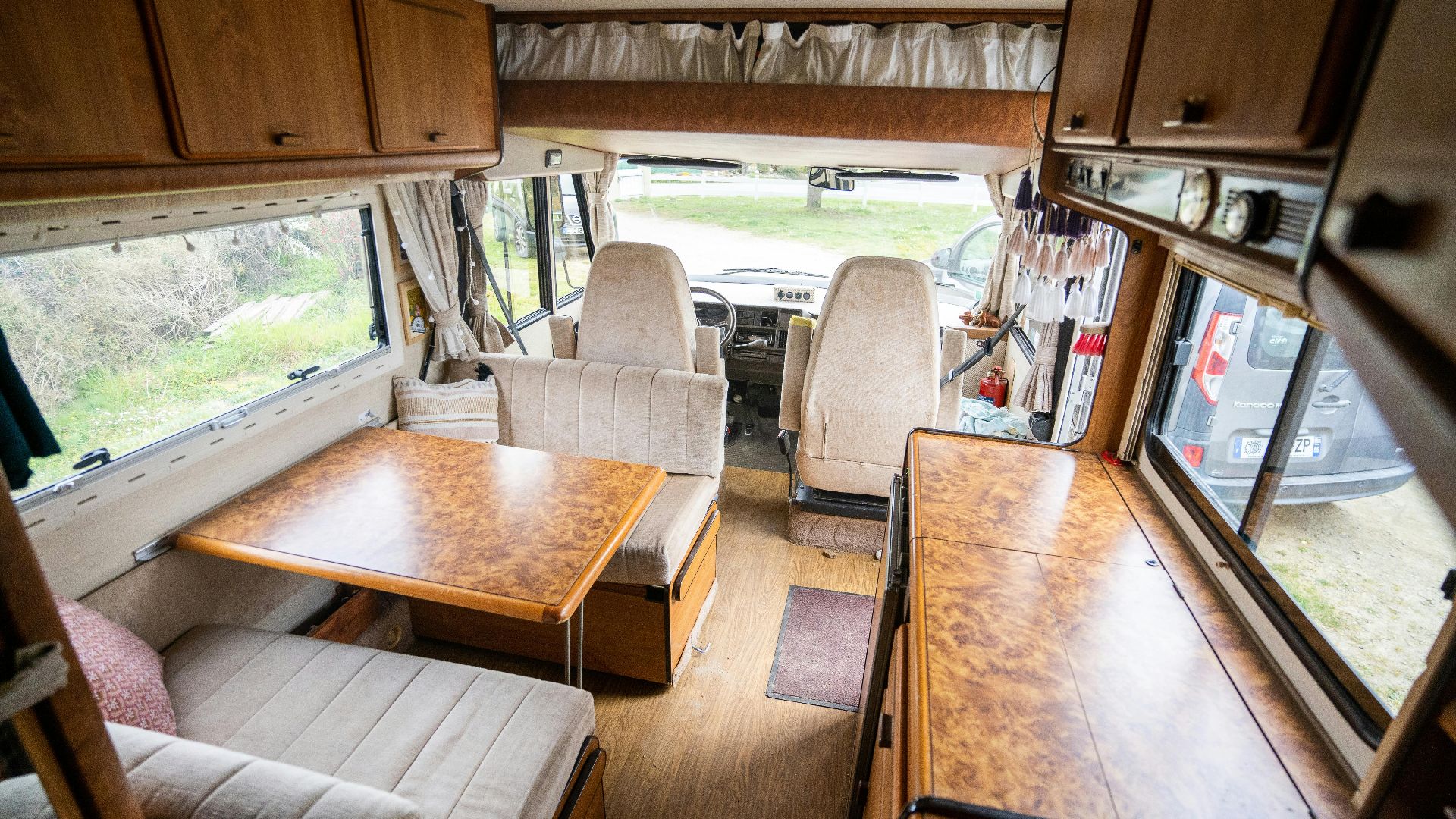
Cold outside and warm inside air create condensation, leading to mold and interior damage. You’ll need controlled ventilation, dehumidifiers, or moisture absorbers. Wipe down windows regularly and monitor hidden areas like closets and cabinets. Managing humidity is just as important as staying warm in the RV.
Protect Appliances And Interior Plumbing
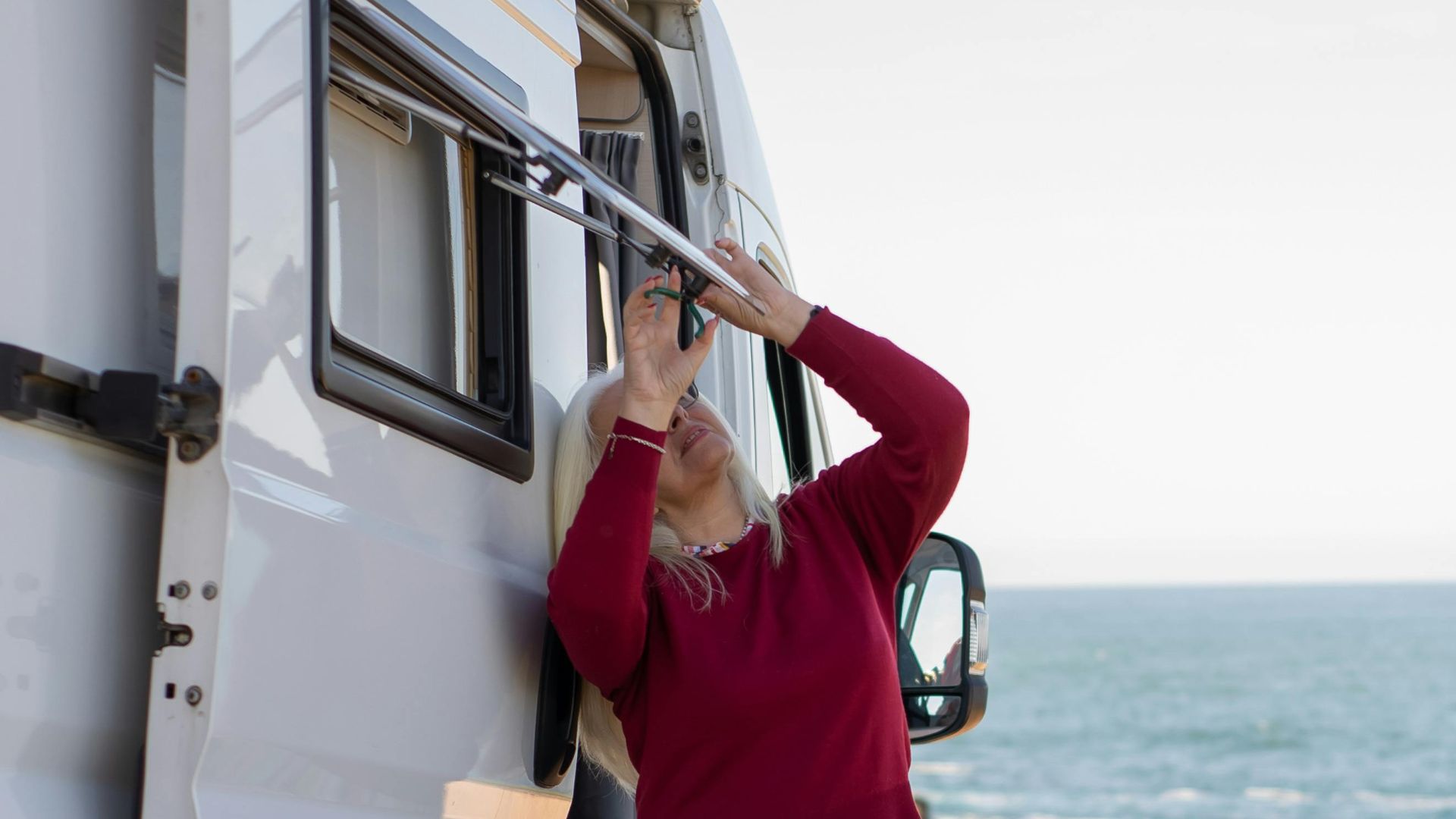
Ice makers, washing machines, and outdoor showers often get forgotten. Drain and winterize these separately if they’re not in use. Cabinet doors under sinks should stay open when heating to allow warm air circulation. Appliances damaged by freezing often fail quietly, only revealing leaks when temperatures go back up again.

Choose The Right Parking Location
Where you park matters. Wind exposure, snow accumulation, and access to electrical hookups all impact winter survivability. A sheltered location with shore power makes electric heat viable and reduces propane dependence. Avoid low-lying areas prone to drifting snow or ice dams that complicate access and maintenance.
Plan For Snow And Ice Maintenance
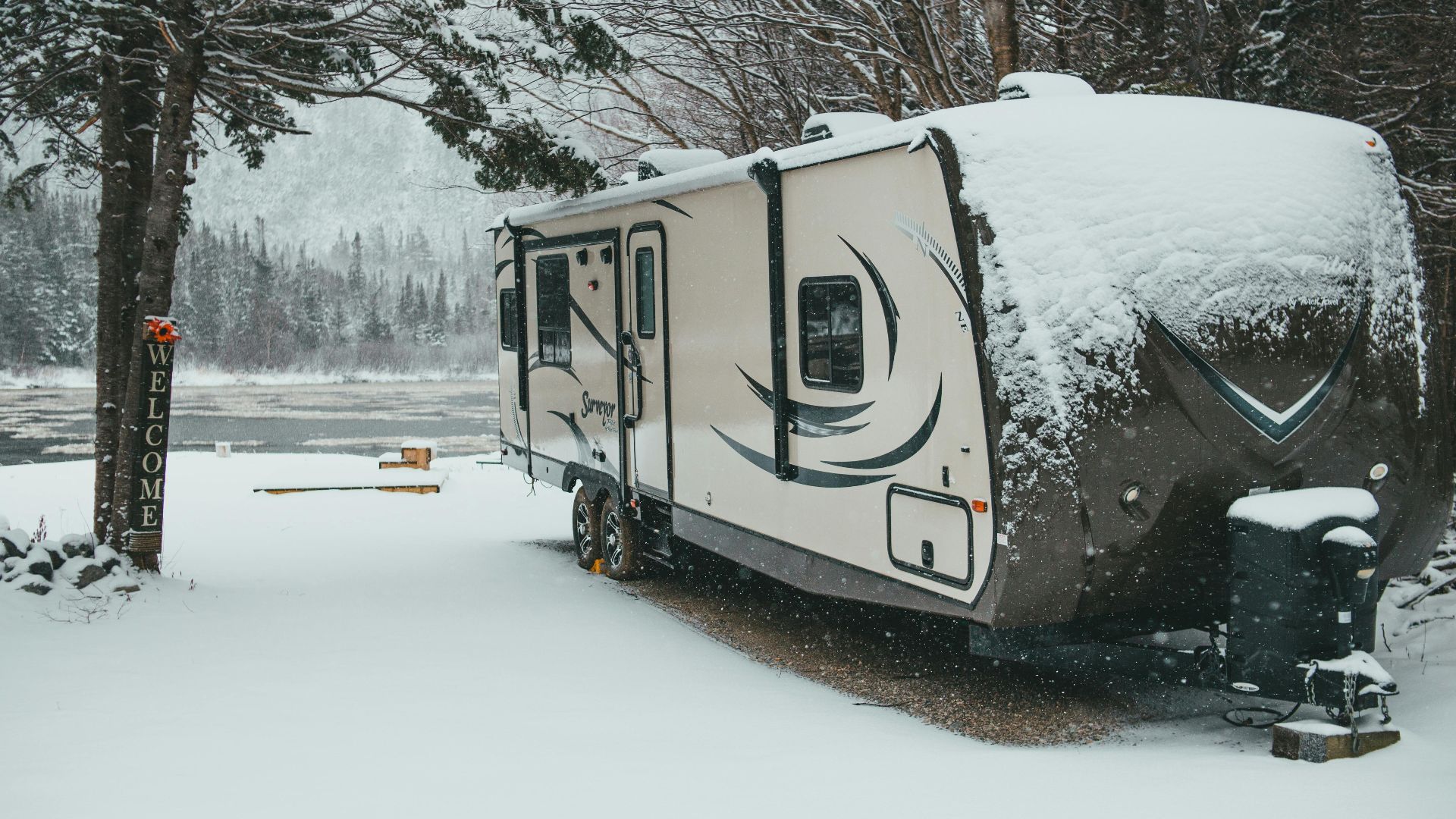
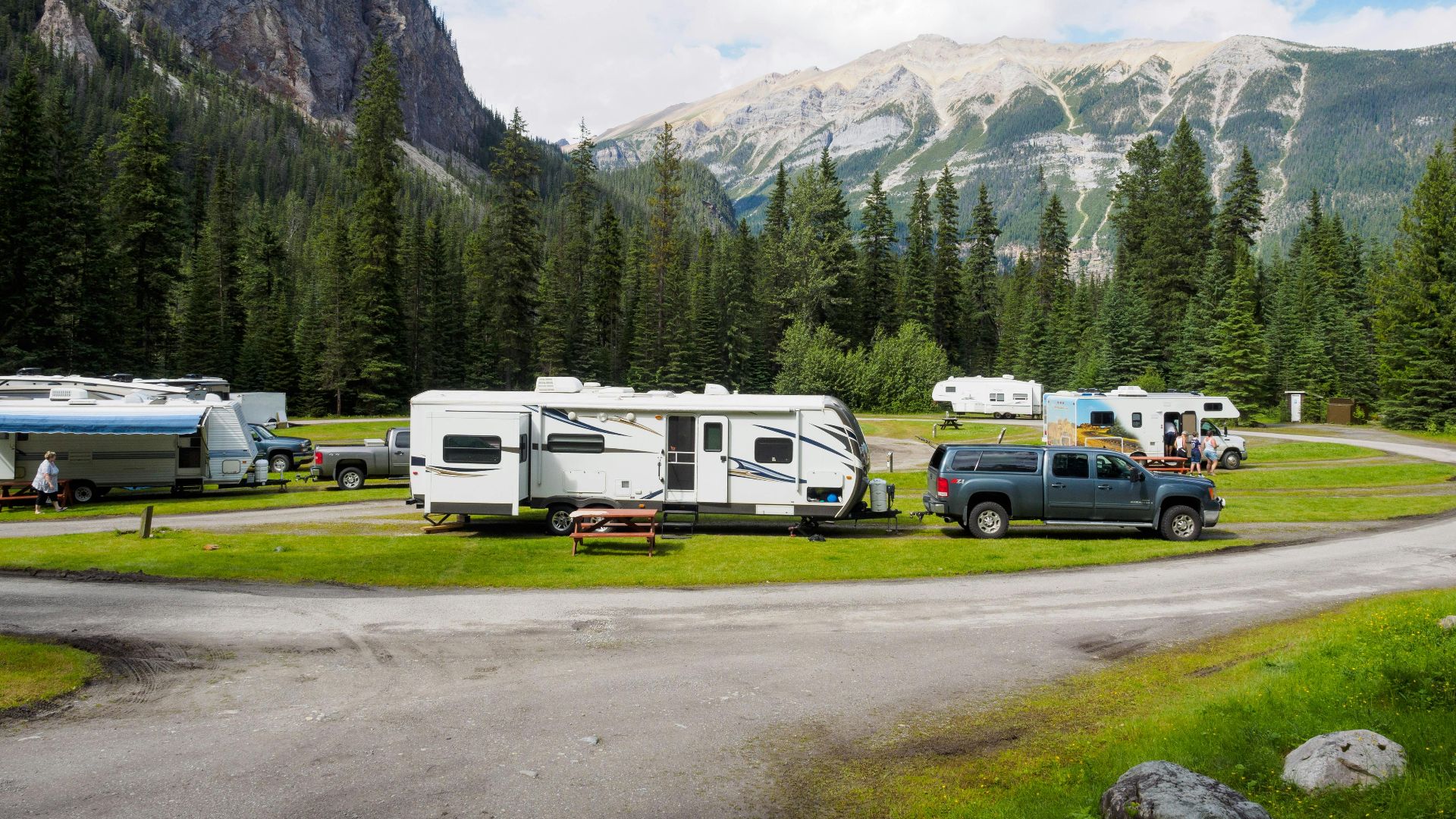
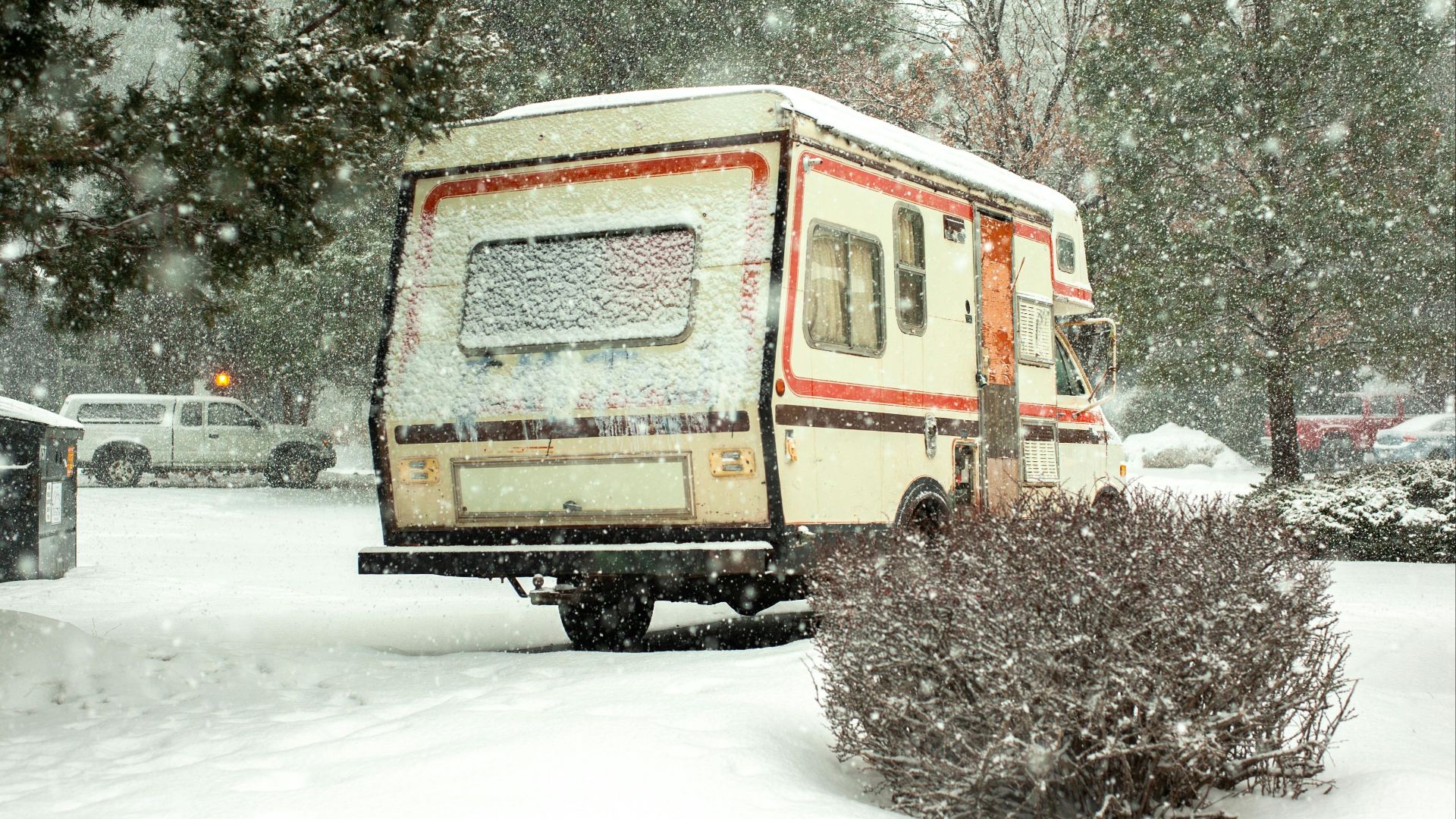
Snow load on the roof adds potentially enormous weight and can damage seals. Regular roof clearing with RV-safe tools stops leaks and structural stress. Ice buildup around steps, hookups, and dump valves creates hazards. Planning for routine snow management keeps both the RV and you safer throughout the winter season.
Consider Professional Winterization Services
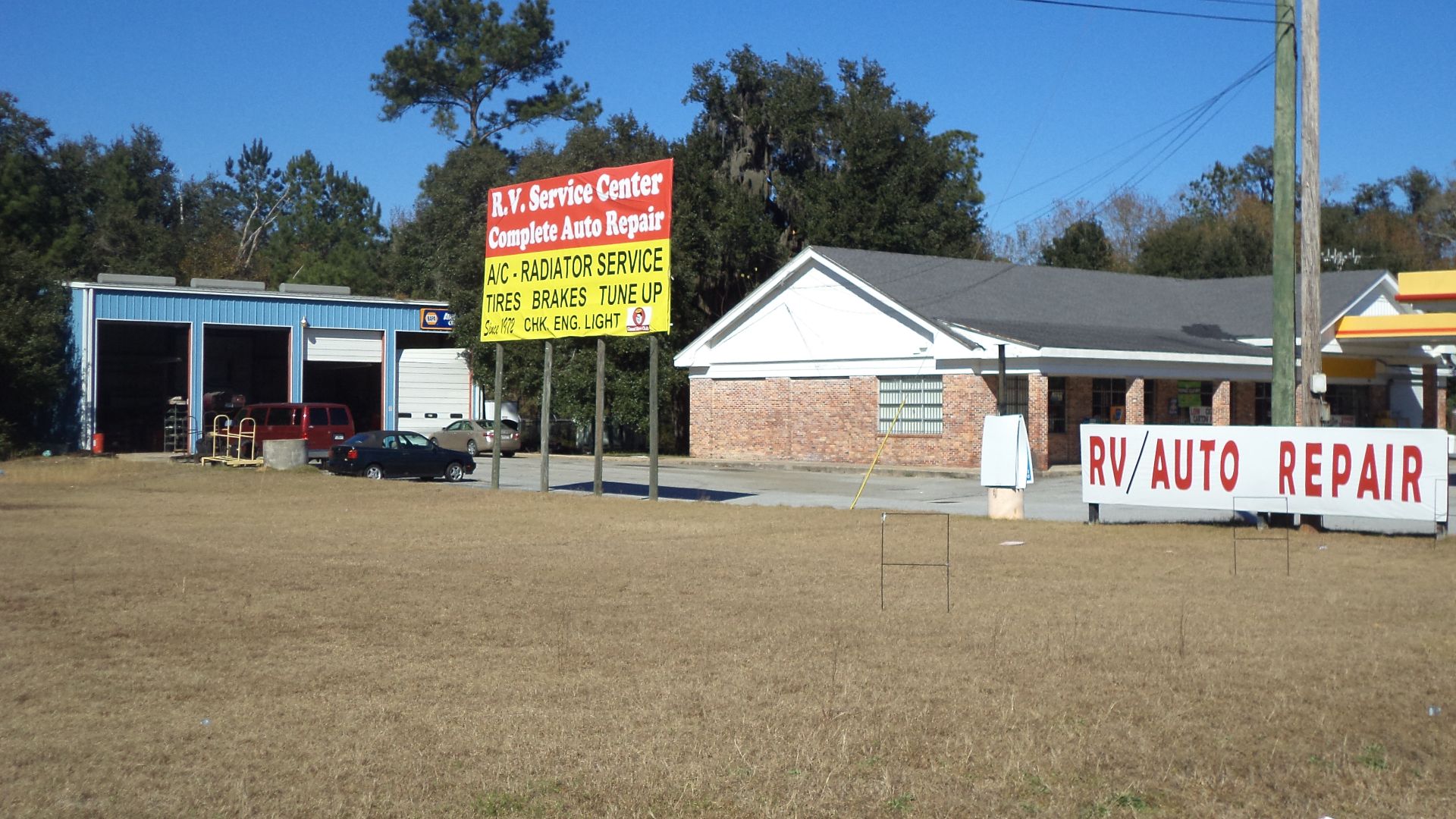
If time, tools, or experience are in short supply, professional winterization can be worthwhile. RV service centers know cold-weather failure points and often offer storage packages. This option can reduce stress if you’re already trying to juggle family responsibilities, especially if caregiving limits your ability to monitor the RV daily.
 Michael Rivera, Wikimedia Commons
Reassess Insurance And Emergency Coverage
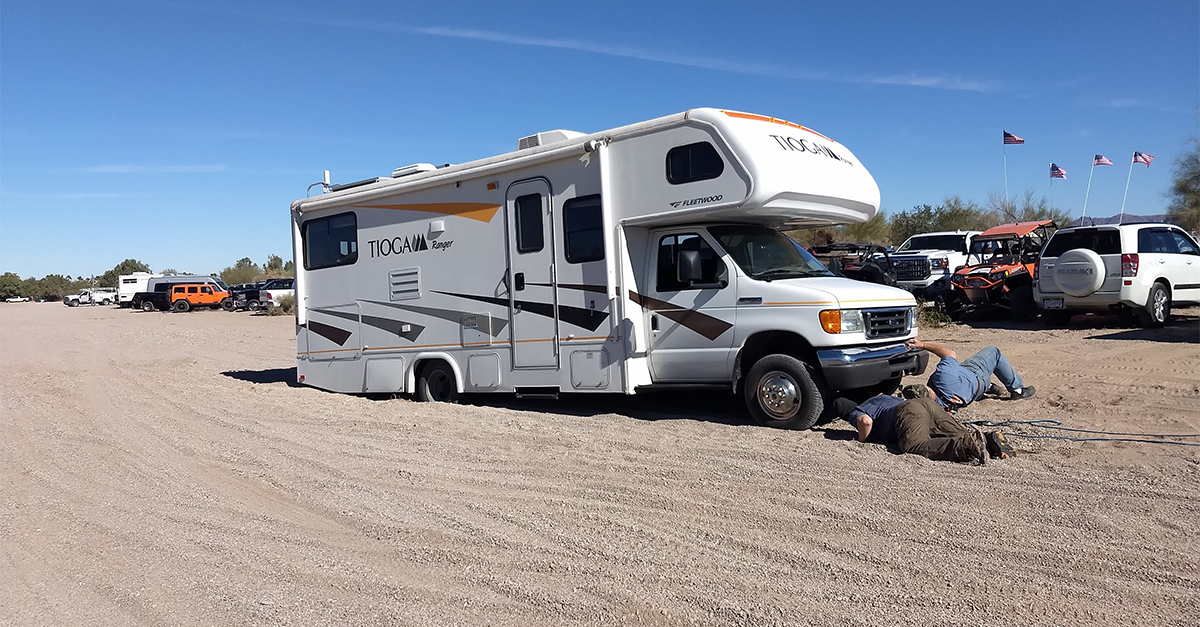
Winter changes your risk profile. Confirm insurance coverage for freeze damage, storage location, and extended non-use. Roadside assistance plans should cover cold-weather towing and jump-starts. Update your coverage before winter and you can be more confident that you’re protected if something goes wrong in the RV while your attention is focused elsewhere.
Balance RV Care With Family Responsibilities
Finally, give yourself grace. This winter is about helping your dad, not perfecting your RV stewardship skills. Choose a preparation level that minimizes the risk without consuming all your time and energy. Thorough winterization ahead of time allows you to focus on family, knowing your RV will get through the season in one piece and be ready when spring returns.
You May Also Like:
Photos Of The Most Luxurious Motorhomes Ever Built
The Best RVs For Digital Nomads