The Snowplow Surprise: When Winter Hits More Than Just Snow
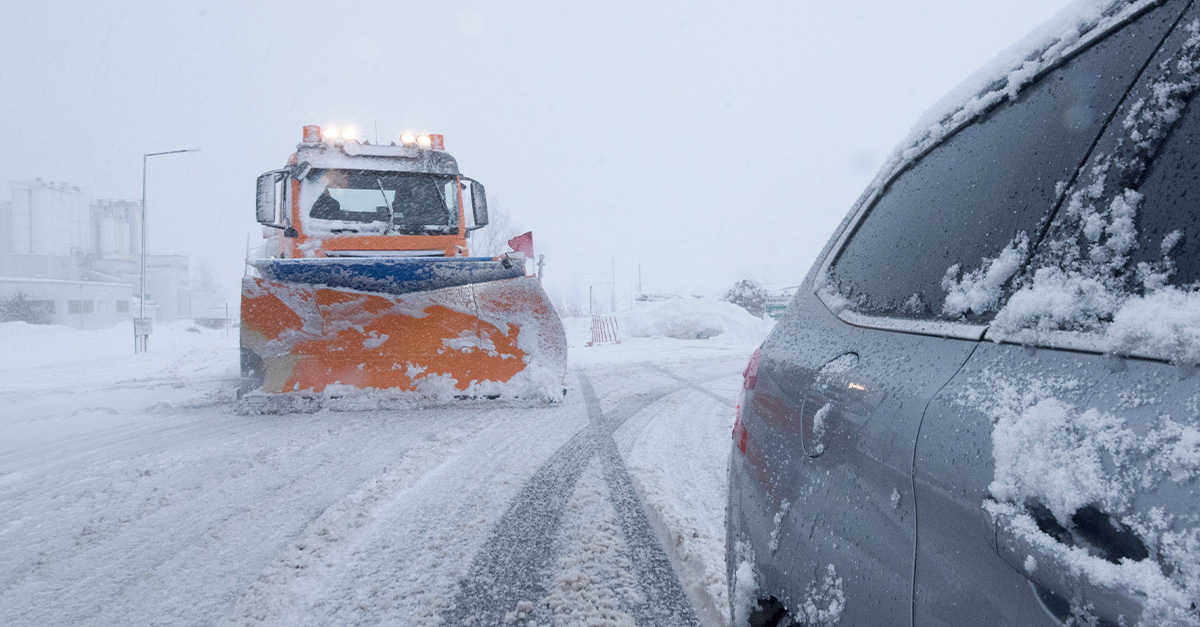
Winter brings quiet streets, falling snow, and the comforting idea that your car is safely parked while the storm does its thing. Then reality hits. You walk outside and discover your vehicle has been clipped by a snowplow. Before you can even process the damage, you’re staring at a bill for $2,000—not for your car, but for the plow. Naturally, the question pops up fast: do you actually have to pay this?
First Things First: Take A Deep Breath
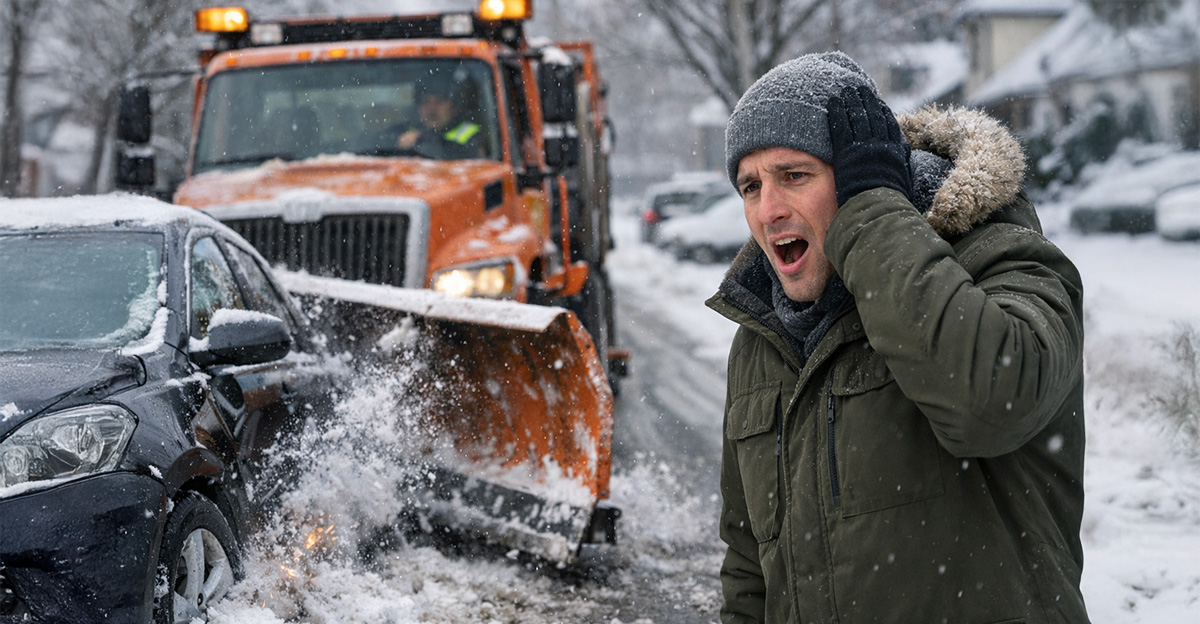
It’s easy to panic when an official-looking invoice shows up, especially when it involves a city department or contractor. But a bill is not a verdict. These situations happen more often than you’d think in snowy regions, and the outcome is rarely as simple as “pay up.” The most important thing you can do early on is slow down and avoid assuming fault before the facts are clear.

Who Actually Owns The Snowplow?
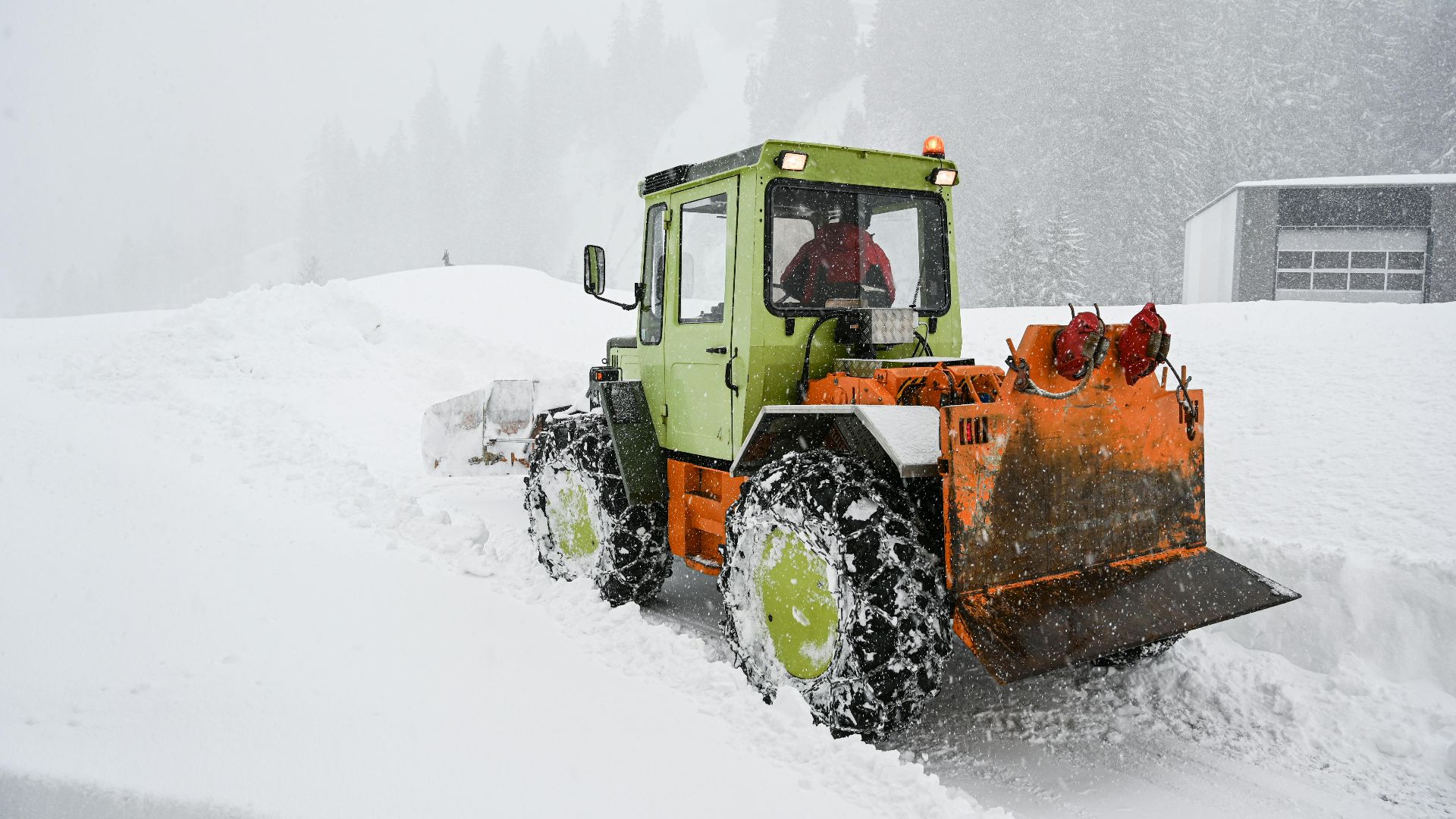
Before anything else, it helps to know who you’re dealing with. Some snowplows are owned and operated by city or municipal governments, while others belong to county or state transportation departments. In many areas, snow removal is handled by private contractors hired by the city. Each of these scenarios comes with different rules about responsibility and liability, which can dramatically affect whether that bill has any real teeth.
Why Are They Sending You The Bill?
From the plow operator’s point of view, your car was an obstacle in the roadway during snow removal. If the driver believes your vehicle was parked illegally or too far into the street, they may assume you caused the collision. However, assumptions don’t carry legal weight on their own. Sending a bill is often the first step in seeing whether the recipient will simply pay without questioning it.

The Big Question: Were You Legally Parked?
This is the foundation of almost every snowplow damage dispute. If your car was parked where parking was normally allowed and no temporary restrictions were clearly posted, that works strongly in your favor. If parking rules were unclear, poorly marked, or contradictory, responsibility becomes far murkier—and that uncertainty usually benefits the vehicle owner, not the plow operator.
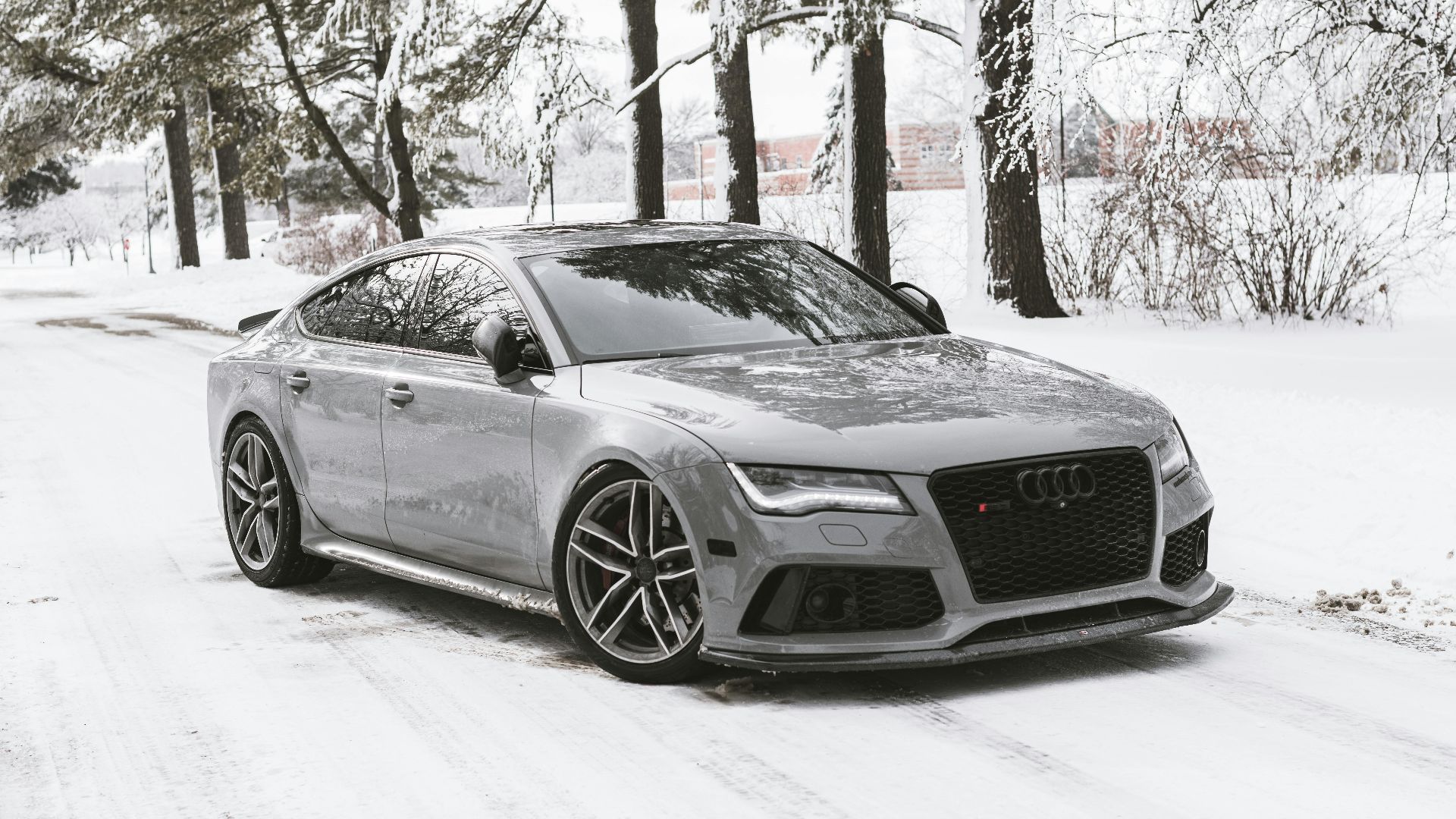
Snow Emergency Rules Can Change Everything
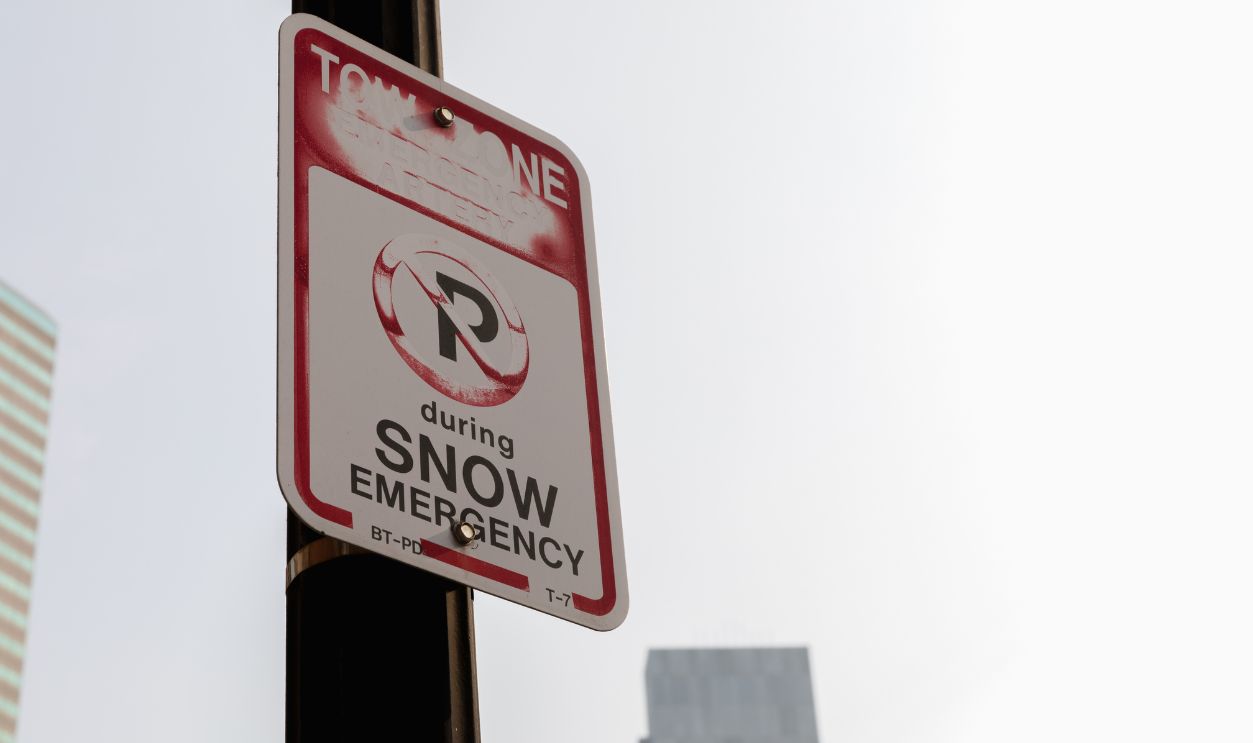
Many cities declare snow emergencies that temporarily ban street parking to make plowing easier. If your car remained on the street during an active snow emergency, the city may argue that you contributed to the situation. That said, snow emergency rules must be clearly communicated to drivers. If notification was inadequate or signage was missing, fault doesn’t automatically land on you.
Snowplows Are Expected To Hit… Snow
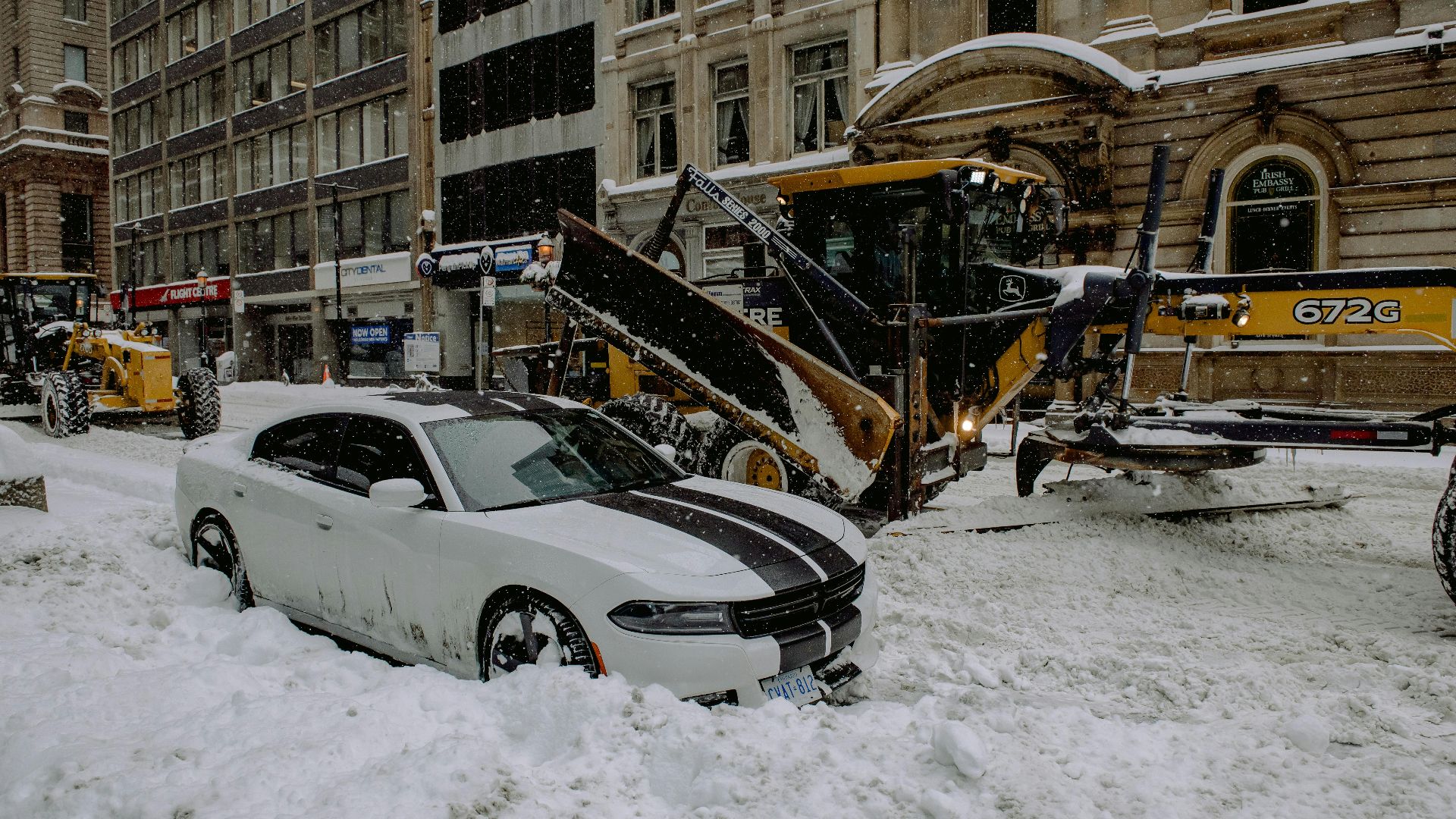
Snowplow drivers are trained to operate in tight, icy, low-visibility conditions. Courts often recognize that plowing near parked vehicles comes with inherent risk. Because of that, simply striking a parked car is not automatically viewed as the car owner’s mistake. Plow operators are still expected to maneuver carefully and account for predictable obstacles like legally parked vehicles.
Negligence Still Applies To Plow Drivers
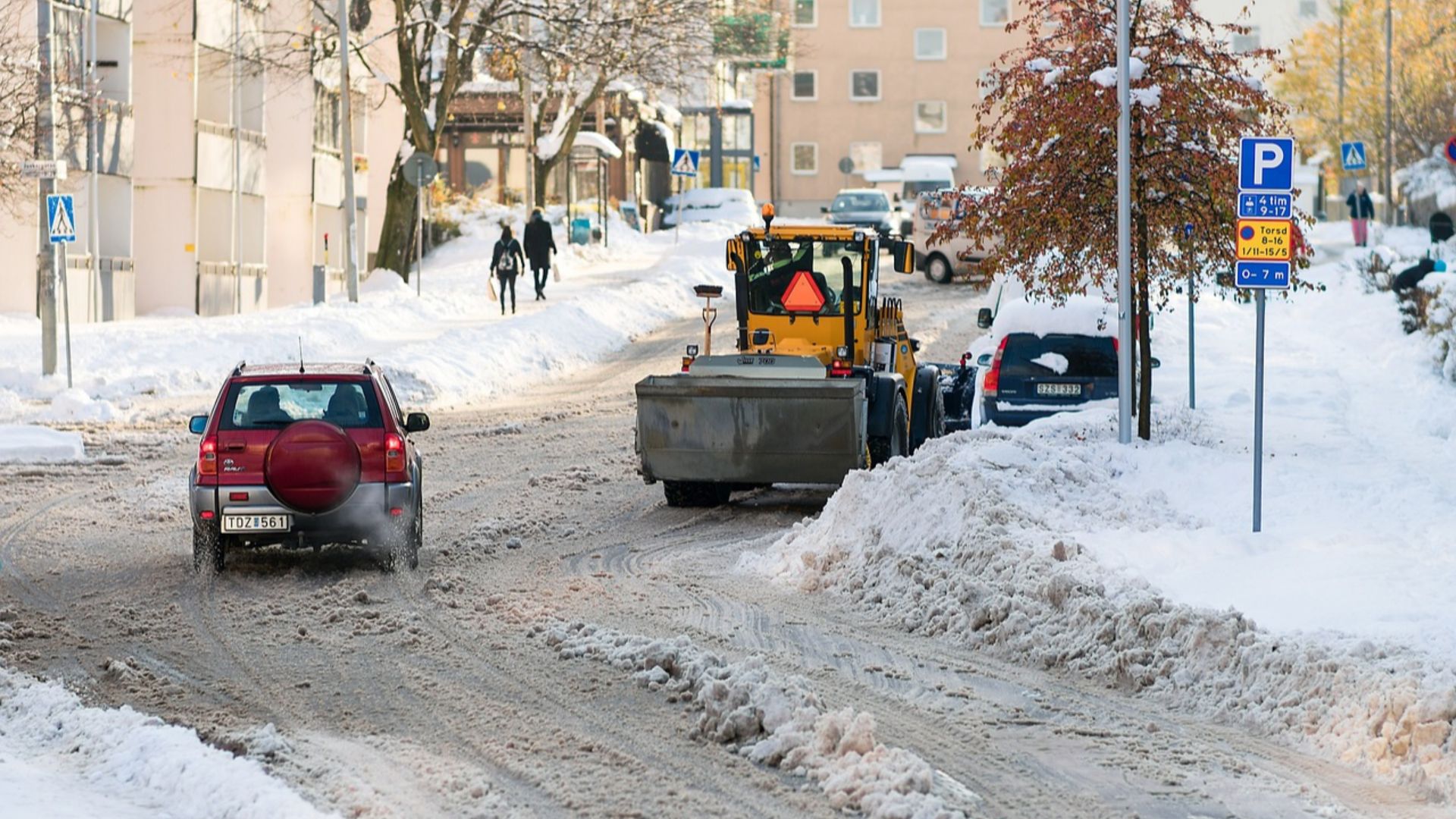
Even during severe weather, snowplow drivers are not exempt from standard expectations of care. If a plow was traveling too fast, operating recklessly, or pushing snow aggressively into areas where parked cars were present, negligence may be a factor. When negligence is involved, liability can shift quickly away from the parked vehicle and toward the plow operator or their employer.
Municipal Immunity: Real, But Limited
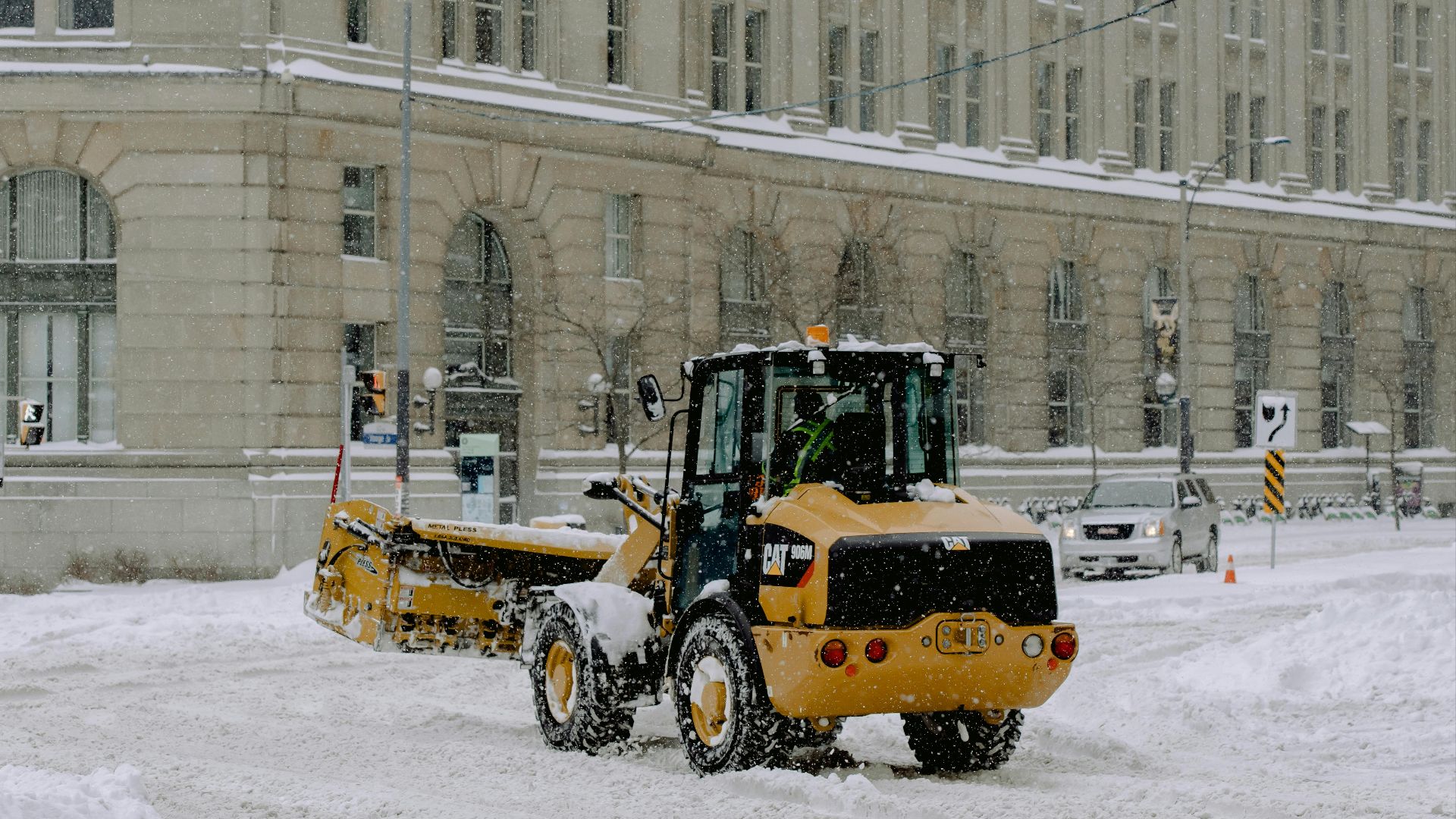
Cities often rely on a legal concept known as governmental or municipal immunity. While this protection can shield governments from certain lawsuits, it is far from absolute. Many states make exceptions when damage is caused by government-owned vehicles, including snowplows, especially if the damage resulted from careless or improper operation.
Private Contractors Have Less Protection
If the plow belonged to a private company hired by the city, immunity arguments become much weaker. Private snow removal companies are typically treated like any other commercial operator. That means they are expected to carry insurance and are subject to normal liability standards when their equipment causes damage.
Why The Bill Amount Feels So High
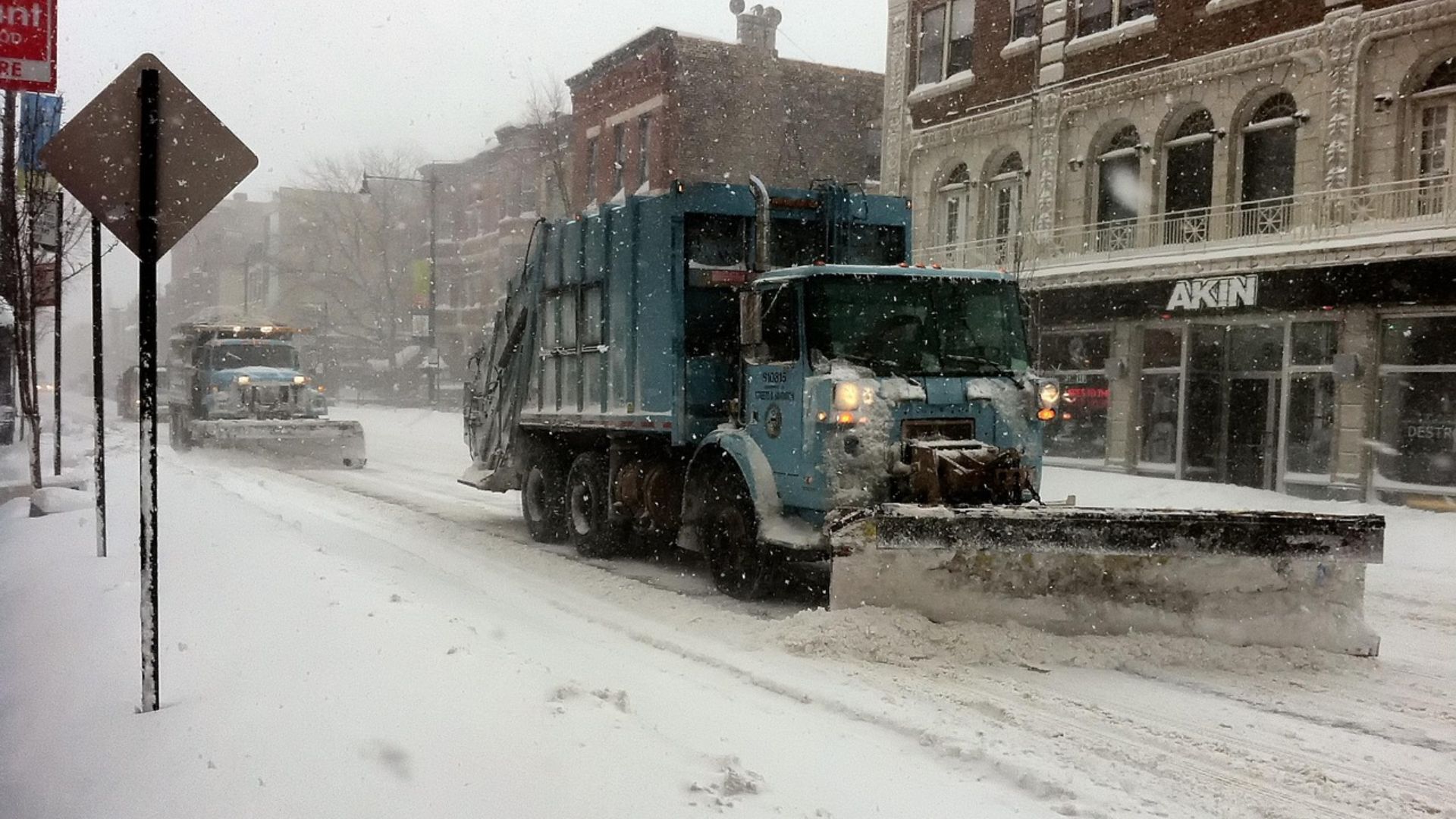
Snowplows are expensive machines with heavy-duty blades, hydraulic systems, and reinforced frames. Repairs can add up quickly, which is why the bill may seem shockingly high. Still, a costly repair estimate does not prove fault. It simply reflects how much it costs to fix specialized equipment.
 Karolina Grabowska www.kaboompics.com, Pexels
Don’t Admit Fault—Even Casually
Words matter more than people realize in these situations. Casual comments suggesting you shouldn’t have parked there or that your car was in the way can later be used against you. Until responsibility is clearly established, it’s best to keep communication factual, neutral, and brief.

Gather Evidence Immediately
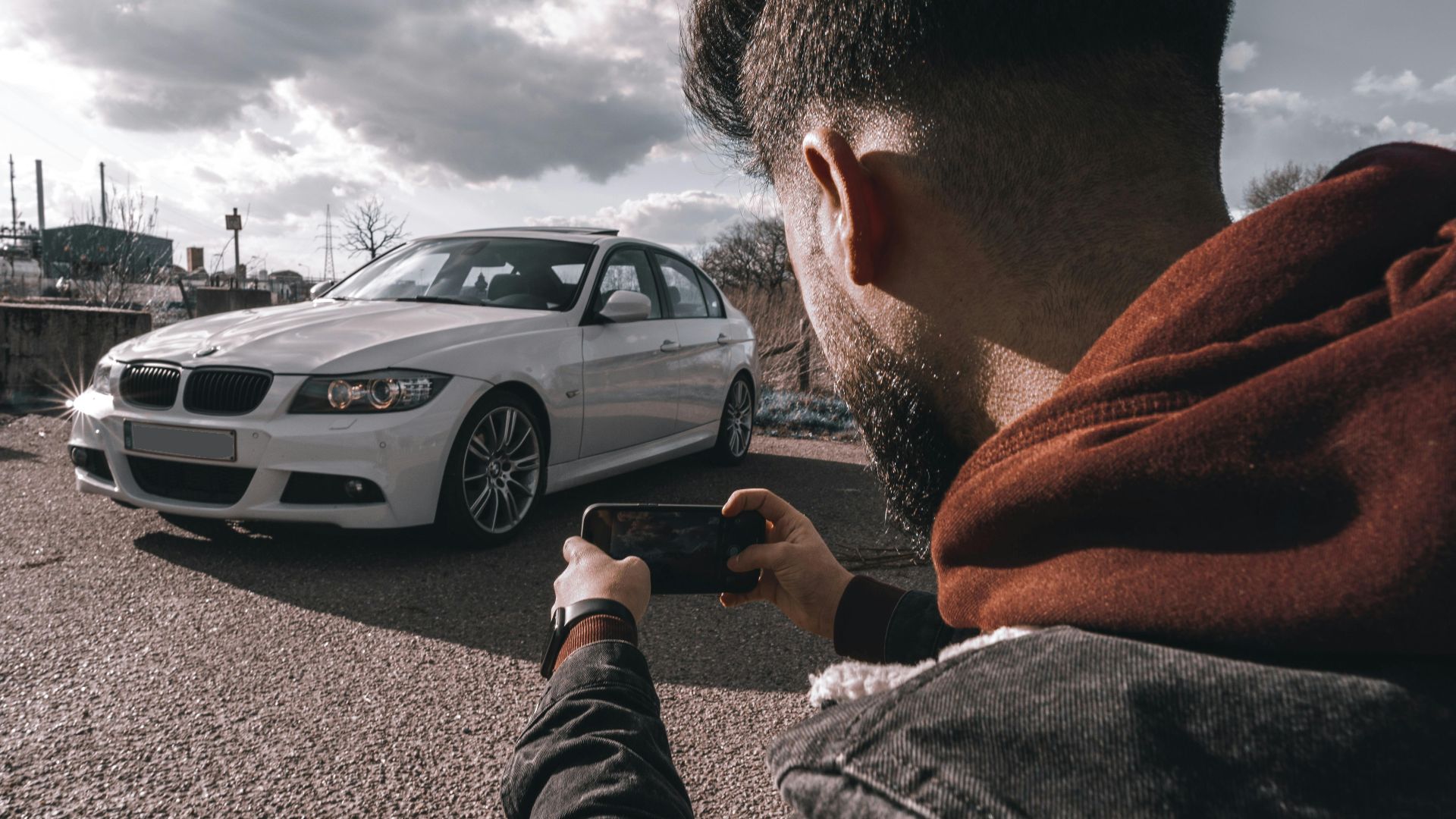
If you can, document everything as soon as possible. Photos of your vehicle, the surrounding street, nearby signs, and curb markings can be invaluable. Records showing whether a snow emergency was declared, along with statements from neighbors who witnessed the incident or know the usual parking rules, can strengthen your position significantly.
Check Your Insurance Policy
Contacting your insurance company doesn’t mean you’re accepting responsibility. It simply means you’re gathering information. Your policy may include coverage that helps defend against liability claims, even if it doesn’t pay for the damage outright. That defense alone can make the situation far less stressful.

Your Insurance Company Is On Your Side
If the plow operator or city decides to pursue the claim through your insurer, that can actually work in your favor. Insurance companies are skilled at evaluating fault and pushing back against weak or unsupported claims. They won’t write a check unless liability is clear and justified.

Subrogation: The Secret Weapon
If your car was damaged and your insurer pays for repairs, they may pursue the responsible party to recover their costs. This process, known as subrogation, takes the burden off you. In many cases, it leads to the plow operator’s insurer footing the bill instead.

What If You Were Partially At Fault?
Sometimes responsibility isn’t black and white. Your car may have been legally parked but positioned close to the curb, or signage may have been confusing. In those situations, fault can be shared. Even then, shared responsibility does not automatically justify paying the full amount demanded.
Don’t Pay The Bill Right Away
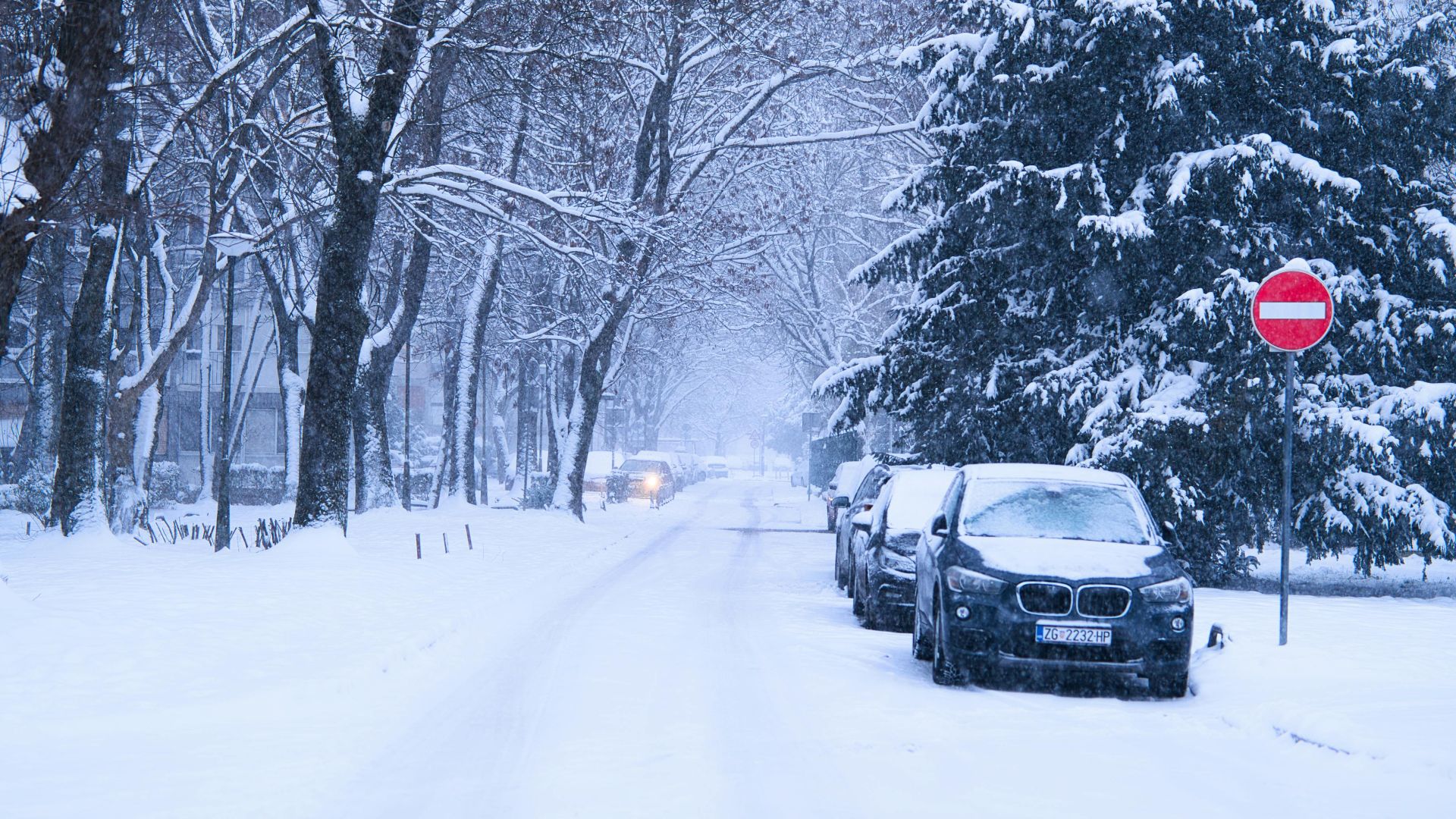
Paying a claim too quickly can be interpreted as accepting blame. Unless a court orders payment, you generally have the right to dispute the claim, request documentation, and seek clarification. Once money changes hands, leverage often disappears.

Ask For Proof In Writing
You are entitled to ask for evidence supporting the claim. This can include incident reports, photographs of the plow damage, and documentation showing that your vehicle violated parking rules. If the other party can’t provide solid proof, their case weakens dramatically.

When A Lawyer Might Be Worth It
If the claim escalates, threats of legal action appear, or the amount increases, a short consultation with a traffic or insurance attorney can be worthwhile. Even a brief discussion can clarify your rights and help you avoid costly missteps.

Small Claims Court: A Real Possibility
If the dispute goes further, small claims court is often where it lands. Judges in these cases tend to examine whether parking rules were clear and whether the plow operator exercised reasonable care. Automatically blaming a parked car rarely plays well without strong evidence.

Real-World Outcomes Tend To Favor Drivers
In many real-world cases, these claims are dropped, reduced, or absorbed by the snowplow operator’s insurance provider. It is far less common for a parked car owner to be held fully responsible than those initial invoices might suggest.

How To Avoid This In The Future
Winter parking awareness can prevent headaches. Paying attention to snow emergency alerts, watching for temporary signage after storms, and avoiding tight curbside spots during heavy snowfall can reduce risk. A few small habits can save a lot of frustration.
Why Cities Send These Bills Anyway
Sometimes it’s a standard procedure. Other times it’s a way to test whether someone will pay without question. In many cases, the bill represents an opening move rather than a final determination of responsibility.

The Bottom Line On Responsibility
You are not automatically responsible just because your parked car was hit by a snowplow. Liability depends on legality, signage, communication, and how the plow was operated. Winter weather does not erase the rules of reasonable care.
So, Do You Really Have To Pay?
In most cases, no—not without a thorough review and often not at all. A $2,000 bill is not a $2,000 obligation. Take your time, gather information, involve your insurer, and don’t let winter intimidation tactics bury you under unnecessary costs. Snow may be unavoidable, but unfair blame doesn’t have to be.

You May Also Like:
When It Comes To Buying A Used Car, These Common Mistakes Cost People More Than They Realize
The Best Off-Road Vehicles: These Vehicles Are Built So Tough They Can Handle Almost Any Terrain
I leased a car but moved to a city with great transit. What’s the cheapest way out?