
An Ounce Of Prevention
Mechanics have seen it all: mysterious rattles, dashboard lights nobody noticed, and cars arriving on tow trucks because of problems that might have been caught earlier. But before you book an appointment, there are a few simple things worth checking yourself. You don't need to know how to rebuild an engine, but just a little preparation can save time, prevent misunderstandings, and sometimes spare you an unnecessary repair bill.
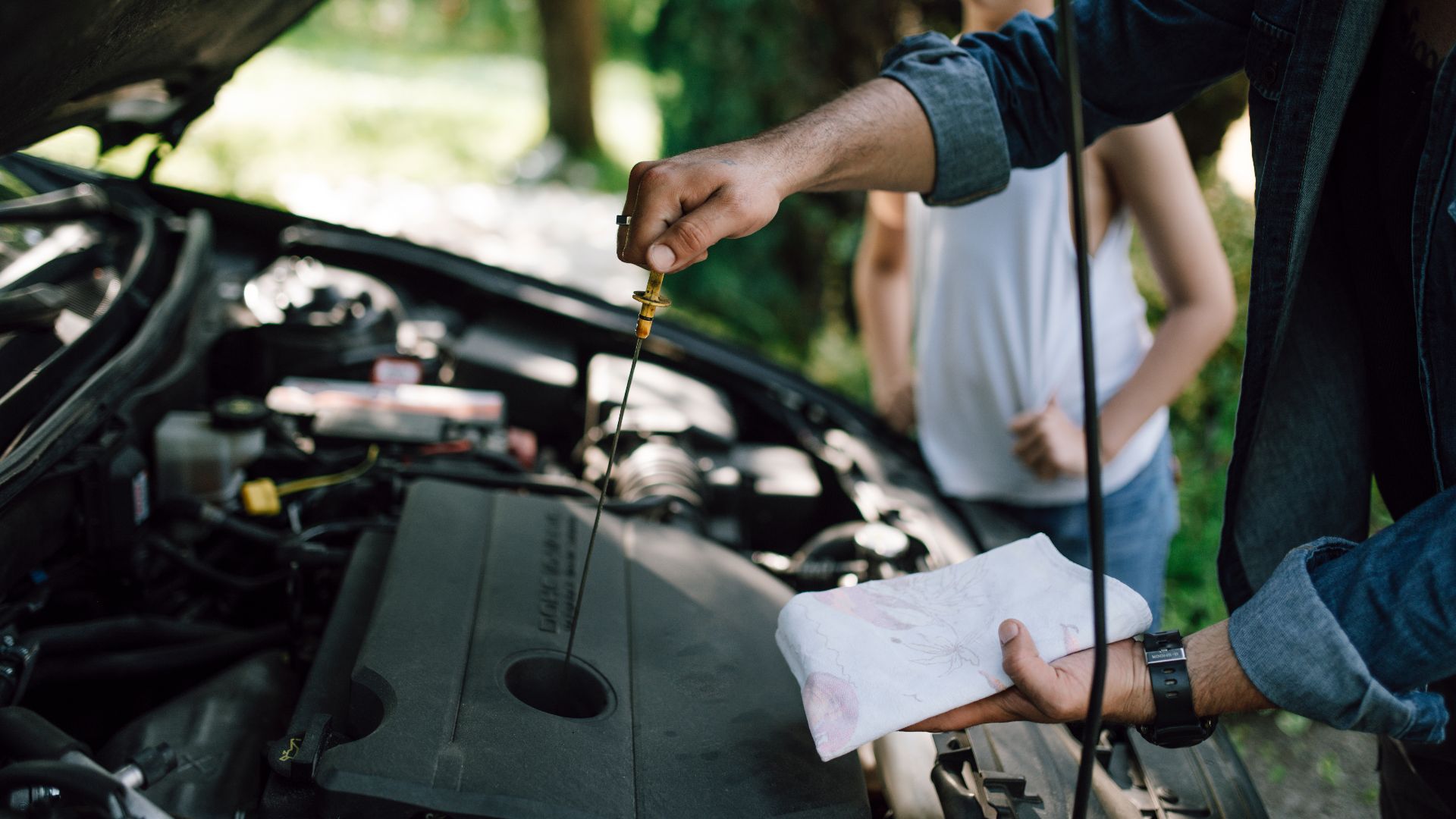
Check Your Oil Level
Low engine oil can cause serious damage, yet many drivers never check the dipstick between oil changes. If your vehicle has one, follow the owner's manual for the proper checking procedure. A low reading might explain unusual engine noises or an oil warning. If the red oil-pressure light comes on while driving, stop safely and shut off the engine rather than continuing to the shop.
 Shixart1985, Wikimedia Commons
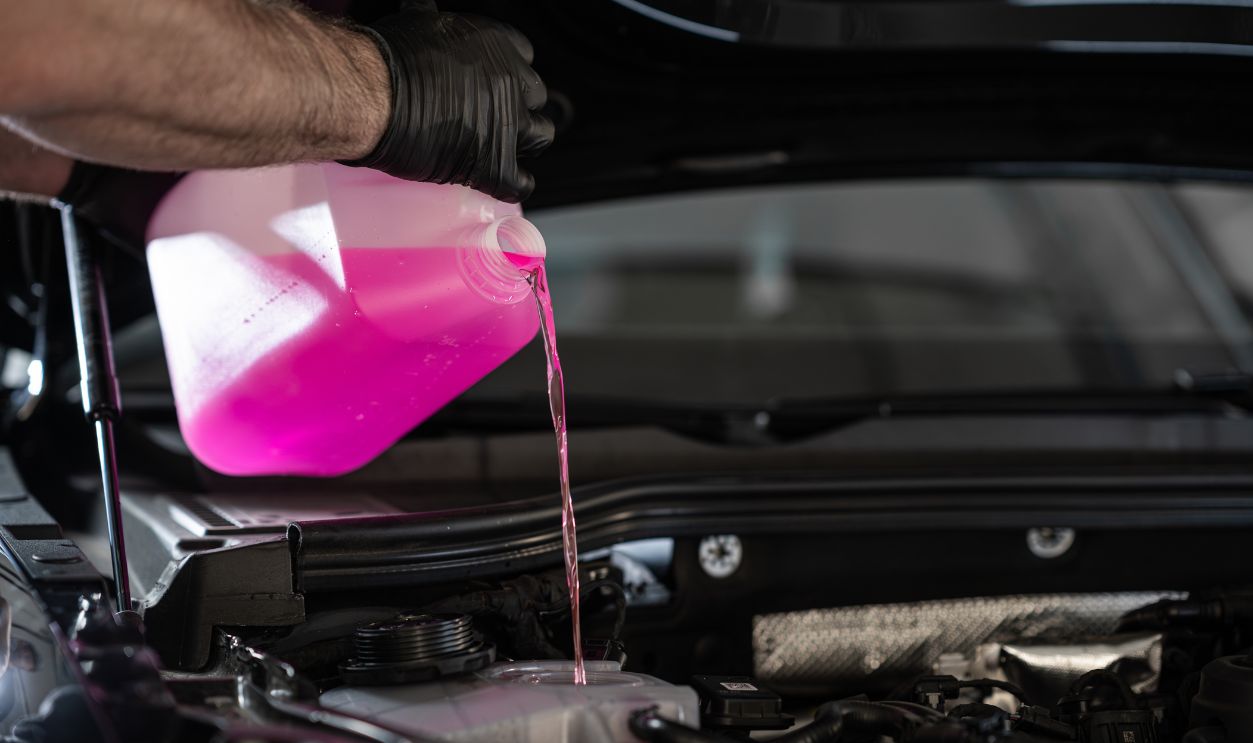
Look At Your Coolant Reservoir
Before assuming your car has a major cooling-system problem, check the coolant level in the transparent reservoir when the engine is completely cool. Low coolant can indicate a leak, especially if you're constantly topping it up. Never remove a hot radiator or pressurized coolant cap. Tell your mechanic if the level keeps dropping, because simply adding coolant won't solve the underlying problem.
 WATCH_MEDIA_HOUSE, Shutterstock
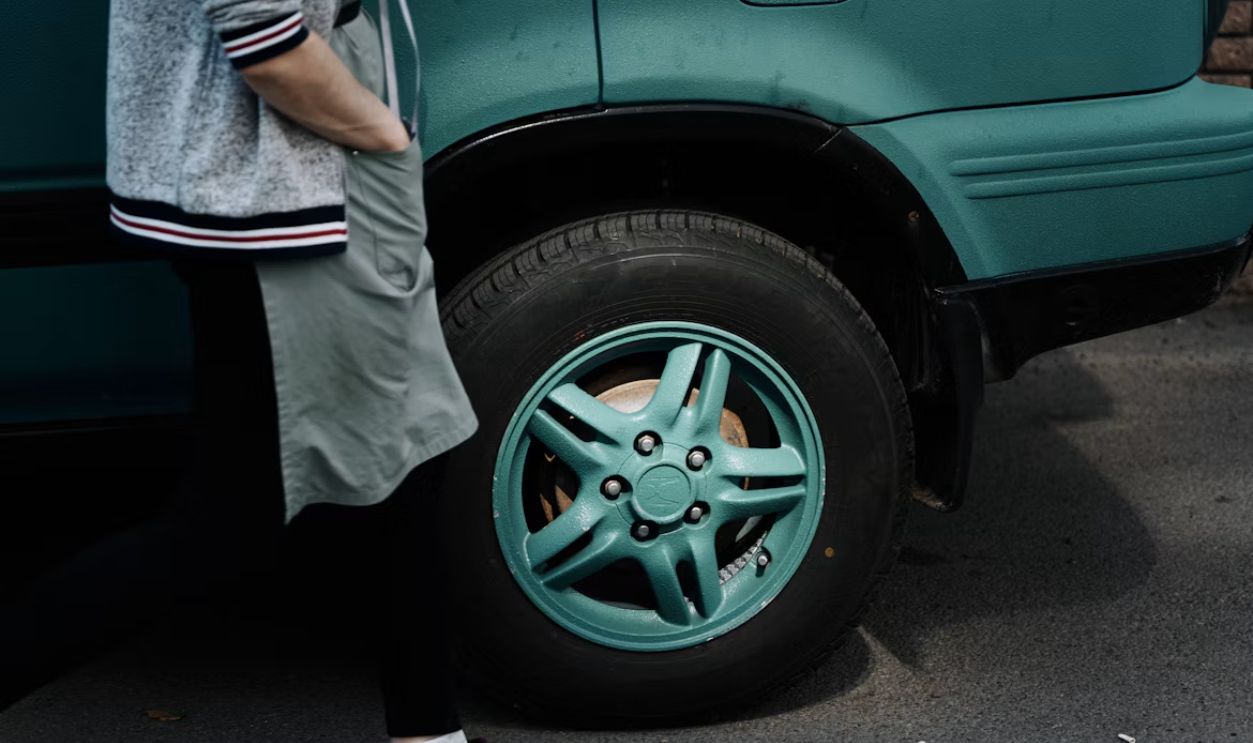
Check Your Tire Pressure
An illuminated tire-pressure warning doesn't always mean you've suffered a puncture. Tires naturally lose pressure over time, and colder weather can trigger warnings. Check all four tires against the recommended pressures on the driver's doorjamb label, not the maximum pressure printed on the tire. If one tire repeatedly loses air, however, it's worth having the mechanic investigate.
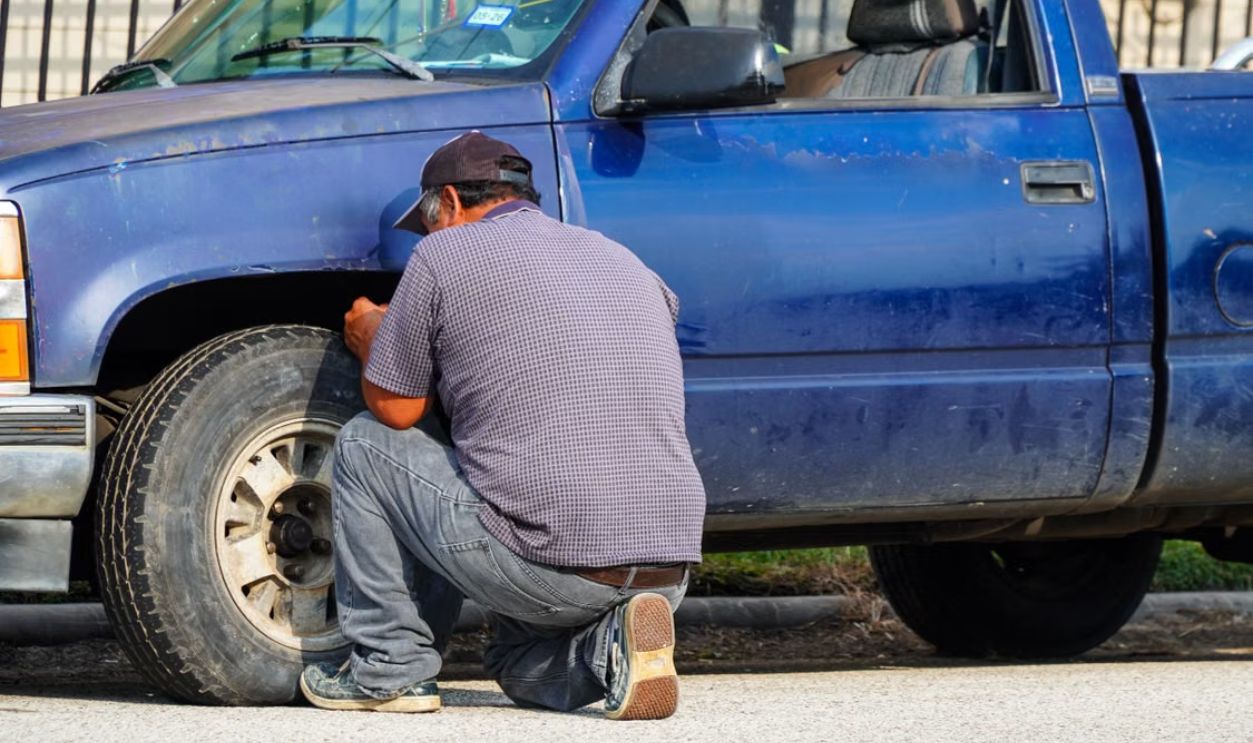
Inspect Your Tire Tread
Before requesting an alignment or suspension inspection, take a look at your tires. Uneven wear, bald shoulders, or exposed cords can provide valuable clues about inflation problems, alignment, or worn suspension components. A simple tread-depth gauge can help identify worn tires. Don't assume every unusual wear pattern proves an alignment problem, but make sure your mechanic knows what you've noticed.
Check Your Windshield Washer Fluid
Sometimes the simplest complaint has the simplest explanation. If your windshield washers aren't spraying, check whether the reservoir is empty before booking a repair. Refill it with the appropriate washer fluid and try again. If the pump runs but nothing sprays, there may be a blocked nozzle or damaged hose. In freezing weather, use fluid rated for the expected temperatures.
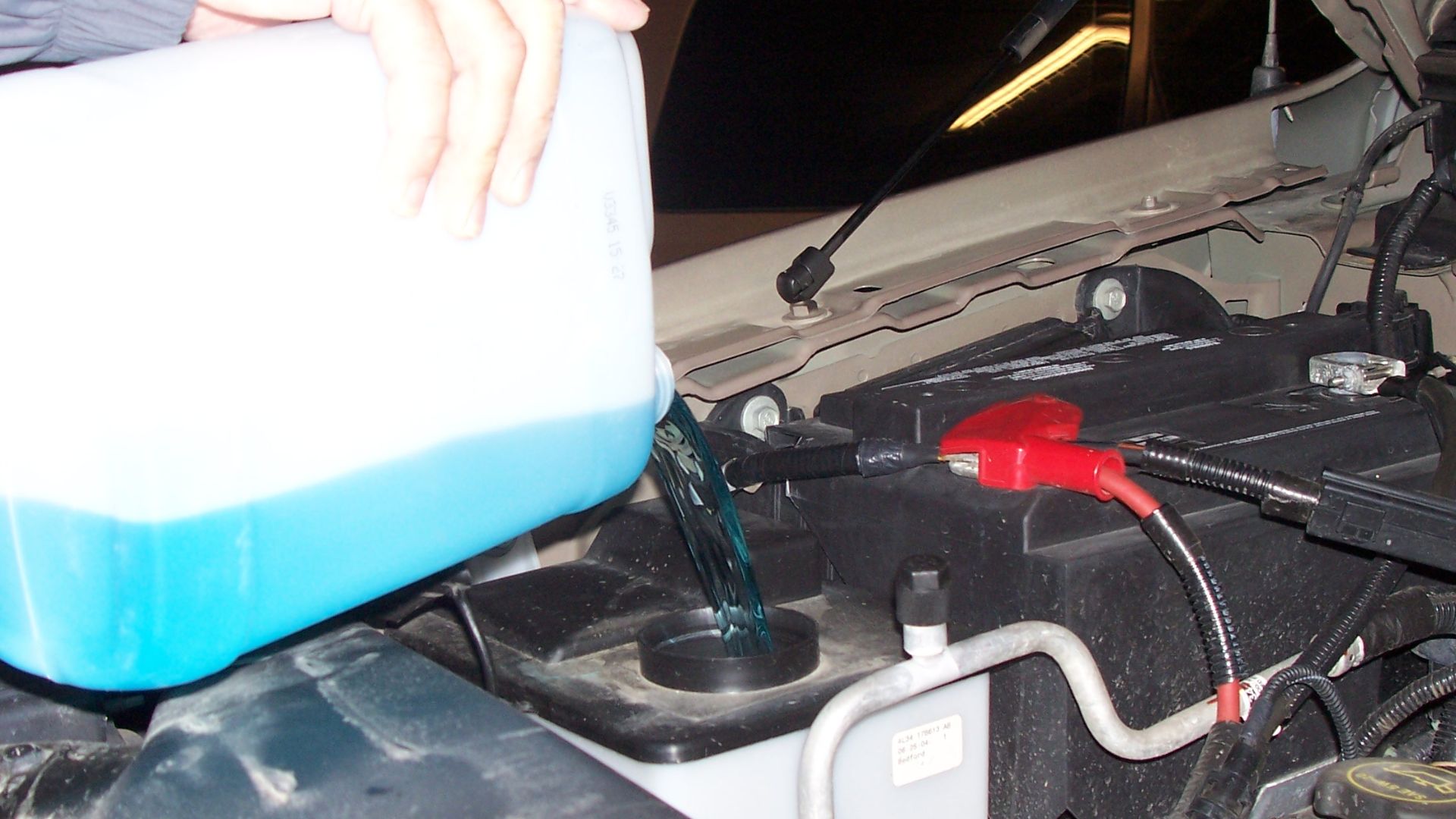 Hamedog at English Wikipedia, Wikimedia Commons
Test Your Headlights And Signals
It's easy to drive around with a burned-out brake light without realizing it. Before visiting the shop, check your headlights, turn signals, taillights, brake lights, and reverse lights. Ask someone to help with the lights you can't see from the driver's seat. A failed bulb may be straightforward to replace, although some modern lighting assemblies require more extensive repairs.

Examine Your Wiper Blades
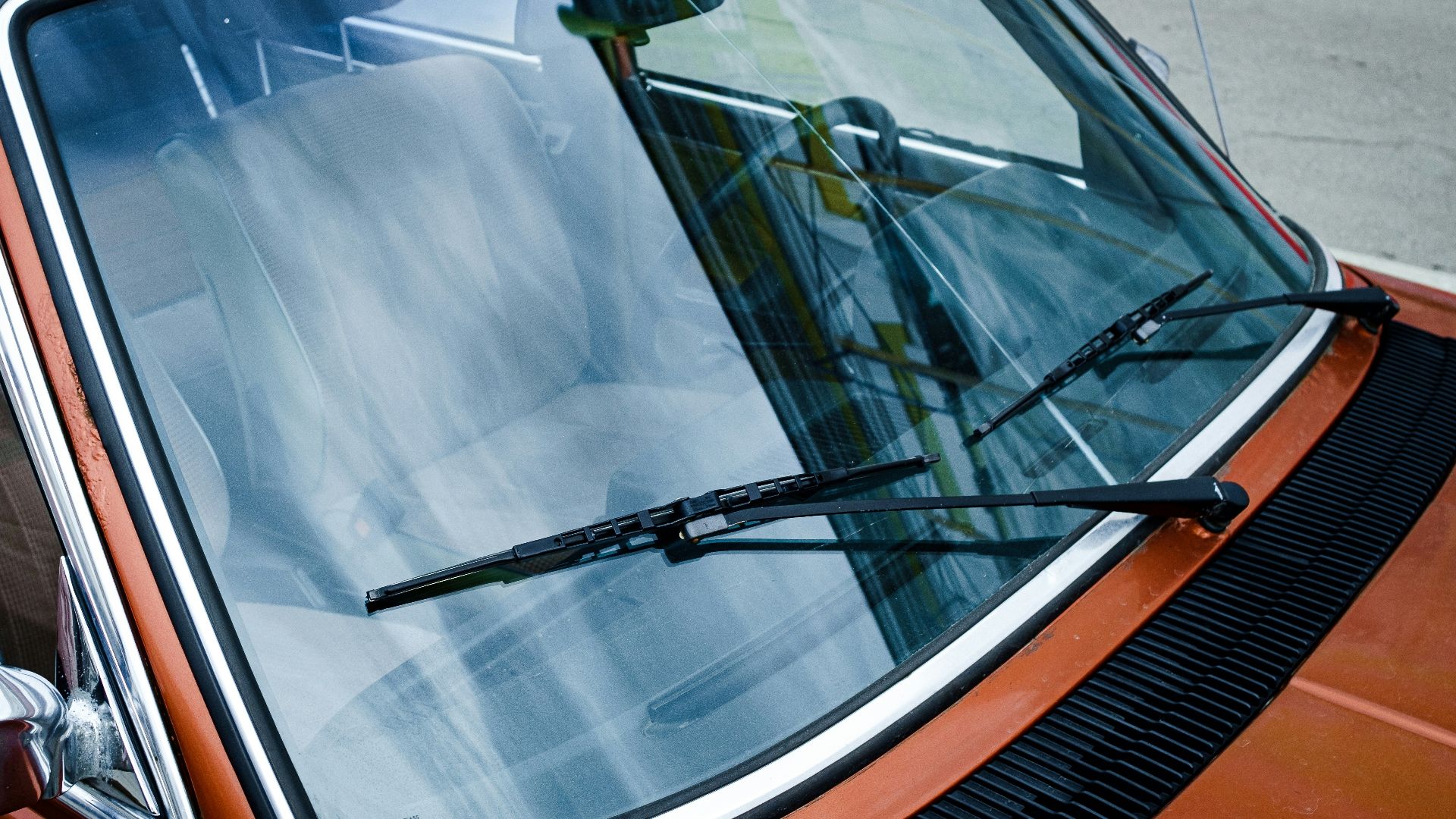
If your windshield wipers are streaking, skipping, or making terrible noises, inspect the rubber blades before assuming the motor is failing. Cracked or hardened rubber can explain poor performance. Dirt on the windshield can also cause streaking. Replacing worn blades is usually inexpensive, and checking them beforehand helps your mechanic distinguish a simple maintenance issue from a genuine mechanical problem.
Inspect Your Battery Terminals
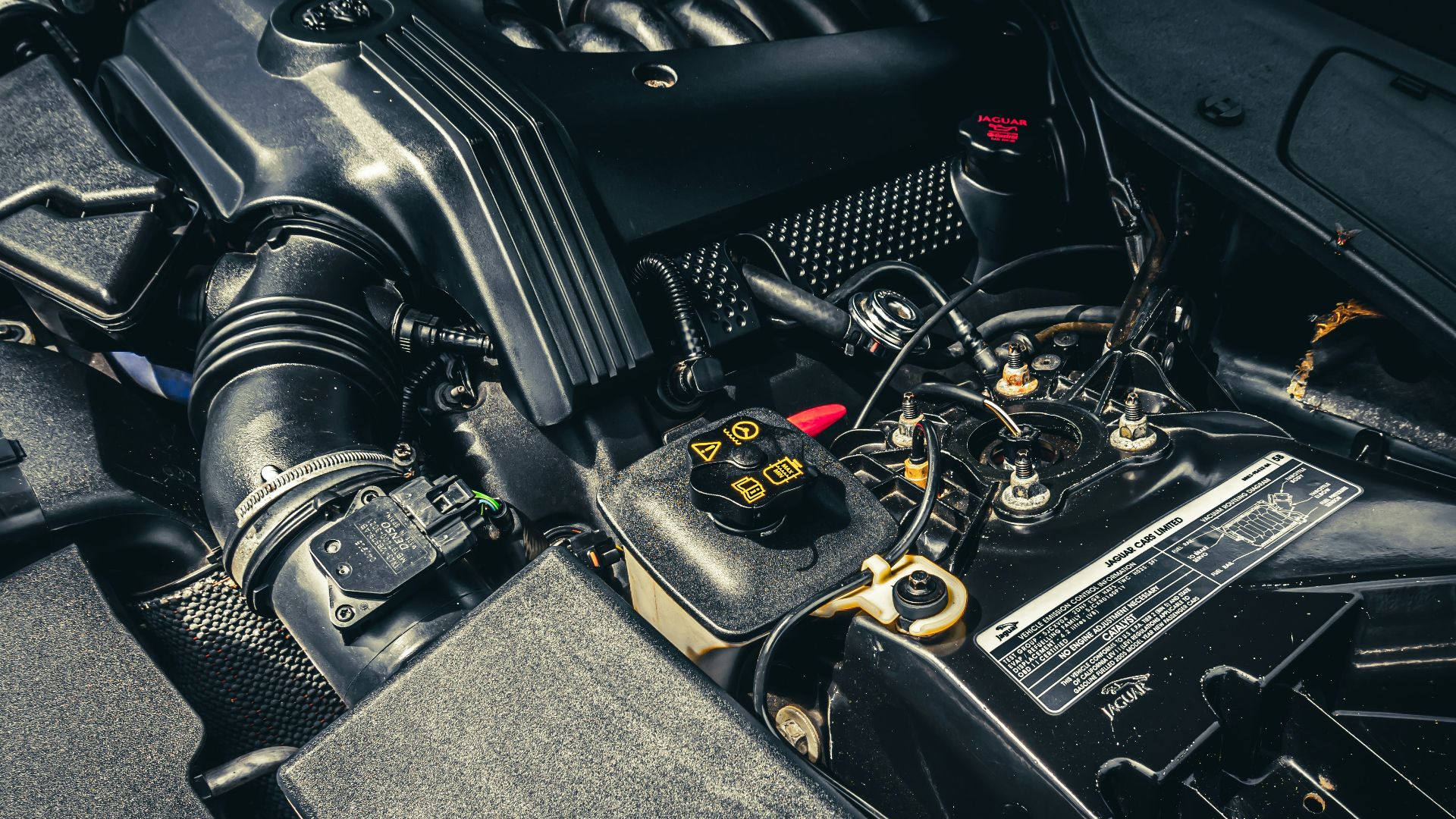
A car that struggles to start doesn't necessarily need a new starter motor. Look for white or bluish corrosion around the battery terminals, loose connections, or obvious battery damage. Don't touch damaged terminals or attempt repairs you're unfamiliar with. Tell your mechanic if the engine cranks slowly, especially during cold weather. Those details can help distinguish battery problems from charging-system or starter faults.
Check Your Gas Cap
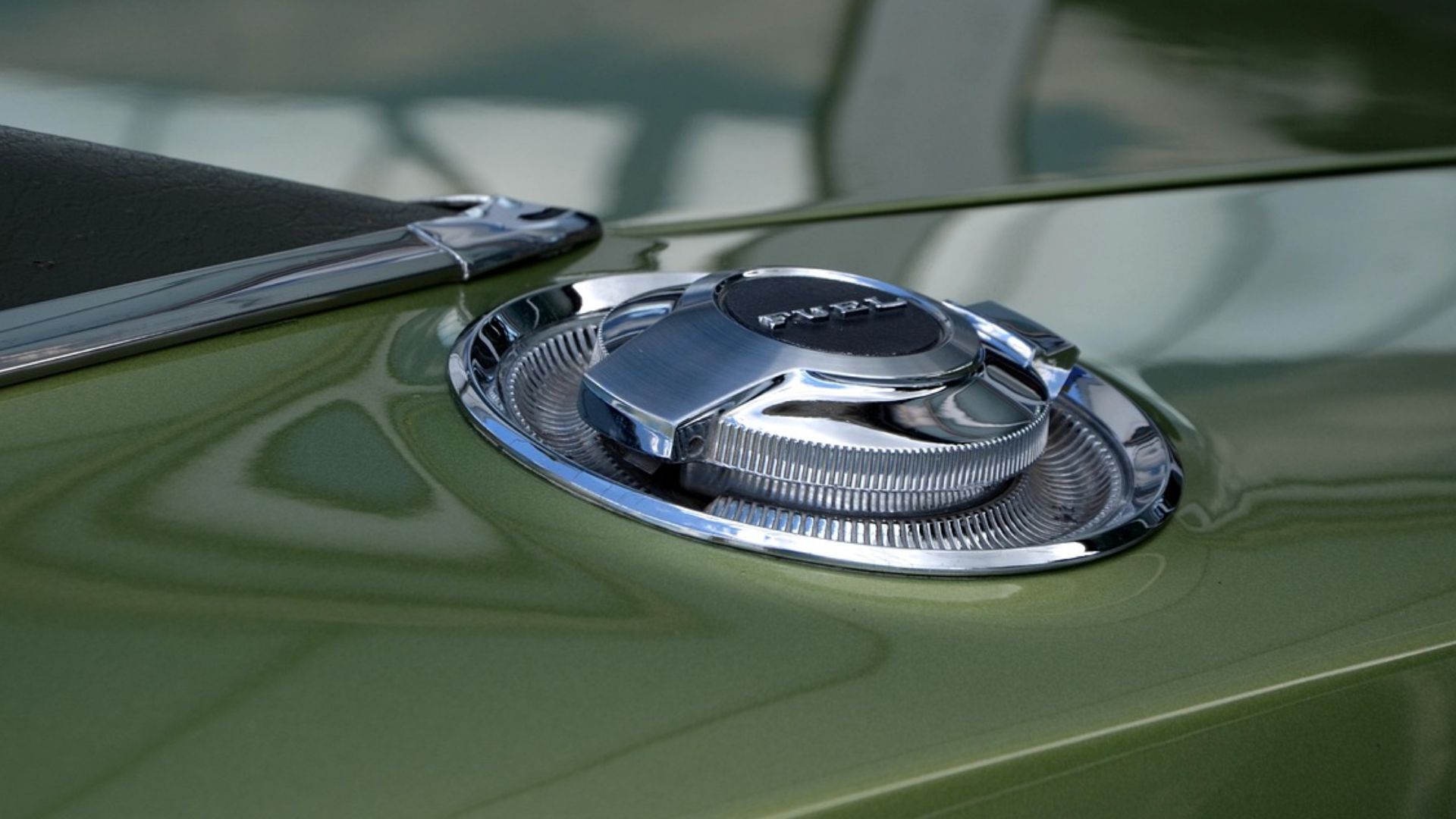
If your check-engine light appeared shortly after refueling, make sure your gas cap is properly tightened, assuming your vehicle has one. A loose or damaged cap can trigger an evaporative-emissions fault. However, don't assume every check-engine light is harmless. A flashing light can indicate a serious engine problem requiring immediate attention, while a steady light still deserves diagnosis.
Look Under Your Car
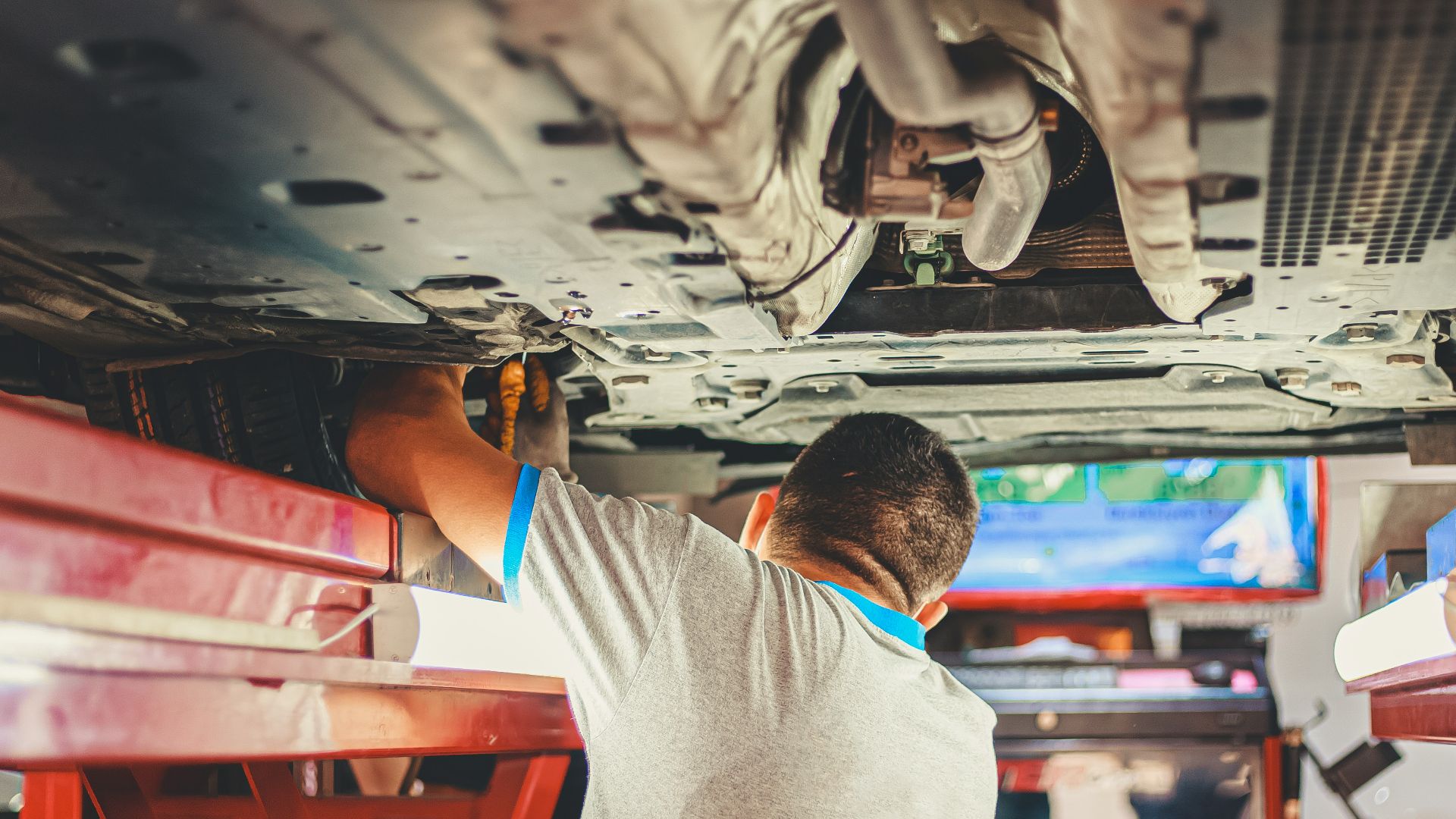
Before your appointment, glance beneath your parked vehicle for suspicious puddles. Clear water from the air conditioner can be normal, but oily, brightly colored, or unusually smelling fluids may indicate leaks. Take a photograph and tell the mechanic where the puddle appeared. Don't crawl underneath an unsupported vehicle or drive one with a suspected serious fluid leak.
Check Your Brake Fluid
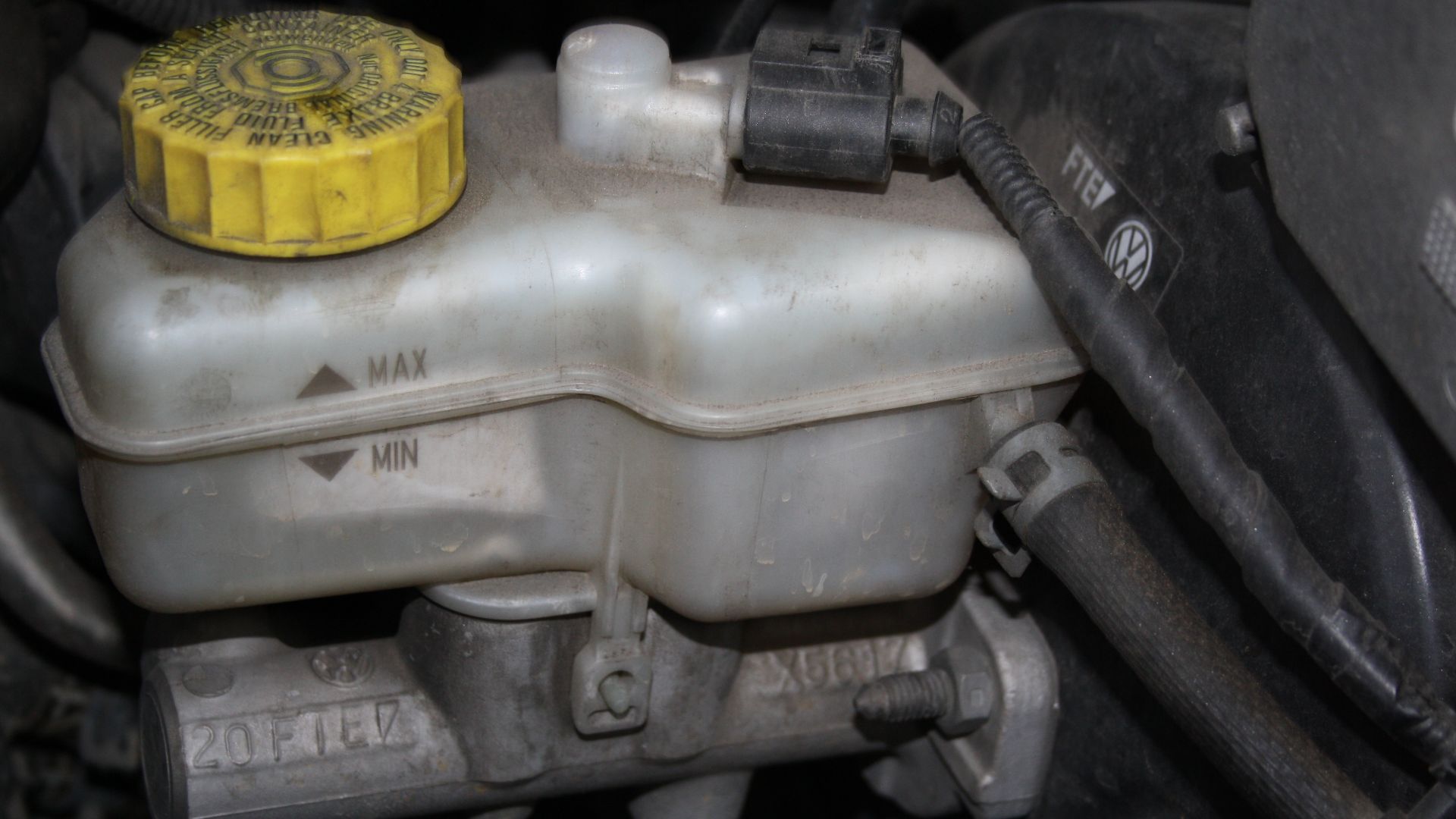
If your brake-fluid reservoir is visible, look at its level without opening the cap. Low fluid can result from brake-pad wear or a leak, and either possibility deserves professional attention. Don't automatically top it off to hide the symptom. If your brake pedal feels spongy, sinks unusually far, or braking performance deteriorates, arrange a safe inspection rather than continuing to drive.
Pay Attention To Brake Noises
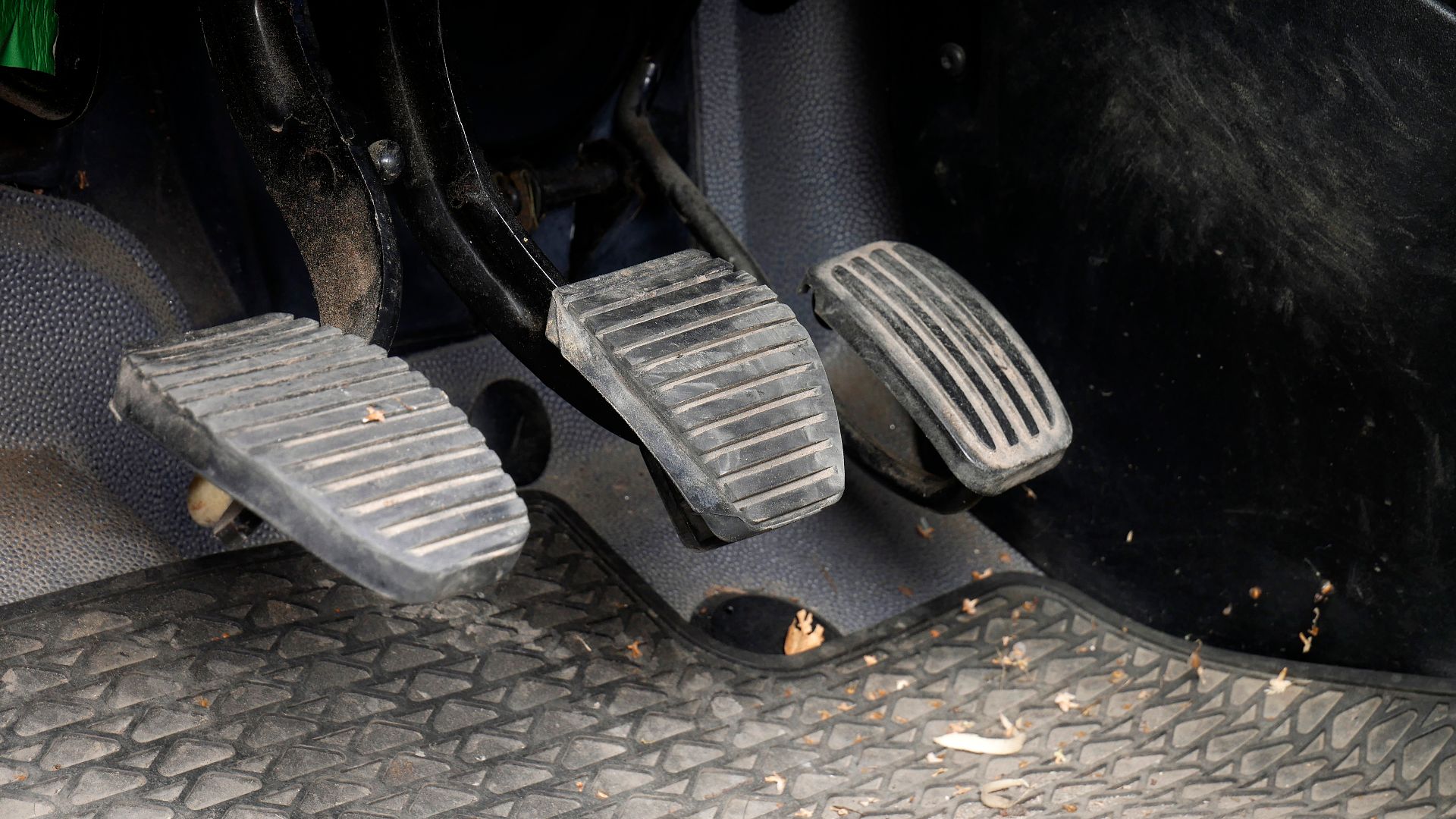
Mechanics appreciate knowing exactly what your brakes are doing. Is there a squeal when you first apply them, grinding during every stop, or a vibration through the pedal? Does it happen only in reverse or after rain? These distinctions can help identify the cause. Grinding, reduced braking ability, or other serious symptoms should be investigated promptly, not left until routine maintenance.
 Santeri Viinamäki, Wikimedia Commons
Check Your Air Filter
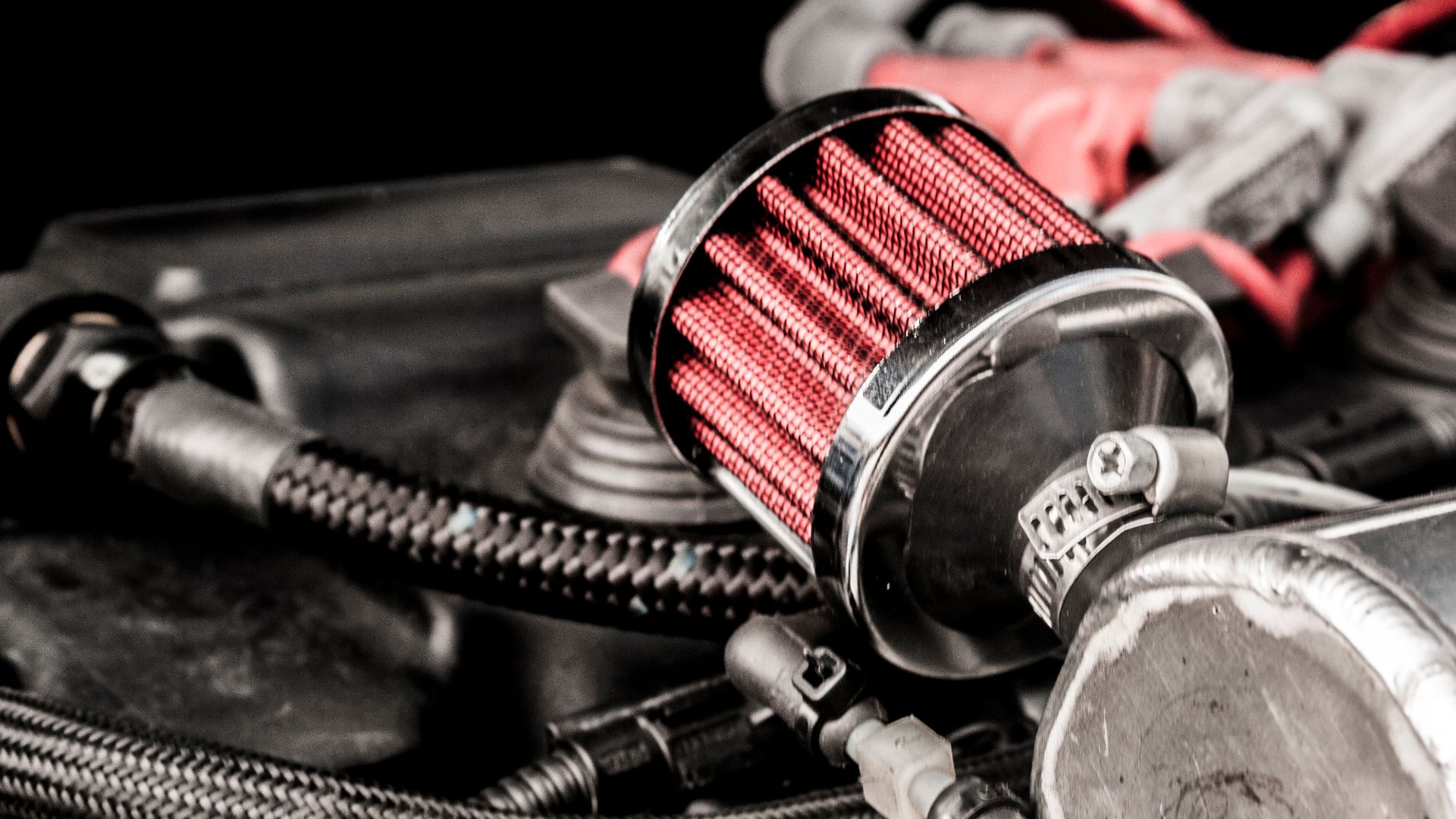
A dirty engine air filter can restrict airflow and may contribute to performance problems. If your vehicle has an easily accessible filter housing, inspect the filter for excessive dirt or debris. Don't force open complicated housings or disturb sensitive components. If you're unsure, ask the mechanic to show you its condition. Not every dirty-looking filter needs immediate replacement, so consult the manufacturer's maintenance recommendations.
Look At Your Drive Belts
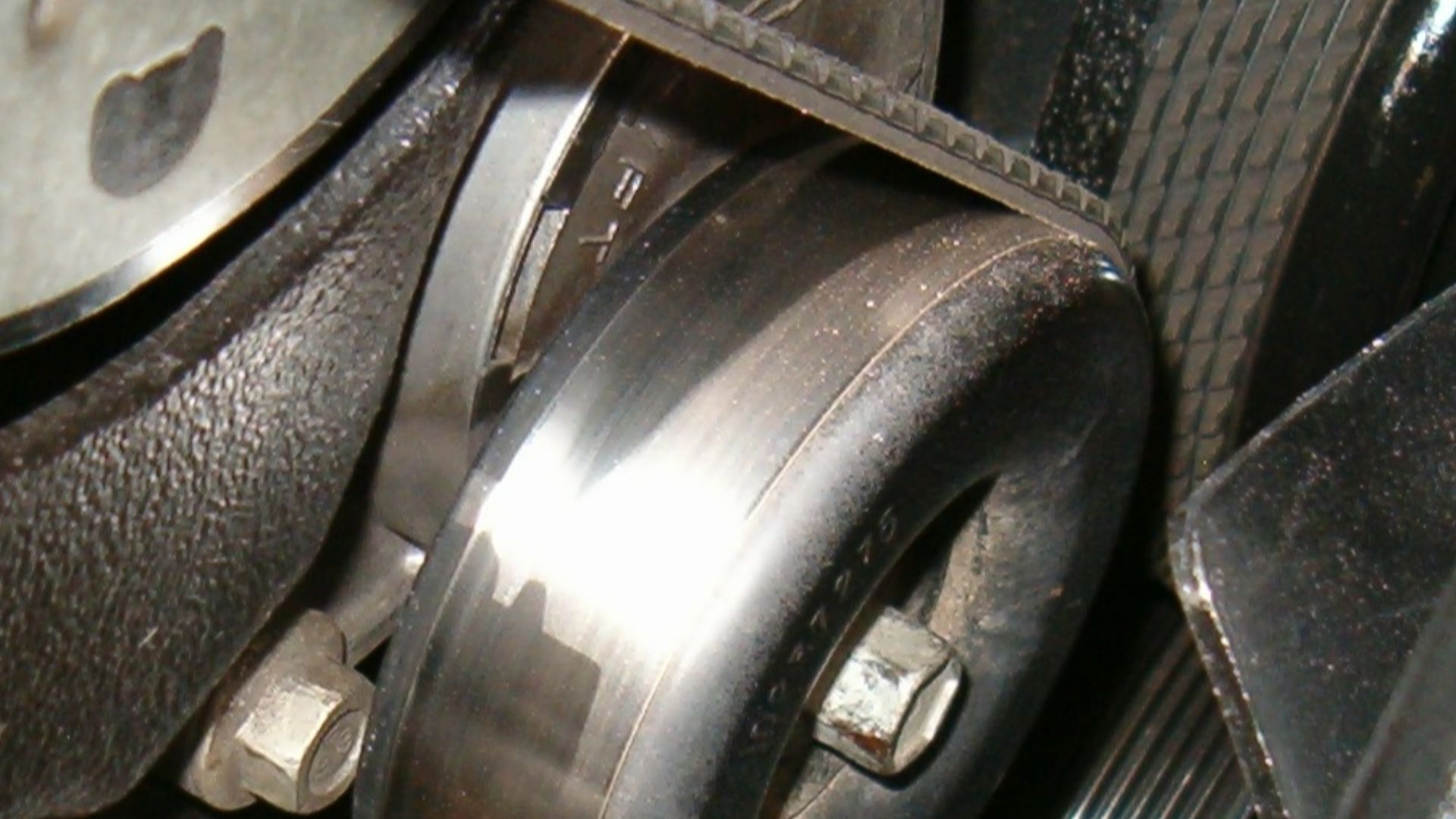
With the engine switched off and cool, visually inspect any accessible drive belts for cracking, fraying, or missing sections. Don't reach near moving components or attempt to examine belts while the engine runs. A worn belt can cause squealing or eventually fail, potentially disabling important accessories. Some vehicles have hidden belts or timing belts that require professional inspection rather than a quick look.
Examine Your Hoses
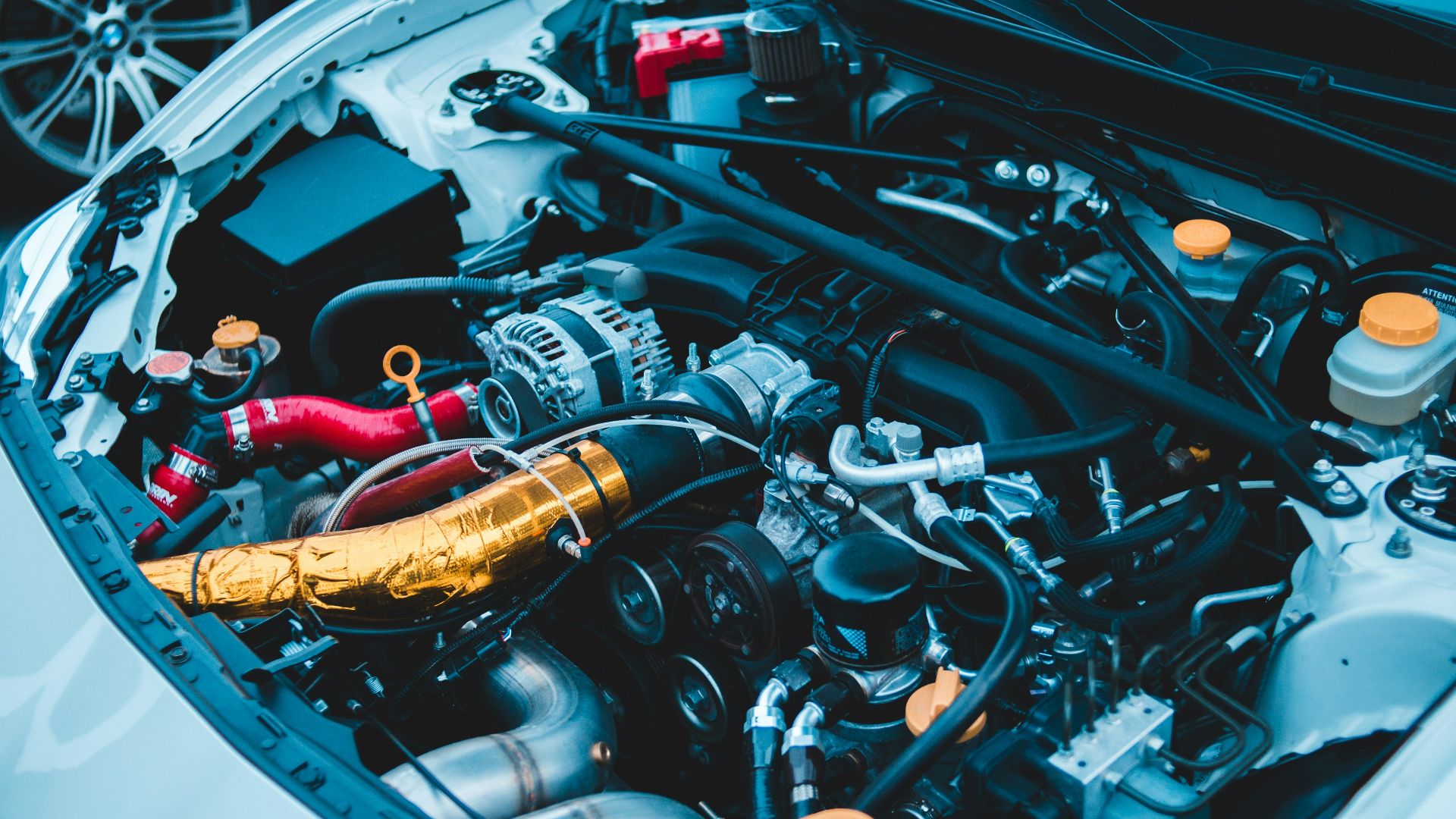
Rubber hoses deteriorate with age, heat, and exposure to engine fluids. When the engine is completely cool, look for obvious cracks, swelling, wet spots, or coolant residue around accessible hoses. Avoid squeezing or disconnecting anything. Mention suspicious findings to your mechanic, particularly if you've noticed overheating or coolant loss. Catching a deteriorating hose early can prevent an inconvenient roadside breakdown.
Check Your Power Steering Fluid
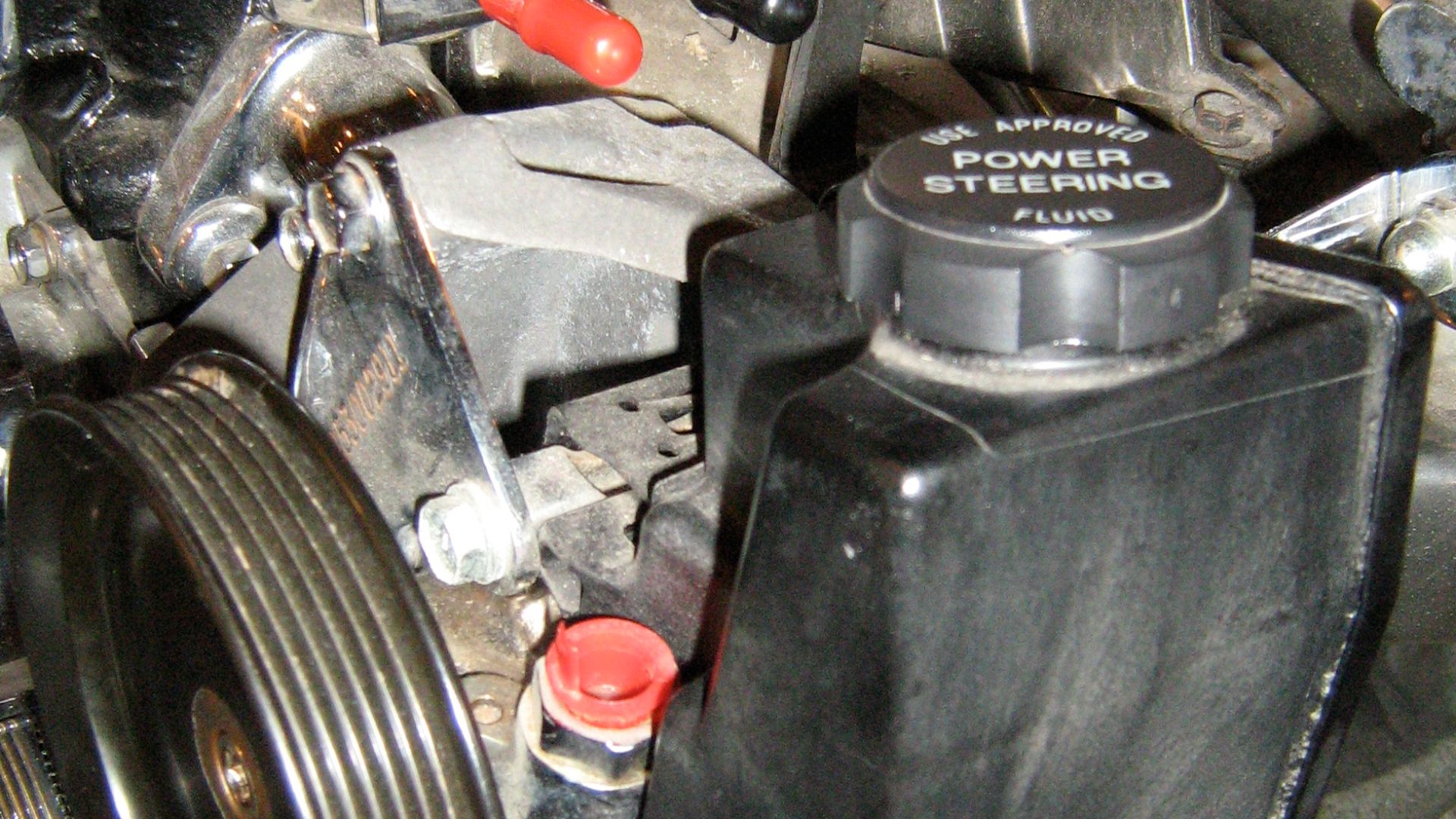
If your car has hydraulic power steering, a low fluid level can contribute to whining noises or steering difficulties. Some reservoirs have markings that make a visual inspection easy. However, many newer vehicles use electric power steering and have no fluid reservoir whatsoever. Consult your owner's manual before adding anything, and have unusual steering stiffness or sudden loss of assistance inspected promptly.
Notice When Noises Happen
A mechanic can't always reproduce a mysterious rattle during a short test drive. Before your appointment, note whether the sound occurs over bumps, while turning, during acceleration, or when the engine is cold. A short recording can help, provided it's made safely. Avoid vague descriptions like "it sounds weird." The more precisely you describe the circumstances, the easier the diagnosis becomes.

Photograph Your Warning Lights
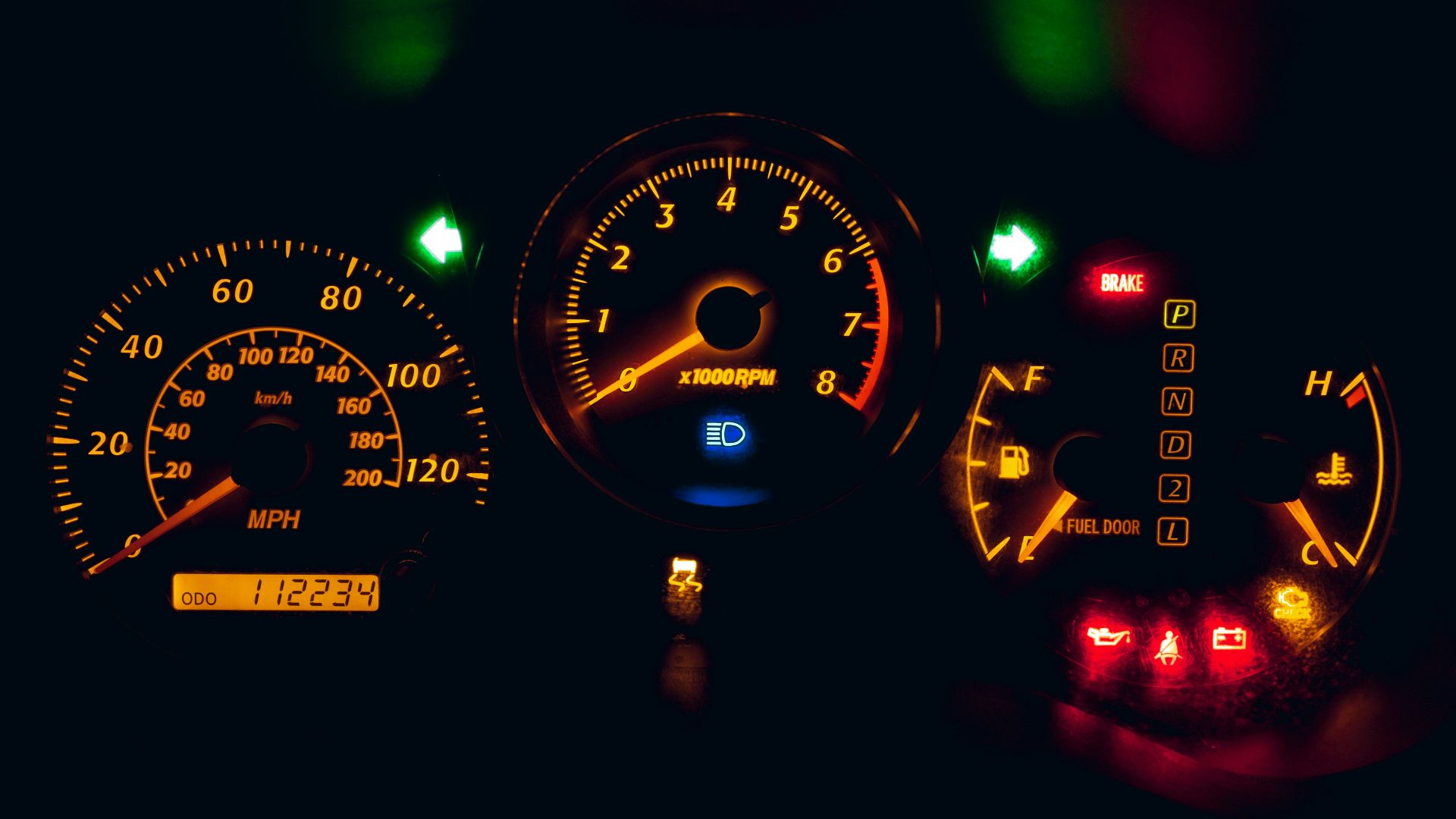
Dashboard warning lights sometimes disappear before the mechanic gets a chance to see them. When safely parked, photograph the illuminated dashboard and note when the warning appeared. Record whether the engine was running, whether the light flashed, and whether the vehicle behaved differently. Don't clear diagnostic codes or disconnect the battery before the appointment, because doing so may erase information the technician needs.
Check Your Maintenance Records
Before agreeing to another transmission service, coolant replacement, or set of spark plugs, find out when those jobs were last performed. Your owner's manual and maintenance records can help establish what's actually due. Mechanics can make better recommendations when they know the vehicle's service history. This also reduces the chance of paying for work that's already been completed recently.

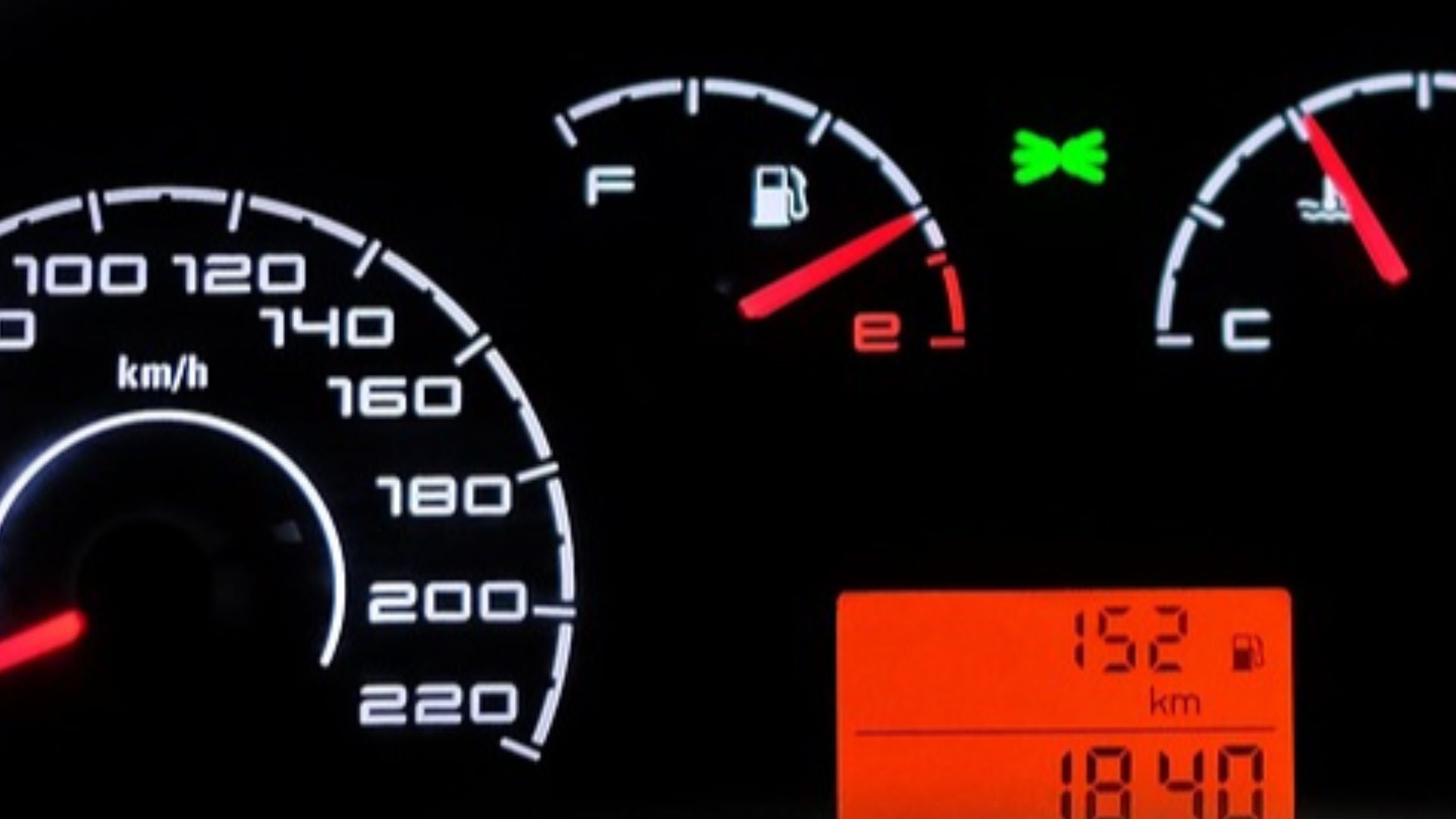
Check Your Fuel Level
A nearly empty gas tank can complicate certain diagnostic procedures and test drives. If you're bringing your car in for hesitation, stalling, or fuel-system concerns, note how much gas is in the tank and whether the problem happens at a particular fuel level. Don't make a special trip to refuel if the vehicle is unsafe to drive, but avoid arriving almost empty when practical.
Test Your Heating And Air Conditioning
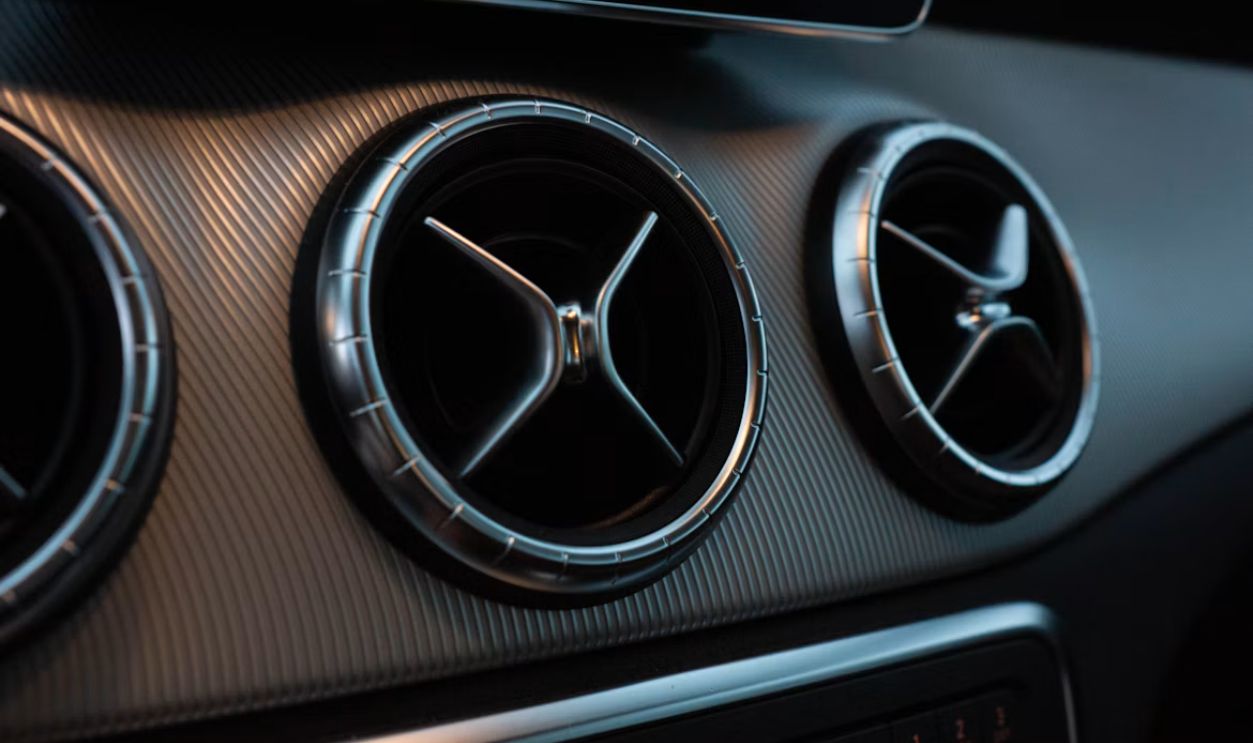
If your climate-control system isn't working properly, spend a minute identifying the symptoms. Does the fan operate at every speed? Is the air cold on one side but warm on the other? Does the heater work only while driving? These observations can help your mechanic distinguish blower, airflow, temperature-control, and cooling-system problems without relying on a vague complaint that the air conditioning is broken.
 Philipp Katzenberger, Unsplash
Check Your Windows And Locks
Electrical problems are easier to diagnose when you know exactly which features have stopped working. Test the affected power windows, door locks, mirrors, and switches while safely parked. Does the window operate from one switch but not another? Do all the locks fail simultaneously? Such details can point toward a faulty switch, wiring issue, or control module rather than several unrelated failures.

Inspect Your Spare Tire
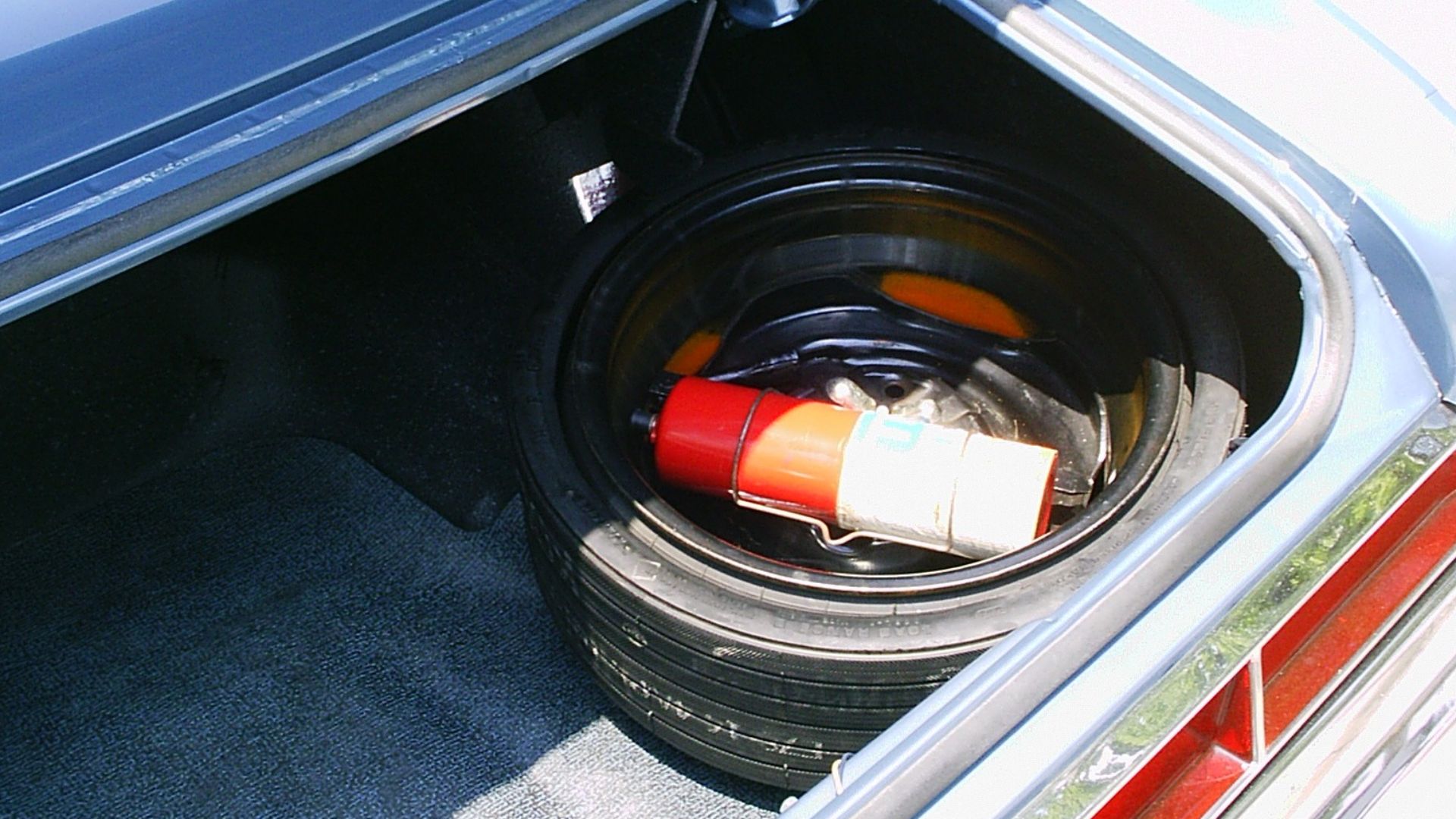
Drivers often forget their spare tire until they need it. If your vehicle carries one, check its condition and inflation pressure according to the owner's manual. Also confirm that the jack and wheel-changing tools are present. Many newer cars have tire-inflation kits instead of spare tires. Knowing what equipment you have can prevent confusion during a roadside emergency.
Remove Your Personal Belongings
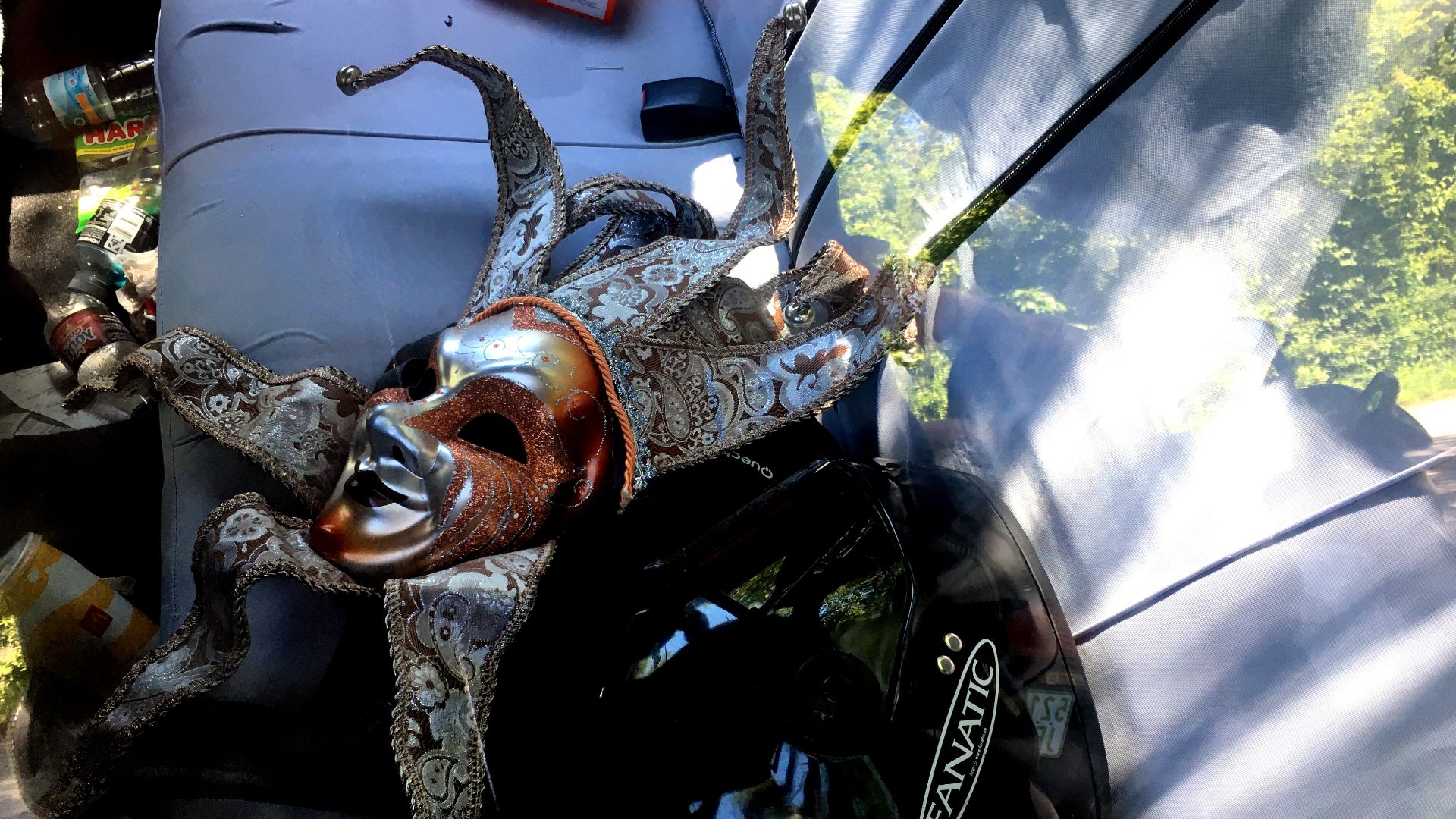
Mechanics sometimes need access to the trunk, glove compartment, back seat, or areas beneath the front seats. Removing unnecessary clutter makes their work easier and helps protect your belongings. Take valuables, loose change, and sensitive documents with you. If a particular item must remain in the vehicle, mention it when dropping off the keys. A reasonably tidy car can make an inspection much smoother.
 Pittigrilli, Wikimedia Commons
Write Down Every Symptom
The best thing you can bring to a mechanic isn't a toolbox. It's a clear description of the problem. Write down when symptoms began, how often they occur, and what makes them better or worse. Include recent repairs, unusual smells, changes in fuel economy, and warning lights. Don't try to diagnose everything yourself. Accurate observations give the technician a much better starting point.

You May Also Like:
Mechanics Say They Hate It When Customers Do These Things—So Don’t Do Them
Car Repairs And Maintenance That Mechanics Used To Perform Regularly—But Now Almost Never Do