Before You Hand Over The Keys
Mechanics remember certain customers. Unfortunately, it is rarely because they were charming, patient or brought everyone coffee.
Some of these habits waste time. Others cost you money. And a few may guarantee that your mechanic remembers you for all the wrong reasons. How many have you done?

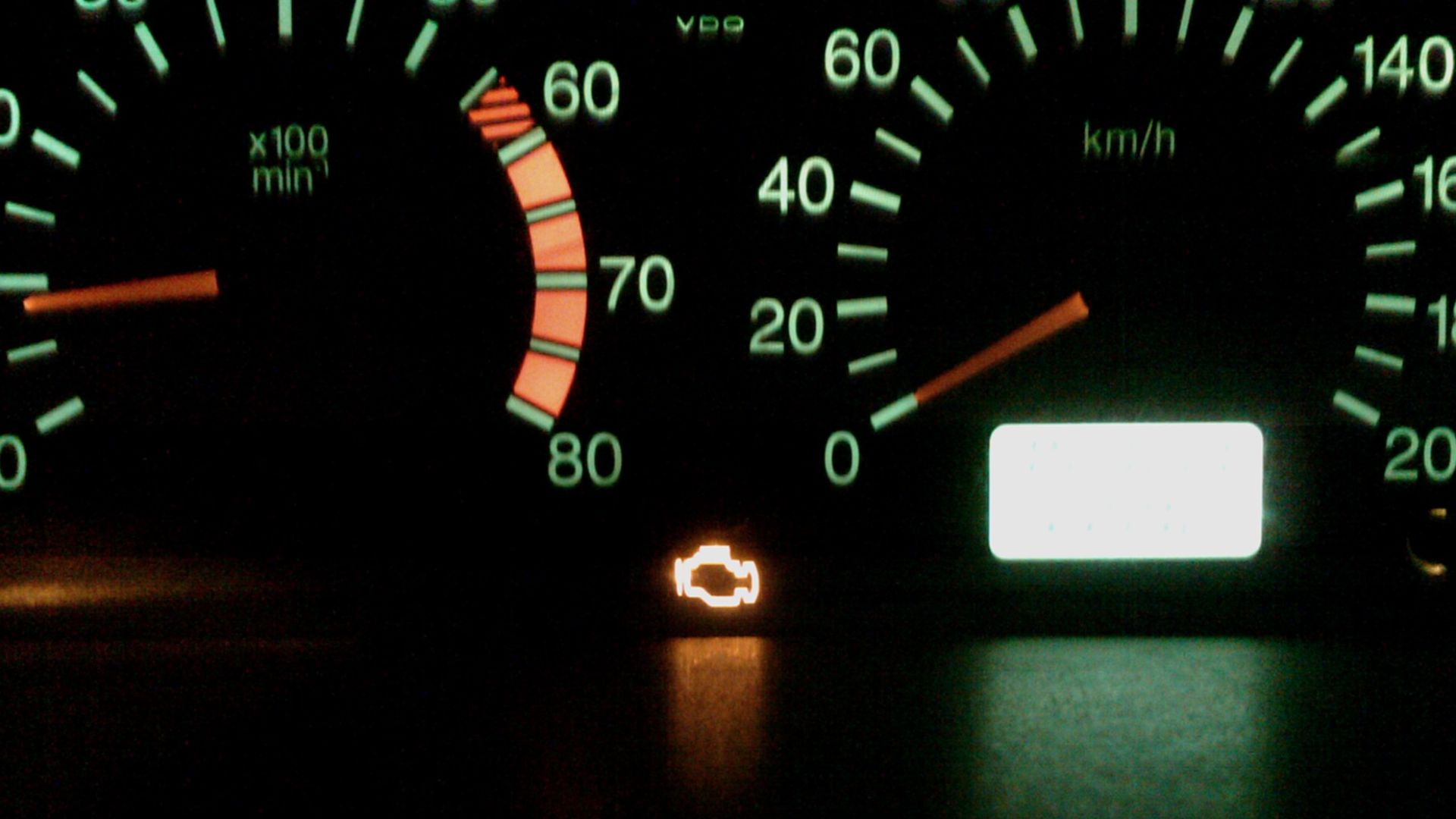
Do Not Erase The Warning Codes Before You Arrive
Clearing the check-engine light right before visiting the shop does not repair anything. It can also wipe out valuable information showing when the problem occurred and what the car was doing at the time. You have not fooled the car. You have simply hidden the mechanic’s clues.
Do Not Diagnose The Problem For Them
Telling the mechanic what the car is doing can be extremely helpful. Insisting that your cousin, neighbor or favorite YouTube channel has already determined exactly which part needs replacing is not. Describe the symptoms clearly, then let the person with the diagnostic equipment handle the diagnosis.

Do Not Hide Your Recent DIY Repair
Did you replace a sensor, splice a wire or pour something mysterious into the cooling system? Tell the mechanic. They are not going to be offended that you tried fixing it yourself. They will be considerably less thrilled after spending two hours discovering what you already knew.
Do Not Bring It In Running On Fumes
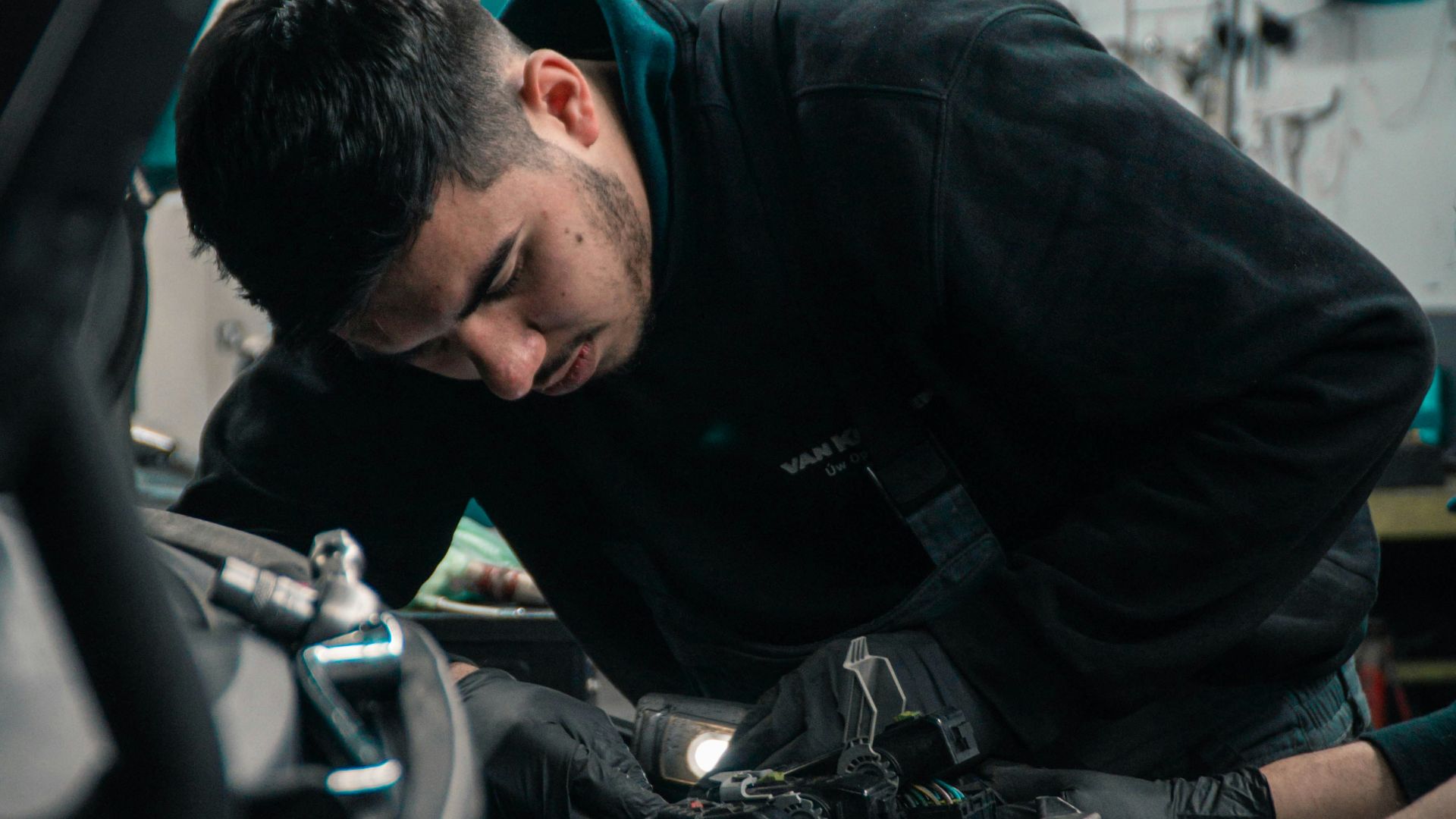
A mechanic may need to start the car repeatedly, let it idle or take it on a road test. Arriving with the fuel warning light glowing turns a straightforward appointment into an unnecessary scavenger hunt. Nobody wants to begin your repair by walking to a gas station.

Empty The Trunk If They Need To Get Under It
If the spare tire, battery, wheel-lock key or another access point is underneath your trunk floor, remove the golf clubs, folding chairs, groceries and six years of forgotten vacation supplies. Mechanics repair cars. They should not have to perform an archaeological excavation before reaching the part they need.

Bring The Wheel-Lock Key
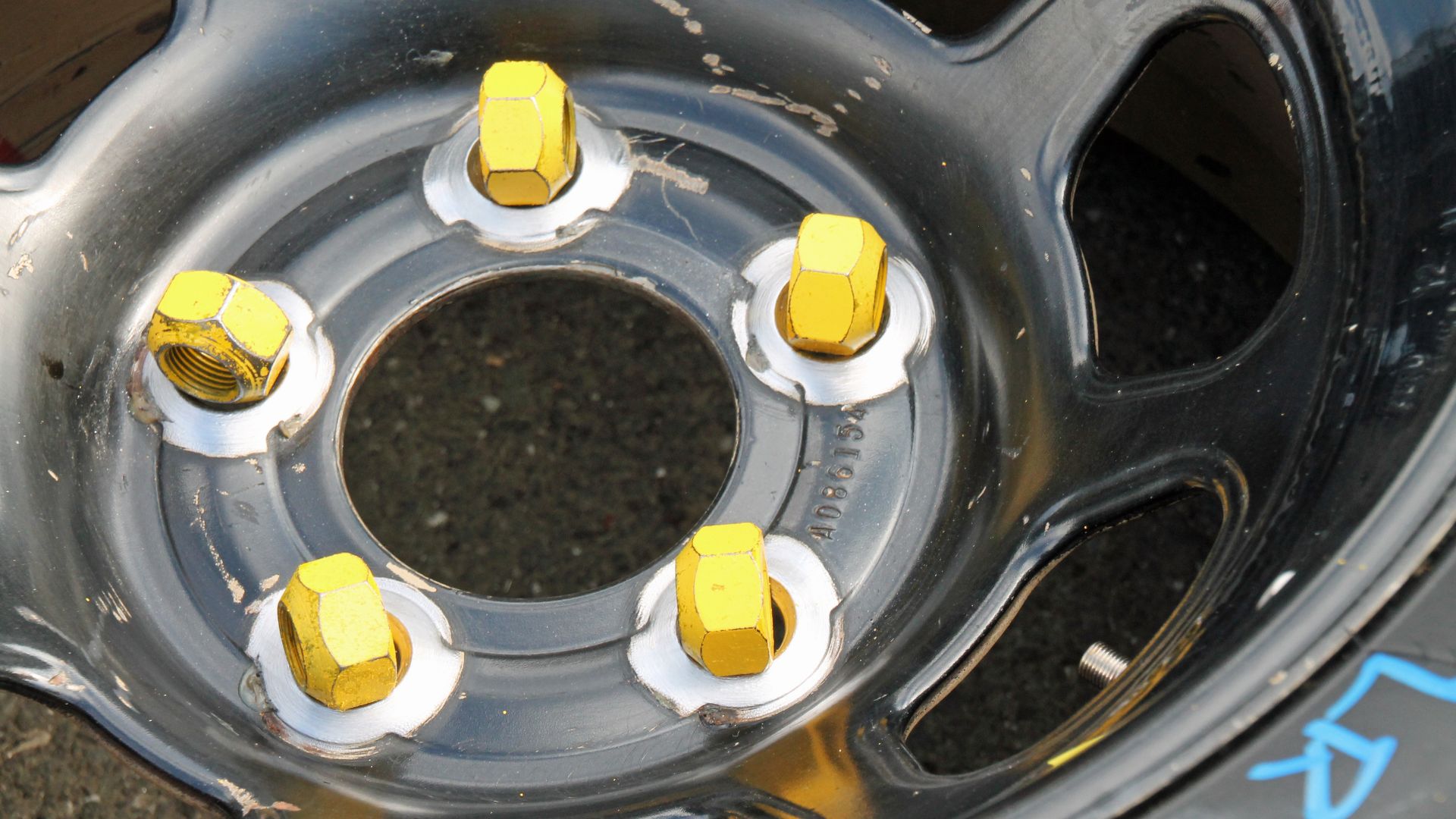
Locking lug nuts work wonderfully—until nobody can find the special key needed to remove them. Check the glove compartment, spare-tire compartment and center console before leaving home. Otherwise, your quick tire change may become a much longer conversation involving drilling, extraction and additional labor.
 Sarah Stierch, Wikimedia Commons
Give Them More Than “It Makes A Noise”
When does it happen? Is the engine cold or warm? Are you turning, braking, accelerating or driving over bumps? Does the sound get faster with vehicle speed? “It makes a weird noise sometimes” may be true, but it leaves the mechanic playing the world’s least entertaining guessing game.

Do Not Wait Until Closing Time
Showing up five minutes before closing with a dashboard full of warning lights and a road trip planned for tomorrow morning is not a scheduling strategy. It is an emergency you quietly transferred to someone else. Call ahead, explain the situation and be realistic about what can be completed.
Stop Hovering Over The Mechanic
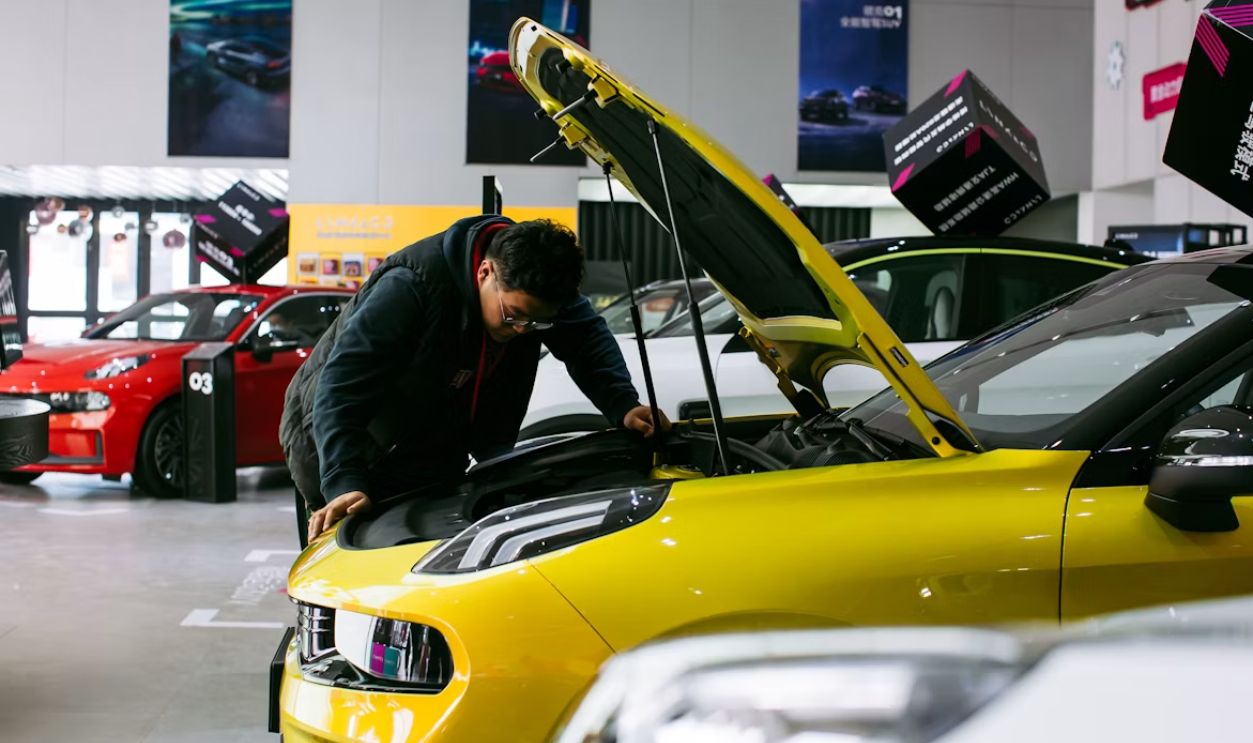
Watching through a designated viewing window is one thing. Standing three feet away while asking questions every 30 seconds is another. Mechanics need room to move, concentrate and work safely. Nobody performs better with a stranger silently studying every turn of the wrench.
 Sergei Gontsarov, Shutterstock
Keep Your Hands Off The Tools
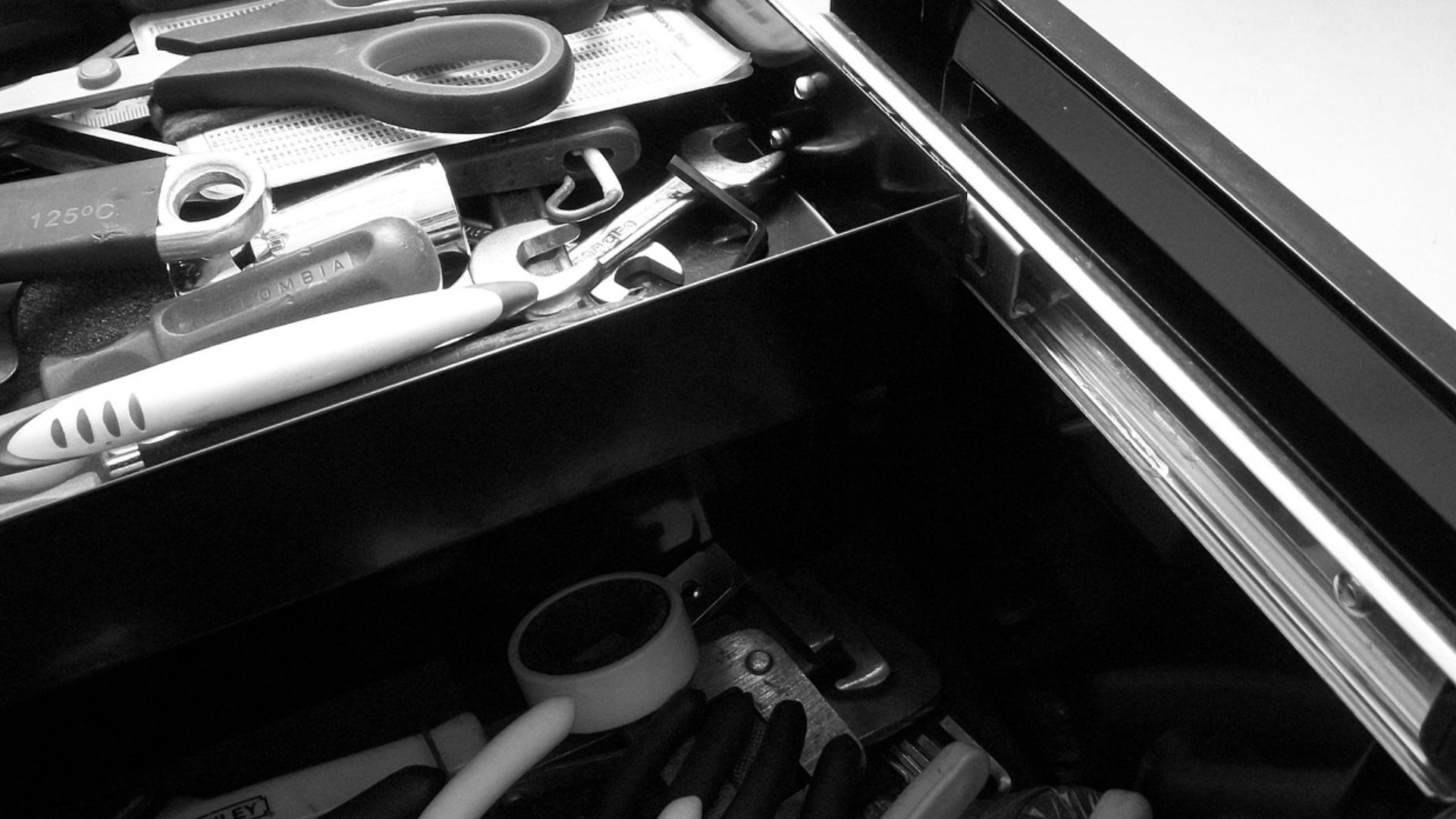
Those tools are expensive, organized and frequently chosen for a specific job. Picking one up without asking is not harmless curiosity. It is the shop equivalent of walking behind a restaurant counter and testing the knives. Admire the toolbox from a respectful distance.
Think Twice Before Bringing Your Own Parts
Some shops will install customer-supplied parts, but many will not warranty them—and there is usually a reason. The bargain component you found online may be incorrect, poorly made or impossible to return once installed. Saving $30 can become expensive when the entire job must be repeated.
Diagnosis Is Part Of The Job
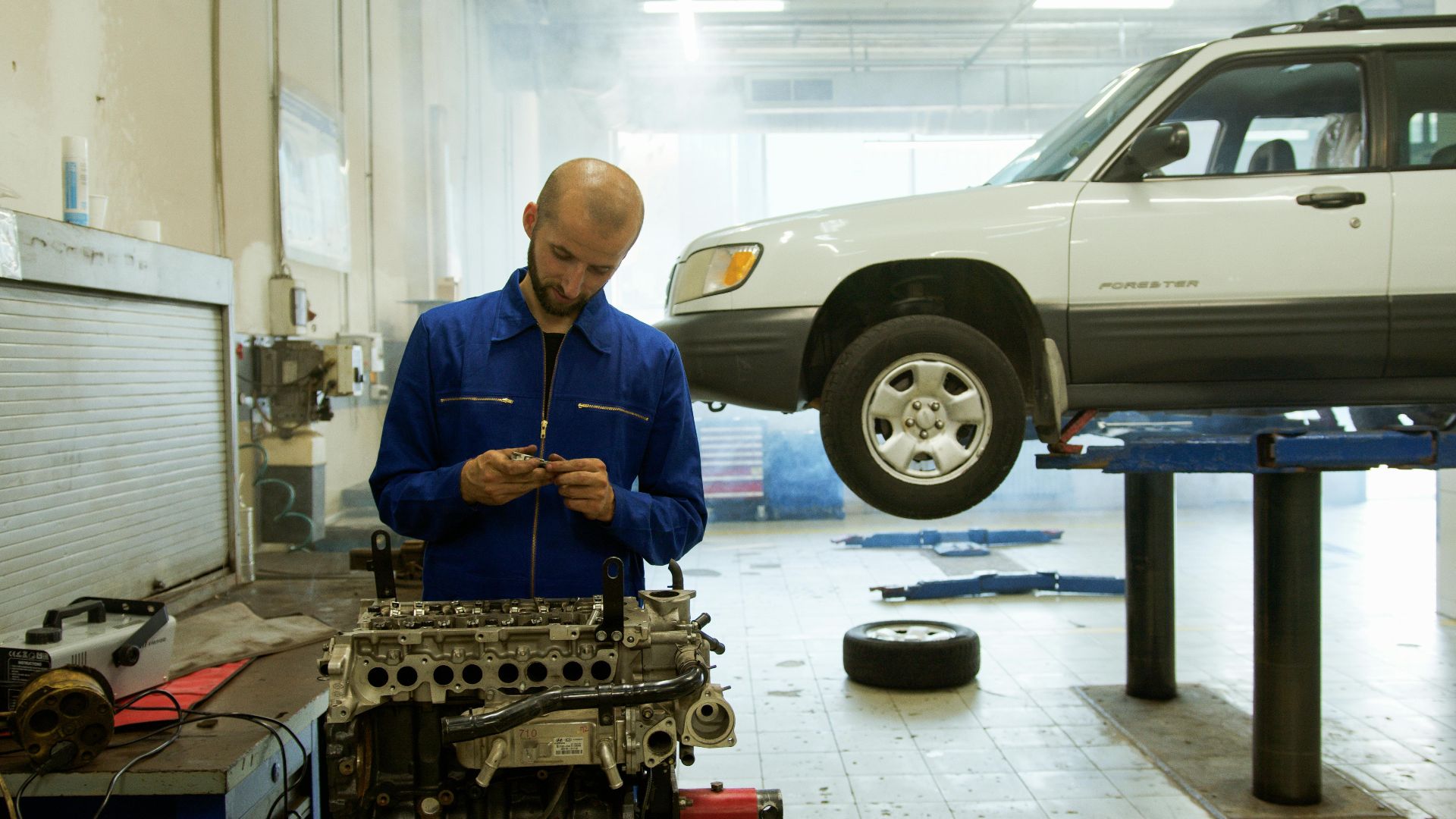
Finding the problem can require far more time and expertise than replacing the failed part. Scanning codes, testing circuits, checking pressures and eliminating possible causes is real work. Asking for a free diagnosis because “it will only take a minute” is like asking an accountant to quickly find the missing money.
Do Not Approve The Repair And Then Demand It Immediately
A shop may need to order parts, wait for a service bay or finish vehicles that arrived ahead of yours. Approving the work at 3 p.m. does not guarantee the car will be ready by dinner. A mechanic cannot speed up a delivery truck by staring angrily at the front door.

Answer The Phone
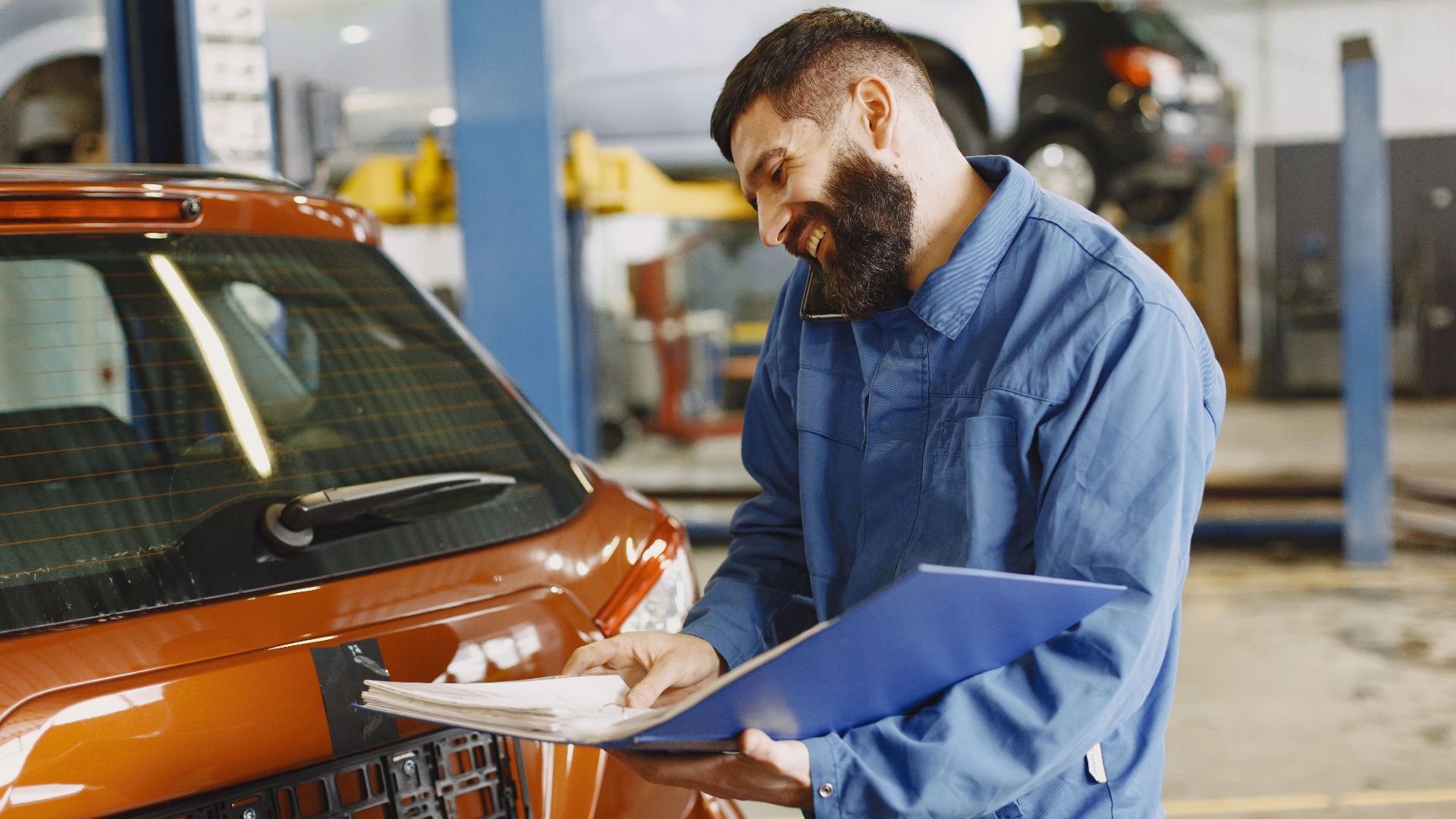
The shop may need authorization before continuing, especially if it discovers another problem or the repair will cost more than expected. Ignoring repeated calls can leave your car sitting untouched for hours. Then everyone gets to enjoy the awkward conversation about why nothing has been completed.
Clean Out The Truly Disgusting Stuff
Your car does not need to arrive freshly detailed. Mechanics have seen dirt, spilled coffee and plenty of french fries under seats. But rotting food, overflowing trash and mysterious sticky surfaces are different. Someone may need to spend several hours inside that vehicle. Give them a fighting chance.

Take Your Valuables With You
Remove cash, electronics, jewelry, medications and anything else you would be upset to lose. Most shops are honest, but several employees may need to move or enter the vehicle. Leaving a wad of bills in the cupholder creates an uncomfortable situation for everyone involved.

Do Not Smoke In The Car Right Beforehand
A mechanic may need to sit inside your vehicle, breathe the air and work underneath the dashboard for an extended period. Lighting up on the way to the shop ensures that everything is still fresh when they climb inside. The smell does not disappear when you close the door.

Let A Hot Engine Cool Down
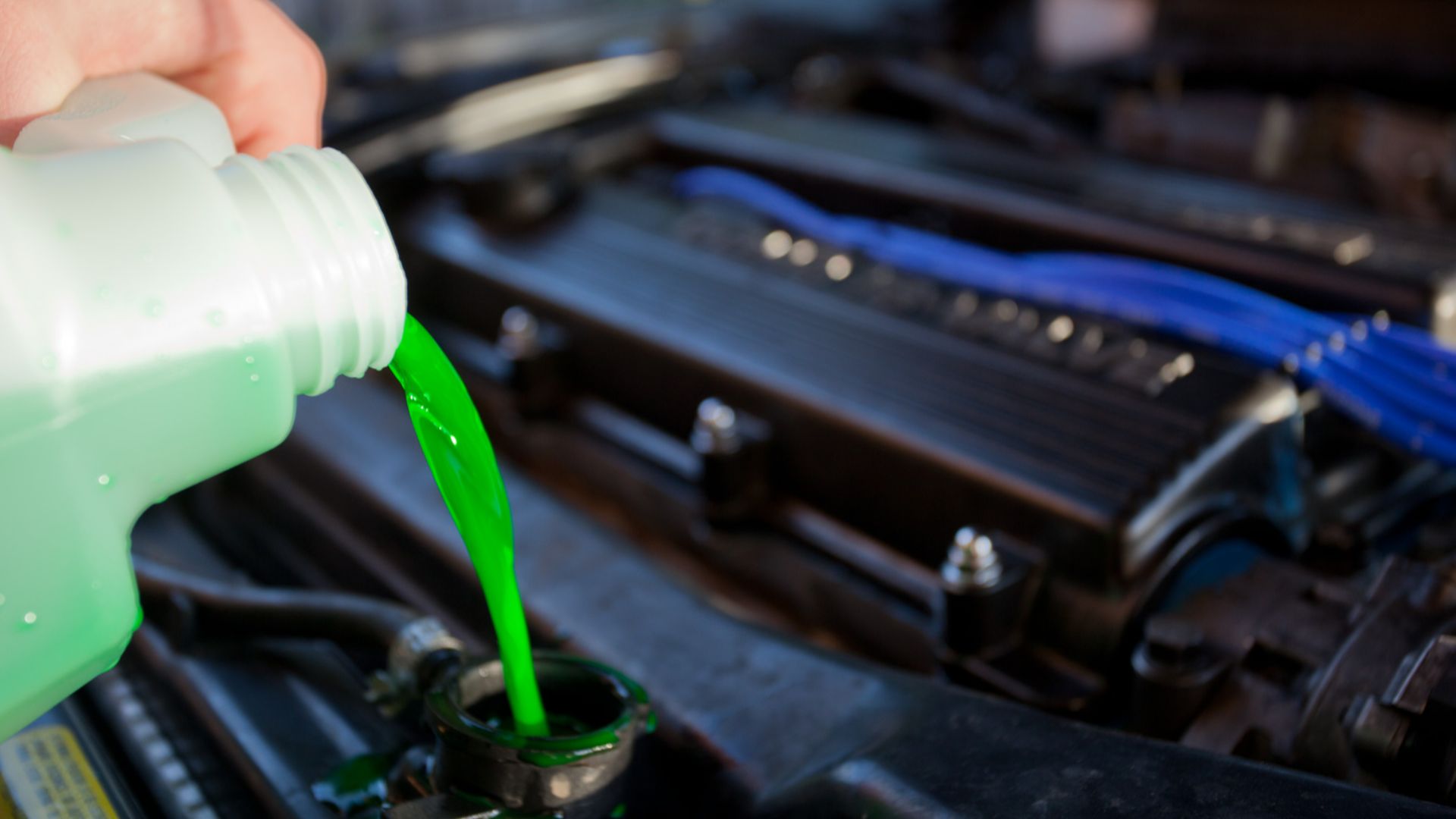
Bringing in an overheating vehicle is often unavoidable, but do not expect someone to immediately remove the radiator cap or begin handling scorching cooling-system components. Hot coolant can cause serious injuries. The car may need to sit before certain tests or repairs can safely begin.
Be Careful With “Ever Since You…”
Sometimes a new problem really is connected to the previous repair, and a reputable shop should investigate it. But a burned-out brake light is probably not related to the transmission service performed last month. Explain what changed without immediately turning the conversation into a courtroom drama.
 Shixart1985, Wikimedia Commons
Do Not Demand An Exact Quote For An Undiagnosed Problem
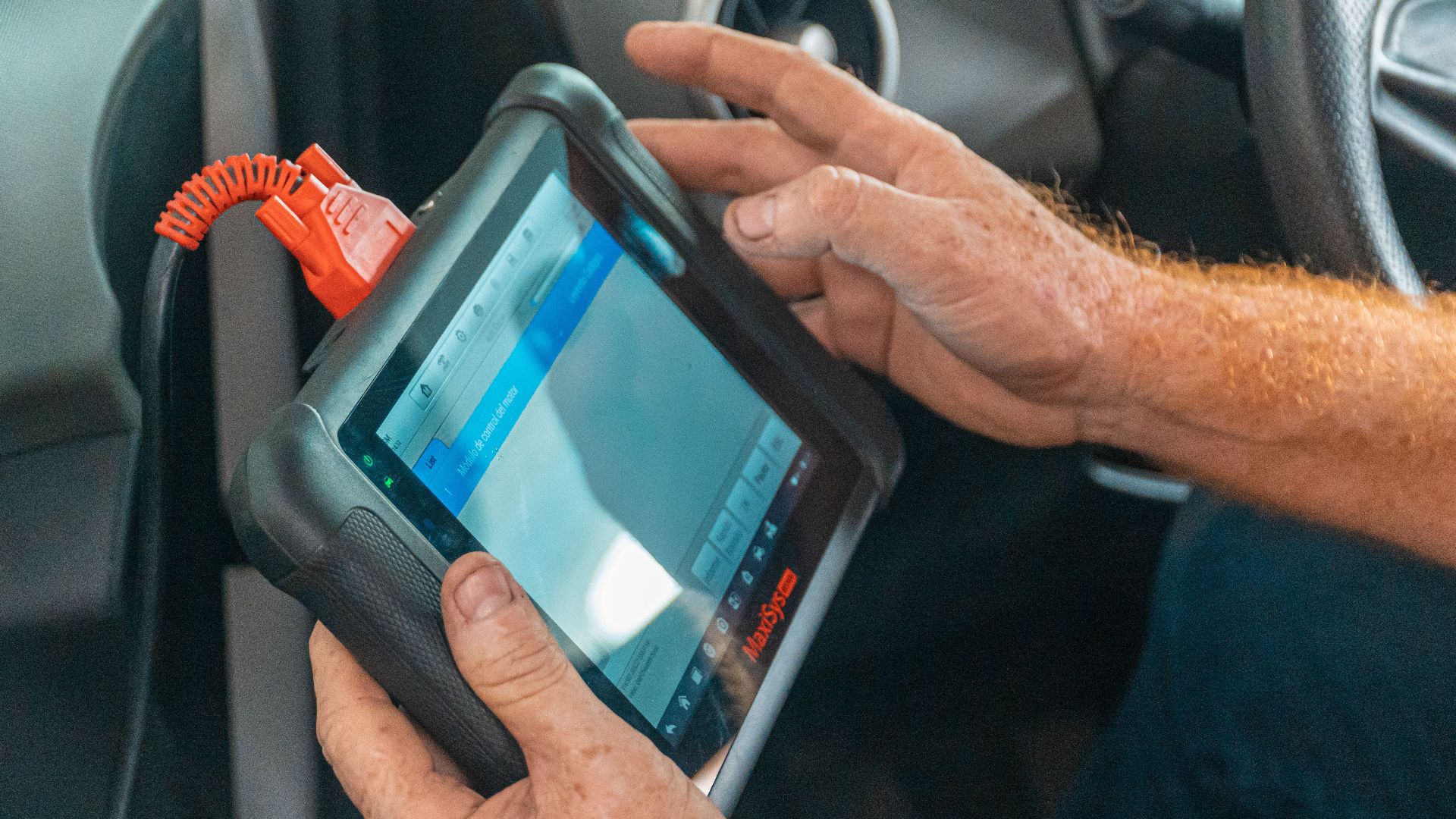
Two cars with the same symptom can need completely different repairs. A squealing sound could be a worn belt, damaged pulley, failing bearing or several other things. Asking for an exact total before anyone sees the vehicle is like requesting a dental bill before opening your mouth.
 Jose Ricardo Barraza Morachis, Pexels
Let Them Take A Proper Test Drive
Some problems only appear at highway speed, during hard braking or after the vehicle warms up. Refusing to allow a road test can prevent the mechanic from confirming both the problem and the repair. They are not taking your car out because they need somewhere to eat lunch.
 Oregon Department of Transportation, Wikimedia Commons
Do Not Ignore Every Warning Until The Car Stops
One warning light may turn into three. A small leak may become an empty reservoir. A slight vibration may become a roadside breakdown. Mechanics would much rather inspect a developing problem than explain why several additional parts were damaged after months of determined neglect.
Do Not Ask Them To “Just Make It Pass”
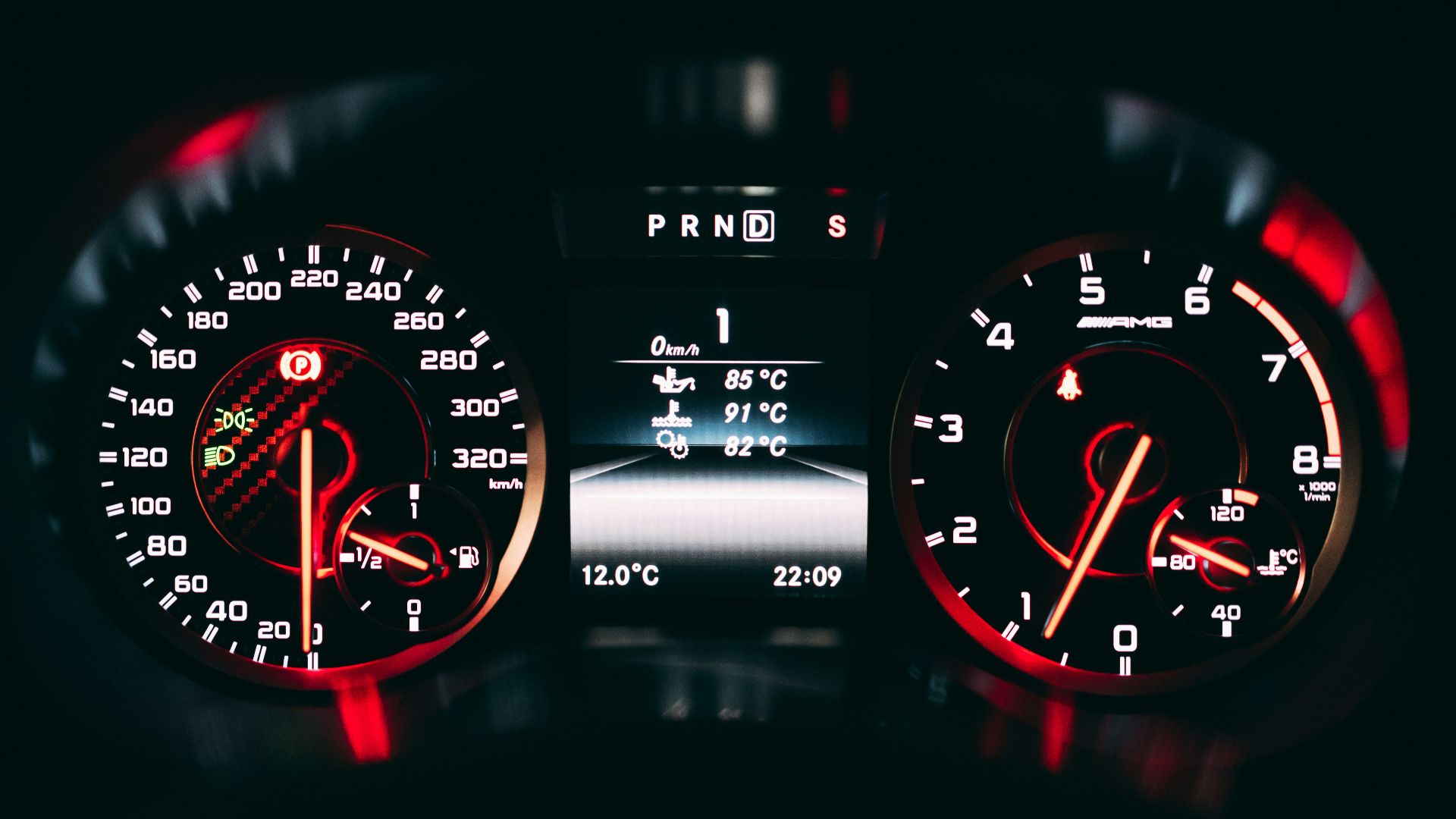
If a vehicle fails an emissions or safety inspection, you can approve the repairs, take it somewhere else or investigate whether it qualifies for a legitimate waiver. What the inspector cannot do is pretend the problem does not exist. Asking someone to falsify the result places their certification, station license and reputation at risk.
Do Not Ask Them To Cut Safety Corners
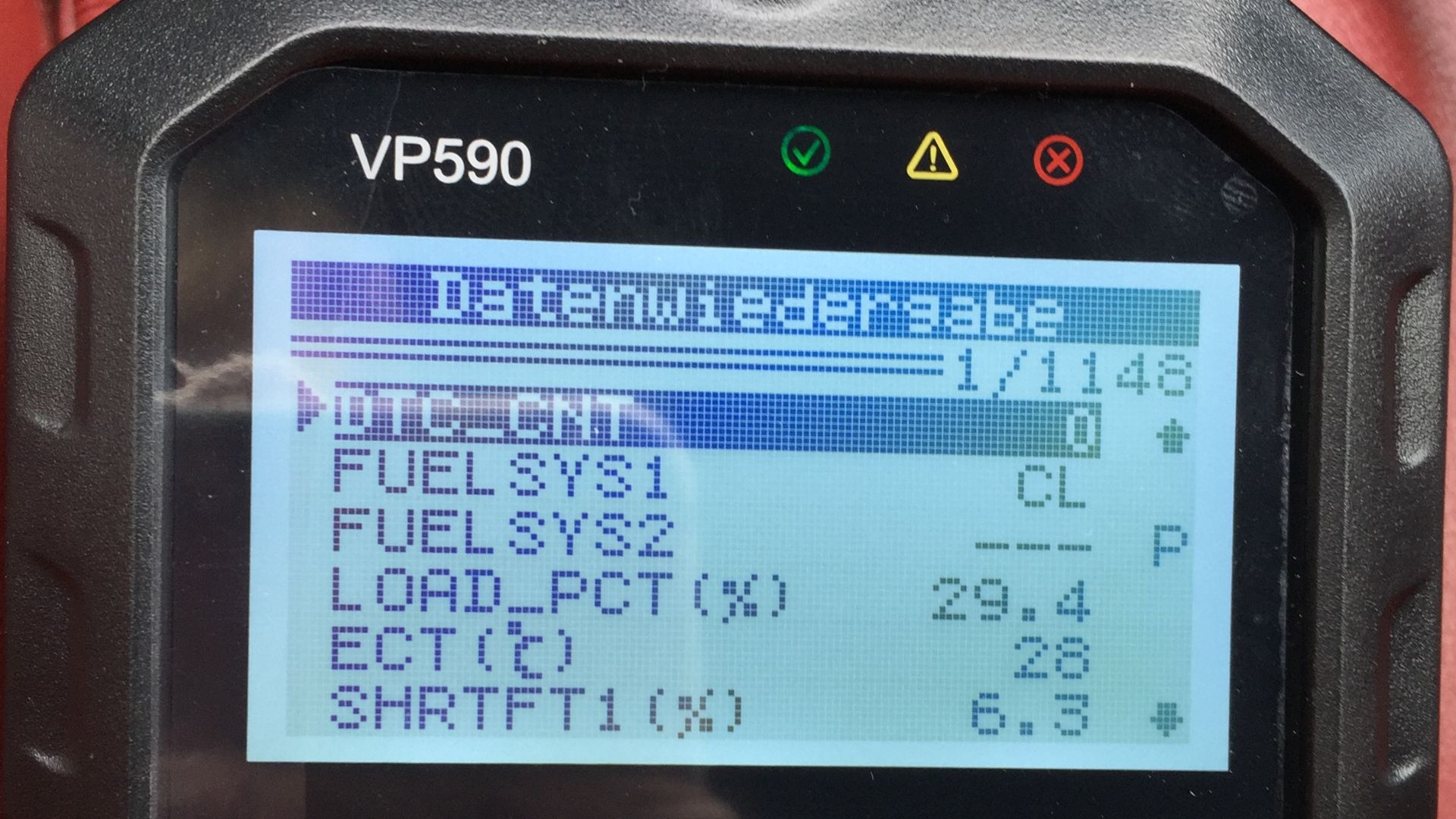
Mechanics hear requests to reuse damaged hardware, ignore badly worn tires or repair components that should be replaced. Saving money matters, and a good shop should explain your options. But no reputable technician wants to send you back onto the road with a repair they know is unsafe.

Do Not Reset The Maintenance Reminder And Call It Maintenance
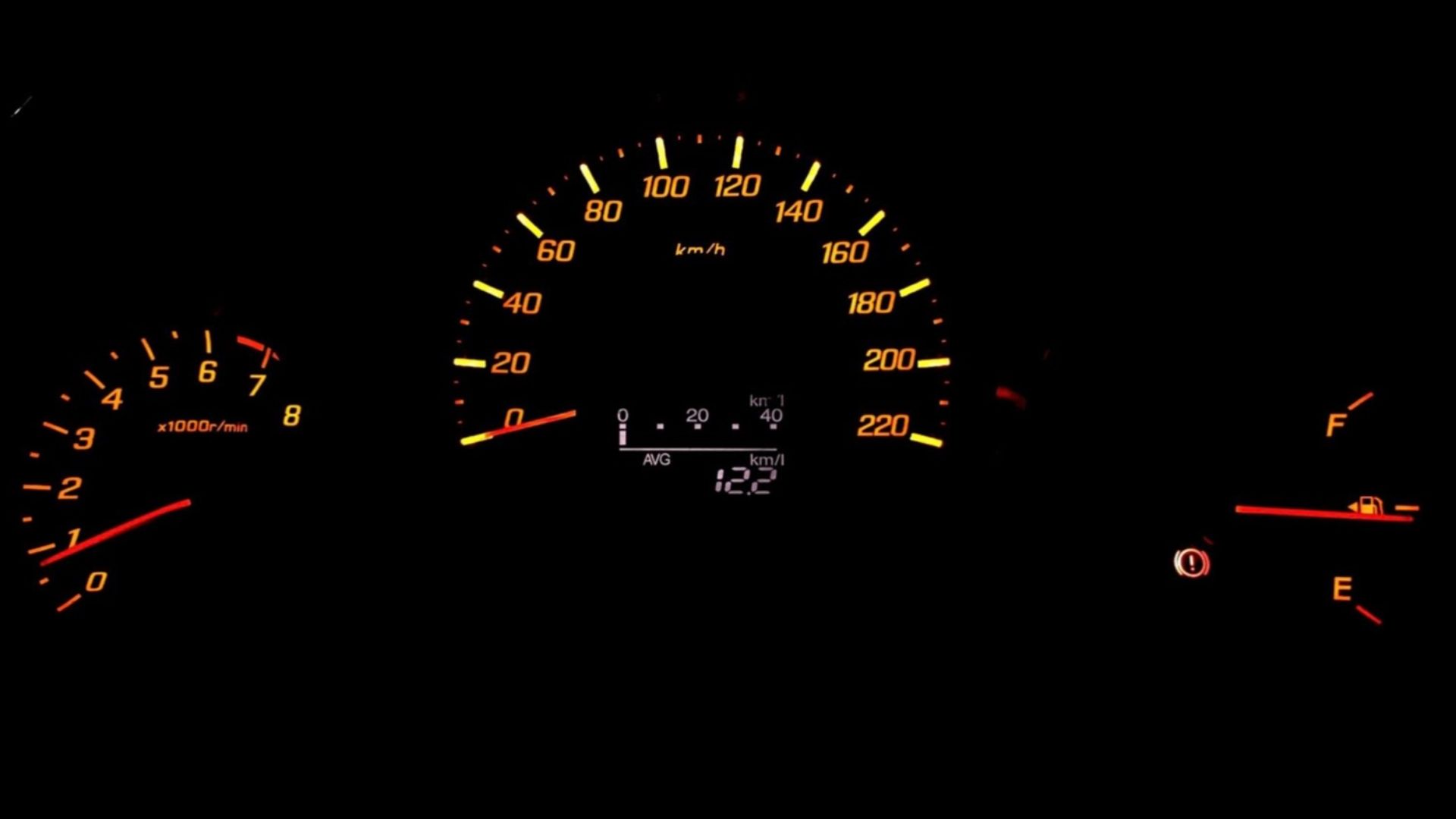
Turning off the dashboard reminder does not change the oil, rotate the tires or replace a clogged filter. It only convinces the computer to stop bothering you. The car will remain neglected—it will simply become quieter about it until something more expensive begins making noise.
 Atharv Chandel, Wikimedia Commons
Do Not Drop Off A Half-Disassembled Car Without Warning
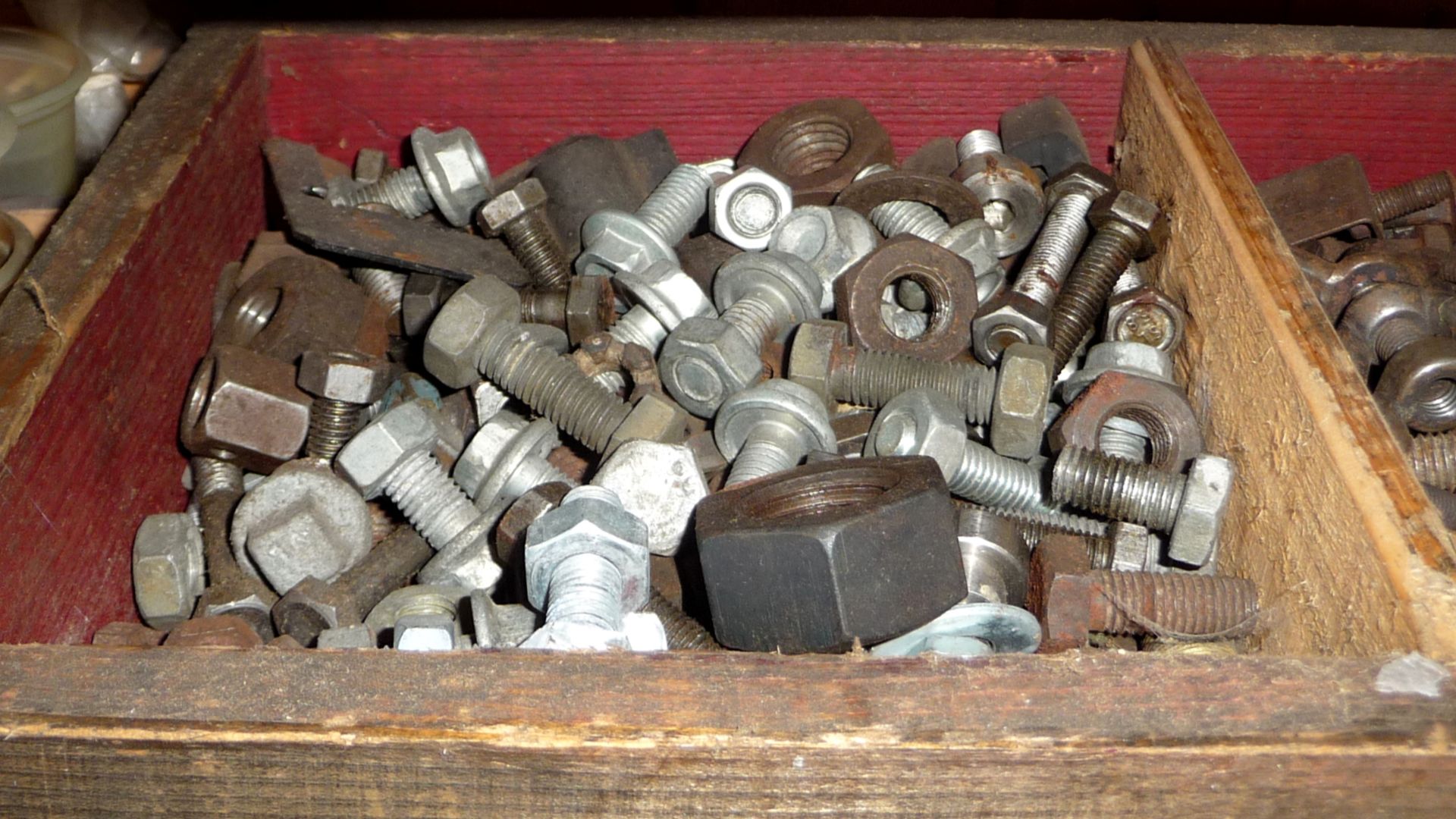
A box full of bolts, plastic clips and unidentified brackets does not provide the mechanic with a useful head start. It provides a puzzle with missing instructions. Call before towing in an unfinished project and explain exactly what was removed, changed or lost along the way.
 Pavel Sevela, Wikimedia Commons
Be Honest About How The Problem Started
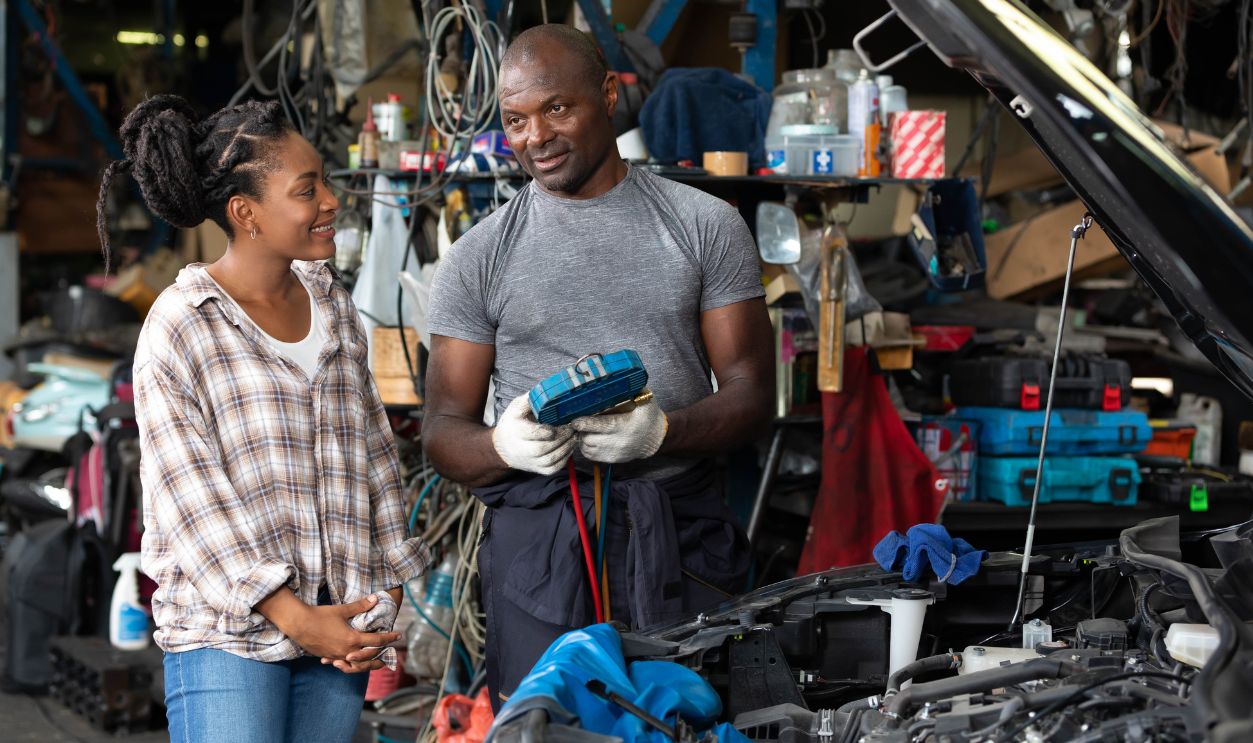
The mechanic does not need a carefully edited version of events. If the engine began knocking after the oil light appeared, say so. If the car stopped shifting after it was stuck in snow, mention that too. The embarrassing detail may be the detail that solves everything.
 Mangkorn Danggura, Shutterstock
Do Not Turn The Waiting Room Into A Daycare
Repair shops contain moving vehicles, sharp equipment, chemicals and plenty of places where small hands should not wander. Sometimes bringing children is unavoidable. Just keep them supervised and away from the work area. The mechanic should not have to repair your car while monitoring a hide-and-seek tournament.

Do Not Blame The Mechanic For The Price Of The Part
The person at the counter did not personally decide that your headlight assembly should cost more than your first car. Modern parts can be complicated, difficult to access and shockingly expensive. Ask for an explanation or alternative options, but do not treat the invoice like a personal insult.

A Little Cooperation Goes A Long Way
You do not need to understand engines, arrive with a spotless vehicle or know the correct name for every sound. Just provide honest information, give the shop room to work and respect the time involved.
Your mechanic may still deliver an expensive diagnosis—but at least they will not be telling the story about you during lunch.

You Might Also Like:
DIY Car Maintenance: Simple Tasks to Keep Your Vehicle Running Smoothly