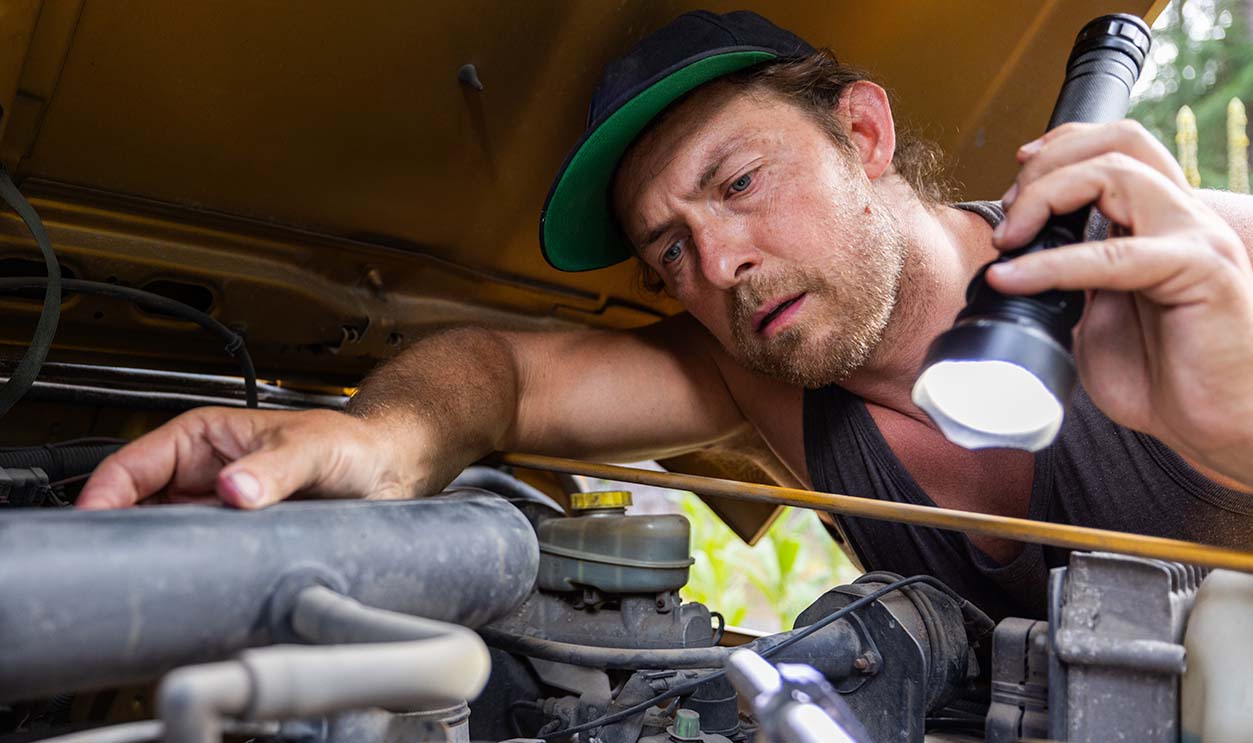
Small Habits That Add Years To Your Vehicle
Cars rarely die suddenly. Most wear out slowly due to neglect, missed maintenance, or small issues that snowball into expensive failures. The good news is that extending your car’s life doesn’t require mechanical genius or endless money. These easy fixes and habits can dramatically increase longevity and keep your car reliable well past its expected lifespan.

Follow The Factory Maintenance Schedule
Your owner’s manual is the single most important tool for long-term vehicle health. Manufacturers design maintenance schedules based on real-world wear patterns. Following recommended intervals for services like oil changes, inspections, and fluid replacements helps prevent cascading failures and ensures small issues are addressed before they turn into major repairs.
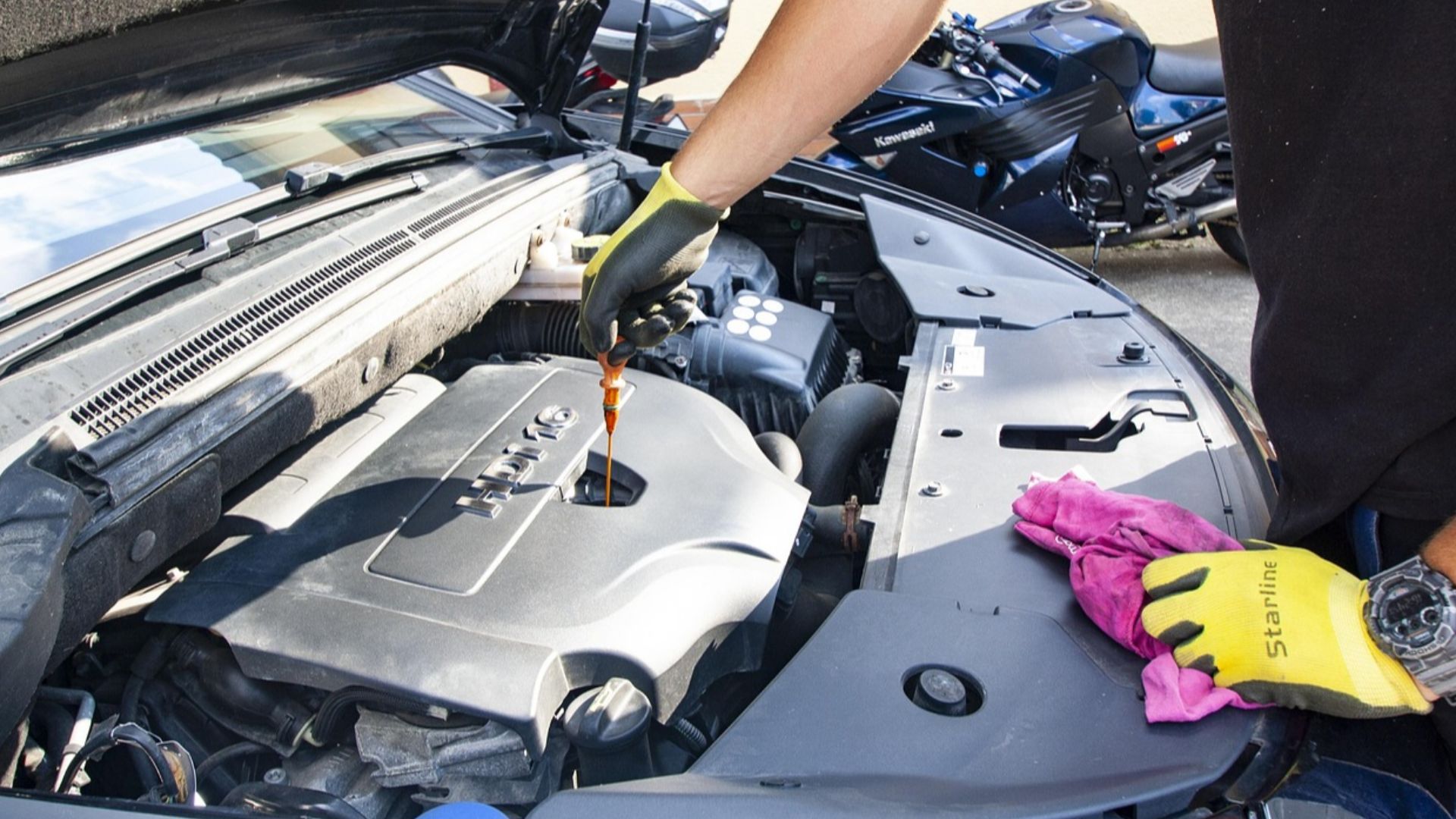
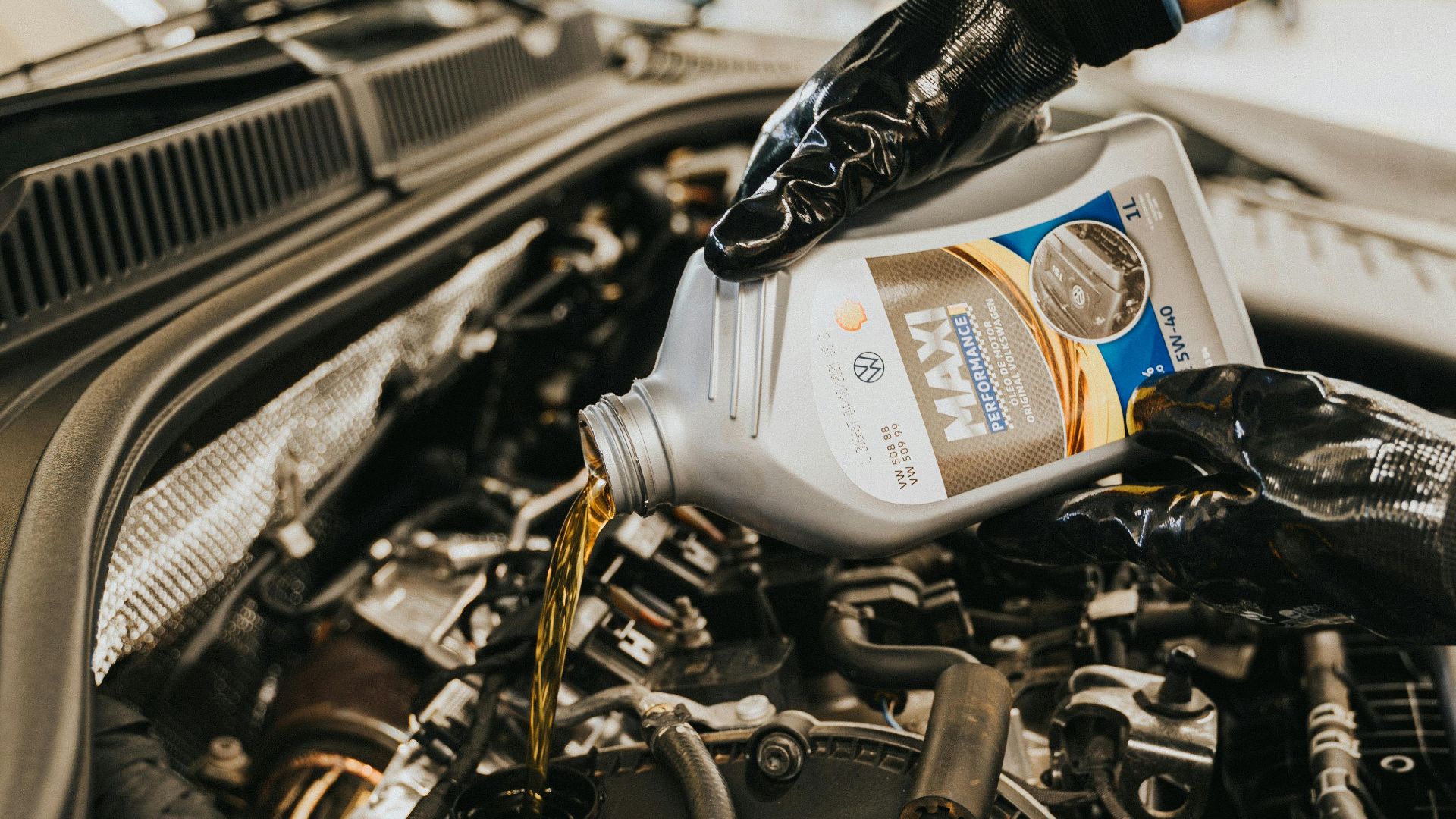
Change Engine Oil On Time
Engine oil lubricates moving parts, reduces friction, and carries heat away from critical components. Over time, oil breaks down and becomes contaminated with debris. Regular oil changes prevent sludge buildup, reduce internal wear, and significantly extend engine life, especially in high-mileage or stop-and-go driving conditions.
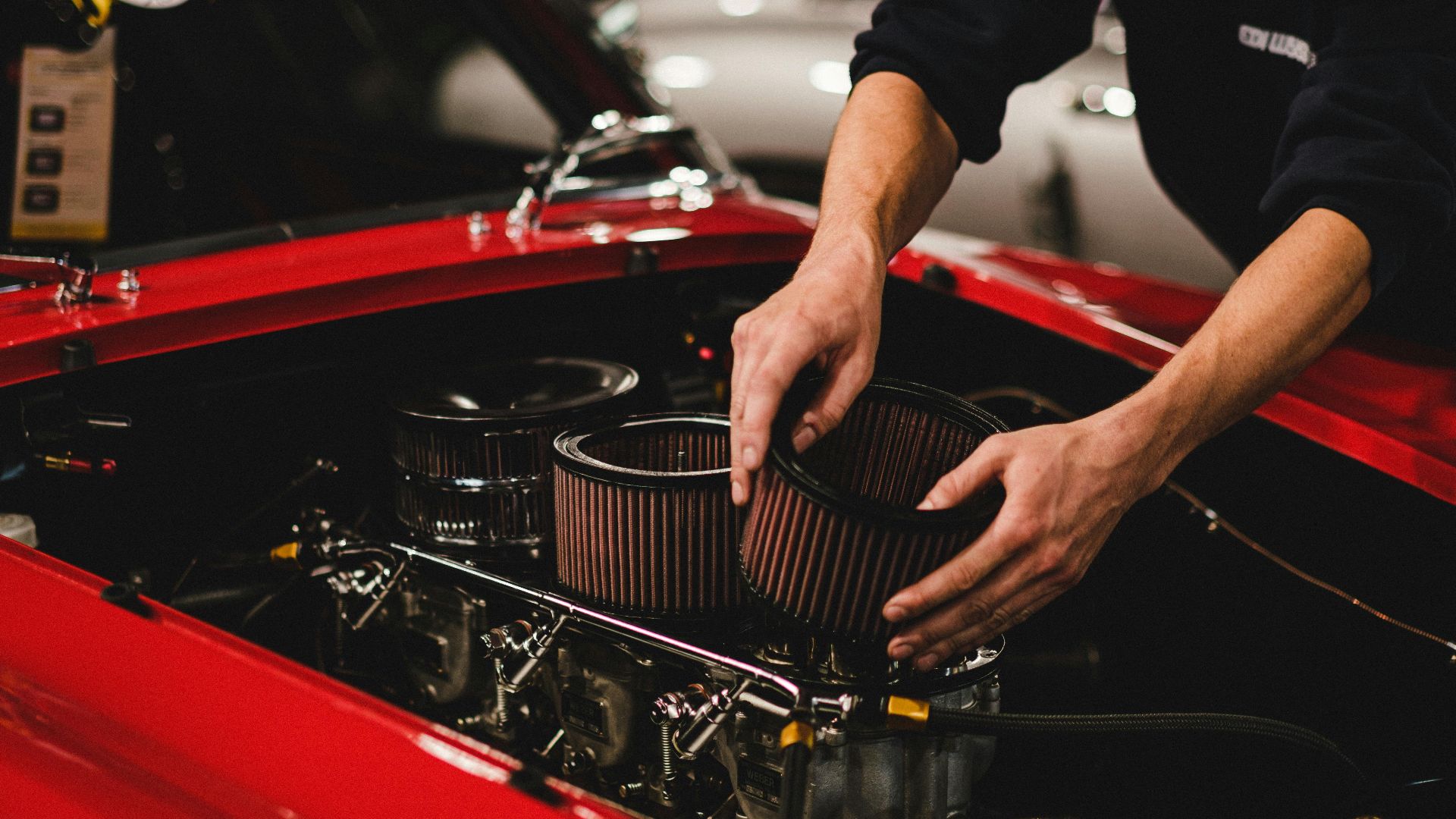
Replace Air Filters Regularly
A clogged engine air filter restricts airflow, forcing the engine to work harder and burn more fuel. Replacing it every 12,000–15,000 miles improves efficiency, throttle response, and long-term reliability. Cabin air filters also matter, protecting HVAC systems and improving interior air quality.
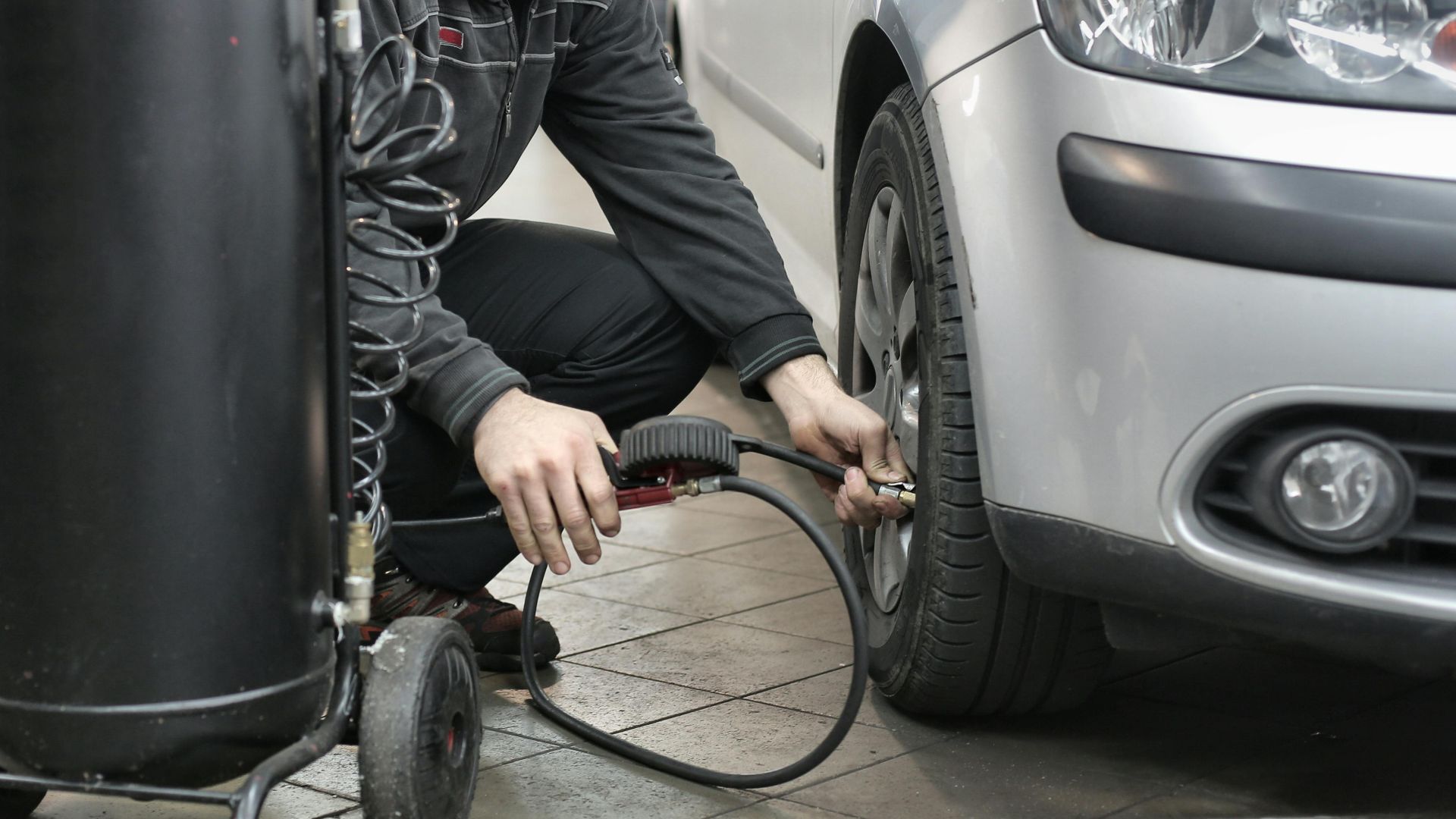
Maintain Proper Tire Pressure
Incorrect tire pressure accelerates tire wear, strains suspension components, and reduces fuel economy. Underinflated tires generate excess heat, while overinflated tires reduce traction. Checking pressure monthly helps tires last longer, improves handling, and reduces unnecessary stress on steering and suspension systems.
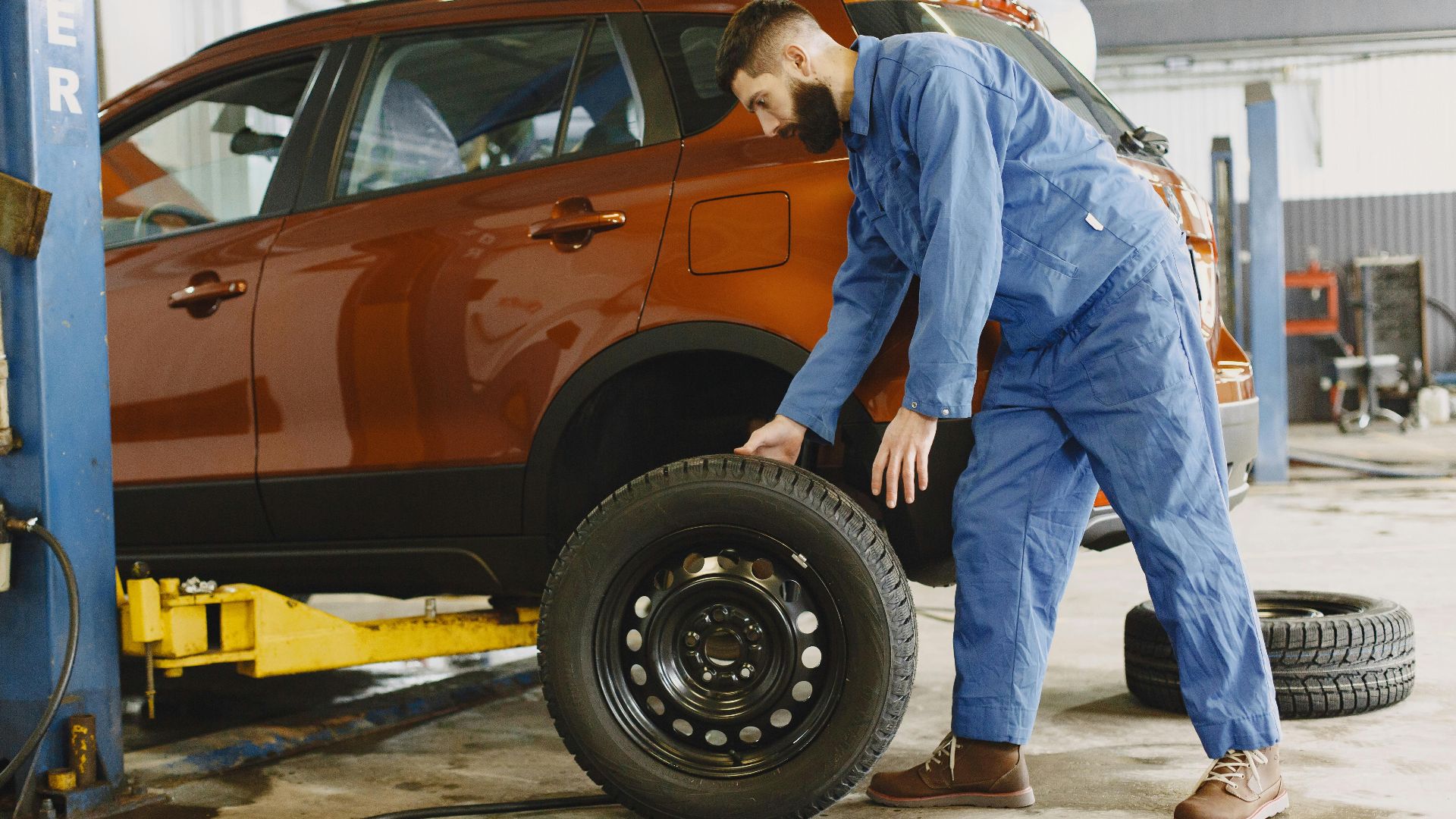
Rotate And Balance Tires
Tires wear differently depending on their position. Regular rotation ensures even tread wear, extending tire life and maintaining consistent traction. Balancing prevents vibration that can damage wheel bearings and suspension parts. Together, these simple services protect multiple systems while improving ride comfort.
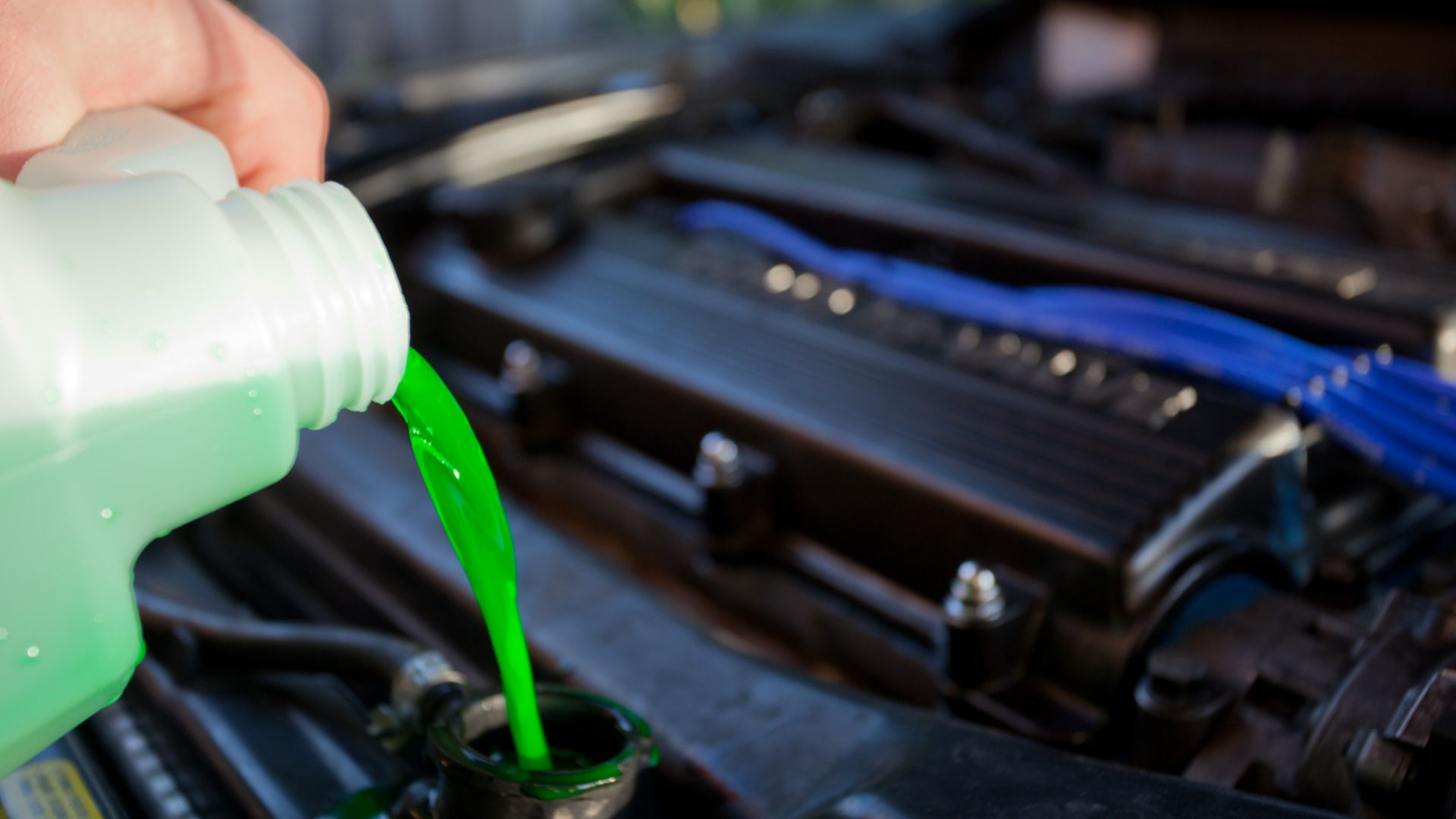
Monitor And Replace Coolant
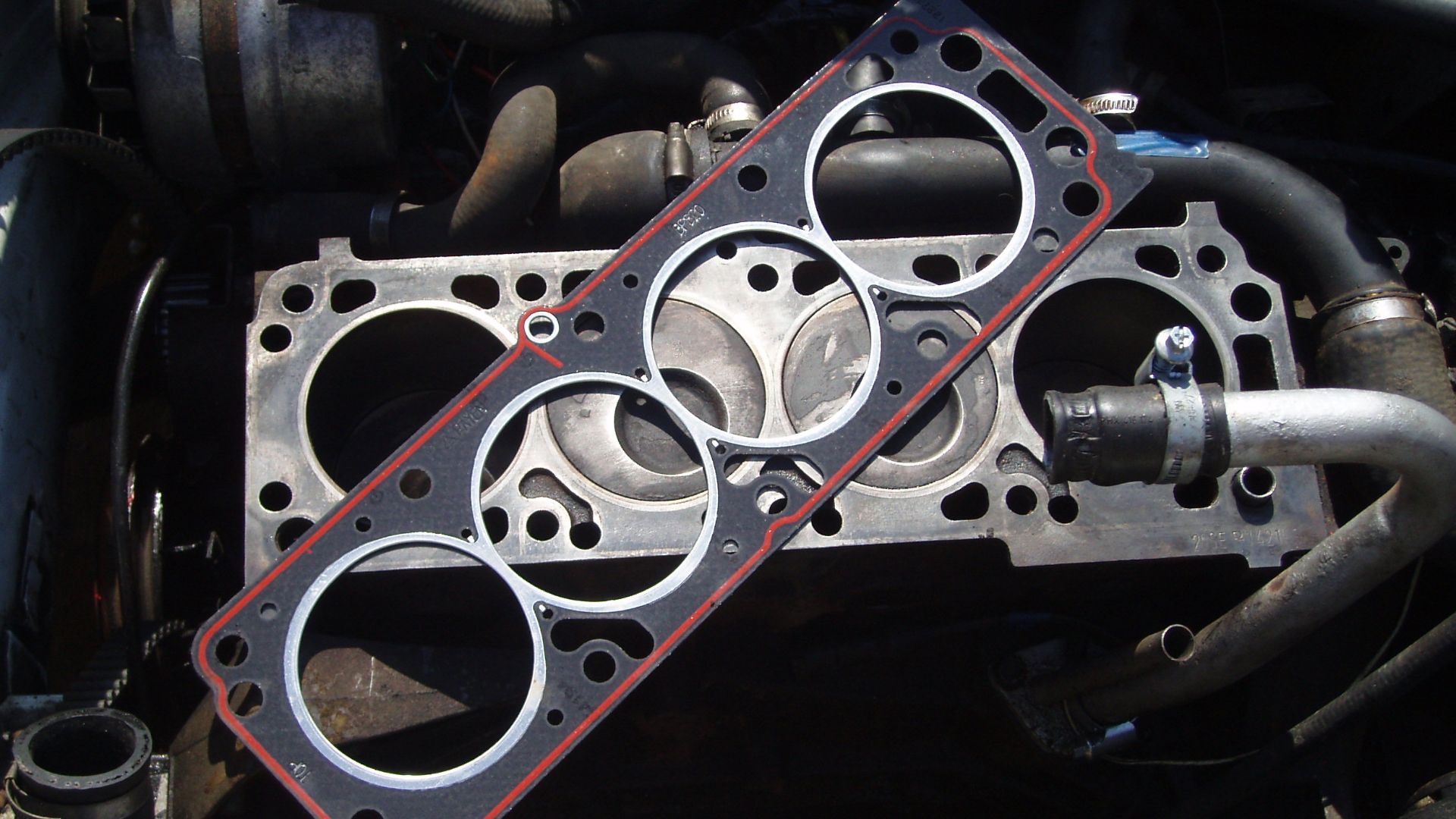
Coolant does more than regulate temperature; it also prevents corrosion inside the engine and radiator. Over time, its protective properties degrade. Flushing and replacing coolant at recommended intervals prevents overheating, water pump failure, and internal corrosion that can lead to catastrophic engine damage.
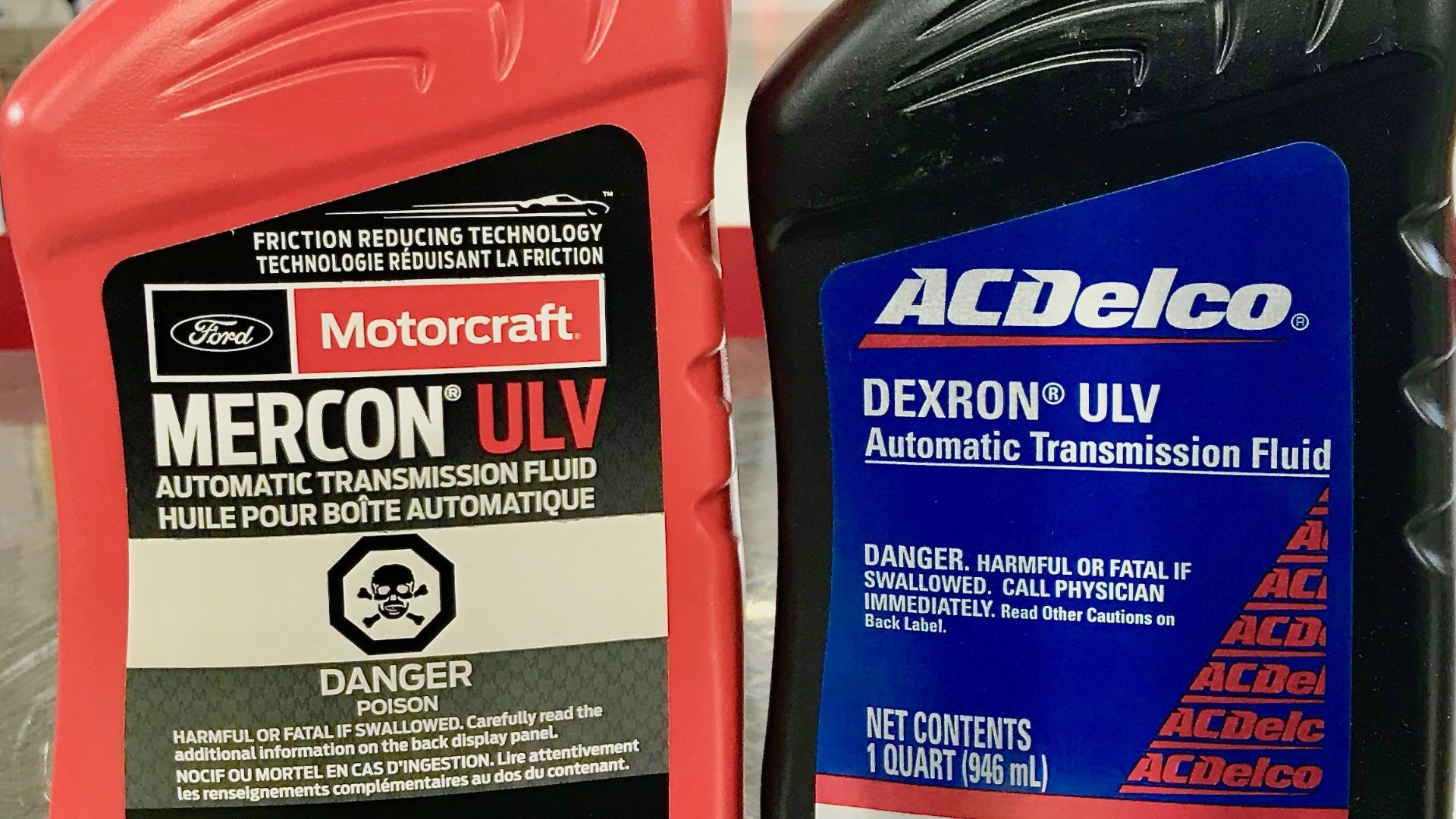
Check Transmission Fluid Condition
Transmission fluid lubricates gears, cools internal components, and enables smooth shifting. Dirty or degraded fluid causes excess heat and wear. Even “lifetime” fluids benefit from inspection. Keeping transmission fluid clean dramatically improves shifting quality and helps prevent one of the most expensive automotive repairs.
Address Brake Wear Early
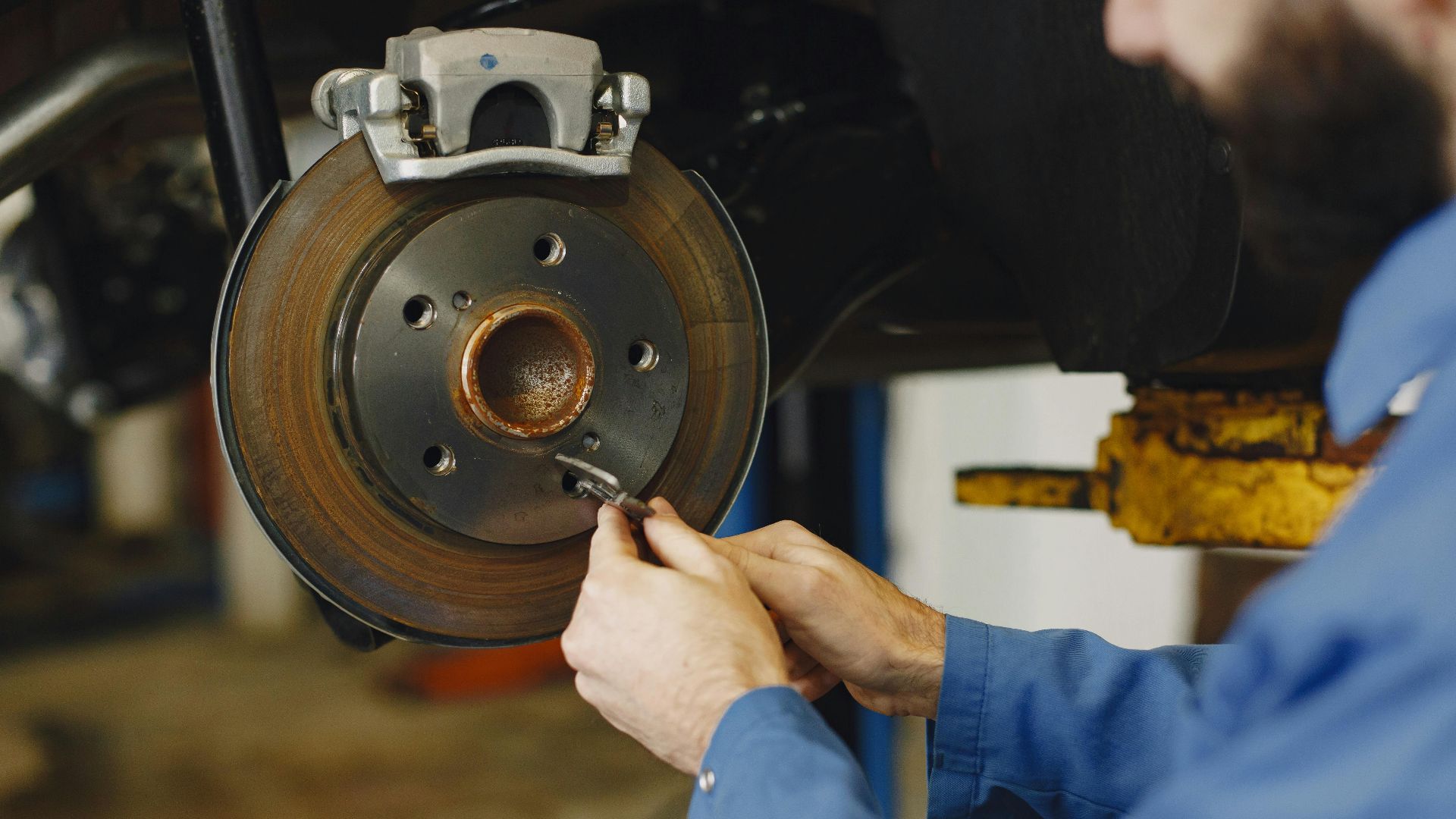
Brake pads are designed to wear before rotors. Replacing pads early prevents metal-on-metal contact that damages rotors and calipers. Routine brake inspections preserve stopping power, reduce repair costs, and maintain consistent braking performance. This is especially important for safety and long-term system health.
Watch For Fluid Leaks
Small leaks often signal bigger problems. Oil, coolant, brake, or transmission fluid leaks reduce lubrication and cooling while allowing contaminants inside systems. Spotting and fixing leaks early prevents cascading failures, protects seals and gaskets, and avoids sudden breakdowns or safety hazards.
 Lewis Collard, Wikimedia Commons
Keep The Battery And Terminals Clean
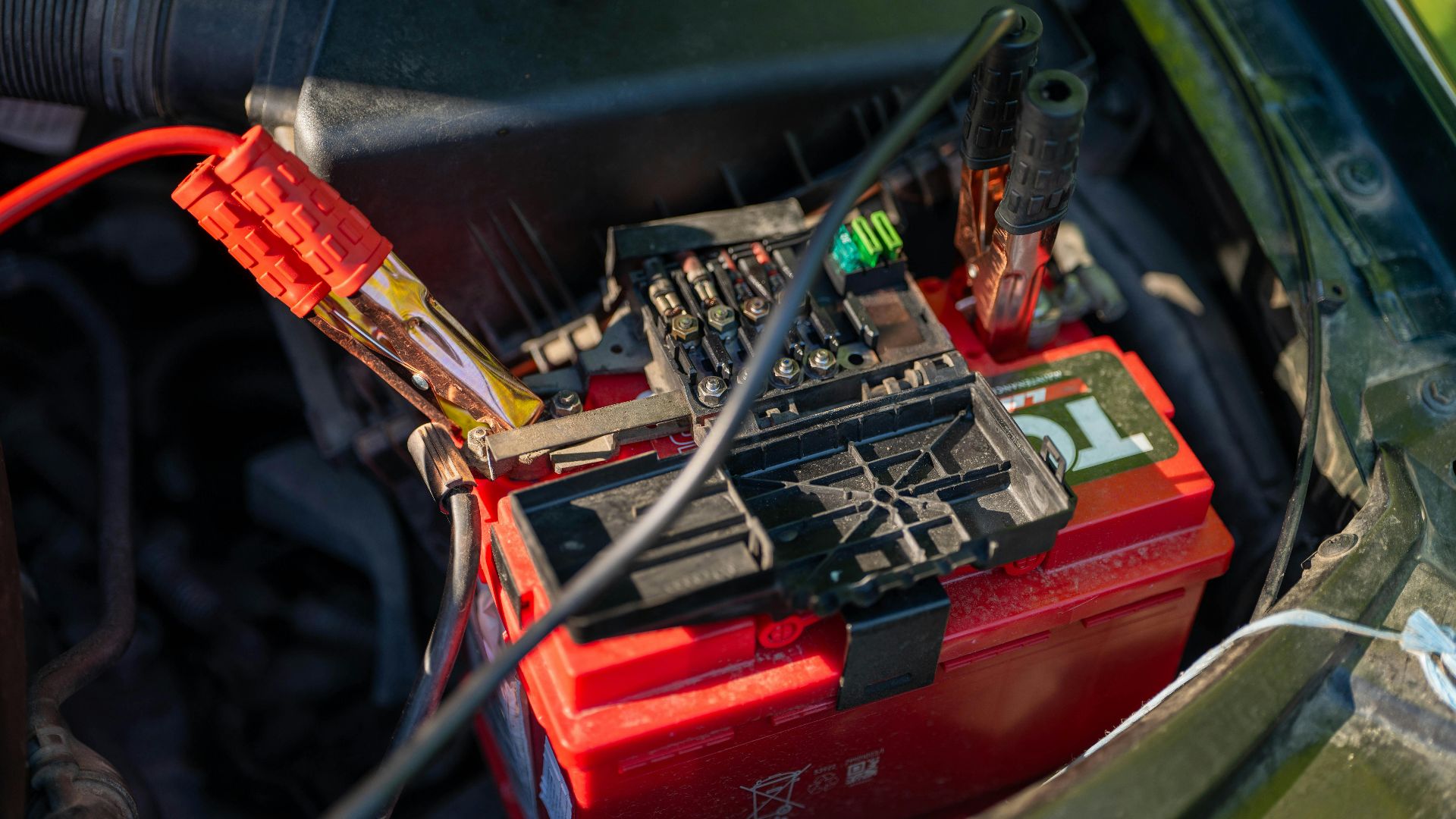
Corroded battery terminals restrict electrical flow, causing hard starts and charging issues. Cleaning terminals periodically ensures consistent voltage delivery and extends battery life. A healthy electrical system also protects sensitive electronics and prevents strain on the alternator and starter motor.
Replace Spark Plugs At Proper Intervals
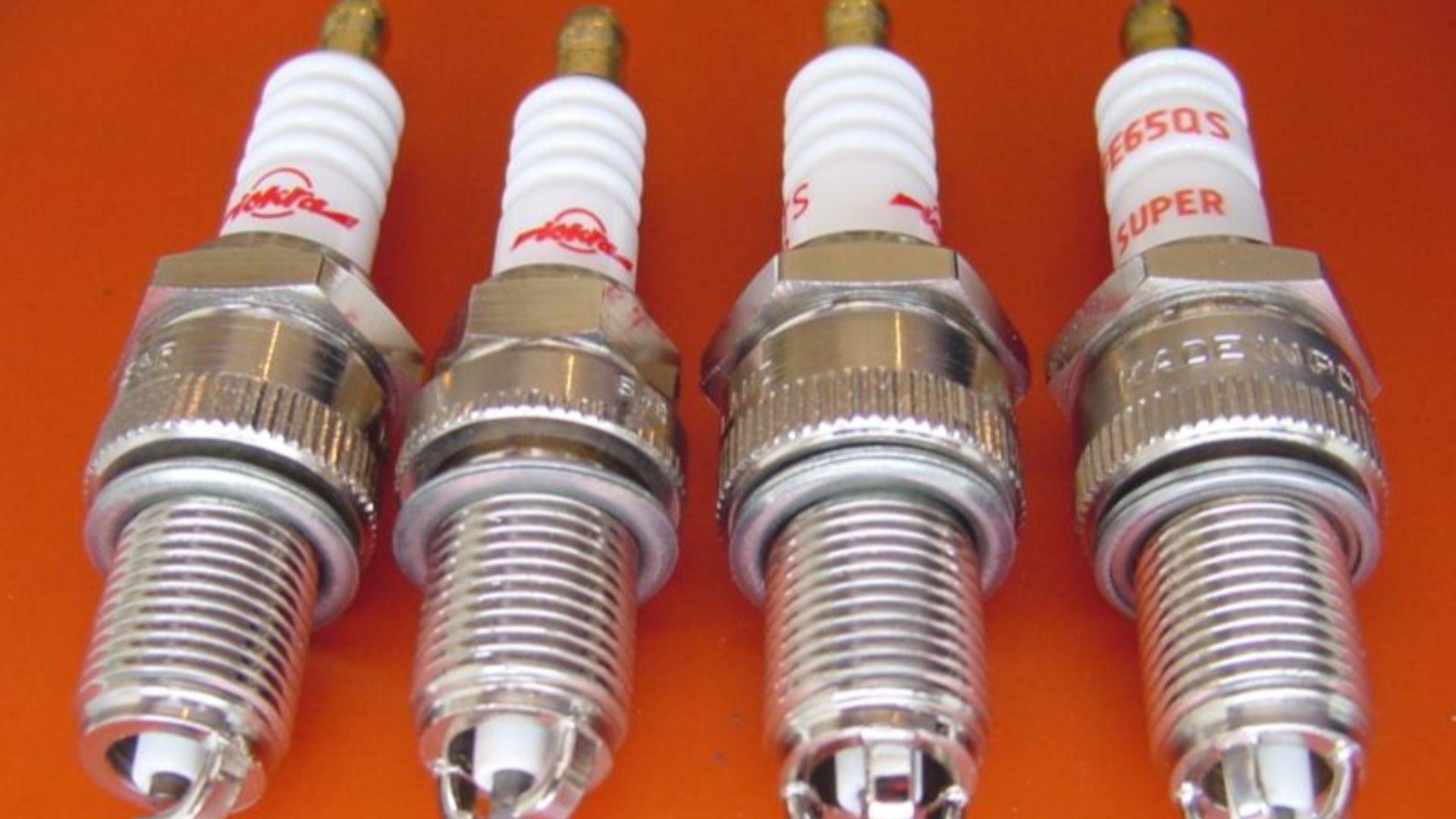
Worn spark plugs cause misfires, rough idling, poor fuel economy, and increased engine strain. Replacing them on schedule ensures efficient combustion and smooth operation. This simple service protects ignition components, catalytic converters, and internal engine parts over the long term.
 Socyo~commonswiki, Wikimedia Commons
Pay Attention To Warning Lights
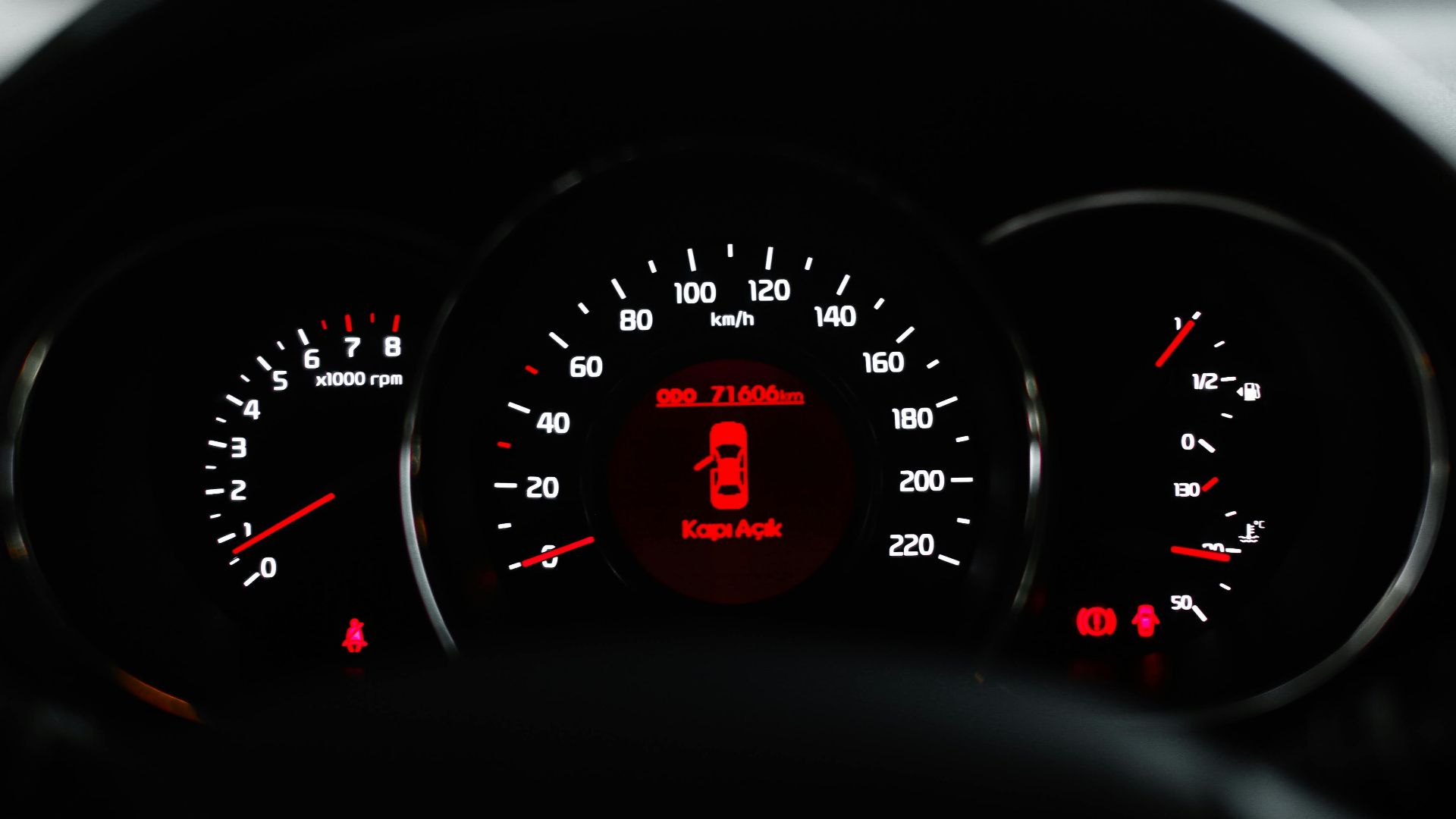
Dashboard warning lights exist to catch problems early. Ignoring them often turns minor sensor issues into major mechanical failures. Scanning and addressing warning codes promptly prevents secondary damage and helps you fix small issues before they snowball into costly repairs.
Avoid Aggressive Driving
Hard acceleration, sudden braking, and high-speed driving place excessive stress on engines, transmissions, brakes, and suspension components. Smooth throttle inputs and gradual braking significantly reduce wear. Calm driving habits not only save fuel but also extend the lifespan of nearly every mechanical system.

Limit Excessive Idling
Extended idling increases engine wear without the benefit of airflow or proper lubrication pressure. It also stresses cooling systems and builds carbon deposits. Turning the engine off when parked for long periods reduces wear and improves overall engine longevity.

Keep The Undercarriage Clean
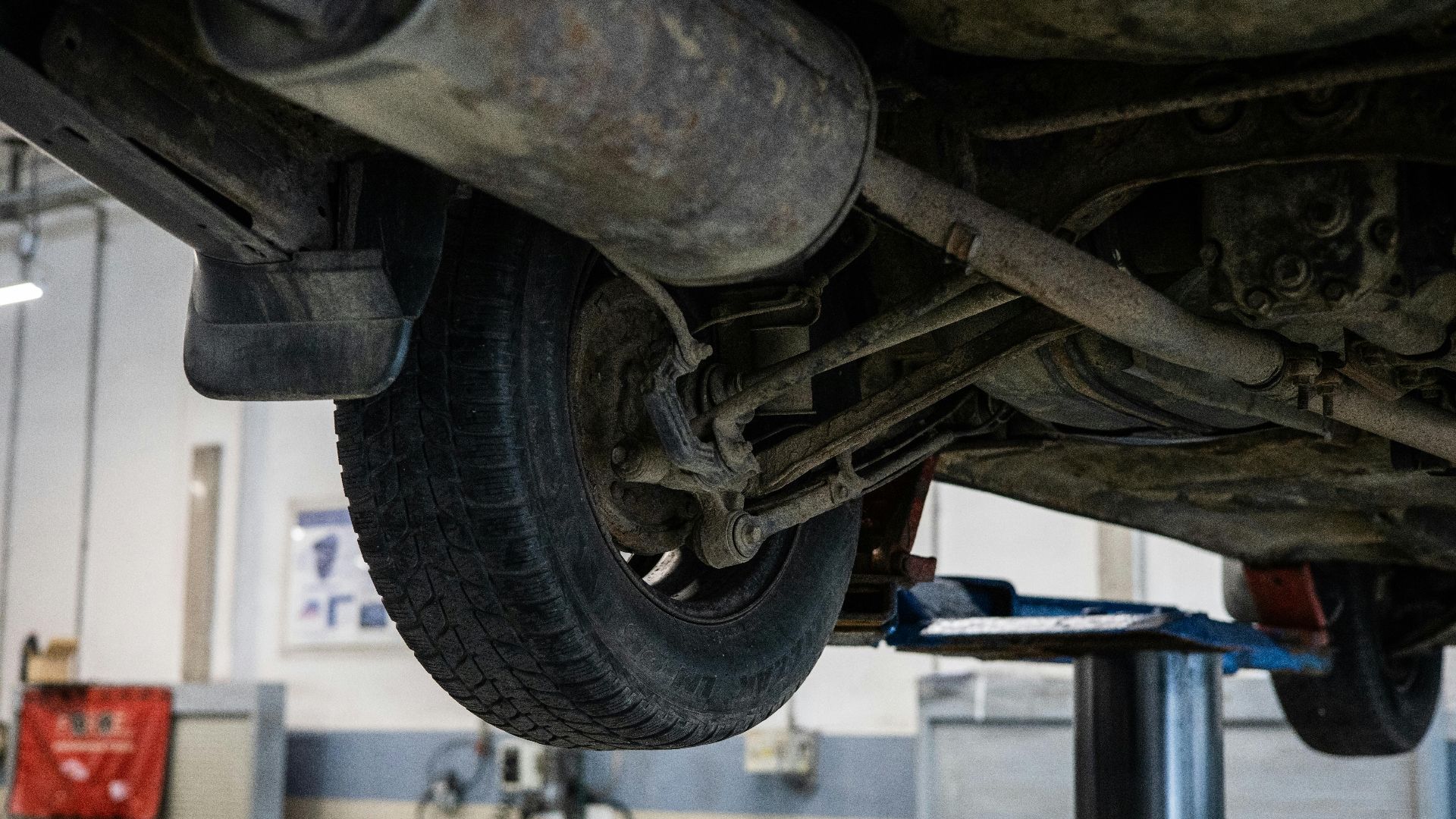
Dirt, road salt, and moisture trapped underneath your car accelerate rust and corrosion. Occasional undercarriage rinses (especially in winter or muddy conditions) protect frames, brake lines, and suspension components, preserving structural integrity over many years.
Wash And Wax The Exterior
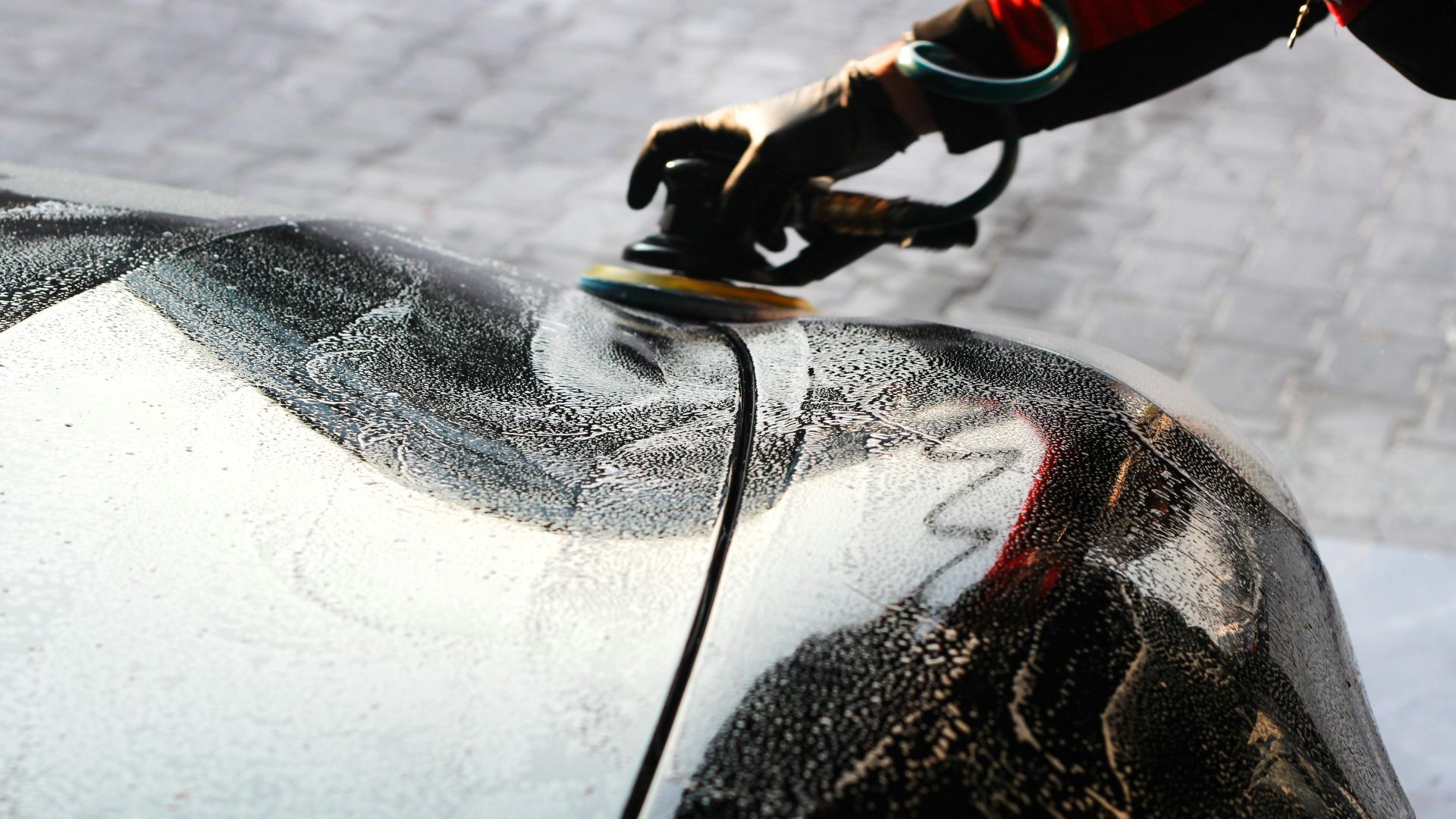
Regular washing removes contaminants that damage paint and exposed metal. Waxing adds a protective layer against UV rays, moisture, and pollutants. Maintaining exterior surfaces slows rust formation and helps preserve both appearance and resale value.
Inspect Belts And Hoses
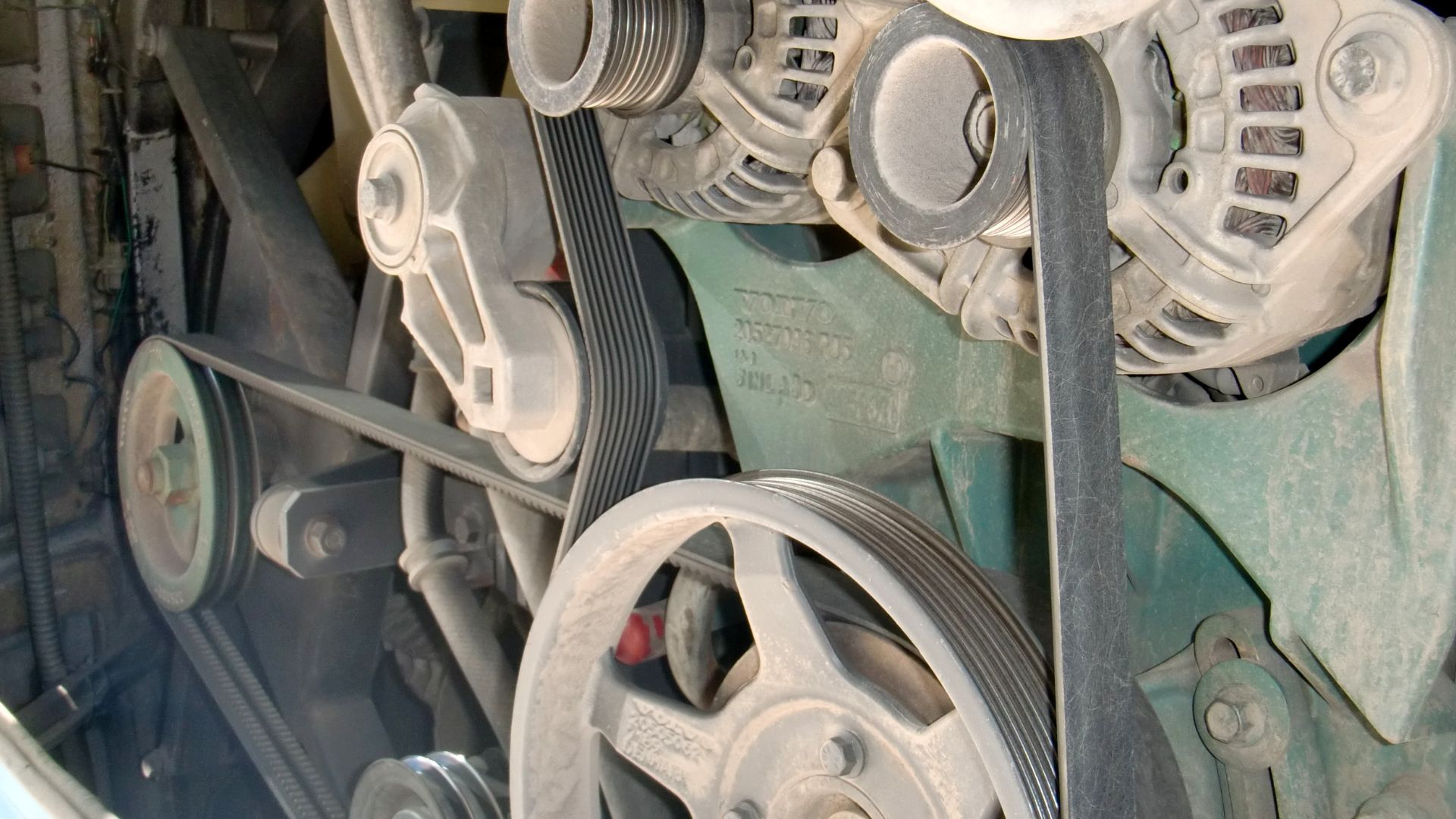
Belts and hoses degrade with heat and age. Cracks, swelling, or glazing indicate imminent failure. Replacing them proactively prevents overheating, loss of power steering, or charging system failures which are common causes of roadside breakdowns.
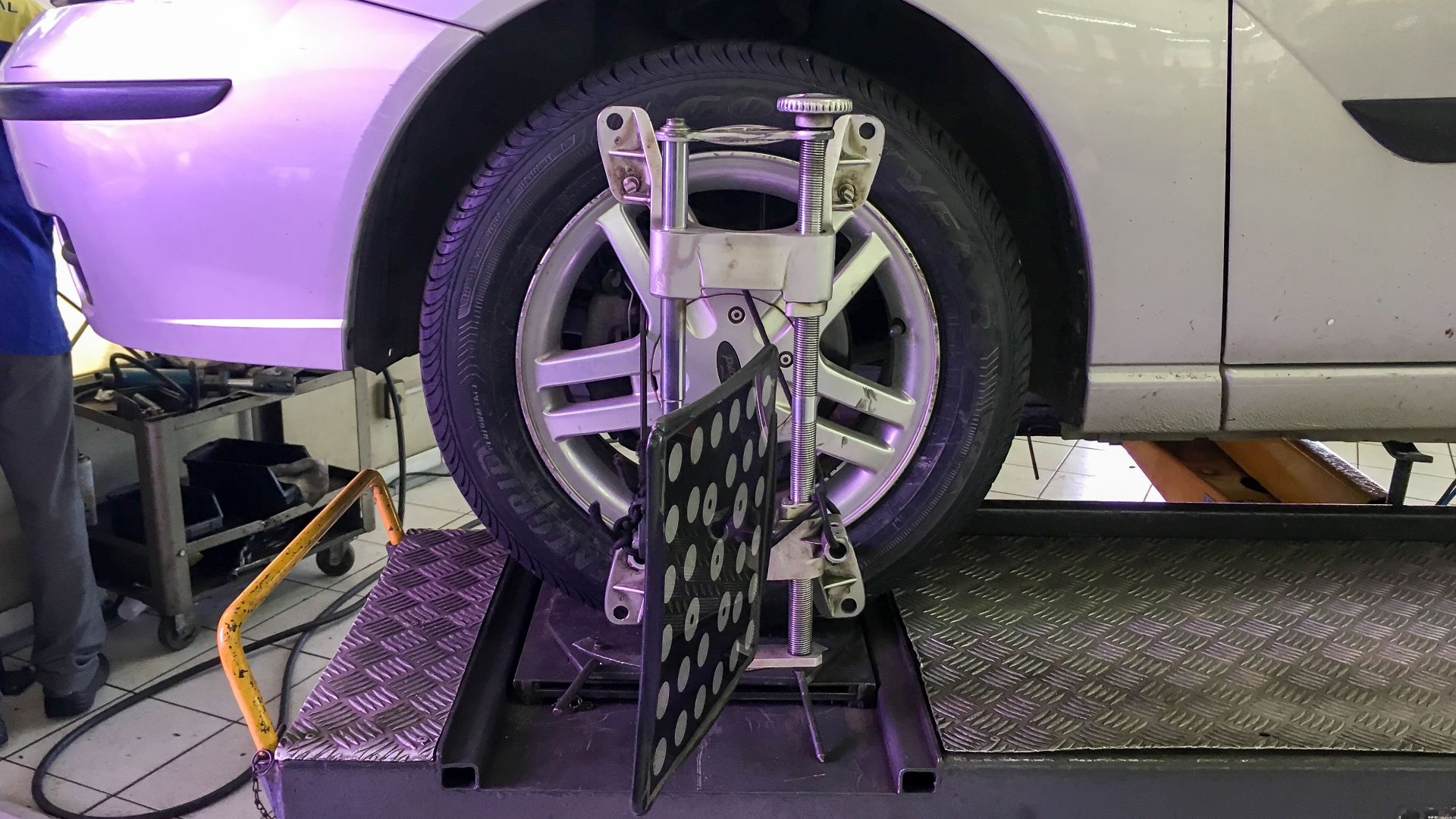
Maintain Proper Wheel Alignment
Misaligned wheels cause uneven tire wear and place added stress on suspension and steering components. Periodic alignment checks improve handling, reduce rolling resistance, and extend tire life while preventing long-term damage to chassis parts.
 Photograph by Mike Peel (www.mikepeel.net)., Wikimedia Commons
Reduce Unnecessary Vehicle Weight
Carrying excessive cargo or unused roof racks forces the engine and suspension to work harder. Removing unnecessary weight improves fuel economy, reduces braking distances, and lessens wear on shocks, springs, and drivetrain components over time.

Store The Vehicle Properly When Idle
Long-term storage without preparation damages batteries, tires, and fuel systems. Using a battery tender, maintaining tire pressure, and protecting the vehicle from moisture helps prevent deterioration. Proper storage preserves reliability even after extended downtime.

You May Also Like:
Easy DIY Car Repairs Every Driver Should Know
If You Plan To Drive Anywhere This Winter, These Maintenance Tips Could Save Your Life