Highway Miles Sound Better
A used car has 120,000 miles on it, but the seller quickly adds that they were “mostly highway miles.” That sounds reassuring, and there is some mechanical logic behind it. But unless the seller can back up the claim, those three words shouldn't automatically make a high-mileage car worth more.
Why Highway Miles Matter
The basic theory is sound. Highway driving generally involves fewer cold starts, less idling, fewer gear changes, and far less stopping and accelerating than urban driving. Automakers themselves recognize that frequent short trips, extended idling, low-speed operation, and stop-and-go driving can constitute unusually demanding service.
Once an engine reaches operating temperature, a long uninterrupted trip can be relatively easy duty. By contrast, repeated short trips may prevent an engine from warming completely. AAA notes that this can allow moisture to accumulate in engine oil and the exhaust system, particularly in cold weather.
Mileage Doesn't Tell Everything
Consider two cars showing 100,000 miles. One accumulated those miles commuting 50 miles each way on an interstate. The other spent years making short deliveries around a congested city.
Their odometers say the same thing. Their mechanical histories may be dramatically different.
The city car may have experienced thousands more starts, stops, steering inputs, gear changes, hours of idling, and applications of its brakes. Its engine could also have operated substantially longer than its mileage suggests.
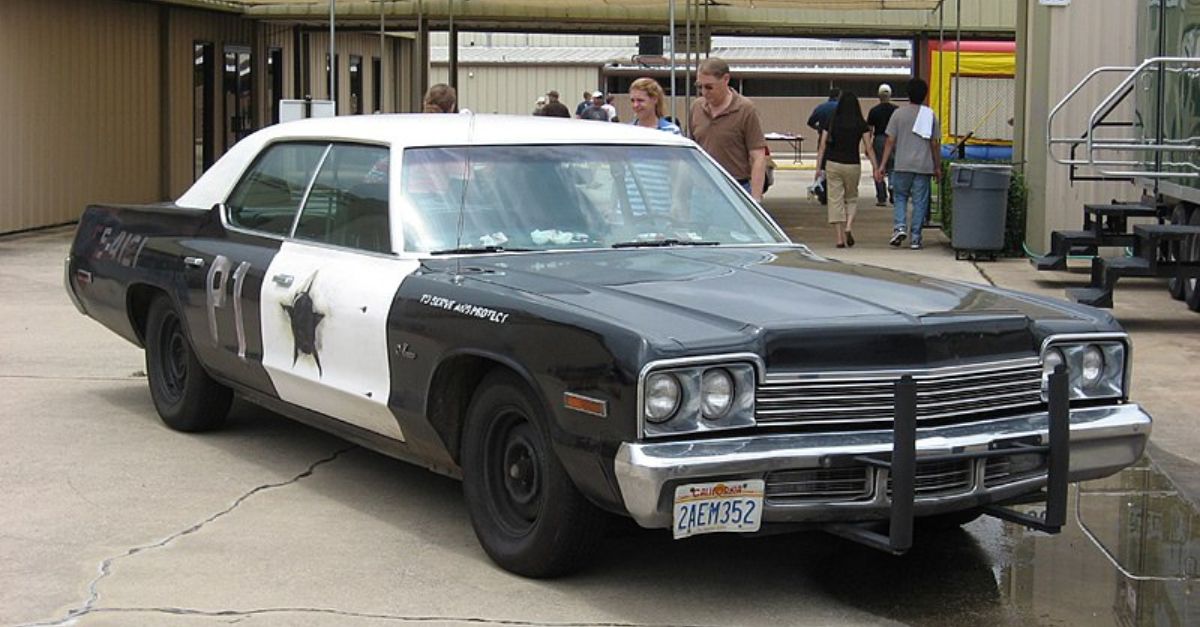
Ford illustrates this problem particularly well with police vehicles. Because an idling engine continues accumulating operating time without adding anything to the odometer, Ford has used 33 miles as the maintenance equivalent of one idle hour on certain fleet vehicles.
That doesn't mean an hour of idling literally causes exactly 33 miles of wear to every car. It demonstrates why mileage alone cannot describe how hard a vehicle has worked.

Check The Average Speed
Some modern vehicles retain trip information showing average speed. Others, particularly trucks and fleet-oriented vehicles, may provide total engine hours or idle hours.
That information can be revealing.
If a car has covered 100,000 miles during 2,000 engine hours, that works out to an average of 50 mph whenever the engine was operating. That would be consistent with substantial highway use.
If the same 100,000-mile car has 5,000 engine hours, its lifetime average is only 20 mph. The seller's “mostly highway” description suddenly deserves a few more questions.
There are limitations. Engine-hour displays aren't universal, trip computers can sometimes be reset, and an average-speed display may represent only the period since the last reset rather than the car's entire life. Treat these numbers as evidence, not proof.
Look For Physical Clues
The car itself can help corroborate the story. A genuine long-distance commuter might have relatively little brake wear for its mileage because highway cruising requires fewer stops. Conversely, its front bumper, hood, windshield, and mirror caps may show substantial stone chips from years of high-speed travel.
Look at the driver's seat, steering wheel, pedals, door handle, and switchgear too. Heavy wear on a surprisingly low-mileage car may suggest considerable time spent entering, exiting, or operating the vehicle without accumulating much distance.
Service records matter even more. A documented pattern of maintenance at predictable mileage intervals tells you considerably more about the car's prospects than the seller's description of where those miles occurred.
 MPD01605~commonswiki, Wikimedia Commons
Highway Isn't Automatically Gentle
“Highway miles” can also conceal harder use. A salesperson covering enormous distances at moderate speeds is one thing. Someone routinely driving 90 mph, towing a trailer, carrying heavy loads, or pounding over rough roads is another.
Manufacturers commonly classify towing, heavy loading, dusty conditions, prolonged idling, and certain low-speed or short-trip use as special or severe operating conditions requiring additional maintenance.
And some components simply age. Tires, rubber seals, suspension bushings, fluids, batteries, and plastic components don't become young again because the odometer accumulated its miles on Interstate 95.
Buy The Car, Not The Story
So yes, mostly highway miles can be a legitimate advantage. Given two otherwise identical 100,000-mile cars, one that spent its life cruising long distances at operating temperature may have experienced easier service than one subjected to years of short, congested trips.
But “highway miles” isn't a maintenance record.
Ask how far the previous owner commuted, where they drove, how long they owned the car, and whether service records support the mileage pattern. Check engine hours and average-speed data when available, inspect the wear patterns, and get a pre-purchase inspection.
The odometer tells you how far a used car traveled. The better question is how it traveled those miles.
You May Also Like:
I found a two-year-old car at a great price, but it has 50,000 rental miles. Should I buy it?
Trucks That Look Tough But Can't Handle High Mileage (Plus The Ones That Can)