Your Insurance App May Not Know Who Had The Keys
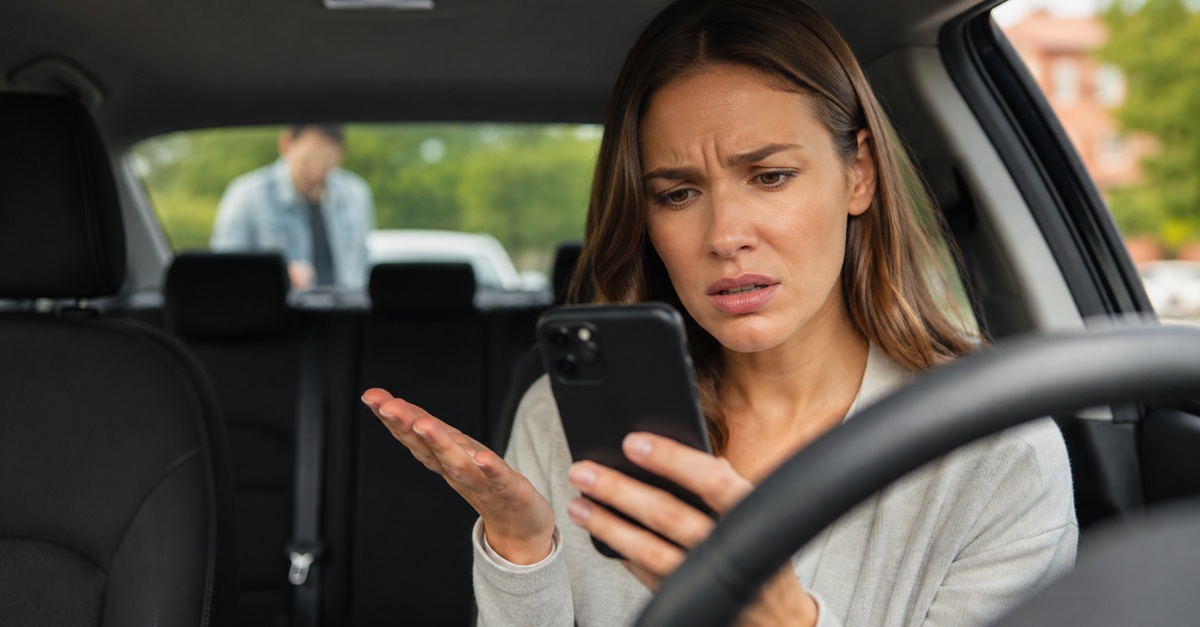
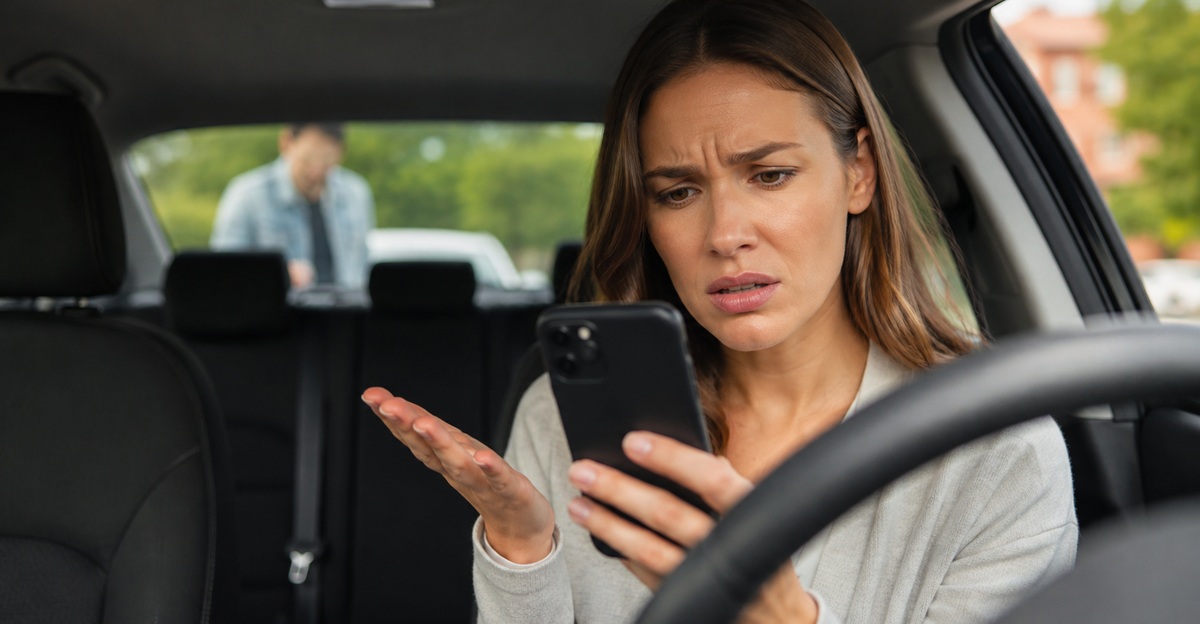
You lend your car to a friend for a quick errand, and hours later your insurance app suddenly shows hard braking, rapid acceleration, or another risky-driving event. That can happen because telematics systems collect data through smartphones, plug-in devices, Bluetooth equipment, or technology built directly into the vehicle. The important question is not simply whose car was driven. It is how your particular insurance program identifies the person behind the wheel.
Telematics Turns Driving Into Data
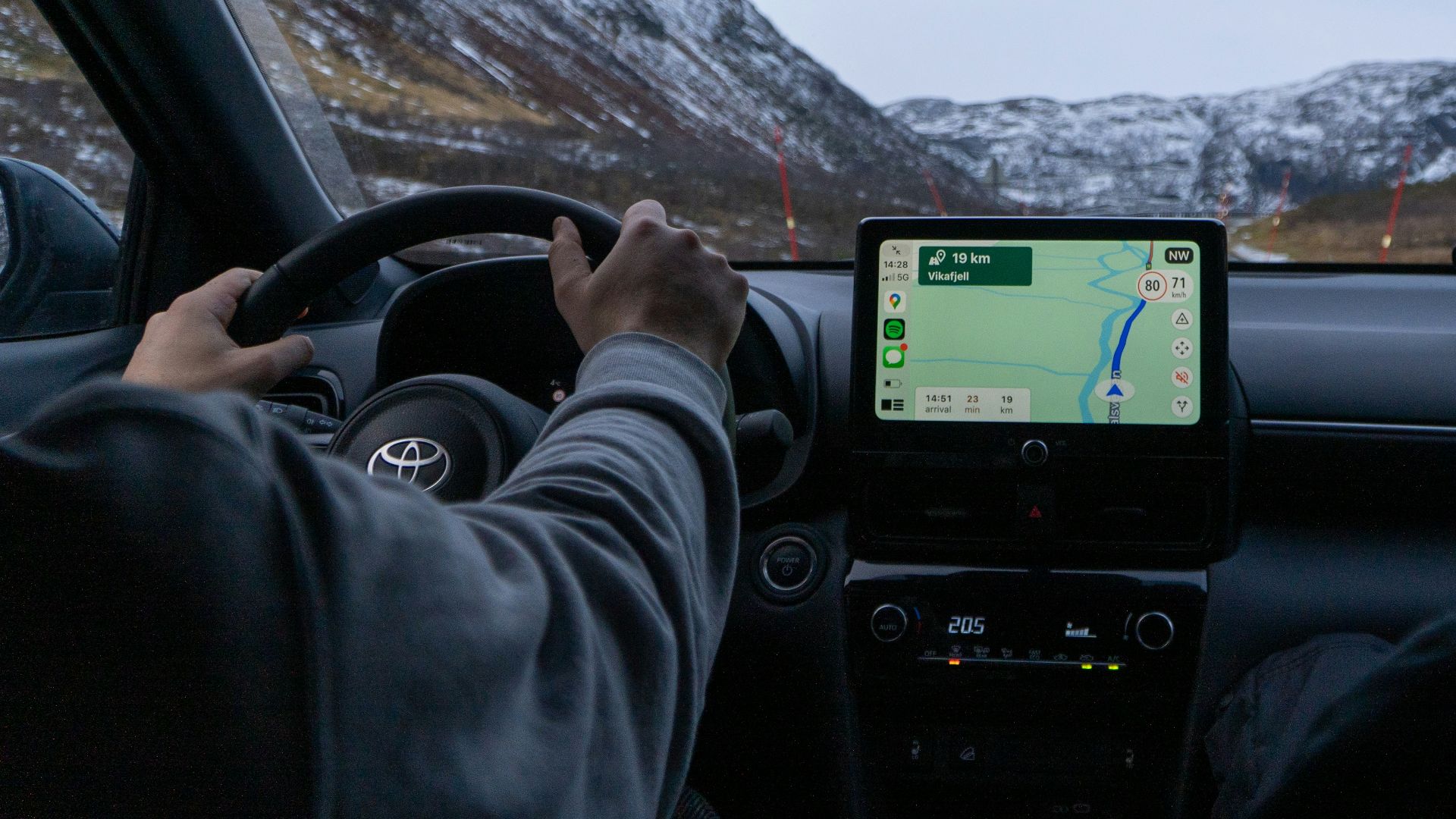
Usage-based insurance programs use telematics to measure how a vehicle or driver behaves on the road. Depending on the program, insurers may monitor mileage, time of day, acceleration, braking, cornering, speed-related information, phone use, and other driving characteristics. Insurers can then incorporate some of that information into discounts, driving scores, or insurance pricing where state rules permit it.
A Driving Score Is Not Always The Same As Your Premium
Seeing a poor score in an app does not necessarily mean your insurance bill has already increased. State Farm, for example, says the short-term driving scores displayed in its app are not directly equivalent to the premium adjustment calculated for individual vehicles. Other insurers use recorded driving information more directly when determining renewal pricing. You therefore need to understand exactly what the score displayed on your screen represents.
Some Programs Really Can Raise Your Price
Telematics is sometimes advertised primarily as a way to save money, but savings are not guaranteed in every program or state. Progressive says high-risk driving recorded through Snapshot can increase a customer's rate, although it says most participants save money. Travelers similarly states that riskier driving can result in higher premiums under some versions of IntelliDrive, depending on the state.
State Rules Can Change The Outcome
Auto insurance is regulated primarily at the state level, so telematics programs do not operate identically nationwide. The National Association of Insurance Commissioners says many states require insurers to obtain regulatory approval for new rating plans and provide statistical support for their proposed rating structures. Travelers also specifically notes that risky IntelliDrive behavior does not produce higher premiums in certain states. Your ZIP code can therefore matter almost as much as the technology being used.

Phone-Based Programs Usually Follow Your Phone
Several major telematics products use smartphone sensors rather than relying exclusively on hardware installed inside the vehicle. GEICO DriveEasy, USAA SafePilot, Progressive Snapshot Mobile, and Travelers IntelliDrive are examples of programs that can automatically detect trips through a participating smartphone. That means these systems are often attempting to determine whether the phone's owner was driving rather than merely measuring everything the insured vehicle does.

That Helps When Your Friend Drives Alone
Suppose your friend takes your car while your smartphone stays home with you. A program that relies solely on your phone obviously cannot use your phone's sensors to record that trip because the phone is not traveling with the vehicle. However, that does not guarantee the trip will be invisible if your program also uses a beacon, plug-in device, connected-car feed, or another enrolled driver's phone. The underlying technology matters.

Vehicle-Based Devices Create A Different Problem
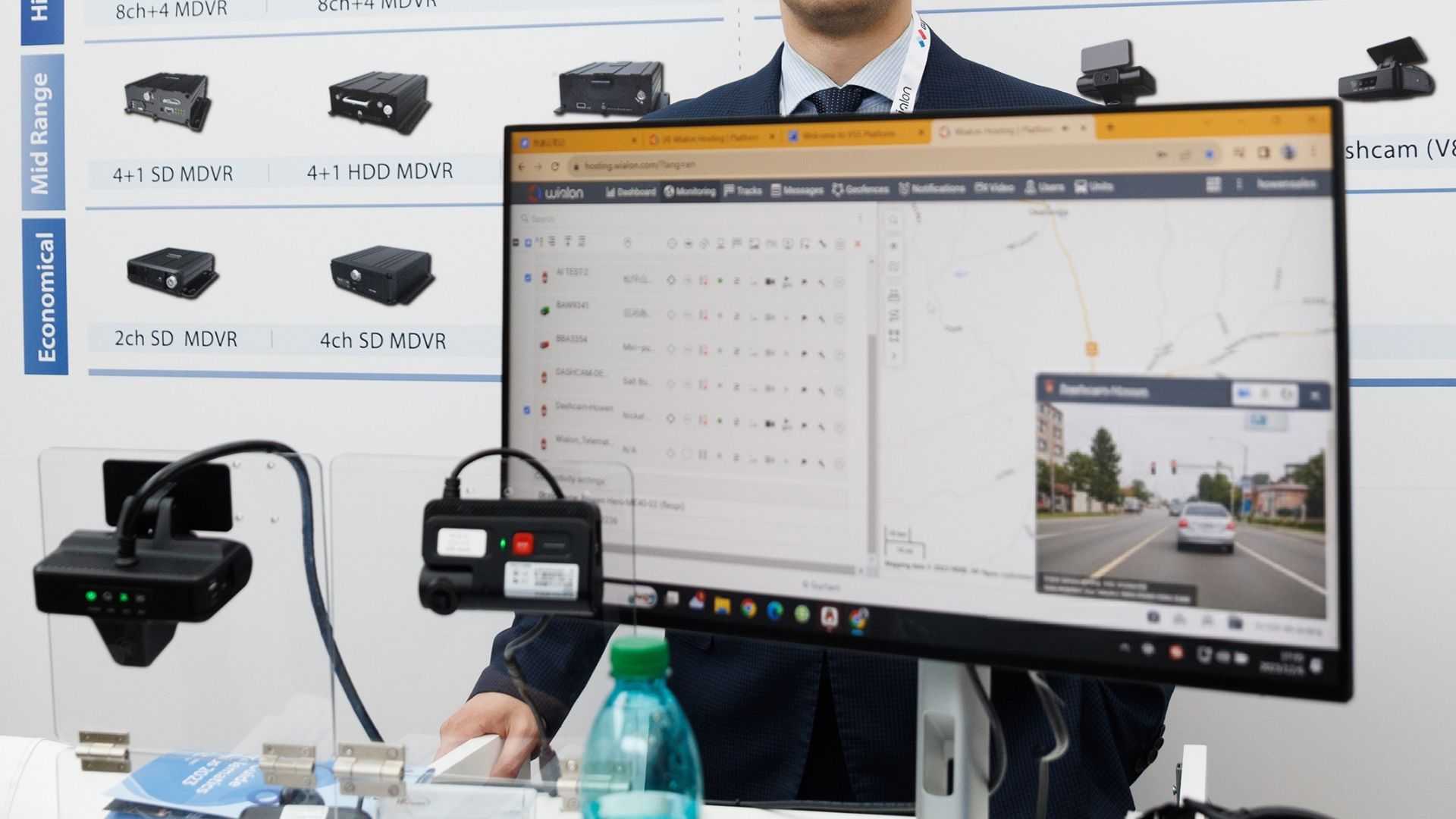
A plug-in telematics device is attached to the vehicle rather than carried by an individual driver. Progressive, for example, offers a Snapshot plug-in device in addition to its mobile option, and the device records information while the car is being driven. With this type of system, a borrowed-car trip can still generate driving data even though the policyholder was nowhere near the vehicle. Attribution therefore becomes much more important.
Bluetooth Beacons Can Record Vehicle Activity Too
State Farm's Drive Safe & Save program uses its app together with a Bluetooth beacon placed inside an enrolled vehicle. State Farm says that when somebody without the app drives the car, the beacon can still record some information when driving activity is detected. That information may later be transmitted when the beacon connects to an eligible Bluetooth-enabled device. A friend's trip therefore does not necessarily disappear simply because your friend is not enrolled in the program.
Even Smartphones Can Guess Wrong
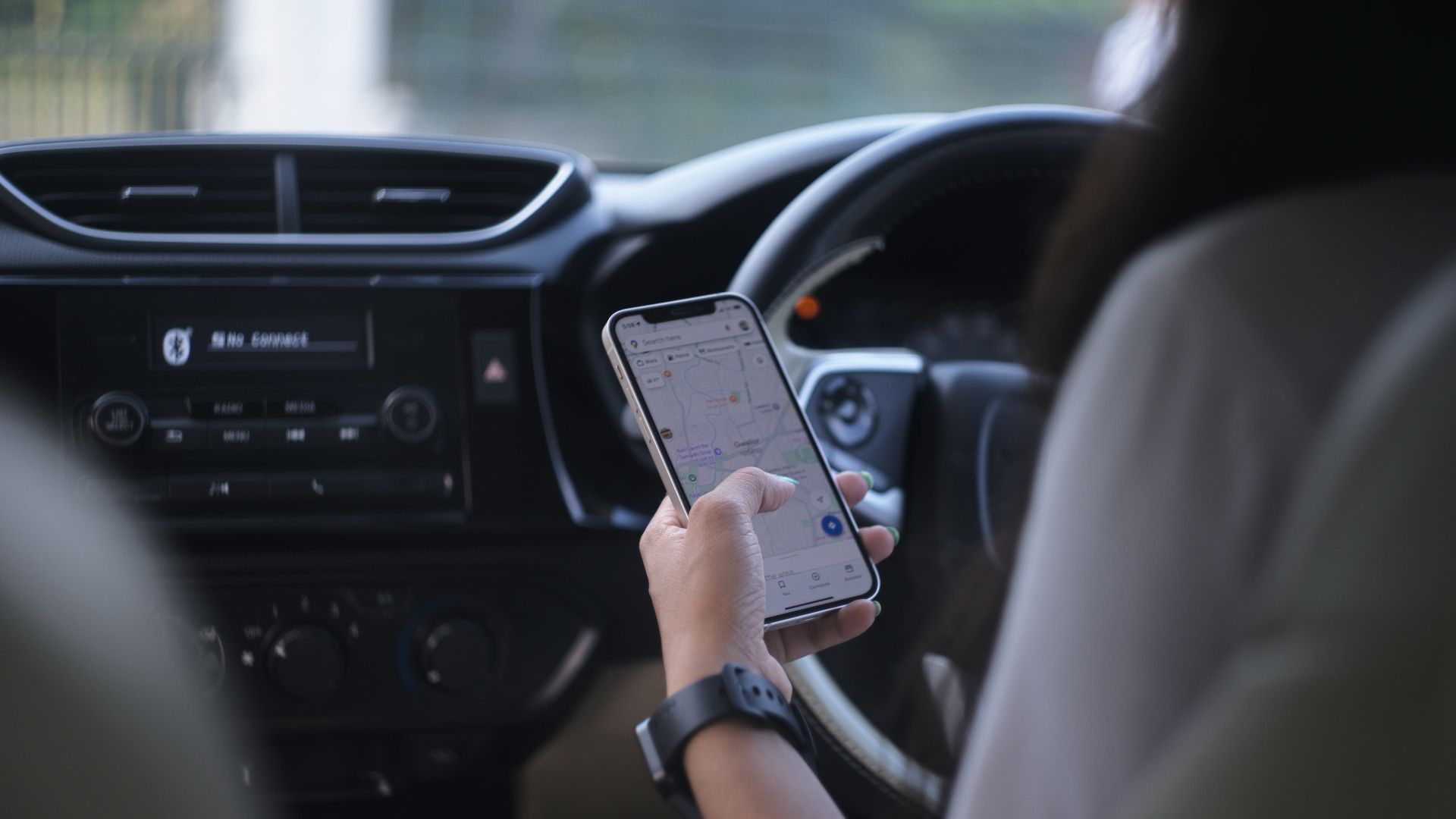
Automatic driver detection is impressive, but insurers acknowledge that it is not perfect. Travelers says IntelliDrive usually determines whether a customer is the driver or passenger, yet it provides a correction process when that determination is wrong. Progressive similarly allows customers to correct miscategorized mobile trips. This is important because automated classification mistakes are anticipated by the companies operating these programs.
Allstate Lets You Fix A Misidentified Trip
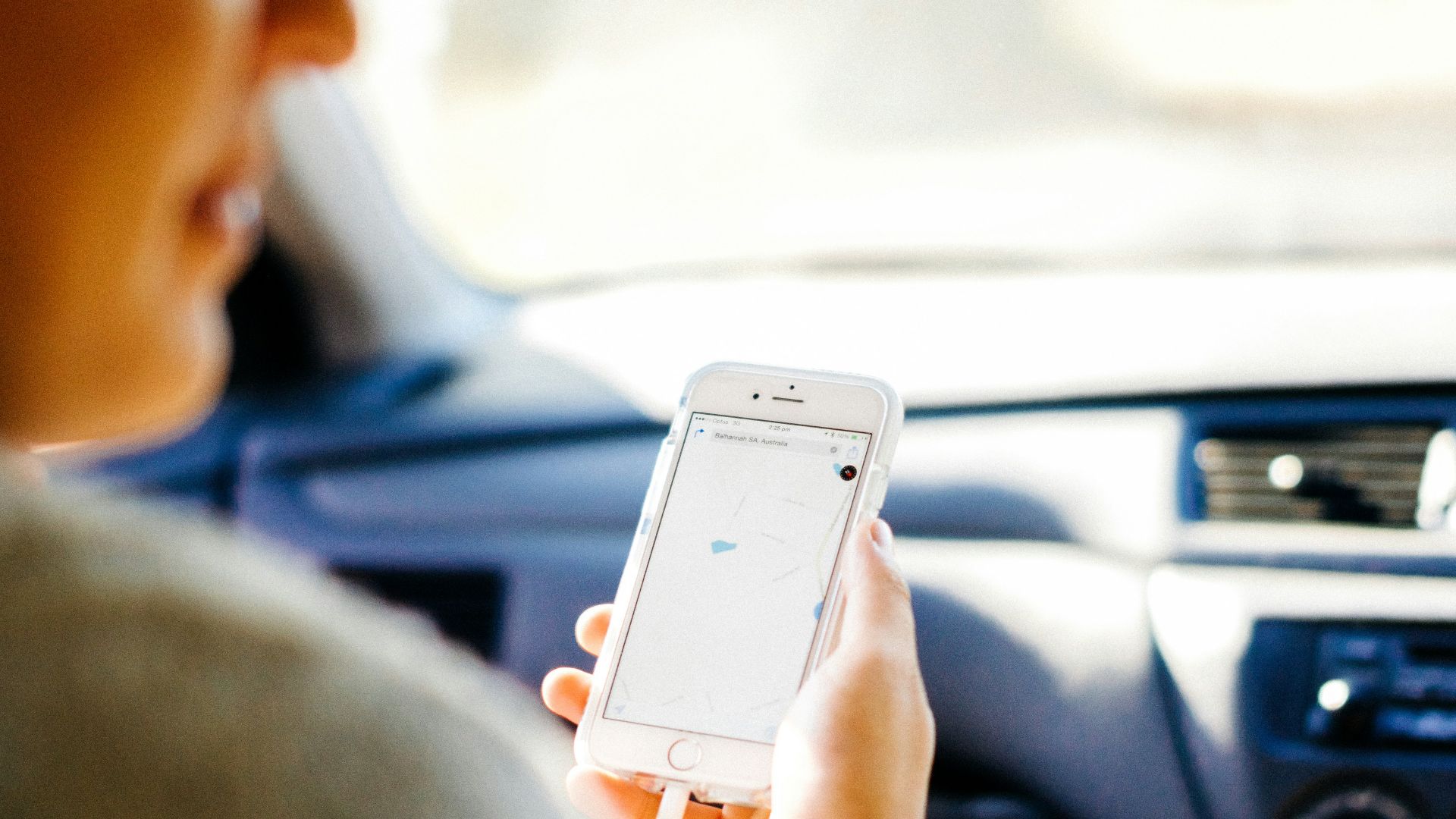
Allstate says Drivewise follows the smartphone and identifies whether the user was driving or riding as a passenger. Only trips identified as driver trips count toward the user's driving performance. If the system incorrectly identifies you as the driver, Allstate allows you to open the trip and change its classification in the app. That correction can keep another person's driving from being treated as yours.
GEICO Offers A Similar Correction
GEICO DriveEasy uses phone sensors to estimate whether you are a driver, passenger, or traveling through another mode of transportation. GEICO says only trips classified with the user's role as driver are included in the driving score. If the app assigns the wrong role, customers can change it through the trip details screen. That makes reviewing suspicious trips more than a cosmetic exercise.
 Harrison Keely, Wikimedia Commons
Progressive Also Allows Recategorization
Progressive says its Snapshot mobile app categorizes whether the user is a driver or passenger and identifies the mode of transportation. Customers receive an opportunity to change an incorrect trip category within the app. Progressive also states that only trips where the participant is the driver count in its mobile trip log. Those rules provide a mechanism for correcting at least some cases of mistaken attribution.

USAA Lets Drivers Edit Trip Status
USAA's SafePilot program also automatically determines whether the phone's owner is driving or riding as a passenger. USAA specifically says users can edit trip information when it is incorrect. Its support material provides instructions for changing a trip among driver, passenger, and non-driving classifications. Once again, the consumer is expected to check whether automatic detection got the situation right.
Travelers Gives You A Limited Correction Window
Travelers says a customer who is incorrectly identified as the driver can change the trip to passenger status. For IntelliDrive, the company currently gives users 10 days to make that correction. A borrower-related mistake can therefore become harder to address if you ignore the app for weeks. Reviewing new trips promptly is one of the simplest protections available.
Your Phone Can Cause Another Kind Of Mix-Up
Misclassification is not limited to figuring out whether you were sitting behind the wheel. GEICO warns that DriveEasy cannot determine which person is physically using an enrolled phone during a trip. If you drive while handing your phone to a passenger, the system can register phone activity even though your hands remained on the steering wheel. GEICO tells customers to update the trip role when this situation affects their score.
Multiple Drivers Make Attribution More Complicated
Households with several drivers create additional challenges for automatic trip assignment. Progressive says each participating driver generally uses their own smartphone, although treatment of vehicles and driver data varies by state. State Farm likewise recommends that each driver on the policy install its app and use their own account credentials. The more accurately everyone is enrolled, the easier it becomes for the system to distinguish one person's behavior from another's.

Some Programs Combine Data Across A Policy
A smartphone might display your individual driving history while the insurer ultimately evaluates information at a broader policy or vehicle level. Progressive says that in some states, Snapshot driving data from smartphones can be averaged across vehicles on the policy. That distinction matters if several household members participate. Before assuming that correcting one trip solves everything, ask how individual scores feed into the policy's final rating calculation.
Mileage Can Matter Even Without Reckless Driving
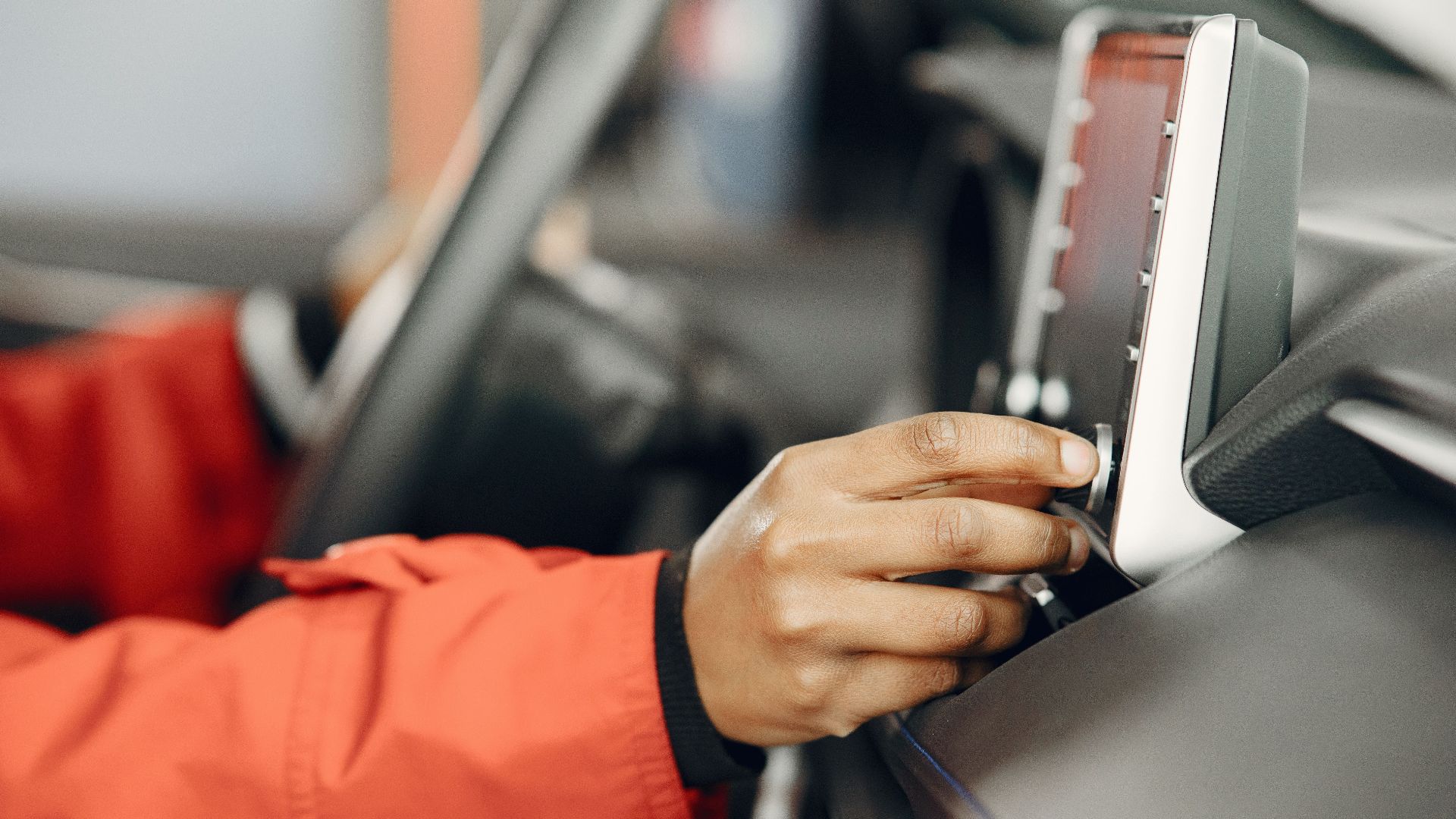
Telematics does not only look for dramatic events such as sudden braking. Mileage itself can influence some programs because more time on the road means greater exposure to potential crashes. State Farm says its Drive Safe & Save premium adjustment can consider annual mileage, while Nationwide SmartRide lists miles driven as one of its four measured factors. A friend borrowing your car frequently could therefore matter even if that friend drives carefully.
Night Driving Can Also Affect The Numbers
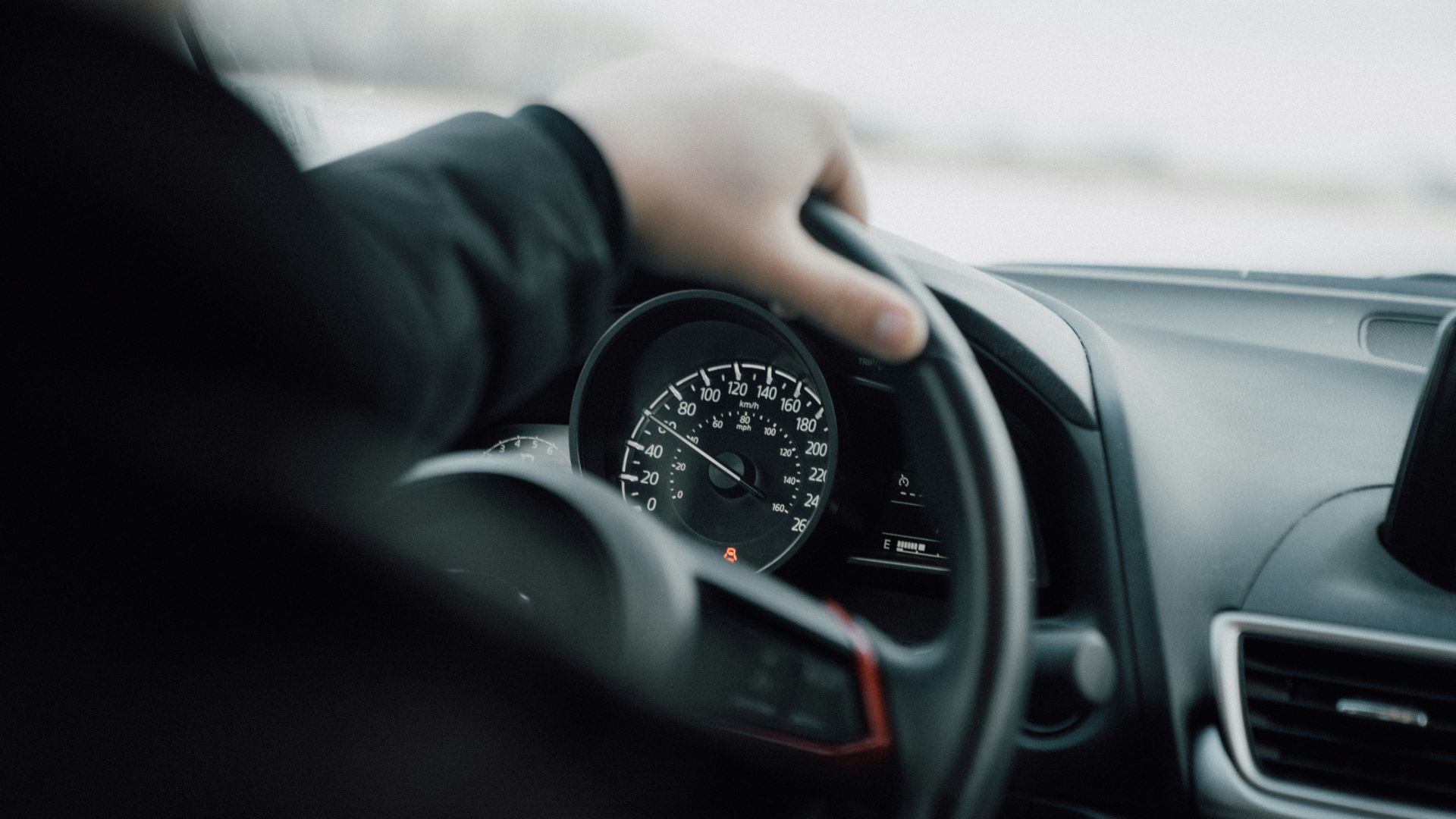
Some usage-based programs consider when a vehicle is driven as well as how it is driven. Nationwide SmartRide, for example, measures nighttime driving between midnight and 5 a.m., while Progressive says Snapshot considers the time of day a customer drives. A late-night trip made by your friend could look unfavorable if the system attributes that trip to you. That is another reason to examine the actual trip details rather than relying only on the overall score.
 Katherine Welles, Shutterstock
Start By Saving Evidence Of The Trip
If a borrowed-car trip appears under your name, document what the app currently shows before changing anything. Screenshots of the route, date, time, driving events, classification, and score can help you explain the issue if you later need customer service assistance. Also note when your friend had possession of the vehicle and whether your phone was with you. Those details can help establish why the recorded trip does not represent your driving behavior.

Correct The Trip As Soon As The App Allows
Look for controls labeled driver, passenger, trip type, role, or transportation mode. Major programs including Allstate Drivewise, GEICO DriveEasy, Progressive Snapshot Mobile, Travelers IntelliDrive, and USAA SafePilot currently provide ways to correct at least some inaccurately classified smartphone trips. Do not assume the insurer will eventually fix the record automatically. Travelers' 10-day correction period demonstrates why dealing with the error quickly can matter.
Call The Insurer When The App Cannot Fix It
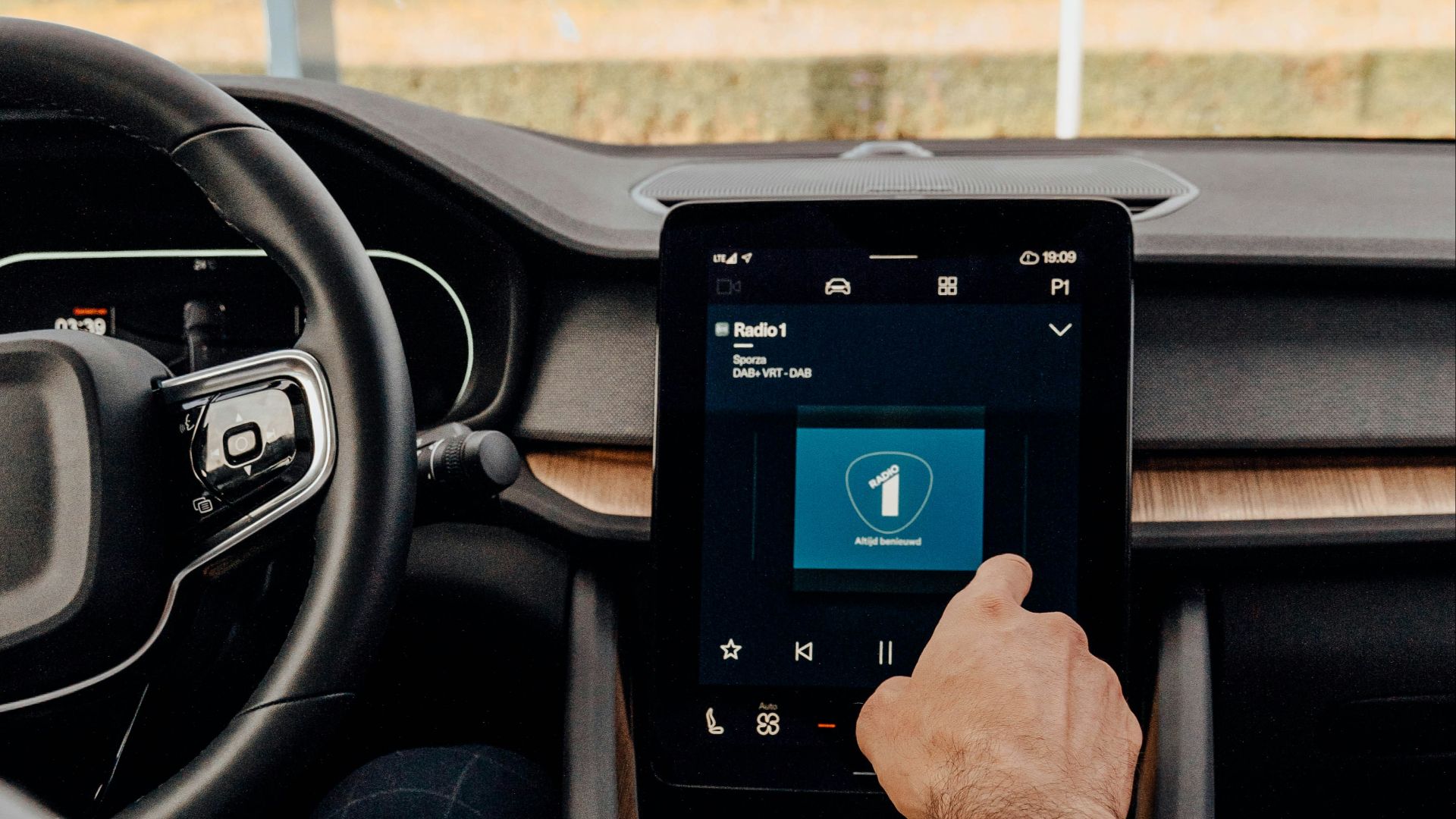
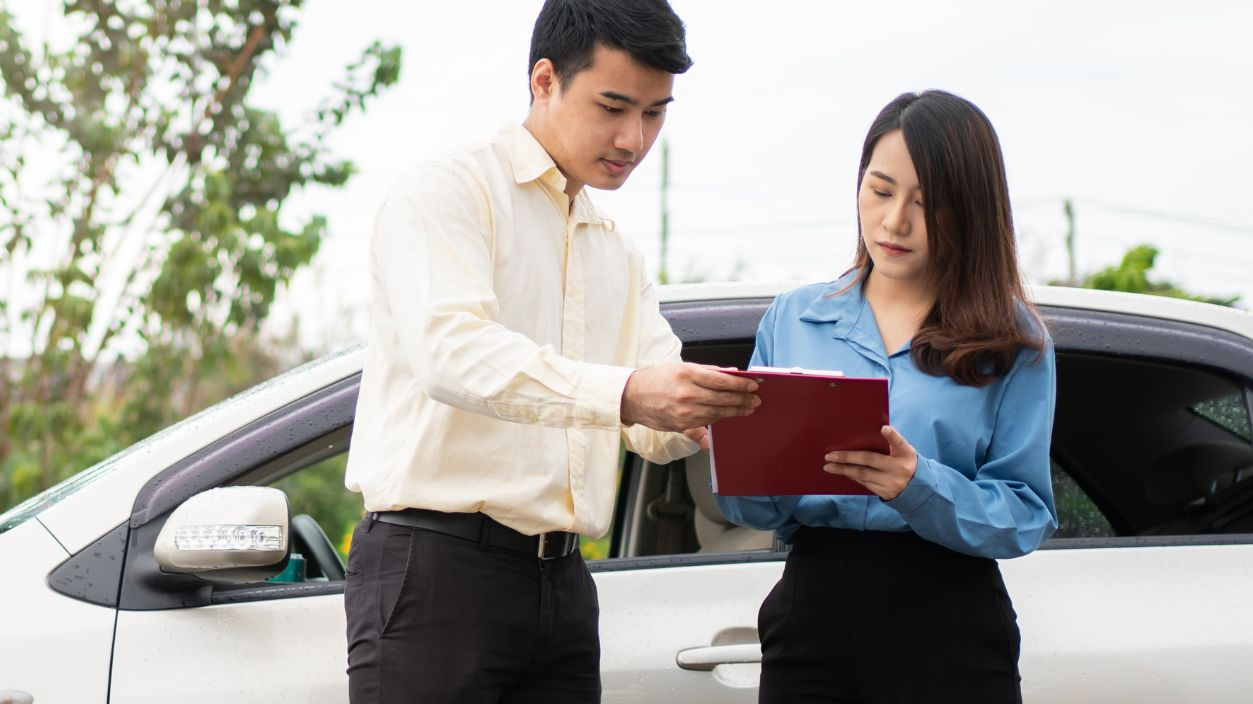
Vehicle-based telematics can create situations that are not easily solved with a passenger button because your vehicle really was moving. Contact the insurer or telematics support team and explain that a permitted borrower was operating the vehicle during the disputed trip. Ask whether the data is being attributed to you, the vehicle, another enrolled driver, or the policy as a whole. You should also ask whether the event will actually affect your renewal price rather than assuming an app warning automatically means a surcharge.
Ask Exactly How Your Score Is Used
Insurance companies use telematics differently, and the distinctions can be substantial. State Farm describes its short-term app score as separate from the actual vehicle premium adjustment, while Progressive states that high-risk Snapshot driving can increase rates and Travelers says risky behavior can raise premiums in many states. Nationwide describes SmartRide as a discount program. The safest approach is to ask what your displayed score means under your specific policy and state rules.
Telematics Data Goes Beyond One Bad Trip
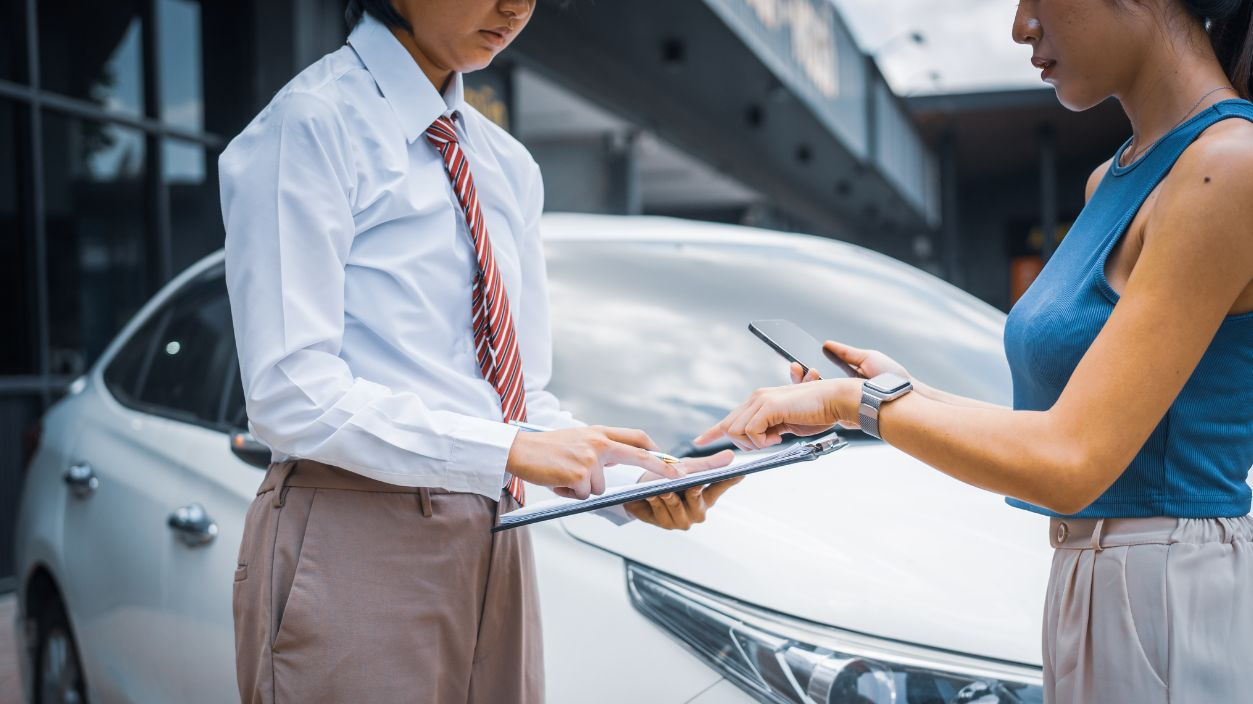
These programs can collect remarkably detailed information about vehicle use. The NAIC lists mileage, time of day, GPS location, rapid acceleration, hard braking, hard cornering, and other information among the data telematics systems may capture. Consumer Reports has also warned consumers to understand what data their insurer collects, how it is used, and whether it can be shared. Joining a program therefore involves a broader privacy decision, not merely agreeing to receive driving tips.
Connected Cars Created An Additional Privacy Debate
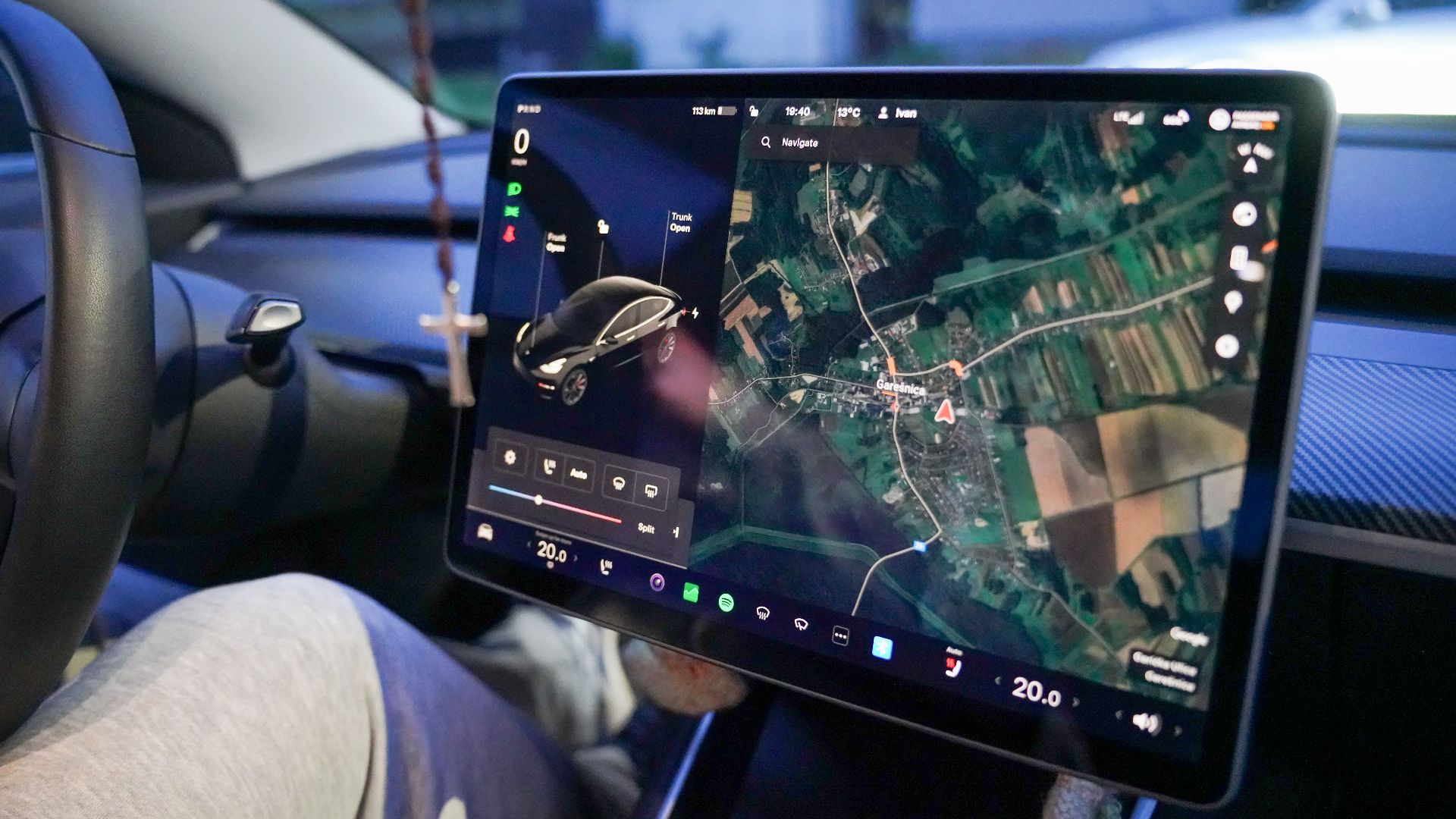
Insurance apps are not the only source of driving information. Connected vehicles themselves can generate detailed behavioral and location data, creating an entirely separate pathway between the automobile and companies that evaluate insurance risk. Consumer Reports has documented concerns about driving information moving through automotive data ecosystems outside traditional insurer telematics programs. That issue became significant enough to attract federal enforcement action.
The FTC Took Action Against GM And OnStar
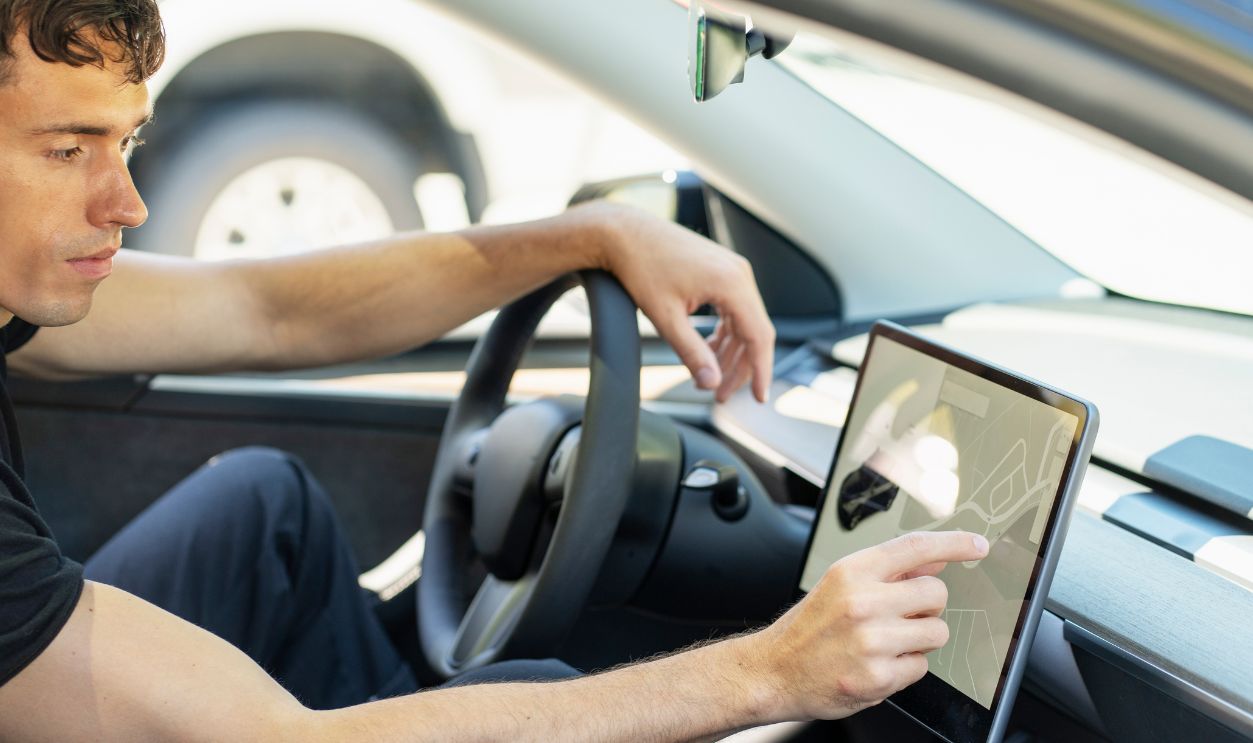
In January 2026, the Federal Trade Commission finalized an order resolving allegations that General Motors and OnStar collected and sold precise geolocation and driving-behavior information without adequately informing consumers or obtaining appropriate consent. The order prohibits certain disclosures of covered driving information to consumer reporting agencies for five years and imposes additional transparency and consumer-choice requirements. The case demonstrates how consequential vehicle-generated driving records can become when they enter insurance-related data systems.

You May Have Rights Over Outside Consumer Reports
The Consumer Financial Protection Bureau lists LexisNexis C.L.U.E. and Telematics OnDemand among specialty consumer reporting products used in the insurance market. The CFPB says consumers can request their reports and dispute information they believe is inaccurate or incomplete. Under the Fair Credit Reporting Act, a consumer reporting company generally must conduct a reasonable investigation of a disputed error without charging the consumer. That process is different from simply correcting a trip inside your insurance company's telematics app.
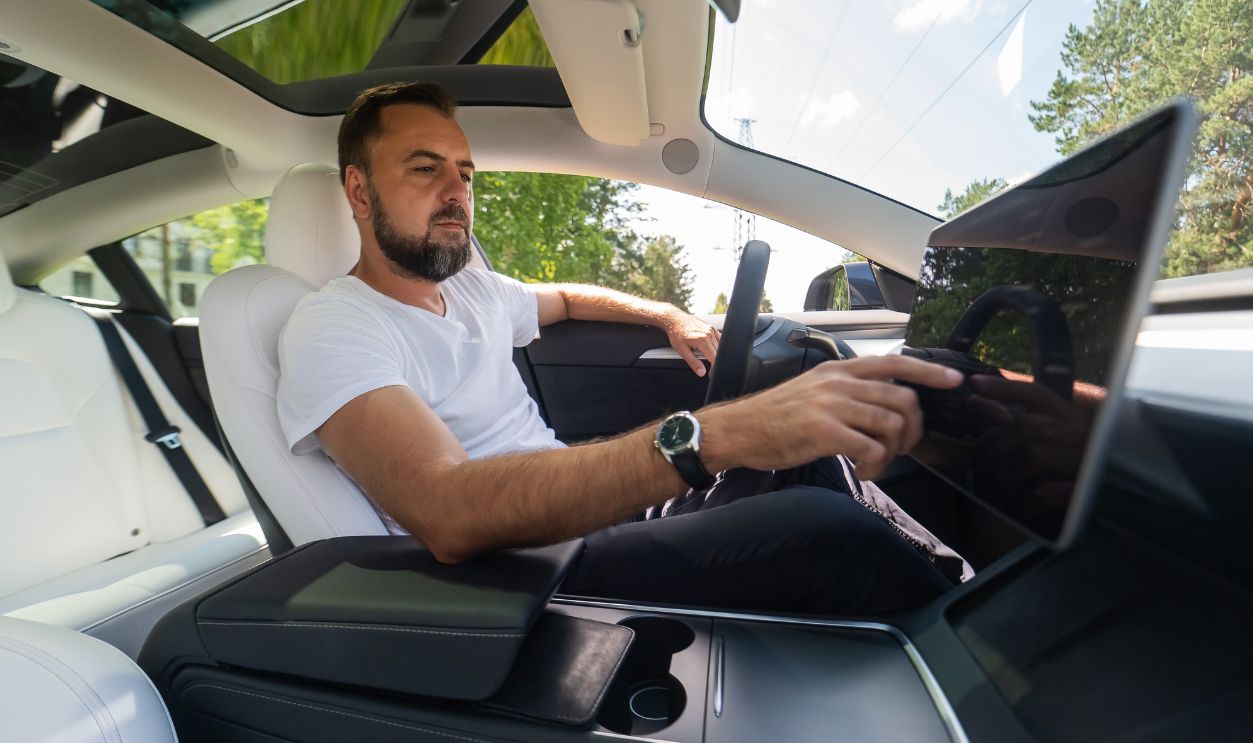
Lending Your Car Still Carries Broader Insurance Risks
Telematics is only one consideration when somebody else drives your car. Insurance coverage for a borrowed vehicle depends on the policy, driver, permission, household circumstances, exclusions, and applicable state rules. A crash involving a permitted borrower can potentially trigger the vehicle owner's insurance coverage and affect future insurance costs. Checking your own policy before regularly lending the vehicle is therefore sensible even if you never enroll in telematics.
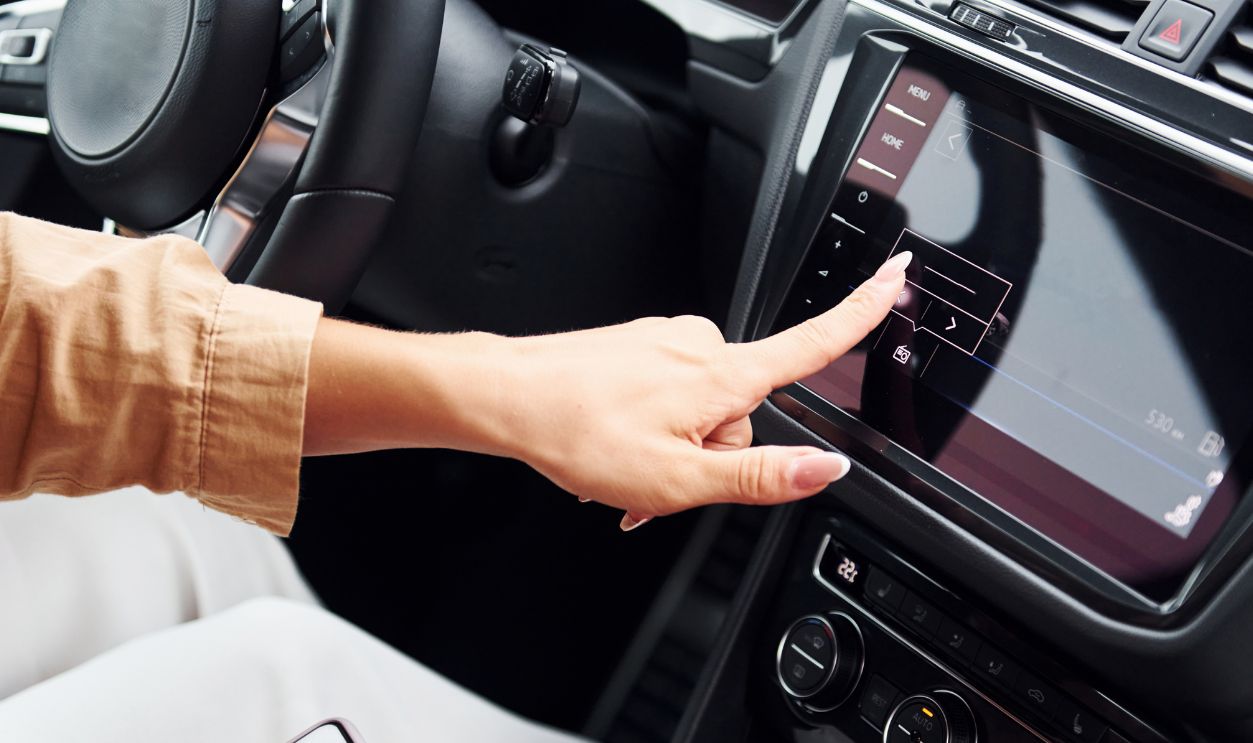
One Borrowed Trip Is Usually A Problem To Investigate, Not Panic Over
A strange driving score after your friend borrowed the car does not automatically prove that you have permanently been labeled a dangerous driver. First determine whether the trip actually counted toward your telematics rating, whether it can be reassigned, and whether your program allows risky behavior to increase premiums in your state. Save evidence and contact the insurer if the app cannot make the correction. The sooner you separate your friend's trip from your own driving record, the better chance you have of preventing bad data from influencing a future insurance decision.
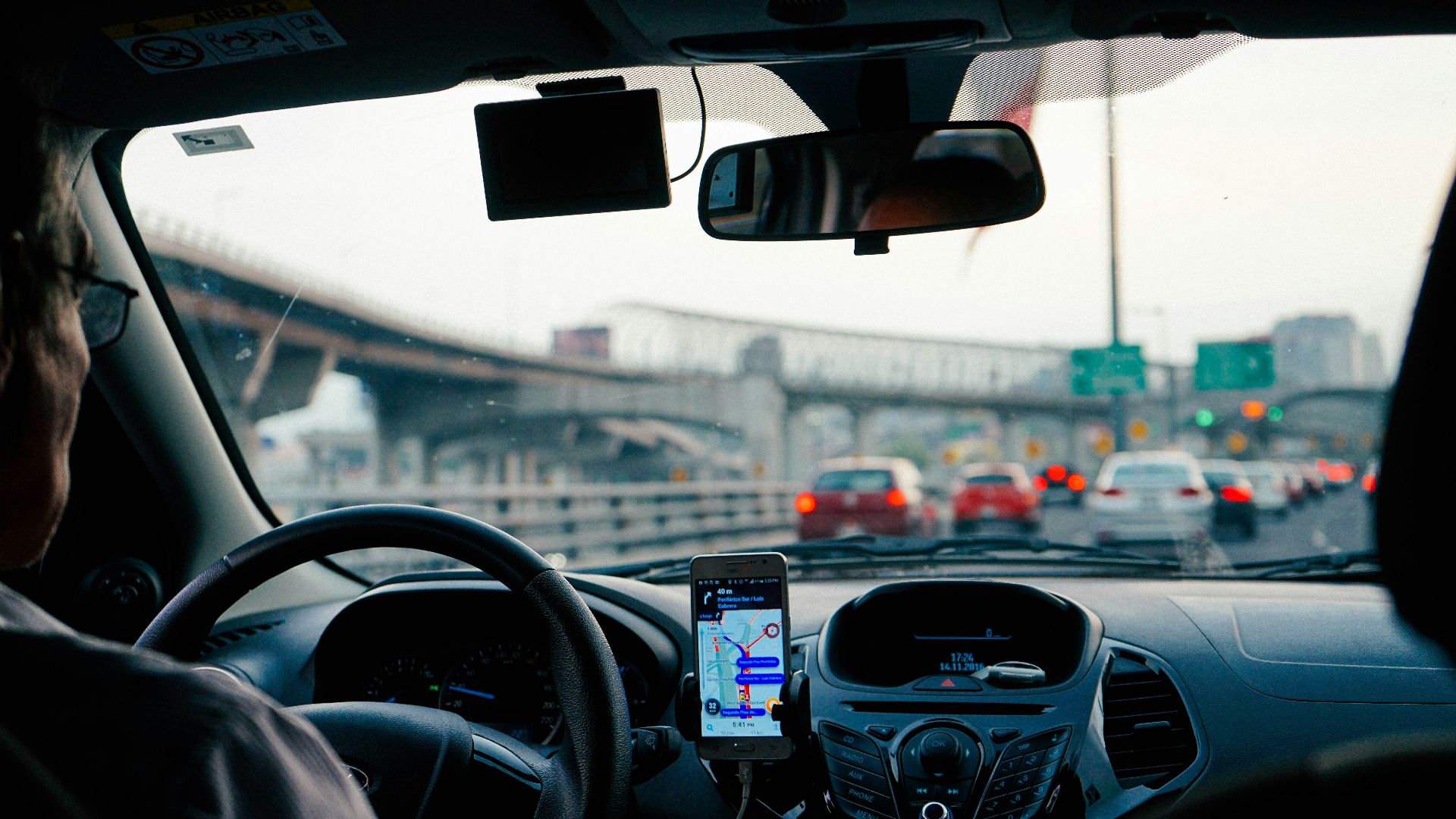
The Best Defense Is Knowing How Your Program Tracks You
Before lending your car again, find out whether your telematics program follows your smartphone, the vehicle, a Bluetooth beacon, a plug-in device, or connected-car data. Check whether trips can be edited and how long you have to make corrections. You should also understand whether poor driving can merely reduce a discount or actually increase the premium where you live. Telematics can reward safer driving, but only when the system is accurately measuring the person whose driving it is supposed to evaluate.
You May Also Like:
The Most Overrated Cars Today, According To Car Enthusiasts
People With The Largest Car Collections In The World