Does Mileage Cost More Than You Think?
A low price and a trusted badge can make a high-mileage car feel like a rare opportunity. What the odometer doesn’t show is how close that vehicle may be to costly repairs and financial surprises that arrive after the excitement fades.

High Mileage Can Still Look Like A Smart Buy
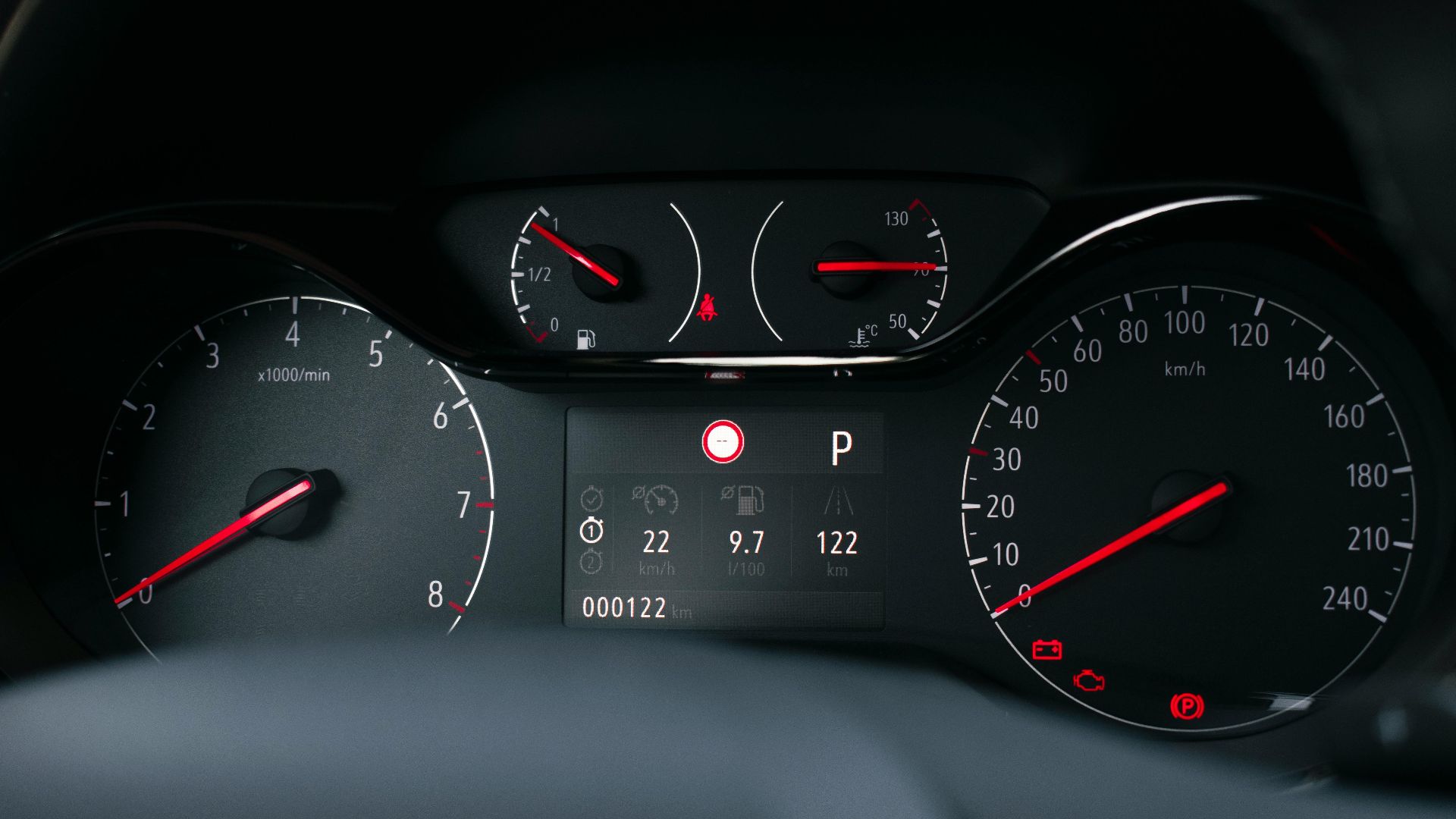
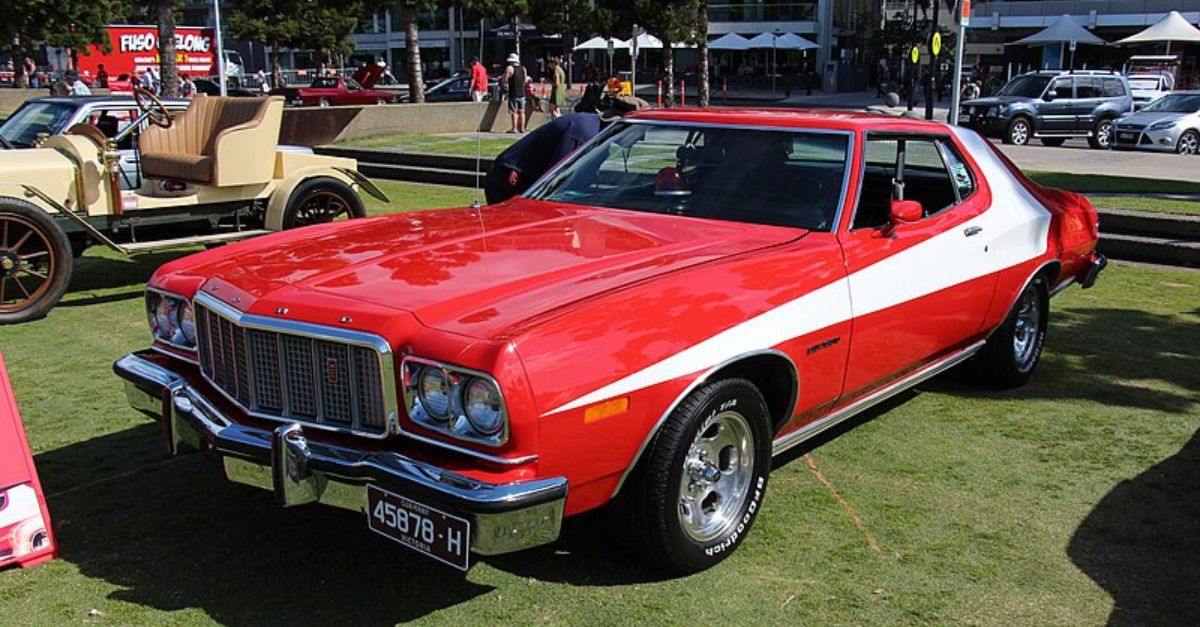
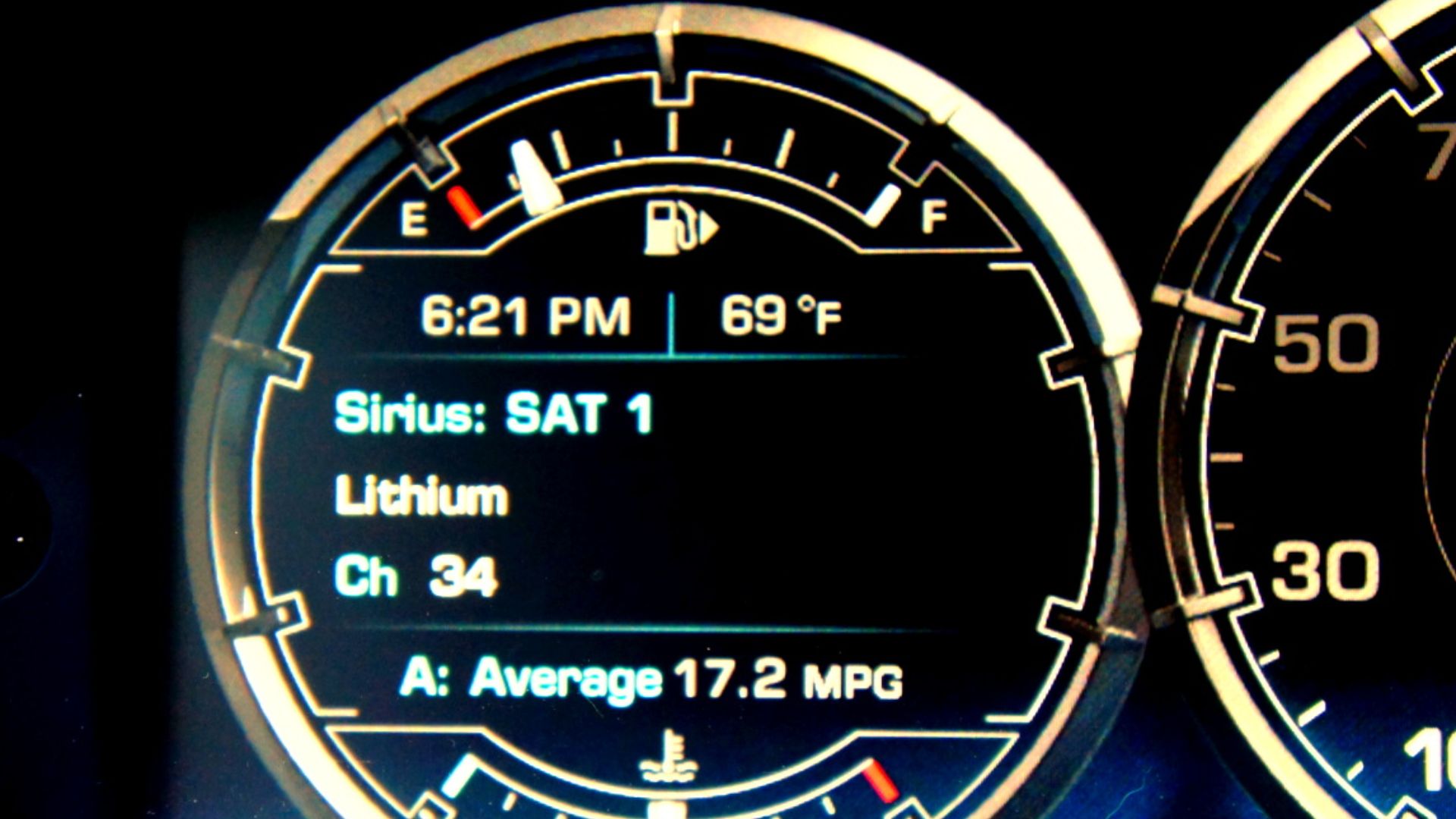
Some high-mileage vehicles tempt buyers because the sticker price feels reasonable, especially when paired with a trusted brand name. The problem is that lower upfront costs rarely reflect long-term ownership reality. Mileage represents accumulated wear and the increased likelihood of expensive mechanical surprises.
 Michael Sheehan, Wikimedia Commons
The Emotional Pull Of A Cheap Used Car
Cheap used cars trigger powerful emotions: relief, excitement, and urgency. Buyers imagine savings and freedom, not repair bills. That emotional response often overrides caution, which leads people to ignore warning signs like mileage or deferred maintenance that would otherwise raise serious red flags nationally.

Brand Reputation Can Create False Confidence
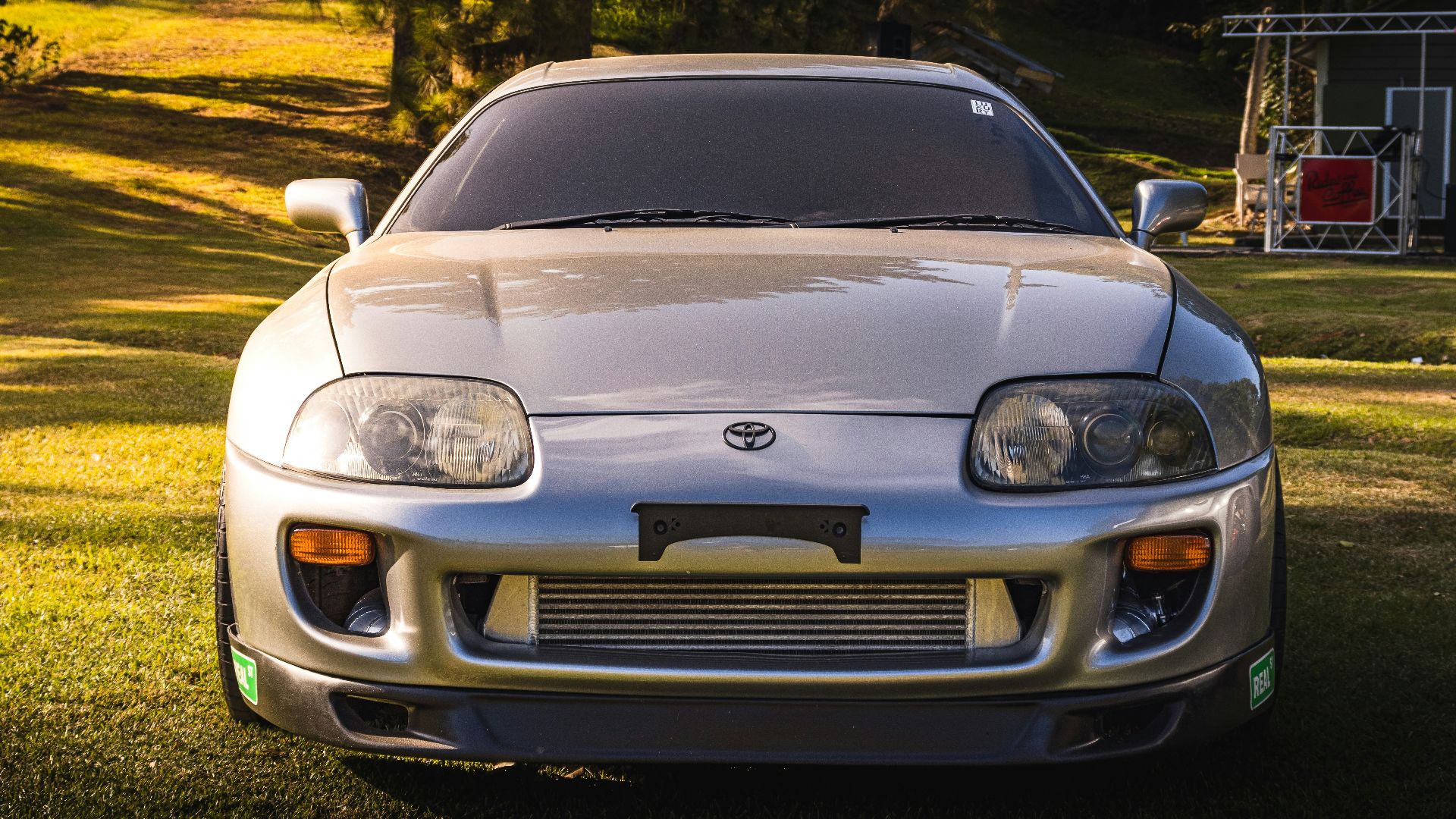
Well-known brands earn reputations for durability, but that reputation can become misleading. Reliability assumes consistent maintenance and reasonable use. A neglected Toyota or Honda with excessive mileage may be riskier than a carefully maintained lesser-known model with fewer miles and a documented care history.
Why 100,000 Miles Became The Industry’s Breaking Point
The 100,000-mile threshold was developed decades ago when vehicles rarely lasted longer without major repairs. Modern cars last longer, but the benchmark remains useful because many warranties expire, and repair frequency accelerates once a vehicle crosses into 6-figure mileage territory for owners.
Vehicles Really Start To Wear Down
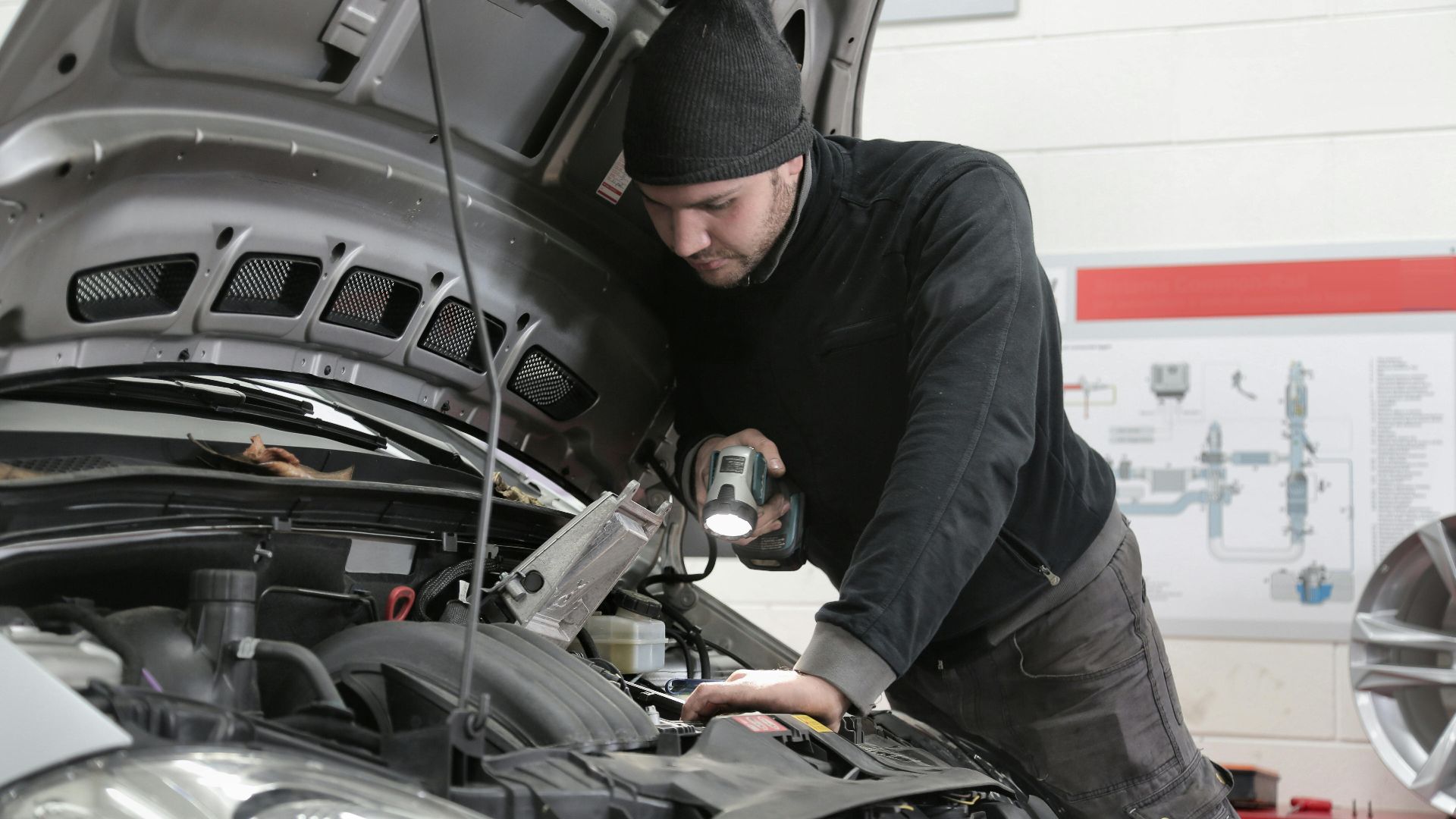
Wear becomes less theoretical and more mechanical. Timing components, suspension parts, seals, cooling systems, and transmissions experience cumulative stress. Even if failure is not immediate, these systems operate closer to tolerance limits, and this increases the probability of breakdowns.

The Costs That Quietly Rise With Every Mile
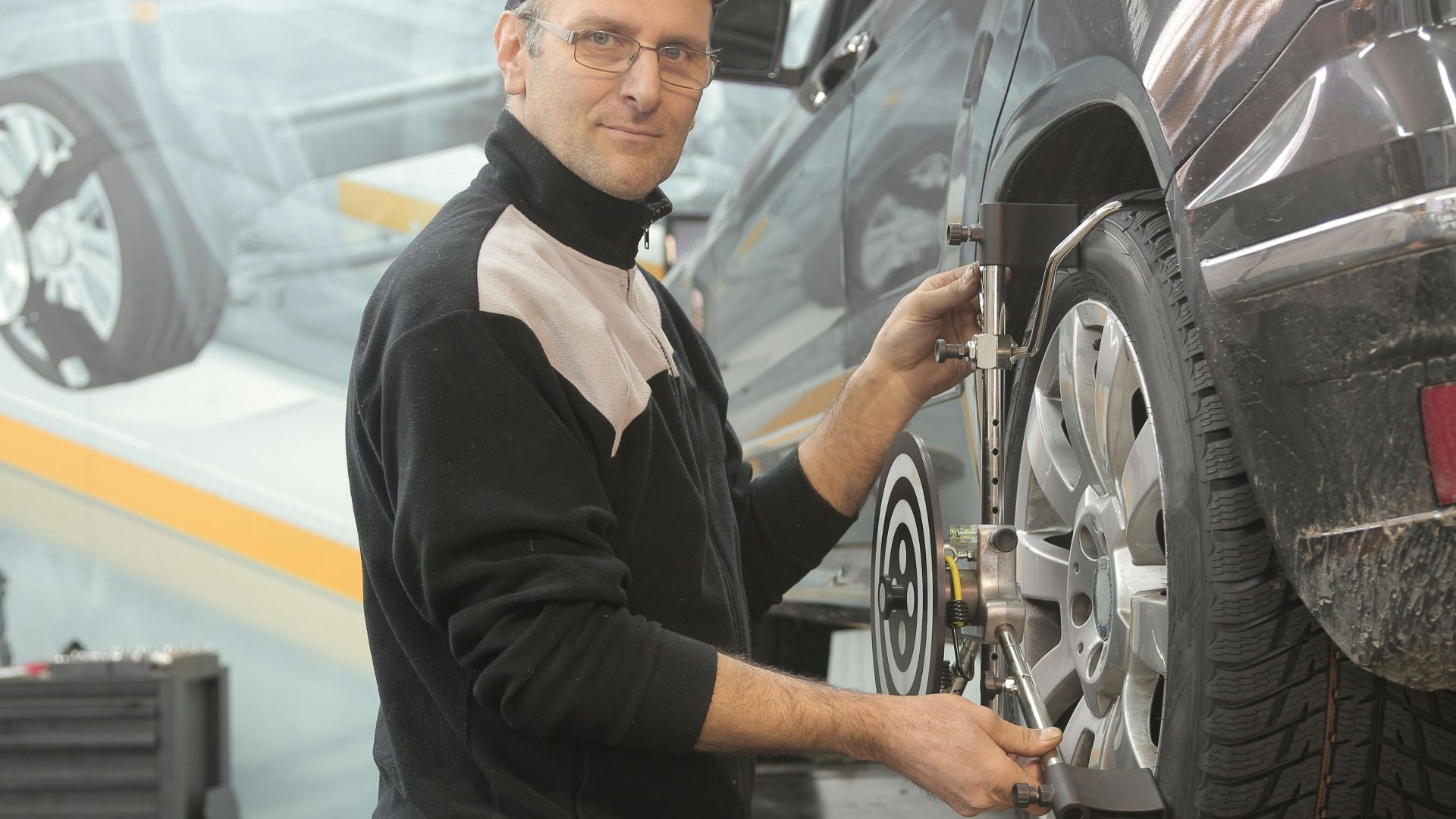
Rising costs often appear gradually through frequent alignments, fluid services, sensor replacements, and worn rubber components. Individually manageable, these expenses compound over time. Owners often underestimate how quickly routine maintenance transitions into persistent spending.
A Single Repair Can Wipe Out The Savings
One major repair can instantly erase the appeal of a low purchase price. Engine or hybrid system failures routinely cost thousands of dollars. For many buyers, that expense arrives unexpectedly by turning what seemed like a bargain into a financial setback.

Major Failures Become More Likely Over Time
As mileage climbs, components no longer fail independently. Wear in one system stresses others, which increases the chance of cascading problems. Heat cycles and material fatigue accumulate over years, making breakdowns more probable even when a vehicle has been reasonably well maintained.
How Preventive Maintenance Turns Into Constant Repairs
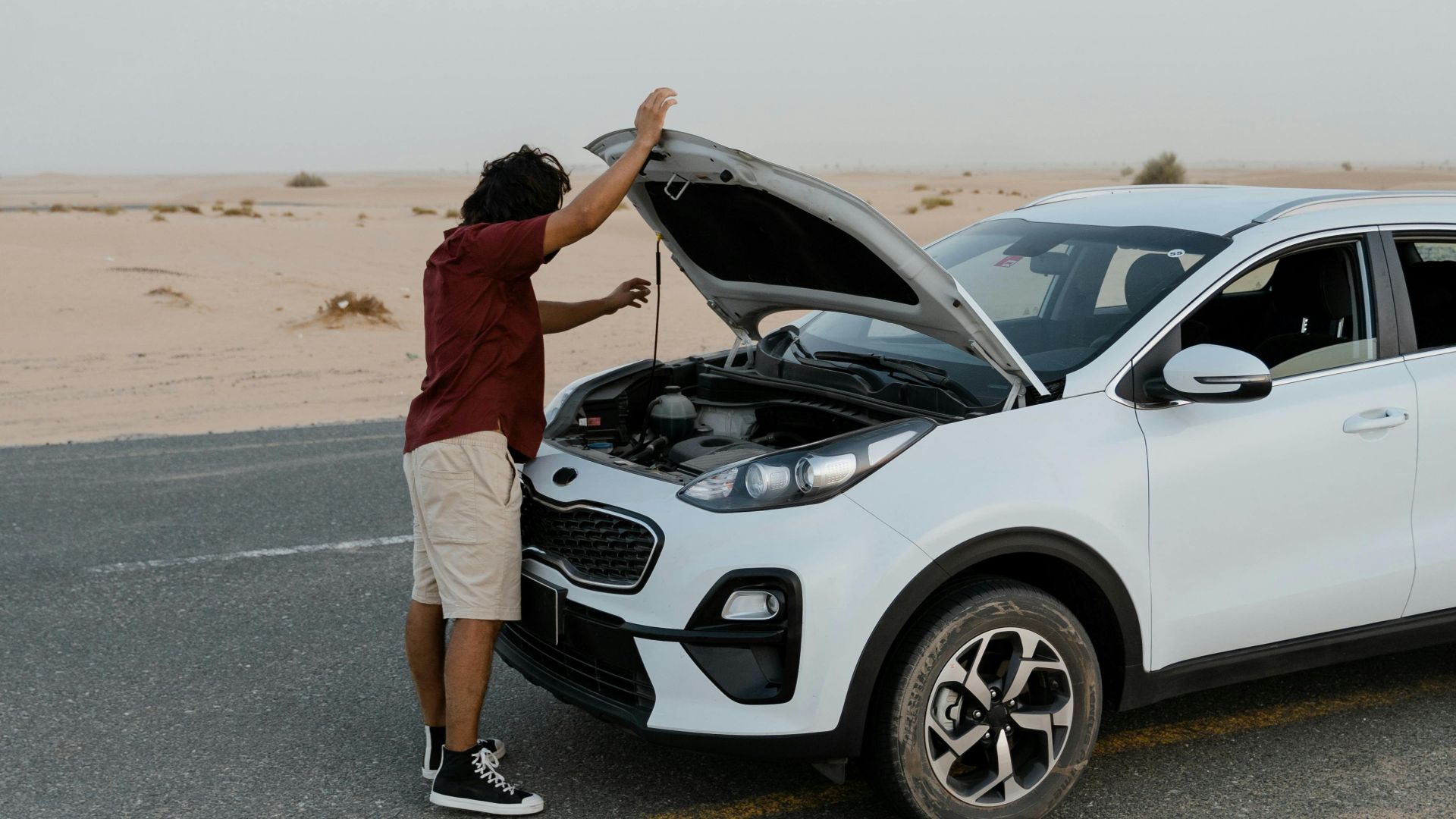
Preventive maintenance works best early in a vehicle’s life. Past roughly 100,000 miles, maintenance often becomes reactive instead of preventative, as components reach the end of their service life. Parts are replaced not to avoid problems, but because failures are already occurring.
When Small Fixes Begin To Add Up Fast
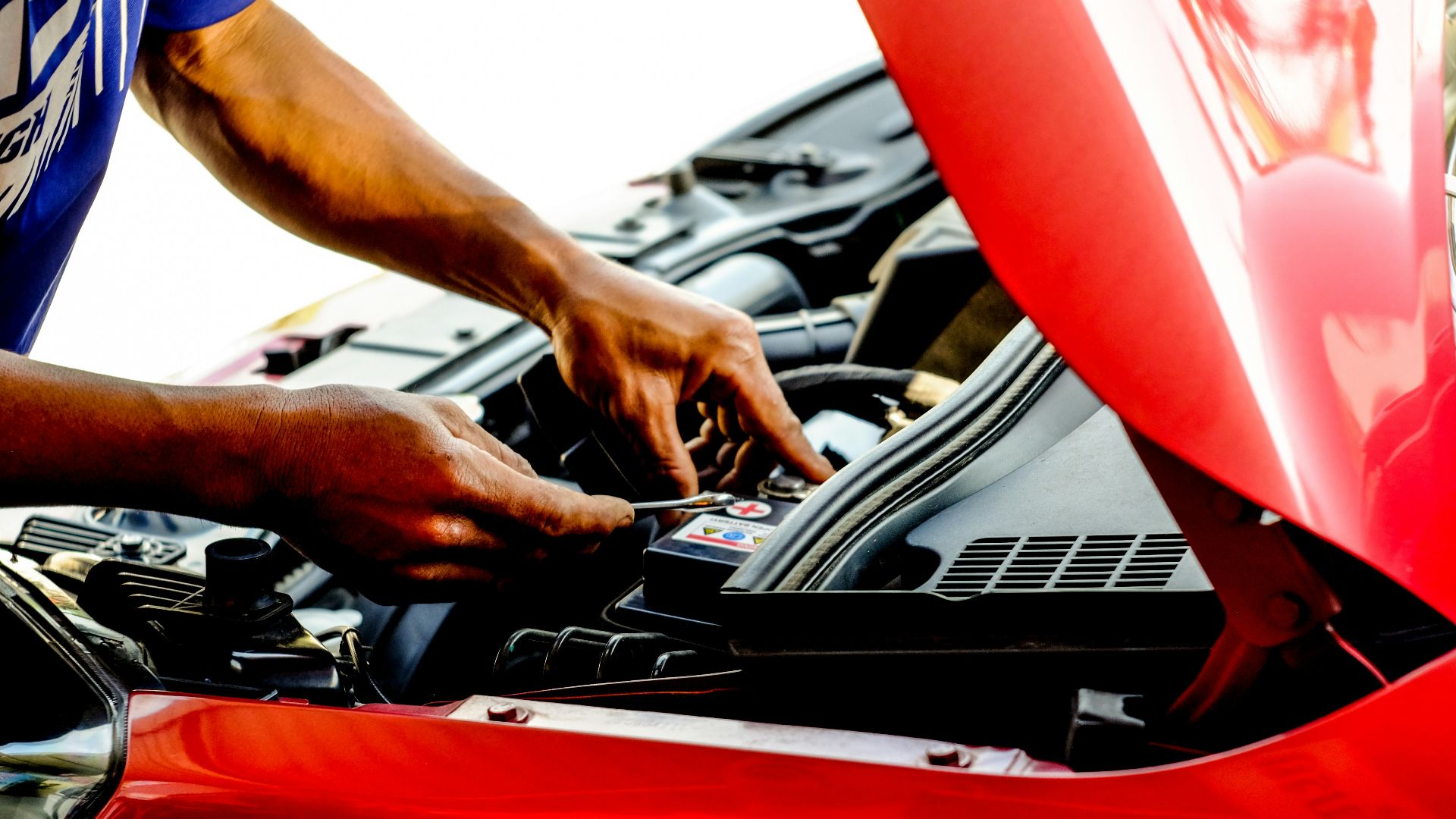
Small repairs feel manageable at first, but over time, those frequent fixes create a steady financial drain. While none may seem catastrophic, their combined cost can rival larger repairs, quietly pushing ownership expenses well beyond initial expectations for many drivers.
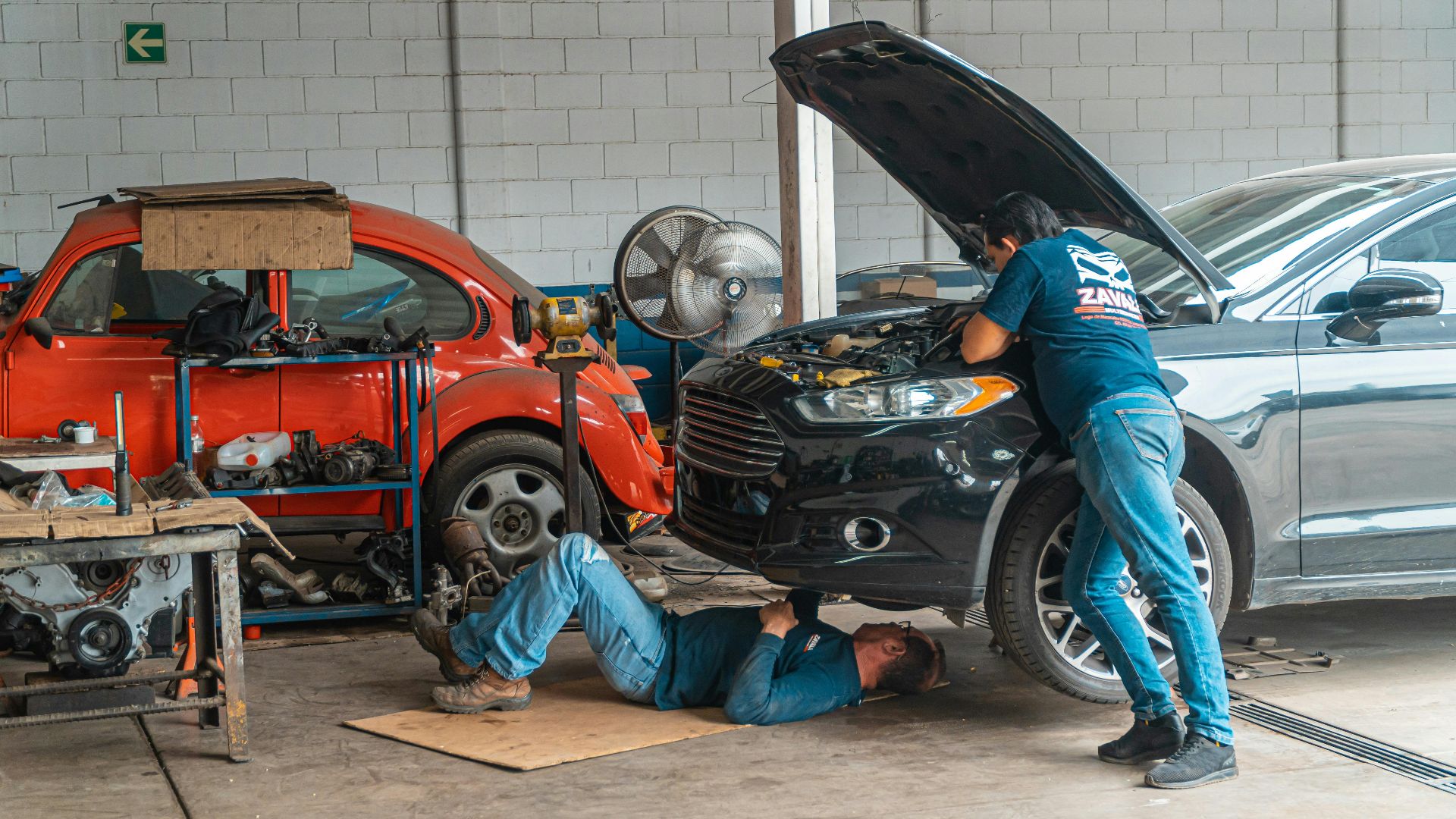 Jose Ricardo Barraza Morachis, Pexels
A Car’s Past Matters More Than Its Price
A vehicle’s history determines its future reliability. Hard driving, skipped services, towing stress, or long idle periods accelerate wear regardless of brand. Without understanding how a car was treated, buyers risk inheriting problems.

This Is How Service Records Reveal The Truth
Service records provide context that mileage can’t. Consistent oil changes and documented repairs show proactive ownership. Gaps or vague histories increase uncertainty, as records help buyers distinguish normal wear from neglect.

Numbers Can Hide Years Of Abuse
High mileage can conceal rough use that isn’t immediately visible. Aggressive driving, heavy loads, frequent short trips, or poor road conditions accelerate internal wear. Cosmetic cleanliness can be misleading, which allows serious mechanical stress to remain hidden.
City Driving Ages Vehicles Faster
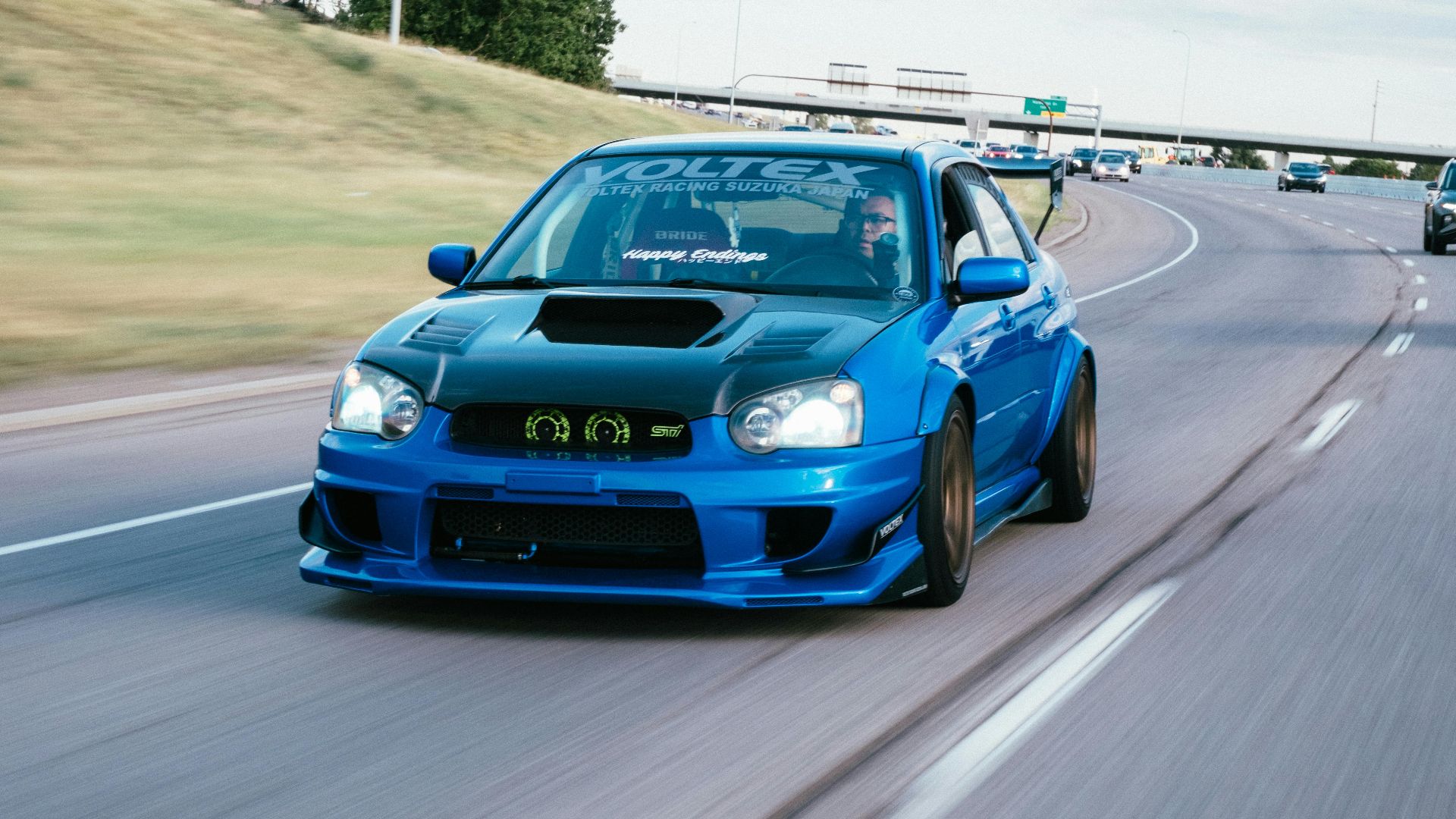
Regular driving in the city exposes vehicles to constant stopping and short trips that prevent engines from fully warming up. Brakes and cooling systems work harder in traffic, and this repeated stress accelerates wear far faster than steady highway miles during daily commuting.

Location And Climate Change Everything
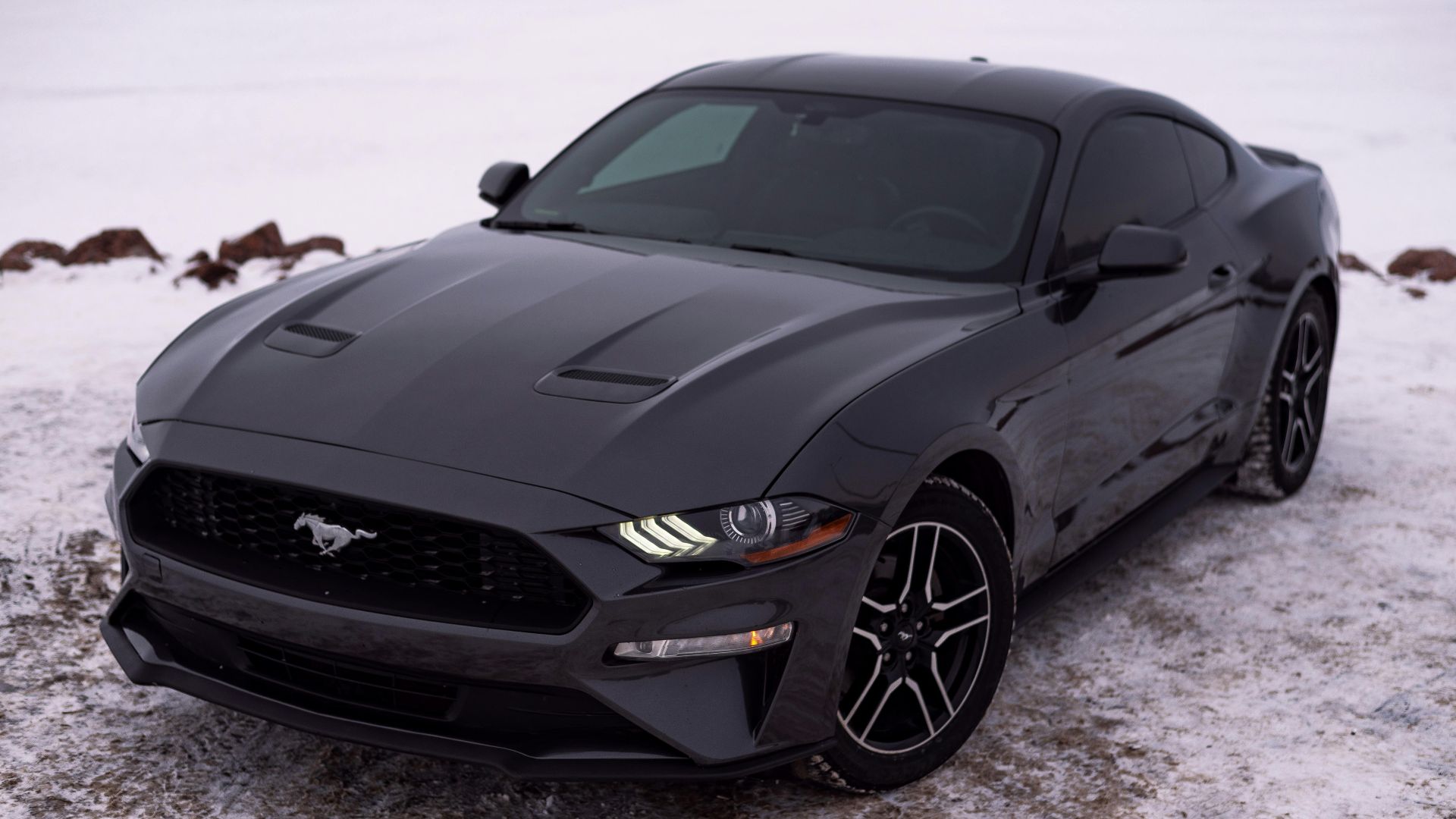
Where a vehicle lives matters nearly as much as how it is driven. The cold climates accelerate rust and corrosion, while extreme heat degrades rubber and electronics. Dry rural regions often produce longer-lasting vehicles due to gentler roads and minimal environmental stress.
A Bigger Threat Than Mileage
Rust compromises safety long before engines fail. Frames, brake lines, suspension mounts, and fuel systems corrode silently, especially in salted winter states. Structural rust is expensive to repair and often impossible to reverse.
Vehicles Are Actually Built To Last
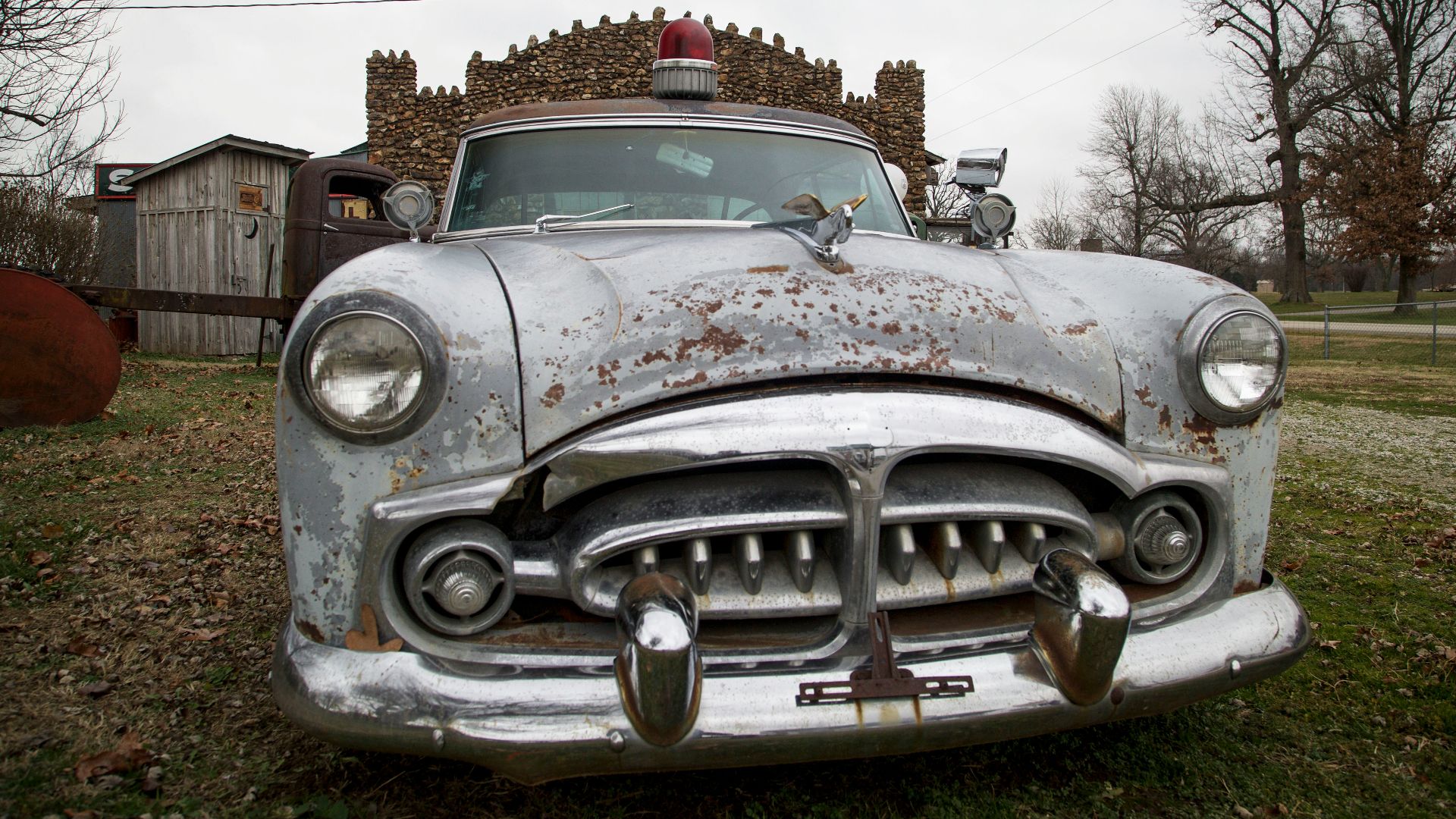
Some vehicles are engineered for longevity, but design alone is not enough. Simpler powertrains and conservative tuning help extend lifespan. However, durability assumes proper maintenance and owners who address issues early instead of delaying repairs throughout ownership cycles and service intervals.

Even Legendary Models Have A Ceiling
Legendary reliability does not mean unlimited life. Every vehicle has mechanical limits defined by materials and tolerances. As mileage accumulates, even trusted models face declining efficiency and part fatigue that no reputation can overcome indefinitely without major reinvestment over time.
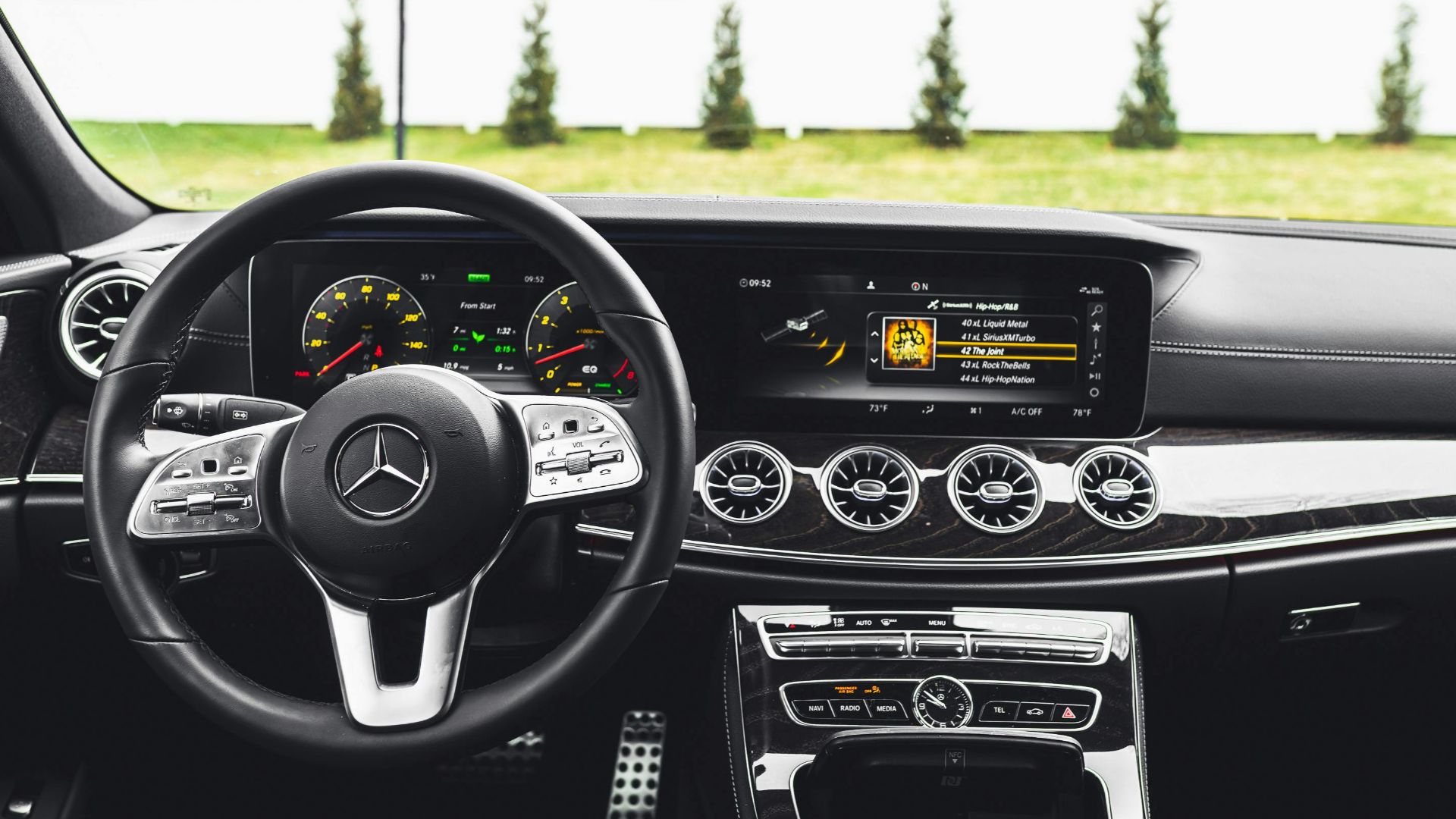
Buying A High-Mileage Car Can Make Sense
High-mileage purchases can work when expectations align with reality. Buyers paying cash and budgeting for repairs may accept higher risk. Strong service records and mechanical inspections reduce uncertainty, though they never eliminate it entirely for long-term ownership scenarios and budgets.
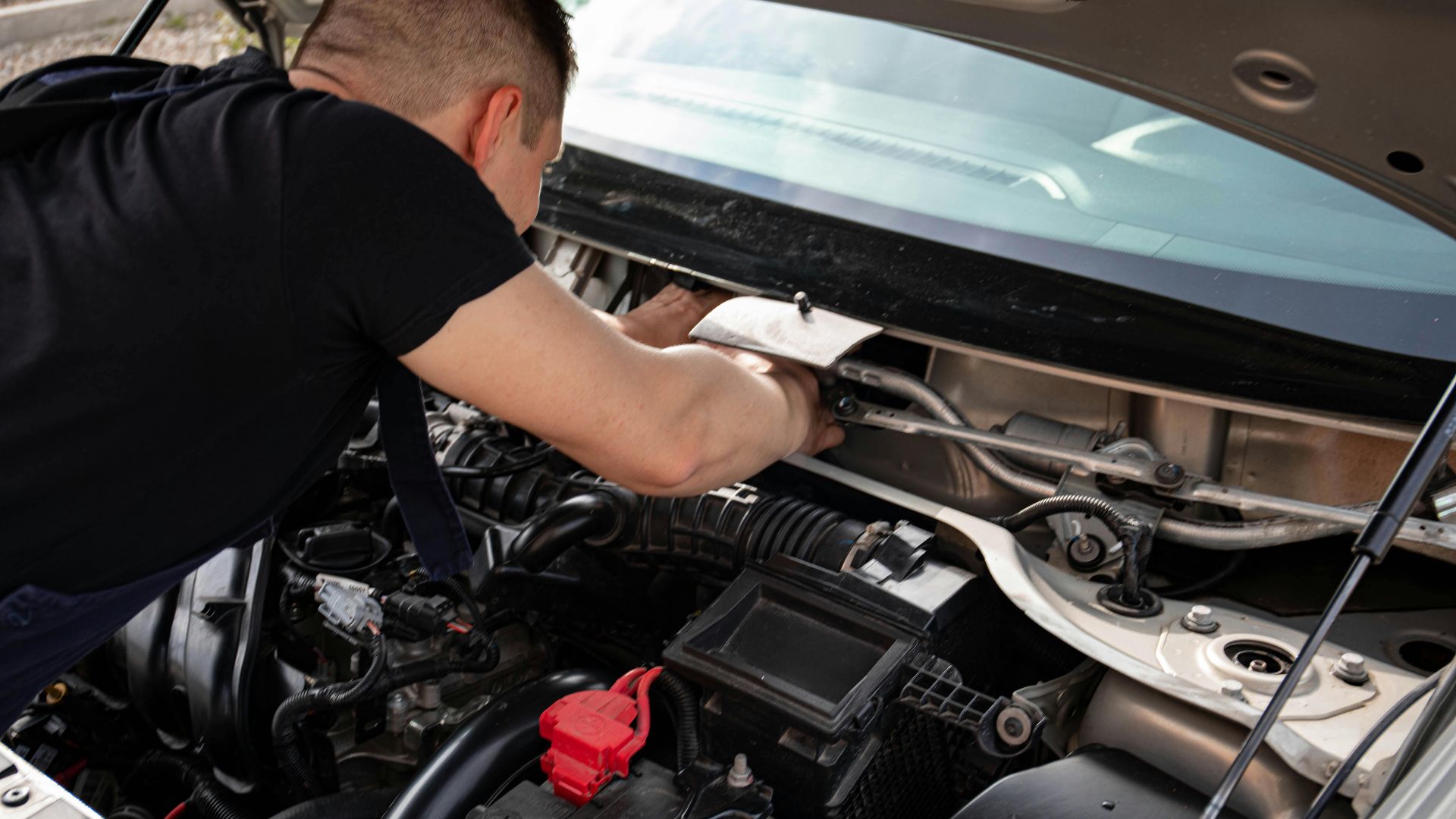
The Non-Negotiables Before Considering Six Figures
Before considering six-figure mileage, certain requirements must be met. Verified service history, a clean title, and a thorough engine inspection are essential. Skipping any of these steps significantly increases the chance of buying a costly problem instead of transportation for everyday driving needs nationwide.

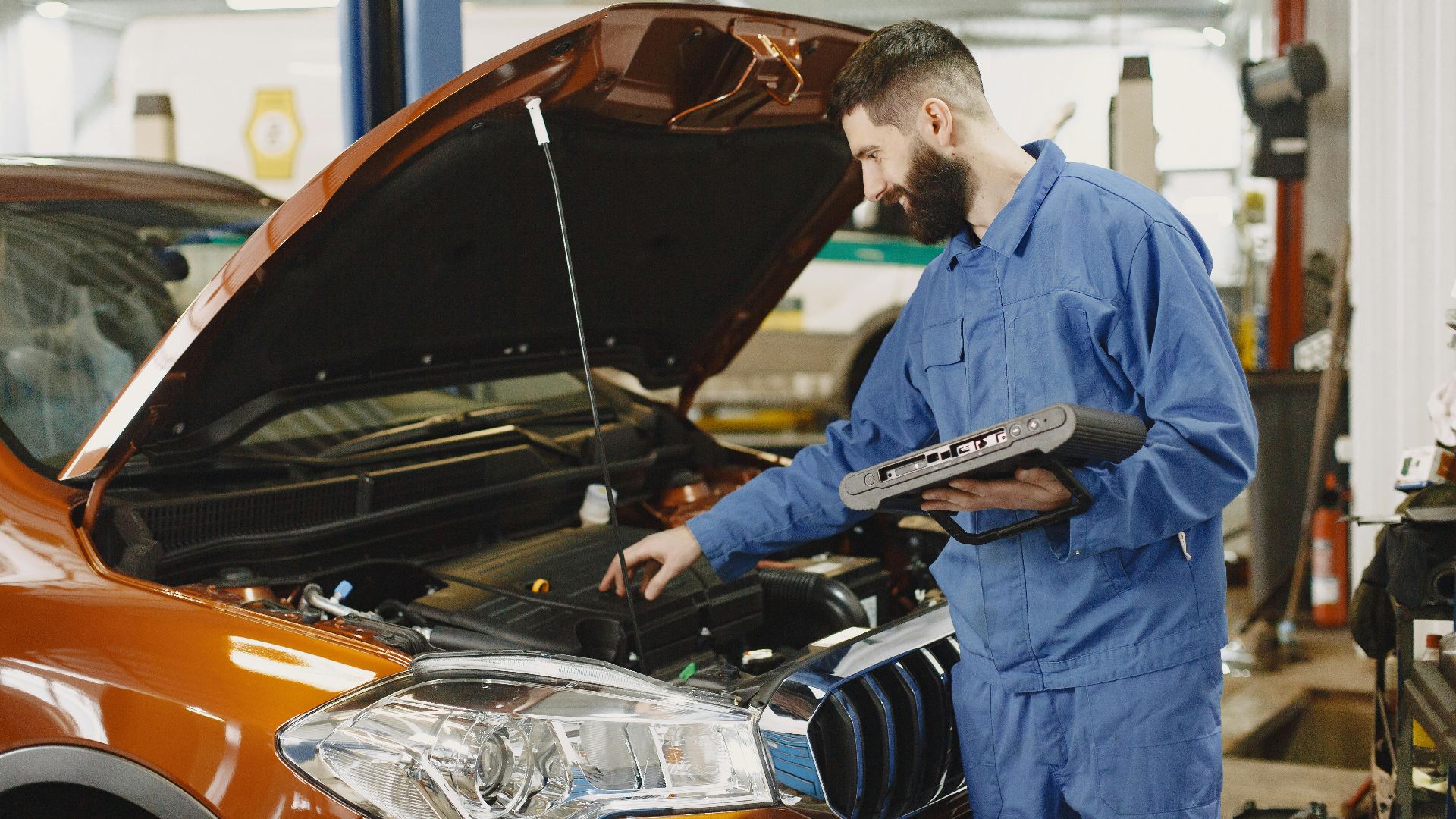
A Professional Inspection Is Essential
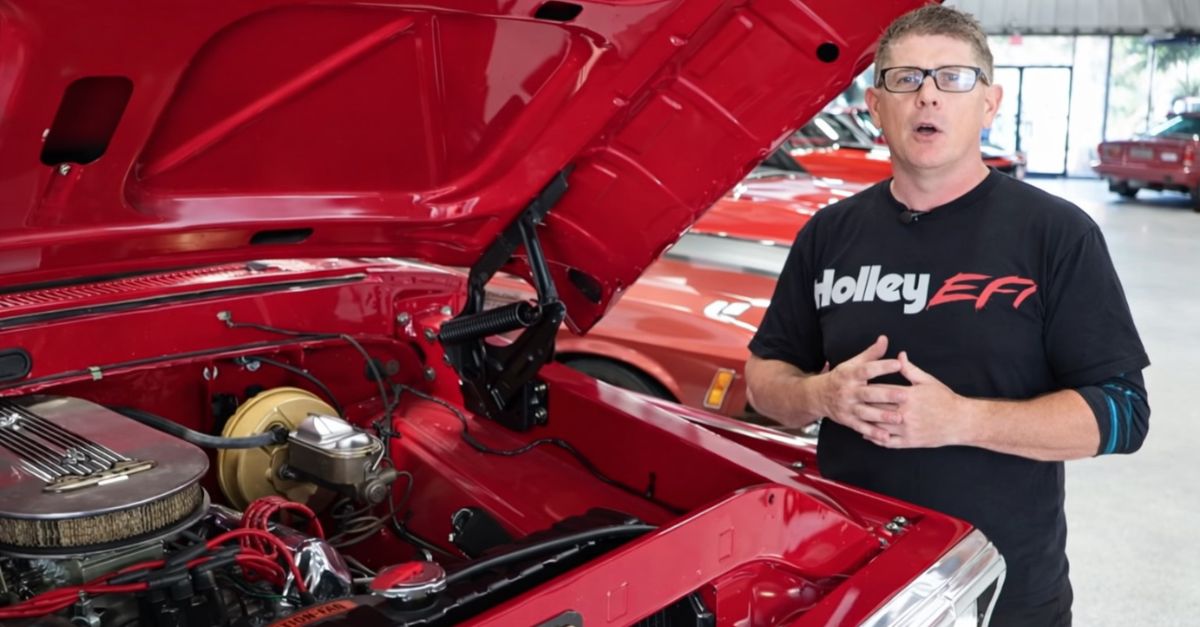
Hiring a professional to examine the car provides an objective assessment that buyers can’t replicate on their own. Trained mechanics spot leaks, worn components, diagnostic trouble codes, and early failure signs. Spending a few hundred dollars upfront can prevent thousands in unexpected repairs.
Planning For Ownership Instead Of The Purchase
Smart buyers plan for ownership costs beyond the sale price. Insurance, maintenance, repairs, and depreciation shape long-term affordability. High-mileage vehicles often demand higher ongoing spending, which makes monthly ownership costs more important than the initial deal.

Knowing When To Walk Away From A Tempting Deal
Walking away can be the smartest decision, even when a deal feels rare. Missing records, evasive sellers, rushed timelines, or unresolved warning signs signal elevated risk. No discount justifies uncertainty when better-maintained options exist.

Choosing A Mileage Limit That Protects Your Budget
Mileage limits should reflect risk tolerance and intended use. For most buyers seeking reliability, staying under 100,000 miles minimizes surprise expenses. While exceptions exist, setting a conservative mileage ceiling helps protect finances and reduces long-term stress.