One Pebble Can Ruin Your Week.
Modern windshields carry more technology and cost much more to replace than the simple panes many drivers remember. That does not automatically make the glass more fragile, but it makes every crack feel considerably more painful.
The Price Creates The Impression
Drivers naturally assume something has become weaker when the same problem keeps producing larger bills. A modern windshield may incorporate cameras, mounting brackets, heating elements, tinting, acoustic layers, and other model-specific features. Much of the increased expense comes from replacing and calibrating those components rather than from the glass alone.
Modern Glass Still Meets Safety Standards
Windshields and replacement glazing sold in the United States must satisfy applicable federal safety requirements. Federal Motor Vehicle Safety Standard 205 establishes performance and location requirements for automotive glazing. An expensive replacement is therefore not evidence that manufacturers have abandoned basic glass-safety standards.
 PixelsMD Production, Shutterstock
A Windshield Is A Laminated Sandwich
A typical windshield uses two layers of glass bonded around a plastic interlayer. That construction helps keep broken material together instead of allowing the entire pane to scatter into the cabin. It also supports visibility and occupant protection after many types of impact.
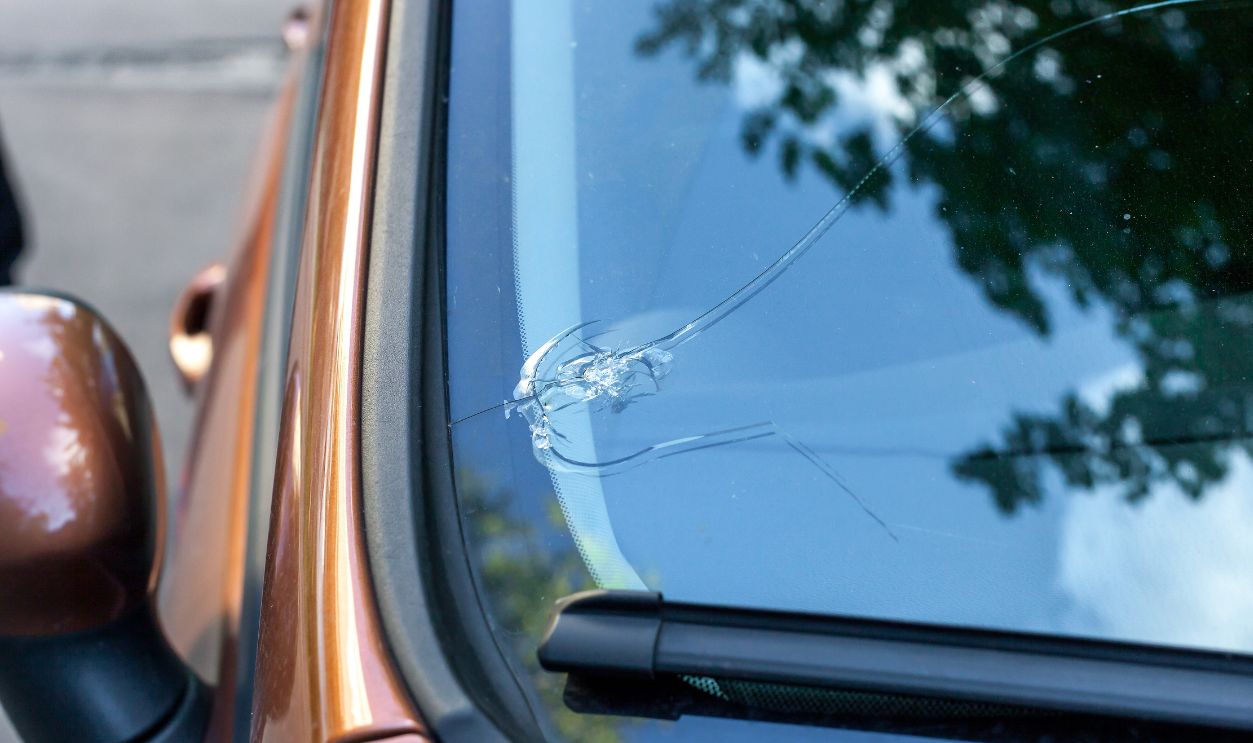
It Does More Than Stop The Wind
The windshield protects occupants from weather, insects, and road debris. It also contributes to the vehicle’s overall structure and provides a mounting surface for mirrors, cameras, sensors, and other equipment. A damaged or poorly installed windshield can therefore affect much more than comfort.
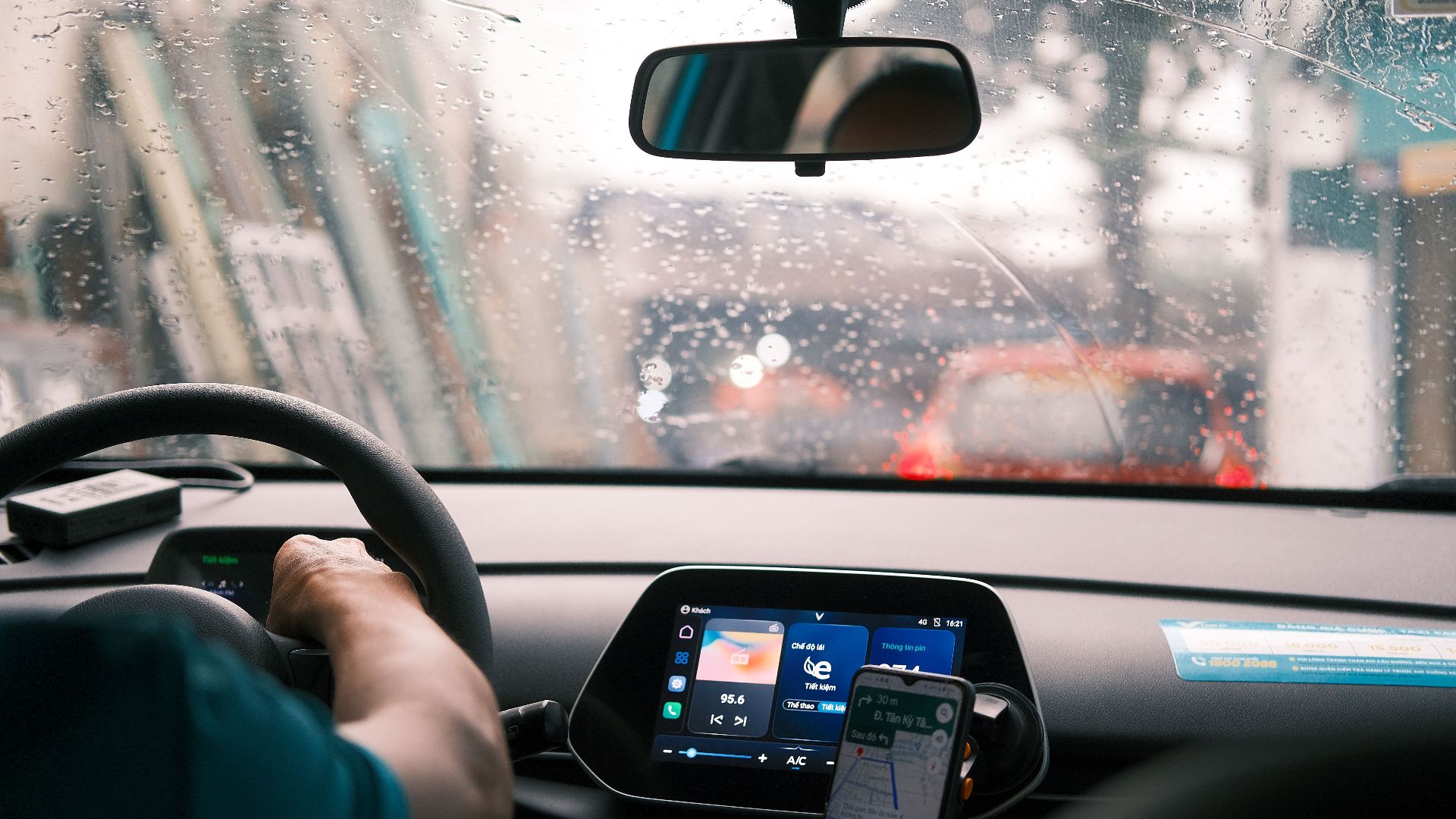
Tiny Rocks Carry Plenty Of Energy
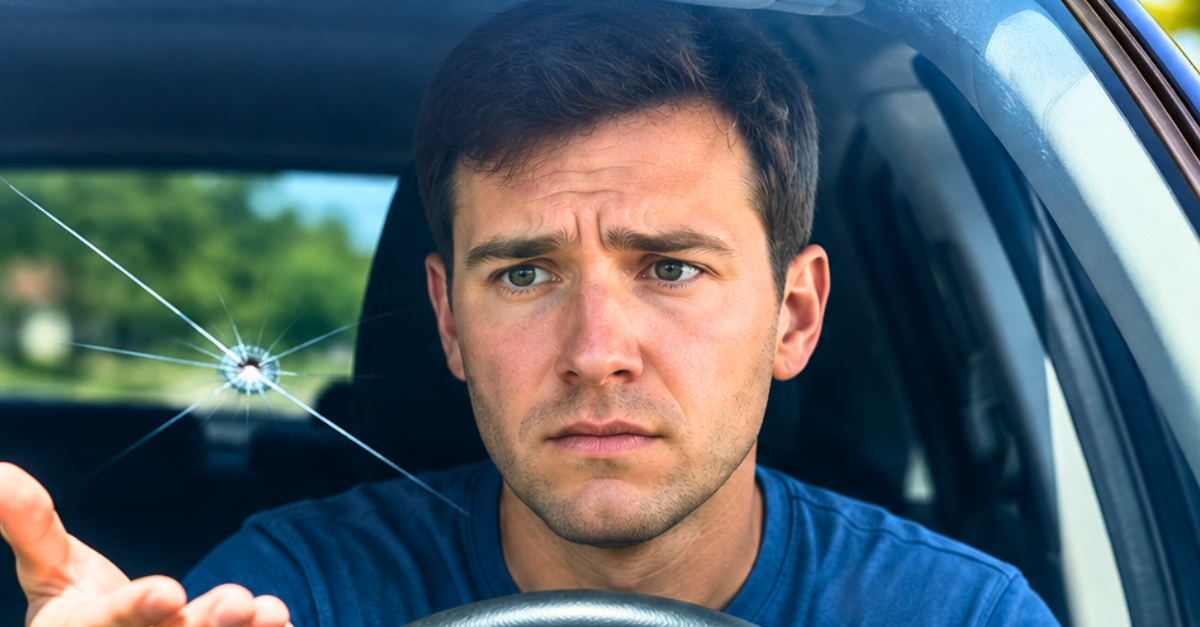
A pebble does not need to be large when the closing speed between it and the vehicle is high. Debris thrown from a tire can strike a small area of glass with enough force to create a pit, bull’s-eye, or star-shaped break. An impact that sounds insignificant inside the cabin may place considerable stress on the outer glass layer.
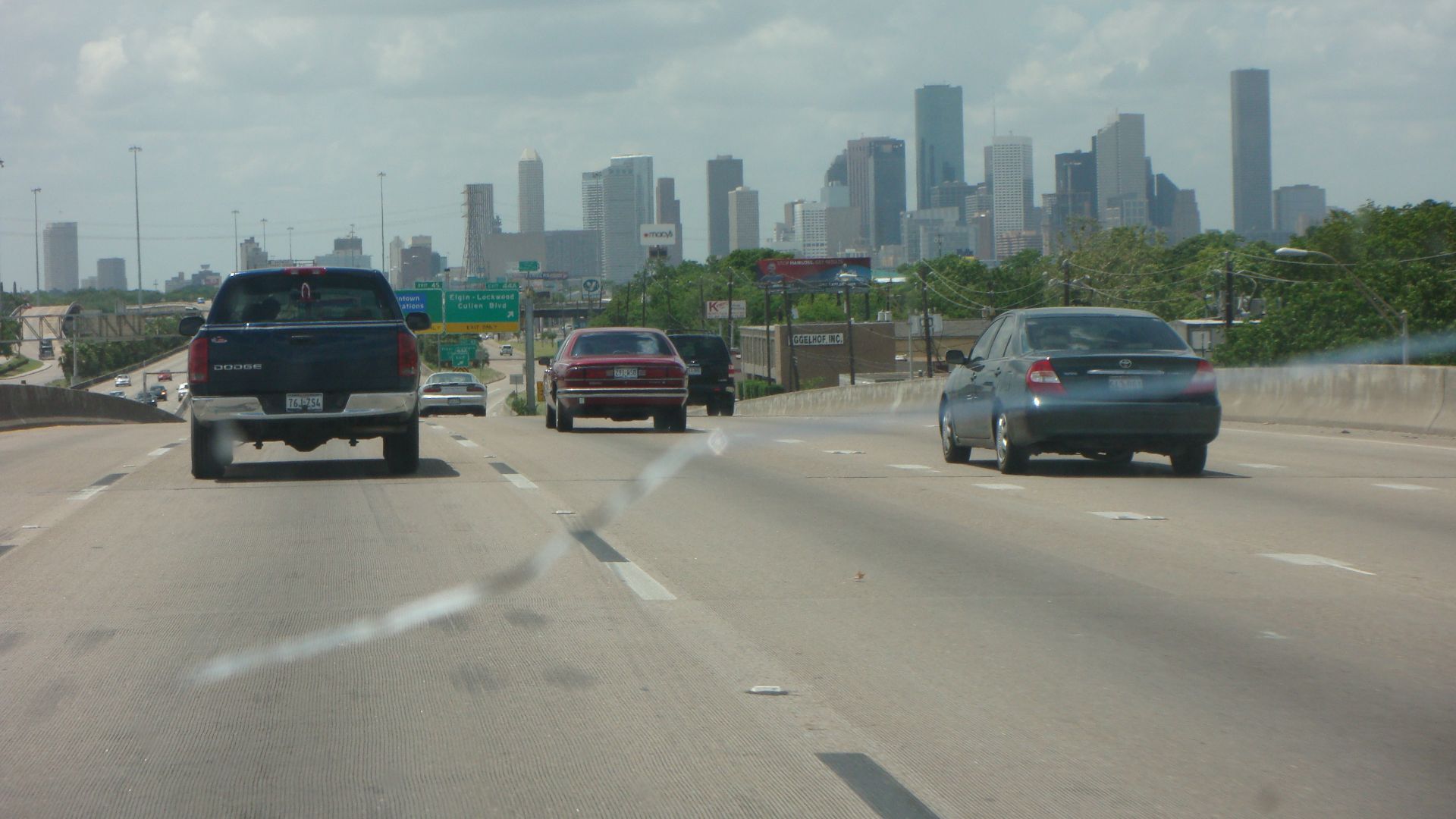
The Impact Location Matters
A strike near the windshield’s edge can be especially troublesome because the glass is supported and bonded around its perimeter. Damage in that area may be more difficult to repair and can spread into a longer crack. Technicians must consider the chip’s position, depth, size, and shape before recommending a repair.
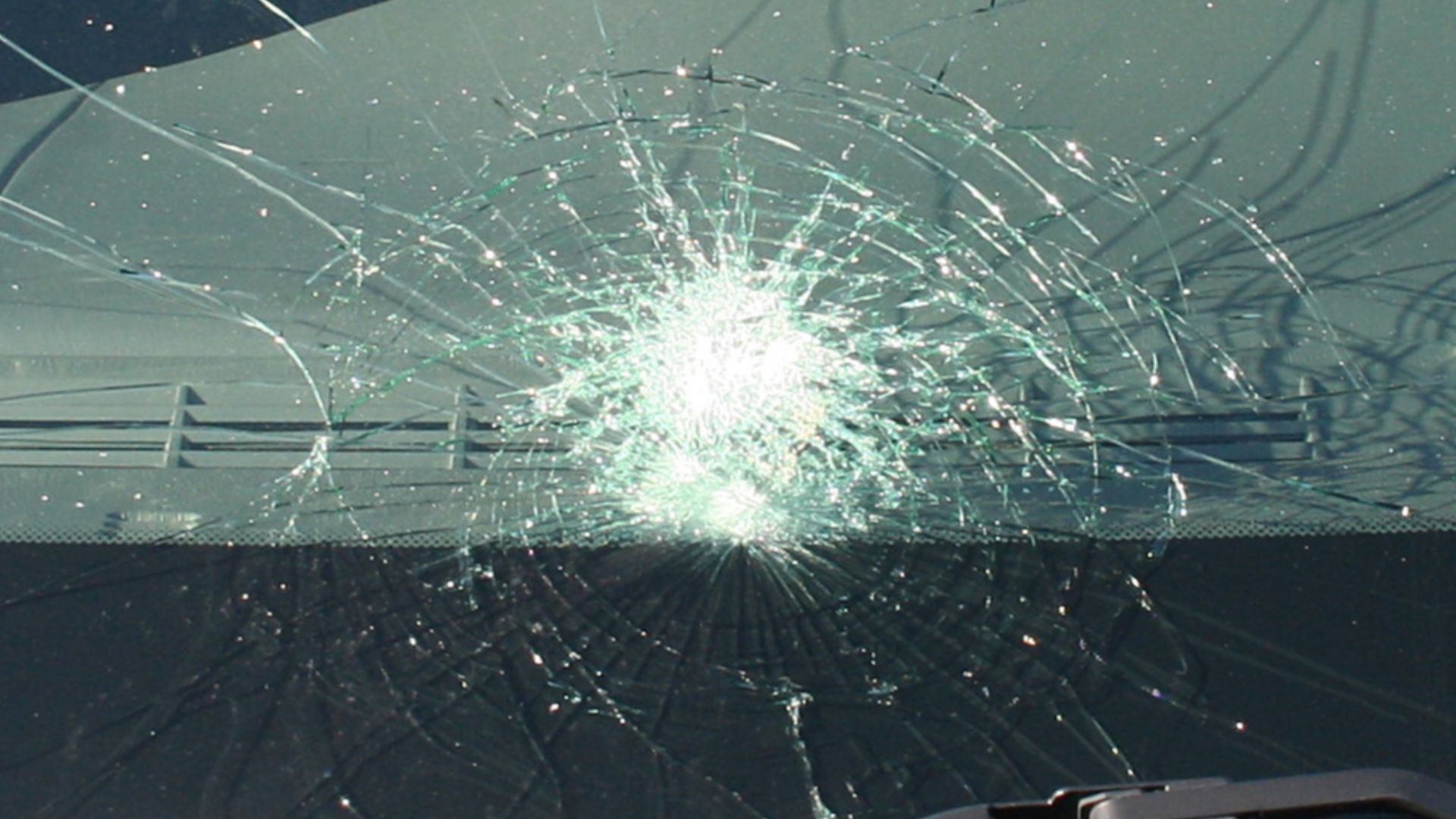
Existing Damage Makes The Next Hit Worse
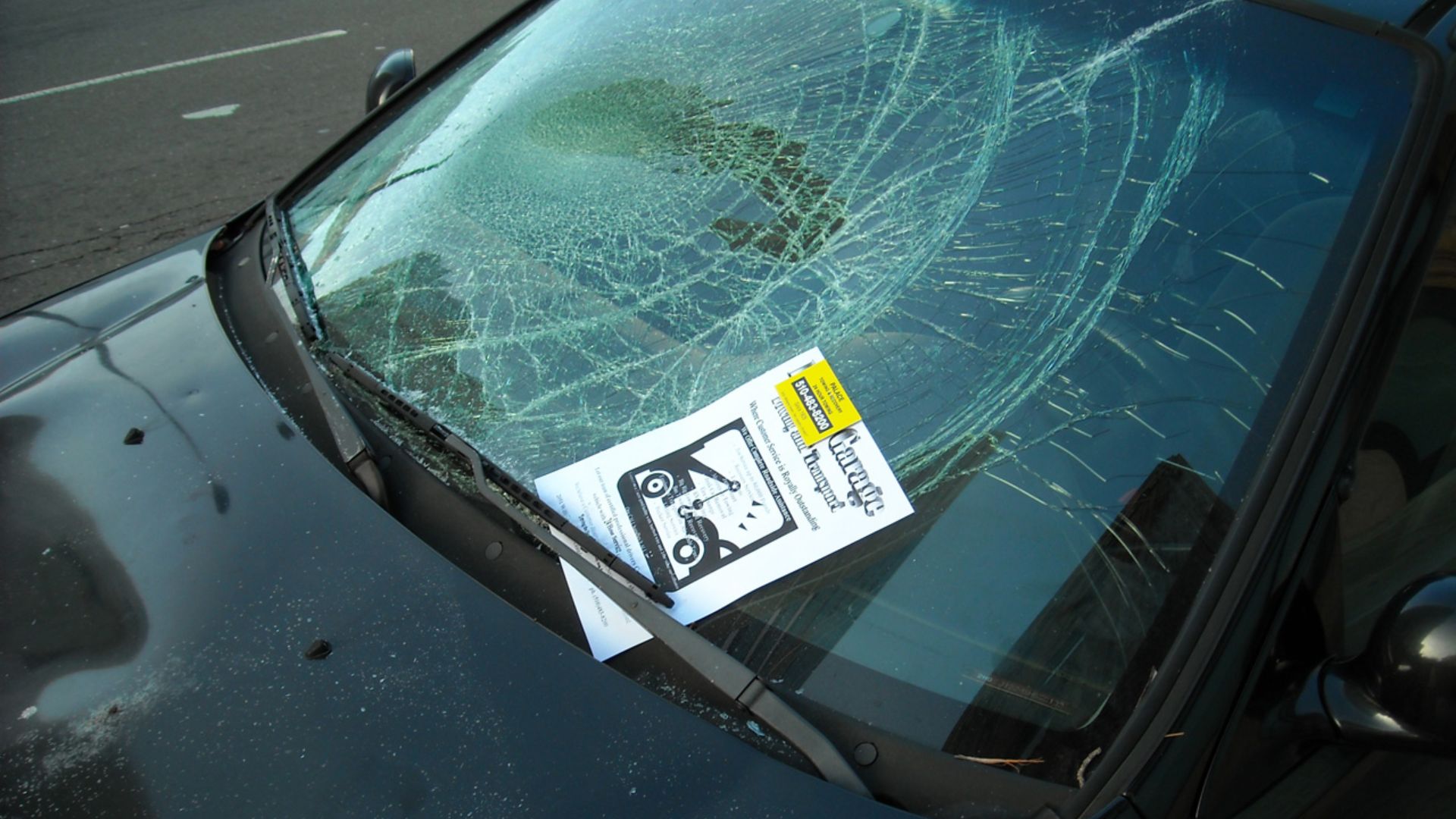
A tiny pit can weaken the local area even when it appears stable for several days. Another impact, a pothole, body flex, or temperature change may cause the damage to grow. This can make it seem as though a harmless second rock destroyed the windshield when the first strike had already compromised it.
 Daniel Ramirez, Wikimedia Commons
Temperature Changes Help Cracks Spread
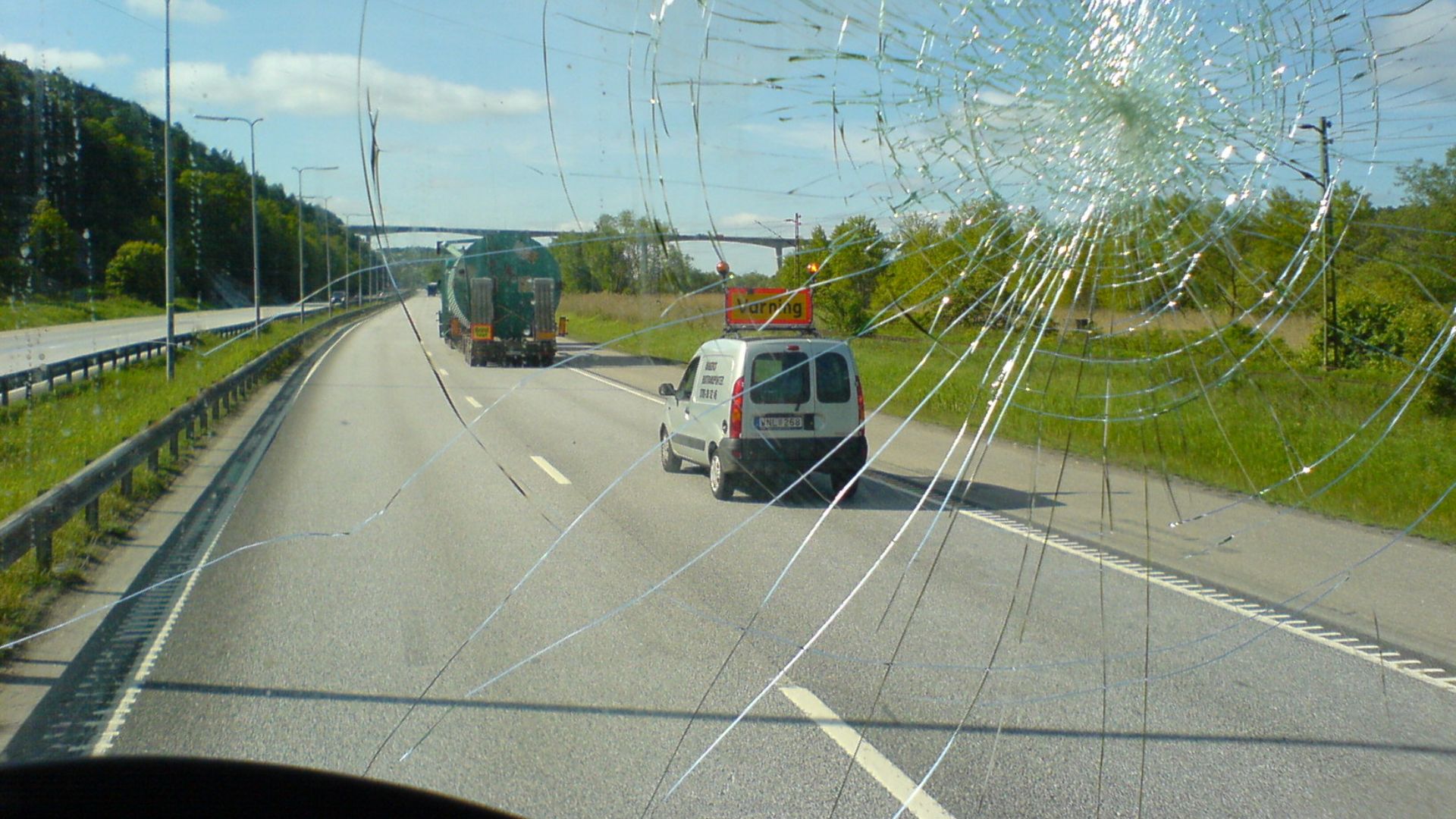
Glass expands and contracts as its temperature changes. Directing intense heat onto a very cold windshield can create stress across an existing chip or crack. Rapid weather swings and freezing conditions can also turn minor damage into a line stretching across the driver’s view.
Hot Water Is A Bad Shortcut
Pouring hot water onto an icy windshield creates a sudden temperature change that can crack the glass. The risk becomes greater when a chip or small fracture already exists. A proper scraper, defroster, or approved de-icing product is a safer approach.

Waiting Is Usually Expensive
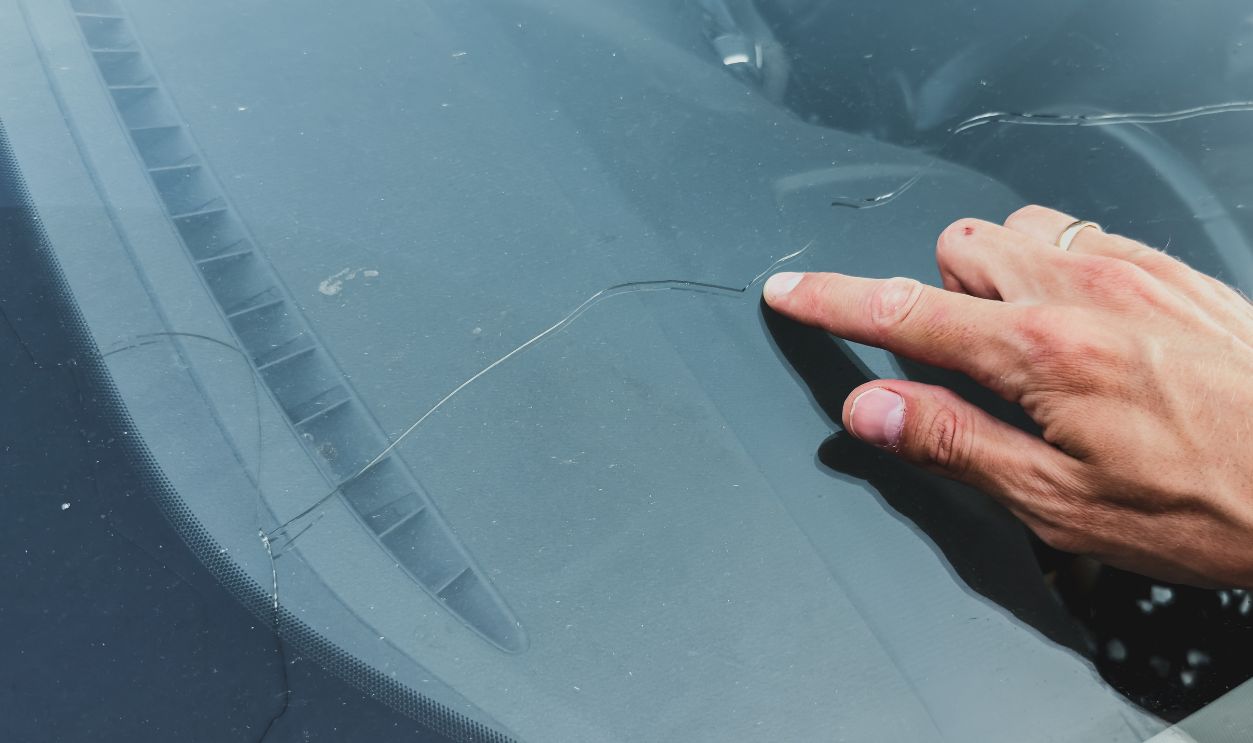
A fresh chip may be small enough for resin repair before dirt and water enter the damaged area. Once the crack spreads, replacing the complete windshield may become necessary. Prompt attention can therefore preserve both the glass and the possibility of a lower-cost repair.
 Evgeniia Primavera, Shutterstock
Resin Repair Has Limits
During a repair, a technician injects resin into a suitable chip or small crack and then finishes the area. The process can restore strength and keep the damage from spreading, although a minor blemish may remain visible. Not every impact can be repaired safely or successfully.
Some Damage Requires Replacement
Replacement may be necessary when damage is extensive, obstructs the driver’s vision, affects the camera’s viewing area, or involves several separate chips. The final decision should be made after the glass is inspected. Rules of thumb based only on coin size cannot account for every crack pattern and vehicle design.
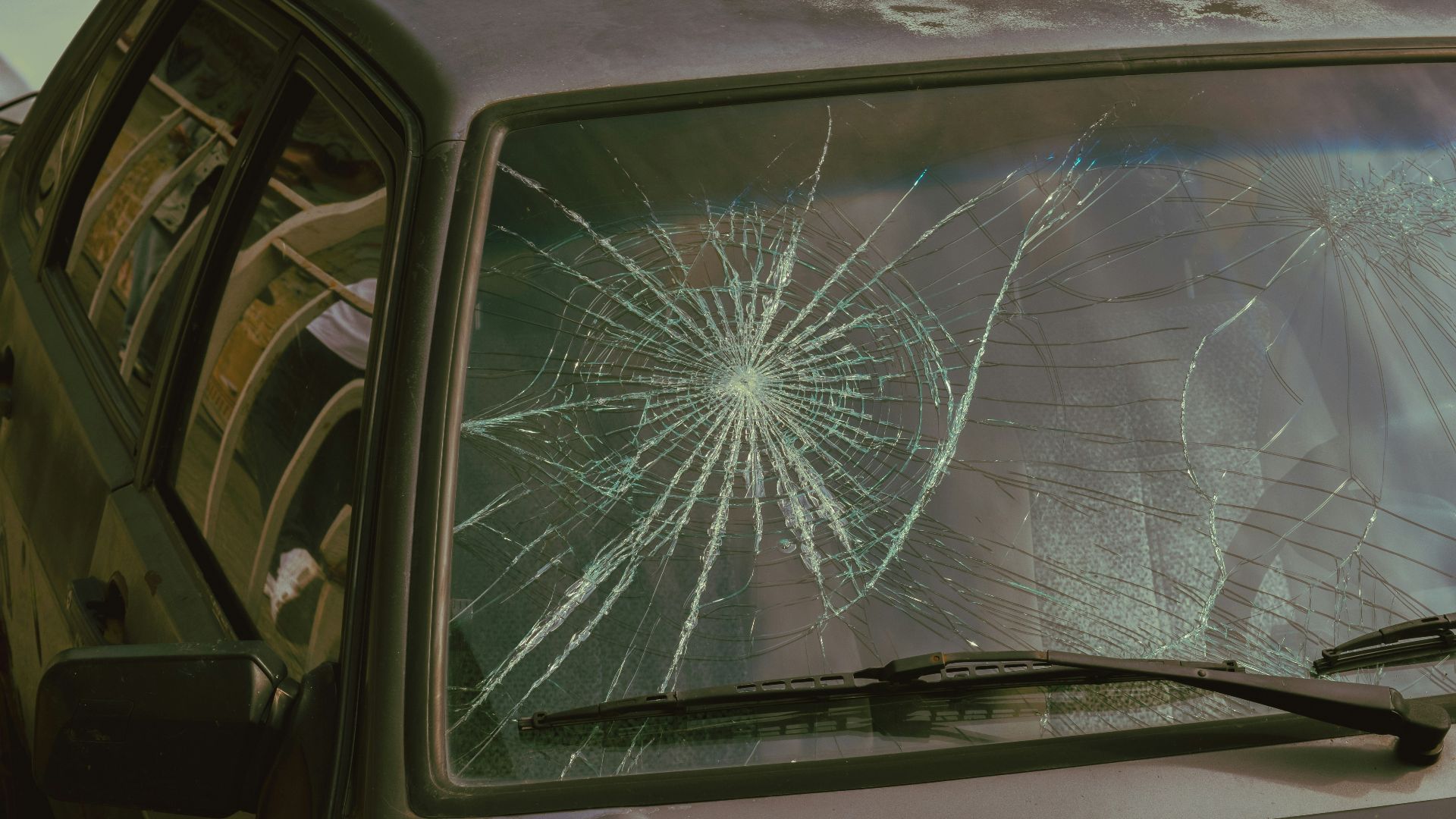
The Camera Changes Everything
Many current vehicles mount a forward-facing camera behind the upper portion of the windshield. That camera may support automatic emergency braking, lane-departure warning, lane-centering, traffic-sign recognition, or automatic high beams. Replacing the glass can disturb the camera’s position even when the camera itself was not damaged.
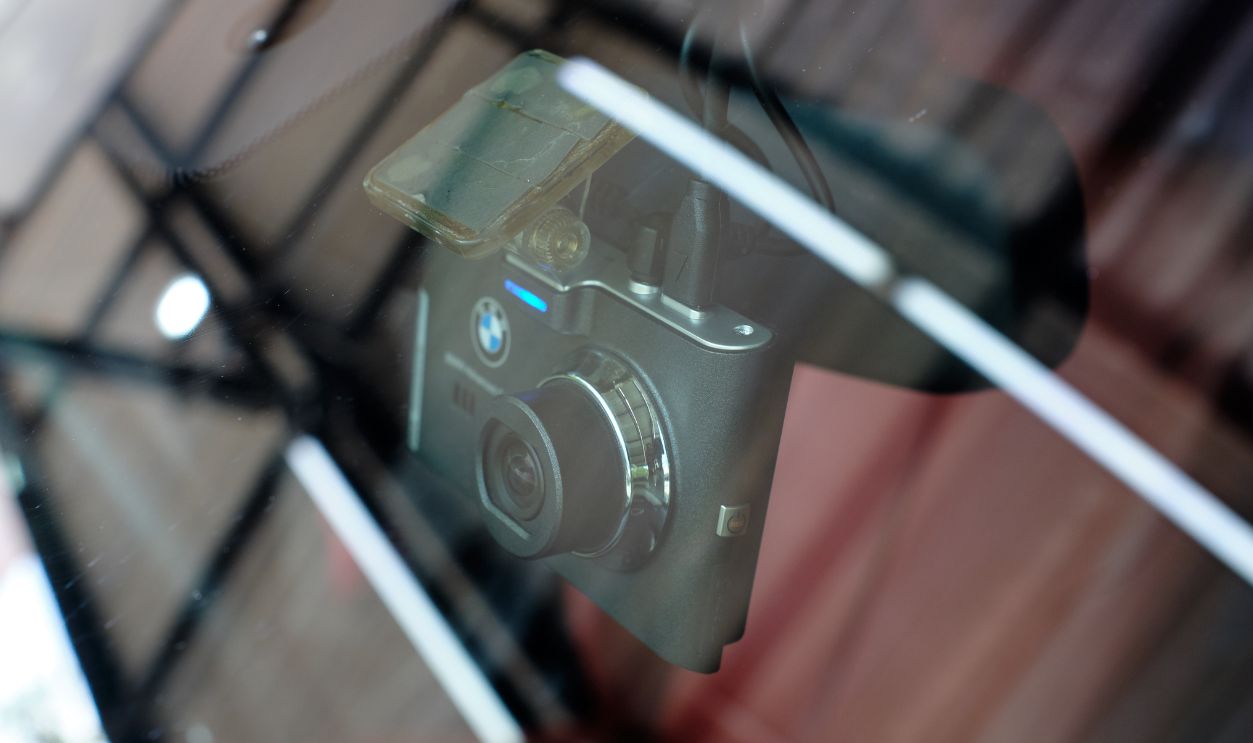 KULLAPONG PARCHERAT, Shutterstock
Calibration Is Not Optional Busywork
A camera that is aimed slightly incorrectly may interpret lane lines, vehicles, or pedestrians from the wrong position. Manufacturers may require static calibration with workshop targets, dynamic calibration on the road, or both. Skipping the procedure can leave important driver-assistance features operating incorrectly.

Calibration Adds Time And Labor
The replacement process may no longer end when the adhesive is applied. Technicians can need specialized targets, diagnostic equipment, level floors, controlled lighting, precise tire pressures, and an approved road route. The procedure can add an hour or more depending on the vehicle and calibration method.

AAA Found A Significant Cost Increase
AAA studied windshield replacement on three 2023 vehicles equipped with advanced driver-assistance technology. Relocating the relevant components and performing calibration averaged $360. That represented 25.4 percent of the average total windshield-repair estimate of approximately $1,440 in the study.

Insurance Data Shows The Same Pattern
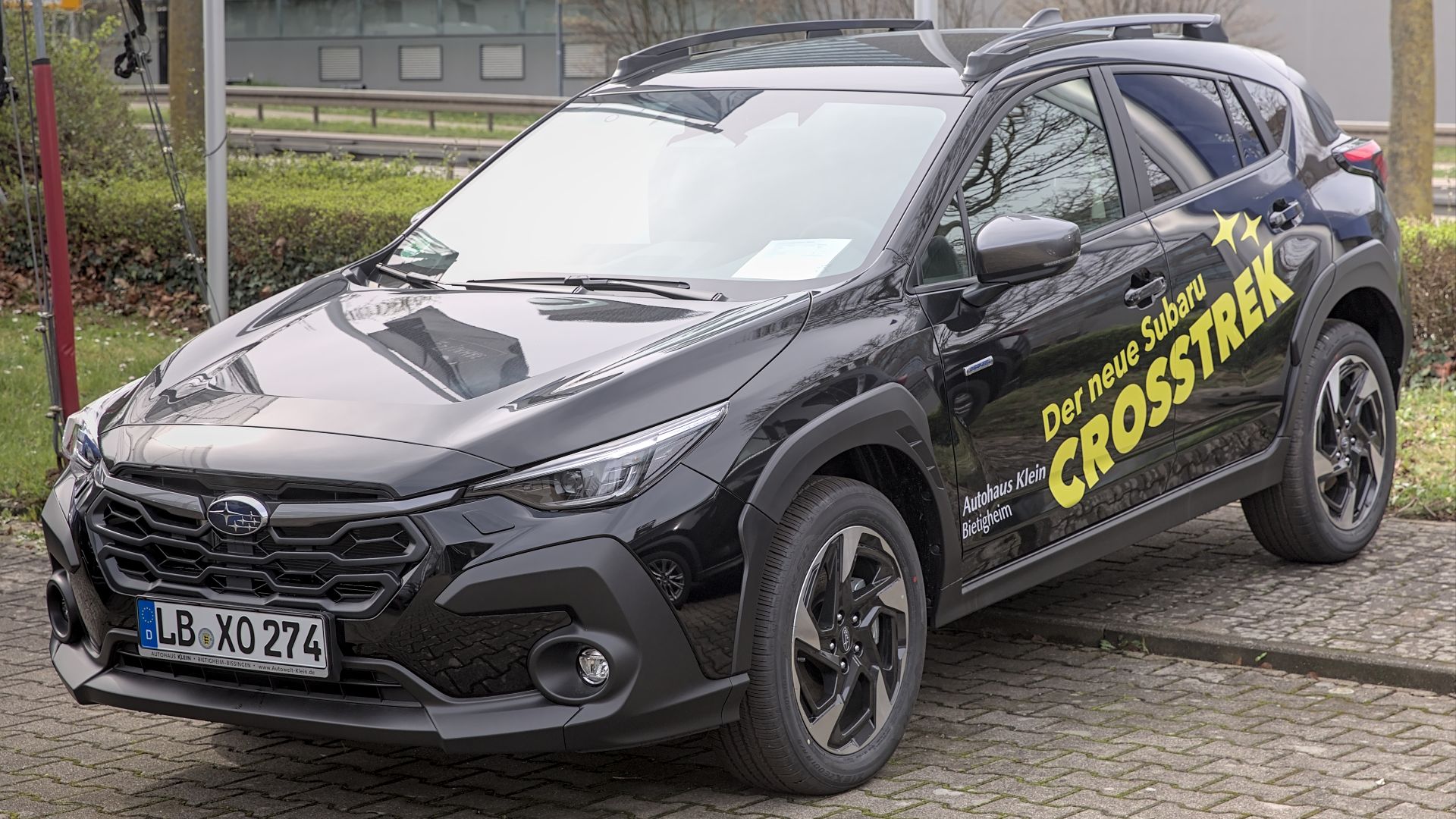
The Highway Loss Data Institute found higher glass-claim severity for some vehicles equipped with windshield-mounted front crash-prevention cameras. High-dollar claims were much more common on several camera-equipped Honda and Subaru models than on comparable versions without the technology. The research attributed much of that difference to calibration and related replacement costs.
 Alexander-93, Wikimedia Commons
Higher Claims Do Not Prove Weaker Glass
HLDI found slightly higher glass-claim frequencies in some camera-equipped models, but that does not establish that every modern windshield is inherently more fragile. Vehicle shape, driving environment, repair choices, glass features, and claim practices can all affect the numbers. The clearest evidence concerns increased claim cost rather than a universal decline in glass strength.
Special Features Raise The Quote
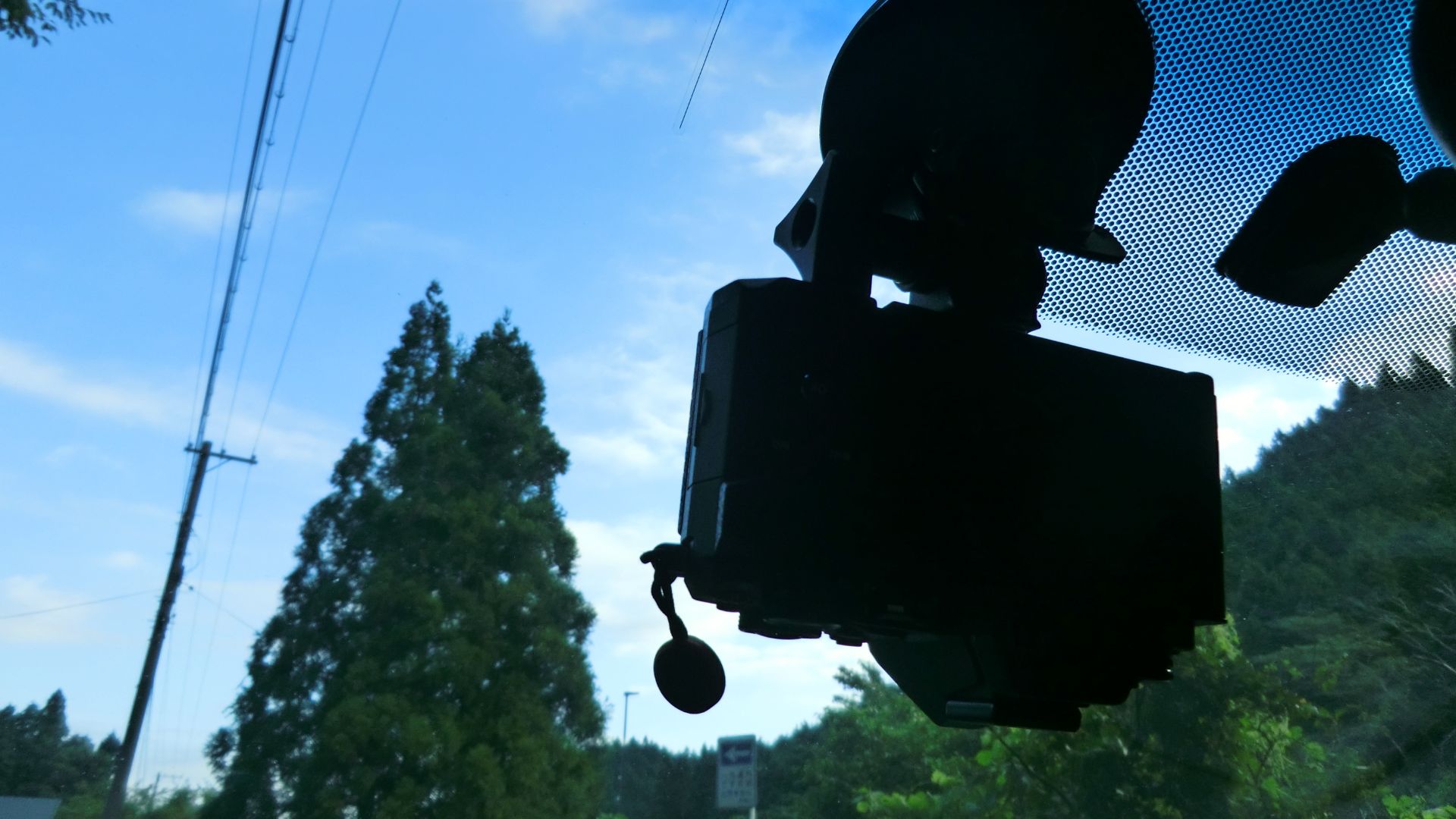
A windshield may include a heated wiper area, antenna, rain sensor, acoustic treatment, infrared coating, or brackets for electronic equipment. Some vehicles also project a head-up display through specially designed glass. Each additional requirement narrows the range of compatible replacement parts and can increase the price.
The Correct Glass Matters
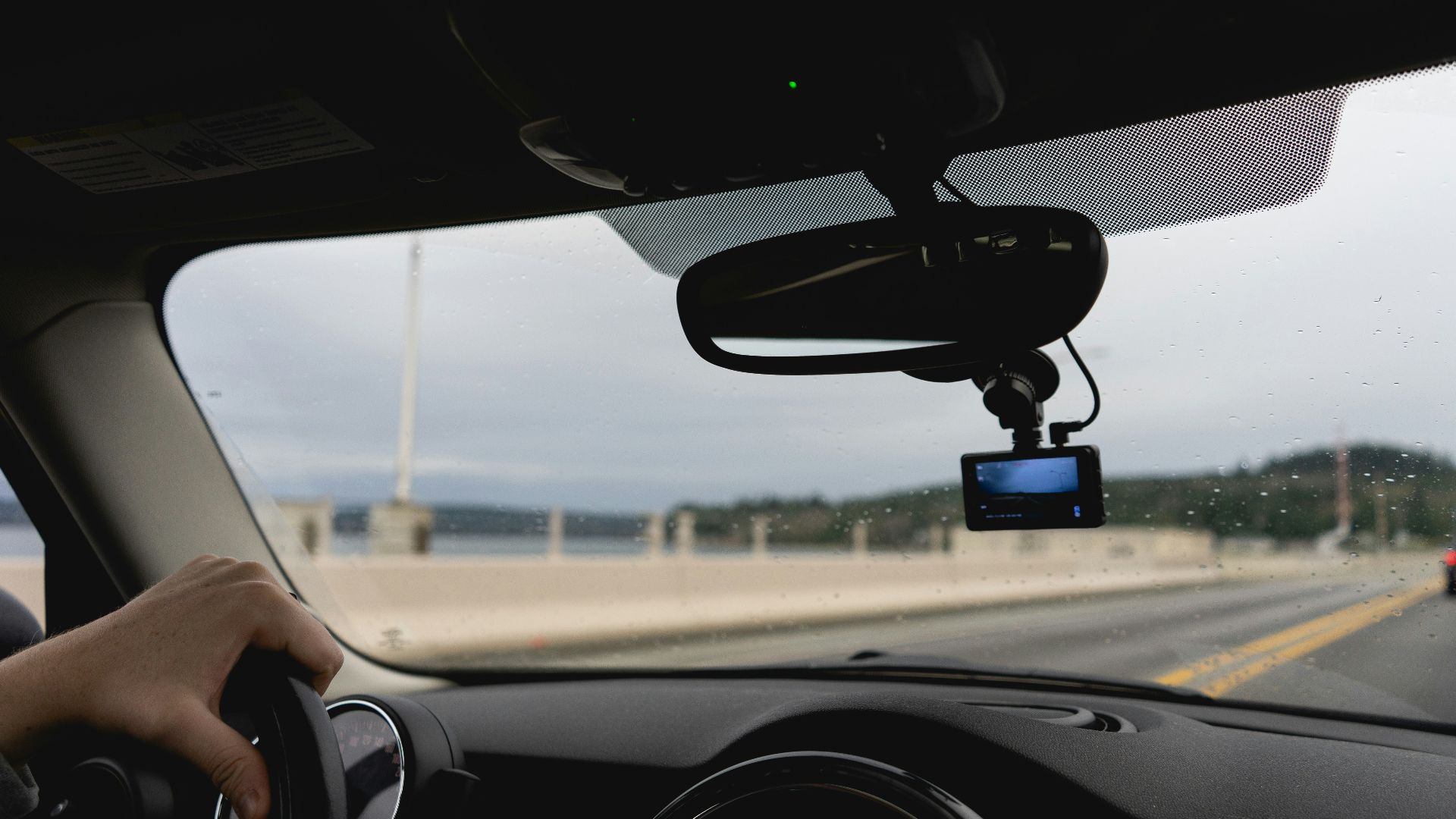
A replacement must fit correctly and provide the optical characteristics expected by the vehicle’s cameras and displays. AAA advises that ADAS-equipped vehicles may require original-equipment or equivalent-quality glass with suitable clarity and camera-mounting precision. A cheaper pane is not a bargain when it causes distortion or prevents successful calibration.
Aftermarket Does Not Automatically Mean Bad
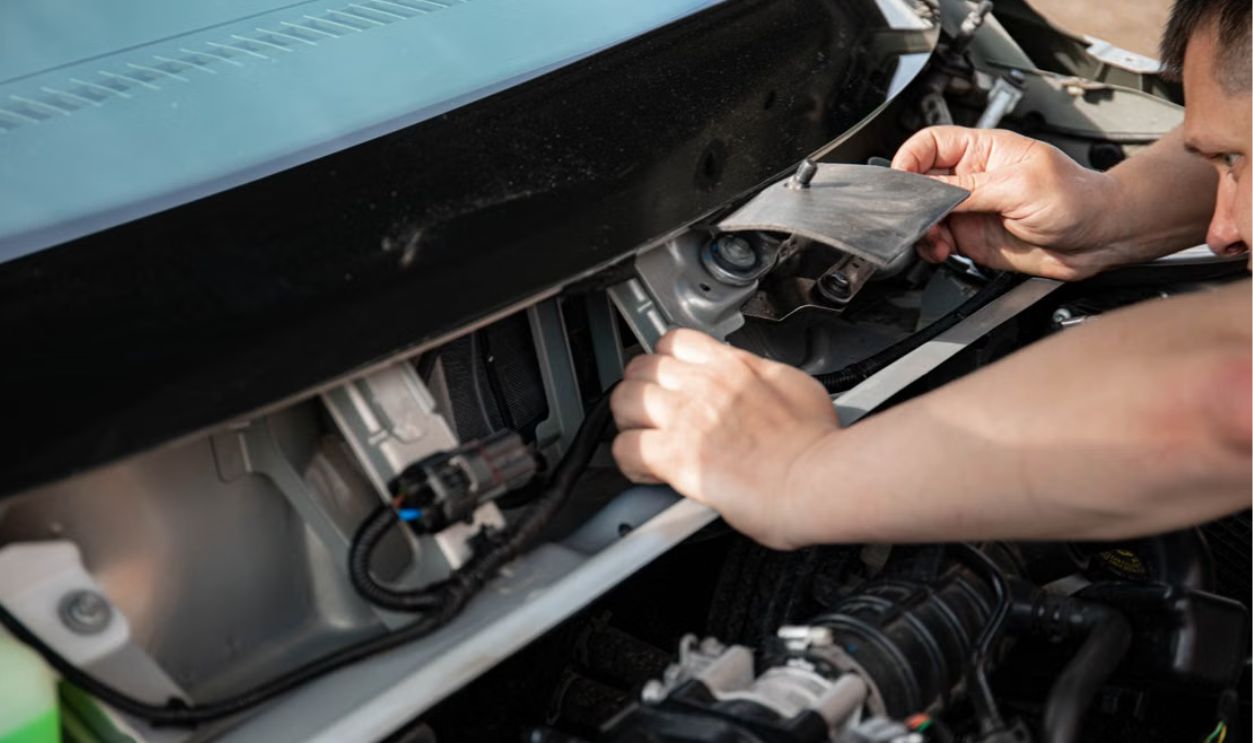
Replacement glass that is not sold under the vehicle manufacturer’s brand can still comply with applicable standards. Quality, specifications, optical performance, and compatibility can vary among products. Drivers should ask the installer and insurer exactly which glass is being proposed and whether it satisfies the manufacturer’s repair requirements.
Installation Quality Is Critical
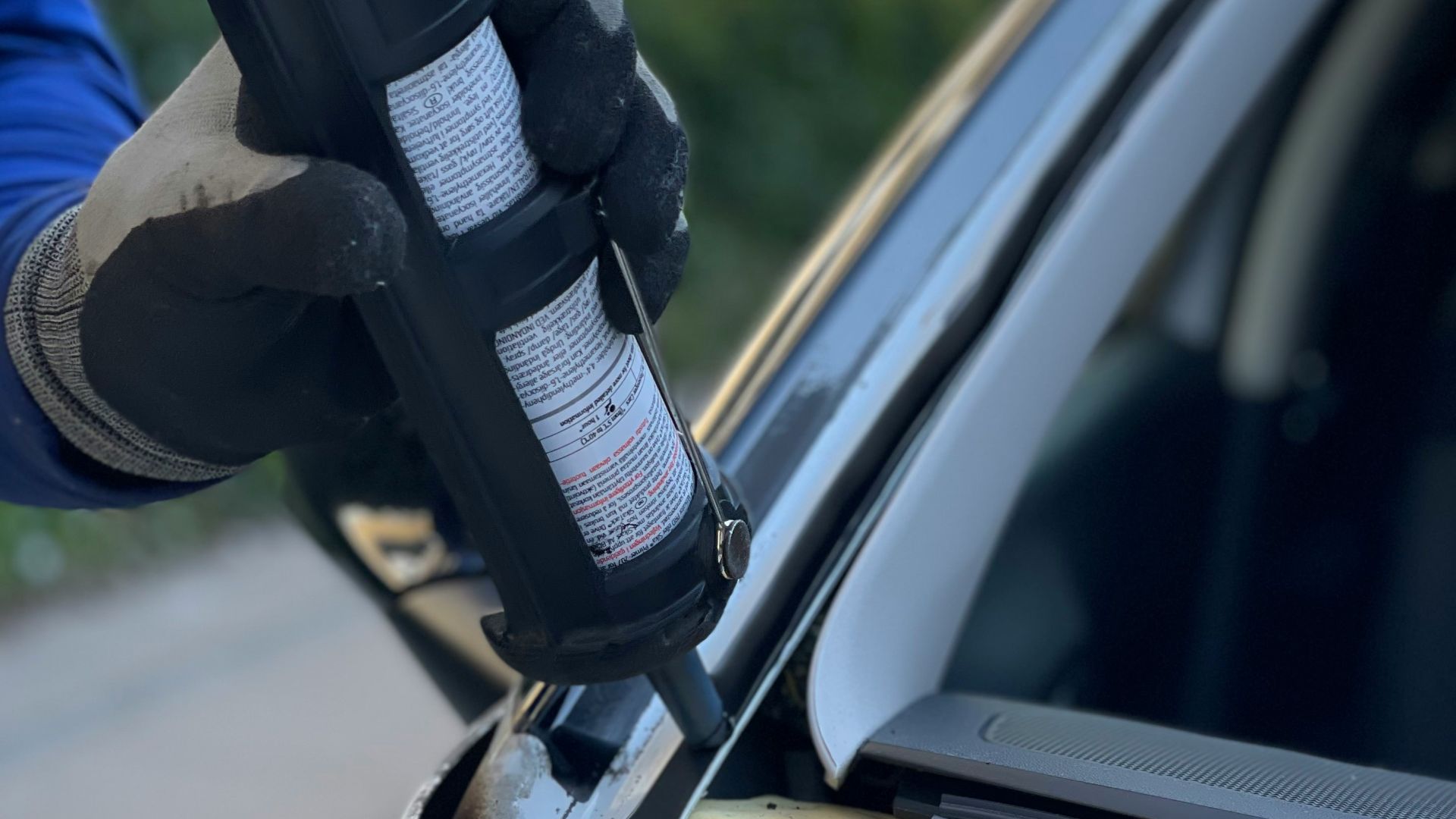
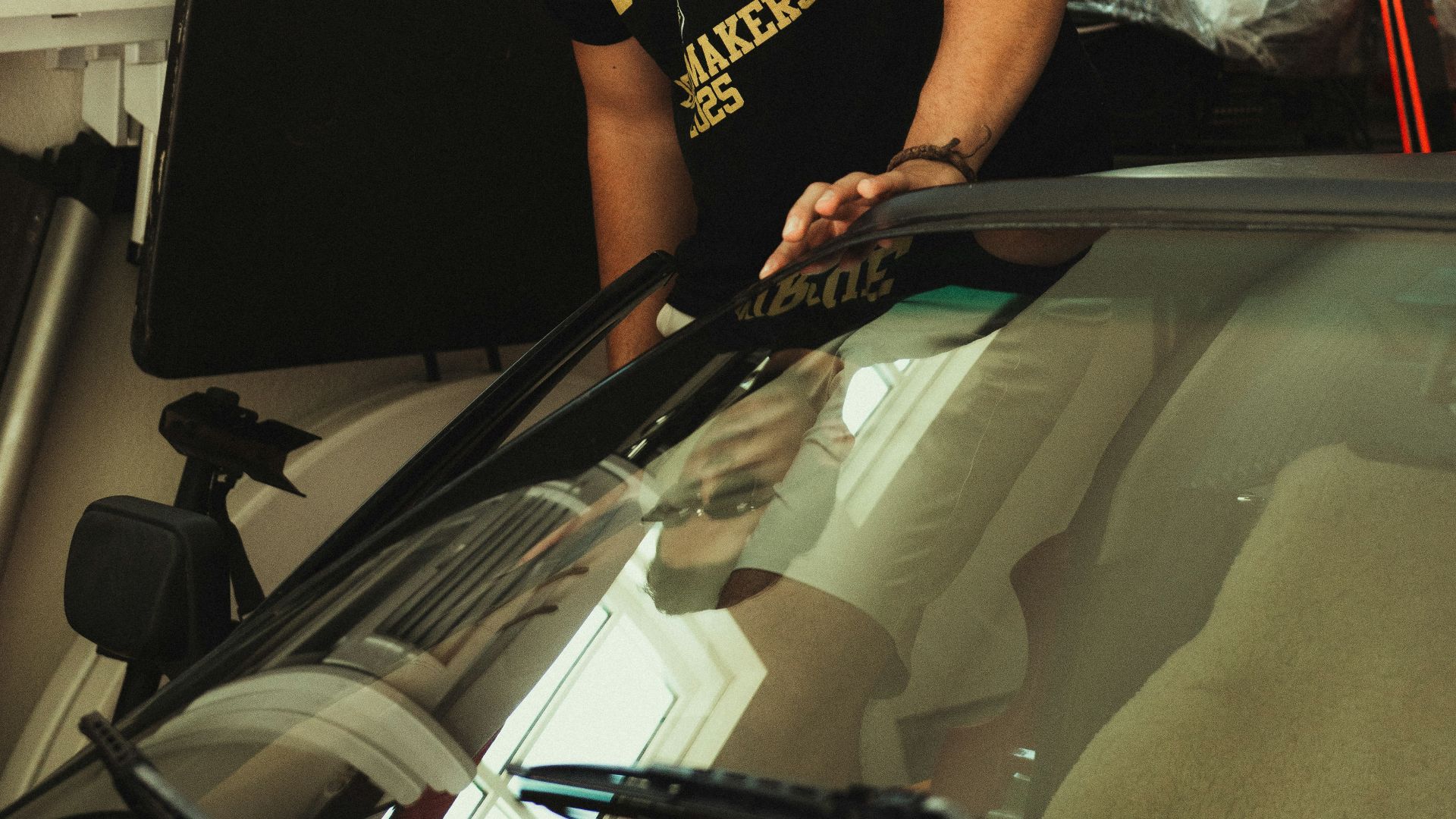
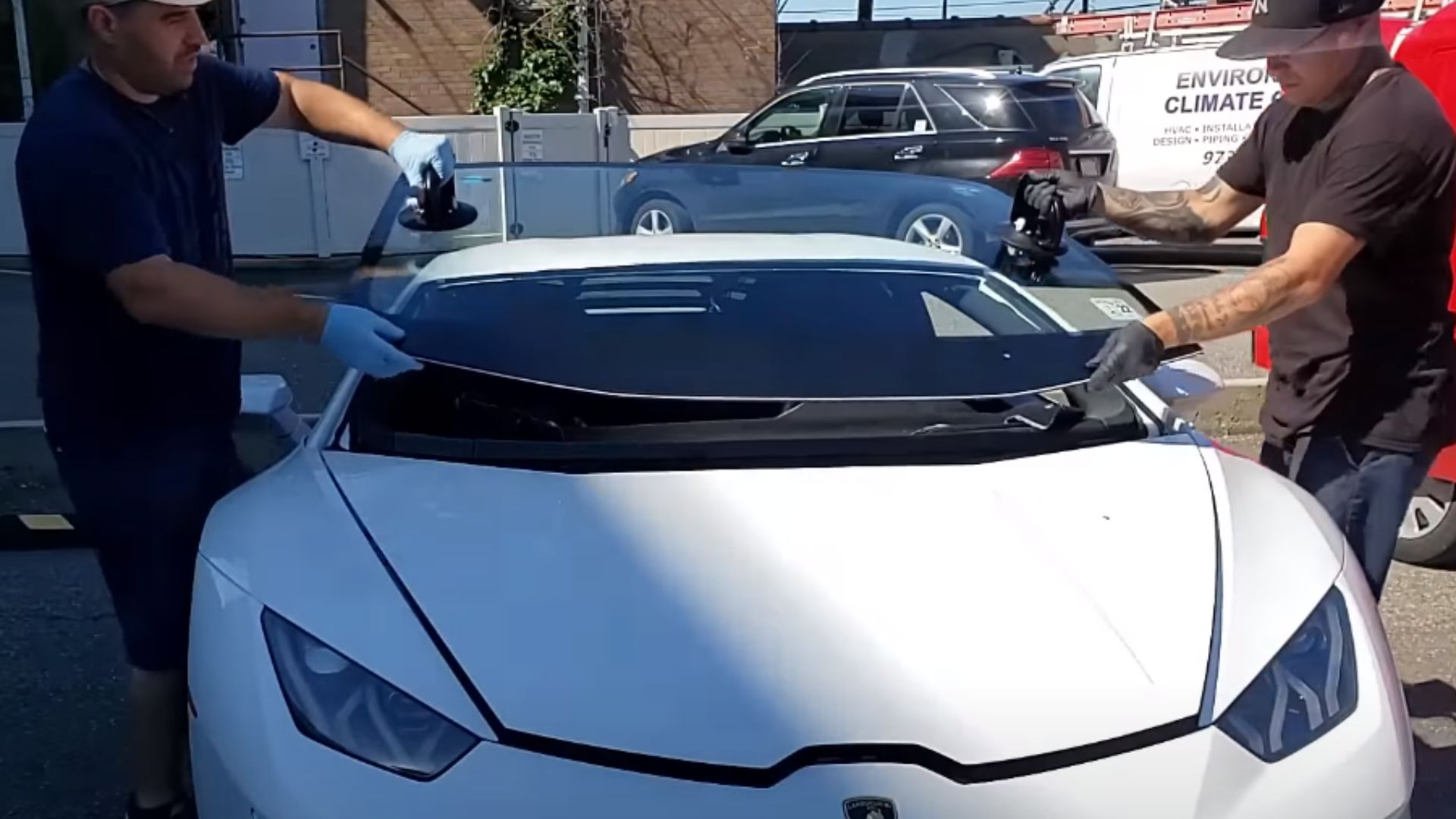
The technician must remove the damaged glass, prepare the bonding surfaces, apply the correct adhesive, and position the new windshield accurately. An installation error can create water leaks, wind noise, structural concerns, or problems with attached sensors. Choosing a qualified installer matters as much as choosing the glass.
The Adhesive Needs Time
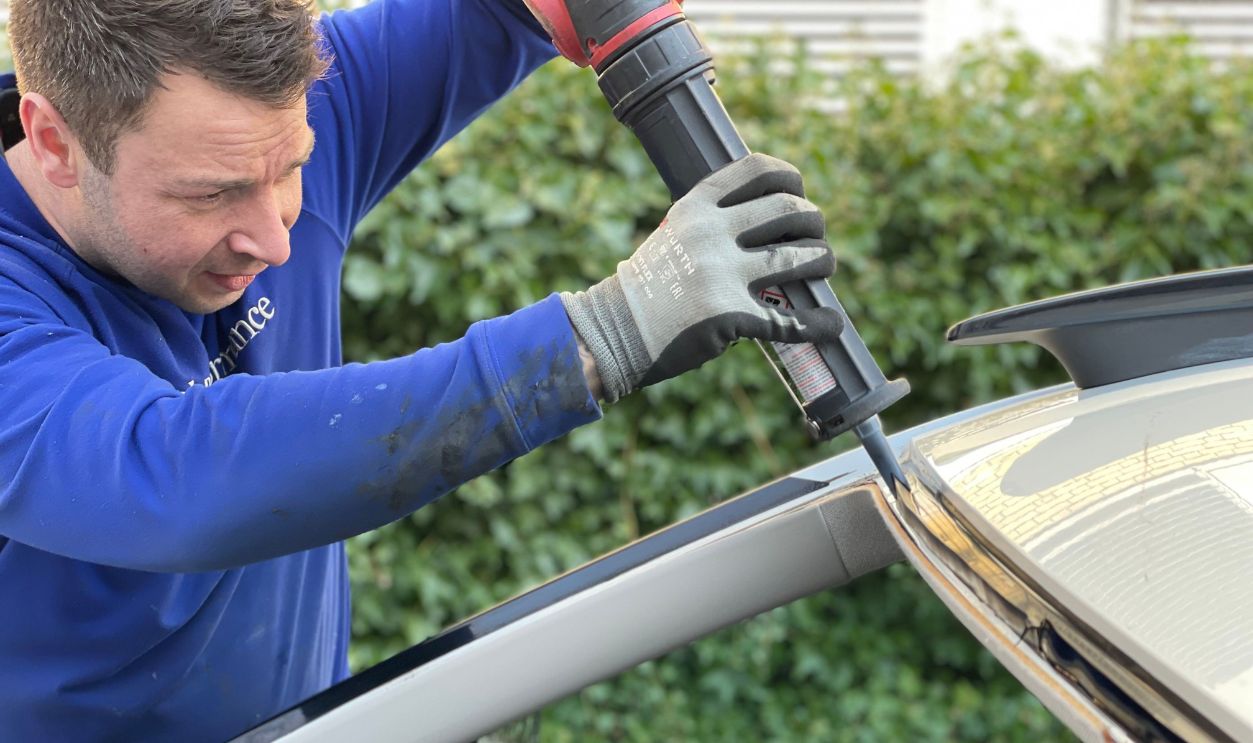
Windshield adhesive requires an appropriate period to cure before the vehicle is driven. The safe-drive-away time depends on the adhesive, temperature, humidity, and installation procedure. Drivers should follow the installer’s instructions rather than assuming the car is immediately ready for highway speeds.
 Jorgeelmv64, Wikimedia Commons
Insurance Coverage Varies Widely
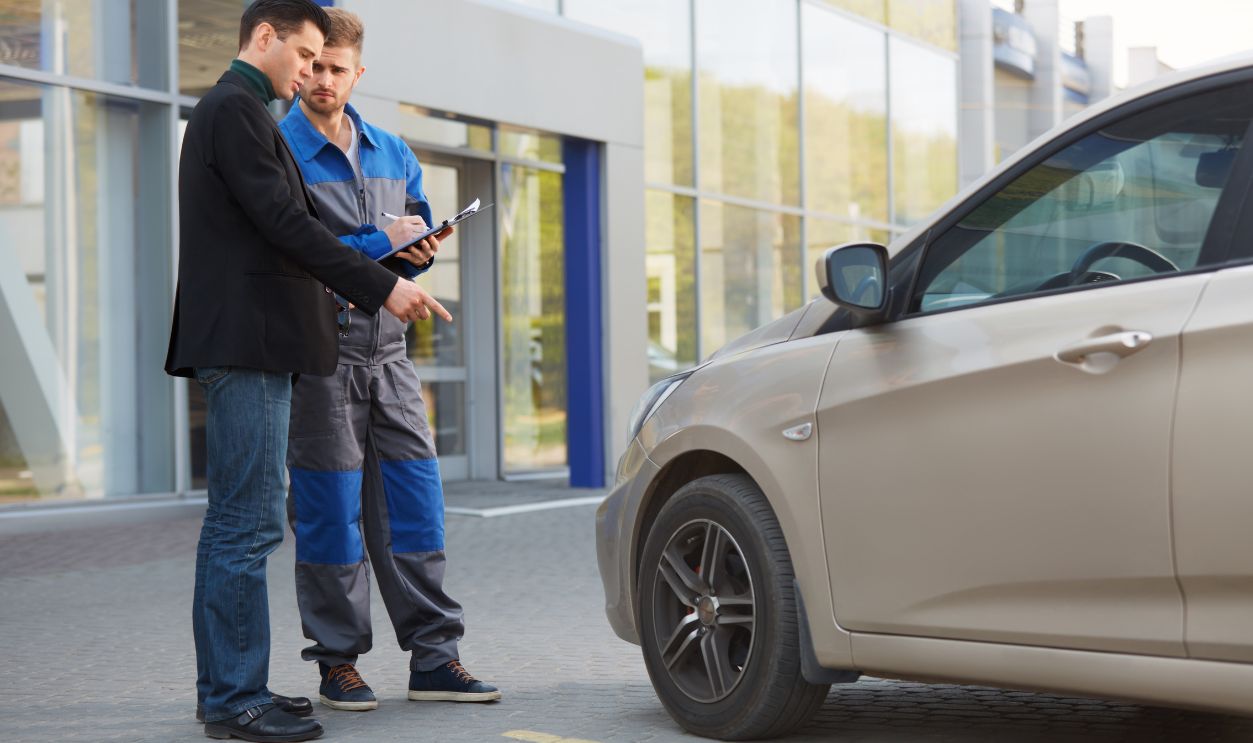
Comprehensive insurance commonly covers glass damage caused by road debris and other non collision events. The policyholder may still owe a deductible when the windshield requires full replacement. Some insurers waive the deductible for repairable chips, which encourages owners to act before a complete replacement is needed.
Your State Can Change The Bill
A small number of states restrict deductibles for covered windshield replacements, while others permit separate glass coverage with a low or zero deductible. Rules and policy options vary, so another driver’s free replacement may not be available to you. Review the glass provisions rather than relying on the general comprehensive deductible shown on the declarations page.
Distance Is Your Best Defense
You cannot eliminate every flying rock, but additional following distance can reduce exposure to debris thrown by trucks and other vehicles. The benefit is especially important on gravel roads, construction routes, and recently resurfaced highways. Moving away from vehicles with loose or uncovered loads is also sensible when it can be done safely.

Repair The First Chip Quickly
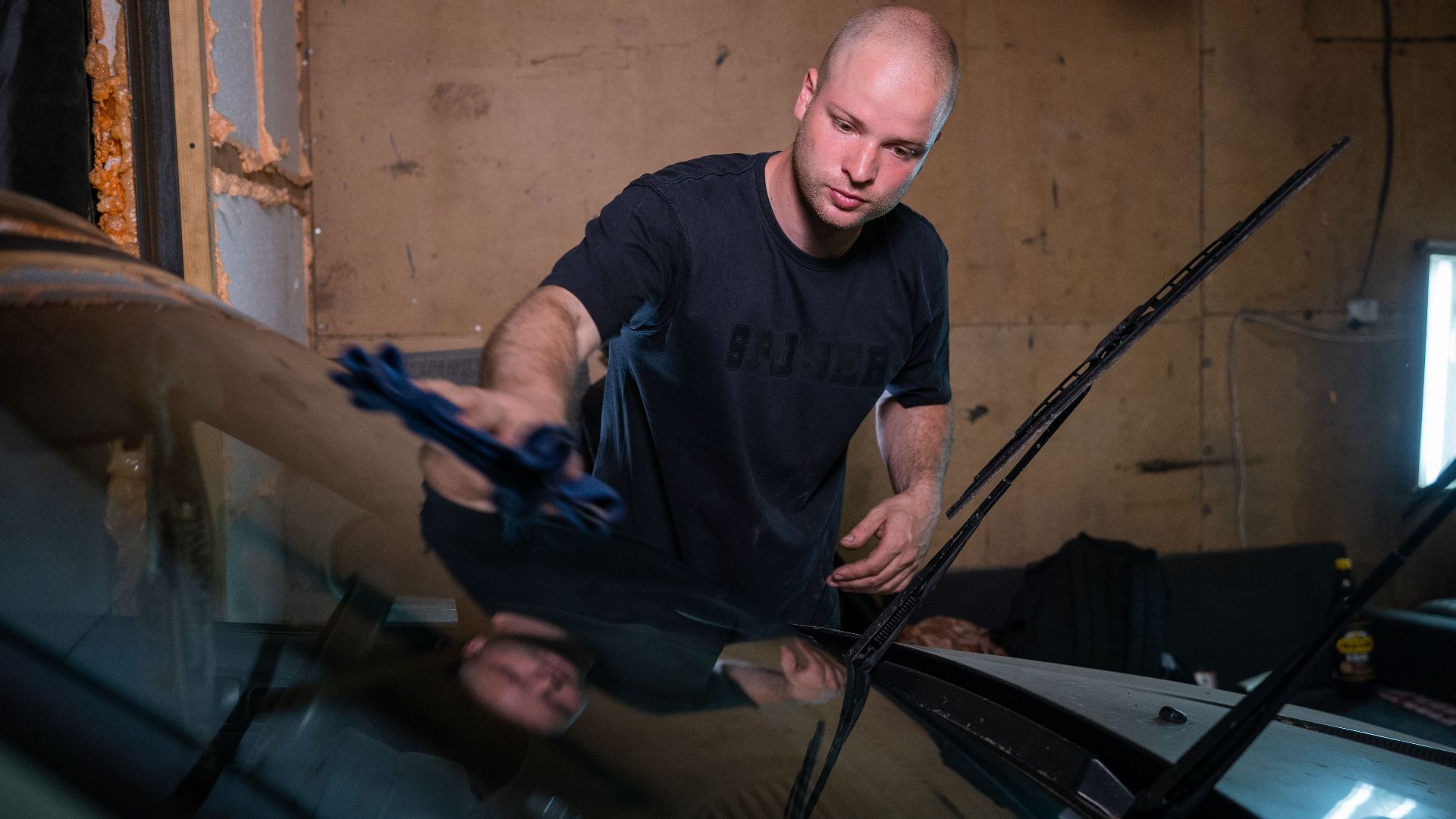
Photograph the damage and arrange an inspection as soon as practical. Avoid blasting the area with extreme heat, pressing on it, or allowing dirt and water to remain in the chip. A small repair today may prevent another costly windshield, adhesive installation, camera transfer, and calibration tomorrow.
Modern Windshields Are More Complicated
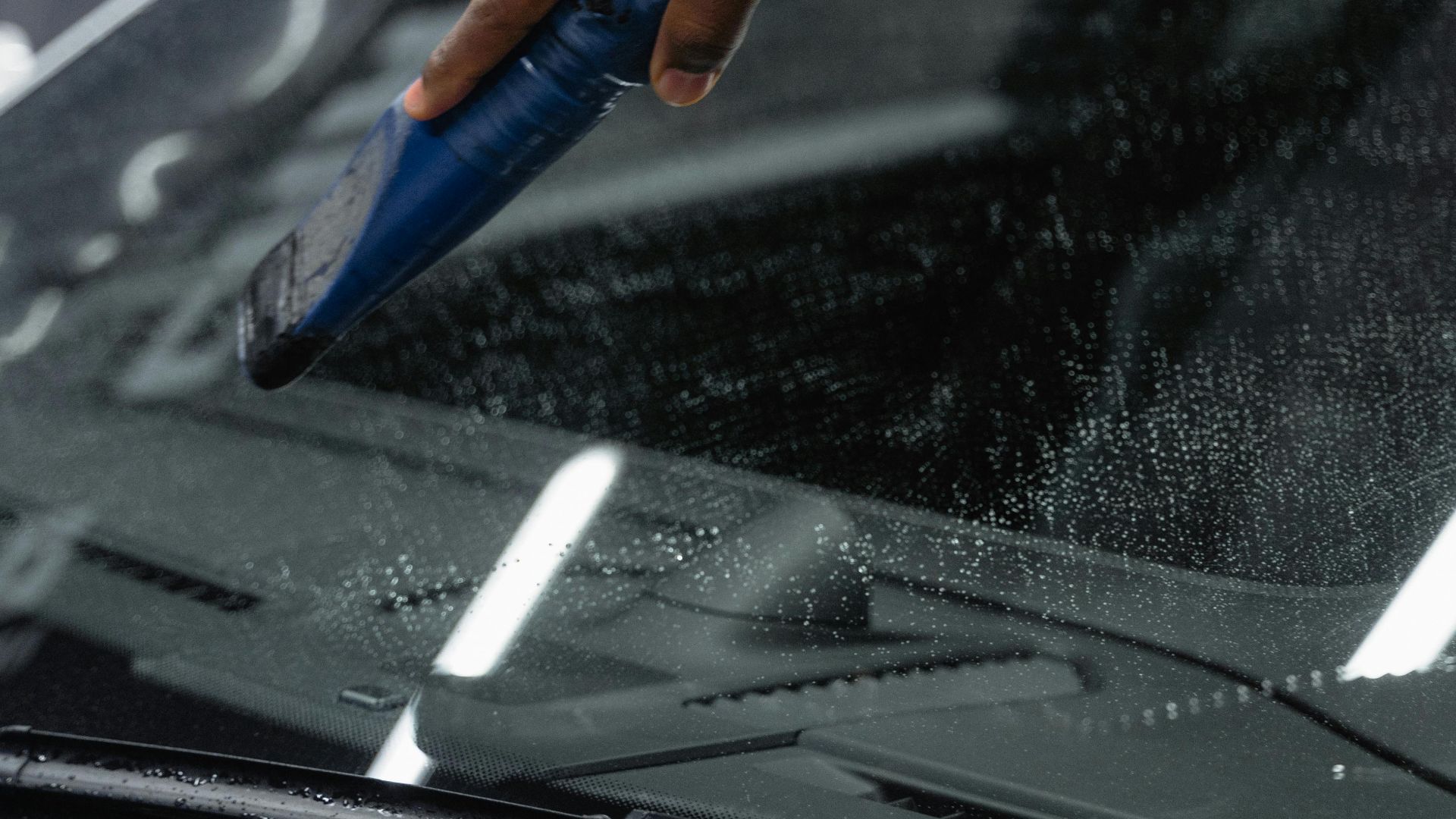
There is no strong basis for claiming that every modern windshield is simply thinner, cheaper, or universally more fragile than older glass. What has clearly changed is the amount of safety and convenience technology attached to it. Tiny rocks still cause cracks, but the modern replacement process gives those cracks a much larger financial impact.
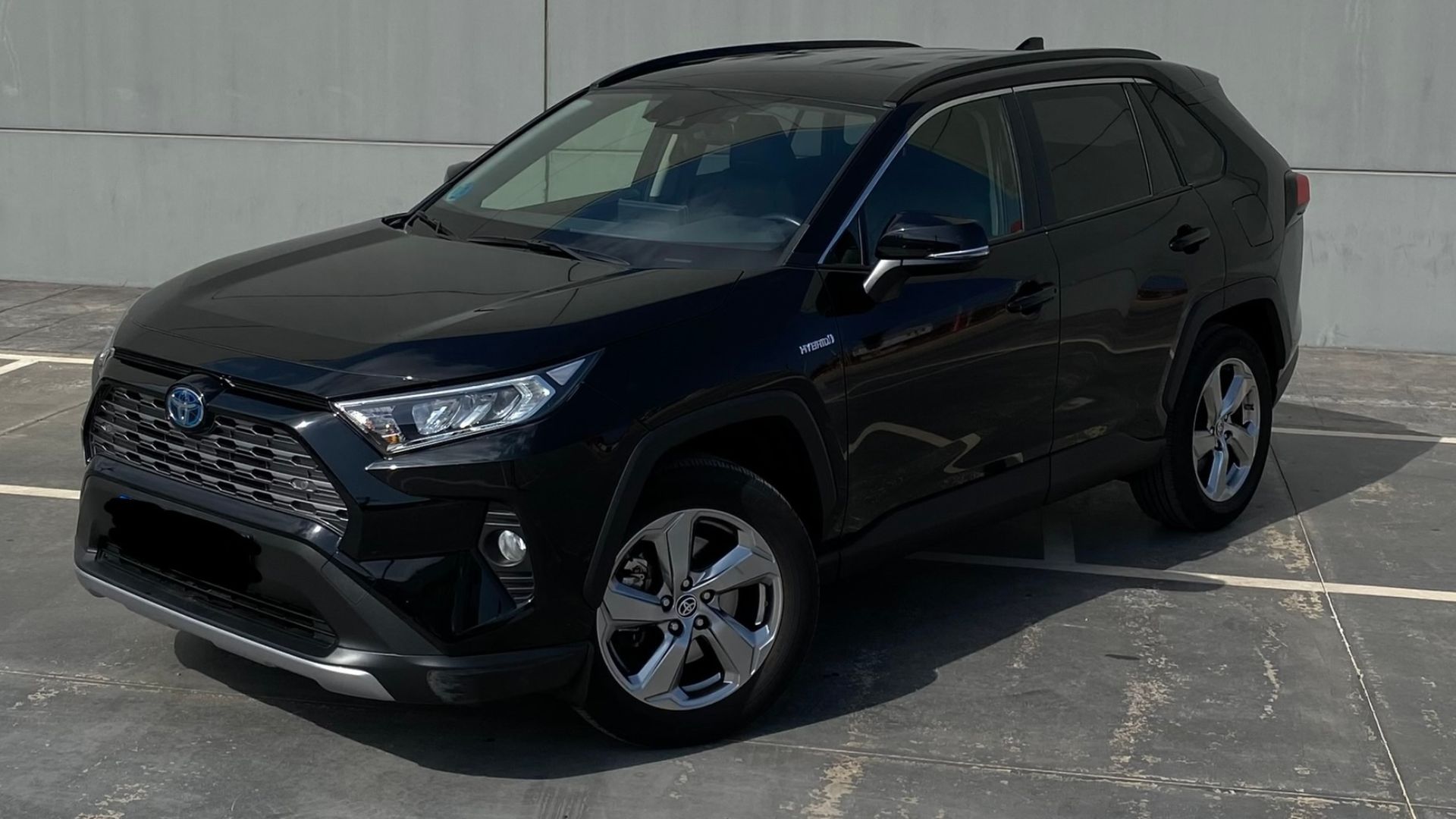 Europacoche, Wikimedia Commons
You May Also Like:
DIY Car Maintenance: Simple Tasks to Keep Your Vehicle Running Smoothly
How Much Electric Car Range Do You Need?
Classic 1960s Motorcycles That Changed Riding Forever
Sources: 1, 2, 3, 4, 5, 6, 7, 8, 9, 10, 11, 12, 13, 14, 15, 16