Terrible Timing
A piece of gravel flew out of a dump truck and cracked your windshield just two days before your current insurance policy expires. Now you’re wondering whether to file a claim immediately or pay out of pocket to avoid possible problems with your new insurer.
The Damage Happened During Your Current Policy
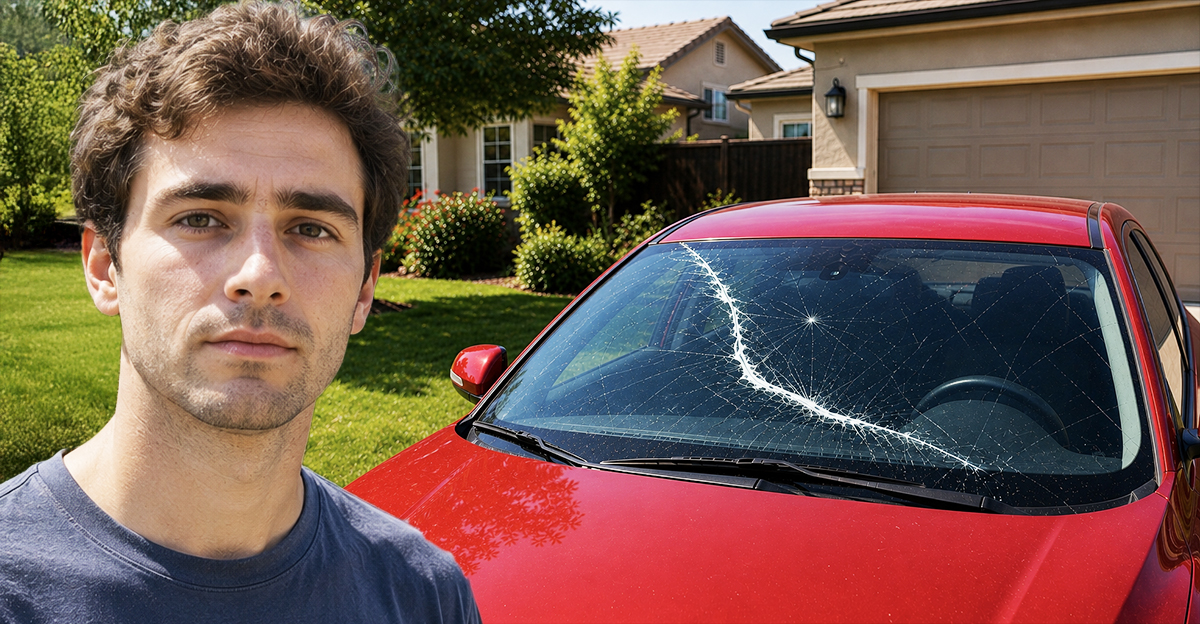
The most important detail to pay attention to here is when the damage occurred. Since the windshield crack happened while your current policy was active, that insurer is generally responsible for handling the claim, even if repairs happen after the policy technically ends.

Waiting Could Complicate Things
If you delay reporting the damage, the new insurer could later question when the crack occurred. That may lead to disputes about coverage or accusations that the damage existed before the new policy began. Reporting promptly often avoids those complications.

Windshield Claims Are Usually Comprehensive
A cracked windshield caused by road debris typically falls under comprehensive coverage rather than collision coverage. Comprehensive claims are often treated differently because they involve random damage rather than driver negligence.

Some States Treat Windshield Claims Differently
Several states require insurers to waive deductibles for windshield replacement under certain policies. Some states also restrict insurers from raising premiums specifically because of glass claims due to the safety importance of maintaining clear visibility.

Safety Is A Major Factor
Insurance companies know cracked windshields can weaken structural integrity and impair visibility. That is one reason some states discourage insurers from heavily penalizing drivers for glass claims compared to at-fault accidents or repeated collision claims.
Your New Insurer May Still See The Claim
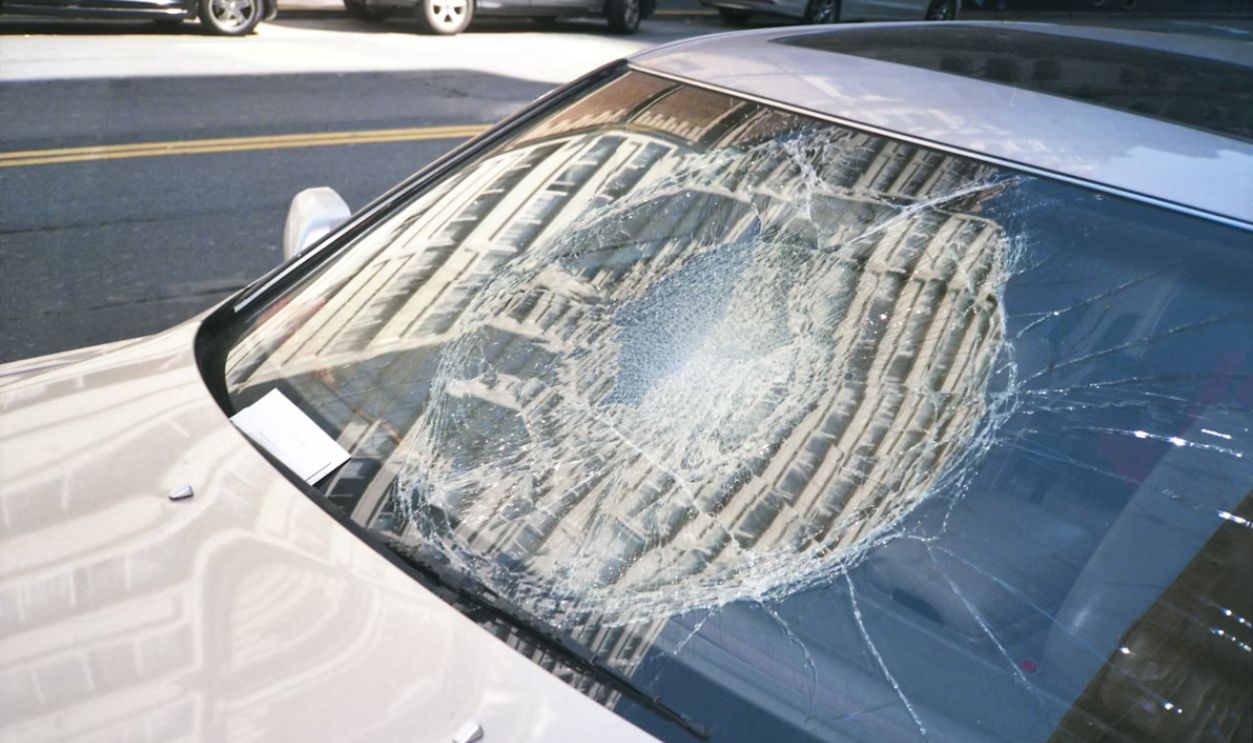
Even if you file under the old policy, the claim may still appear in industry databases that insurers review during underwriting. That doesn't automatically mean your rates will rise, but your new provider could become aware of that repair history.

One Claim Usually Is Not Catastrophic
For many drivers, a single comprehensive glass claim does not dramatically impact premiums. Insurers are generally more concerned about patterns of repeated claims, major accidents, or high-risk driving behavior than one isolated windshield repair.

Deductibles Matter A Lot
Before filing, compare the repair cost to your comprehensive deductible. If your deductible is close to the replacement cost, filing may not save much money. Smaller windshield chips can sometimes even be repaired without replacing the entire glass.

Windshield Repairs Are Often Cheaper Than Expected
Many modern windshield repairs cost less than drivers fear, especially if the crack is repairable rather than requiring a full replacement. Getting an estimate first can help you decide whether filing a claim makes financial sense.
Dump Truck Incidents Are Common
Road debris from dump trucks is a frequent source of windshield damage. Unfortunately, unless you can clearly prove negligence or secure identifying information, recovering costs directly from the truck operator can be difficult.

Documentation Helps Protect You
Take photos of the crack, record the date when it occurred, and keep records of any conversations with insurers. Documentation helps establish that the damage happened before your new policy started, reducing the chance of future disputes.

Your Driving Record Still Matters More
Even if your insurer notices the claim, your broader driving history usually carries more weight. Drivers with clean records and few prior claims are less likely to see significant premium changes over one windshield incident.

Claims Timing Can Affect Underwriting
Insurance companies sometimes review recent claims when calculating renewal rates or new policy pricing. Filing a claim right before switching insurers could potentially influence your future premiums, although the effect is often smaller with comprehensive claims.

Some Drivers Choose To Pay Out Of Pocket
Many people decide to avoid filing smaller claims altogether, especially if they are already changing insurers. Paying directly can eliminate concerns about future underwriting questions or premium adjustments tied to claims history.

Repair Versus Replacement Changes The Equation
A small chip repair is generally viewed differently than a full windshield replacement. Repairs are cheaper and less severe from an insurance perspective. If the damage can safely be repaired instead of replaced, that may influence your decision.
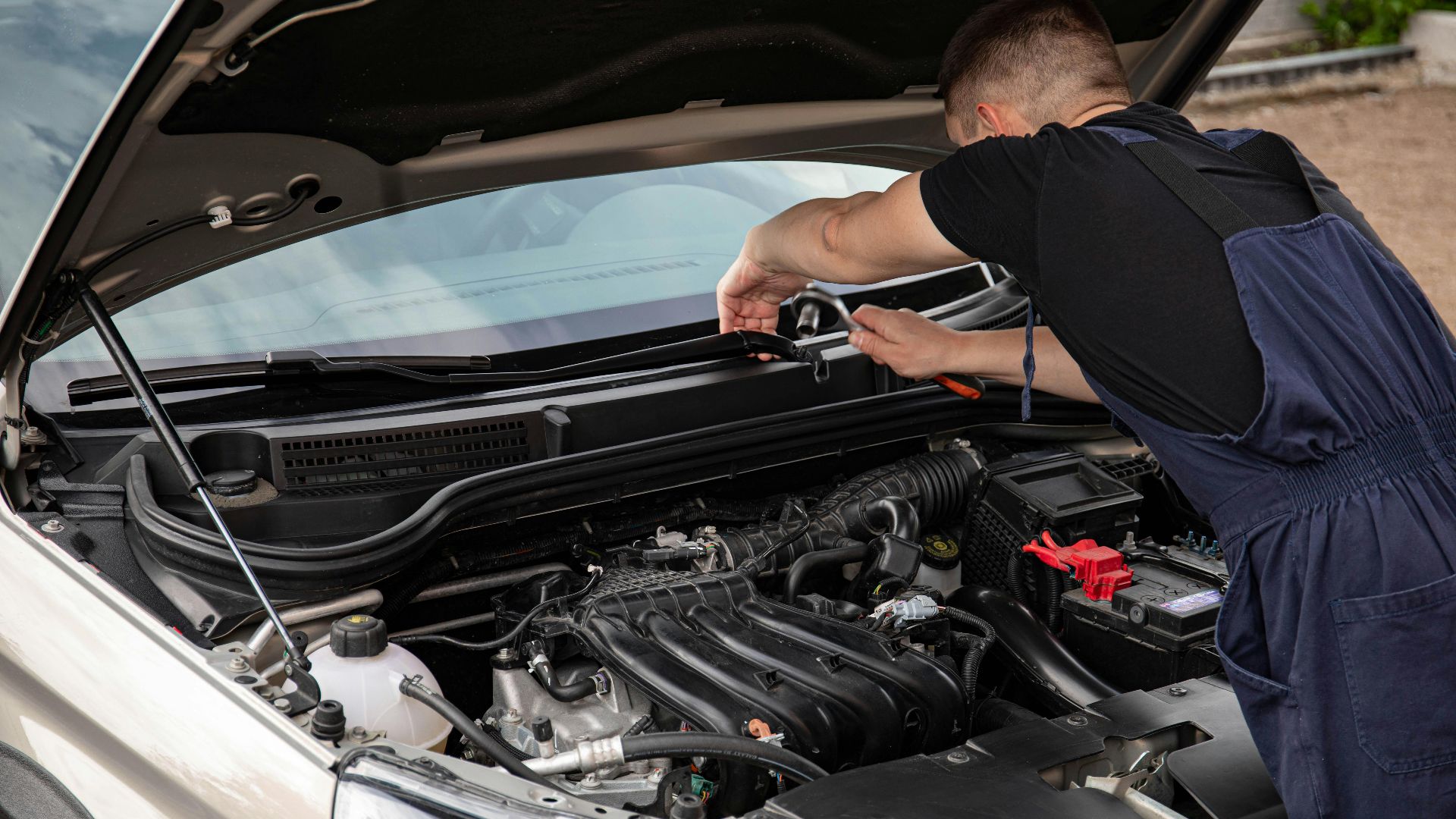
Modern Windshields Are Expensive
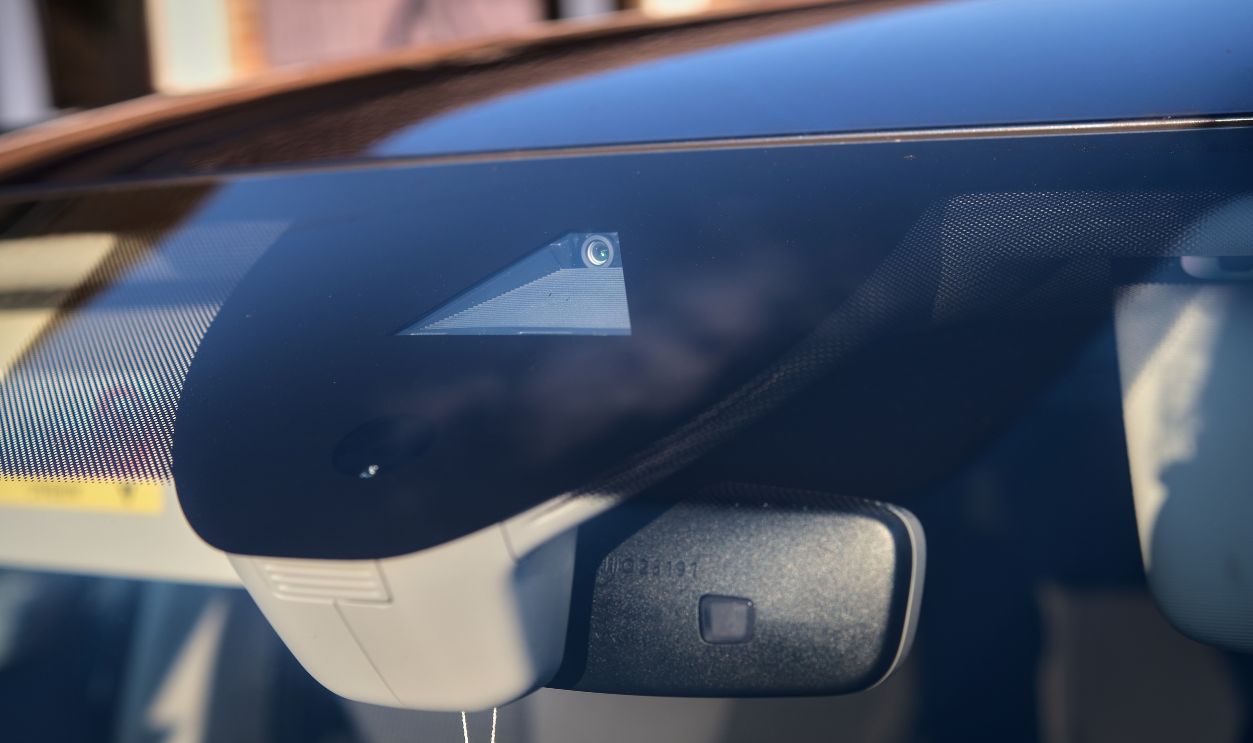
New vehicles often have advanced driver assistance systems built into the windshield area. Calibration after replacement can significantly increase costs, making insurance coverage more valuable than it used to be.
 Igor Paszkiewicz, Shutterstock
Filing Promptly Usually Looks Better
Insurers generally prefer claims to be reported as soon as possible after damage occurs. Waiting too long can allow suspicion to creep in as to exactly when the damage actually happened and may complicate the process unnecessarily.

Think Beyond Just This One Claim
Consider your overall insurance strategy. If you already have multiple recent claims or tickets, adding another claim could matter more. It could be the straw that breaks the camel’s back in triggering a substantial hike in premiums. If your record is otherwise clean, one windshield claim may have minimal long-term impact.

The Bottom Line
If the crack happened during your current policy, filing under that policy is usually legitimate and straightforward. The real question is whether the repair cost justifies making a claim. Check your deductible, consider your claims history, and weigh the possible premium impact before you rush into a hasty, poorly thought-out decision.

You May Also Like: