Glass Changes The Entire Cabin.
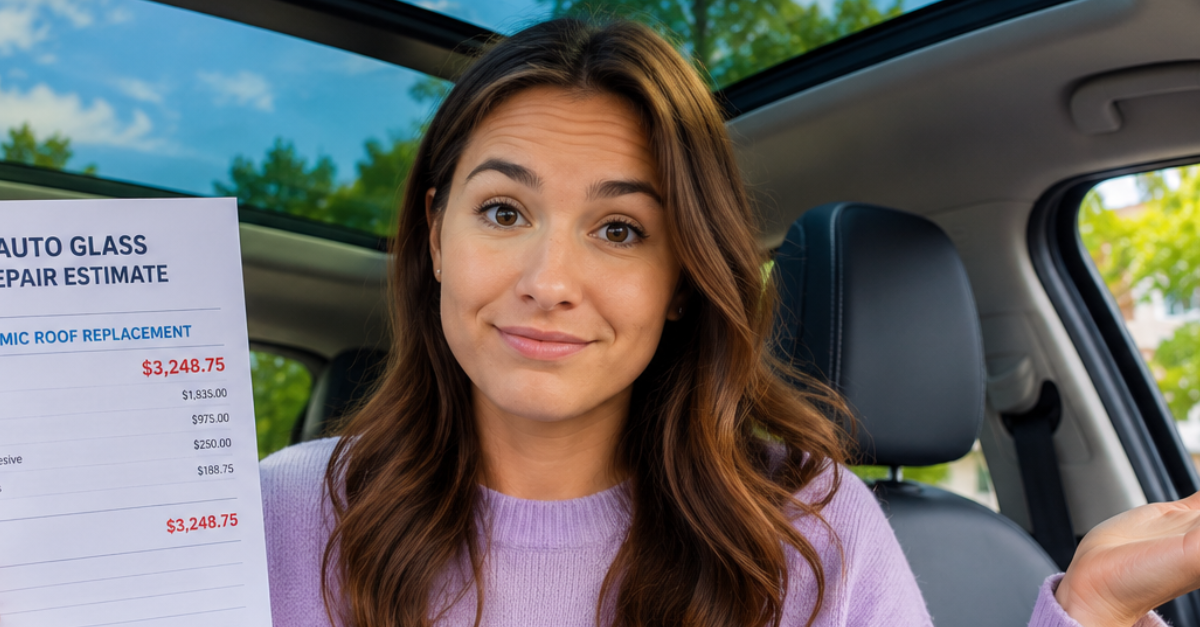
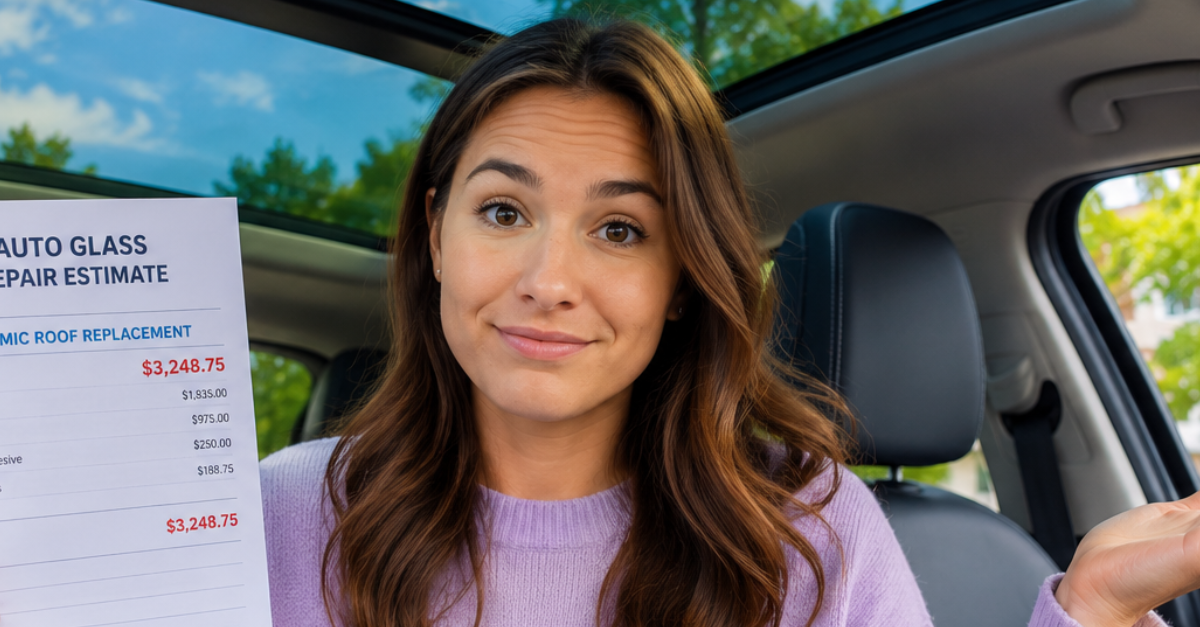
A panoramic roof can make an ordinary vehicle feel brighter, roomier, and more expensive, but it also adds large glass panels, seals, drains, motors, shades, and replacement costs above your head. Whether it is worth owning depends on how much you enjoy the feature and how prepared you are for the risks that come with it.
A Panoramic Roof Is More Than A Window
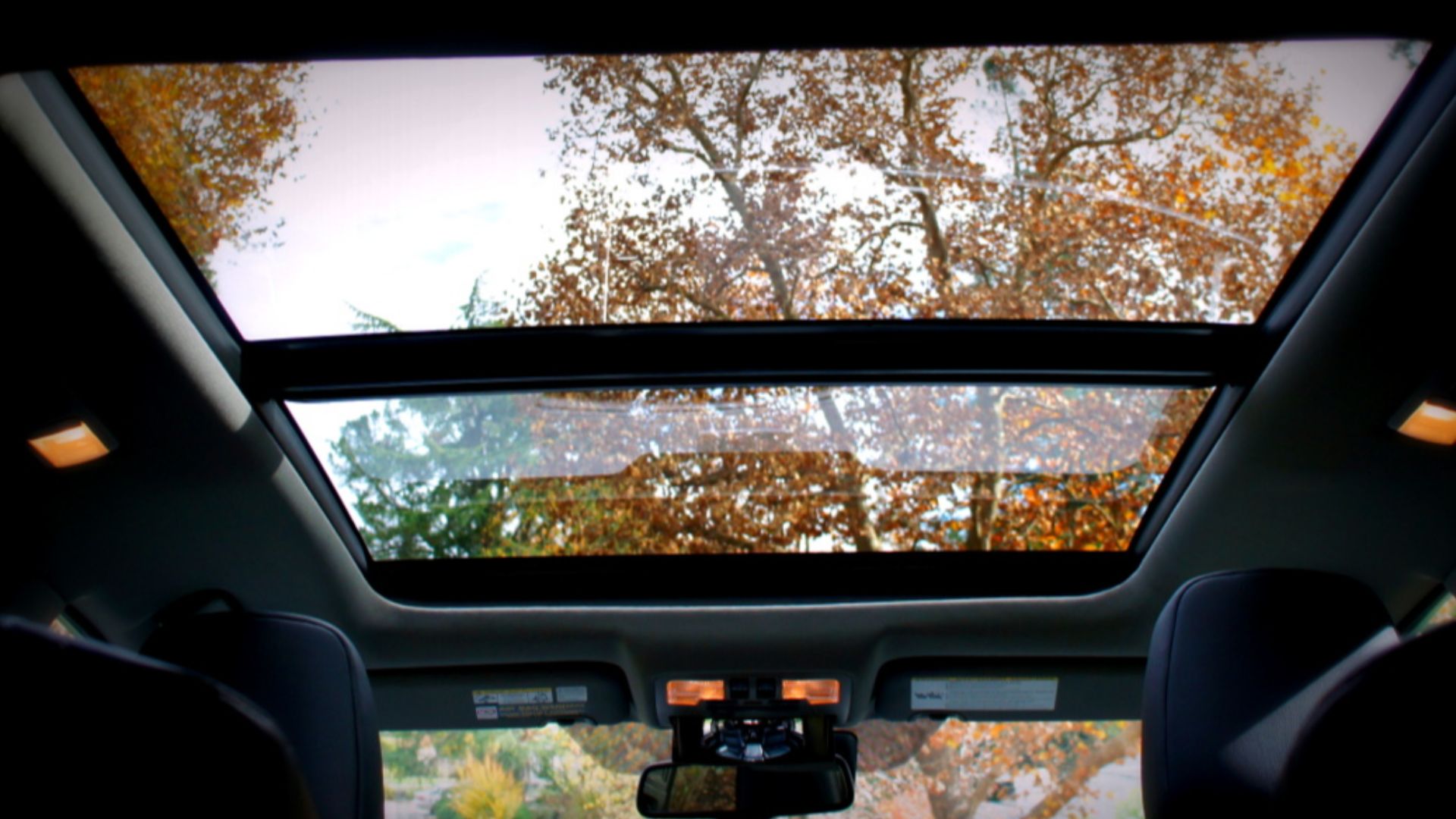
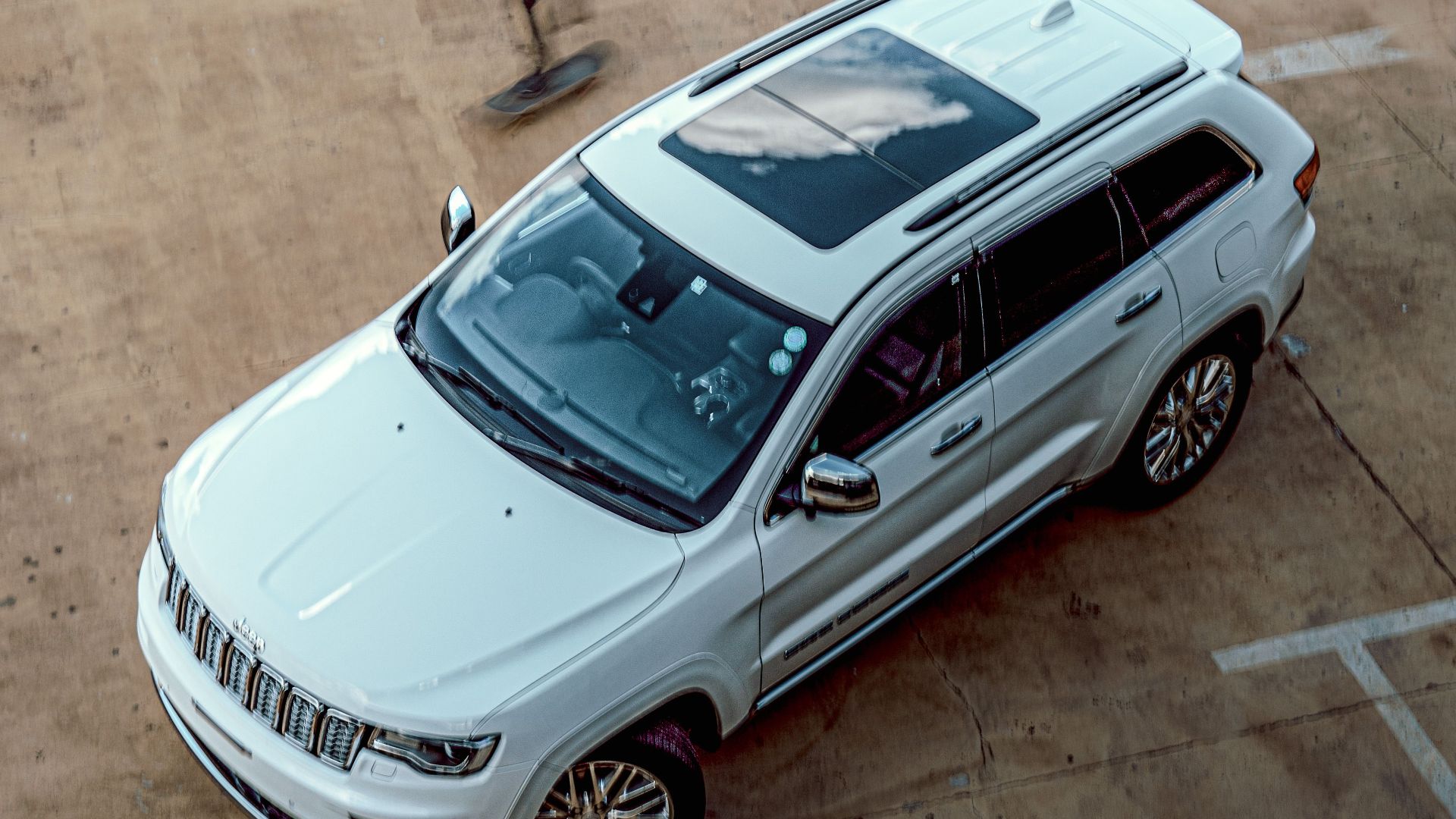
A conventional sunroof usually places one relatively small glass panel above the front seats. A panoramic system covers a much larger portion of the roof and may include separate front and rear panels. Some designs open, while others are fixed glass roofs paired with an interior shade.
 Michael Sheehan, Wikimedia Commons
The Cabin Really Does Feel Different
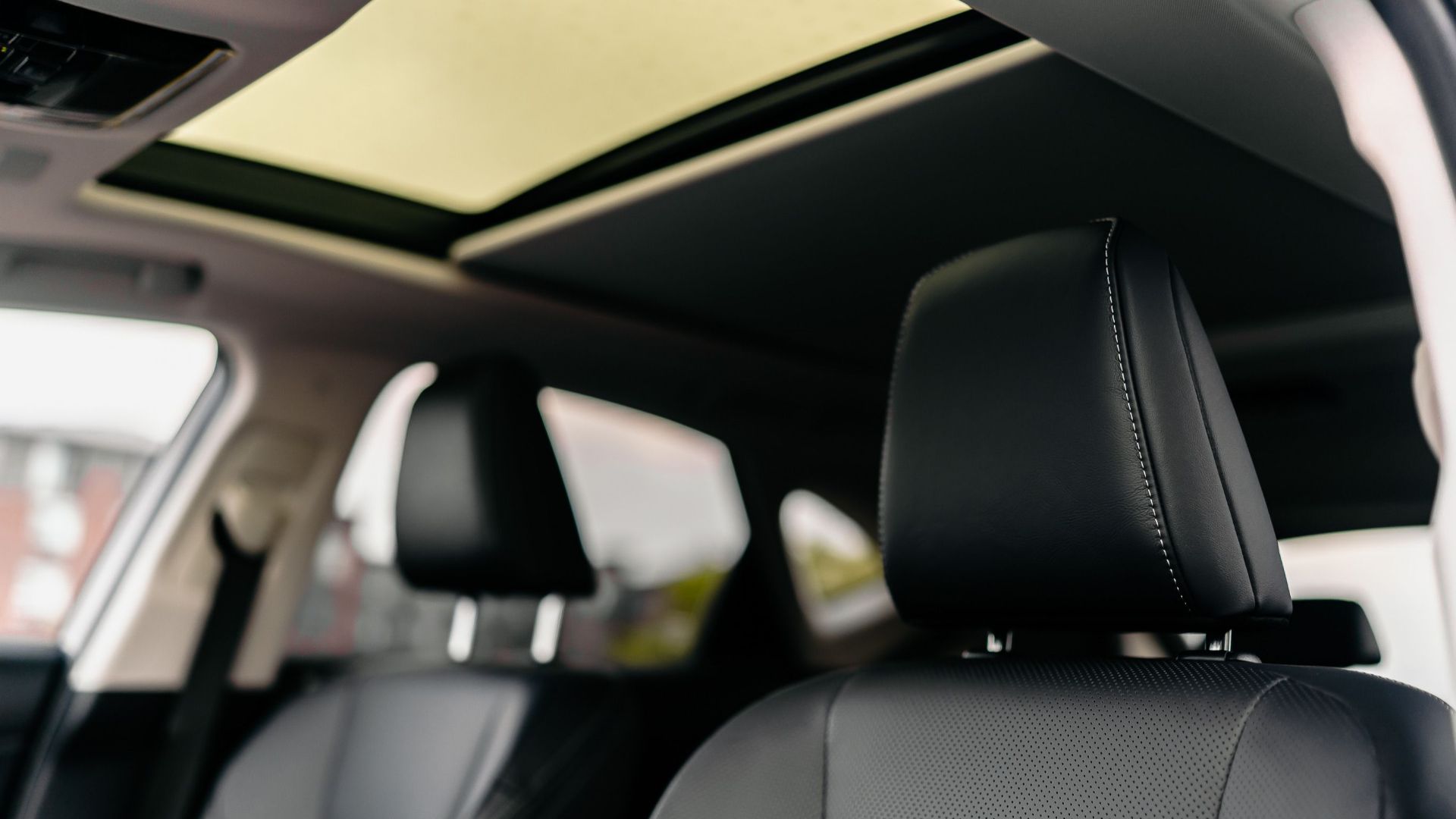
The broad glass area allows substantially more daylight into the passenger compartment. Rear-seat passengers benefit most because a conventional sunroof often ends before their seating position. That openness can make a dark interior feel less confined, even though the vehicle’s physical dimensions have not changed.

The View Is Part Of The Appeal
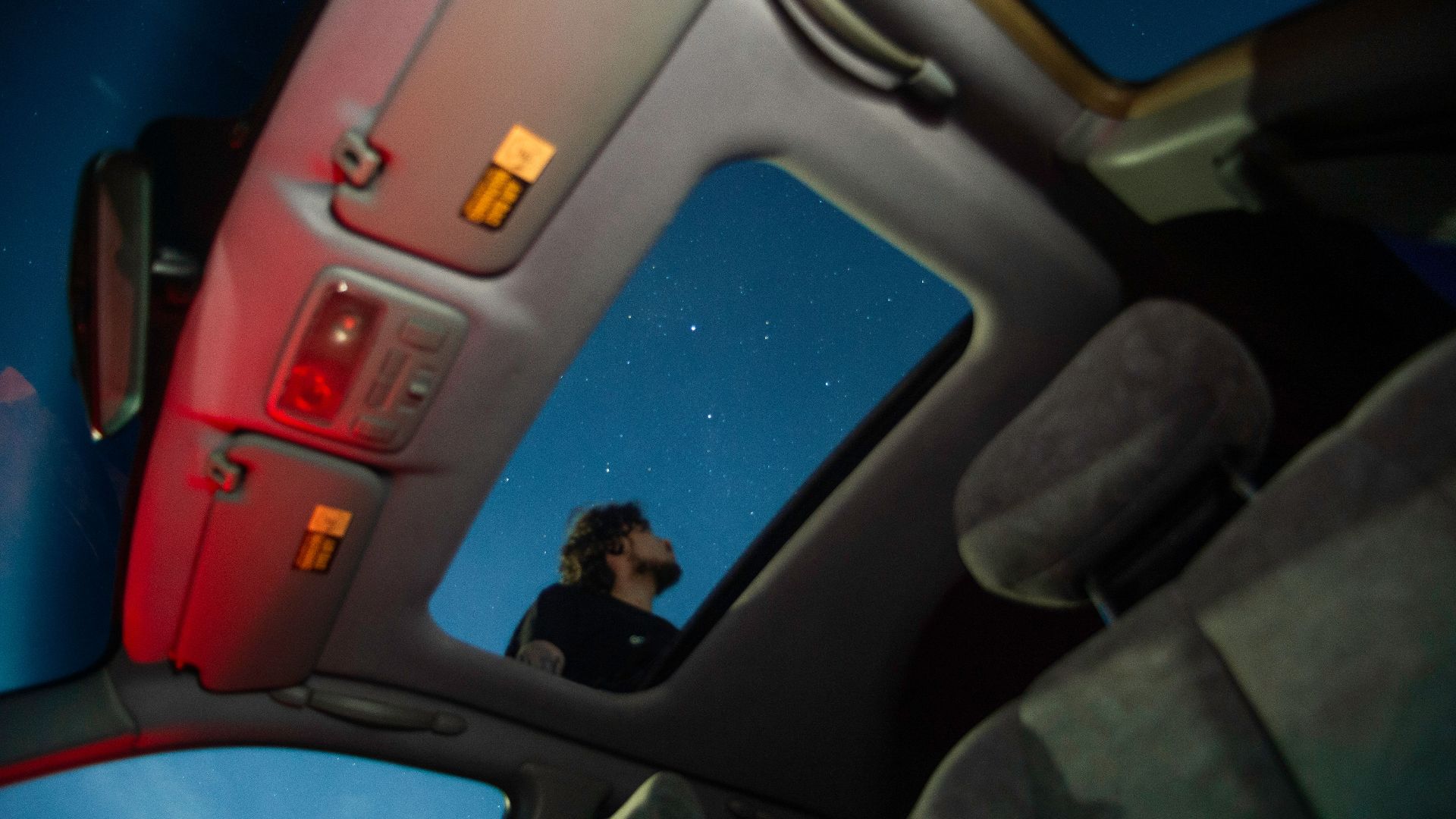
Passengers can see tall buildings, trees, clouds, and night skies without leaning toward a side window. The experience can be especially enjoyable on scenic drives and long trips. For many buyers, the emotional value of that brighter cabin is the strongest argument for choosing the feature.
The Glass Is Only One Component
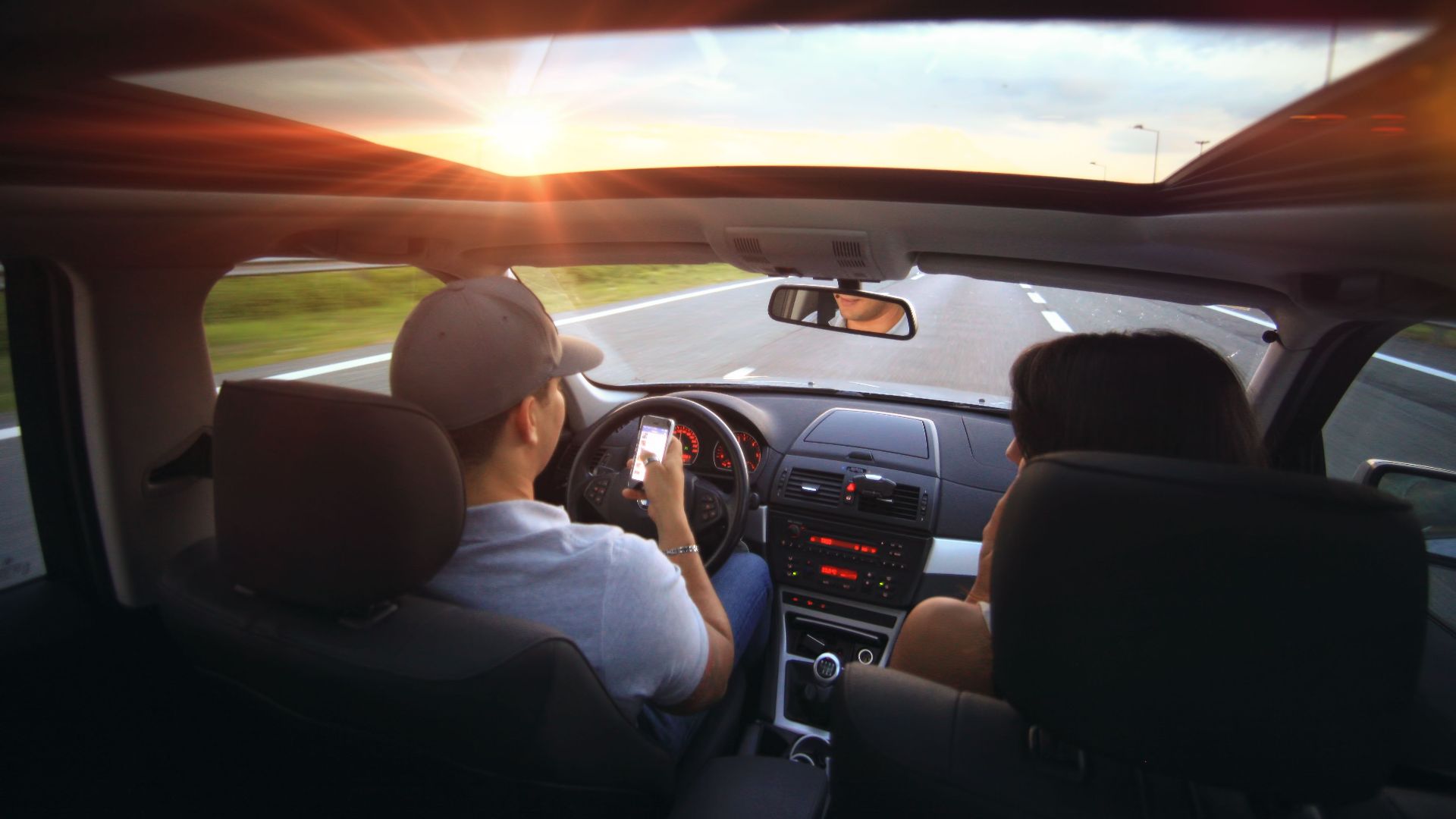
A working panoramic roof may include glass panels, tracks, cables, motors, switches, seals, drainage tubes, wind deflectors, and a powered sunshade. A problem with any one of those components can affect the entire system. BMW service bulletins show that technicians may need to diagnose water entry, wind noise, movement problems, contaminated channels, or loose gaskets separately.
Large Glass Can Mean A Large Bill
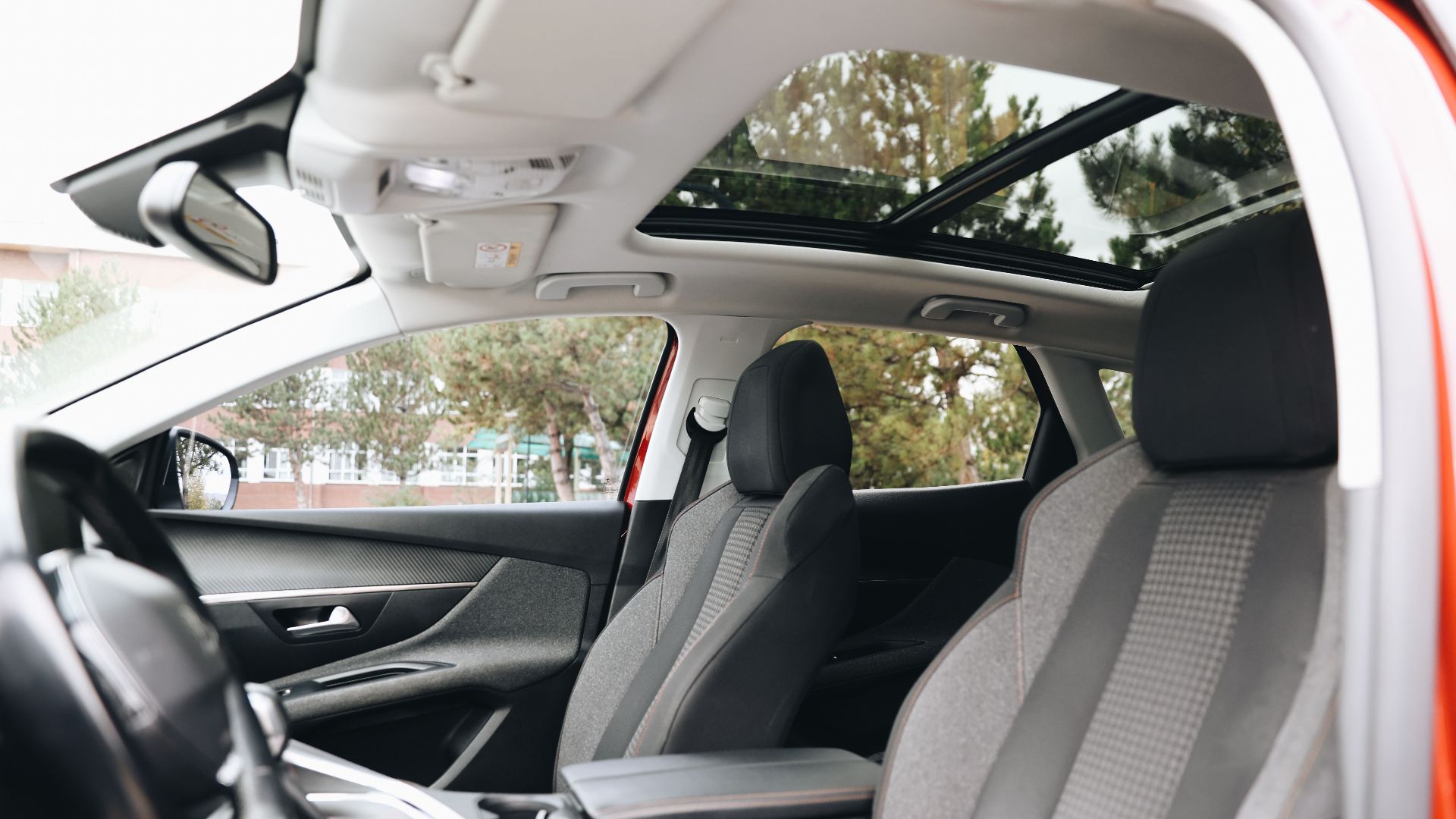
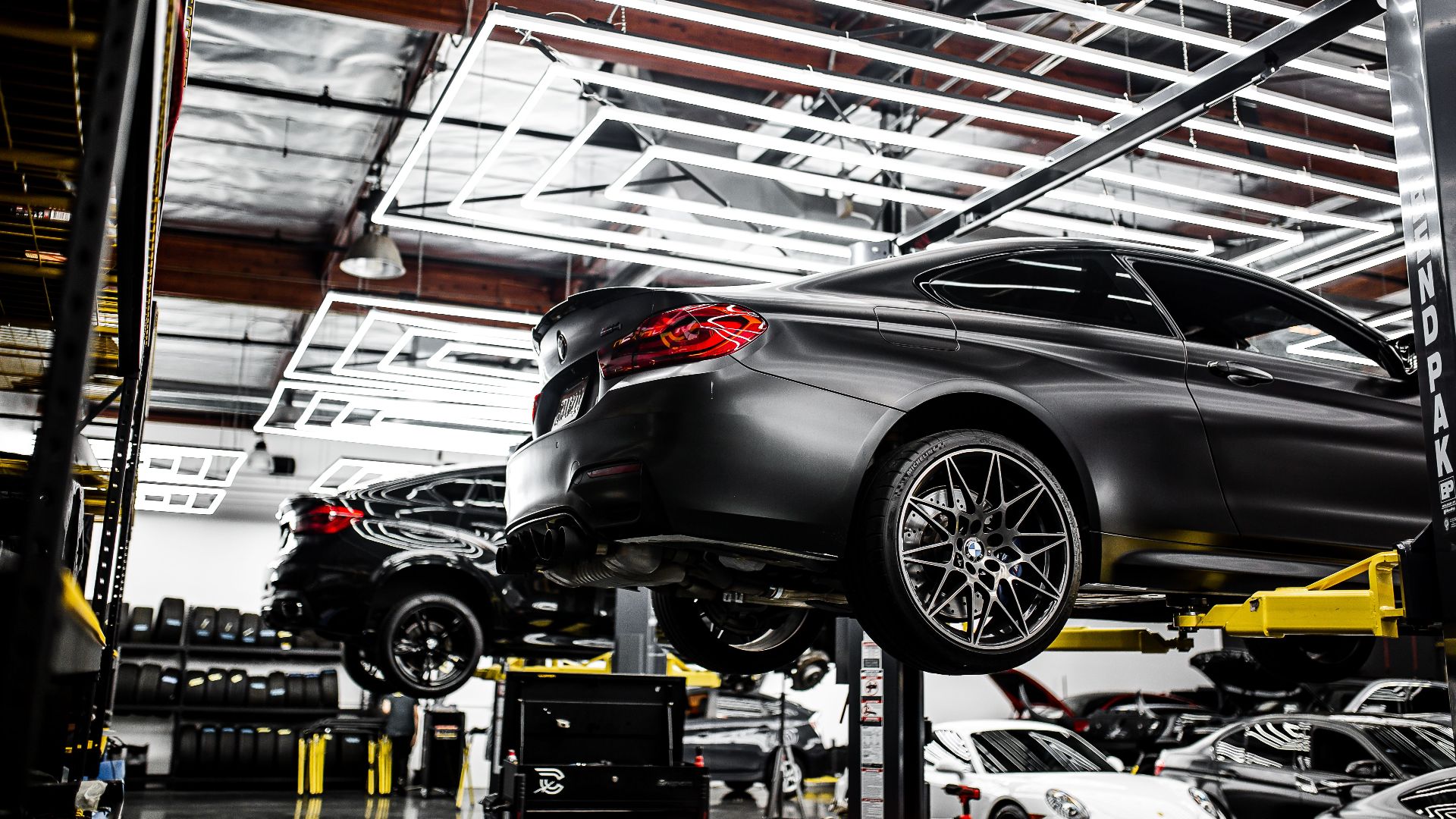
Panoramic panels are vehicle-specific parts rather than generic sheets of glass. Replacement may require removal of headliner pieces, trim, seals, or movable roof components before the damaged panel can come out. Safelite directs sunroof and roof-glass customers to a specialist partner rather than treating these jobs like ordinary windshield repairs.
Repair And Replacement Are Different
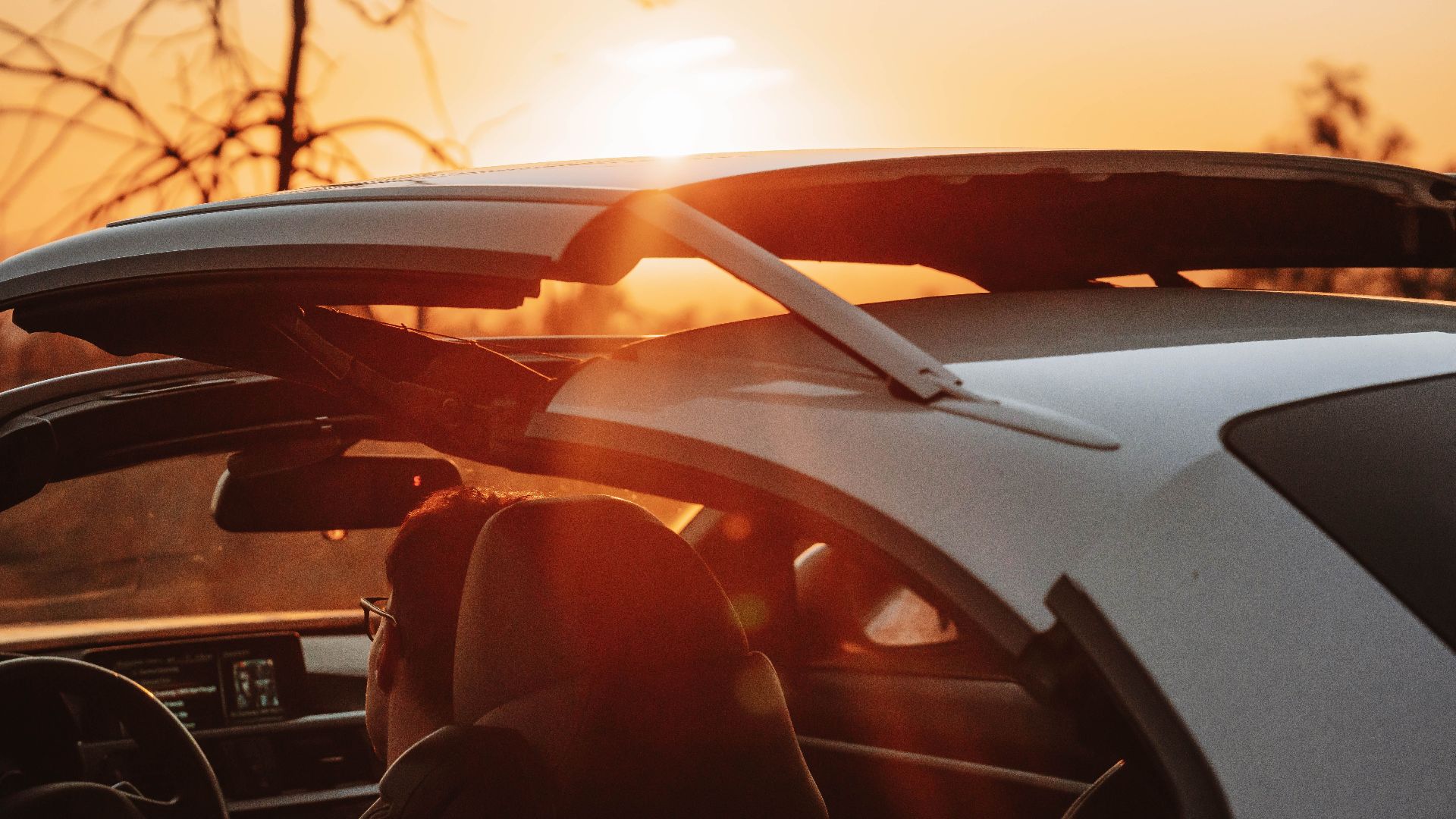
A small windshield chip can sometimes be filled before it spreads, but damaged roof glass is often replaced as a complete panel. The correct response depends on the glass construction, damage location, and manufacturer procedure. Owners should not assume that a shop offering windshield chip repair can repair panoramic glass in the same way.
Labor Can Rival The Part Cost
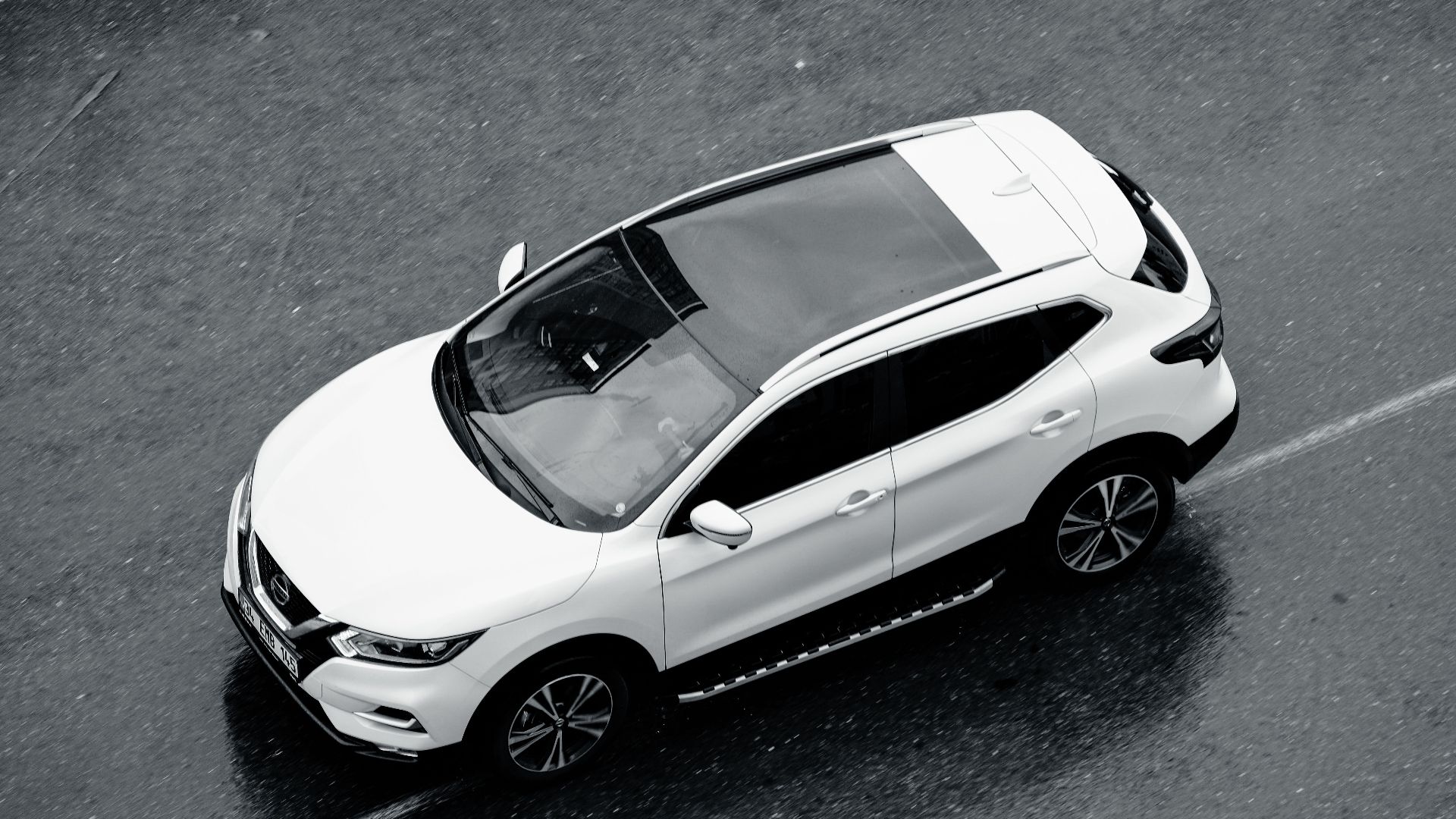
The glass itself may be only one portion of the estimate. Technicians might need to remove adjoining panels, clean channels, install new seals, apply approved adhesives, align the roof, and confirm that it opens and closes correctly. The detailed procedures in manufacturer service bulletins help explain why these repairs can consume substantial labor time.
Insurance May Cover Sudden Damage
Comprehensive insurance commonly covers vehicle damage caused by noncollision events such as falling objects, vandalism, weather, and glass breakage. Coverage remains subject to the policy terms, exclusions, and deductible selected by the owner. A damaged panoramic roof should therefore be discussed with the insurer before the owner assumes the entire bill is uncovered.

Your Deductible Still Matters
Comprehensive coverage does not always make a glass claim free. Progressive explains that a comprehensive deductible is the portion the policyholder pays before approved coverage handles the remaining cost. A $1,000 deductible can leave the owner with a substantial bill even when the replacement itself is covered.

Windshield Rules May Not Apply
Some policies or state programs offer special treatment for windshield repair or replacement. Those benefits may not automatically extend to a panoramic roof panel. Owners should ask whether roof glass is classified under ordinary comprehensive coverage, separate glass coverage, or another section of the policy.

A Claim Can Affect Future Costs
A comprehensive glass claim is generally treated differently from an at-fault collision, but insurance outcomes vary. State Farm notes that any rate change can depend on the claim type, state rules, fault, and the insurer’s rating practices. Owners should ask how a claim may affect their record before choosing between insurance and an out-of-pocket repair.

Spontaneous Breakage Has Been Investigated
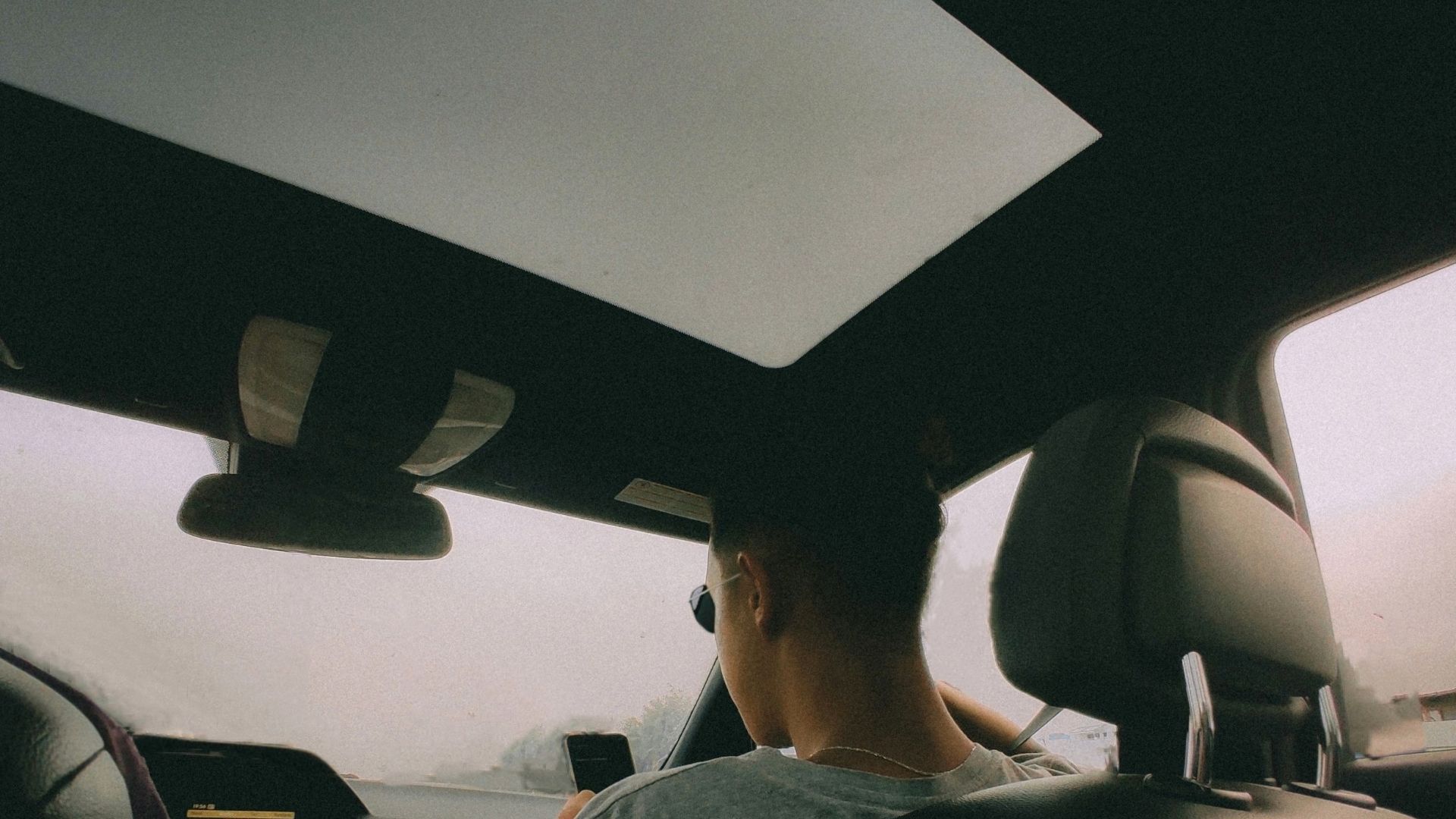
Drivers have reported sunroof panels shattering without an obvious impact. Consumer Reports documented numerous complaints involving suddenly broken sunroofs, while NHTSA investigations have examined allegations involving panoramic glass. The explosive sound can startle a driver even when the safety shade keeps much of the glass outside the passenger compartment.
Tempered And Laminated Glass Behave Differently
Tempered glass is designed to break into many relatively small pieces rather than large, sharp shards. Laminated glass contains an inner layer that helps hold broken sections together. Consumer Reports has reported that some manufacturers use laminated panoramic glass because it may reduce the danger of shattered material falling into the cabin.

The Shade Is More Than Decoration
A closed interior shade blocks direct sunlight and can help contain fragments if the outer glass breaks. Some vehicles use a solid powered shade, while others rely on a lightweight mesh covering. Owners should keep the shade closed during extreme heat or severe weather when they do not need the open view.
Sunlight Can Add Unwanted Heat
A large transparent roof exposes more of the cabin to solar energy than an opaque metal roof. Factory tinting and coatings can reduce the effect, but they do not necessarily eliminate heat entering through the glass. Ford sells a separate panoramic-roof sunshade for the Mustang Mach-E, illustrating that some owners may want another layer of protection.
Glass Does Not Block Everything Equally
Automotive glass can provide meaningful ultraviolet protection, but performance varies by glass type and location. Consumer Reports found that sunroof glass can offer UV protection, although owners should not assume every panel blocks the same amount of radiation. People with particular sun sensitivity should verify the specifications for their vehicle.
A Fixed Roof Is Usually Simpler
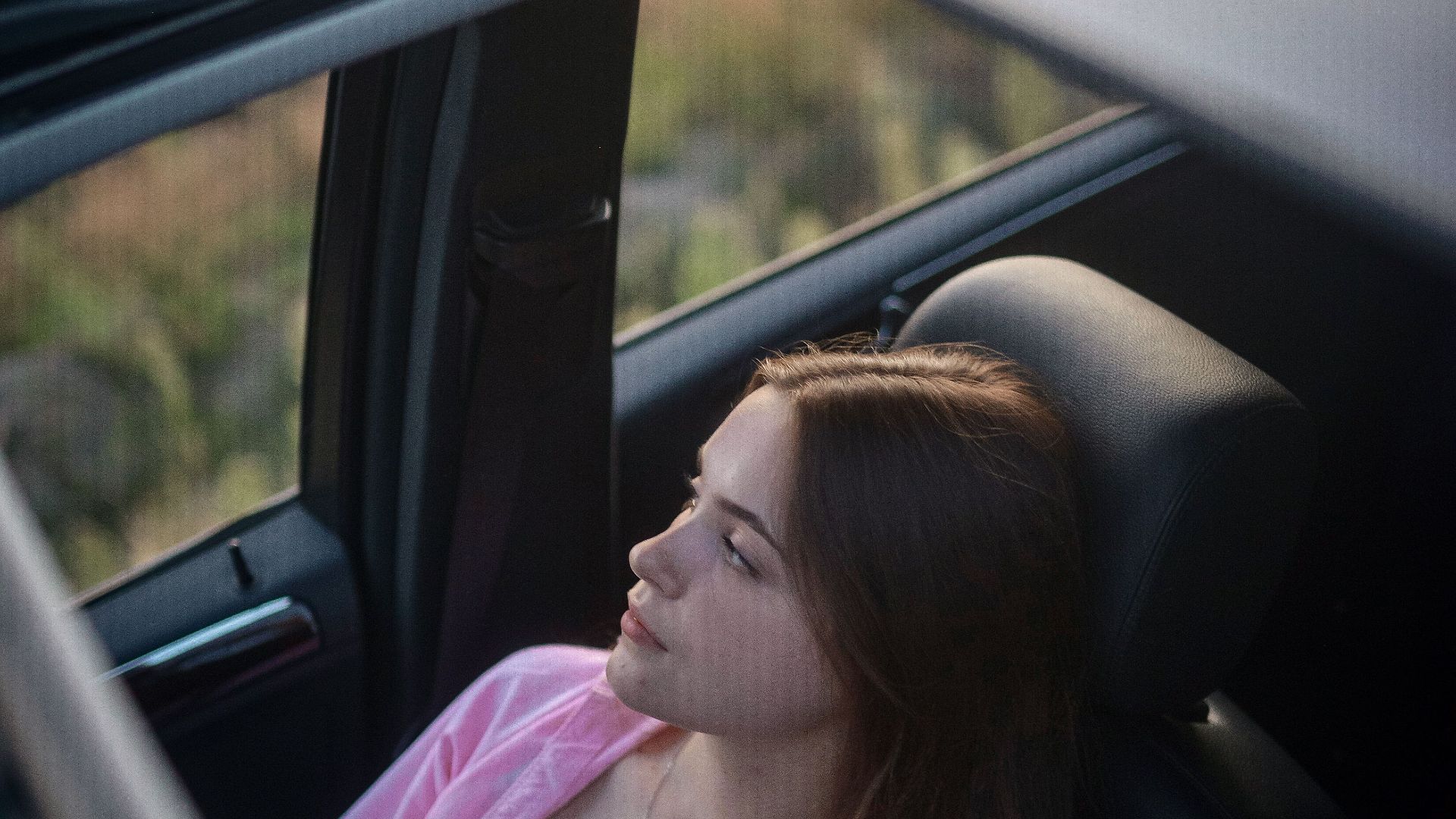
A fixed panoramic roof cannot slide open, so it eliminates tracks, opening motors, cables, and some moving seals. It can still suffer impact damage, bonding problems, wind noise, or water intrusion. The simpler layout nevertheless removes several failure points found in an opening panoramic system.
Opening Roofs Bring More Mechanisms
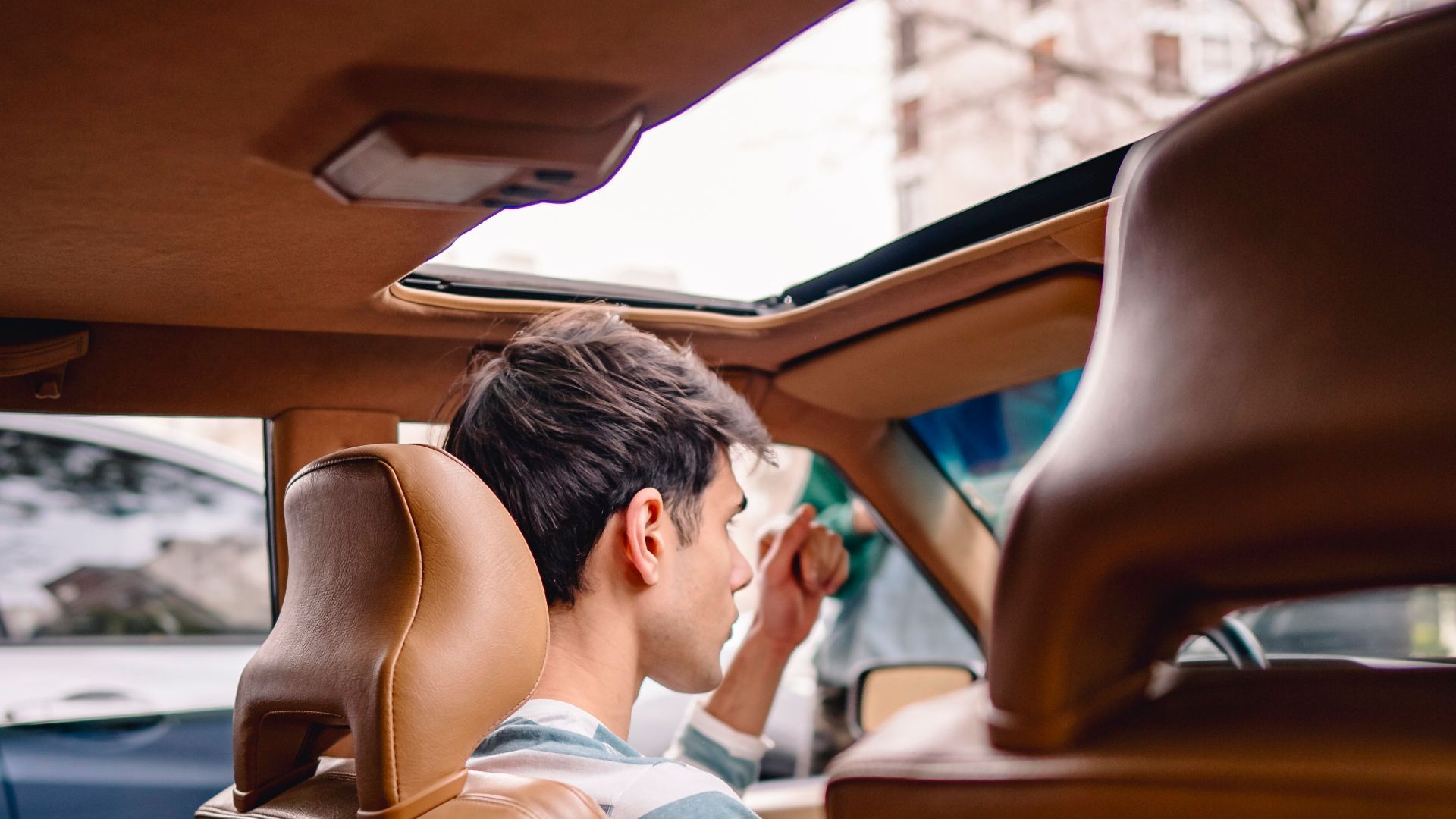
A movable panoramic roof must slide or tilt a heavy panel smoothly while maintaining a weather-resistant seal when closed. Dirt or contamination in the tracks can slow the panel or stop it from moving normally. BMW has issued service instructions involving channel cleaning and removal of both glass panels when addressing movement complaints.
Drains Quietly Protect The Interior
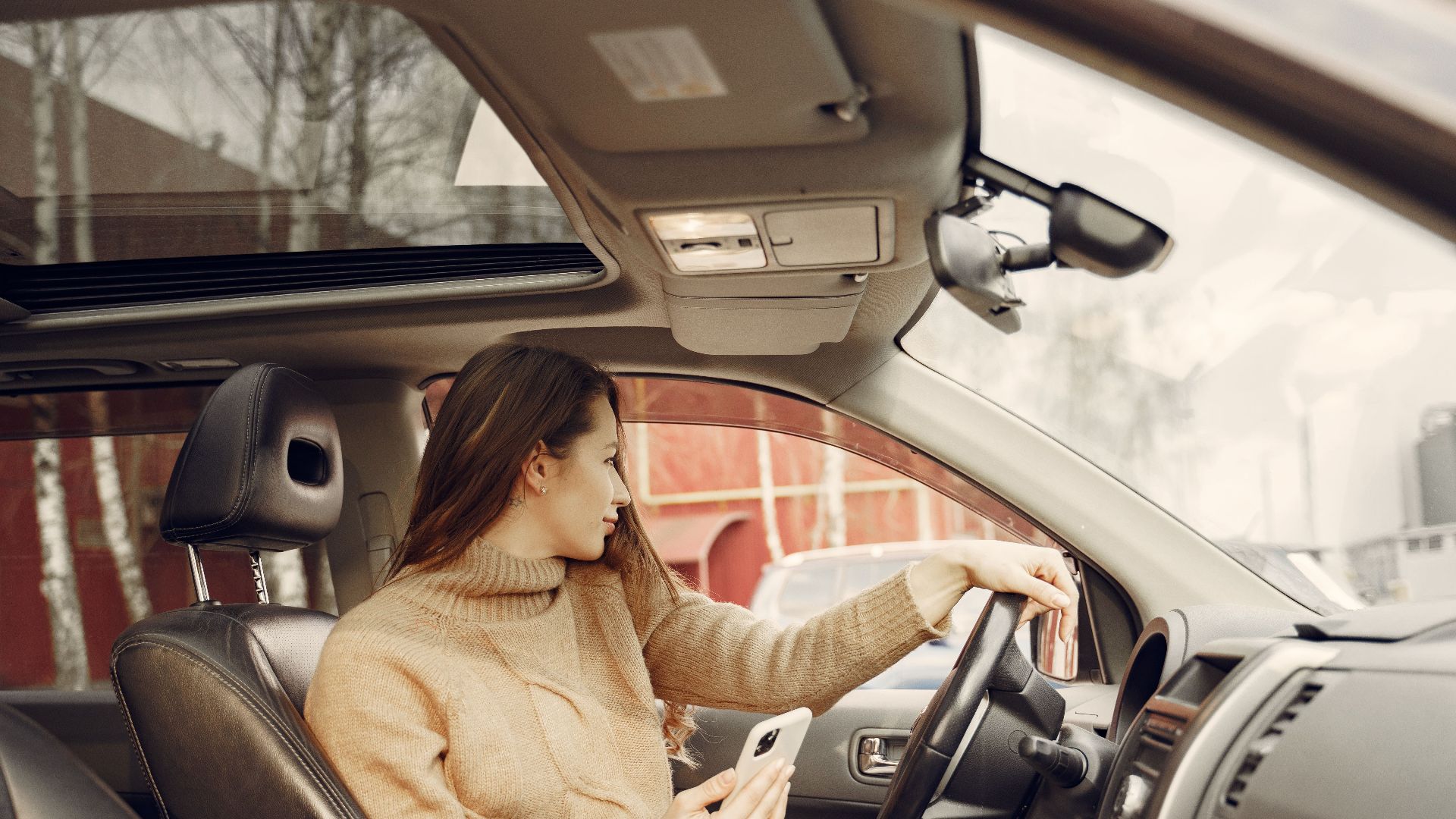
Opening sunroofs are not always designed to stop every drop of water at the outer edge. Channels can collect limited water and direct it through drain tubes to outlets lower on the body. Ford’s parts catalog identifies model-specific sunroof drain hoses, confirming that these tubes are integral pieces of some roof systems.

Blocked Drains Can Become Expensive
Leaves, dirt, and other debris can interfere with drainage around the roof opening. Water may then appear around the headliner, pillars, carpeting, or electrical components. Because several possible entry points can create similar symptoms, manufacturer diagnostic guidance may require technicians to inspect seals, drains, glass alignment, and bonding.
Water Does Not Always Mean Broken Glass
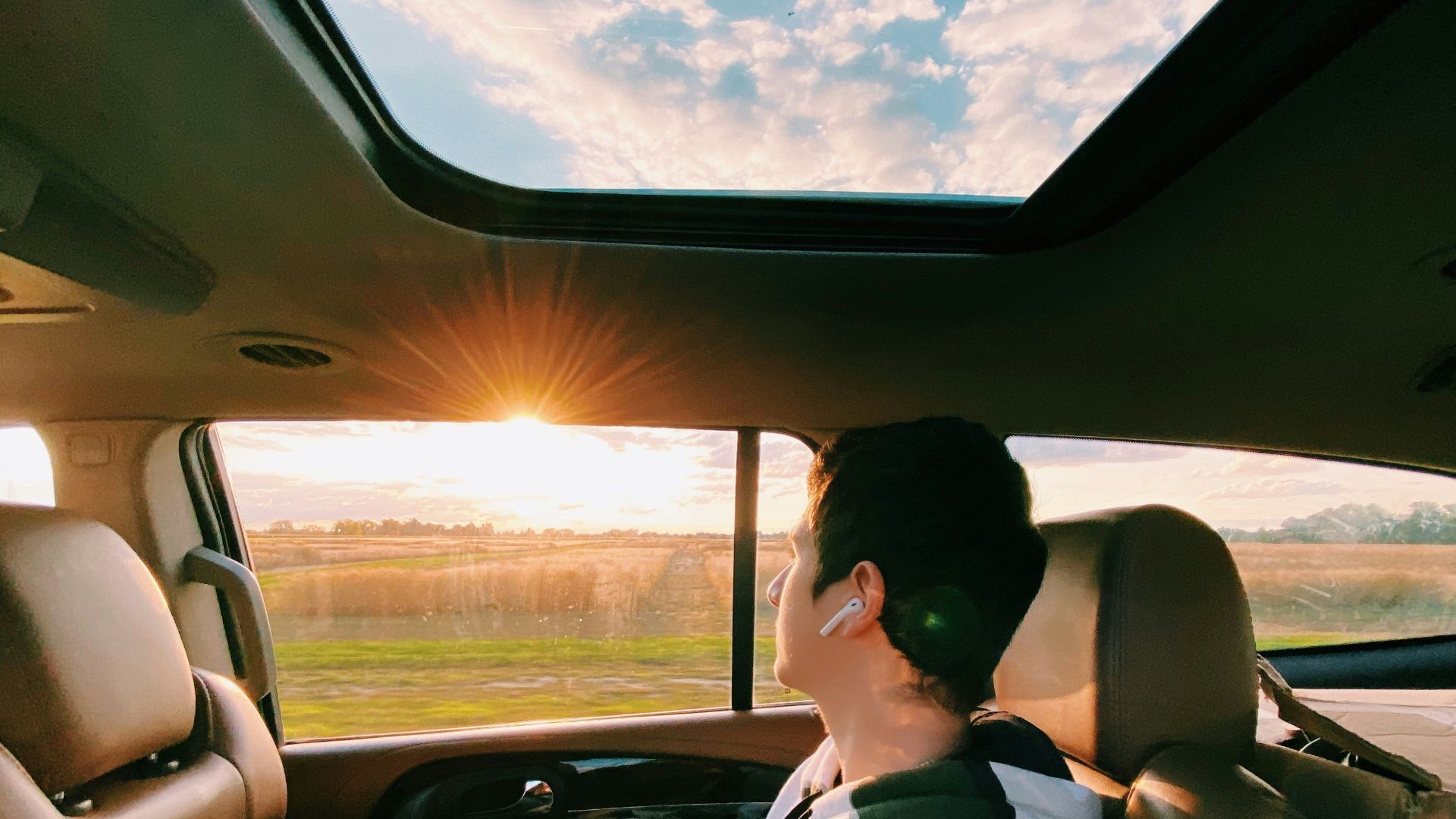
A wet headliner can result from a detached seal, drainage issue, glass adjustment problem, or improper bonding. Ford recalled certain vehicles because poor adhesion between panoramic glass and the body could lead to wind noise, water leaks, and possible separation. Accurate diagnosis matters because replacing an undamaged glass panel may not correct the actual leak.
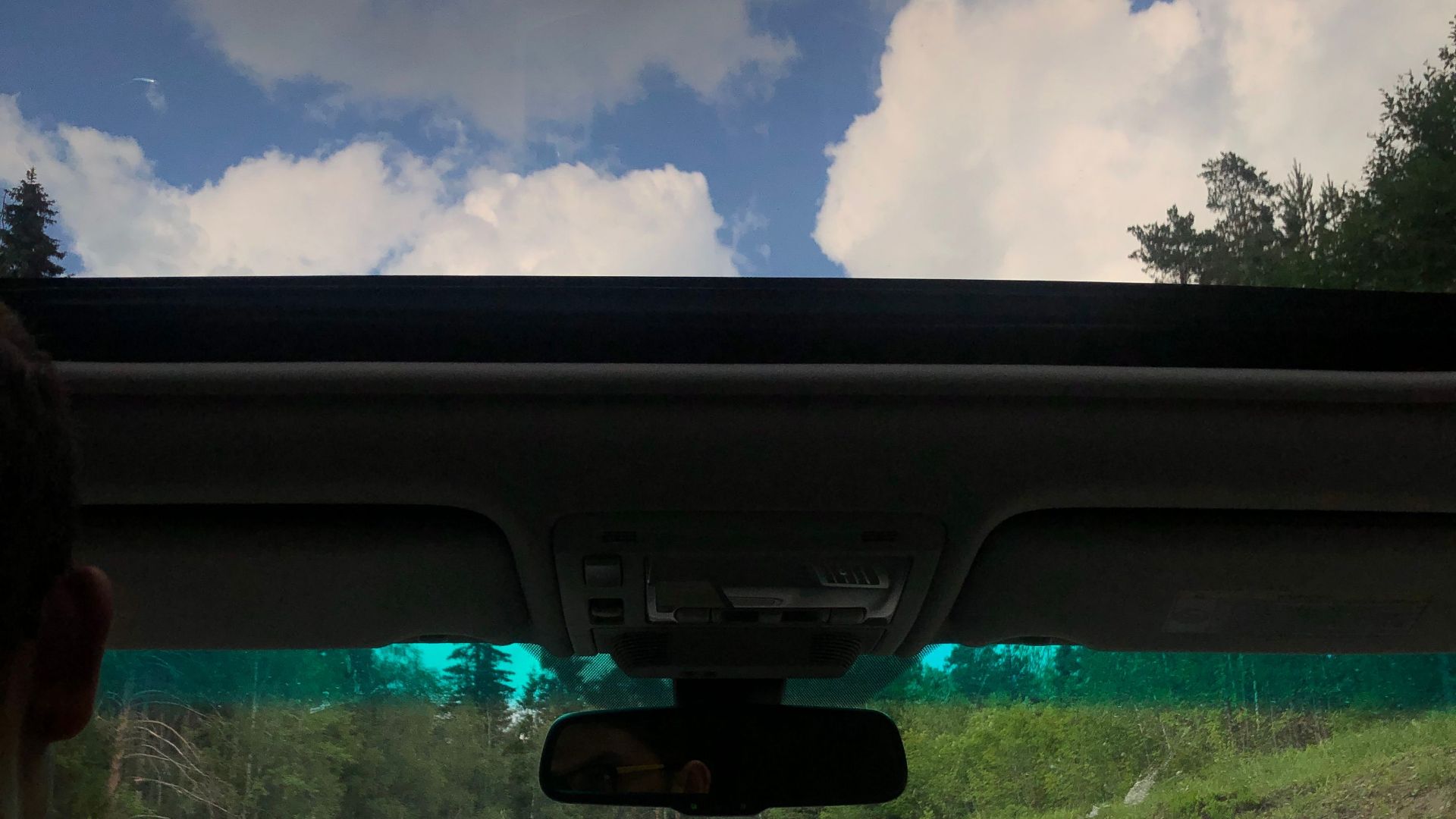
Rattles And Wind Noise Also Count
Not every panoramic-roof complaint involves cracking or leaking. A loose seal, dirty track, misaligned panel, or worn mechanism may create creaks, rattles, or air noise. BMW’s diagnostic material treats wind noise and operating noise as distinct concerns that may require different inspections.
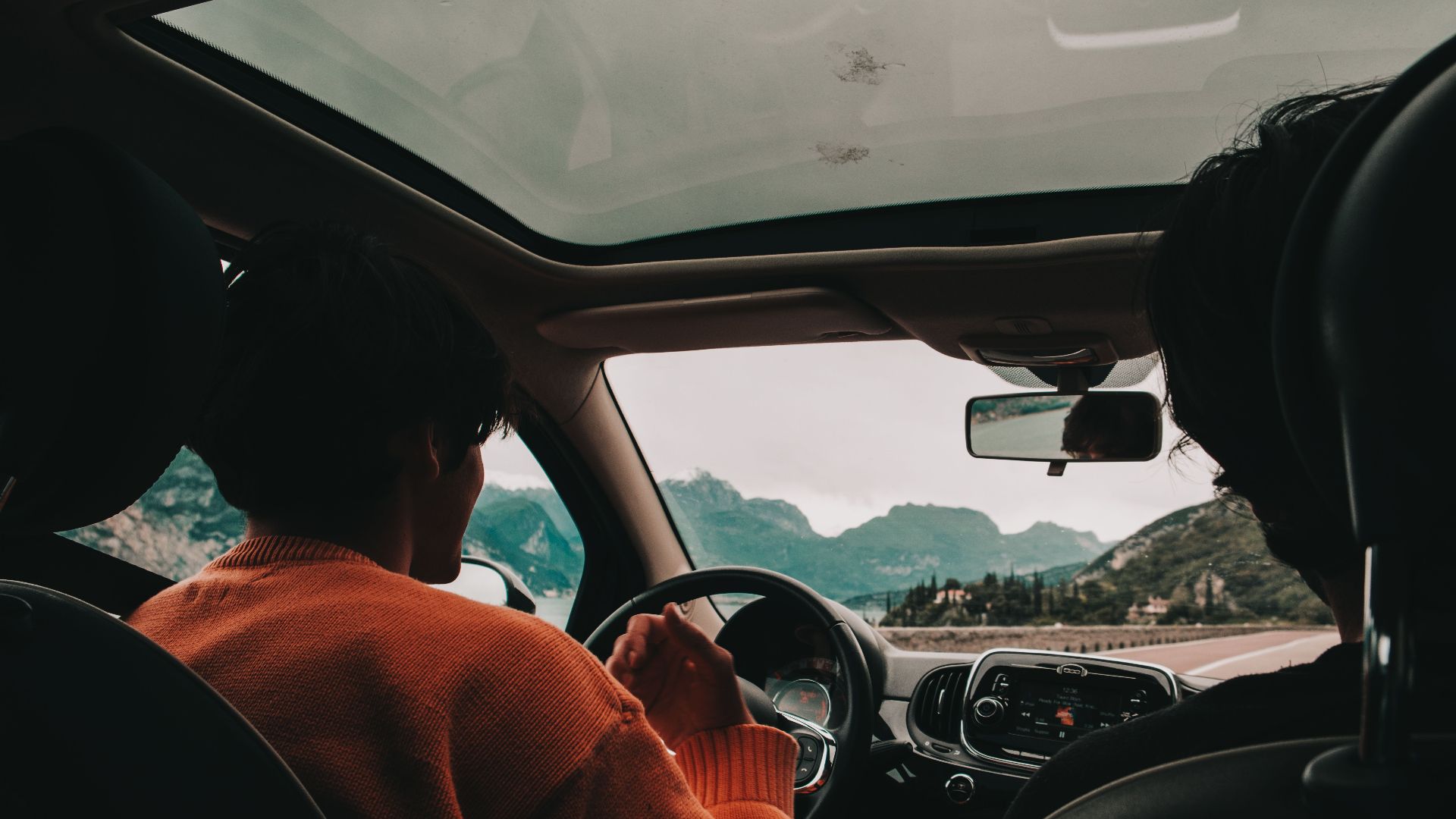
Roof Safety Depends On The Whole Structure
A glass panel does not carry roof loads by itself. Automakers design the surrounding pillars, rails, crossmembers, adhesives, and roof frame as a complete structure. IIHS roof-strength testing measures how well the vehicle resists roof intrusion, because maintaining occupant space is critical during a rollover.
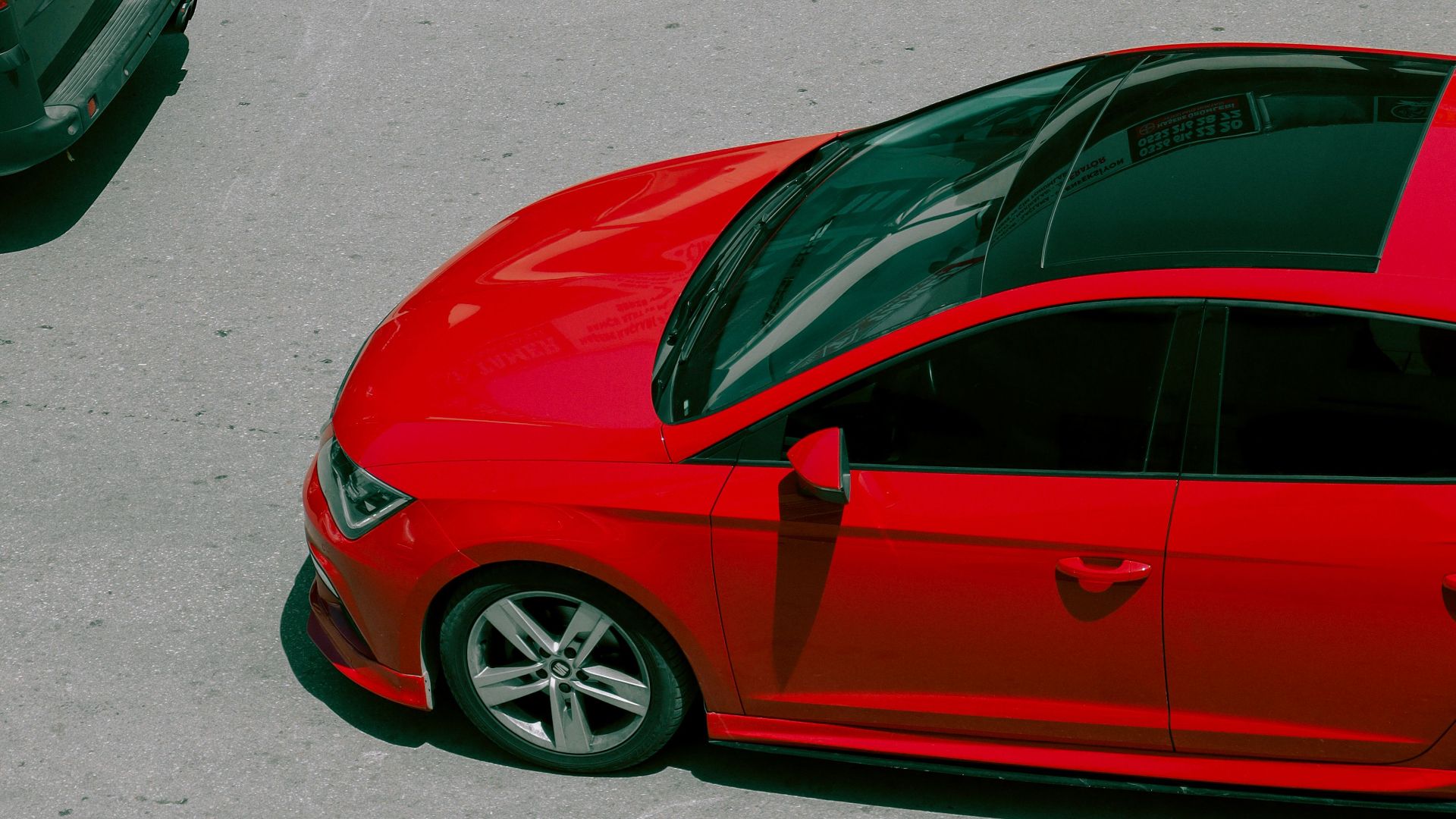
A Panoramic Roof Is Not Automatically Unsafe
Vehicles sold in the United States must meet applicable federal safety requirements regardless of whether the roof contains glass. Consumer Reports has explained that panoramic roofs do not automatically make a vehicle unsafe in a rollover. Buyers should examine the crash-test performance of the specific model rather than judging safety solely by the presence of glass.

Seat Belts Remain The Best Protection
A strong roof is important, but keeping occupants inside the vehicle is also critical during a rollover. IIHS notes that roof strength can help preserve survival space and reduce ejection risk. Wearing a seat belt remains essential whether the vehicle has a panoramic roof, a small sunroof, or a solid metal top.

Inspect Used Vehicles Carefully
A used vehicle with a panoramic roof should be checked for water stains, damp carpets, damaged shades, hesitant movement, unexplained rattles, and mismatched glass markings. Operate the roof through every position and listen for grinding or uneven movement. A pre-purchase inspection can be especially valuable because roof problems may be difficult to identify during a brief test drive.

Check Coverage Before The Warranty Ends
Manufacturer warranties may cover defects in materials or workmanship during the applicable coverage period. Impact damage, neglected drains, outside influence, and ordinary wear may be treated differently. Owners should document noises, leaks, or movement problems promptly instead of waiting until warranty coverage has expired.

Avoid Treating The Roof Like A Shelf
Heavy or sharp objects should not be placed directly on panoramic glass. Roof racks and carriers must use components approved for the vehicle and remain within the manufacturer’s specified roof-load limit. The glass area may also affect which rack systems can be installed safely.
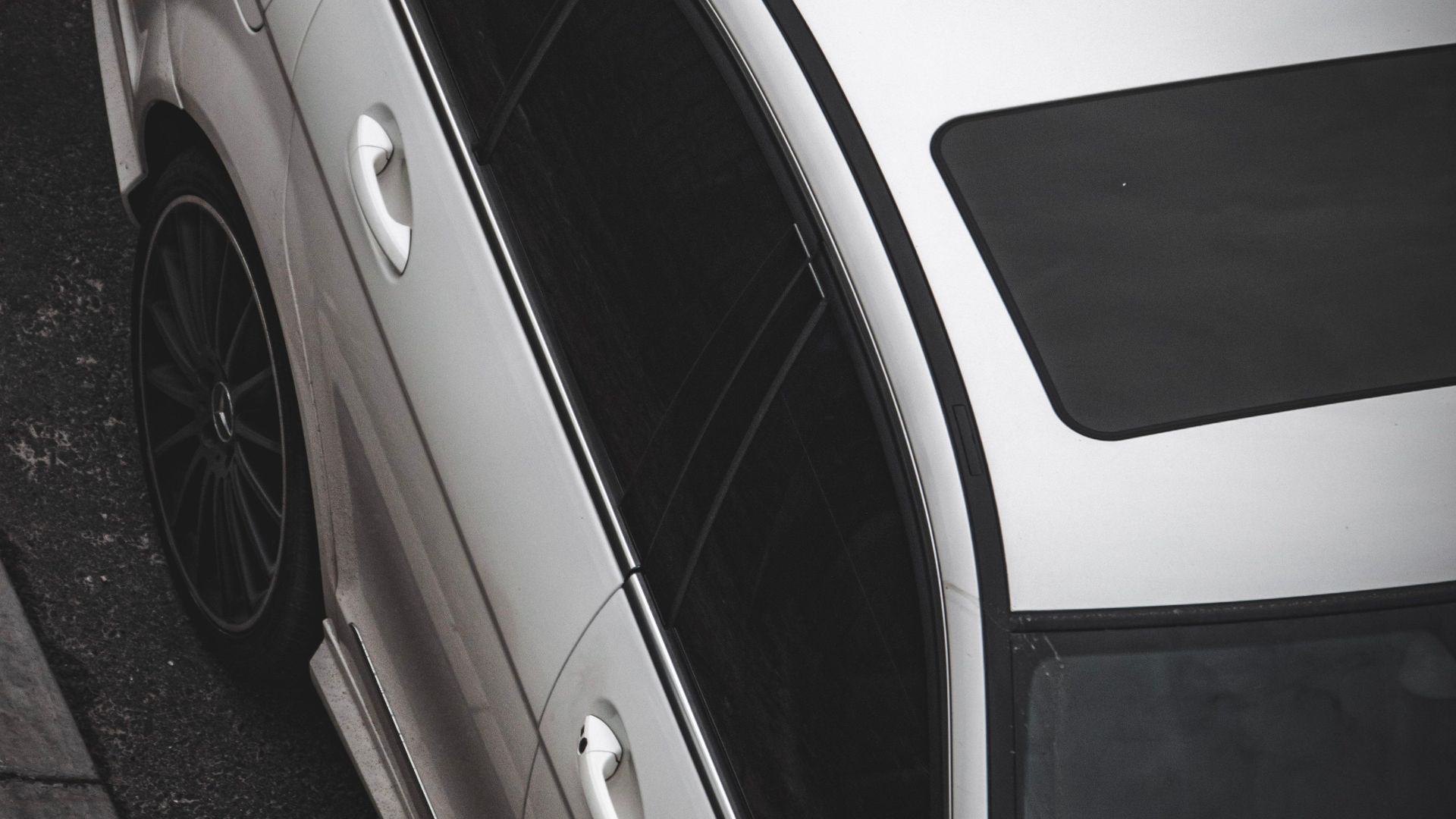
Maintenance Should Be Model Specific
Owners should follow the cleaning, lubrication, calibration, and emergency-closing procedures in the correct manual. Ford provides digital owner manuals and directs drivers to vehicle-specific maintenance information rather than one universal procedure. Spraying unapproved chemicals into tracks or drains can create a new problem while attempting to solve an old one.
The Feature Can Affect Resale Appeal
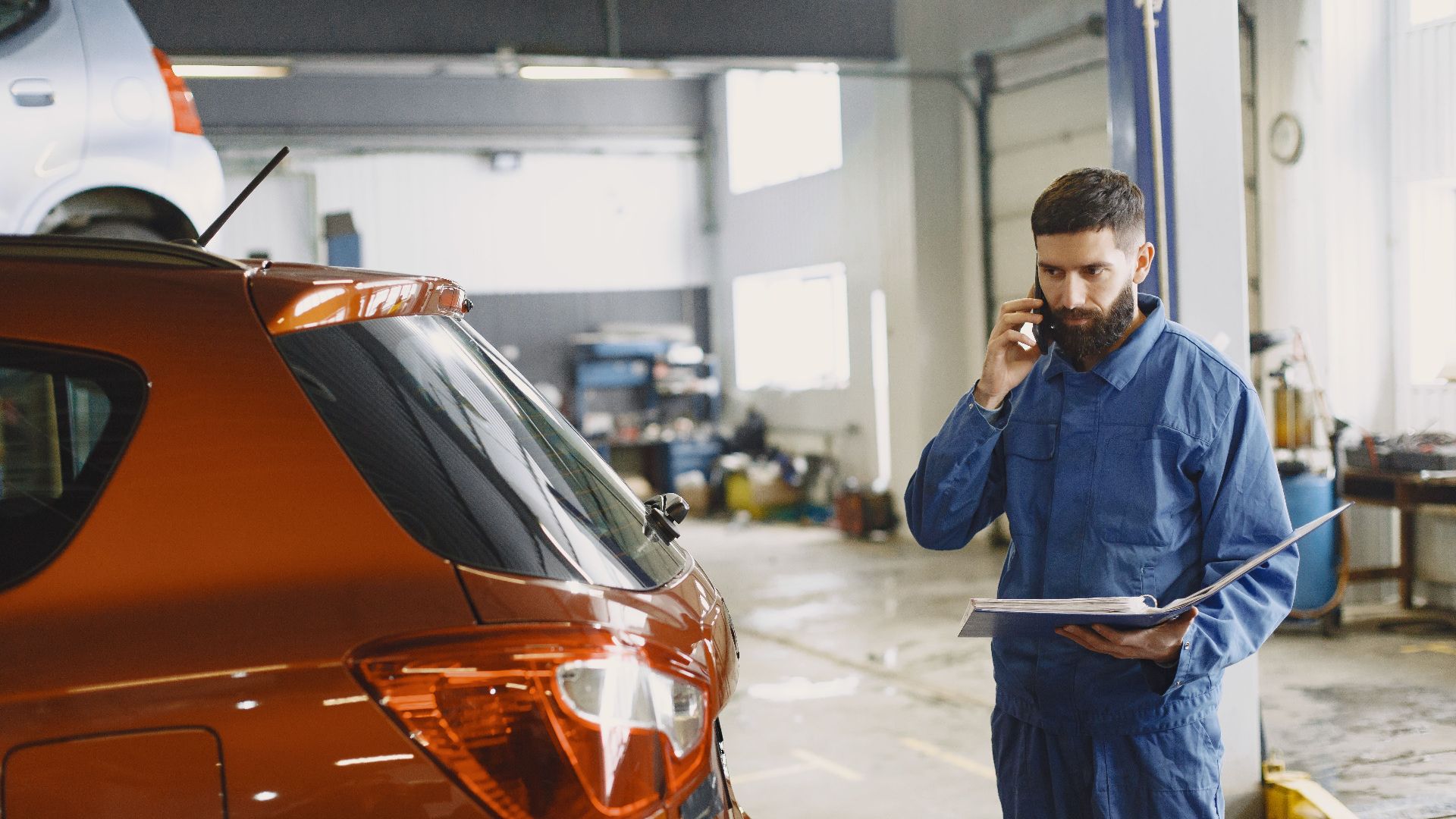
A panoramic roof can make a trim level more attractive to shoppers who value light and luxury. It can have the opposite effect when the mechanism is noisy, the shade is damaged, or evidence of leaking is visible. Keeping repair records and demonstrating smooth operation can make the feature feel like an asset rather than a looming liability.

The Real Question Is How Much You Use It
Drivers who open the shade daily and carry passengers may genuinely enjoy the feature enough to justify its complexity. Someone who keeps the shade closed because of heat, glare, or privacy receives much less benefit. Track how often the roof improves your experience before deciding whether you would pay for it again.

The Answer Changes With Ownership Length
A buyer leasing a new vehicle under warranty faces a different risk from someone keeping an aging vehicle for fifteen years. Seals, shades, tracks, motors, and drainage components can require attention as vehicles age. Long-term owners should weigh future repair exposure more heavily than shoppers planning to replace the vehicle relatively soon.

It Is A Luxury With A Real Trade-Off
A panoramic roof can be worth it when the brighter cabin meaningfully improves every drive and the owner has suitable insurance and warranty protection. It becomes harder to justify when repair anxiety prevents the feature from being enjoyed. The roof is not inherently a bad choice, but it should be treated as a luxury system rather than free glass with no ownership consequences.
You May Also Like:
The Best Classic Station Wagons Ever Made
Lionel Messi’s Garage Has Some Unexpected Surprises
Surprisingly Durable SUVs That Will Last Way Longer Than You'd Think
Sources: 1, 2, 3, 4, 5, 6, 7, 8, 9, 10, 11, 12, 13, 14, 15, 16, 17, 18, 19, 20, 21, 22, 23, 24, 25, 26, 27, 28, 29, 30, 31, 32, 33, 34