The Sticky Spot That Turned Into A Real Repair
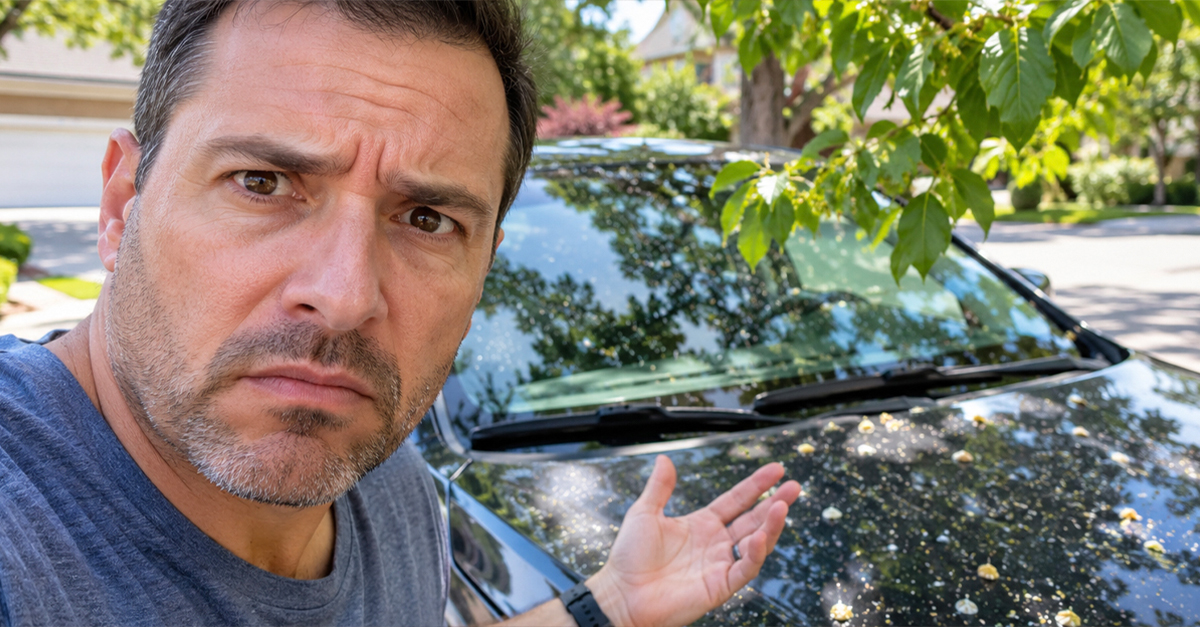
At first, it was just annoying. You would walk outside, find another sticky patch on the hood, clean it off, and complain to your neighbor again. Then one day the sap would not come off cleanly. The clear coat was marked, the paint looked damaged, and suddenly an irritating tree had created a repair bill neither neighbor wanted to claim.
Tree Sap Really Can Damage Automotive Paint
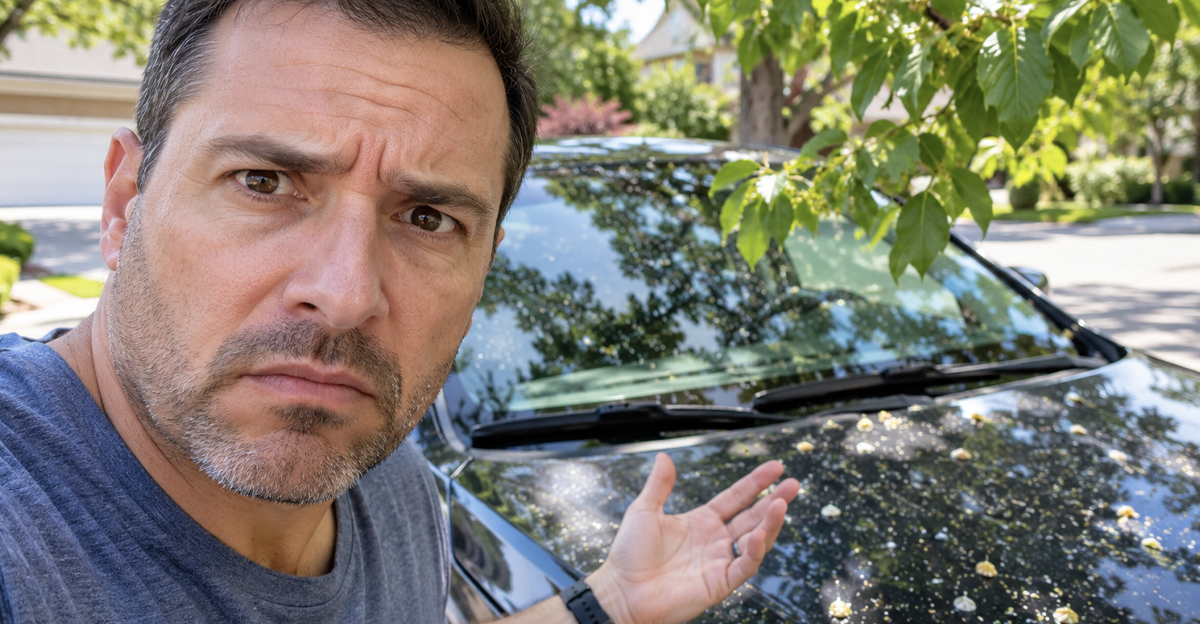
Sap is not always harmless grime. When it sits on a vehicle, especially in warm weather, it can bond strongly to the finish and eventually damage the clear coat beneath it. That is why getting sap off quickly matters more than many drivers realize, particularly when a car regularly sits under the same tree.
But Damage Does Not Automatically Mean Liability
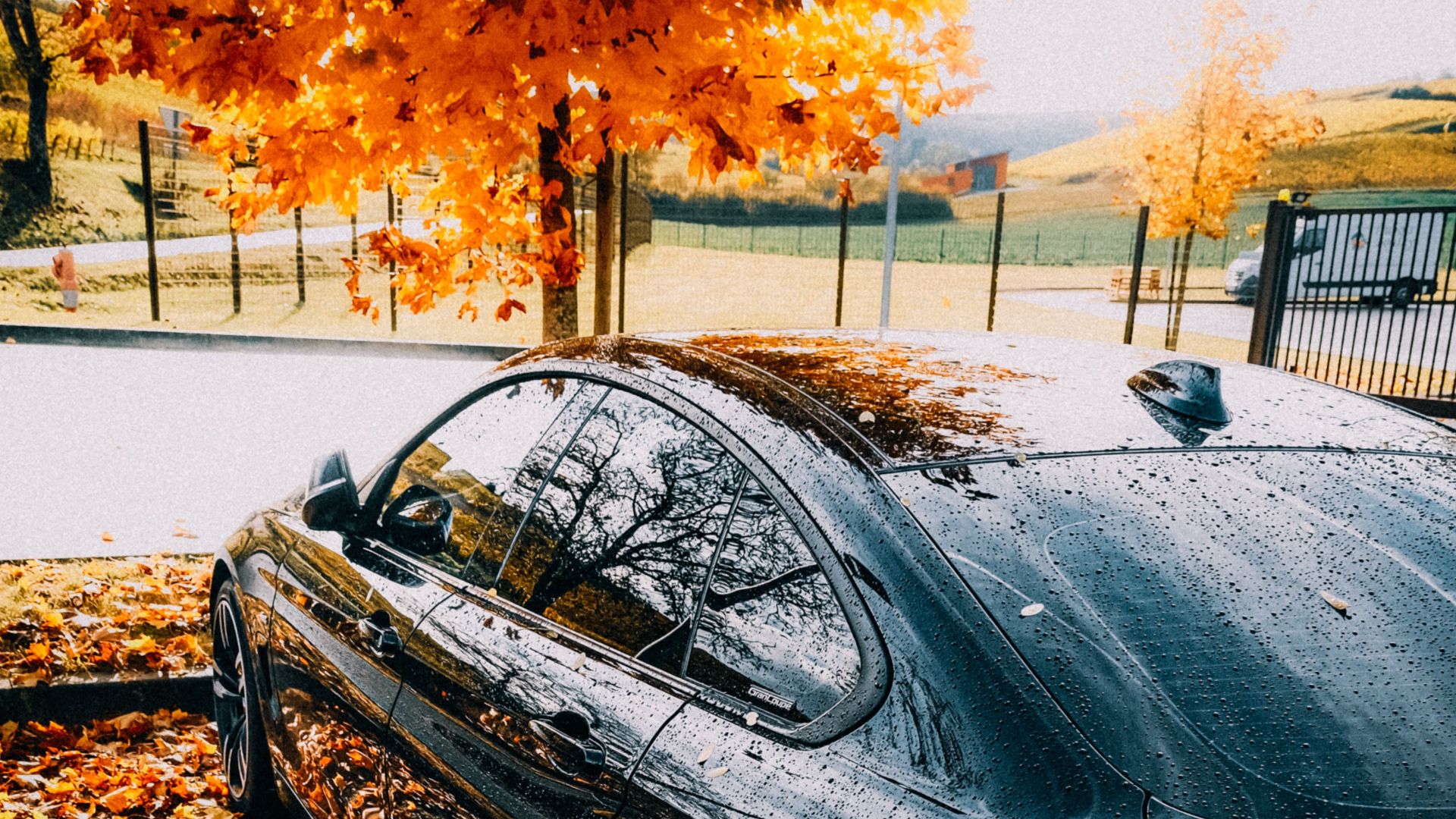
This is the frustrating part. Just because your neighbor owns the tree does not necessarily mean they owe you for every natural substance that falls from it. State laws differ, and responsibility often depends on whether the owner was negligent or allowed an unreasonable condition to continue.
Leaves And Sap May Be Treated As Natural Conditions
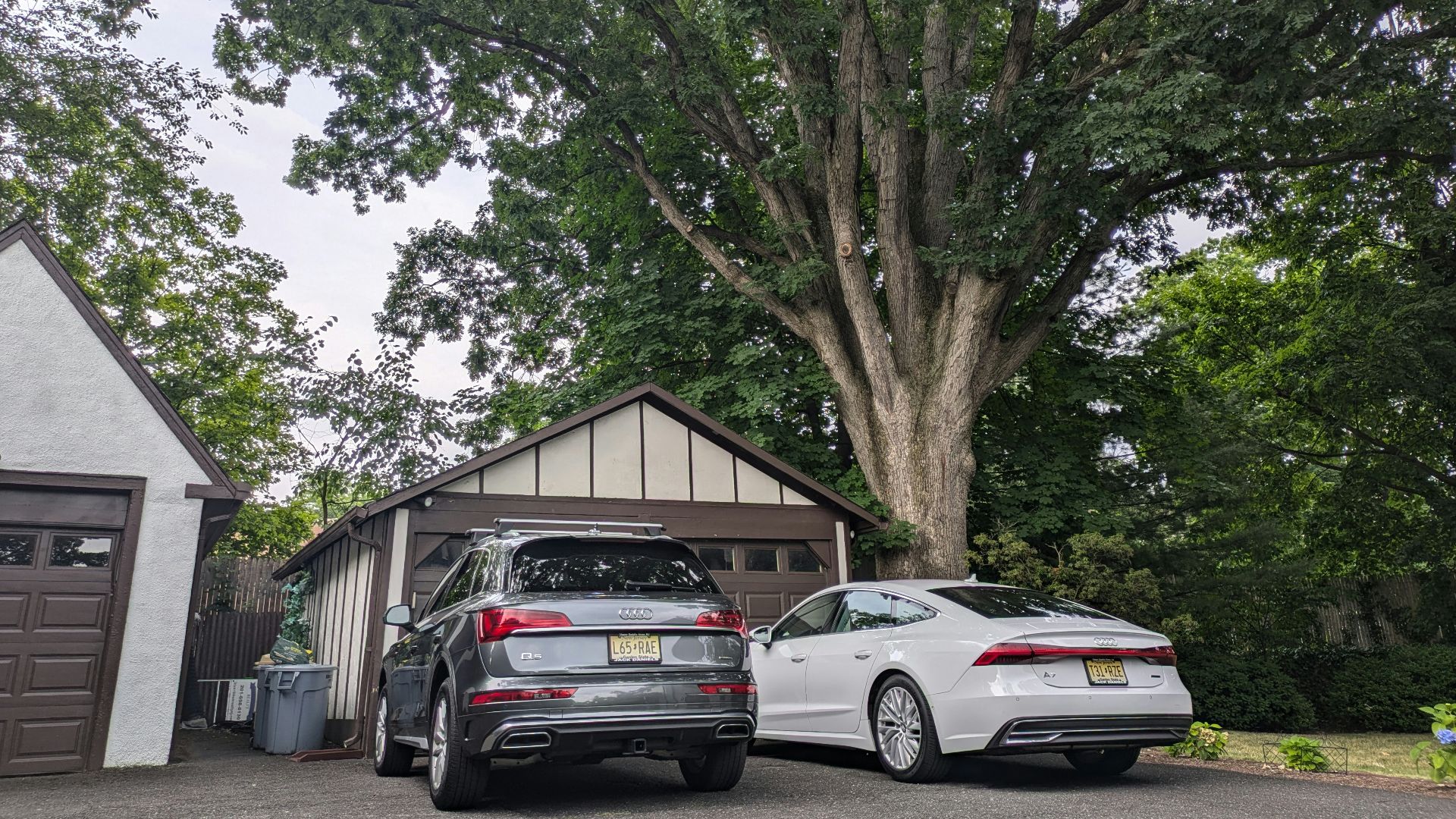
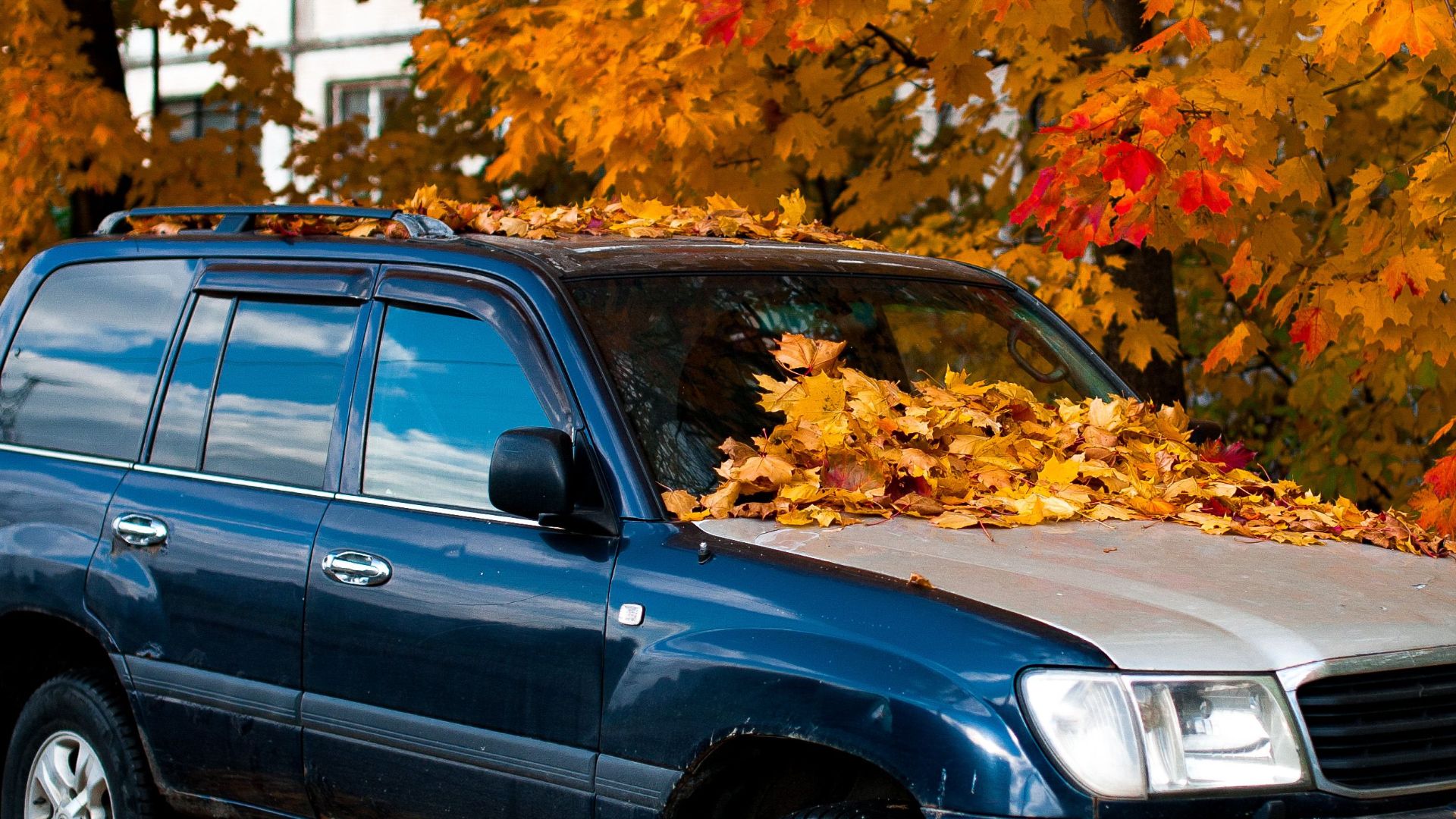
Ordinary tree debris is often treated differently from a dangerous or neglected tree. Fallen leaves, seeds, blossoms, and similar debris are commonly viewed as natural consequences of living near trees. Sap can raise a similar argument, depending on the circumstances and the law where you live.
Your Previous Complaints Still Matter
The fact that you complained before is not meaningless. Written messages can establish that your neighbor knew there was a recurring problem. But notice alone does not automatically make them responsible. You would still generally need to show that they had some legal duty to address the condition and failed to do so.

A Healthy Tree Is Different From A Neglected Tree
Tree disputes often turn on negligence. If a healthy tree simply drops ordinary natural debris, getting reimbursement can be difficult. The situation changes if an owner knew, or reasonably should have known, that the tree was diseased, damaged, dangerous, or creating an unusual preventable hazard.
Overhanging Branches Change The Conversation
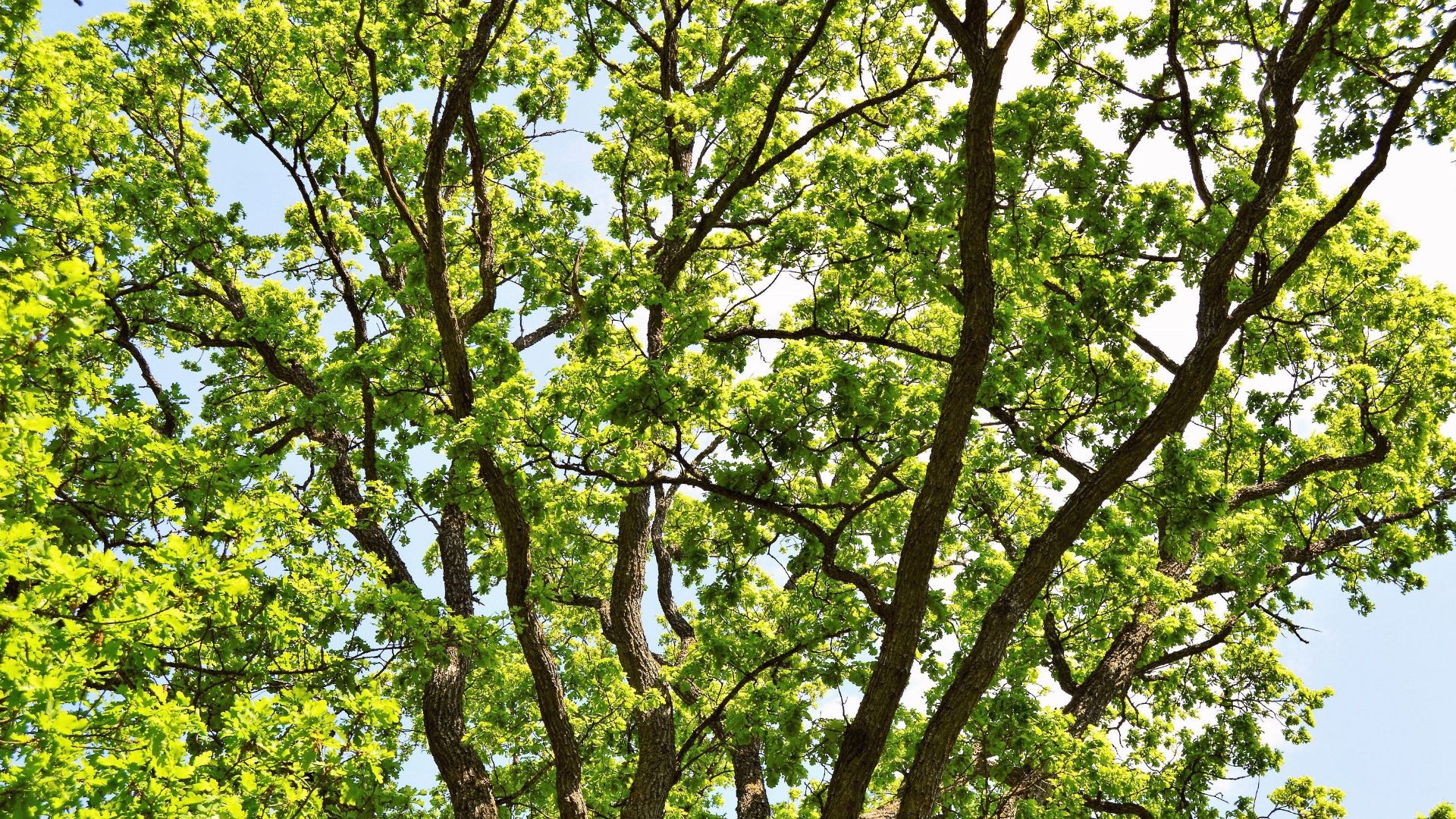
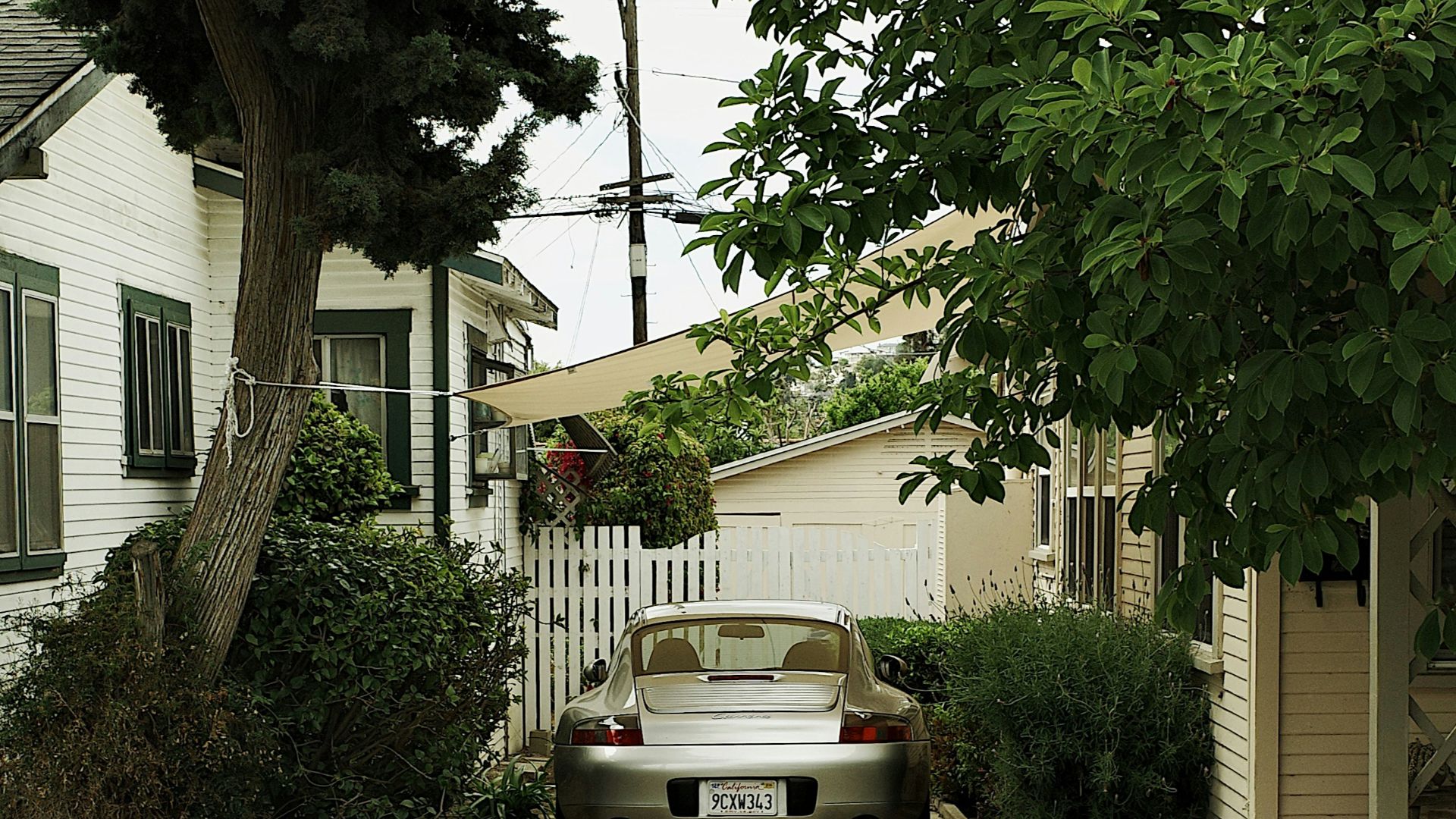
Look at where the branches actually are. If they extend across your property line and hang directly over your driveway, you may have more practical options. In many states, property owners are allowed to trim encroaching branches back to the property line, although important restrictions can apply.
You Cannot Just Attack The Tree
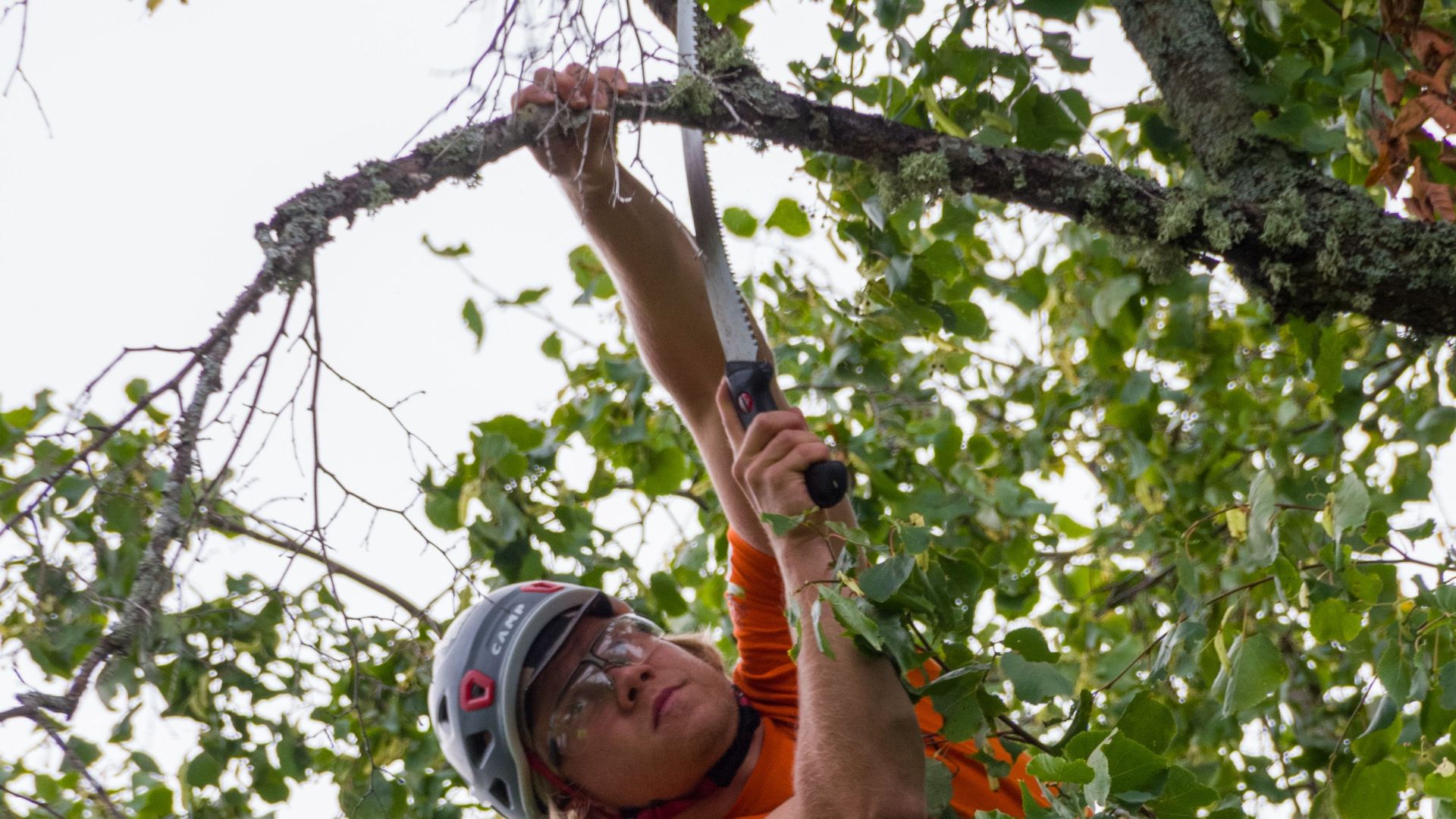
That right to trim is not unlimited. Cutting beyond the property line or pruning so severely that you injure or kill the tree can expose you to liability yourself. If major trimming is needed, it is usually smarter to involve an arborist and check local rules before anyone starts cutting.
First Make Sure It Is Actually His Tree
The canopy can be misleading. Tree ownership usually follows the location of the trunk, not where the branches extend. If the trunk is entirely on your neighbor's property, the tree is generally theirs. If the trunk straddles the boundary, the rules can become much more complicated.
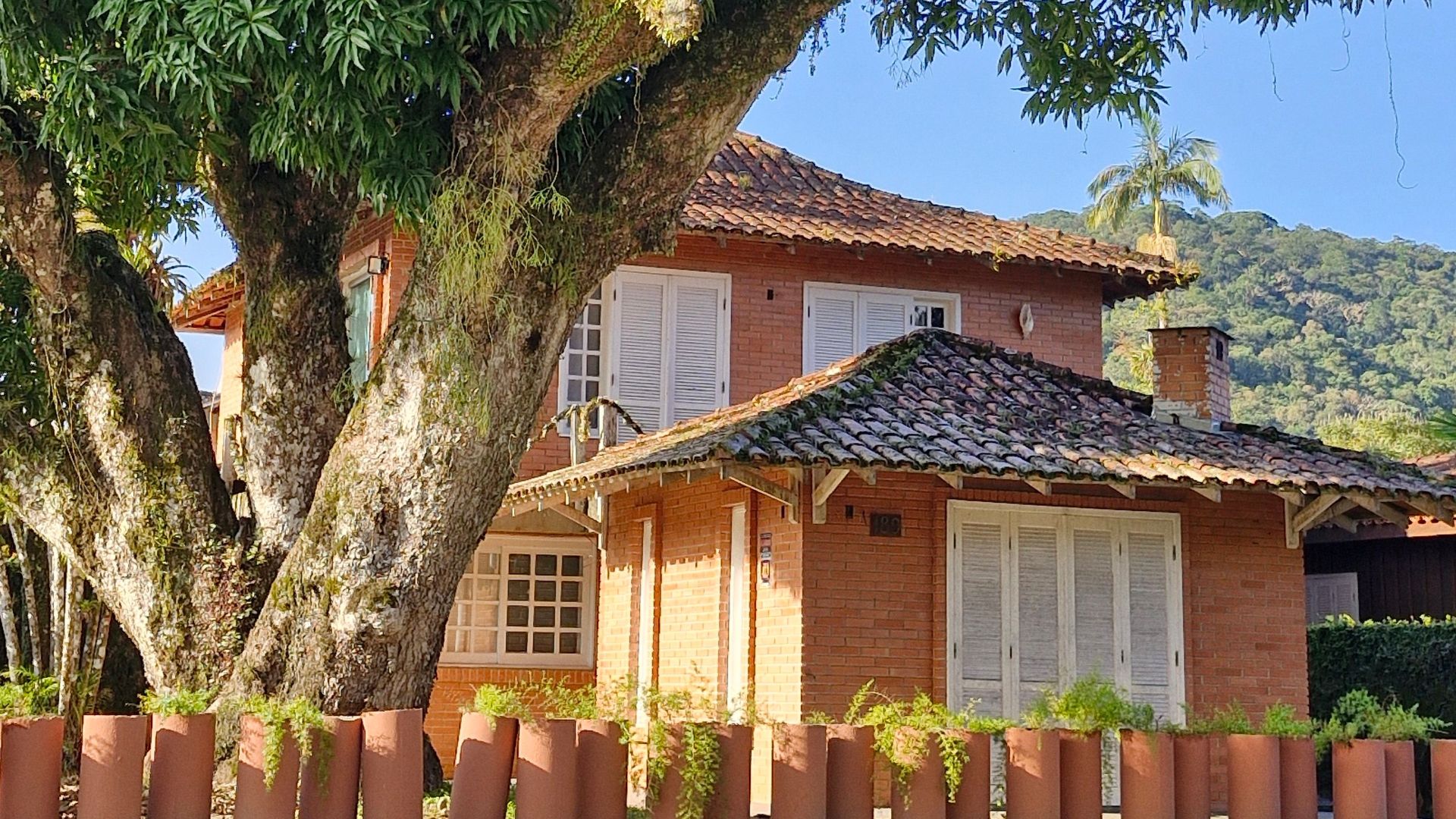
It Could Even Be A City Tree
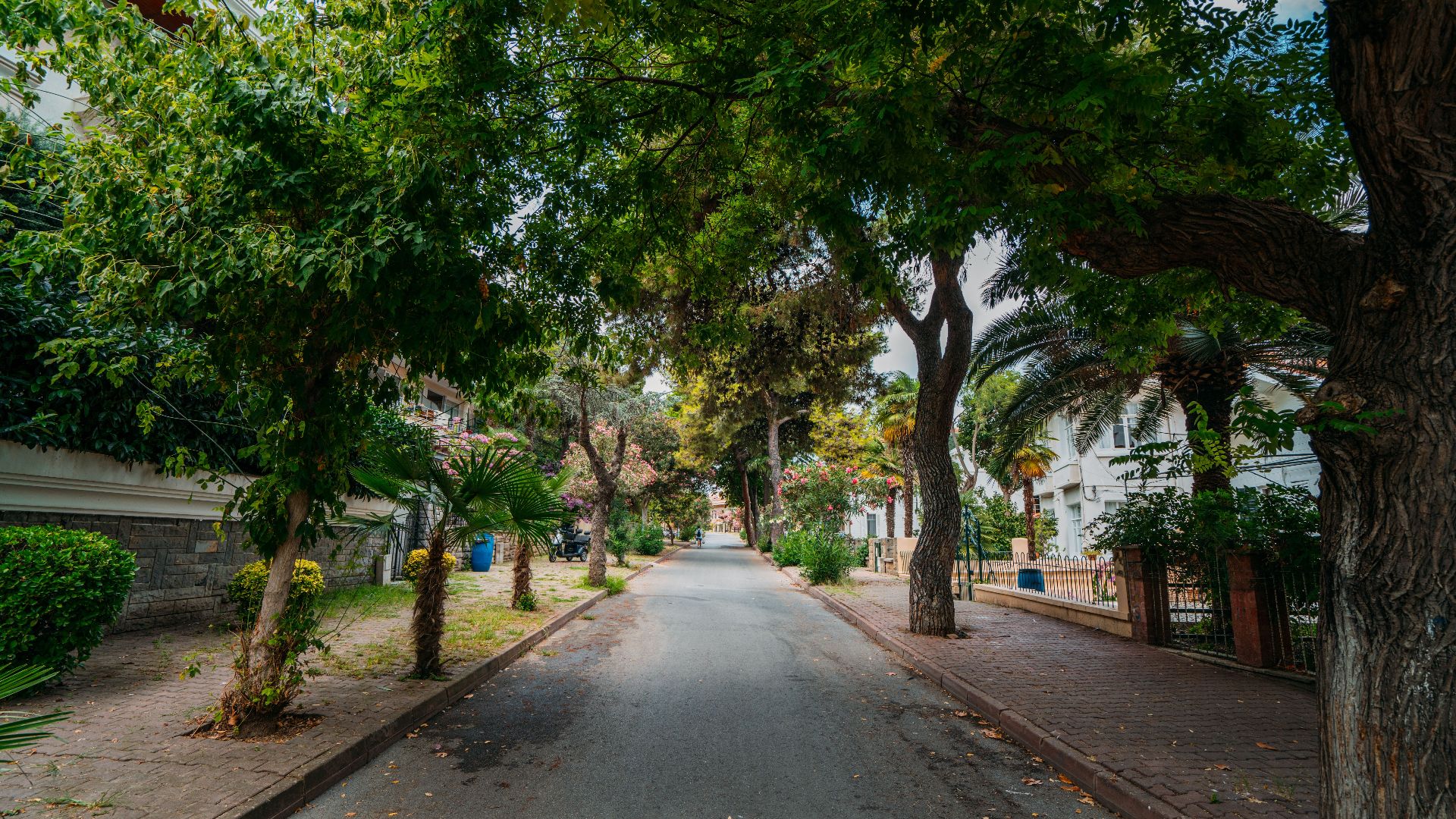
Before blaming the person next door, make sure the tree is not planted within a public right-of-way. A tree planted in or near a public right-of-way may be controlled by the municipality rather than your neighbor. If that is the case, your neighbor may not even have the authority to prune or remove it.
Photograph More Than The Paint Damage
If this is becoming a genuine dispute, document the whole situation. Photograph the sap on the vehicle before cleaning it, the damaged finish afterward, the branches above the parking area, the trunk's location, and your driveway. A close-up of damaged clear coat is useful, but context can be just as important.

Save Those Old Complaints
That text from six months ago saying, “The sap is covering my car again” might suddenly matter. Save emails, messages, letters, and any responses from your neighbor. They can establish the history of the problem and show whether you suggested reasonable solutions before the paint damage became expensive.

Get A Professional Paint Assessment
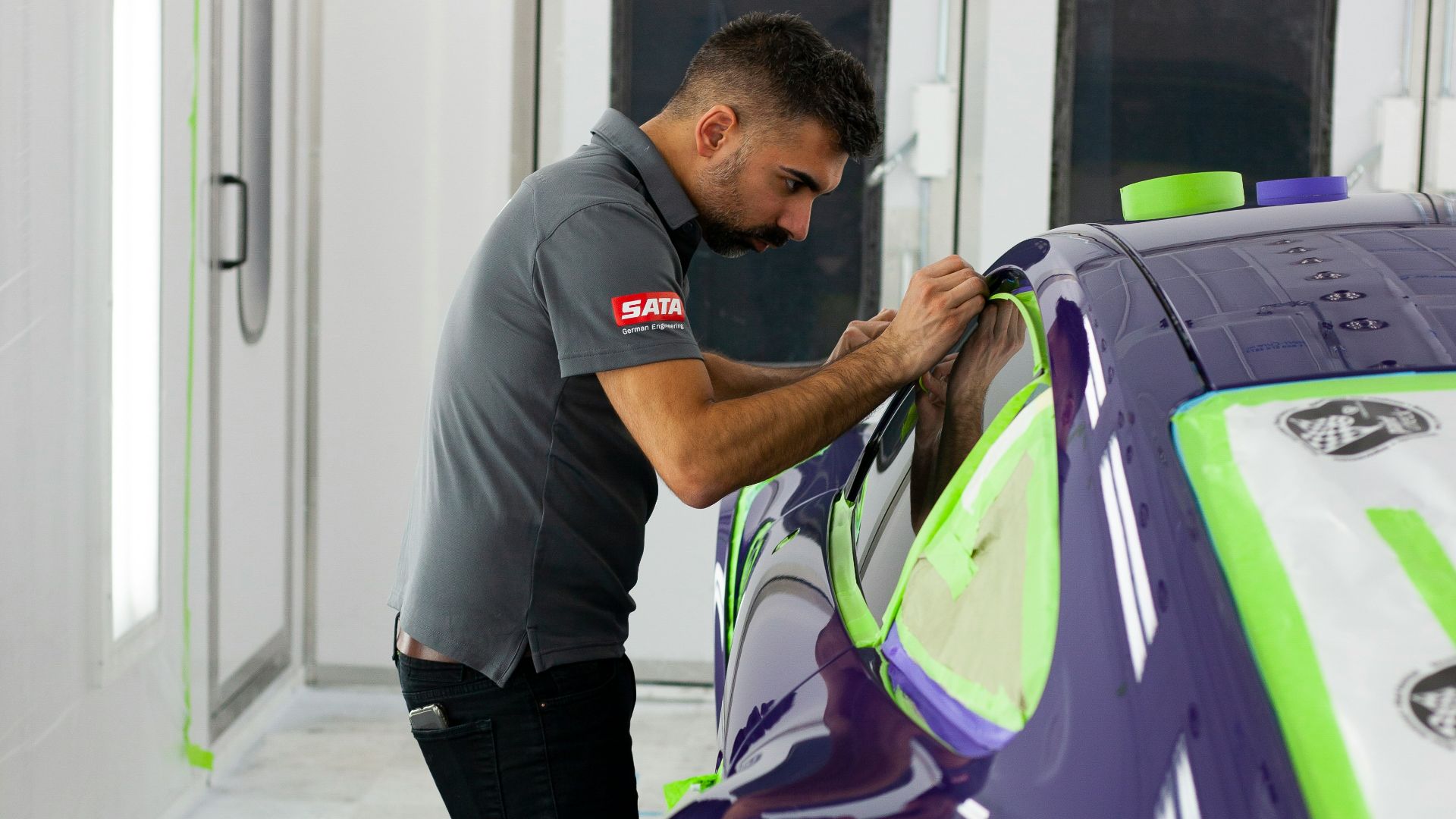
Before demanding thousands of dollars, find out what actually happened to the finish. A professional detailer or body shop can tell you whether the sap merely needs specialized removal, whether the clear coat has been etched, or whether repainting is genuinely necessary. Ask for a written estimate describing the damage.
Do Not Make The Damage Worse Yourself
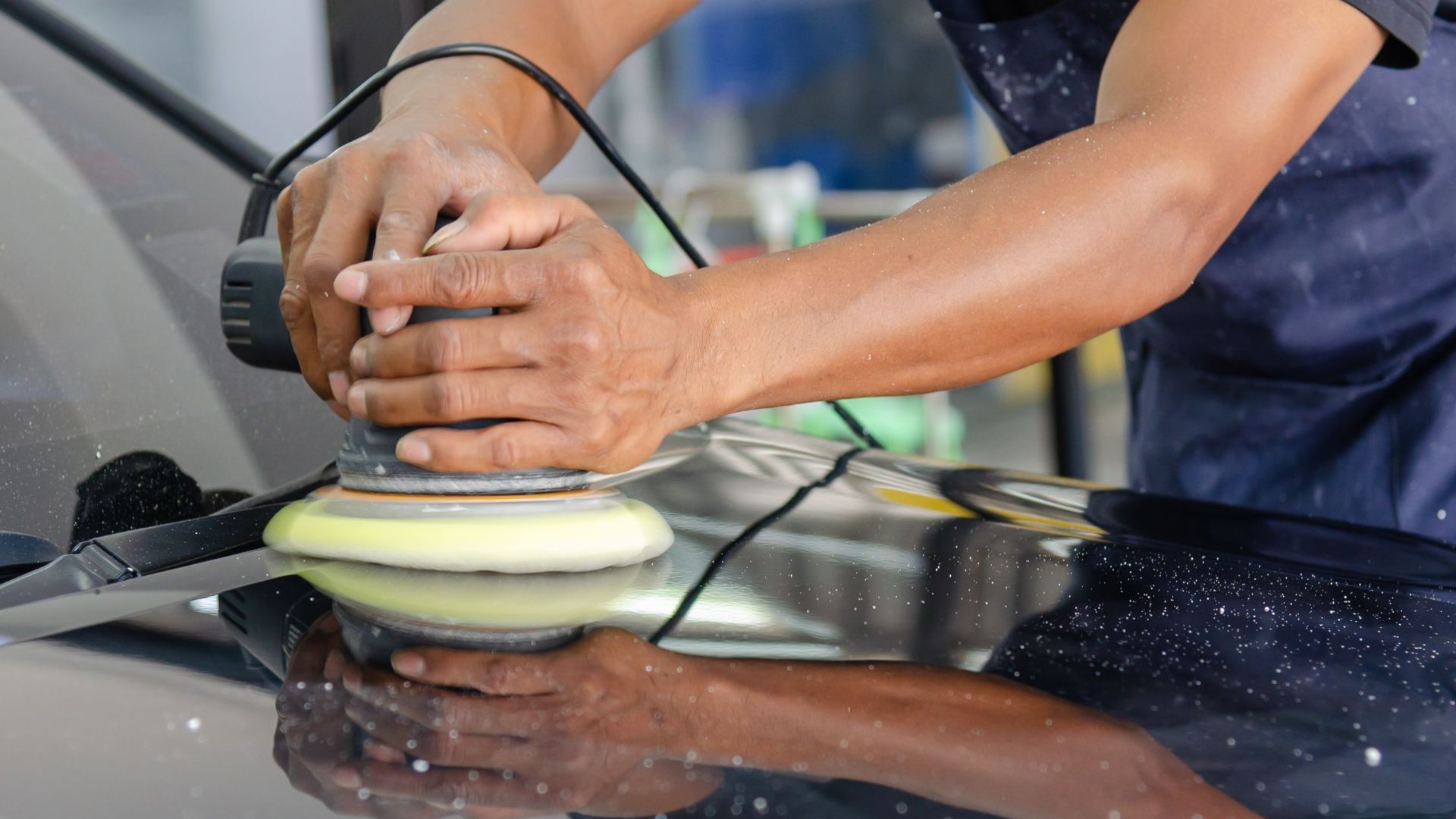
Once sap hardens, scraping at it with a fingernail, razor blade, or abrasive pad can turn a manageable problem into scratched paint. Gentle removal methods and appropriate cleaning products are safer. If the finish is already damaged, professional treatment may be better than another home remedy.
Your Auto Insurer Is Worth Calling
Do not assume insurance will pay, but do ask. Comprehensive coverage can apply to certain non-collision events involving trees or falling objects. Gradual paint deterioration or ordinary wear may be treated differently, however, so sap damage can be much less straightforward than a branch suddenly falling onto the roof.

His Homeowners Insurance Is Not Automatic Either
A neighbor's homeowners liability coverage generally becomes relevant only if the homeowner is legally responsible for the damage. An insurer may investigate whether there was negligence rather than simply paying because the tree belonged to its policyholder. A healthy tree producing ordinary sap may not be enough by itself.

A Written Request Can Change The Tone
If conversations have gone nowhere, put the issue in writing without turning it into a threat. Explain the recurring sap problem, attach the repair estimate, identify any overhanging branches, and ask whether your neighbor will arrange appropriate trimming or contribute to the documented repair cost.

An Arborist Can Help Separate Emotion From Evidence
Neighbor disputes become personal quickly. A certified arborist can provide something both sides badly need: neutral information. They can identify the tree, evaluate its health, determine which branches can safely be pruned, and explain whether the condition appears ordinary or connected to damage or disease.
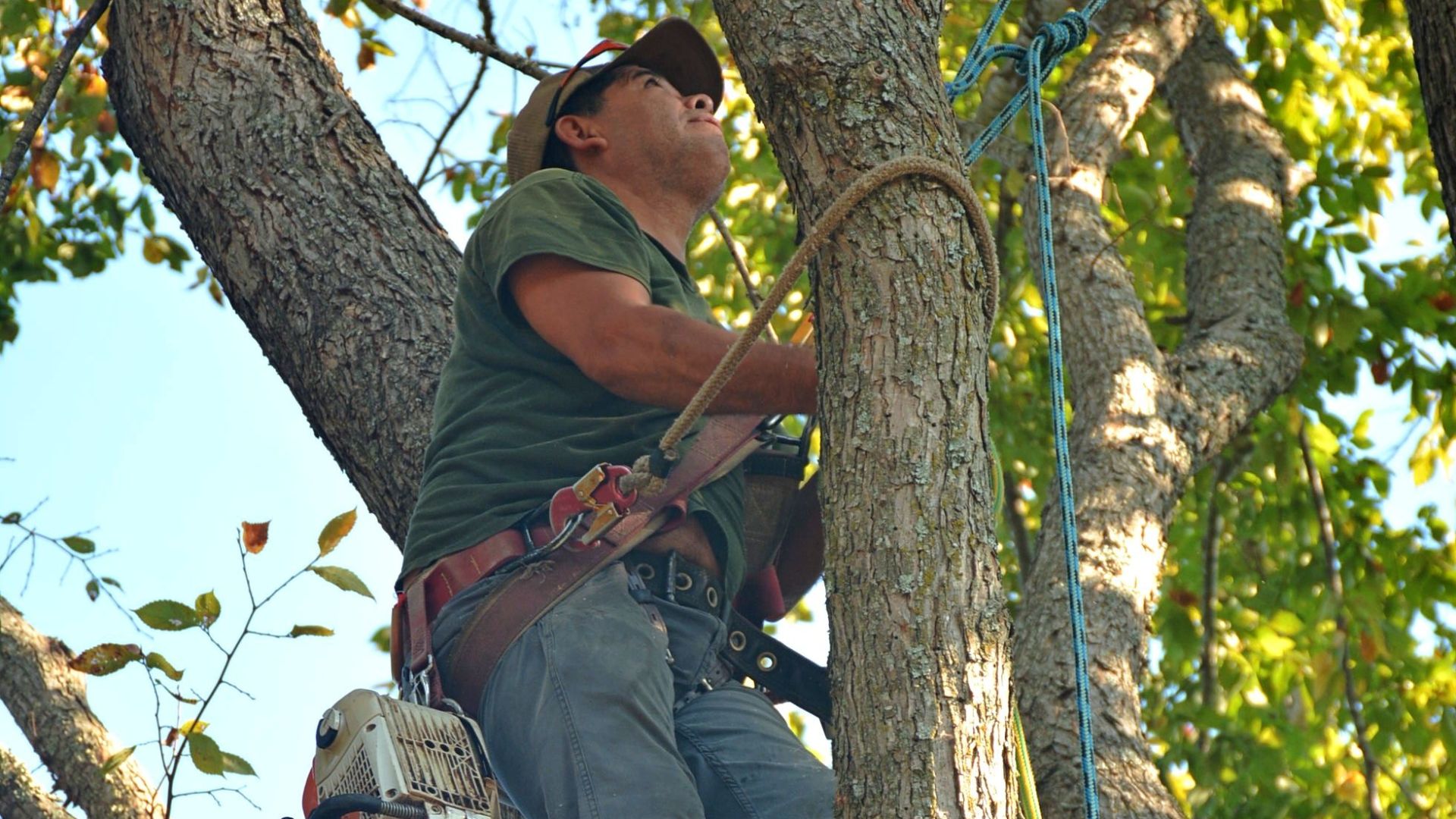
Check Your City Before Pruning A Large Tree
Local ordinances may protect certain trees or regulate significant pruning, especially large trees, heritage trees, and street trees. Even when state law generally allows you to trim encroaching branches, municipal rules may impose extra requirements. One phone call to the city can prevent a second dispute.

Small Claims Court Is Possible, But Evidence Matters
If you have a significant repair bill and believe your neighbor was legally responsible, small claims court may be an option depending on the amount and your state. The strongest case will usually involve more than frustration: photos, written notice, expert opinions, repair estimates, and evidence explaining why the neighbor had a duty to act.
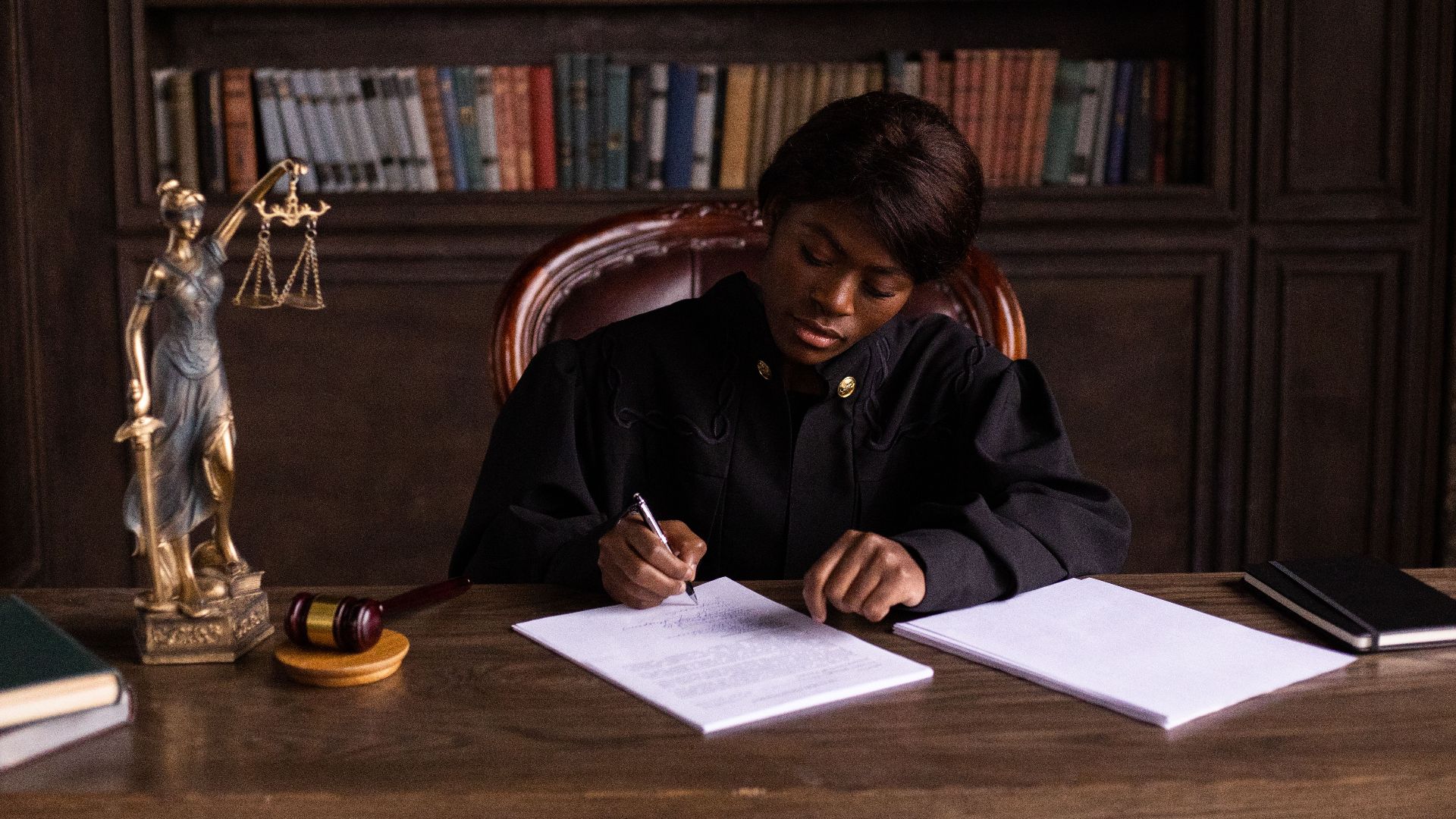
Consider What A Practical Settlement Looks Like
You can be angry about damaged paint and still decide that years of hostility are not worth it. Sometimes the workable answer is shared pruning costs, a contribution toward detailing or repainting, or an agreement about where branches will be maintained. A compromise does not necessarily mean either side was legally wrong.
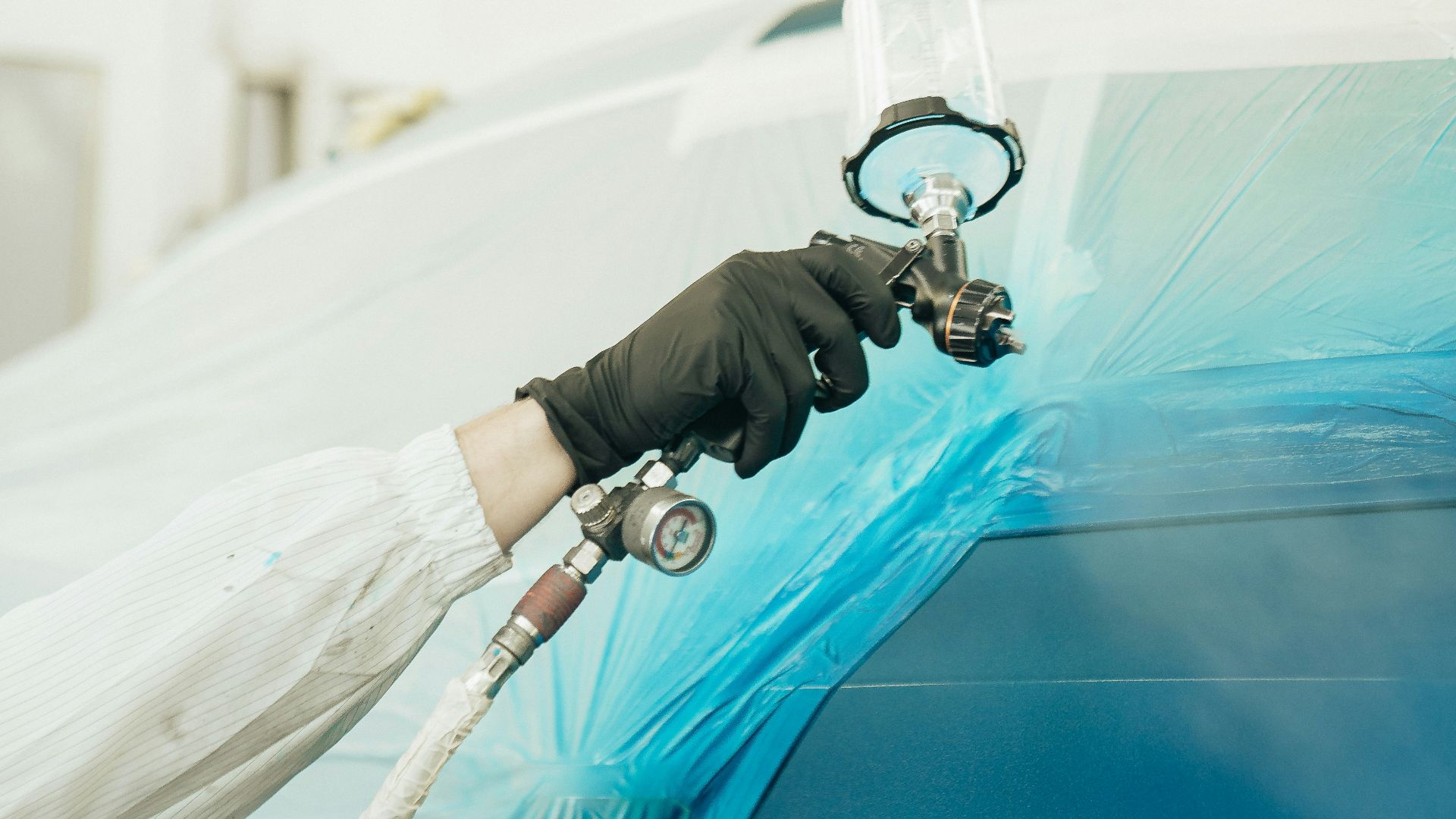
Prevention May Be Cheaper Than Winning The Argument
If the tree will remain, think ahead. Regular waxing can help protect the finish, and a quality car cover or different parking position may reduce future exposure. Those measures can feel unfair when the tree is not yours, but protecting an expensive vehicle may ultimately matter more than proving a point.
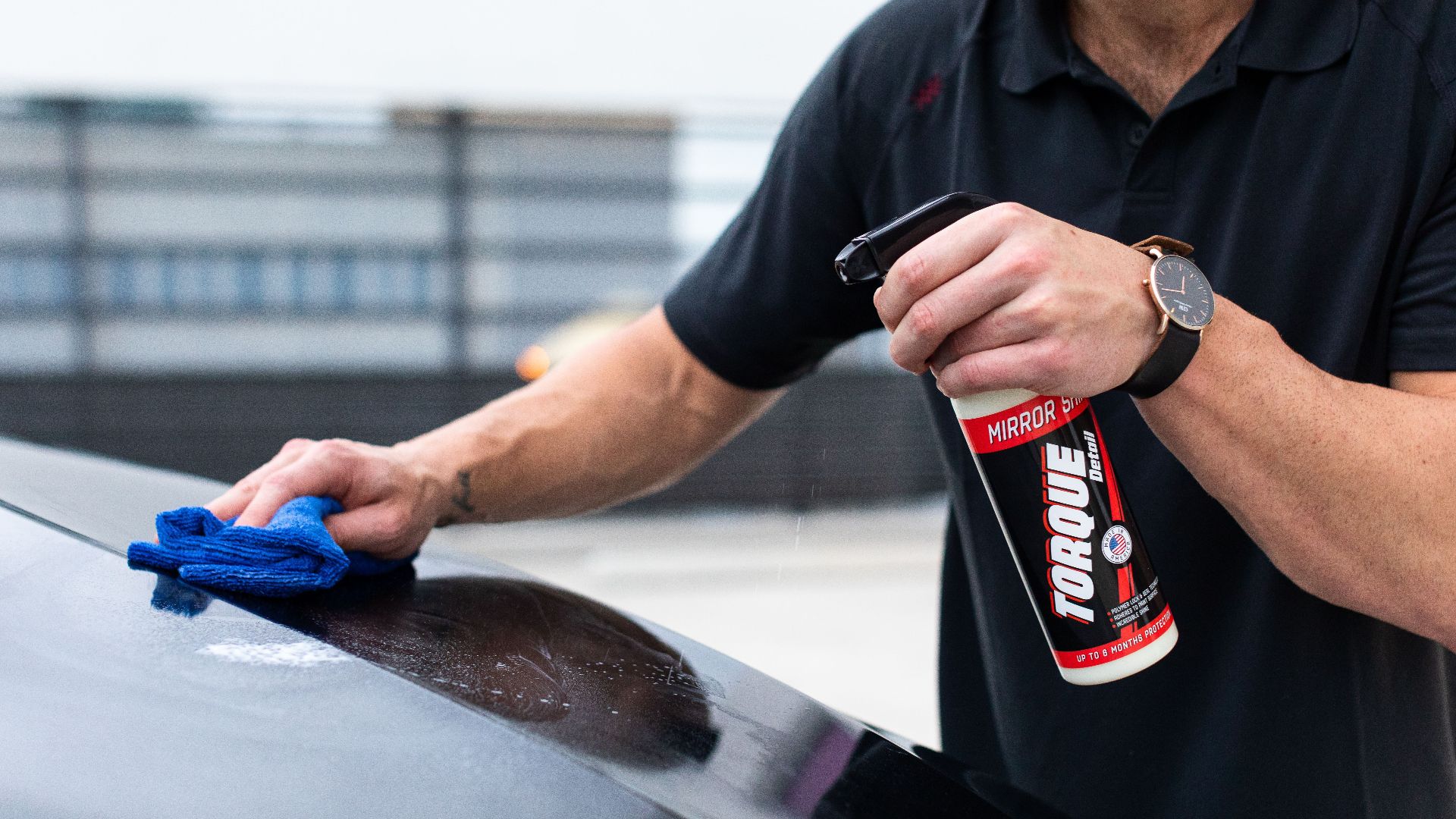
All That To Say...
Your neighbor does not automatically owe you a paint job simply because his tree dropped the sap. But repeated complaints, overhanging branches, unusual conditions, documented damage, or evidence of negligence can change the analysis. Start with proof, a professional estimate, and local tree rules before turning a sticky parking problem into a full-blown legal fight.
You May Also Like:
Cars So Dangerous, The Government Had To Step In To Save Us All
Cheap Cars From The 1960s And 70s That Somehow Became Collectibles