It Sounds Almost Too Good To Be True
Cutting fuel costs by more than 40% would be a huge improvement (and a huge relief on the wallet given the price of gas these days). And according to some hypermilers, one strange-looking technique called “ridge riding” can help squeeze lots more miles from a tank.
First, What Is Ridge Riding?
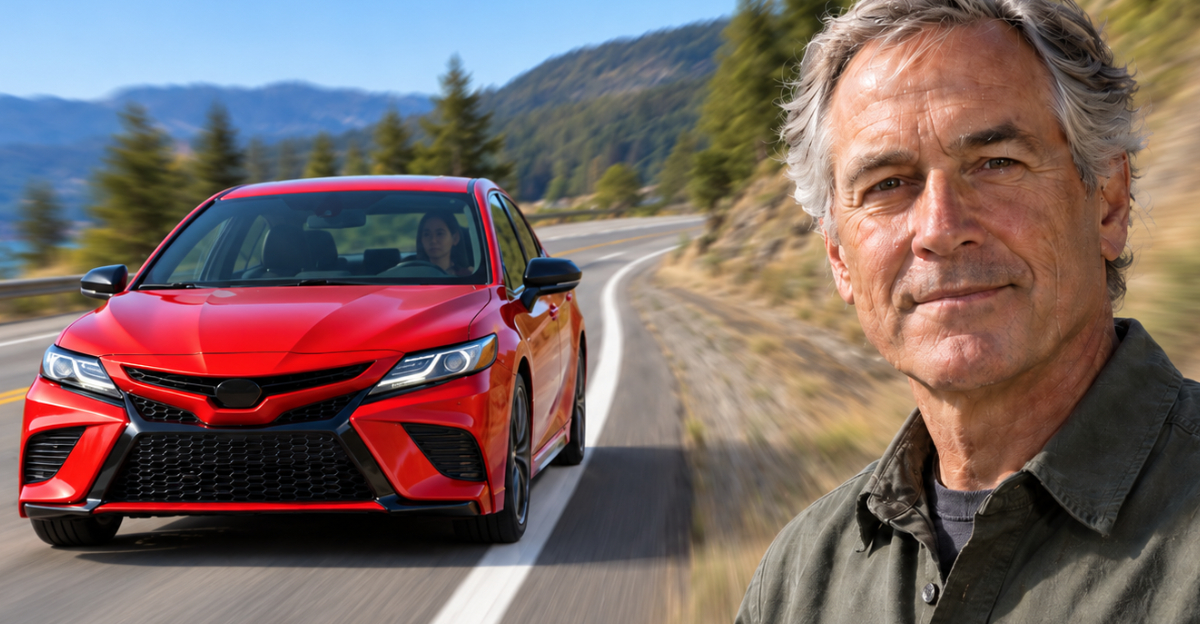
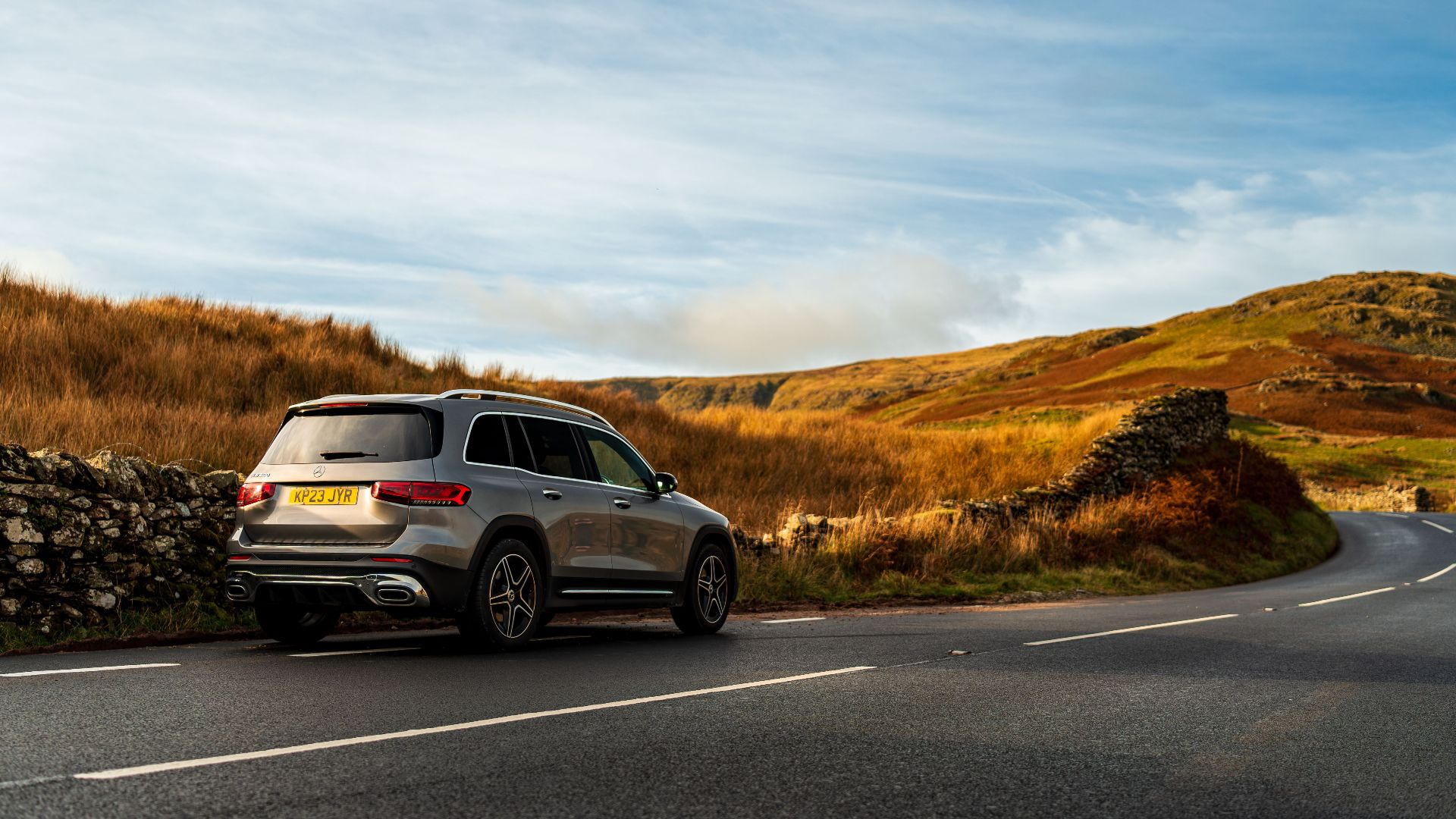
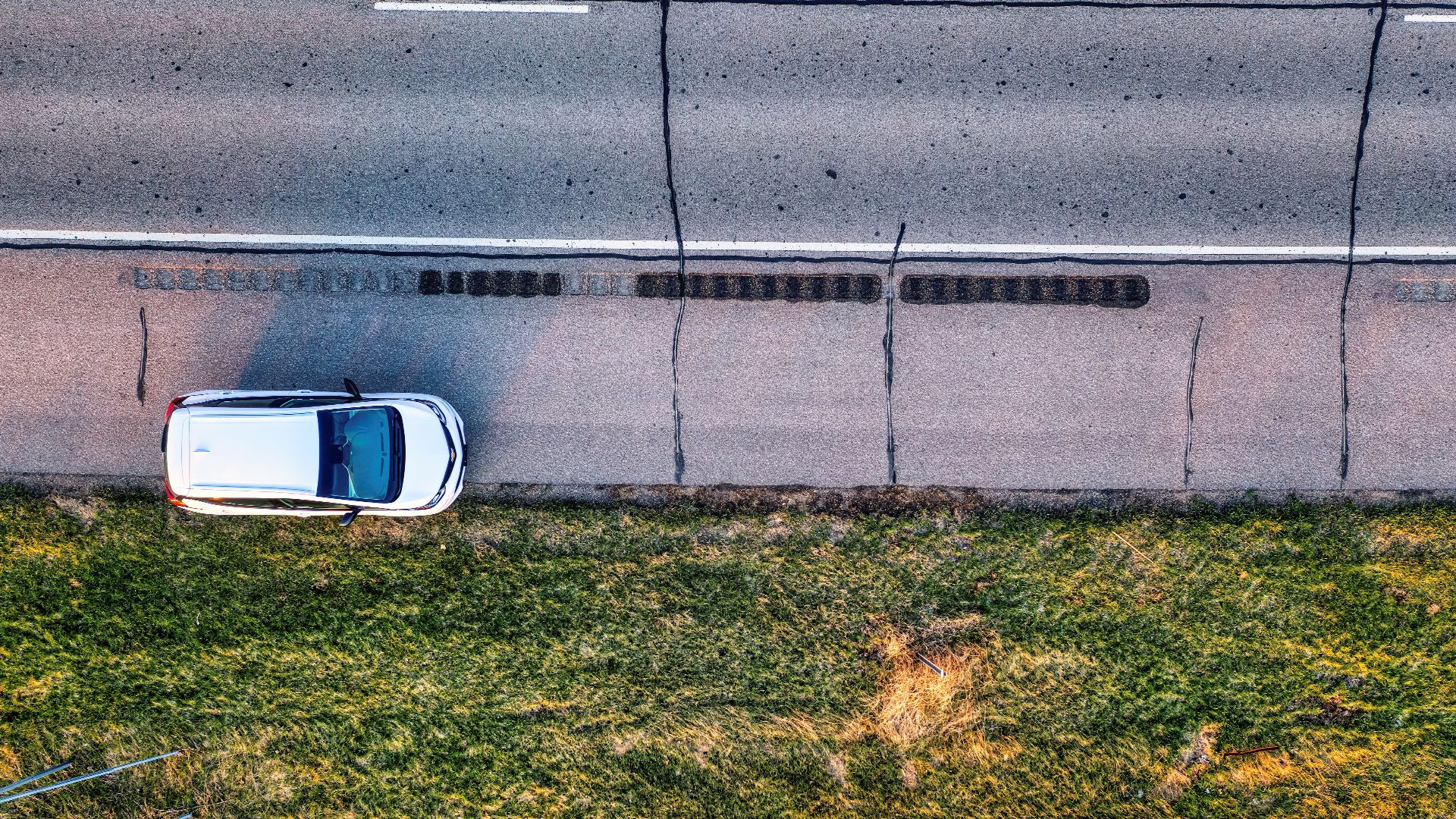
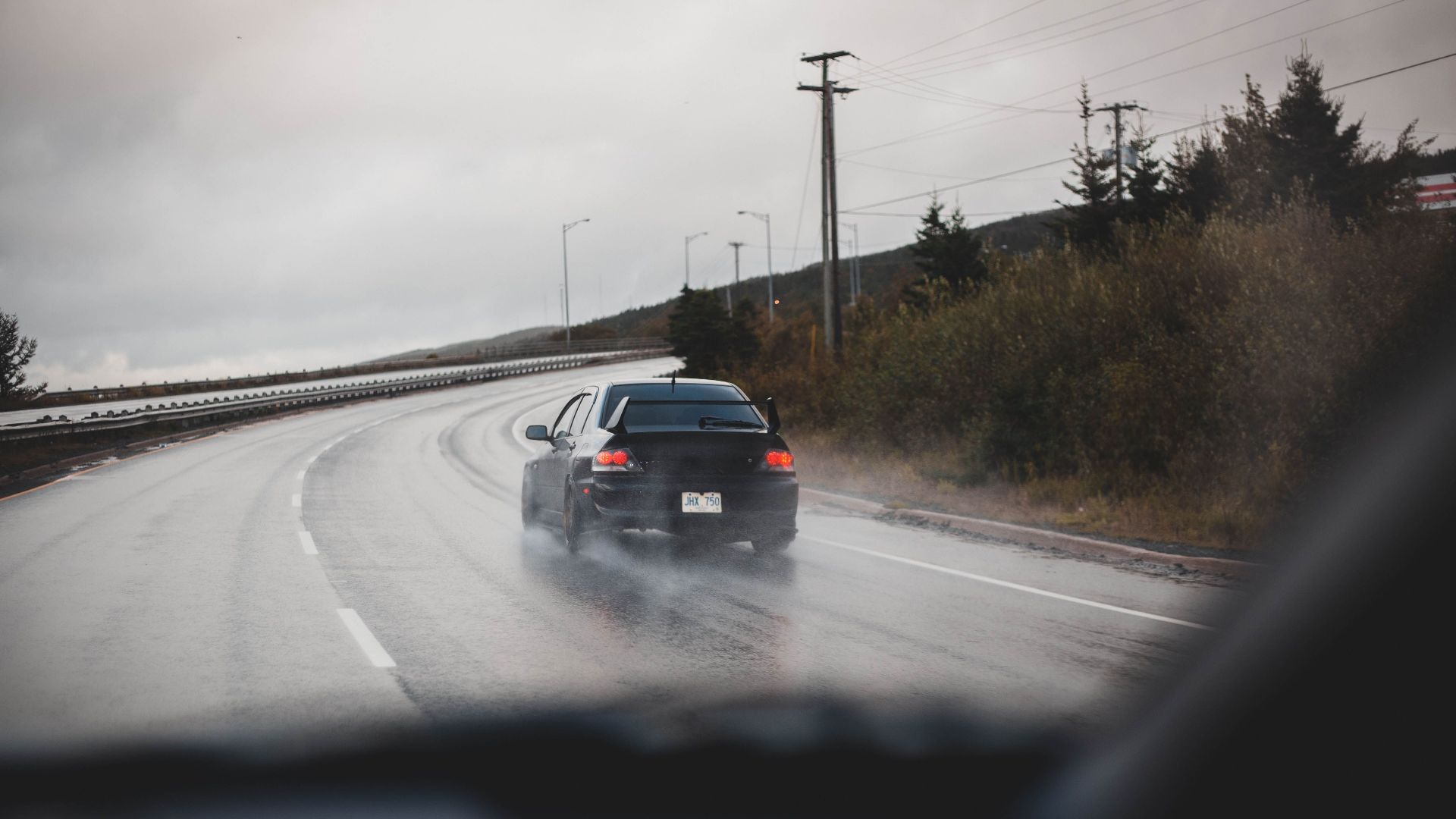
Ridge riding generally means positioning the passenger-side tires on or very close to the white line along the edge of the travel lane. The idea has been used by serious hypermilers for years, although exactly why they do it depends partly on the road and weather conditions.
Serious Hypermilers Really Do This
This is not some technique invented on social media last week. Hypermiling pioneers including Wayne Gerdes have talked about ridge riding for years, and record-setting hypermilers have included it among the many techniques they use when chasing extreme fuel-economy numbers.
There Is Some Real Physics Behind It
A moving car loses energy through rolling resistance as its tires flex against the pavement. Rougher surfaces, tire deformation and even water on the road can increase those losses. Reduce rolling resistance and the engine needs slightly less energy to keep the car moving.
The Theory Is That The Edge Can Be Smoother
Hypermilers have argued that the painted edge of a lane or pavement beside heavily traveled wheel tracks can sometimes offer a smoother path. That could theoretically reduce rolling resistance slightly. But there is an important catch: controlled research has not shown a large, measurable fuel-economy gain simply from driving on the painted line.
Ridge Riding Can Make More Sense In Rain
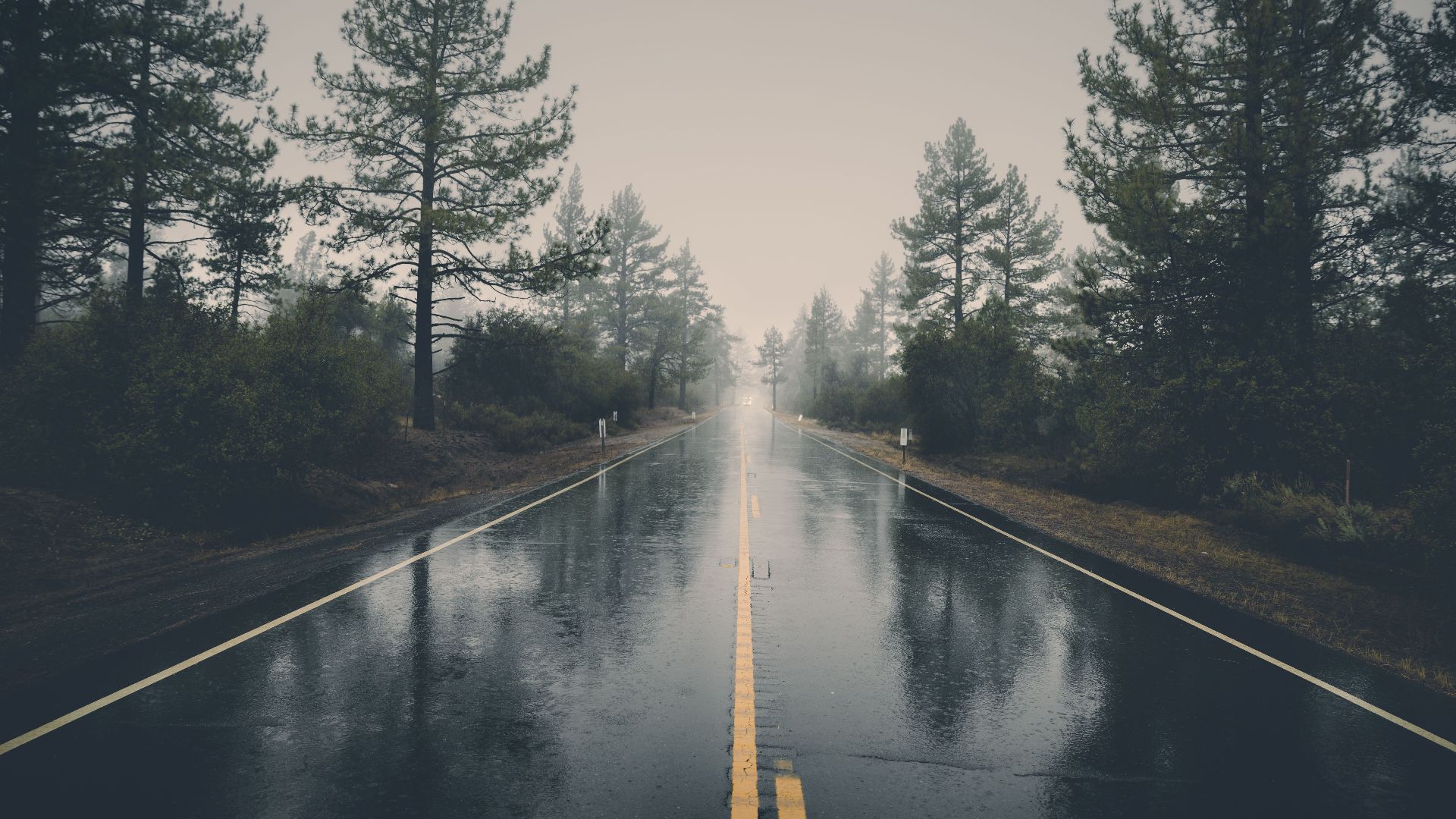
Heavily traveled roads can develop shallow wheel ruts, and those depressions can hold water when it rains. Moving slightly away from those water-filled tracks can reduce how much water the tires have to push through. That is one reason hypermilers have traditionally talked about ridge riding in wet conditions.
But Tires Are Only Part Of The Equation
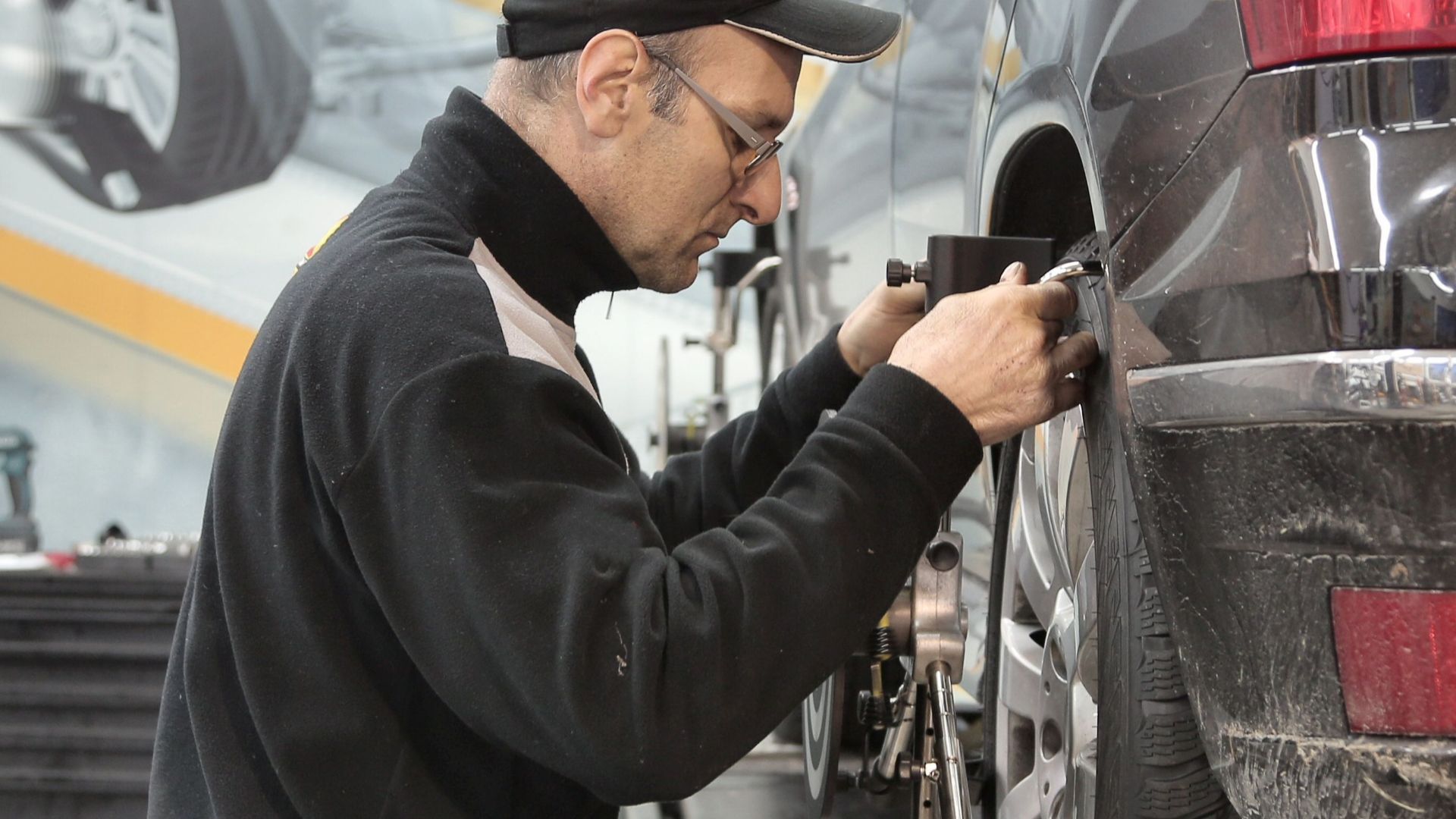
Rolling resistance matters, but it is only one source of energy loss. Aerodynamic drag, acceleration, braking, engine efficiency, drivetrain losses and accessories all consume energy too. Changing the exact strip of pavement beneath two tires cannot suddenly eliminate most of those losses.
And That Is Where The 40% Claim Gets Difficult
Research summarized by the National Academies found that reducing tire rolling resistance by 10% generally improves passenger-car fuel economy by only around 1% to 2%. That gives us a pretty good idea of how difficult it would be for ridge riding alone to produce anything remotely close to a 40% improvement.
Even Special Tires Do Not Produce Gains Like That
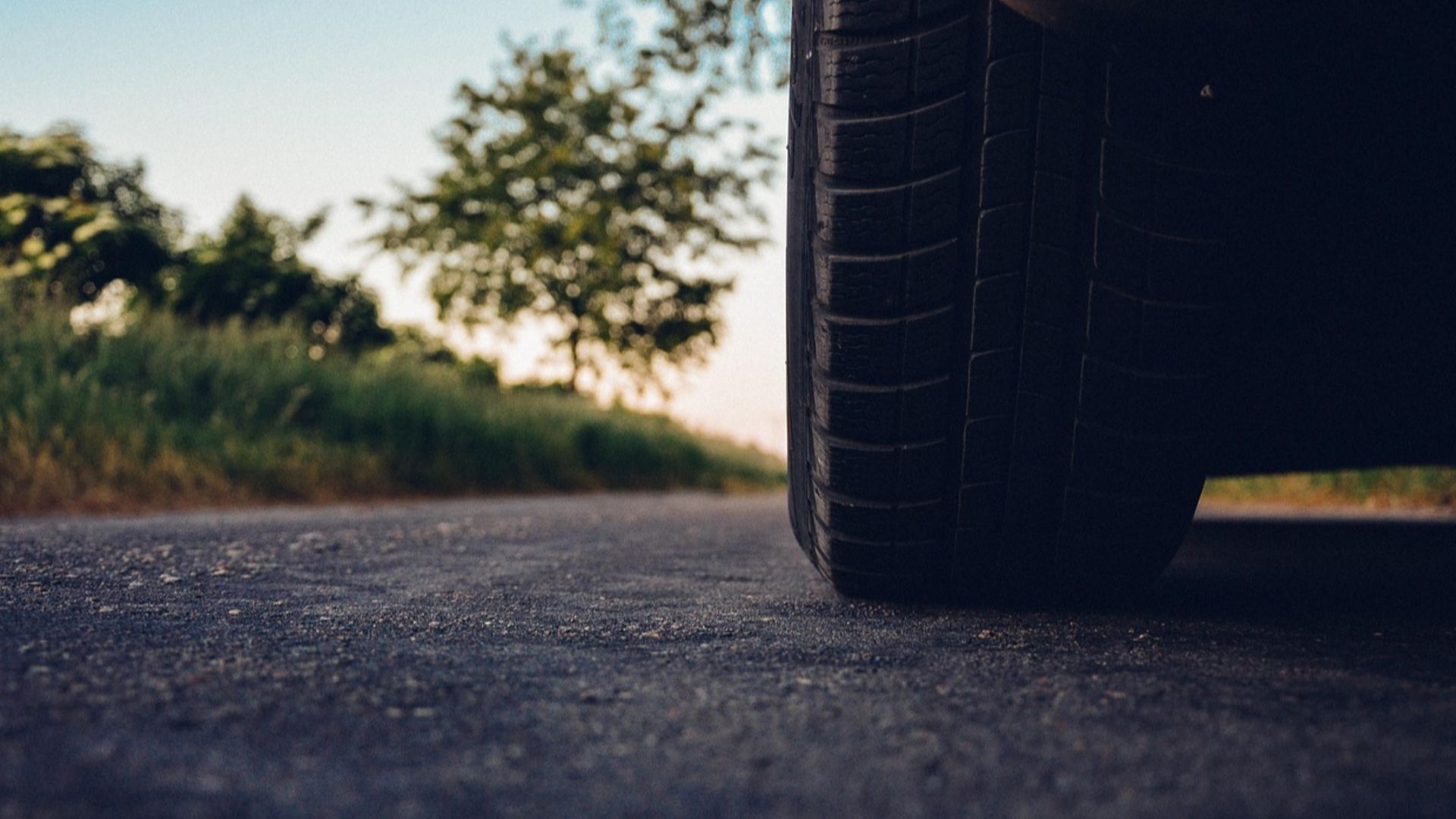
Transport Canada tested low-rolling-resistance replacement tires and found fuel-consumption improvements of roughly 3% to 4.6%. Those were actual tires designed to reduce rolling losses. That makes the idea of getting more than 40% from a slightly different path across the pavement extremely difficult to support.
Road Surface Does Matter, Just Not That Much
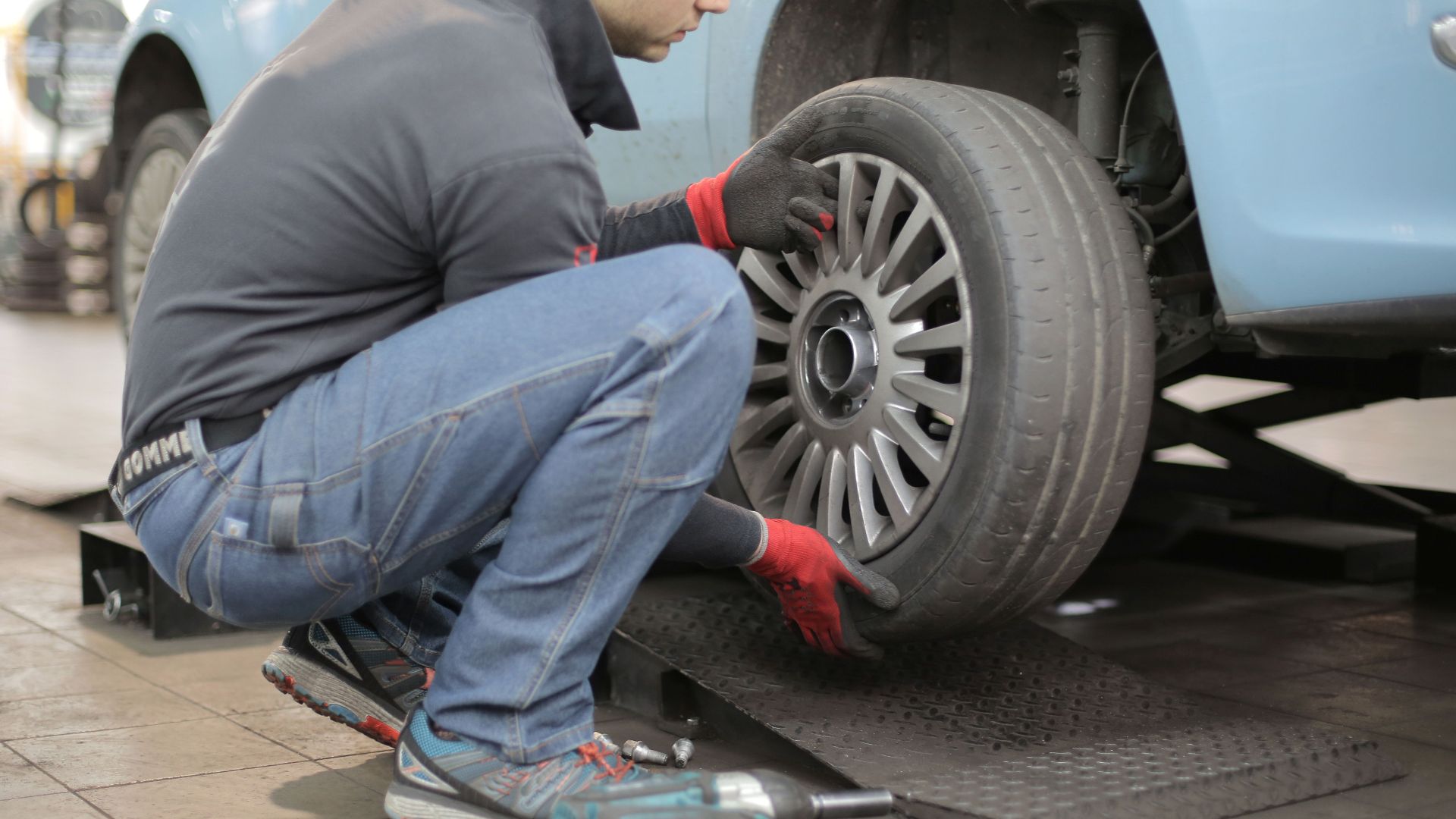
Research has found that pavement roughness can affect fuel consumption. In one controlled Wisconsin DOT study, the difference across the range of roughness typically found on state highways was about 1.5% for passenger cars, not anything approaching 40%.
There Is Another Problem With The 40% Number
The new claim is that ridge riding cuts his fuel costs by more than 40%. That is actually an even bigger claim than improving miles per gallon by 40%, because percentages involving fuel consumption and fuel economy do not work the same way.
A 40% MPG Increase Does Not Mean 40% Less Fuel
Suppose the car originally gets 30 mpg. Improving that by 40% takes it to 42 mpg. That sounds enormous, but over the same distance the car would actually use about 29% less fuel, not 40% less.
To Use 40% Less Fuel, The MPG Gain Has To Be Huge
A car that normally gets 30 mpg would need to reach roughly 50 mpg to consume 40% less fuel over the same distance. That represents about a 67% increase in miles per gallon. Ridge riding alone is simply not going to produce that kind of change.

So Could His Fuel Bill Really Be Down 40%?
Possibly. But that does not mean ridge riding caused it. Fuel costs depend on much more than the road surface beneath the tires, including how far someone drives, fuel prices, speed, traffic, routes and every other driving habit that changes at the same time.

Hypermilers Rarely Change Just One Thing
Someone serious enough to ridge ride probably is not driving exactly as they did before. Hypermilers often accelerate gently, anticipate traffic lights, avoid unnecessary braking, maintain tire pressure, reduce unnecessary idling and drive more slowly. Add all of those together and the savings can become much more significant.

Forty Percent From Better Driving Is Much More Plausible
The U.S. Department of Energy says aggressive driving can reduce fuel economy by 15% to 30% at highway speeds and by 10% to 40% in stop-and-go traffic. So somebody starting with inefficient driving habits can make a very large improvement simply by changing how they drive.
Speed Could Be Doing Far More Than The White Line
At highway speeds, aerodynamic drag becomes increasingly important. A hypermiler who starts driving significantly slower may save substantially more fuel from the speed reduction than from ridge riding. But because ridge riding is the strange part of the routine, it can end up getting more credit than it deserves.
Smooth Driving Can Make A Big Difference Too
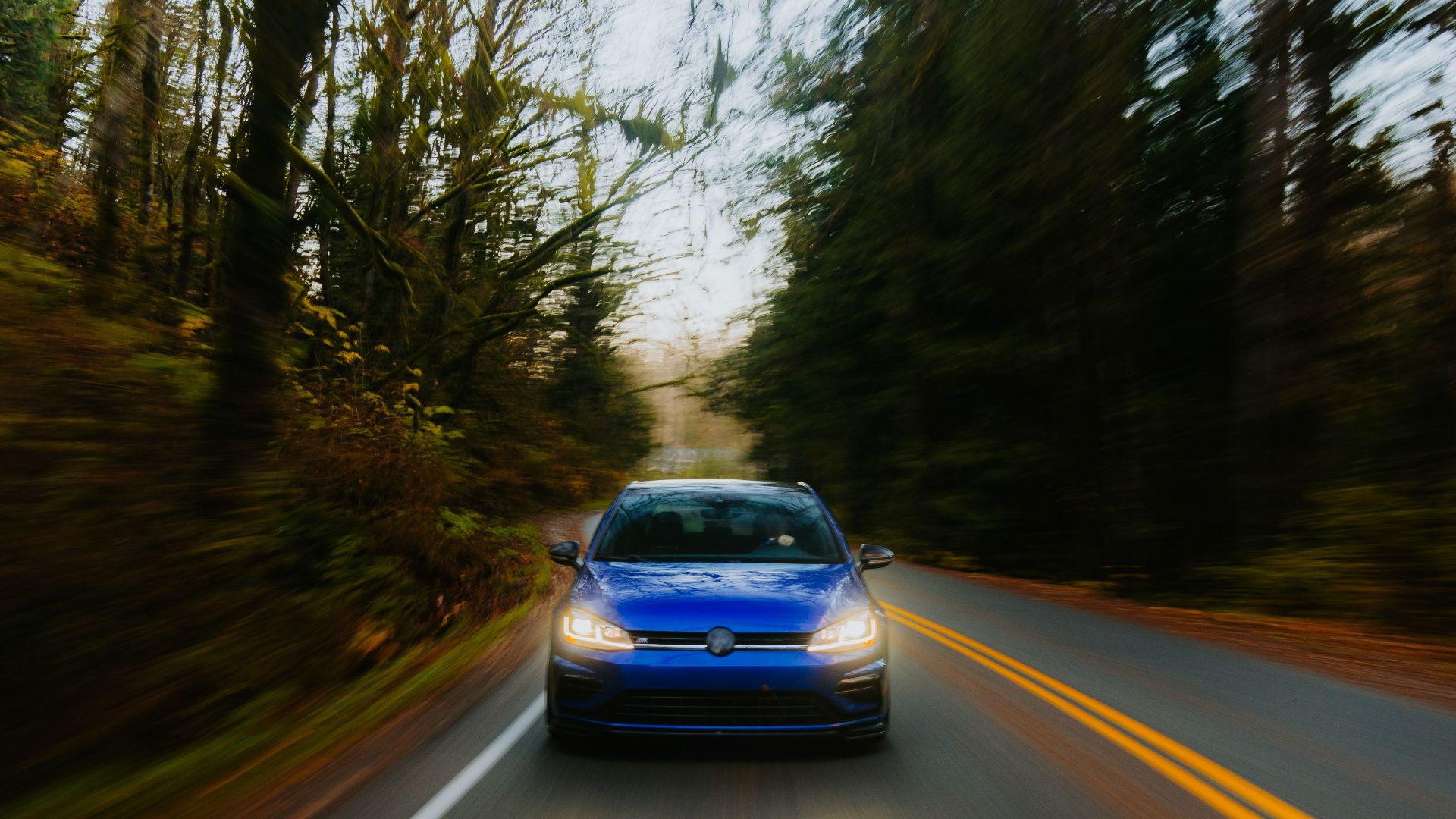
Every time a driver accelerates unnecessarily and then brakes that speed away, energy has been wasted. Looking farther ahead, maintaining a steadier speed and avoiding needless acceleration are much better-established ways of reducing fuel consumption than hunting for the smoothest few inches of pavement.

Tire Pressure Is Another Easy Factor
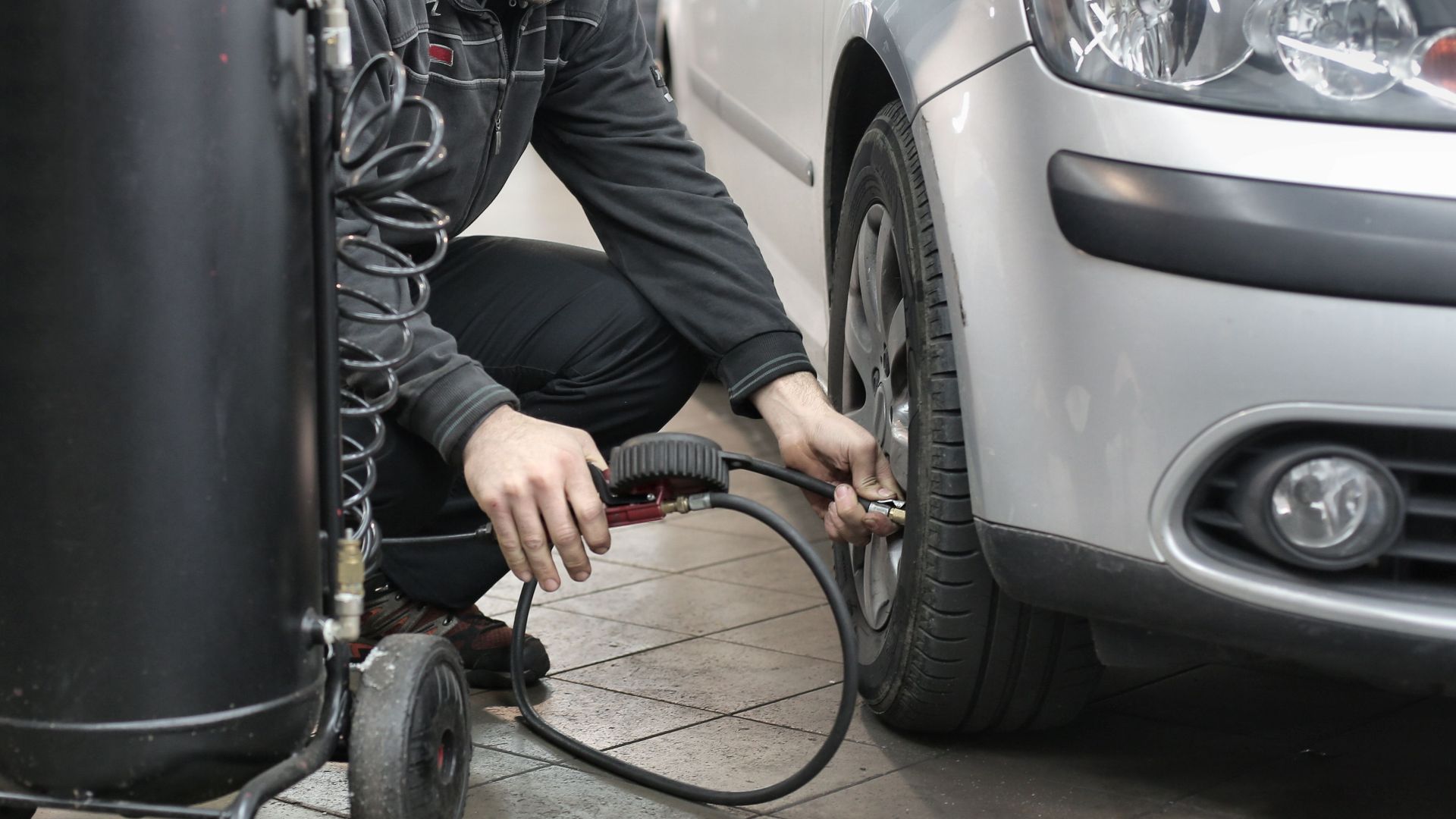
Proper tire inflation helps keep rolling resistance under control. A hypermiler who starts carefully maintaining tire pressure at the same time they begin ridge riding may see an improvement, but again, the improvement cannot automatically be attributed to the white line.
Ridge Riding Is Not Completely Risk-Free
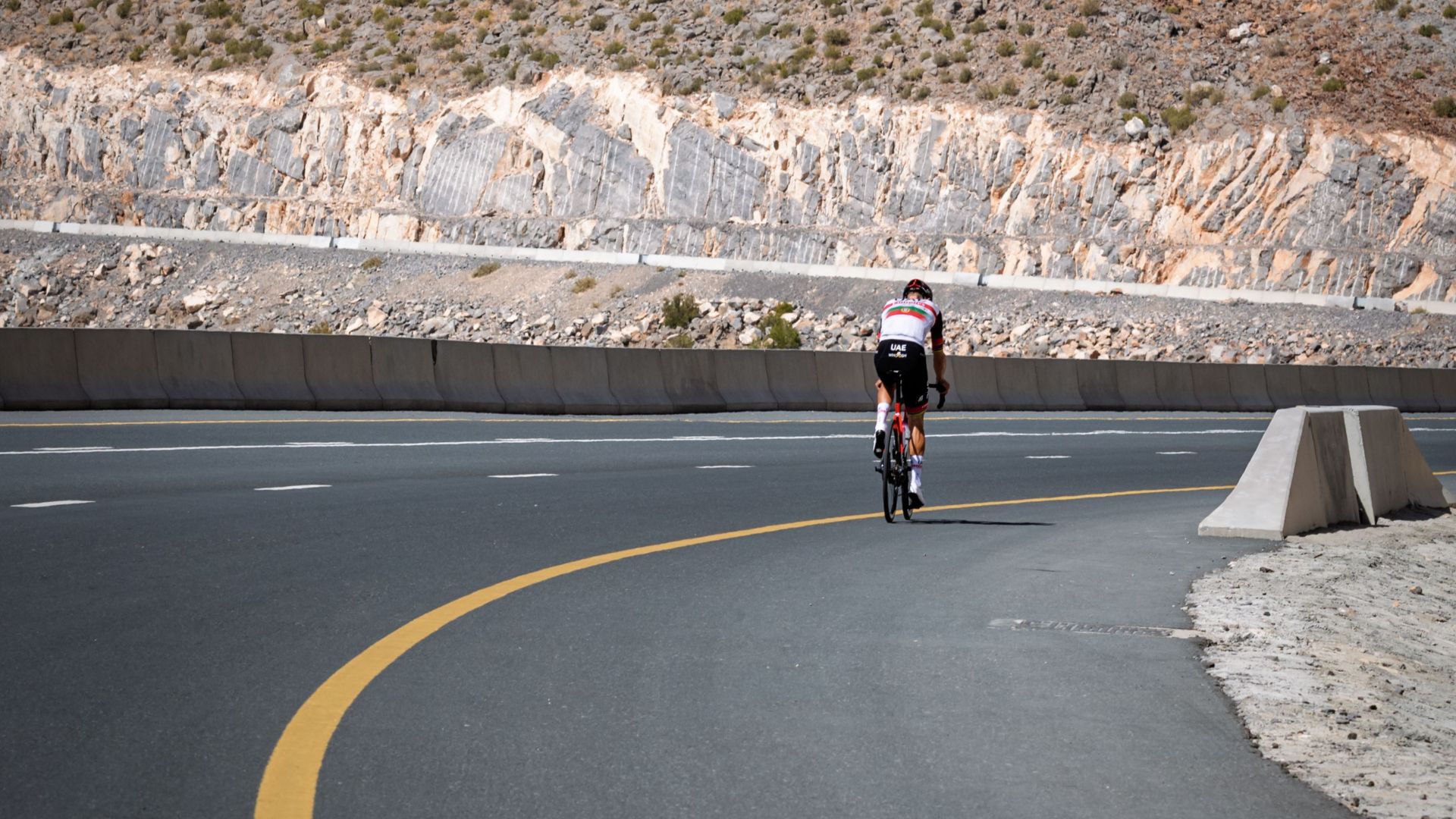
There is also a practical reason not to obsess over it. The edge of a lane may contain debris, drainage grates, rough pavement, cyclists or other hazards. Drivers also need to remain within the law and maintain safe lane position rather than concentrating on hitting a particular strip of pavement.
Painted Lines Can Behave Differently In The Wet
Some pavement-marking materials have lower friction than the surrounding pavement when wet. That does not mean touching a white line suddenly makes a car unsafe, but it is another reason why trying to maximize tiny theoretical efficiency gains should never take priority over traction and safe positioning.
Even Record-Setting Hypermilers Do Not Need It Every Day
Extreme hypermilers use techniques like ridge riding because they are trying to squeeze out every possible fraction of efficiency. But those same drivers have also emphasized that ordinary motorists can capture most of the useful savings through conservative driving and basic maintenance without chasing record-setting techniques.
So Is His 40% Claim Possible?
Not from ridge riding alone. There is legitimate reasoning behind the technique, particularly when avoiding rough or water-filled wheel tracks, and it could potentially make a small difference under the right conditions. But there is no credible evidence that it can cut an ordinary driver’s fuel costs by anything close to 40%.

He Still Might Be Saving That Much
That is the interesting part. Your uncle could genuinely be spending more than 40% less on fuel than he once did. If he has also slowed down, stopped accelerating aggressively, reduced braking and adopted the rest of the hypermiling playbook, a dramatic improvement becomes much easier to explain. Ridge riding is probably just getting far too much of the credit.

You Might Also Like:
My apartment building added EV chargers, but the fees are higher than gas. Is that normal?