The RV Vacation Has Turned Into A Repair-Shop Membership
You bought an RV to travel, not to spend weekends calling service departments and canceling campground reservations. After repeated leaks and failures, asking the manufacturer to take the thing back can feel perfectly reasonable. Then comes the frustrating answer: “It doesn’t qualify”.
That may ultimately be correct, but RV warranty disputes are unusually complicated, and the manufacturer’s first rejection doesn’t tell you what other options remain.
Find Out Why The Buyback Was Denied
Don’t settle for a vague statement that the RV “doesn’t meet the criteria". Ask the manufacturer to explain its decision in writing. Does it believe there haven’t been enough repair attempts? Are the defects considered too minor? Is the RV too old? Did you miss a notice requirement? Is the troublesome component excluded from your state’s lemon law? Knowing the exact reason tells you what, if anything, can still be challenged.

RV Lemon Laws Aren’t The Same Everywhere
State lemon laws vary enormously, and RVs often receive different treatment from ordinary cars. Some laws cover motorhomes but exclude certain residential components, while others impose special procedures or thresholds. Florida, for example, covers qualifying new recreational vehicles but excludes many components considered part of the “living facilities". Washington similarly excludes motorhome dwelling areas unless a defect affects mobility or the driver area.
A Motorhome Can Basically Have Several Manufacturers
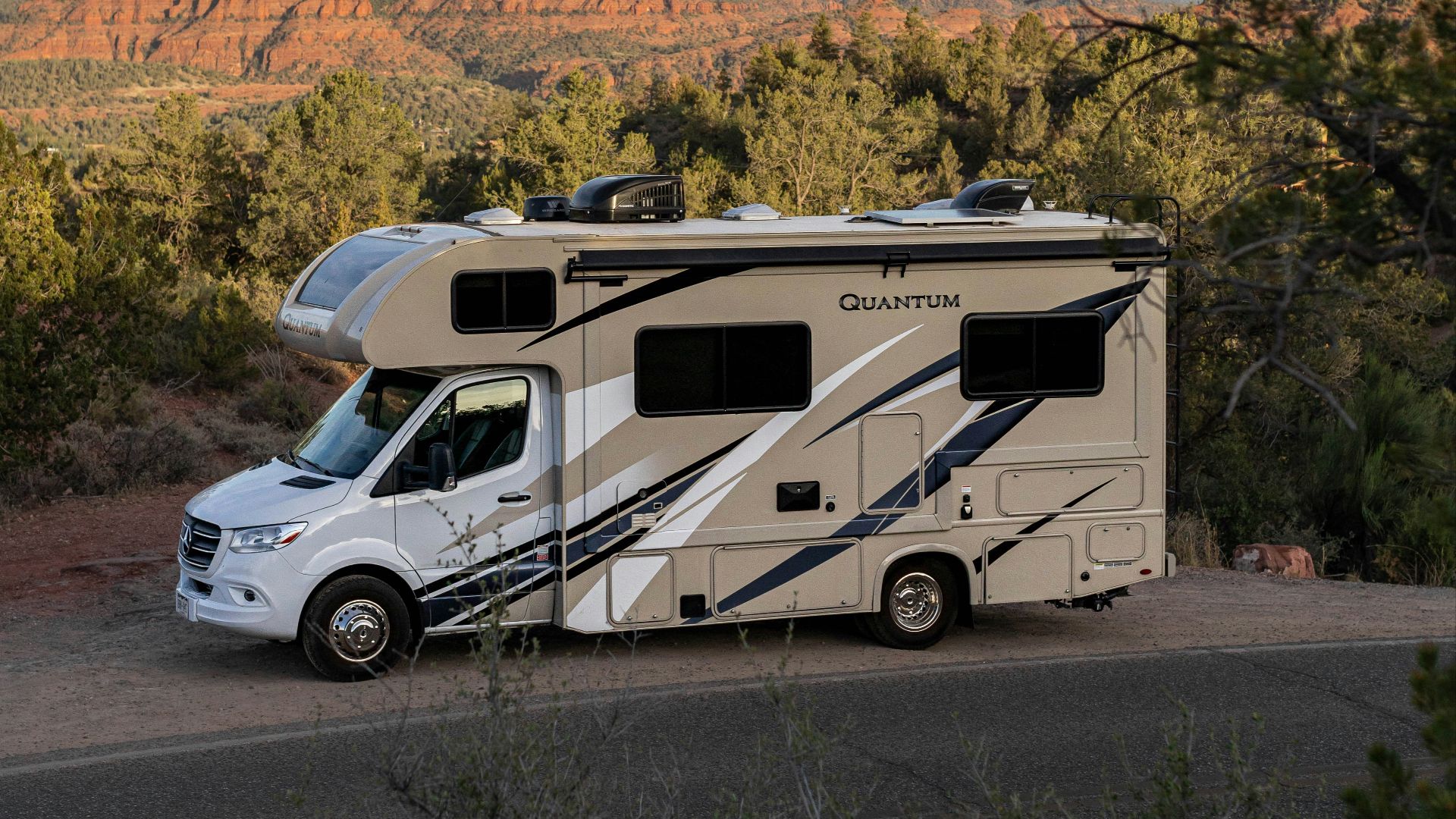
Your RV may have one company’s name across the front while containing a chassis built by another manufacturer, an engine or transmission from another, and appliances from several more. Each may provide its own warranty. Washington’s motorhome lemon-law process specifically recognizes final-stage, chassis, and component manufacturers separately. Figuring out which manufacturer is responsible for each defect can therefore be a crucial part of making a successful claim.

Separate Chassis Problems From House Problems
Create two columns. Put engine, transmission, steering, brakes, suspension, and other vehicle systems on one side. Put slides, plumbing, roof leaks, appliances, cabinets, flooring, and living-area electrical problems on the other. This matters because your state may give different legal protection to each category. A motorhome that repeatedly loses steering assistance may have a very different lemon-law case from one whose primary problem is a leaking shower.

Towable RVs Can Be Even Trickier
Travel trailers and fifth wheels don’t have their own automotive powertrain, so state laws written around “motor vehicles” may treat them differently from self-propelled motorhomes. That doesn’t mean you have no warranty rights. It means you shouldn’t assume advice about a defective Class A motorhome automatically applies to your fifth wheel. Check how your particular state defines an eligible vehicle before counting on a statutory buyback.
 High Contrast, Wikimedia Commons
Build A Repair Timeline From Day One
Create a single document listing every problem, date reported, dealership visit, repair attempt, days the RV was unavailable, mileage where relevant, and what the shop actually did. A claim saying “this RV has been in the shop constantly” is much weaker than a record showing six repair visits and 73 days unavailable during the first year. Several lemon-law programs explicitly use repair attempts or cumulative days out of service when evaluating eligibility.

Count Calendar Days, Not Just Repair Orders
One repair order can represent a month without your RV. Record the date you dropped it off and the date it was actually available for pickup. Save emails showing that work was delayed for parts, authorization, diagnosis, or manufacturer approval. Depending on the state, cumulative days out of service can matter independently of how many times the same defect was repaired.

Get A Repair Order Every Single Time
Never leave a warranty visit with nothing more than “they looked at it". Ask for written documentation even when the technician claims no fault was found. Florida specifically tells RV owners to obtain written, legible repair orders for warranty examinations or repairs. Those “could not duplicate” visits may later help establish that you repeatedly presented the same problem even if the shop failed to fix it.

Make Sure The Repair Orders Describe The Right Problem
Read the paperwork before leaving. If you reported “slide retracts by itself while parked,” don’t accept paperwork saying only “customer requests slide inspection". If the same defect keeps returning, consistent descriptions make the pattern easier to establish. You don’t need to tell the technician what component is defective, but the symptom you experienced should be accurately recorded every time.

Don’t Let The Warranty Clock Quietly Run Out
Lemon-law deadlines can be surprisingly short. Florida’s lemon-law rights period for qualifying RVs is generally 24 months from delivery, and Washington requires eligible arbitration requests within 30 months of original retail delivery. Other states have different windows. Start investigating your rights while the RV is still under warranty rather than waiting until the manufacturer announces that another deadline has passed.

Written Notice Can Be A Critical Step
Repeated repair visits alone may not complete the legal process. Some states require formal written notice to the manufacturer and another opportunity to repair before stronger remedies become available. Texas, for example, requires written notice to the manufacturer and at least one opportunity to cure for its lemon-law process. Florida has its own defect-notification procedure for qualifying RV claims.
 Quality Stock Arts, Shutterstock
Send The Notice To The Manufacturer, Not Just The Dealer
Complaining to the service manager for eight months doesn’t necessarily substitute for the formal notice a statute requires. Check your warranty booklet for the manufacturer’s dispute or notification address. With a motorhome involving several warrantors, you may need to notify more than one company. Keep copies and use a delivery method that proves the letters were received.

Give Them The Final Repair Opportunity If Required
It may feel absurd to hand an RV back to the same repair network yet again, but skipping a legally required final repair attempt can weaken an otherwise promising case. Follow the procedure for your state and warranty carefully. Document the date the final opportunity was offered, when the manufacturer responded, where the RV went, and whether the defect returned afterward.
“They Fixed It Eventually” Doesn’t Always Erase The Downtime
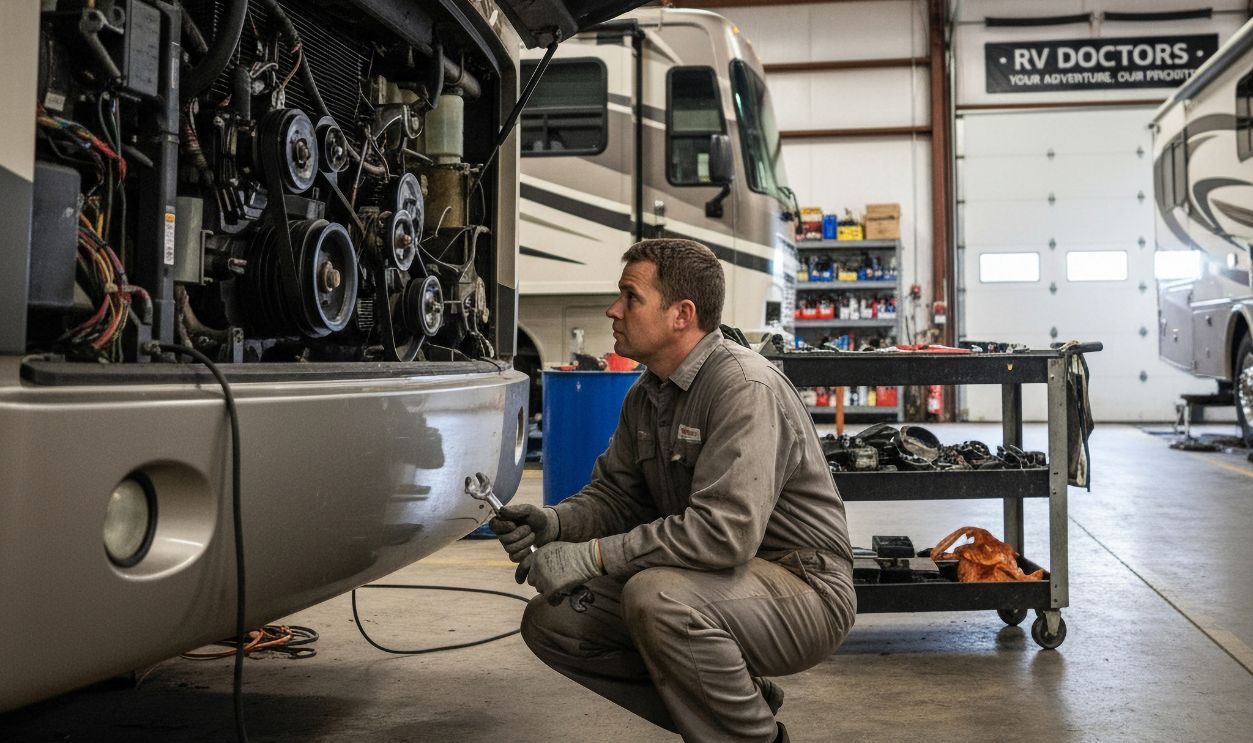
A manufacturer may argue that because each individual defect was ultimately repaired, there’s no buyback case. That isn’t necessarily the whole analysis. Some state programs separately recognize lengthy cumulative periods out of service. Washington’s motorhome law, for example, has a specific days-out-of-service claim category, although its thresholds and required notices are detailed. Your service history as a whole can therefore matter even when individual repairs eventually work.

But Minor Annoyances Usually Won’t Be Enough
Lemon laws generally focus on problems that substantially impair use, value, or safety rather than every frustrating cosmetic flaw. Texas, for example, specifically requires a substantial defect and excludes minor issues that don’t meaningfully impair use or market value. A dangerous brake defect or recurring inability to use the RV can carry more weight than a loose cabinet hinge, even if both required service visits.
Document How The Defects Actually Affect Your RV Life
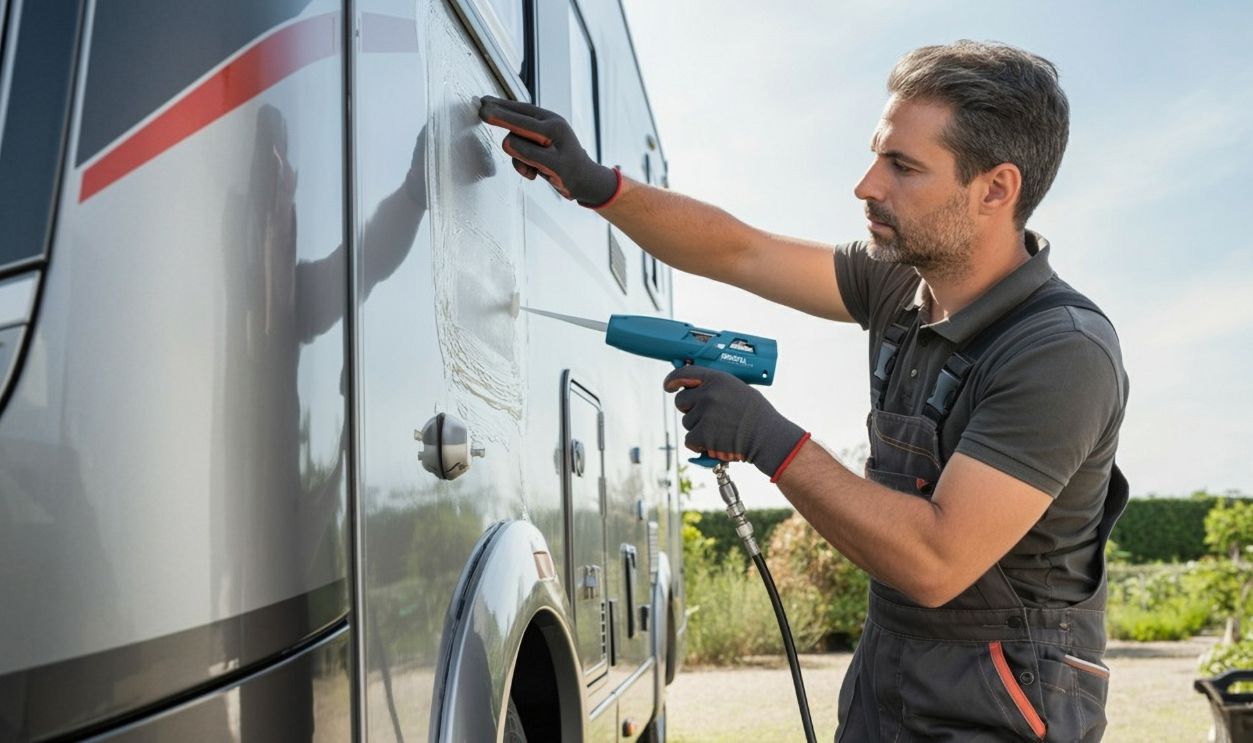
Don’t just collect repair invoices. Keep records of canceled trips, unusable water systems, unsafe driving conditions, repeated loss of electrical power, inability to extend or retract slides, or other real consequences. Save campground cancellations and photographs or videos of recurring defects. The goal is to show why the problem meaningfully affects the RV’s use, safety, or value rather than merely proving that something broke.

Keep Your Warranty Documents Together
Collect the coach warranty, chassis warranty, appliance warranties, service contract, sales agreement, and any separate manufacturer booklets. The Federal Trade Commission distinguishes the manufacturer’s included warranty from separately purchased service contracts, and each can provide different remedies and procedures. You need to know which company promised to fix which part before deciding who has failed to honor its obligation.

Don’t Confuse A Service Contract With Lemon-Law Coverage
An “extended warranty” bought from the dealer may actually be a service contract rather than a manufacturer warranty. It can still be useful for repairs, but it doesn’t automatically extend every lemon-law deadline or recreate new-vehicle protections after they expire. Read the contract’s claim process, exclusions, deductibles, and dispute provisions separately from the original RV warranty.

Check For A Required Arbitration Program
Your warranty booklet may require you to use a qualifying informal dispute-resolution program before filing certain warranty claims in court. BBB AUTO LINE provides free mediation and arbitration for participating manufacturers, although eligibility depends on the manufacturer, warranty issue, state, vehicle age, and mileage. If your RV manufacturer participates, filing a formal dispute can move the issue beyond endless calls to customer service.

State Programs May Offer Another Route
Some states run their own lemon-law arbitration systems. Washington allows qualifying motorhome owners to request arbitration through the Attorney General’s Lemon Law Administration, while Florida has a specific process for recreational vehicles and monitors an RV mediation/arbitration program. A manufacturer rejecting your voluntary buyback request doesn’t necessarily prevent a state arbitrator from reaching a different conclusion if your case meets the statutory requirements.

Federal Warranty Law Can Matter When State Lemon Law Doesn’t
The Magnuson-Moss Warranty Act provides federal remedies when a warrantor, supplier, or service contractor fails to comply with qualifying warranty obligations. It doesn’t simply guarantee an RV buyback because repairs were frustrating, but it can provide another legal avenue when warranty-covered defects aren’t being properly remedied. A prevailing consumer may potentially recover reasonable attorney fees and costs, depending on the case.

Talk To An RV Lemon-Law Attorney Before Giving Up
RV cases can involve multiple manufacturers, state exclusions, overlapping warranties, arbitration clauses, and deadlines that are much harder to untangle than an ordinary car claim. If the RV was expensive and the repair history is extensive, have a consumer attorney familiar with RV warranty law review the documents. Many can quickly tell you whether the manufacturer’s stated reason for refusing a buyback matches your state’s actual requirements.

Keep Making The Payments While The Fight Continues
A defective RV and a loan on that RV are separate problems. Don’t simply stop making payments because the manufacturer won’t buy it back. Washington’s Attorney General specifically warns that pursuing a lemon-law case doesn’t suspend loan or lease payments. Missing them can damage your credit and potentially create repossession problems while the warranty dispute is still unresolved.

A Buyback May Not Mean Getting Every Dollar Back
Even successful lemon-law repurchases can include an allowance or offset for the consumer’s use of the RV before the relevant defect or statutory point. The formula differs by state. Florida, for example, uses a statutory mileage-based offset for recreational vehicles, while Washington also calculates a use offset in motorhome repurchases. Before evaluating a settlement offer, find out how your state calculates the amount.

“No” From The Manufacturer Isn’t Always The Final Answer
The manufacturer may ultimately be right that your RV doesn’t qualify for a statutory buyback, particularly if your state excludes your type of vehicle or the defects involve only excluded living-area components. But don’t accept a one-line rejection without checking. Build the repair timeline, count the days out of service, identify every responsible warrantor, follow the notice requirements, investigate arbitration, and have the case reviewed before the deadlines expire. Even when a lemon-law buyback isn’t available, a documented warranty claim, negotiated settlement, repair reimbursement, or federal warranty remedy may still give you somewhere to go.

You May Also Like: