The Passive-Aggressive Parking War
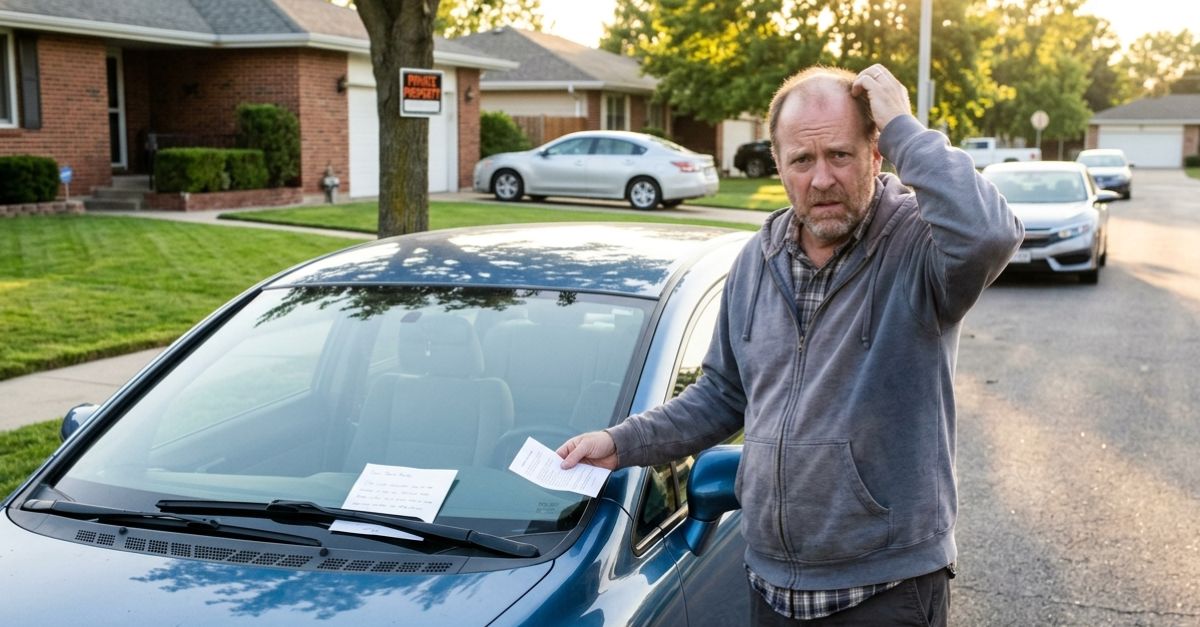
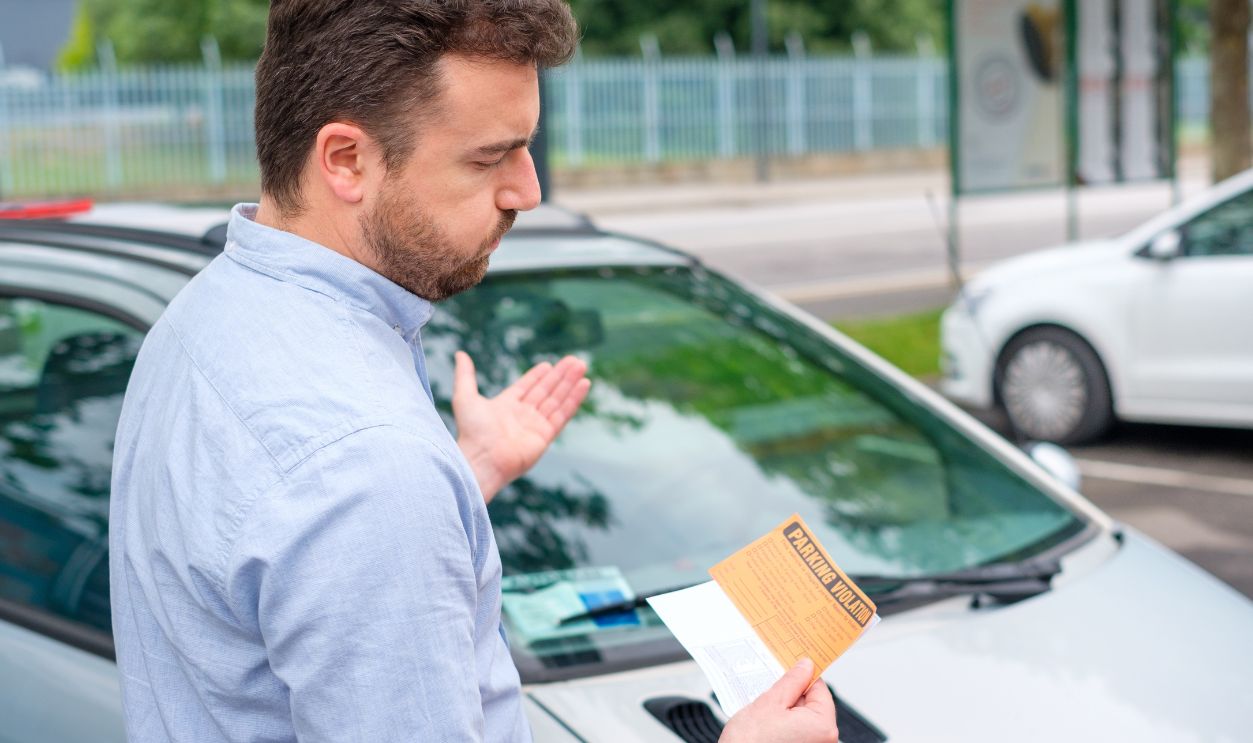
You parked legally on your street and you come back to a note under the wiper for the third time this week. The neighbor across the curb acts like the asphalt in front of the house came with the deed. With parking at a premium, these fights happen constantly—but it most cases, the law will back you over the territorial neighbor.
What This Fight Is Really About
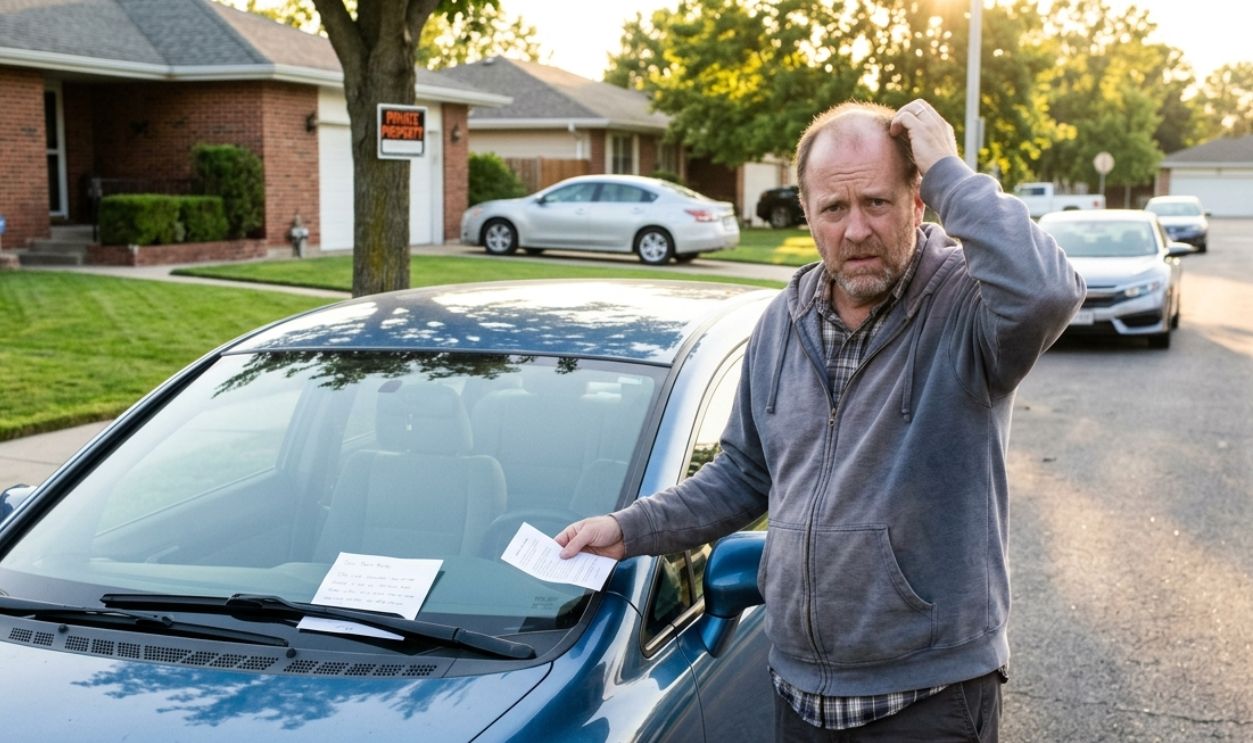
People often feel protective of the space right in front of their homes. That makes sense, especially on crowded streets where parking is hard to find. But in most U.S. cities, a homeowner does not automatically get a legal claim to a public curb just because it borders their lot.
Public Street Usually Means Public Parking
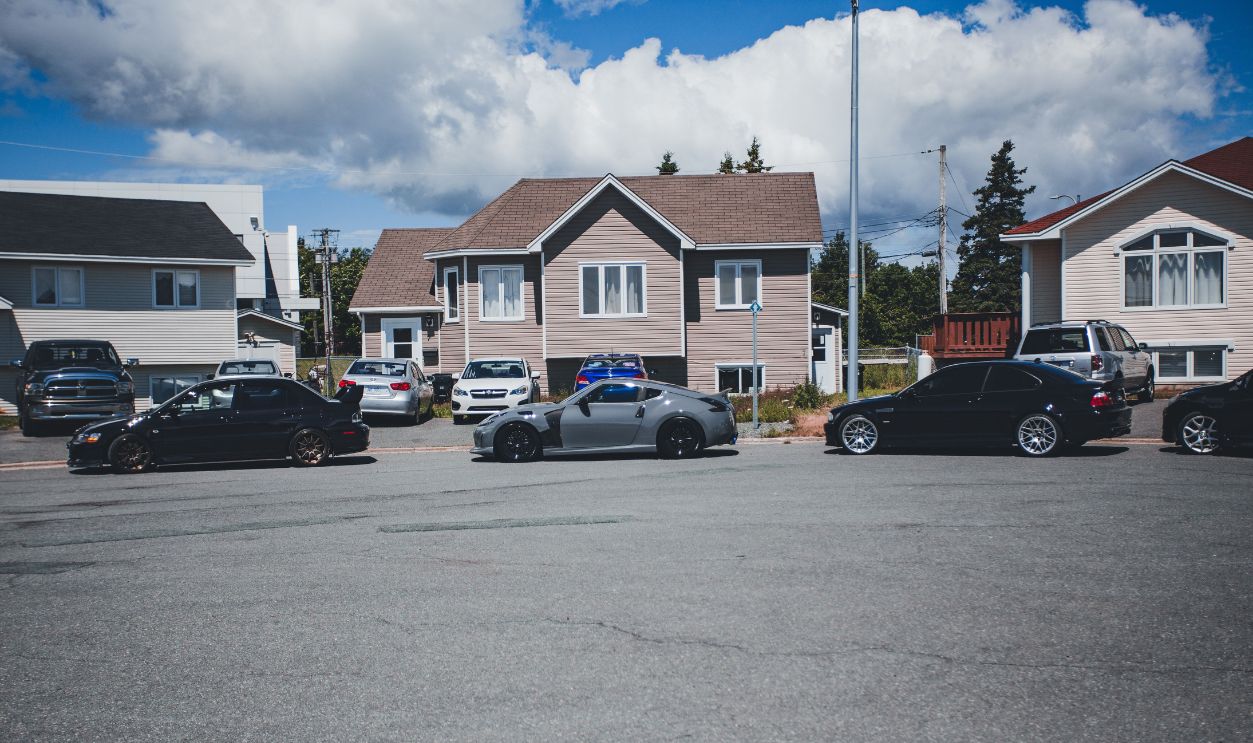
If the street is publicly owned and there are no posted restrictions, curb parking is usually first come, first served. That is true even if a resident wants to keep the spot open for themselves, family, or guests. The real question is not who lives there. It is who controls the road.

The Big Rule Most Drivers Miss
The curb outside a house may feel personal, but legally it is often part of the public right-of-way. That area is managed by a city, county, or other local authority, not by the homeowner next to it. In plain terms, your neighbor usually cannot reserve that spot with notes, cones, chairs, or bad attitude.

What Cities Mean By Right Of Way
Local governments use the term public right-of-way for land set aside for streets, sidewalks, and public travel. The exact edges can vary, but the idea is the same in most places. If a curb lane sits inside that public area, nearby residents do not get exclusive control over it unless a local rule says they do.
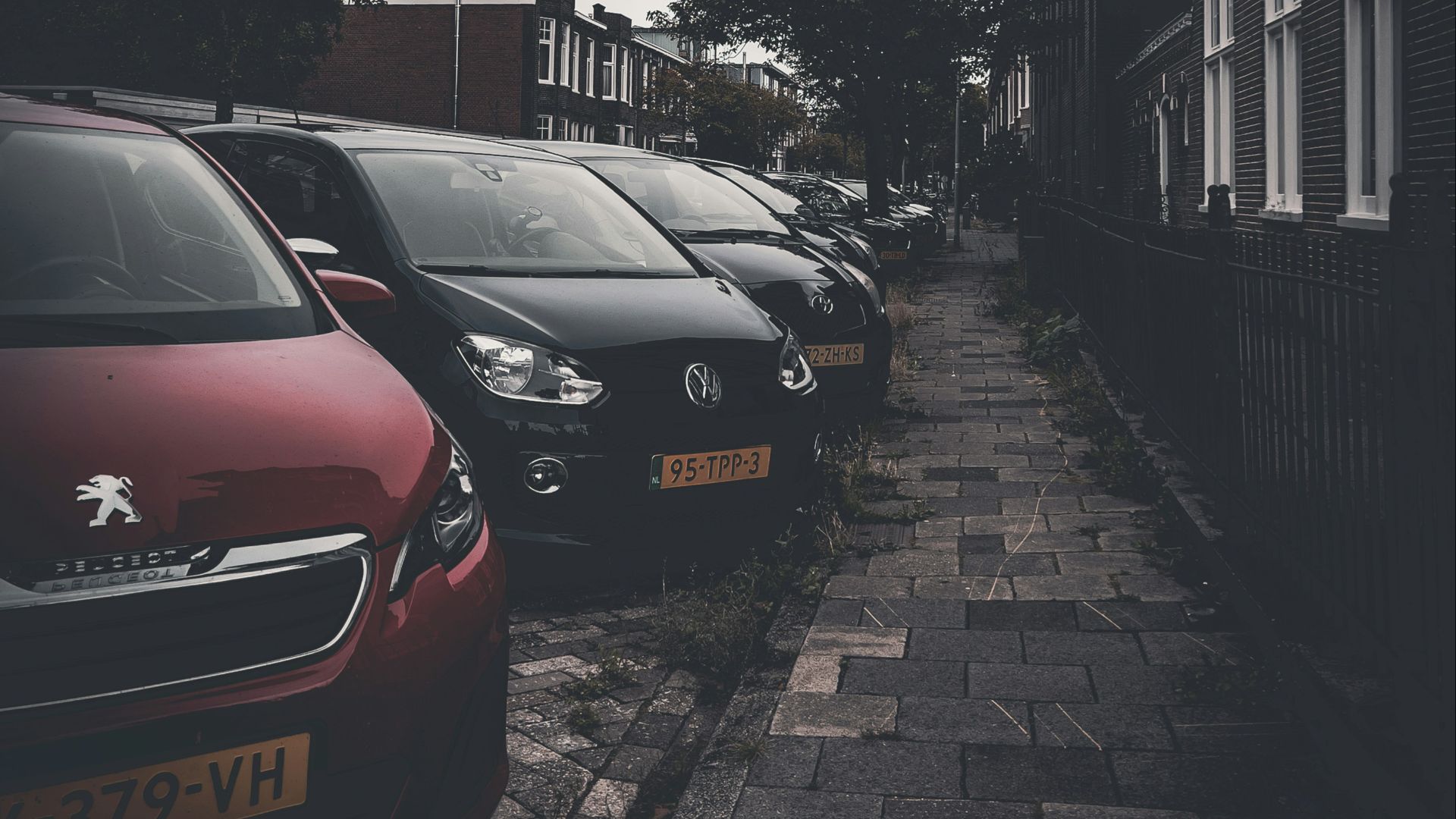 Md Mazedul Islam Khan, Unsplash
California Says It Plainly
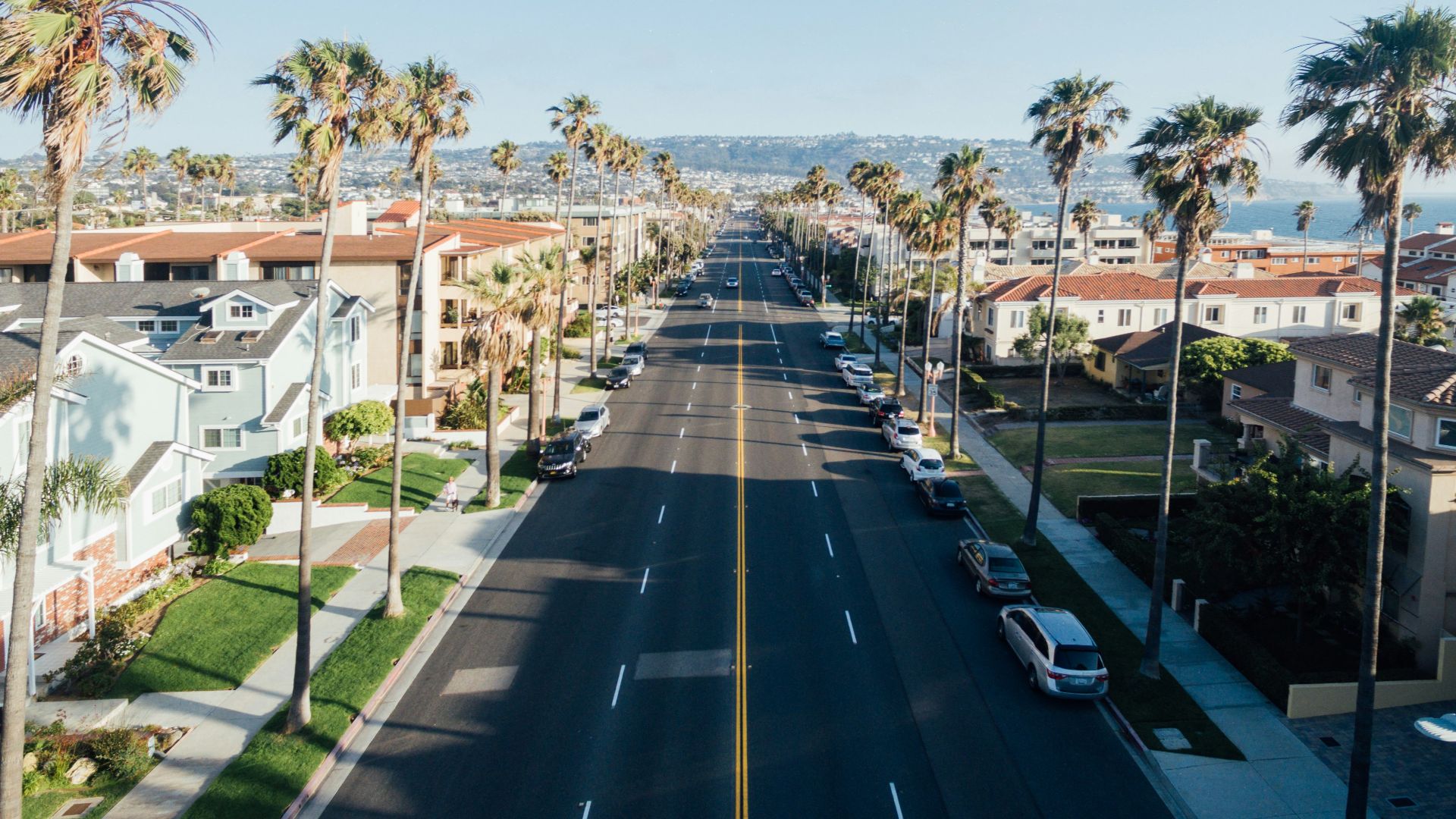
California law is a useful example because it lays out the basic parking rule in clear terms. Section 22500 of the California Vehicle Code says a person shall not stop, park, or leave a vehicle standing except when necessary to avoid conflict with other traffic or in compliance with law or the directions of a peace officer or traffic control device. In other words, legality depends on posted rules and safety limits, not on a neighbor's preference.
New York City Takes The Same Approach
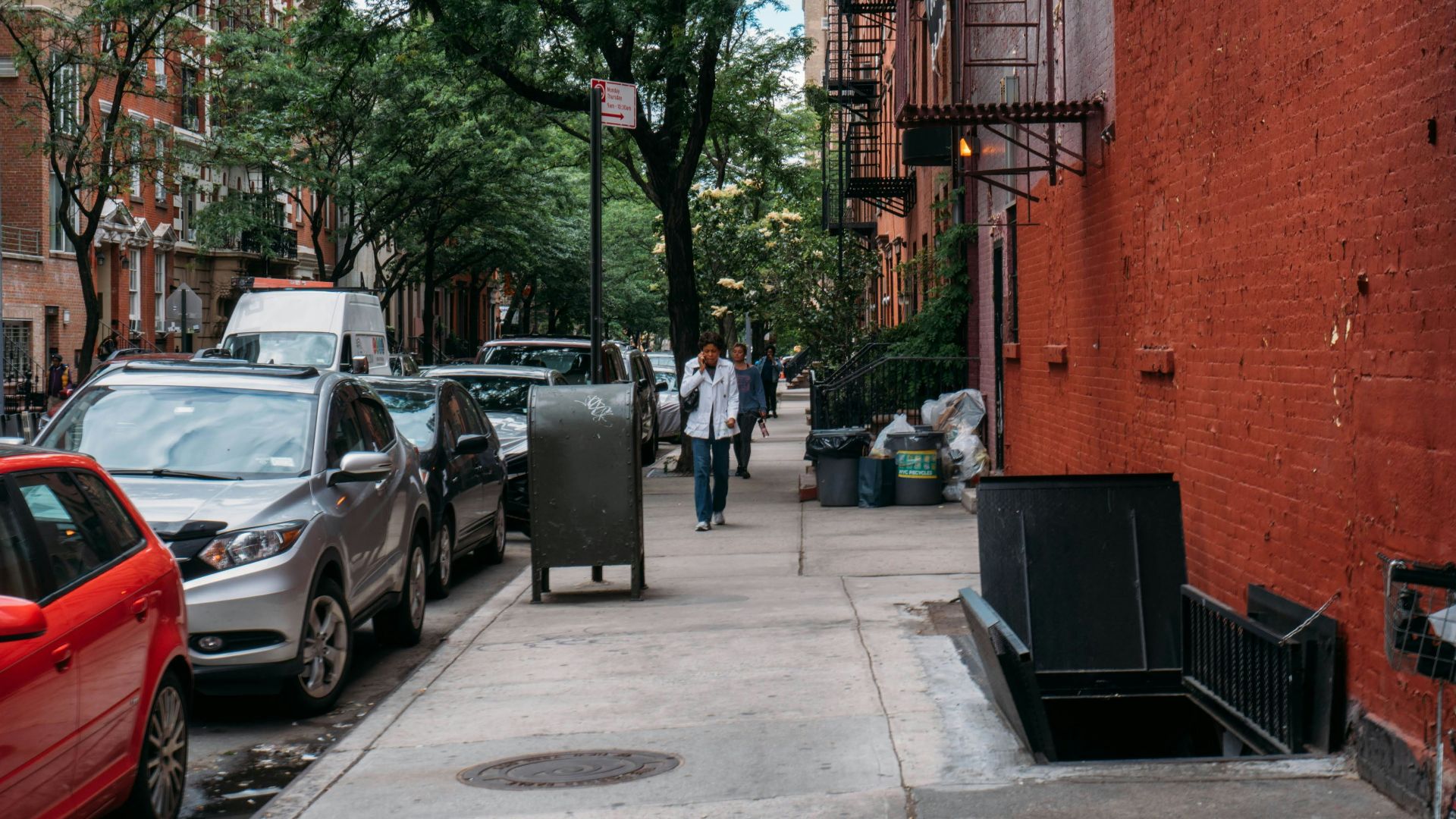
New York City's Department of Transportation says on-street parking is controlled by posted signs and curb rules. Residents do not own the curb in front of their buildings on public streets. If parking is allowed there, the space is generally open to any driver who follows the rules.
Boston Had To Deal With This Too
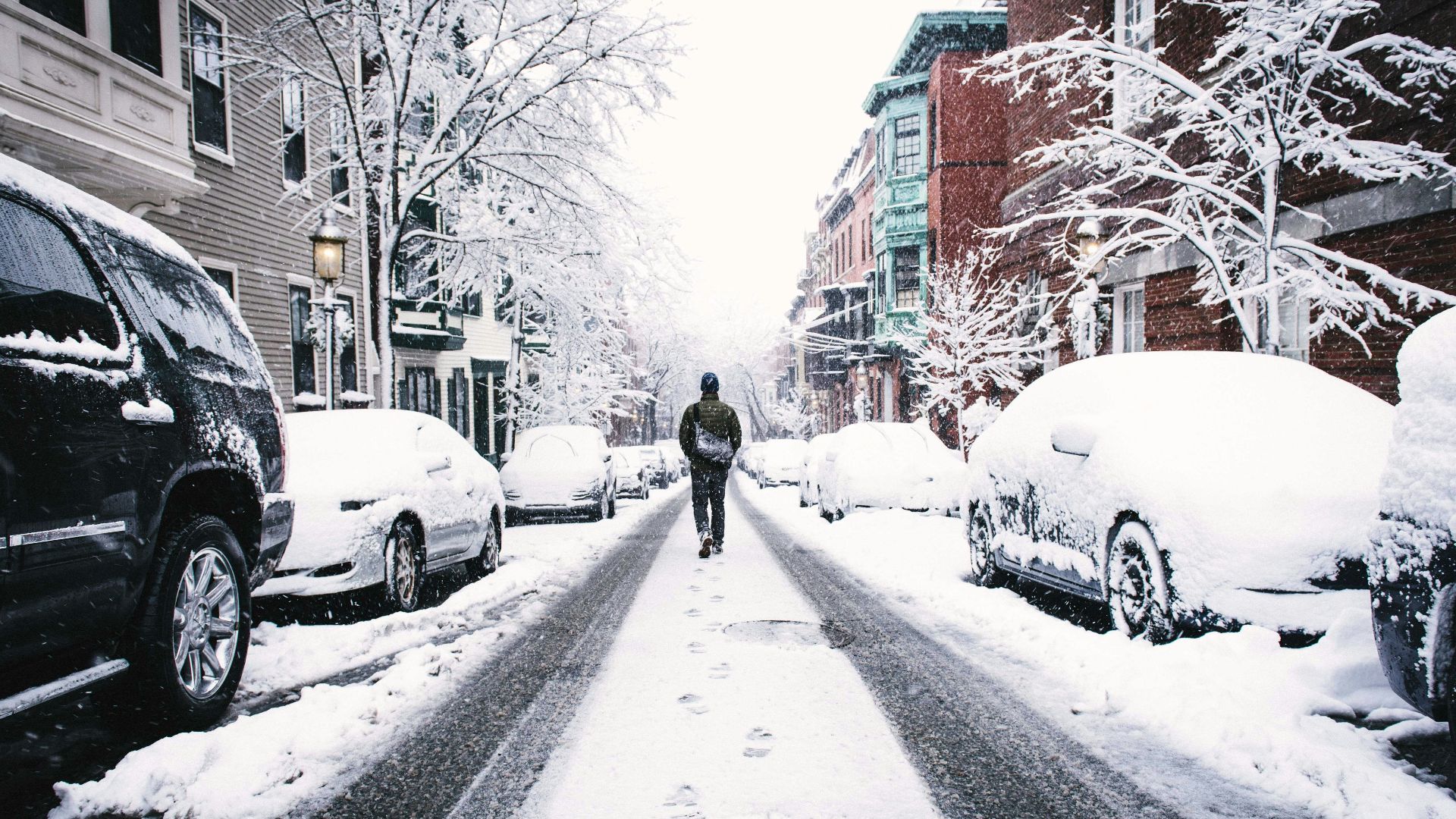
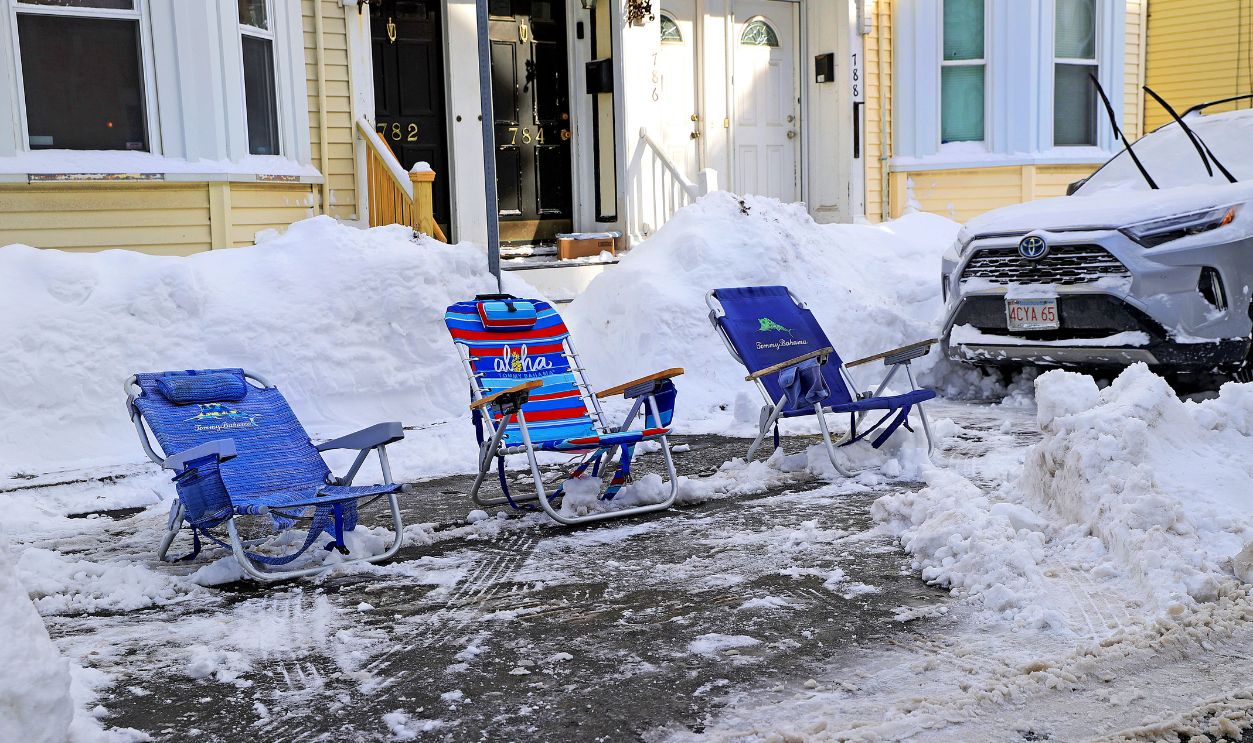
Boston has long dealt with residents trying to claim public parking spaces with homemade markers. The city allows temporary space savers only under narrow winter emergency conditions after major snowstorms, and even then the policy has specific dates and time limits. Outside those exceptions, people cannot claim public curb space just because it is in front of their home.
Why Notes Do Not Create Rights
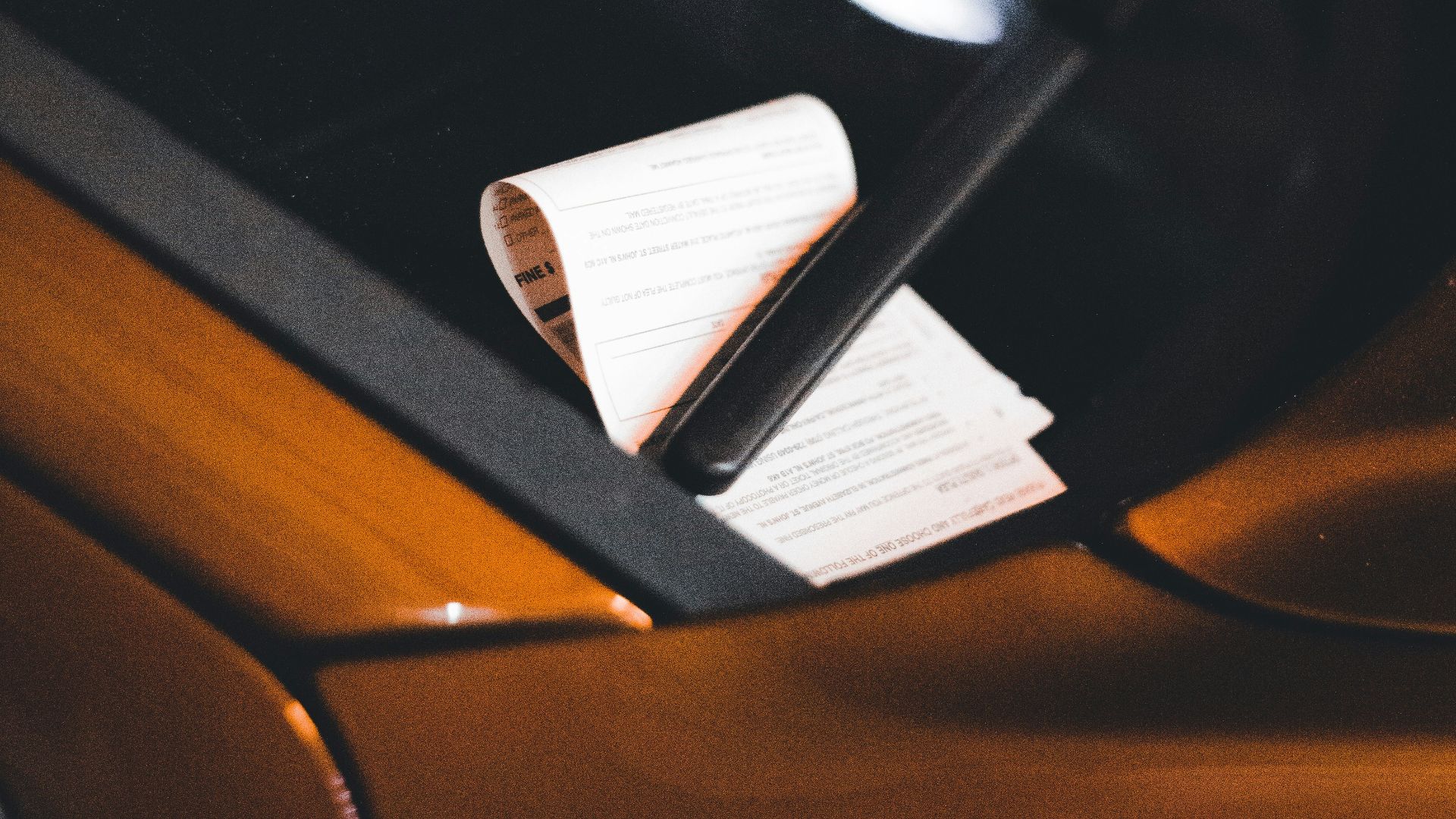
A note on your windshield may be irritating, but it does not change the legal status of the space. Private citizens cannot make parking rules on a public street by writing demands on paper. Unless your car is breaking a posted sign, permit rule, street-cleaning restriction, fire hydrant setback, or some other enforceable rule, the note is just a complaint.
When A Neighbor Might Actually Have A Point
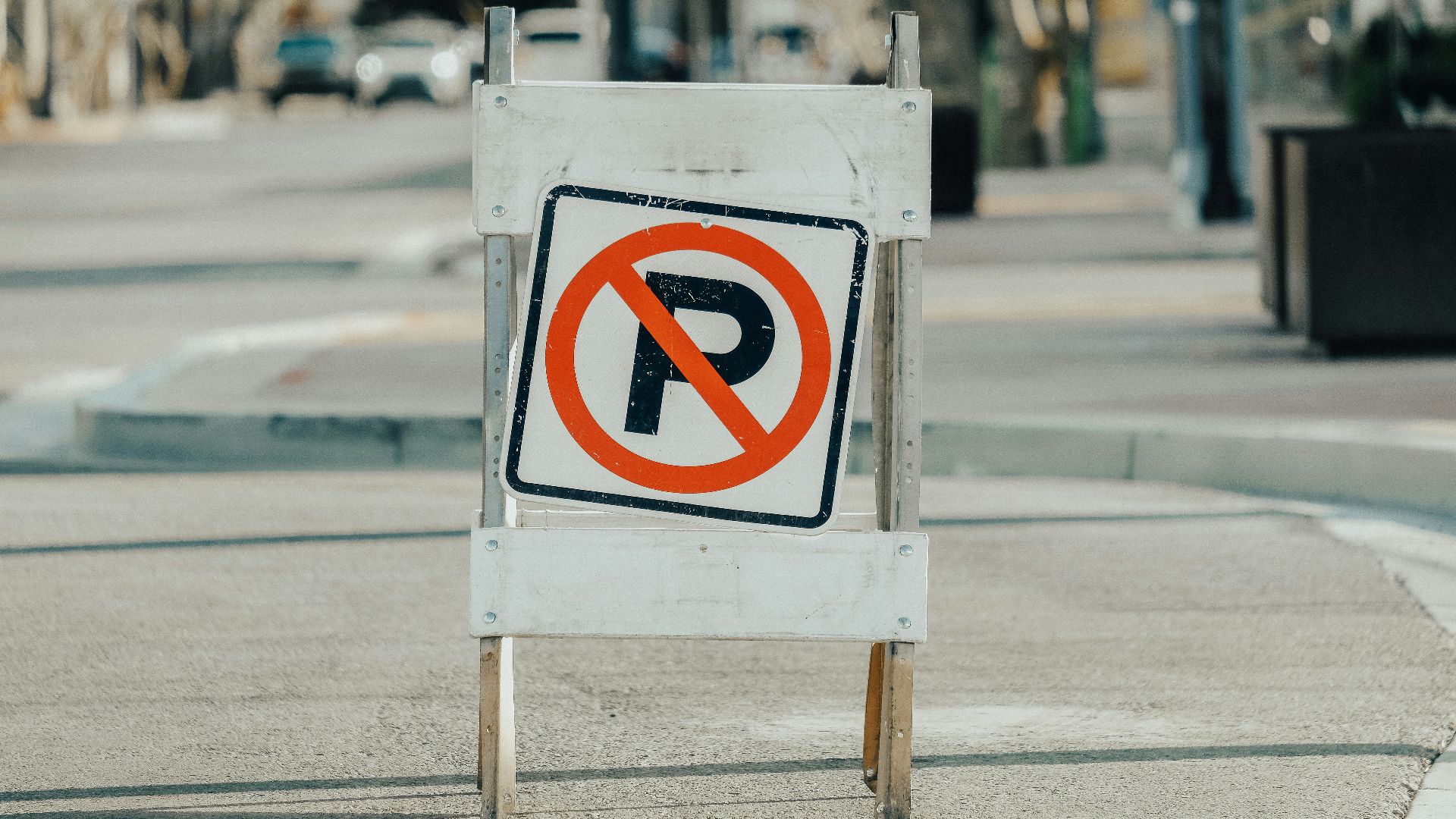
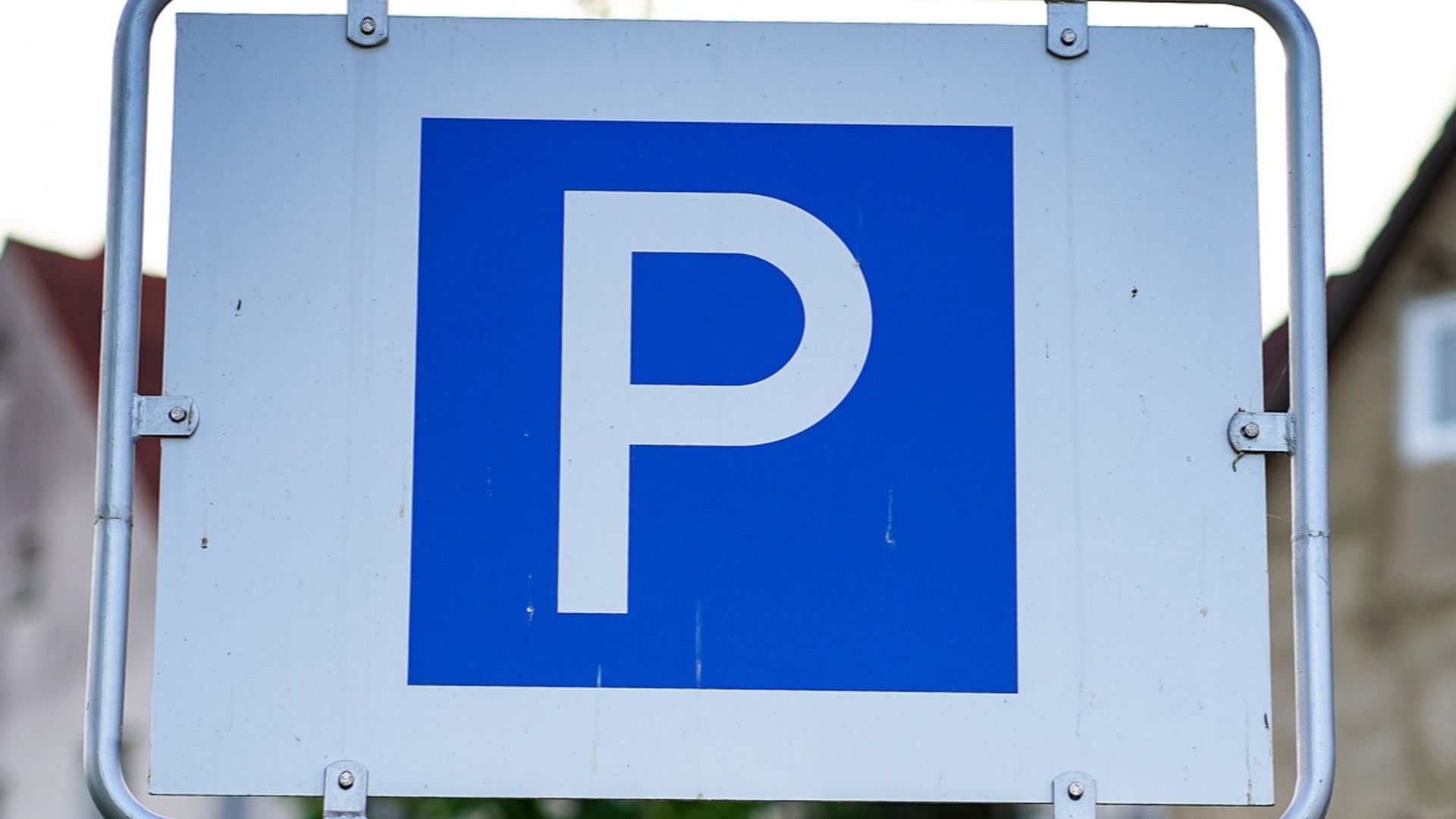
Some curb restrictions are easy to miss. Permit zones, street-cleaning hours, temporary no-parking orders, construction postings, disabled parking zones, fire lanes, and driveway-clearance laws can all make an open-looking space off limits. Before you assume the note is nonsense, check the signs, curb paint, and local parking map.
Driveway Blocking Is A Real Issue
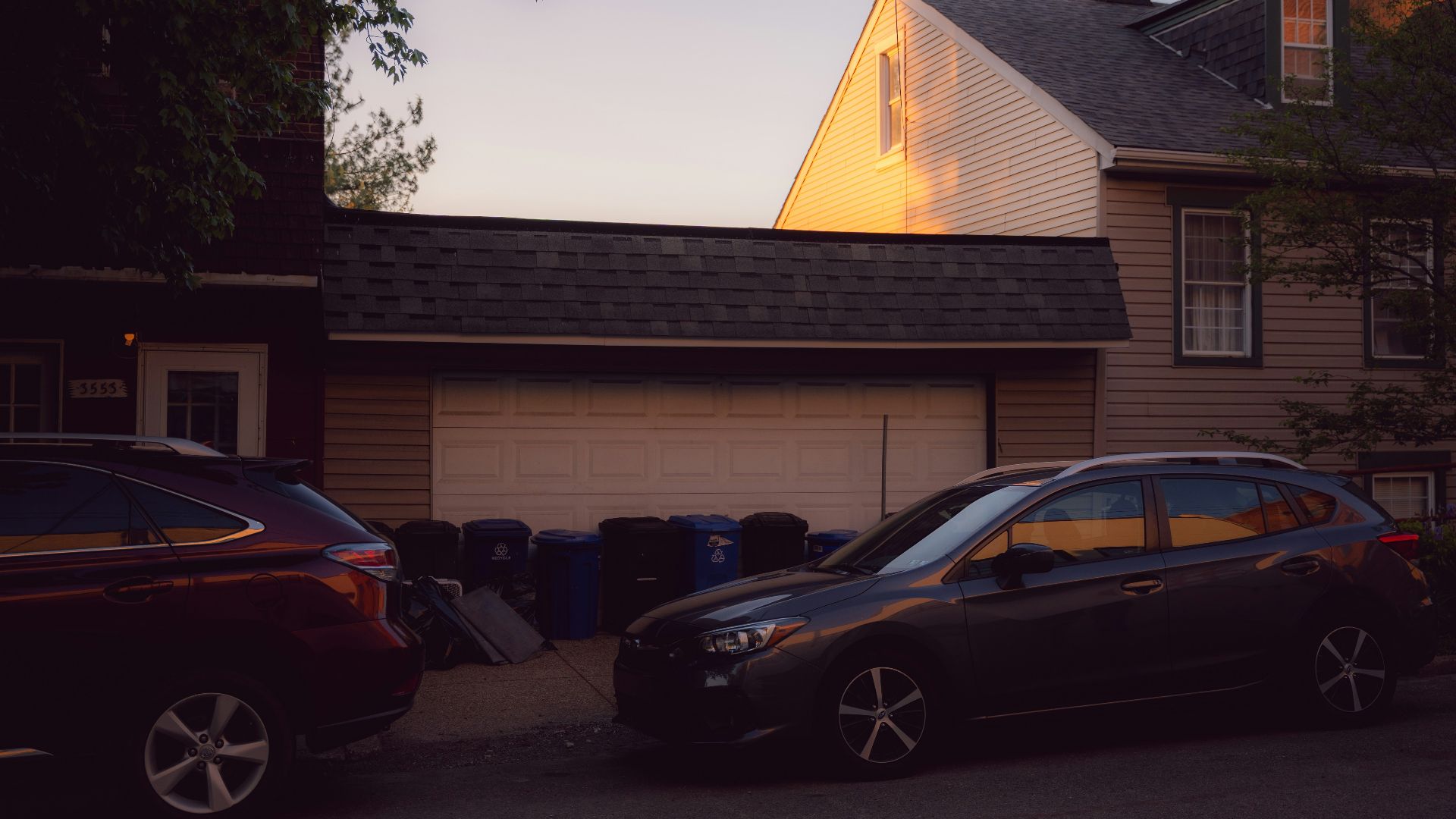
Many parking fights start because a car is technically in front of a house but actually too close to the driveway apron. States and cities often ban blocking a driveway, even partly. If your bumper crosses into that access area, the homeowner may not own the curb, but they may still have a valid complaint.
Fire Hydrants And Crosswalks Change Everything
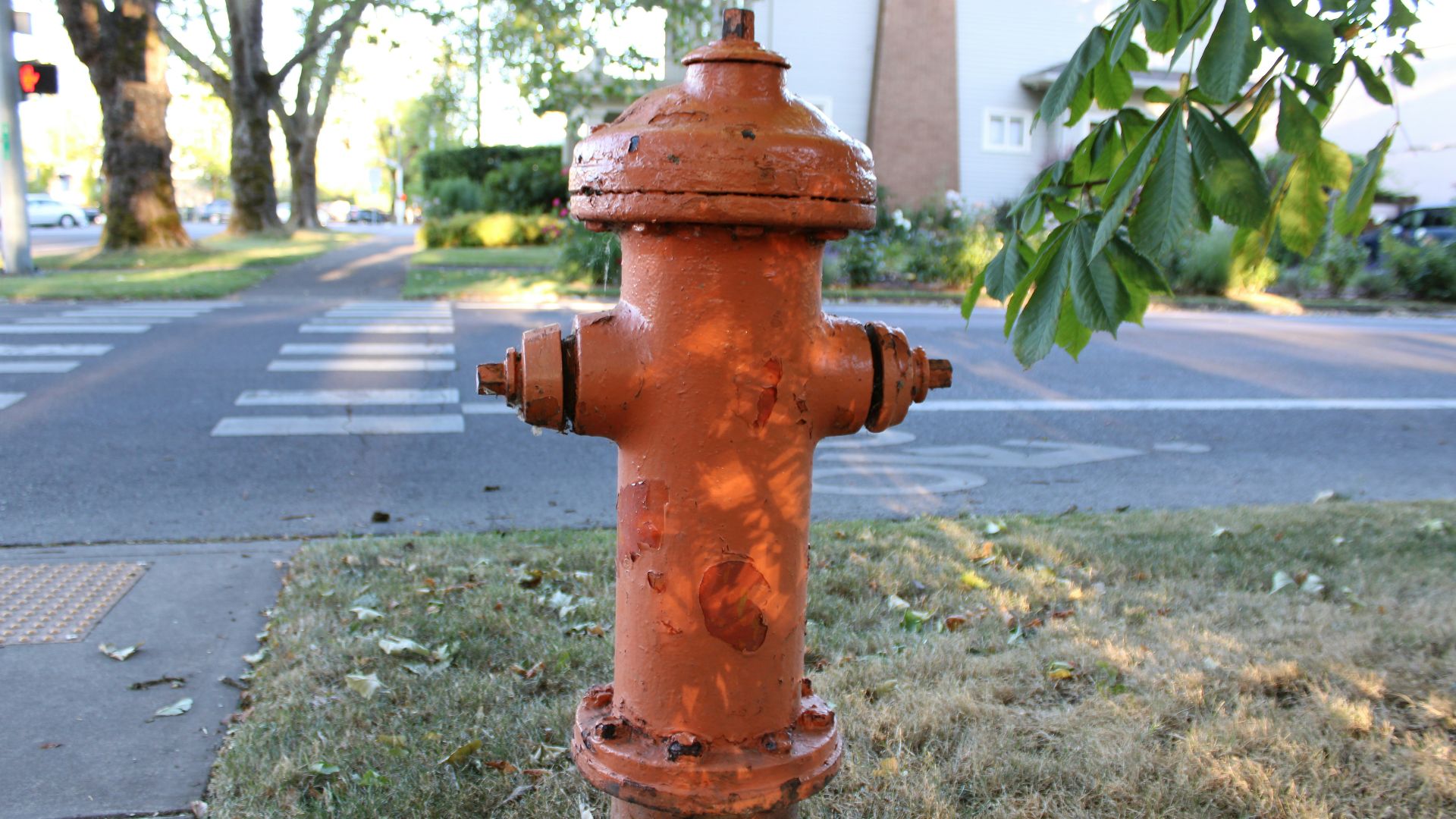
Even on a public curb, parking can be illegal if you are too close to a fire hydrant, crosswalk, stop sign, or intersection. The required distances vary by state and city, which is why local law matters. A homeowner cannot invent restrictions, but official restrictions are very real and often strictly enforced.
Permit Parking Zones Can Feel Personal
Some neighborhoods use residential permit programs to give people who live there priority parking. Those programs come from local law, are run by the city, and are marked with signs. If your neighbor lives in a permit zone and you do not have the required permit, the issue is not personal ownership of the curb. It is whether you are following a city rule.
Disabled Parking Near A Home Is Different
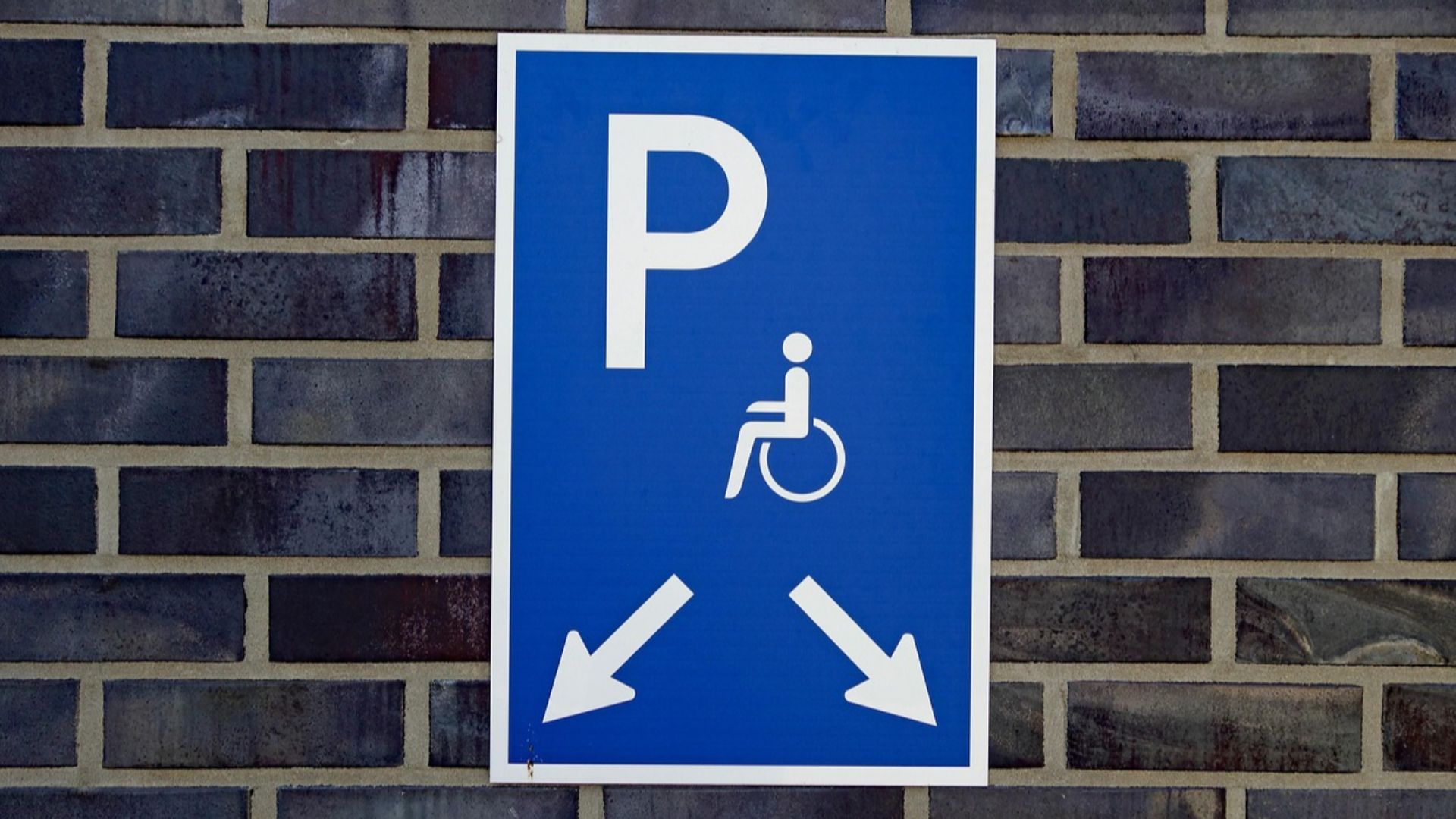
Some cities let a disabled resident apply for a designated accessible parking space near their home. That does not mean the resident owns the curb in the usual sense, but it does create a legal restriction other drivers must follow. These spaces are official, signed, and approved by local government, not made with handwritten notes.
Snow Chairs And Cone Wars
In some cities, residents use chairs, cones, or trash cans to save a spot they shoveled out or simply want to keep. Local governments often say those objects cannot reserve a public parking space, with rare and very specific exceptions like Boston's temporary winter policy. In some cases, putting objects in the street can be a separate violation.
What The Police Usually Care About
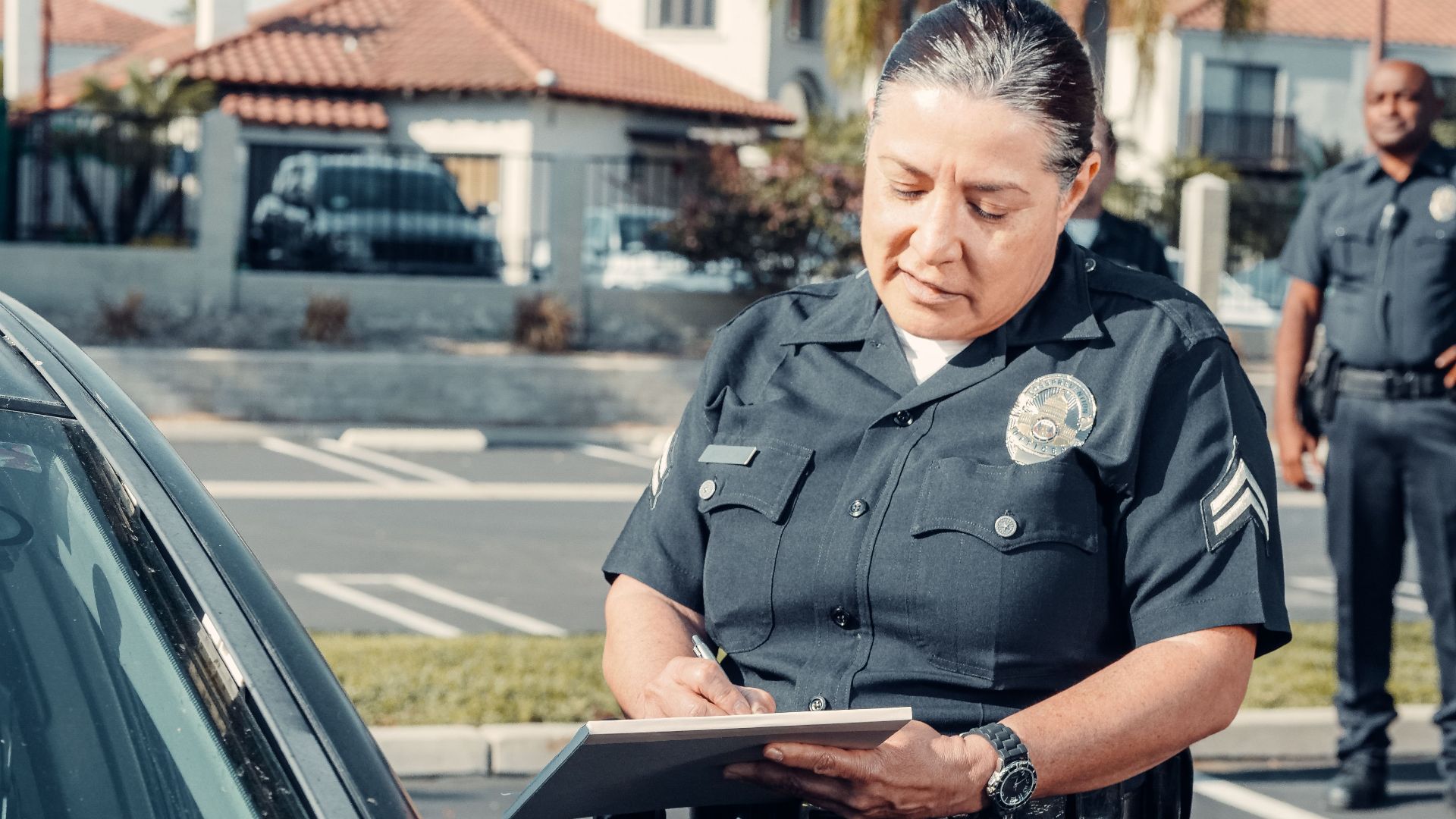
Police and parking enforcement usually focus on whether your vehicle breaks an actual ordinance. They are much less interested in settling a turf war over who feels entitled to a curb. If your car is parked legally and the neighbor is just angry, officials may treat it as a nuisance issue rather than a parking one.
Harassment Is A Different Question
Repeated notes can cross the line from annoying to harassing depending on what they say and how often they show up. If the messages become threatening, discriminatory, or part of a pattern of intimidation, document them carefully. At that point, the issue is no longer who gets the curb. It is whether the neighbor's behavior breaks local laws or community rules.
Take Photos Before You Move
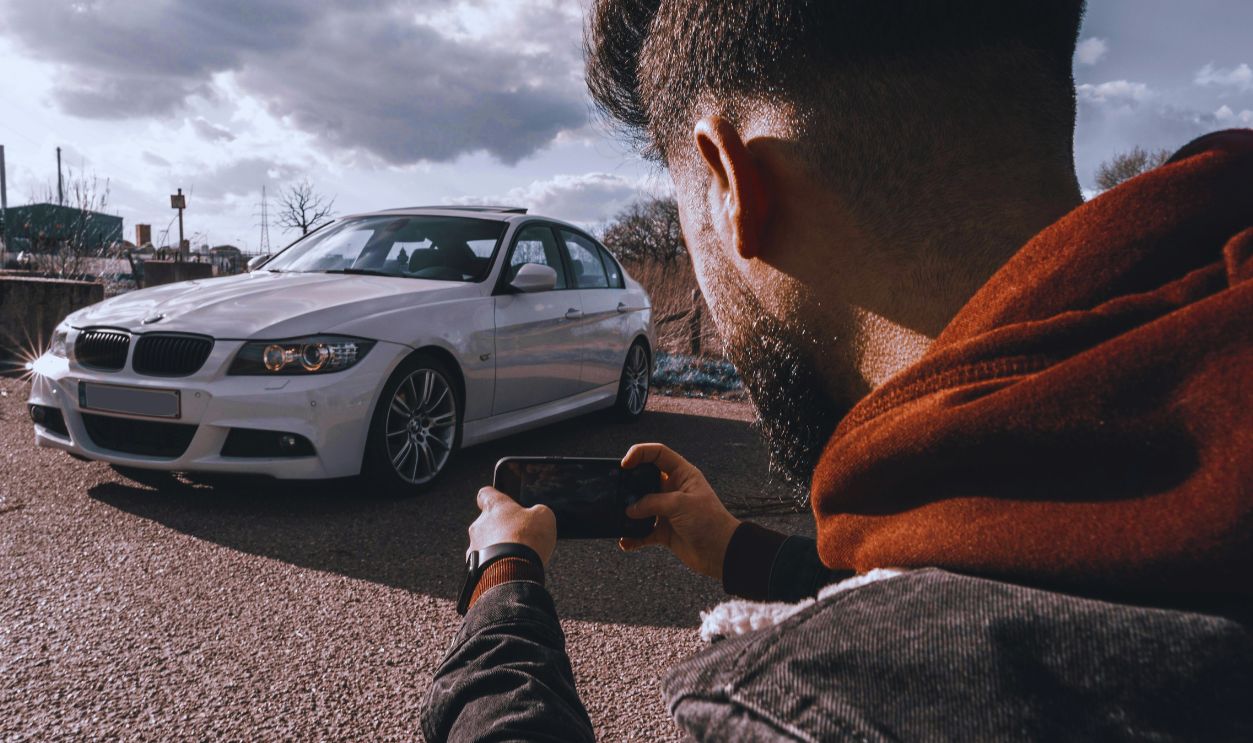
If this keeps happening, photograph your car where it is parked, the nearby signs, the curb markings, and any note left on the vehicle. Save the date and time. Those details matter if you later need to show that you were parked legally or that someone kept harassing you.
Do Not Match Petty With Petty
It is tempting to answer a passive-aggressive note with one of your own. That usually makes things worse. A calm approach, or no direct engagement at all, is usually the smarter move when you are already on solid legal ground.

A Friendly Conversation Can Still Help
Not every neighbor note comes from a bad person. Some people honestly, but wrongly, think they have a special right to the curb outside their house. A short, polite conversation can sometimes calm things down, especially if you acknowledge the parking crunch while making clear that you are following the law.

When To Contact The City
If you are unsure whether the space is legal, contact your city's parking enforcement office or transportation department. Many agencies publish block-by-block rules online or will explain them by phone. Getting the answer from the agency that controls the street is the fastest way to separate fact from neighborhood myth.

HOA Rules Usually Stop At The Public Street
Homeowners associations can regulate private lots and community rules, but they usually cannot override city control of a public street. Some planned communities do have private roads, which changes the picture. If the road is privately maintained or controlled, check the governing documents carefully.
Private Streets Are The Major Exception
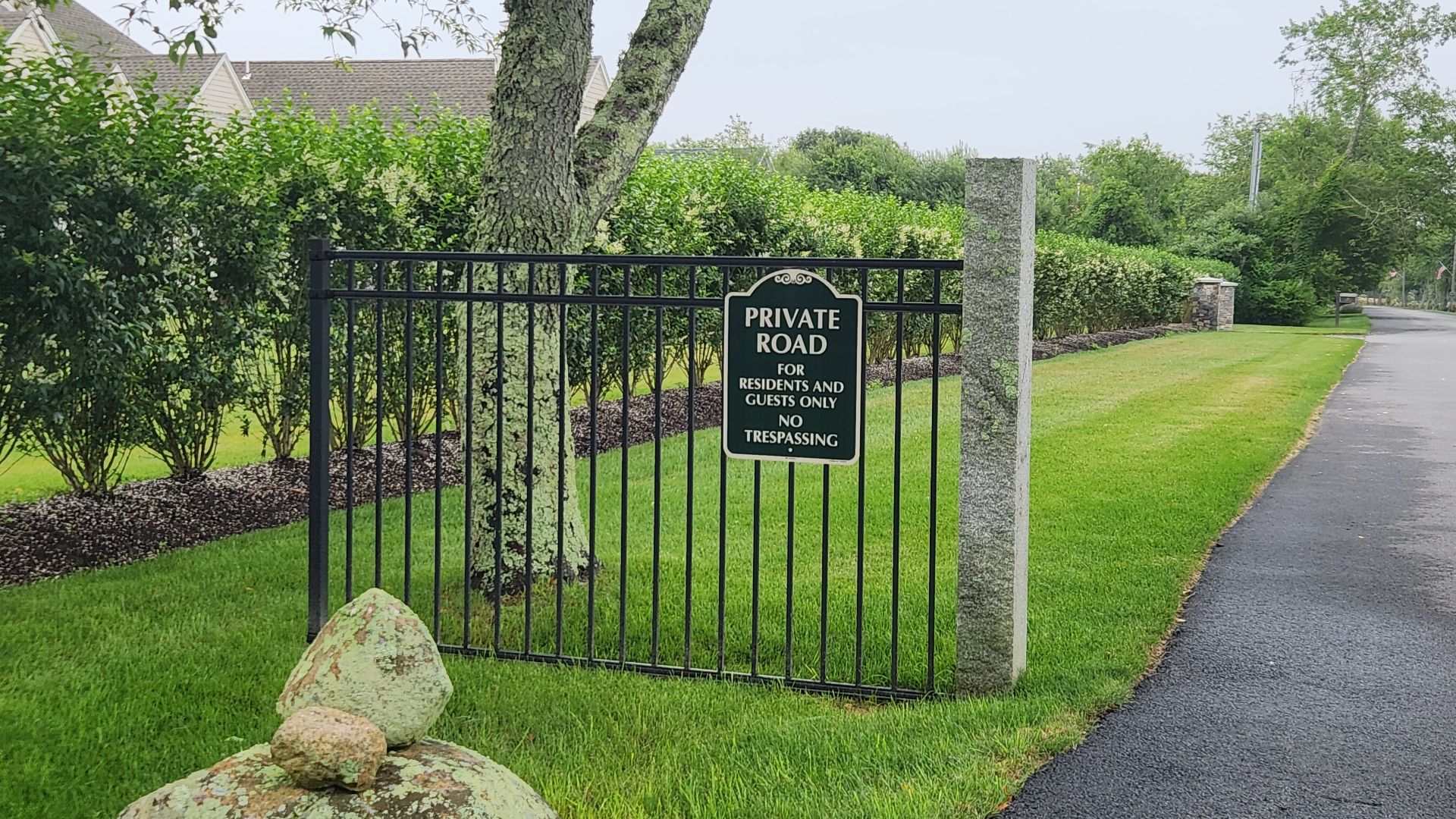
If the street is private rather than public, different rules may apply. Control may belong to a developer, an HOA, a condo association, or a group of lot owners. In that case, the person leaving the note still may not personally own the curb, but the governing body could impose rules that do not exist on a city street.
Why This Feels So Personal
Parking is one of the few everyday legal issues people deal with right outside their front windows. That makes even small conflicts feel loaded. A space on the street may be public under the law, but in people's minds it often feels like part of home turf.

The Practical Bottom Line
If you are parked on a public street, obeying signs, not blocking a driveway, and following local time or permit rules, your neighbor usually has no legal claim to the curb outside their home. Their frustration does not create ownership. Public curb space is generally controlled by public law, not private expectation.
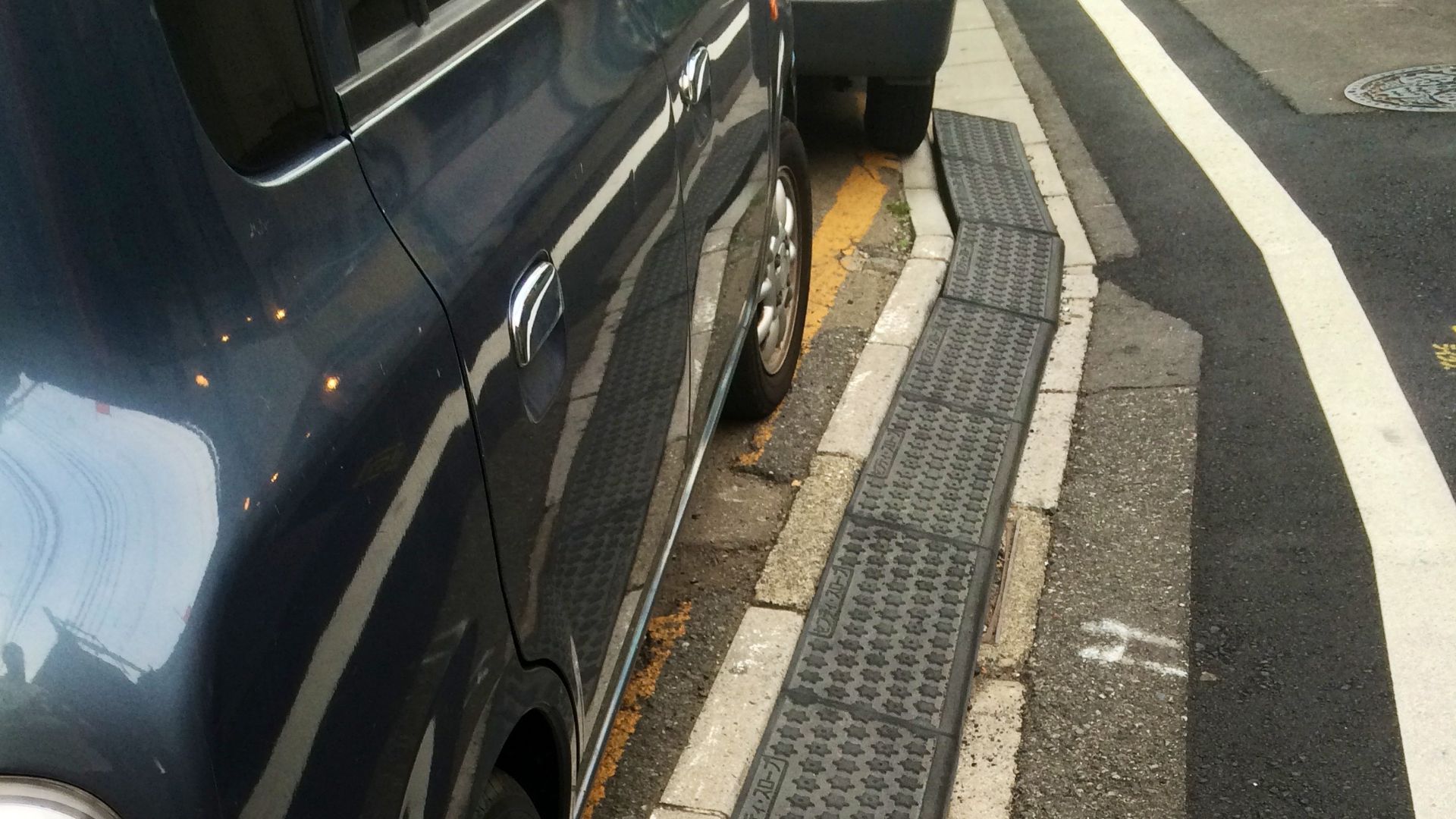 Steven-L-Johnson from Philadelphia, Wikimedia Commons
What To Do Next Time You Find A Note
Check the signs, make sure the space is legal, and document the situation. If the note is just grumpy, you can ignore it or respond politely once. If it becomes threatening or keeps happening, keep records and contact the right local authority.
The Answer Most Drivers Need To Hear
No, most people do not own or control the curb outside their house just because they live there. On a public street, the space is usually shared and governed by local parking law. That may not end the neighborhood drama, but it does make clear who actually has the better claim.