Every Trip Out Of The Driveway Feels Like A Gamble
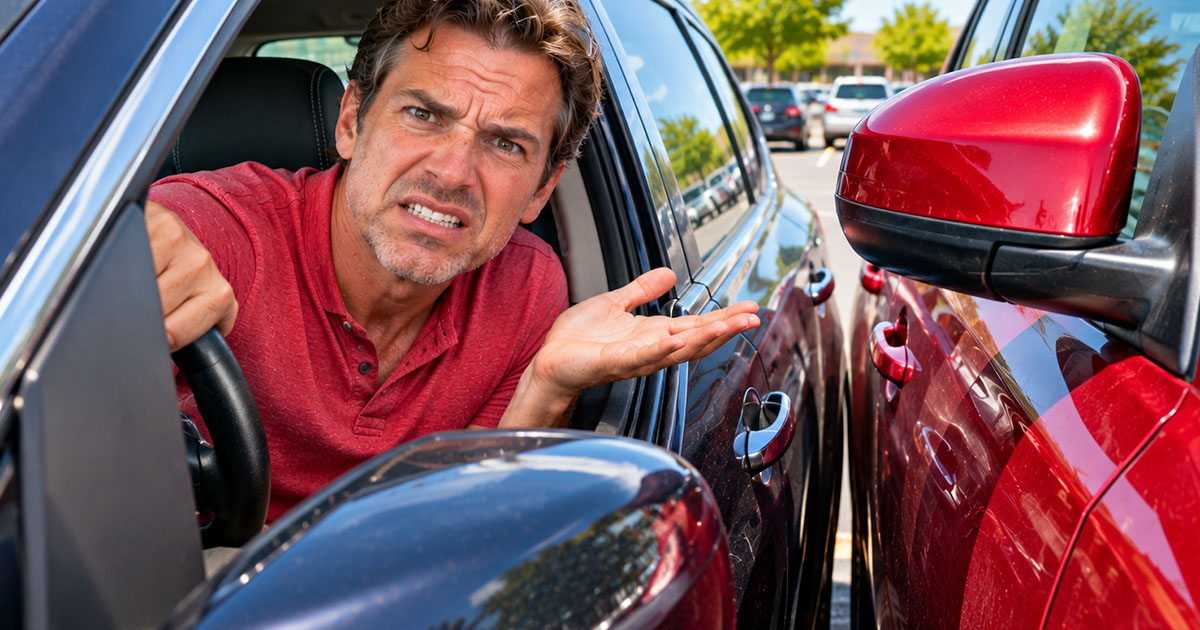
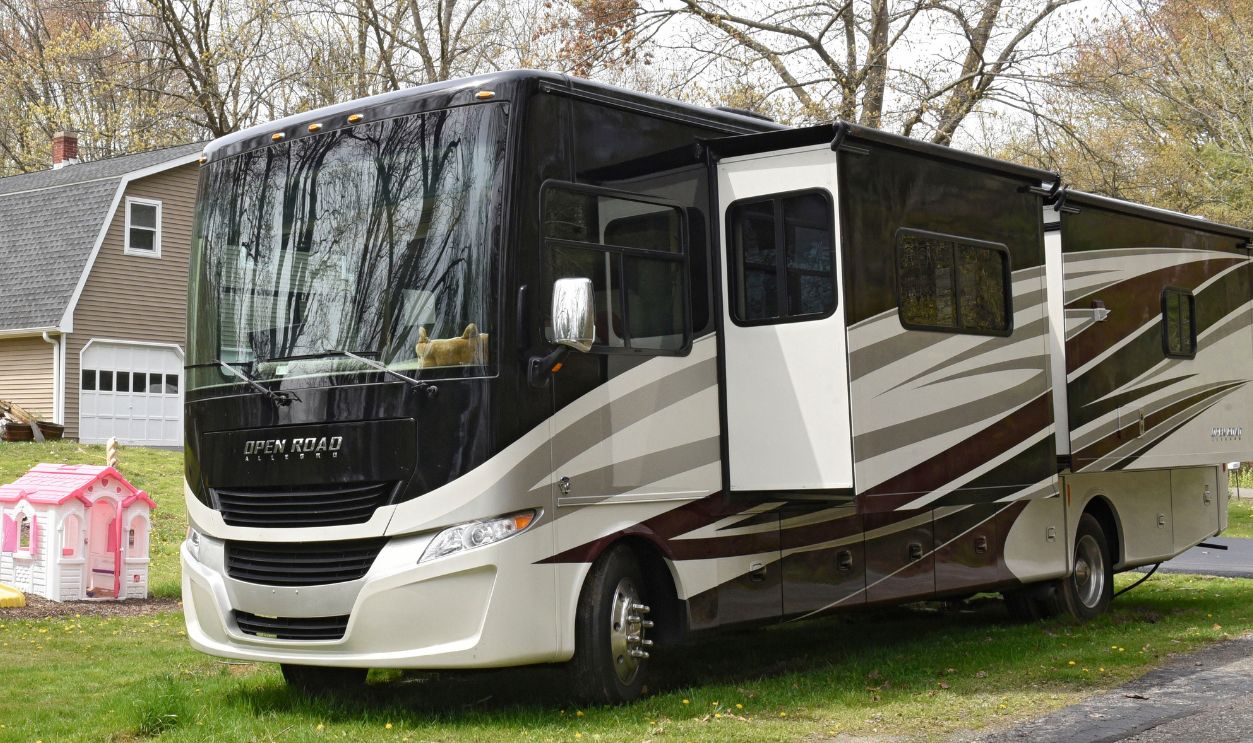
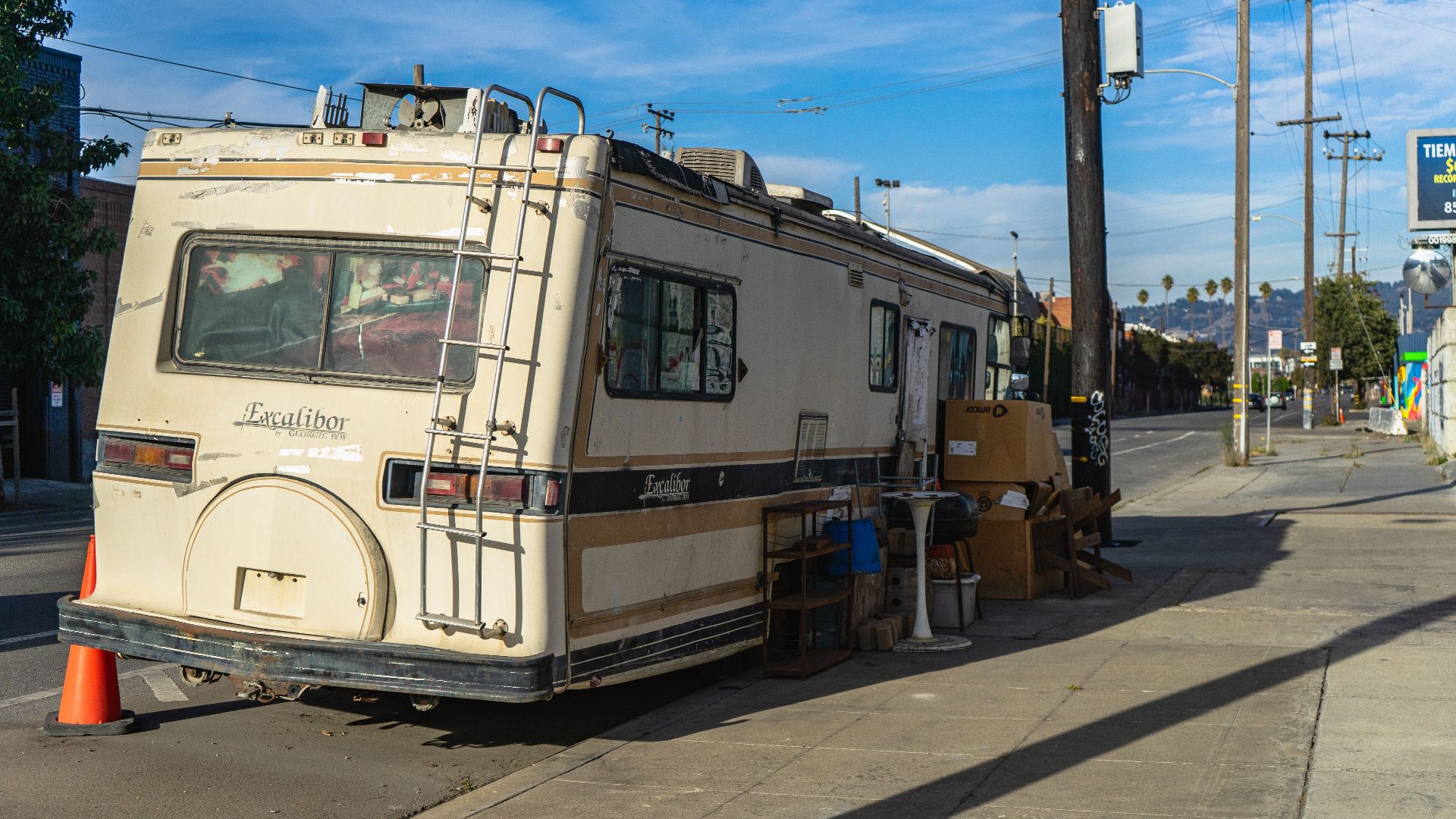
Your neighbor’s RV may be legally parked, but from behind the wheel it feels anything but harmless. You have to edge backward into a busy street before you can see oncoming cars, cyclists, or pedestrians. Whether you can make the neighbor move it depends less on how frustrating the obstruction is and more on exactly where the RV sits and what local parking and zoning rules say.
A Bad View Doesn’t Automatically Make The Parking Illegal
An RV can create a genuine visibility problem without automatically violating parking laws, but that doesn’t mean you have no options. Local rules may restrict oversized vehicles near driveways, intersections, sight lines, or residential streets, and zoning or HOA rules can add further protections. Even if the RV initially appears legally parked, it’s worth checking the specific regulations before assuming nothing can be done.
 Albany Times Union/Hearst Newspapers, Getty Images
First, Figure Out Exactly Where The RV Is Parked
There’s a major difference between an RV sitting on the public street and one stored in your neighbor’s driveway or front yard. Street parking is primarily controlled by traffic and parking ordinances, while an RV on private property may also be governed by zoning, setback, screening, and HOA rules.
The Curb In Front Of Your House Usually Isn’t Yours
Residents are often surprised to discover that they don’t control the public parking space directly in front of their property. Morgan Hill, California, for example, tells residents that there’s generally no rule against someone parking in front of another person’s home as long as the vehicle is otherwise legally parked.
Check The Rules Around Your Driveway
A vehicle doesn’t necessarily have to sit directly across the driveway opening to break parking rules. Some places require additional clearance beside a driveway. Washington law, for example, generally prohibits parking in front of a driveway or within five feet of the end of its curb radius, subject to certain local exceptions.

Measure Where The RV Actually Sits
Don’t rely on “it seems too close”. Measure the distance between the RV and the driveway, curb cut, intersection, crosswalk, fire hydrant, or other relevant landmark. A few feet can determine whether parking enforcement sees a properly parket vehicle or a ticketable offense.
Oversized Vehicles Can Have Their Own Rules
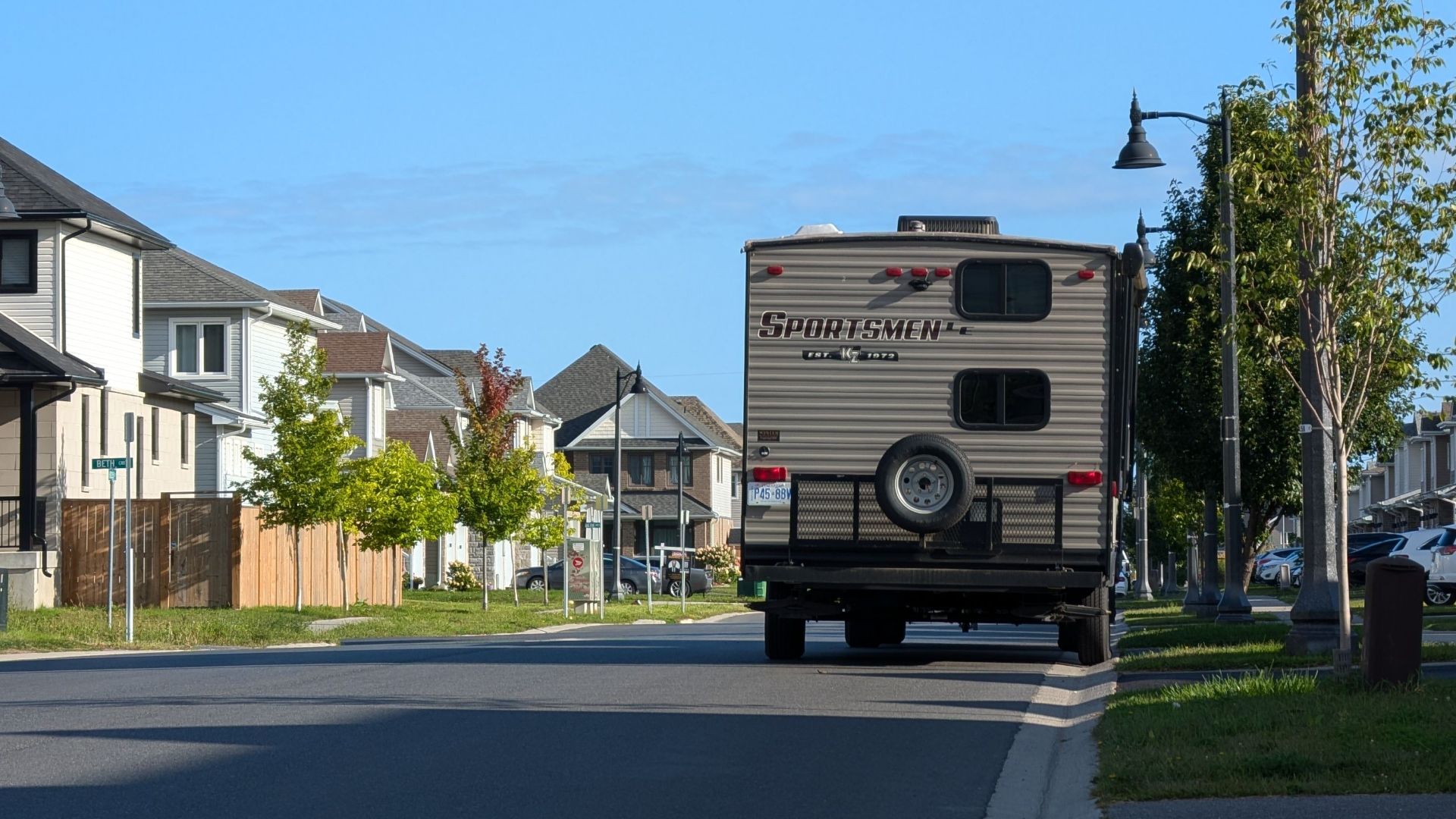
An ordinary sedan may be allowed somewhere an RV isn’t. Some cities specifically regulate vehicles based on width, length, height, or classification. Seattle, for example, prohibits vehicles more than 80 inches wide from parking on most streets and alleys between midnight and 6 a.m., outside industrial zones.
Overnight RV Parking May Be Restricted
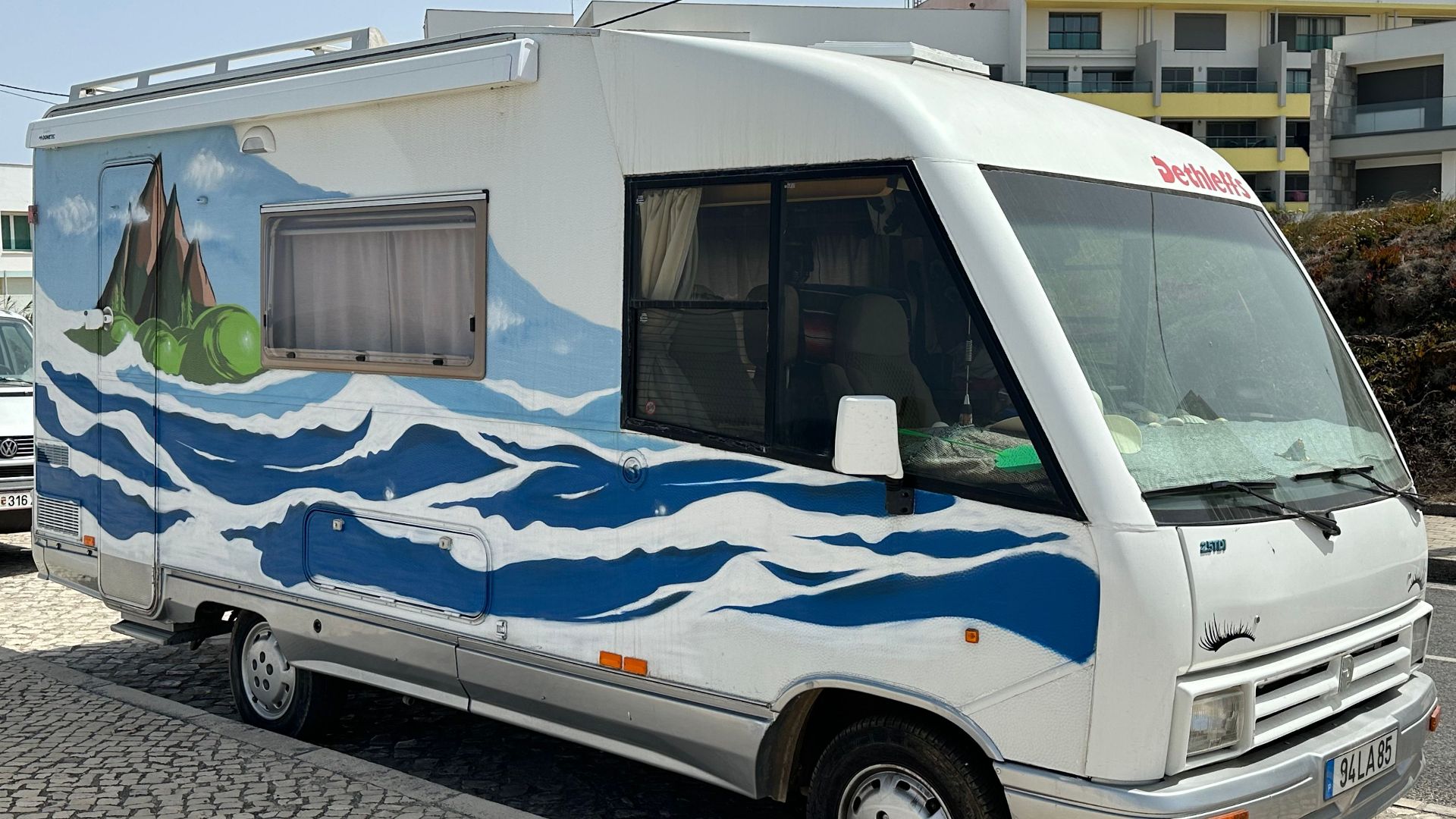
Some communities allow an RV during the day but prohibit or permit it differently overnight. San Diego generally prohibits oversized and recreational vehicles from street parking between 2 a.m. and 6 a.m. without the applicable temporary permit. Local restrictions like these may provide a much clearer enforcement route than arguing about visibility alone.
Time Limits Can Matter Even When The Spot Is Otherwise Legal
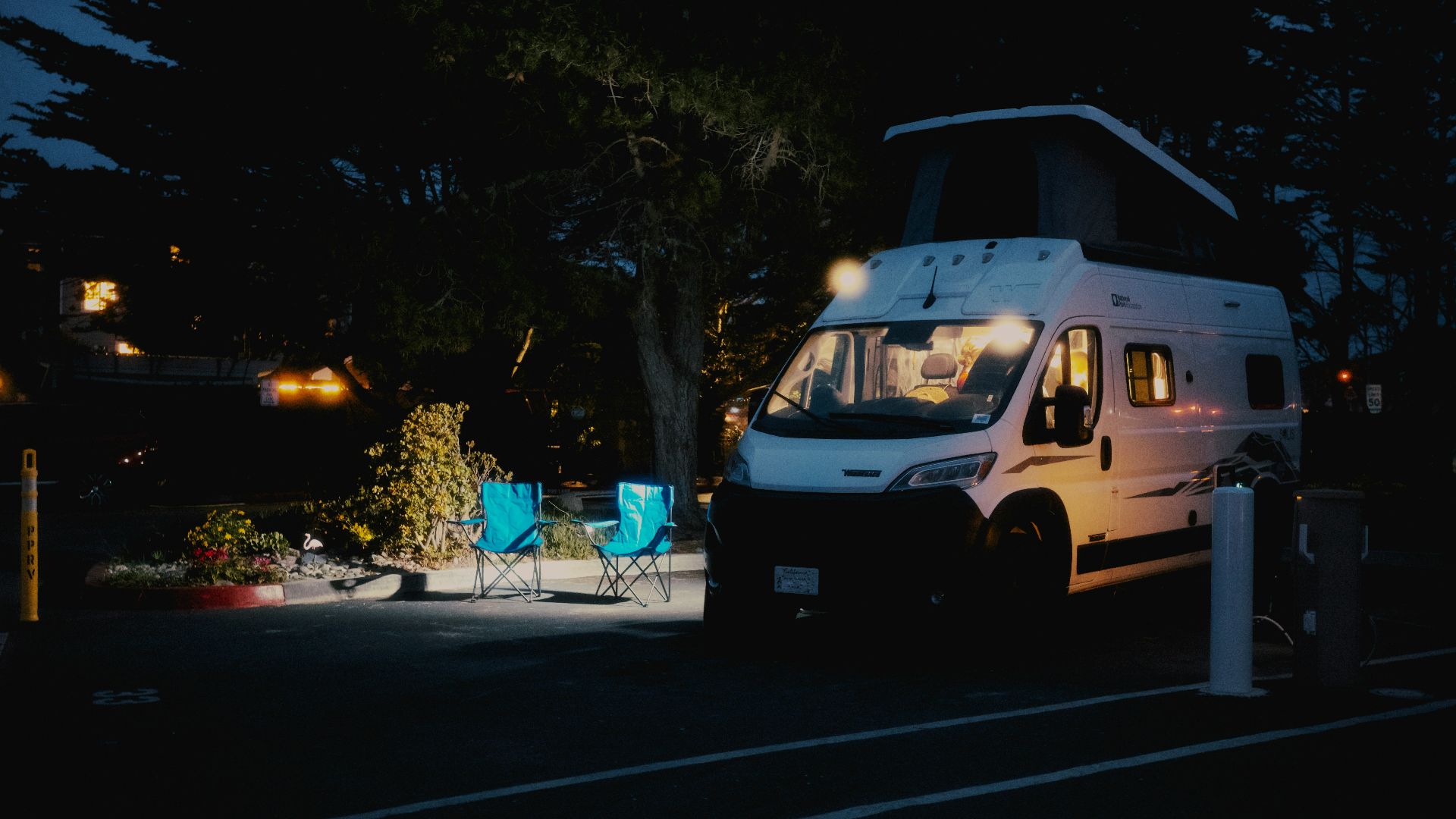
A street may also have a general rule against leaving a vehicle in one location indefinitely. Seattle applies a 72-hour rule, while Rohnert Park, California, requires street-parked RVs and boats to move a specified distance after 72 hours. The exact rule can vary enormously between cities.
Intersections May Have Stricter RV Restrictions
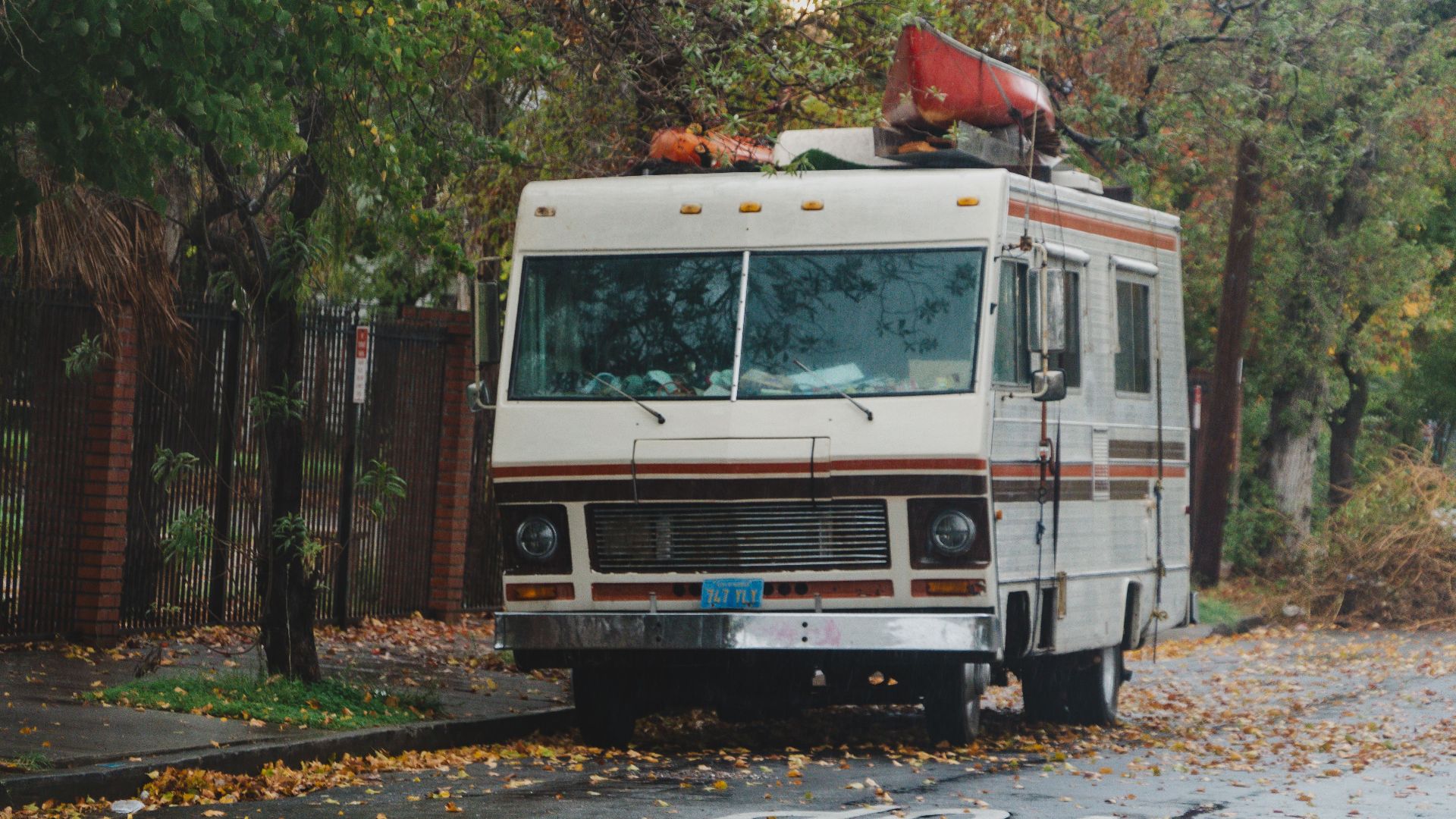
Large vehicles near intersections can create visibility problems for more than one driveway. San Diego prohibits oversized and recreational vehicles from parking within 50 feet of an intersection at any time. If your driveway happens to be close to a corner, intersection rules may matter as much as driveway-clearance rules.
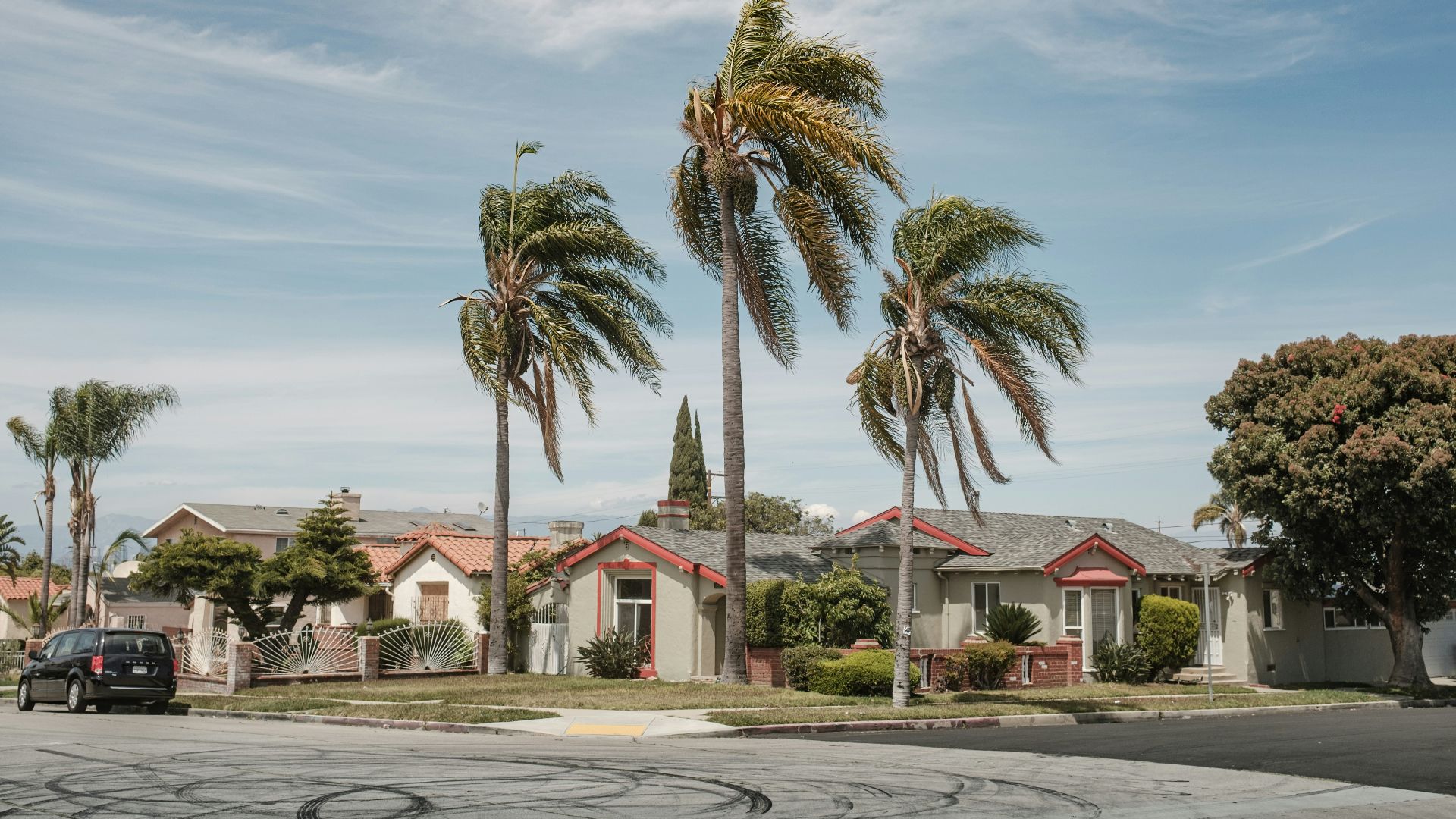
Private Property Doesn’t Always Solve The Neighbor’s Problem
Moving the RV from the curb onto the neighbor’s own driveway doesn’t necessarily end the analysis. Cities can regulate RV storage on residential property too. Riverside, California, for example, requires certain recreational vehicles to avoid creating sight obstructions and establishes setbacks from sidewalks or roadway edges.
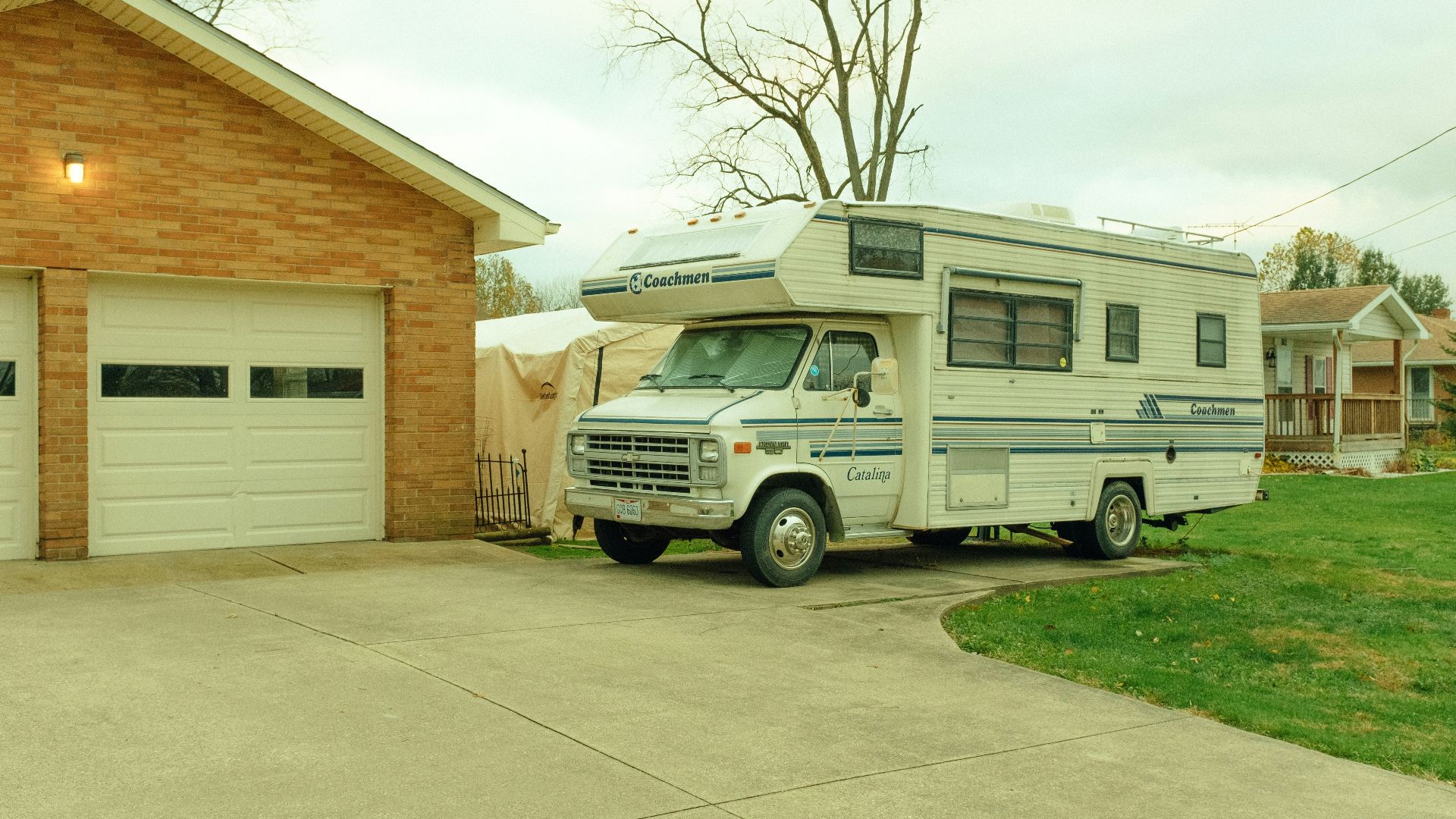
Some Cities Specifically Protect Driveway Sight Lines
Vallejo, California, has RV rules expressly tied to sight distance, including minimum distances between an RV in a driveway and the sidewalk or pavement. That illustrates why checking the zoning code can be worthwhile even when the RV is entirely on private property.
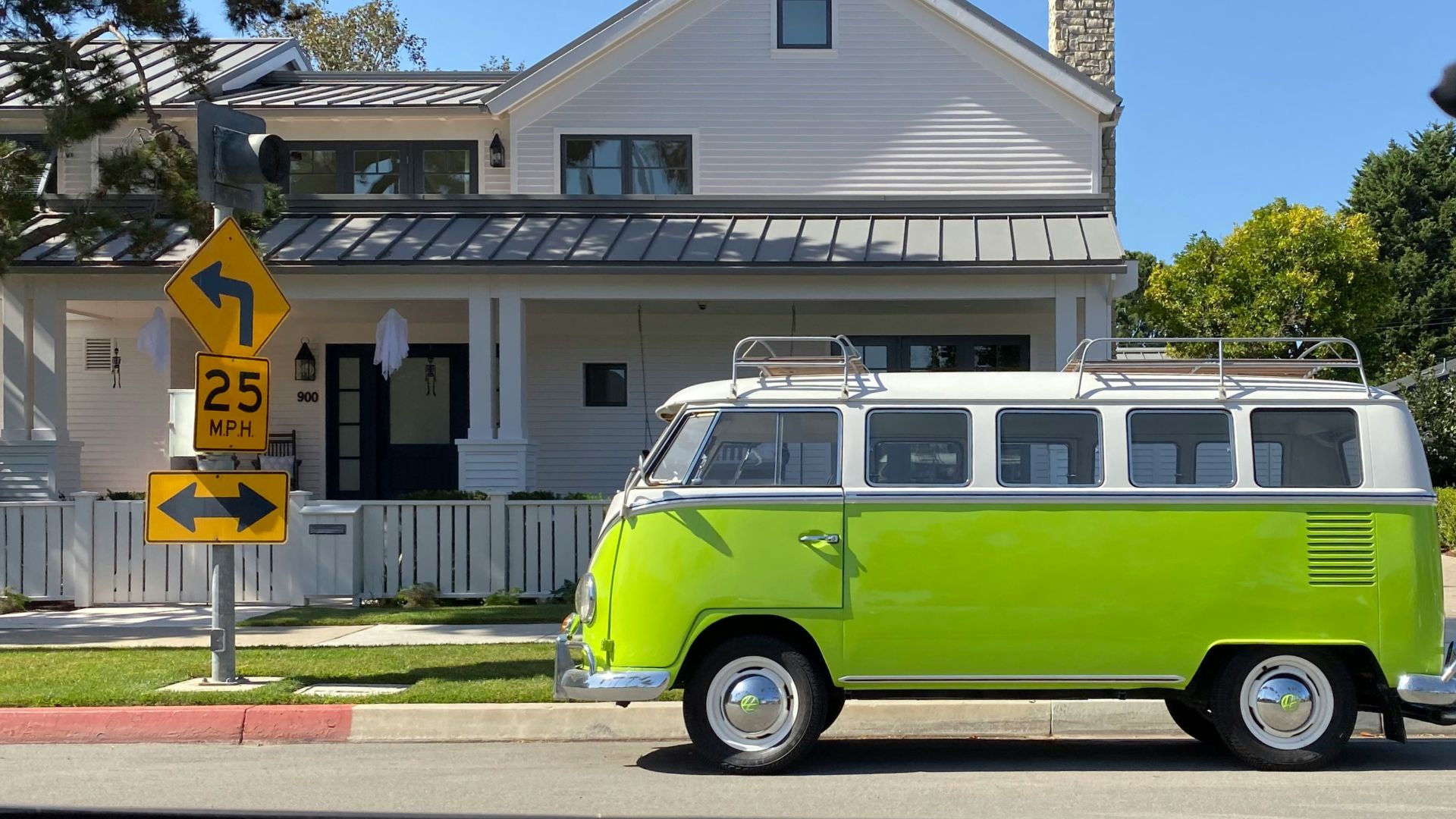
Check Whether It Blocks The Sidewalk Or Right-Of-Way
An RV that protrudes across a sidewalk, parkway, or public right-of-way may create a separate problem. Many communities require an RV stored on residential property to remain completely behind the sidewalk or property boundary. That issue can sometimes be easier for code enforcement to address than the blocked-view complaint.
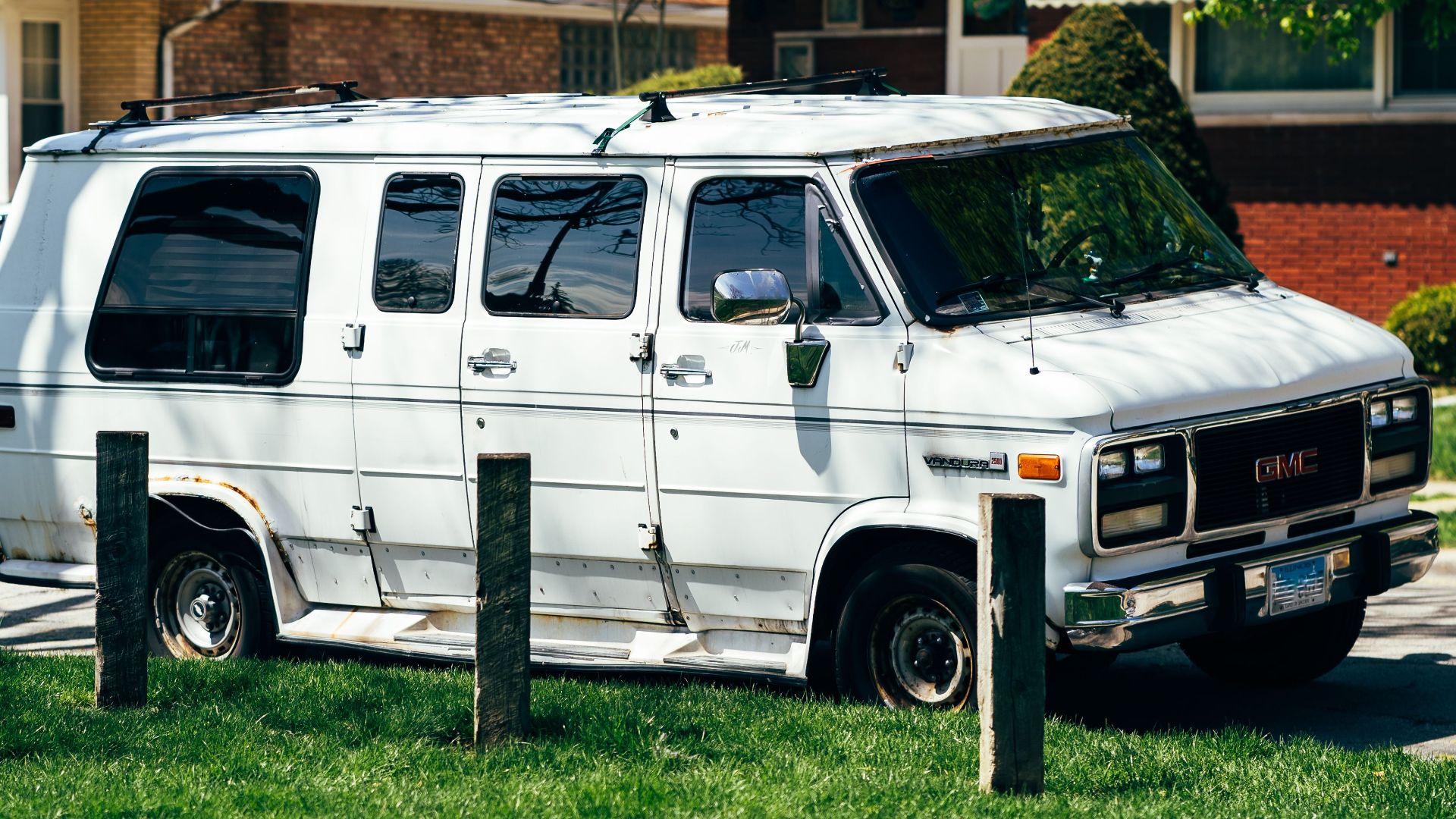
An HOA May Have Stricter Rules Than The City
If the neighborhood has a homeowners association, read the covenants and parking rules. HOAs may restrict RVs, trailers, boats, oversized vehicles, driveway storage, or how long recreational vehicles can remain visible. A city may consider the RV perfectly fine while the HOA rules say otherwise.

Registration And Vehicle Condition Can Matter Too
Some municipalities restrict unregistered, inoperable, or apparently abandoned vehicles even where normal parking would otherwise be allowed. If the RV hasn’t moved in months, has expired registration, flat tires, or appears incapable of operating, check your city’s abandoned-vehicle rules rather than treating it purely as an RV dispute.
Build A Record Of What’s Actually Happening
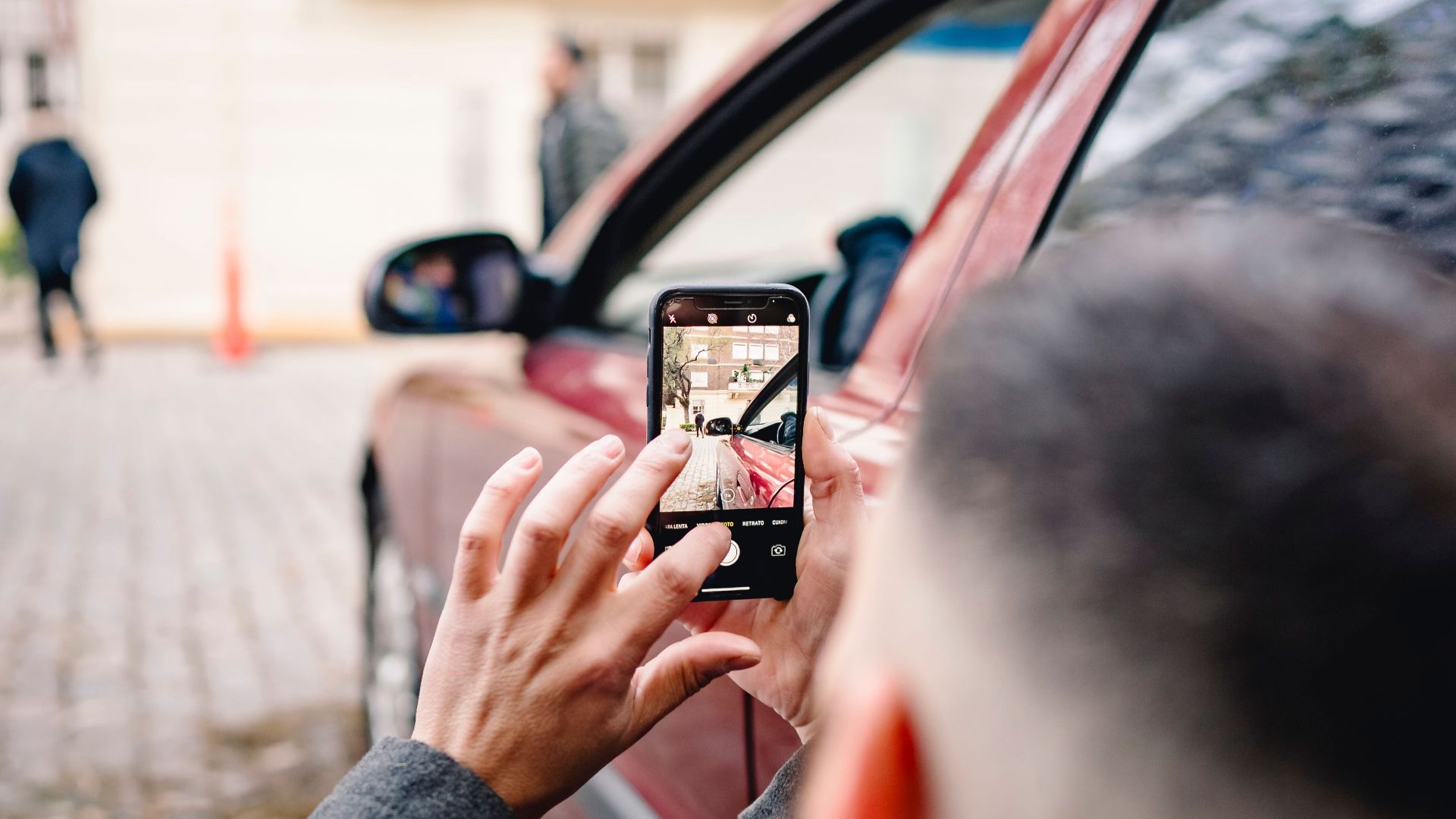
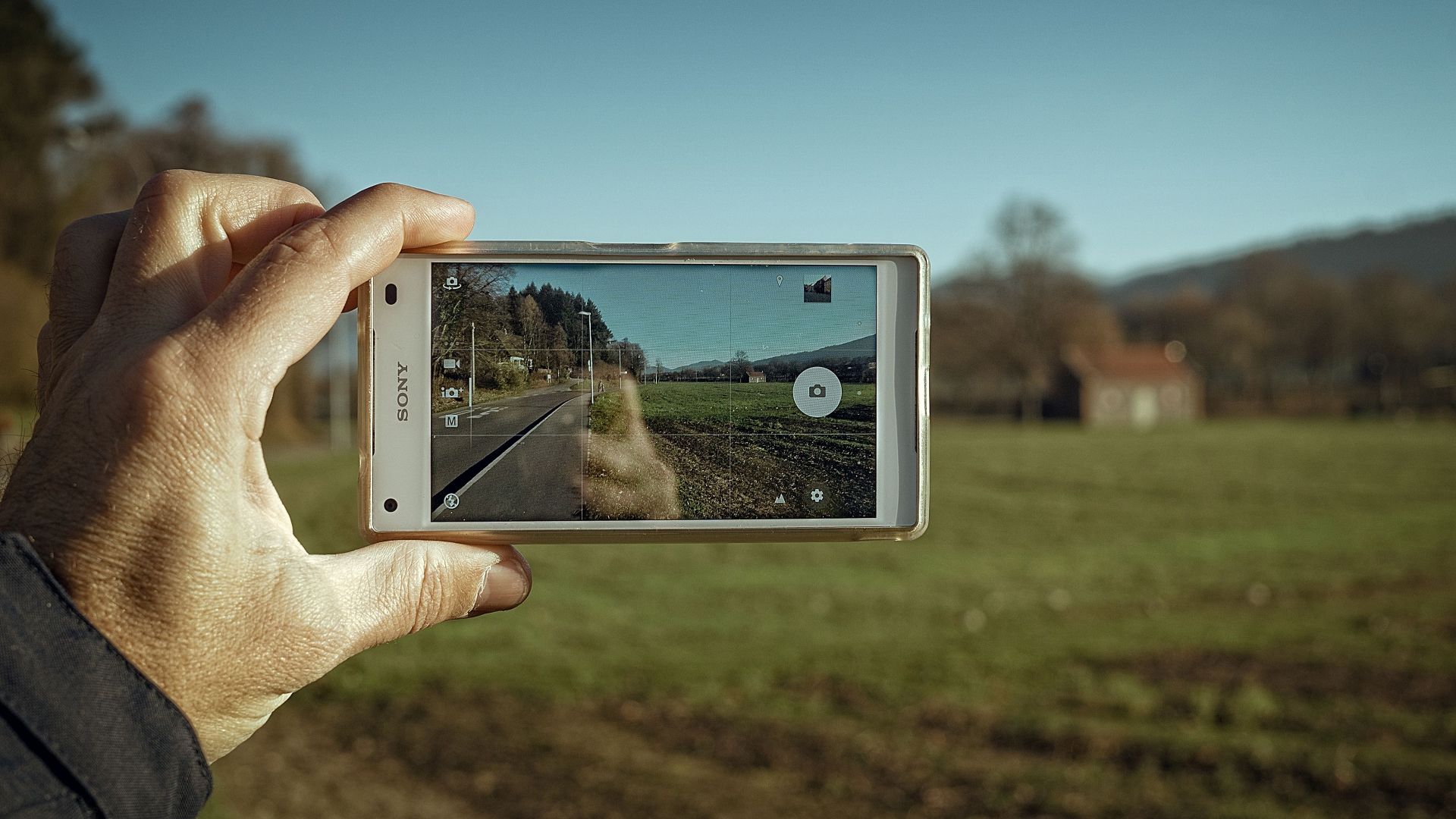
Take photographs from the driver’s position showing how much of the street disappears behind the RV. Photograph the RV’s location relative to the driveway and curb, and keep track of dates and how long it remains there. Evidence is much more useful to parking or code enforcement than simply saying the vehicle is huge.
Document Why The Street Makes The Obstruction Dangerous
Traffic volume matters. So do bike lanes, sidewalks, school routes, hills, curves, and vehicle speeds. If you have to put most of your car into the traffic lane before you can see approaching vehicles, photograph that sight line safely and explain the specific problem when reporting it.
Talking To The Neighbor Can Still Be The Fastest Fix
If relations are reasonable, start with the practical safety issue rather than accusing the neighbor of breaking the law. They may never have viewed the RV from your driveway and may not realize how completely it blocks approaching traffic.

Ask For A Specific, Smaller Change
You may not need the RV gone entirely. Moving it another 10 or 15 feet, parking it on the opposite side of the driveway, using a different part of the property, or storing it elsewhere during the week could restore enough visibility. A concrete request is often easier to accept than “get that thing off the street”.

Parking Enforcement Is Usually The Place To Start For Street Parking
If the RV is on a public street, look for your city’s parking enforcement, transportation, or non-emergency reporting system. Give them the location, license plate if appropriate, dates, photographs, and the exact ordinance you believe may apply. Let the city determine whether the vehicle is legally parked.

Code Enforcement May Be Better For An RV On Private Property
If the vehicle sits in a driveway, front yard, side yard, or improvised parking pad, the issue may belong with zoning or code enforcement instead. Ask specifically about recreational-vehicle setbacks, front-yard parking, sight triangles, paved-surface rules, and public-right-of-way encroachment.

Ask Whether The City Can Review The Sight Distance
Even when the RV technically complies with existing parking rules, the street itself may have a visibility problem. A transportation or traffic-engineering department may be able to evaluate whether a no-parking zone, painted curb, sign, or other restriction is warranted near the driveway.

Use Non-Emergency Channels For Immediate Parking Hazards
A vehicle that actually blocks your driveway, creates an urgent traffic obstruction, or goes against a clearly enforceable parking restriction may warrant a non-emergency law enforcement or parking enforcement call. Save law enforcement for an actual emergency rather than an ongoing neighborhood parking disagreement.

Don’t Try To Tow Or Move The RV Yourself
Even when you’re convinced the vehicle is illegally parked, don’t take enforcement into your own hands. Street towing generally has to follow local procedures, and damaging or moving someone else’s vehicle can turn a parking dispute into a much more serious judicial problem.
The RV Doesn’t Eliminate Your Responsibility When Backing Out
A blocked view makes the maneuver harder, but drivers still need to check for vehicles, cyclists, and pedestrians before entering the street. NHTSA specifically warns that every vehicle has blind zones and recommends checking carefully before backing from driveways.
Cameras And Cross-Traffic Alerts Can Help, But Don’t Depend On Them
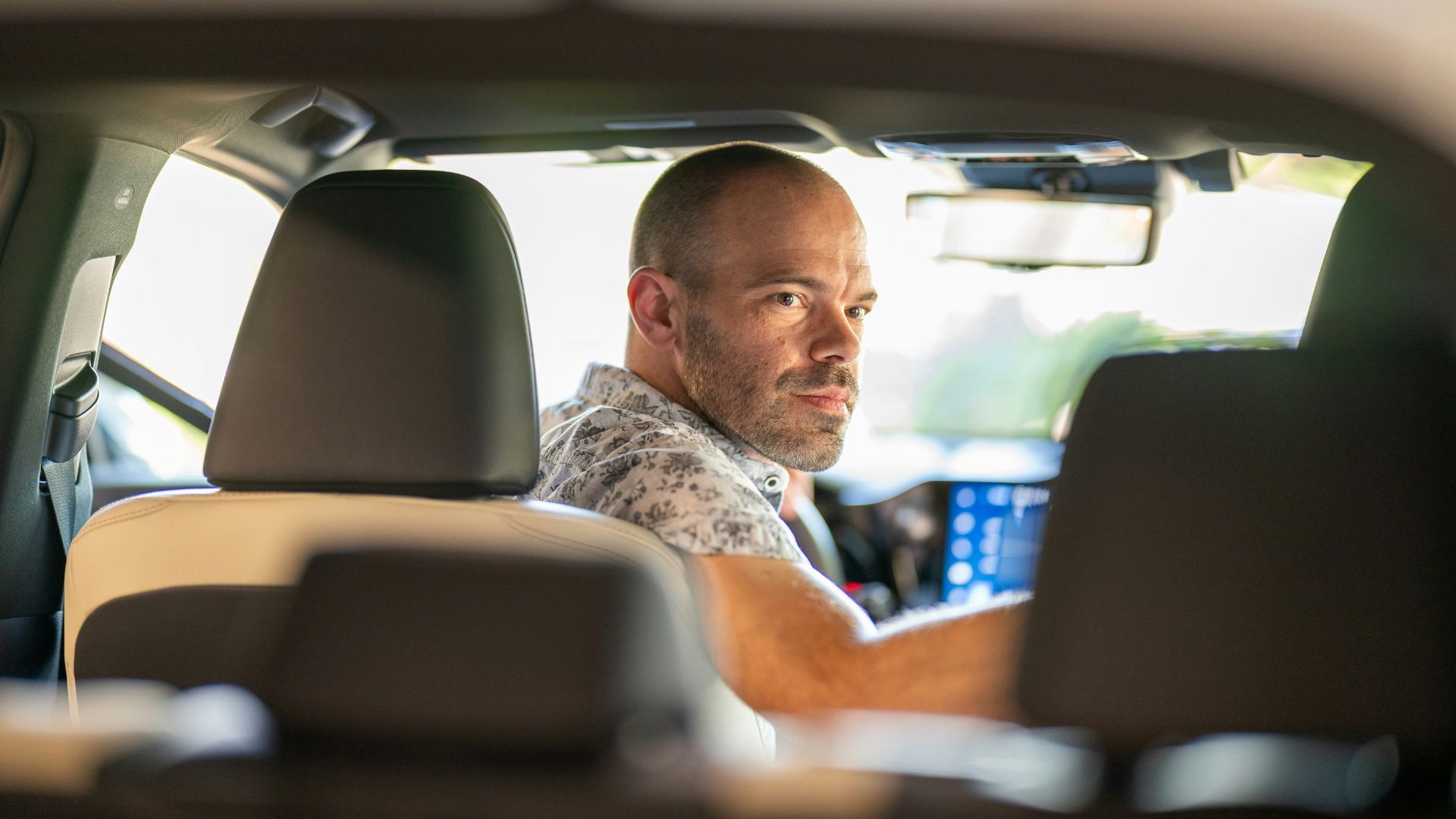
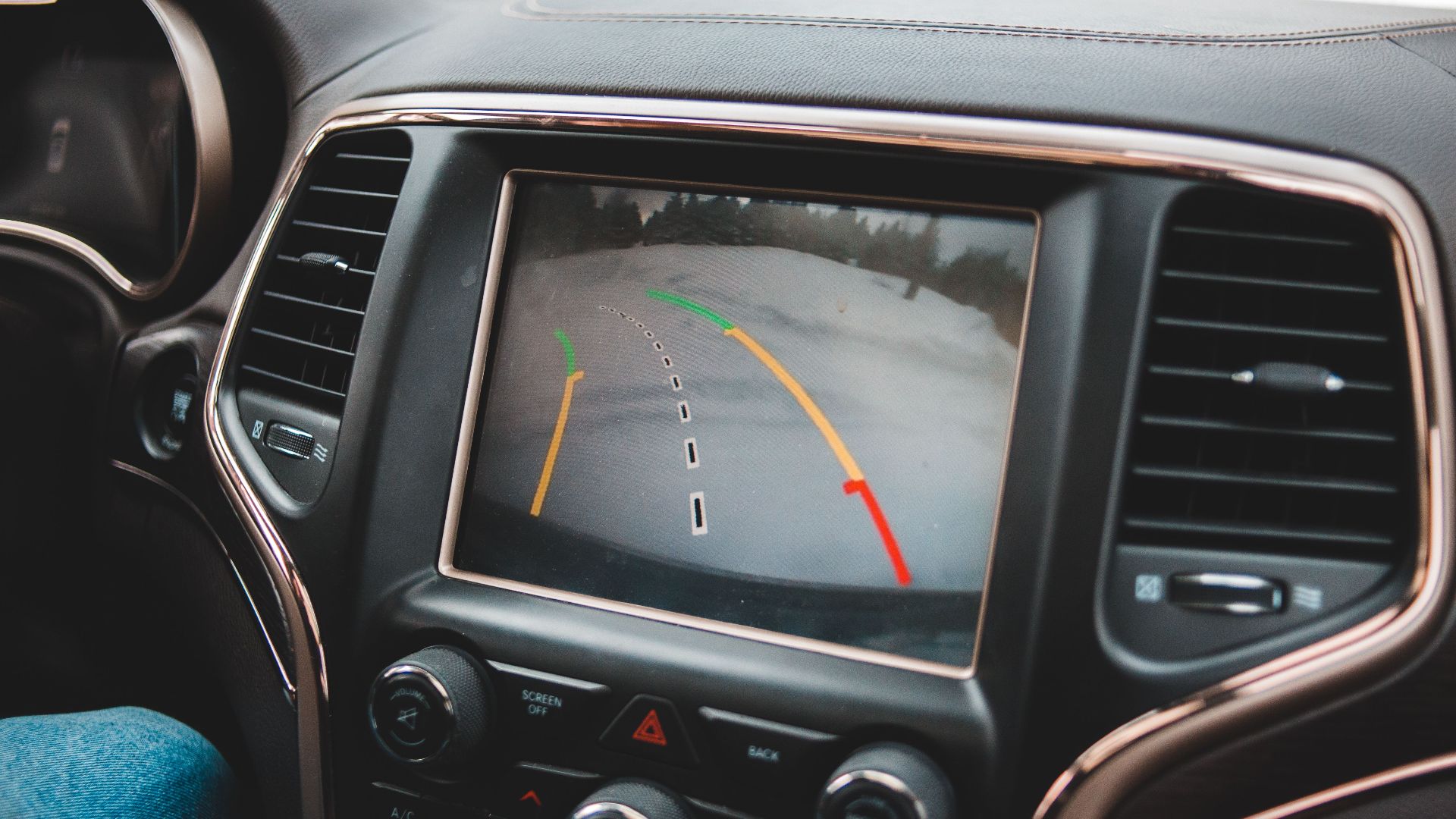
Rear cross-traffic warning can be particularly useful when another parked vehicle blocks your lateral view. Consumer Reports notes that these systems can detect approaching traffic that may be obscured by an adjacent vehicle. But AAA testing has also found important limitations in reverse automatic braking and cross-traffic systems, so technology shouldn’t replace looking and backing slowly.
Consider Changing How You Use Your Own Driveway
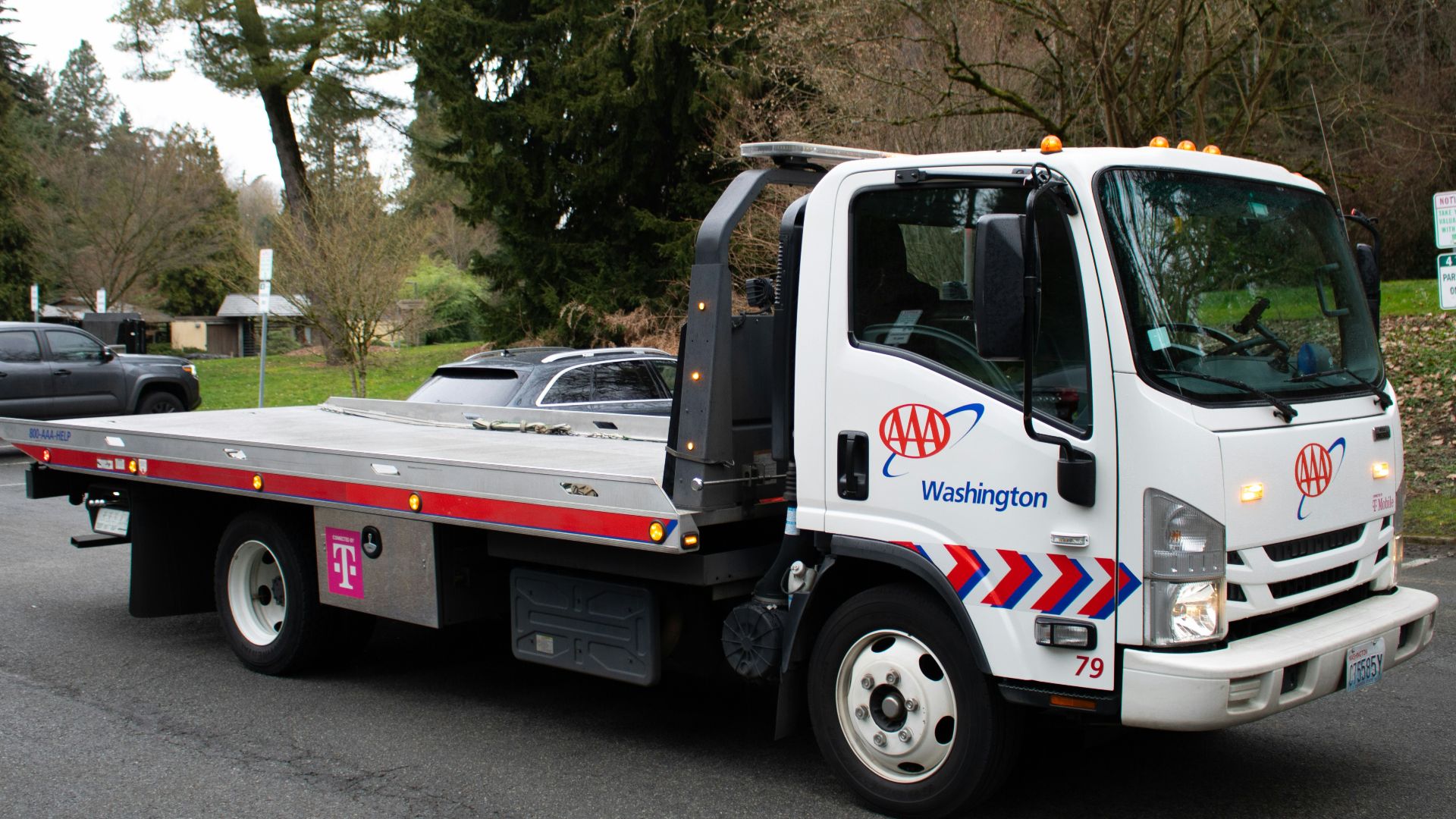
If space allows, backing into the driveway when you arrive can let you pull forward into traffic later with a much clearer view. AAA recommends reverse parking where appropriate because exiting forward generally improves visibility. A spotter can also help when traffic is particularly difficult to see.
A Lawsuit Should Be Far Down The List
If the RV complies with street-parking, zoning, and HOA rules, forcing its removal through a private lawsuit can become difficult and expensive. Nuisance and property-right claims vary considerably by state, so a local attorney would need to evaluate unusually severe circumstances rather than assuming that obstructed visibility alone creates a winning case.
 https://kaboompics.com/, Pexels
The Best Argument Is Usually A Specific Rule, Not “It Blocks My View”
A huge RV beside a busy driveway can create a legitimate safety problem, but that doesn’t automatically give one neighbor control over another person’s parking. Check driveway setbacks, oversized-vehicle rules, overnight restrictions, time limits, zoning requirements, sight-distance standards, and HOA provisions. If one applies, document the offense and let the appropriate agency enforce it. If none does, a cooperative relocation request or a city traffic-safety review may accomplish more than trying to turn a difficult parking situation into a private court battle.

You May Also Like: