Trucks Got Stronger, But Did They Get Handier?
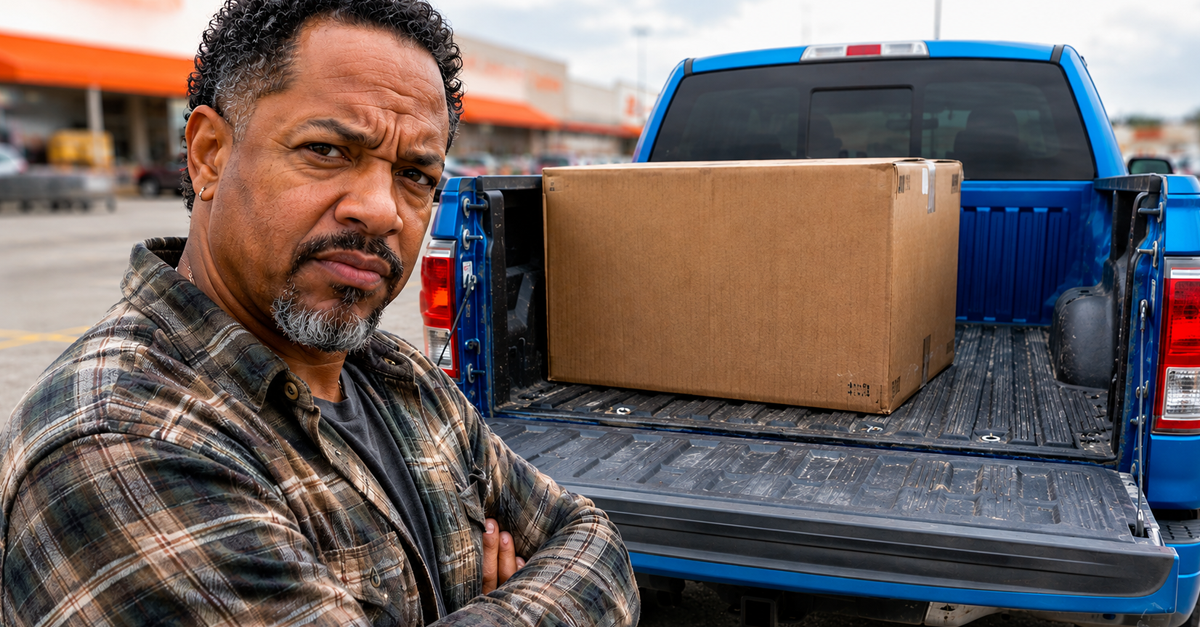
Modern pickups can tow enormous trailers, yet loading a cooler or bag of mulch into the bed can feel surprisingly awkward. Tall cargo floors and deep beds are increasingly common, particularly on four-wheel-drive and off-road models. For owners who use the bed more than the hitch, that raises a fair question about everyday usefulness.
Towing Is Only One Kind Of Useful
A huge tow rating looks impressive in an advertisement, but it does not tell you how convenient the truck is to live with. Payload, bed dimensions, lift-in height, and access all matter too. A truck can excel at pulling a trailer while making simple cargo loading harder than expected.
Half-Tons Can Pull Serious Weight
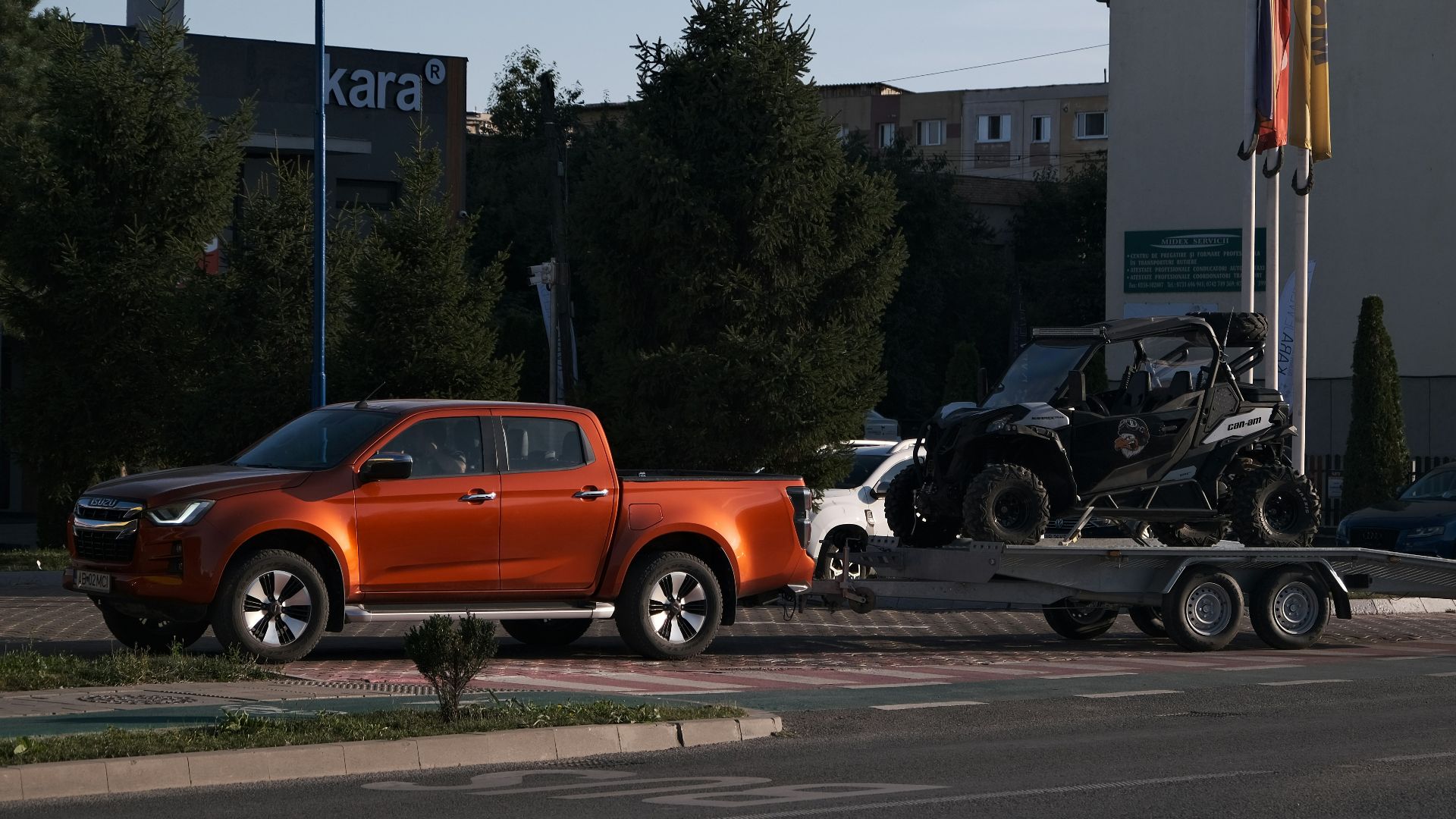
Today's full-size pickups have capability that once sounded more like heavy-duty territory. The Ford F-150 offers up to 13,500 pounds of towing and 2,440 pounds of payload when properly configured. Chevrolet lists the Silverado 1500 at up to 13,300 pounds of trailering.
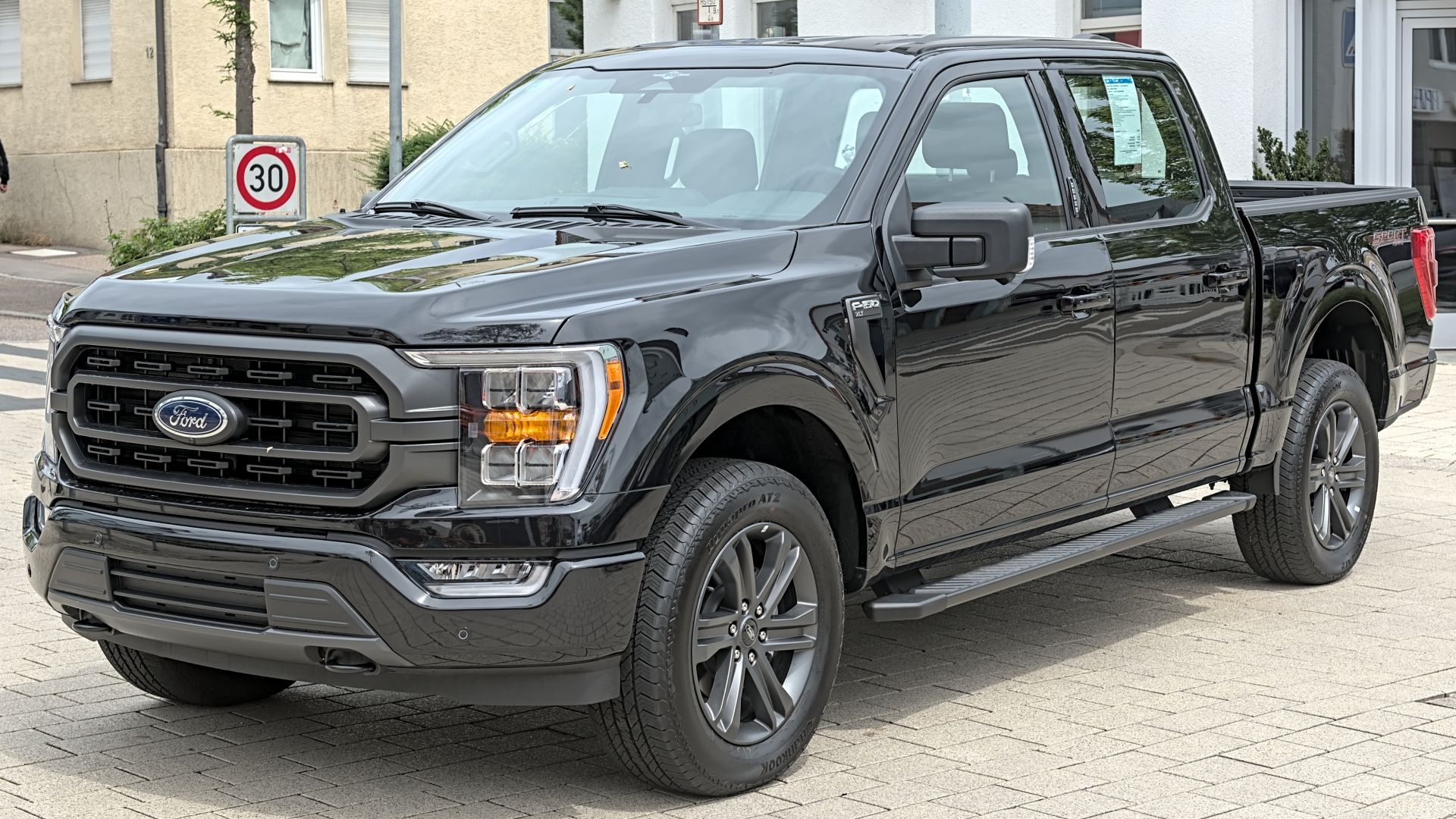 Alexander Migl, Wikimedia Commons
Those Big Numbers Need An Asterisk
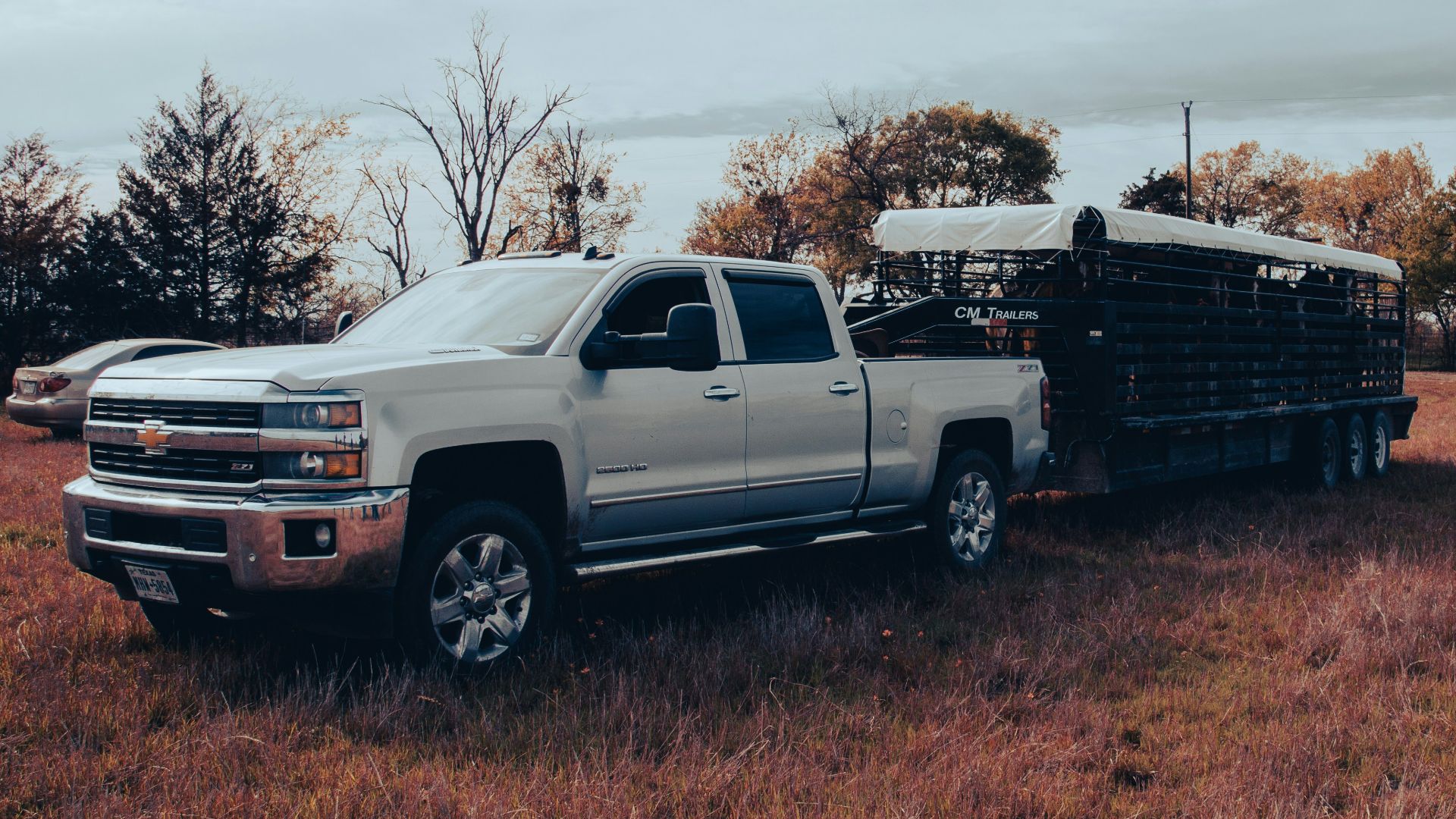
Maximum towing figures apply only to particular configurations. Engines, axle ratios, cab styles, drivetrains, passengers, options, and cargo can all change what an individual truck can safely tow. Buyers should check the rating for the exact truck rather than relying on the number from the commercial.
Bed Height Can Change Dramatically
Even versions of the same pickup can have noticeably different loading heights. Ford lists open-tailgate lift-in heights around 33 inches on some F-150 configurations and roughly 37 inches on its taller off-road variants. Four inches becomes significant when you are repeatedly lifting heavy objects.
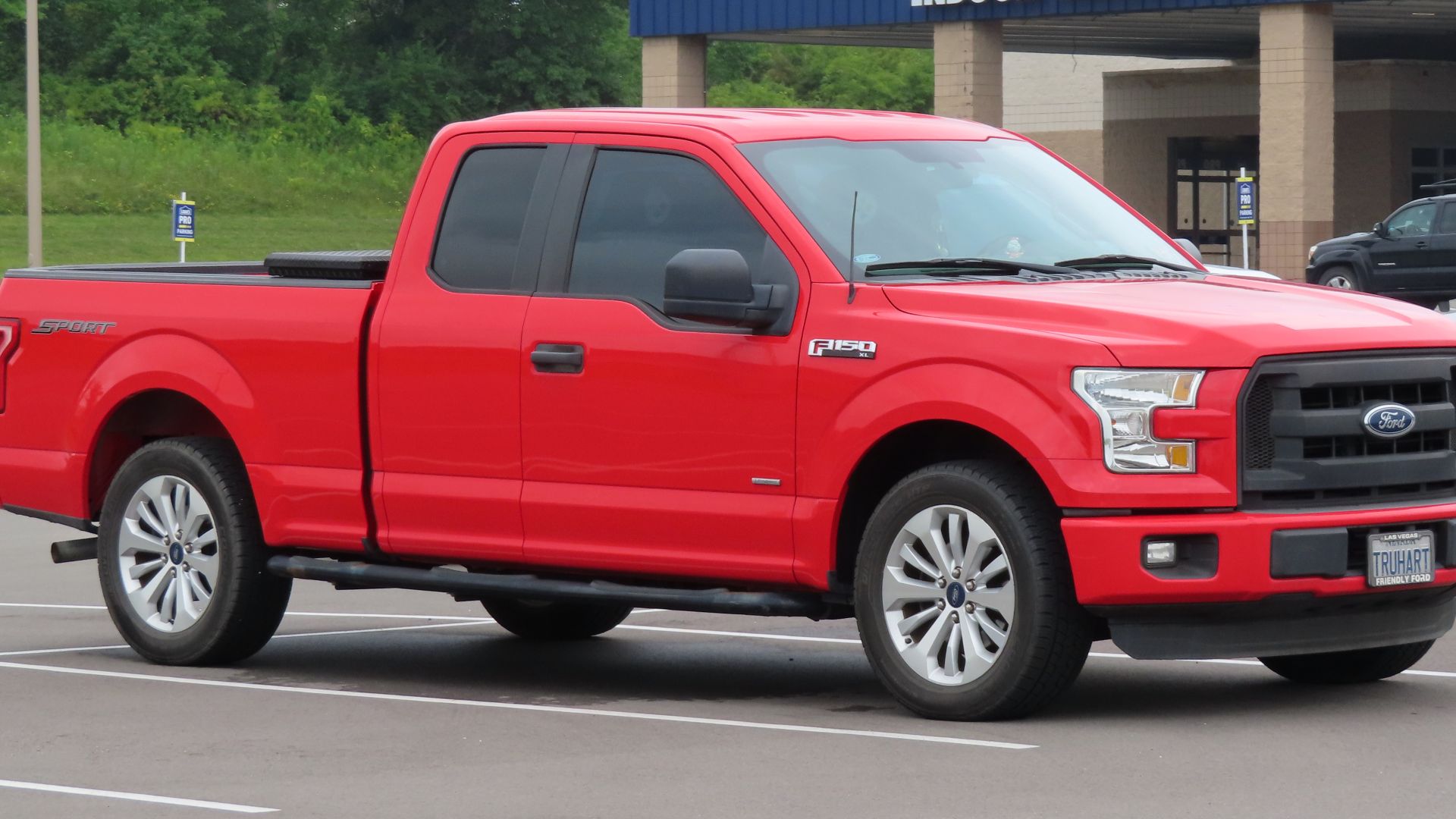 MercurySable99, Wikimedia Commons
Four-Wheel Drive Can Raise The Floor
Four-wheel-drive versions frequently sit higher than comparable two-wheel-drive trucks. Ford's F-150 specifications show both extra ground clearance and higher lift-in measurements on several 4x4 configurations. That added clearance is useful in rough conditions, but you feel the difference every time you load the bed.
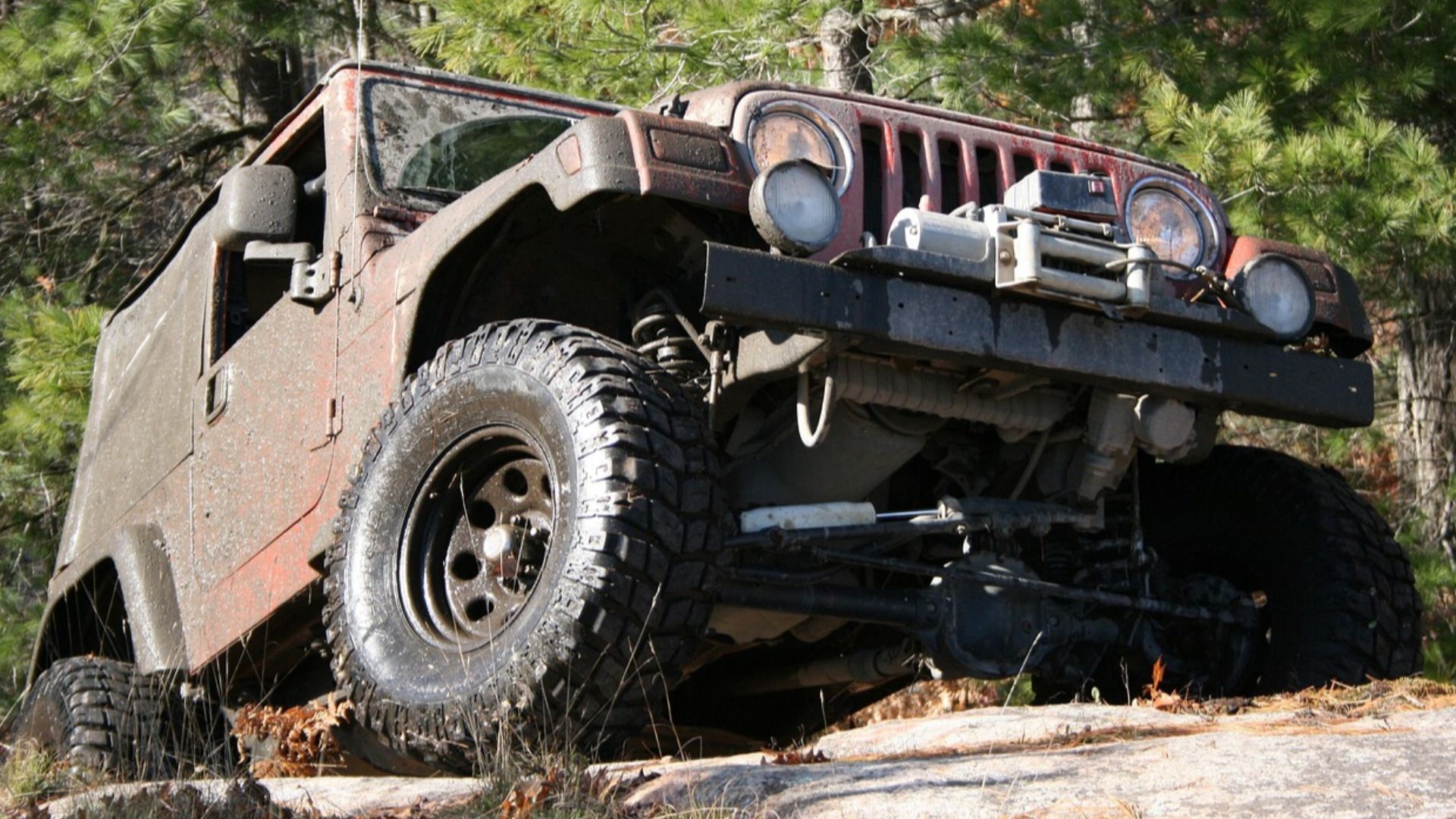
Off-Road Capability Adds Another Compromise
Factory off-road packages often add larger tires, suspension changes, and extra ground clearance. Those upgrades make sense for drivers who regularly leave pavement. Someone buying the same truck mainly for its tougher appearance may instead end up with a bed that is harder to reach.
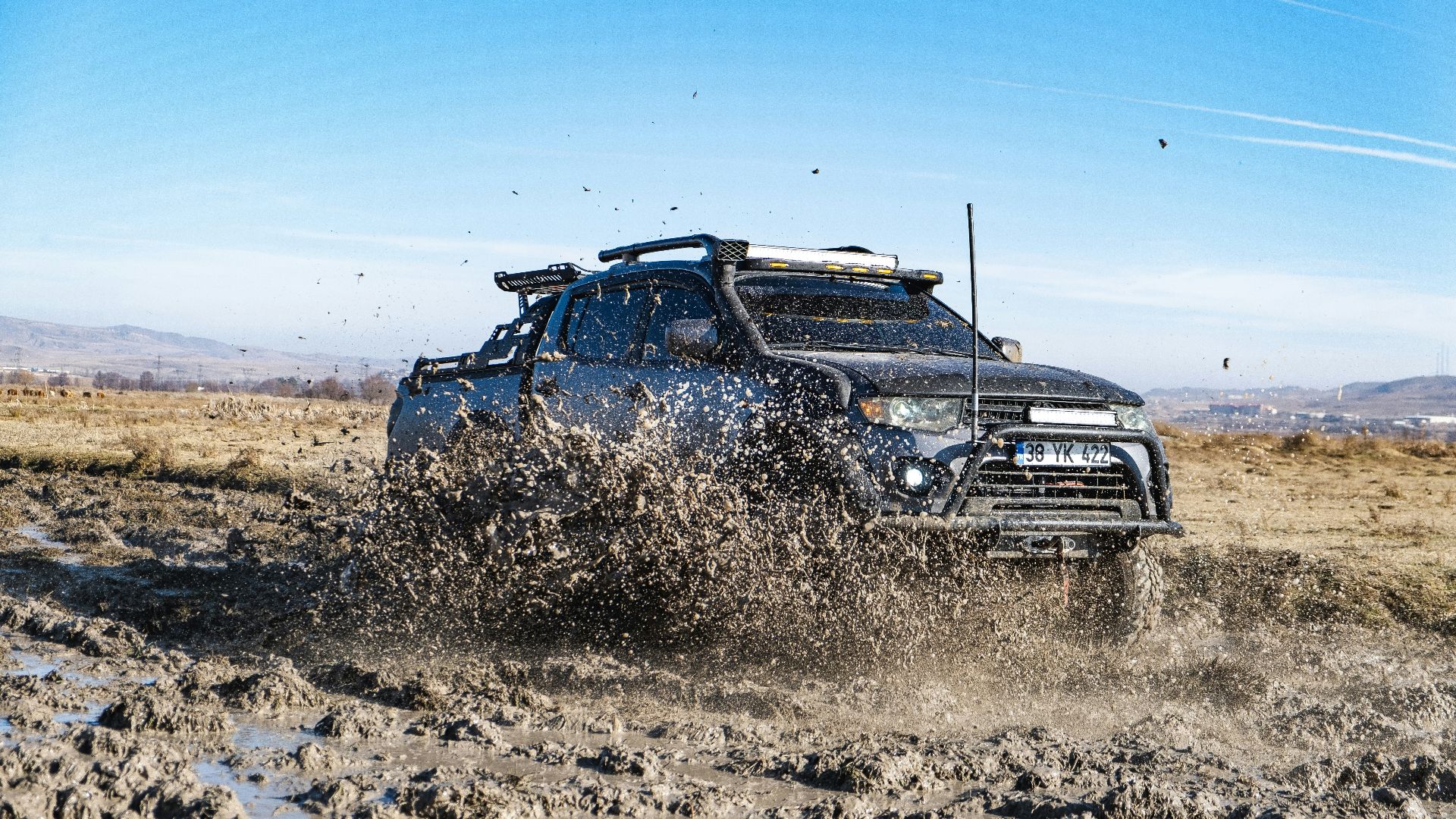
Deep Beds Make The Reach Longer
Height from the pavement is only part of the problem. The current F-150's cargo box is 21.4 inches deep, so objects sitting on the floor can be difficult to reach over the bedside. More depth creates useful cargo volume, but it can also make unloading smaller items surprisingly awkward.
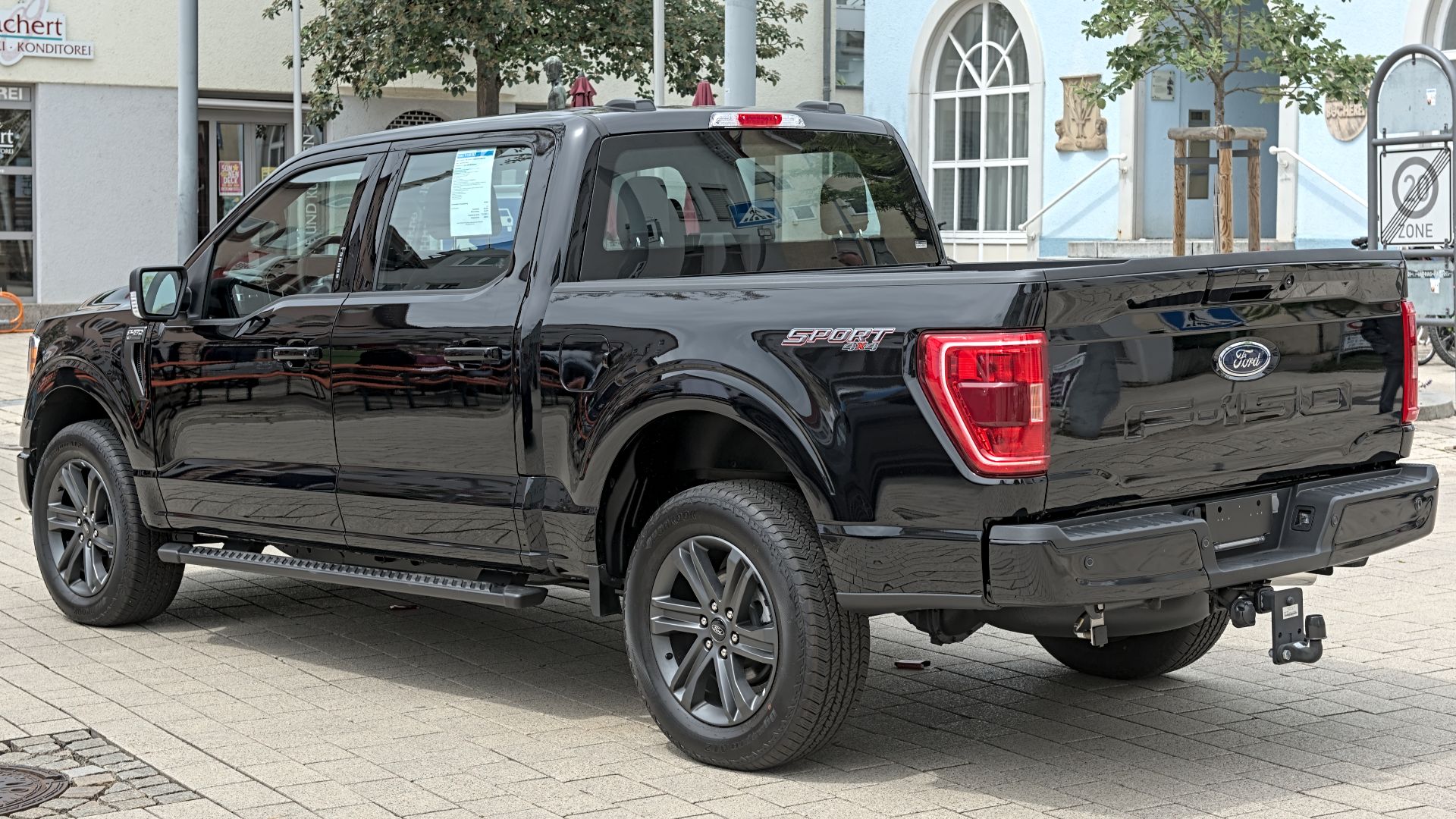 Alexander Migl, Wikimedia Commons
Trucks Became Family Vehicles
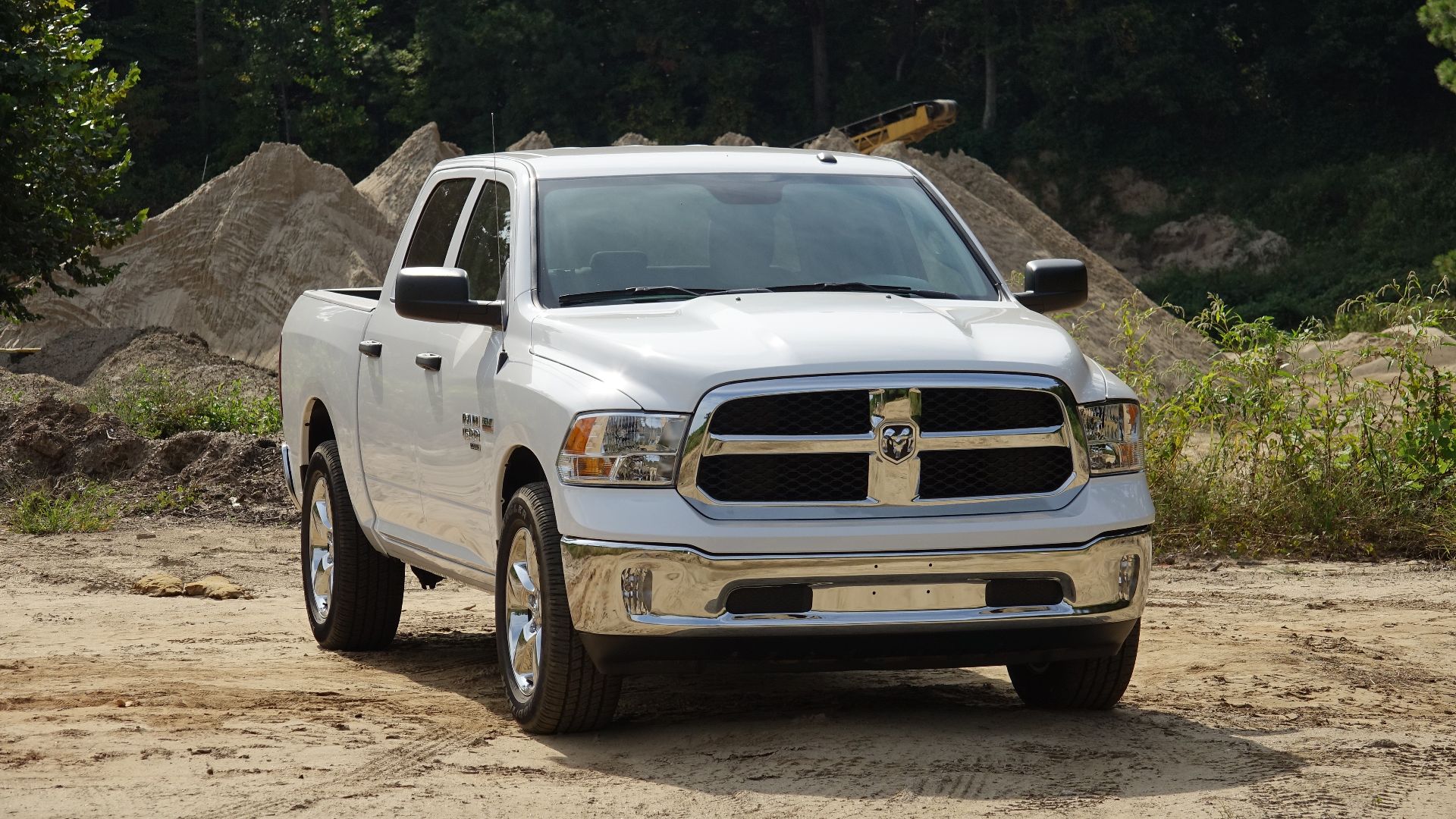
Pickup design changed as owners began expecting one vehicle to handle work, family trips, commuting, and recreation. Crew cabs now dominate American pickup sales rather than being a specialized configuration. That naturally pushed passenger comfort much higher on manufacturers' priority lists.
 Ruben de Rijcke, Wikimedia Commons
Crew Cabs Now Rule The Market
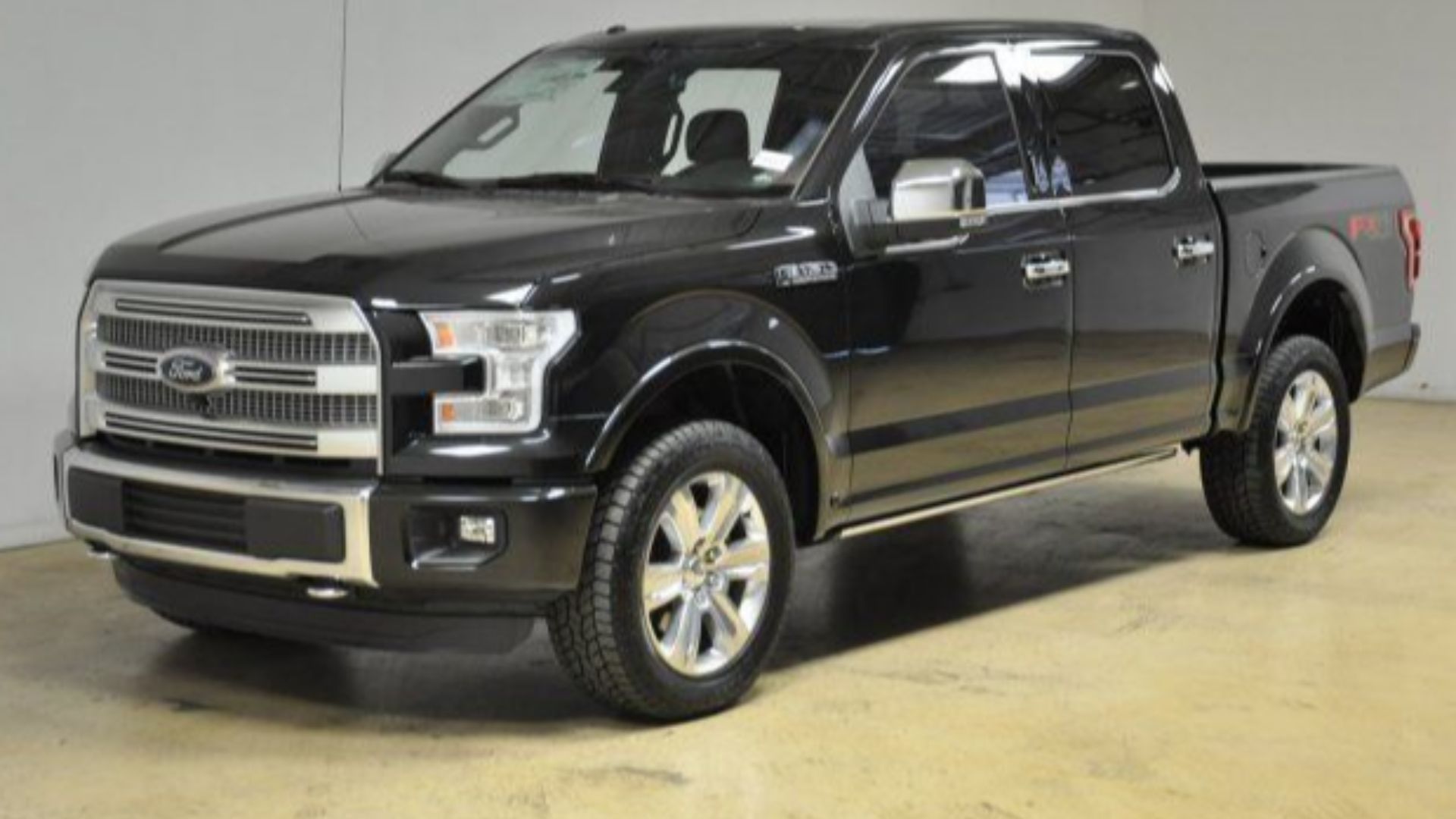
Cars.com reported that crew cabs account for roughly three-quarters of U.S. pickup sales. Four full doors and a usable back seat transformed pickups into practical family vehicles. Regular cabs and extended cabs now make up a much smaller share of the market.
 Jesus David Piña, Wikimedia Commons
More Cab Can Mean Less Bed
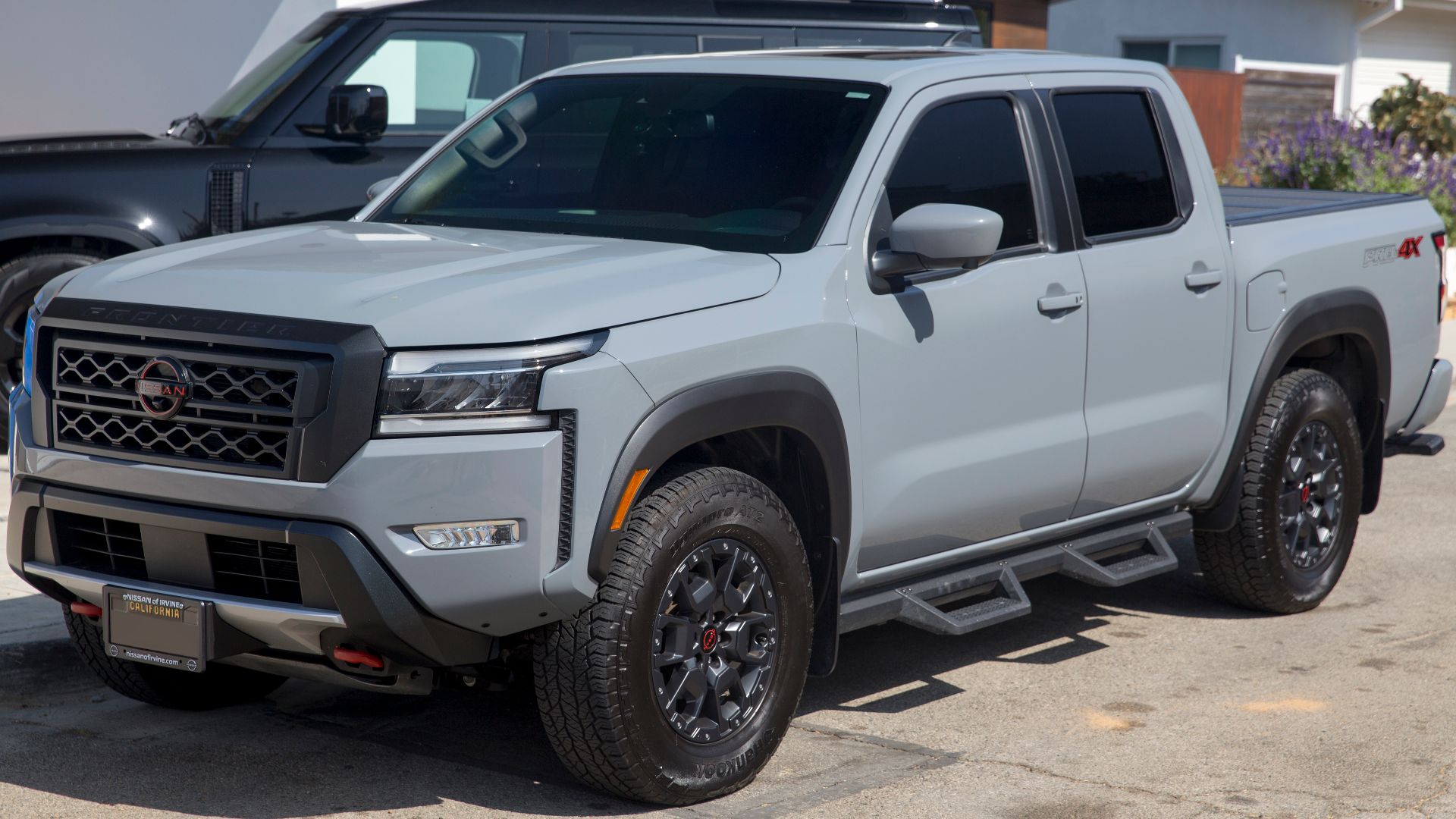
Making room for passengers sometimes comes directly at the expense of cargo length. When Nissan introduced the Frontier Crew Cab for 2000, its six-foot bed was shortened by almost 20 inches to create room for the larger cabin. The same basic packaging compromise remains familiar today.
 Mr.choppers, Wikimedia Commons
Shorter Does Not Mean Smaller Everywhere
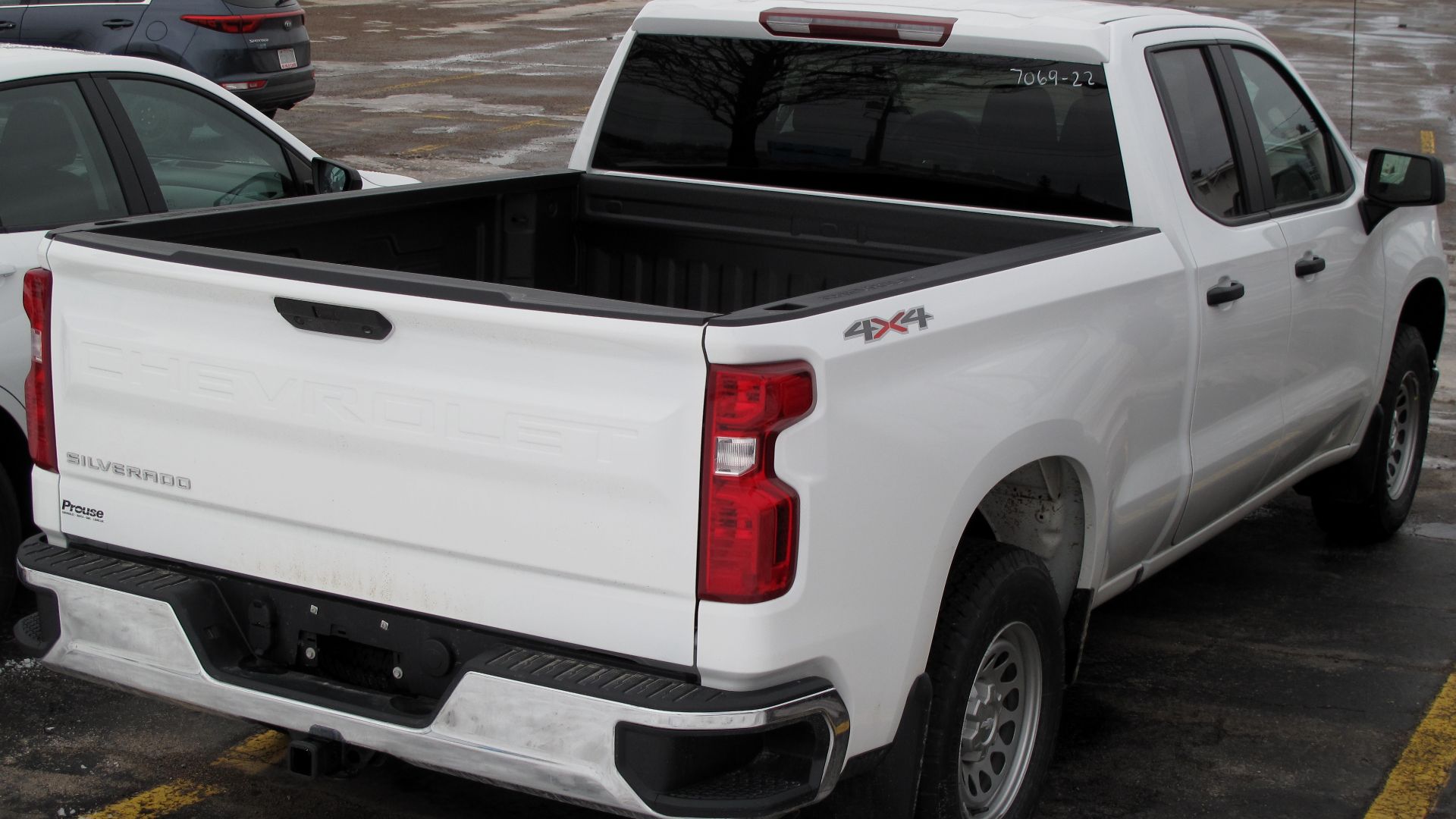
Today's beds can still hold a surprising amount despite shorter lengths. Chevrolet lists up to 89.1 cubic feet of cargo volume for the Silverado's Durabed. For many owners, the bigger issue is reaching that space rather than having too little of it.
Tailgates Became Much More Complicated
A tailgate once had one main job: open downward. Modern trucks increasingly offer gates that fold, split, swing, become steps, or create work surfaces. Many of those innovations are specifically designed to improve access to the cargo box.
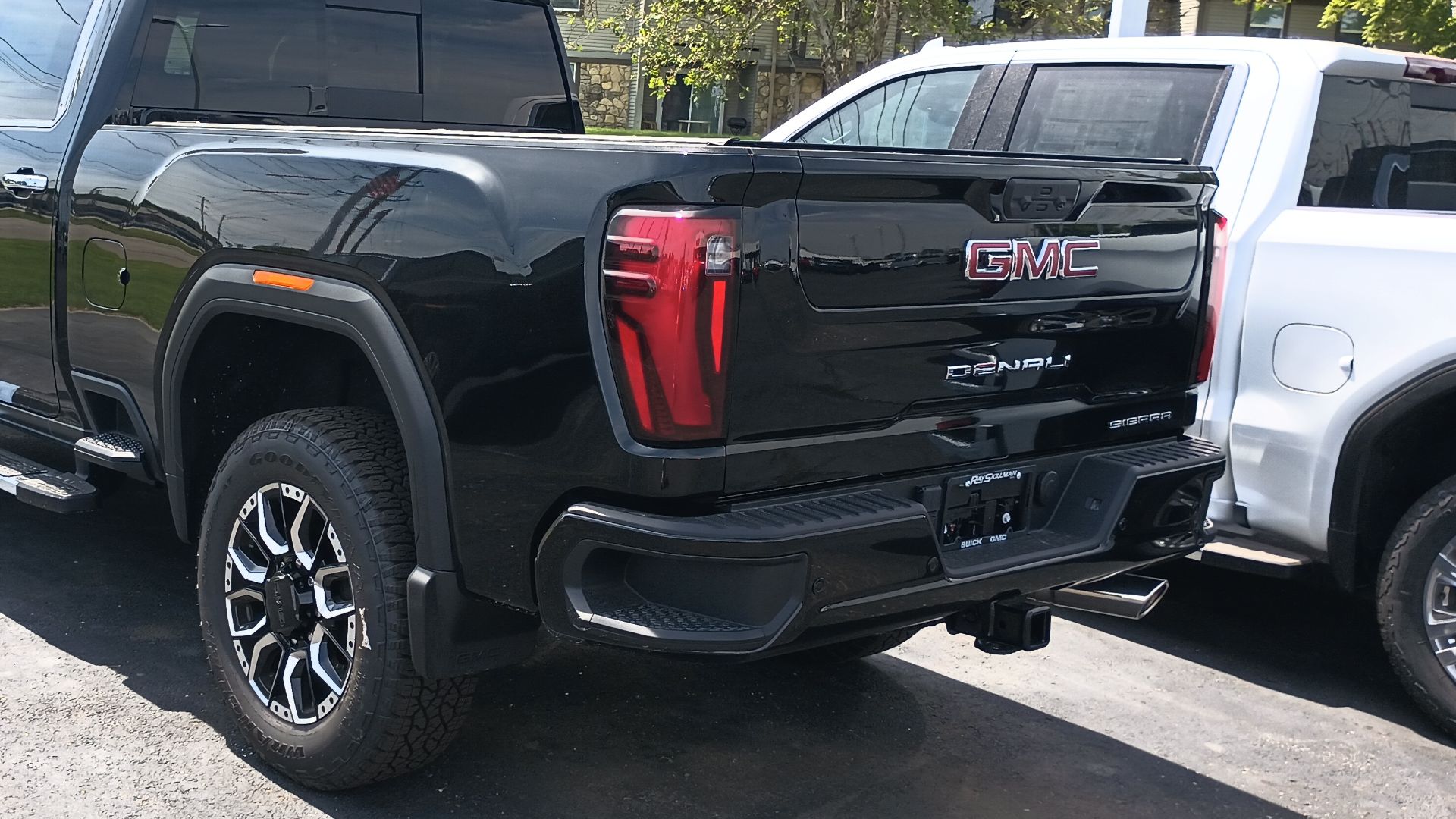
GMC Literally Built In A Stair
GMC's MultiPro tailgate can convert into a 48-inch-wide step rated for 375 pounds. A folding grab handle provides another handhold for climbing into the box. It is a useful feature, particularly on trucks whose beds are otherwise difficult to enter.
 deathpallie325, Wikimedia Commons
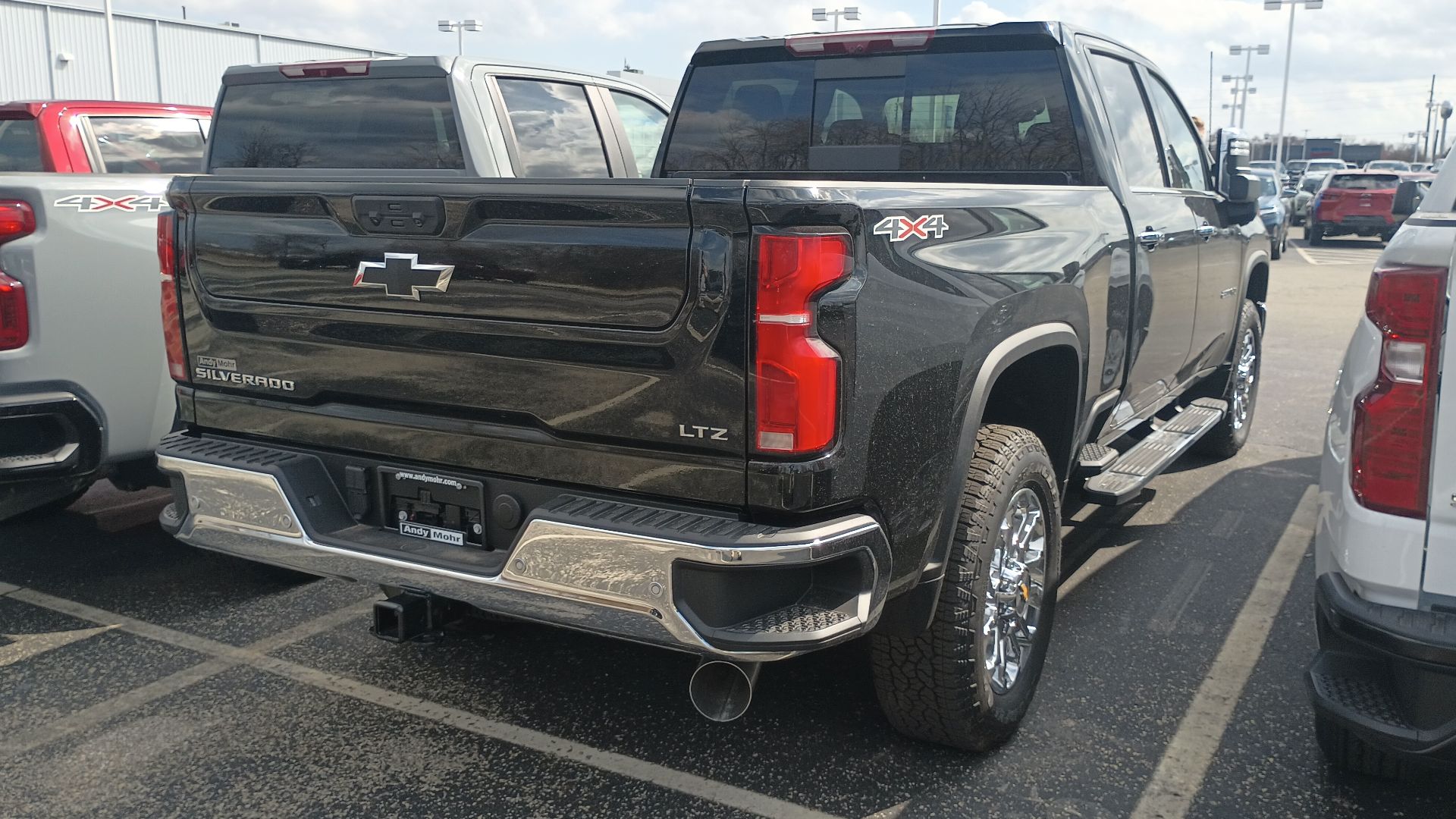
Chevrolet Offers The Same Basic Solution
Chevrolet's available Multi-Flex tailgate offers six positions and functions. Its inner section can lower to let users reach farther into the bed or become a full-width step rated for 375 pounds. That makes loading easier without changing the truck's basic ride height.
 Deathpallie325, Wikimedia Commons
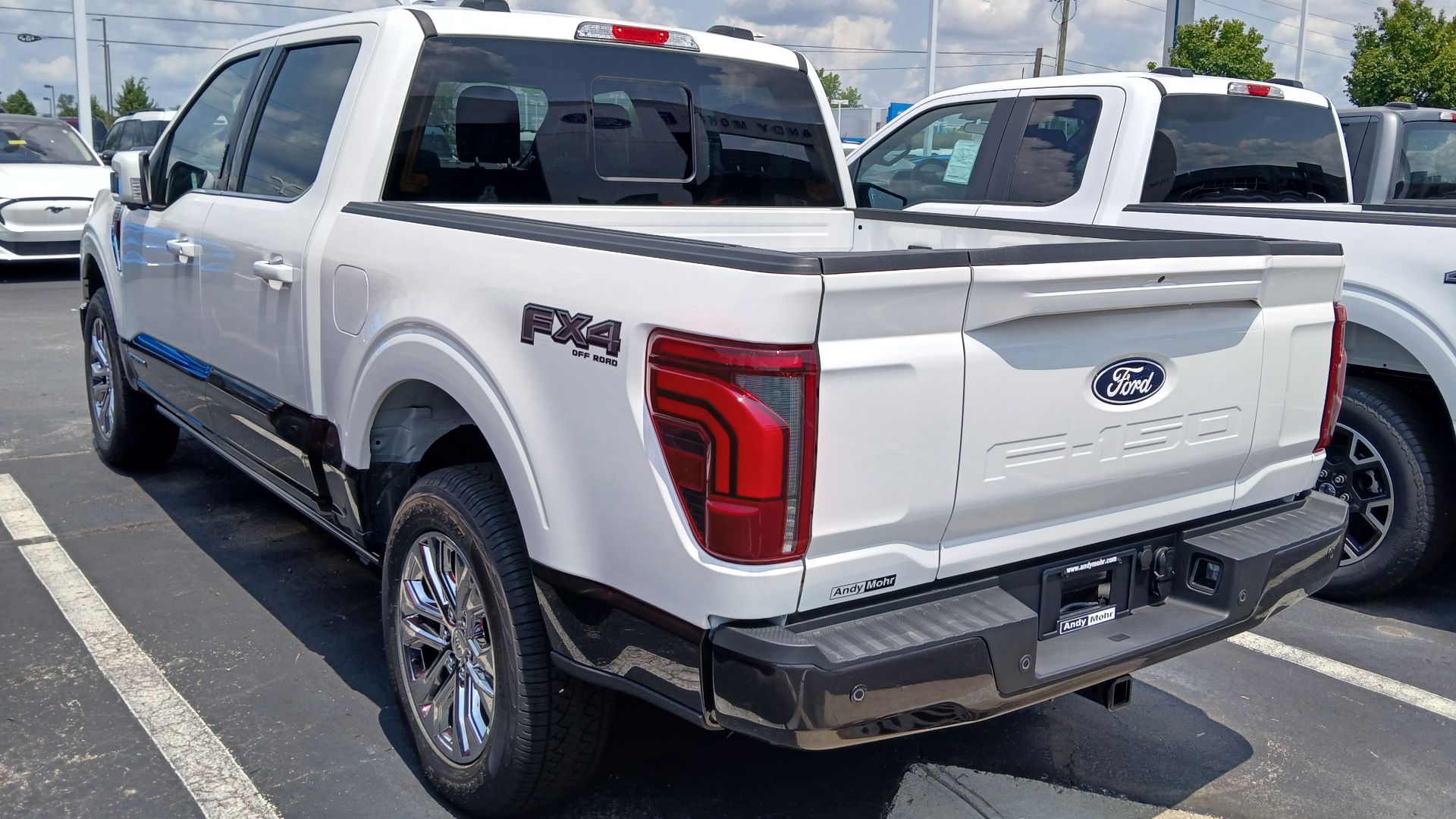
Ford Lets You Stand Closer
Ford's available Pro Access Tailgate attacks the problem differently. Part of the gate swings outward, allowing the user to stand up to 19 inches closer to the cargo instead of leaning across a lowered tailgate. It can also make the bed easier to access while a trailer is attached.
 Deathpallie325, Wikimedia Commons
That Helps When A Trailer Is Attached
A normal lowered tailgate extends toward anything hitched behind the truck. Swinging or split tailgates can preserve useful cargo access when space is tight. Modern trucks therefore sometimes solve new packaging problems with genuinely clever engineering.
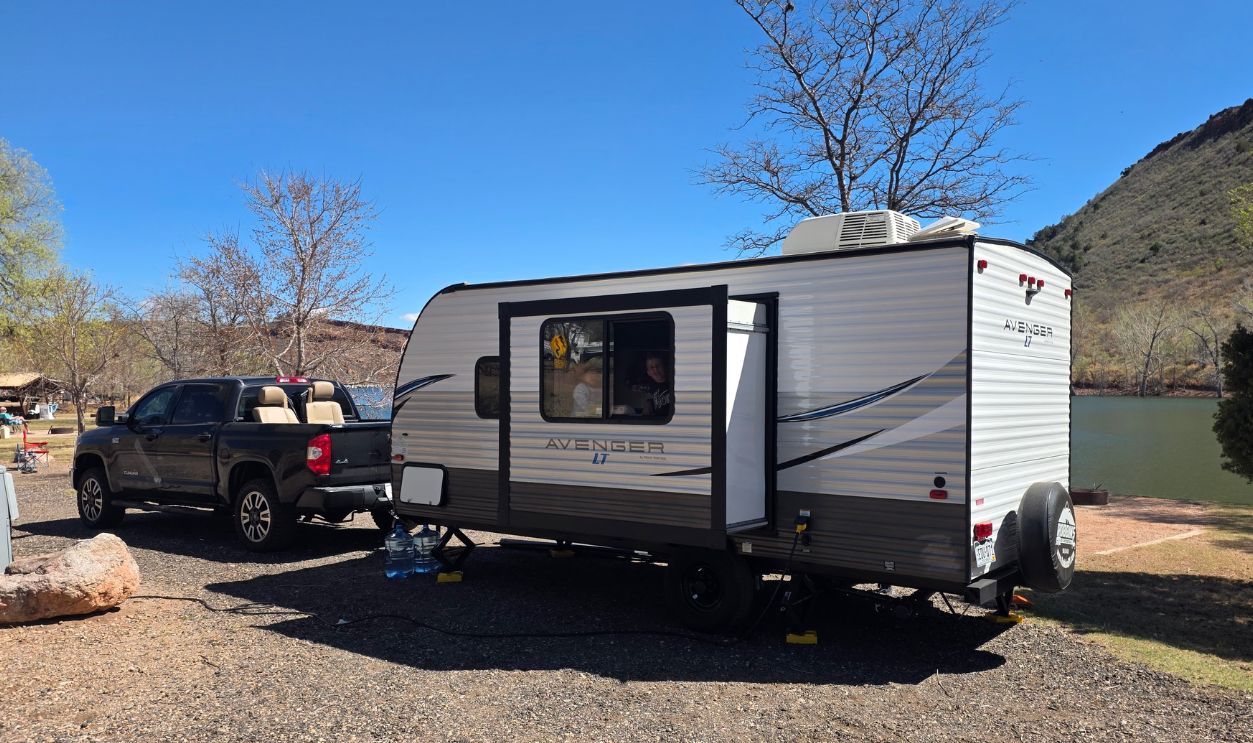
Automakers Clearly Know Access Matters
Steps and elaborate tailgates would not exist if owners found every pickup bed effortless to use. These features are not merely gimmicks, because they genuinely improve access. They also reveal how important basic ergonomics have become as trucks have grown more capable and imposing.
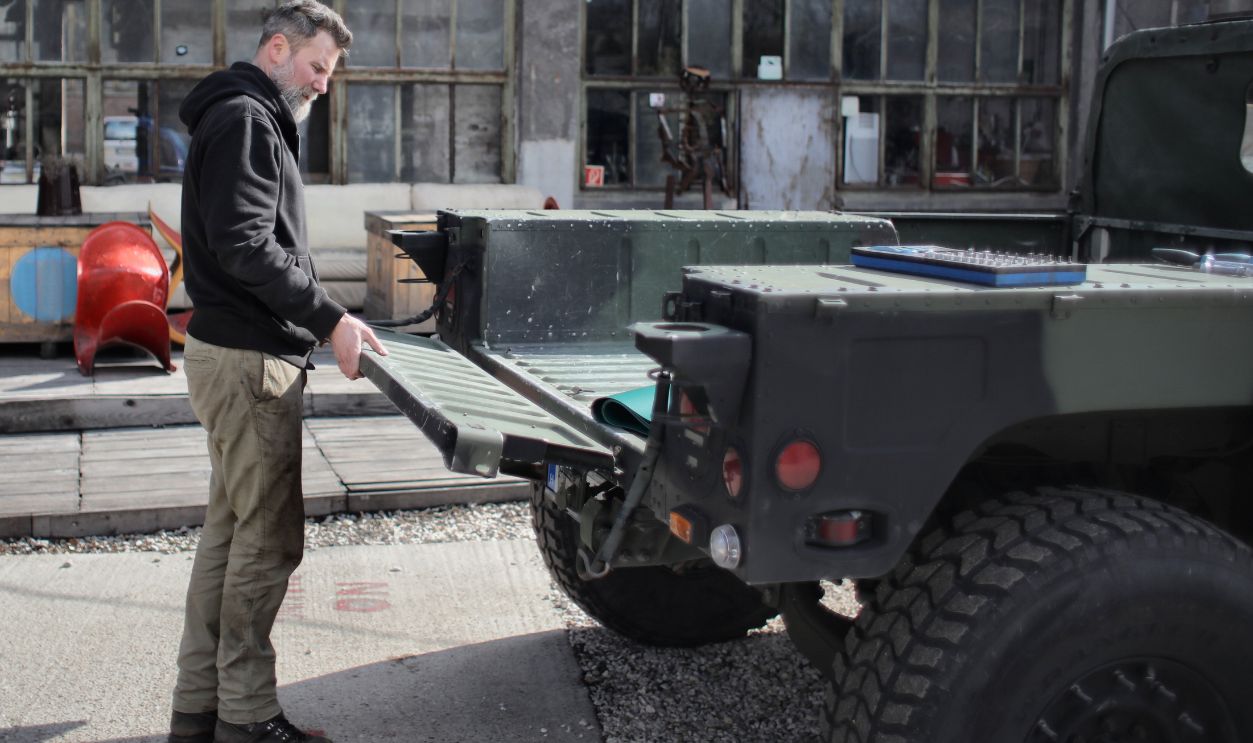
Bigger Front Ends Bring Other Concerns
Pickup height also matters outside the cargo bed. IIHS found that vehicles with hood leading edges above 40 inches were about 45 percent more likely to cause pedestrian fatalities than vehicles with low, sloped fronts in its study. Height may look rugged, but it has consequences beyond appearance.
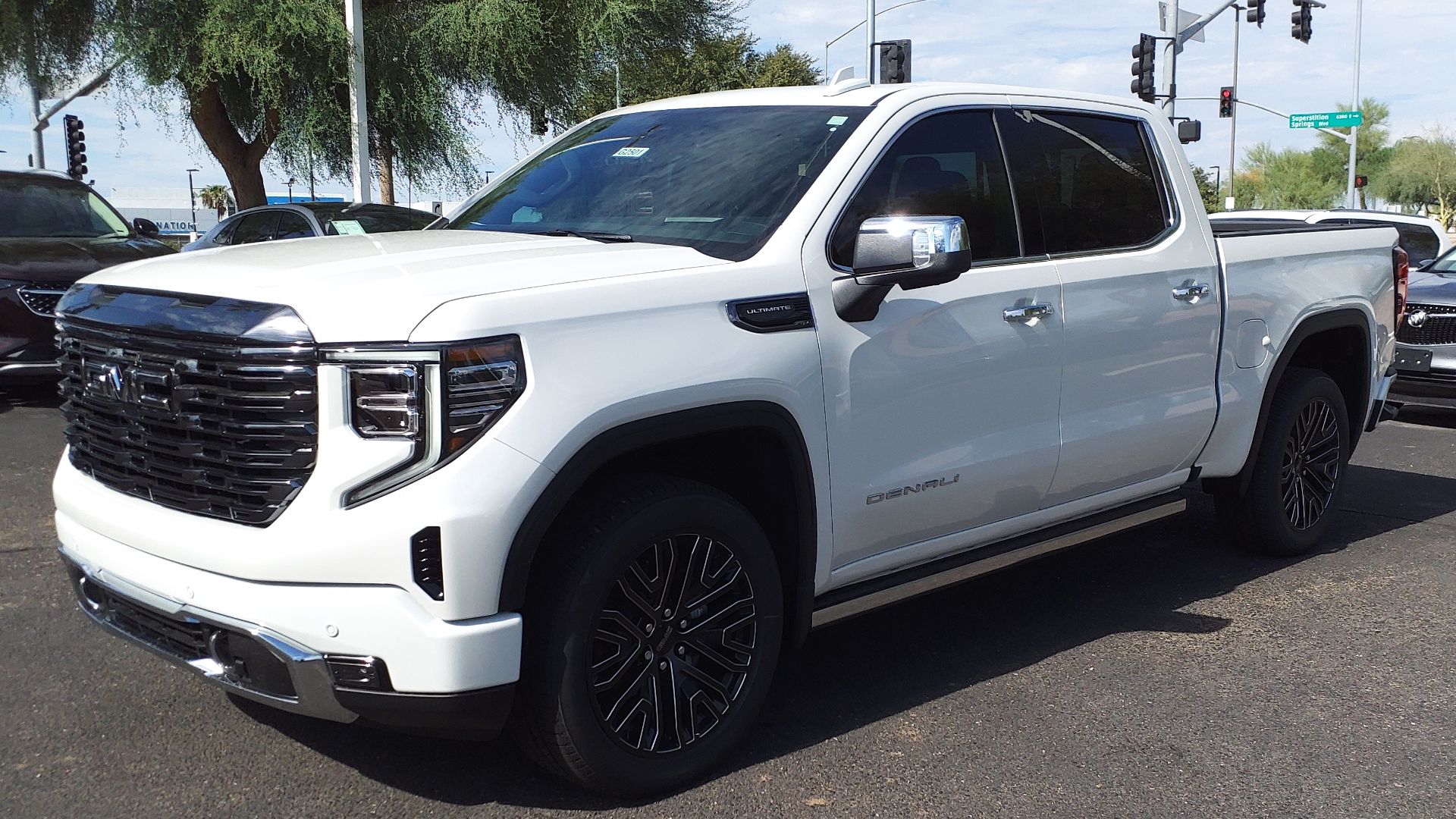
Midsize Does Not Always Mean Low
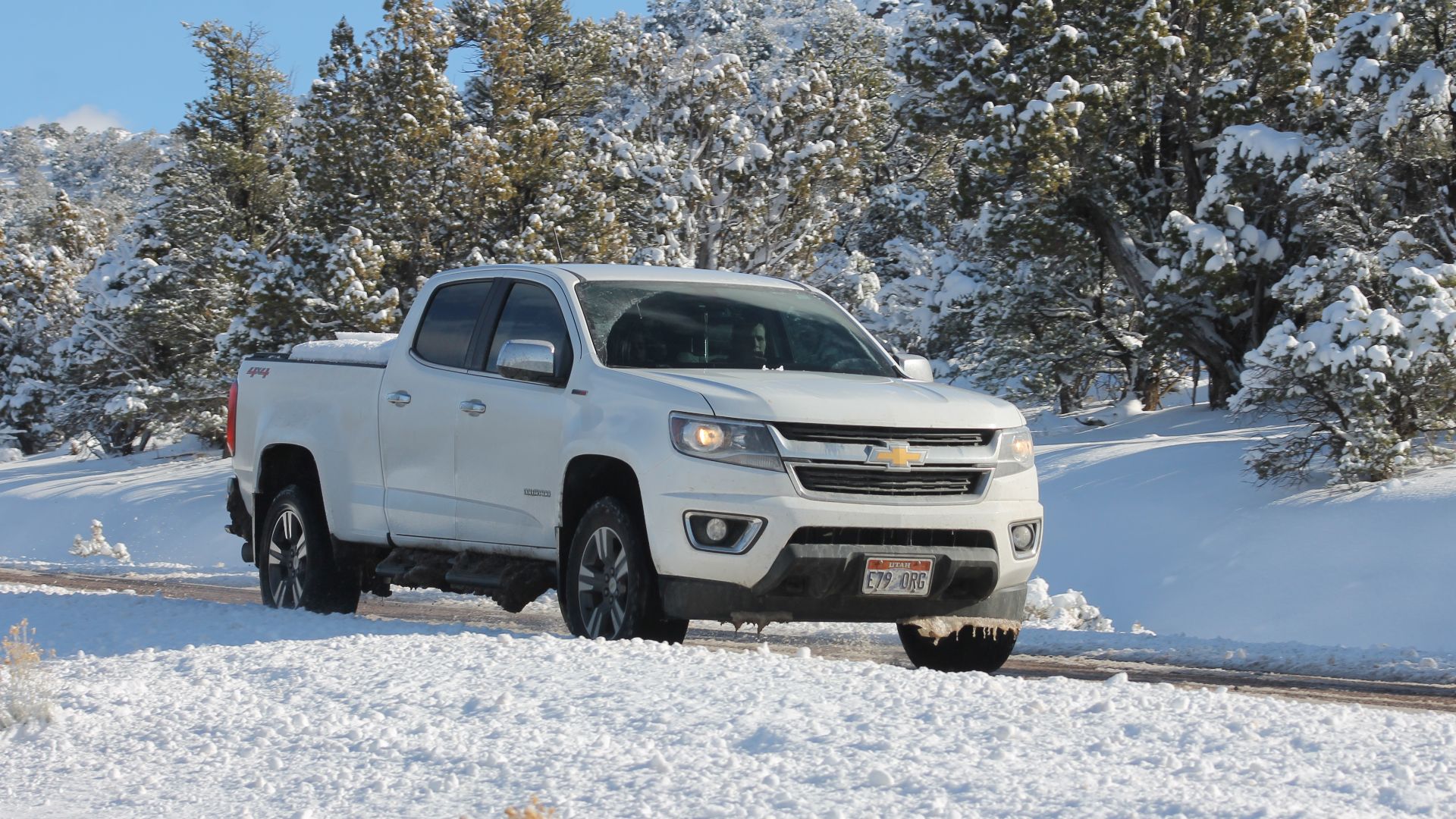
Moving down to a midsize truck will not automatically solve the problem. Today's midsizers increasingly offer serious towing and off-road hardware of their own. Chevrolet's Colorado can tow up to 7,700 pounds, which shows how capable this class has become.
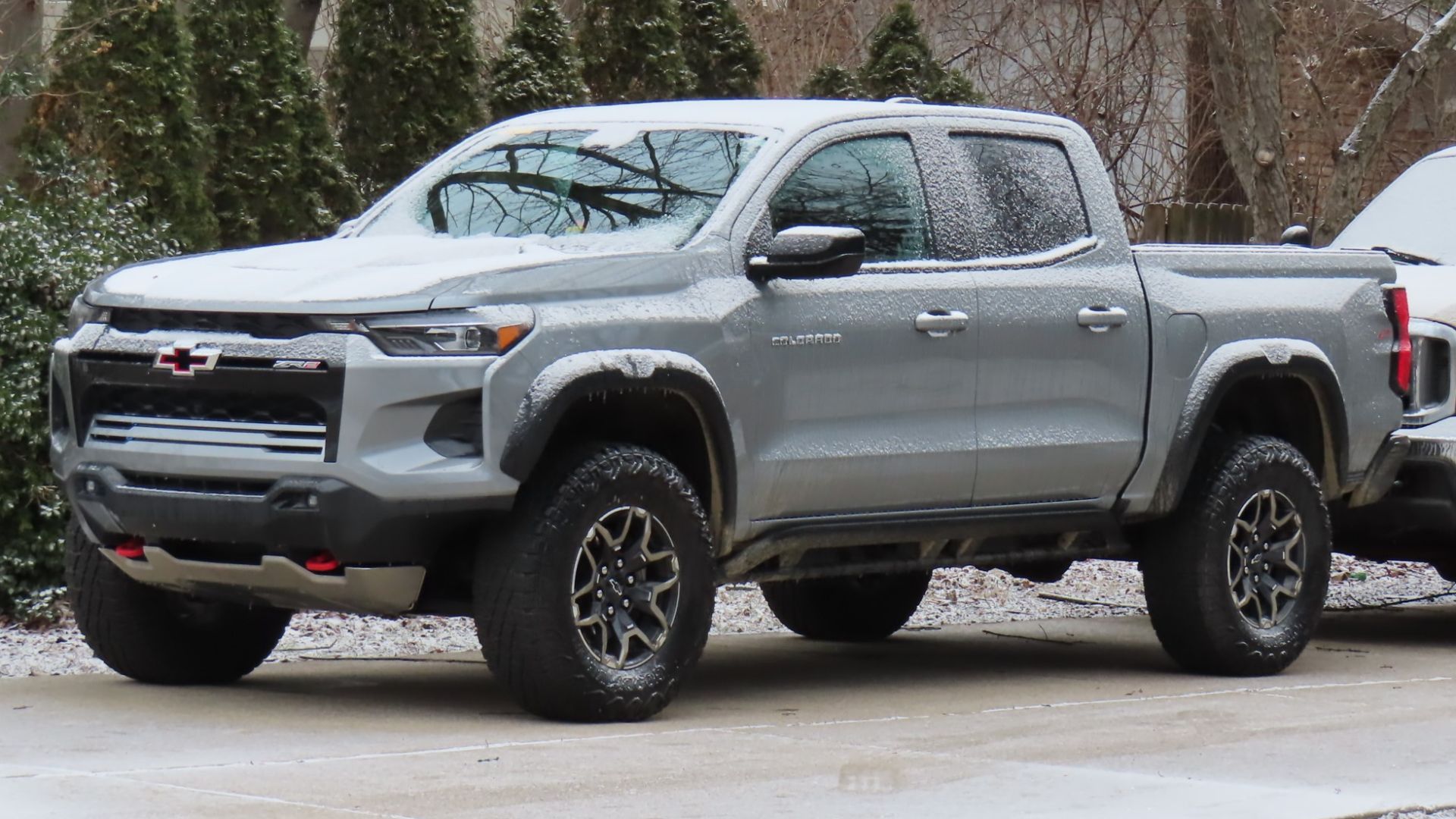
The Colorado Can Get Seriously Tall
Chevrolet offers Colorado versions with extensive factory off-road hardware and as much as a 4.5-inch lift. That is useful for drivers tackling difficult terrain. It can be unnecessary extra height for someone whose toughest weekly job is unloading lumber in the driveway.
Compact Pickups Offer Another Answer
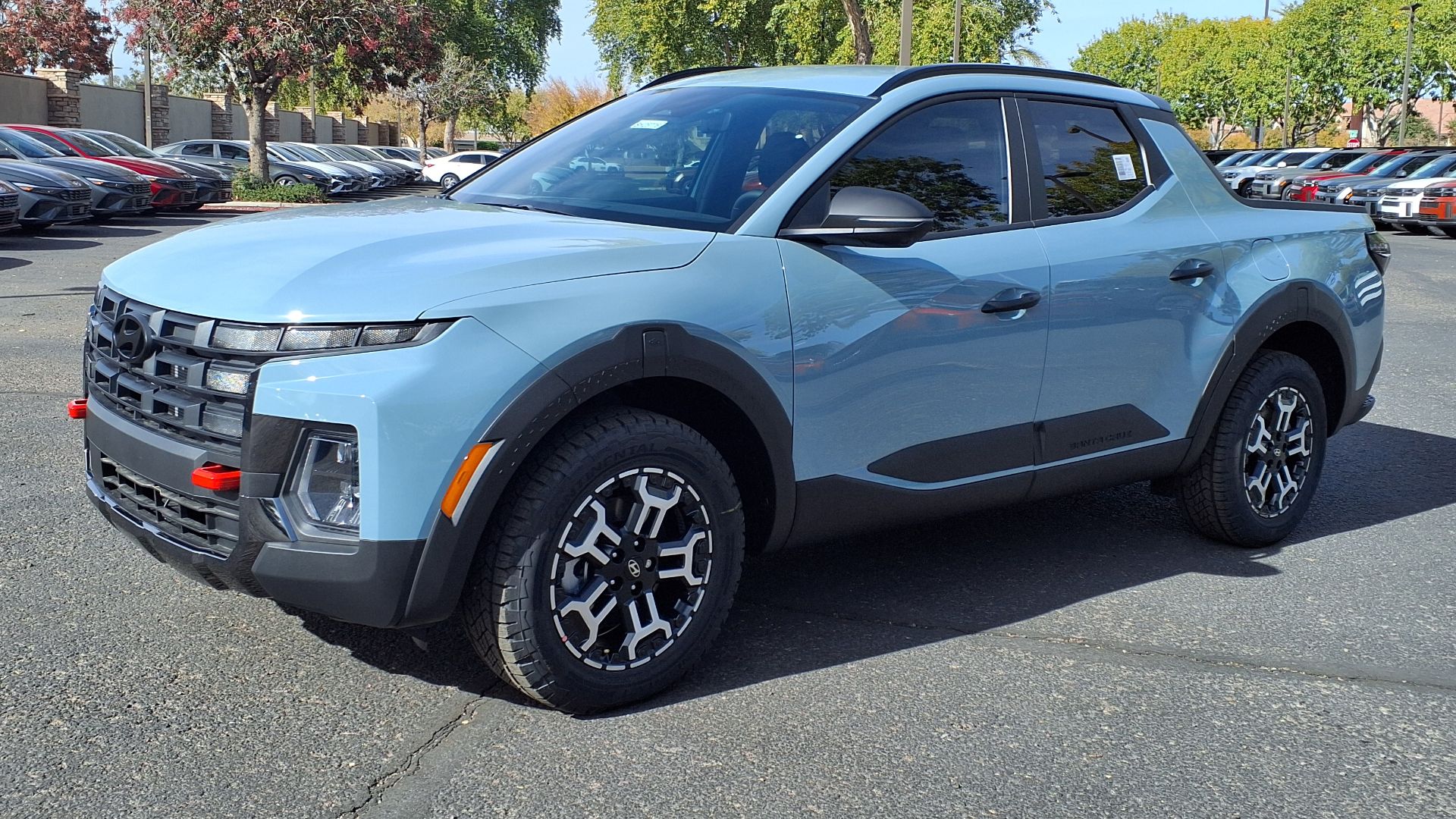
Not every buyer needs maximum towing or extreme ground clearance. Compact pickups trade some capability for easier dimensions, better maneuverability, and generally friendlier cargo access. For household projects and recreational equipment, that balance can make more sense.
The Maverick Keeps Things Lower
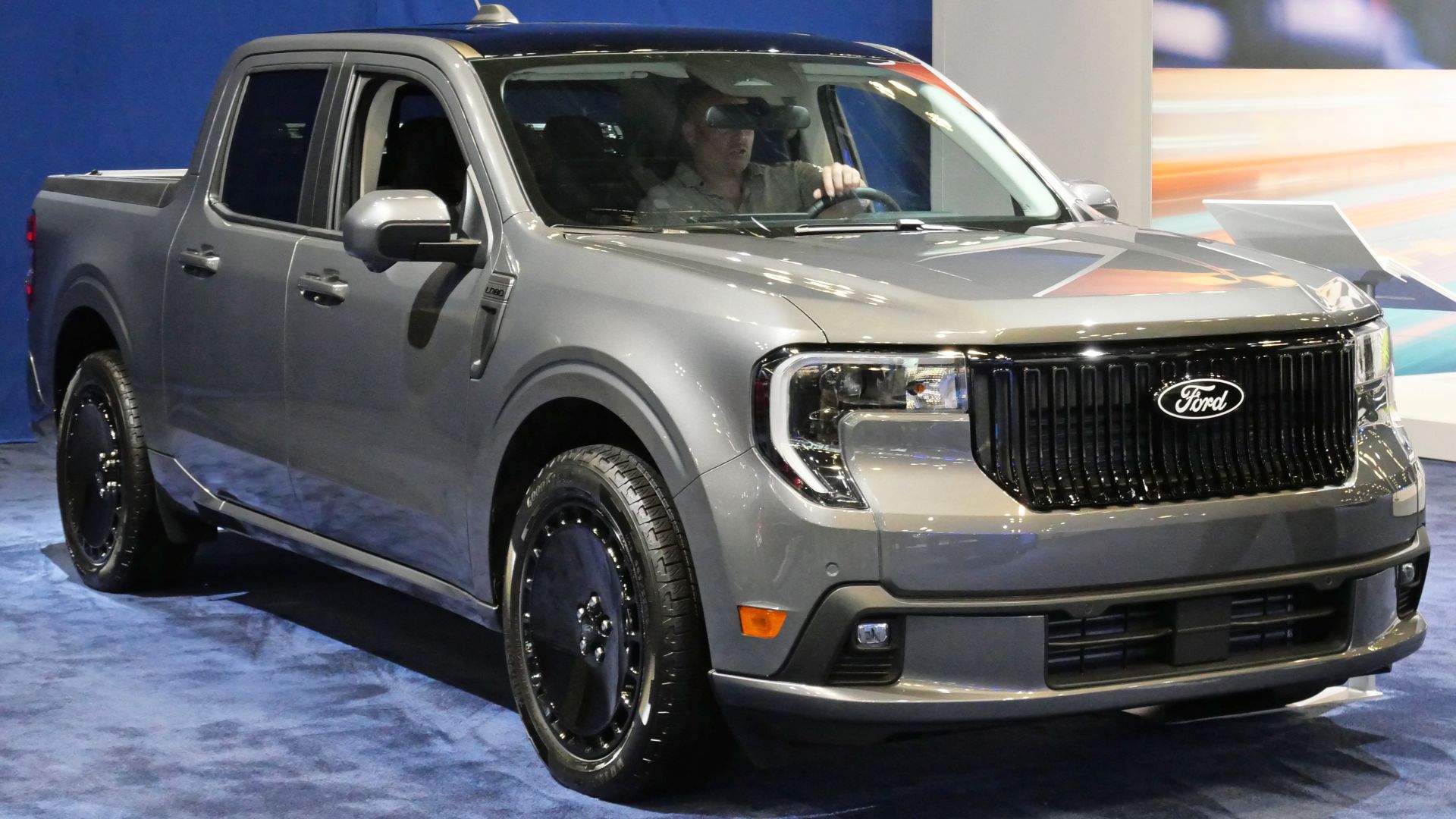
Ford's 2025 Maverick demonstrates how different the proportions can be. Depending on configuration, its lift-in height ranges from about 28.2 to 30.4 inches, noticeably lower than many F-150 versions. Its bed floor measures 54.4 inches long.
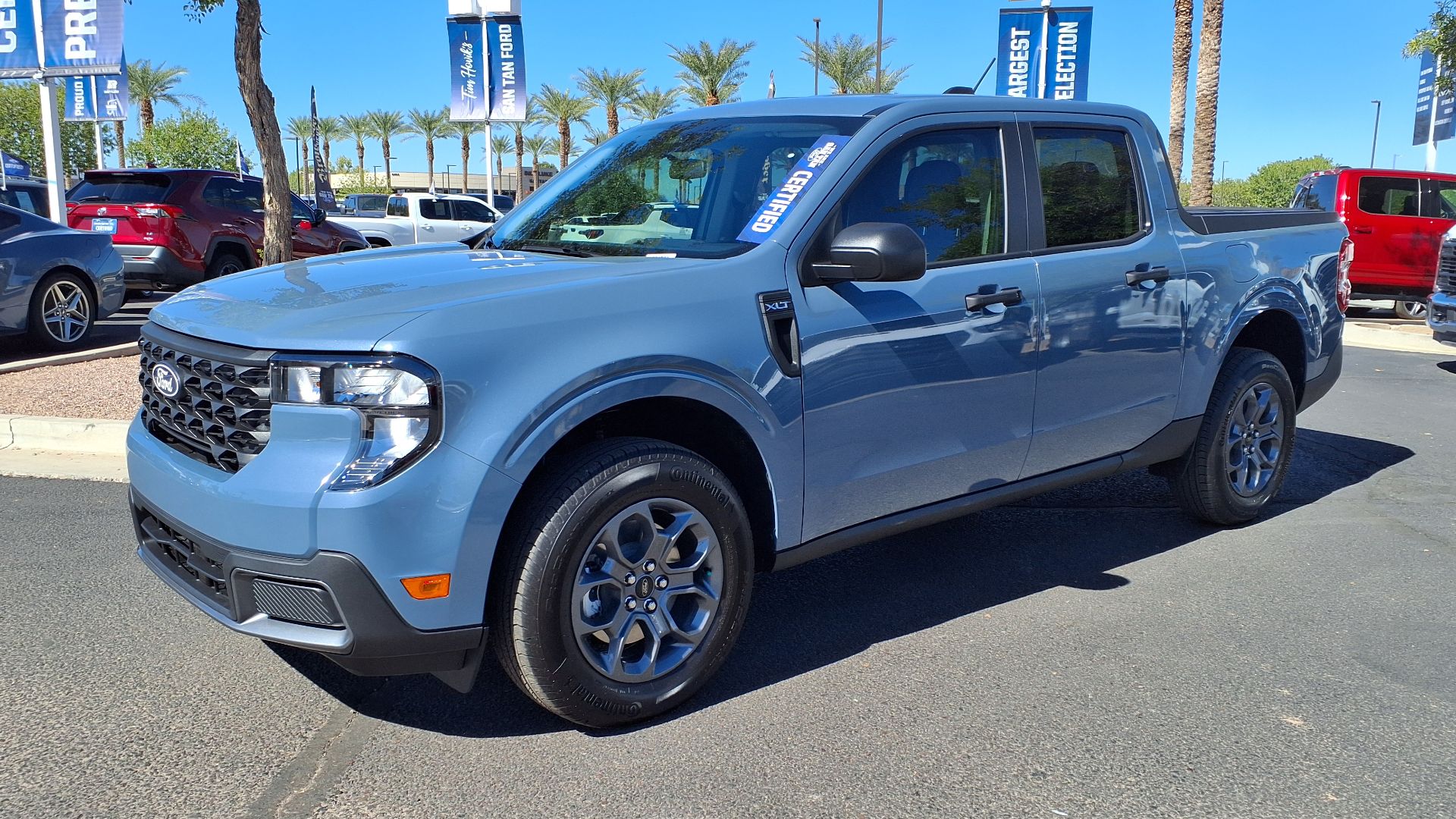
You Give Up Some Towing
The Maverick cannot match a full-size pickup when a large trailer is involved. Properly equipped versions can tow up to 4,000 pounds, compared with 13,500 pounds for the strongest F-150 configuration. For buyers towing modest trailers, however, that may be plenty.
The Ridgeline Takes A Different Approach
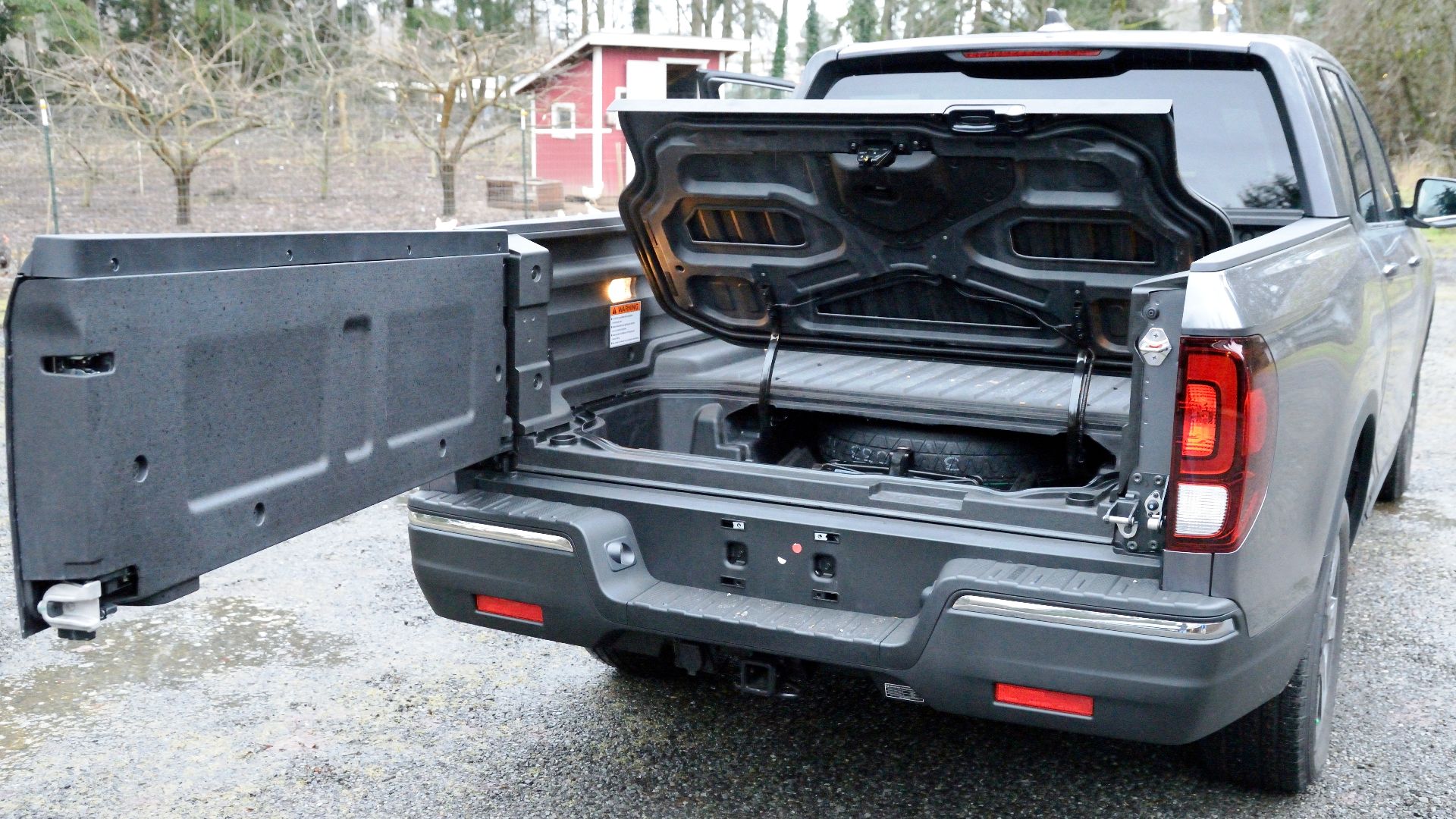
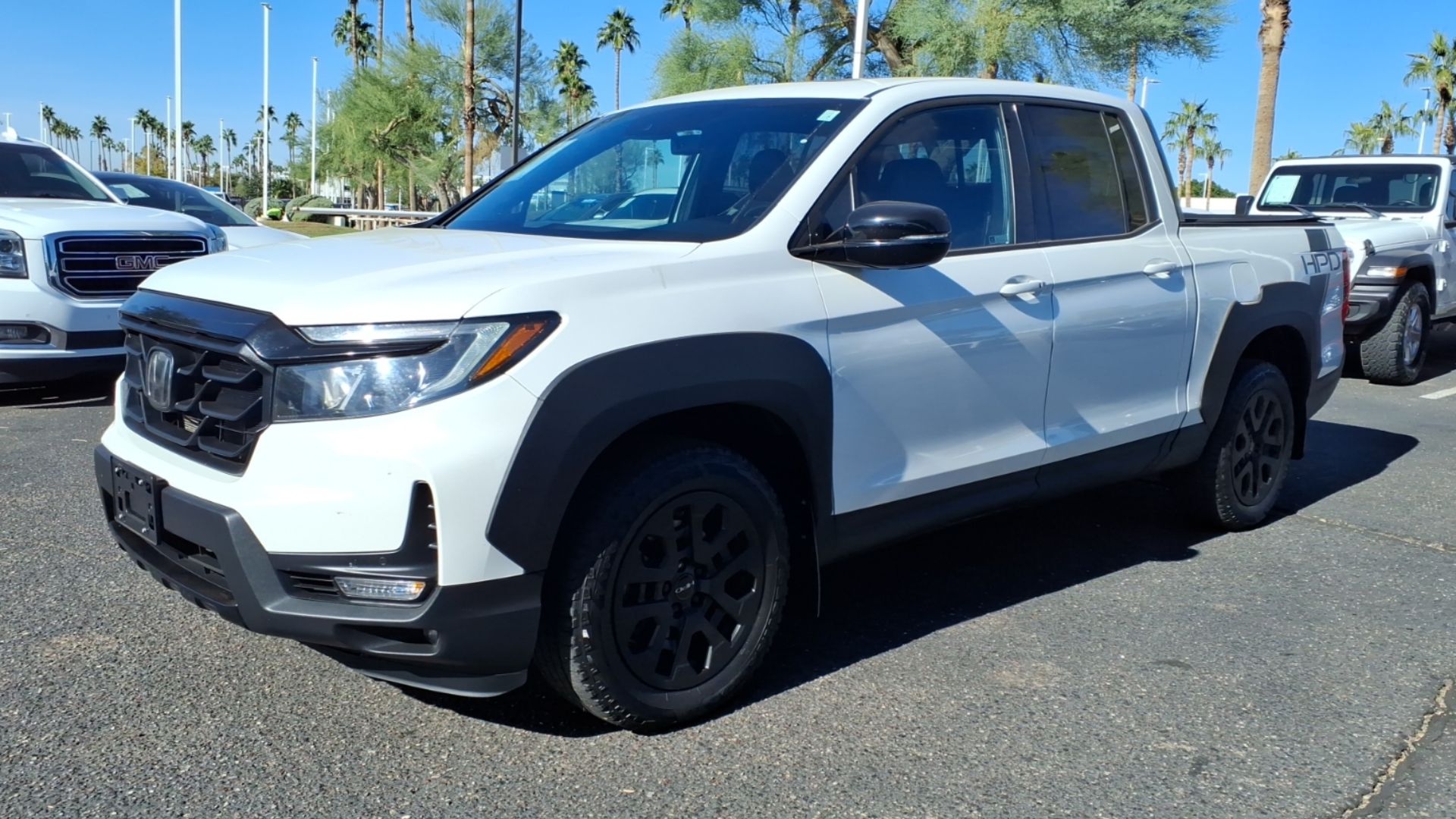
Honda's Ridgeline emphasizes versatile everyday cargo use rather than chasing class-leading towing numbers. It has a 64-inch bed, a dual-action tailgate, an in-bed trunk, and a 5,000-pound towing capacity. Those features can matter more than maximum tow ratings for many owners.
Stop Shopping By Maximum Tow Rating Alone
Truck comparisons often focus on horsepower, towing, payload, and technology. Buyers who regularly use the bed should also care about lift-in height, bedside reach, tailgate design, and bed length. Those numbers can have a much bigger impact on daily life.

Try Loading The Truck Before Buying It
At the dealership, lower the tailgate and imagine lifting your usual cargo onto it. Reach toward the front of the bed and see whether you can comfortably retrieve something from the floor. A five-minute usability test may tell you more than another hour studying towing charts.
 Bengkel Mobil Matic Bandung, Unsplash
Buy For What You Actually Do
A tall full-size truck makes sense if you regularly tow heavy trailers, haul large payloads, or tackle rough terrain. If you mainly carry furniture, bikes, gardening supplies, or home-improvement materials, easier bed access might matter far more. Buying capability you rarely use means accepting its compromises every day.

So, Are Trucks Becoming Less Useful?
Some modern trucks genuinely are less convenient for simple bed-loading duties, especially in taller configurations. At the same time, they tow more, carry passengers better, and offer cargo features older pickups never had. Trucks have not stopped being useful, but buyers increasingly need to decide which kind of usefulness they actually need.
You May Also Like:
Modern Cars And Trucks That Are Easiest To Work On
Classic Pickup Trucks That Were Made For Work, Not Showing Off—Did Your Dad Ever Drive One?