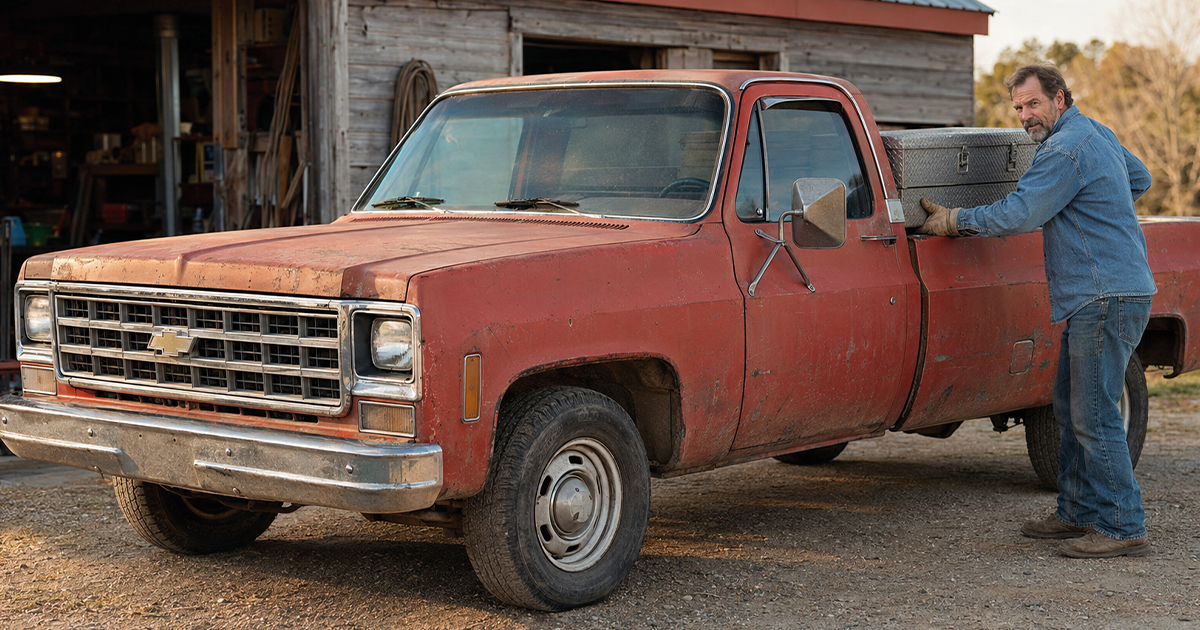
Back When a Pickup Was a Tool, Not a Personality
Before pickups came with massaging seats, panoramic roofs, and enough chrome to signal aircraft, they were expected to earn their keep. These classic workhorses hauled lumber, tools, livestock feed, and entire livelihoods without worrying whether they looked impressive in a parking lot.
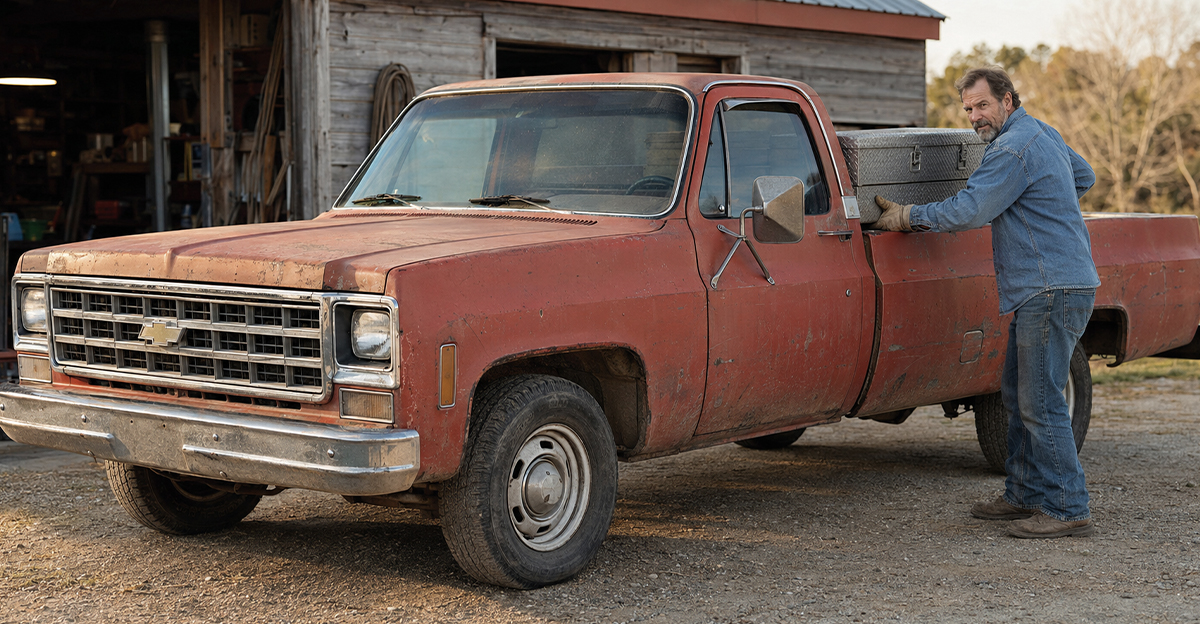
25. 1949–1953 Studebaker 2R-5
The Studebaker 2R-5 paired an economical six-cylinder engine with a practical double-wall cargo box. Farmers, merchants, and delivery drivers appreciated its reliability and low operating costs. Even its concealed running boards served a purpose, providing easier cab access without sticking out from the body.
 MercurySable99, Wikimedia Commons
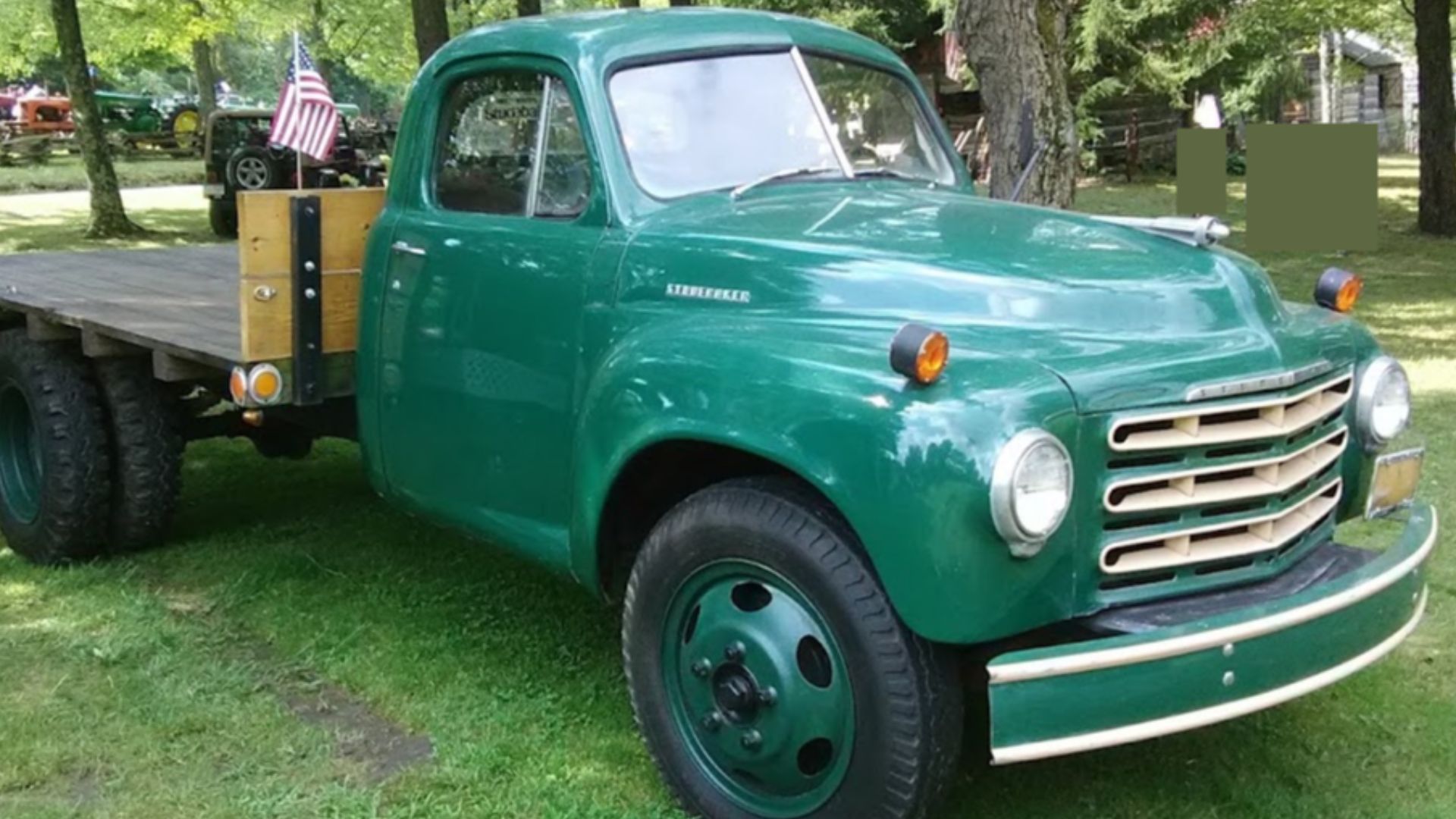
24. 1947–1949 International Harvester KB-1
International Harvester already understood hardworking rural customers, and the half-ton KB-1 reflected that experience. Its dependable Green Diamond six-cylinder engine and sturdy construction suited farms and small businesses. A few dents and patches of mud only made one look more appropriately dressed.
 Greg Gjerdingen from Willmar, USA, Wikimedia Commons
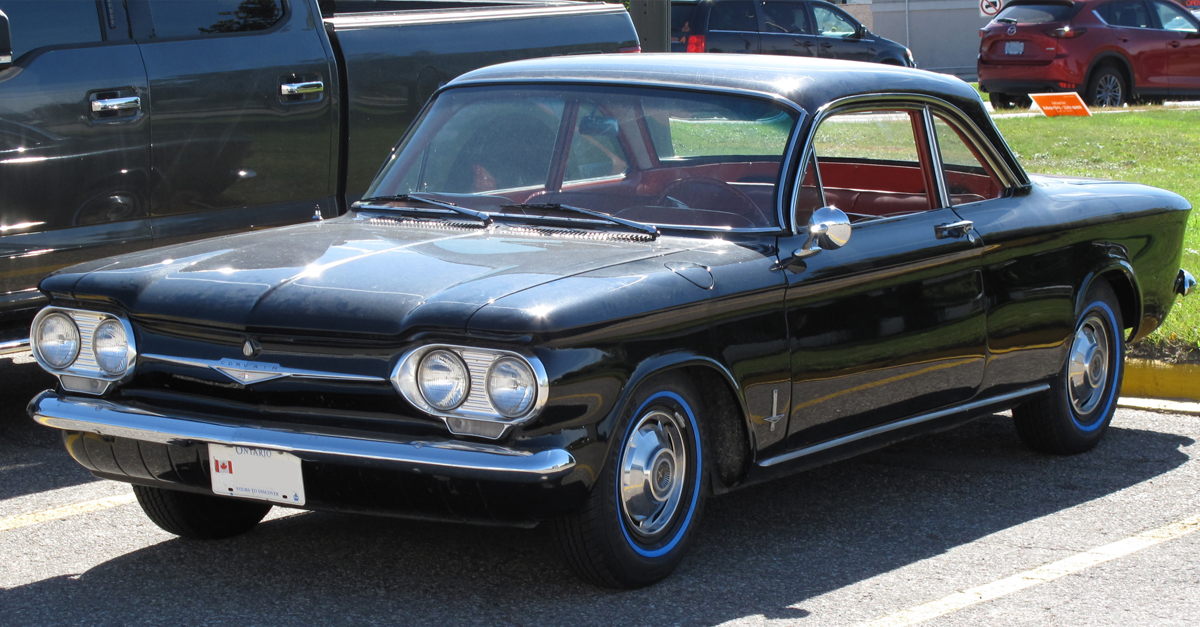
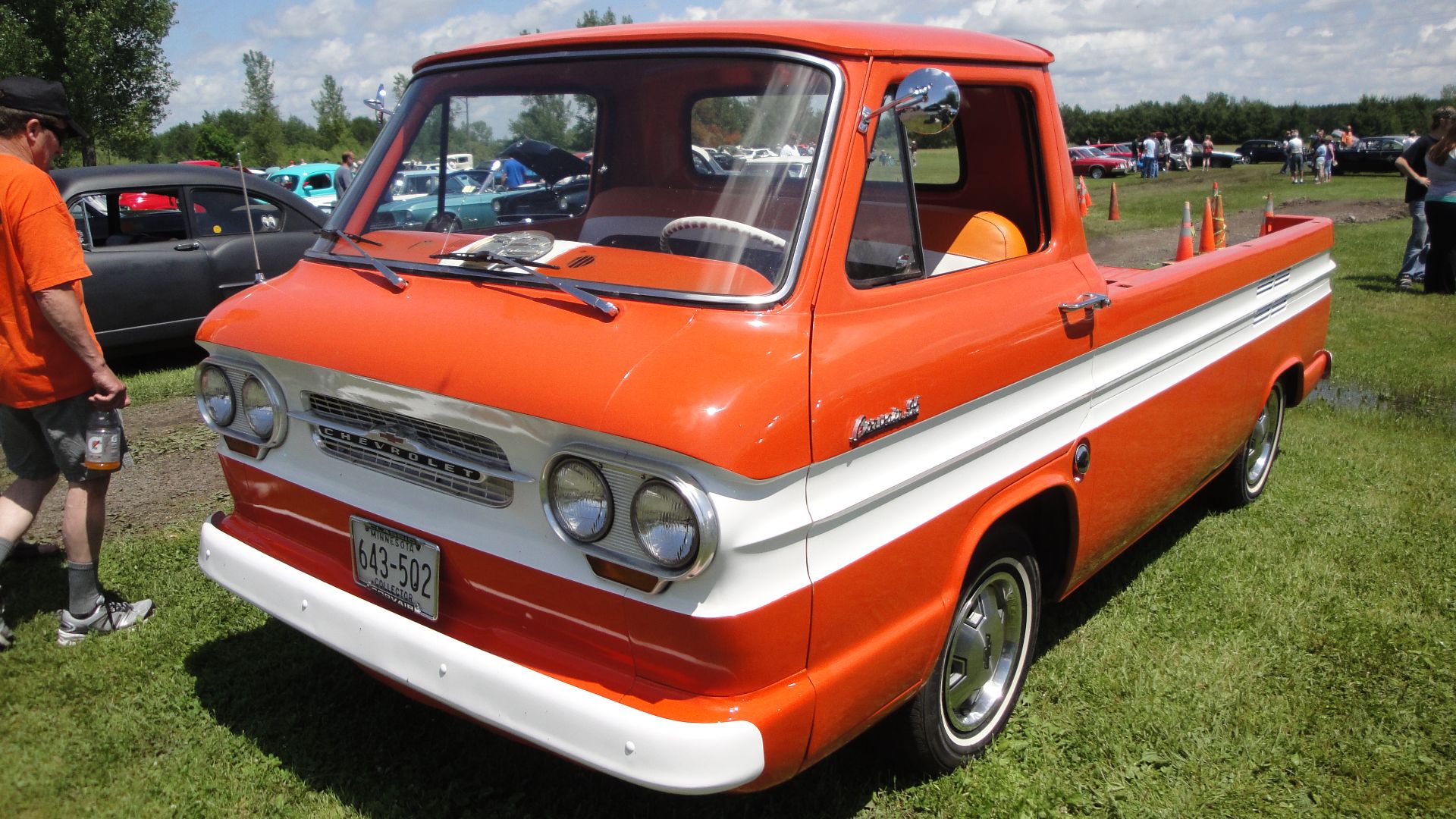
23. 1961–1964 Chevrolet Corvair 95 Rampside
The Rampside’s unusual curbside ramp allowed workers to roll appliances, barrels, and equipment directly into its cargo area. Its rear-mounted, air-cooled engine helped create a compact cab-over layout. It looked strange, but delivery drivers probably cared more about saving their backs than winning beauty contests.
 Greg Gjerdingen from Willmar, USA, Wikimedia Commons
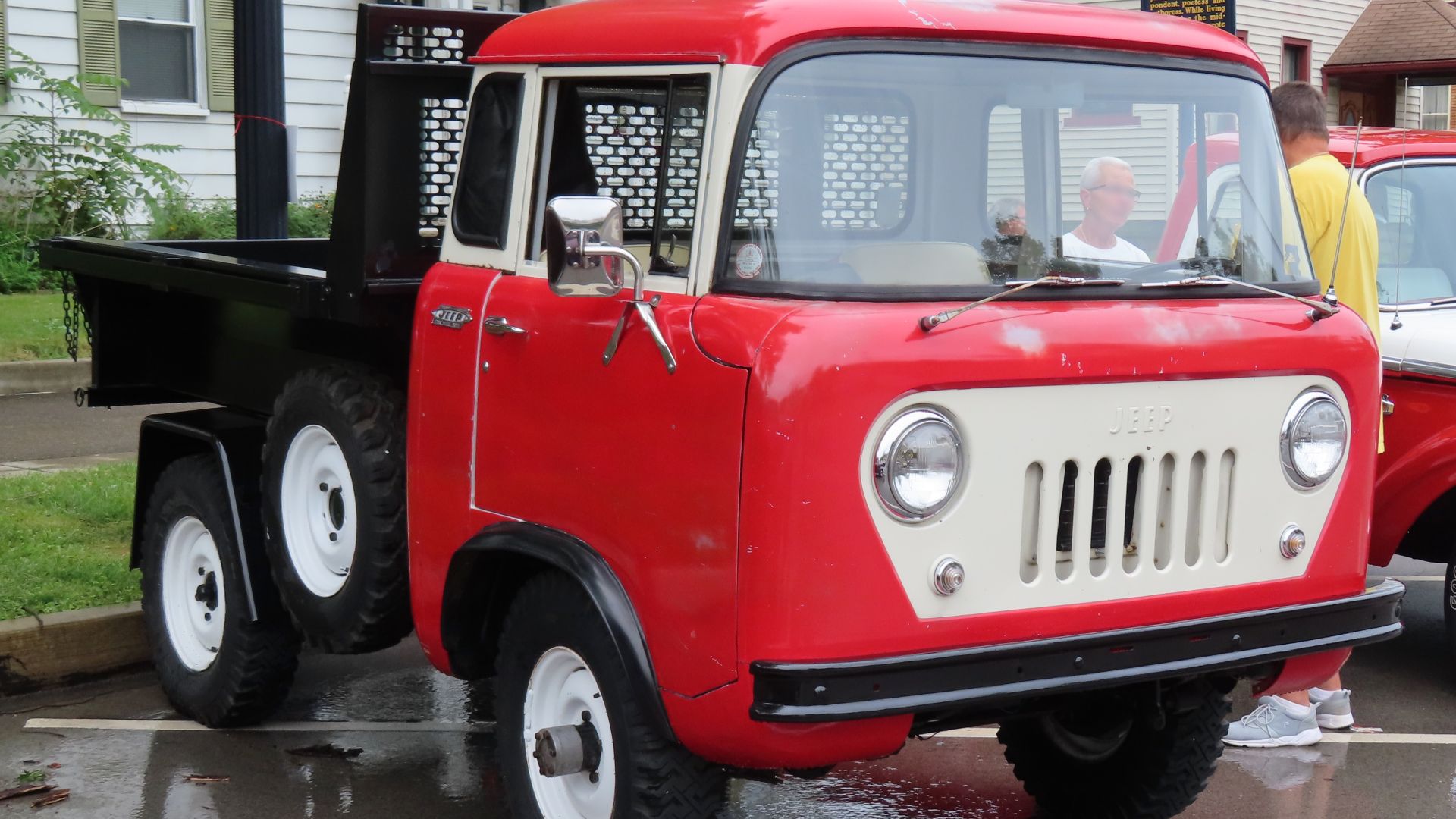
22. 1957–1965 Jeep FC-150
Jeep placed the FC-150’s cab over its engine, creating useful cargo space on an exceptionally short wheelbase. Its tight turning circle helped around farms, factories, and construction sites. The unusual design resembled a garden shed on wheels, but it could reach places longer pickups could not.
 MercurySable99, Wikimedia Commons
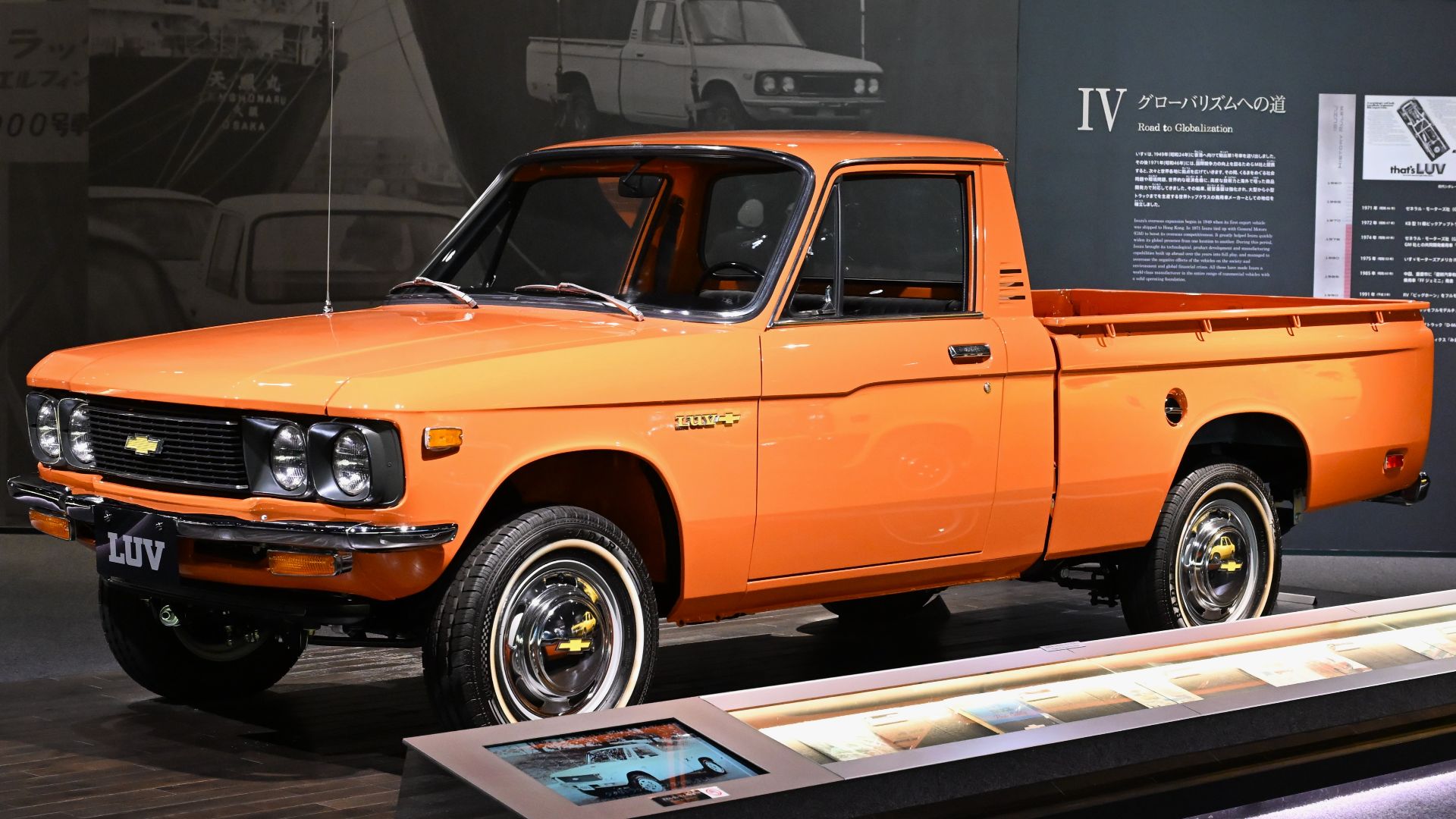
21. 1972–1982 Chevrolet LUV
Built by Isuzu, the Chevrolet LUV offered an economical alternative to America’s increasingly large pickups. Its name meant “Light Utility Vehicle,” which accurately described its purpose. Affordable four-cylinder operation appealed to small businesses, while four-wheel drive became available for the 1979 model year.
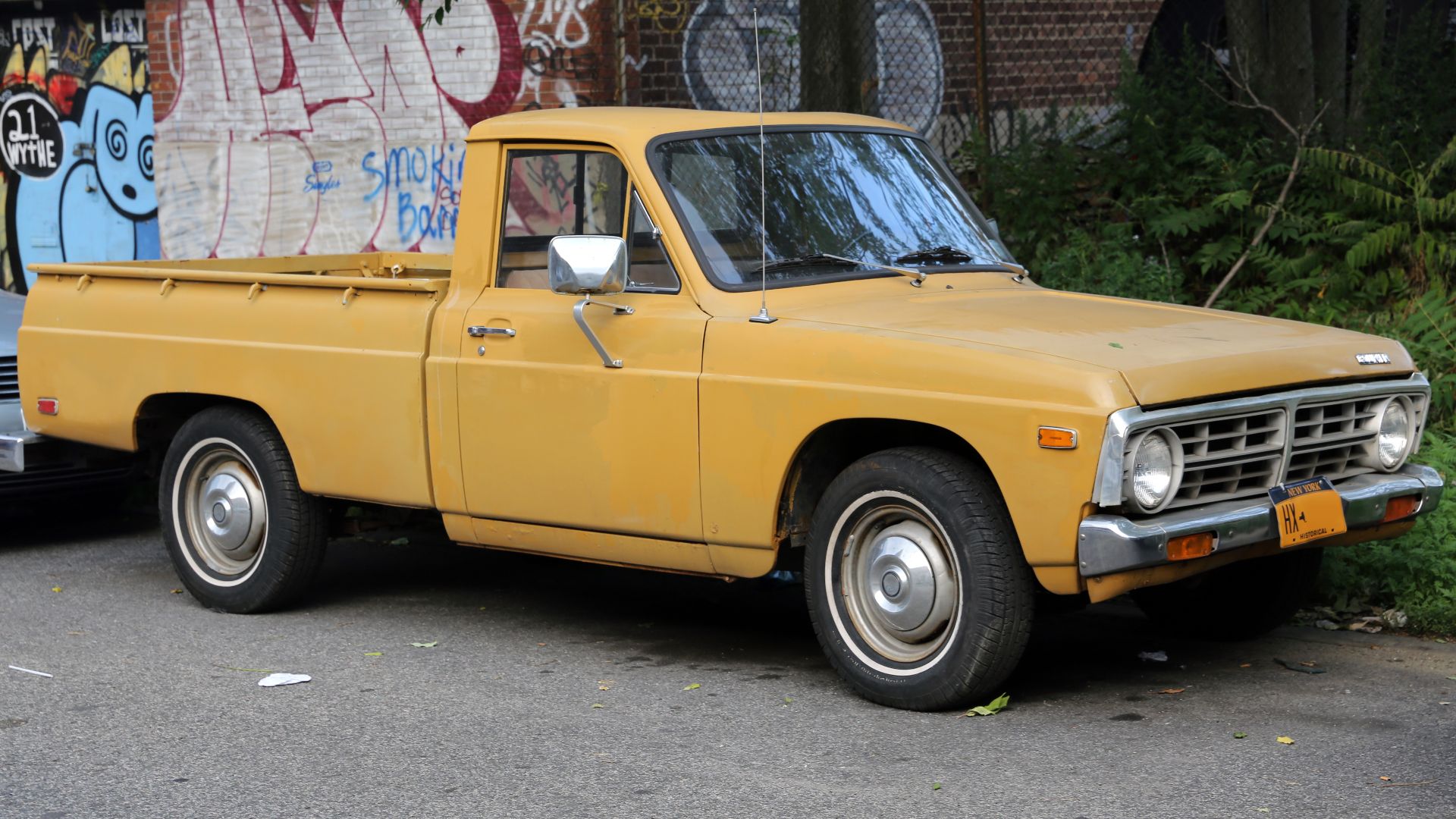
20. 1972–1982 Ford Courier
Before developing the Ranger, Ford sold this Mazda-built compact truck to buyers who needed utility without F-Series bulk. Couriers became familiar sights outside repair shops and hardware stores. They weren’t powerful or luxurious, but they carried tools and supplies without emptying the gas tank quite so quickly.
 Mr.choppers, Wikimedia Commons
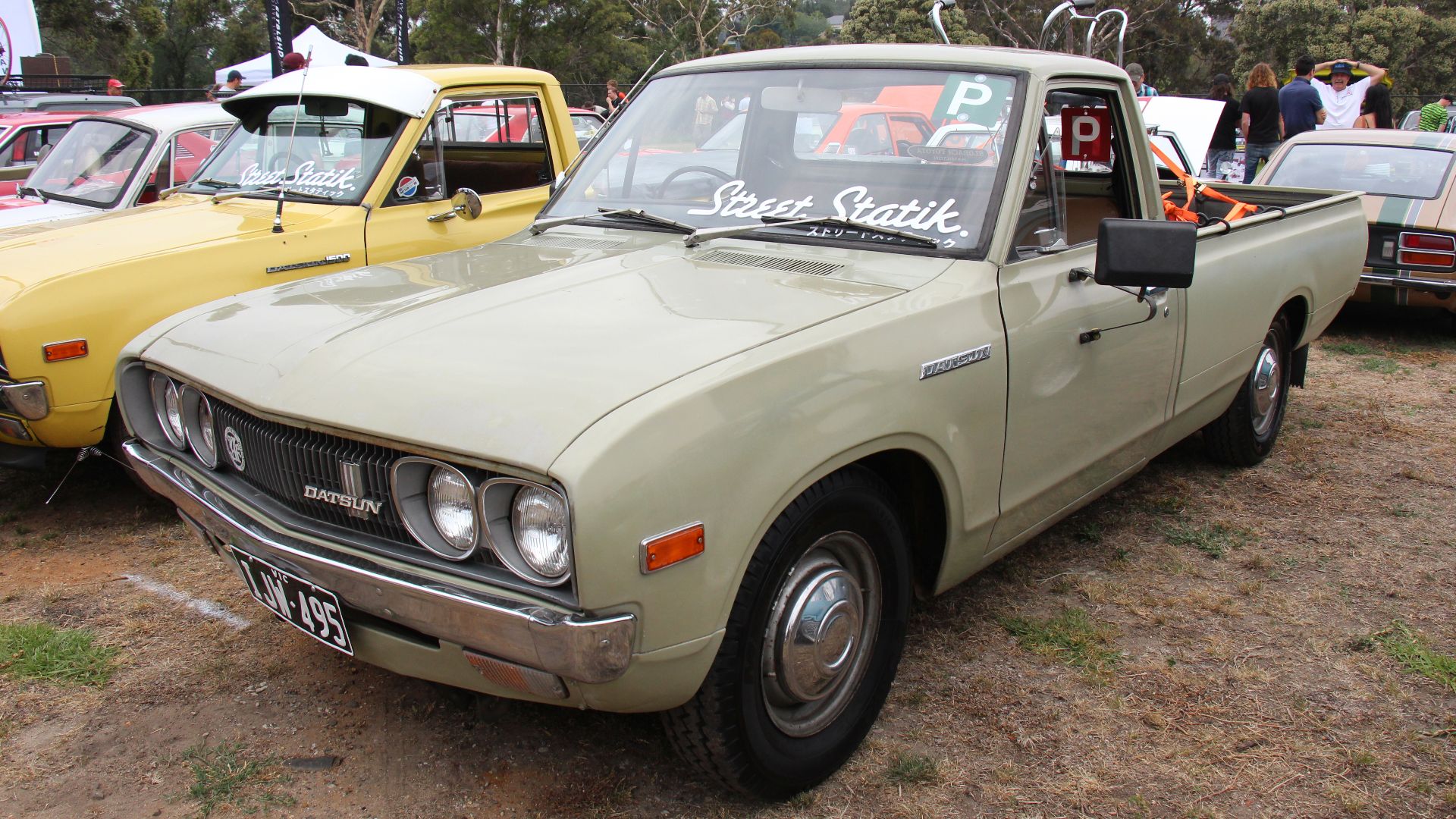
19. 1972–1979 Datsun 620
The Datsun 620 helped convince Americans that a small Japanese pickup could handle serious daily work. Long-bed and King Cab versions eventually expanded its usefulness. Landscapers, mechanics, and parts runners appreciated a truck that was inexpensive, easy to maneuver, and surprisingly difficult to wear out.
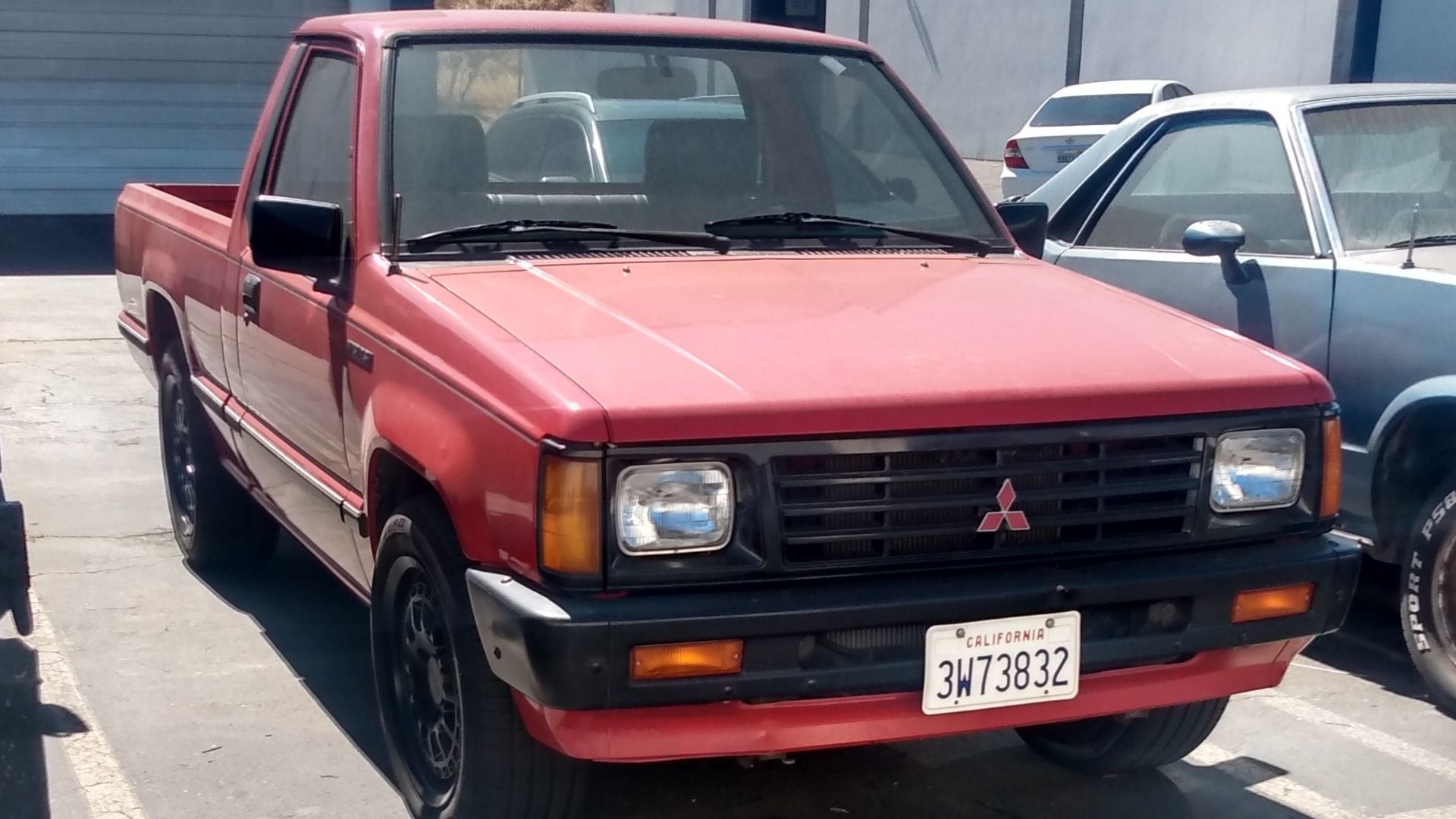
18. 1983–1996 Mitsubishi Mighty Max
The Mighty Max never developed the same following as Toyota’s pickup, but thousands quietly reported for work every morning. Body-on-frame construction and available four-wheel drive made it genuinely useful. Most disappeared through rust and hard labor, which explains why surviving examples are rarely seen today.
 DestinationFearFan, Wikimedia Commons
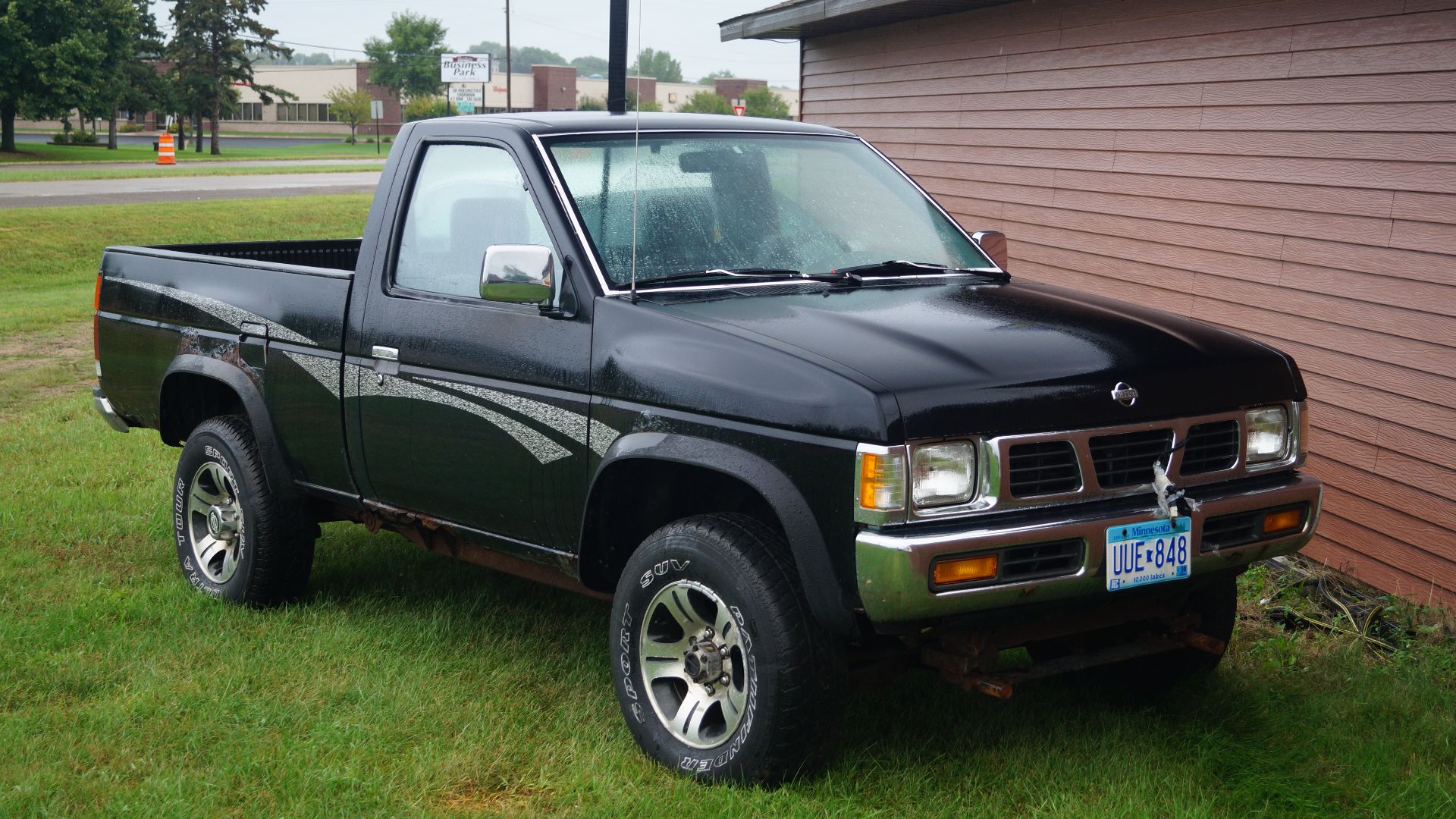
17. 1986½–1997 Nissan Hardbody
Nissan’s D21 became known as the Hardbody, a reference to its rugged double-wall bed and sharply creased body panels. Four-cylinder and V6 engines, two- or four-wheel drive, and regular- or King Cab configurations made it adaptable for contractors, farmers, and small-business owners.
 Greg Gjerdingen from Willmar, USA, Wikimedia Commons
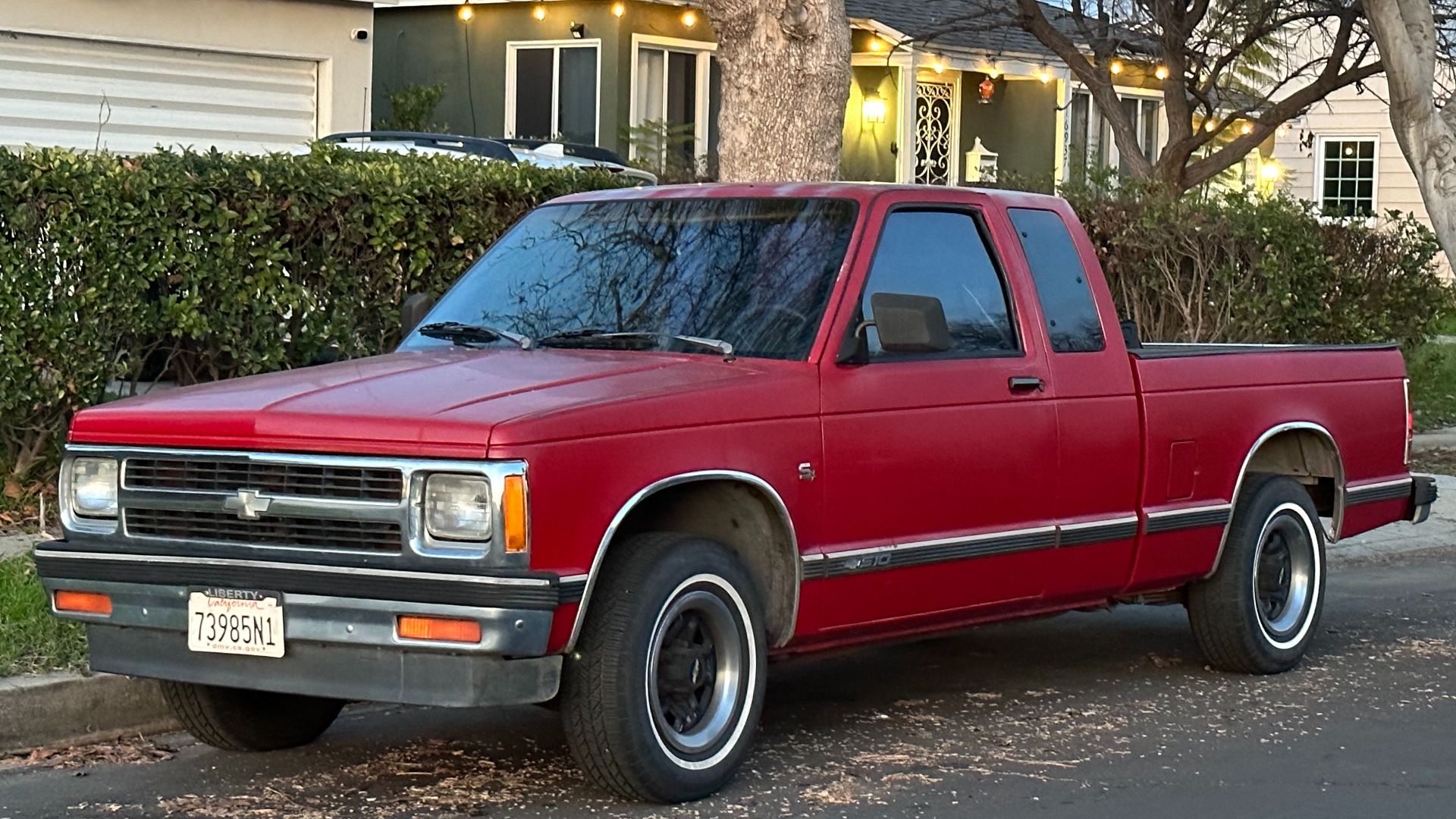
16. 1982–1993 Chevrolet S-10
The first-generation S-10 gave Americans a domestically built compact pickup. Four-cylinder versions handled economical delivery work, while V6 engines and four-wheel drive increased its capabilities. Before customizers started lowering them, S-10s were busy hauling ladders, lawn equipment, and suspiciously ambitious loads of firewood.
15. 1983–1992 Ford Ranger
Ford designed the original Ranger as a useful compact truck instead of a fashion accessory. The stripped-down Ranger S particularly appealed to fleets and contractors. Multiple bed lengths, available four-wheel drive, and four- or six-cylinder engines prepared it for jobs ranging from meter reading to fence repair.
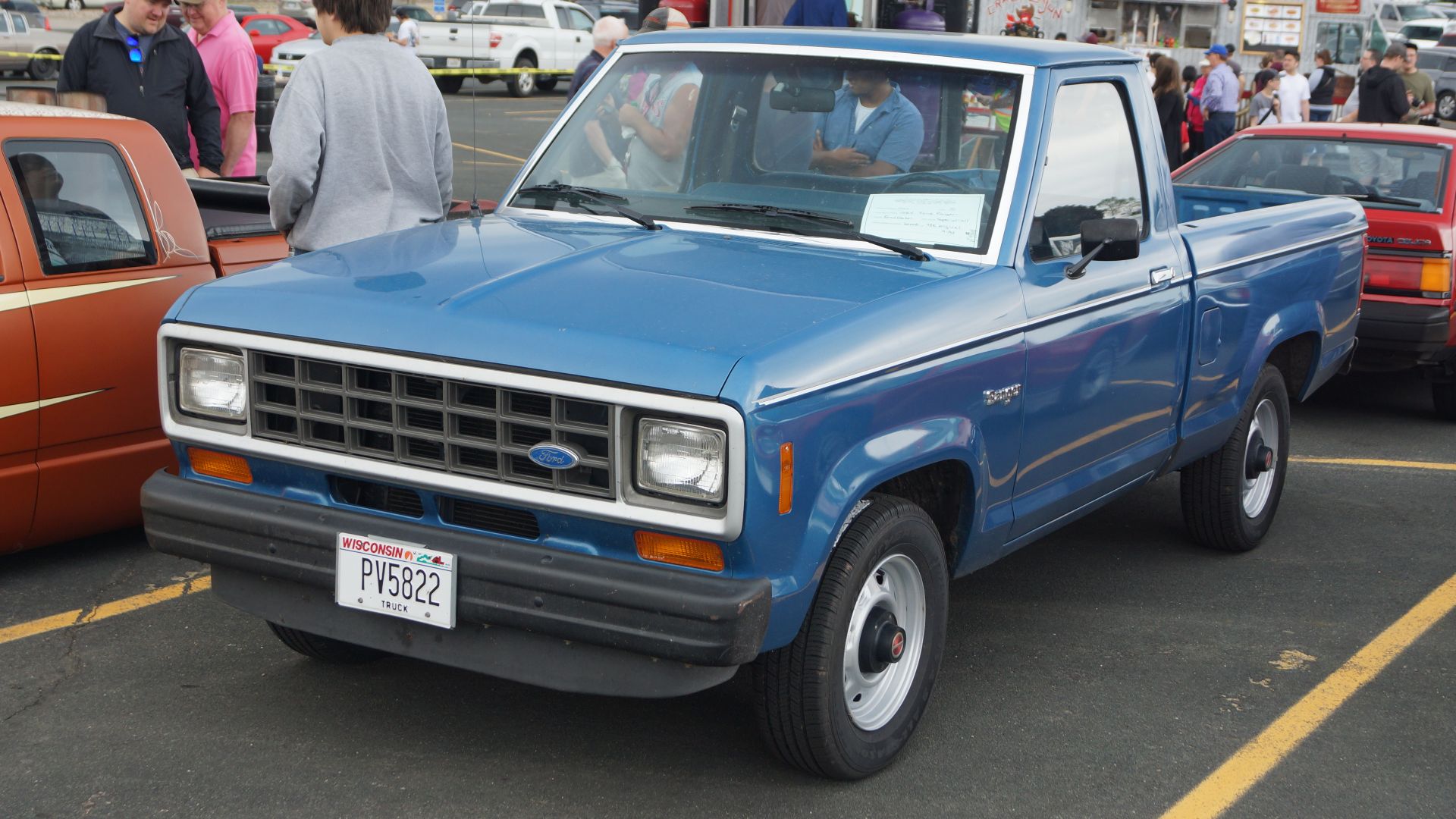 Greg Gjerdingen, Wikimedia Commons
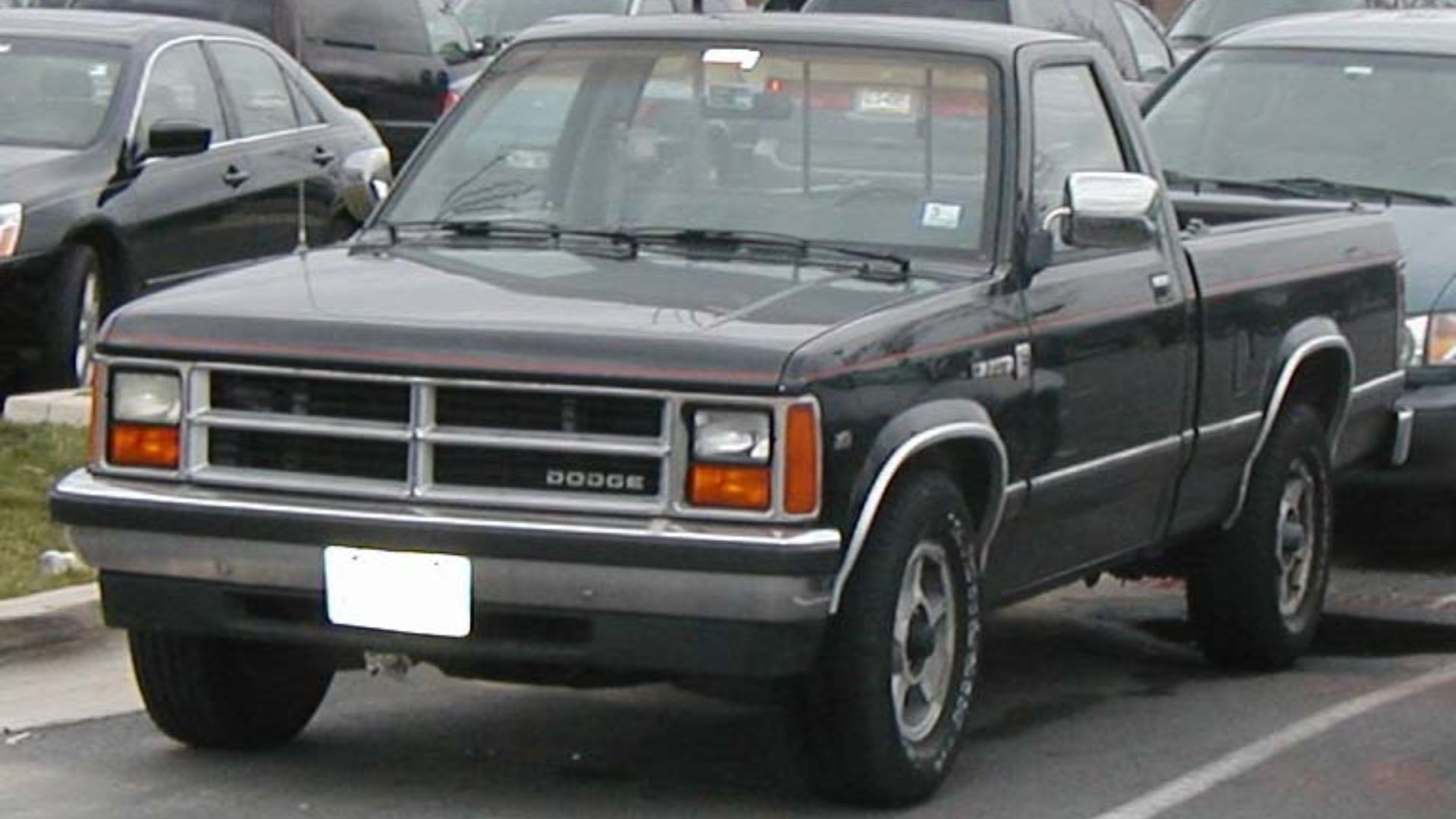
14. 1987–1996 Dodge Dakota
The original Dakota filled the gap between compact and full-size pickups. It offered more cargo room and towing ability than smaller trucks while remaining relatively easy to maneuver. Long beds, four-wheel drive, and eventually V8 power made it a legitimate worker rather than an oversized commuter.
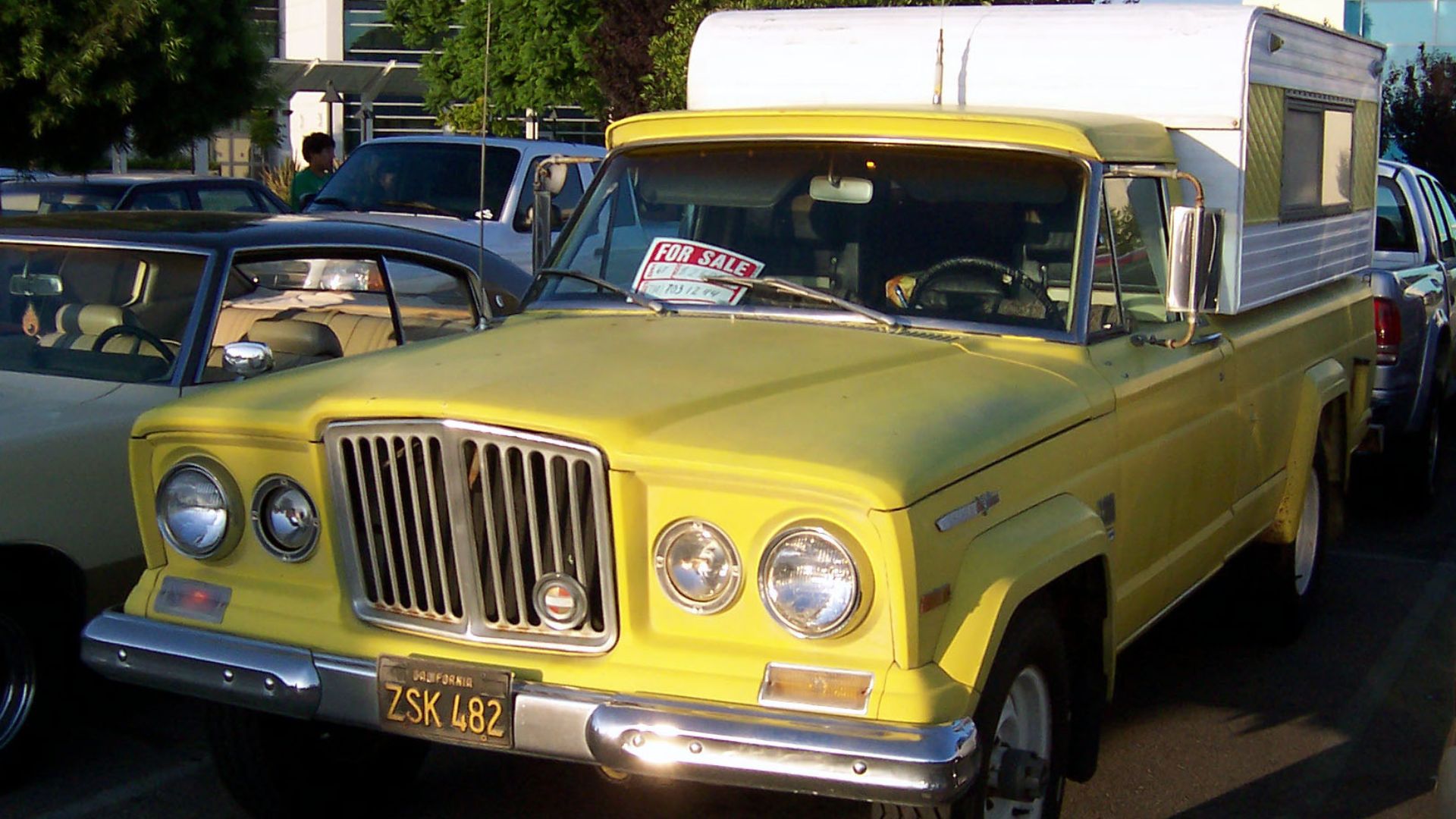
13. 1963–1987 Jeep Gladiator and J-Series
Jeep offered the Gladiator and later J-Series with several wheelbases, beds, drivetrains, and specialized accessories. Available equipment included winches, snowplows, power takeoffs, and even wrecker bodies. They served farms, utility companies, municipalities, and rural workers long before four-wheel drive became a suburban status symbol.
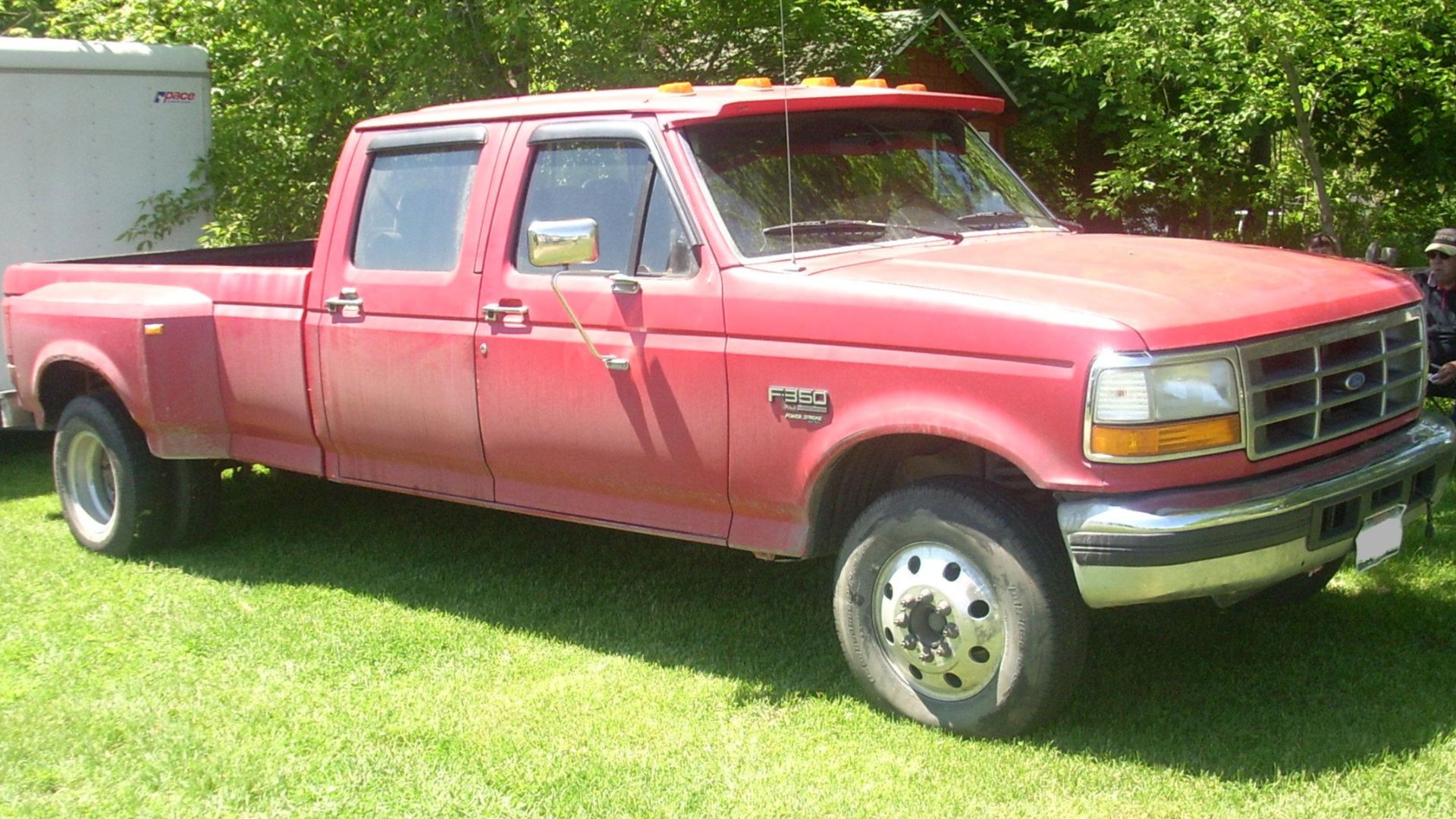
12. 1994½–1997 Ford F-350 Power Stroke
Ford’s turbocharged 7.3-liter Power Stroke diesel turned the F-350 into a heavy-duty favorite. Its low-speed torque suited trailers, equipment, and loaded service bodies. These trucks weren’t quiet or graceful, but many accumulated enormous mileage—and some are still working instead of enjoying retirement.
11. 1989–1993 Dodge W250 Cummins
Dodge changed the heavy-duty market by installing an industrial-minded 5.9-liter Cummins turbodiesel in the Ram. Its styling was old and its interior plain, but the engine delivered tremendous low-speed torque. Owners quickly discovered it could tow loads that made contemporary gasoline trucks nervous.
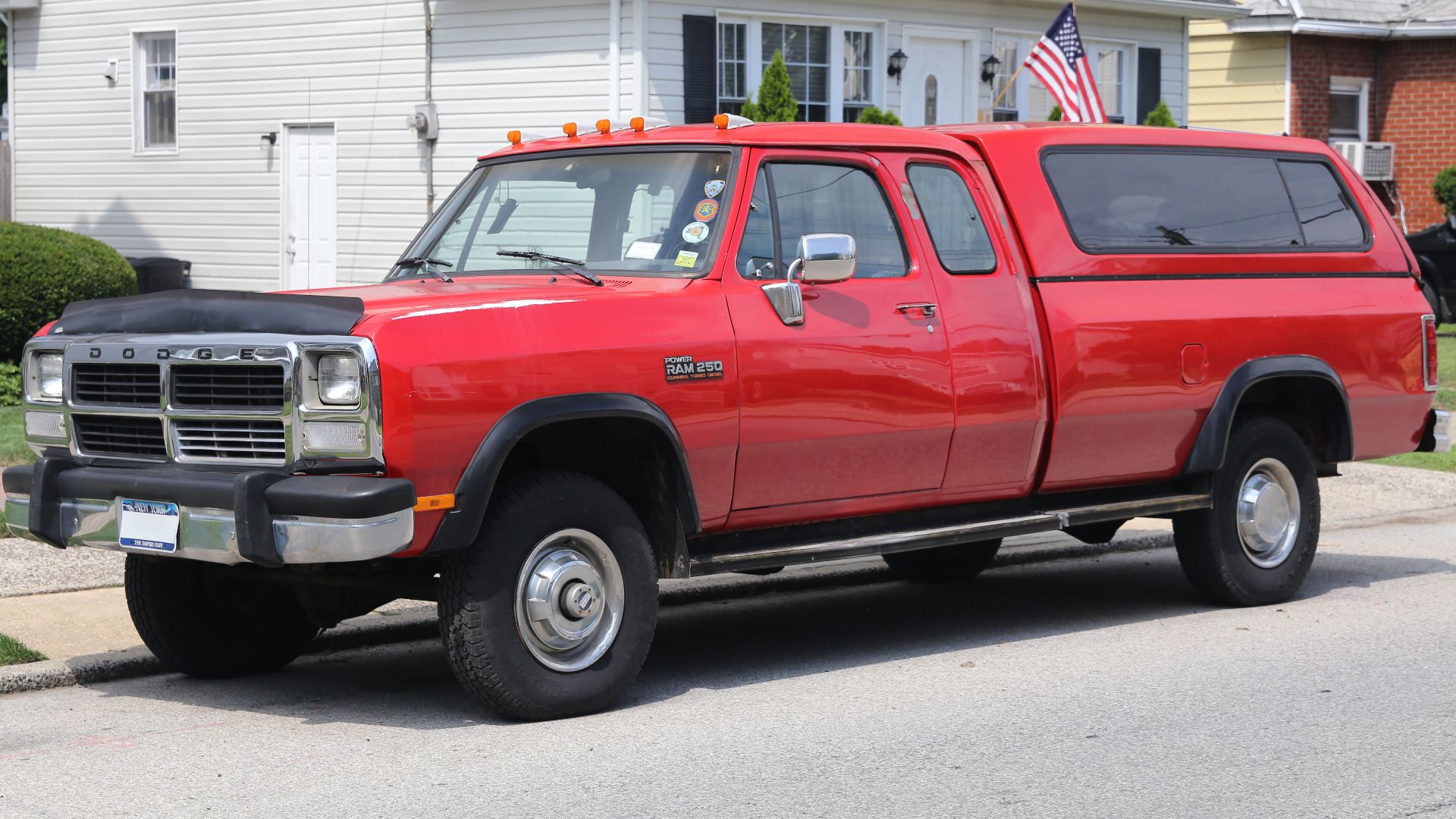 Mr.choppers, Wikimedia Commons
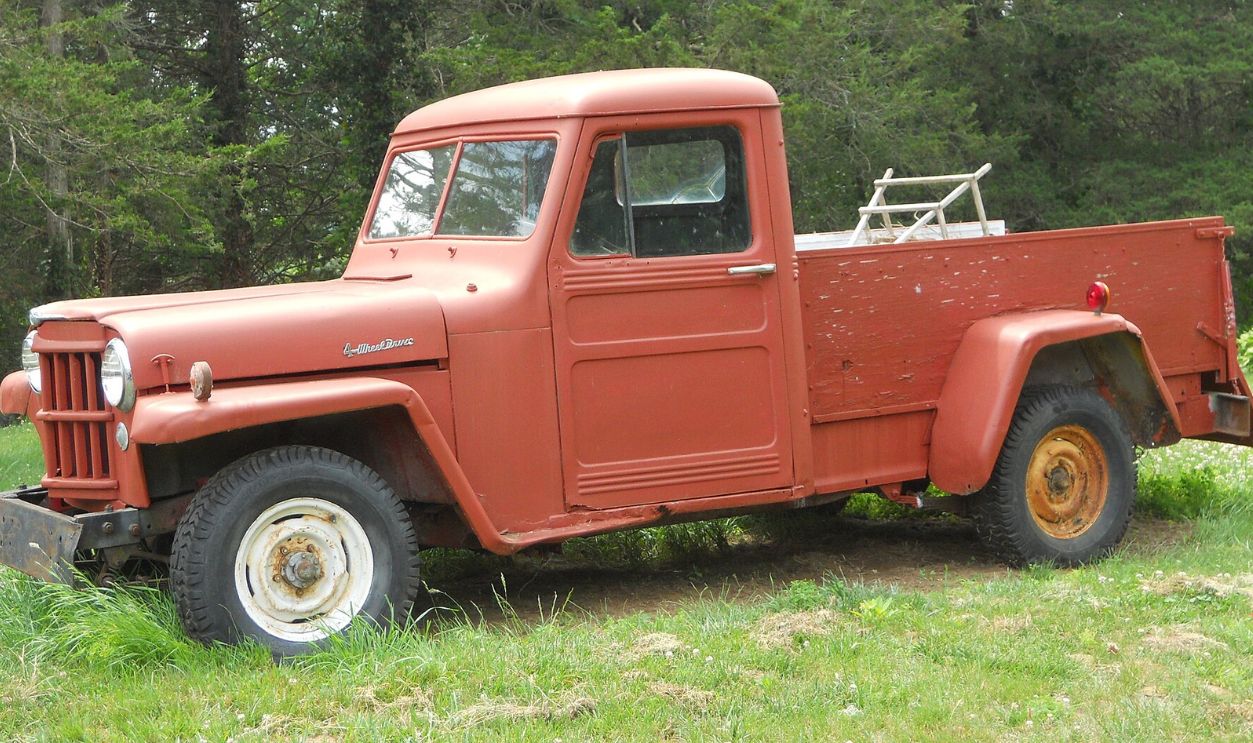
10. 1947–1965 Willys-Overland Jeep Truck
Willys marketed its postwar pickup to farmers who needed Jeep capability with a real cargo box. Available four-wheel drive helped it cross muddy fields, snowy roads, and remote job sites. It was slow and rather uncomfortable, but comfort rarely finished the chores before sundown.
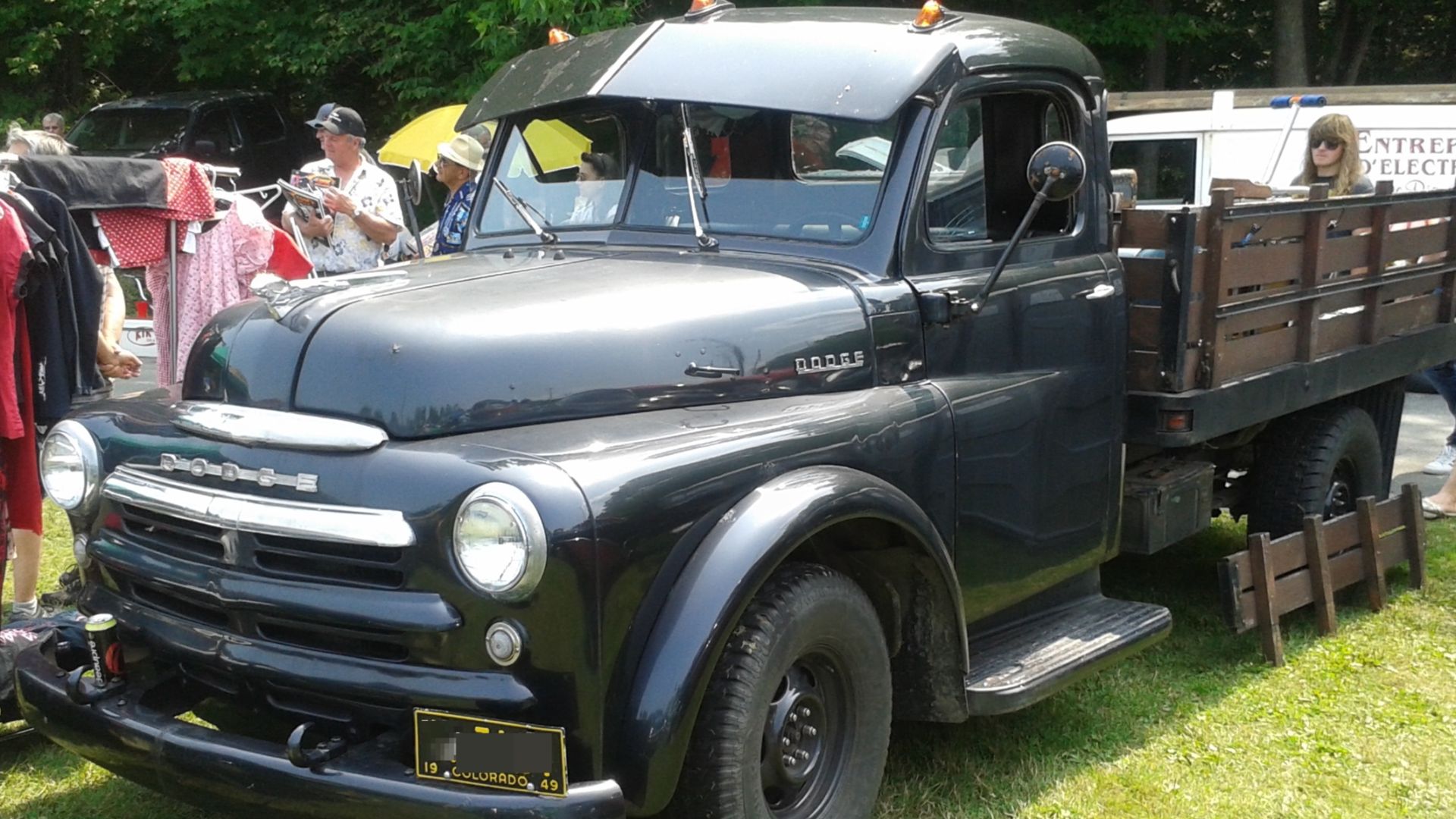
9. 1948–1953 Dodge B-Series “Pilothouse”
The Dodge Pilothouse gave working drivers a taller, wider cab with significantly better visibility. Its dependable flathead six-cylinder engines and higher bed sides added practical value. Compared with cramped prewar trucks, the roomier cab probably felt luxurious—even if the ride remained strictly business class.
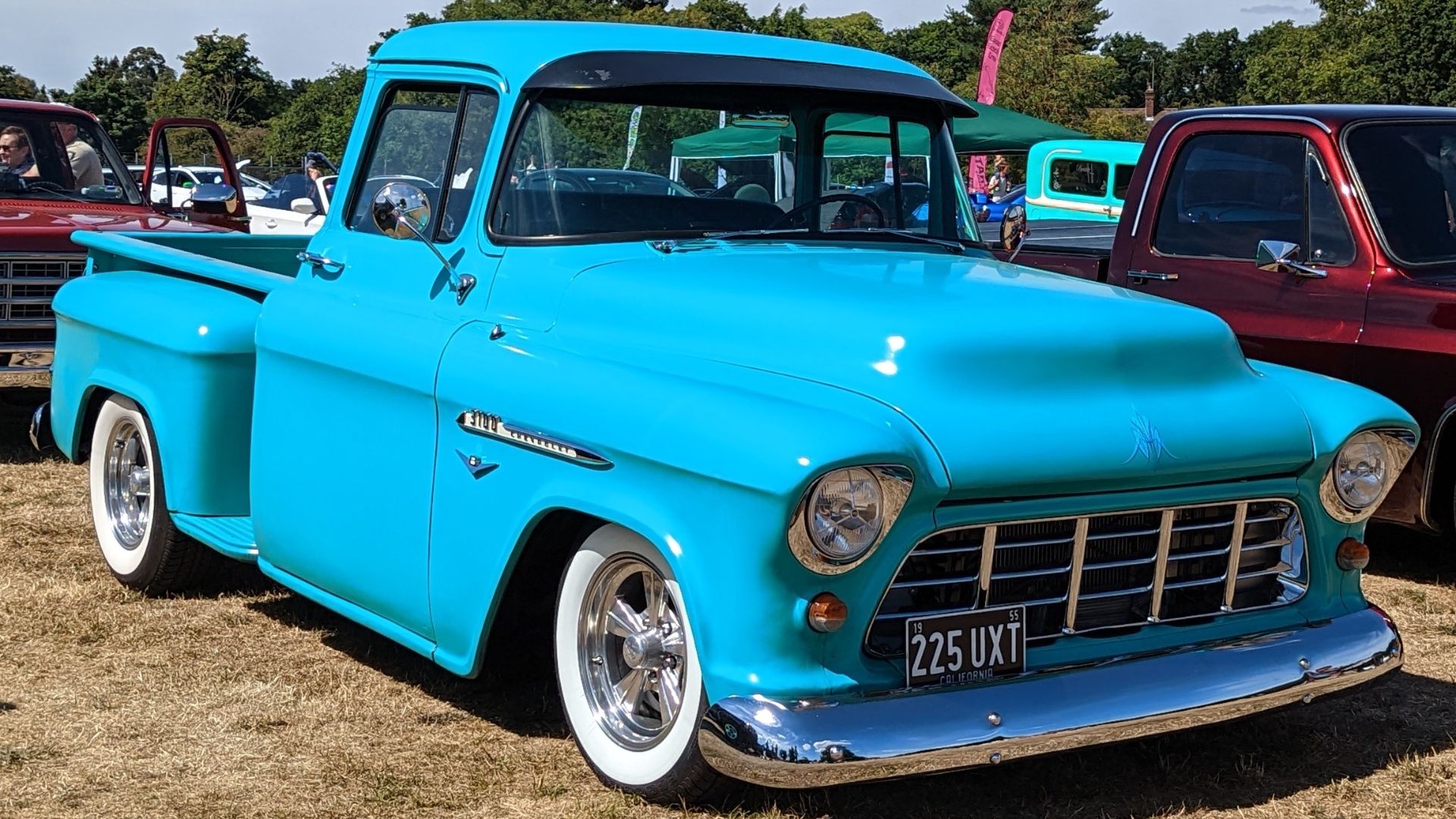
8. 1955–1959 Chevrolet Task Force 3100
Chevrolet’s Task Force generation introduced a wraparound windshield, 12-volt electrical system, and optional small-block V8 power. The Fleetside bed later made bulky cargo easier to carry. Despite its stylish body, the 3100 remained a practical truck built for businesses, farms, and family work.
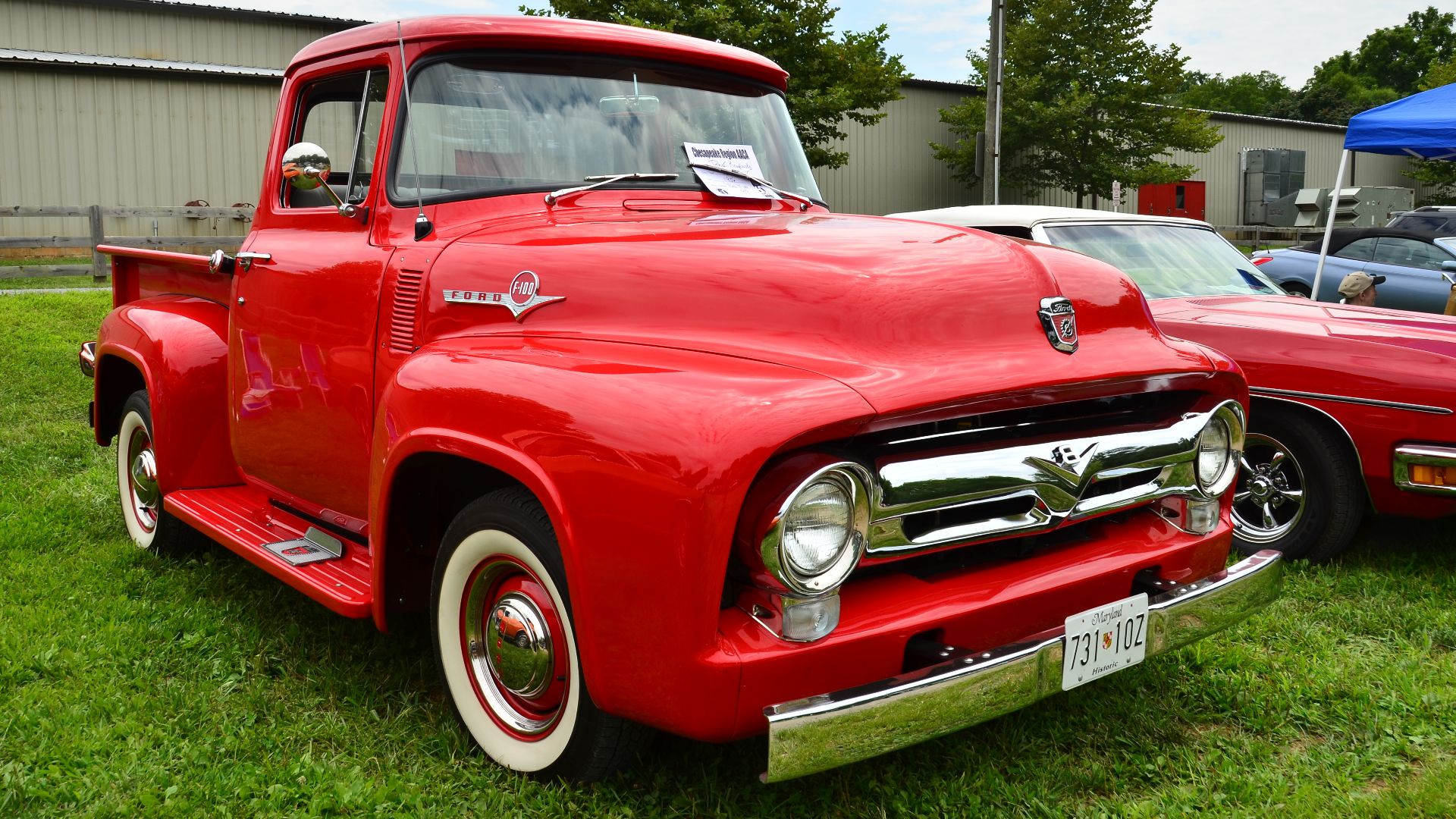
7. 1953–1956 Ford F-100
The second-generation F-Series introduced the F-100 name while improving cab room, visibility, and driver comfort. Dependable six-cylinder and V8 engines supplied the muscle. Restored examples now receive careful polishing, but most originals spent their youth carrying fence posts, tools, feed, and greasy engine parts.
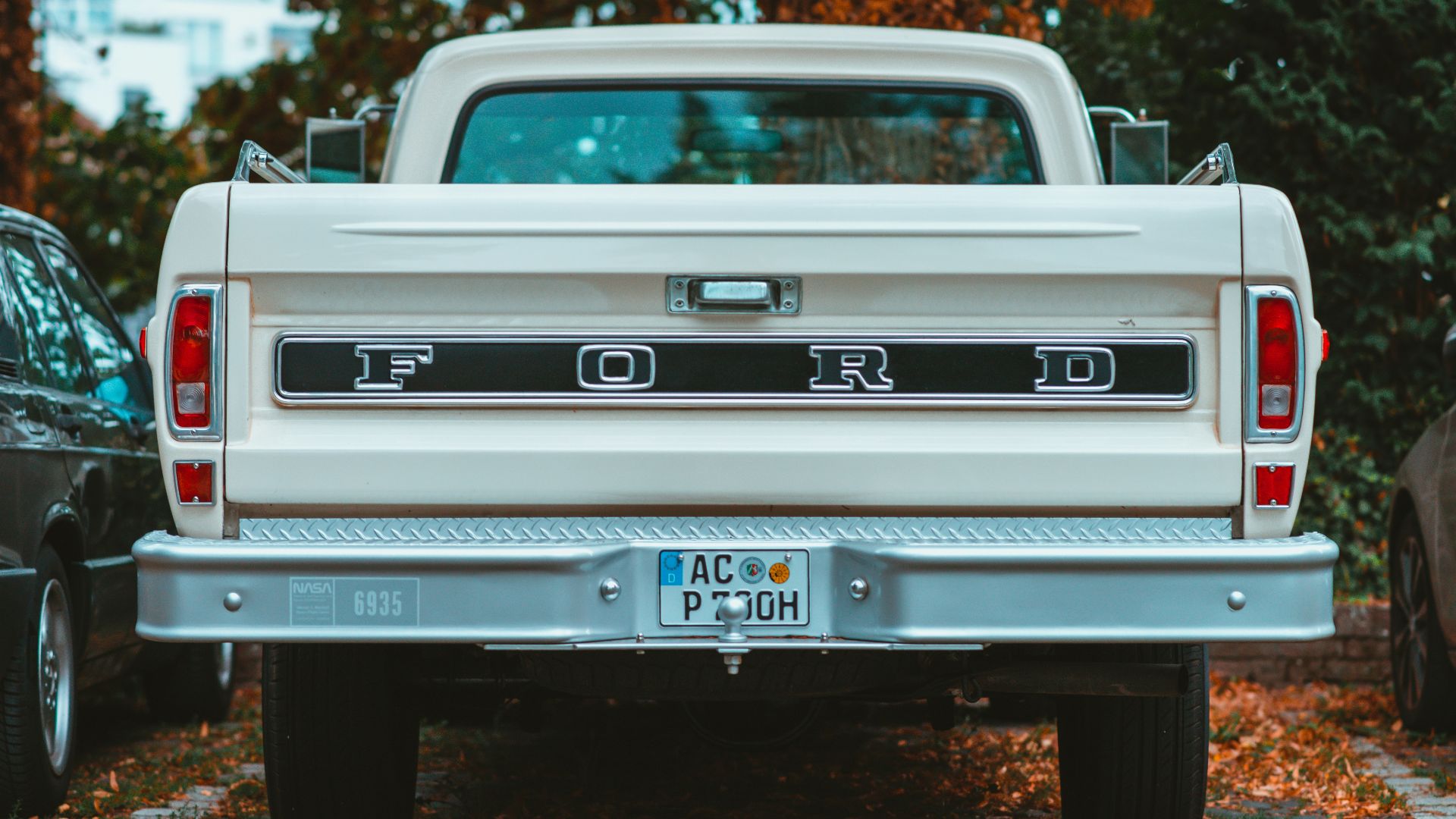
6. 1967–1977½ Ford F-250 “Highboy”
Ford never officially used the Highboy name, but it perfectly described these tall F-250 four-wheel drives. Heavy axles, excellent ground clearance, and three-quarter-ton construction suited logging, ranching, and oil-field work. Their ride could rearrange vertebrae, but rough terrain rarely stopped them.
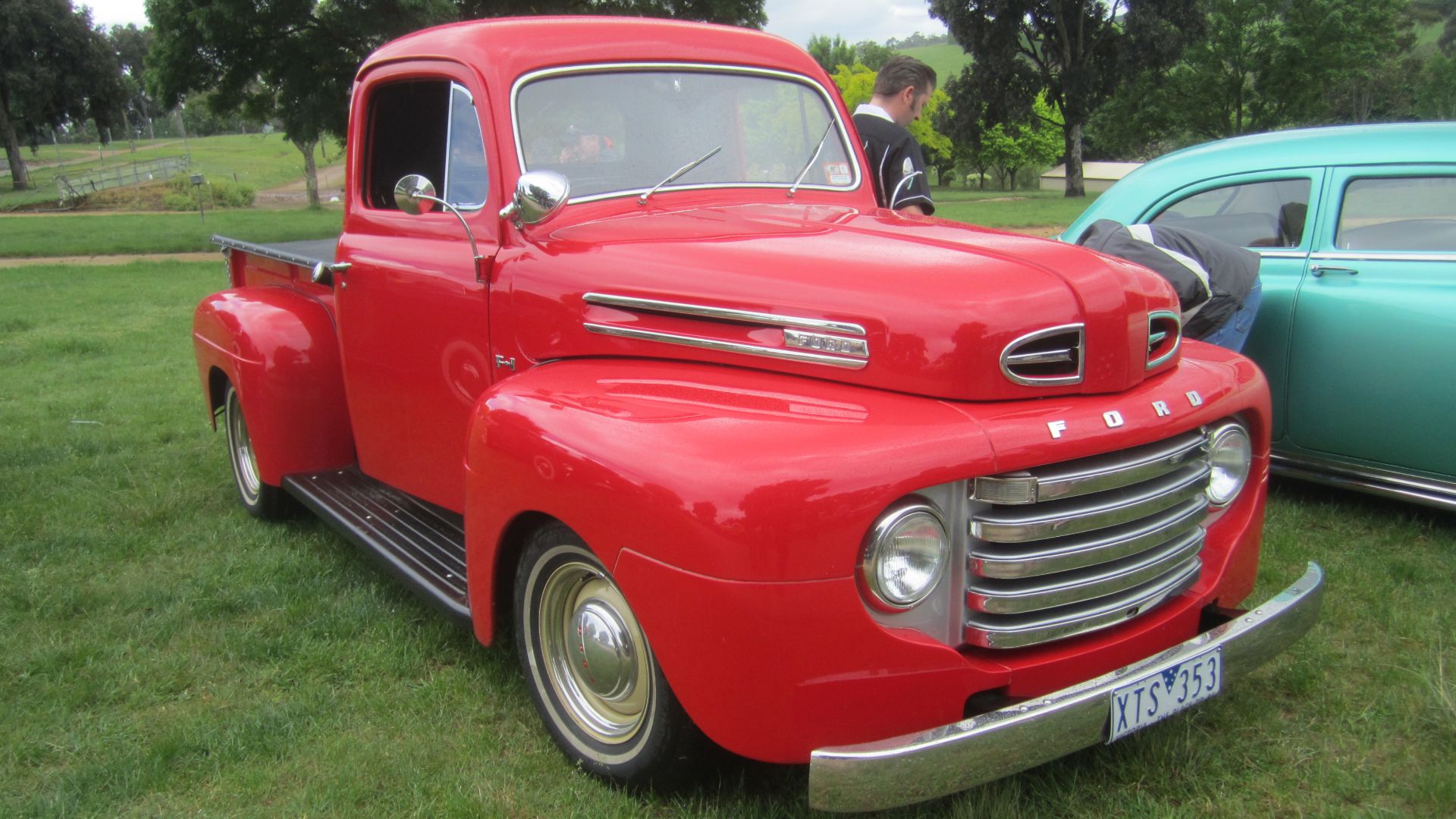
5. 1948–1952 Ford F-1 “Bonus Built”
The F-1 launched Ford’s famous F-Series with a design created specifically around working needs. An improved cab, integrated headlights, and six-cylinder or flathead V8 power made it a major postwar advancement. Thousands helped transform newly established businesses into steady livelihoods.
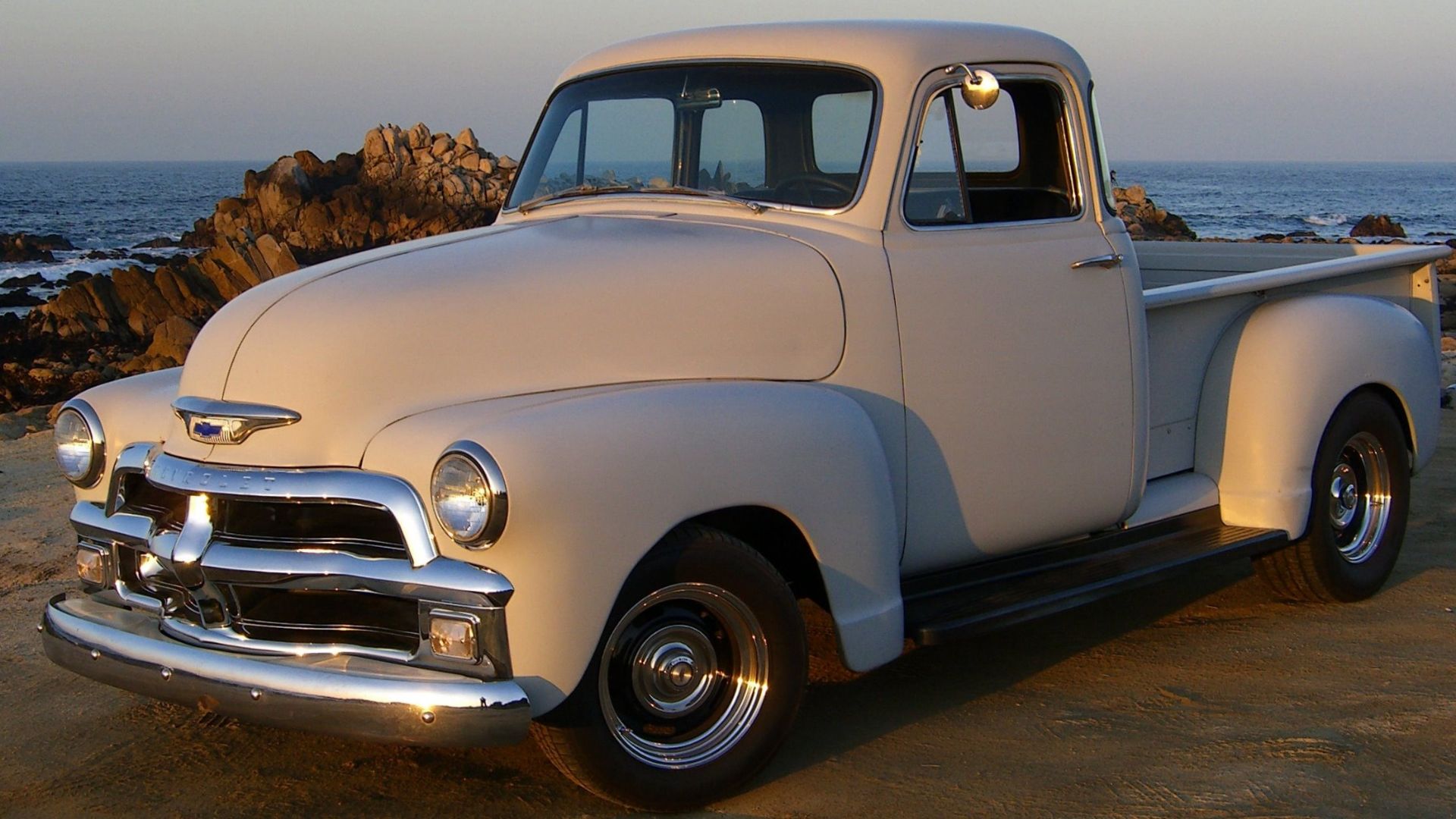
4. 1947–1955 Chevrolet Advance-Design 3100
Chevrolet’s Advance-Design 3100 offered a larger cab, better visibility, and more comfortable seating without becoming delicate. Its durable inline-six engine and straightforward construction appealed to farmers, builders, merchants, and public fleets. The rounded body was attractive, but hard work remained its primary assignment.
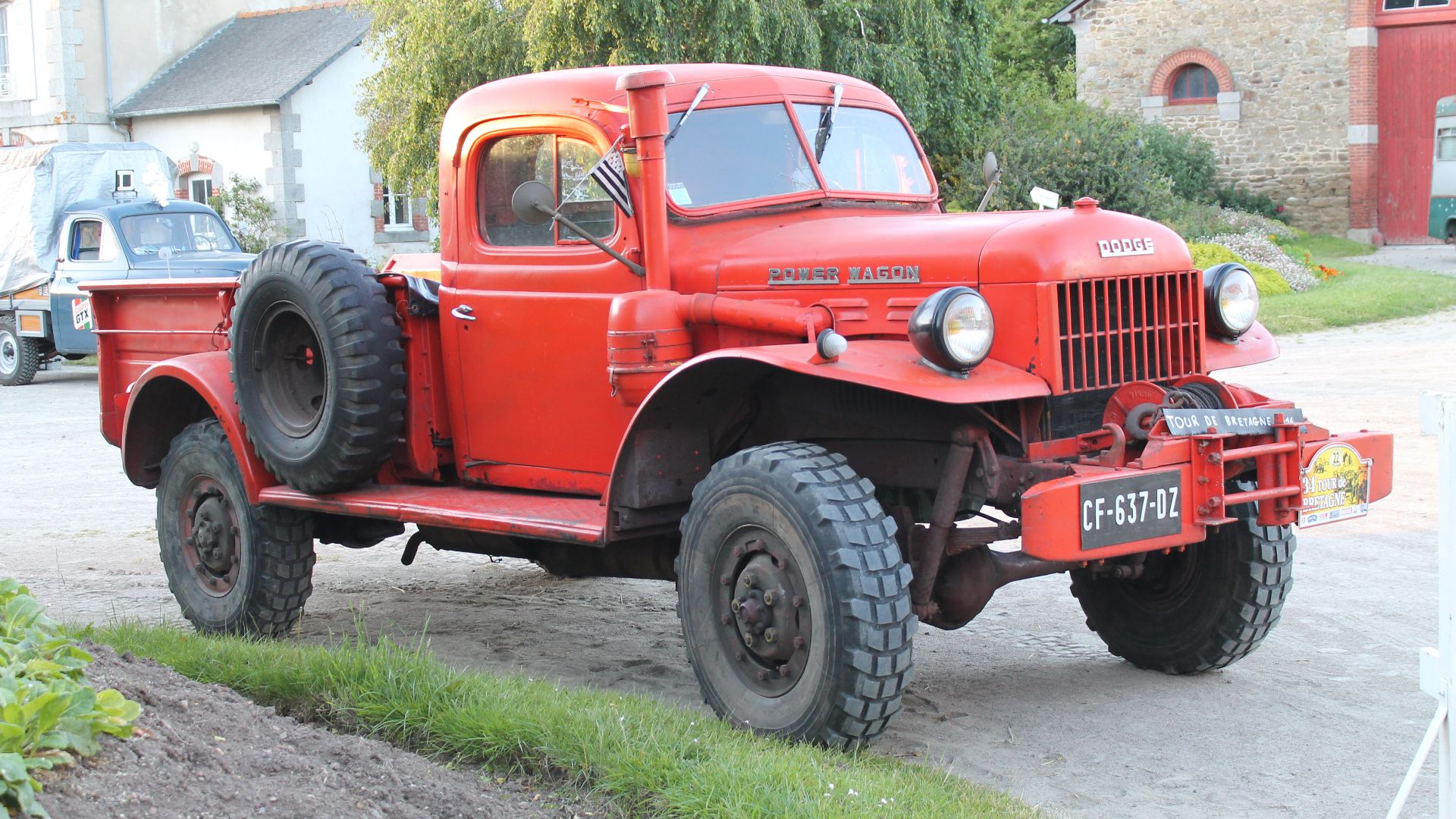
3. 1946–1968 Dodge Power Wagon
Developed from Dodge’s wartime military trucks, the civilian Power Wagon brought serious four-wheel-drive capability to the public. Low gearing, rugged axles, and available power takeoff equipment suited forestry, mining, farming, and firefighting. Driving one required strong arms, but few roads could intimidate it.
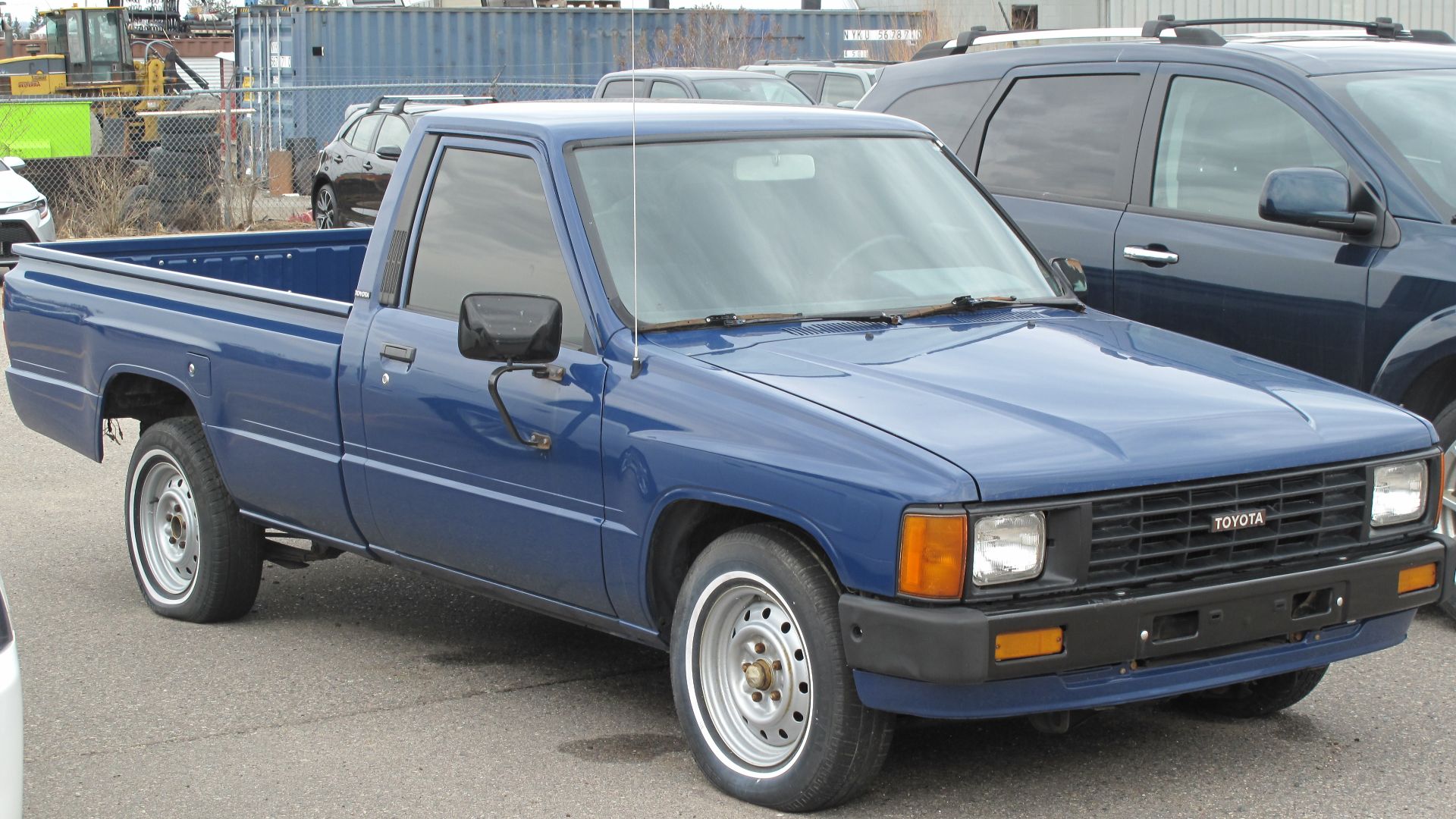
2. 1969–1995 Toyota Pickup and Hilux
Toyota’s compact pickup built its reputation through decades of unglamorous labor. Simple engines, body-on-frame construction, and sturdy rear axles delivered economical dependability. Owners often worked them until the beds rusted away—then kept driving because the mechanical parts hadn’t received the message.
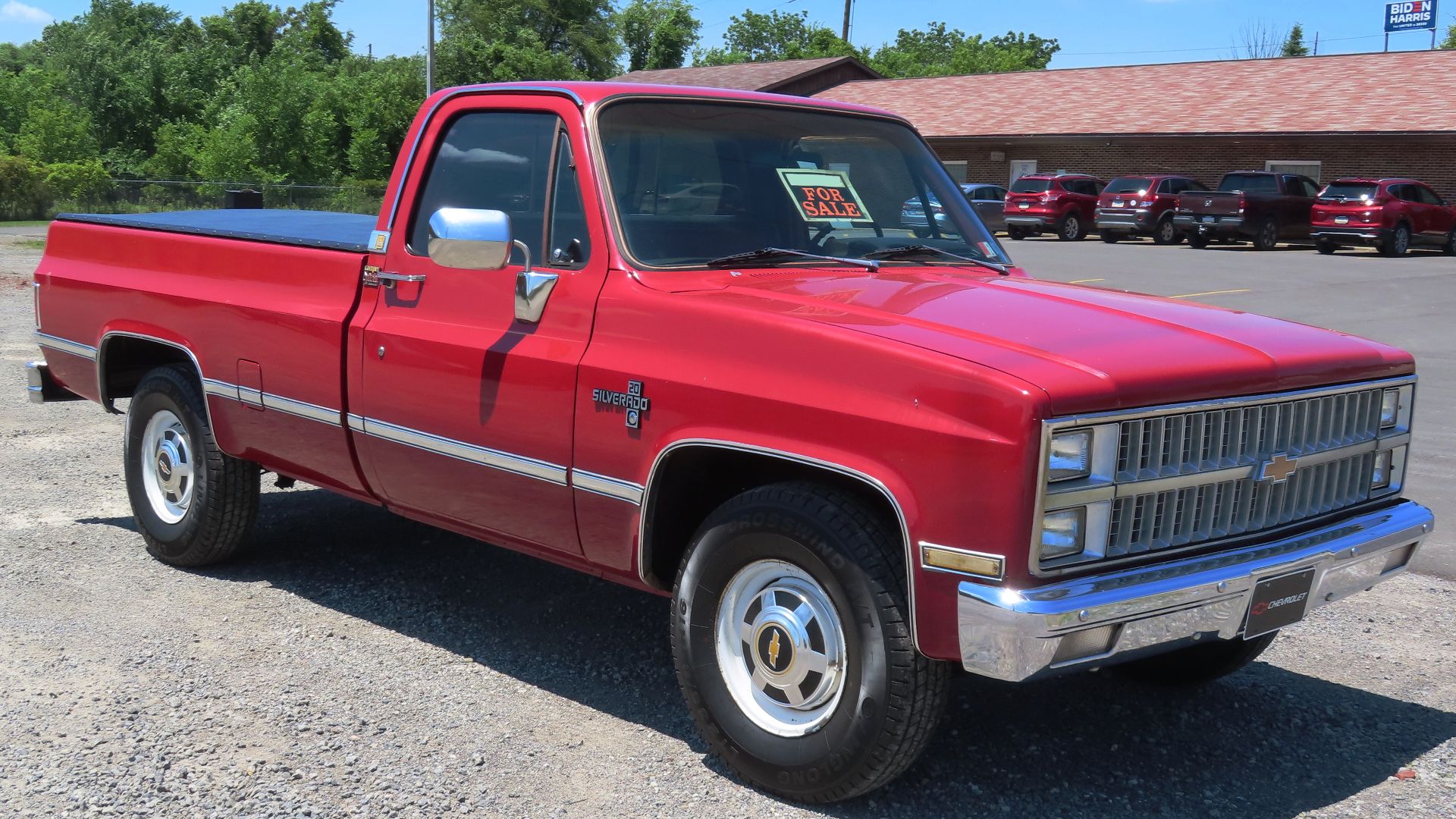
1. 1973–1987 Chevrolet C/K “Squarebody”
The Squarebody takes first place because it could become nearly any working truck America needed. Chevrolet offered multiple beds, wheelbases, drivetrains, engines, and weight ratings. Affordable parts and simple mechanicals kept these pickups working for decades, long before collectors started calling faded paint “patina.”
 MercurySable99, Wikimedia Commons
You May Also Like:
Pickup Trucks That Are Still Running Strong After 400,000 Miles
The Most Reliable Diesel Trucks For 2025, According To Edmunds
Classic Pickup Trucks Are Skyrocketing in Value—Here’s What’s Driving It
Sources: 1, 2, 3, 4, 5, 6, 7, 8, 9, 10, 11, 12, 13, 14, 15, 16, 17, 18, 19