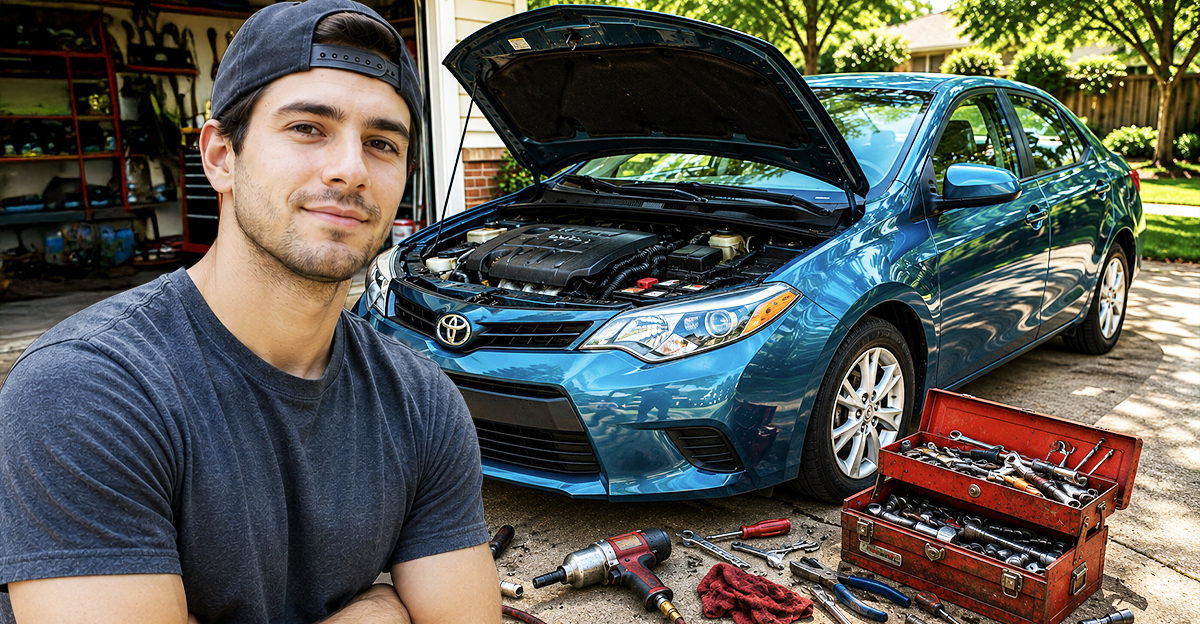
Throwbacks To A Simpler Time
Modern vehicles have gotten increasingly packed with electronics, sensors, and tightly packaged engine bays that can frustrate home mechanics. Still, several newer cars and trucks remain surprisingly DIY-friendly. These vehicles stand out from the pack because they offer accessible engine layouts, widely available parts, straightforward maintenance procedures, and strong enthusiast support communities.
Honda Civic
The Honda Civic is still one of the most beginner-friendly modern cars because of its simple engine layout and enormous aftermarket support. Many common maintenance jobs, including oil changes, brake work, and spark plug replacement, can be completed with basic tools and minimal mechanical experience.
 Ethan Llamas, Wikimedia Commons
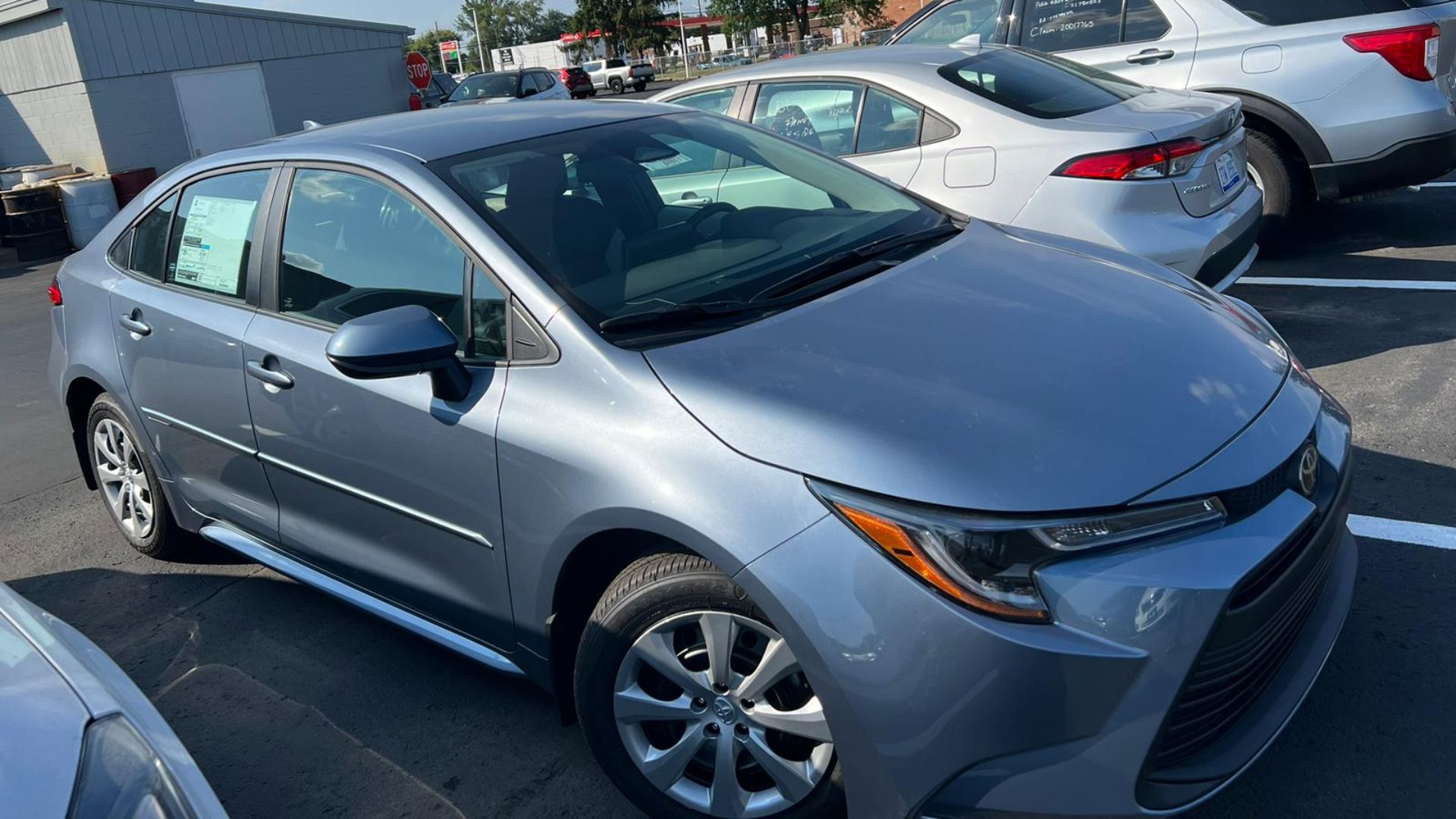
Toyota Corolla
The Toyota Corolla earned repeated praise from multiple sources for its reliability and straightforward maintenance access. Parts are inexpensive and widely available, while the engine bay layout allows owners to reach many common service items without having to remove large numbers of surrounding components.
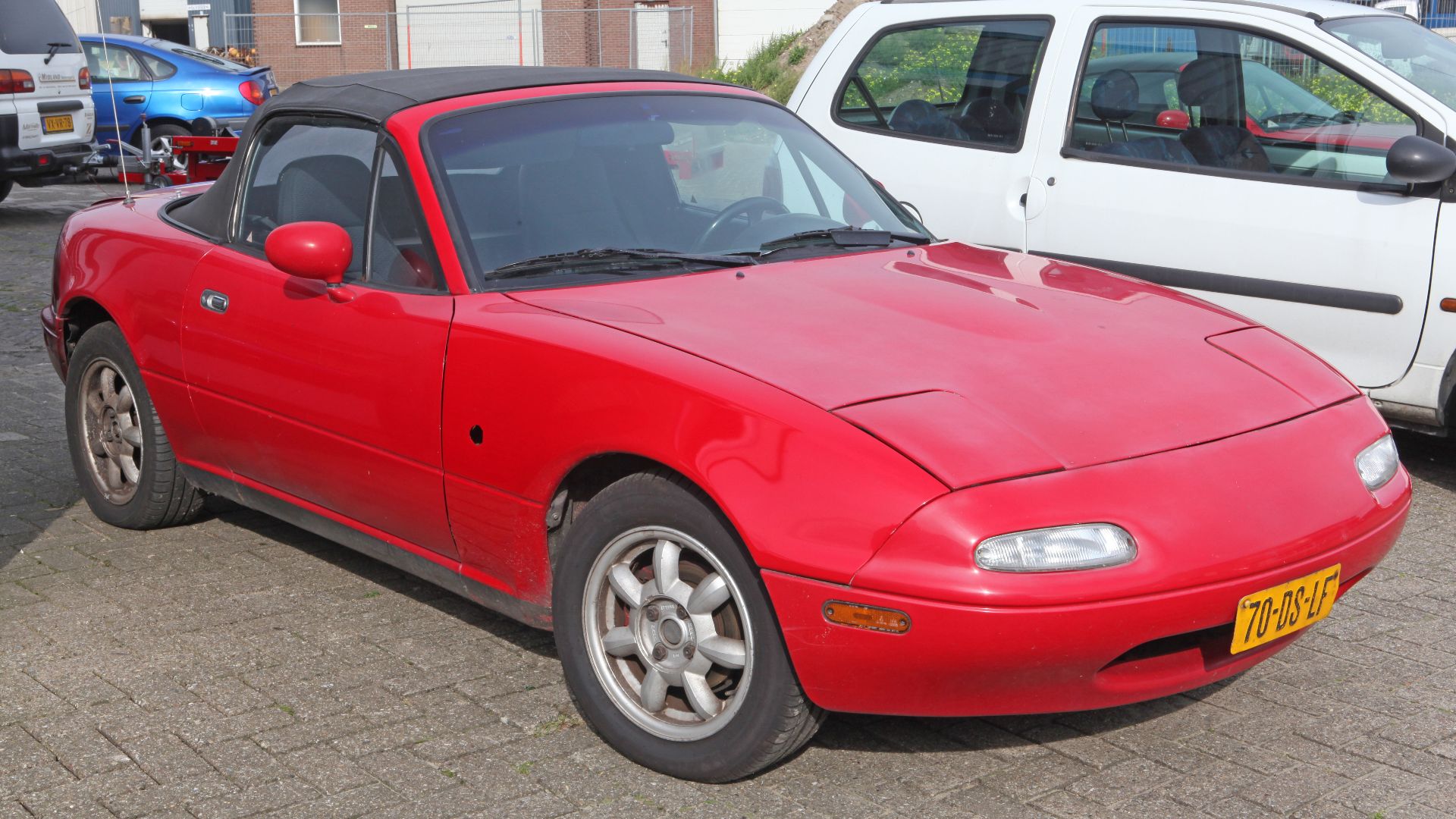
Mazda MX-5 Miata
The Mazda MX-5 Miata combines mechanical simplicity with excellent enthusiast documentation. Owners frequently praise how easy it is to perform fluid changes, suspension upgrades, and brake work. Its relatively lightweight design and uncluttered engine compartment make many repairs less intimidating for beginners.
 free photos & art, Wikimedia Commons
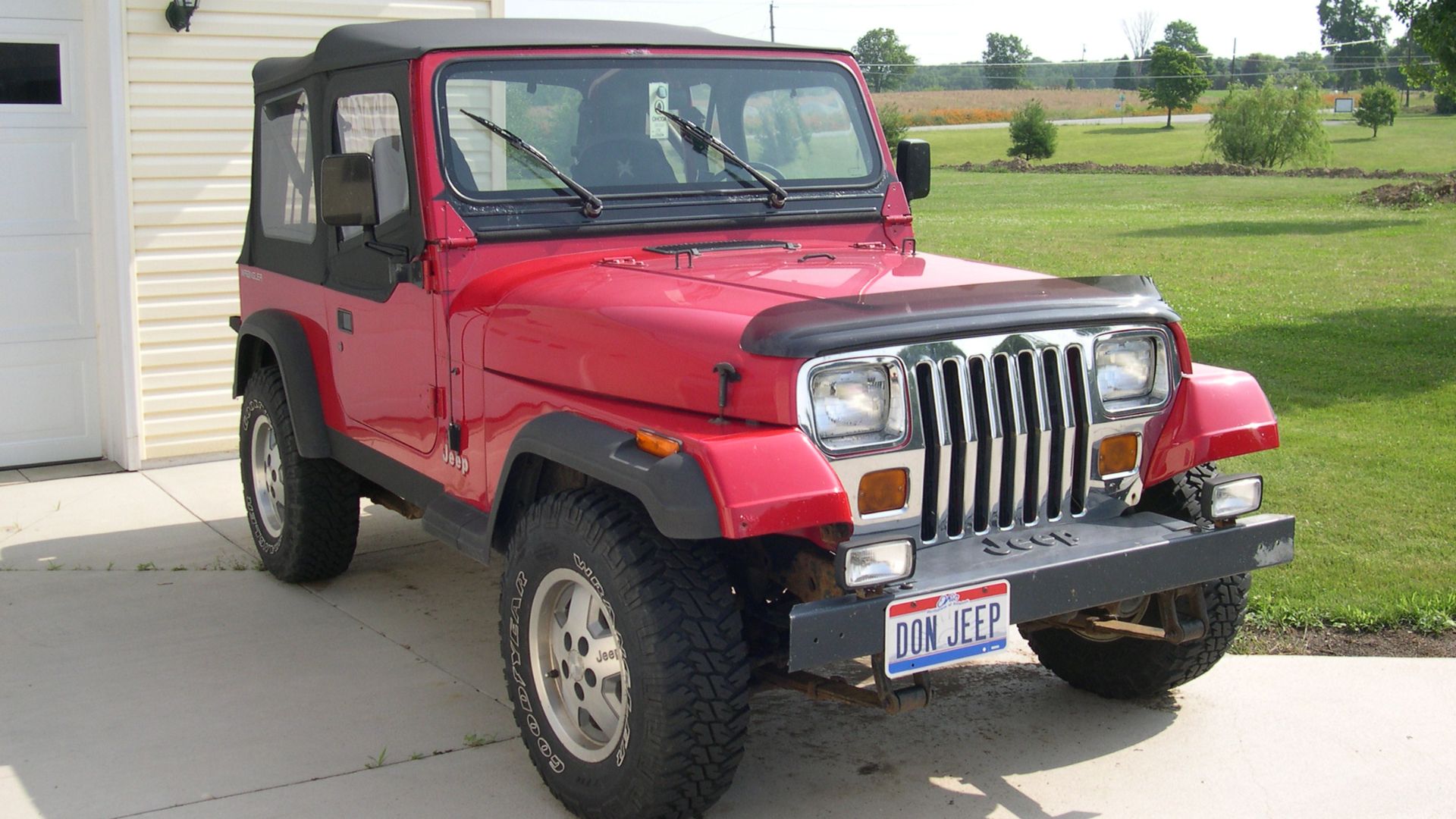
Jeep Wrangler
The Jeep Wrangler remains especially popular with DIY enthusiasts because of its body-on-frame construction and highly modular design. Many components are accessible without specialized equipment, and the massive Wrangler owner community provides endless repair guides, videos, and aftermarket support for beginners.
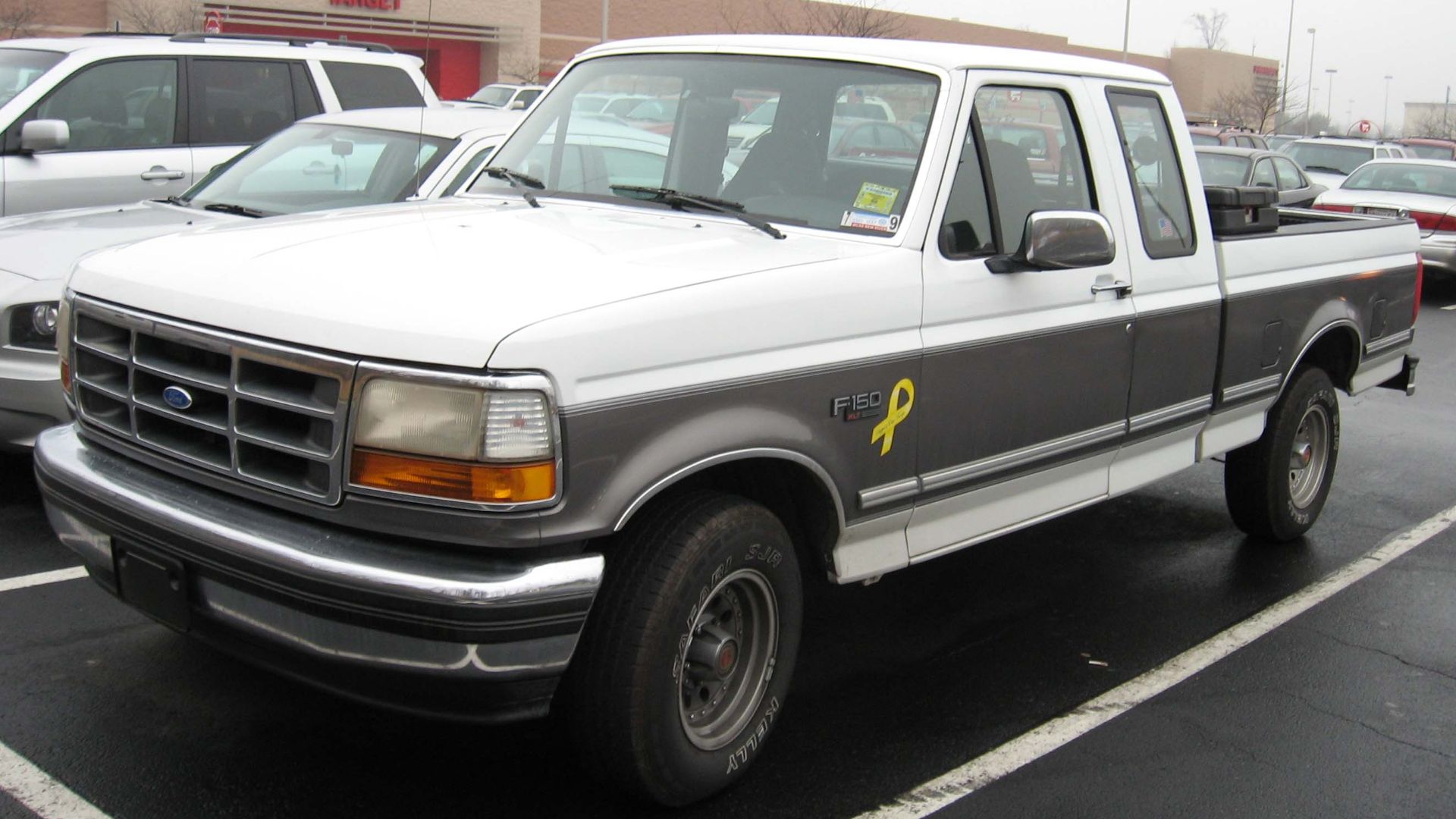
Ford F-150
The Ford F-150 is repeatedly highlighted for offering excellent engine access compared with many modern vehicles. Its large engine bay gives owners more room to work, while replacement parts remain widely available because the F-150 continues ranking among America’s best-selling trucks.
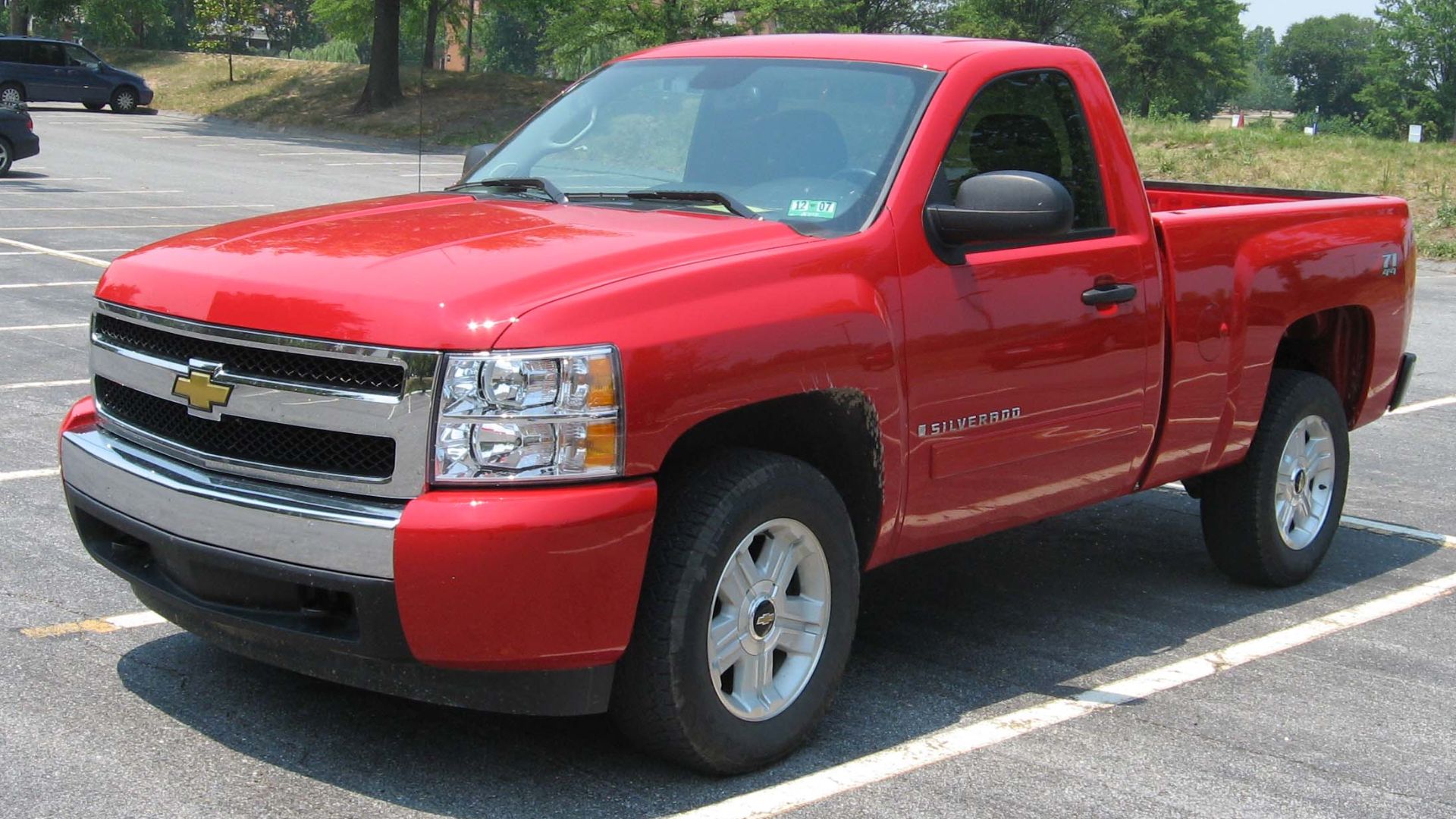
Chevrolet Silverado
The Chev Silverado continues appealing to home mechanics because of its relatively straightforward truck platform and broad parts availability. Many routine maintenance jobs can be done without lifting the truck excessively, and owners benefit from decades of shared GM repair knowledge and tutorials online.
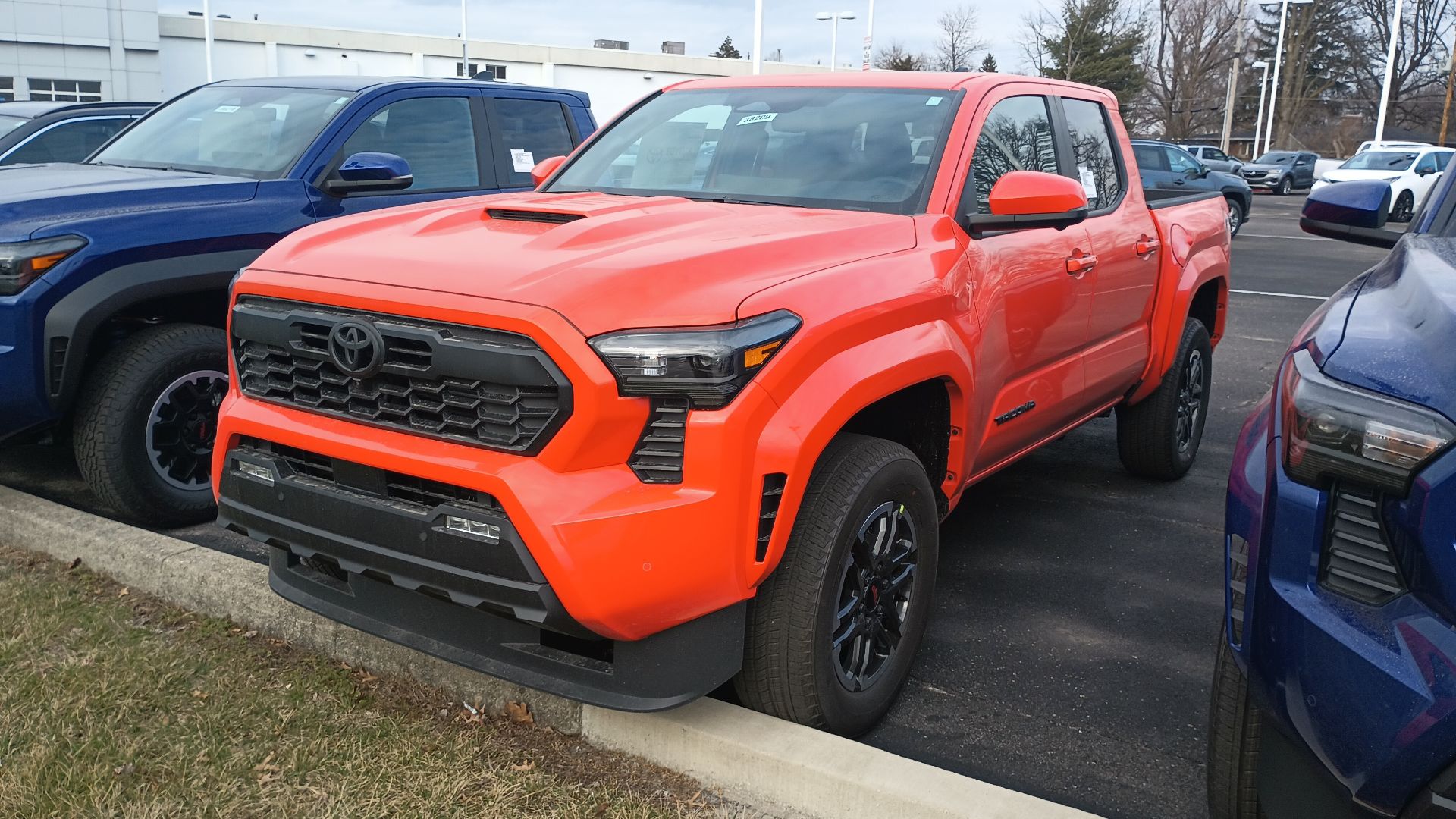
Toyota Tacoma
The Toyota Tacoma earned recognition for durability and relatively simple maintenance requirements. Owners often report that routine jobs such as brake replacements, fluid changes, and suspension work are manageable for beginners. The Tacoma’s reputation for reliability also means fewer unexpected repairs over time.
 Deathpallie325, Wikimedia Commons
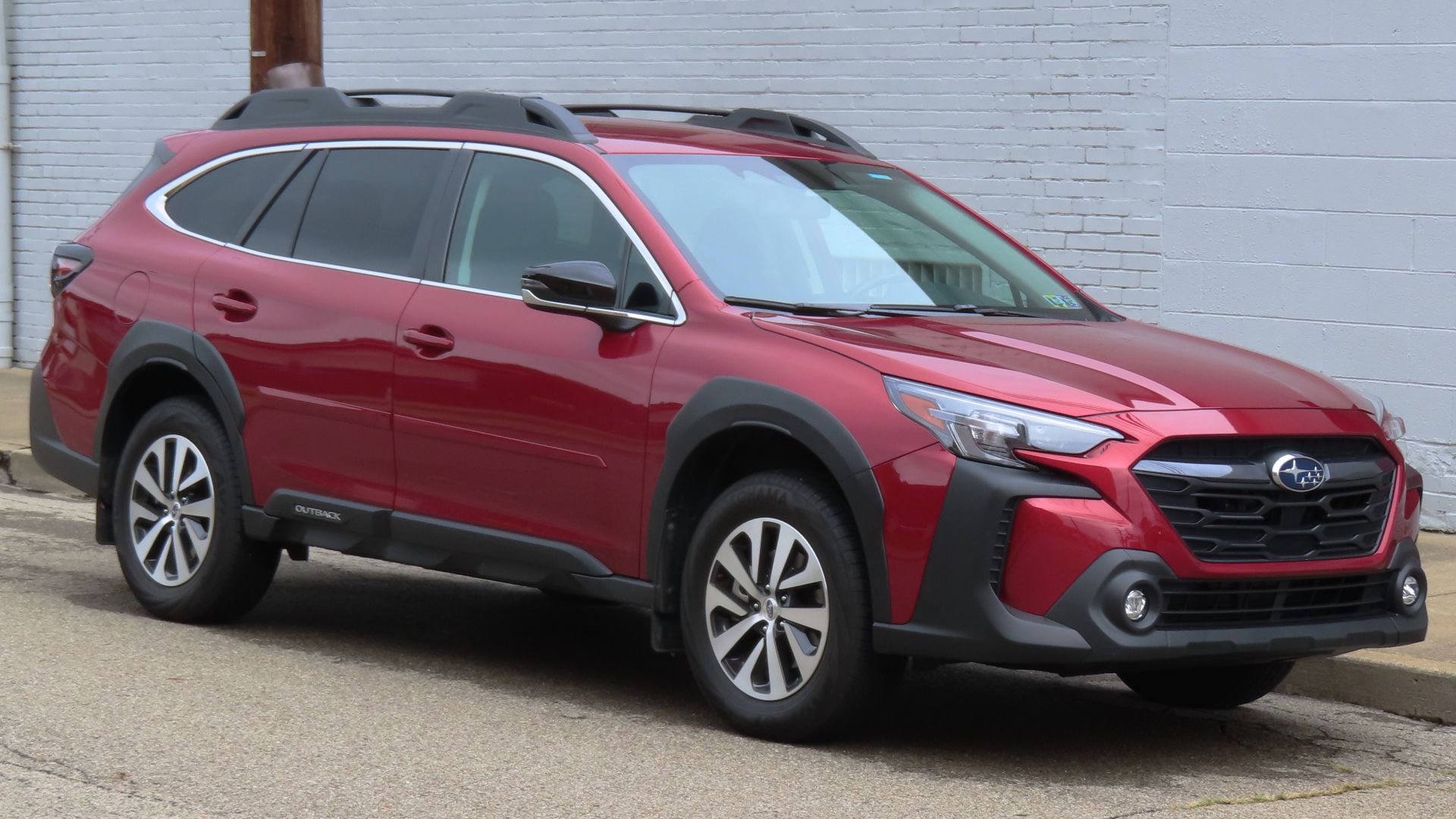
Subaru Outback
The Subaru Outback offers surprisingly good DIY accessibility despite its all-wheel-drive layout. Multiple sources praised the widespread availability of repair information and owner forums. Many owners perform routine maintenance themselves, although the car’s boxer engine layout can complicate some larger repairs.
 MercurySable99, Wikimedia Commons
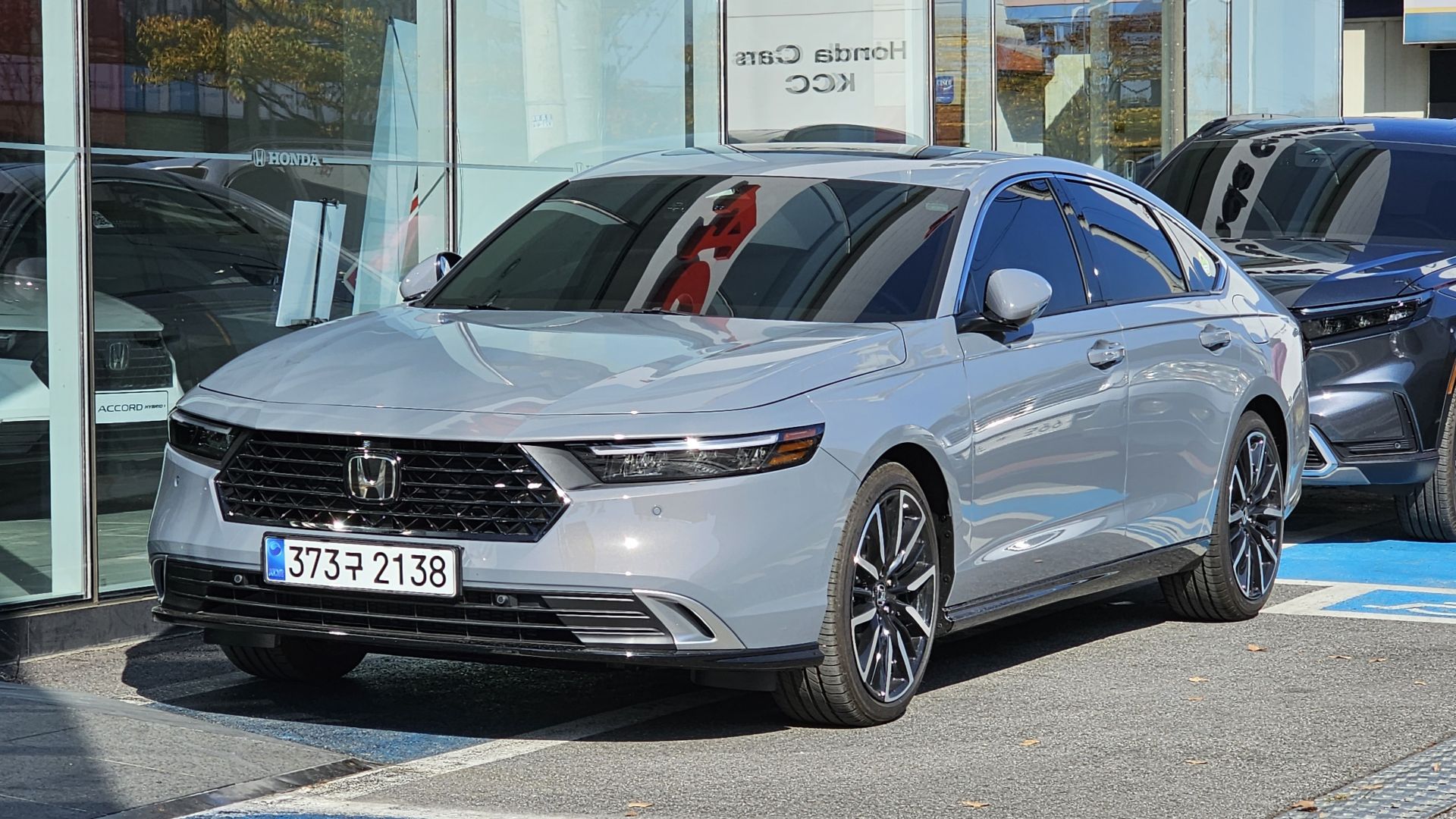
Honda Accord
The Honda Accord is a favorite among beginner mechanics because of its dependable engineering and accessible service points. Common maintenance tasks like changing filters, replacing batteries, and servicing brakes are generally well documented and do not require unusually specialized equipment.
 Damian B Oh, Wikimedia Commons
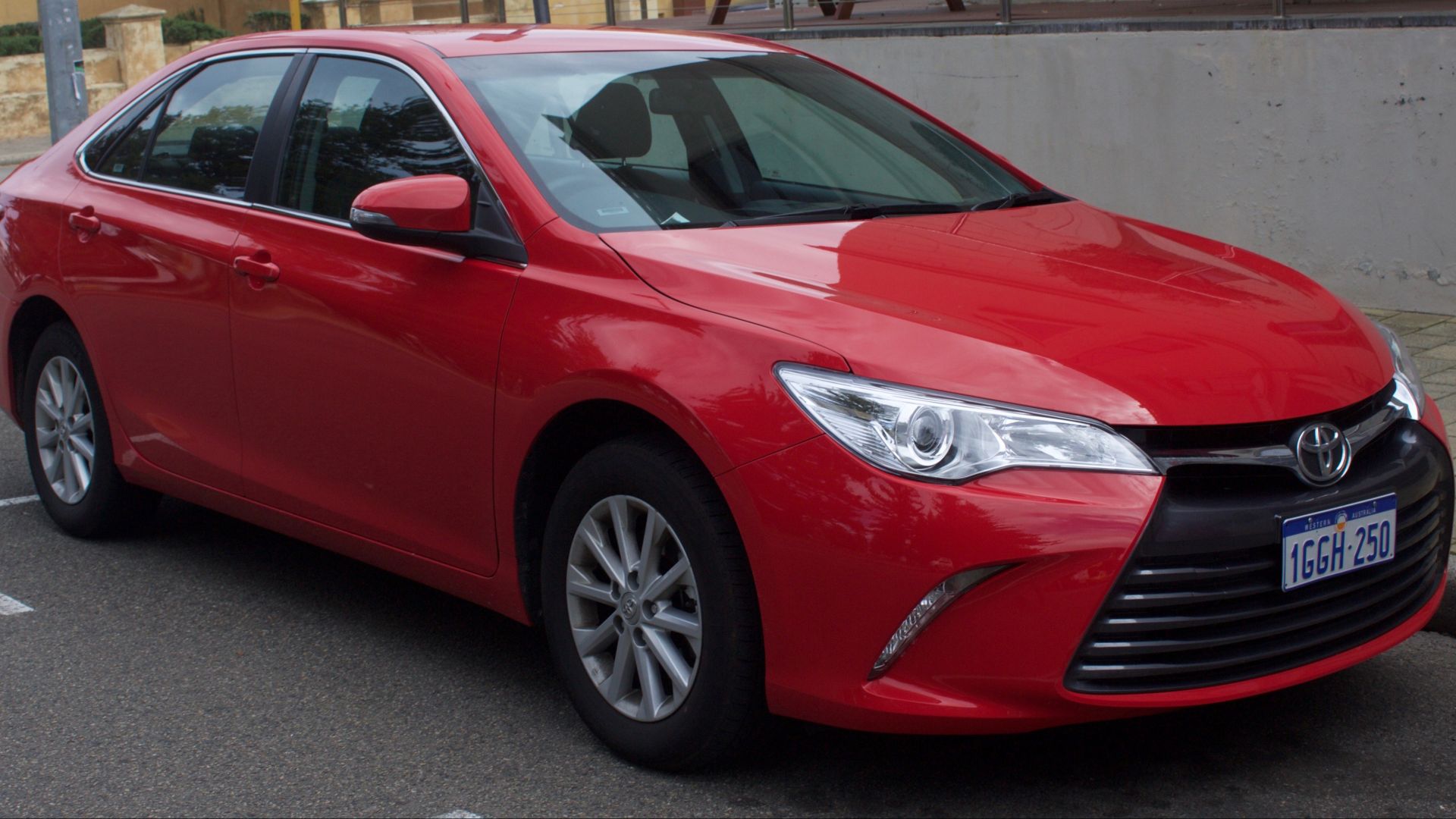
Toyota Camry
The Toyota Camry combines reliability with relatively simple mechanical layouts that make ownership less stressful for DIY-minded drivers. Parts are plentiful and affordable, while the car’s predictable engineering allows many owners to confidently handle basic maintenance without relying constantly on professional repair shops.
 EurovisionNim, Wikimedia Commons
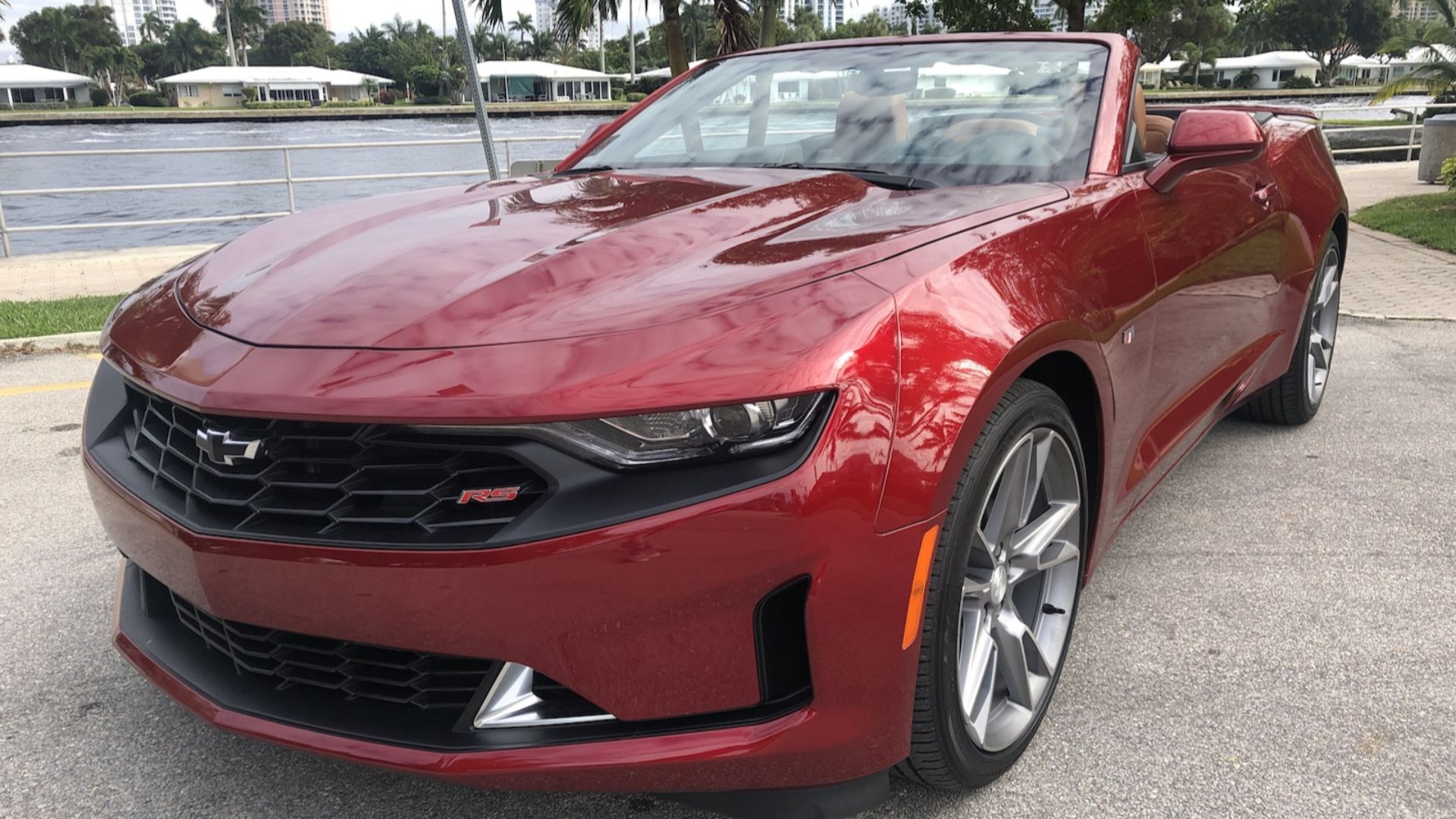
Chevrolet Camaro
The Camaro appeared on several lists because of its strong enthusiast following and relatively accessible V8 engine configurations. Owners benefit from enormous aftermarket support, detailed repair tutorials, and broad parts availability that simplify everything from oil changes to larger performance modifications.
 JellyNinjaWiki, Wikimedia Commons
Ford Mustang
The Ford Mustang remains highly DIY-friendly thanks to decades of enthusiast support and relatively simple rear-wheel-drive layouts. Many maintenance procedures are well documented online, while aftermarket companies offer countless affordable replacement and upgrade parts for owners comfortable turning their own wrenches.

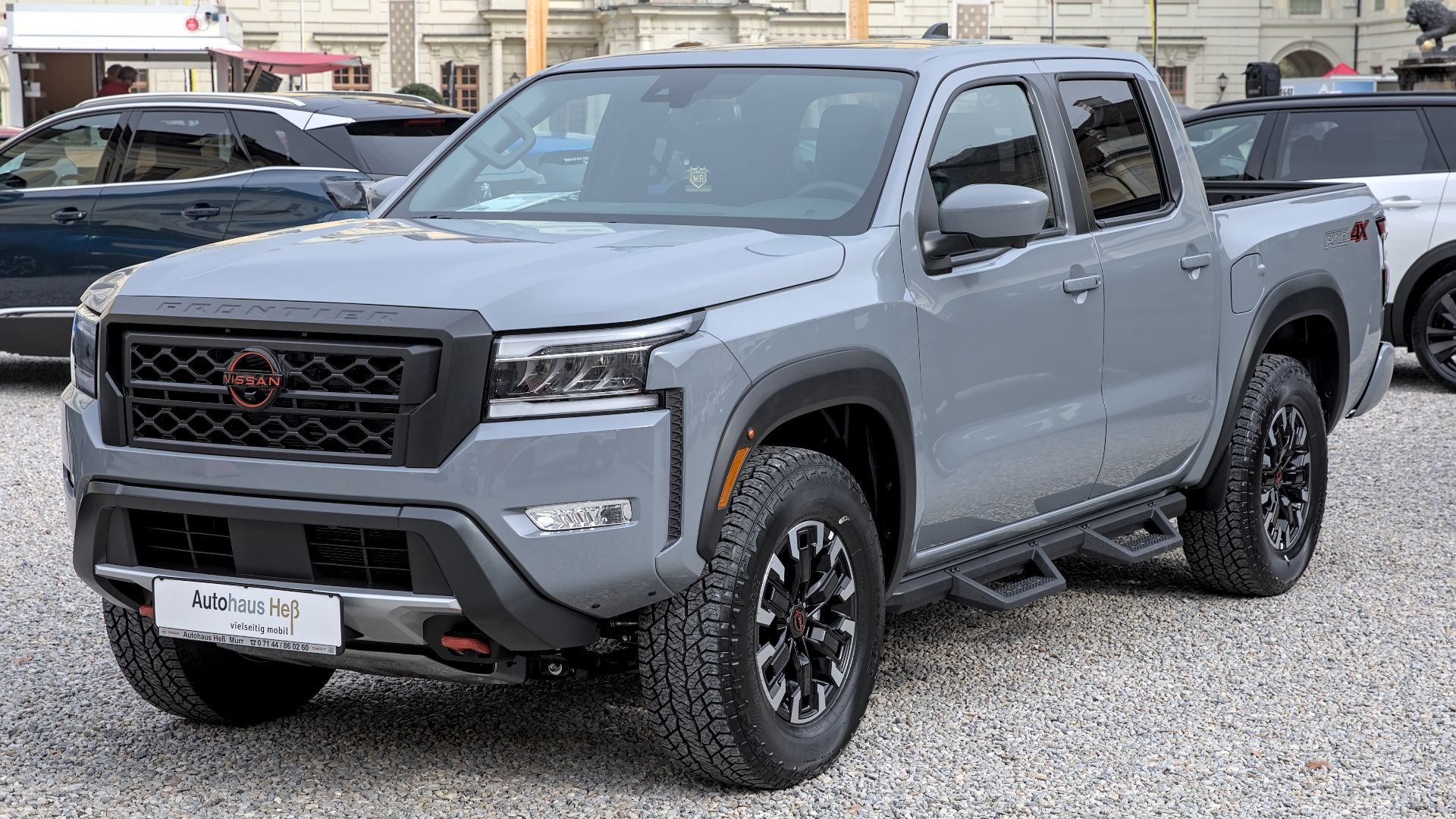
Nissan Frontier
The Nissan Frontier earned praise for mechanical simplicity compared with more heavily computerized competitors. Its traditional truck construction and accessible engine compartment help make routine maintenance easier. Owners also benefit from relatively affordable replacement parts and a reputation for long-term durability.
 Alexander Migl, Wikimedia Commons
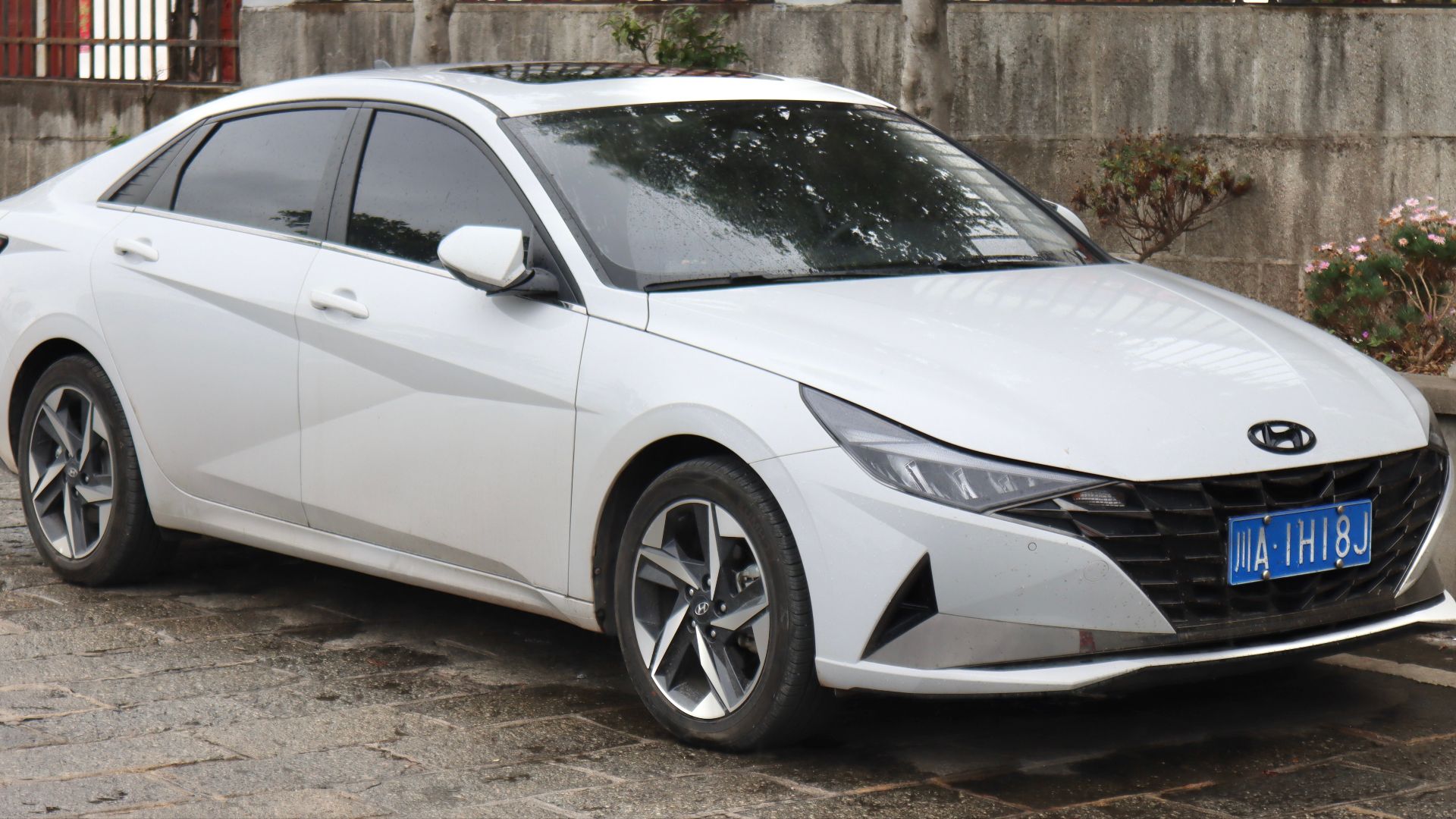
Hyundai Elantra
The Hyundai Elantra was recognized as an approachable modern compact car for beginners learning basic maintenance. Straightforward oil changes, brake jobs, and battery replacements make it less intimidating for inexperienced owners. Affordable parts pricing also helps reduce the financial risk of attempting DIY repairs.
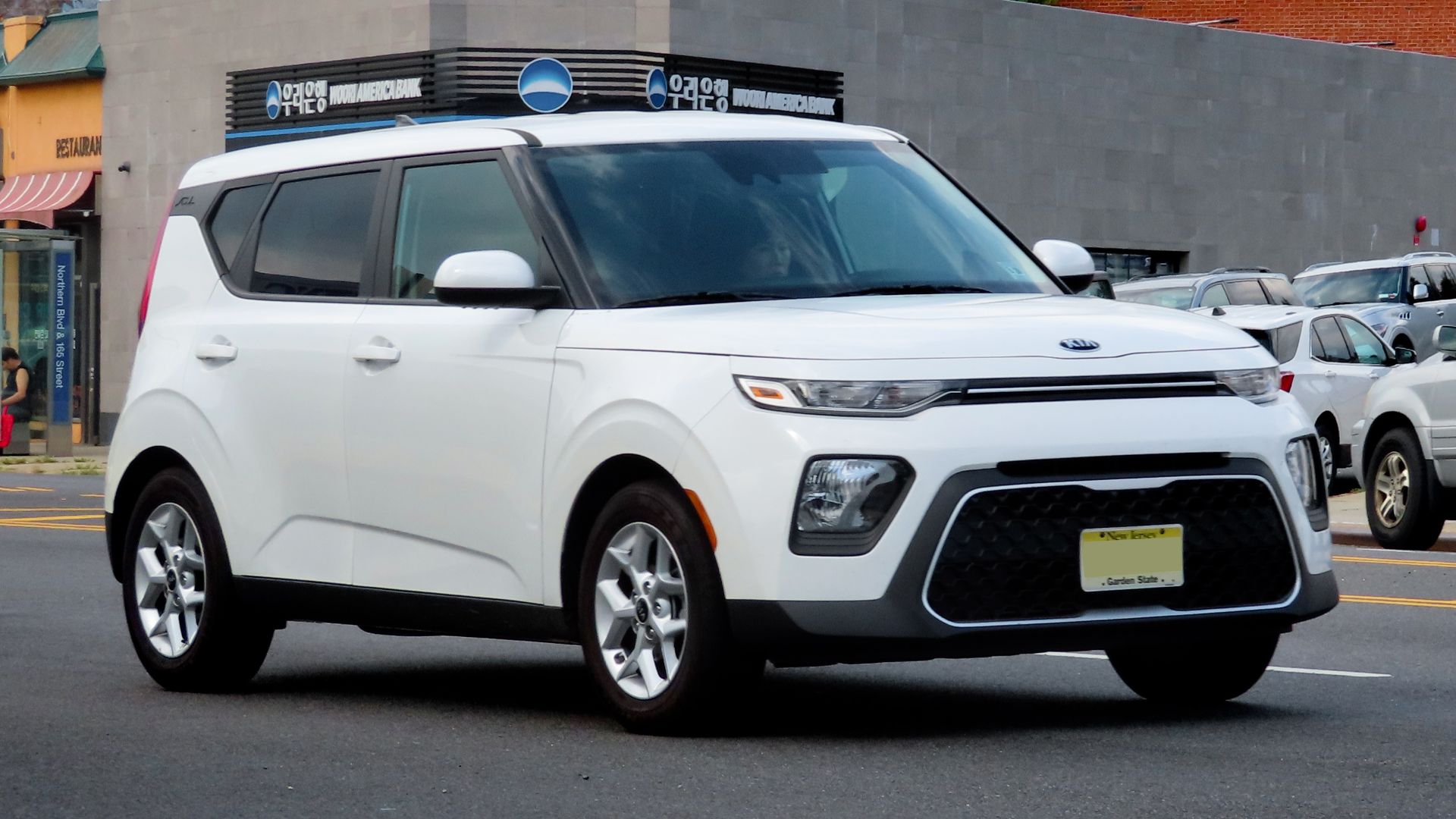
Kia Soul
The Kia Soul stands out because of its boxy design and surprisingly accessible engine bay. Owners and reviewers frequently mention that many maintenance points are easy to reach. The Soul’s simple layout also helps newer mechanics visually identify major components more easily.
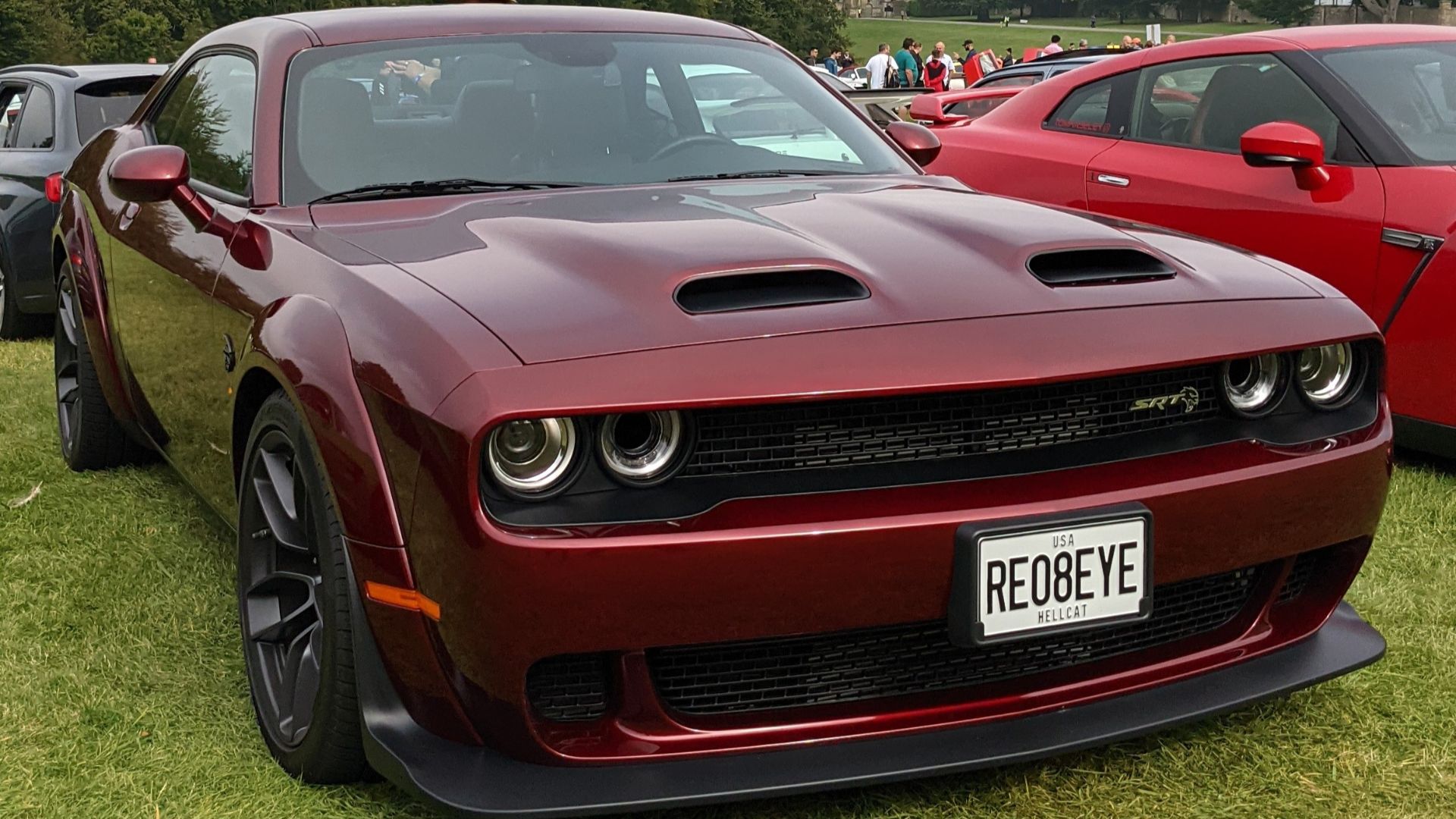
Dodge Challenger
The Dodge Challenger earned recognition for maintaining relatively old-school mechanical accessibility compared with many modern performance cars. Large engine compartments provide additional workspace for owners, while extensive enthusiast communities offer detailed walkthroughs for repairs, upgrades, and routine maintenance procedures.
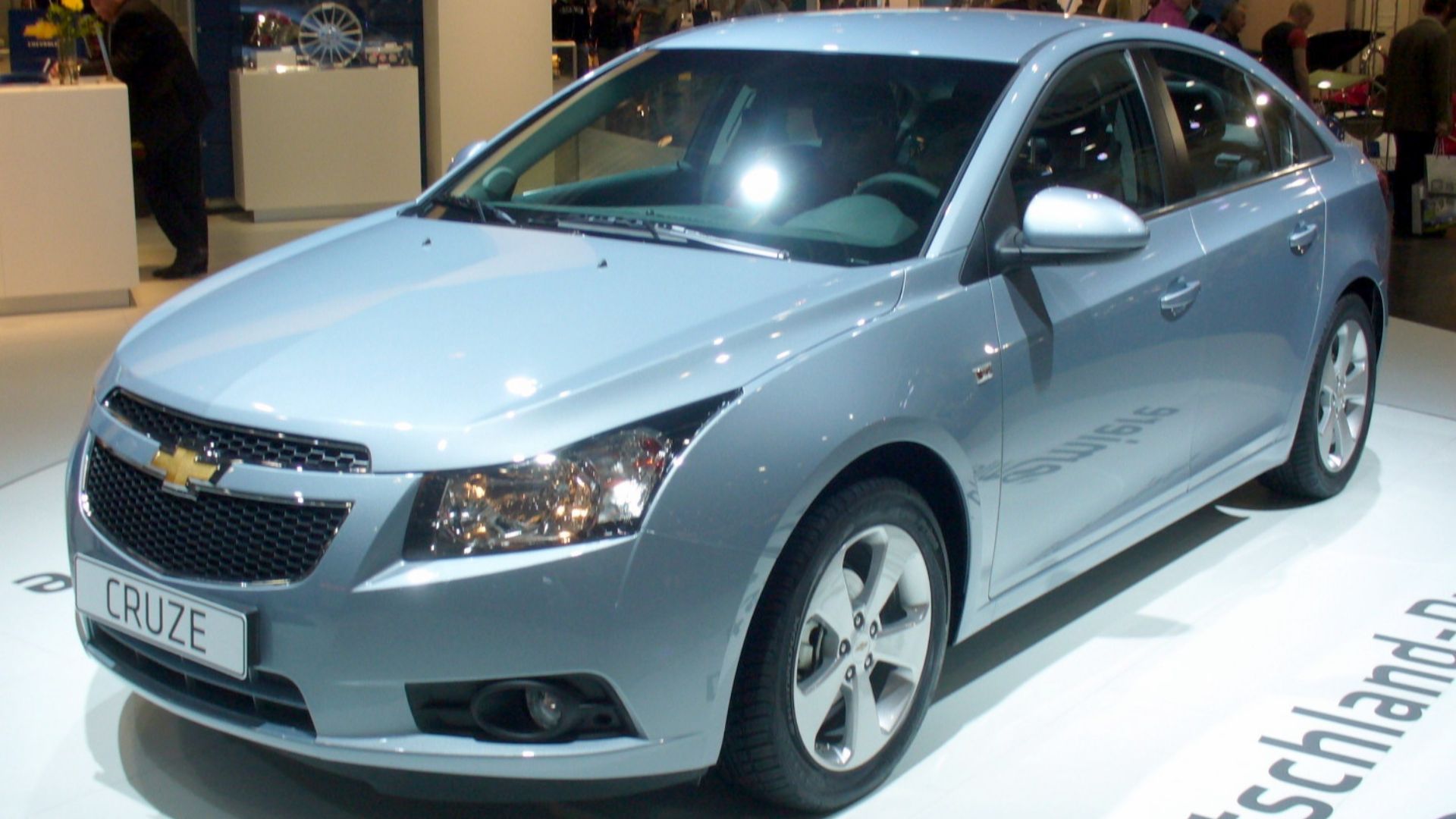
Chevrolet Cruze
The Chevy Cruze appeared on several lists because many common repairs remain approachable for home mechanics. Owners often praise how straightforward it is to access filters, batteries, and spark plugs. Widespread availability of affordable replacement components further improves long-term ownership costs.
 Thomas doerfer, Wikimedia Commons
Volkswagen Golf
The Volkswagen Golf benefits from a widespread enthusiast community and extensive online repair documentation. A lot of owners enjoy performing maintenance themselves because tutorials and aftermarket parts are so widely available. The hatchback’s popularity worldwide has helped generate massive amounts of DIY troubleshooting information.

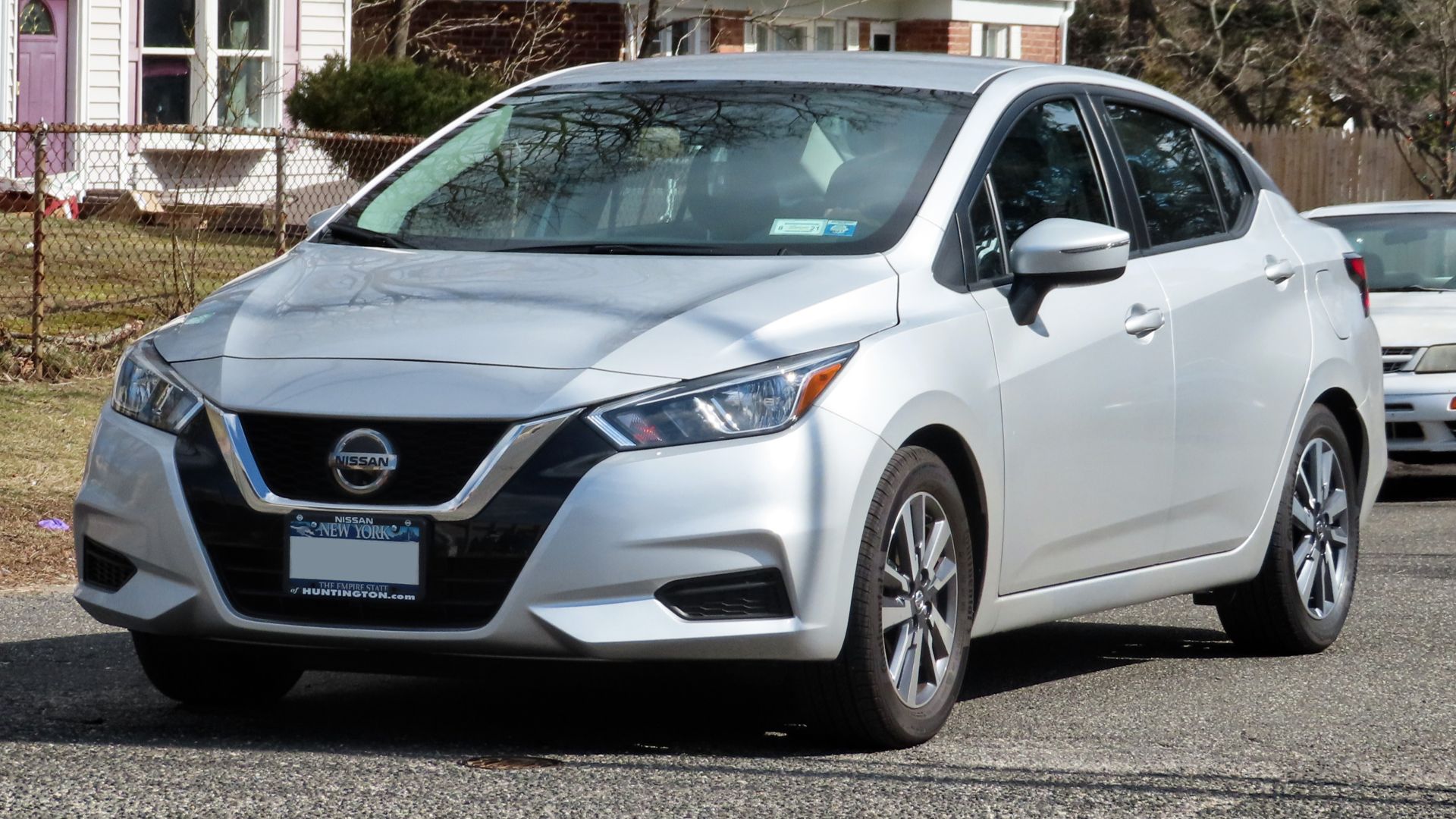
Nissan Versa
The Nissan Versa earned praise for mechanical simplicity and affordability. Because the Versa focuses heavily on basic transportation rather than luxury technology, owners often encounter fewer complicated systems. Simple routine maintenance tasks generally require only basic tools and limited prior automotive experience.
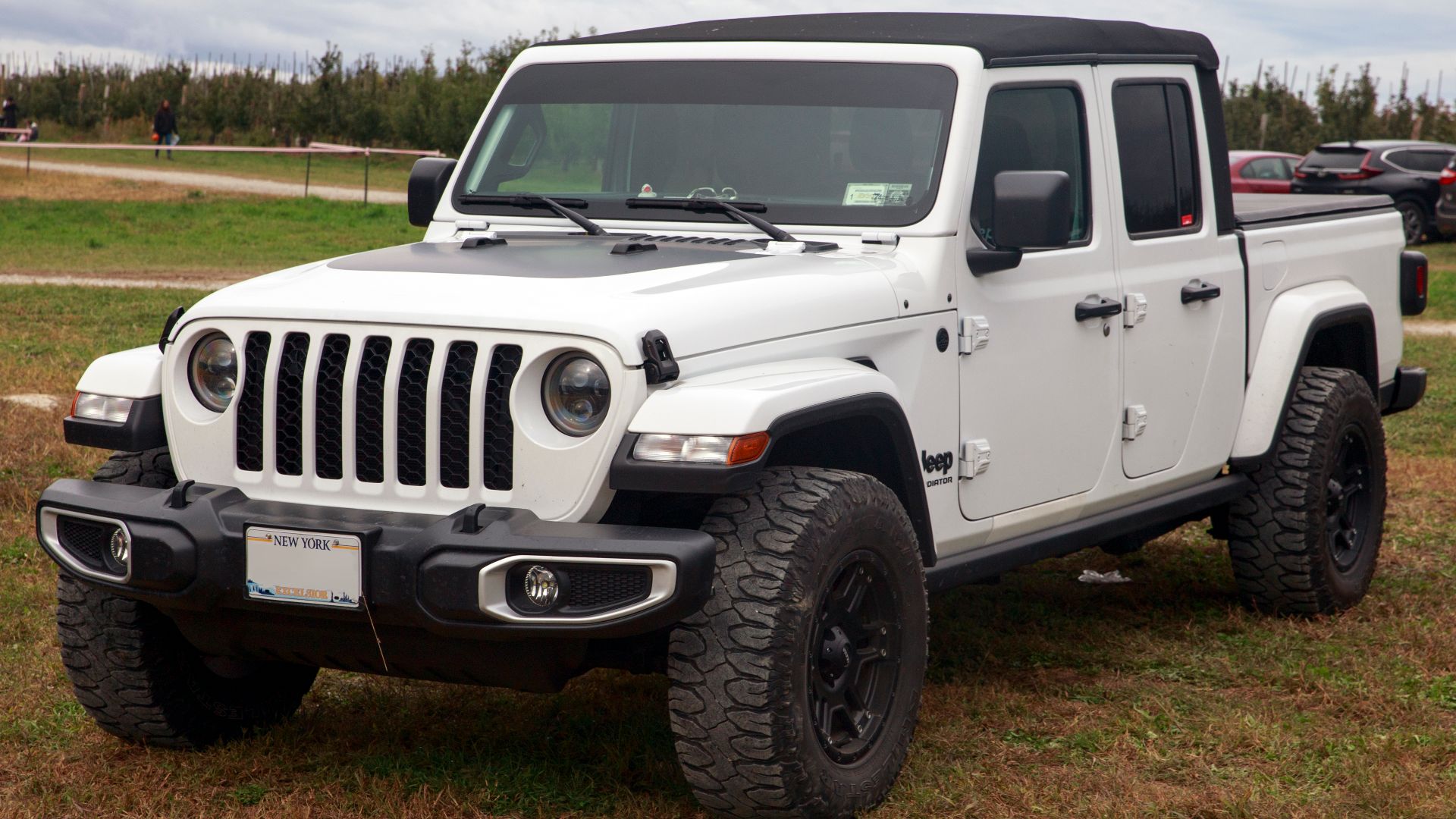
Jeep Gladiator
The Jeep Gladiator shares much of its mechanical simplicity with the Wrangler while adding pickup practicality. Owners often modify suspension systems, wheels, and drivetrain components themselves. Removable body panels and strong aftermarket support further contribute to the Gladiator’s reputation among DIY enthusiasts.
 Mr.choppers, Wikimedia Commons
What Makes A Car Easy To Work On
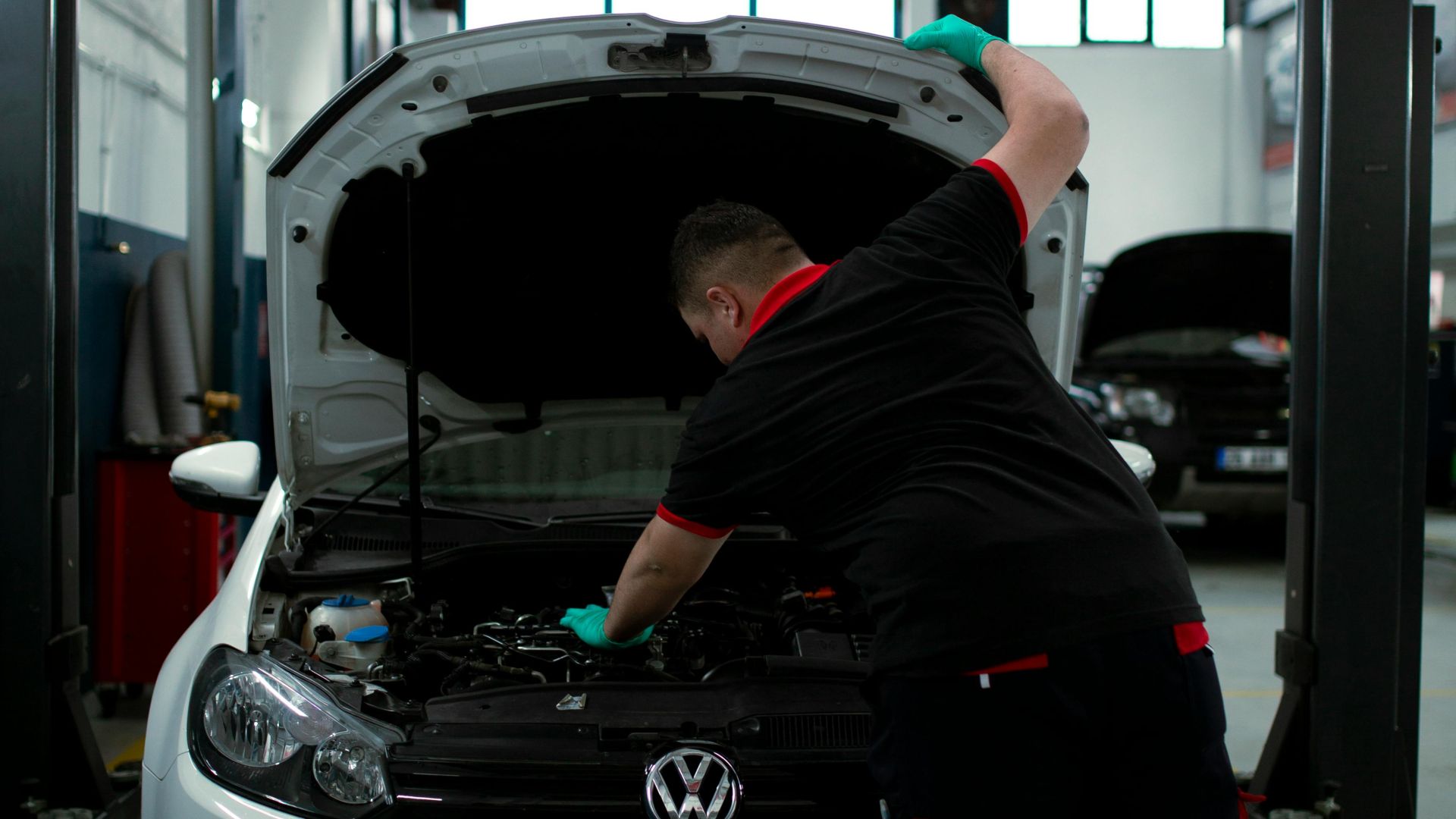
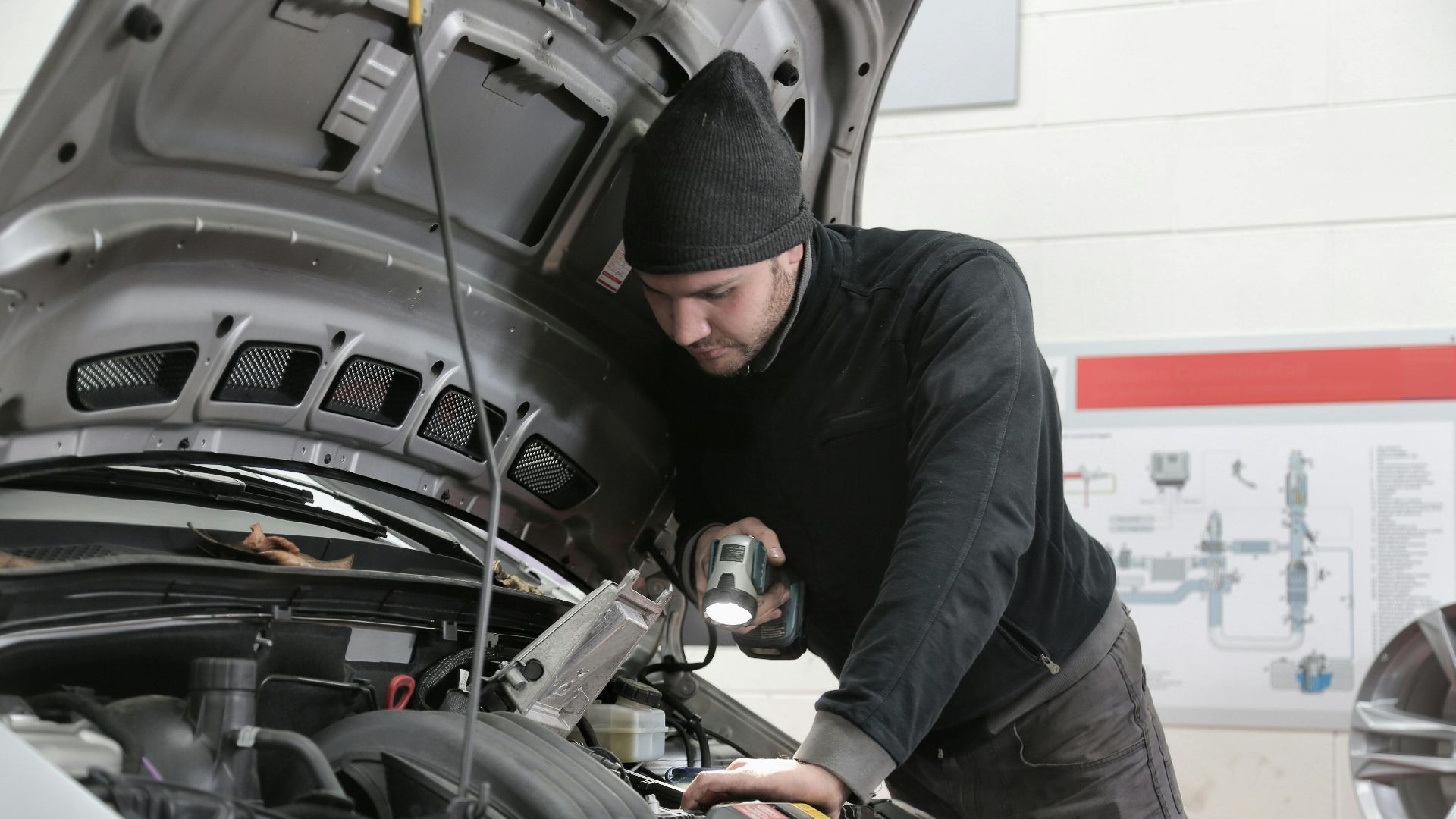
Several factors consistently determine whether a vehicle feels DIY-friendly. Spacious engine bays, fewer tightly packed electronic systems, and accessible filters or spark plugs all reduce frustration. Vehicles with strong owner communities also make repairs easier because tutorials, diagrams, and troubleshooting advice are easier to find.
Why Parts Availability Matters
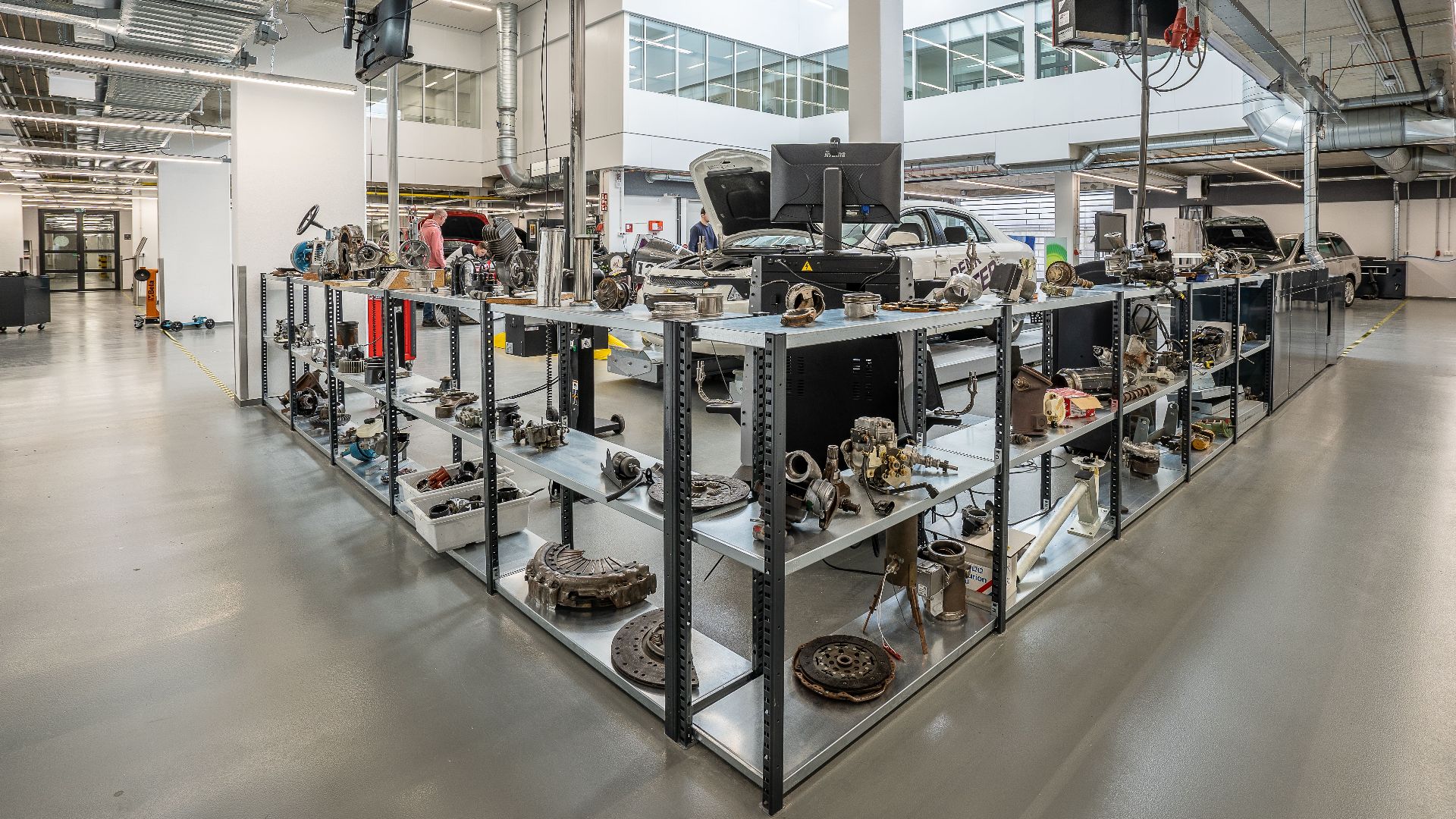
Cars with large sales numbers often become easier to maintain simply because replacement parts are widely available and relatively inexpensive. Popular models like the Civic, Corolla, and F-150 benefit enormously from this advantage. Owners can often find both factory and aftermarket parts without waiting for long periods.
 Mike van Schoonderwalt, Pexels
The Growing Challenge Of Modern Electronics
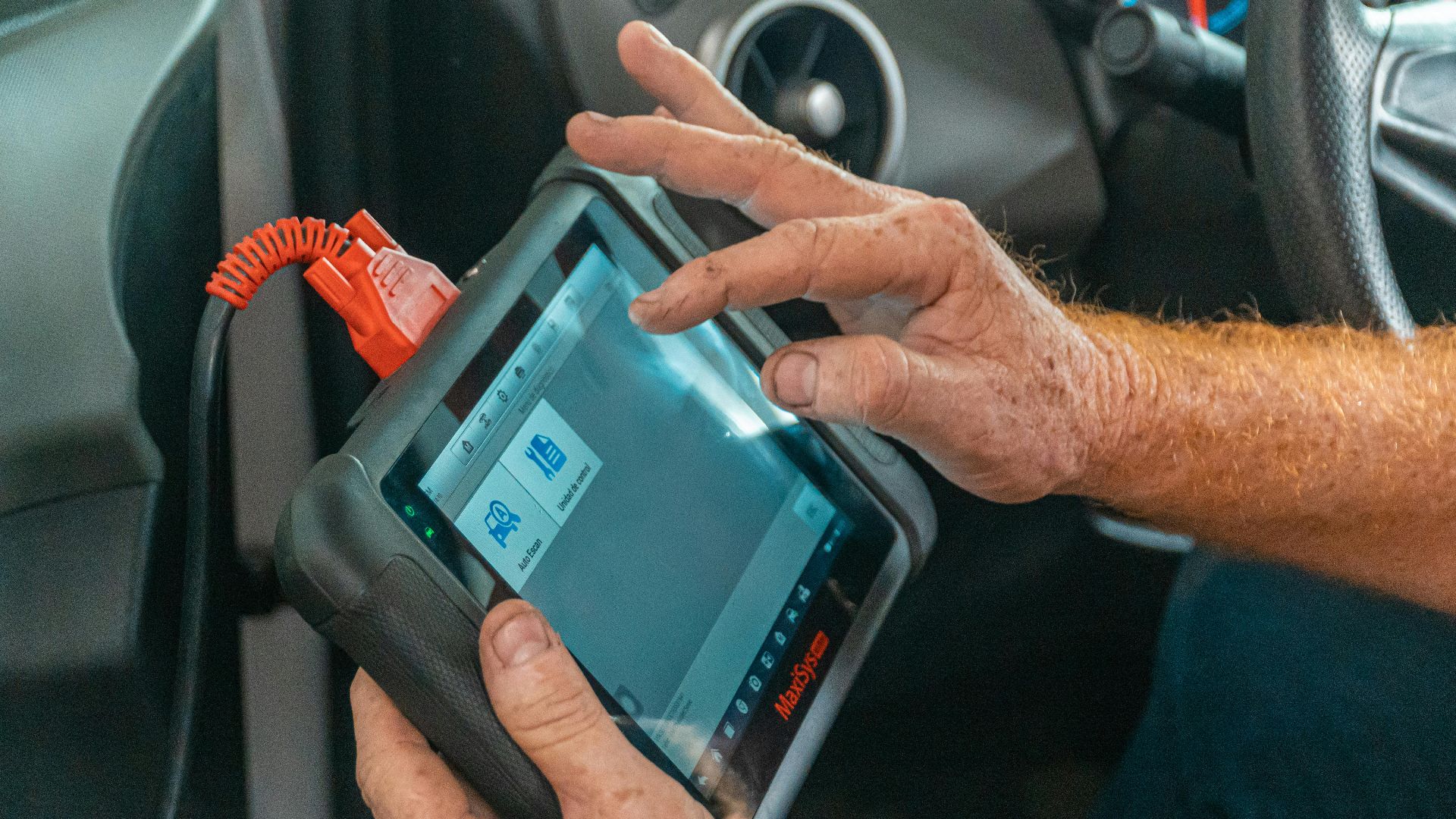
Modern vehicles increasingly rely on advanced sensors, driver-assistance systems, and computer-controlled components. These systems improve safety and efficiency but can complicate repairs for DIY mechanics. Even relatively simple maintenance procedures sometimes require electronic recalibration tools that older vehicles never needed.
 Jose Ricardo Barraza Morachis, Pexels
The Benefits Of Doing Your Own Maintenance
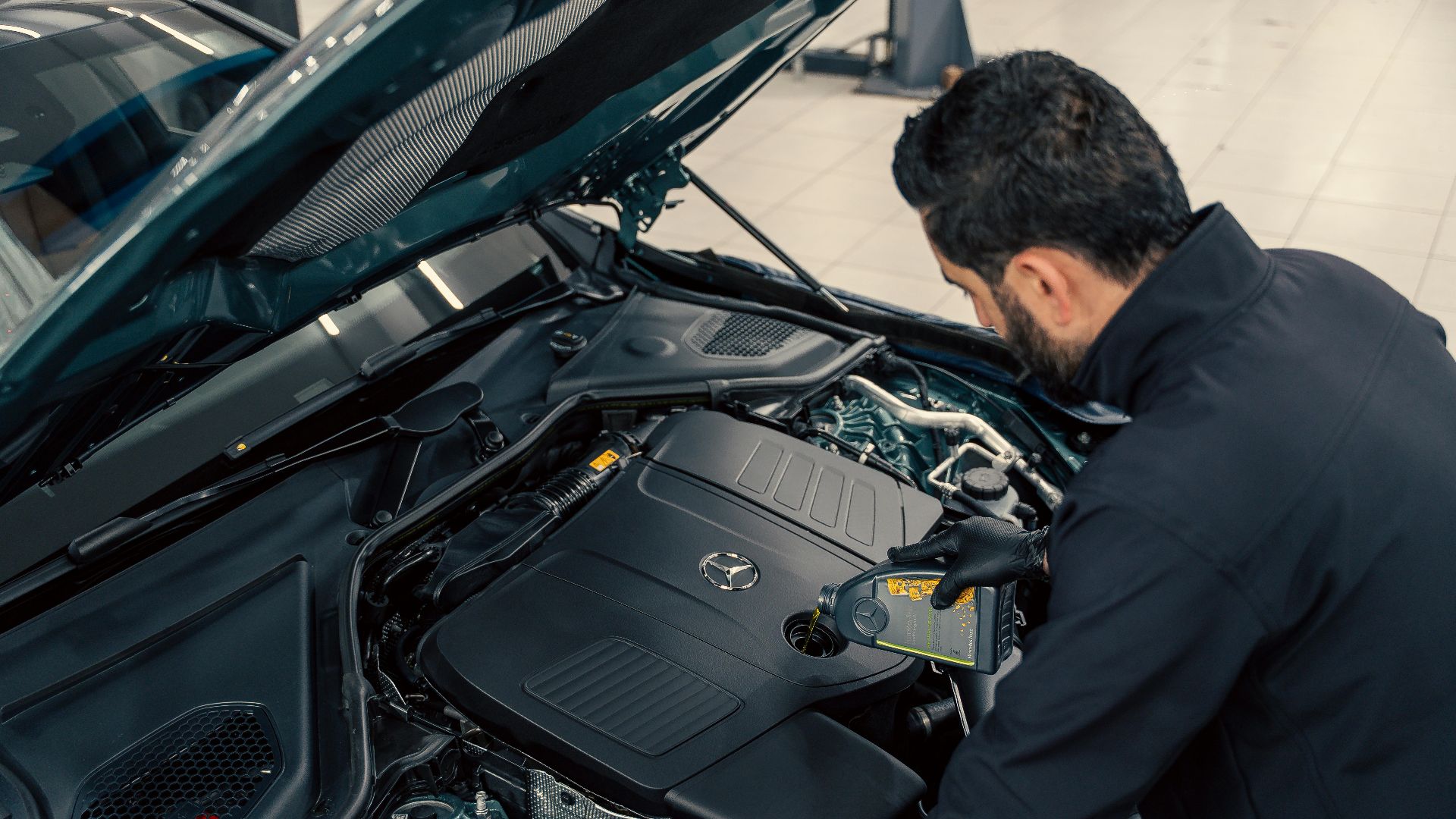
Performing basic maintenance at home can significantly reduce ownership costs over time. Oil changes, brake replacements, air filter swaps, and fluid services often cost far less when completed independently. DIY maintenance also helps owners better understand how their vehicles operate and identify problems earlier.
Why Enthusiast Communities Matter
Vehicles with passionate owner communities are usually easier for beginners to maintain. Forums, YouTube tutorials, and repair guides help inexperienced owners confidently tackle repairs step by step. Cars like the Miata, Mustang, Wrangler, and Civic benefit enormously from decades of shared enthusiast knowledge online.

The Future Of DIY Automotive Repair
As electric vehicles and increasingly complex electronics become more common, DIY automotive repair may become more difficult for casual owners. However, many manufacturers still produce vehicles with relatively accessible maintenance layouts. Enthusiast communities will likely continue playing a major role in helping owners perform repairs independently.
Keeping It Simple
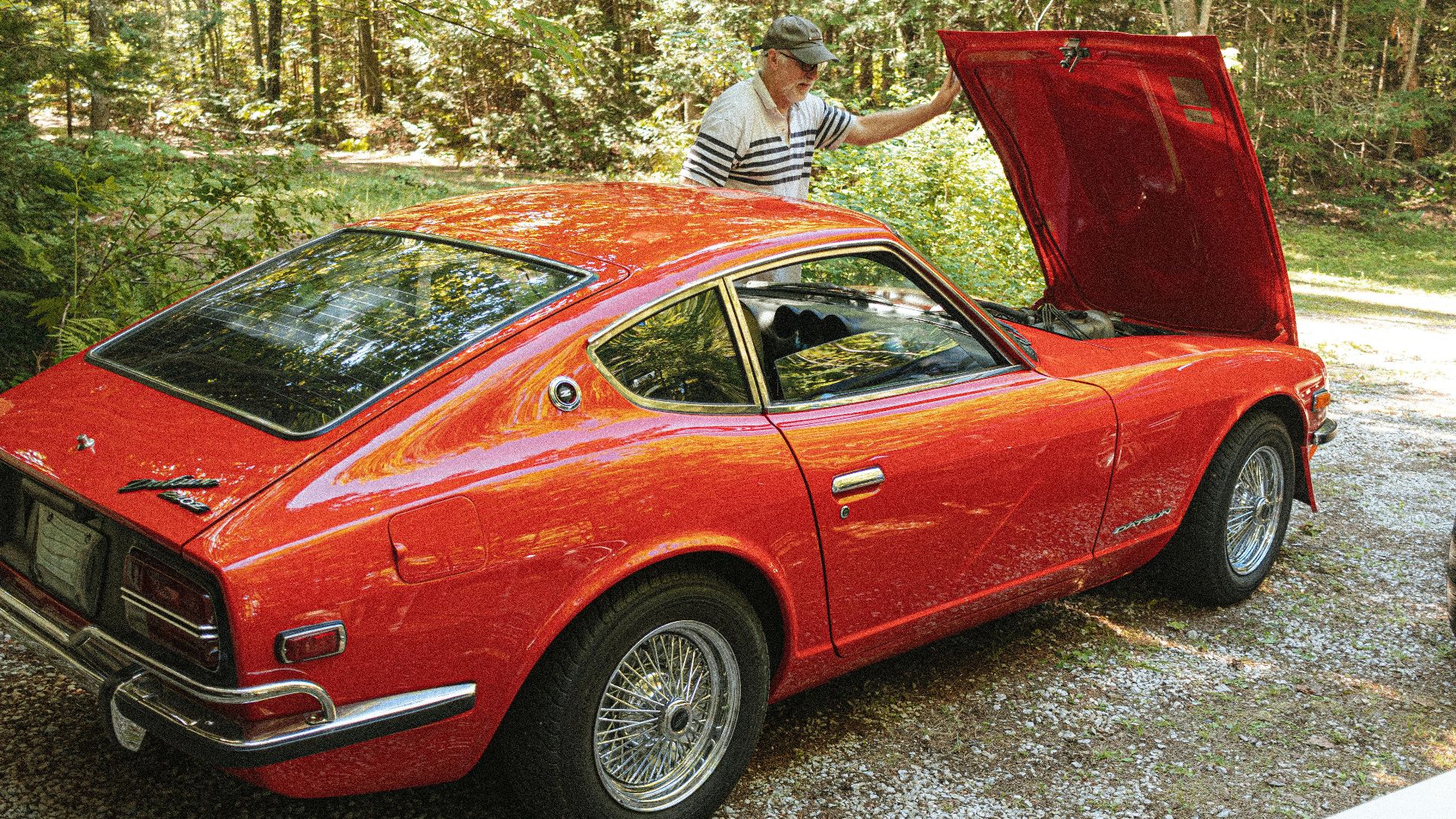
While modern vehicles are undeniably more complex than older cars, several current models still remain approachable for home mechanics and beginner DIY enthusiasts. Trucks, compact sedans, and enthusiast-oriented performance cars continue to offer accessible maintenance, affordable parts, and strong community support that make ownership less intimidating and potentially far less expensive.
You May Also Like:
How The Toyota Corolla Became The Best Selling Car Of All Time