The Fine Print Tells The Real Story
“Covers everything except wear items” sounds great until something pricey breaks and the service advisor says it is not covered. That is when many car owners find out that “wear” can mean a lot more than they thought. What matters is not the sales pitch. It is the exact contract language that defines wear items and spells out what is excluded.

Not All Service Contracts Are Warranties
Many dealership plans are vehicle service contracts, not factory warranties. The Federal Trade Commission says a service contract is a promise to perform or pay for certain repairs after mechanical breakdowns, while a warranty is included in the product’s purchase price. That difference matters because service contracts often have tighter coverage and more exclusions.

What Dealers Usually Mean By Wear
In simple terms, wear items are parts expected to break down through normal use over time. Think friction materials, rubber parts, fluids, and other components that get used up or lose strength. If the contract excludes “normal wear and tear,” that usually gives the administrator room to deny repairs tied to age, mileage, heat, friction, or everyday driving.

Brake Pads Are The Obvious Example
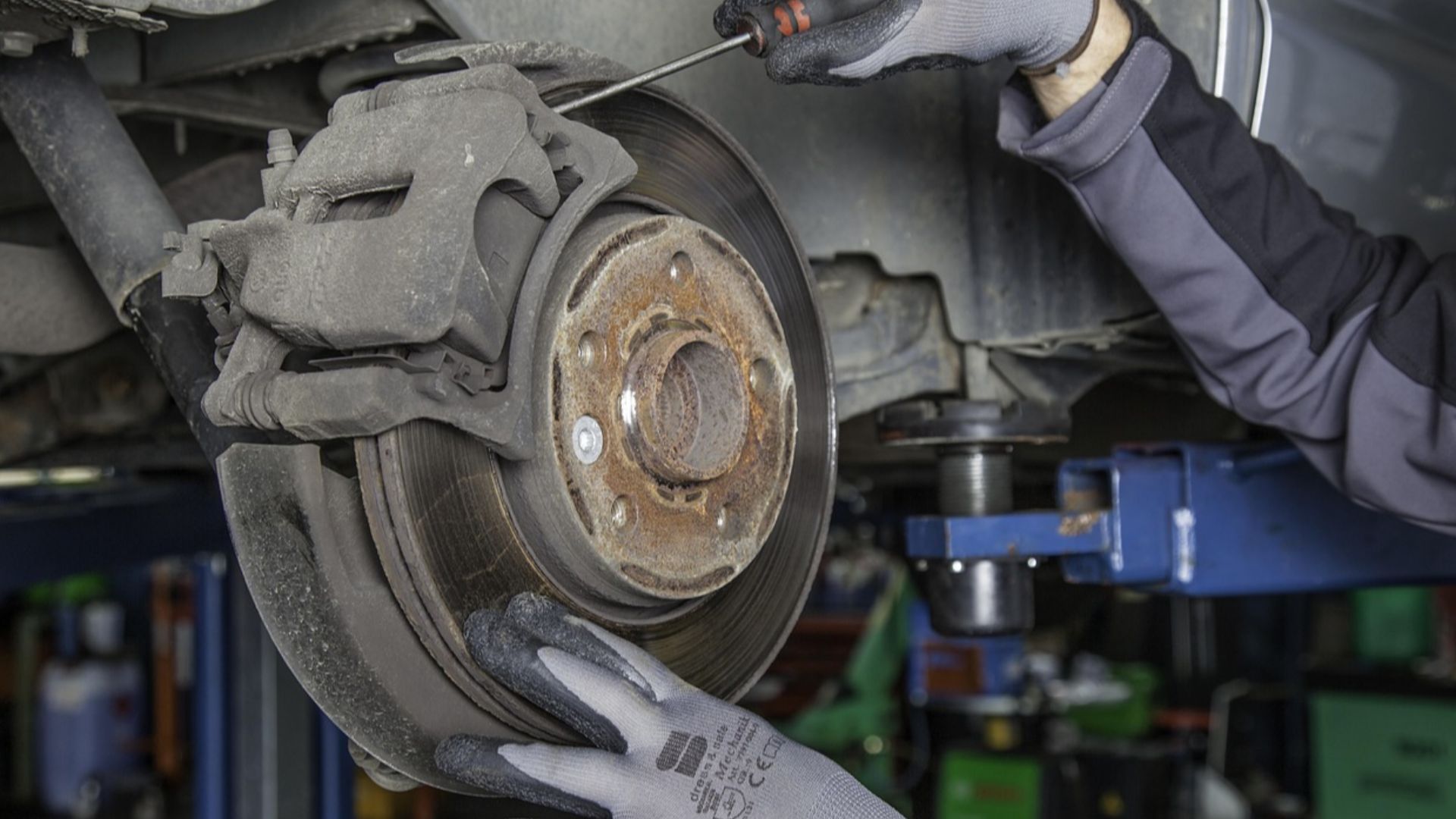
If there is one part almost every contract treats as a wear item, it is brake pads and brake shoes. They are built to wear down as they create friction to slow the car. Many plans also exclude brake rotors and drums unless a covered mechanical failure, not normal use, directly damages them.

Tires Are Almost Always Wear Items
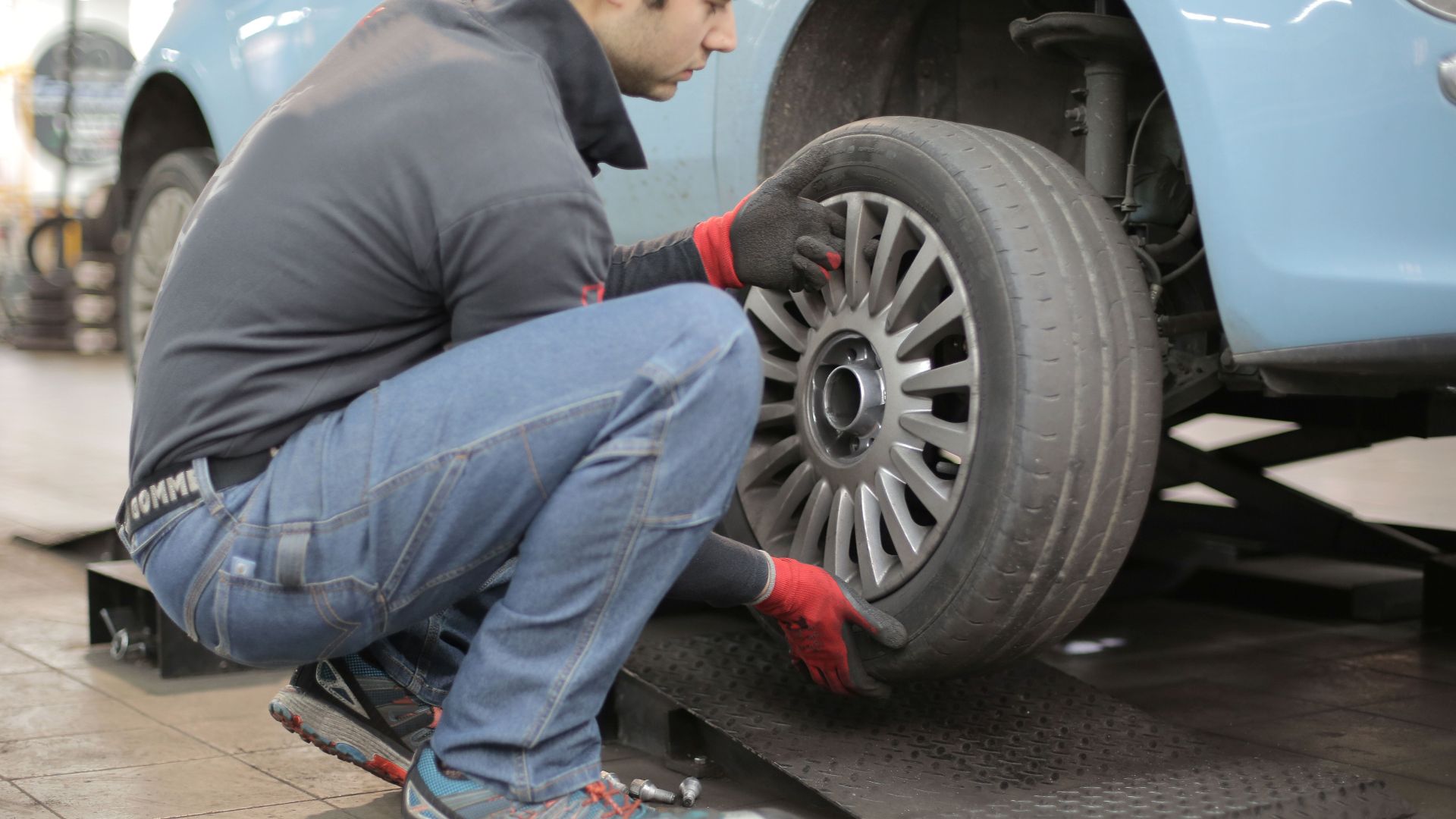
Tires wear out based on mileage, road conditions, inflation habits, alignment, and driving style, so they are commonly excluded from service contracts. If you bought separate tire and wheel protection, that is a different product with different rules. Do not assume tire replacement is included just because the salesperson called the plan “bumper to bumper.”
Wiper Blades And Light Bulbs Are Usually Out
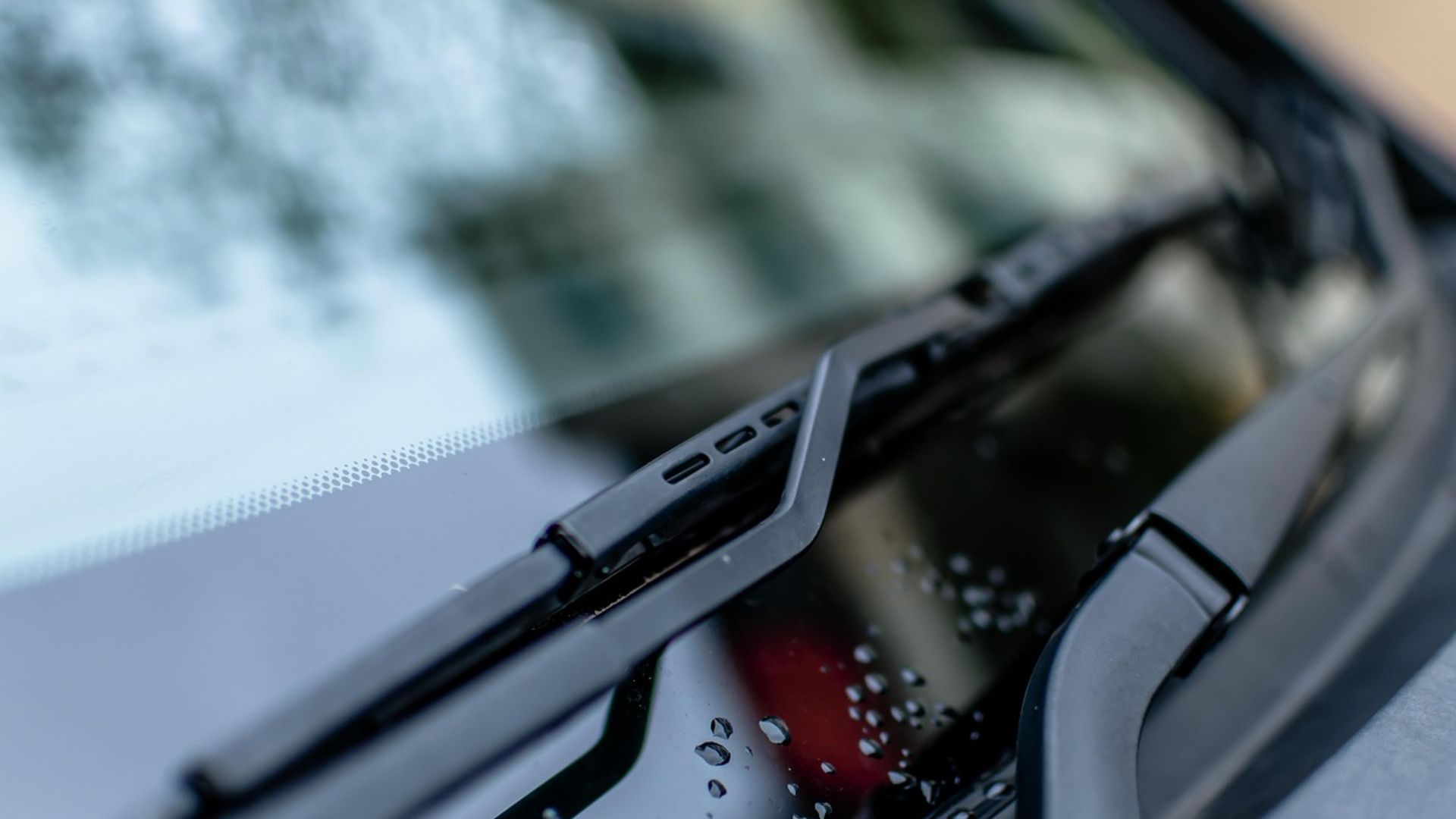
Small parts cause a lot of confusion. Wiper blades, bulbs, fuses, and filters are often treated as maintenance or wear items because they have short service lives and need regular replacement. If the contract excludes maintenance services, these parts are usually excluded too.
Clutch Parts Usually Count As Consumables
On manual-transmission vehicles, the clutch disc is a classic wear item because it depends on friction material that wears as you drive. Pressure plates and release bearings may or may not be covered depending on why they failed and how the plan is written. Many administrators will cover a broken internal transmission part but deny a worn clutch disc.
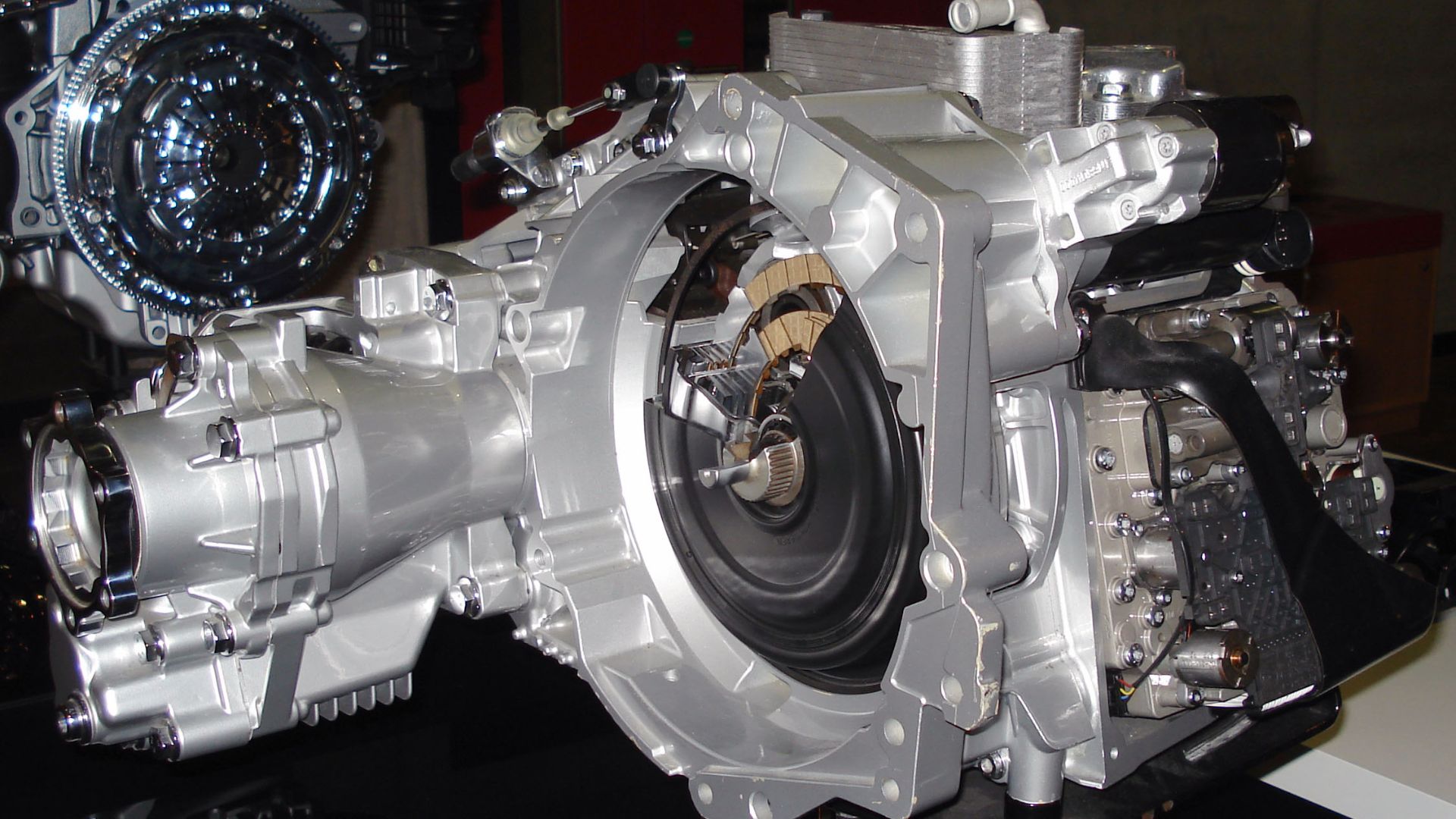 Matti Blume, Wikimedia Commons
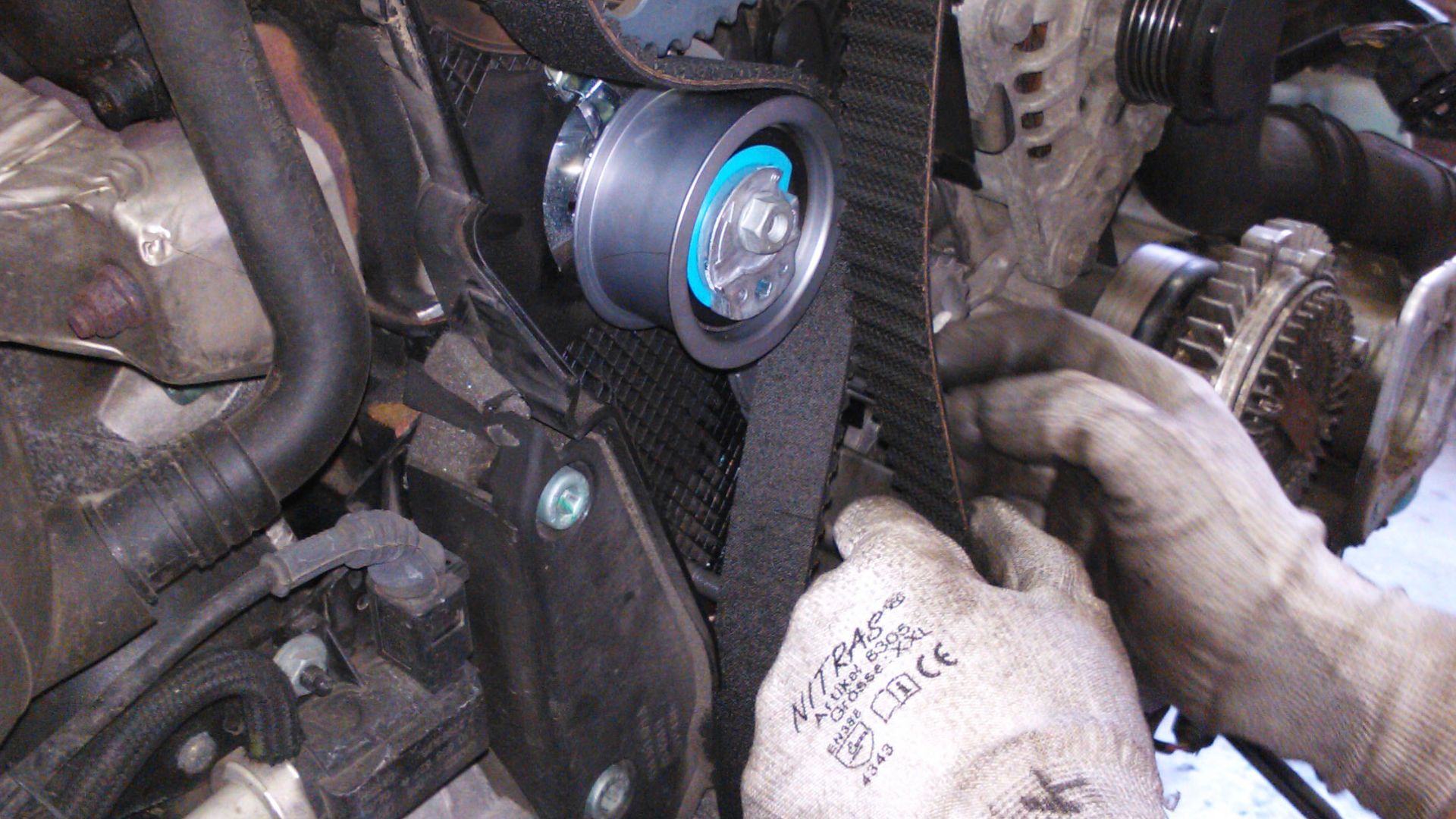
Belts And Hoses Sit In A Gray Area
Some contracts exclude belts and hoses outright. Others cover them only if they fail because of a covered breakdown rather than age or cracking. This is where owners often get caught off guard because these parts do not always feel like wear items the way brake pads do. Still, rubber breaks down with time and heat, so many plans treat them as maintenance-related exclusions.
 Petar Milošević, Wikimedia Commons
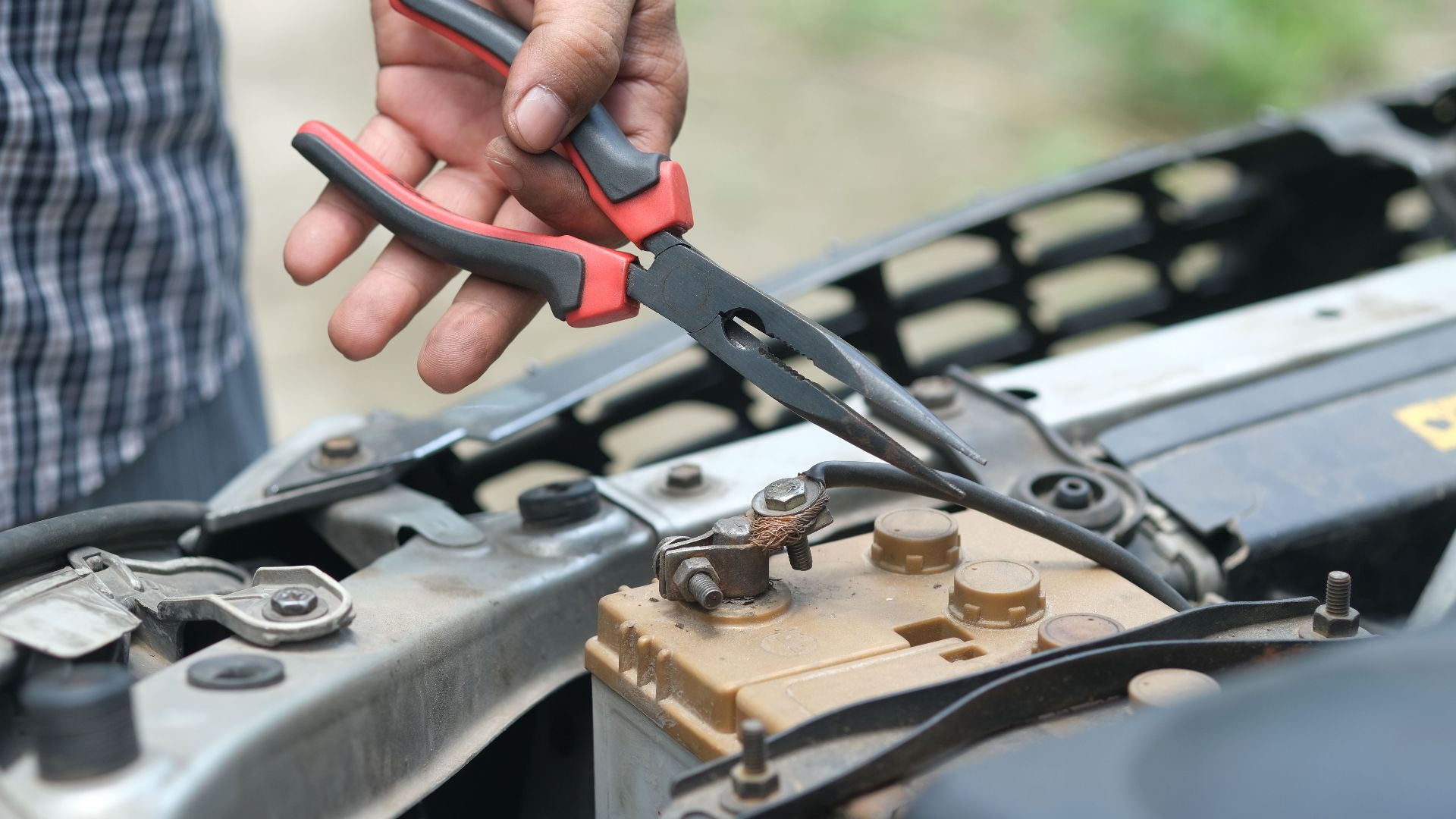
Batteries Are Often Excluded Too
The FTC notes that warranties and service contracts can limit coverage and that buyers need to read the actual terms. Batteries often fall outside service contract coverage because they wear out with age, temperature swings, and repeated charging cycles. Some plans cover only hybrid or EV high-voltage parts, not the regular 12-volt battery.
Shock Absorbers And Struts Catch Owners By Surprise
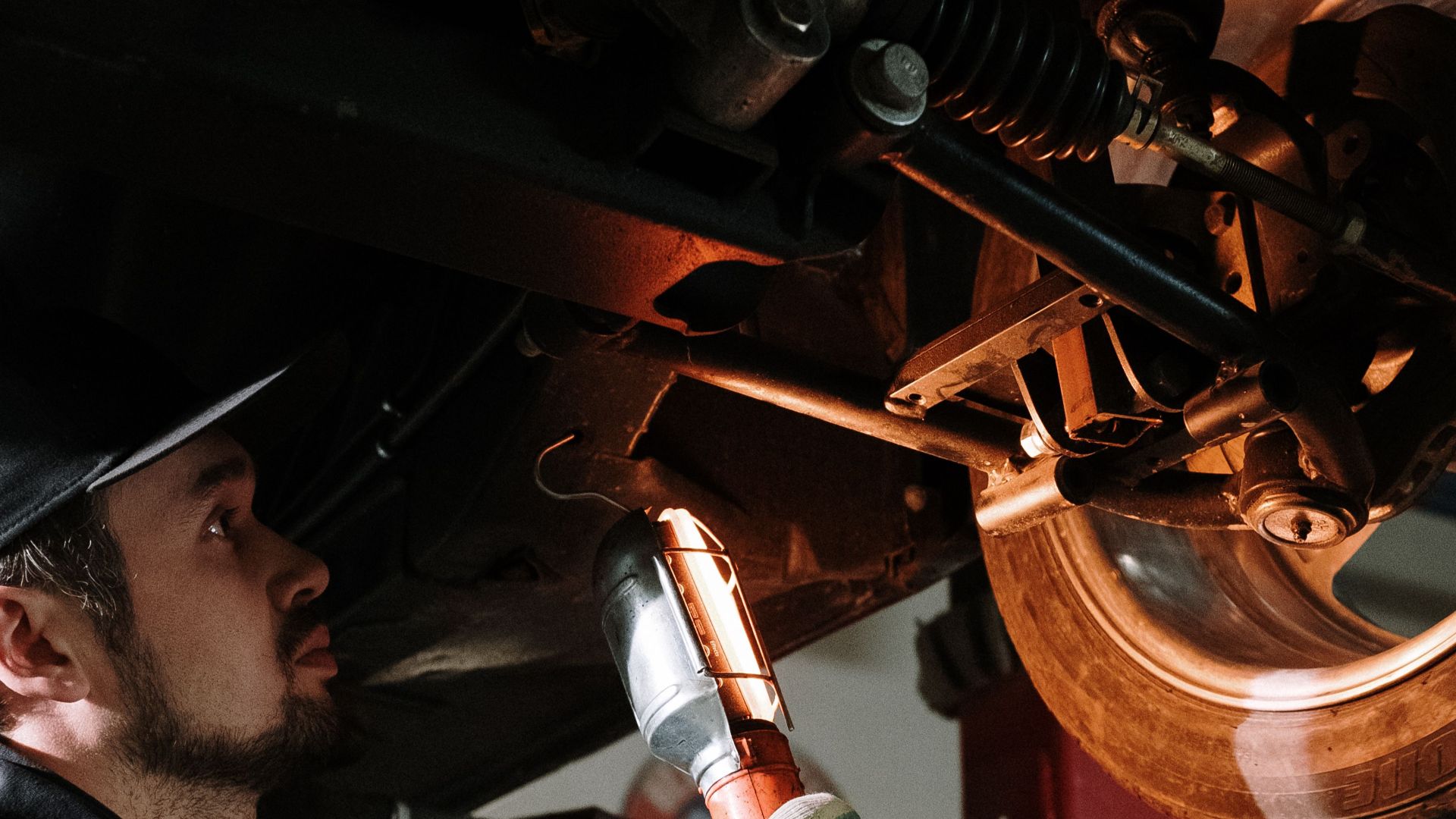
A worn strut can make a car bounce, dive, and eat through tires, but it still may be excluded as a wear item. Many service contracts treat shocks and struts as normal wear parts because their performance fades gradually with mileage. Unless the contract clearly lists them as covered, owners should assume they may not be.
Bushings, Mounts, And Rubber Seals Can Get Complicated
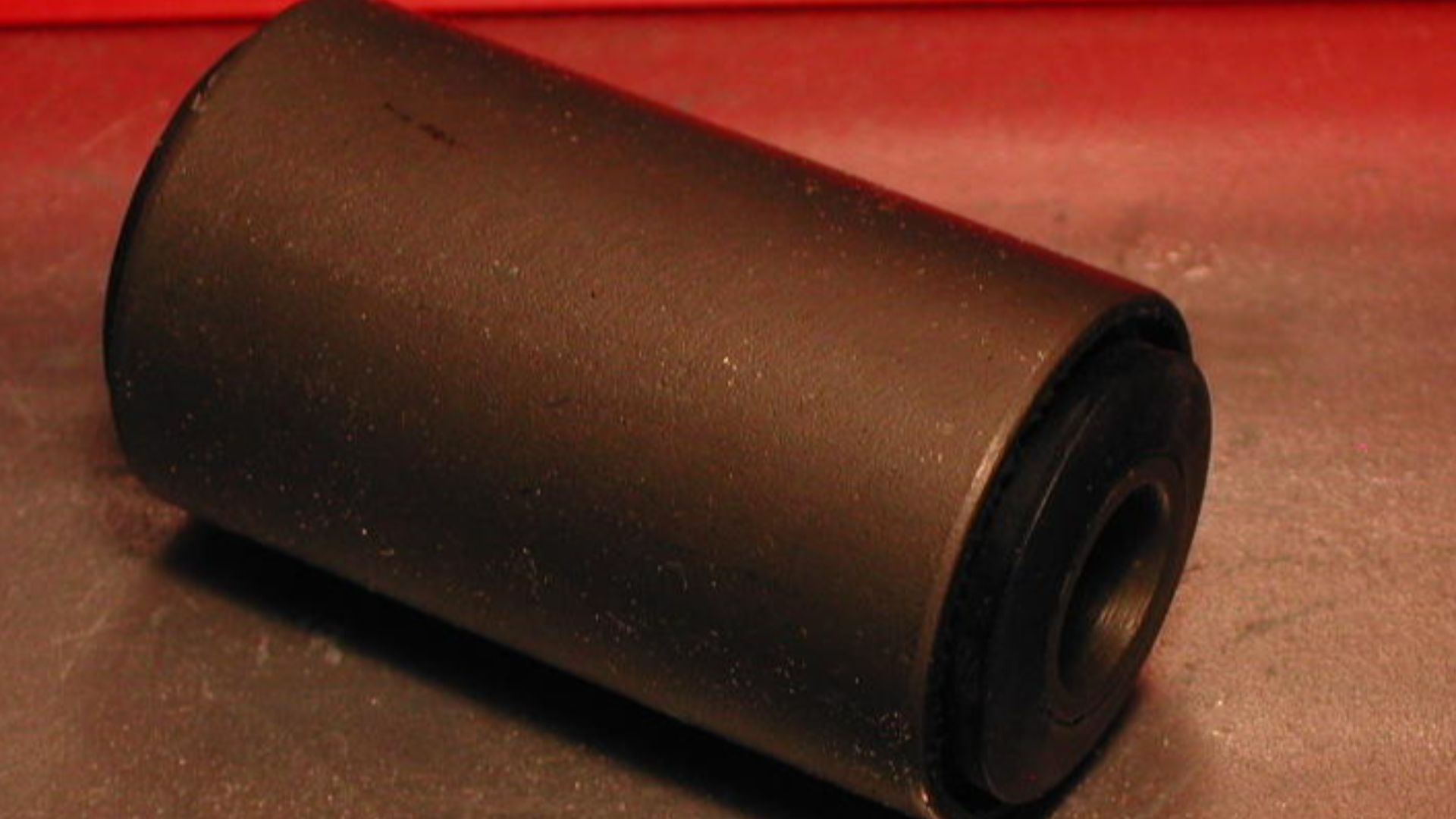
Suspension bushings, engine mounts, and weather seals age and crack over time, so they are often treated as wear-related items. The tricky part is that these components can also help cause bigger problems if ignored. A contract may pay for a failed metal part but not the worn rubber piece that helped lead to the damage.
Filters And Fluids Usually Mean Maintenance
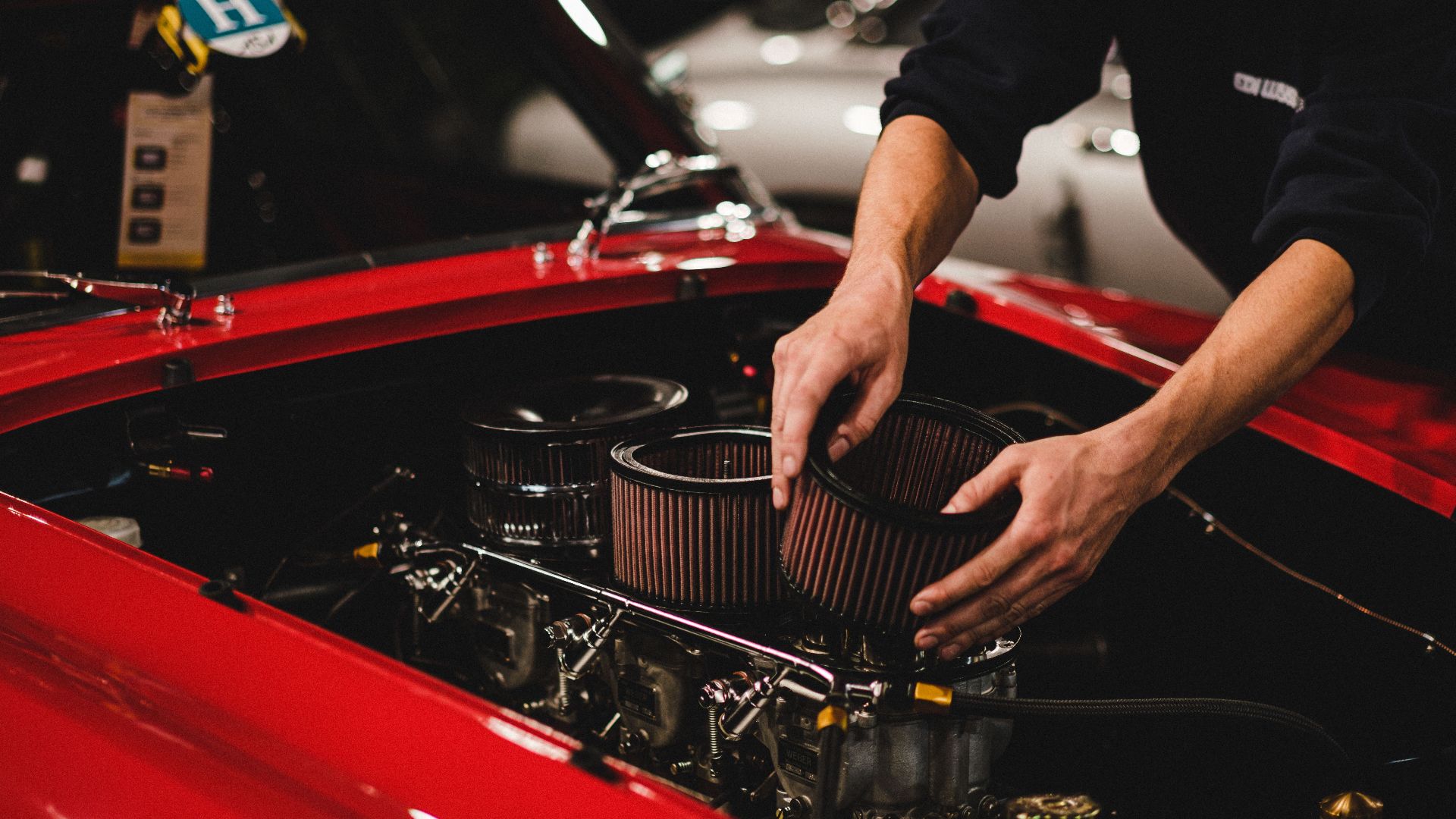
Oil filters, air filters, cabin filters, coolant, brake fluid, and transmission fluid are usually considered maintenance items, not covered repairs. Even when a covered repair requires replacing fluids, contracts can differ on whether those fluids are included. Check the reimbursement section closely because some plans cap fluid or shop-supply charges.
Spark Plugs Are Commonly Excluded
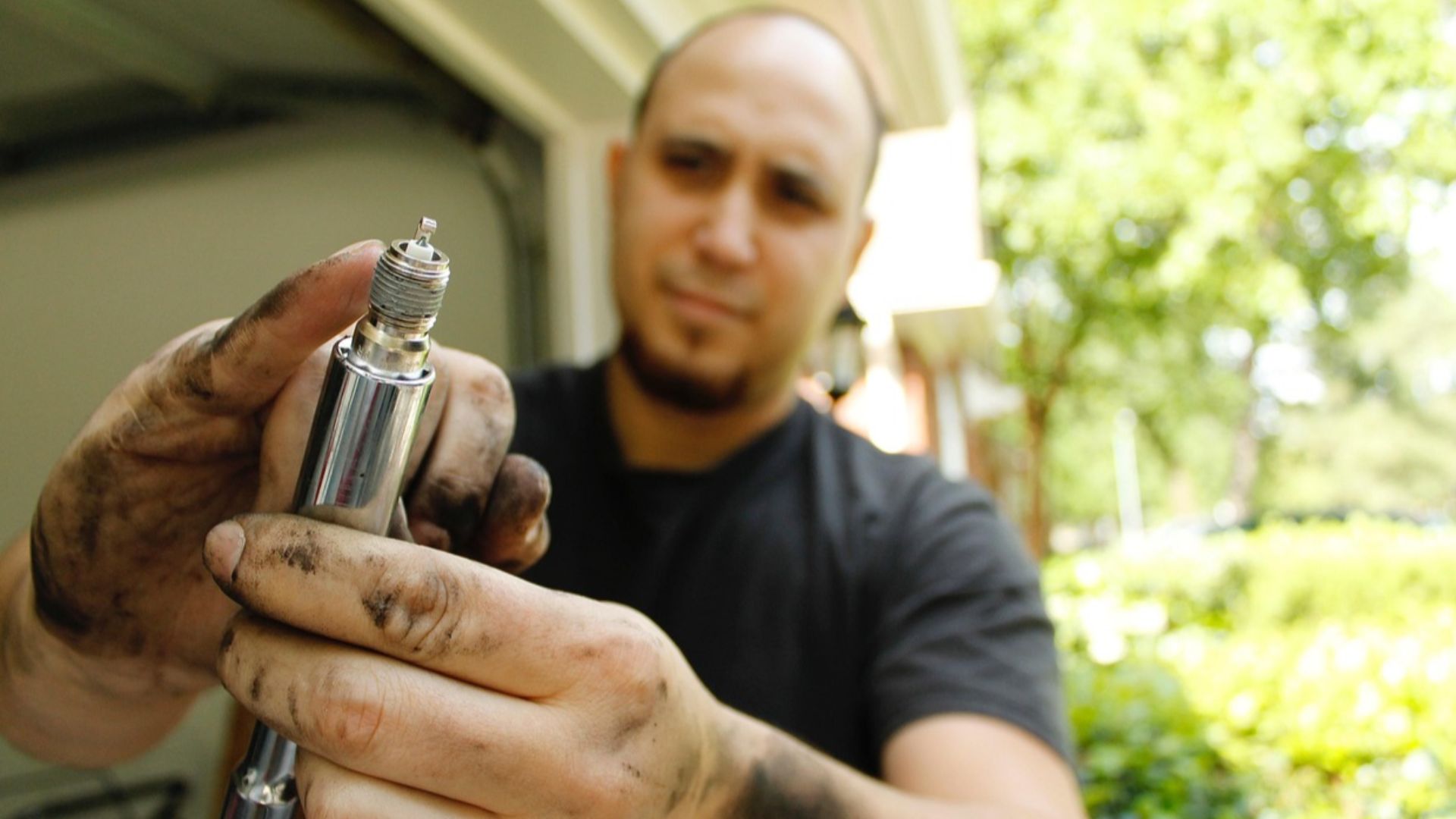
Spark plugs are another item that often lands on the excluded list because they have scheduled replacement intervals. On some modern engines, plugs can last a long time, which makes owners think they should count as durable parts. Contract administrators usually still treat them as tune-up or maintenance items.
Alignment Is Rarely Covered
Wheel alignment is usually treated as a maintenance service or a condition caused by road impacts and normal driving. Unless your contract includes alignment benefits or a suspension repair directly calls for it, expect to pay for it yourself. It is one of those extra costs that often shows up next to tire wear claims.

Brake Rotors Are Where Arguments Start
Rotors show why the phrase “wear item” needs a clear definition. Some plans exclude them because they wear down and may need resurfacing or replacement along with pads. Others may cover them if they crack or fail because of a specific covered mechanical defect rather than ordinary wear.
The Definitions Section Matters Most
Consumer guidance from state insurance and consumer agencies regularly tells buyers to read the definitions, exclusions, and cancellation terms before counting on a service contract. If the contract defines “wear and tear” broadly, that definition can drive a lot of claim decisions. A salesperson’s verbal promise usually does not carry the same weight as the written agreement.

Listed Parts Coverage Is A Big Clue
Many vehicle service contracts use listed-component coverage instead of true exclusionary coverage. That means only the parts named in the contract are covered, and everything else is not. If brake hydraulics are listed but pads are not, the administrator will likely pay for a failed caliper but not for worn pads.

Better Wording Usually Means Better Odds
Some higher-tier contracts say they cover all mechanical breakdowns except excluded items. Others cover only named components and then add a separate wear-and-tear exclusion. In general, the clearer and more buyer-friendly the wording is, the less room there is for surprise denials.

Maintenance Neglect Can Sink An Otherwise Covered Claim
Even if a failed part is not a wear item, your claim can still be denied if the administrator says poor maintenance helped cause the failure. The FTC advises consumers to keep records of oil changes and other scheduled service. If sludge, overheating, or neglected fluids played a role, the claim can go sideways fast.

Pre-Authorization Is Often Required
One of the biggest gotchas is that many service contracts require pre-authorization before repairs begin. If the shop replaces parts first and calls later, the administrator may deny payment even for a covered repair. That is why owners should tell the repair shop to contact the provider before any teardown or repair starts.

Tear-Down Charges Can Sting
Some contracts let the administrator require an inspection or teardown to find the cause of a failure. If the problem turns out to be excluded wear, you may end up paying the diagnostic and teardown charges yourself. That detail is often buried in the contract, but it can turn a simple visit into a painful bill.

Hybrid And EV Parts Play By Different Rules
With electrified vehicles, buyers should not assume every battery-related part is covered. Manufacturers often give separate warranty coverage for certain hybrid and EV components, while service contracts may still exclude consumables and routine wear items on the rest of the vehicle. The service contract should be checked alongside the factory warranty booklet, not instead of it.

State Regulators Have Been Warning Buyers For Years
State consumer and insurance agencies have long warned buyers to review service contracts before signing, especially the exclusions and cancellation rules. These agencies consistently point out that coverage can vary widely by provider and contract type. That is why one dealer’s “comprehensive plan” may be far less comprehensive than another’s.

How To Tell If A Part Is Probably A Wear Item
There is a simple way to think about it. If a part normally wears down through friction, heat, vibration, contamination, age, or regular use and has a predictable replacement interval, it is probably a wear item. If the part is supposed to last much longer and fails suddenly because of a defect or breakdown, it is more likely to be covered, assuming it is listed and not excluded.

Questions To Ask Before You Sign
Ask the dealer for the full contract and look for sections called Definitions, What Is Covered, What Is Not Covered, Maintenance Requirements, Authorization, and Cancellation. Ask specifically whether pads, rotors, tires, battery, belts, hoses, struts, bushings, seals, and electronics are covered. If the answer is verbal, ask them to show you the exact wording in writing.

What To Do If A Claim Is Denied
Start by asking for the denial reason in writing and which contract provision applies. Compare that explanation with the wording in your agreement and your maintenance records. If something does not add up, escalate it to the provider, the selling dealer, your state consumer protection office, or your state insurance regulator if service contracts are regulated there.

The Smart Takeaway For Drivers
When a dealership says the plan covers everything except wear items, assume that phrase is carrying a lot of weight. In many cases, wear includes brakes, tires, wipers, filters, bulbs, fluids, clutch materials, and often batteries, belts, hoses, shocks, struts, and rubber parts. The smart move is to treat the contract like a legal document, not a sales pitch, because the difference can easily cost hundreds or even thousands of dollars.