When The New Charger Starts Acting Suspicious
Your neighbor proudly installed a shiny new EV charger, skipped the permit process, and now you keep hearing that their breaker is tripping. Suddenly, this is less about electric cars and more about electrical safety. The question is whether you should mind your business—or make a call.
A Breaker Is Supposed To Trip
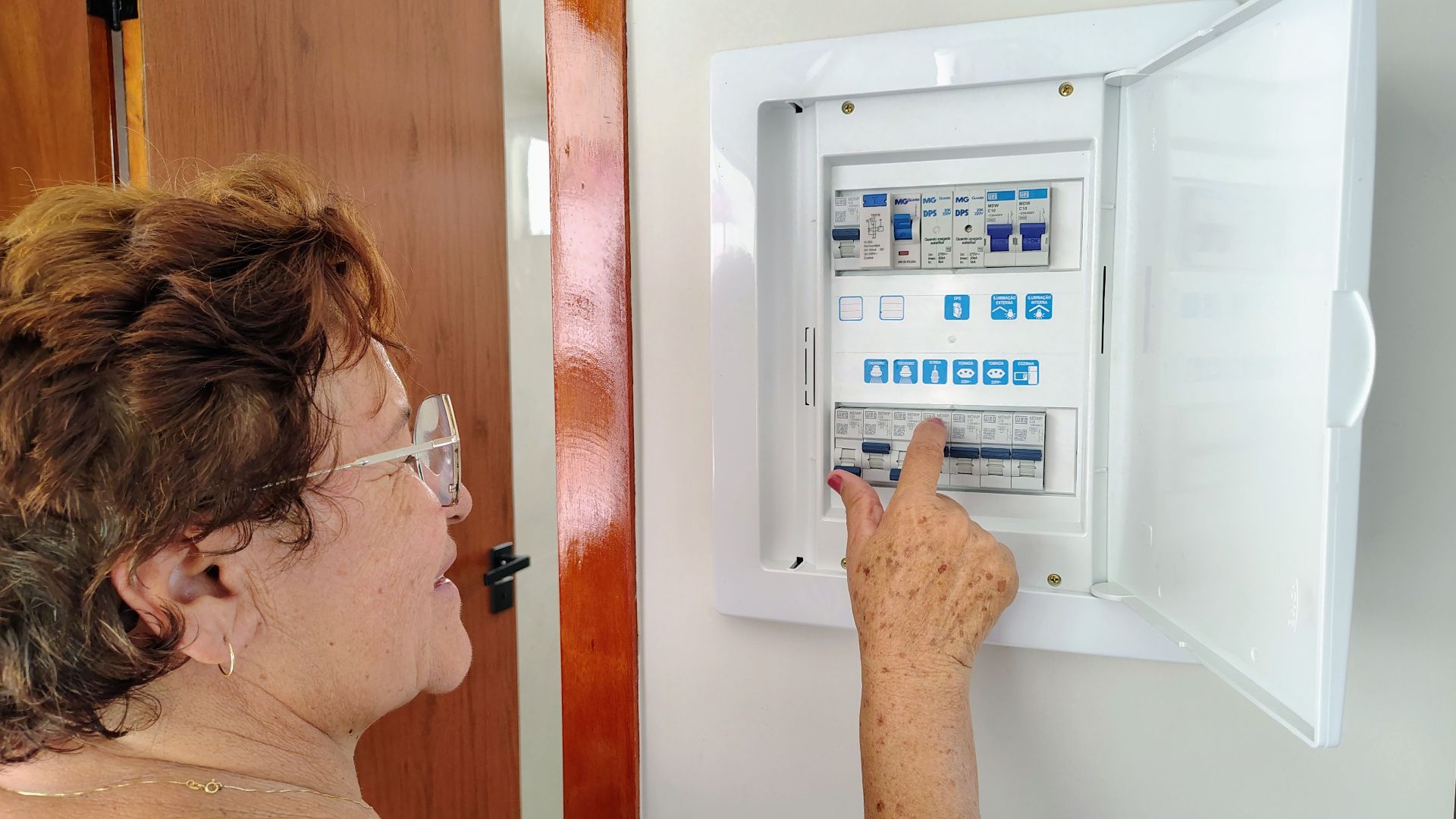
First, the breaker itself may be doing exactly what it was designed to do. Circuit breakers cut power when electrical conditions become unsafe. That annoying click can prevent overheated wiring and worse problems. The concern is not that it trips once, but that it keeps happening.
Repeated Tripping Is A Warning
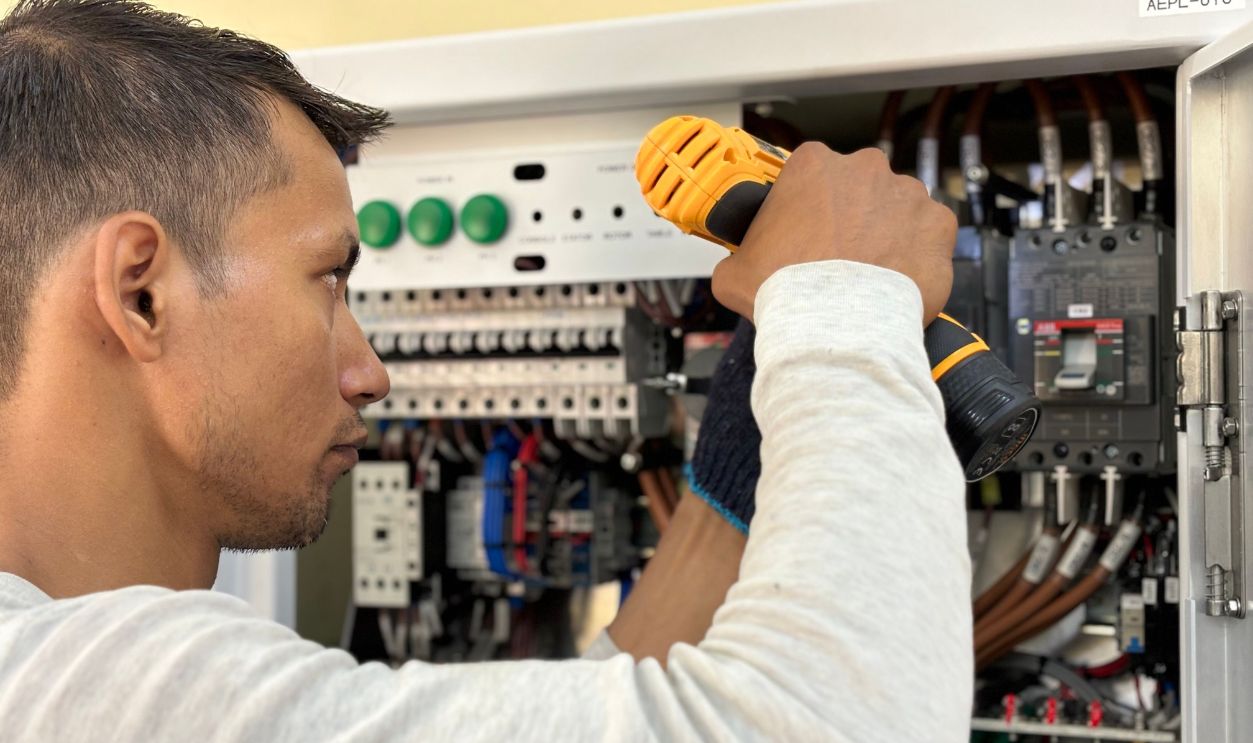
A breaker that repeatedly trips while an EV is charging deserves attention. The cause could be an overloaded circuit, incorrect breaker sizing, loose wiring, damaged equipment, or another installation issue. Whatever the culprit, continually resetting the breaker and hoping for better luck is not a repair strategy.
EV Chargers Are Serious Electrical Loads
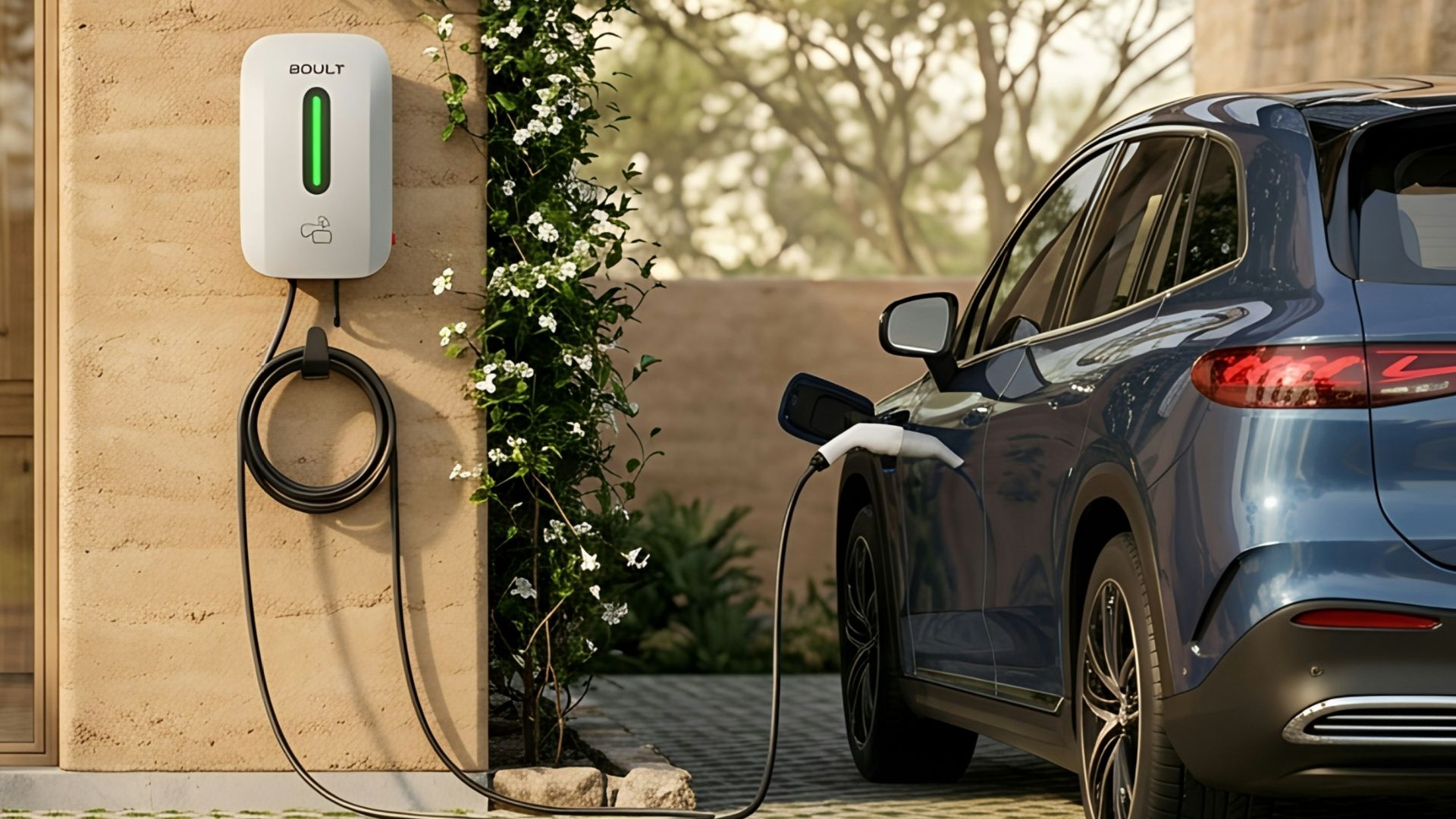
A Level 2 home charger is nothing like plugging in a toaster. These chargers commonly operate on 240-volt circuits and can draw substantial power for hours at a time. That makes proper wiring, circuit protection, equipment selection, and evaluation of the home's electrical capacity especially important.
 Christian Rebero Twahirwa, Unsplash
Old Panels Can Complicate Things
Boomer-era houses often have electrical systems designed long before anybody imagined a 7,000-pound electric pickup charging in the garage overnight. An older panel may still be perfectly serviceable, but adding a major continuous load without evaluating available capacity can expose weaknesses that previously went unnoticed.
The Charger Might Not Be The Problem
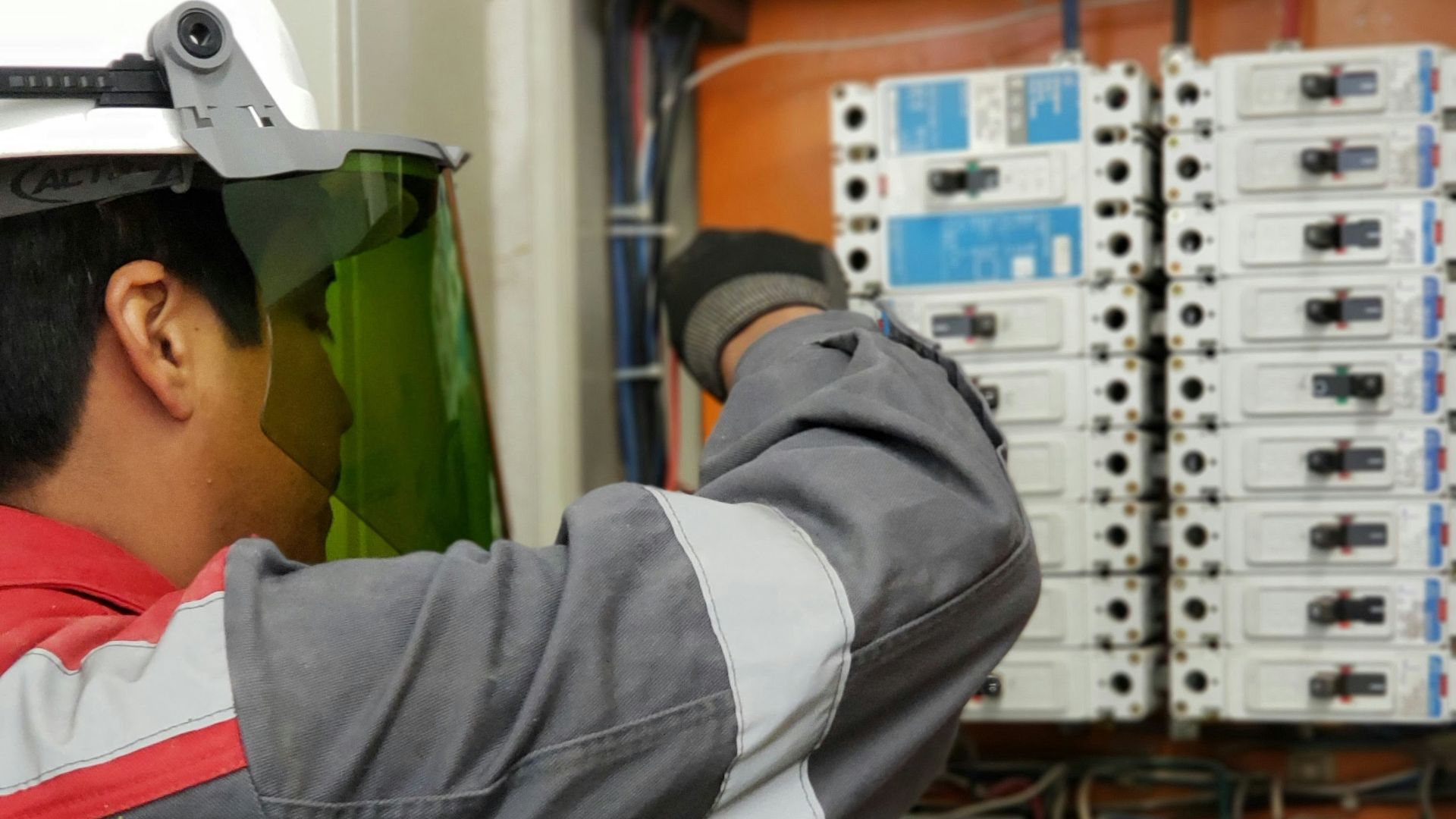
Don't immediately blame the box hanging on the garage wall. The charger could be functioning normally while an undersized circuit, faulty connection, inappropriate breaker, or overloaded panel causes the trouble. Diagnosing that requires someone who understands electrical systems—not somebody who watched three installation videos Saturday morning.
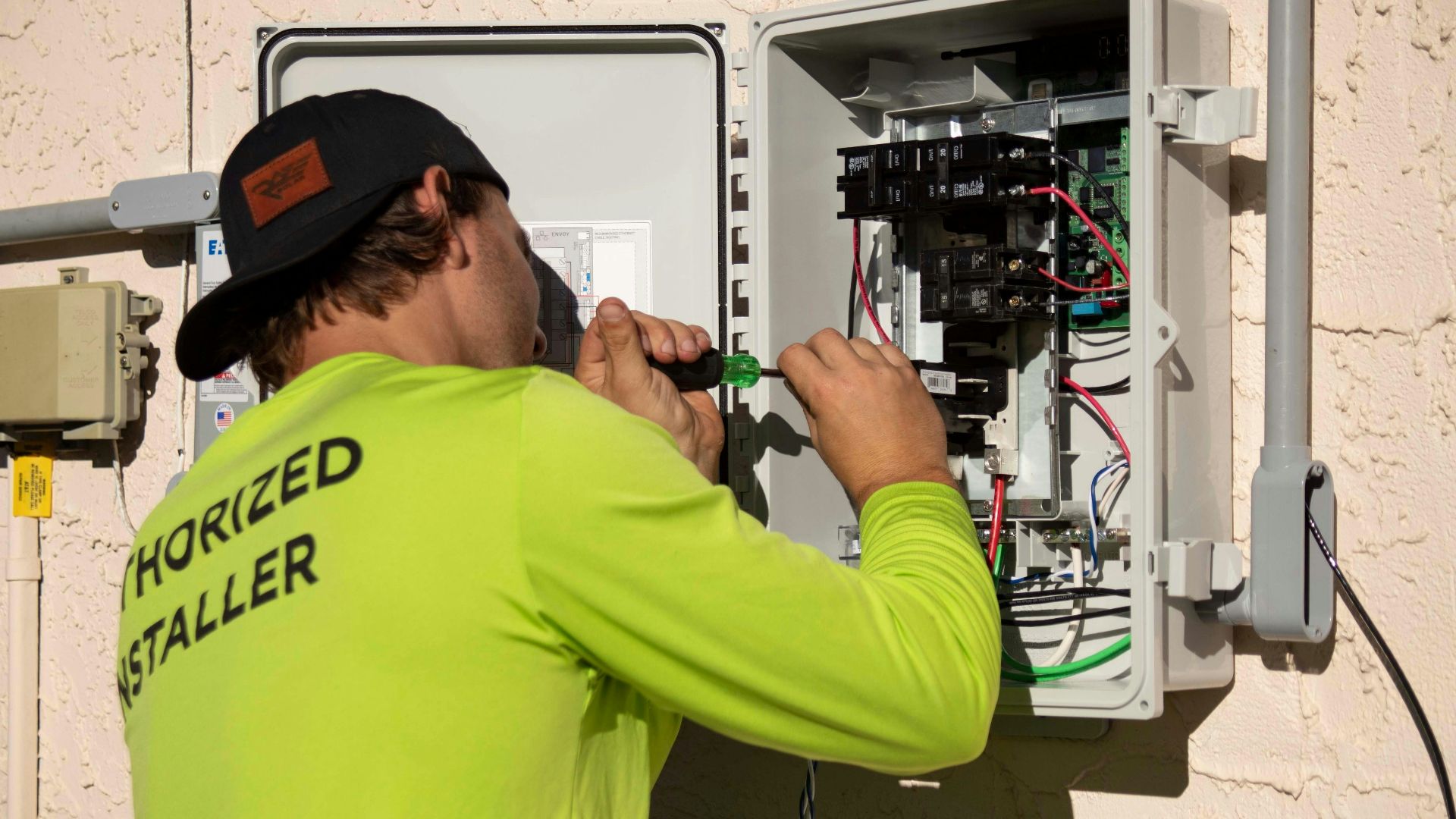
Permits Are More Than Paperwork
Electrical permits can feel like another bureaucratic hurdle, but they exist partly to create oversight for work that can create genuine safety hazards. Requirements vary depending on where you live, so homeowners should check with the electrical inspection or building authority responsible for their jurisdiction.

Some Places Specifically Require Them
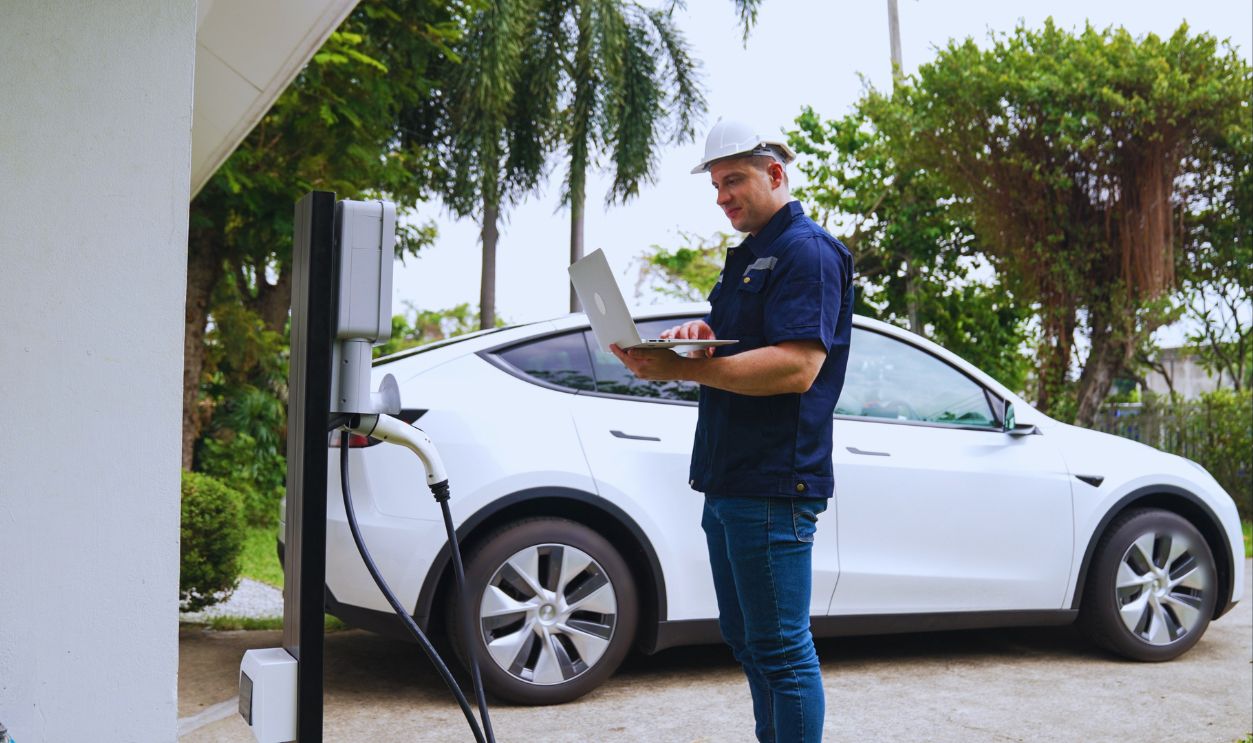
Ontario provides a useful example. The Electrical Safety Authority says EV charger installations require an electrical notification, commonly called a permit, before installation begins. If a homeowner hires someone for the work, it must be performed through a Licensed Electrical Contractor.
 Summit Art Creations, Shutterstock
Missing The Permit Doesn't Prove Danger
Here is an important distinction. An unpermitted charger isn't automatically an incorrectly installed charger. Someone may have done excellent work while ignoring paperwork. Conversely, a permitted installation can someday develop a fault. The missing permit simply removes one layer of verification that might otherwise provide reassurance.

But The Tripping Changes Things
If all you knew was that your neighbor skipped a permit, reporting them might seem unnecessarily aggressive. Repeated breaker trips add another ingredient. Now there is an observable electrical problem occurring during operation, making it reasonable to wonder whether the installation should be inspected before charging continues.
Start With A Conversation
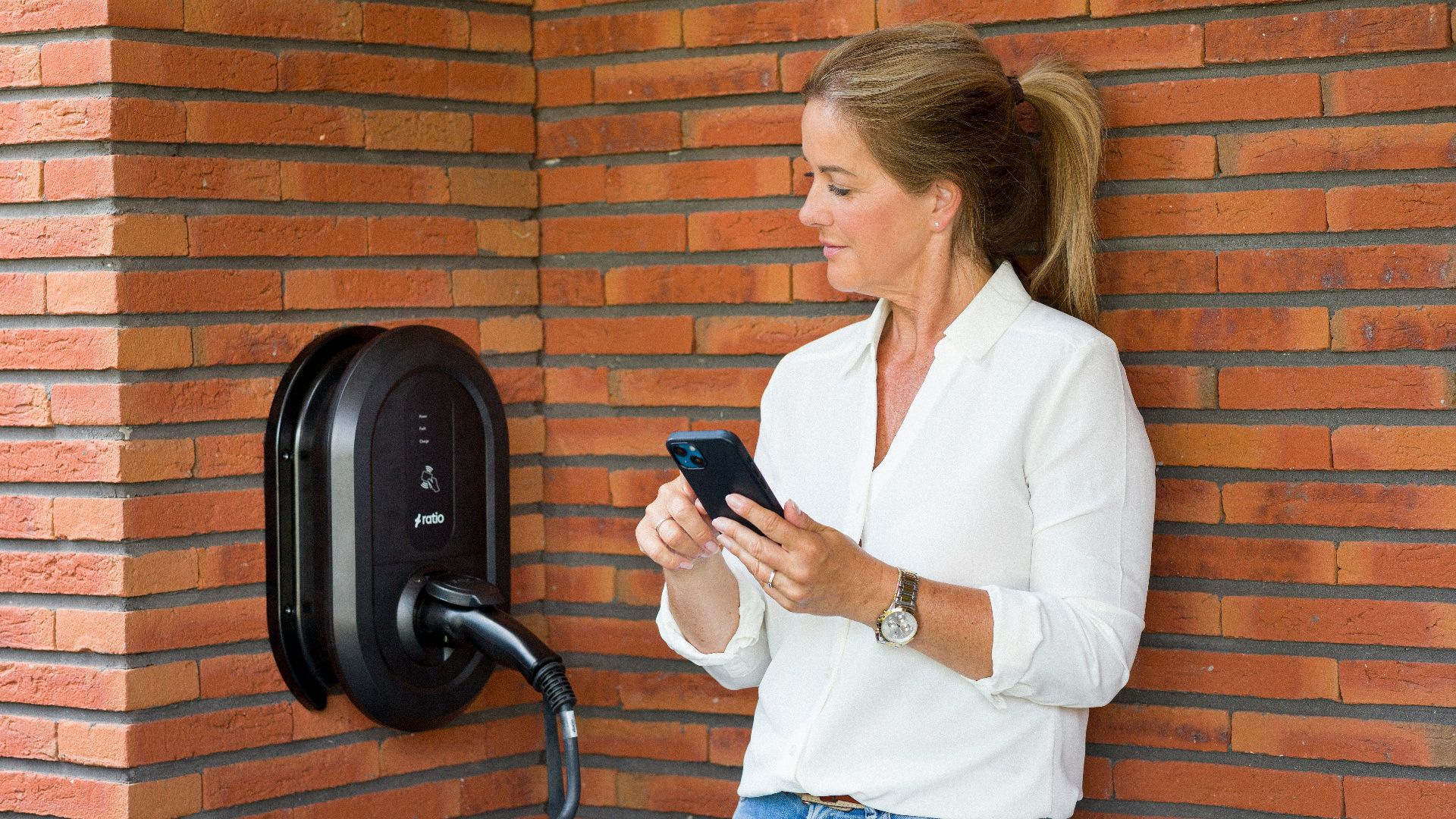
Unless there is an immediate danger, talking to the neighbor is usually the sensible first move. You don't have to arrive carrying a clipboard and pretending to be the electrical police. Mention that you've noticed the repeated trips and suggest that they have the charging circuit professionally inspected.
Don't Diagnose It Over The Fence
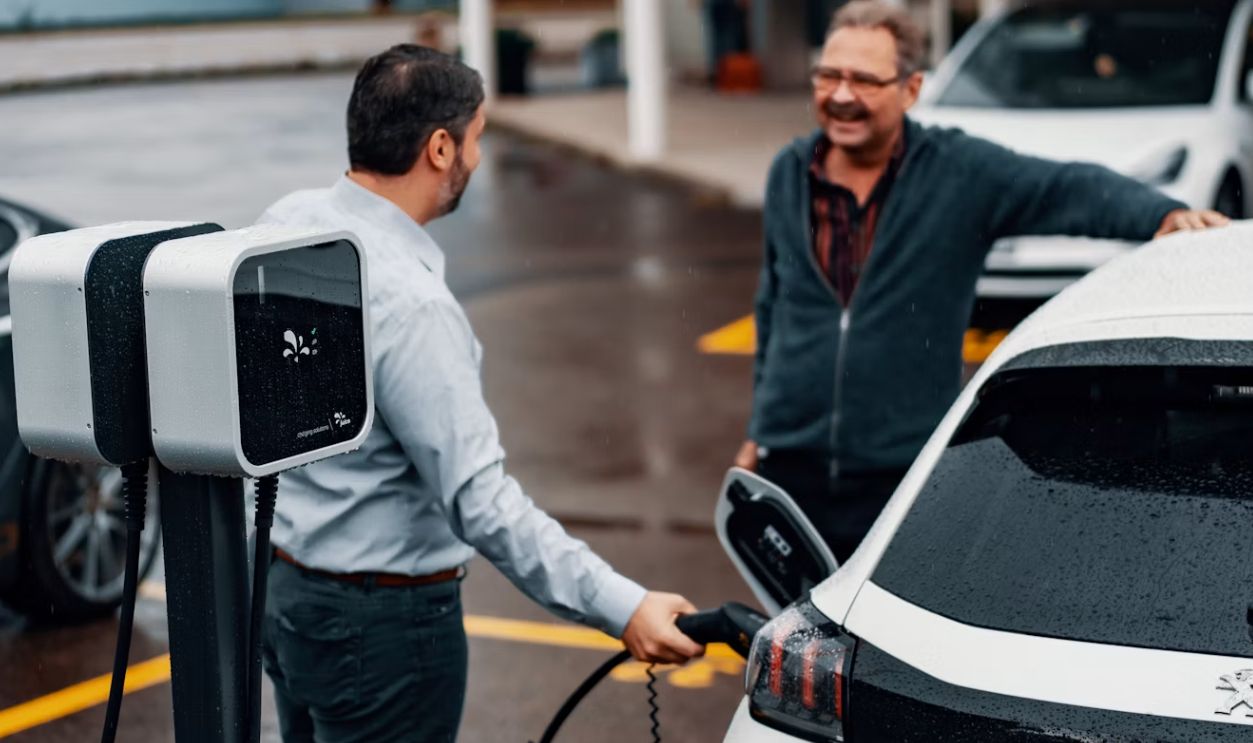
Mechanically inclined neighbors can be irresistible here. Someone will inevitably say, “It's probably just the breaker,” five seconds before reaching for a screwdriver. Resist that temptation. High-current residential electrical work is one area where confident guessing can produce considerably worse consequences than an oil leak.
They Should Stop Resetting It
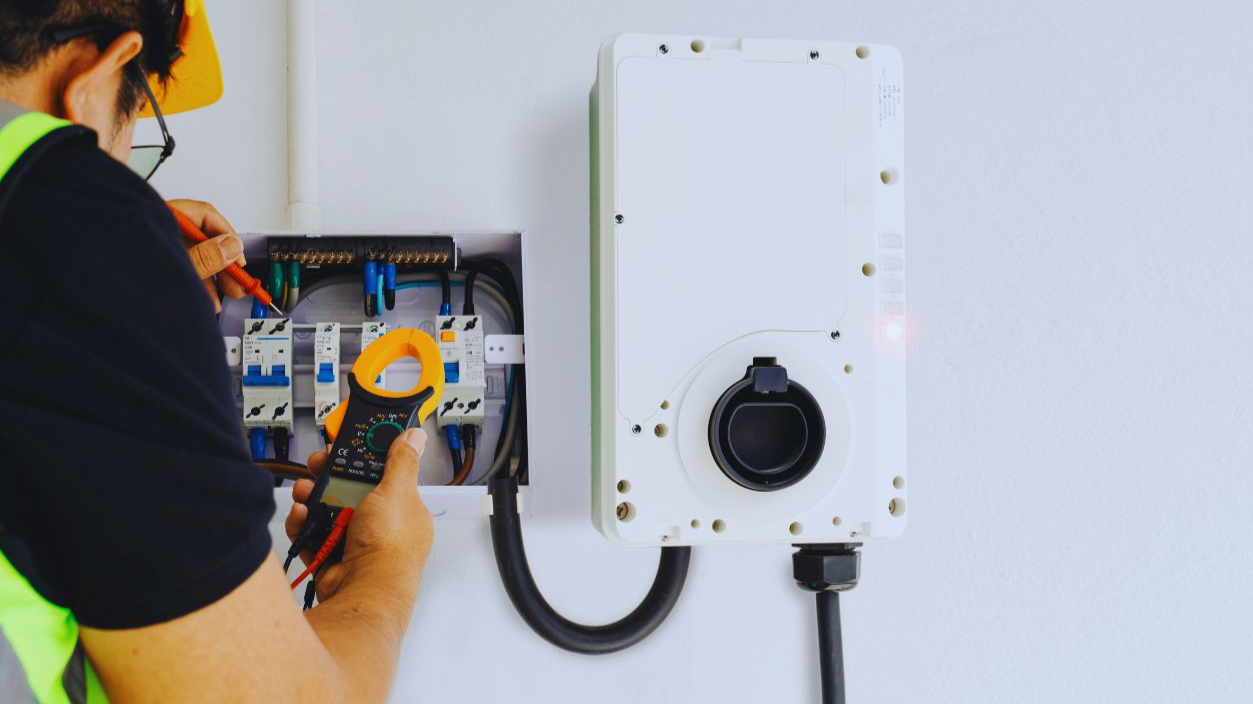
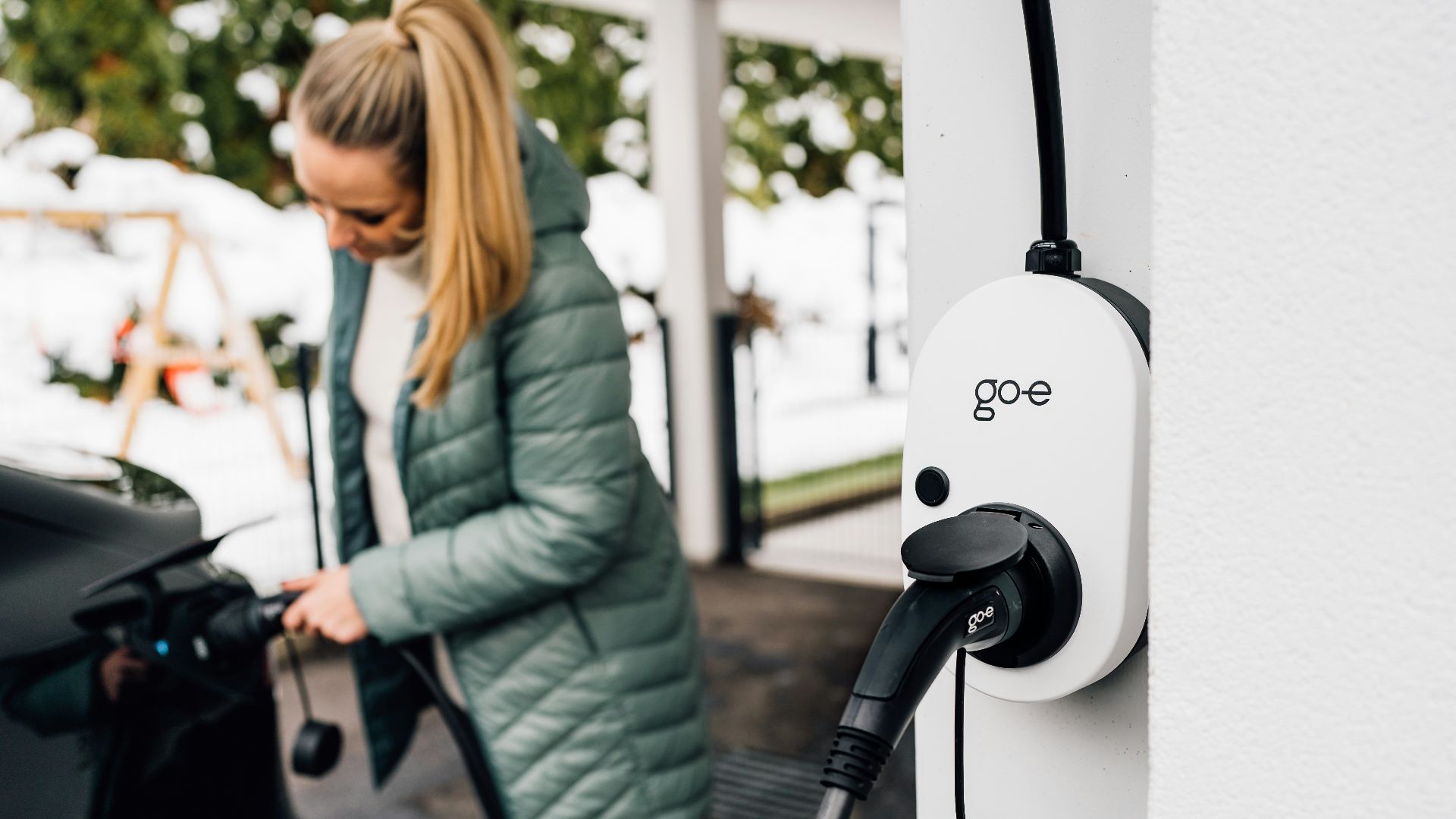
If the breaker trips every time the car charges, repeatedly resetting it is not solving the underlying problem. The charger should remain out of service until the cause is determined. The safest next step is having a qualified electrical professional evaluate the circuit, charger, connections, and panel capacity.
Watch For More Serious Warning Signs
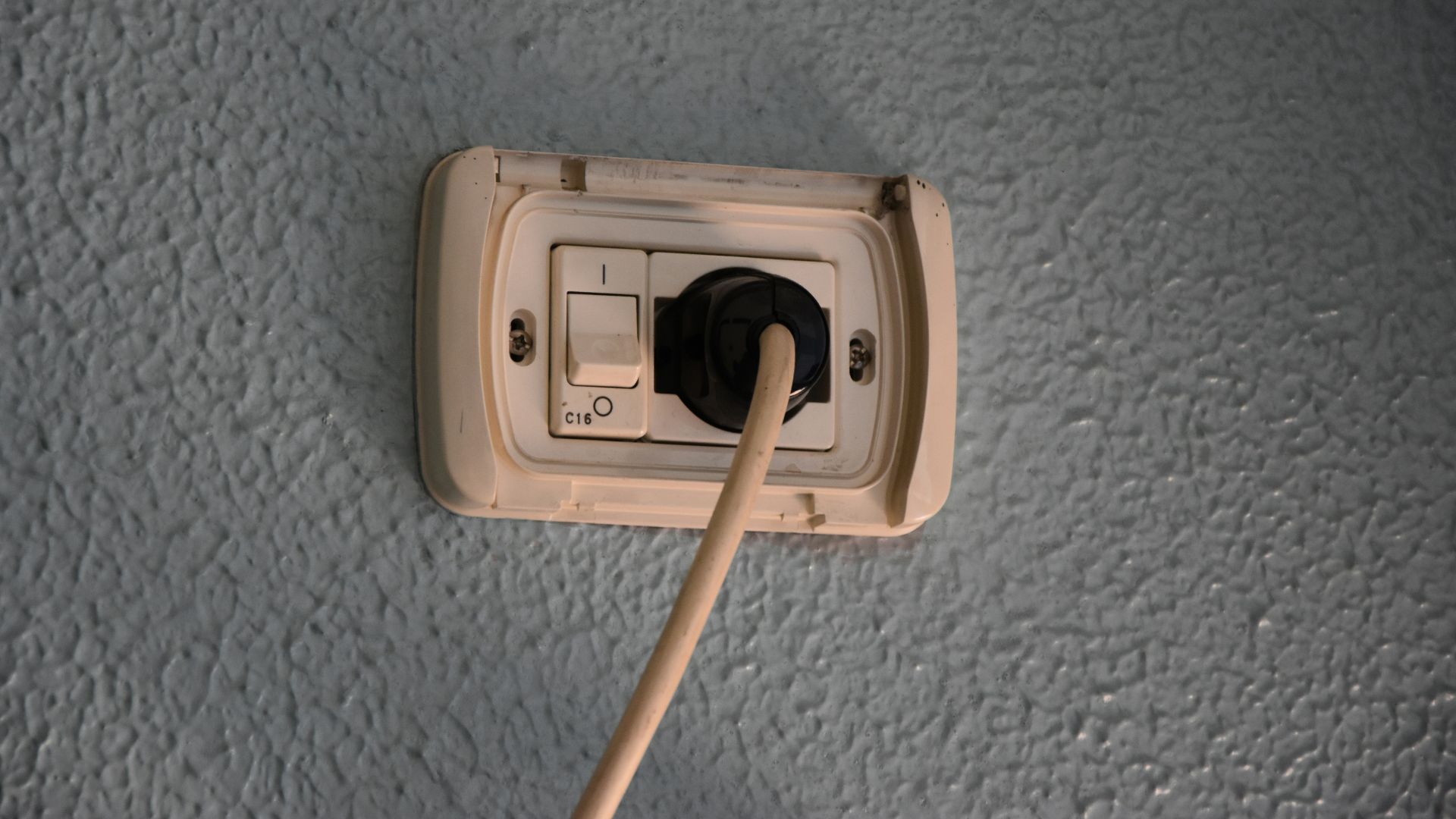
A tripped breaker is one thing. A burning smell, visible smoke, sparking, discolored outlets, melting plastic, buzzing electrical equipment, or an unusually hot panel is far more concerning. Those symptoms justify treating the situation as an immediate electrical hazard rather than an awkward neighborhood disagreement.
Shared Electrical Systems Raise The Stakes
Living in a duplex, condominium, townhouse, or another property with shared electrical infrastructure changes the calculation. A questionable installation may affect common equipment or property beyond one homeowner's garage. In those situations, notifying the landlord, condominium board, property manager, or appropriate authority may be reasonable much sooner.
![500px provided description: ... [#automotive ,#street ,#car ,#sidewalk ,#cityscape ,#road ,#roadside ,#environment ,#parking lot ,#driveway ,#charging ,#motor vehicle ,#electric car ,#charging station ,#less emission]](https://www.factinate.com/storage/app/media/driversdaily/2026/8/8/1786182932712cdf321f84c8c8bec79b15499449bdf6bae637.jpeg) Joenomias Menno De Jong, Wikimedia Commons
Joenomias Menno De Jong, Wikimedia Commons
Your House Usually Isn't On Their Circuit
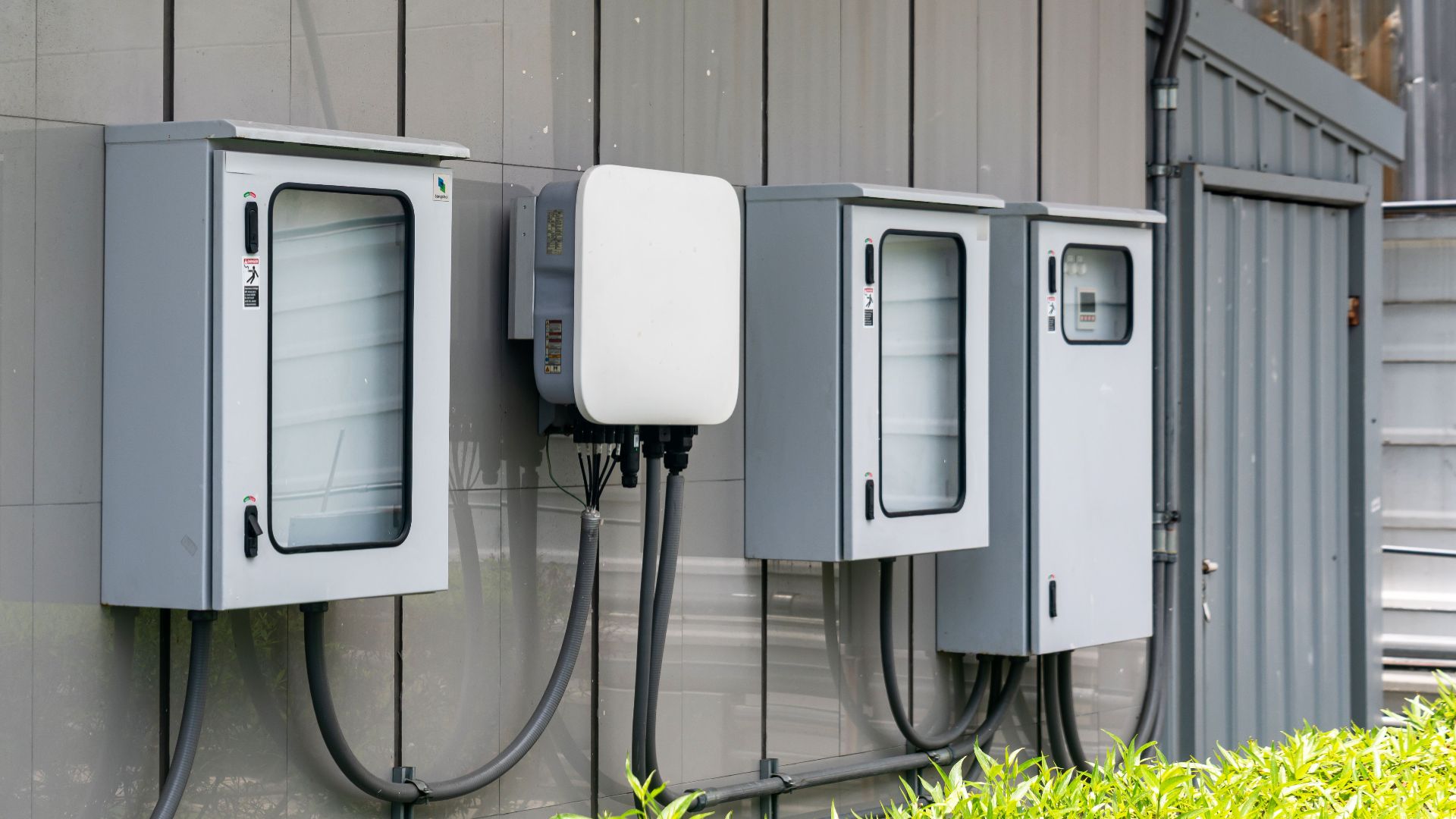
In detached homes with separate electrical services, your neighbor's tripping charger usually isn't drawing through your breaker panel. That doesn't make unsafe wiring harmless, particularly where buildings are close together, but it does mean their breaker problem isn't automatically evidence that your electrical system is being overloaded.
Reporting Shouldn't Be The First Weapon
Calling an inspector simply because you dislike your neighbor's EV charger is unlikely to improve neighborhood relations. If there is no urgent hazard, give the homeowner an opportunity to fix the problem. Plenty of people discover after installation that they misunderstood permit requirements and willingly correct the situation.

When Reporting Becomes Reasonable
If your neighbor knows the circuit repeatedly trips, refuses to have it checked, and continues using a clearly questionable unpermitted installation, contacting the local electrical inspection authority becomes more defensible. You're no longer reporting paperwork for paperwork's sake; you're raising a legitimate concern about potentially unsafe electrical work.

Let The Authorities Decide What Happens
You don't need to prove which electrical rule was violated before asking the proper authority for guidance. Inspection agencies exist to determine whether work requires permits, whether an inspection is needed, and whether corrective work is necessary. Leave those decisions to people who know the local electrical code.

A Professional Inspection May Be Simple
The eventual solution may be surprisingly ordinary. An electrician might discover a loose termination, unsuitable circuit, installation error, or capacity problem that can be corrected without rebuilding the entire garage. Catching a relatively small defect now is considerably preferable to discovering it after damaged equipment—or a fire.
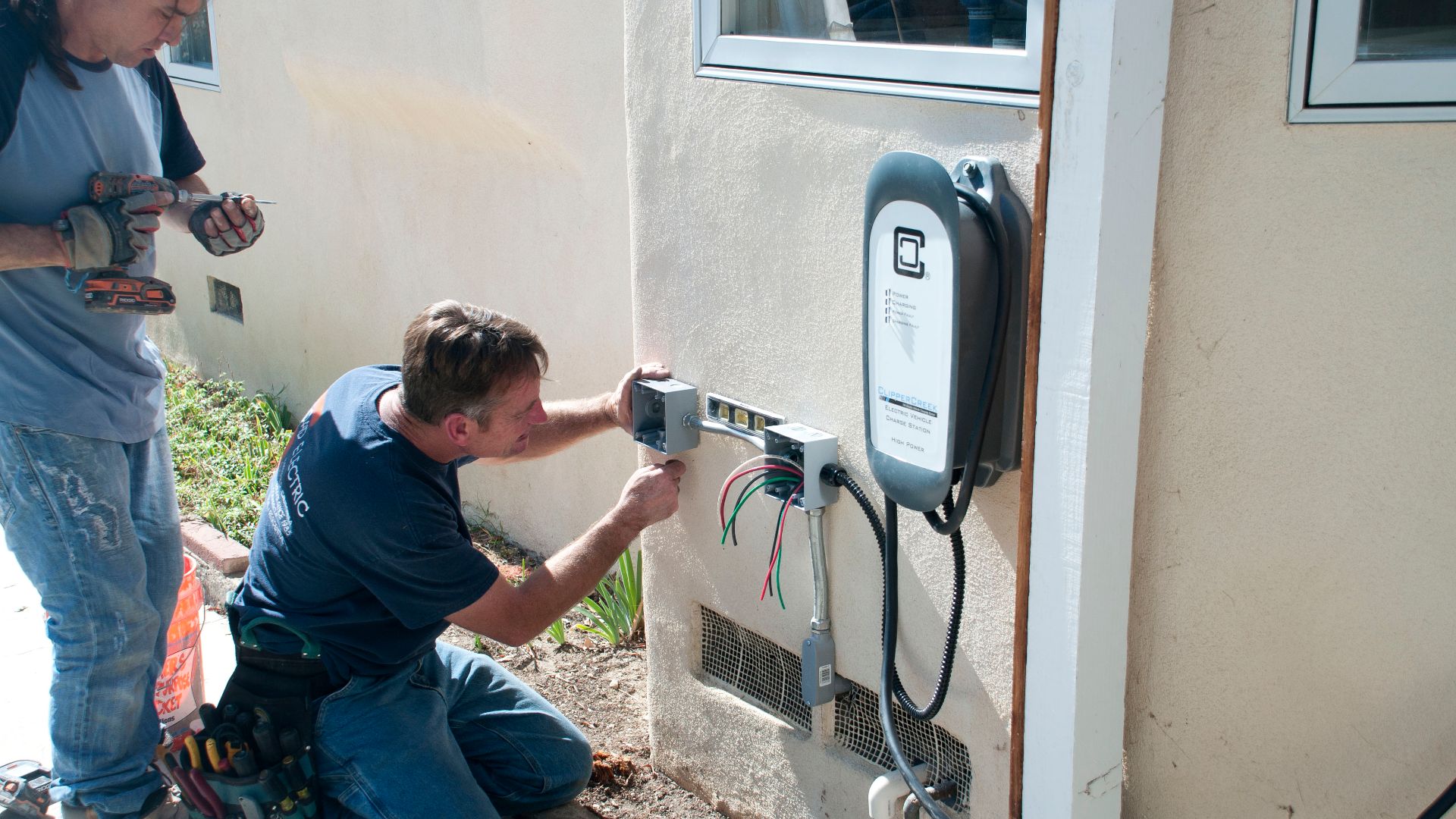
EVs Aren't The Villain Here
This isn't evidence that home EV charging is inherently dangerous. Properly selected and installed charging equipment is designed for routine residential use. The problem arises when major electrical work is treated like assembling patio furniture: skip the instructions, improvise the hardware, and assume everything is fine because the lights still work.
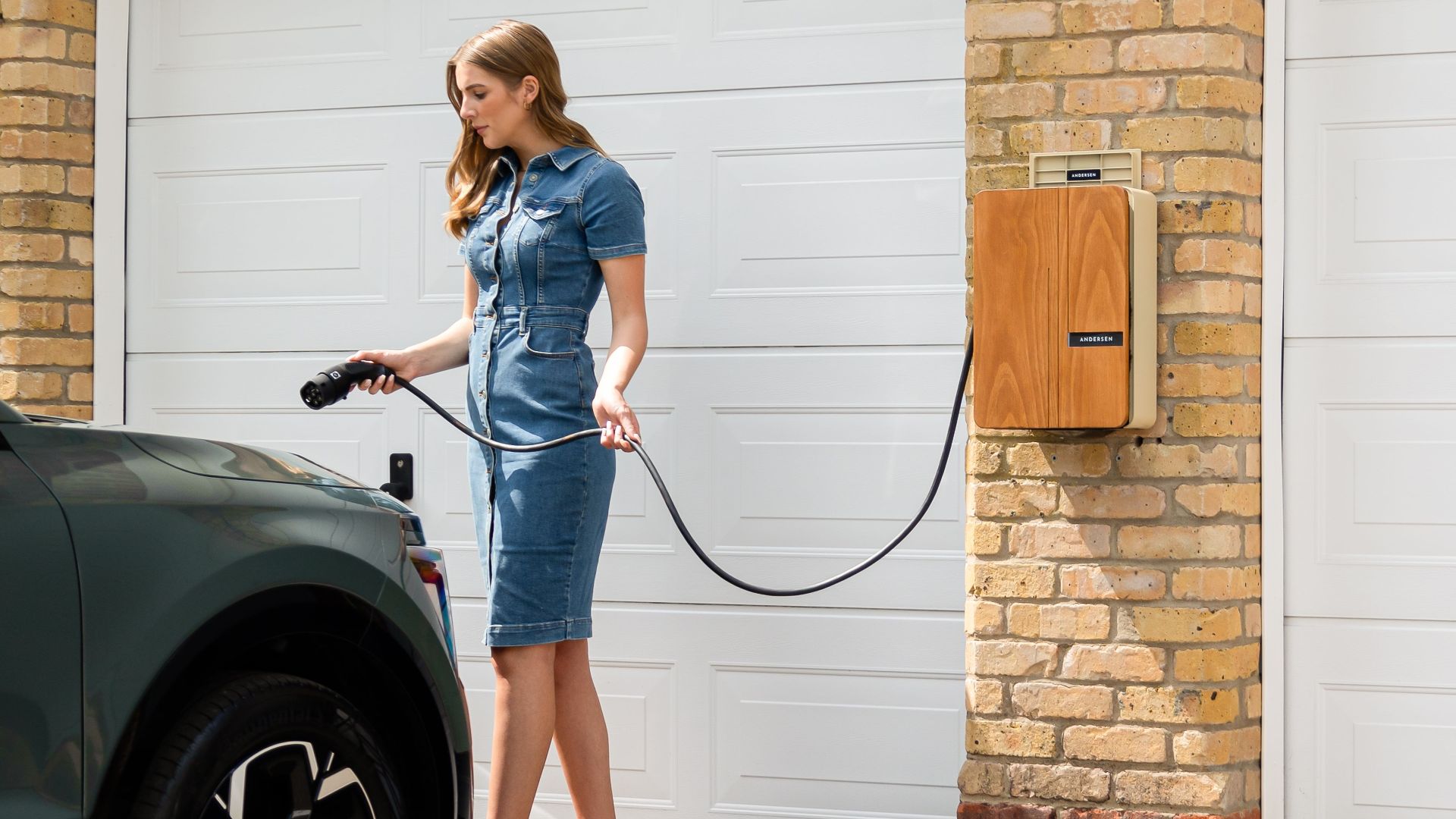
The Best Answer Is Safety Before Snitching
So, should you report your neighbor? Not automatically. Talk to them first if the situation appears non-urgent and encourage them to stop using the charger until it is professionally checked. But if obvious hazards exist, shared property is threatened, or they ignore repeated electrical problems, contacting the appropriate authority is entirely reasonable.
 RealPeopleStudio, Shutterstock
You May Also Like:
Only Real Gearheads Can Name These Forgotten SUVs From One Rear-End Clue—How Many Do You Recognize?
Cars That Looked Boring In The 1990s, But Became Secret Enthusiast Favorites
Sports Cars Every Kid Dreamed About In The 1990s—Which One Was On Your Bedroom Wall?