The Warning Does Not Automatically Mean You Are Driving Badly
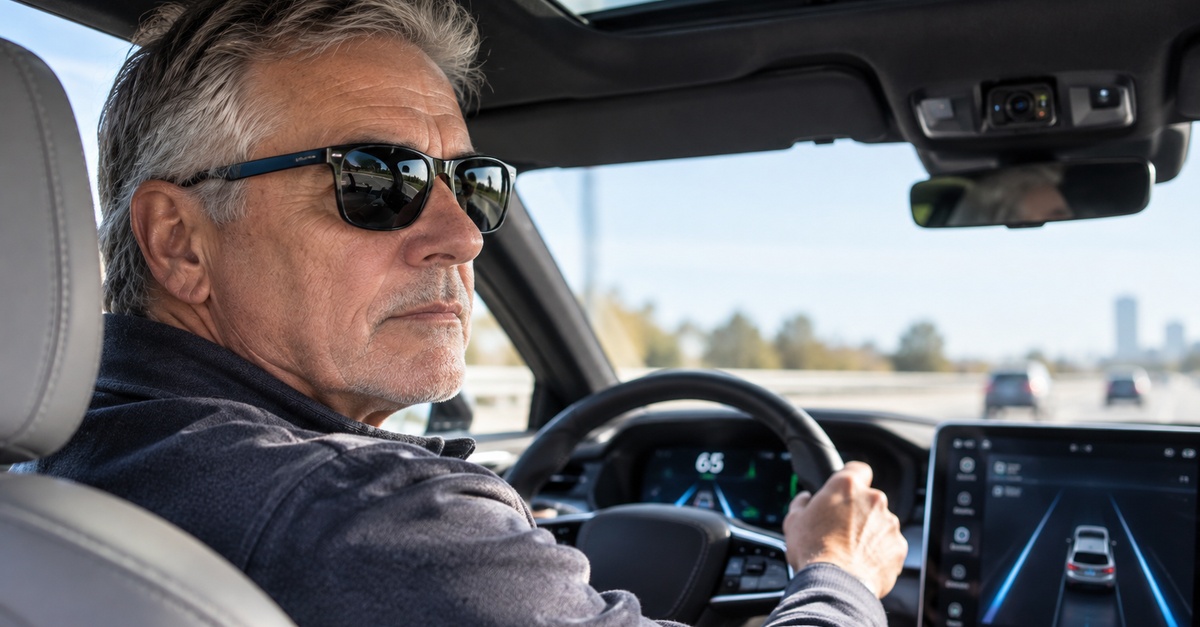
A driver-monitoring warning can feel strangely personal when you know you are staring straight ahead. In many modern cars, however, the system is interpreting camera data rather than actually understanding whether your mind is focused on driving. Sunglasses can make that job harder because some monitoring systems depend heavily on eye and gaze information. The problem is real enough that vehicle-safety organizations specifically test driver-monitoring systems with different kinds of eyewear.
Driver Monitoring Has Become A Serious Safety Feature
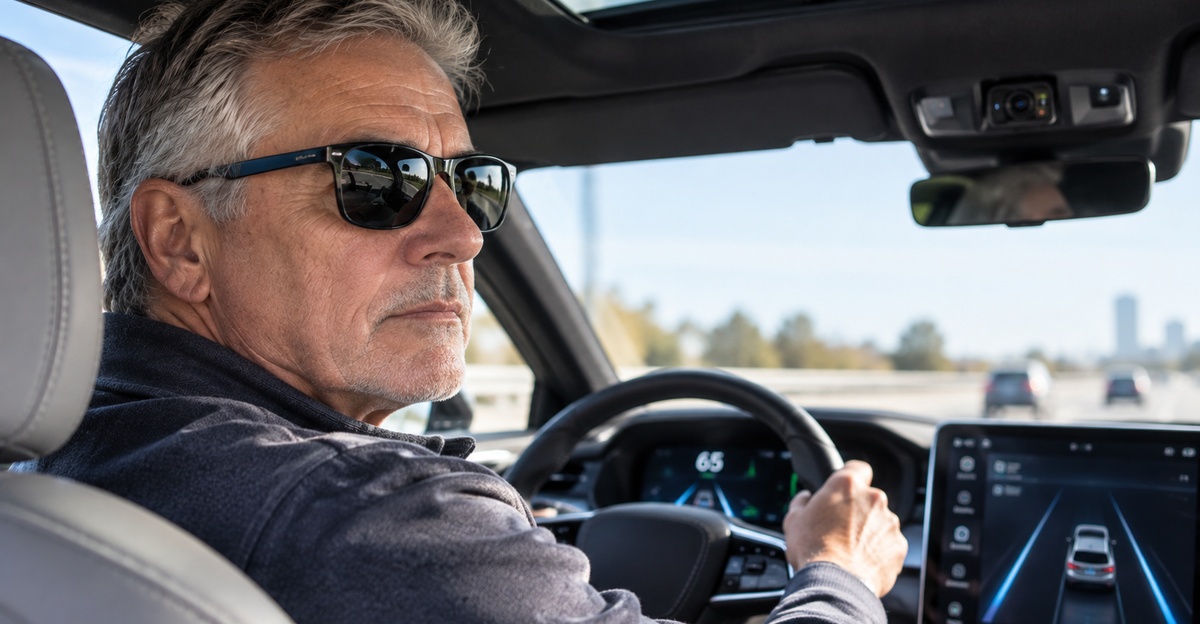
Driver-monitoring systems were once relatively uncommon, but they have become increasingly important as cars gain adaptive cruise control, lane centering, and hands-free highway assistance. These systems are meant to determine whether the person behind the wheel remains available to supervise the vehicle. That matters because today's Level 2 partial automation still requires the human driver to remain responsible for driving. Even the most sophisticated consumer systems cannot simply replace an attentive driver.
The Camera Is Usually Watching More Than Your Eyes
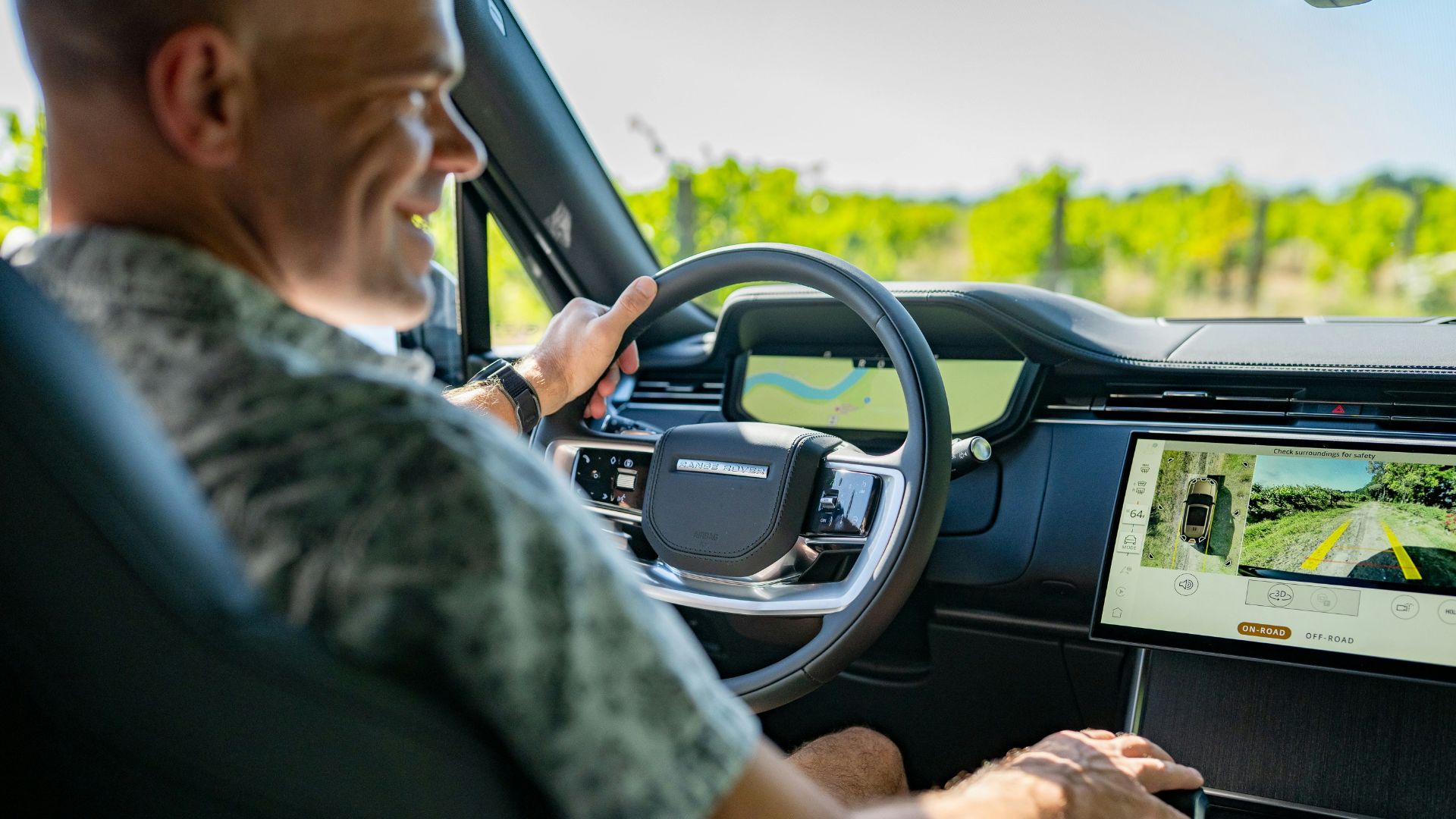
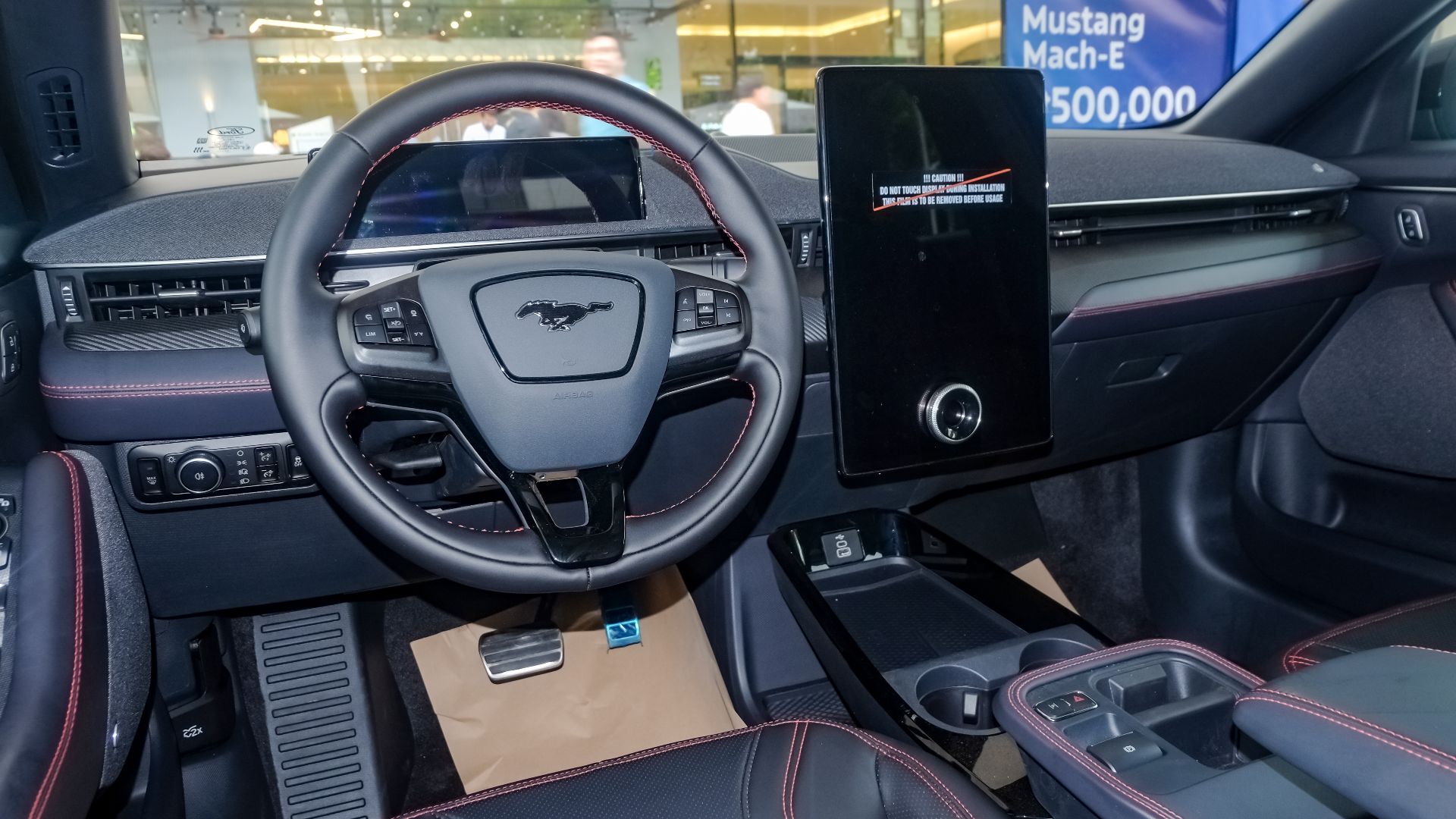
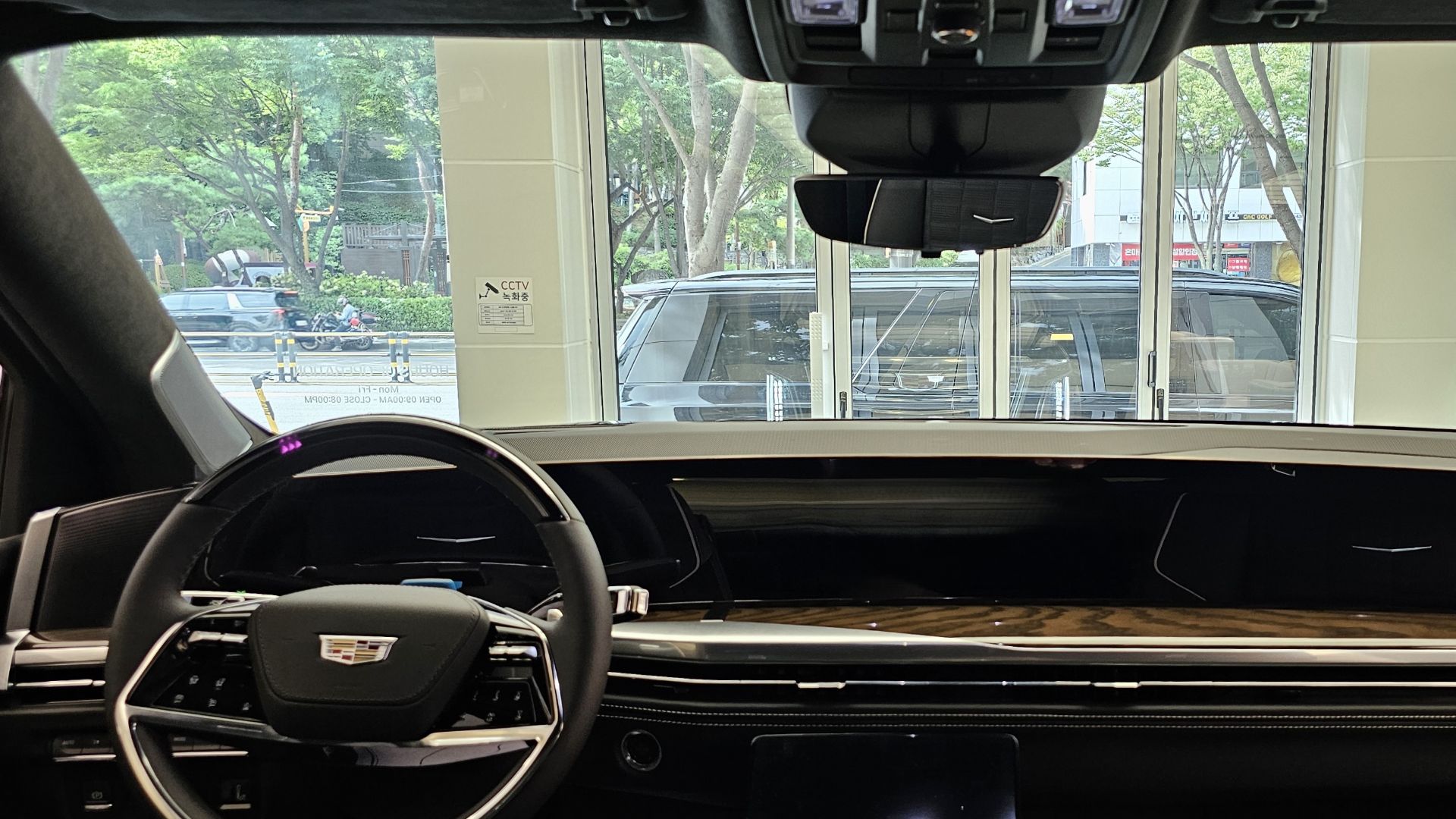
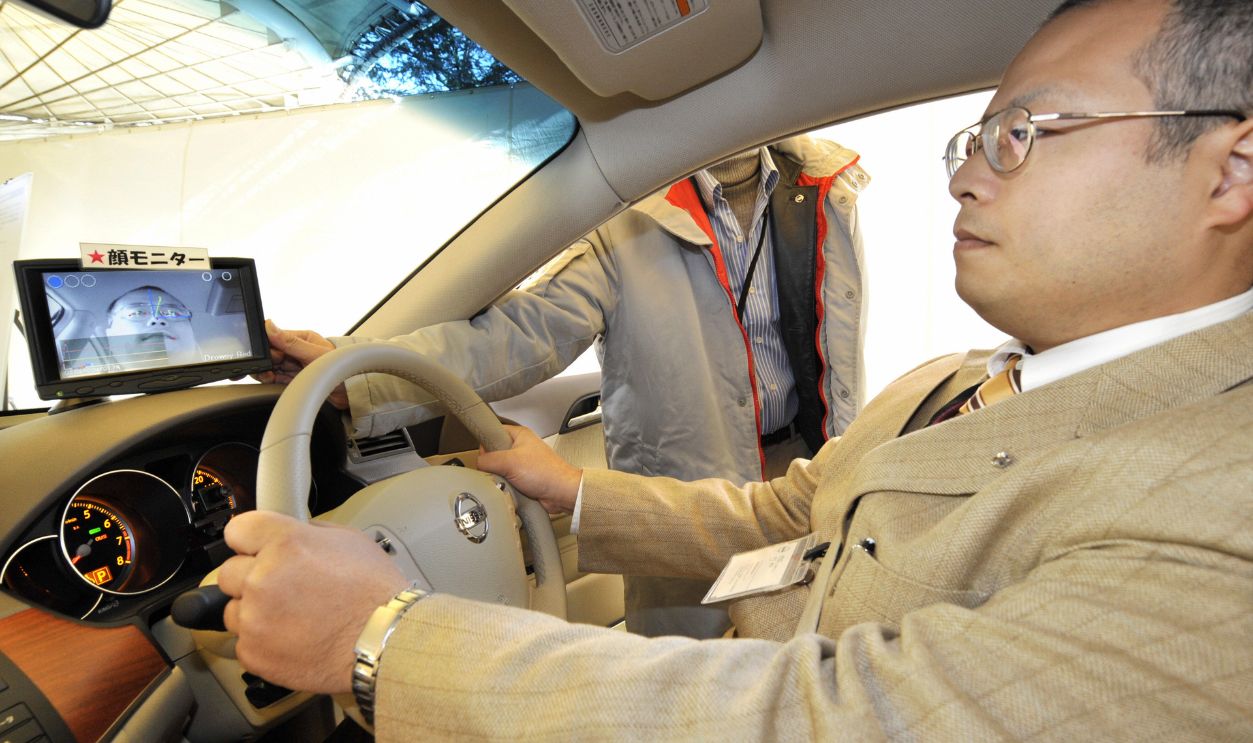
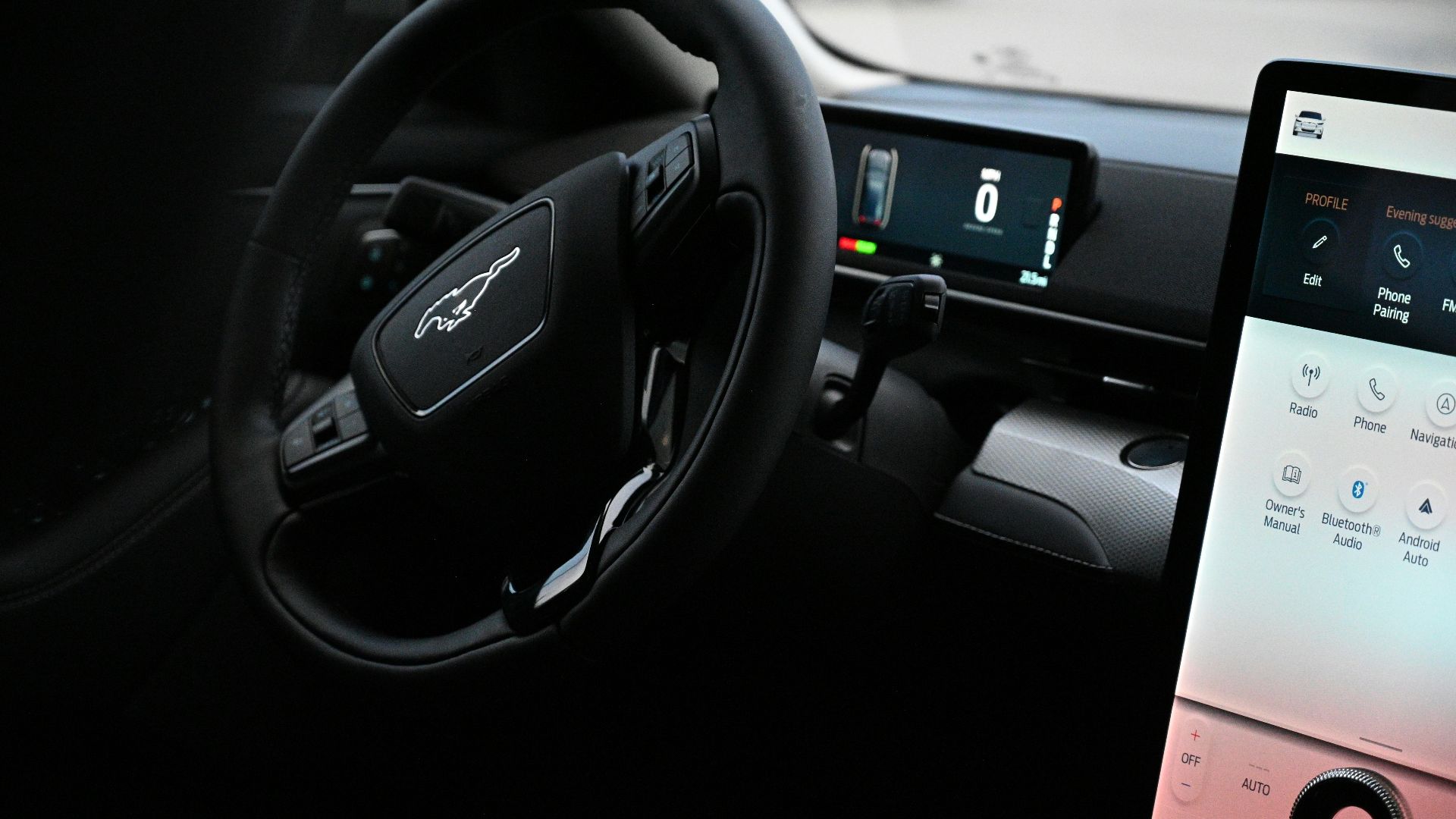
A sophisticated driver-facing camera may analyze eye direction, head position, facial orientation, and sometimes hand position. General Motors says its Super Cruise system uses a camera on the steering column along with infrared illumination to determine where the driver is looking. Ford's BlueCruise likewise uses a driver-facing camera to assess gaze and head position. Combining several signals can make monitoring more dependable than relying on one measurement alone.
 Ethan Llamas, Wikimedia Commons
Infrared Light Helps The Camera See You
Many direct-monitoring systems use infrared illumination because it allows the camera to track facial features in lighting conditions that would challenge an ordinary visible-light camera. This can help the system operate at night as well as during the day. AAA testing found that camera-based monitoring remained more effective than steering-wheel monitoring across different external lighting conditions. Infrared technology does not eliminate every problem, however, particularly when something blocks or alters the camera's view of the eyes.
 Damian B Oh, Wikimedia Commons
Sunglasses Are A Known Engineering Challenge
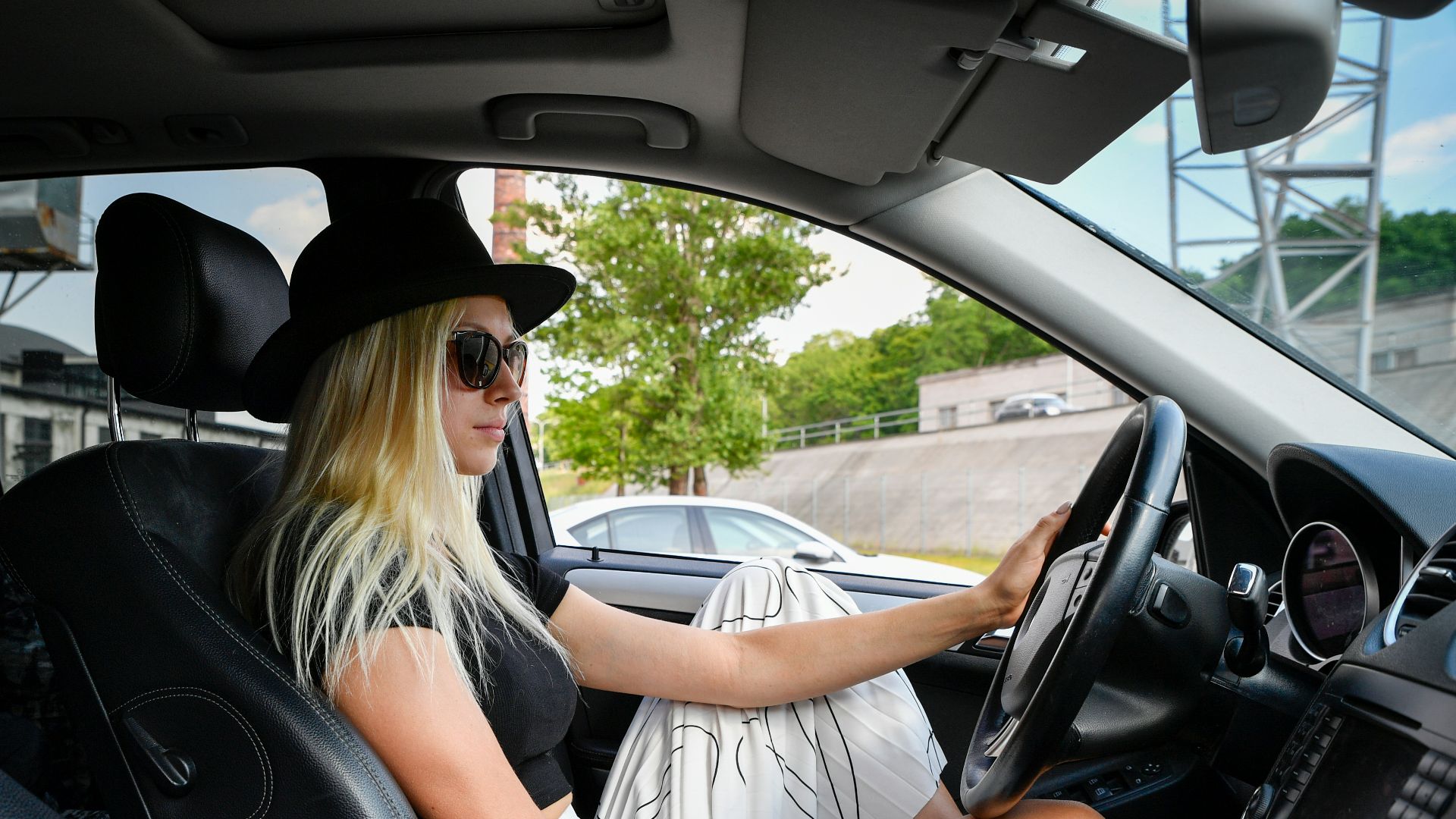
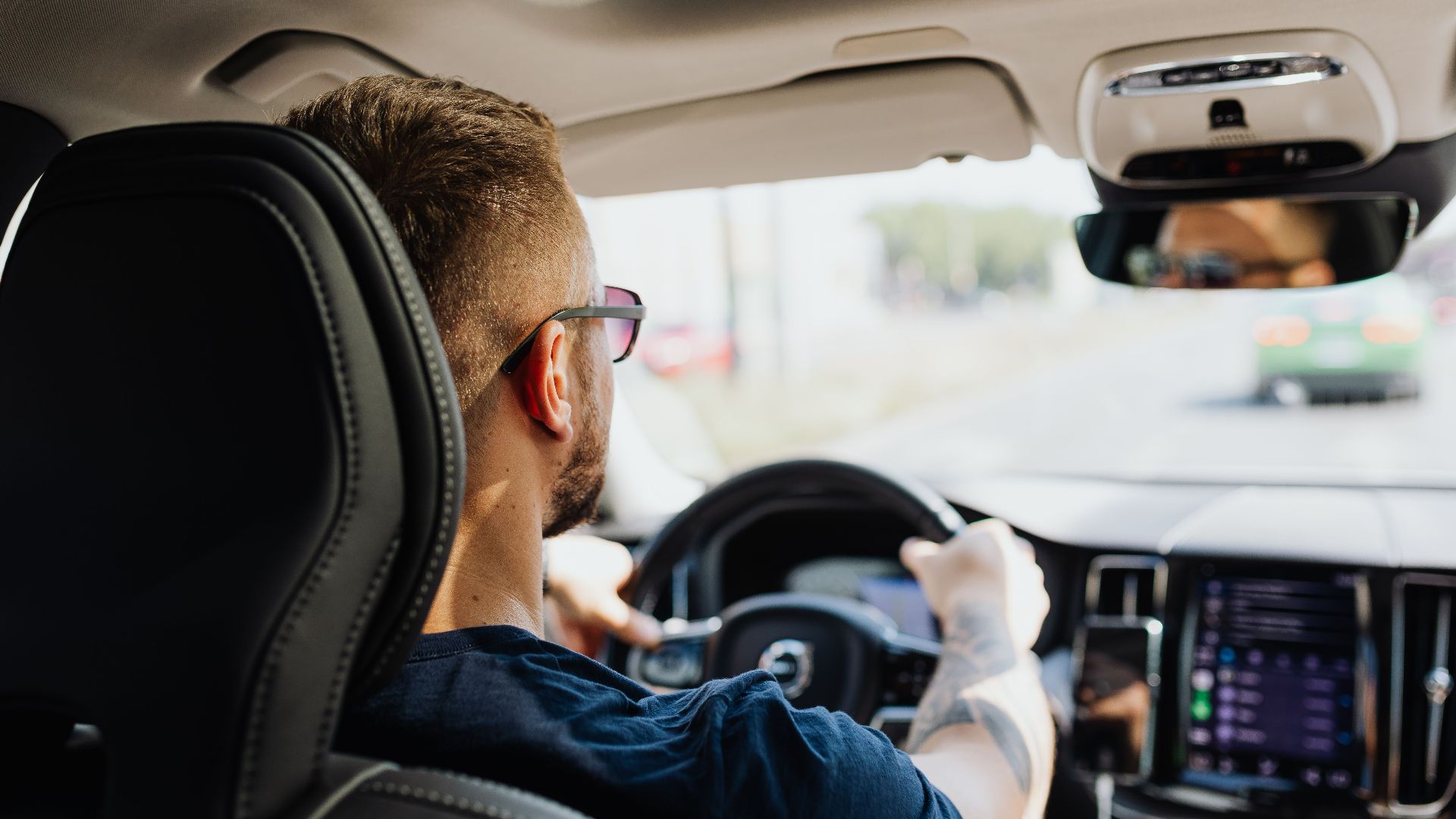
Dark lenses can reduce the amount of useful light reaching a driver-monitoring camera. Depending on the lens material and the wavelength used by the monitoring system, the camera may have difficulty determining exactly where the driver's eyes are pointing. Euro NCAP therefore treats eyewear as a specific "noise variable" when evaluating driver-monitoring technology. Its testing requirements distinguish between relatively transparent eyewear and very dark sunglasses.

Not Every Pair Of Sunglasses Behaves The Same Way
Two pairs that look equally dark to your eyes may behave differently in front of an infrared camera. Euro NCAP's protocol notes that sunglass transmittance should be considered at the wavelength used by the vehicle's sensor, rather than simply judging how dark the lenses appear in visible light. Lens coatings, tint, and materials can therefore influence how easily a monitoring camera sees through them. That helps explain why one pair might trigger warnings while another apparently causes no trouble.
Safety Testers Expect Systems To Handle Ordinary Eyewear
Euro NCAP's driver-engagement protocol requires systems to function with clear eyewear having more than 70 percent transmittance, including glasses with thick rims. Its tests also include much darker sunglasses with less than 15 percent transmittance. In that more difficult case, a system can acknowledge that monitoring is compromised, but it is expected to inform the driver when it becomes nonfunctional. That is an important principle because silently pretending to monitor a driver would create false confidence.
 https://kaboompics.com/, Pexels
Some Automakers Say Their Systems Work Through Sunglasses
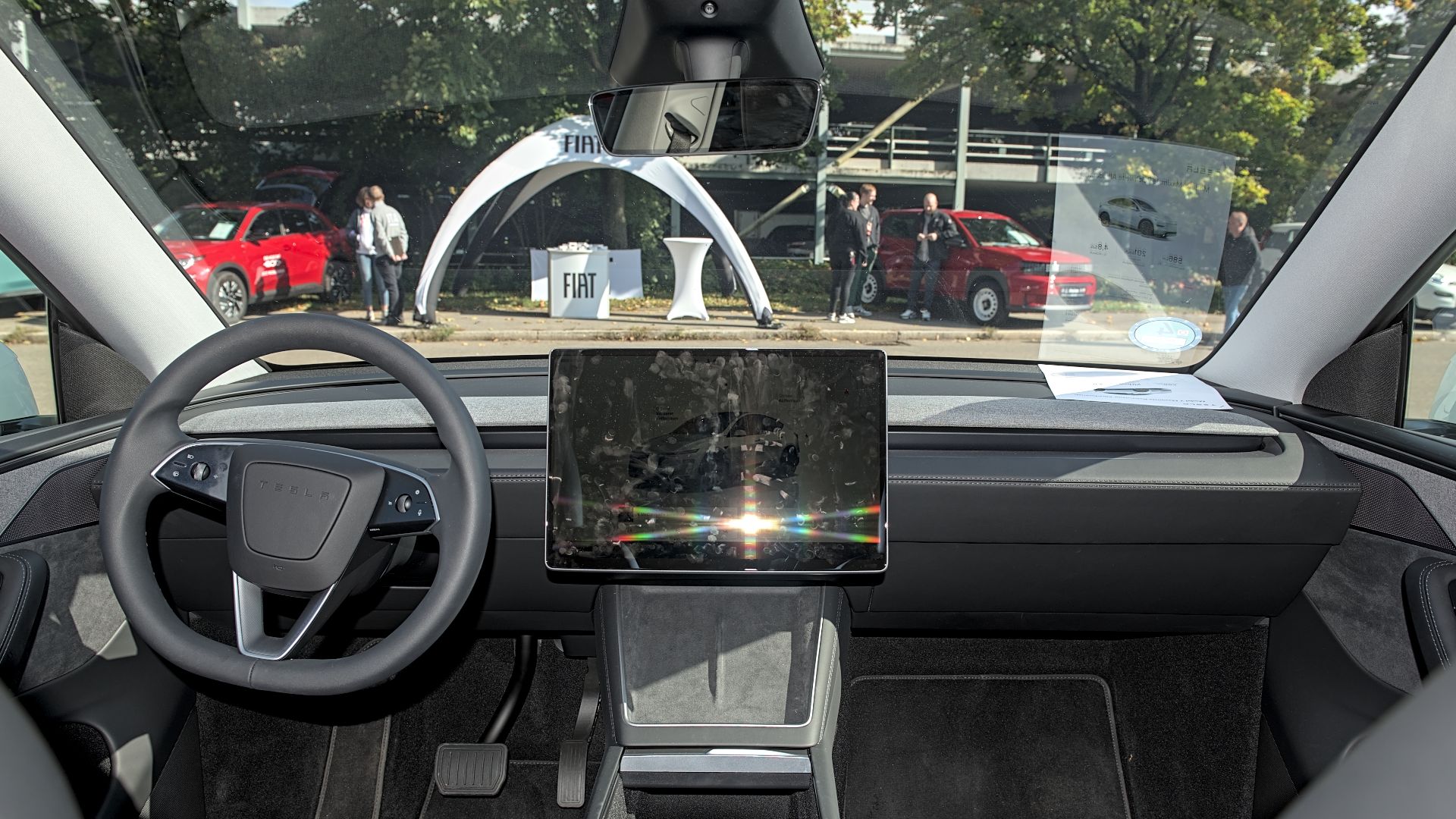
Ford says BlueCruise's driver-facing camera checks eye gaze and head position even when the driver is wearing sunglasses. Tesla likewise states that its cabin camera does not require complete visibility of the driver's eyes and that attentiveness monitoring remains active while sunglasses are worn. Those claims show how far the technology has progressed. They do not mean every combination of driver, glasses, lighting, seating position, and software will perform identically.
 Alexander Migl, Wikimedia Commons
A False Warning Is Usually A Conservative Failure
From a safety perspective, a system that occasionally warns an attentive driver is generally preferable to one that confidently assumes a distracted driver is paying attention. That does not make repeated nuisance warnings acceptable, particularly if they encourage owners to distrust or disable safety technology. Euro NCAP's newer assessment approach explicitly emphasizes both reliability and user acceptance for driver monitoring. A safeguard that annoys drivers constantly can undermine its own purpose.
Cameras Beat The Old Steering-Wheel Test
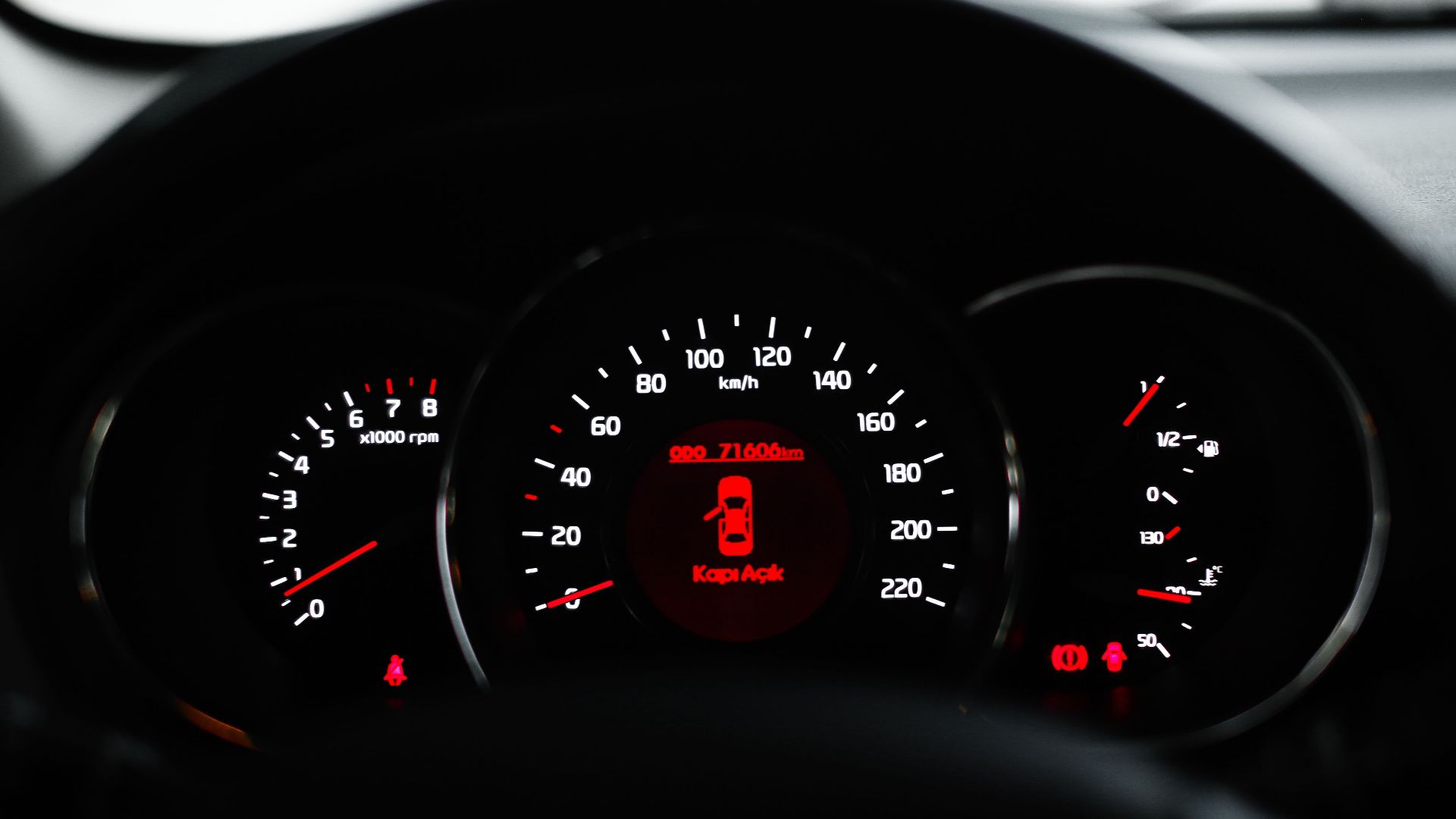
Older attention systems often inferred engagement by detecting torque or movement at the steering wheel. That tells the vehicle whether someone is touching or nudging the wheel, but it says little about where that person's eyes are looking. The NTSB has specifically criticized steering-wheel interaction as an inadequate measure of driver attention. Camera systems provide substantially more information about what the driver is actually doing.
Independent Testing Shows A Big Difference
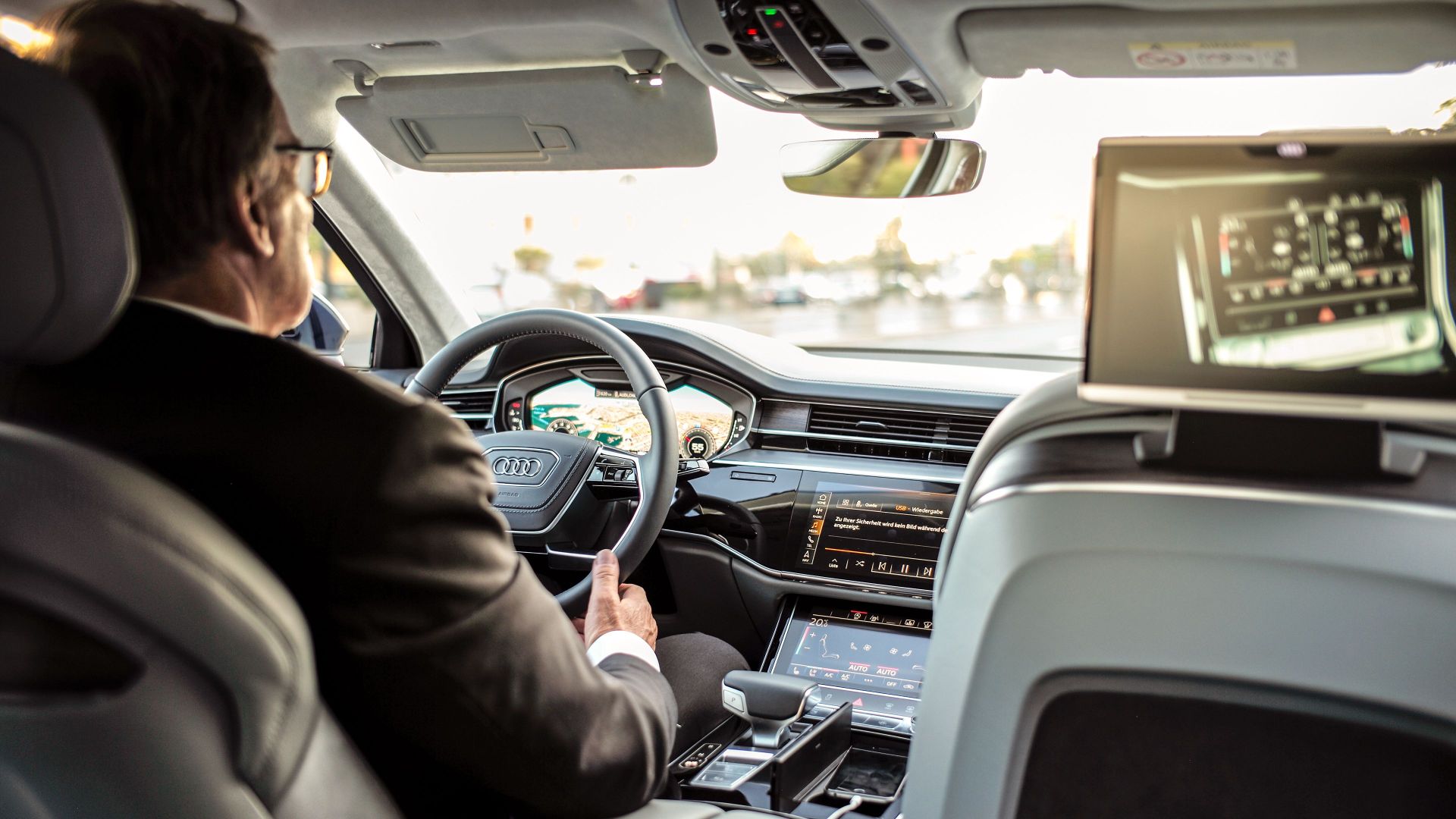
AAA compared direct camera monitoring with systems that primarily relied on steering-wheel input. In its tests, camera-based systems warned distracted drivers roughly 50 seconds sooner in some scenarios and were more persistent about demanding attention. Steering-wheel systems could allow long periods of apparent engagement from very small steering inputs. AAA consequently recommended direct camera-based monitoring for vehicles equipped with active driving assistance.
 en:User:Coolcaesar, Wikimedia Commons
Consumer Reports Reached A Similar Conclusion
Consumer Reports has also argued that direct driver monitoring should be central to active driving-assistance systems. Its evaluations found Ford BlueCruise and GM Super Cruise particularly effective at checking whether drivers were looking toward the roadway. The organization favors camera systems capable of tracking the head or eyes instead of assuming that a hand resting on the wheel proves attention. That does not make the cameras flawless, but it makes them a stronger safeguard.
 Consumer Reports, Inc. , Wikimedia Commons
Sunglasses Do Not Automatically Defeat Good Systems
Consumer Reports says its testing found current driver-monitoring systems capable of detecting and responding to distraction with drivers wearing sunglasses or masks and when driving at night. That is reassuring because those are ordinary real-world conditions rather than unusual laboratory scenarios. At the same time, CR stresses that driver monitoring is never foolproof. Performance has to remain reliable across different people, accessories, and situations.

There Is A Harder Problem Than Sunglasses
Even when a camera can clearly see your face, deciding whether you are genuinely attentive is complicated. A driver can point their head toward the windshield while glancing down at a phone positioned close to the forward field of view. Someone can also stare toward the road while mentally disengaged. Driver-monitoring systems therefore have to move beyond simple face detection toward more sophisticated interpretations of gaze and behavior.
Recent Crash Investigations Show The Limits
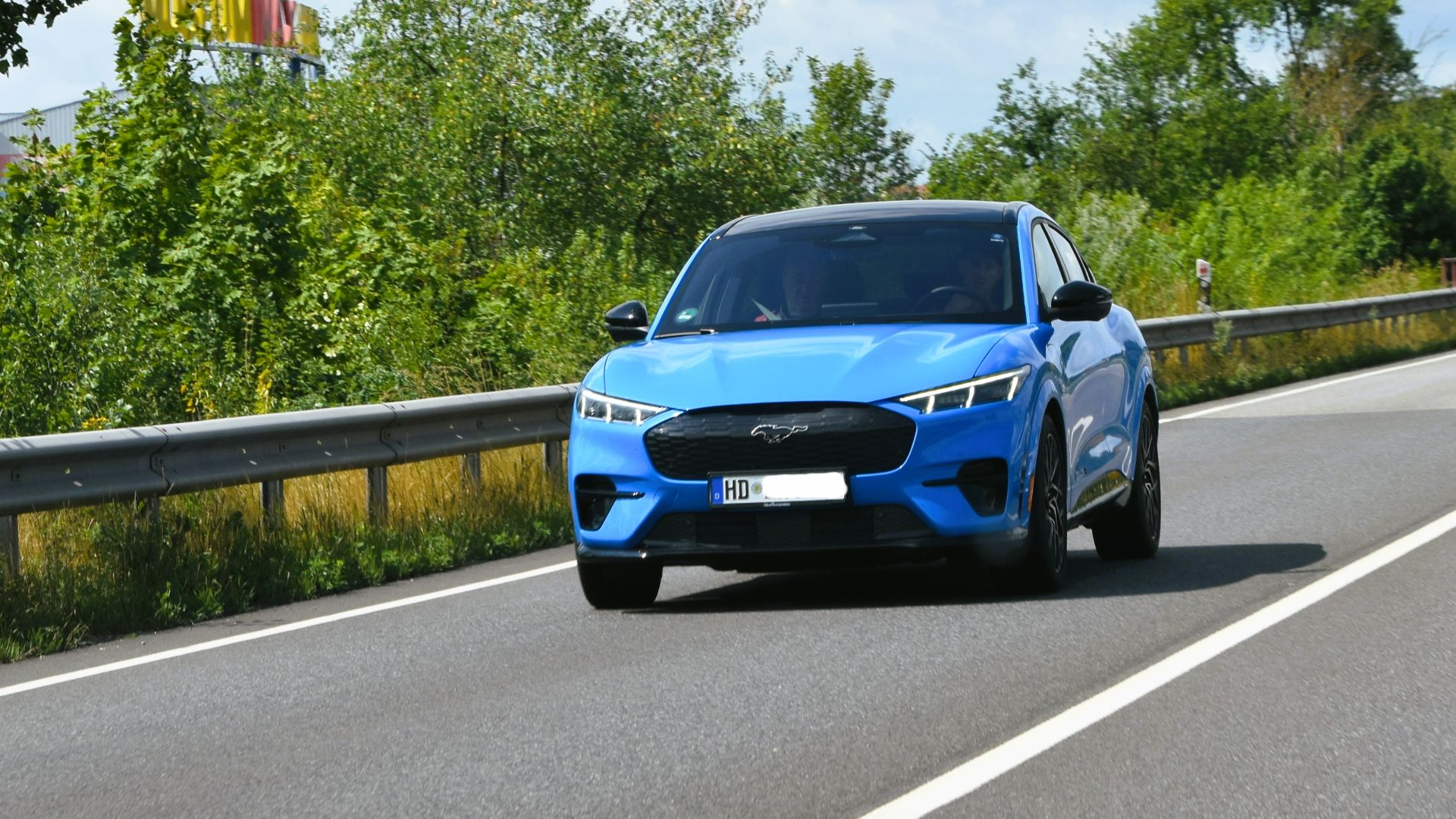
In March 2026, the NTSB released findings concerning two 2024 crashes involving Ford BlueCruise. Investigators concluded that driver overreliance on partial automation contributed to both crashes and found weaknesses in the driver-monitoring system's ability to identify certain forms of distraction. The NTSB said the system could miss off-road glances and had trouble distinguishing true roadway attention from attention directed toward objects in the driver's forward line of sight. Those findings show why simply having a driver-facing camera is not enough.
 Charles from Port Chester, New York, Wikimedia Commons
Regulators Want Smarter Attention Detection
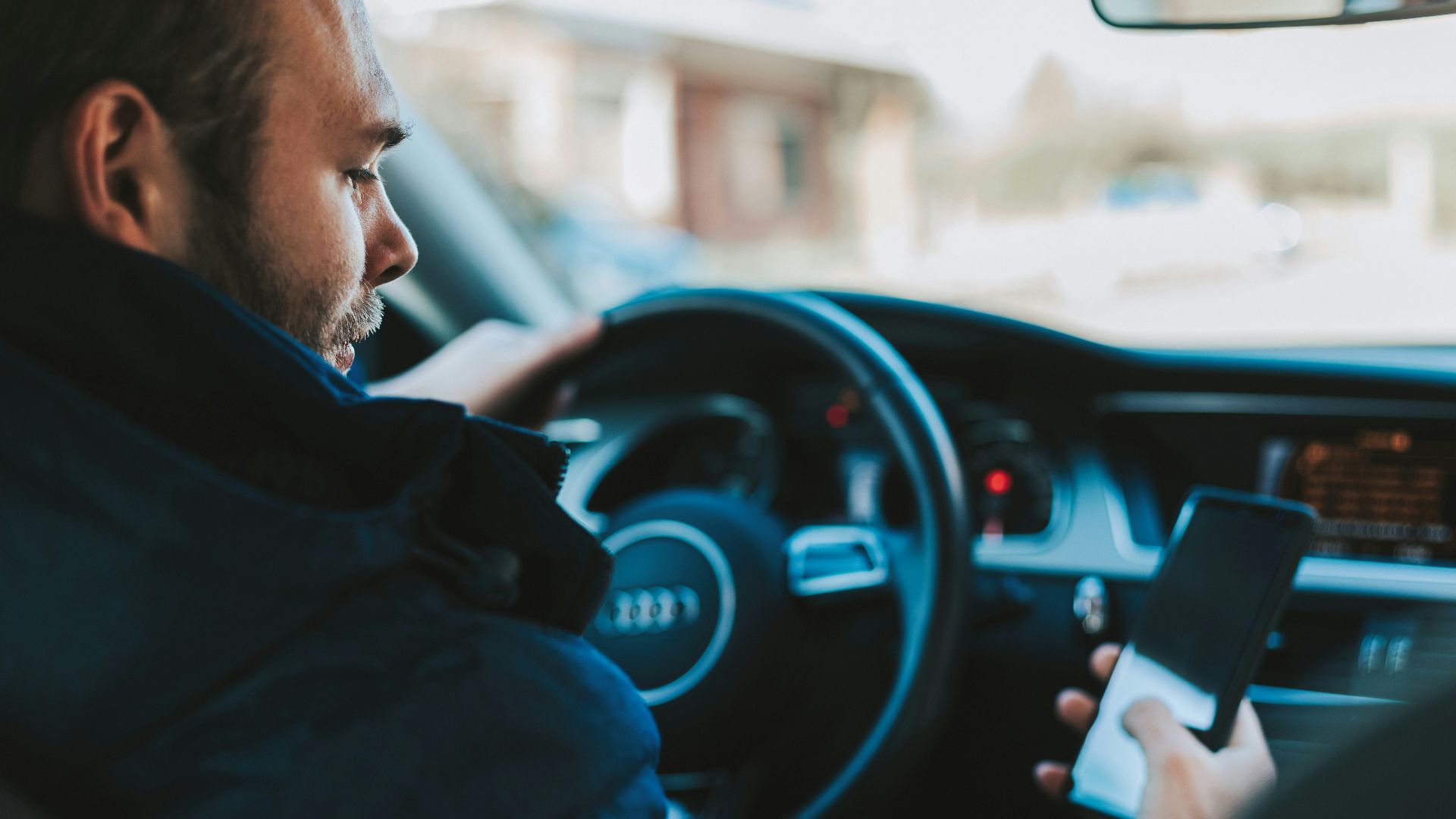
Following those investigations, the NTSB recommended stronger requirements for Level 2 driver monitoring. The agency wants systems capable of recognizing accumulated short distractions, distinguishing genuine roadway glances from attention to objects such as phones, and issuing appropriately timed multimodal warnings. In other words, the goal is not merely to locate a driver's face. The system needs to interpret patterns of behavior that actually relate to safe driving.
The Warnings Should Escalate Gradually
Well-designed monitoring systems do more than flash a single icon. IIHS says effective safeguards should begin with attention reminders and escalate if the driver fails to respond, adding audible or physical warnings as necessary. A persistent failure to respond can eventually trigger vehicle slowing or a controlled stop on some systems. This escalation helps separate a momentary glance away from a prolonged loss of attention.
The System Should Also Know When It Cannot See You
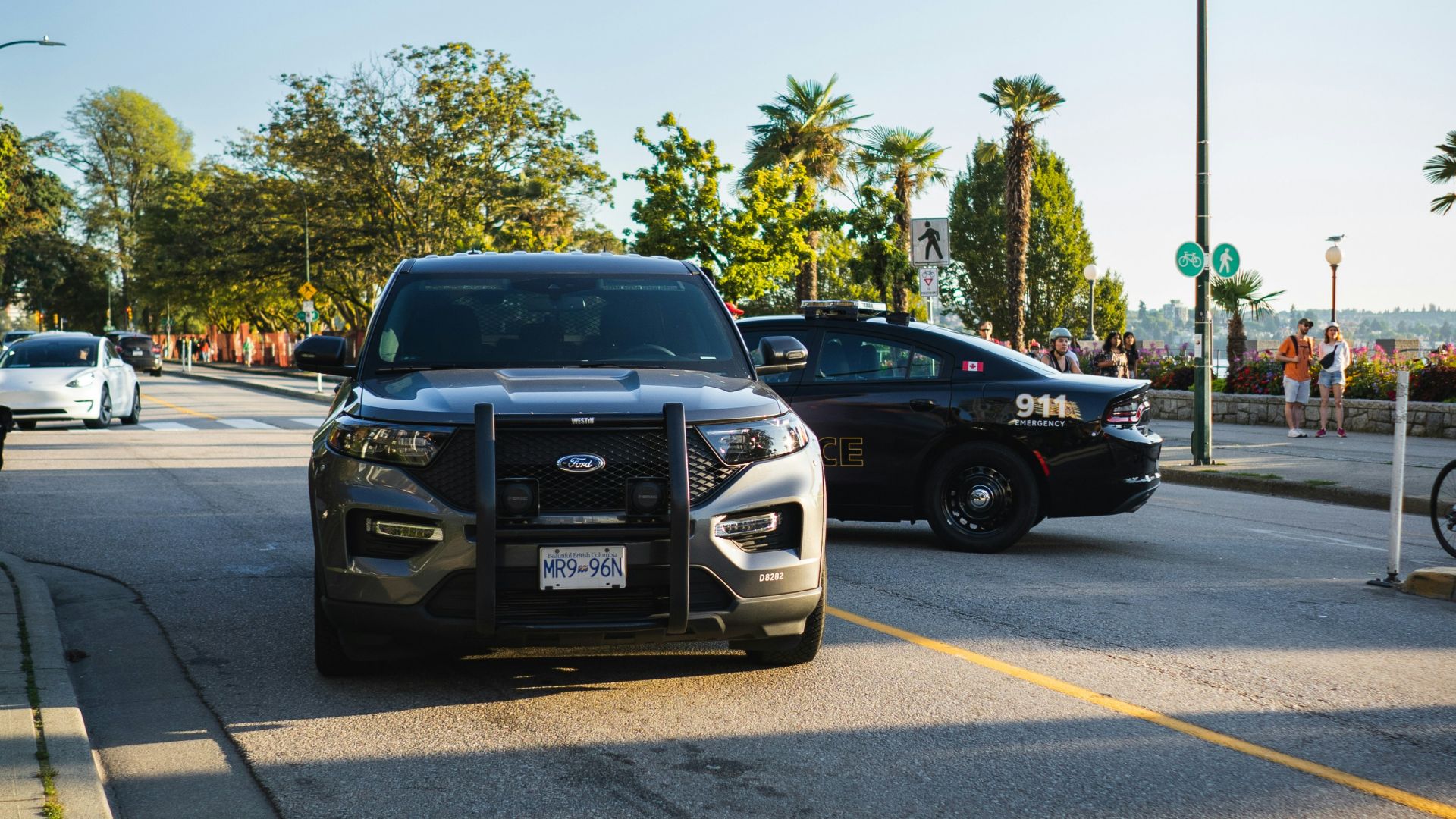
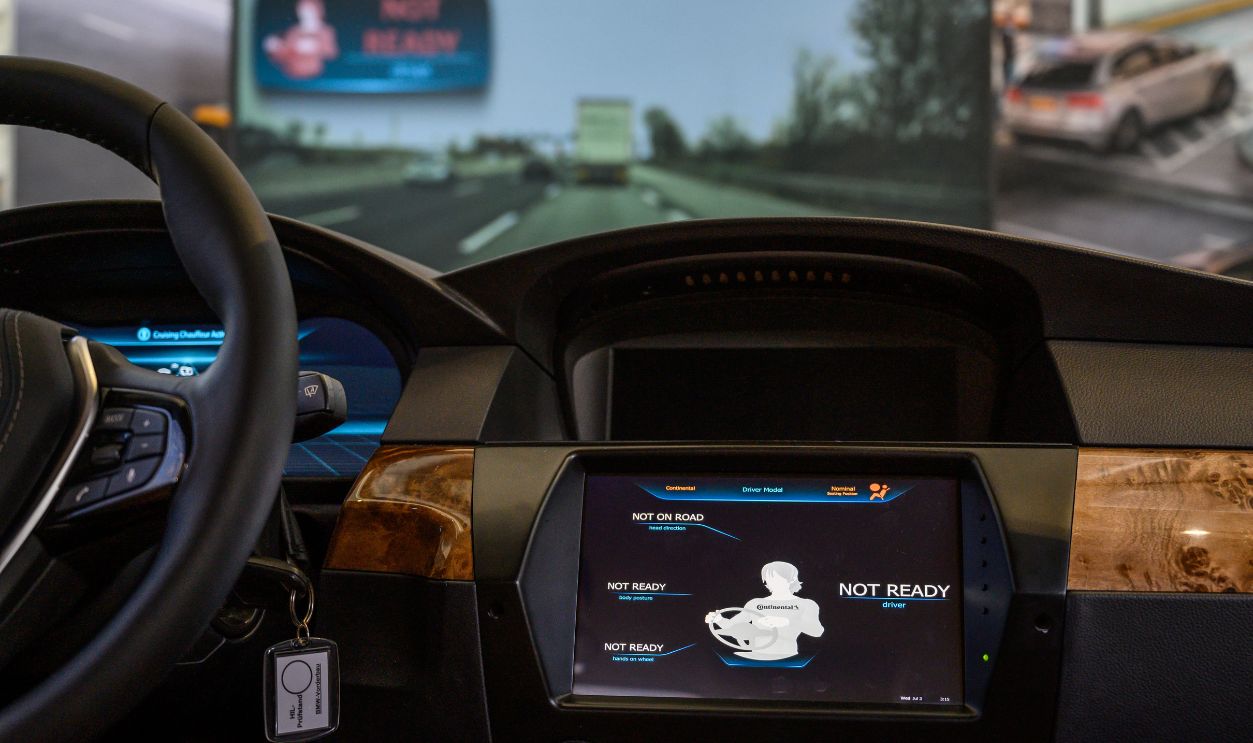
An important safety feature is the ability to recognize monitoring failure itself. IIHS evaluates what happens when the driver-monitoring camera is blocked or the driver's face is obscured. A robust partial-automation system should not simply continue operating as though everything is normal when monitoring becomes unreliable. Euro NCAP similarly expects drivers to be informed when certain occlusions make monitoring nonfunctional.
 picture alliance, Getty Images
Automakers Still Perform Very Differently
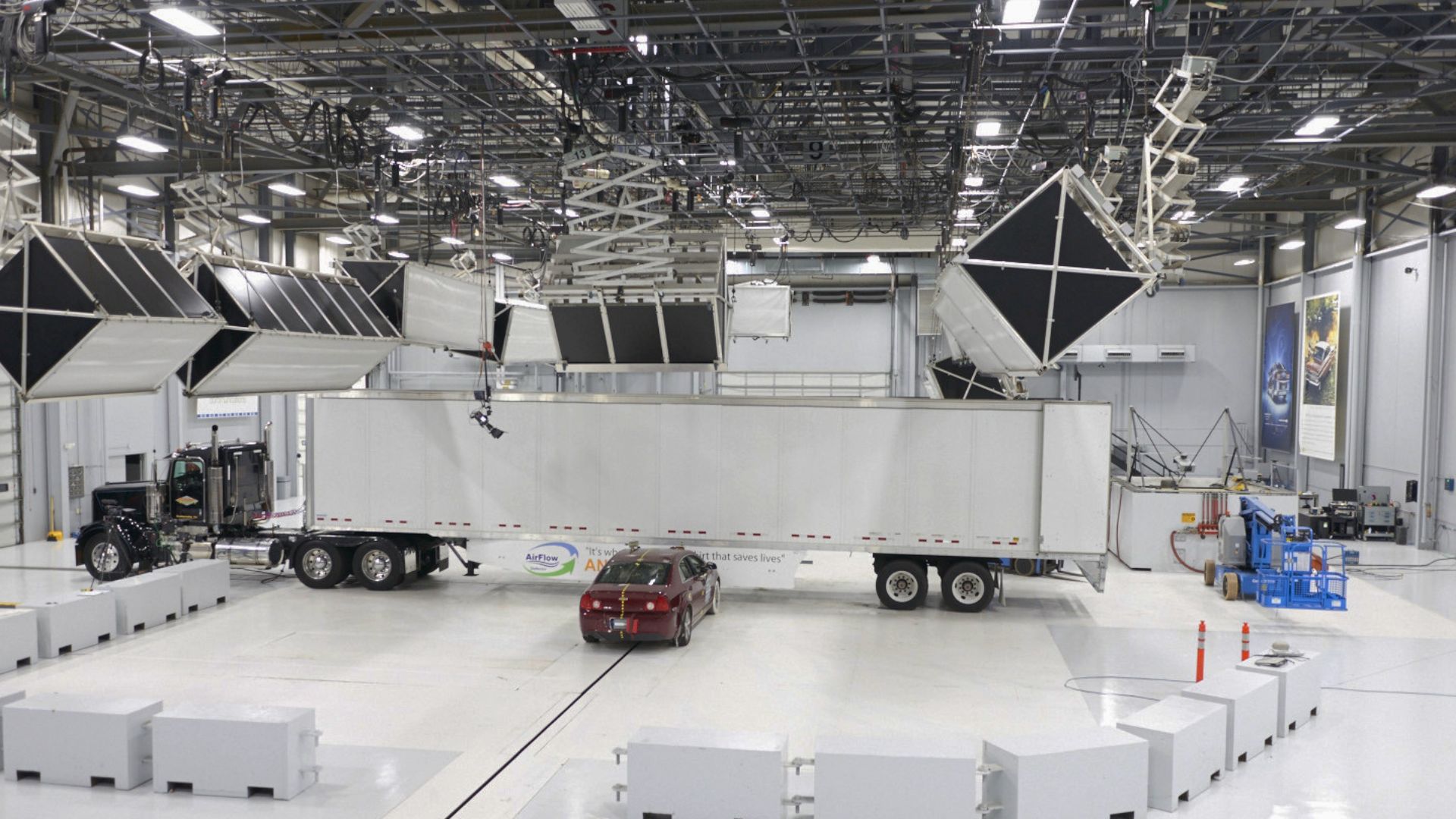
Having a camera on the dashboard does not guarantee a strong monitoring system. In IIHS's initial 2024 evaluation of 14 partial-automation systems, none met every driver-monitoring requirement, and the overall safeguard ratings varied considerably. Only one system earned an acceptable overall safeguard rating in that first round, while most received poor ratings. The results demonstrated that implementation matters at least as much as the presence of the hardware itself.
 Insurance Institute for Highway Safety, Wikimedia Commons
Partial Automation Creates Its Own Attention Problem
Automation can reduce workload, but that benefit comes with an awkward human-factors problem. People are generally worse at continuously supervising automation than they are at actively performing a task themselves. IIHS notes that drivers using partial automation can become disengaged even when they understand that they remain responsible. That makes effective monitoring especially important precisely because the vehicle is doing more of the work.
Hands-Free Does Not Mean Eyes-Free
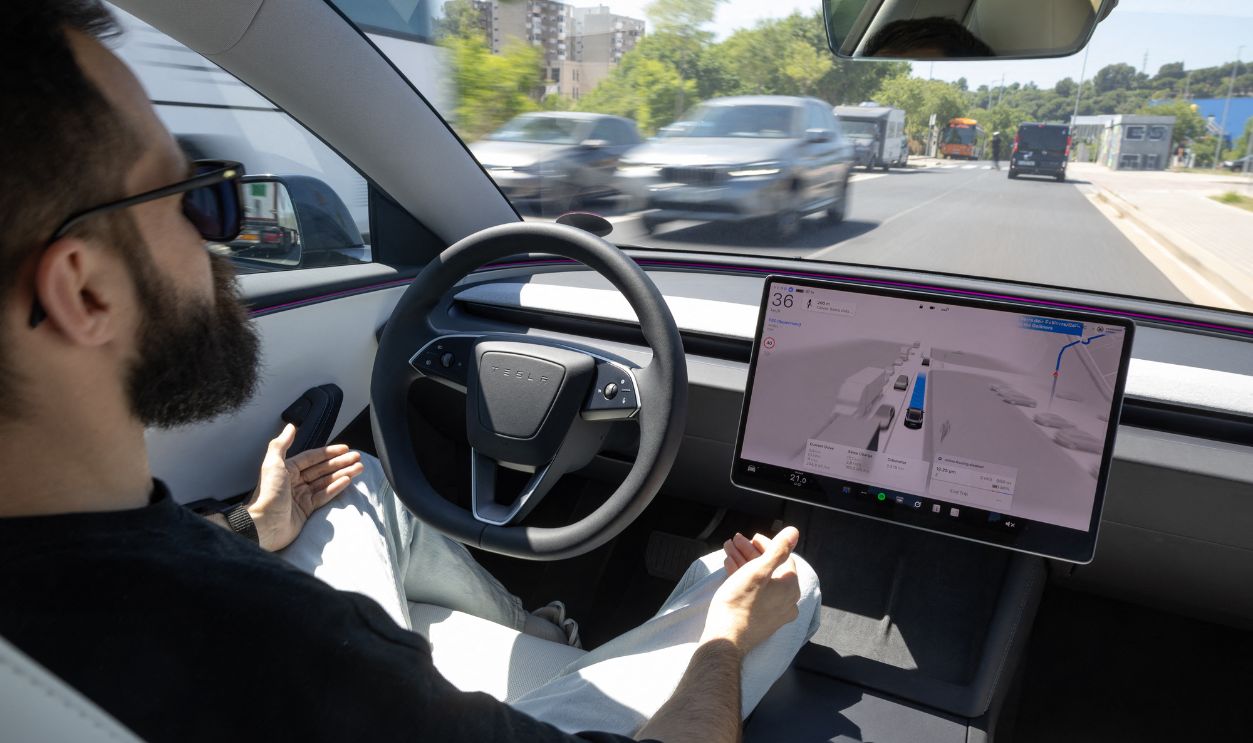
Marketing language can easily blur this distinction. Systems such as BlueCruise and Super Cruise may allow drivers to remove their hands from the wheel under specific conditions, but that does not mean they may stop watching the road. Ford explicitly says BlueCruise drivers must continue paying attention while using hands-free operation. GM likewise uses its driver-attention camera to ensure that the driver remains focused while Super Cruise is active.
 Alexander Koerner, Getty Images
Driver Monitoring Does Not Make Automation Crash-Proof
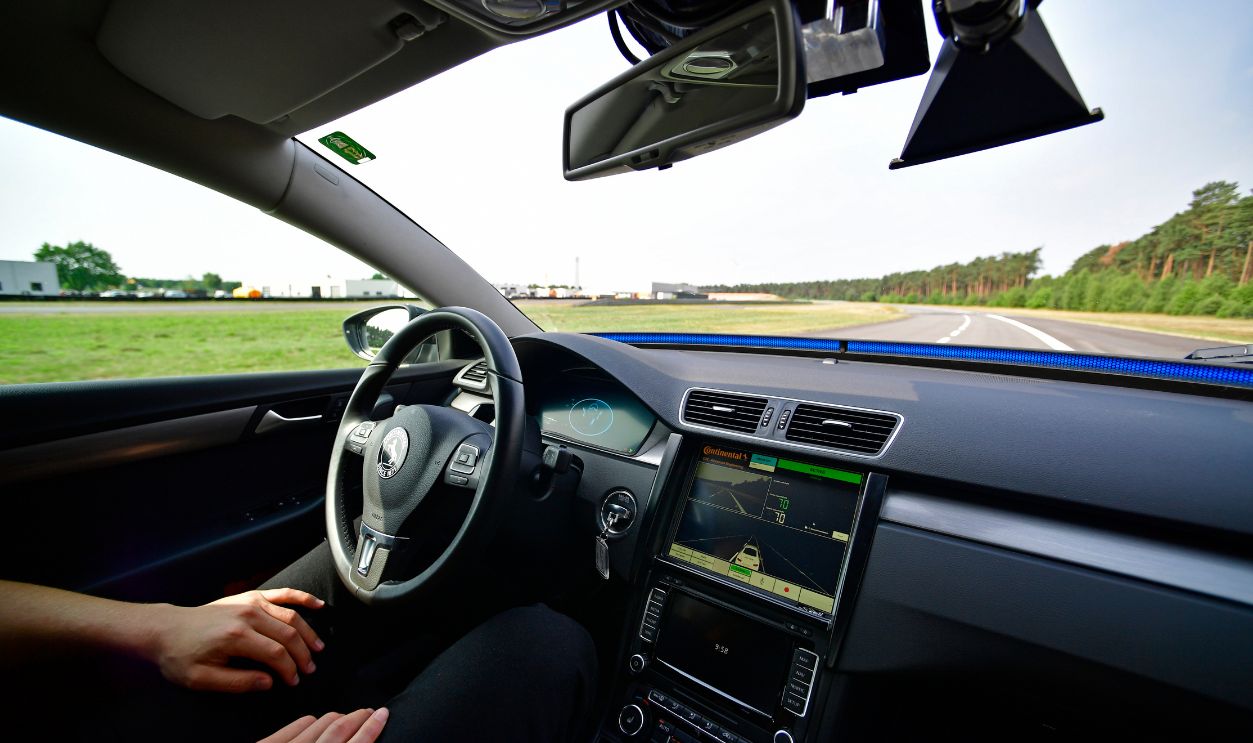
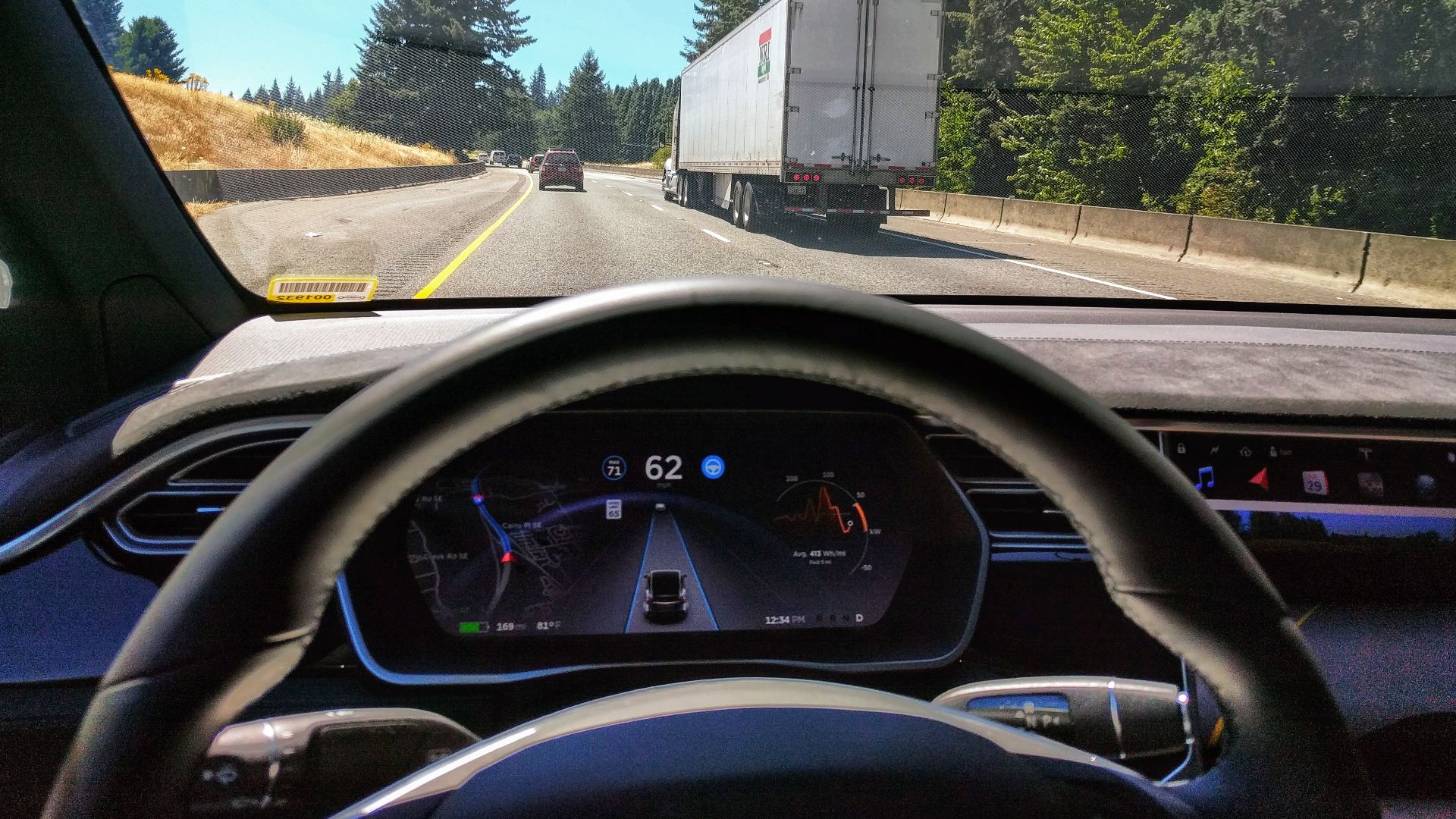
A monitoring camera watches the human, not every hazard surrounding the vehicle. Partial automation still depends on external cameras, radar, mapping, software, and other sensors to interpret the roadway. IIHS has found little evidence that partial driving automation itself reduces crashes beyond benefits provided by established collision-avoidance features such as automatic emergency braking. Driver monitoring should therefore be understood as a safeguard against misuse, not proof that the automation can handle every traffic situation.
 Ian Maddox , Wikimedia Commons
Europe Is Pushing The Technology Into More Cars
The European Union's General Safety Regulation has accelerated adoption of driver-attention technology. EU rules require new vehicles to include several advanced safety features, including warnings related to driver drowsiness and attention, with requirements being introduced according to vehicle and system categories. European regulations also specify privacy protections for drowsiness and distraction systems. The technology is therefore becoming part of mainstream vehicle safety rather than remaining limited to luxury automation packages.
Euro NCAP Is Raising The Bar Again
Euro NCAP's 2026 assessment framework gives greater emphasis to driver monitoring and how well it works in normal use. Vehicles seeking the highest scores are expected to use continuous eye and head tracking and connect driver-state information with assistance-system behavior. Euro NCAP is also paying more attention to reliability and user acceptance. Those changes acknowledge that a theoretically clever monitor is not useful if it performs badly during ordinary driving.
Your Seating Position Can Matter Too
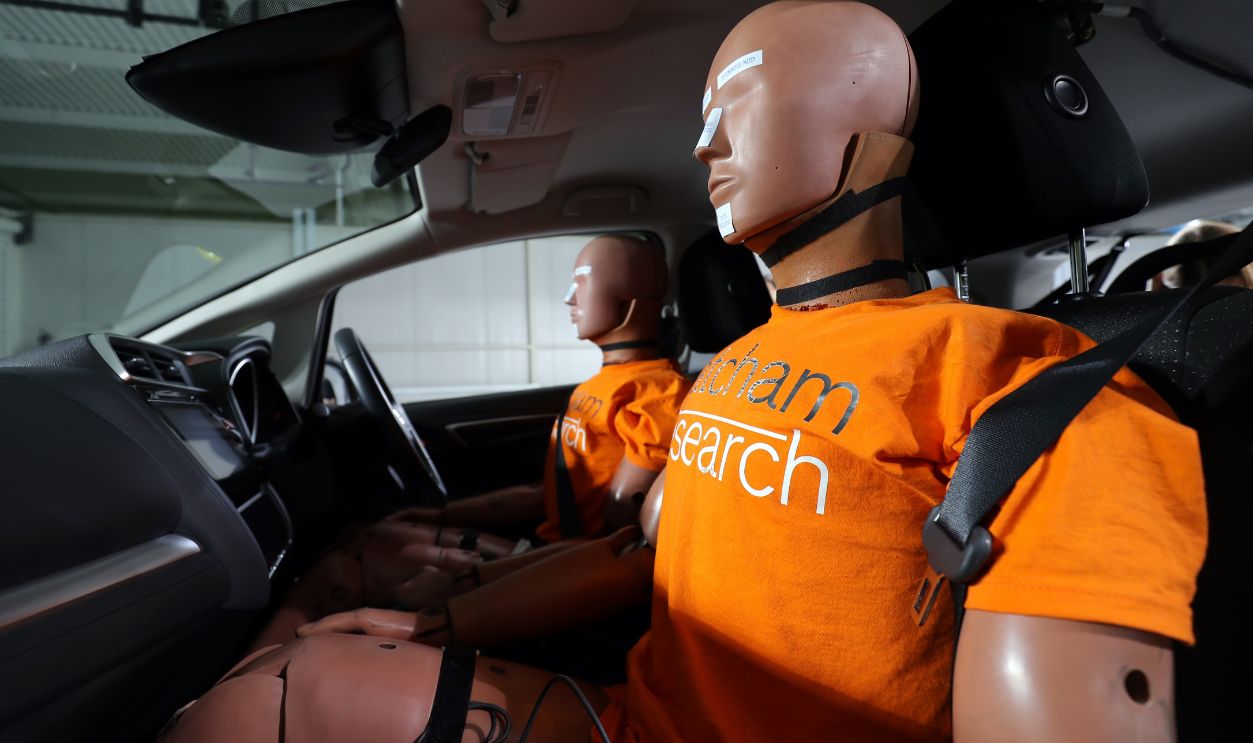
Driver-monitoring cameras operate within a designed field of view, so the position of the driver's head relative to the camera can influence what the system sees. Sunglasses may become an additional challenge if the camera already has a marginal view because of seating position, head angle, or another obstruction. This is one reason safety tests deliberately examine facial occlusion and different monitoring conditions. Adjusting the seat normally rather than deliberately leaning outside the expected driving position can give the system its best chance of working as intended.

Repeated False Alerts Deserve Attention
An occasional mistaken warning is different from a system that complains throughout nearly every drive. If the behavior began suddenly, checking whether the camera lens is dirty, covered, or obstructed is a sensible first step because safety organizations specifically treat blocked cameras as a monitoring failure. Owners should also review their vehicle's manual for limitations involving eyewear or driver position. Persistent problems may warrant asking the manufacturer or dealer whether a software update or service bulletin applies to that specific vehicle.
Trying To Fool The Camera Is The Wrong Solution
Drivers frustrated by warnings may be tempted to cover the camera or devise ways to convince the vehicle that they are paying attention. Safety testing shows why that is risky. AAA found that both direct and indirect monitoring systems could sometimes be deliberately fooled, although camera-based systems were harder to defeat. Circumventing a safeguard removes one of the few mechanisms designed to keep a driver engaged while automation is operating.
Privacy Is A Fair Question
A camera pointed at the driver understandably raises concerns about what happens to the resulting information. EU regulations state that drowsiness and distraction warning systems should not continuously record or retain more data than necessary for their purpose and place restrictions on making that data available to third parties. Consumer Reports has likewise called for closed-loop monitoring that minimizes collection and transmission of cabin information. Safety and privacy do not have to be treated as opposing goals if systems are designed carefully.
So Are These Systems Reliable Enough?
The evidence supports a qualified yes for their current role. Direct camera monitoring is demonstrably better at detecting disengagement than simply checking steering-wheel movement, and well-designed systems can operate in darkness, with masks, and with at least many types of sunglasses. Yet independent tests, Euro NCAP protocols, and recent NTSB investigations all show that monitoring performance still varies and that unusual eyewear or complicated attention behaviors can expose weaknesses. These systems are useful safeguards, not perfect judges of human attention.
The Best Systems Admit Their Own Limits
A trustworthy monitoring system should not claim certainty when its camera cannot obtain enough information. It should recognize degraded visibility, tell the driver what is happening, and limit assisted-driving functions when appropriate. That philosophy appears in both Euro NCAP and IIHS testing criteria. In real traffic, knowing when a system is uncertain may be almost as important as recognizing distraction correctly.
Sunglasses Should Become Less Of A Problem
Safety organizations are increasingly testing monitoring technology against real-world complications instead of ideal laboratory conditions. Euro NCAP explicitly includes dark sunglasses, facial occlusion, dramatically different lighting, facial hair, and other variables in its evaluation framework. Automakers therefore have a strong incentive to design cameras and algorithms that remain functional across a much broader range of drivers. Your sunglasses are not an obscure edge case anymore.
 Jan-Christopher Sierks, Unsplash
For Now, You Are Still The Final Safety System
Driver-monitoring cameras are becoming better, and the strongest versions offer a meaningful safety improvement over steering-wheel checks. They can still misunderstand what they see, so a false sunglasses warning does not prove that you were inattentive or that driver monitoring as a whole is useless. The technology works best as one layer in a larger safety system rather than an infallible referee. Until consumer vehicles can genuinely drive themselves without supervision, the person behind the wheel remains responsible for watching the road and taking control when necessary.

You May Also Like:
The Most Overrated Cars Today, According To Car Enthusiasts
People With The Largest Car Collections In The World