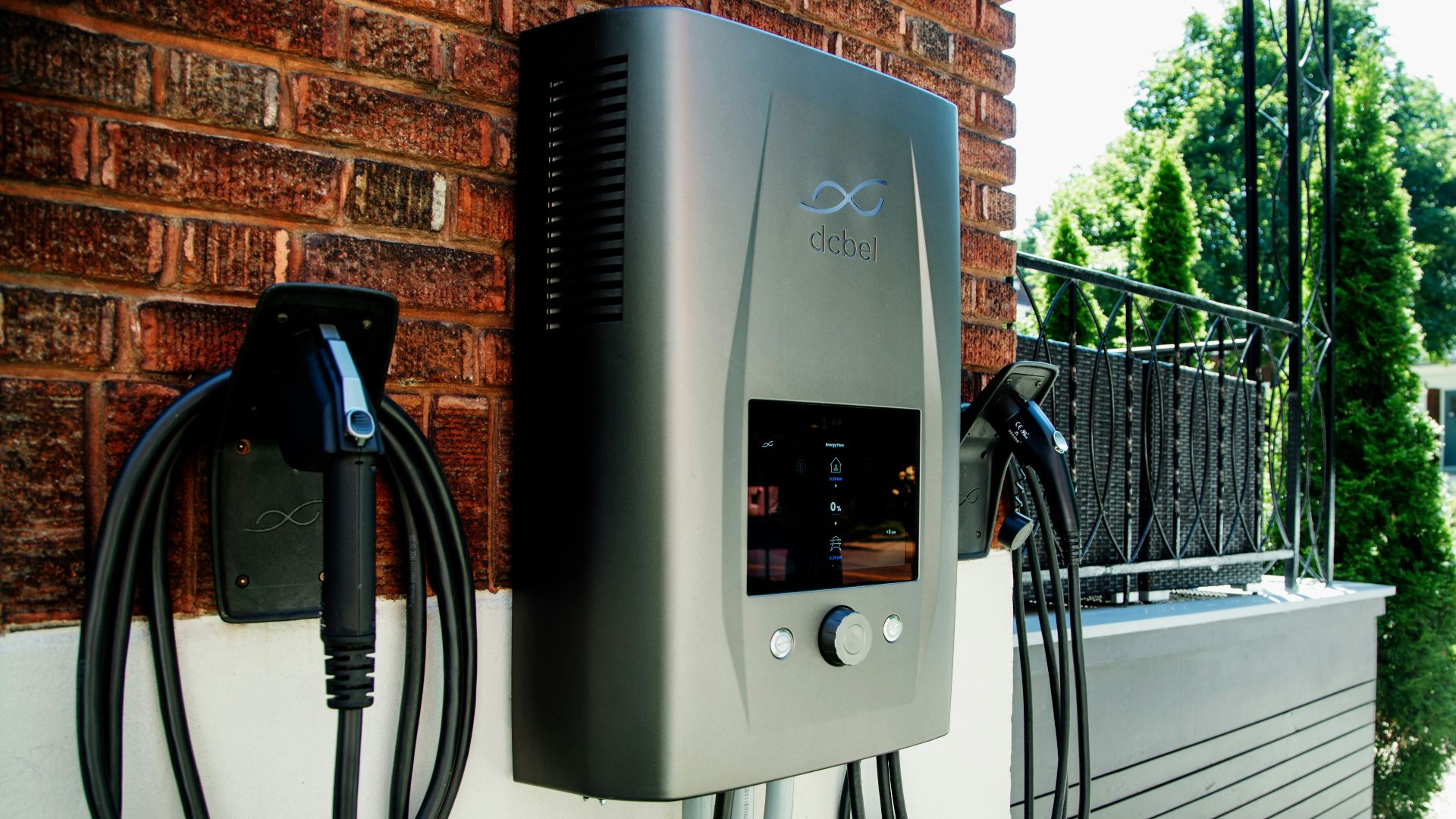
When A Charger Stops Being A Charger
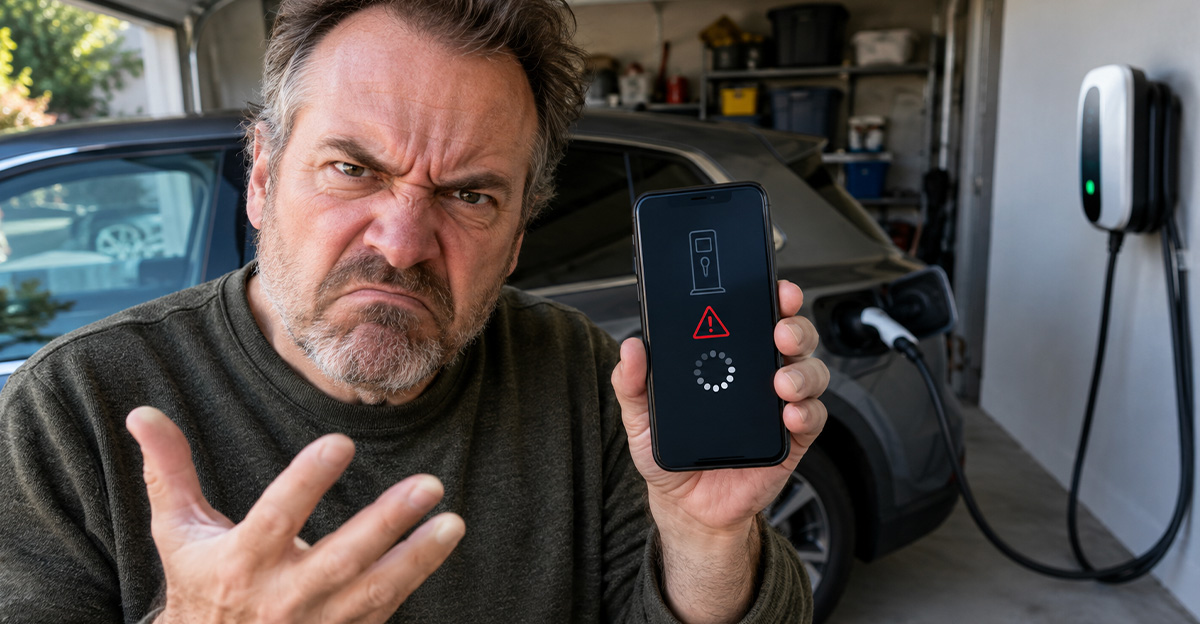
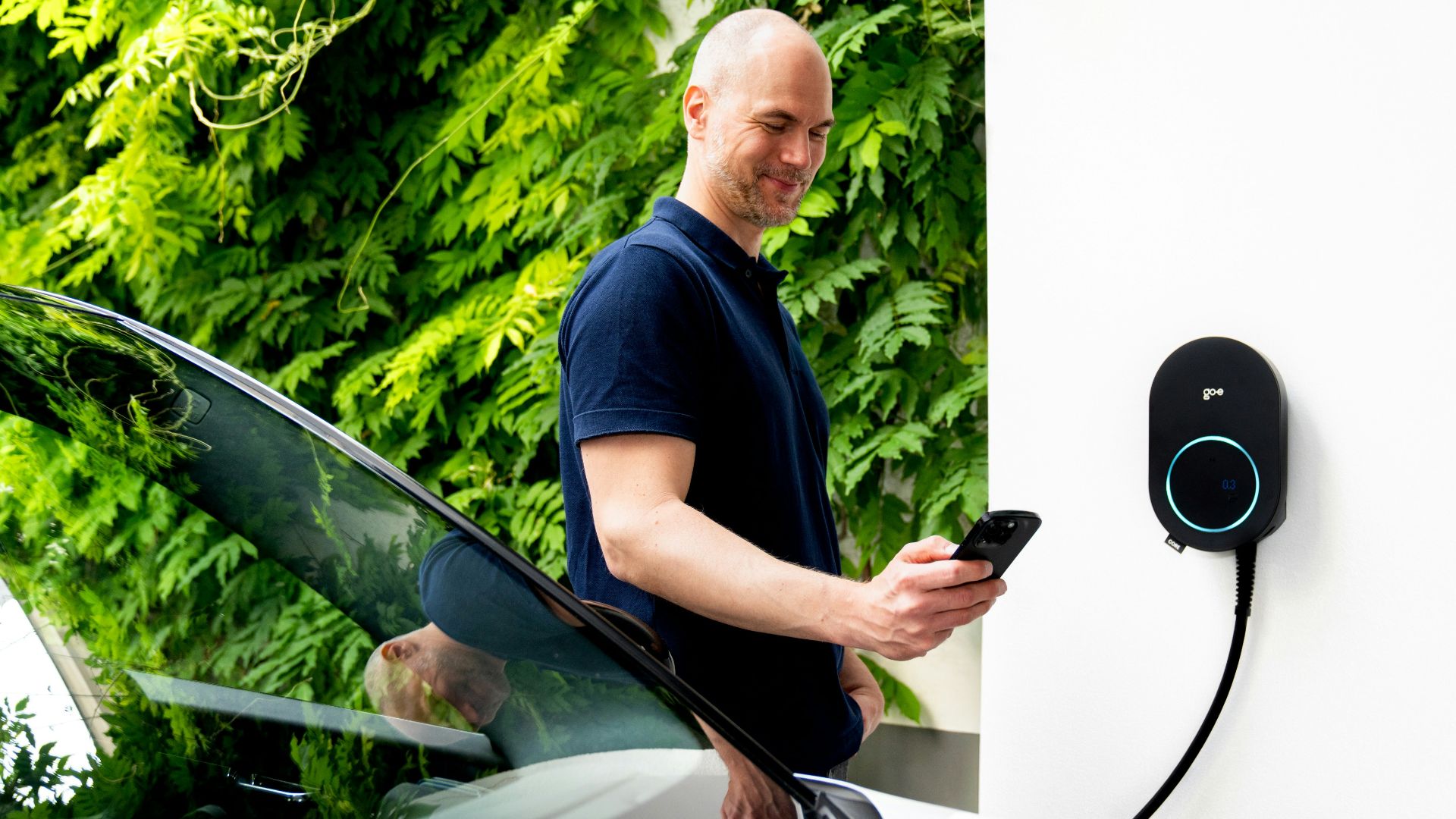
You pull into the garage, plug in the EV, and expect the same drama-free experience as plugging in a toaster. Instead, the charger sits there blinking because its app cannot connect. Suddenly a perfectly good electrical circuit is waiting for permission from a server somewhere far away.
Welcome To The Smart Charger Problem
Modern home chargers can schedule charging, track energy use, integrate with utility programs, and send notifications to your phone. Those features are genuinely useful. Unfortunately, adding computers, apps, Wi-Fi, accounts, and cloud services also creates several new ways for charging to go wrong.
The Hardware May Be Fine
This is what makes these failures especially irritating. Your breaker may be fine. The wiring may be fine. The charging cable may be fine. Even the car may be ready to charge. Yet one failed login or unreachable server can sometimes turn expensive hardware into a glowing garage decoration.
 Shixart1985, Wikimedia Commons
Not Every Charger Works This Way
Some smart chargers retain basic charging functions even when their internet connection disappears. Others depend more heavily on software for schedules, authentication, or remote controls. How badly an outage affects you therefore depends on how the manufacturer designed the charger rather than EV charging technology itself.
First Check The Obvious Stuff
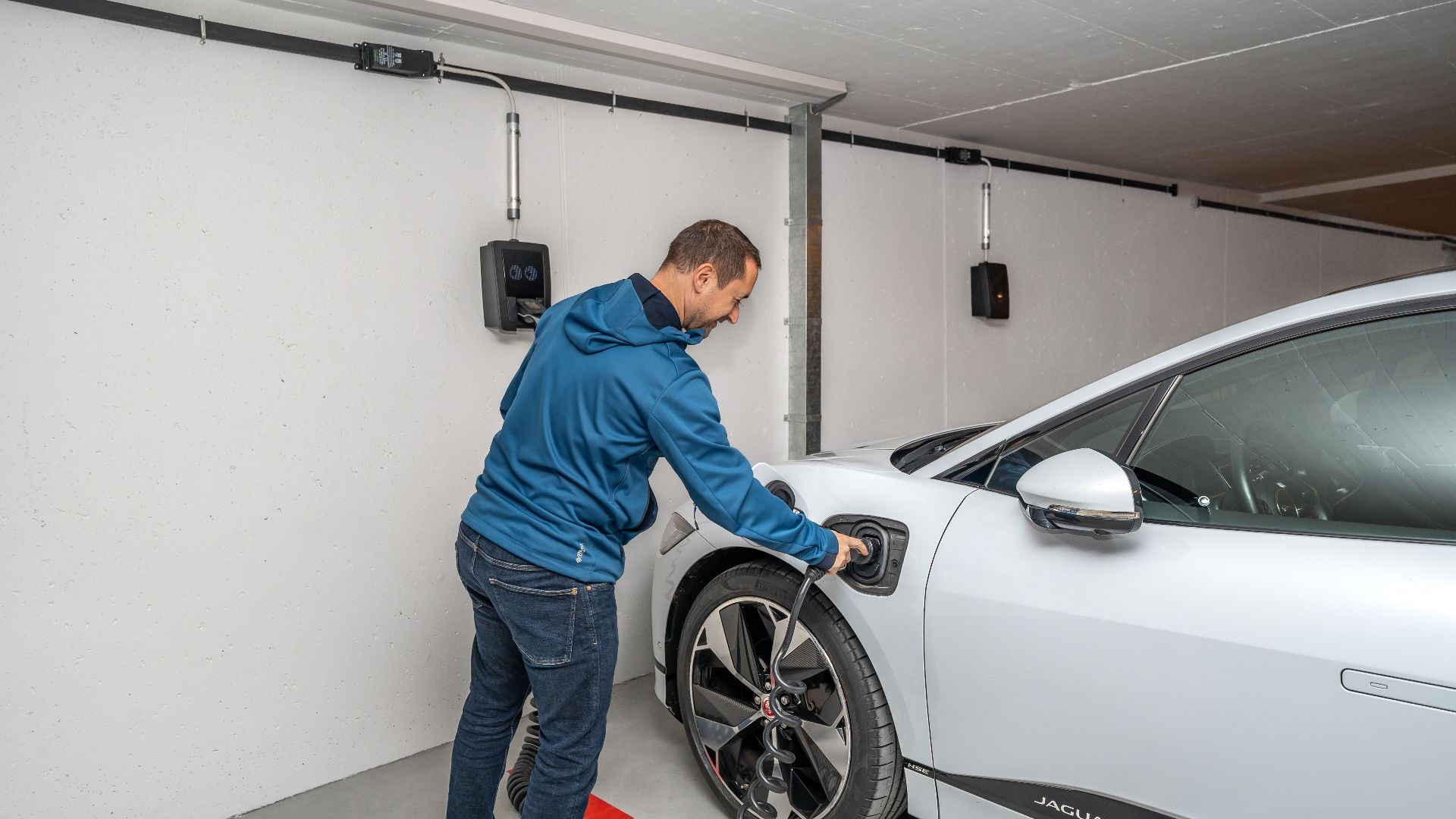
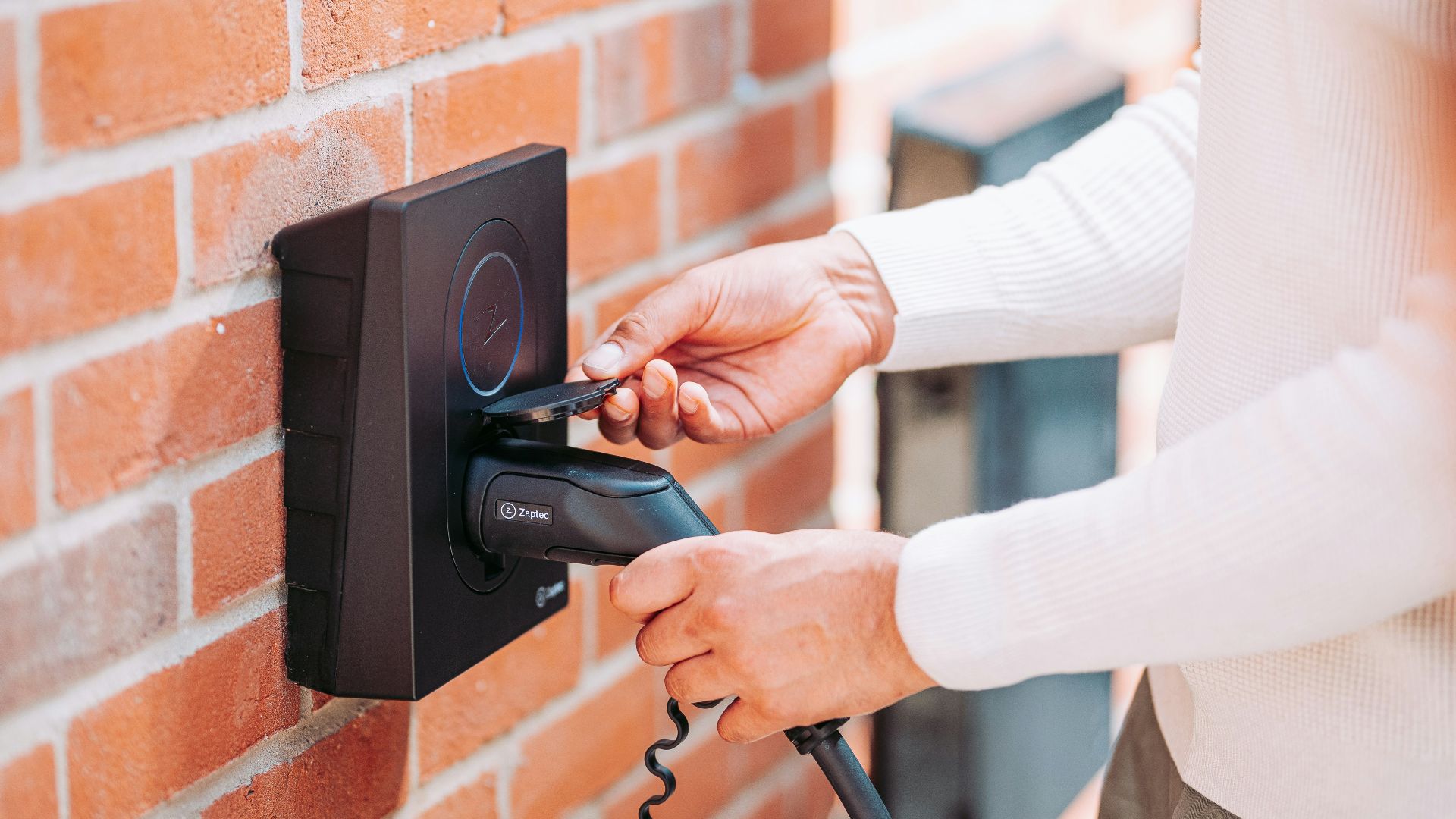
Before declaring war on the cloud, start with the same things a mechanic would check first. Confirm that the breaker has not tripped, make sure the connector is properly seated, and look for warning lights. Sometimes the supposedly sophisticated problem is still just a boring electrical one.
Then Check The Car
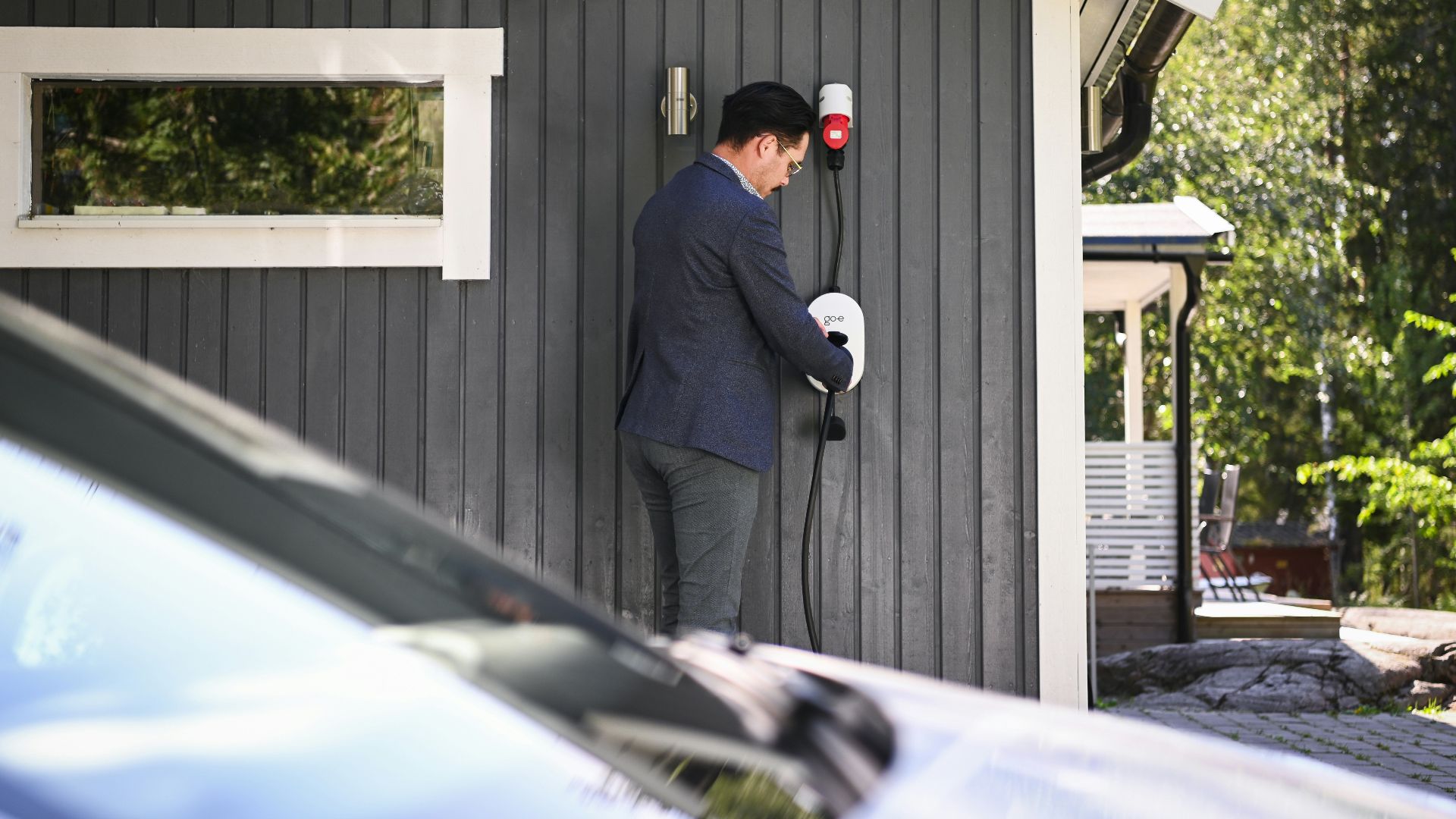
EVs can have their own charging schedules. If the car is programmed to begin charging at 11 p.m., plugging it in at six may make the charger appear unresponsive. Check the vehicle's charging menu before blaming the wall box, especially after software updates or schedule changes.

Your Wi-Fi Might Be The Culprit
Garages are not always wonderful places for Wi-Fi reception. Concrete, metal doors, distance from the router, and crowded wireless networks can all cause trouble. A charger repeatedly dropping offline may simply need a stronger signal rather than a replacement unit.

Rebooting Actually Makes Sense Here
Yes, the dreaded technology-support solution has reached the garage. Power cycling the charger can clear communication glitches just as restarting a computer can. Follow the manufacturer's shutdown instructions, particularly with permanently wired equipment. Do not start opening electrical covers unless you are qualified to do so.
The App Could Be Down
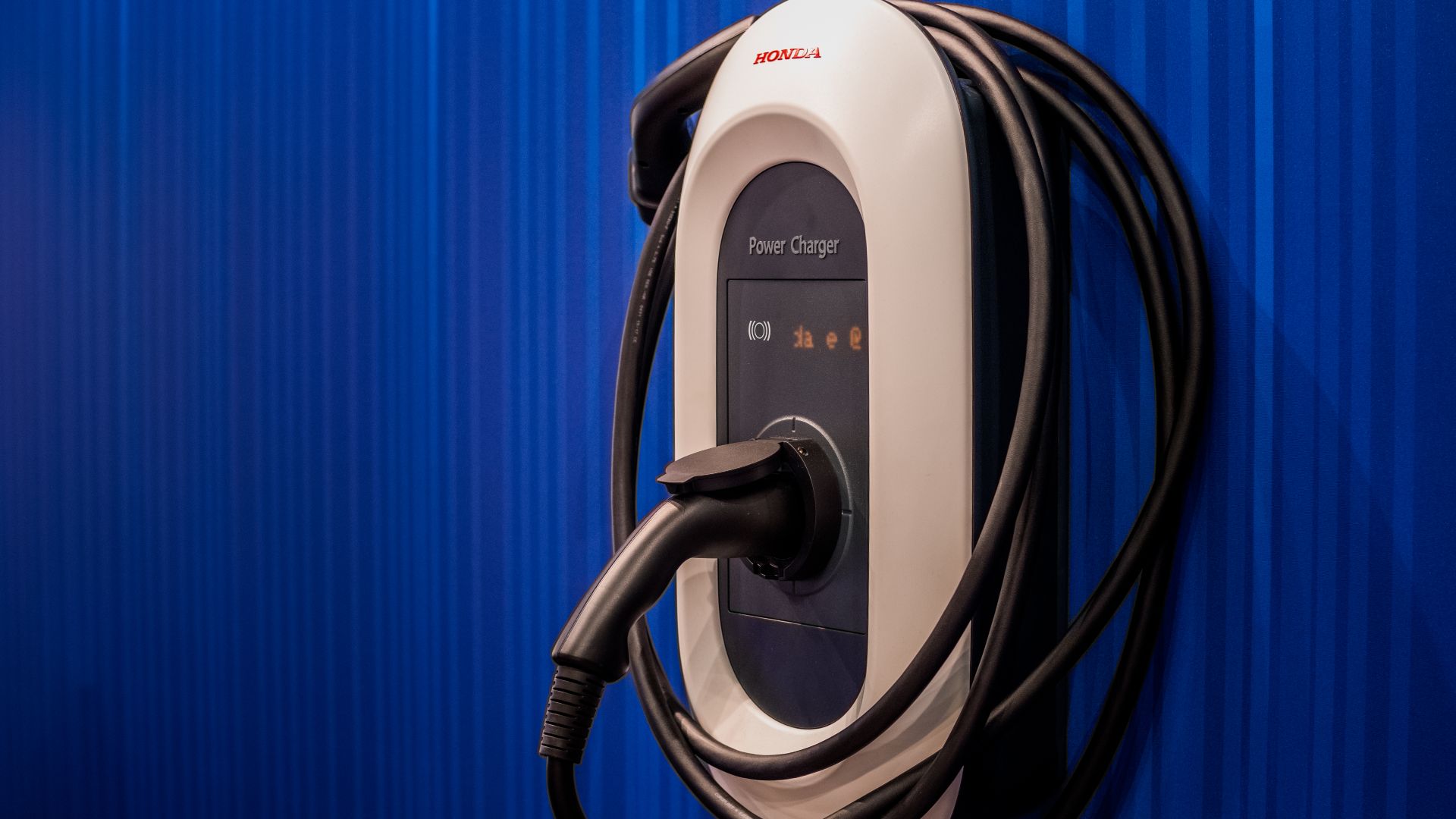
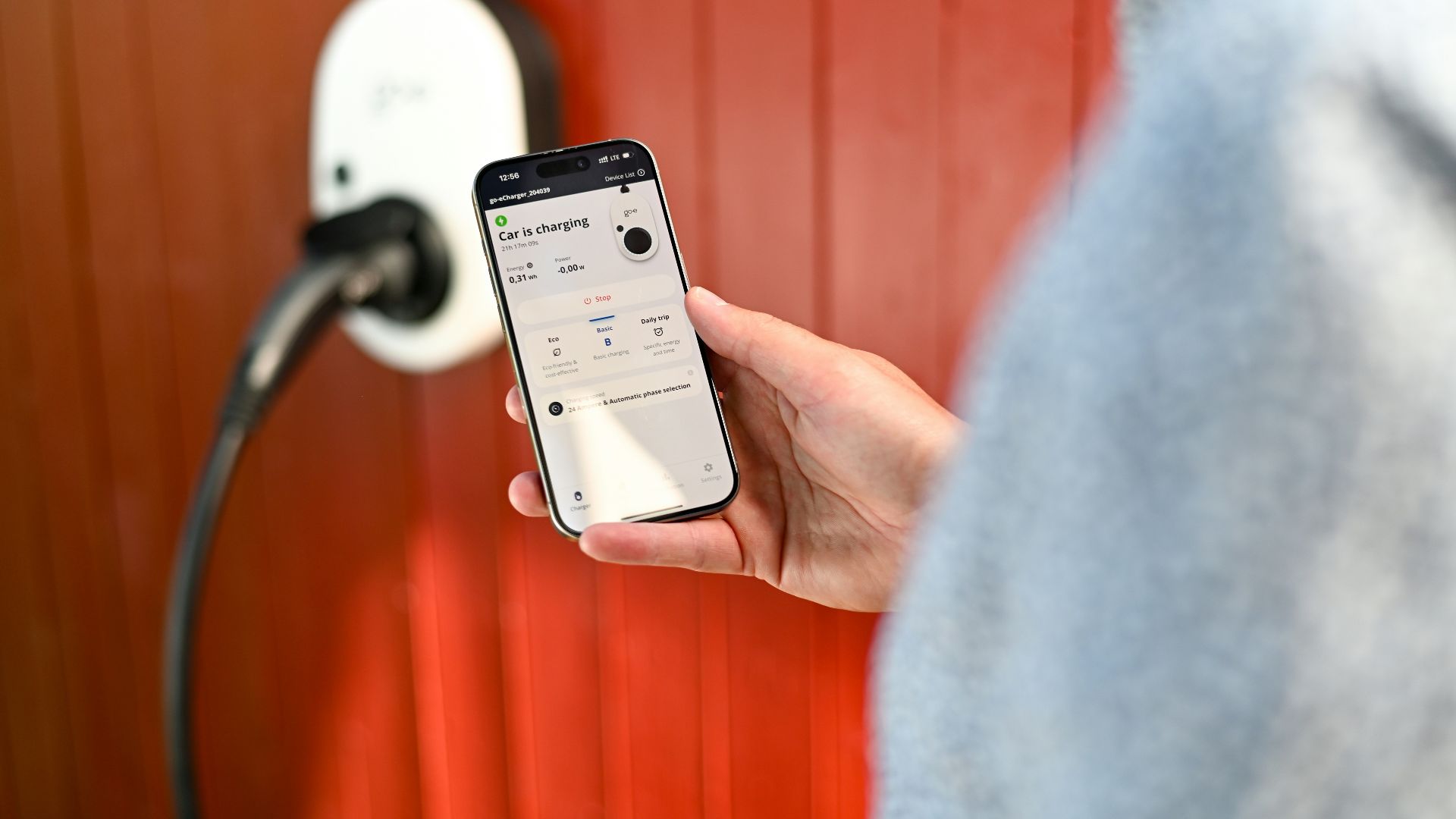
If everything suddenly stopped working despite nothing changing in your garage, check whether the manufacturer's service is experiencing an outage. An app that refuses to load, repeatedly logs you out, or cannot find a previously working charger can point toward a problem outside your home.
Cloud Services Add Another Failure Point
Traditional electrical equipment usually fails locally. A smart charger can fail locally or because something hundreds of miles away is having a bad day. Cloud connectivity adds useful features, but it also means someone else's servers can occasionally become part of your nightly commute.
That Feels Backwards
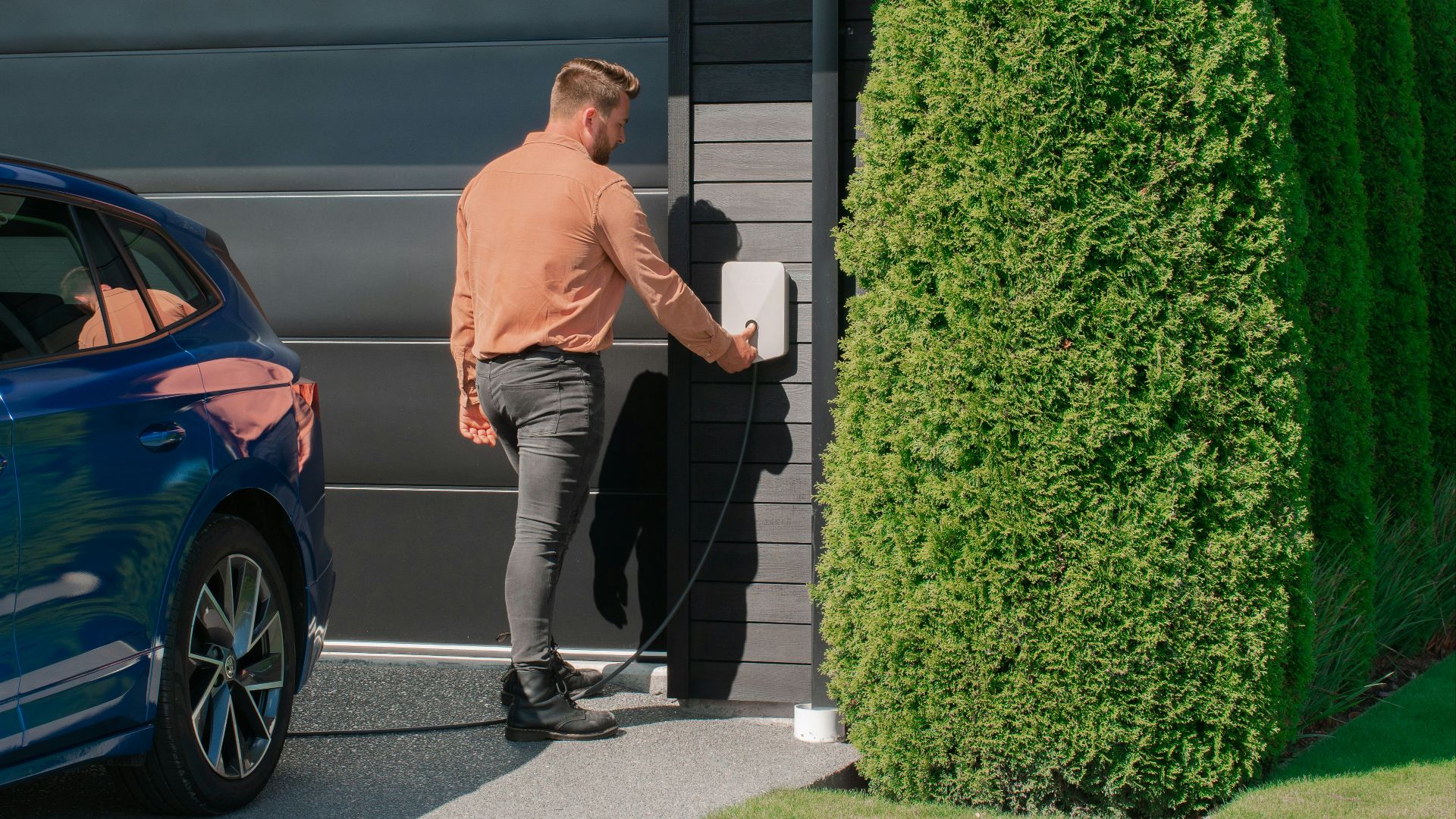
Older drivers are justified in finding this arrangement slightly absurd. Imagine being unable to pump gasoline because the manufacturer's smartphone app could not reach its server. EV charging is different technically, of course, but owners reasonably expect essential equipment to perform its basic job without outside permission.

Smart Features Are Still Useful
That does not mean connected chargers are pointless. Scheduling charging during cheaper electricity periods can save money. Energy monitoring can reveal how much driving really costs. Utilities may also offer programs that reward drivers for shifting charging away from periods when the electrical grid is under heavy demand.

Software Should Be Optional
The ideal design is simple: software should improve charging, not determine whether charging is possible. If the internet disappears, a charger should ideally fall back to basic operation. You may lose remote controls and fancy graphs, but you should still wake up with a charged vehicle.
Look For Manual Override Options
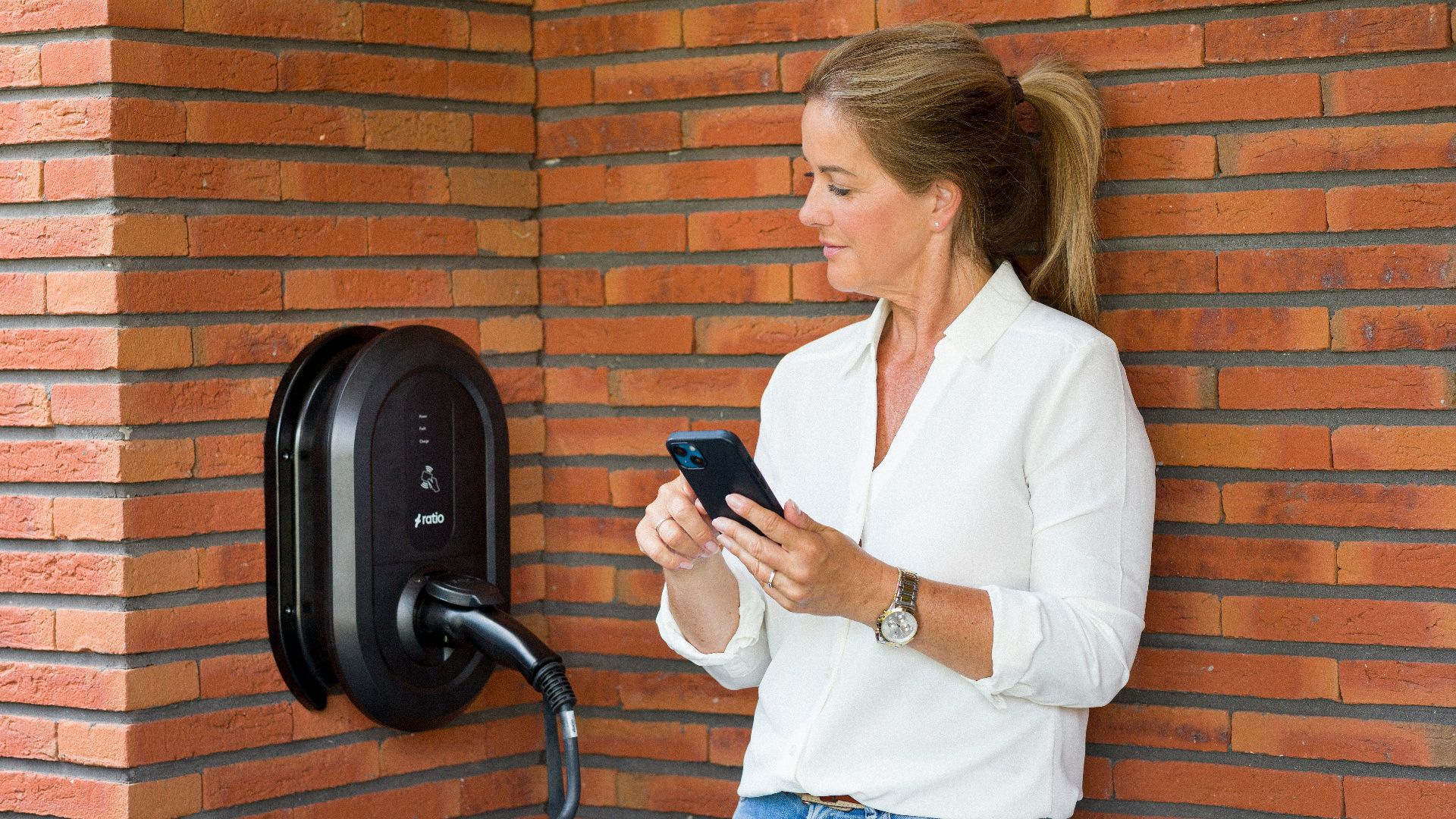
If your charger stops responding through the app, consult its manual for offline or manual charging instructions. Some models can begin charging automatically when connected. Others have physical controls, local interfaces, or settings that can prevent schedules and software rules from blocking a charging session.
Check Your Charging Schedule
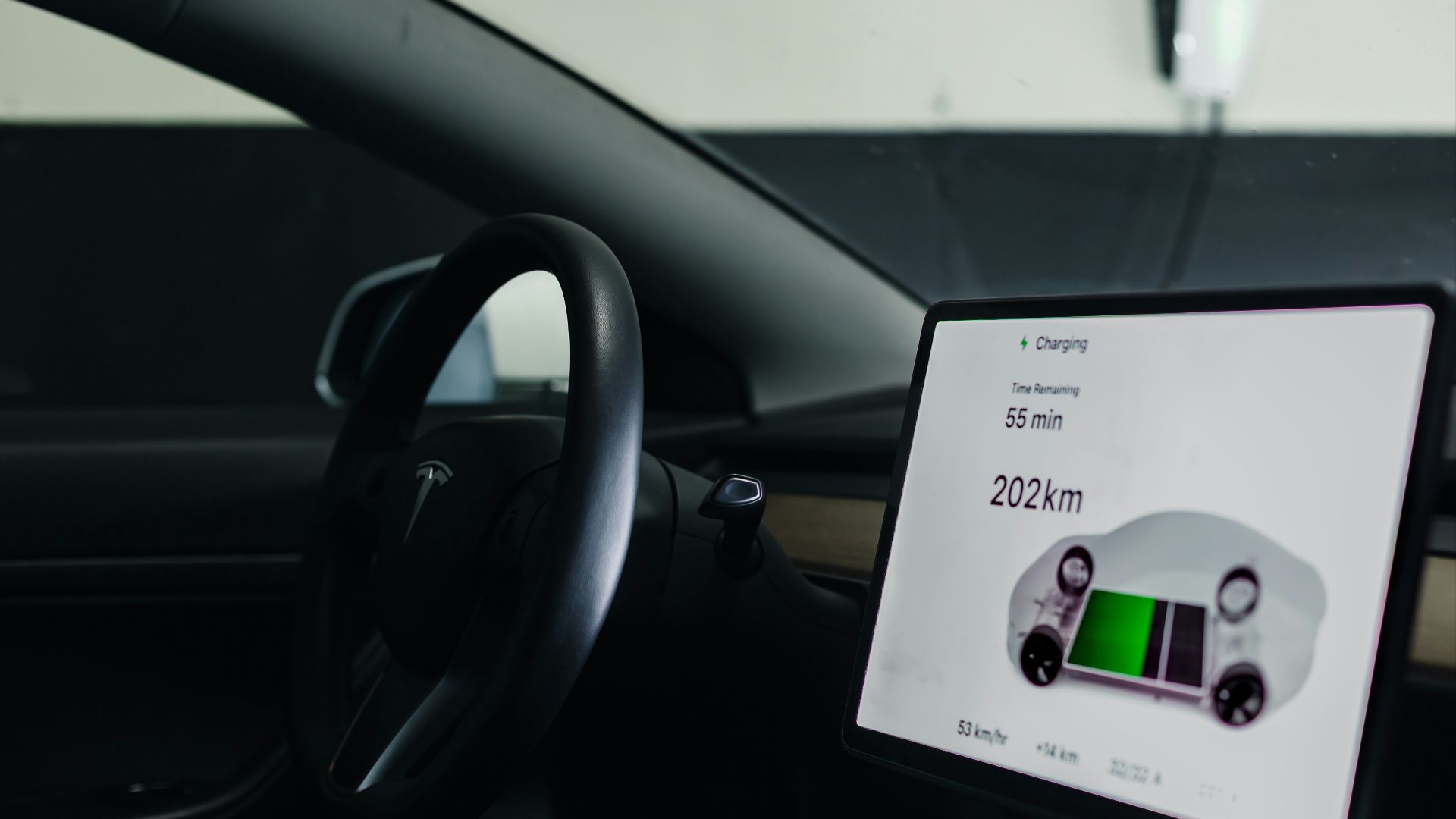
Smart-charging schedules occasionally become the villain. A utility program, app setting, charger schedule, or vehicle schedule can accidentally prevent charging when you expect it. Having two different systems controlling the same charging window is particularly good at creating confusion nobody asked for.

Multiple Apps Make Things Worse
The car has an app. The charger has an app. Your utility may have an app. Your home energy system might have another one. Each promises convenience, but several overlapping systems can make troubleshooting feel like finding which committee member forgot to approve Tuesday night's electricity.

Updates Can Change Behavior
Like phones and computers, connected charging equipment may receive software or firmware updates. Usually those updates improve reliability or security. Occasionally they introduce bugs or change settings. If a charger starts behaving strangely immediately after an update, that timing is worth mentioning when contacting technical support.
 Priscilla Du Preez 🇨🇦, Unsplash
Account Problems Can Stop Everything
Password changes, expired login sessions, authorization errors, and account migrations can also interfere with connected chargers. That sounds ridiculous when discussing equipment bolted to a garage wall, but today's charging systems sometimes treat your user account almost like another component in the electrical system.
Mechanics Are Learning New Troubleshooting Skills
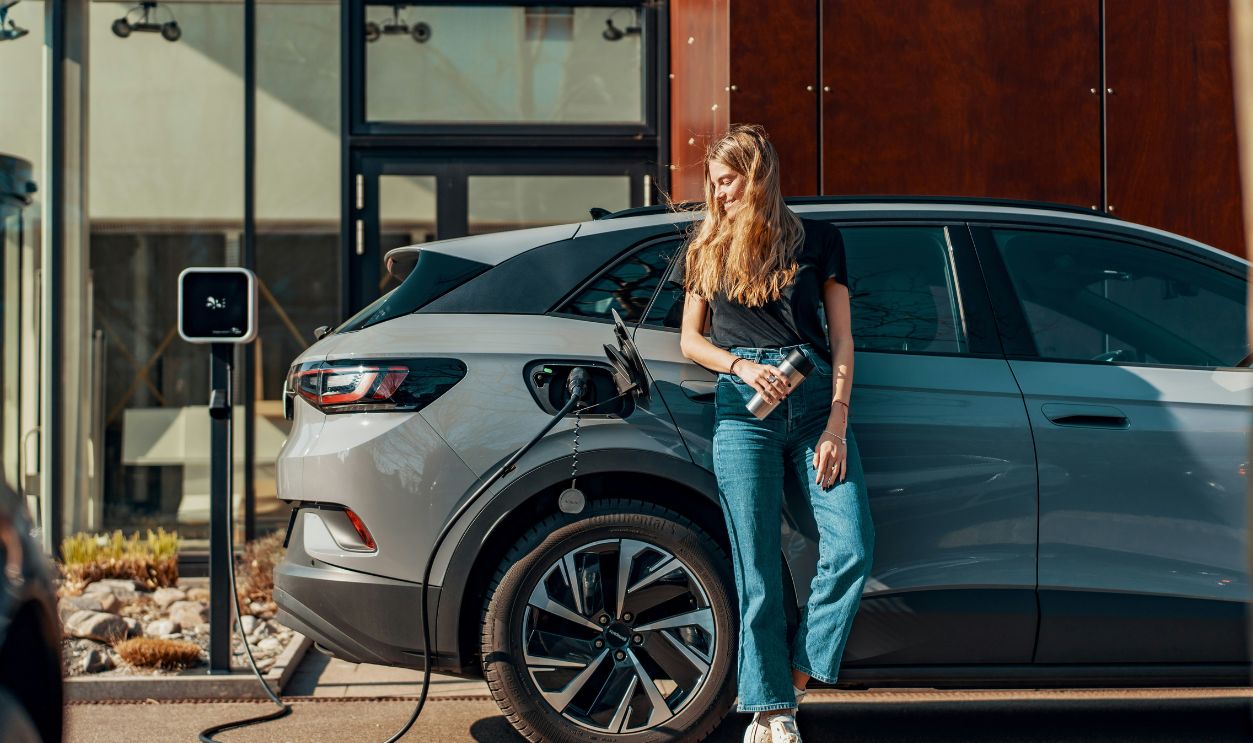
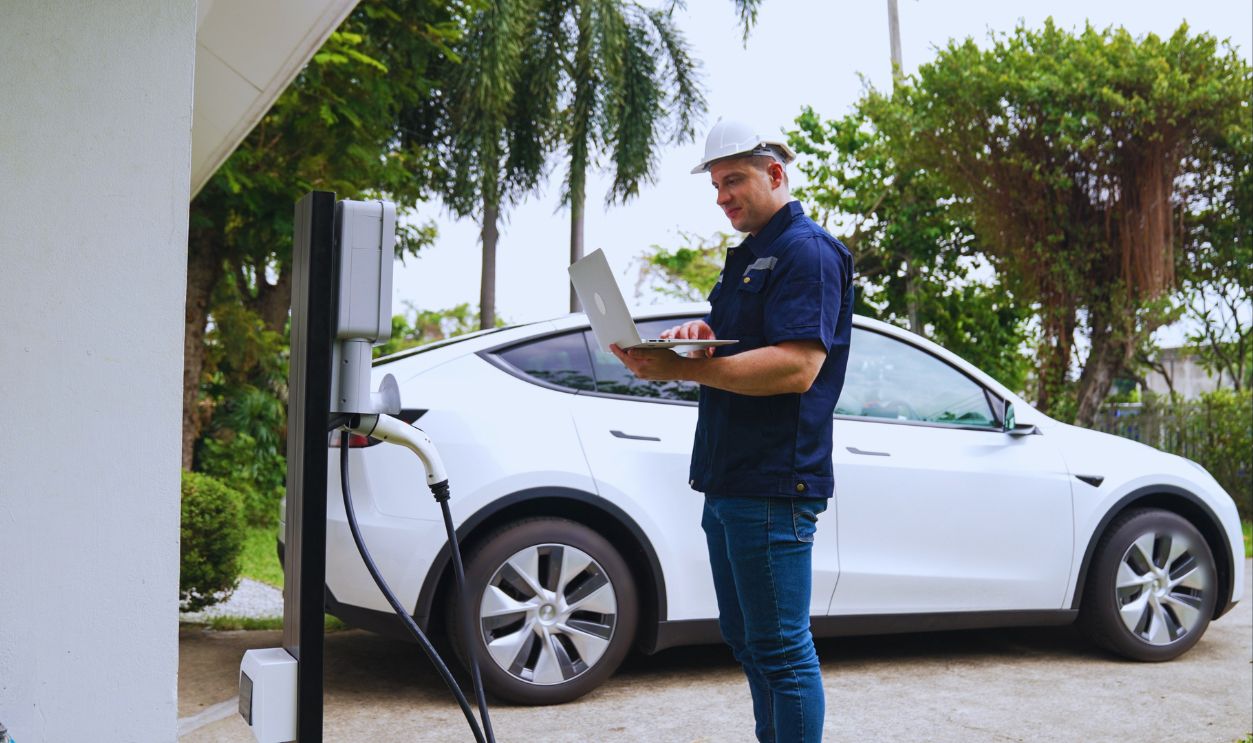
The old troubleshooting sequence of power, wiring, connector, and vehicle still matters. Now technicians may also need to consider Wi-Fi strength, firmware versions, charging schedules, authentication, utility programs, and cloud connectivity. Diagnosing an EV charging complaint increasingly resembles both electrical repair and computer support.
 Summit Art Creations, Shutterstock
Electricians Matter Too
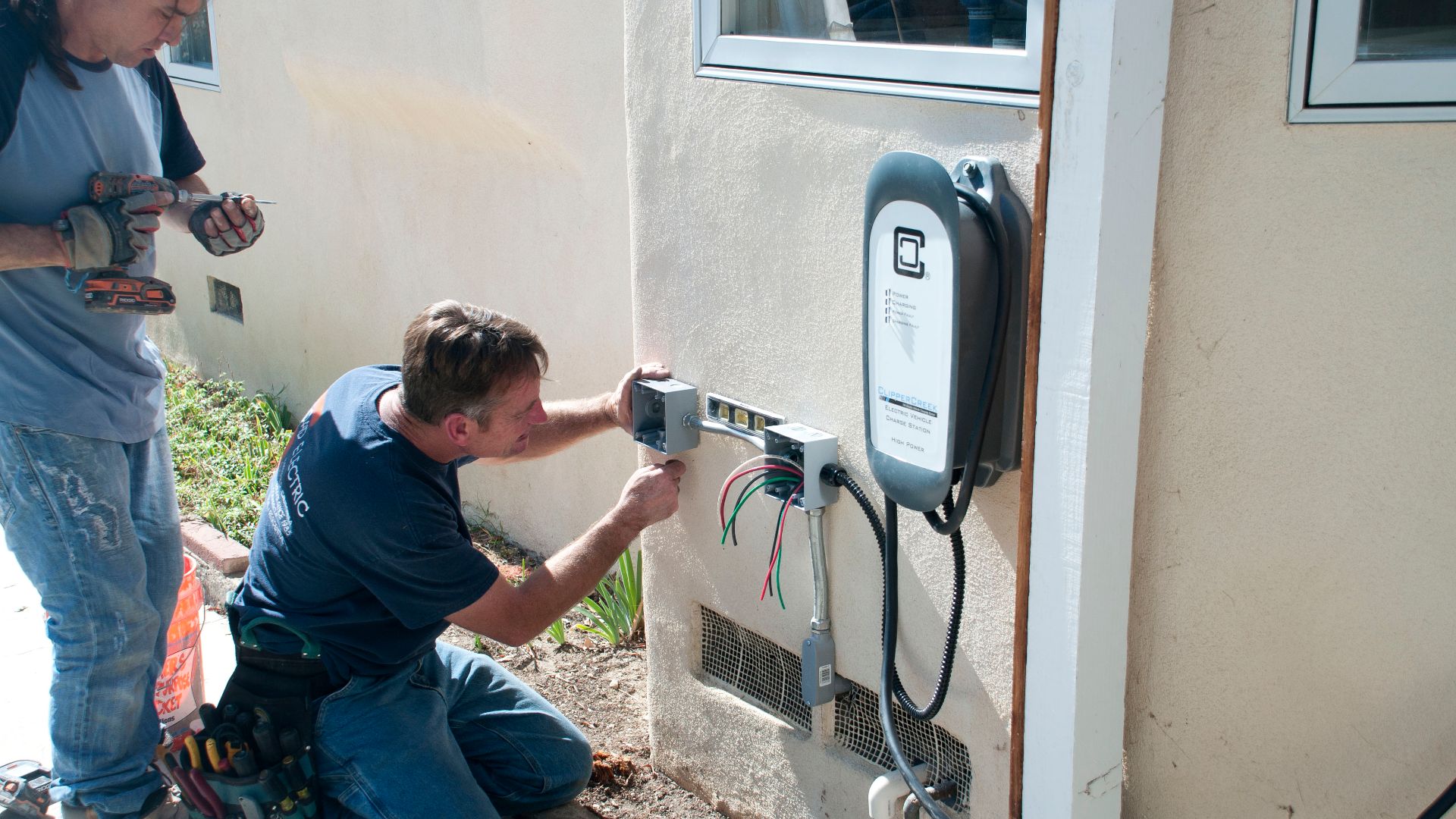
A charger repeatedly disconnecting or behaving unpredictably should not automatically be blamed on software. Loose connections, voltage problems, damaged equipment, undersized circuits, overheating, or installation issues require qualified electrical attention. Software problems are annoying. Electrical problems can be dangerous, so the distinction matters.
Keep A Backup Charging Option
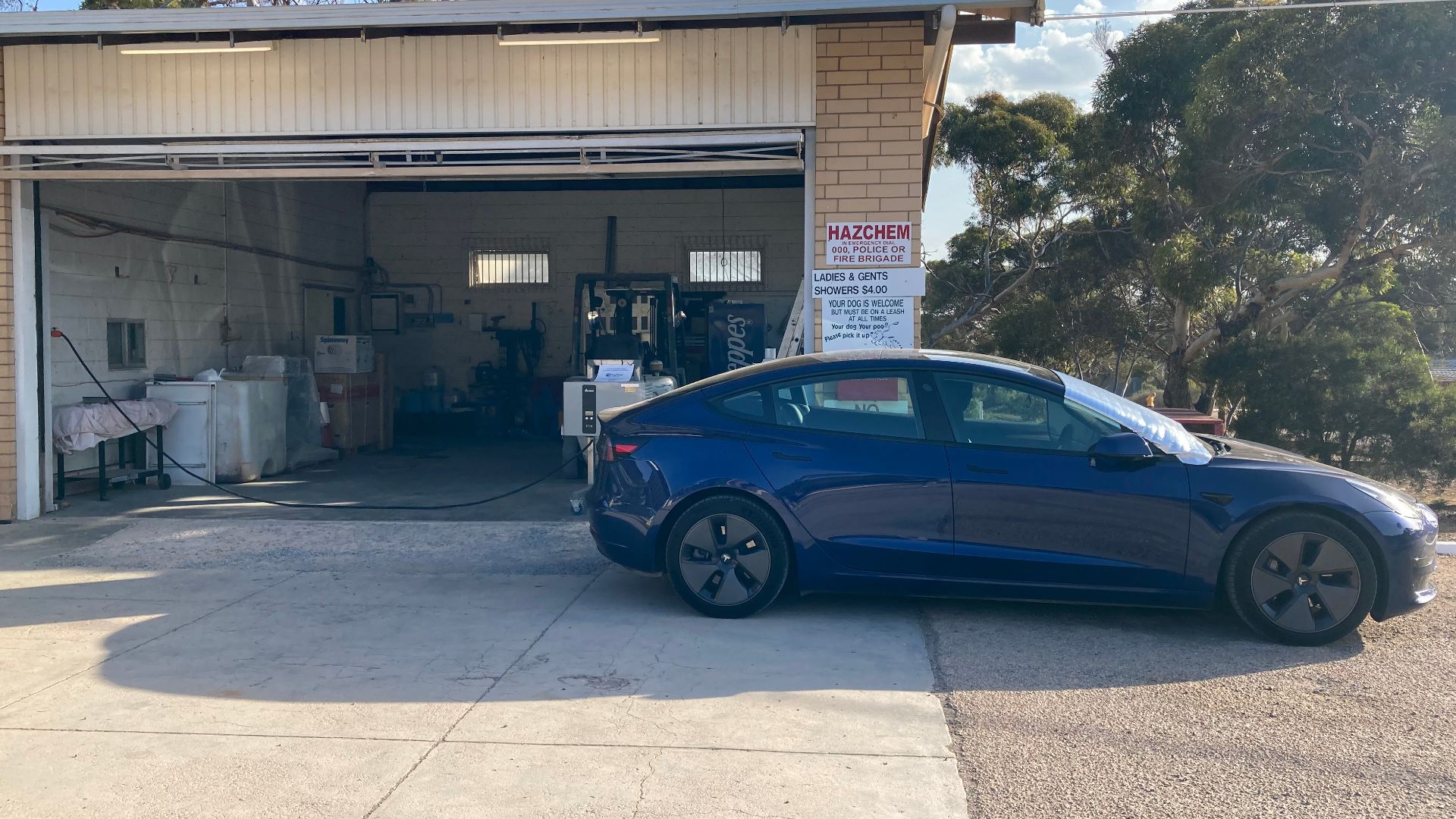
If home charging is essential to your daily routine, know where your nearest dependable public chargers are before you actually need them. Owners capable of using a portable charging cable with an appropriate outlet may also appreciate having that option available for emergencies.

A Basic Charger Has Advantages
There is something appealing about equipment whose job description consists mainly of "provide electricity when car is plugged in." A basic home charger may lack elaborate energy graphs and remote controls, but there are fewer software layers between you and the electrons you purchased it to deliver.

Simpler Doesn't Mean Primitive
Many drivers do not actually need every charging function built into a premium wall box. EVs themselves often include scheduling and charging controls. If the car can already handle those functions, adding another complicated layer at the wall may provide surprisingly little benefit.
Ask Questions Before Buying
When shopping for a home charger, do not just compare maximum power. Ask what happens when the internet goes down. Can the unit still charge? Does it require an account? Does scheduling work locally? Can basic functions operate without the manufacturer's cloud service? Those questions deserve serious attention.
 Ser Amantio di Nicolao, Wikimedia Commons
Long-Term Support Matters
A charger may remain attached to your house for many years. Apps, companies, and online services can change considerably during that time. Buyers should therefore consider not only today's features but how useful the charger would remain if its software ecosystem changed or disappeared altogether.
Reliability Should Come First
For something responsible for getting your car ready for work tomorrow morning, boring reliability is a feature. Smart controls are great when they work, but the fundamental requirement remains remarkably old-fashioned: connect the car, supply electricity safely, and finish charging before the owner needs to leave.
Smart Should Not Mean Helpless
Smart chargers are not inherently too dependent on software, but some designs clearly depend on it more than owners would like. The best systems make apps an extra convenience rather than a gatekeeper. Your charger can be intelligent, connected, and modern without forgetting that its first job is simply charging the car.