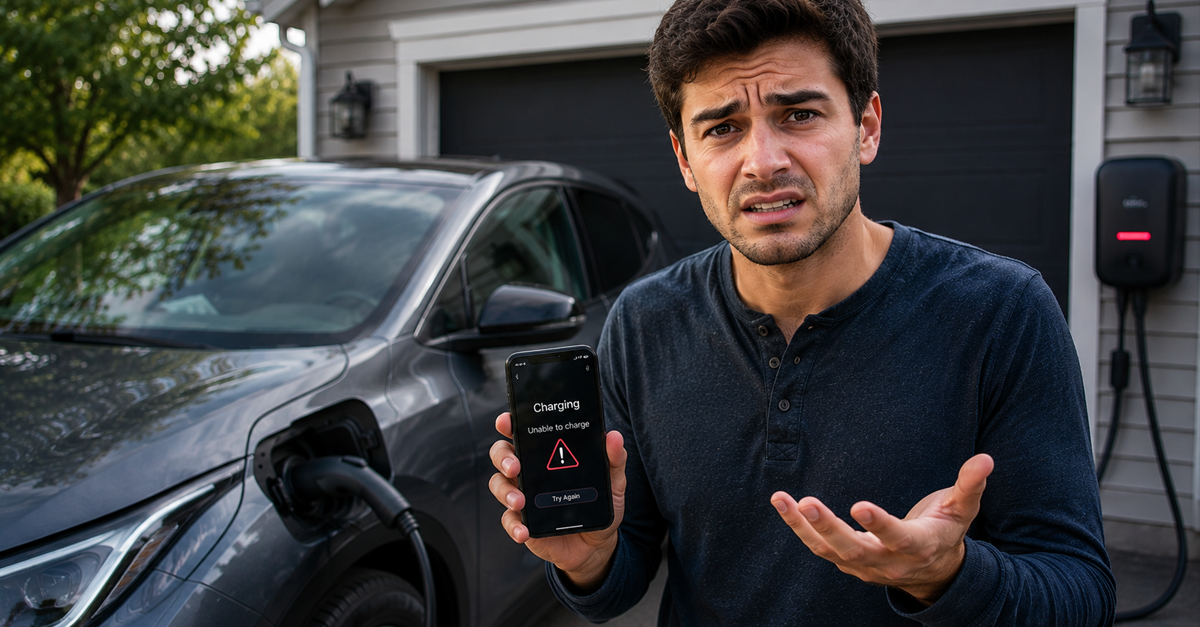
The Call No EV Owner Wants To Get
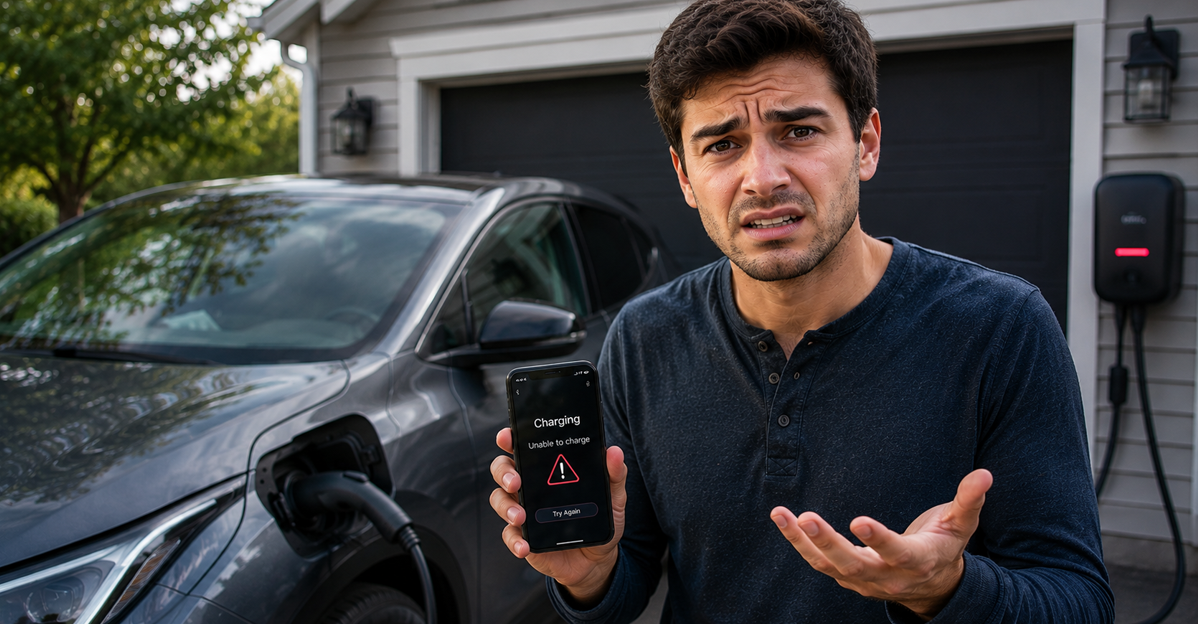
You took your electric vehicle in for diagnosis and got bad news. The battery pack has failed or degraded enough to require major repairs. Then you discover the warranty expired only weeks or months ago. That situation is frustrating, but it does not always mean you are out of options. Automakers sometimes help customers even after the official warranty has ended.
Start By Confirming The Warranty Really Expired
Before assuming you have no coverage, verify the warranty start date and mileage limits. EV battery warranties typically begin when the vehicle first enters service, not when you bought it. Ask the dealer to provide the exact in-service date and warranty status. A surprising number of owners discover they still have coverage remaining.

Know What Most EV Battery Warranties Cover
In the United States, EV manufacturers generally provide battery coverage for at least 8 years or 100,000 miles. Some brands offer longer terms depending on the model. Battery warranties usually cover defects, failures, and in many cases excessive capacity loss below a specified threshold.
Failure And Degradation Are Different Things
A battery that suddenly stops functioning is not the same as a battery that gradually loses range over time. Warranty coverage often treats those situations differently. Most automakers expect some battery degradation as the vehicle ages. Coverage generally focuses on defects, failures, or capacity loss that exceeds the manufacturer's stated limits.
Timing Matters More Than You Think
If your battery failed just days or weeks after the warranty expired, your chances of receiving assistance may improve. Manufacturers are often more receptive when the expiration was recent. A battery failure that occurs years after coverage ends is a harder case to make. Close timing strengthens your argument that the problem may have existed before expiration.

Ask About Goodwill Assistance
The phrase you want to remember is "goodwill assistance." Automakers sometimes provide partial or full financial help even when a vehicle is technically out of warranty. Goodwill programs are not guaranteed. They are discretionary decisions made by the manufacturer or regional customer relations department.

Build Your Case Before Calling
Gather every service record you can find. Include maintenance receipts, inspection reports, and documentation showing you followed manufacturer recommendations. The stronger your ownership history, the easier it is for a manufacturer representative to justify helping you. Good records demonstrate responsible vehicle care.

Contact The Dealer First
Start with the dealership that diagnosed the problem. Service managers often know the procedures for requesting goodwill consideration from the manufacturer. A dealer that values your business may advocate on your behalf. That internal support can make a significant difference.

Be Polite And Professional
Frustration is understandable, but anger rarely helps. The people reviewing your request usually have discretion within certain limits. A respectful approach often produces better results. Explain the facts clearly and focus on why the situation seems unreasonable.
 Anatoliy Cherkas, Shutterstock, Modified
Emphasize Customer Loyalty
Have you purchased multiple vehicles from the brand? Do you routinely use authorized service centers? Manufacturers often consider customer loyalty when evaluating goodwill requests. Long-term relationships can strengthen your position.

Point Out The Small Gap Beyond Coverage
If the battery failed at 101,000 miles on a 100,000-mile warranty, say so. If the failure occurred one month after expiration, mention that as well. These details matter because they help demonstrate how close the vehicle was to qualifying for coverage.

Ask For Partial Assistance Too
Do not assume the answer must be all or nothing. Some manufacturers may cover parts while you pay labor. Others may split the repair bill or offer discounted replacement components. Partial assistance can still save thousands of dollars.

Request Escalation If Necessary
If your first request is denied, politely ask whether the case can be reviewed at a higher level. Customer relations departments often have additional authority. A second review sometimes produces a different outcome. Persistence can pay off when handled professionally.

Look For Technical Service Bulletins
Sometimes a battery issue resembles a known manufacturer problem. Dealers can check for relevant technical service bulletins. A documented pattern of similar failures may strengthen your argument, even if it does not automatically create coverage.

Ask About Battery Testing Results
Request copies of diagnostic reports and battery health measurements. Understanding the exact cause of failure is important. The data may reveal whether the issue involves a specific component, module, or broader pack failure.

Review Any Capacity Guarantees
Many EV battery warranties include capacity retention provisions. Common thresholds are around 70 percent remaining capacity during the warranty period. Knowing exactly where your battery stands can help clarify whether a warranty claim should have applied earlier.

Check For State-Specific Protections
Consumer protection laws vary by state. Some jurisdictions provide additional remedies for vehicle defects under certain circumstances. If the amount at stake is significant, it may be worth researching applicable consumer laws in your area.

Consider Independent Battery Specialists
A dealer's recommendation is not always the only option. Independent EV repair facilities are becoming more common. In some cases, replacing a failed module rather than the entire pack can reduce costs significantly.

Explore Refurbished Battery Options
Not every repair requires a brand-new battery pack. Refurbished or remanufactured packs may be available for some vehicles. These alternatives can lower repair costs, although availability varies widely by model.

Understand The Financial Stakes
Battery replacement remains one of the most expensive repairs on an EV. Costs can range from several thousand dollars to well into five figures depending on the vehicle. That is why pursuing every available assistance option makes sense before approving repairs.

Do Not Ignore Manufacturer Reputation
Some automakers have developed reputations for helping customers with unusual cases. Others tend to adhere strictly to warranty terms. Researching owner experiences may help set realistic expectations. Individual outcomes still vary from case to case.

Social Media Can Sometimes Help
Many manufacturers monitor customer complaints posted publicly. A factual and respectful description of your situation may attract attention. Avoid exaggeration or threats. The goal is to encourage review, not create conflict.

Third-Party Extended Coverage Is Different
An extended service contract is not the same as a factory warranty. Coverage depends entirely on the contract language. If you purchased additional protection, review the documents carefully before paying for repairs.
 Cast of Thousands, Shutterstock
The Best Argument Is A Reasonable One
Your strongest case is usually straightforward. The battery failed shortly after coverage ended, you maintained the vehicle properly, and you are asking for fair consideration. Manufacturers are not obligated to extend coverage. However, goodwill assistance is real, and many owners have successfully reduced their repair costs by asking.

Sometimes The Answer Is Yes
There is no automatic right to an extension after the warranty expires. Still, a recent failure, strong service history, and respectful persistence can improve your chances. If your EV battery failed just outside the warranty period, do not assume the first answer is the final one. Asking for goodwill assistance may be the most valuable phone call you make.

You May Also Like:
Excellent EV Alternatives For Your Gas-Guzzling Trucks For 2026