
Your Driveway, Their Rules
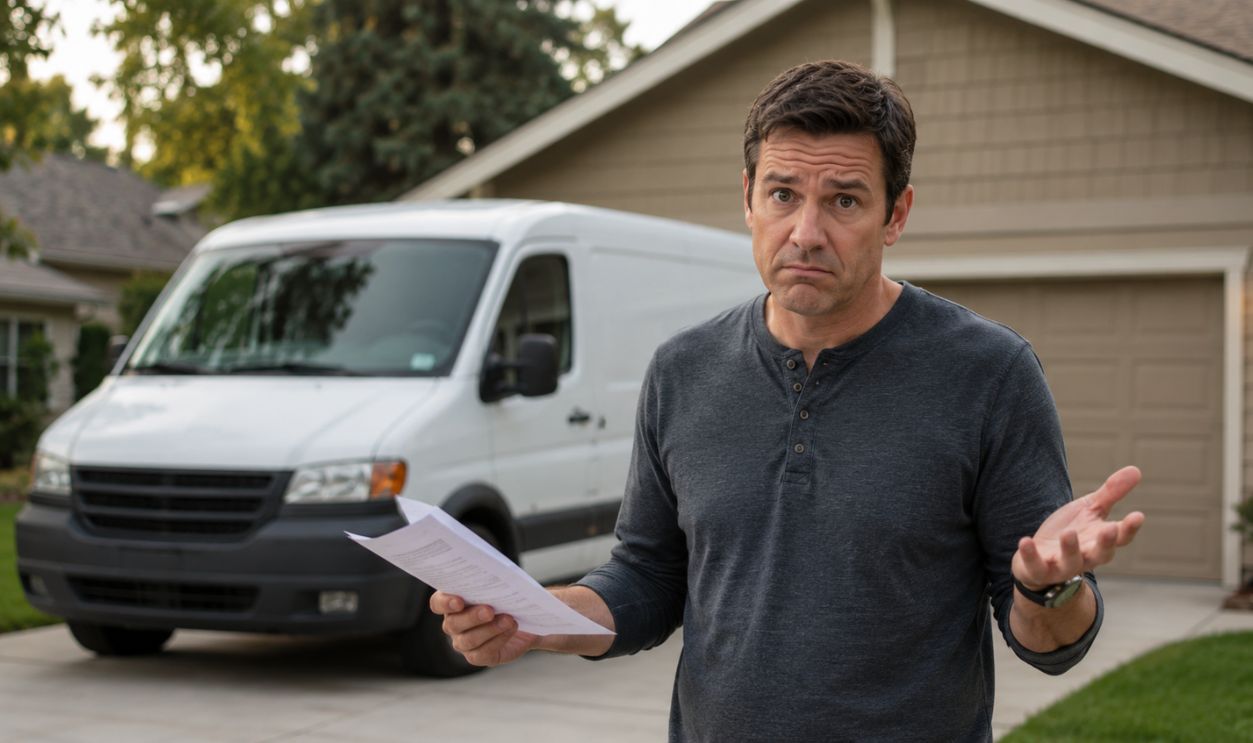
You bought the house, pay the mortgage, and take care of the yard. Then a letter shows up saying your van cannot stay in the driveway because it looks too commercial. It sounds ridiculous, but in many neighborhoods, a homeowners association really can regulate what gets parked in plain view.
Why This Fight Happens So Often
Work vans, cargo vans, pickups with ladder racks, and wrapped service vehicles are right at the center of HOA disputes. Associations say they are protecting property values and the look of the neighborhood. Owners usually hear something else: that they do not fully control property they already own.

The First Thing That Matters Is The Paperwork
The key fact in any HOA parking fight is not what seems fair. It is what the governing documents actually say. That usually means the declaration of covenants, conditions, and restrictions, often called CC&Rs, along with the bylaws, rules, and architectural guidelines.

HOAs Get Their Power From State Law And Contracts
An HOA is not just inventing rules when it sends a violation notice. Its authority usually comes from recorded covenants attached to the property and from state laws that govern common-interest communities. The Community Associations Institute notes that associations generally have the power to adopt and enforce rules if that power is granted in the governing documents and under state law.

Yes, They Can Regulate Vehicles
Parking restrictions are among the most common HOA rules in the country. Associations often limit or ban inoperable cars, RVs, boats, trailers, and commercial vehicles. If the recorded covenants clearly ban those vehicles in driveways or visible areas, courts often treat that as enforceable unless the rule conflicts with state law.

What Counts As Commercial Looking
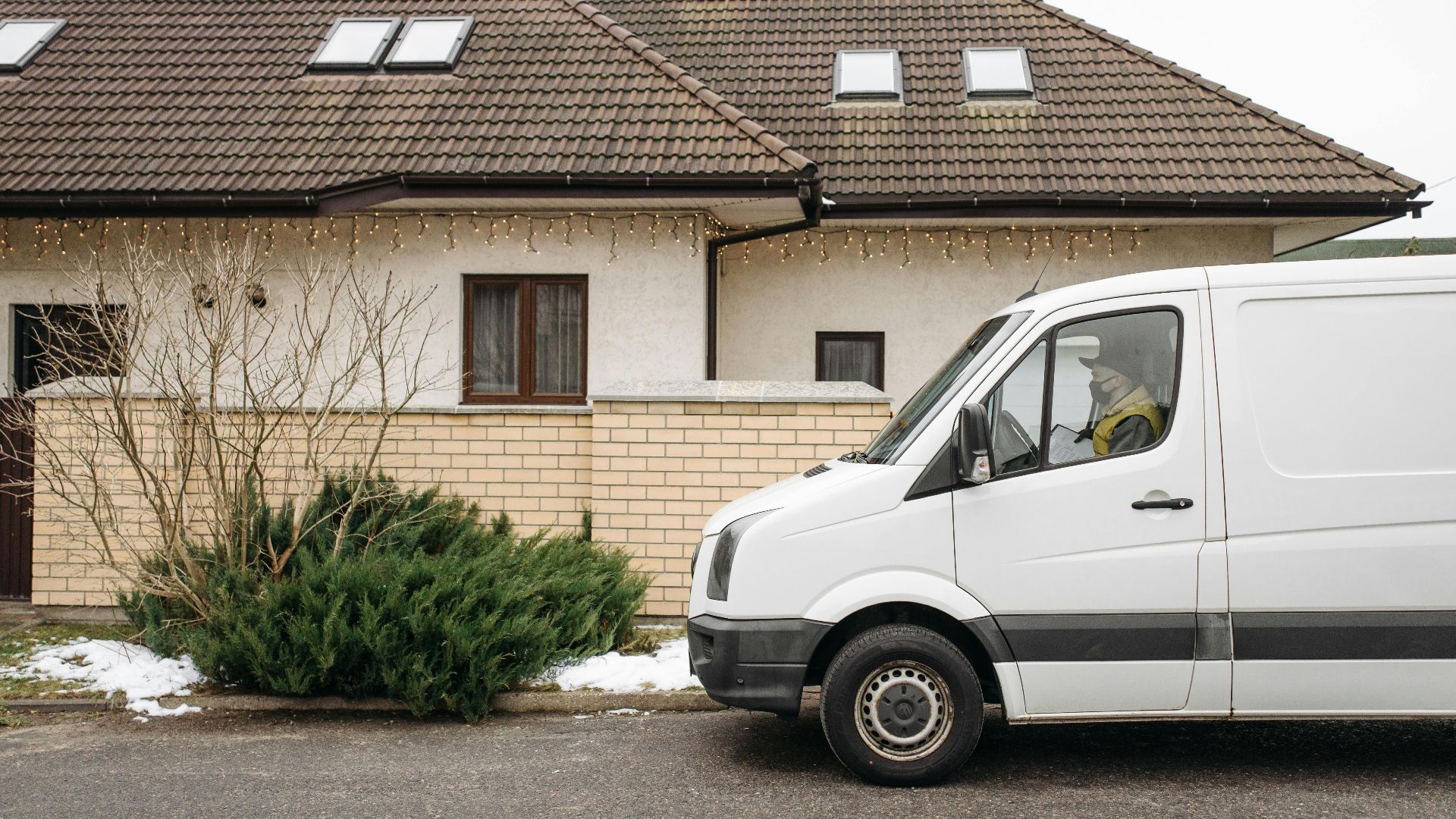
This is where things get messy. Some rules ban any vehicle with business signage, tool racks, ladder racks, or equipment visible from the street. Others go further and ban any vehicle designed or used for commercial purposes, which can leave a plain white cargo van in a gray area until someone reads the exact wording.
Specific Language Usually Decides The Case
A rule that says no commercial vehicles may be parked overnight is broad, but it still leaves room for argument. A rule that bans vans with logos, external racks, or a gross vehicle weight rating above a set limit is much more specific. The clearer the language, the easier it is for an HOA to enforce and for an owner to judge where they stand.

Courts Often Start With The Text
Judges usually start with the recorded covenant language, not with what a board member said in conversation. If the text is clear, that may end the dispute. If the text is vague, the fight can turn on state law, past enforcement, and whether the board acted reasonably and consistently.

Selectively Enforced Rules Can Become A Problem
If your HOA ignores similar vans across the neighborhood but targets only yours, that may matter. Legal guidance published by the American Bar Association notes that selective enforcement can become a real problem for associations. Put simply, boards usually need to enforce rules consistently or have a solid reason for treating one case differently.

State Law Can Rein In An HOA
Even strong covenants do not exist in a vacuum. State laws can limit what an association may regulate, how it must give notice, and whether owners get a hearing before fines are imposed. Some states also protect certain types of vehicles or limit how far HOAs can go with parking rules on public streets.

Public Street Versus Private Driveway Is A Huge Distinction
An HOA usually has more control over private property covered by its covenants than over a public street owned by a city or county. Whether the street is public or private can completely change the analysis. Many owners assume the curb is fair game when local rules or HOA rules say otherwise.

California Shows How Detailed These Laws Can Get
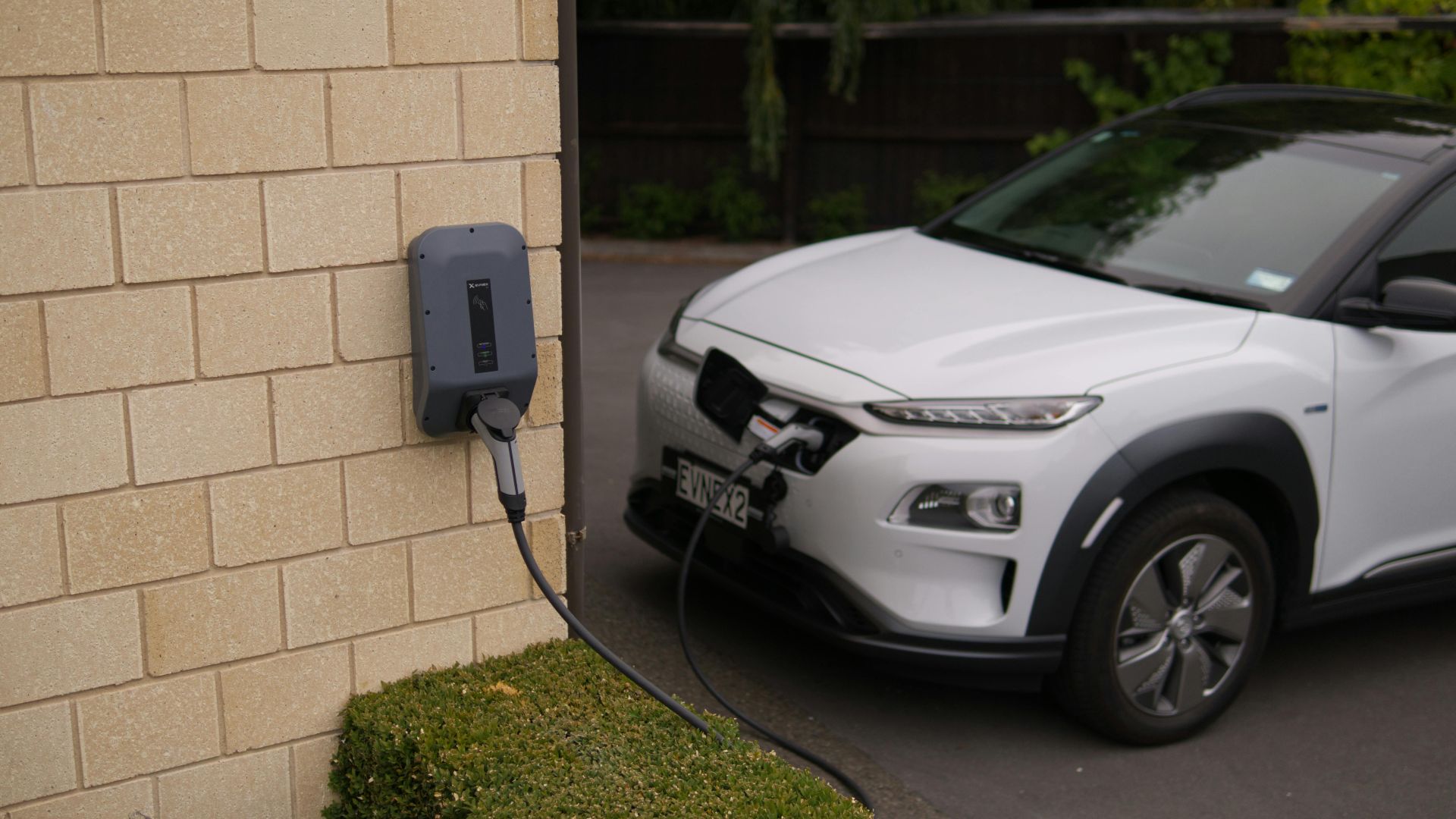
California Civil Code section 714.3 limits HOA rules that effectively prohibit parking a personal vehicle on streets, driveways, or in garages because of clean energy equipment. The law was added by Assembly Bill 1307 and took effect in 2023. It does not create a blanket right to park any commercial-looking van, but it shows that state lawmakers can narrow HOA power in specific situations.
Florida Also Gives Owners Some Protections
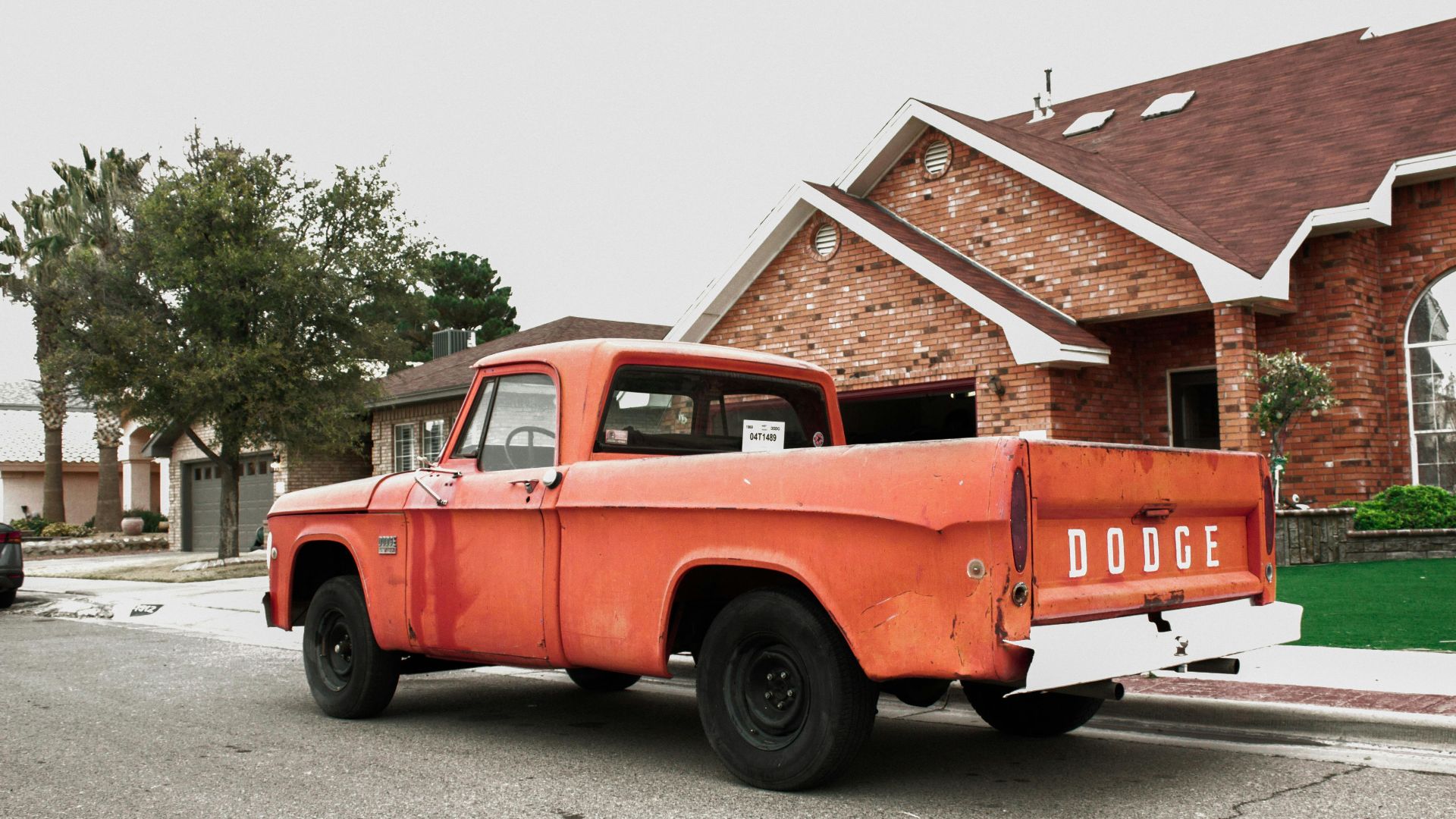
Florida law places limits on certain HOA parking restrictions in some situations, especially involving pickup trucks and work vehicles. Section 720.3045 of the Florida Statutes deals with prohibited clauses in homeowners association documents. The exact protection depends on the vehicle, where it is parked, and whether the home is in an HOA covered by that law.
Not Every Van Is Legally Commercial
An HOA notice may use the phrase commercial vehicle loosely, but the legal answer can depend on definitions. A cargo van used by a plumber every day is different from a passenger van used for family trips, and both are different from a vehicle registered commercially under state law. Your registration, insurance classification, and the van’s appearance can all become evidence.

Logos, Wraps, And Equipment Make Enforcement Easier
If your van has large company branding on both sides, the HOA’s argument often gets stronger because the vehicle clearly looks commercial. The same goes for ladder racks, pipe tubes, beacon lights, or permanently mounted equipment. A plain van with no signage is often where the real fight starts, because wording and definitions matter most.

Boards Usually Must Follow Procedure
Even if the HOA has the authority, it still usually has to follow its own process. That can mean written notice, time to fix the violation, and a chance for a hearing before fines or suspension of privileges. State law and the governing documents often spell out those steps, and skipping them can weaken the HOA’s position.

Fines Are Common, But They Are Not Unlimited
Many associations start with warning letters and then move to daily or periodic fines if the vehicle stays put. The amount and process depend on state law and the governing documents. In some communities, unpaid fines can snowball into collections, which is why these disputes can get serious fast.

Can An HOA Tow Your Van
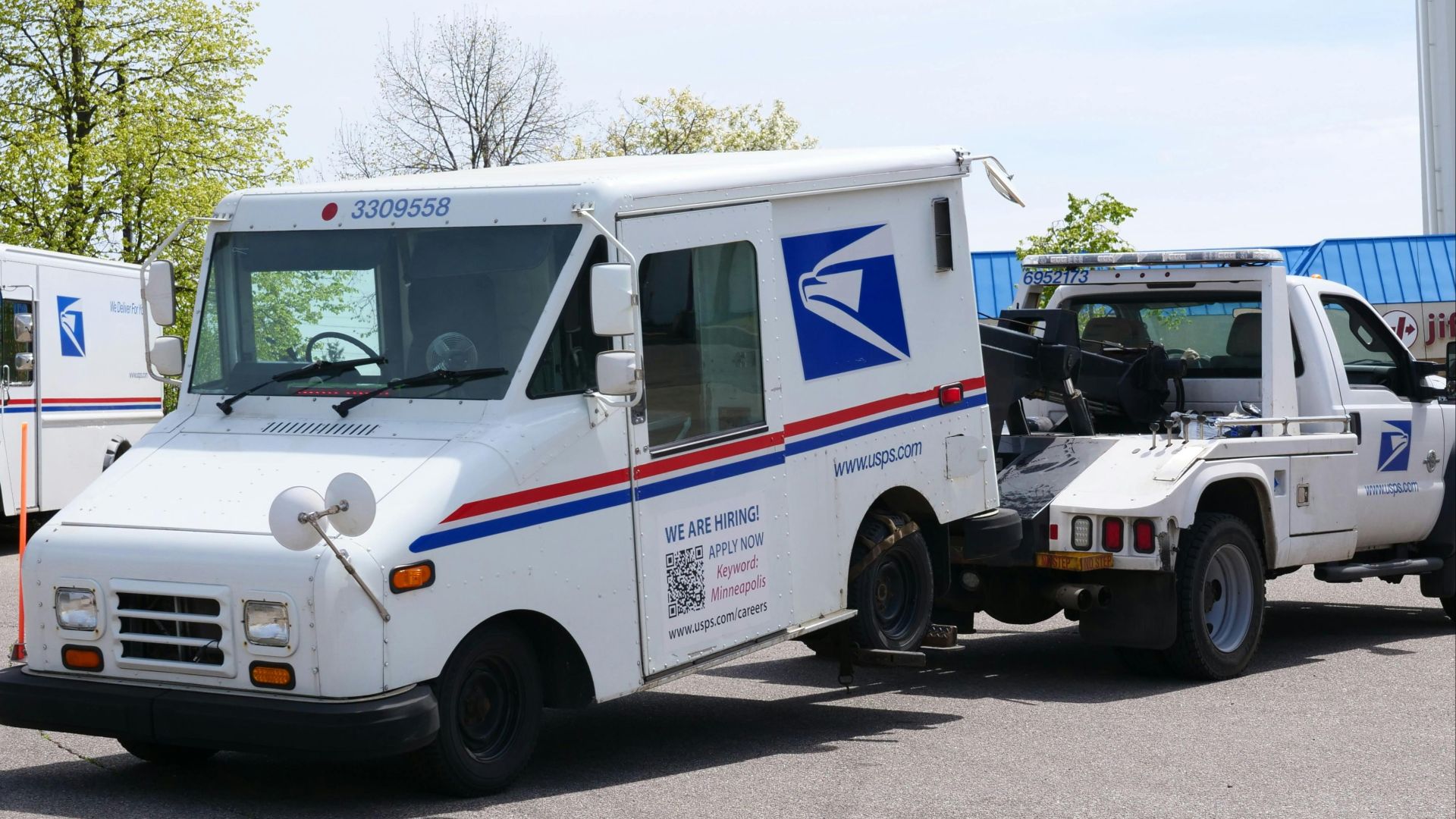
Sometimes yes, but the answer usually depends on where the van is parked and what the documents allow. Towing from common areas is often easier for an association than towing from an owner’s deeded driveway. State towing laws matter too, and they often require signs, notice, or other specific steps.
Reasonableness Still Matters
Courts in many states give HOA boards some room to act, but that does not mean anything goes. A board’s decision may still be judged for reasonableness, good faith, and compliance with the governing documents. A rule that is arbitrary, enforced unevenly, or beyond the board’s authority can run into trouble.

Federal Fair Housing Rules Can Enter The Picture
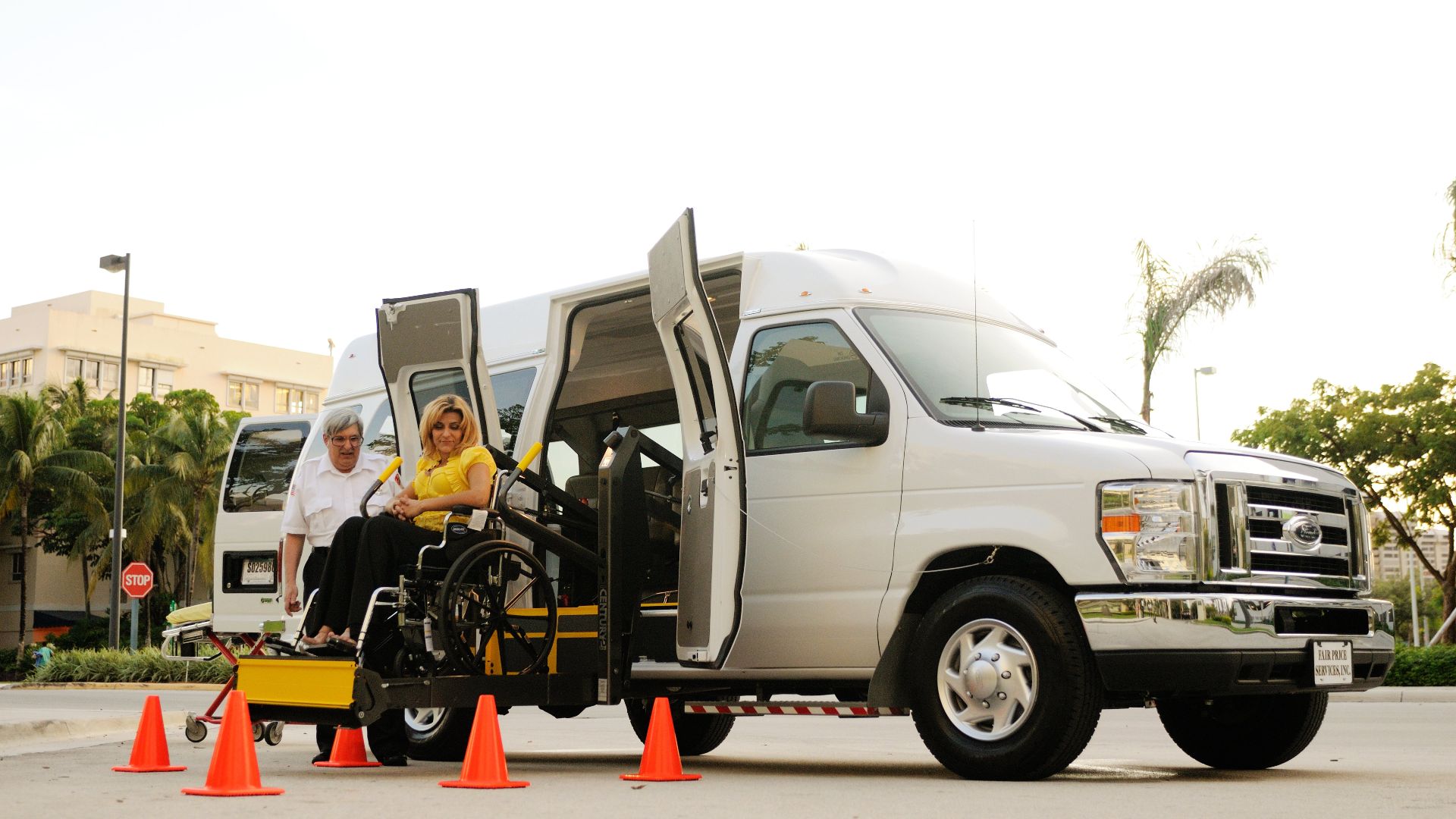
There is another layer if the vehicle is tied to a disability-related need. The U.S. Department of Housing and Urban Development says housing providers, including associations, may have to consider reasonable accommodations under the Fair Housing Act. That does not automatically override every parking rule, but it can change the outcome in some cases.
If You Run A Business, Home Occupation Rules May Matter Too
Your city or county may have zoning rules for home-based businesses on top of HOA rules. Some local codes limit visible signs of commercial activity in residential areas. That means an owner can sometimes comply with local law but still violate the HOA, or the other way around.

What To Do Before You Panic
Start by pulling the exact covenant and rule language, not the summary sheet from a welcome packet. Then compare the text to your van’s actual features, including signage, racks, registration, and weight class if that matters. A lot of disputes look different once the owner stops arguing with the idea of the rule and starts reading the actual words.

Ask For The Definition In Writing
If the violation notice says your van is commercial-looking, ask the HOA to point to the exact covenant or rule and explain how it applies. Ask for the definition the board is using and whether that definition appears in the recorded documents. If they cannot point to clear language, that can matter.

Look For Comparable Vehicles In The Neighborhood
Take dated photos of similar vehicles parked openly if you think the rule is being enforced unevenly. Stick to facts, not neighborhood drama. Solid documentation is far more useful than an angry email thread.

Try The Simple Fixes First
If the problem is branding, a removable magnetic sign or full wrap may be the issue rather than the van itself. Parking inside a garage, behind an approved screen, or off-site may solve the dispute without a legal fight. Those options may be frustrating, but they are often cheaper than piling up fines and attorney fees.

Use The HOA Process Before Lawyer Time
Most associations have an internal appeal or hearing process, and many states encourage dispute resolution before a lawsuit. Show up with the text, photos, registration, and a clear timeline. Owners who calmly lay out the facts often do better than owners who come in swinging.

When Legal Advice Makes Sense
If the HOA is imposing serious fines, threatening to tow, or hinting at a lien, it may be time to talk to a local attorney who handles community association law. This area is very state-specific, and one sentence in a recorded declaration can change the result. A short consultation can tell you whether the board is on solid ground or pushing too far.

How Far Can HOAs Actually Go
Farther than many owners expect, but not without limits. If a recorded covenant clearly restricts commercial vehicles or commercial-looking vans, and state law does not limit that rule, an HOA often can enforce it in your driveway. The real answer is in the documents, the state law, the enforcement history, and the facts of your van.

The Bottom Line For Van Owners
If your HOA says the van has to go, do not assume the letter is a bluff, and do not assume it is automatically valid either. Verify the rule, verify the process, and verify whether state law gives you any protection. In HOA country, the hard truth is that owning the house does not always mean you get the final say over what sits in the driveway.