A Charger, A Neighbor, And A Big Claim
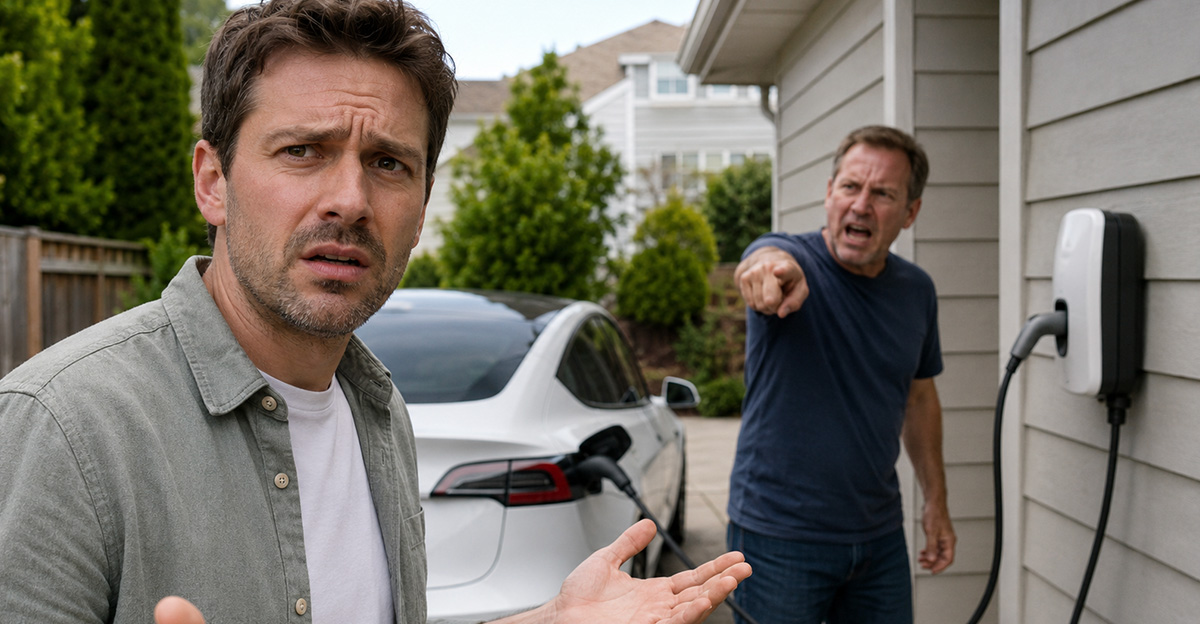
You installed an EV charger at home, your electric car is happily sipping electrons, and then your neighbor announces that your new gadget is supposedly hurting his property value. Can he complain to the city? Absolutely. But making a complaint and proving that you have actually violated a rule are two very different things.
Yes, He Can Make A Complaint
Anyone can generally contact a city’s building, zoning, code-enforcement, or permitting department with a concern. Your neighbor does not need to prove his case before picking up the phone. The important question is what happens after the complaint lands on somebody’s desk.
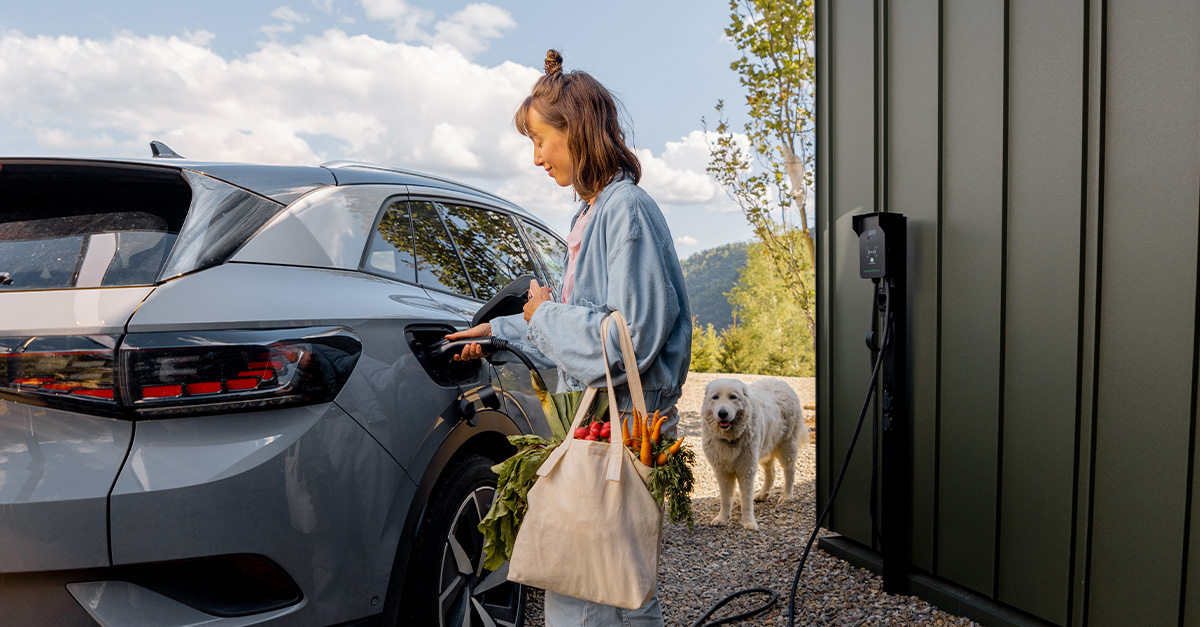
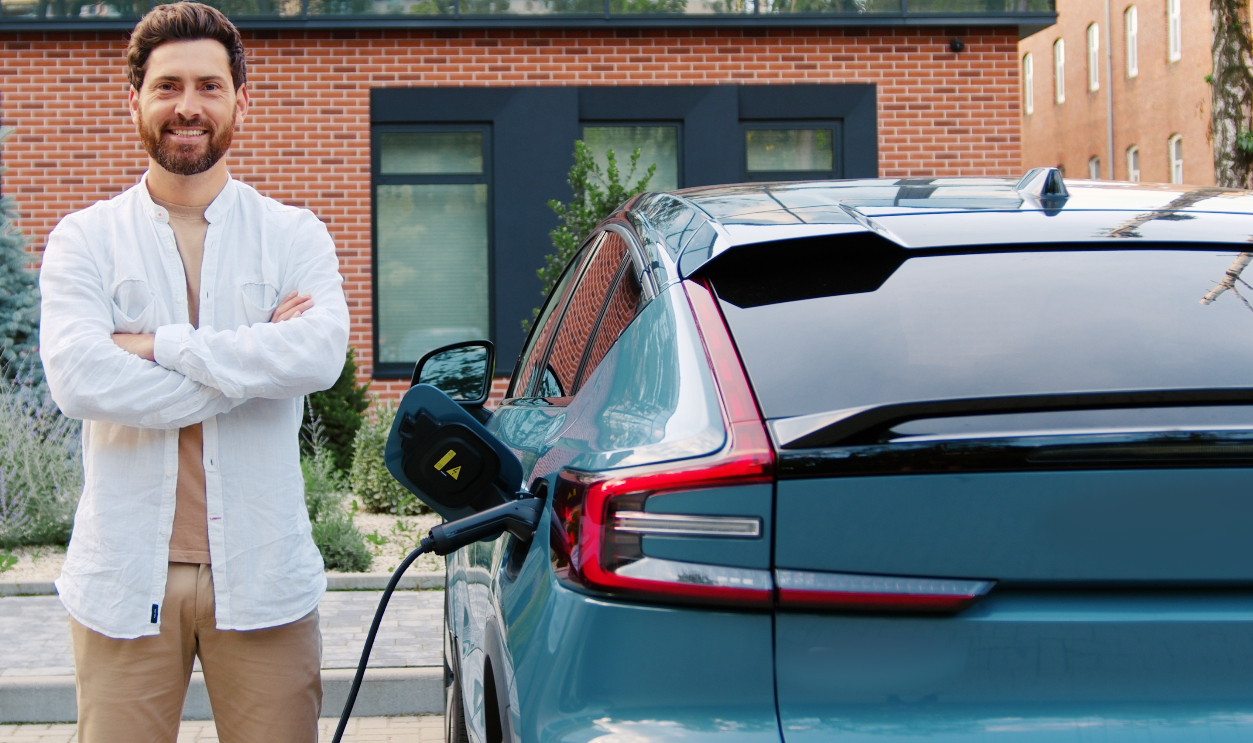
 peopleimages.com, Adobe Stock Images
Complaining Does Not Mean Winning
A city inspector is unlikely to decide the dispute based on whether your neighbor thinks the charger looks ugly or makes his house harder to sell. Officials normally care about something much more concrete: whether your installation follows the applicable electrical, building, zoning, and permitting rules.
Property Value Is A Tough Argument
Your neighbor can certainly claim that seeing an EV charger from his kitchen window makes his property less attractive. That does not automatically create a city-code violation. Unless a local ordinance specifically regulates the charger’s appearance or location, a vague property-value argument may carry little weight.

The City Will Probably Look At The Installation
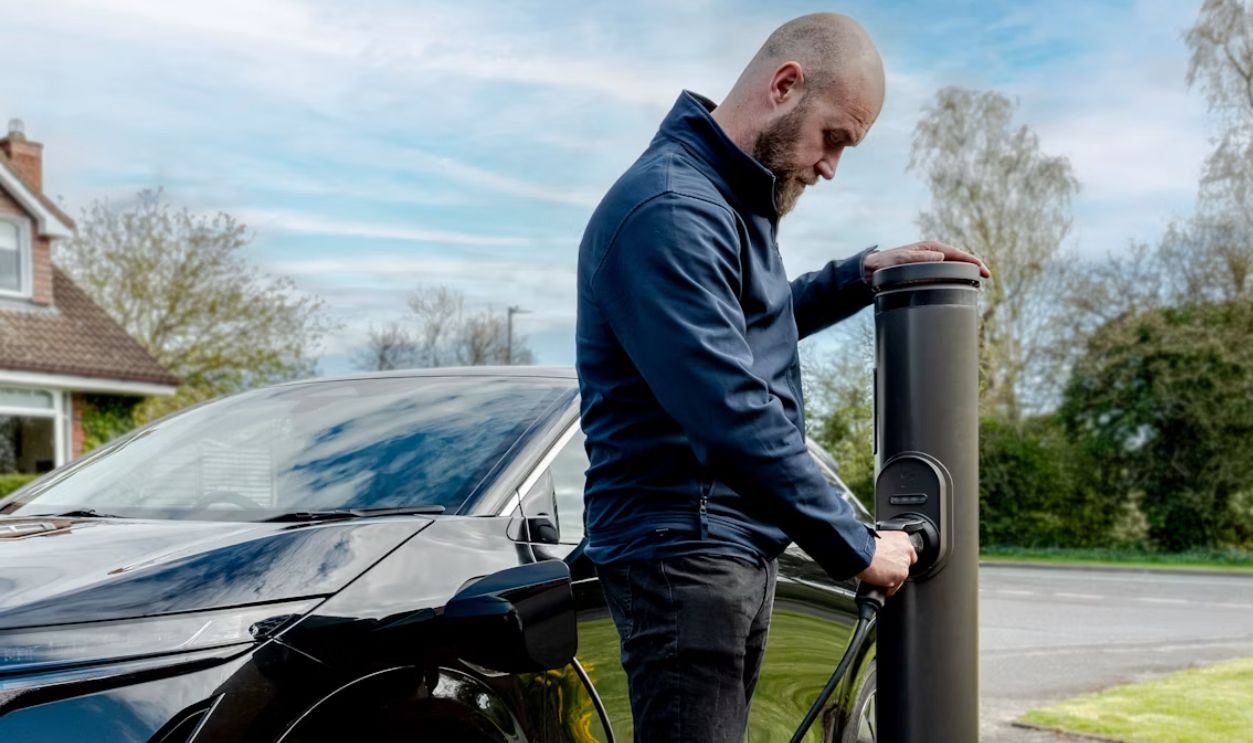
If officials investigate, expect questions about where the charger was installed and whether the work was properly approved. EV-charging permitting requirements differ between municipalities, and the U.S. Department of Energy notes that state and local governments use a variety of permitting processes for charging infrastructure.
The Permit Is Your Best Friend
Depending on the city and the type of installation, electrical or building permits may have been required. If you hired a qualified contractor who obtained every necessary permit and passed inspection, that paperwork could make your response to a neighbor’s complaint wonderfully boring.

Electrical Safety Matters More Than Opinions
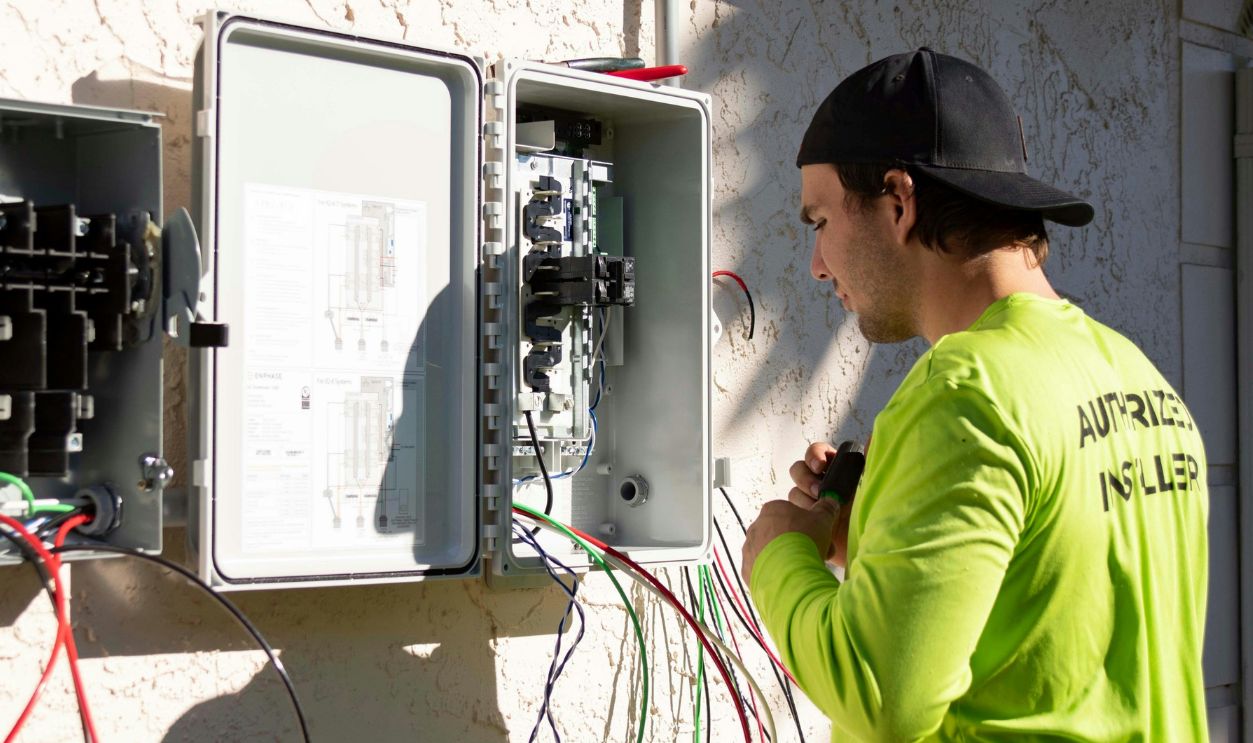
Cities have legitimate reasons to regulate chargers. A Level 2 home charger can involve a substantial electrical load, new wiring, and dedicated circuits. Official federal guidance notes that EV charging equipment must comply with the electrical code adopted by the local jurisdiction and may be inspected for safety.
Location Can Still Cause Trouble
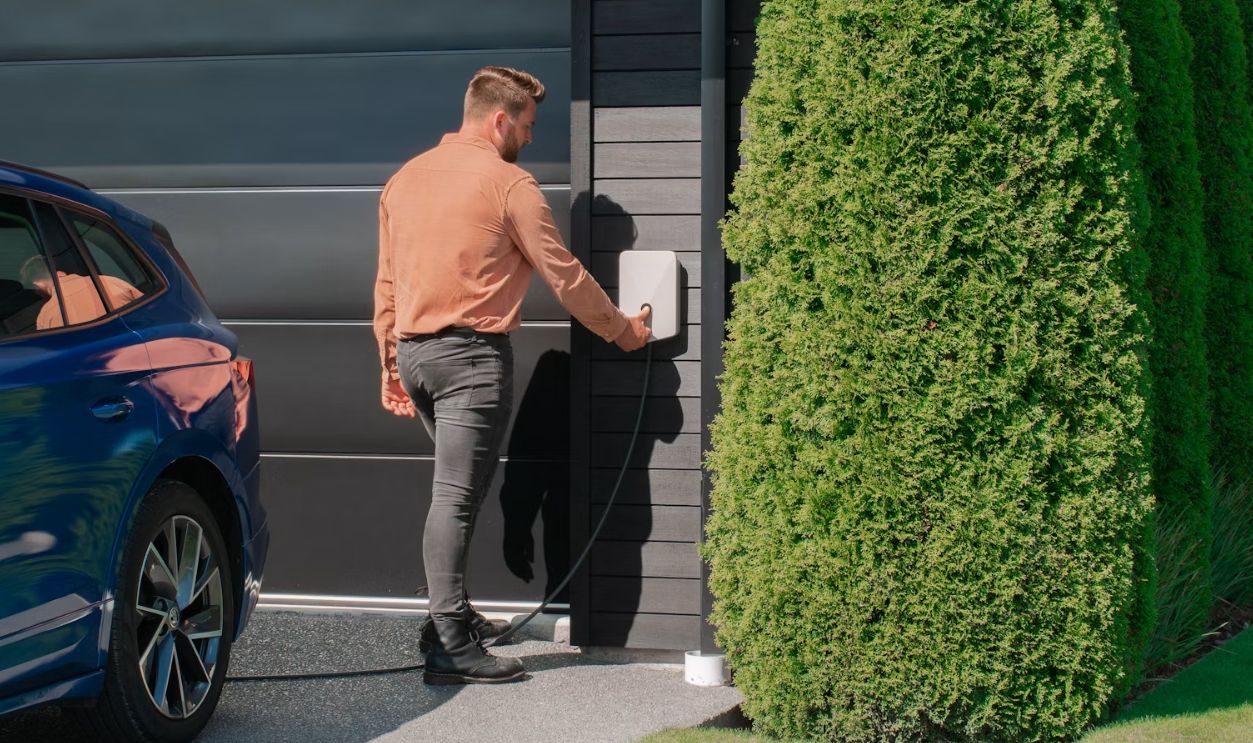
Even a professionally installed charger can potentially create problems if it sits somewhere prohibited by local rules. Depending on your municipality, equipment placement could be affected by setbacks, easements, historic-district requirements, driveway rules, or restrictions involving structures near the property line.
The Sidewalk Is A Bigger Concern
Things become more complicated if your charging cable crosses a public sidewalk or other right-of-way. Some municipalities specifically regulate this arrangement. Cambridge, Massachusetts, for example, has a permit system for certain charging cables crossing public space and requires measures to preserve sidewalk accessibility.

Nobody Wants A Tripwire
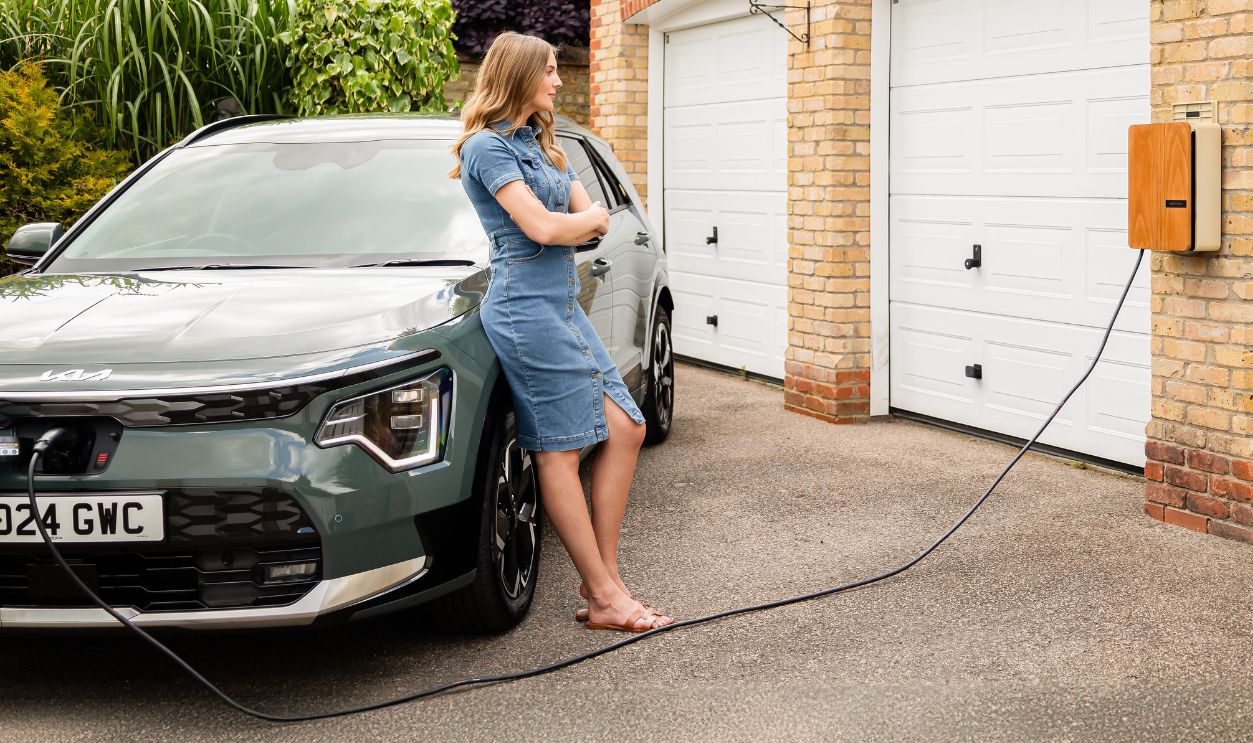
A charging cable stretched across a pedestrian route gives your neighbor a much stronger complaint than simply saying the charger looks bad. Cities care about accessibility and public safety, so cables should not create tripping hazards or interfere with people using sidewalks, mobility devices, bicycles, or strollers.
Your Charger Probably Is Not A Noise Nuisance
Unlike an old generator rattling away beside the fence, most residential EV charging equipment is relatively unobtrusive. However, supporting equipment such as cooling systems, transformers, or other electrical hardware could potentially attract attention if it creates unusual noise. Local nuisance rules would determine whether that matters.
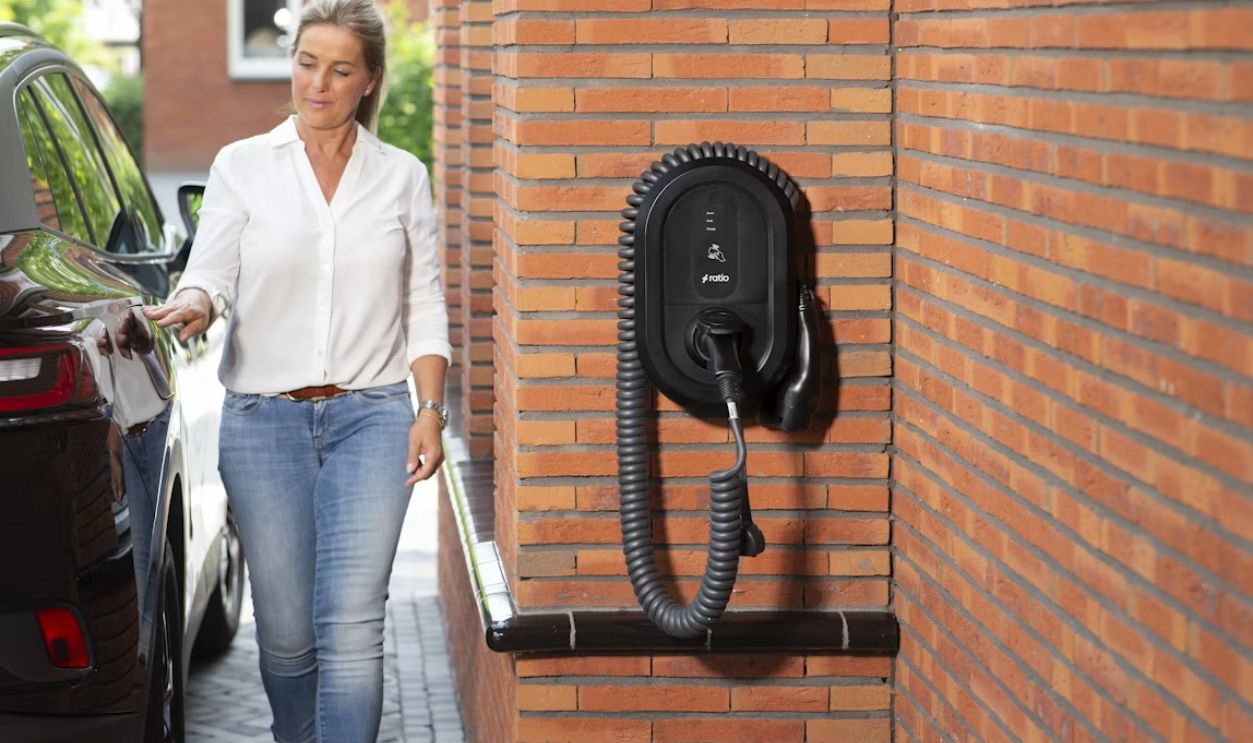
Appearance Rules Can Exist
Some communities regulate exterior modifications more aggressively than others. Historic districts, planned developments, condominiums, and homeowners associations may have architectural standards governing visible equipment. That means a perfectly safe charger could theoretically face restrictions based on placement, screening, or appearance.

Your HOA Is A Separate Issue
If you live in an HOA community, your neighbor may complain to the association as well as the city. HOA rules are private community restrictions and are separate from municipal law, although they must still operate within applicable state laws.

Some States Protect EV Chargers
Certain states have adopted so-called right-to-charge protections limiting how much homeowners or condominium associations can restrict EV chargers. Current rules differ significantly by location. Federal alternative-fuel databases list right-to-charge laws in multiple jurisdictions, including New York, Washington, Maryland, Massachusetts, and others.
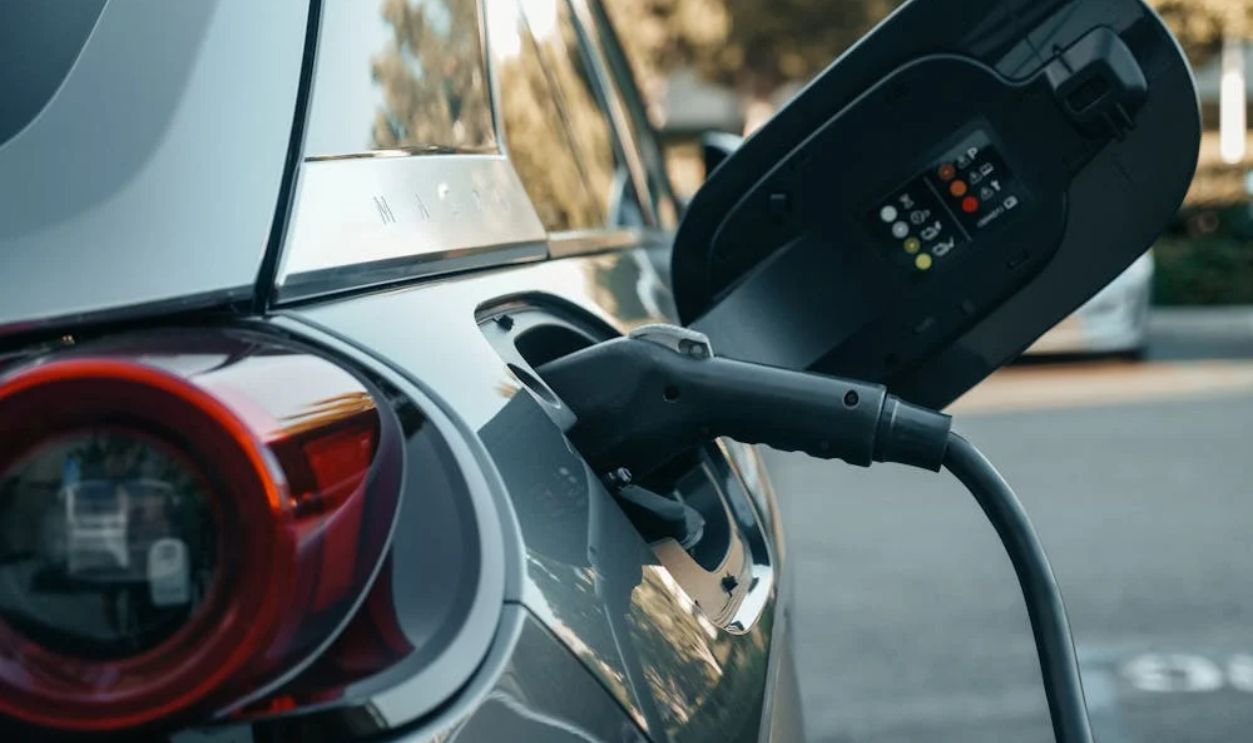
Those Protections Are Not Unlimited
Right-to-charge does not necessarily mean right-to-do-whatever-you-want. State laws may still allow reasonable safety, architectural, insurance, installation, and maintenance requirements. In several jurisdictions, owners must use qualified contractors and comply with applicable building and safety codes.
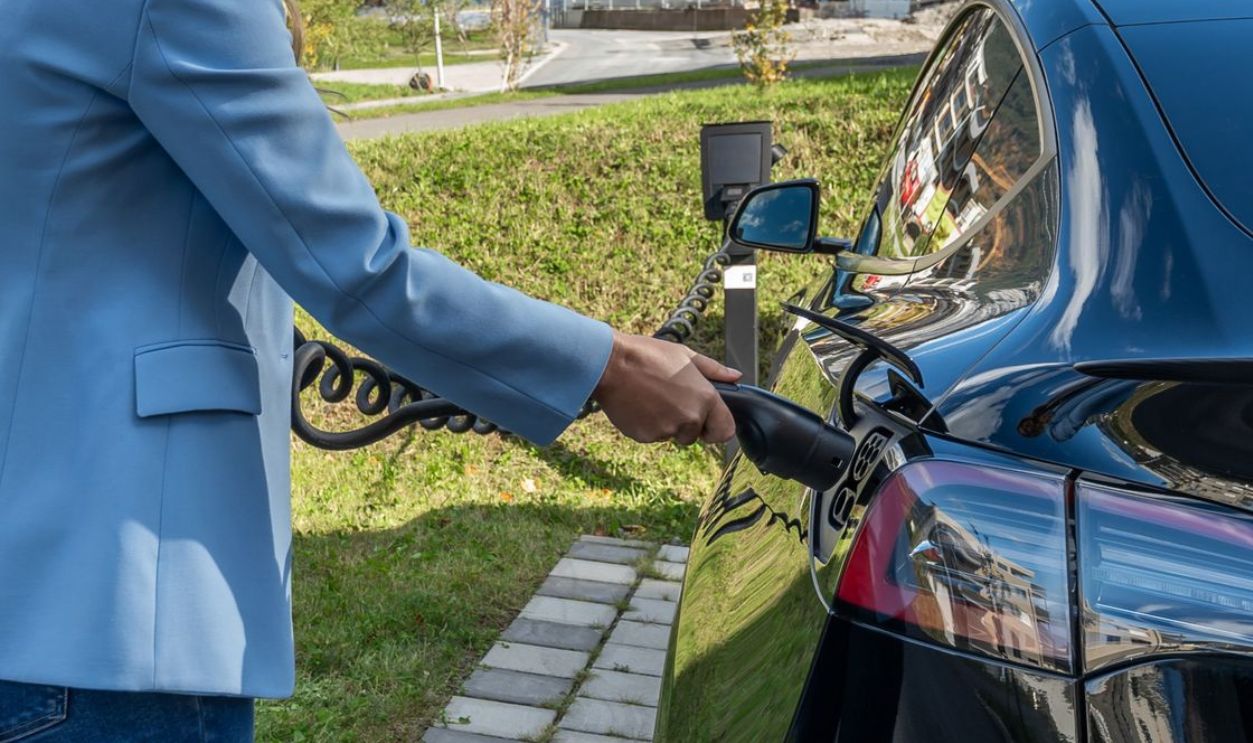
Check Exactly Whose Property You Used
Make certain the charger, conduit, wiring, bollards, and other equipment are entirely where you think they are. A charger attached to your house is one thing. Equipment accidentally installed inside an easement, shared driveway, common area, or neighboring parcel could produce a much more serious dispute.
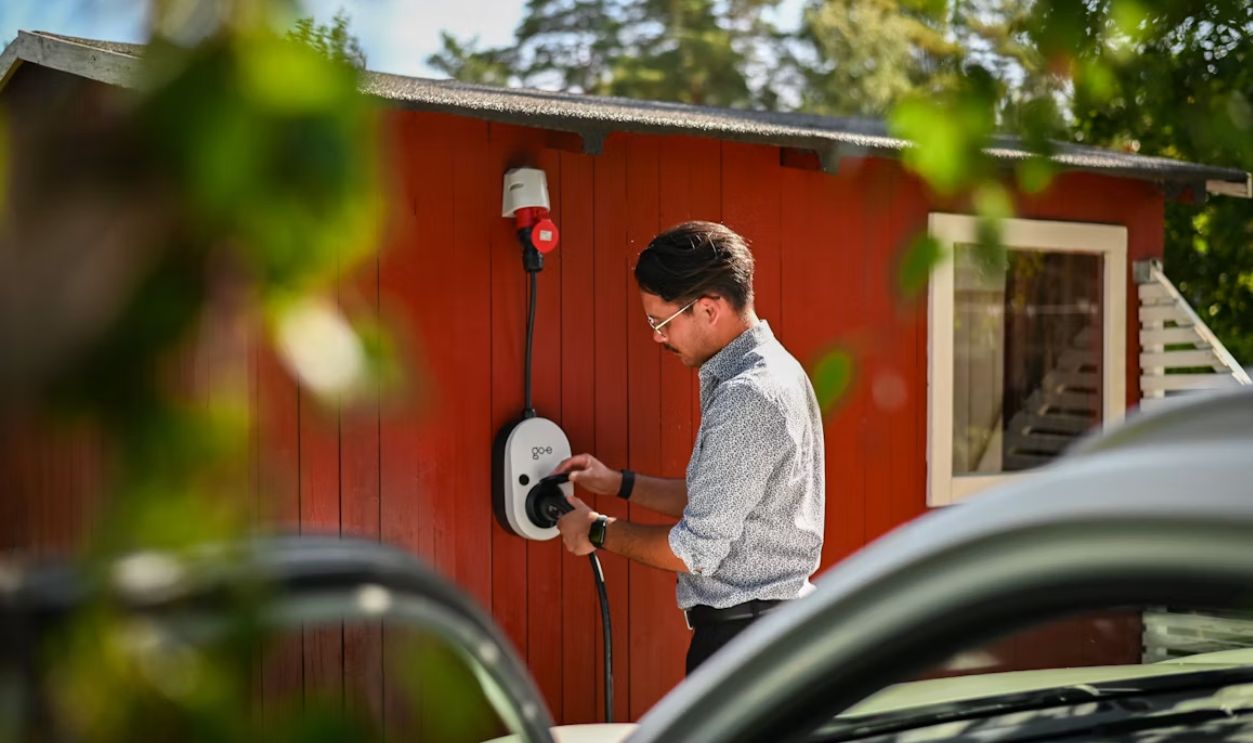
Utility Equipment Can Complicate Things
Sometimes a charging installation requires panel upgrades, meter changes, or coordination with the electric utility. Federal EV-charging guidance recommends coordinating with utilities where necessary, particularly when electrical-service changes are involved. That is another reason professional installation is worth the money.
Find Your Paper Trail
If your neighbor is threatening city hall, collect your installation records before anything happens. Keep the contractor invoice, charger specifications, electrical permit, inspection approval, HOA authorization if applicable, and photographs showing where everything sits. Documentation beats arguing across the hedge.
 Andrii Iemelianenko, Shutterstock
What If You Never Got A Permit?
Do not panic, but do not ignore the issue either. Contact your city’s permitting department and determine whether one was actually required. If it was, ask about the process for correcting an unpermitted installation. Requirements vary, so guessing is not a great strategy.

Talking To Your Neighbor May Help
Before this turns into the Great Suburban Charger War, consider asking what specifically bothers your neighbor. Maybe he thinks the charger sits on his property. Maybe a bright indicator light shines into his window. Fixing a small irritation could end the argument without involving inspectors.
Do Not Debate Imaginary Home Prices
There is little benefit in standing on the driveway arguing about whether your charger has reduced his home’s value by $10,000, $20,000, or the price of a used Corolla. Unless somebody has actual evidence, those numbers are speculation rather than proof of a violation.

Ask The City For The Actual Rule
If an official contacts you, politely ask which ordinance, permit requirement, or code provision is supposedly involved. That keeps the discussion focused. You want to determine whether there is a real compliance issue rather than defending yourself against the wonderfully vague accusation of “lowering the neighborhood.”

An Inspection Could Actually Help
If everything was installed properly, an inspection can sometimes work in your favor. A city official confirming that the charger meets applicable requirements gives you something much more useful than another driveway argument: official documentation showing that the installation passed review.
 Summit Art Creations, Shutterstock
A Real Nuisance Is Different
Your situation changes if the charger creates an actual problem, such as blocking access, producing hazardous wiring conditions, shining excessive light where regulated, or interfering with public property. Cities can regulate genuine safety and nuisance issues even when the equipment itself is completely legal to own.
Property Value Claims Need Evidence
Proving that one particular home improvement lowered another property’s market value can be surprisingly complicated. Real estate prices depend on dozens of factors. Unless local law directly ties neighborhood appearance or equipment placement to enforceable standards, your neighbor’s prediction about future resale value may not accomplish much.

Know When To Get Professional Help
Most charger disputes should not require a legal showdown. But if you receive a formal violation notice, stop-work order, demand to remove equipment, HOA enforcement letter, or lawsuit threat, consider speaking with a local attorney or qualified permitting professional before making expensive changes.

The Charger Is Probably Not Going Anywhere
So, can your neighbor complain to the city? Yes. He can complain about your charger, your fence, or probably the color of your mailbox. What matters is whether you actually broke a rule. If your charger is properly permitted, safely installed, correctly located, and compliant with local requirements, a complaint based only on supposed property-value damage may have nowhere to plug in.
You May Also Like: