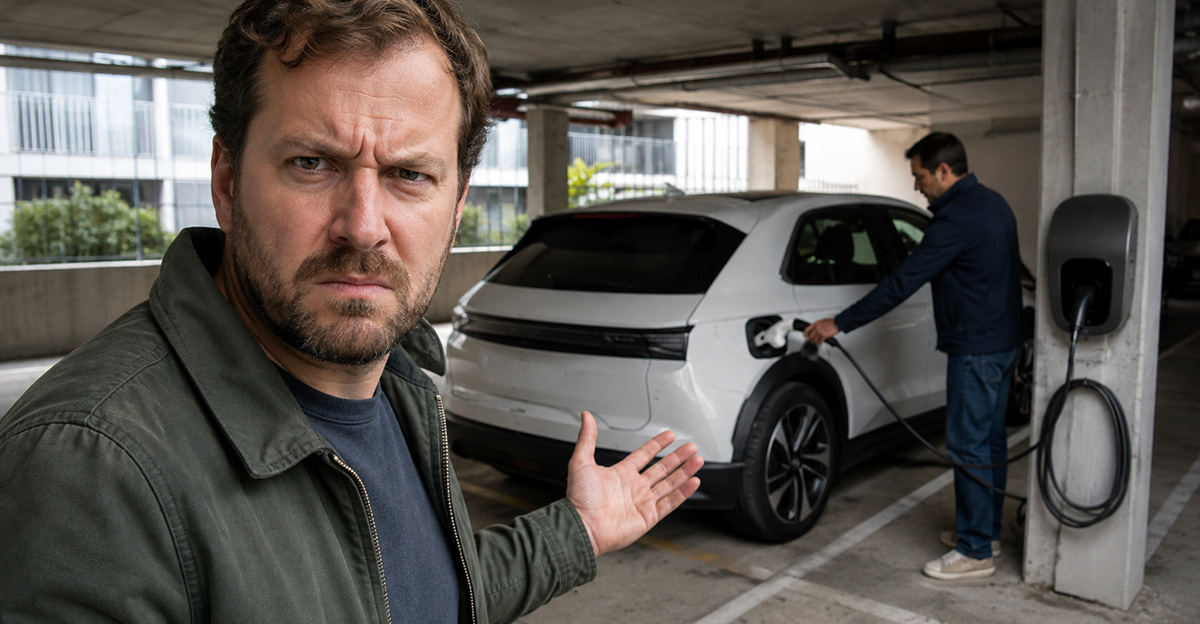
The Charging Feud Nobody Asked For
You plug in your EV, head inside, and expect to find a healthier battery a few hours later. Instead, you discover your neighbor has yanked the connector out so he can charge his own car. It feels invasive, irritating, and downright rude. But is he actually allowed to do it?
The Short Answer Is Usually No
If your vehicle is actively charging and you are following the rules for the shared station, your neighbor generally should not take it upon himself to disconnect you. Whether it crosses a legal line depends on local law, property rules, and exactly what happened, but he certainly doesn’t automatically get unplugging privileges.
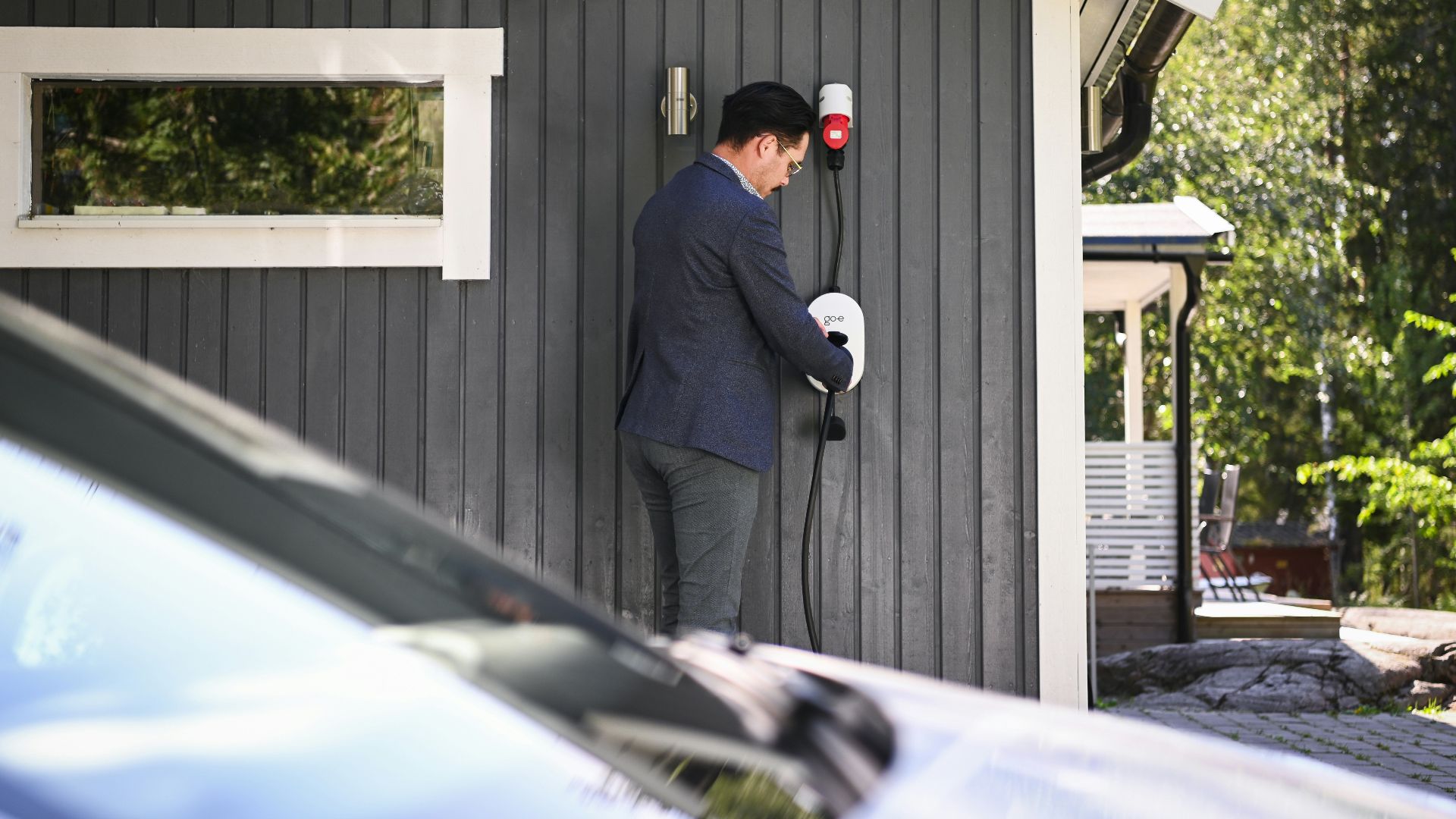
Touching Your Car Is A Separate Question
Simply touching somebody else’s car is not automatically a crime in most places. Context matters. Opening doors, damaging equipment, interfering with someone’s property, or repeatedly disrupting its use can be another matter entirely. The important question here is less “Did he touch it?” and more “What did he interfere with?”
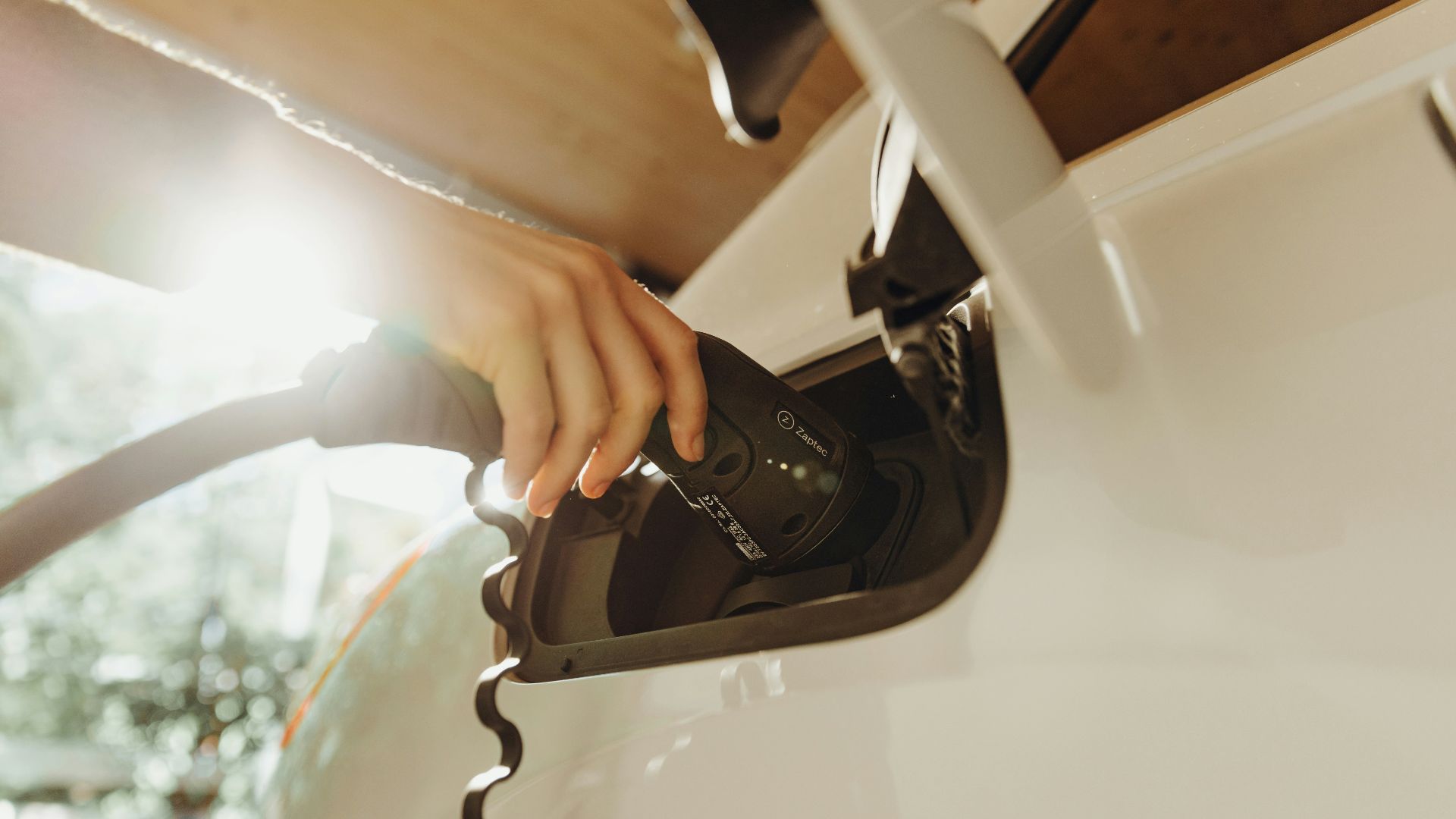
Start With Who Controls The Charger
A shared charger in an apartment, condo, workplace, or homeowners association usually comes with somebody in charge of it. That could be the landlord, condo corporation, property manager, employer, or association. Those people often have more authority over charging procedures than either feuding EV owner does.
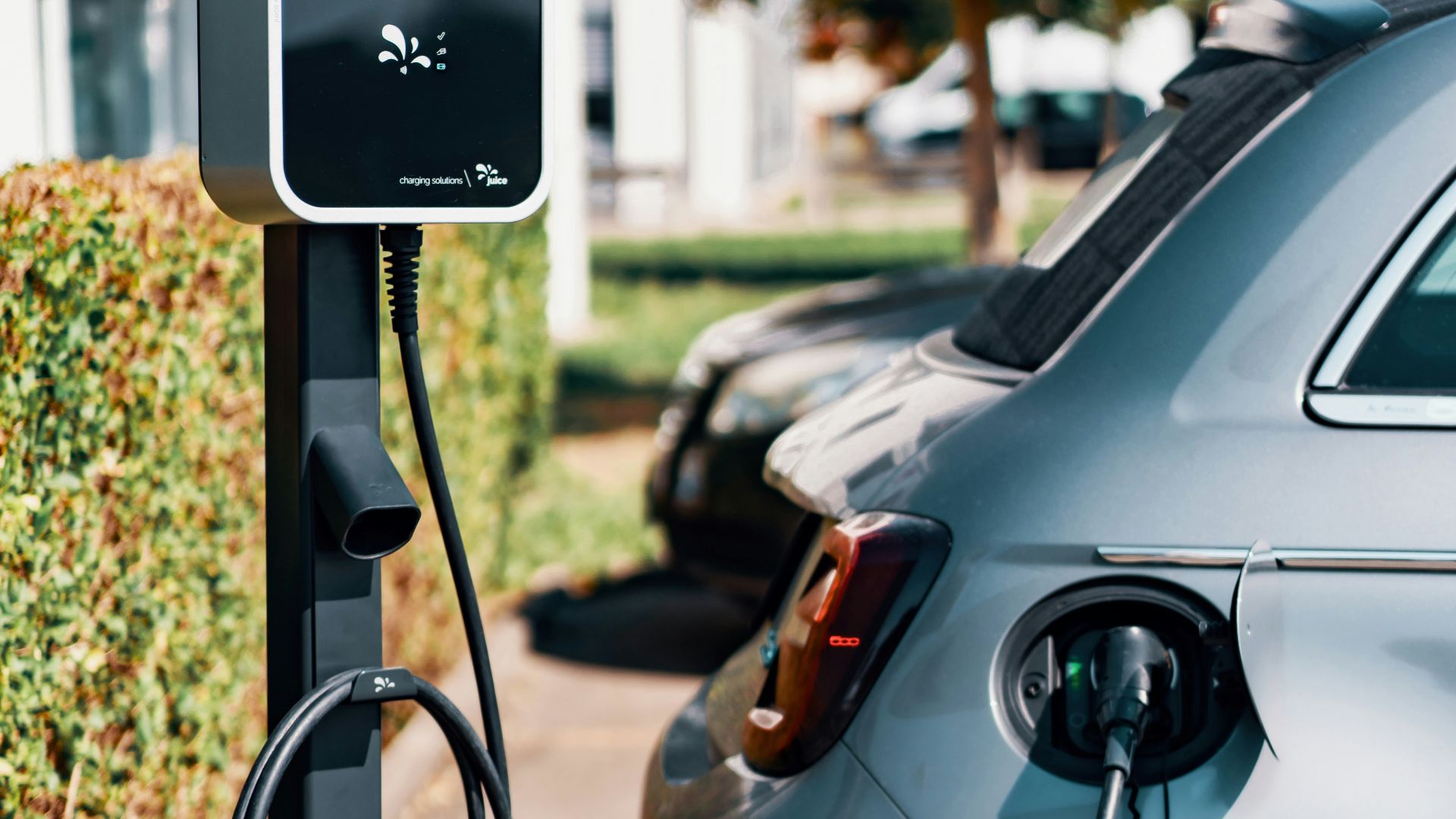
The Building Rules Matter A Lot
Before declaring your neighbor an outlaw, check the parking and charging rules. Condo and community-association rules can regulate common areas and parking, while organizations offering shared charging are encouraged to establish clear policies covering access, sharing, enforcement, and liability.
EV Etiquette Is On Your Side
Basic charging etiquette says drivers shouldn’t unplug another EV unless they know the vehicle is finished or have permission. ChargePoint specifically advises drivers not to unplug others and instead encourages people to move their vehicles promptly once charging is complete.
There Is One Big Exception
Some charging systems are deliberately designed for cord sharing. ChargePoint, for example, has operated certain stations where the next person in an organized waitlist can unplug a finished vehicle and connect their own. In those situations, unplugging isn’t freelancing—it is actually part of the system.
Finished Charging Changes The Picture
If your battery has reached its target and the charger says your session is over, leaving the connector attached indefinitely may violate the building’s rules. Charging spaces are generally intended for active charging, and networks commonly encourage drivers to unplug or move once their session has finished.
But You Said It Wasn't Finished
That distinction matters. Your neighbor isn’t simply freeing up equipment that you abandoned after charging. He is interrupting an active session because he wants the charger himself. Unless there is a rule allowing drivers to rotate after a certain period, that is much harder for him to justify.
Never Force A Locked Connector
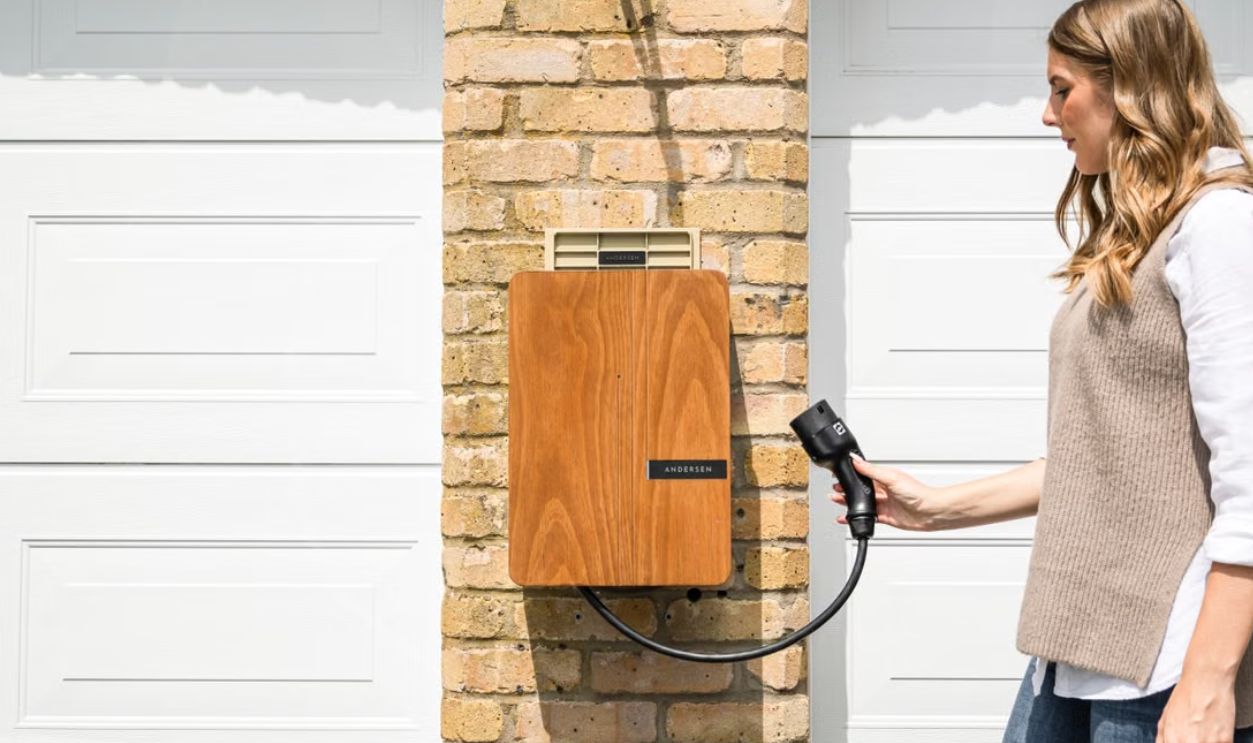
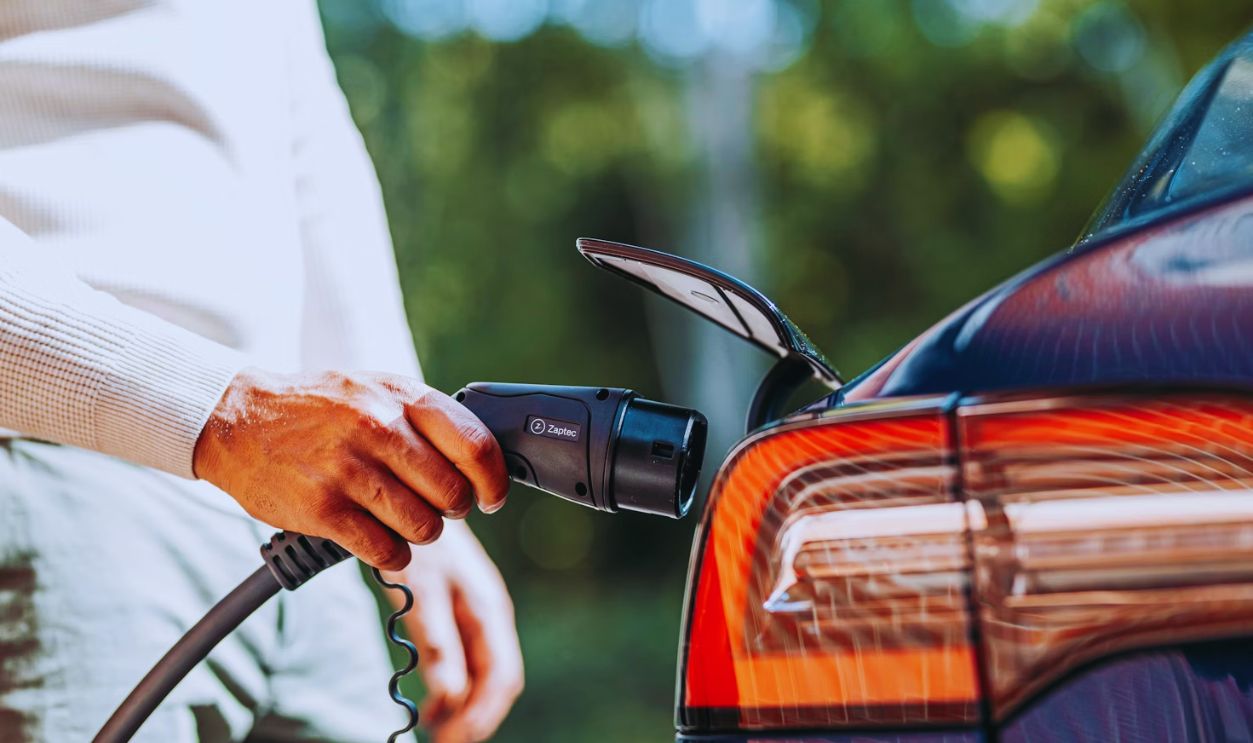
Many EVs lock the charging connector into the vehicle while charging or while the doors are locked. Somebody who starts yanking, twisting, or forcing that connector risks damaging the charging port or cable. ChargePoint explicitly warns users never to force a stuck connector because damage can result.
Check Your Car's Lock Settings
Dig through your EV’s charging settings. Depending on the model, you may be able to keep the charging connector locked until you unlock the car or until charging finishes. That won’t solve every shared-charger dispute, but it can stop someone from casually pulling the plug halfway through your session.
Don't Turn It Into A Mechanical Battle
If your connector can lock, use the feature normally. Don’t improvise clamps, padlocks, chains, or homemade contraptions around shared electrical equipment. You don’t want a petty parking disagreement becoming a damaged charger, tripping hazard, or conversation with the building’s very unimpressed maintenance department.
Save Your Charging Records
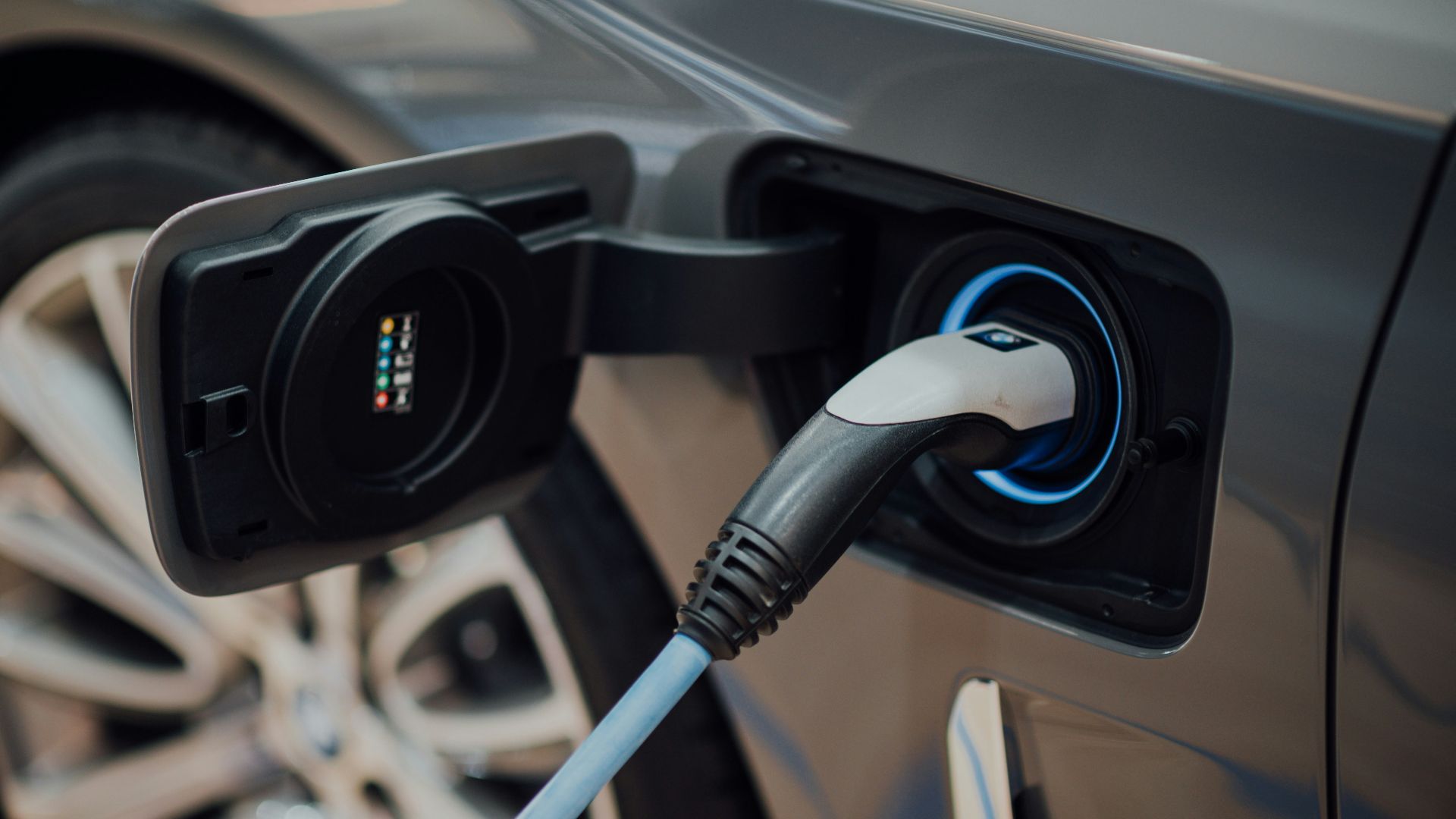
Most networked chargers and EV apps record when charging starts, stops, and how much energy was delivered. Save screenshots if the interruptions keep happening. A record showing repeated sessions suddenly ending early is far more useful than telling management, “Trust me, this guy keeps doing it.”
Write Down What Happens
Keep a simple record of the dates, approximate times, battery percentage, and anything you personally witnessed. You don’t need to turn into a private detective. You’re simply creating enough information to show that this is a recurring charging problem rather than one misunderstood incident.

Have The Boring Conversation First
Before unleashing the condo board, try speaking calmly with your neighbor. He may genuinely think shared charger means “anybody can unplug anybody.” Explain that you still need the charge and ask him to leave your vehicle connected until your session finishes or the agreed time limit expires.

Ask Him What Rule He's Following
This is surprisingly effective. Instead of arguing about whose car deserves electricity, simply ask, “What is the building’s rule about disconnecting another vehicle?” If he can point to an actual policy allowing it, you have your answer. If he can’t, the conversation becomes much simpler.

Bring Management Into It
If the unplugging continues, contact whoever manages the charging area. Shared charging works best when one responsible party establishes and enforces the rules. U.S. Department of Energy guidance for shared workplace charging specifically recommends clearly identifying who handles enforcement and disputes.
Ask For A Written Charging Policy
A surprisingly large number of EV arguments happen because everyone thinks the charger operates according to rules nobody actually wrote down. Ask management to establish a written policy covering maximum charging time, queues, unplugging, completed sessions, parking, and what happens when somebody ignores the rules.

Reservation Systems Can End The Drama
There is no reason grown adults should be fighting over a cable like siblings sharing the family computer in 1998. Shared chargers can use reservations, scheduled charging windows, waitlists, or assigned periods. Federal guidance specifically identifies reservations and time limits as useful approaches when demand exceeds available chargers.
Time Limits Can Be Fair
Maybe nobody needs the charger for eight straight hours. A building could create three-hour or four-hour charging windows so everyone gets a turn. The key is that management creates the rule beforehand. Your neighbor doesn’t get to invent a two-hour limit because his battery happens to be low tonight.
Need Doesn't Create Ownership
Your neighbor may have a long commute tomorrow. You might be driving 300 miles. Neither situation automatically gives one person control of shared equipment. Some managed charging programs can prioritize drivers according to need, but that requires an agreed system rather than whoever reaches the connector first.
Don't Hog The Charger Either
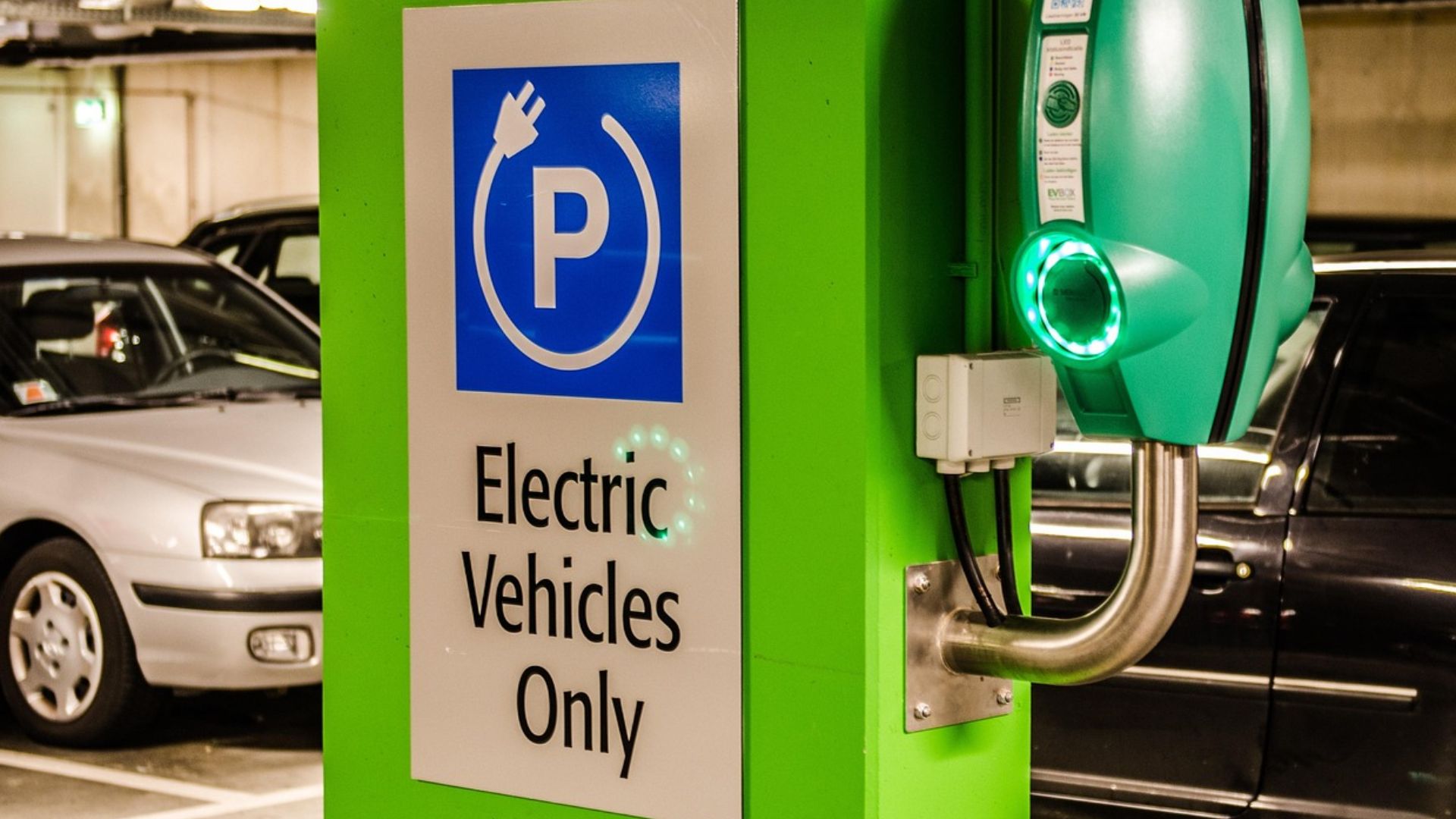
There is another side to charging etiquette. Once your EV has reached the level you need—or your permitted charging period ends—free the charger promptly. Nobody enjoys the neighbor who complains about being unplugged but then leaves a fully charged vehicle sitting at the station until breakfast.
Idle Fees Can Prevent Arguments
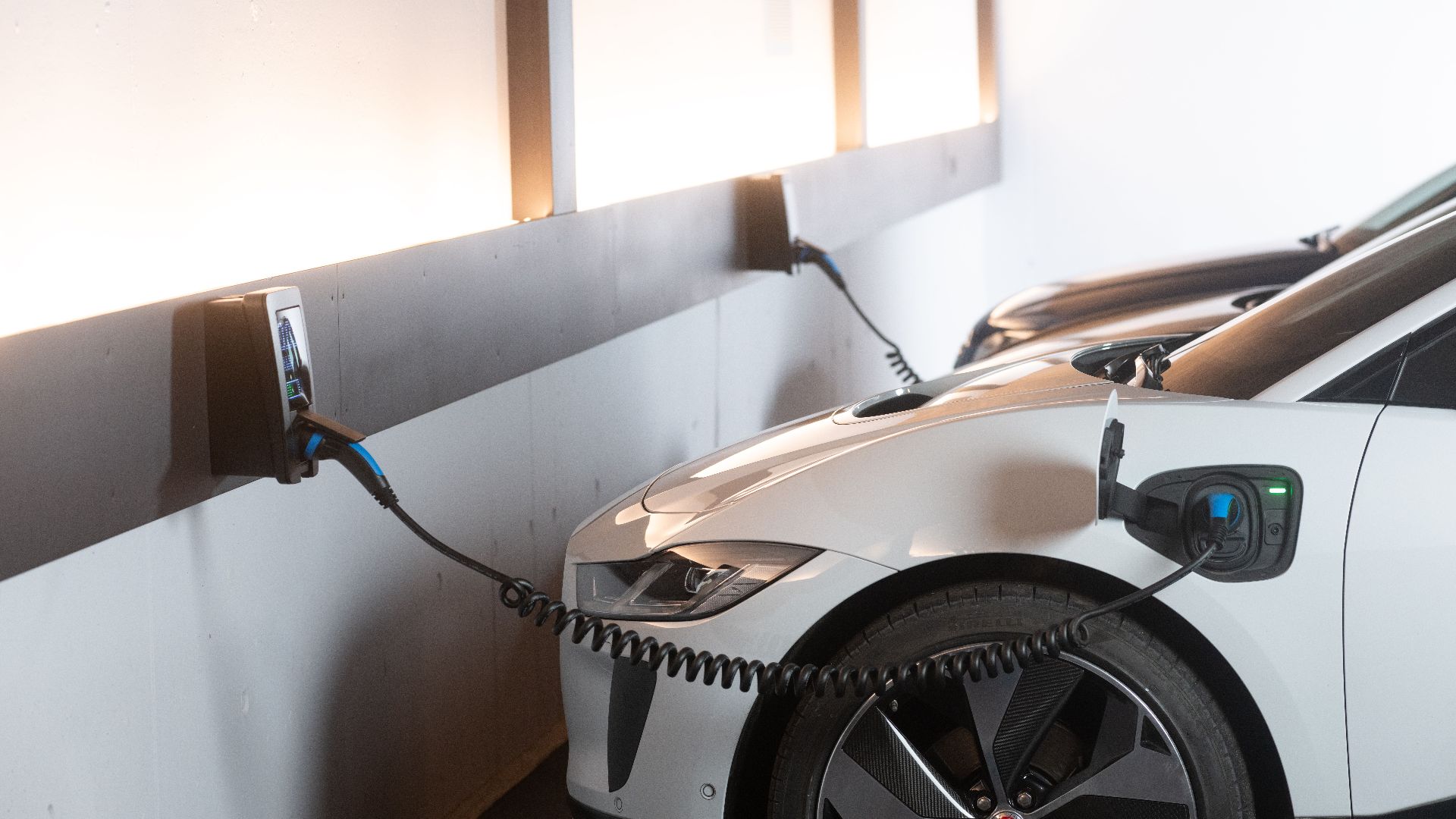
Some charging operators use higher fees after a certain period to encourage drivers to move along. It isn’t especially charming, but money has a remarkable ability to remind people that shared infrastructure should actually be shared. ChargePoint notes that station owners can use additional fees to discourage extended occupation.
 Haberdoedas Photography, Pexels
Don't Start Unplugging Him Back
Retaliation feels satisfying for approximately eleven seconds. Then you have two angry neighbors unplugging each other, documenting each other, and glaring across the parking garage. Follow the written rules even if he doesn’t. It leaves you in a much stronger position when you eventually involve management.
Damage Makes Things More Serious
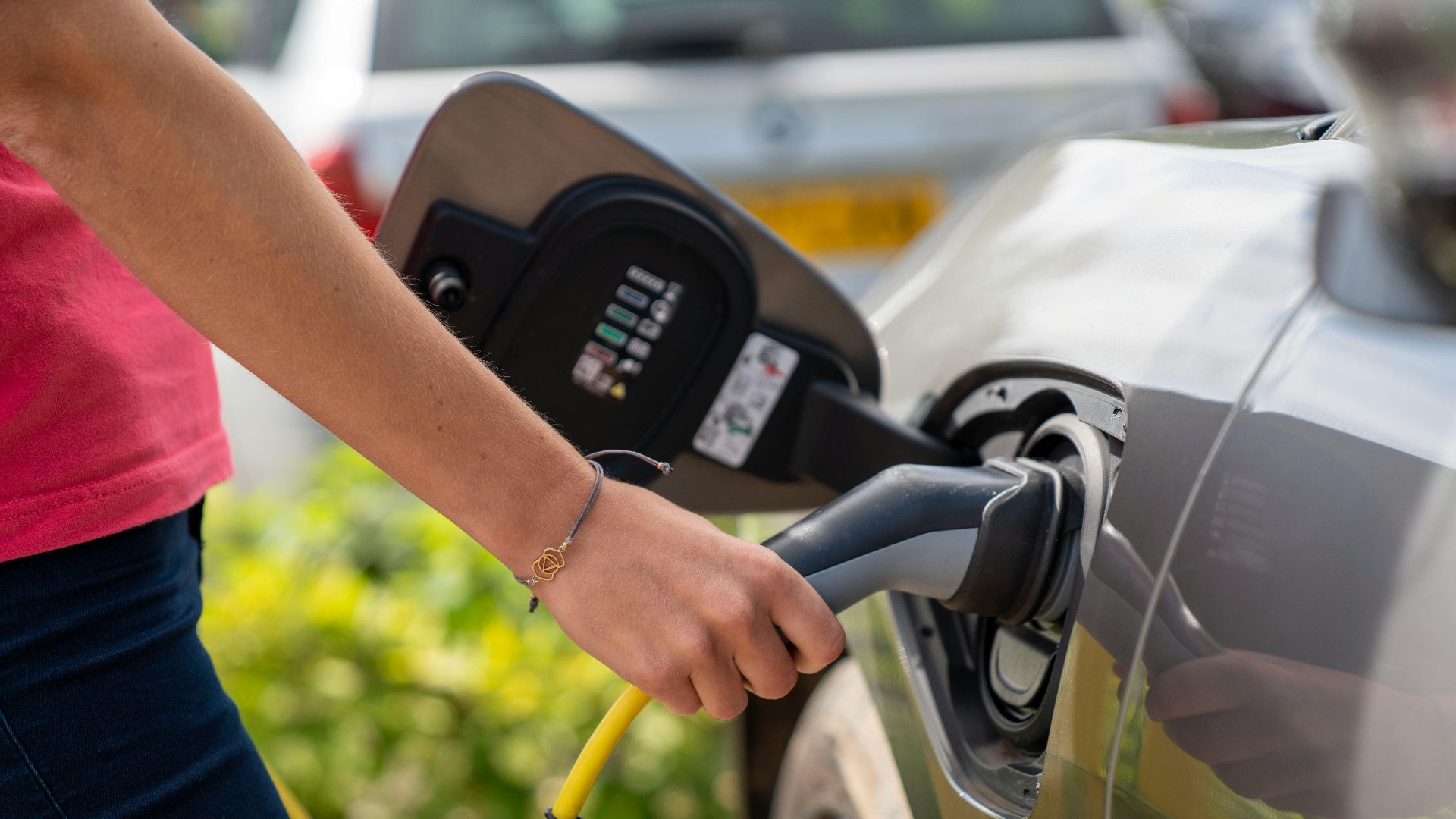
If someone forces the connector and damages your charge port, scratches the vehicle, or breaks charging equipment, you have moved beyond annoying EV etiquette. Photograph the damage immediately, notify management, save charging records, and contact your insurer if necessary. Local laws will determine whether additional legal remedies apply.
Repeated Interference Deserves Escalation
One accidental unplugging is irritating. Repeatedly disconnecting your actively charging vehicle after being asked to stop is different. Report the pattern in writing to the landlord, condo board, HOA, employer, or property manager and ask them to enforce whatever rules govern the shared station.
Condo Owners Should Check Their Documents
If you live in a condo, your declaration, bylaws, rules, parking agreements, and EV-charging policies may decide much of this dispute. Ontario’s Condominium Authority, for example, notes that condo rules can regulate parking and that EV charging systems operate within condo governance requirements.

The Charger Needs Rules, Not A Referee
Your neighbor generally shouldn’t be deciding for himself that your charging session is over. But the permanent solution isn’t guarding your EV from a lawn chair. It is a clear system establishing charging limits, queues, unplugging rules, and enforcement. Shared chargers work wonderfully when the rules are shared too.
You May Also Like:
Forgotten Pickup Truck Features That Drivers Didn’t Appreciate Until They Couldn't Get Them Anymore
My dealer added a “market adjustment” after I put down a deposit. Is the original price binding?