A Cold-Morning Standoff In Your Own Driveway
You, of poor circulation, step outside on a freezing morning, start your car in your own driveway, and then the next day an HOA notice shows up in your mailbox. Well, the short answer is yes, an HOA can sometimes regulate idling if its governing documents clearly allow it, but you may still be in luck. That power has limits and can clash with state or local law.

The First Thing To Know About HOA Power
Homeowners associations usually get their authority from recorded declarations, bylaws, and rules adopted under those documents. The Community Associations Institute explains that associations generally enforce covenants, conditions, and restrictions that owners agree to when they buy into the community. So the real fight usually starts with the exact wording in your HOA documents, not a board member’s personal opinion.

Your Driveway Is Not Always Treated Like Fully Private Space
Many owners assume a driveway is completely beyond HOA control because it sits on their lot. In reality, HOAs often regulate what happens in visible outdoor areas, including parking, vehicle storage, noise, and nuisance activity. If your community has broad nuisance or vehicle rules, the board may argue that winter idling falls under them.
The Rule Has To Exist Somewhere In Writing
An HOA usually cannot just invent a restriction because a neighbor complained. Courts and homeowner-rights guides often stress that enforcement should tie back to adopted covenants or rules. If the board says idling is banned, ask for the exact section of the declaration, rules, or guidelines that says so.

Why Winter Idling Became Such A Hot Topic
Modern cars changed the old habit of letting an engine warm up for long stretches. The U.S. Department of Energy says idling can waste fuel and that today’s vehicles generally do not need long warm-ups, even in cold weather. For many HOAs, that practical change runs straight into complaints about noise, fumes, and early-morning disruption.
There Is A Legal Difference Between Warming Up And Excessive Idling
A brief start-up before driving is one thing. Letting a vehicle run for long periods can trigger local anti-idling ordinances, nuisance rules, or association restrictions. Whether your HOA can enforce its own rule often depends on how long you idle, where the exhaust goes, and whether the community documents clearly cover that conduct.
Local Government May Already Have A Say
Before focusing only on the HOA, check your city and county code. Some local governments regulate unnecessary idling for air quality or noise reasons, while others do not. If your HOA rule simply mirrors local law, it may be on firmer ground than if it created a brand-new ban on its own.
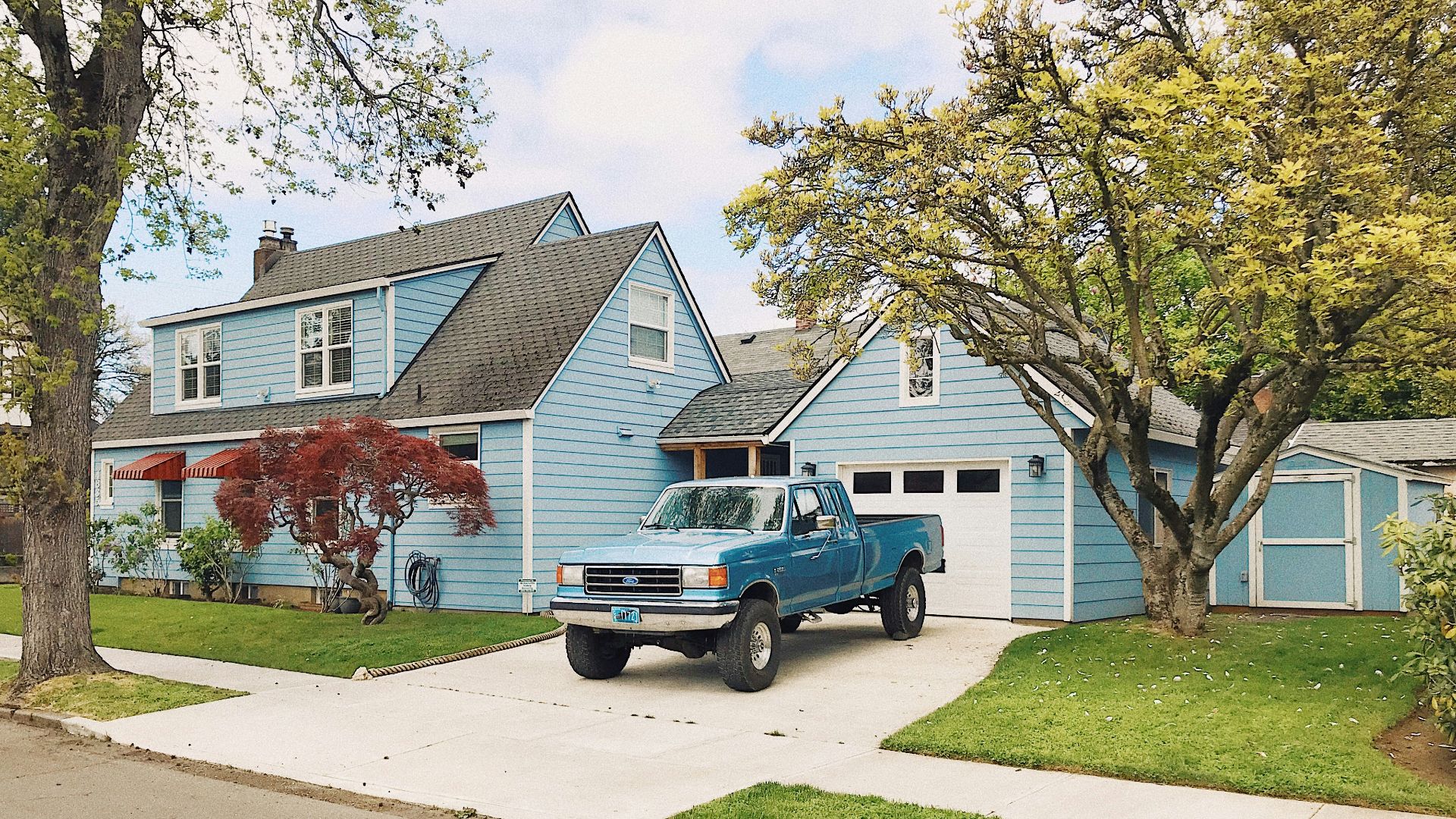
 Christian Velitchkov, Unsplash
State Law Can Complicate The Picture Fast
States regulate HOAs differently, and some also have statutes that affect vehicle use, nuisance enforcement, or owner rights. The Uniform Law Commission’s Uniform Common Interest Ownership Act has influenced how some states structure association powers, but actual state statutes control in real life. That is why the answer to “can they really enforce it” changes depending on where you live.

Boards Usually Lean On The Word Nuisance
One of the most common HOA enforcement tools is the nuisance clause. If your exhaust drifts into a neighbor’s open garage or bedroom window every morning at 6 a.m., the board may claim the conduct interferes with others’ quiet enjoyment. Nuisance language can be broad, which is exactly why owners should read it carefully before assuming the HOA has no case.
Noise Complaints Often Matter More Than The Engine Itself
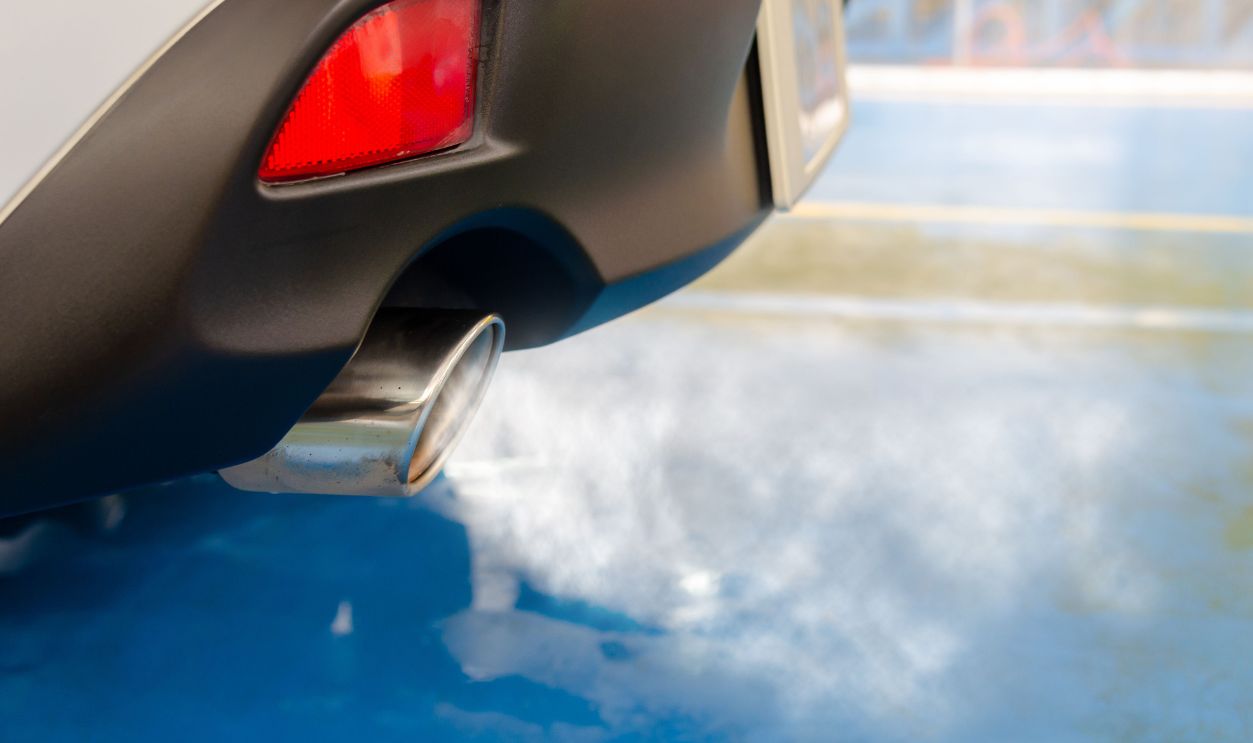
The issue is not always the fact that the car is running. It may be the repeated sound of a cold engine, a loud aftermarket exhaust, or vibration near attached homes or narrow lots. If the board has a steady record of complaints, that can make enforcement much easier to justify.

Fumes And Health Concerns Give HOAs Another Angle
Carbon monoxide and exhaust odors are not just annoying. The U.S. Environmental Protection Agency warns that vehicle exhaust contains harmful pollutants and that unnecessary idling adds to emissions. In tightly packed townhome or condo communities, boards may frame idling restrictions as a health and safety issue rather than a simple lifestyle preference.
Modern Engines Usually Do Not Need Long Warm-Ups
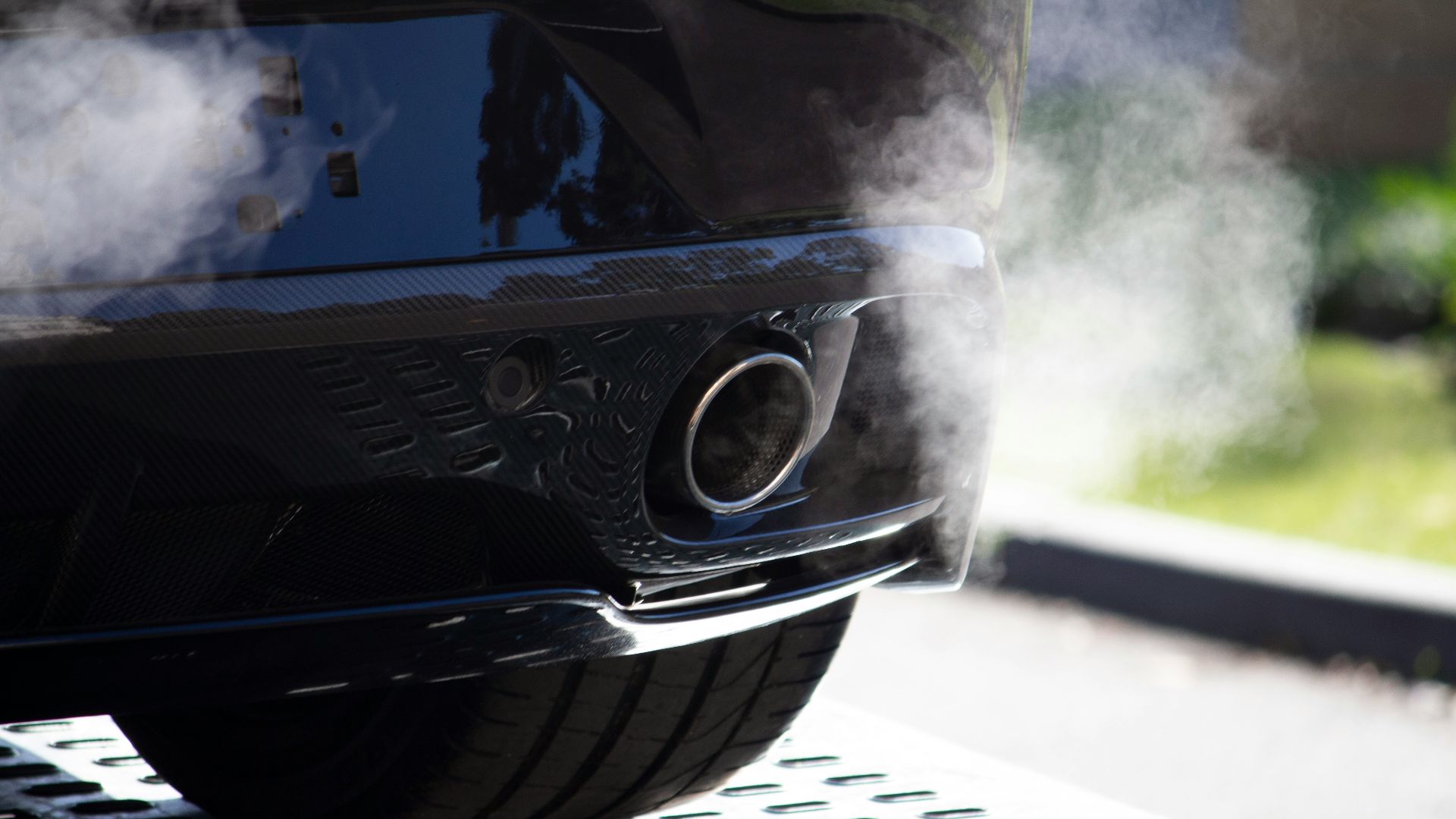
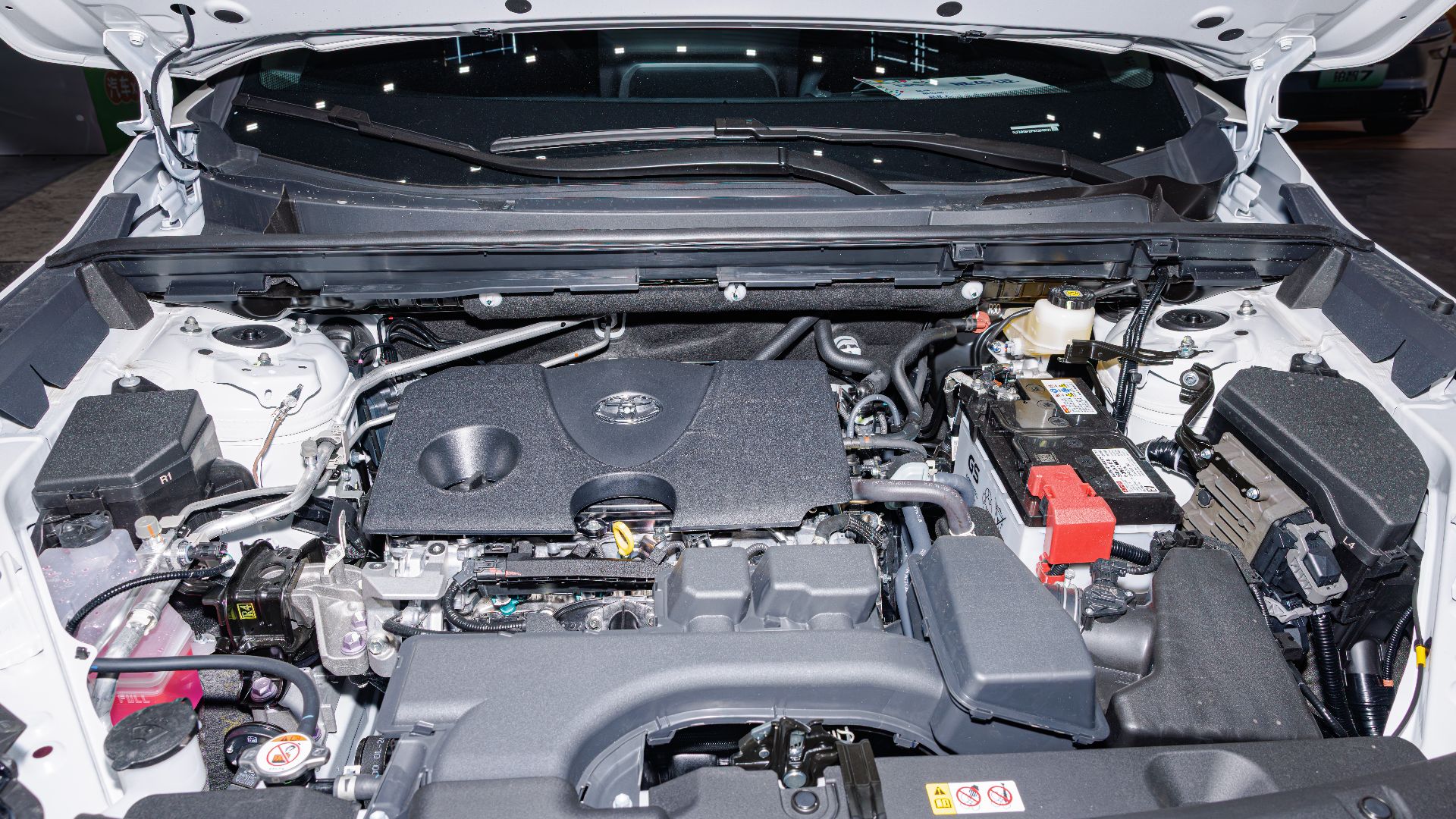
AAA notes that most modern vehicles need only a short period, often around 30 seconds, before gentle driving is the better way to warm the engine and cabin. That does not mean your car never needs time to defrost, but it does undercut the old habit of idling for 10 or 15 minutes. If an HOA dispute reaches a hearing, basic automotive guidance can weaken the case for long driveway warm-ups.
 Dinkun Chen, Wikimedia Commons
But Extreme Cold Still Calls For Common Sense
There is a difference between unnecessary idling and taking a minute to clear ice and fogged glass so you can drive safely. The National Highway Traffic Safety Administration stresses the importance of clear visibility before driving. An HOA rule cannot reasonably require you to drive blind just to keep a neighbor happy.

If The Restriction Is Vague, That Matters
Rules that say owners must avoid “annoying activities” may be harder to enforce than a rule that specifically bans idling for more than a set number of minutes. Vague language can raise fairness and notice issues, especially if the board enforces it against one owner but ignores everyone else. Consistent enforcement is a major issue in HOA disputes.

Selective Enforcement Can Be A Big Weak Spot
If half the neighborhood remote-starts their cars every winter and only one owner gets cited, the board may have a problem. Uneven enforcement can weaken the HOA’s position and sometimes becomes a key defense in disputes. Document what other residents are doing before you respond to a violation notice.

Due Process Still Applies Inside HOA Communities
Associations typically must follow notice and hearing procedures before imposing fines or other penalties. The Community Associations Institute says owners should have a chance to understand the charge and respond. If the board skipped required steps, the enforcement may be open to challenge even if the underlying rule is real.

Fines Are Not Always Automatic Or Unlimited
Many states limit how HOAs can fine owners or require authority for fines in the governing documents. Some boards can suspend privileges, while others need a formal process first. A scary warning letter does not automatically mean the HOA can lawfully collect whatever amount it listed.

Municipal Law Can Sometimes Override The HOA
In some situations, state or local law can override private community rules. If an HOA rule conflicts with a statute that protects certain owner rights or with a local rule that defines acceptable vehicle use, the private restriction may not hold up. This is one reason a quick review by a local attorney can be worth more than a long argument with the board.

Leased Cars, Work Trucks, And Special Vehicle Rules
Some associations have stricter rules for commercial vehicles, diesel trucks, or vehicles with visible modifications. What looks like an idling dispute might really be the board using a broader vehicle restriction to pressure an owner. Read the full vehicle section, not just the sentence mentioned in the notice.

Remote Start Does Not Magically Avoid The Rule
If the car is running, it is idling whether you started it with a key, an app, or a factory remote-start button. Many owners assume remote start gives them a loophole because no one is sitting in the vehicle. Usually it does not, unless the rule is written in a very odd way.

Condos And Townhomes Often See Tougher Enforcement
Communities with shared walls, short driveways, and dense parking layouts usually get more complaints about noise and fumes. A detached-house subdivision with wide lots may treat winter idling very differently from a townhouse row. The physical layout of the neighborhood often shapes how aggressive enforcement becomes.

What To Ask For Before You Panic
Ask the HOA for the exact rule, the date it was adopted, and the authority under the declaration or bylaws for adopting it. Also ask whether the board is relying on a nuisance clause, a vehicle rule, or a local ordinance. Those details will tell you whether the board has a real legal basis or is bluffing.

How To Build A Practical Defense
Keep your response factual and calm. Note how long the car was running, why you started it, the weather conditions, and whether you were clearing ice for safety. If the idling was brief and necessary, that is a much stronger position than simply claiming the HOA has no authority over anything in your driveway.

Small Changes Can Defuse The Whole Fight
Sometimes the easiest fix is changing the routine. Park differently so exhaust points away from neighboring homes, shorten warm-up time, or use a windshield cover and ice scraper to cut defrost time. A practical compromise can end the dispute faster than a legal showdown.

When The HOA Probably Has The Stronger Hand
If the governing documents clearly regulate vehicle idling or nuisance activity, the board gave proper notice, and neighbors have credible complaints about repeated noise or fumes, enforcement may stick. That is especially true in communities where homes sit close together. In that situation, fighting on principle may cost more than it saves.

When The HOA May Be Overreaching
If there is no written rule, the language is too vague, the board is enforcing selectively, or it skipped required procedures, you may have solid grounds to challenge the notice. The same is true if the board is trying to punish very brief idling tied to safe winter driving. Not every stern HOA letter reflects an enforceable rule.

The Bottom-Line Answer For Winter Drivers
Yes, an HOA can sometimes enforce restrictions on idling in your own driveway, but only if the community documents and applicable law support it and the board follows proper procedure. No, it does not get unlimited power just because it says “nuisance” or “community standard.” The smartest move is to verify the rule, check local and state law, and keep your winter warm-up as short and reasonable as possible.

What To Do Next If You Get The Letter
Start with the governing documents and the local code for your city or county. Then request a hearing or written clarification if the notice seems unsupported or inconsistent. If fines are threatened and the rule still looks shaky, talk to a qualified attorney in your state who handles HOA law.