Your EV May Be Eating Tires
You bought an EV, fell for the smooth acceleration and quiet ride, and then noticed something less charming: the tires already look tired. You’re not imagining things. Eleprisingly quickly, although the car itself is only part of the story.
Yes, EVs Can Wear Tires Faster
In general, an EV can be tougher on tires than a comparable gasoline-powered car. Consumer Reports notes that EV owners often encounter faster tire wear, largely because electric vehicles combine extra weight with immediate power delivery. The good news is that premature wear isn’t inevitable.
Batteries Add A Lot Of Weight
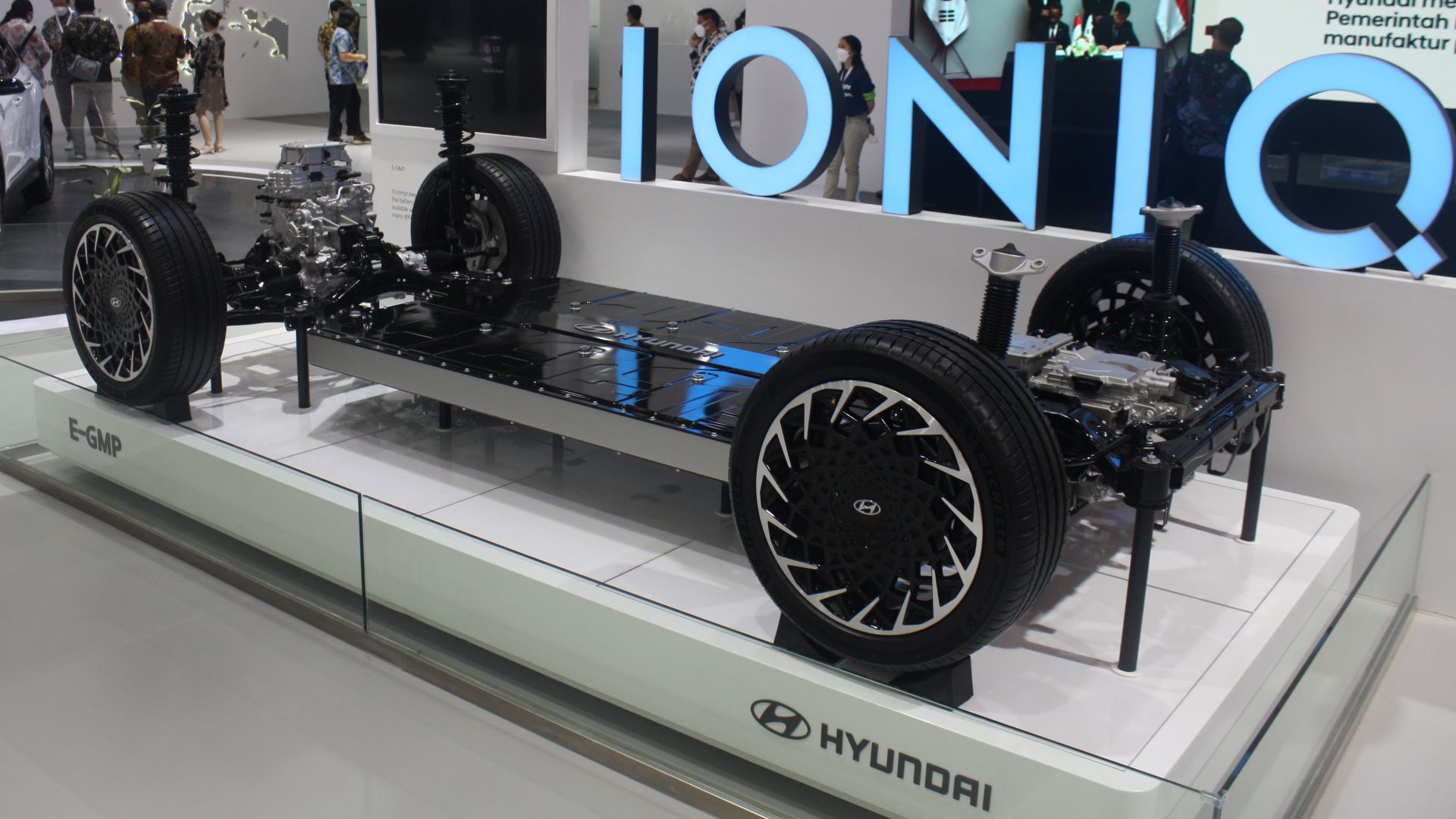
That big battery under the floor isn’t exactly filled with feathers. Many EVs weigh considerably more than similarly sized gasoline vehicles. Tires therefore carry more weight during acceleration, cornering, and braking, putting additional stress on the tread every time you drive.
 Andra Febrian, Wikimedia Commons
Instant Torque Is Great Fun
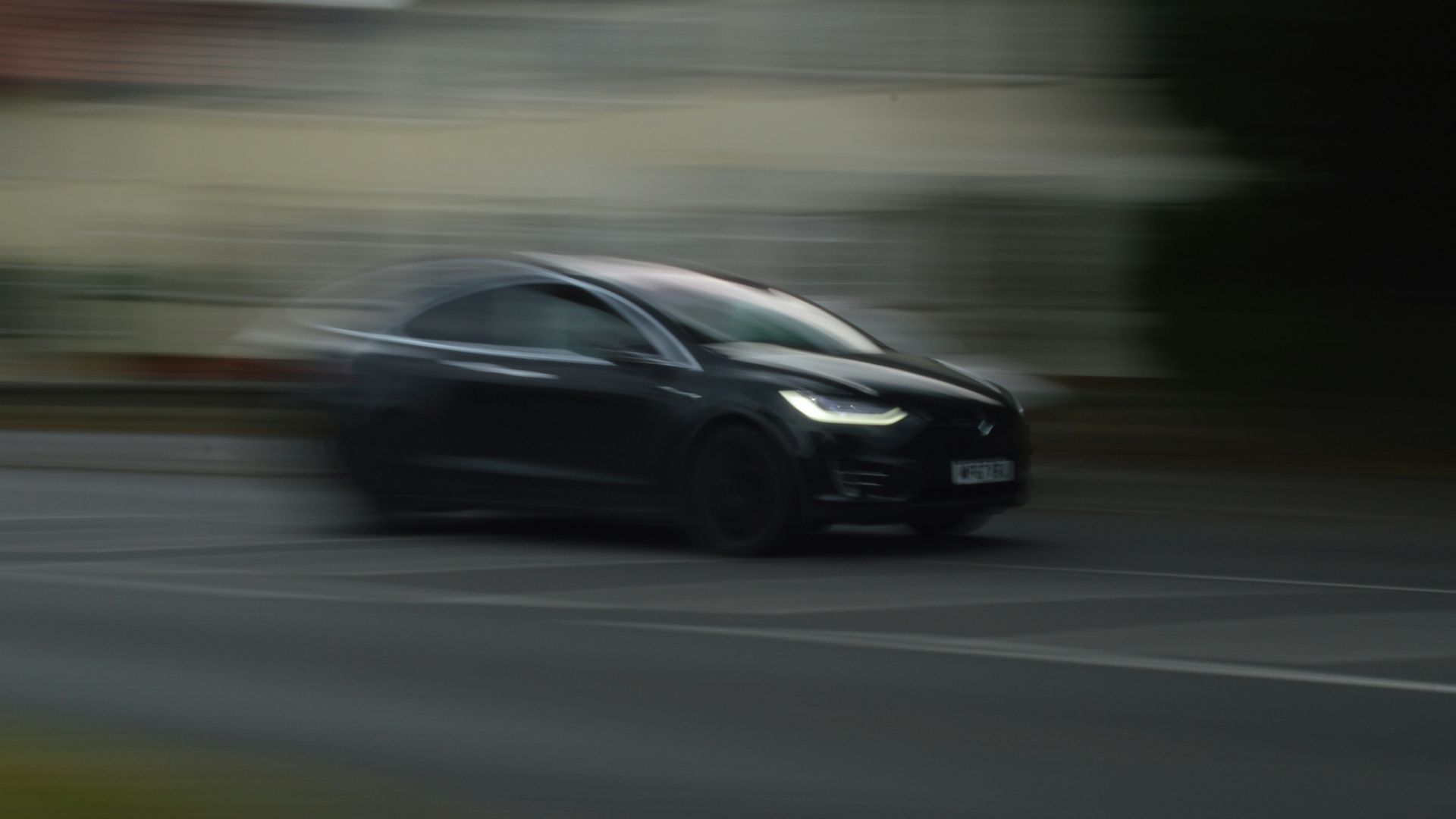
Press the accelerator in an EV and power arrives immediately. There’s no engine building revs or transmission searching for a gear. That instant torque is one reason EVs feel wonderfully quick—and one reason the driven tires can have a harder life.
Your Right Foot Matters
Once the novelty of effortless acceleration arrives, behaving yourself becomes difficult. Frequent hard launches put enormous demands on the tires. You don’t need to drive painfully slowly, but easing into the accelerator instead of treating every green light like a drag strip can noticeably reduce wear.

Regenerative Braking Gets Blamed Too
One-pedal driving can make an EV slow very strongly when you lift off the accelerator. Regenerative braking itself isn’t automatically bad for tires, but repeatedly accelerating and decelerating aggressively creates larger forces at the contact patches. Smooth inputs remain your tires’ best friend.
EV Tires Have A Difficult Job
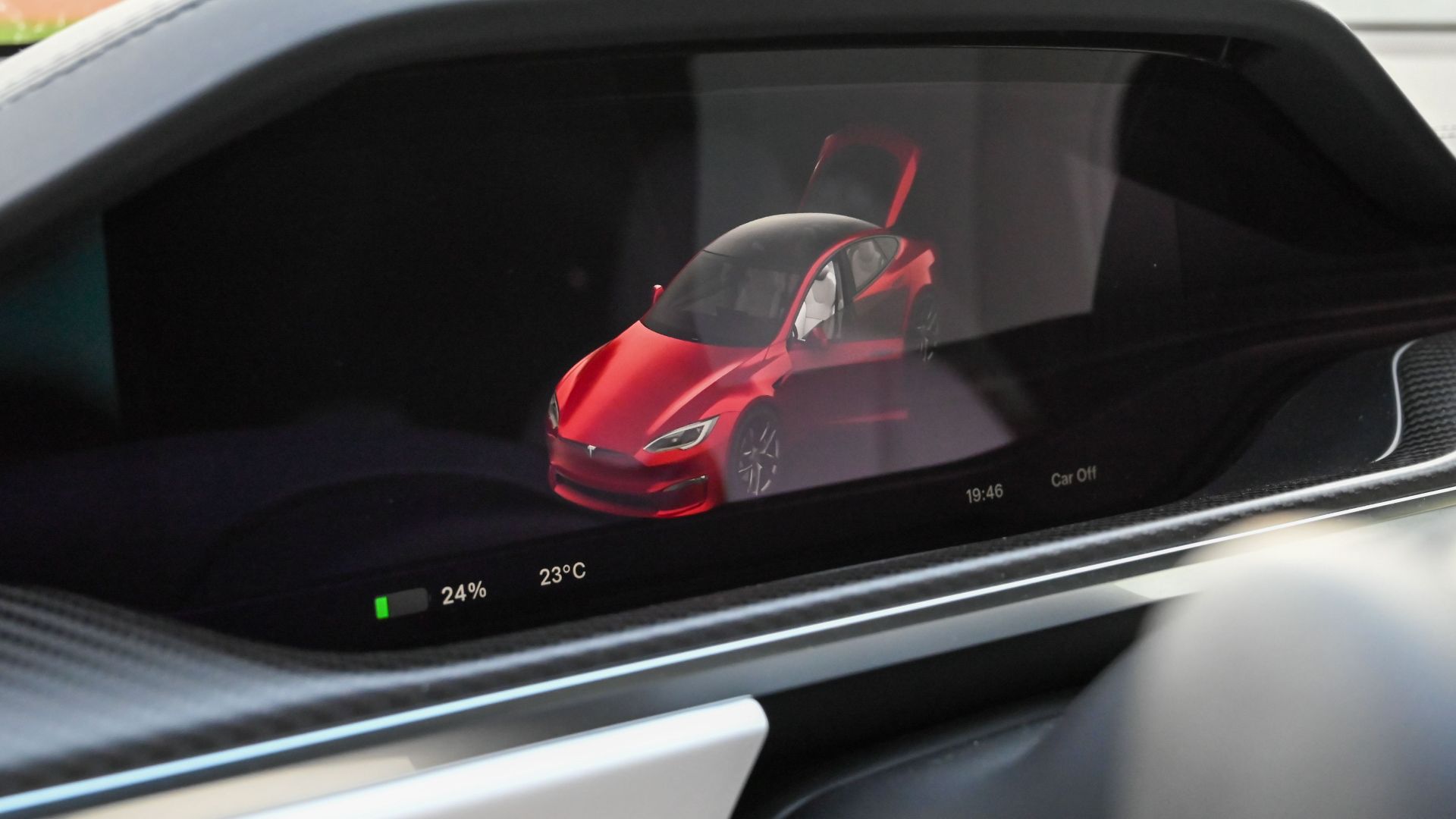
Tire engineers have several competing problems to solve. EV tires need to support considerable weight, handle strong torque, maintain grip, stay quiet, and avoid wasting battery power through excessive rolling resistance. Getting all of those qualities from one piece of rubber requires compromises.
Efficiency Can Affect The Equation
Low rolling resistance helps an EV travel farther on each charge, so efficiency is particularly important when manufacturers choose original-equipment tires. That doesn’t necessarily mean those tires will deliver the longest possible tread life. Tires are always a balancing act between efficiency, grip, comfort, durability, and cost.
Factory Tires Aren’t Always Your Best Replacement
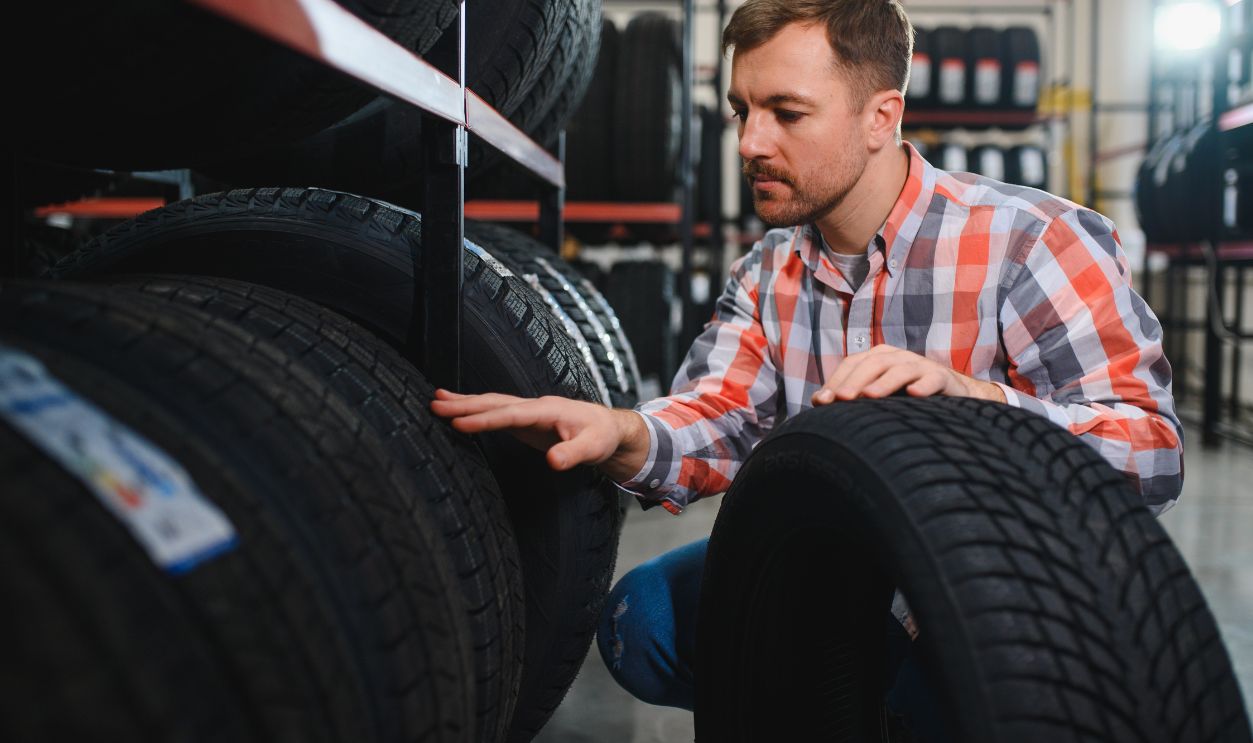
You don’t necessarily need to buy exactly the same tire again. Consumer Reports testing found that some conventional replacement tires suitable for an EV delivered excellent safety performance and longer tread life without major sacrifices in range. Shop according to your priorities rather than simply copying the factory setup.
 Hryshchyshen Serhii, Shutterstock
Performance Models Raise The Stakes
Own the dual-motor, performance, plaid, GT, or whatever-the-manufacturer-calls-the-fast-one version? Your tires face an even tougher assignment. Powerful motors, sticky performance rubber, large wheels, and enthusiastic driving can combine to turn a routine maintenance item into a surprisingly regular expense.
Tire Pressure Is Especially Important
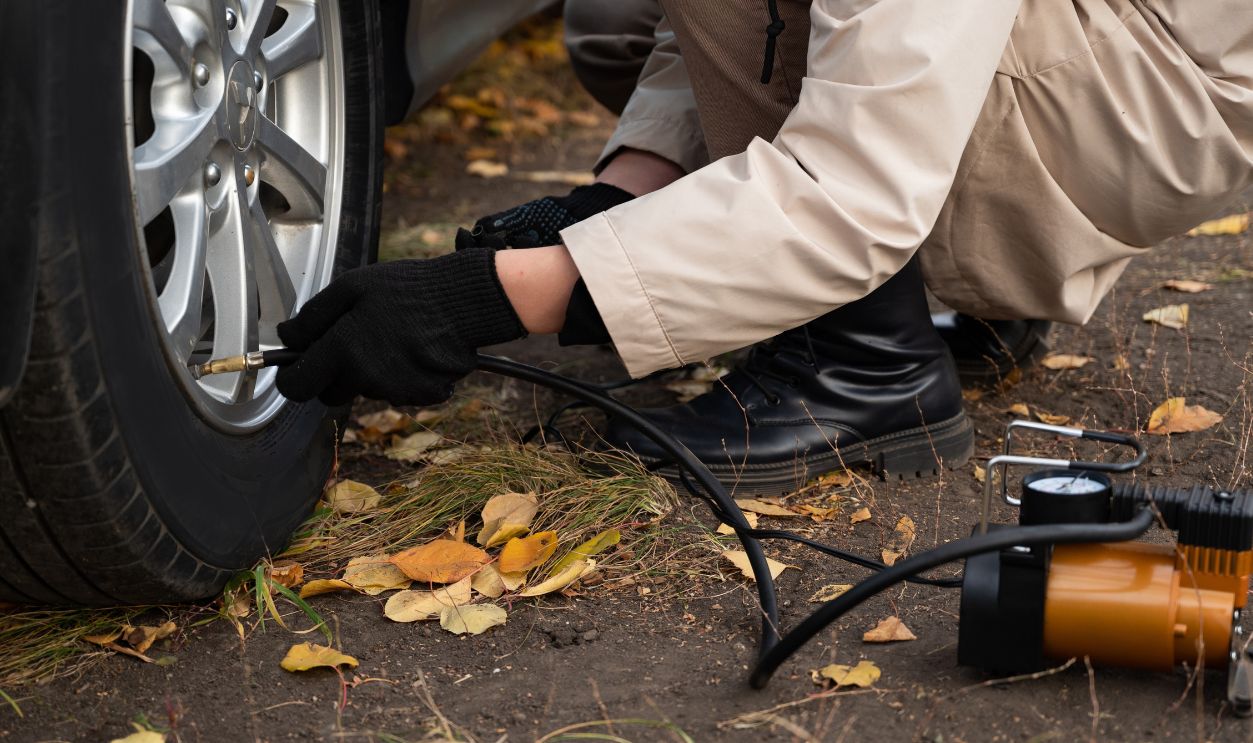
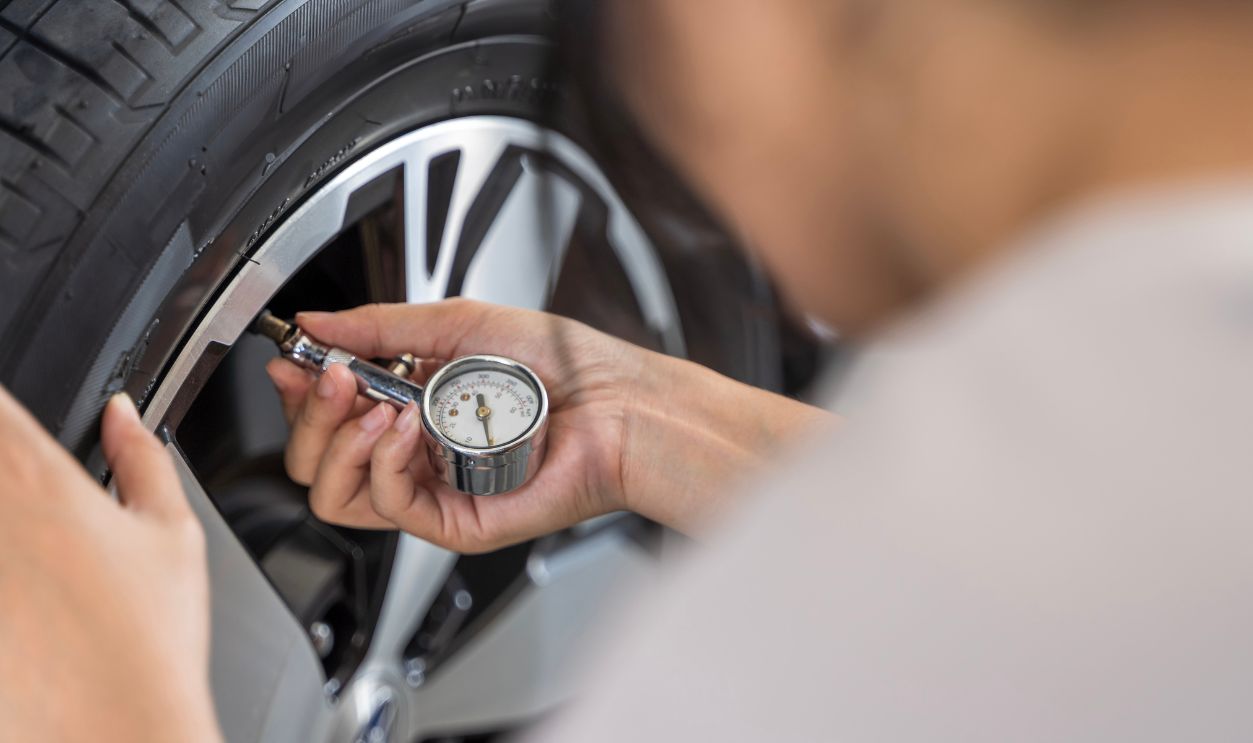
Running underinflated tires causes unnecessary heat and uneven wear while also hurting efficiency. Check pressures regularly when the tires are cold and follow the pressure listed on your vehicle’s door-jamb label rather than guessing based on what appears on the tire sidewall.
 Verbitskaya Svetlana, Shutterstock
Don’t Ignore Rotation
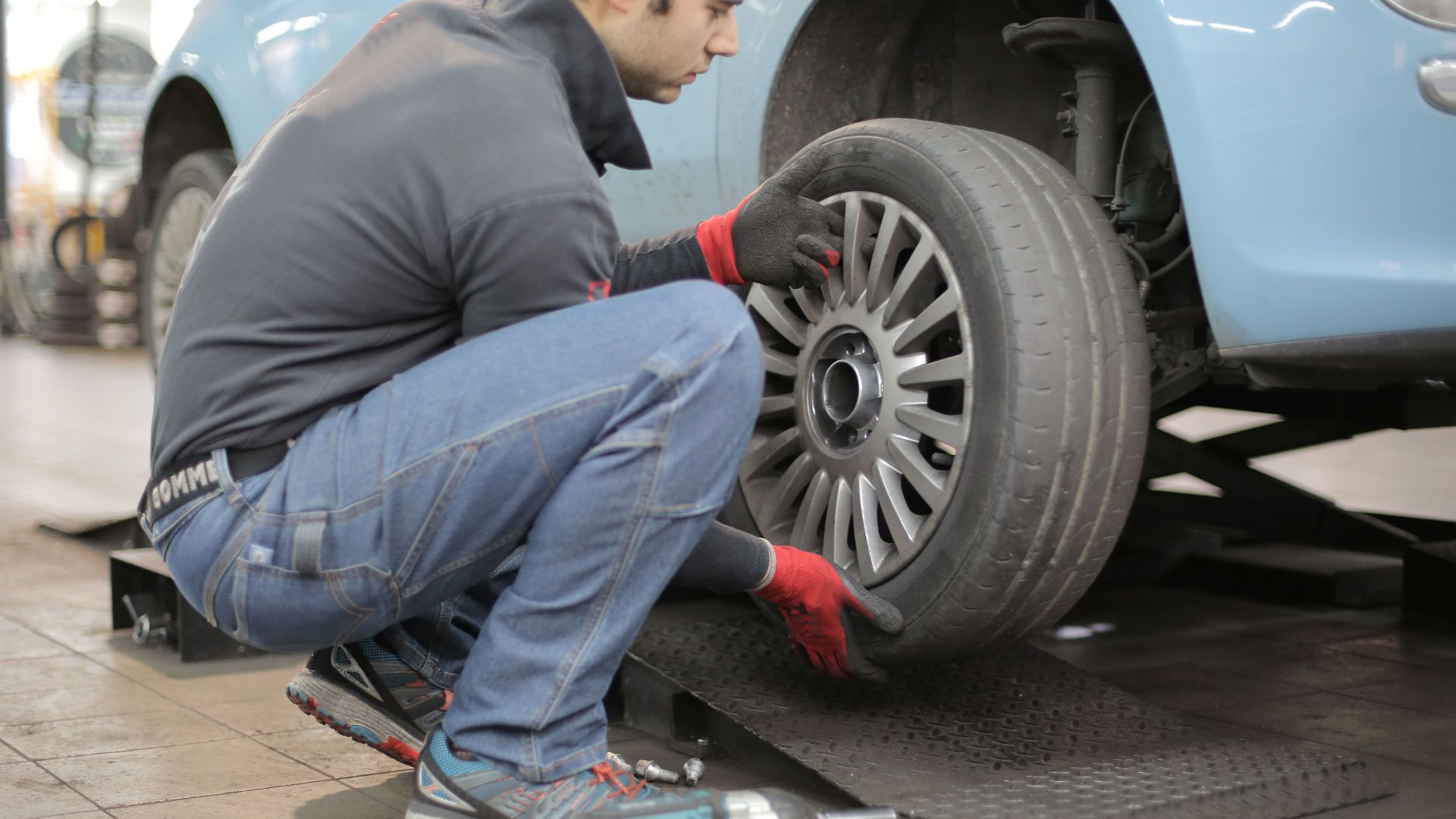
Regular tire rotation helps spread wear more evenly, especially when one axle does more work than the other. Follow your manufacturer’s recommended interval. Some performance EVs use staggered or directional tires that limit rotation options, so check your owner’s manual before moving wheels around.
Alignment Can Destroy Tires Quietly
If your alignment is slightly off, you might not notice anything from behind the wheel. Your tires certainly will. A misaligned EV can chew through the inside or outside edge of a tire while the rest of the tread still looks perfectly respectable.
Check After A Big Pothole Hit
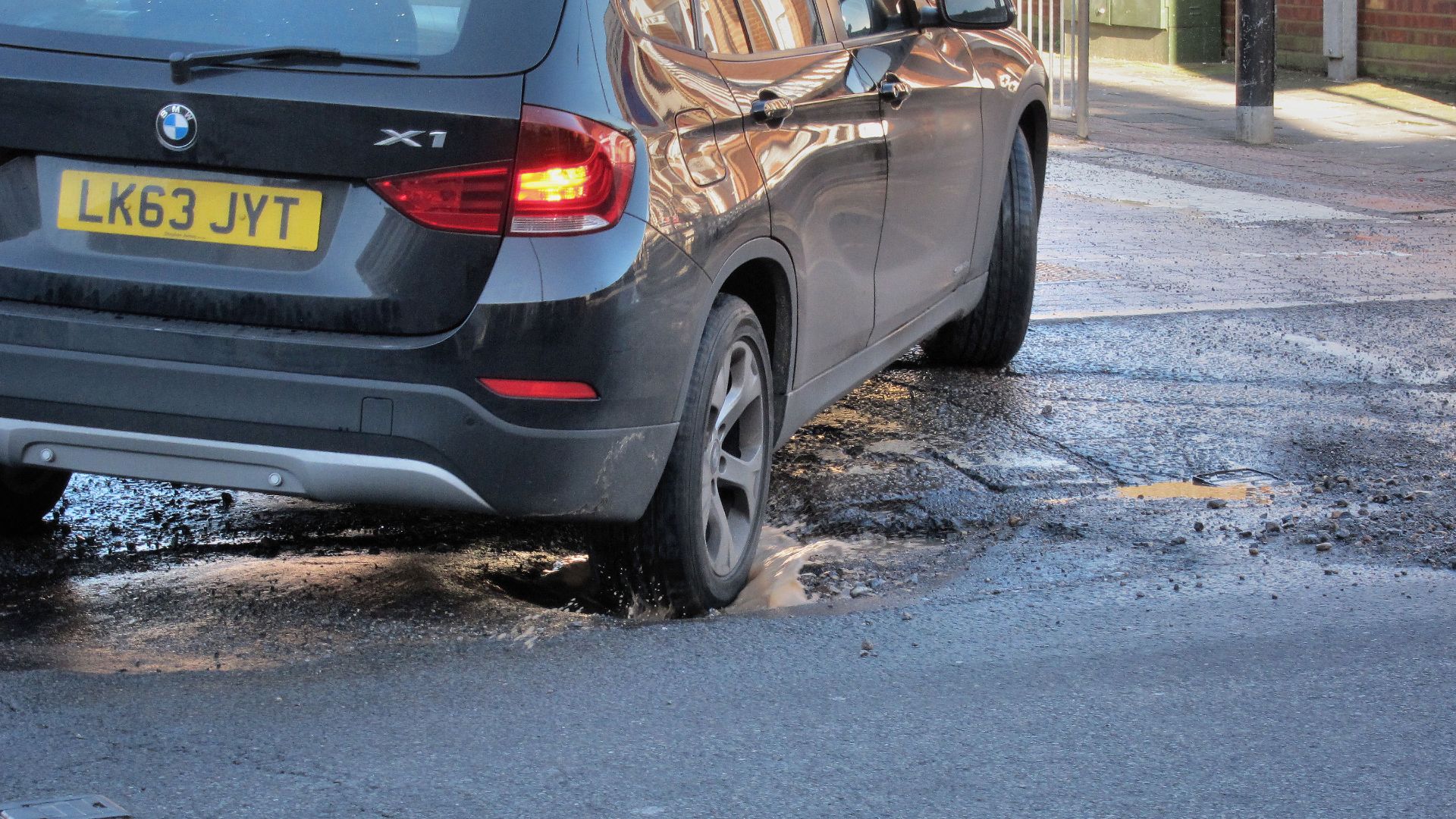
Modern EVs often wear large wheels with relatively low-profile tires. Smacking a pothole can alter alignment or damage a wheel without producing an obvious problem immediately. If the steering suddenly feels different afterward, having things checked could save an otherwise healthy set of tires.
 Alan Stanton, Wikimedia Commons
Look At All Four Tires
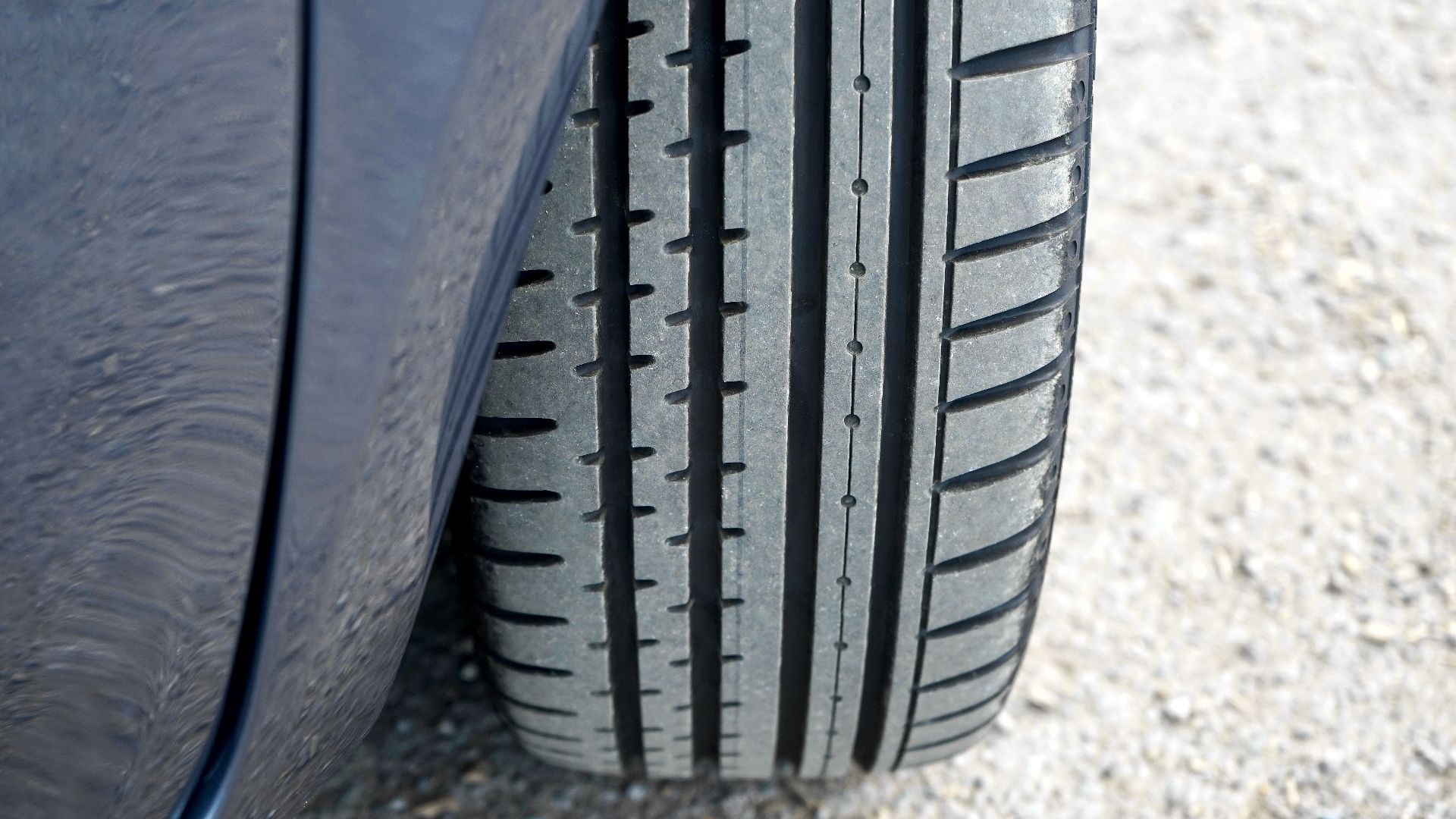
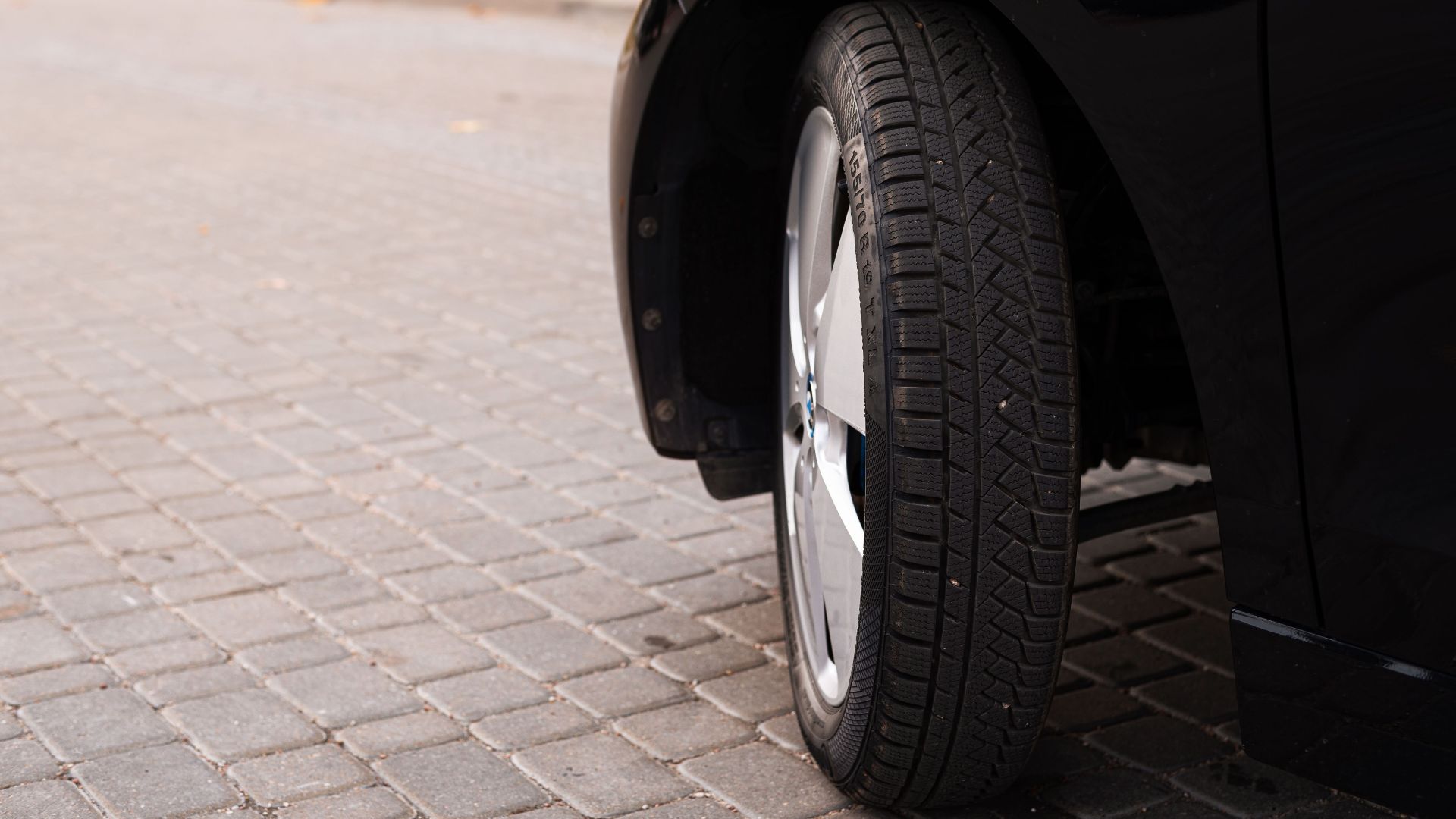
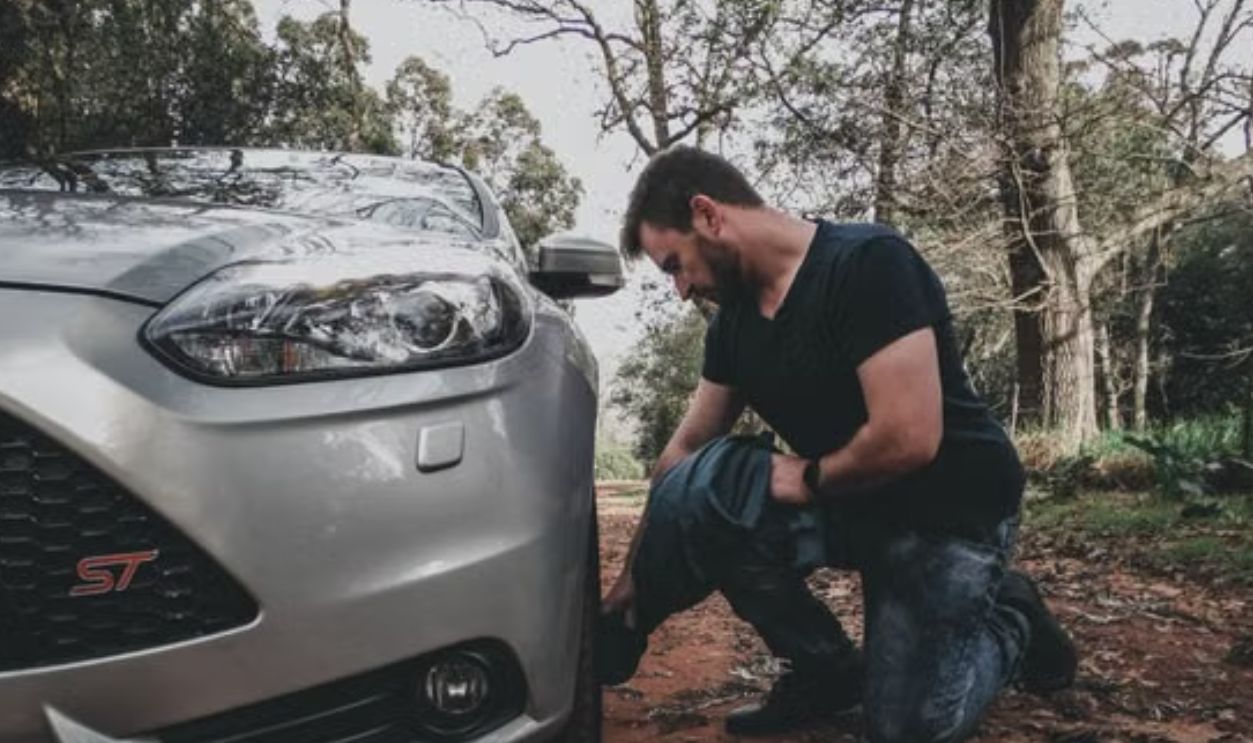
Don’t inspect the easiest front tire and declare everything perfect. Turn the steering wheel so you can see across the tread, then inspect all four corners. Inner-edge wear can hide remarkably well, especially on vehicles with suspension settings that naturally run noticeable negative camber.
Learn What Uneven Wear Means
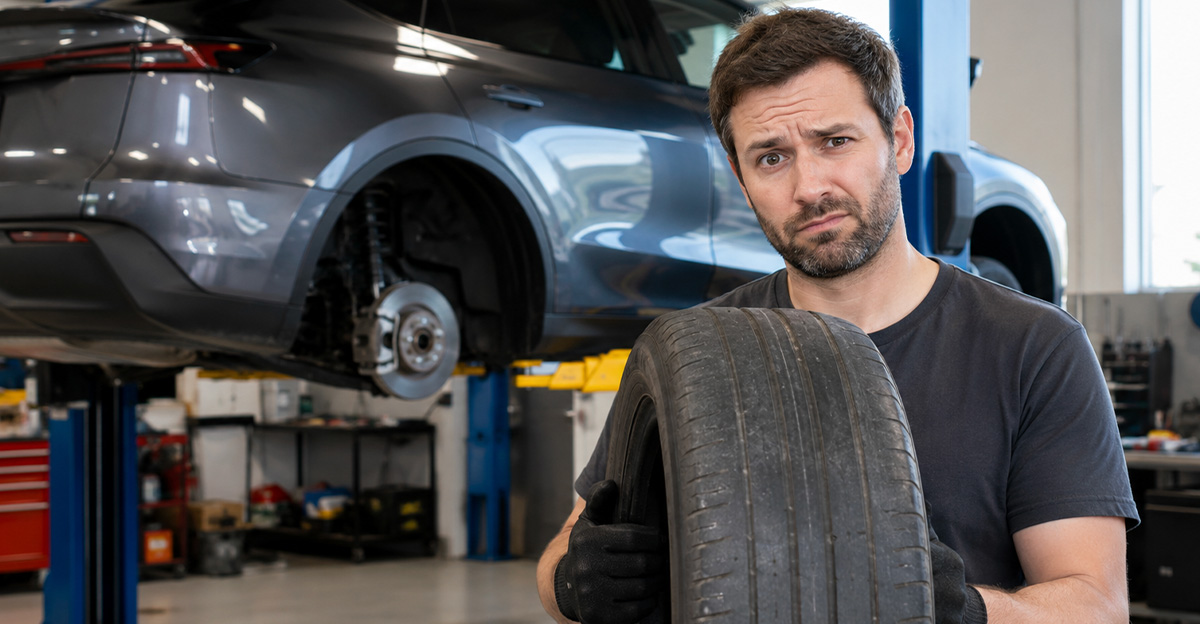
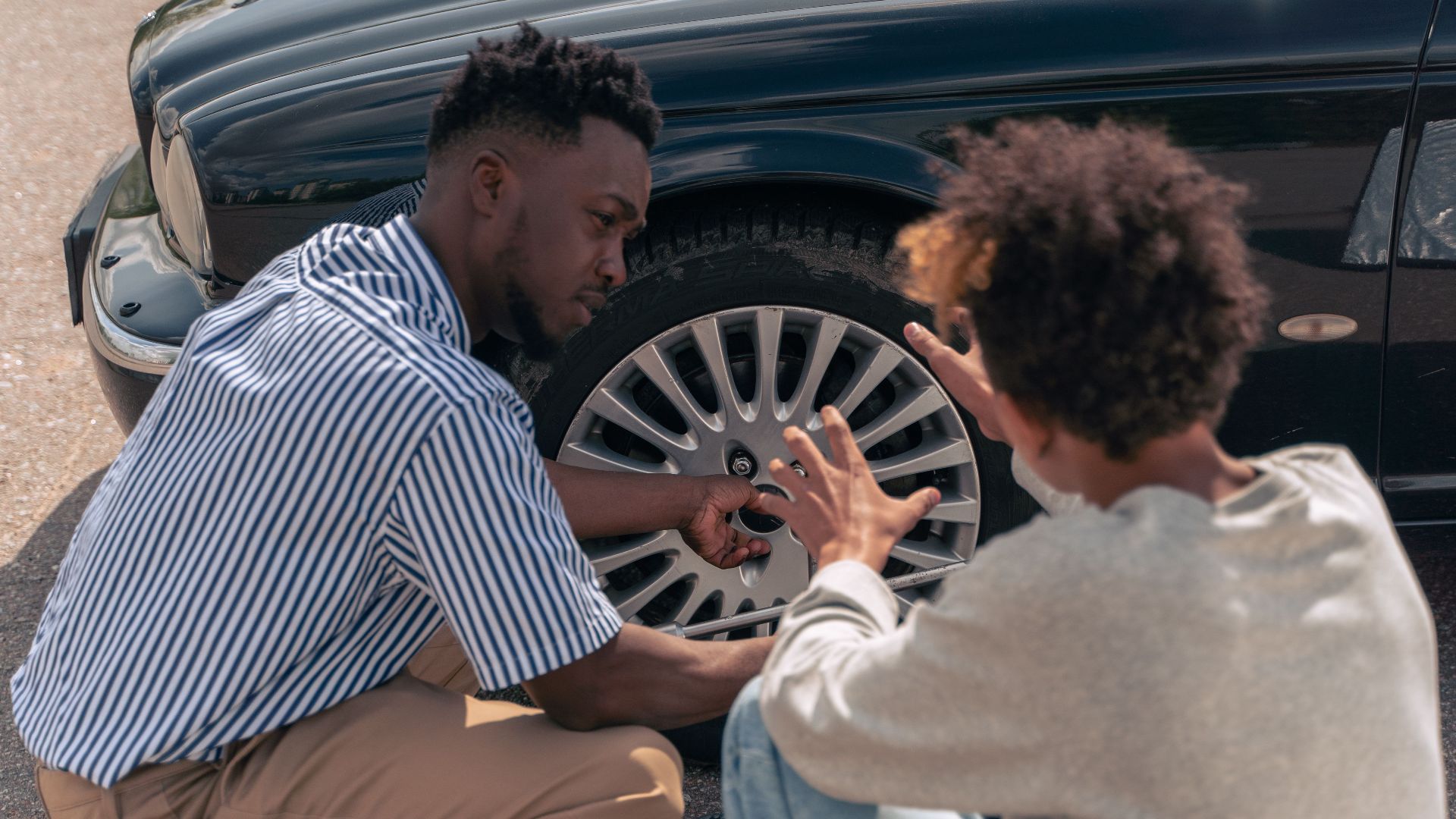
Wear in the center can suggest excessive inflation, while heavy shoulder wear may point toward low pressure or hard cornering. One-sided wear often suggests alignment trouble. Cupping or irregular patches can indicate suspension or balance problems. Your tread pattern is basically your car leaving maintenance clues.
Measure Instead Of Guessing
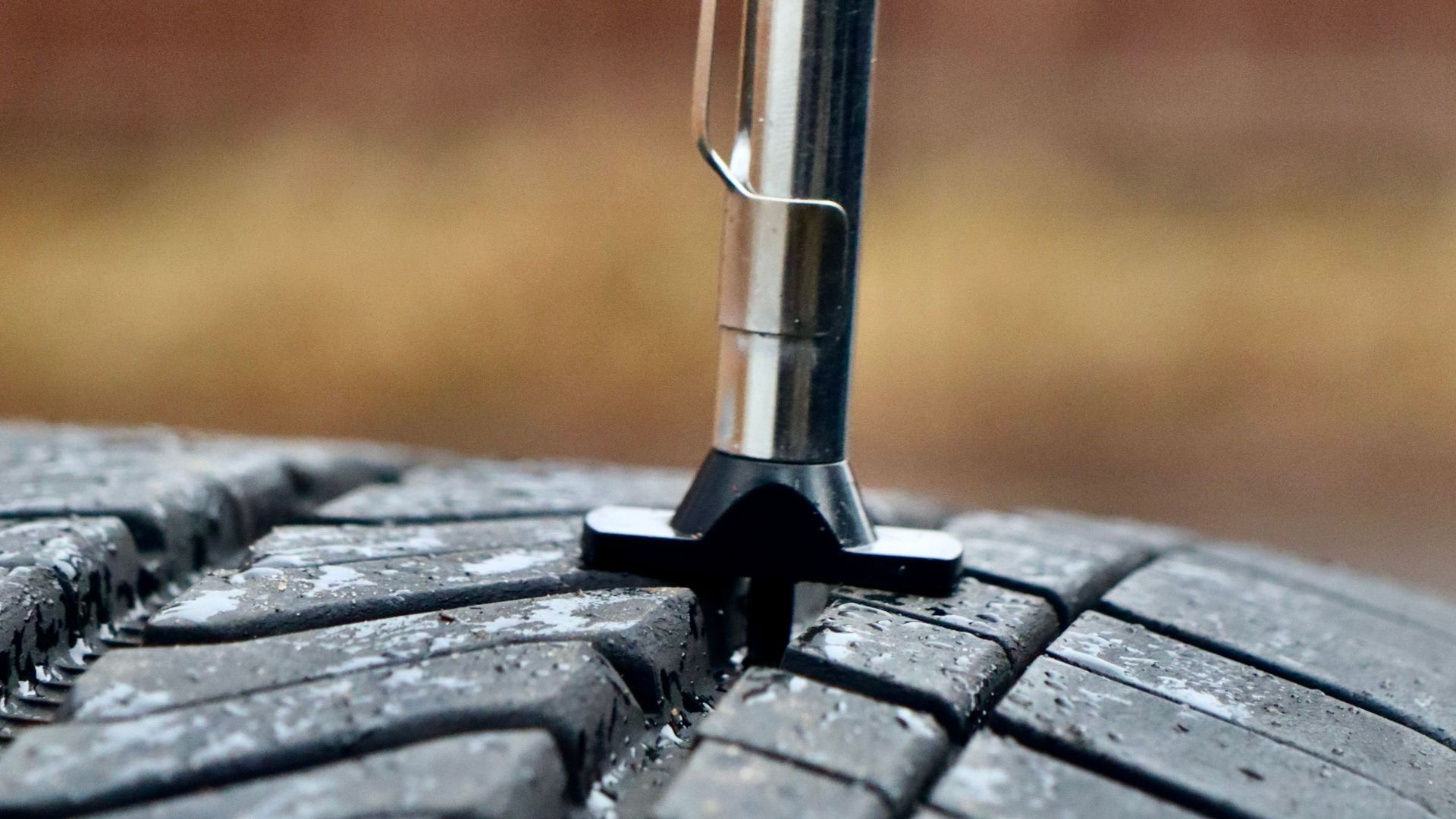
Tires can look healthy until you measure them. An inexpensive tread-depth gauge removes the guesswork and makes it easier to notice one tire wearing faster than the others. Consumer Reports recommends regular tread inspections because worn tires lose important wet-weather capability.
Do You Need Special EV Tires?
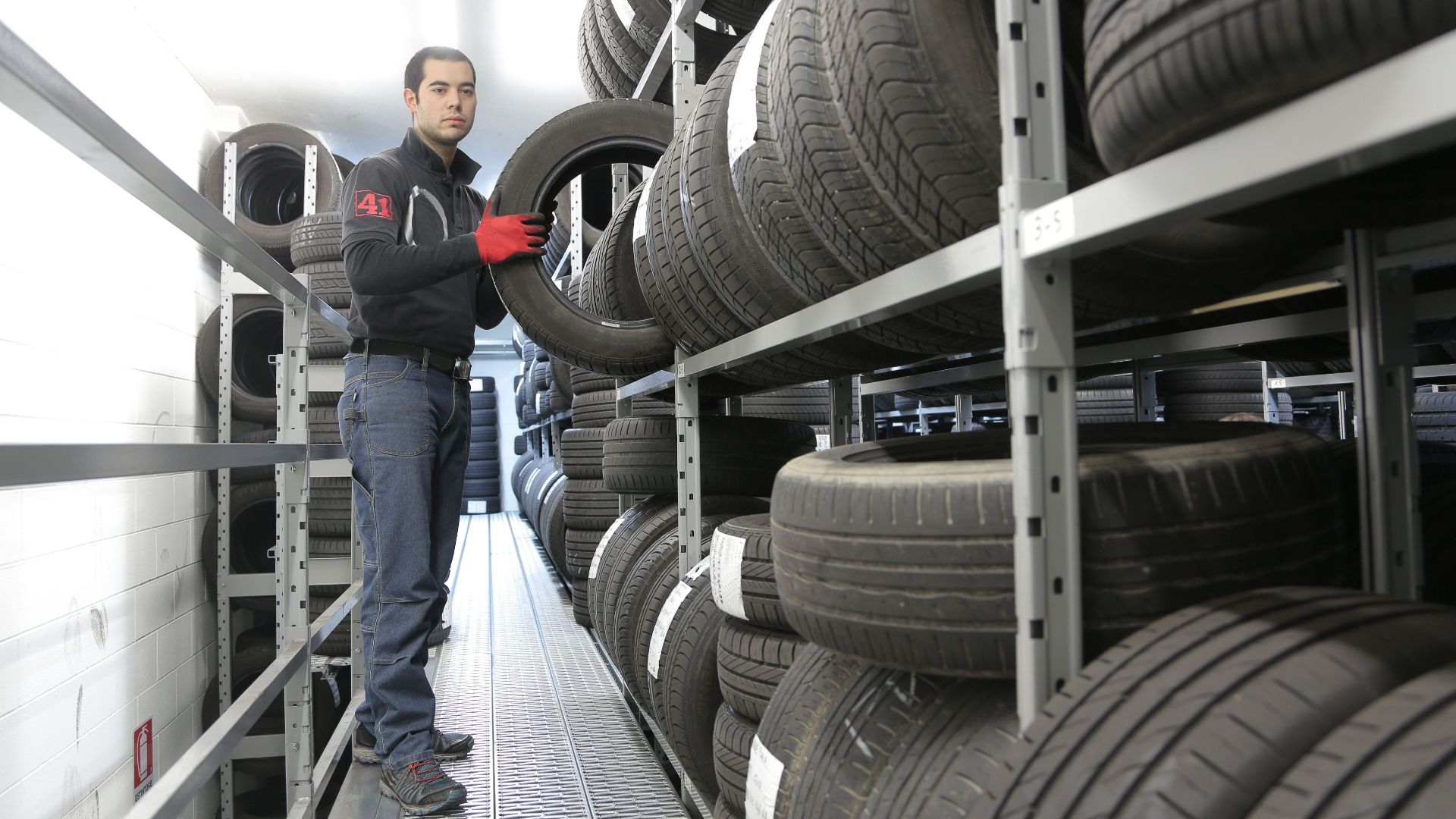
Not necessarily. What matters is buying tires that meet the vehicle manufacturer’s required size, load capacity, speed rating, and other specifications. EV-specific tires can offer worthwhile advantages, but simply having “EV” written somewhere in the marketing materials does not automatically make a tire superior.
Pay Attention To Load Ratings
Because many electric vehicles are heavy, they commonly use reinforced XL or HL tires capable of carrying greater loads. Installing a tire that doesn’t meet your vehicle’s requirements is not a clever money-saving trick. Always confirm that replacement tires meet the specifications required for your particular model.
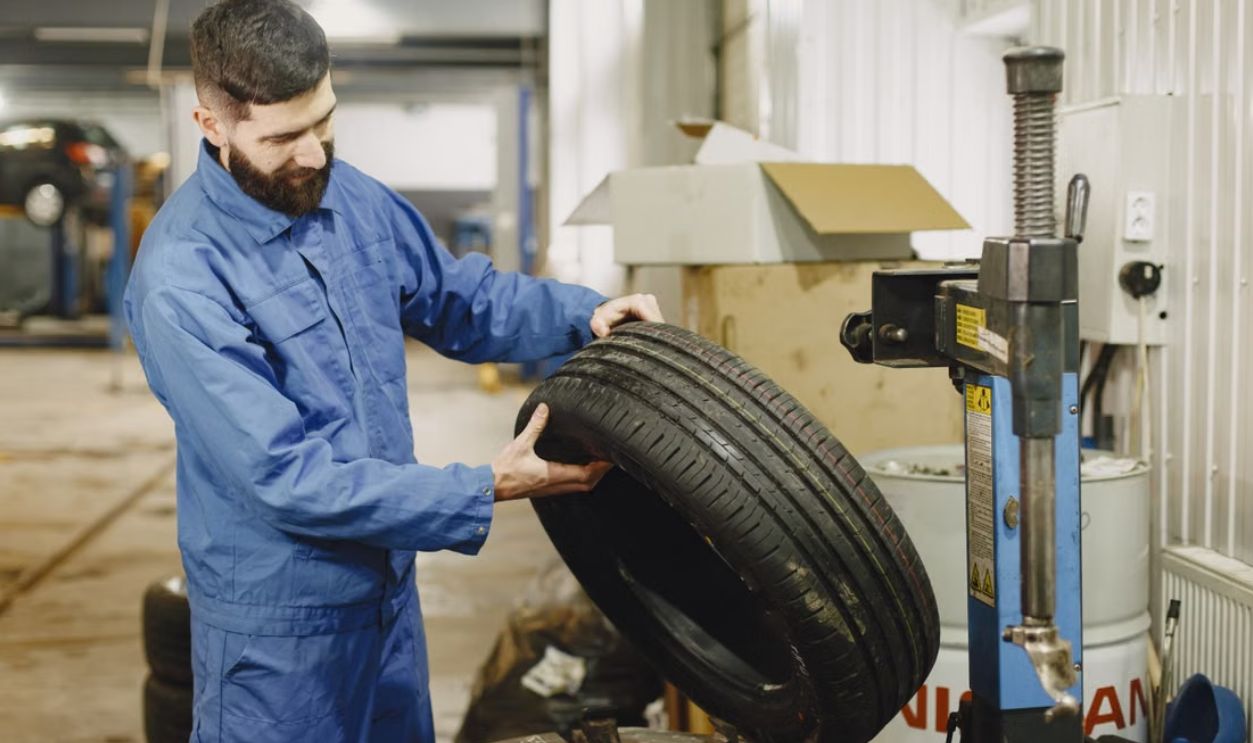
New Tires Can Affect Your Range
Different tires have different rolling resistance, meaning a replacement set can slightly change how efficiently your EV travels. A grippier tire might cost you some range, while an efficiency-focused design may stretch each charge farther. Decide which trade-offs matter most for your driving.
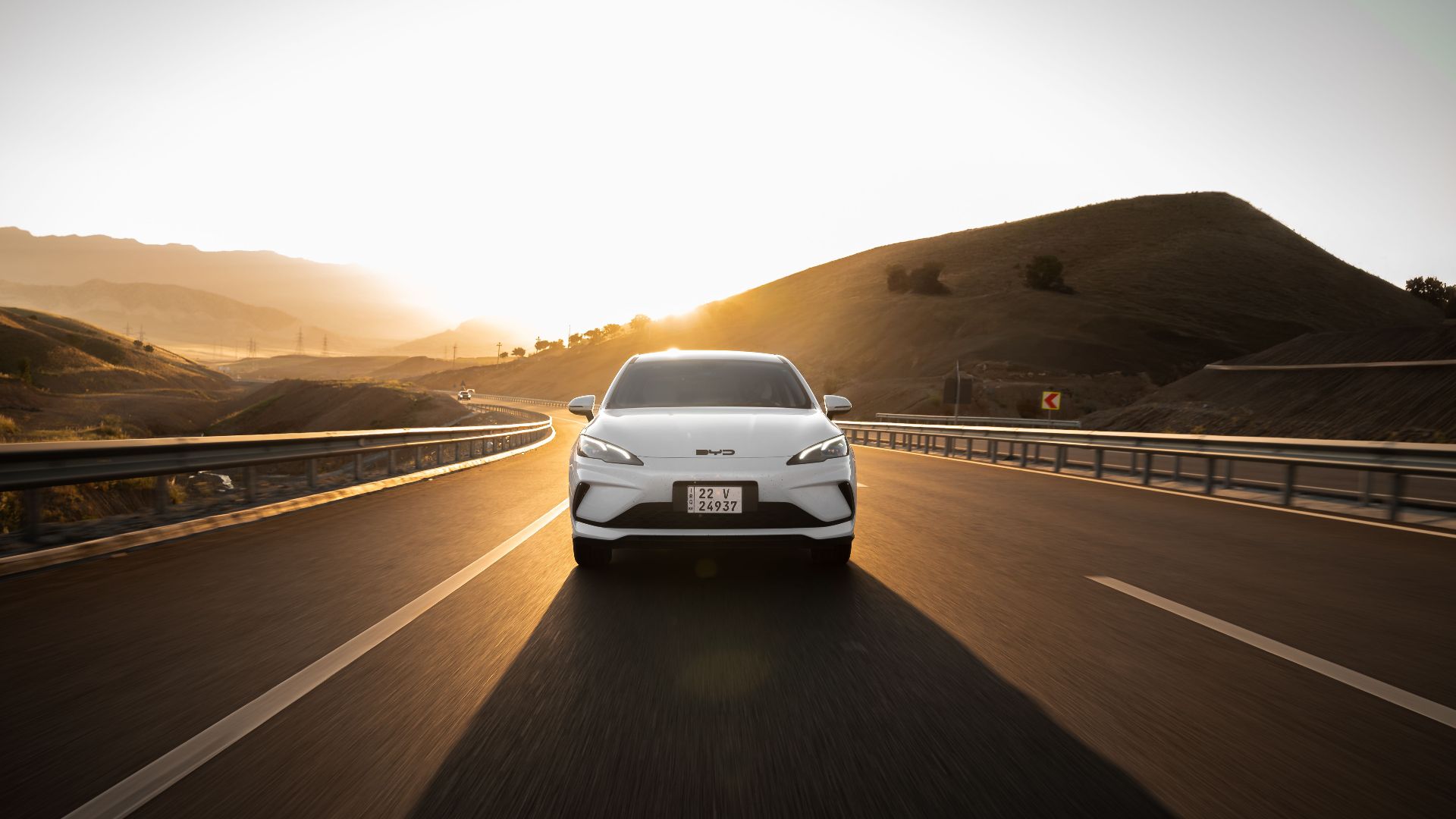
Quiet Tires Matter More In An EV
Without an engine rumbling away, road and tire noise suddenly become much easier to hear. Some EV-focused tires are engineered to reduce that noise. A perfectly suitable conventional tire may still sound noticeably louder inside an electric car, even if its grip and tread life are excellent.

Your Driving Route Matters Too
A commuter cruising straight down smooth highways may get very different tire life from someone constantly navigating steep hills, city intersections, rough pavement, and tight corners. Comparing your mileage with another owner online only tells you so much unless their driving conditions resemble yours.

Cold Weather Changes Tire Pressure
Temperatures dropping outside can reduce tire pressure, which makes regular checks particularly worthwhile during seasonal changes. Don’t assume the tire-pressure warning light is your maintenance schedule. Checking manually takes only a few minutes and can prevent months of driving around on improperly inflated rubber.
Tire Warranties Are Worth Reading
When replacement time arrives, compare treadwear warranties along with price, wet braking, winter grip, efficiency, and noise. A cheaper tire that disappears quickly may cost more over several years than a pricier option capable of lasting substantially longer. Tire value is about cost per mile, not just purchase price.

Budget For Tires Differently
EVs often reduce traditional maintenance because there are no oil changes and far fewer powertrain components demanding routine service. Tires can become one of the bigger recurring expenses instead. Consider putting some of those maintenance savings aside so replacement day doesn’t arrive as an unpleasant surprise.

Don’t Chase Maximum Tire Life
The longest-lasting tire isn’t automatically the best choice. Braking, wet grip, snow traction, handling, comfort, and efficiency matter too. Consumer Reports testing illustrates just how many trade-offs exist between tire designs. Saving tread isn’t much comfort if you sacrifice performance you genuinely need.
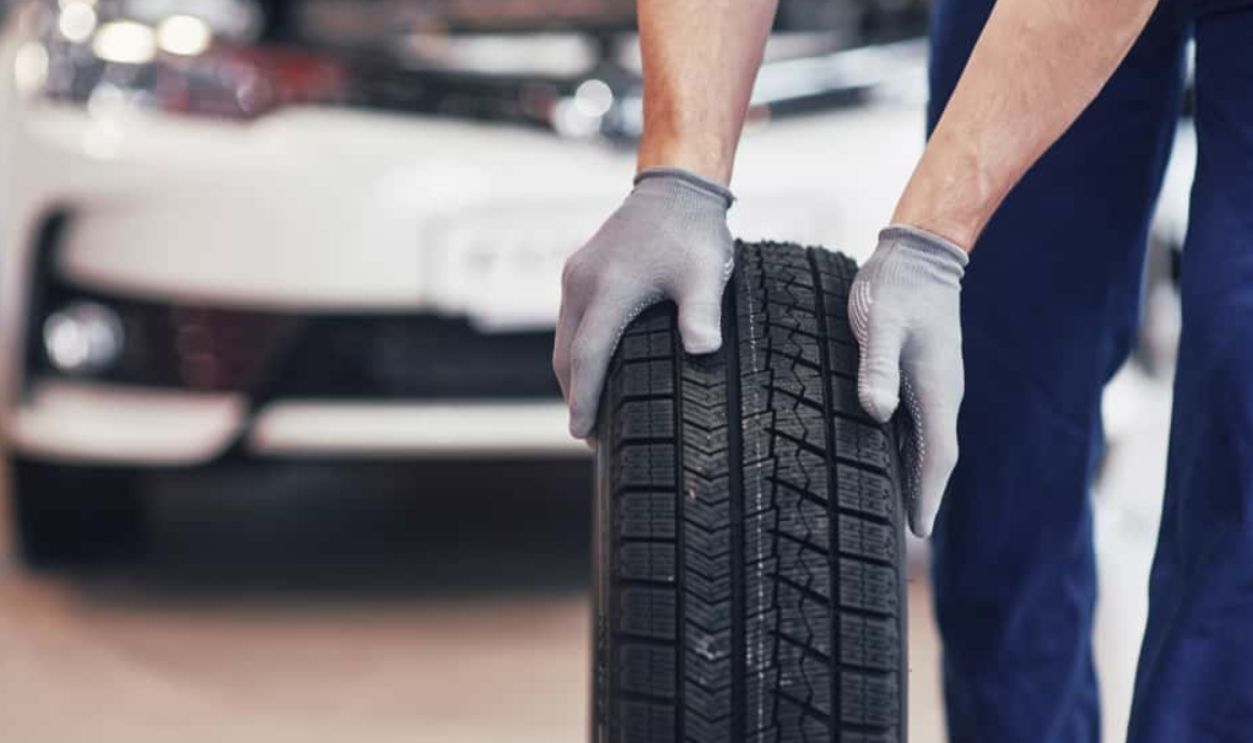
Enjoy The EV, Just Watch The Rubber
So yes, your electric car may genuinely be harder on tires—but rapid wear isn’t something you simply have to accept. Maintain the correct pressure, rotate when appropriate, watch alignment, choose replacements carefully, and resist launching from every stoplight. Your tires, wallet, and passengers will probably appreciate it.

You May Also Like:
Compact Cars From The 1990s That Were More Fun Than Anyone Admitted
Cars That Came This Close To Having Truly Terrible Names—Honestly, These Would’ve Been Awful