Your Used Car May Still Have An Invisible Passenger
You bought the car, took the keys, and drove it home. Then you discover the previous owner may still have it sitting inside an app on their phone, complete with connected features. Depending on the vehicle and services involved, that can mean access to information such as the car's location or even remote controls. How common is this? Is there anything you can do about it?
Yes, Tracking Can Be Possible
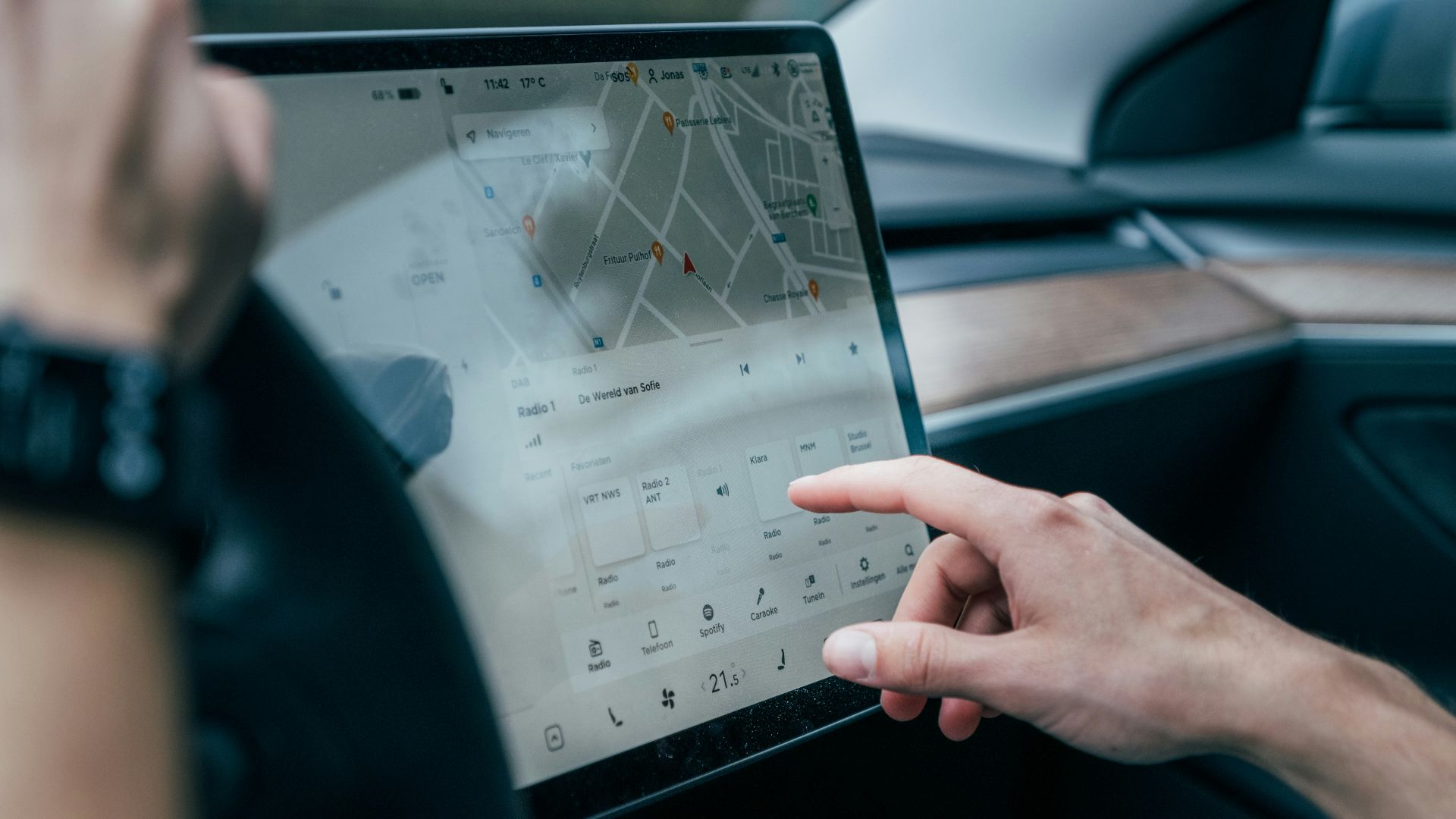
On some connected vehicles, an authorized app user can see the vehicle's location. Tesla specifically lists vehicle location information among the features available to additional drivers, while Chevrolet and Subaru advertise vehicle-location functions through their apps. So if a former owner's account remains properly authorized, your concern is not merely theoretical.
The App Can Do More Than Show A Map
Today's manufacturer apps can be surprisingly powerful. Depending on the make, model, equipment, subscription, and account permissions, they may offer remote locking and unlocking, starting, climate controls, vehicle-status information, alerts, or location services. What the old owner can actually do therefore depends heavily on your particular car.
Connected Cars Have Their Own Accounts
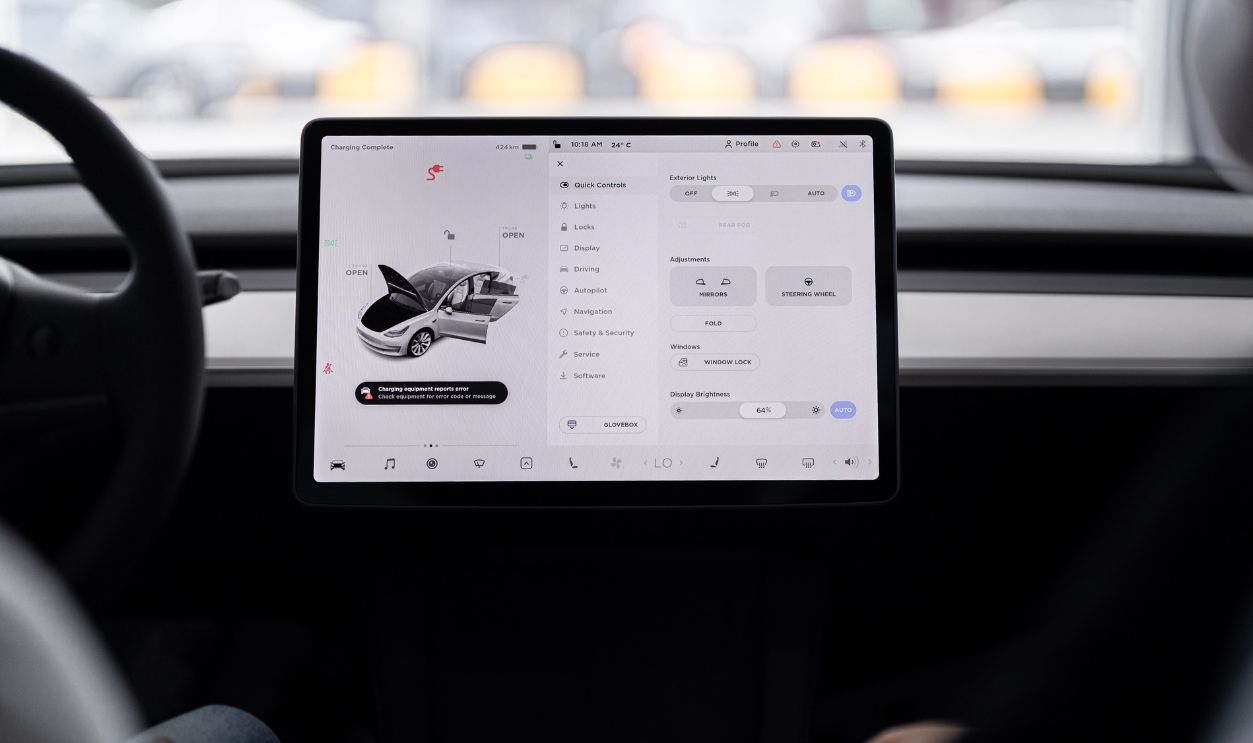
Think of the car less like an old stereo and more like a smartphone with wheels. Connected services can associate the vehicle's VIN and built-in cellular connection with an online owner account. Simply possessing both physical keys does not necessarily prove that every digital connection has been transferred.
Selling The Car Does Not Always End Access Automatically
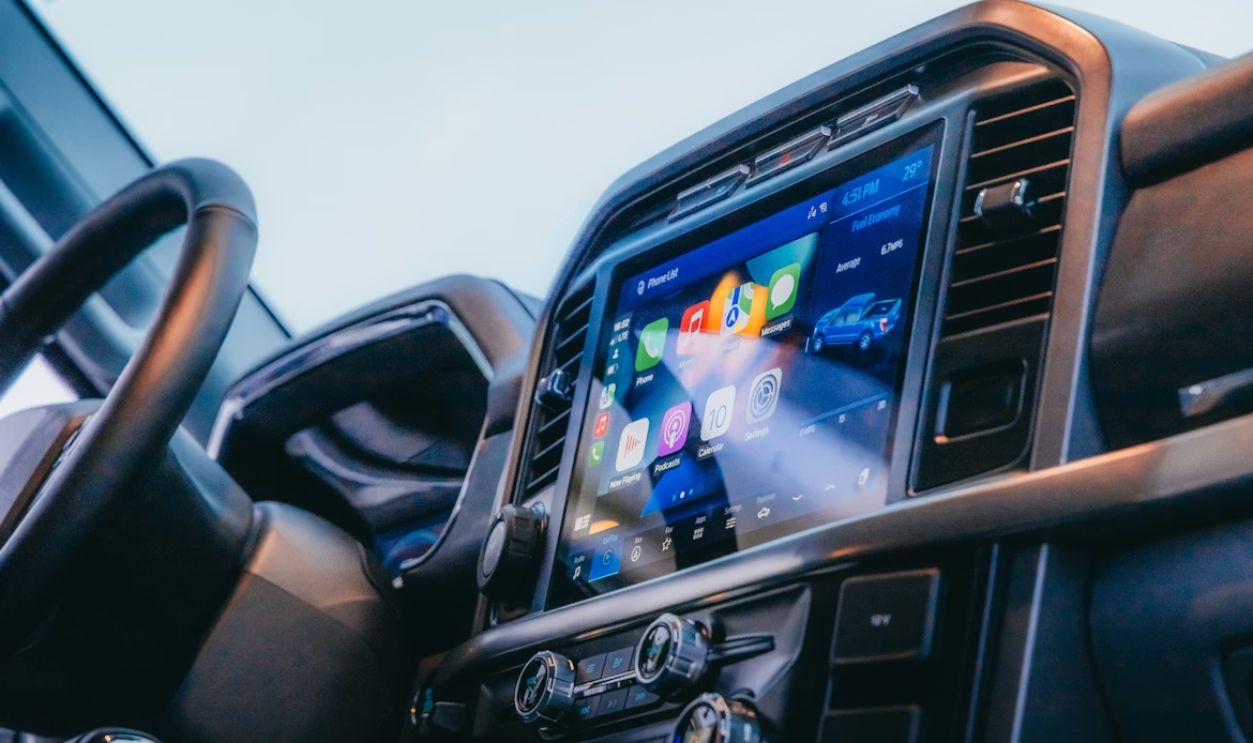
Manufacturers repeatedly tell sellers to remove or transfer their vehicle before handing it over. Volkswagen says owners selling a vehicle must delete it from their myVW account, while Mazda tells sellers to cancel connected services and factory-reset the vehicle. Those warnings exist because the digital side of selling a car requires its own cleanup.
Even Ford Warns Used-Car Buyers About This
Ford's current privacy guidance is unusually direct. It recommends performing a master or factory reset after purchasing or leasing a pre-owned connected vehicle. Ford says that reset disconnects modem-equipped vehicles from associated FordPass or Lincoln Way accounts, although certain connectivity devices may also require account-side removal of the VIN.
Your First Move Is To Claim The Car
Download your automaker's official app and see what it requires to register or claim the vehicle. The process varies by manufacturer and may involve the VIN, proof of ownership, an in-car reset, or help from customer support. If the system says the vehicle is still tied to somebody else, contact the manufacturer's connected-services team rather than assuming the problem will fix itself.

Tesla Makes The Ownership Issue Especially Clear
Tesla says buyers who purchase from a third party must claim ownership through the Tesla app. The process can require identification and proof of ownership, and the former owner may sometimes be asked to approve the transfer. Once ownership is transferred, Tesla says the previous owner's vehicle information and access are removed.
Tesla Also Separates Owners From Other Drivers
There is another detail worth checking once you gain access. Tesla owners can authorize additional drivers, and those drivers can receive most app functions, including vehicle access and location information. The primary owner can review and remove those drivers through the app.

General Motors May Require A Phone Call
GM vehicles add another layer because connected features can be tied to OnStar as well as the owner's GM account. If a used Chevrolet, Buick, GMC, or Cadillac still appears connected to somebody else's account, OnStar or GM customer support can help sort out the account association. That is a better solution than endlessly trying different buttons in the app.
GM Apps Can Have Real Remote Powers
The myChevrolet app can offer controls such as remote climate or start, locking and unlocking, vehicle-status information, and location features on compatible vehicles. GM also allows certain vehicle services to be shared with other family members. Once you control the account, checking for any shared access is therefore worth doing.
Volkswagen Has A Straightforward Kill Switch
Volkswagen says performing a factory reset can cancel connected-service subscriptions and vehicle pairing with a myVW account, terminating access to connected-vehicle data. VW also allows the primary account holder to remove additional users. That makes both the car's touchscreen and its online account important places to check.
Subaru Owners Should Check Their Accounts Too
Subaru's connected services can include features such as remote starting, locking, unlocking, vehicle alerts, and locating the vehicle. Subaru also provides a process for owners who no longer possess a vehicle to mark it as one they no longer own. If you have just bought a used Subaru, setting up your own MySubaru account is therefore more than a convenience.

A Factory Reset Is Usually A Smart Step
Connected-car privacy is not limited to the manufacturer's phone app. The infotainment system may also contain paired phones, Wi-Fi information, saved profiles, contacts, and other information left behind by the previous driver. Automakers including Ford, Volkswagen, Subaru, and Mazda specifically recommend resets when protecting personal information or changing ownership. Tesla handles much of the same cleanup through its account-based ownership-transfer process.
But Do Not Assume Every Reset Works The Same Way
A factory reset is not a universal magic button. Different manufacturers handle accounts, subscriptions, cellular modems, and authorized users differently, and some require additional account-side steps or customer-service assistance. Follow the instructions for your exact model instead of relying on a generic internet tutorial.
Clean Out The Old Driver's Personal Data
Even if remote access has already been disconnected, the previous owner's digital leftovers may still be inside the cabin. Subaru says information such as navigation destinations and driver profiles can remain stored locally in the multimedia system until deleted, and Ford says resets can remove things like paired-device names and imported contacts. Starting fresh protects both you and the seller.
Then Check Who Is Authorized
Once the vehicle appears in your account, look for sections labeled drivers, users, family members, vehicle access, profiles, or something similar. Tesla, Volkswagen, BMW, and GM all have systems that can permit additional users or drivers under certain circumstances. Remove any person you do not recognize or no longer want connected.
BMW Has Primary And Secondary Users
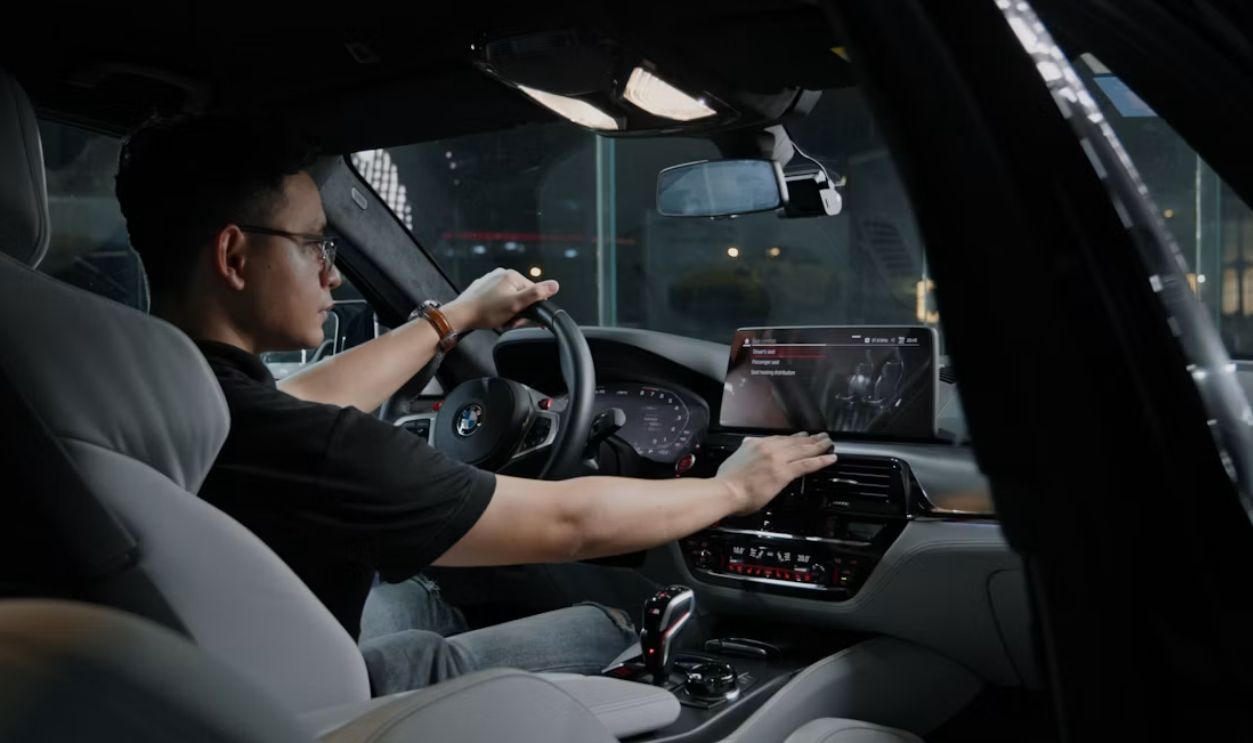
BMW provides another good example of why merely adding yourself may not be the end of the job. Depending on the vehicle, one BMW ID can be the primary user while other BMW IDs remain as secondary users with more limited rights. BMW says the primary user can view, manage, and delete saved secondary users from the My BMW App.
Change Your Own Account Security Too
Once the car is firmly attached to your account, protect that account like you would any other service capable of accessing something valuable. Use a password you do not reuse elsewhere and turn on stronger authentication when the manufacturer offers it. GM, for example, uses multi-factor authentication in its mobile-app sign-in process.
Location Data Deserves Special Attention
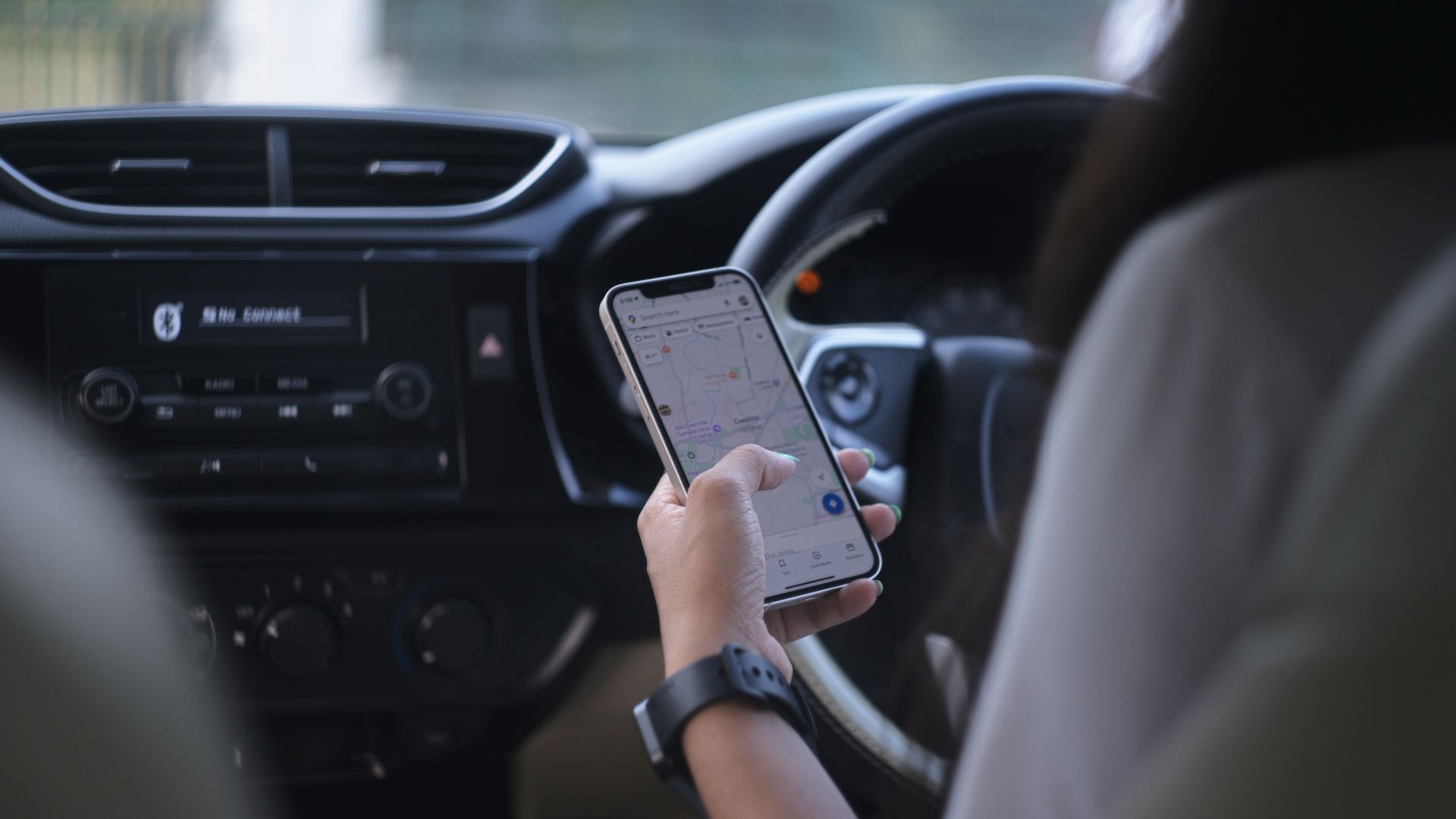
Connected vehicles can produce sensitive information about where they travel. In 2026, the Federal Trade Commission finalized an order settling allegations that GM and OnStar collected, used, and sold precise location and driving-behavior data without properly informing drivers or getting their permission. That case involved corporate data practices rather than former owners, but it shows why control over vehicle data should be taken seriously.
Do Not Forget The Physical Infotainment System
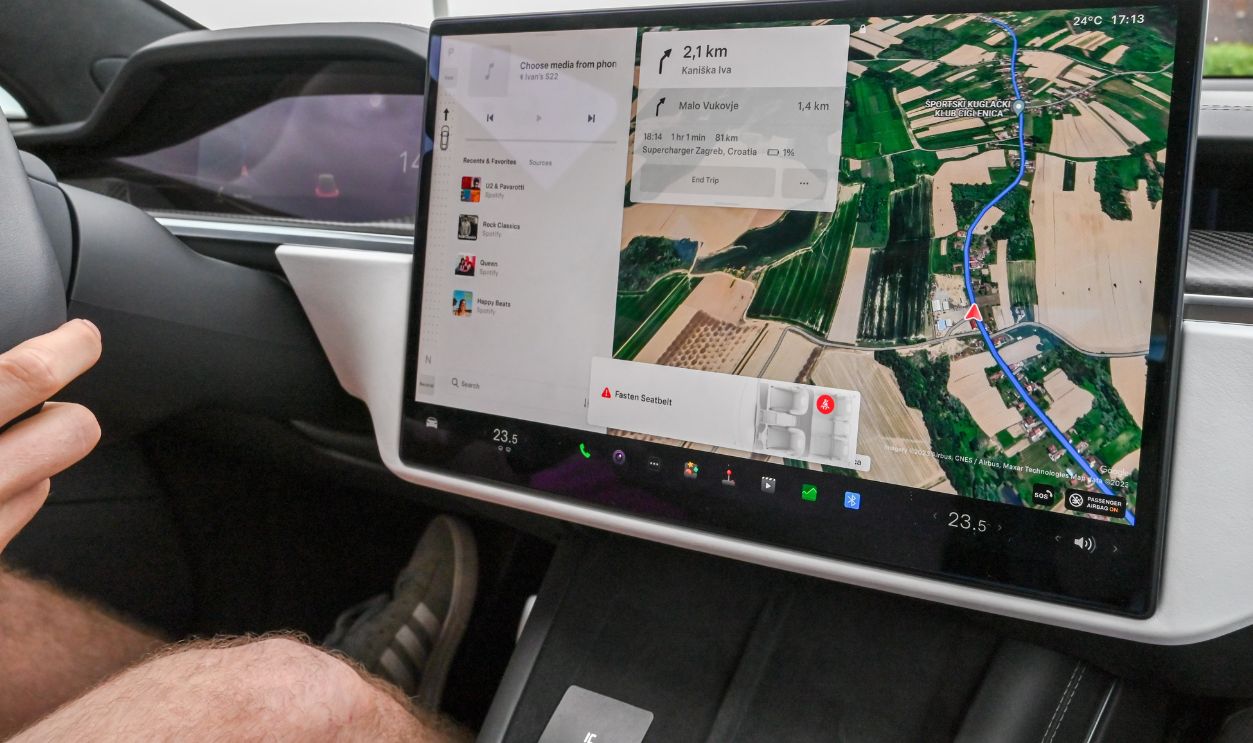
Open the car's phone, Bluetooth, profile, navigation, and connectivity menus. Delete devices, profiles, home addresses, garage-door information, or other entries that clearly belong to somebody else where your vehicle allows it. A proper factory reset will often handle much of this at once, but reviewing the system afterward confirms that the cleanup actually happened.
The Dealership May Be Able To Help
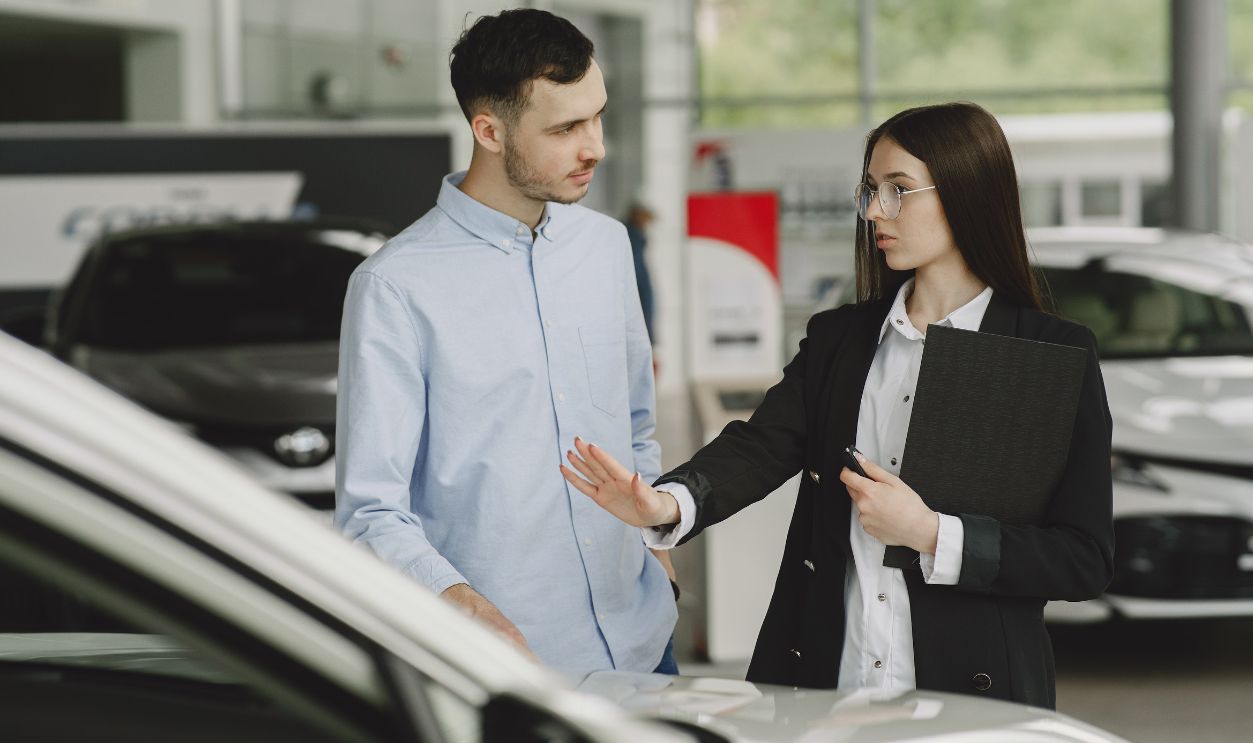
If you bought from a dealer and cannot register the vehicle because another person still controls its connected account, call the dealer that sold it to you. They may be able to help document the ownership change or direct you to the automaker's connected-services support team. Ultimately, however, the manufacturer may be the only one capable of removing the old account from the vehicle.
Keep Your Proof Of Ownership Handy
Do not be surprised if customer support asks you to prove that the car really belongs to you. Tesla, for example, may require identification plus documentation such as registration, title, temporary registration, or a bill of sale when processing a third-party ownership claim. Those safeguards make sense when the request could grant remote access to a vehicle.
What If You Cannot Contact The Seller?
You are not necessarily stuck. Tesla says it can review an ownership claim even when the buyer cannot contact the previous owner, while GM provides an OnStar support route for account-association problems. The important thing is to escalate through the manufacturer's official support process instead of assuming nothing can be done.
What If The Former Owner Is Deliberately Watching You?
That is different from discovering an innocent forgotten account. Save screenshots or other evidence showing unexplained access, alerts, account changes, or messages, and contact the manufacturer immediately to have access removed. If you reasonably believe someone is using vehicle technology to harass, threaten, or stalk you, consider contacting local law enforcement and avoid confronting the person alone.
Disconnecting The Car May Temporarily Cost Features
Some resets or account changes can cancel subscriptions or require connected services to be activated again. Volkswagen warns that a factory reset cancels connected-service subscriptions, while Tesla says removing a vehicle cancels paid subscriptions and can permanently end certain account benefits. Read the confirmation screens before pressing the final button so you know what will need to be restored afterward.
Do Not Confuse Bluetooth With Remote Access
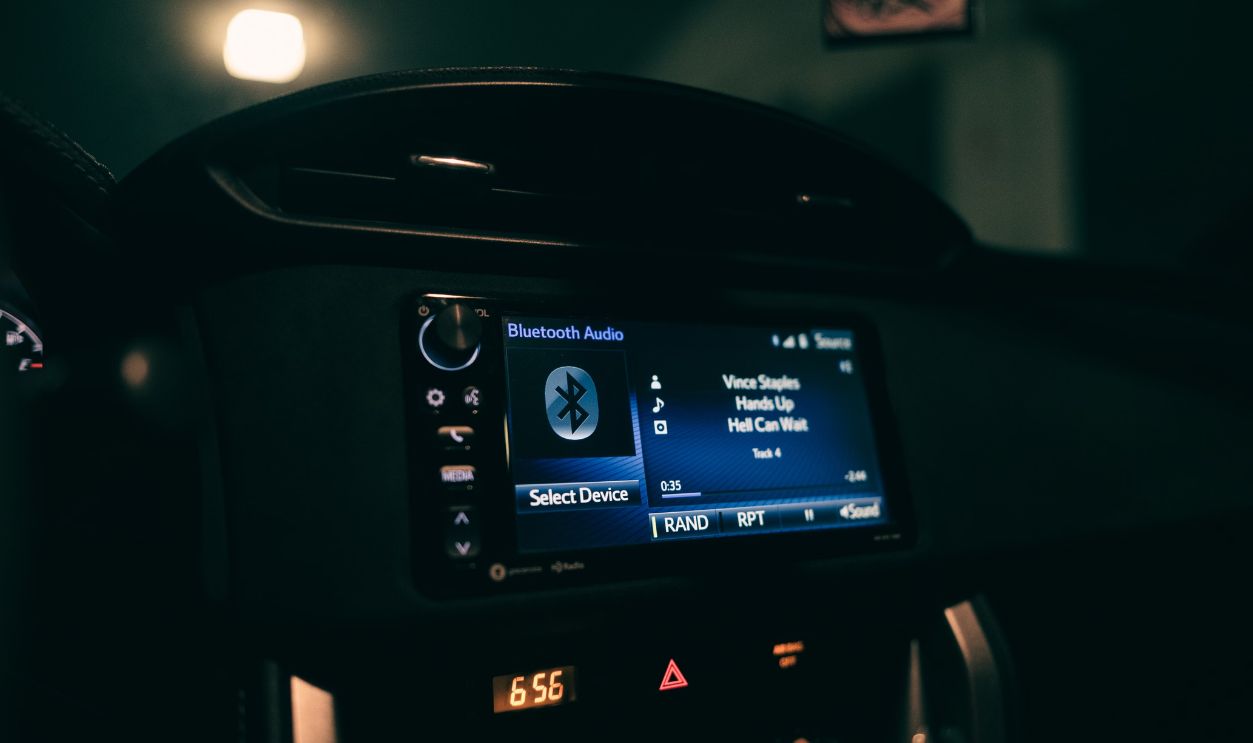
Deleting the seller's old phone from Bluetooth is good housekeeping, but it does not necessarily disconnect the vehicle from a cloud-based manufacturer account. Ford specifically warns that deleting an app from a phone does not disable vehicle data sharing and gives separate instructions for disconnecting associated accounts. The important connection may live far beyond the dashboard's list of paired phones.
Sellers Should Do This Before Handing Over The Keys
If you eventually sell the car yourself, remember what happened here. Remove the vehicle from your manufacturer account, end or transfer relevant connected services, remove authorized users, and perform the recommended reset before delivery. Automakers including Ford, Volkswagen, Mazda, Tesla, and Subaru all provide guidance intended to prevent ownership and privacy problems after a vehicle changes hands.
Treat Digital Ownership Like The Title And Keys
A modern used-car handoff really has three parts: the paperwork, the physical keys, and the digital connection. Most buyers would never accept a situation where the seller secretly kept an extra key, yet an old app connection can be easy to overlook because you cannot see it. Claim the vehicle, reset it according to the manufacturer's instructions, remove unknown users, and contact connected-services support if anything still looks wrong.
The Bottom Line
Yes, a previous owner may be able to locate or remotely interact with some connected vehicles if their account access was never properly removed. Exactly what they can see or control depends on the car and service, but manufacturers clearly recognize ownership-transfer and privacy risks and provide tools for dealing with them. Do not panic, but do not leave the connection sitting there either. Take over the car's digital identity just as carefully as you took over its title and keys.

You May Also Like: