So, Do Your Neighbors Have A Case?
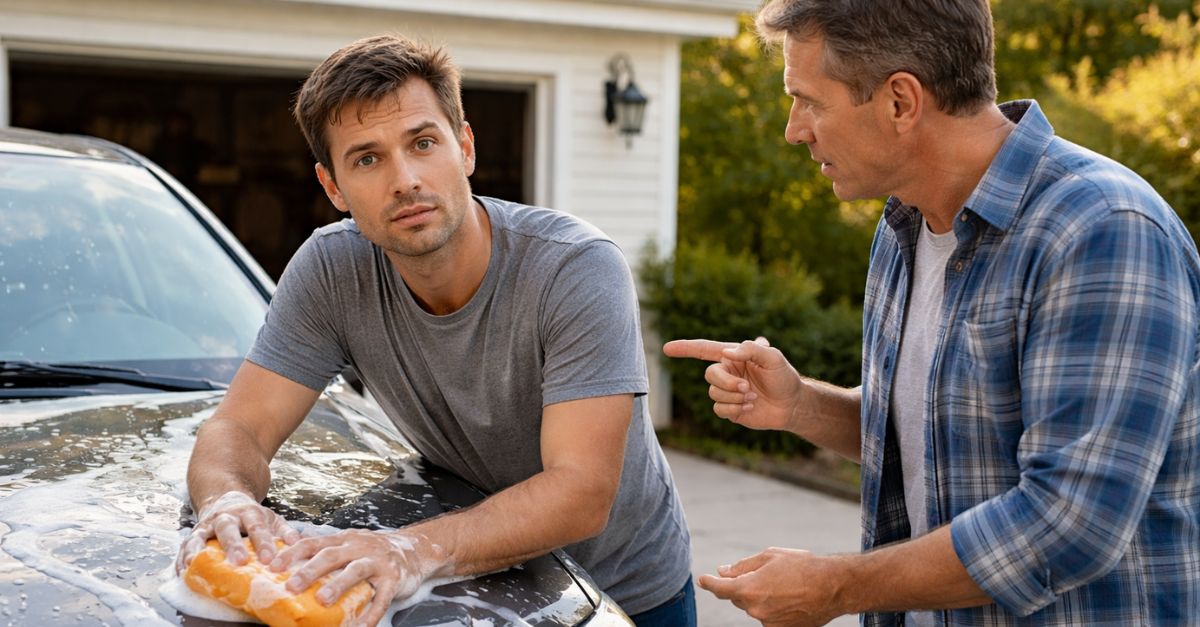
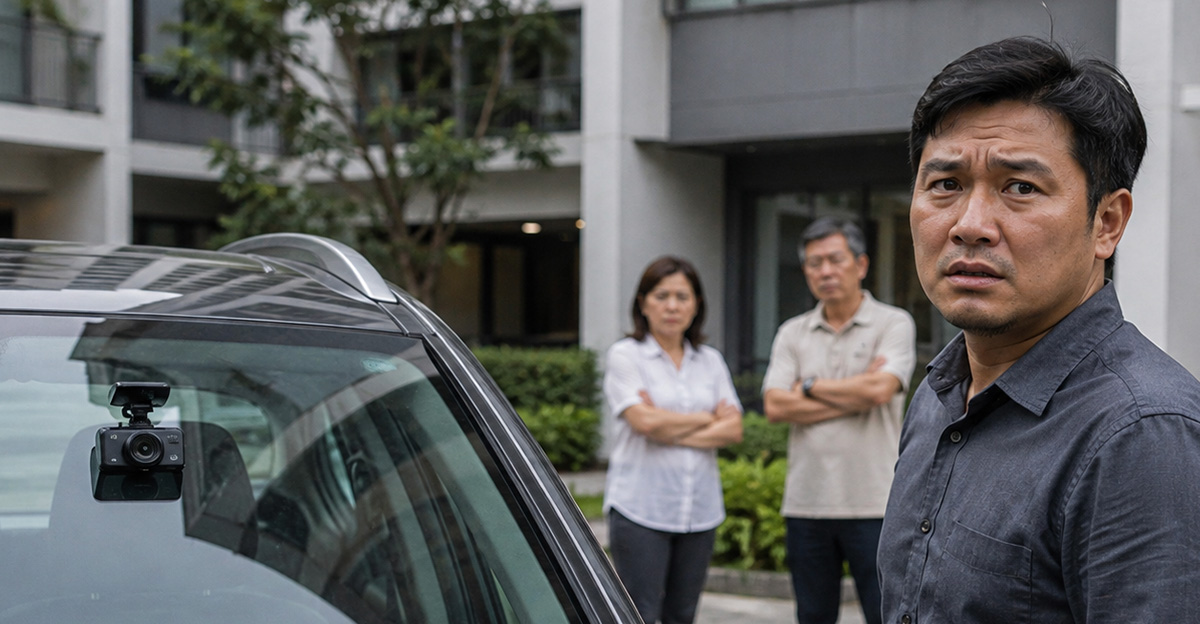
Your car is parked, its built-in security camera spots someone walking past, and suddenly you’re starring in a condo-board dispute. It feels ridiculous: they were outside, and the camera came with the car. But privacy disputes are rarely that simple. Here’s what actually matters.
The Short Answer Is Maybe
Your neighbors do not automatically have a winning case simply because your car recorded them. But you cannot automatically dismiss their complaint either. Where the car is parked, what the camera captures, whether it records audio, and your condo’s rules can all change the answer.

Being Visible Doesn't End The Debate
Walking through a visible outdoor area generally creates less privacy expectation than sitting inside your home. Still, privacy regulators recognize that video surveillance can become intrusive depending on how and why it is used. Recording someone incidentally is one thing; deliberately monitoring them is another.

Condo Property Changes The Equation
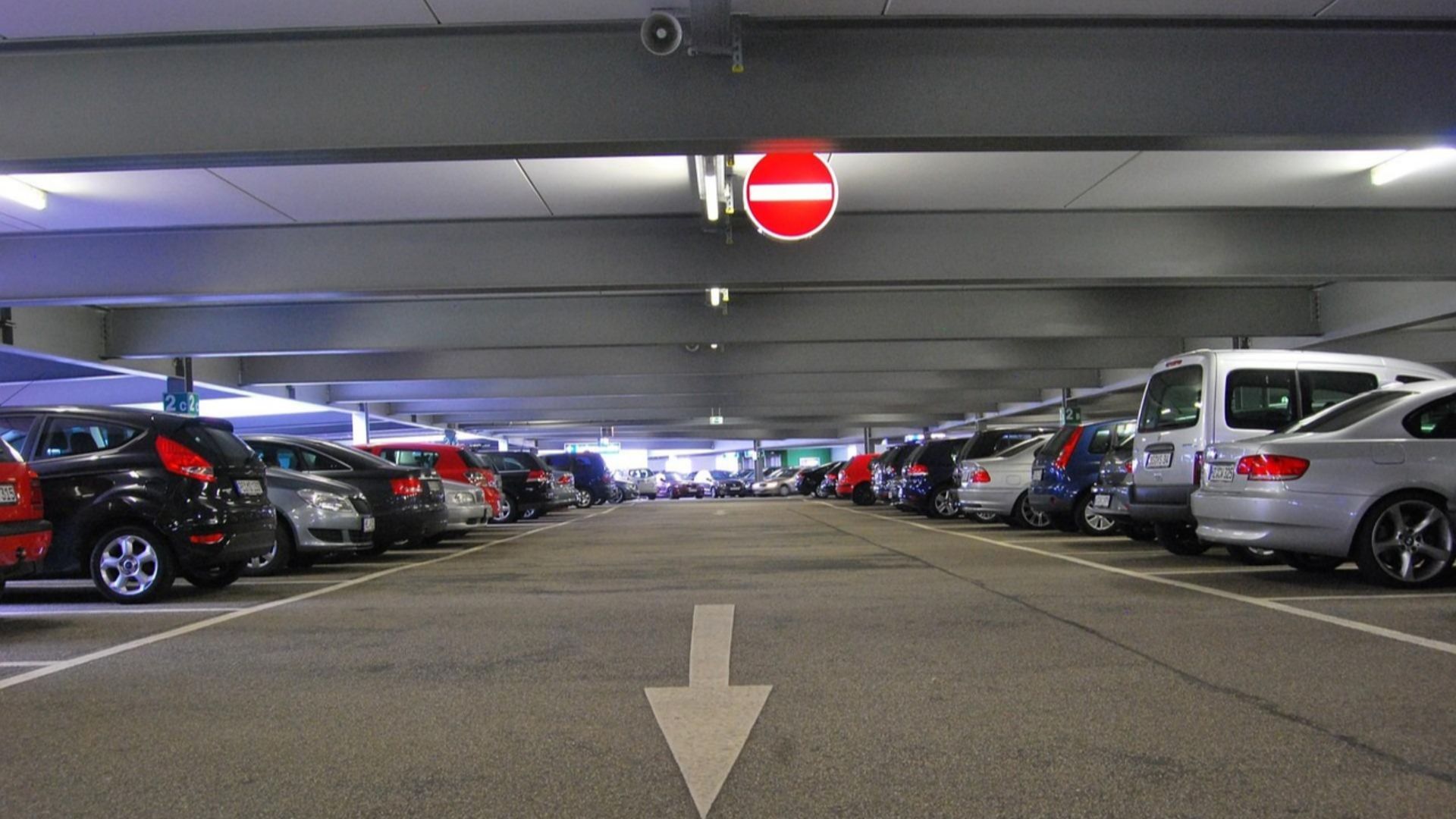
A condo parking garage, driveway, or underground lot may feel public because dozens of people use it, but legally it can be common property. In Ontario, for example, hallways, elevators, and other shared spaces are considered common elements managed under the condo’s governing structure.
The Board Has Its Own Rulebook
This may not even be primarily a privacy-law fight. Condo declarations, bylaws, and rules can regulate what residents do on the property. Ontario’s Condominium Authority notes that condo rules can address conduct interfering with other residents’ use and enjoyment of the property.

Your Camera's Purpose Matters
A security system designed to catch vandals, hit-and-run drivers, or people messing with your car is easier to defend than a camera deliberately positioned to watch one particular resident. Intent is not everything, but the difference between protecting your car and monitoring Steve from Unit 405 matters.
 Danielrayyan09, Wikimedia Commons
Incidental Recording Helps Your Argument
Suppose someone walks behind your car on the way to the elevator and appears on camera for six seconds. That looks much more like incidental security footage than personal surveillance. The fact that pedestrians happen to enter the camera’s field of view can be an important distinction.

Pointing It At One Neighbor Hurts
Now imagine your car is always parked so the camera points directly at your neighbor’s front door. You save every clip and know exactly when they leave for work. Suddenly, “I’m just protecting my car” sounds considerably less convincing. Camera placement can change the whole story.
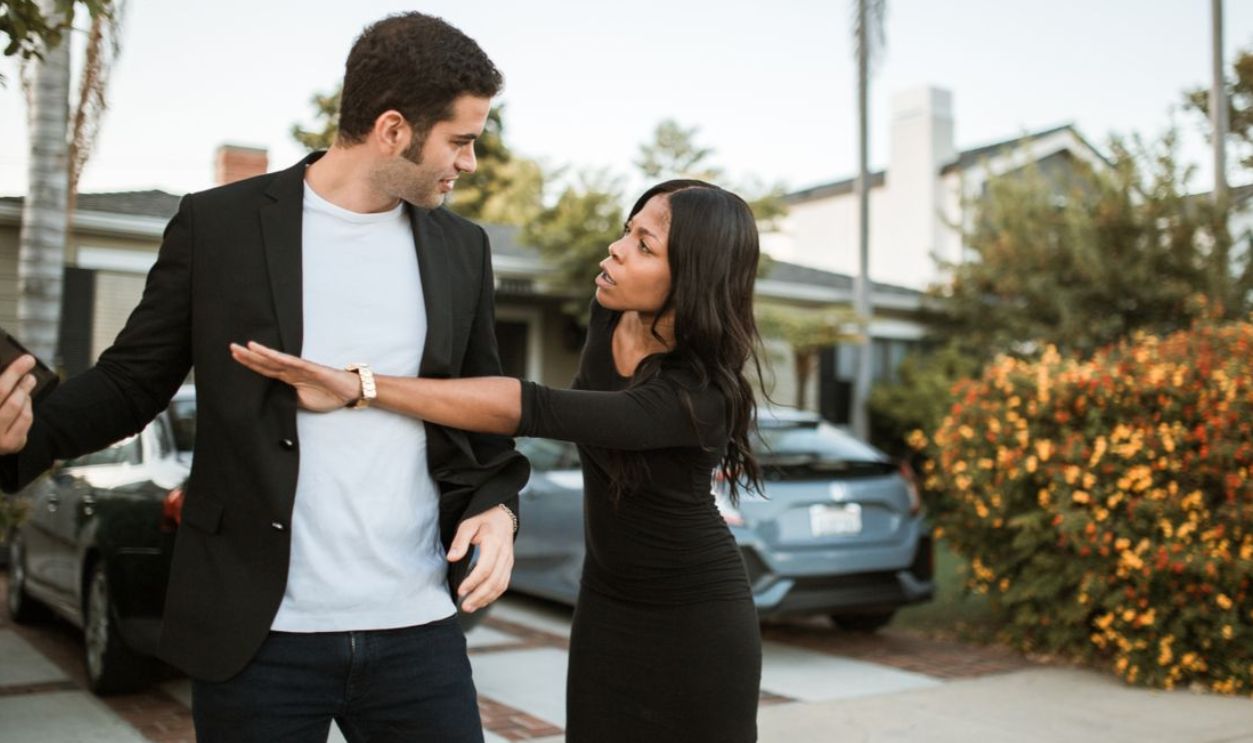
Audio Is The Bigger Trap
Video gets most of the attention, but microphones deserve extra caution. Laws governing private communications can be stricter than rules involving ordinary images. In Canada, the Criminal Code generally restricts interception of private communications unless a legal exception applies, including certain situations involving consent.

Check Whether Audio Is Actually Enabled
Don’t assume you know what your car records. Open the vehicle’s privacy and security settings and find out whether parked-camera footage contains sound. If audio recording can be disabled while keeping the security cameras working, turning it off may eliminate one potentially messy issue immediately.
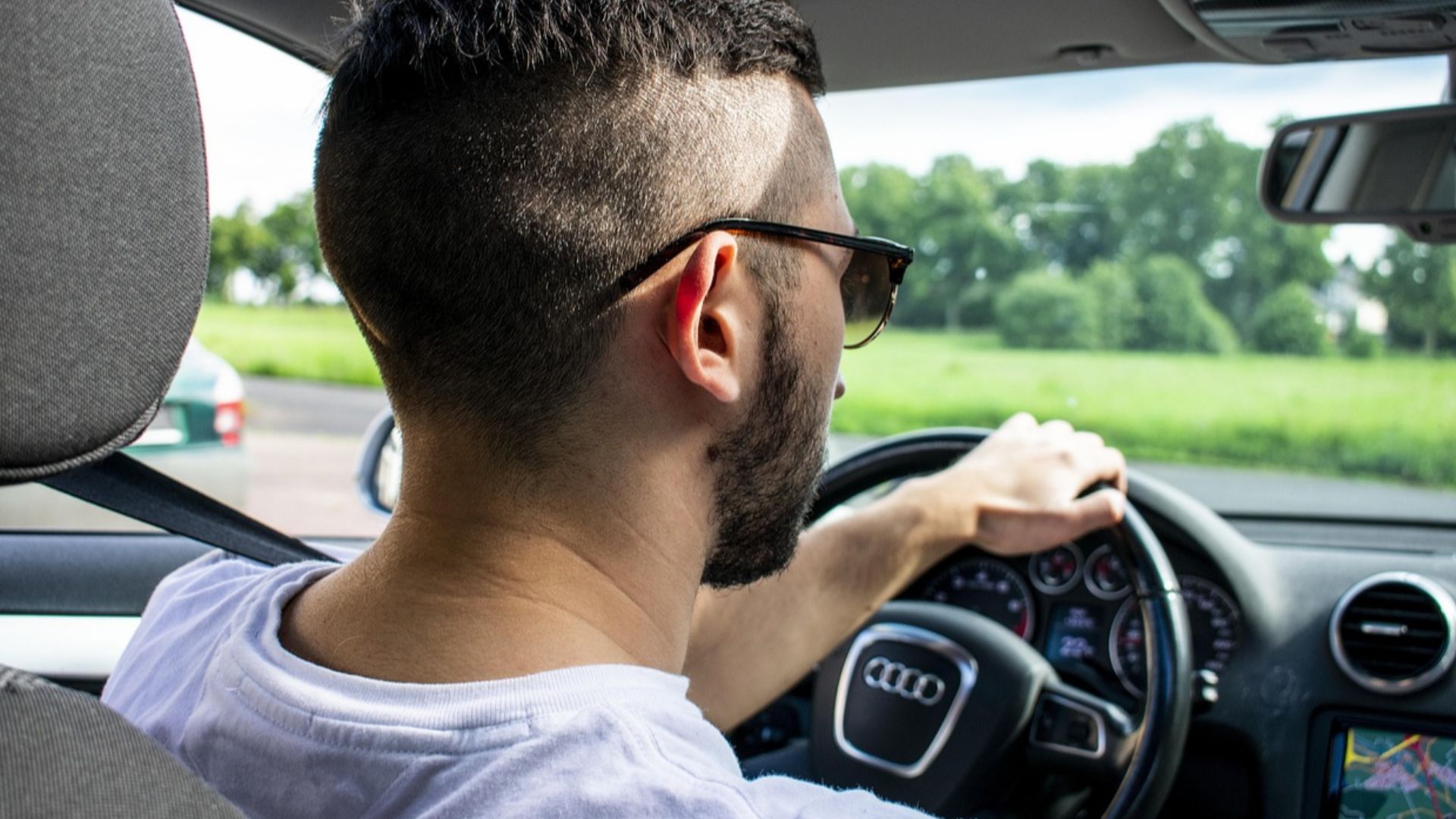
Windows Are A Major Red Flag
A camera catching someone walking beside your car is one thing. A camera seeing through an apartment window is something else entirely. Privacy concerns become much stronger when technology captures people in places where they reasonably expect considerably more privacy than they would in a parking area.

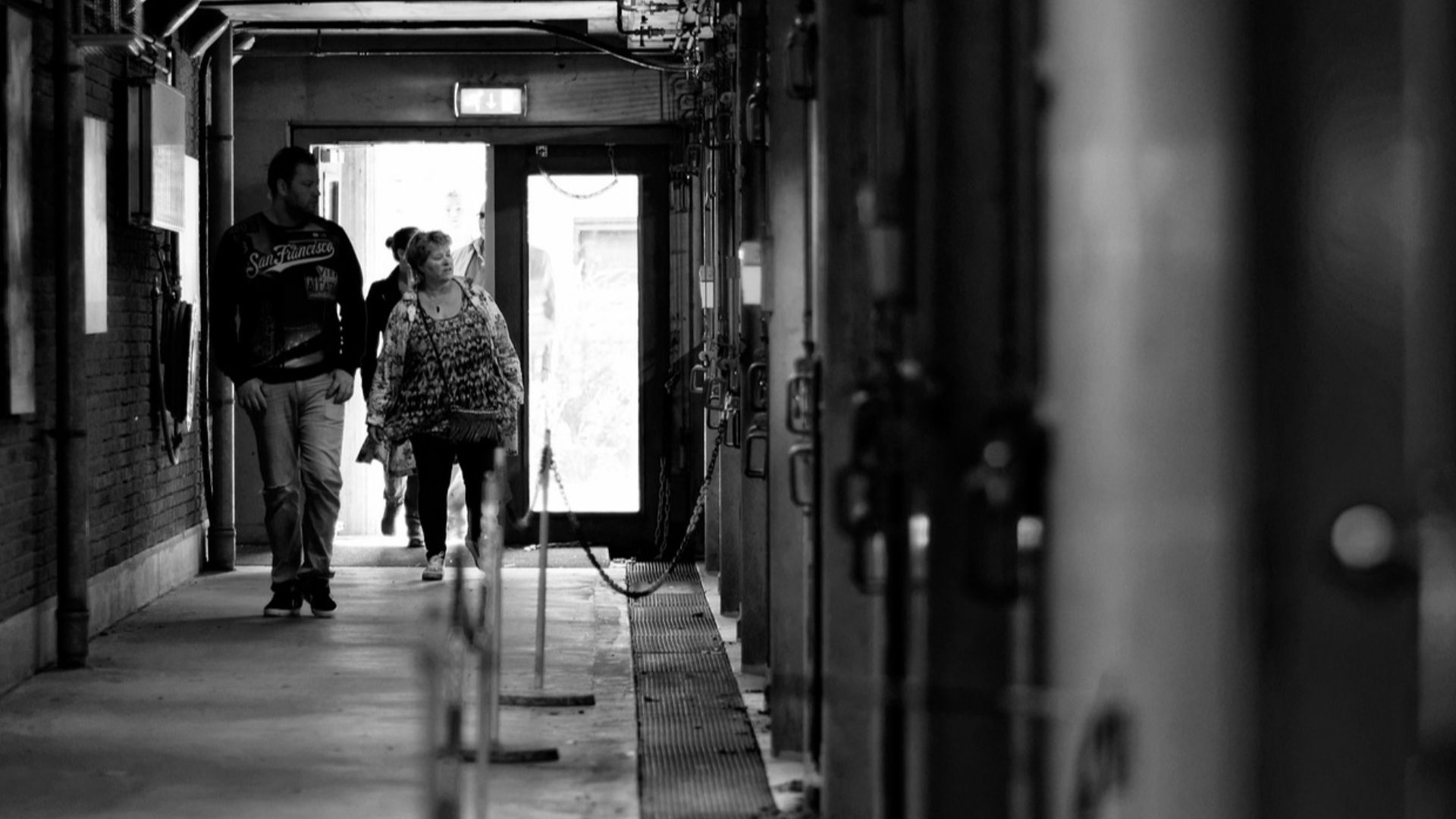
Shared Hallways Feel Different
Shared hallways, lobbies, elevators, and garages sit in an awkward middle ground. They are communal spaces, yet residents still live their daily lives there. Canadian privacy guidance regarding surveillance repeatedly emphasizes balancing legitimate security goals against unnecessary collection of information about ordinary people.
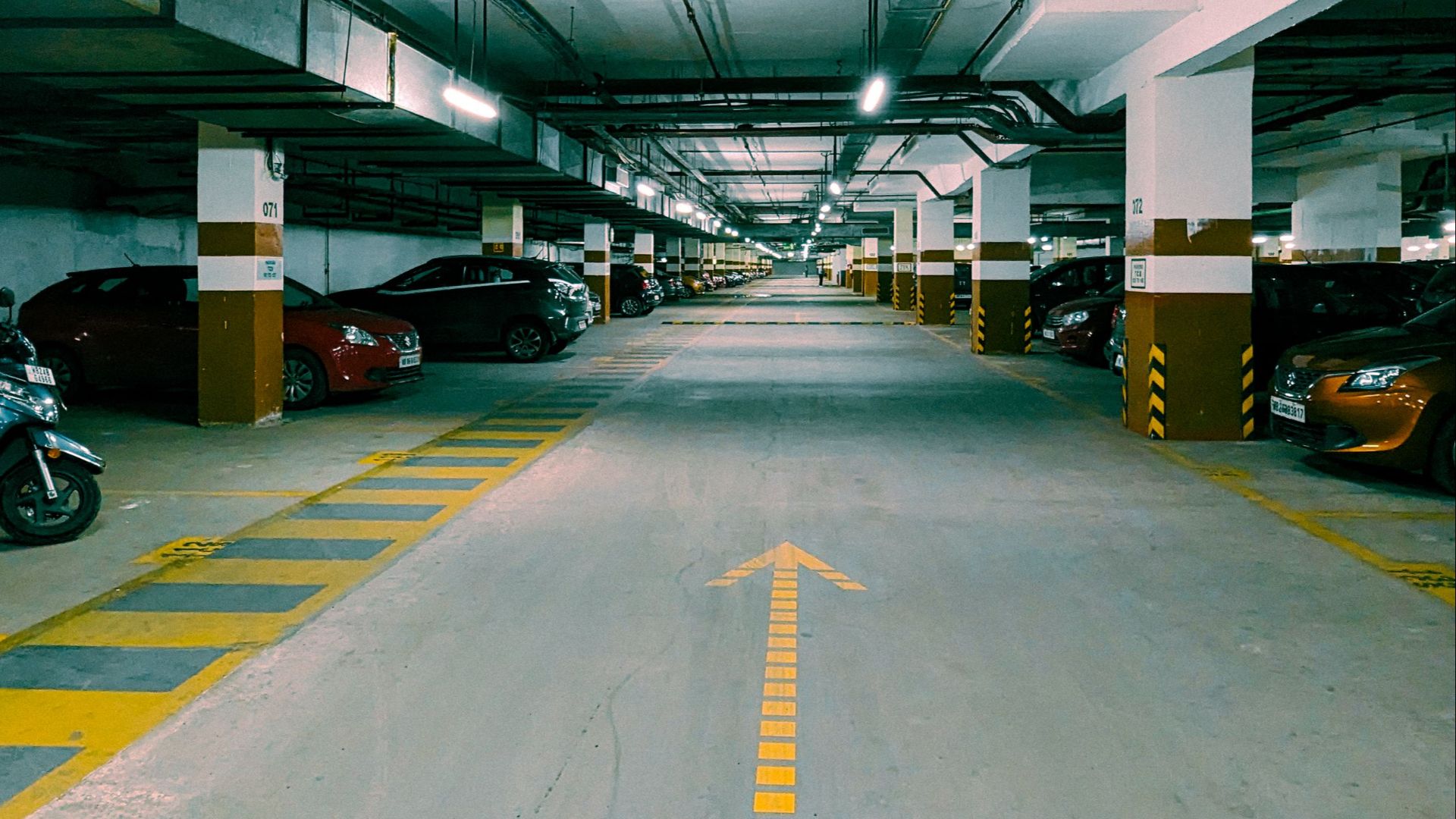
A Parking Garage Isn't Quite A Street
An underground condo garage can look like any other parking lot, but access may be restricted to residents and guests. That can strengthen a neighbor’s argument that the area deserves more privacy consideration than a busy public street, even if it hardly becomes a secret hideaway.
Built-In Doesn't Mean Automatically Legal
“My car came with the camera” is understandable, but it is not a magic legal shield. Cars also come with horns, and you still cannot lean on one at 3 a.m. without consequences. How you use a feature matters more than whether the manufacturer installed it.
Motion Activation Can Help
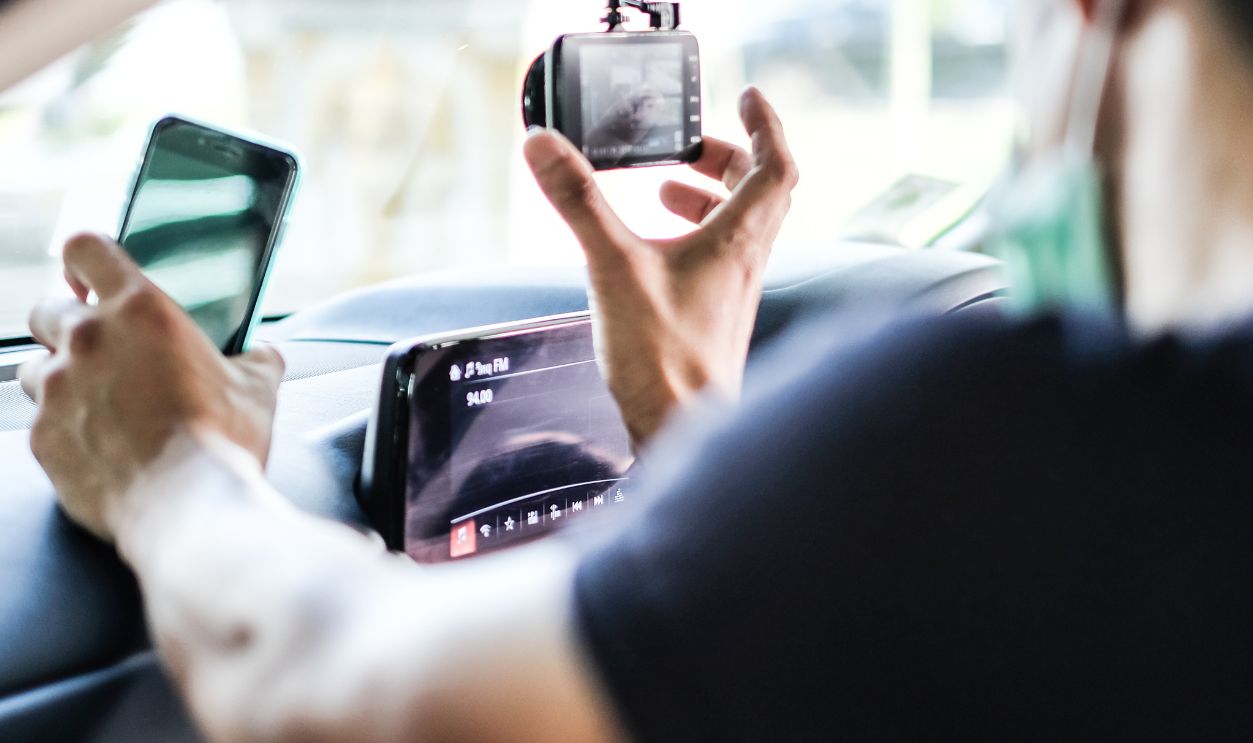
A system that activates when someone approaches the vehicle can look more proportionate than a camera continuously collecting footage for no clear reason. Canadian privacy guidance encourages limiting surveillance to what is actually necessary for the legitimate purpose being pursued.
Keeping Every Clip Forever Looks Worse
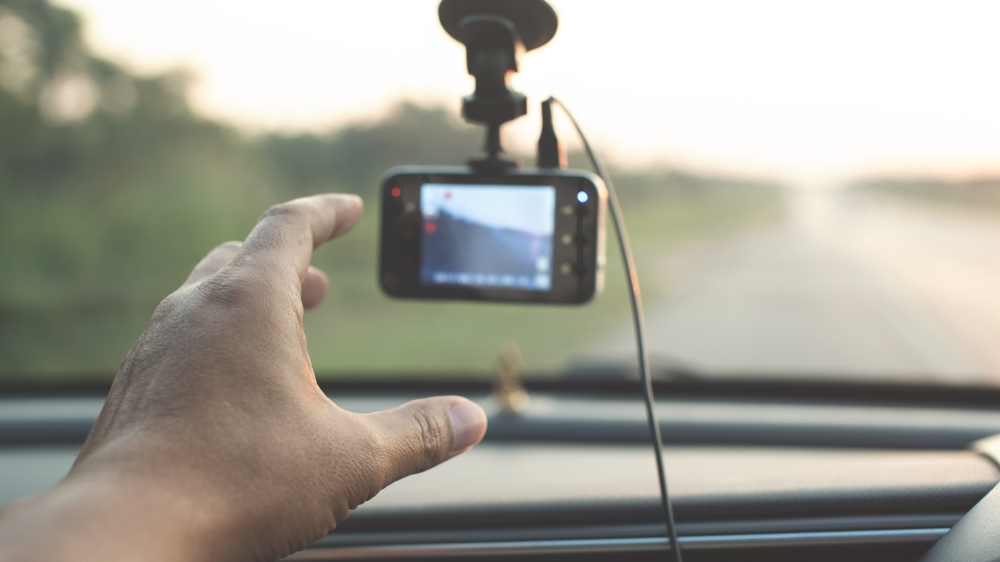
Security footage has a purpose, but storing mountains of harmless footage indefinitely may be harder to justify. If your system allows automatic deletion after a reasonable period, use it. The clip of someone walking their golden retriever six months ago probably isn't protecting your bumper anymore.
Sharing Footage Can Create Trouble
Recording a clip and keeping it for genuine security reasons is very different from passing it around the building. Be careful about sending videos of neighbors to friends, group chats, or other residents unless there is a legitimate reason. Collection and distribution are two separate privacy questions.

Posting Neighbors Online Is Riskier
Uploading your funniest “caught on car camera” clips to social media can transform an ordinary security system into a neighborhood headache. Even if the original recording was lawful, publicly embarrassing, identifying, or accusing somebody creates additional legal and reputational risks that have nothing to do with vehicle security.

Smart Identification Raises The Stakes
Modern cameras can do much more than capture basic video. Features that identify faces, track individuals, or create searchable histories deserve extra caution. Privacy authorities have specifically raised concerns about increasingly powerful surveillance technologies because greater identification capabilities can mean greater intrusion.
A Warning Sticker Isn't A Force Field
Putting a “vehicle records video” sticker in the window may reduce surprise and neighborly friction. It does not automatically make every recording lawful, though. Notice can be useful, but it cannot magically fix an excessively intrusive camera angle or override applicable condo rules.

Their Complaint May Be About Condo Rules
Your neighbor does not necessarily need to prove you committed some dramatic privacy offence. They may simply argue that your camera violates a building rule or unreasonably interferes with condo living. That means the board could potentially become involved without anyone marching into a courtroom.

The Board Needs A Basis Too
That does not mean the board gets unlimited power. Condo rules generally must fit within the governing legal framework, and in Ontario they must be reasonable and consistent with higher-ranking condo documents and legislation. Ask what provision the board believes your camera actually violates.

Ask For Everything In Writing
If management says, “Several residents are uncomfortable,” politely ask for the specific rule, bylaw, declaration provision, or policy involved. You do not need to start Condo War III. You simply want to know whether this is an enforceable restriction or an informal request from irritated neighbors.

Adjusting The Angle May End Everything
Before spending weeks arguing about your constitutional right to protect a Toyota, check whether the camera angle can be changed. Avoiding doors, windows, patios, and other sensitive areas while keeping your vehicle covered may solve the privacy complaint without sacrificing the security feature you actually care about.
Save Evidence Of Your Settings
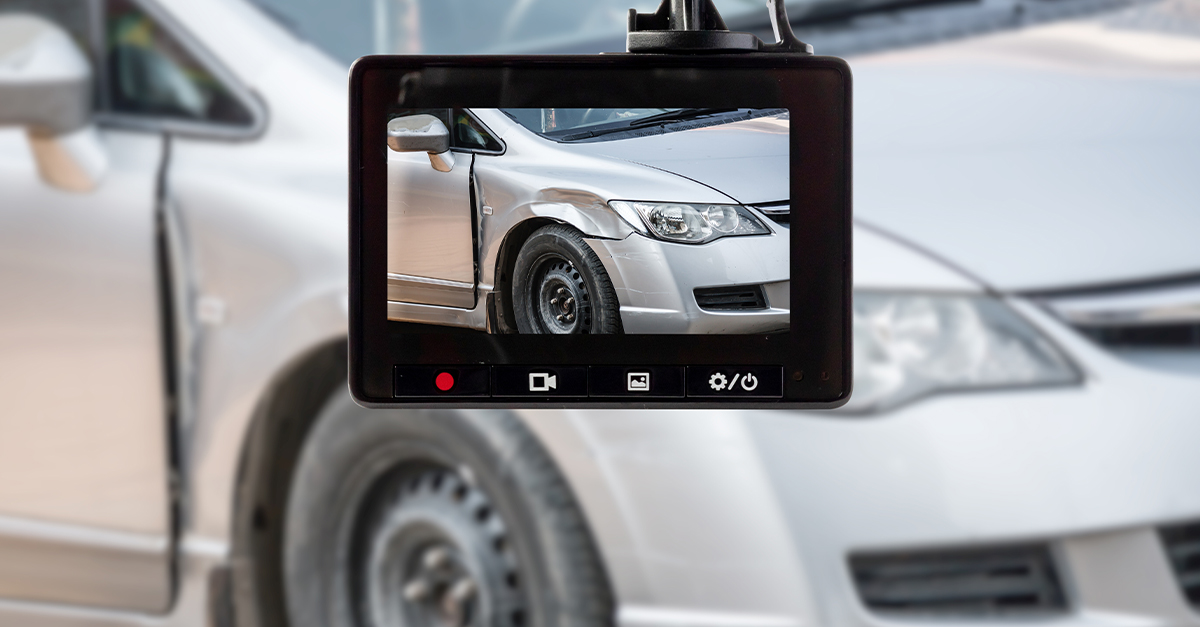
Take screenshots of relevant camera settings and note whether audio is disabled, how footage is triggered, and how long clips remain stored. If the board believes you are running a 24-hour neighborhood intelligence operation, being able to show exactly what the system does could calm things down quickly.
Know When To Get Legal Advice
If the board threatens fines, legal proceedings, forced changes, or other formal enforcement, the internet has reached the end of its usefulness. Privacy and condo laws vary significantly by jurisdiction. At that stage, have a local lawyer review your governing documents and the actual camera setup.

The Sensible Bottom Line
So, do your neighbors have a case? Possibly—but merely walking past your parked car and appearing on its security camera doesn't automatically make one. Keep the camera focused on protecting the vehicle, minimize unnecessary recording, avoid private areas and audio problems, and check the condo rules before declaring victory.
You May Also Like:
The Strangest Factory Options Ever Offered On American Cars—How Many Would You Have Chosen?
Mechanics Say They Hate It When Customers Do These Things—So Don’t Do Them