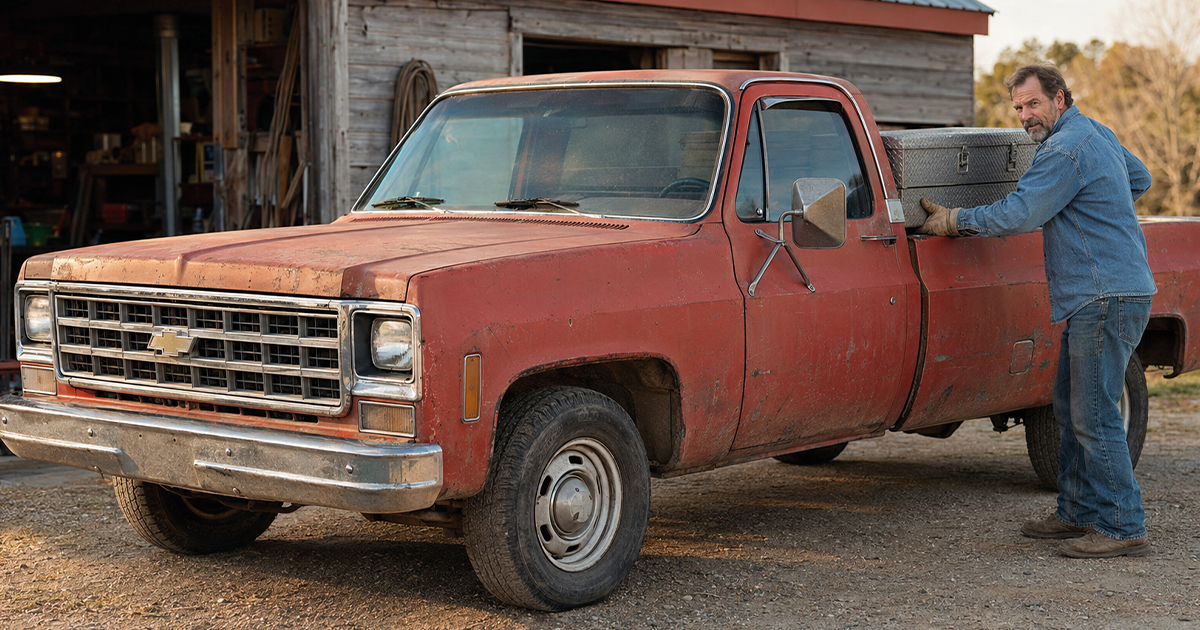
The Upgrades Felt Valuable Until It Was Time To Sell
The premium audio system, larger wheels, leather upholstery, and extra technology made the highest trim feel worth the money when the vehicle was new. Now resale offers barely seem higher than those for simpler versions of the same model. That doesn’t necessarily mean every upgrade was wasted, but the used market has its own ideas about which features deserve a premium.
Trim Levels Matter More When The Car Is New
Automakers use trim levels to create clear steps between basic, midrange, and fully equipped vehicles. Each jump may add comfort, appearance, technology, or performance features. New-car buyers can choose exactly what they want, but used-car shoppers are usually more focused on price, condition, mileage, and reliability.

Depreciation Applies To The Options Too
A vehicle’s entire purchase price begins depreciating once it leaves the dealership, including the money spent on a higher trim. Kelley Blue Book estimates that new vehicles typically lose a meaningful portion of their value during the first few years, although depreciation varies by model and market conditions. Expensive options rarely retain their original dollar value on their own.
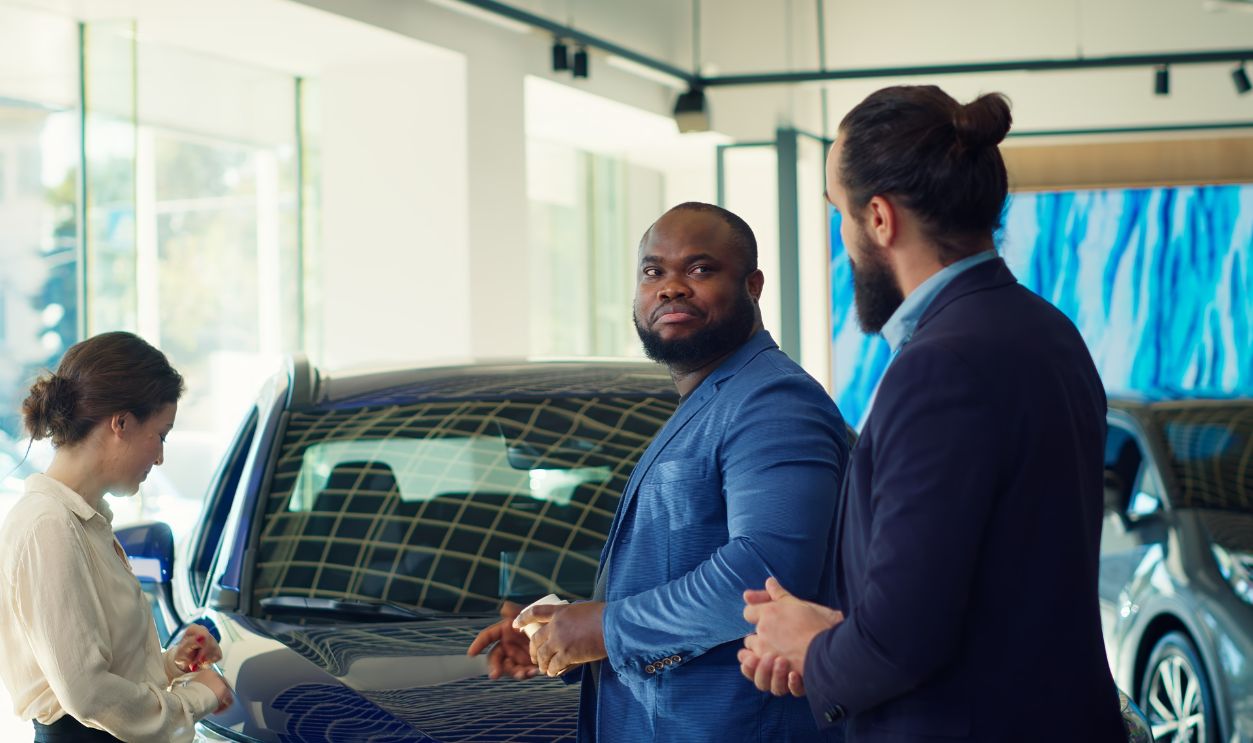
Buyers Compare Used Cars Differently
A new-car shopper might compare two trims and decide that an extra $6,000 is reasonable for leather, upgraded cameras, and a panoramic roof. A used buyer may simply see two vehicles of the same age and model, then choose the cheaper one. Once depreciation creates a narrower price gap, trim becomes only one factor among many.
The Highest Trim Can Still Be Worth More
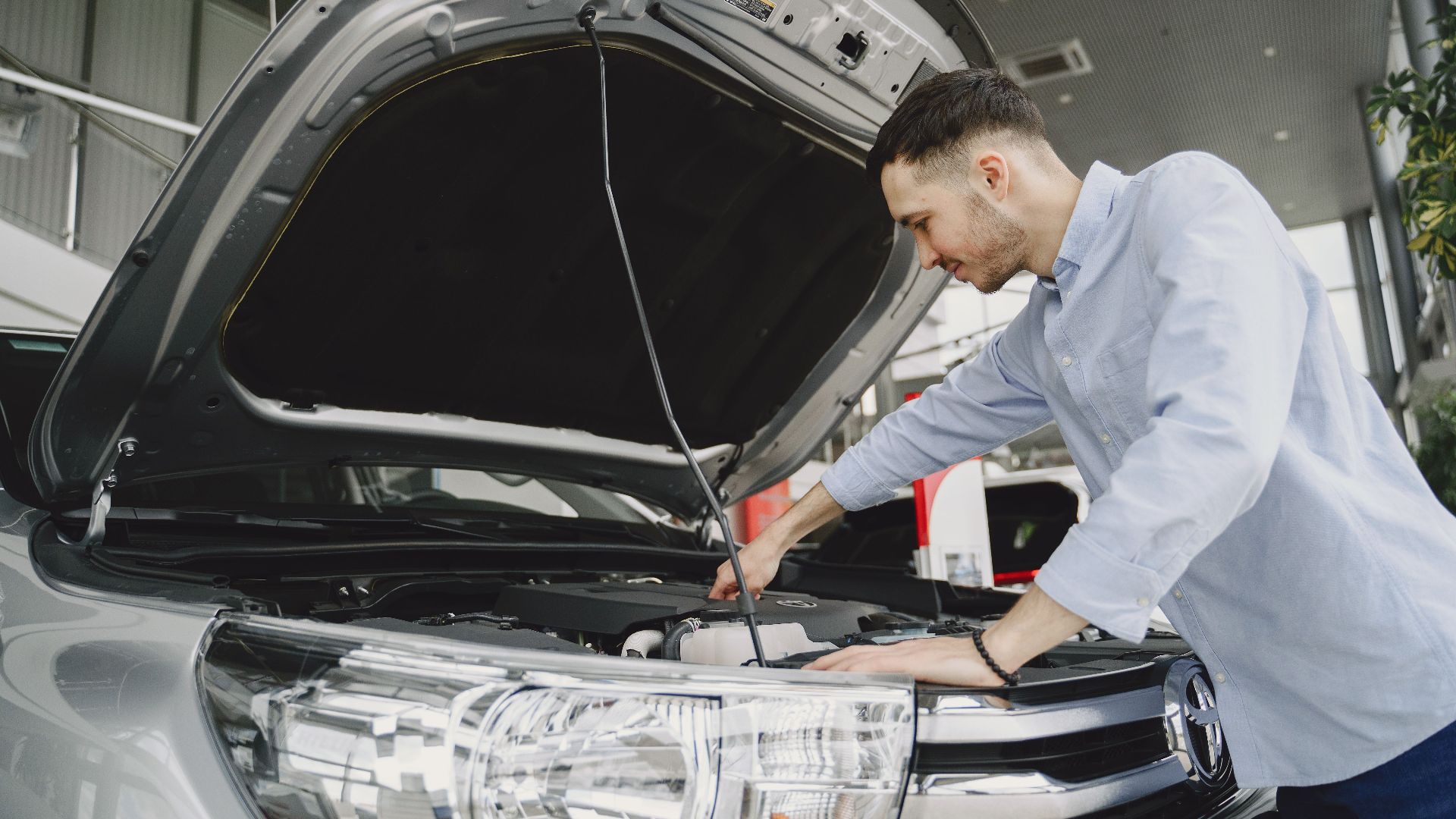
Top-trim vehicles usually aren’t valued exactly the same as base models. Pricing tools account for trim, equipment, mileage, condition, and location when estimating market value. The problem is that the resale difference may be much smaller than the amount originally paid for the upgrade.

Midrange Trims Often Hit The Sweet Spot
The middle trim frequently includes the features most buyers actually want without the steepest price increase. Heated seats, smartphone integration, upgraded safety technology, and better interior materials may already be standard. Moving to the highest trim can add increasingly specialized luxuries that attract a smaller audience.

Practical Features Usually Have Broader Appeal
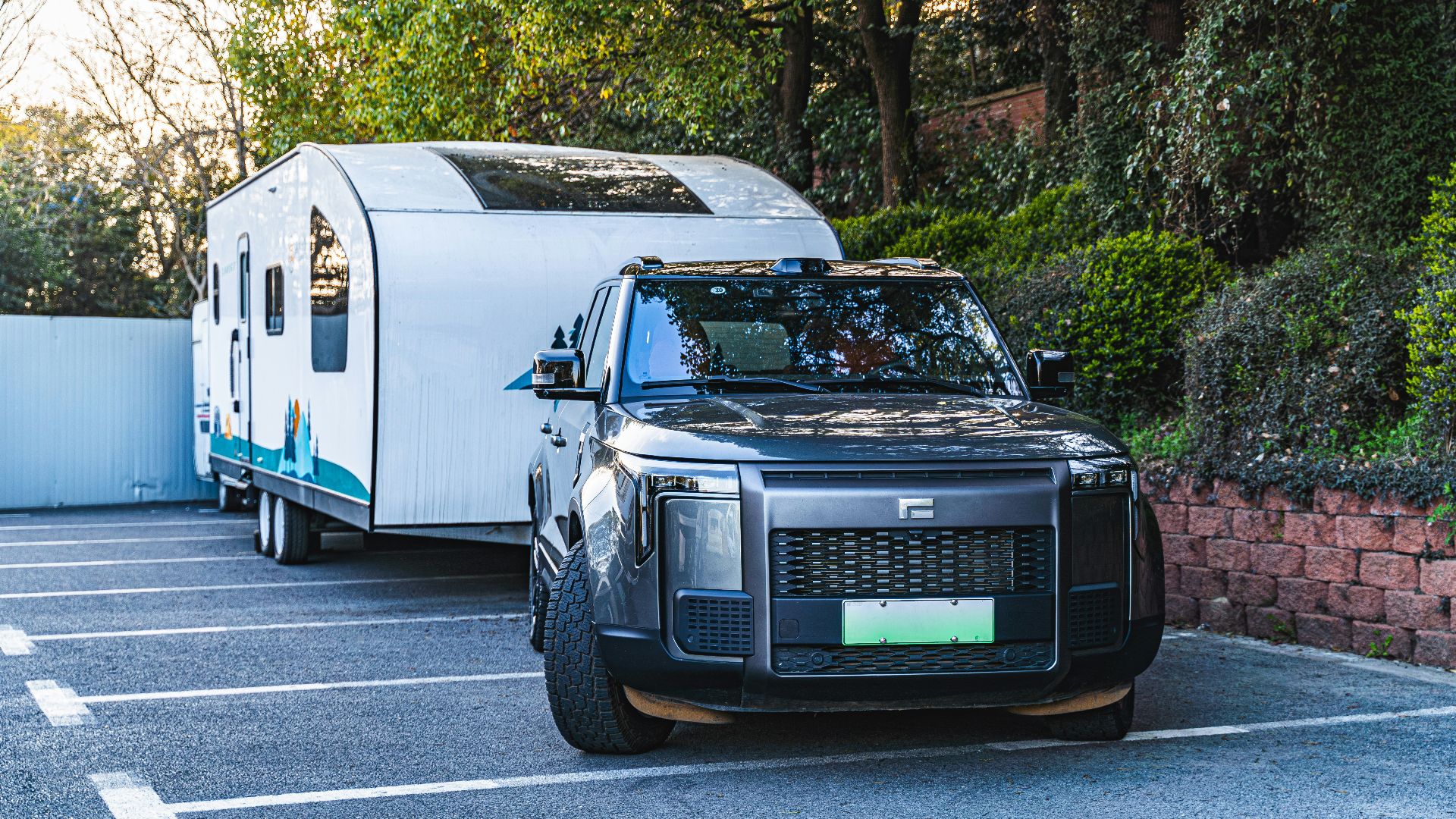
All-wheel drive, a third-row seat, desirable towing equipment, modern safety systems, and useful cargo features can make a vehicle easier to sell. These options change what the vehicle can do. Decorative lighting, massaging seats, or an elaborate audio system may be enjoyable, but they don’t solve a practical need for as many buyers.
Regional Demand Changes What Matters
A feature can carry more value in one part of the country than another. All-wheel drive and heated equipment may attract stronger interest in colder regions, while ventilated seats and remote climate features can be more appealing in hot areas. A convertible roof or rear-wheel-drive performance package may also be easier to sell in a climate where it can be used year-round.

Expensive Wheels Can Become A Liability
Large wheels often improve a vehicle’s showroom appearance, but used buyers may think about the price of replacement tires, vulnerability to potholes, and ride comfort. A top trim with 21- or 22-inch wheels could therefore appeal less to a practical shopper than a lower trim riding on less expensive tires.

More Technology Can Mean More Risk
A fully loaded vehicle may contain adaptive suspension, power running boards, multiple displays, complex lighting, extra cameras, and motorized interior features. These systems can make the vehicle feel special when new. Once the warranty expires, buyers may view them as potential repair bills rather than valuable upgrades.
Luxury Features Age Quickly
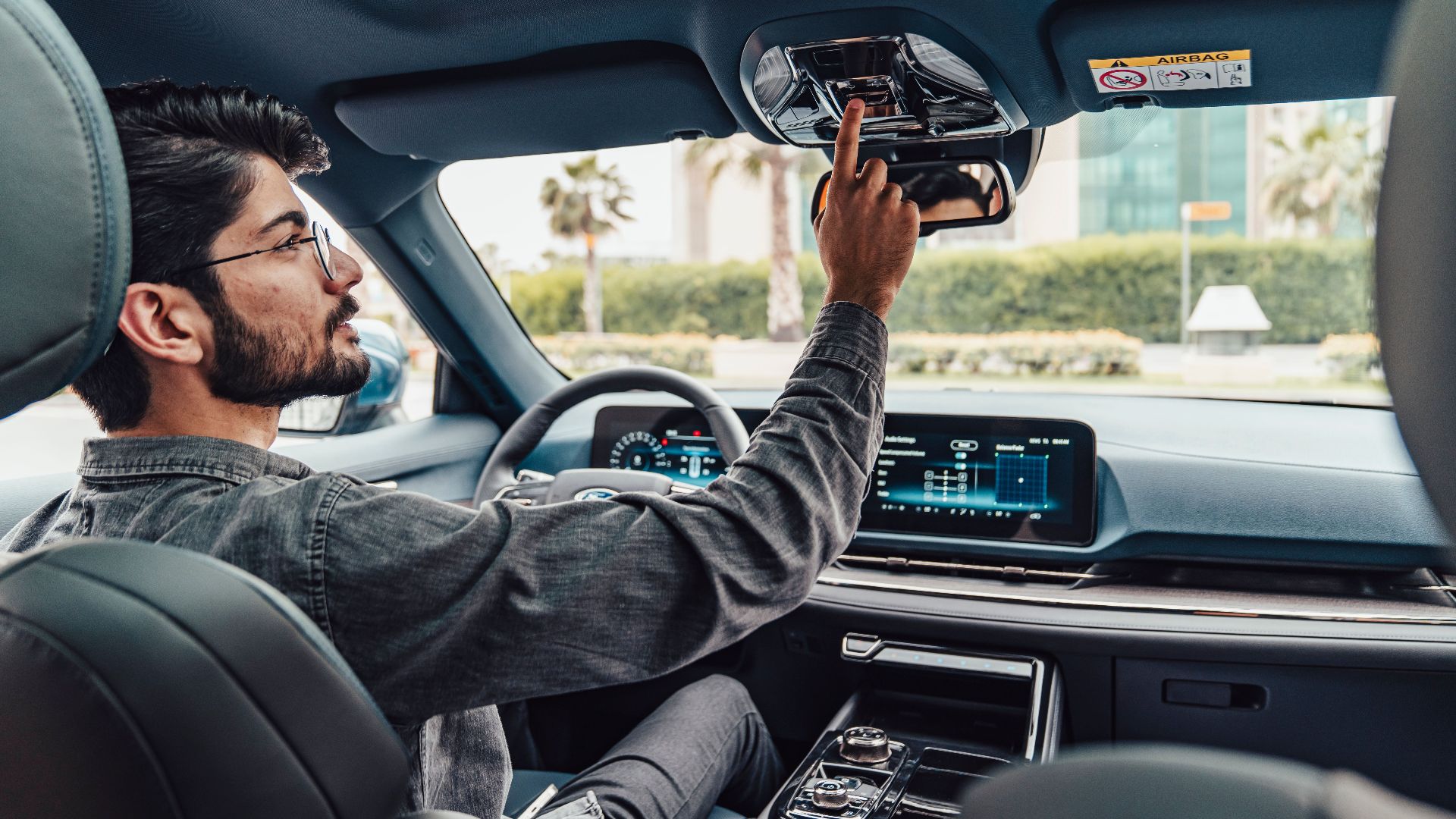
A large touchscreen or advanced driver-assistance package may have seemed cutting-edge several years ago. Newer mainstream models may now offer better versions as standard equipment. Technology that once justified the highest trim can lose much of its appeal when less expensive new vehicles surpass it.

Buyers Still Care About The Features They Can See
Leather upholstery, a premium interior, distinctive wheels, and a well-designed cabin can help a listing stand out. Visible differences are easier for shoppers to understand than obscure package codes. A seller should clearly show these upgrades rather than assume buyers know what the trim badge includes.

Condition Can Overpower Trim Level
A spotless midrange vehicle with complete records may be worth more to buyers than a neglected top trim with damaged wheels, worn upholstery, or overdue maintenance. Edmunds identifies condition, mileage, model desirability, ownership costs, and brand reputation as important influences on resale value. Equipment matters, but it can’t erase poor care.

Mileage Is Often More Important
Many buyers begin their search by setting limits for price, model year, and mileage. A lower-trim vehicle with 25,000 fewer miles may appear safer and more economical than a heavily driven top trim. The equipment advantage may not be large enough to overcome that difference.

Color Can Narrow The Audience
Top trims sometimes offer distinctive paint, wheels, or interior combinations. A rare color can attract an enthusiast willing to pay more, but it can also reduce the number of interested shoppers. Neutral colors generally have broader appeal, while highly personalized combinations need the right buyer.

Performance Trims Follow Different Rules
A genuine performance model may retain value differently from a luxury-oriented top trim. A stronger engine, upgraded brakes, specialized suspension, or limited production can create lasting enthusiast demand. A vehicle that simply adds comfort features without changing performance may not receive the same treatment.

Limited Editions Aren’t Automatically Collectible
Special badges, appearance packages, and numbered plaques can sound important at the dealership. Their future value depends on actual demand, rarity, reputation, and the significance of the model. A limited edition that buyers never particularly wanted can depreciate just like an ordinary trim.

Dealer Offers May Hide The Trim Premium
A dealer needs room for inspection, reconditioning, advertising, and profit. Trade-in offers therefore may not reflect the full retail difference between trims. The dealer could eventually advertise the premium equipment while offering the seller only a modest amount for it.

Private Buyers May Appreciate It More
A private shopper specifically searching for the highest trim may pay more than a general dealership. The seller can explain the equipment, provide the original window sticker, and show why the vehicle differs from cheaper examples. That extra effort may produce a stronger price, although the sale can take longer.

Use The VIN For Accurate Appraisals
Generic valuation searches may miss optional packages or confuse similarly named trims. Entering the VIN into Kelley Blue Book, Edmunds, Consumer Reports, and online buying services can produce a more precise estimate. Kelley Blue Book notes that trade-in and private-party values differ because the method of sale affects what the owner can reasonably expect.
Compare Identical Trims In Your Area
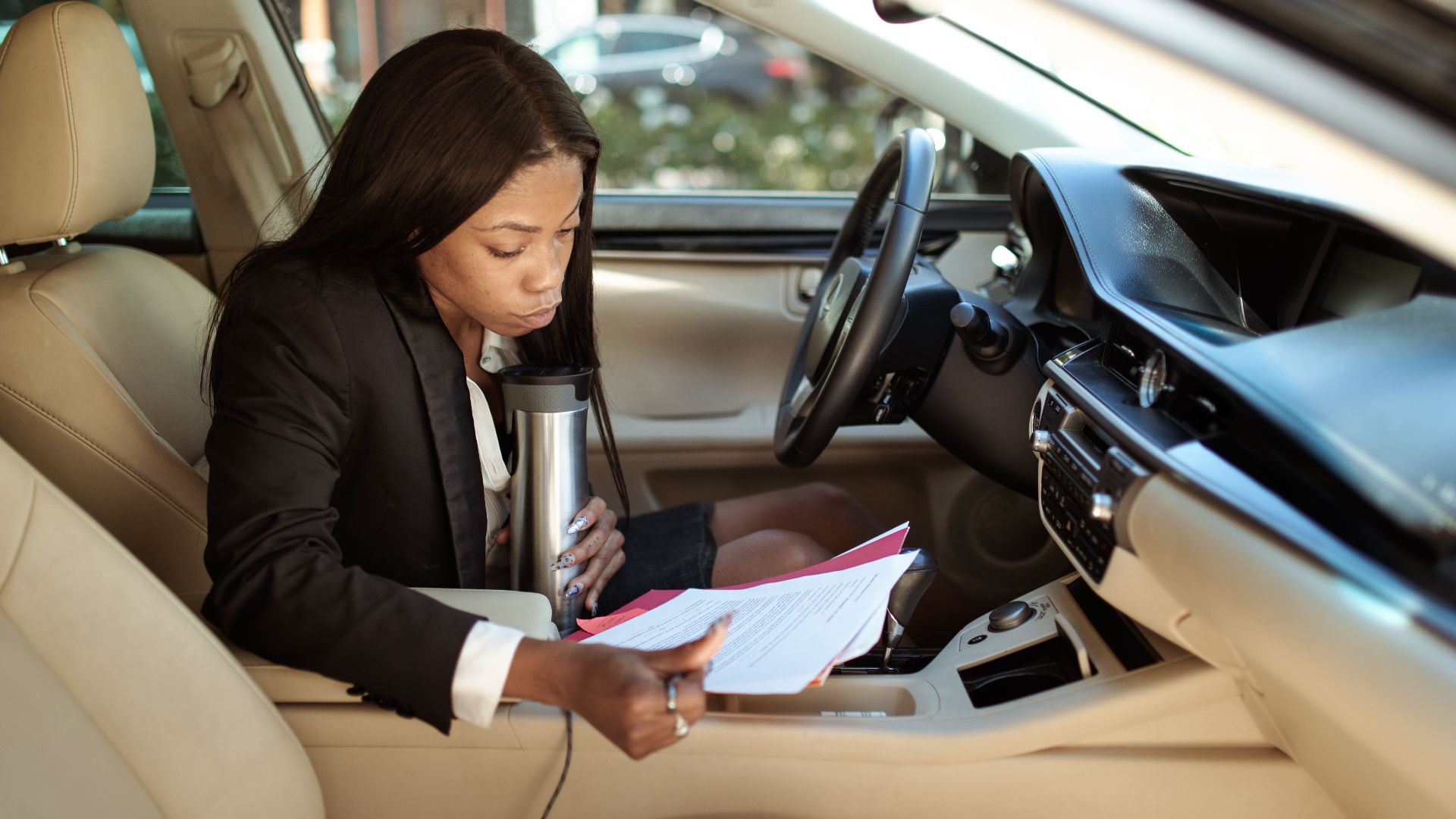
Search for vehicles with the same year, engine, drivetrain, trim, mileage, and major packages. Then watch how long those listings remain online and whether prices are reduced. Asking prices aren’t proof of value, but they can reveal whether sellers are finding enough buyers for that particular configuration.

Gather Several Real Offers
Online appraisal tools provide useful estimates, but actual purchase offers reveal what buyers will pay today. Request quotes from a franchise dealer, independent used-car retailer, national online buyer, and specialist dealer if the vehicle is unusual. A wide range of offers may indicate that some buyers understand the trim better than others.
 f.t.Photographer, Shutterstock
Present The Features As Benefits
A listing shouldn’t merely say “fully loaded.” Explain that the surround-view camera makes parking easier, the upgraded headlights improve nighttime visibility, or the premium seats make long drives more comfortable. Buyers respond more strongly to real benefits than a long list of package names.

Don’t Spend Heavily Before Selling
Repair obvious defects, complete overdue maintenance, clean the vehicle thoroughly, and gather its records. However, avoid adding accessories or replacing functioning equipment simply to emphasize the trim level. Optional upgrades completed just before a sale rarely return their full cost.

The Features Still Had Value While You Owned It
Resale value isn’t the only measure of whether an upgrade was worthwhile. If the better seats, quieter cabin, cameras, sound system, or performance equipment improved every drive for several years, part of the purchase price paid for that experience. The mistake would be expecting personal enjoyment to return dollar for dollar at resale.

You May Have Overpaid, But Not For Nothing
The highest trim probably added some resale value, just not as much as it cost when new. Used buyers tend to reward desirable models, good condition, reasonable mileage, practical equipment, and affordable ownership before they reward every luxury option. The best response is to obtain trim-specific offers, market the features clearly, and decide whether a private sale is worth the effort. Next time, the smarter choice may be the trim that includes the features you’ll genuinely use without paying for every item in the brochure.
You May Also Like: