Your Neighbor's Camera Might Be Watching More Than Their Front Door
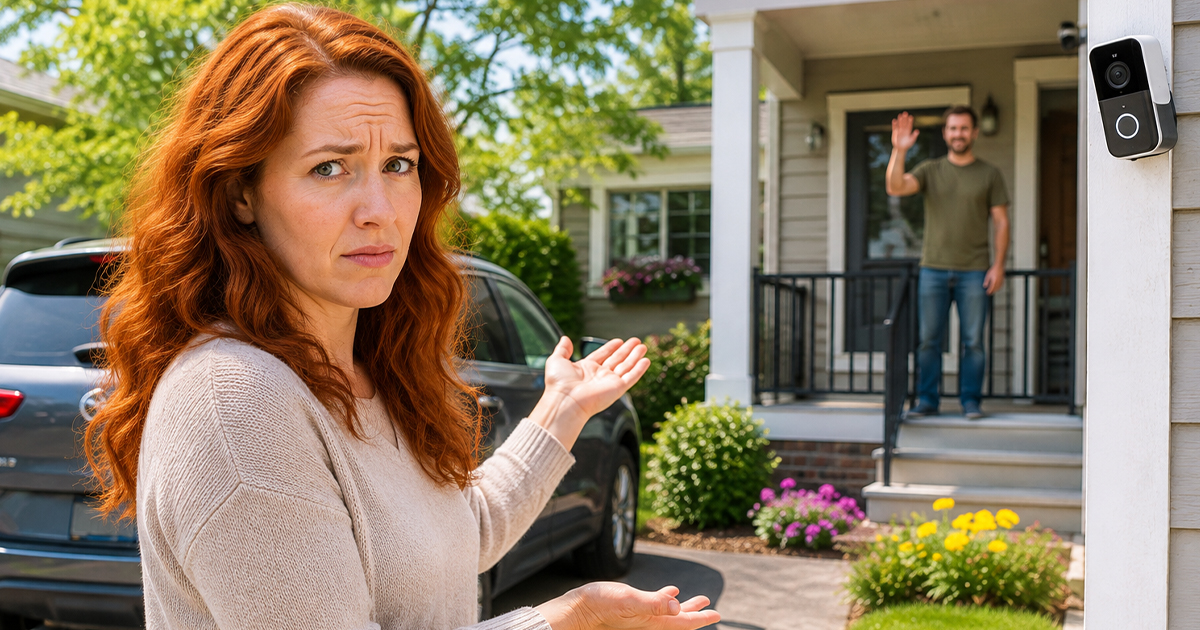
It doesn't seem like much until you realize every time you pull into your driveway, your neighbor's camera may be recording you. As video doorbells and home surveillance cameras become more common, property lines and camera angles are creating new questions about privacy. If your neighbor's camera is capturing part of your property, it doesn't automatically mean they're doing something wrong—but it also doesn't mean you have to ignore it.
Doorbell Cameras Are Everywhere These Days
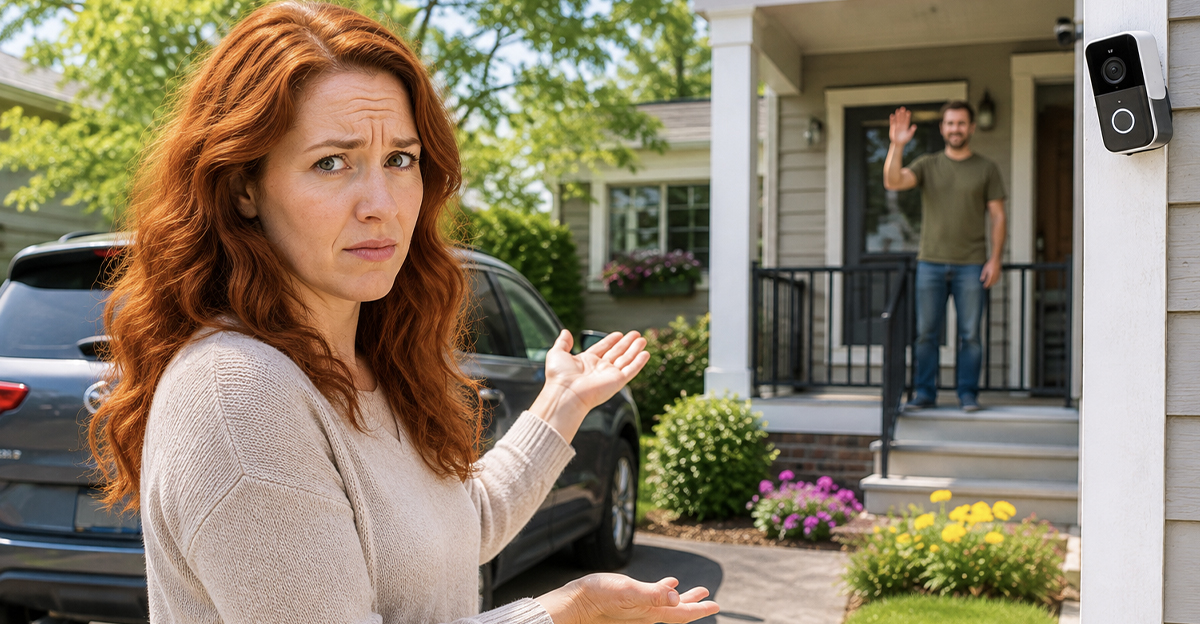
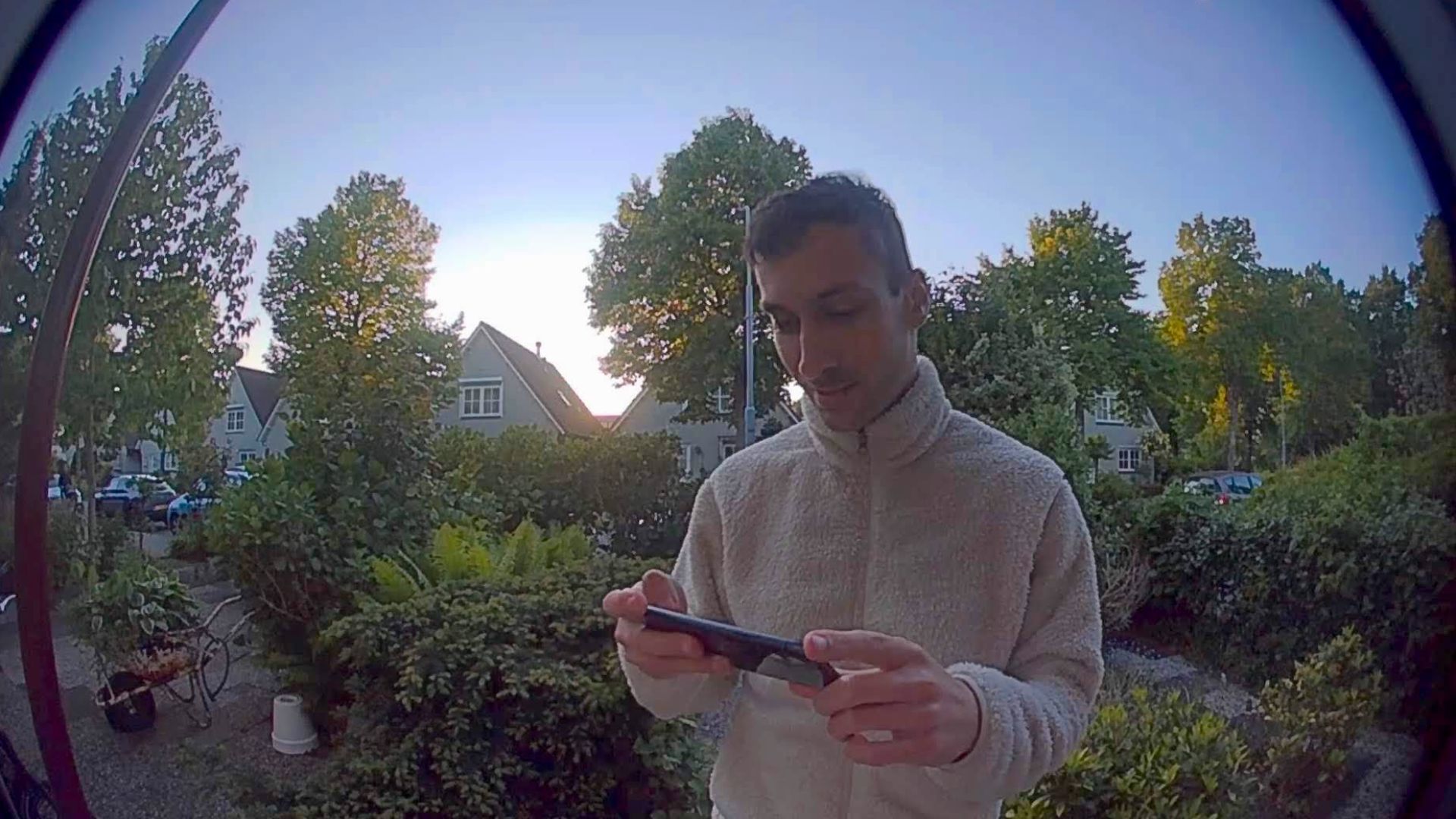
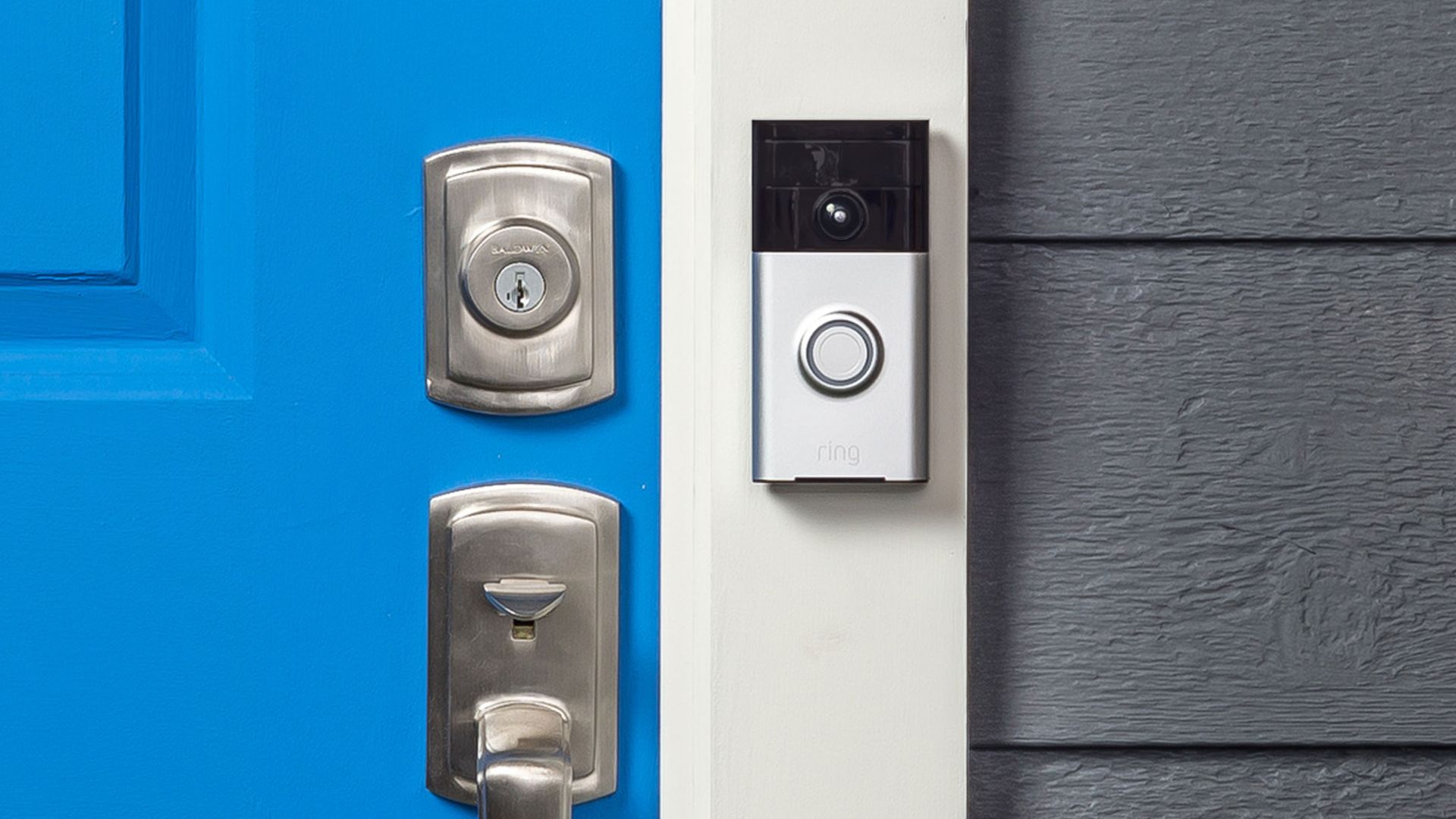
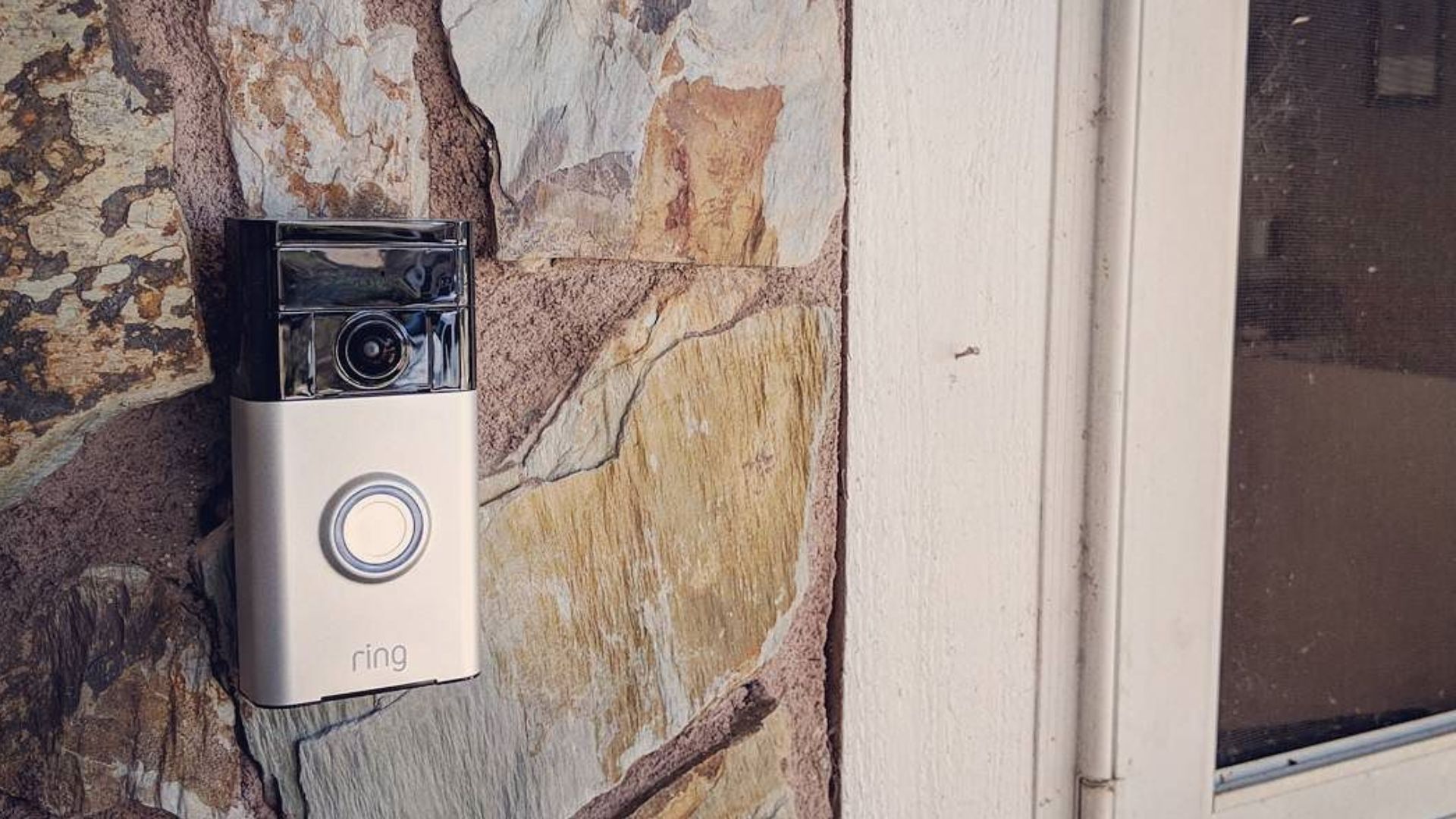
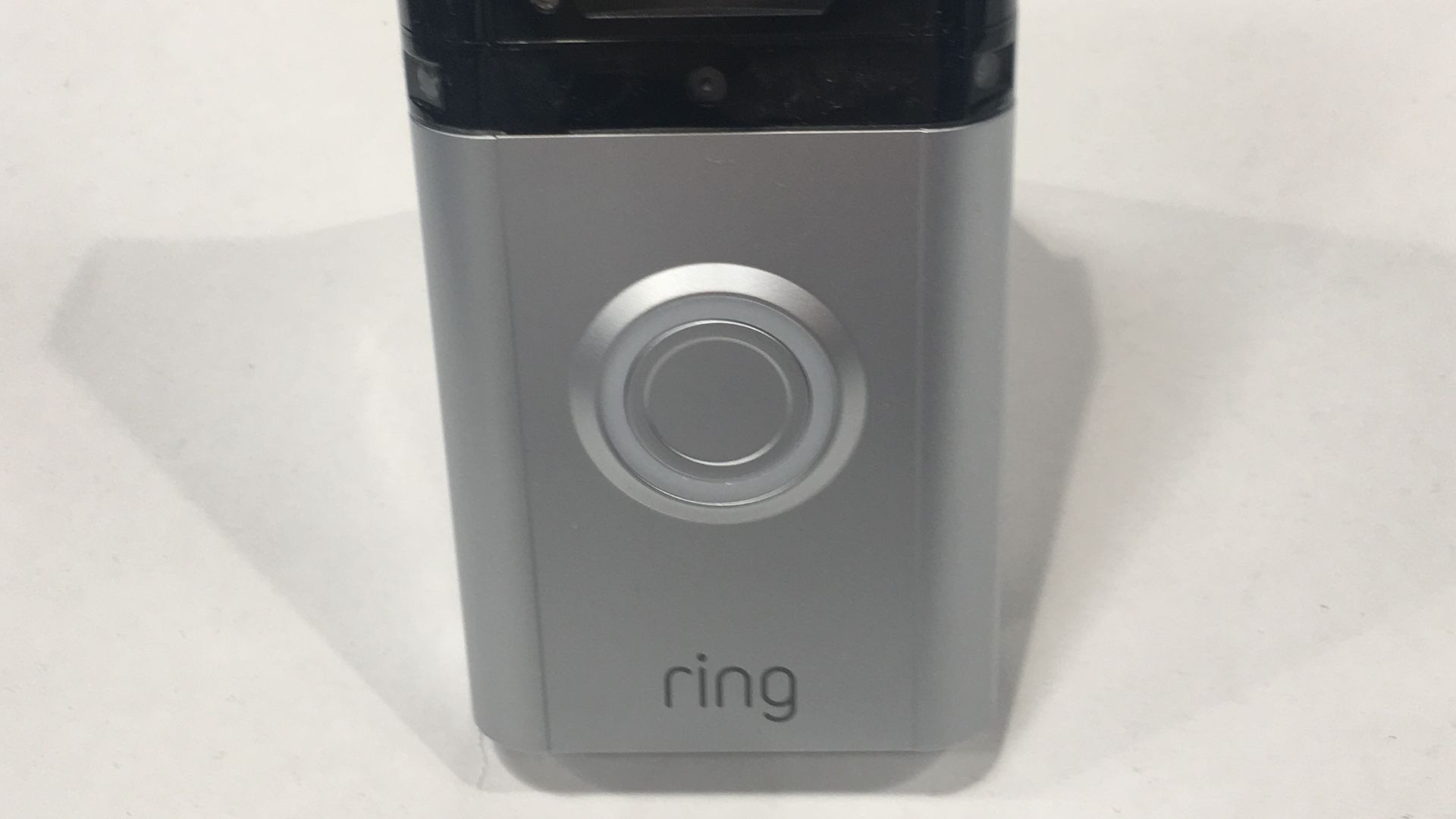
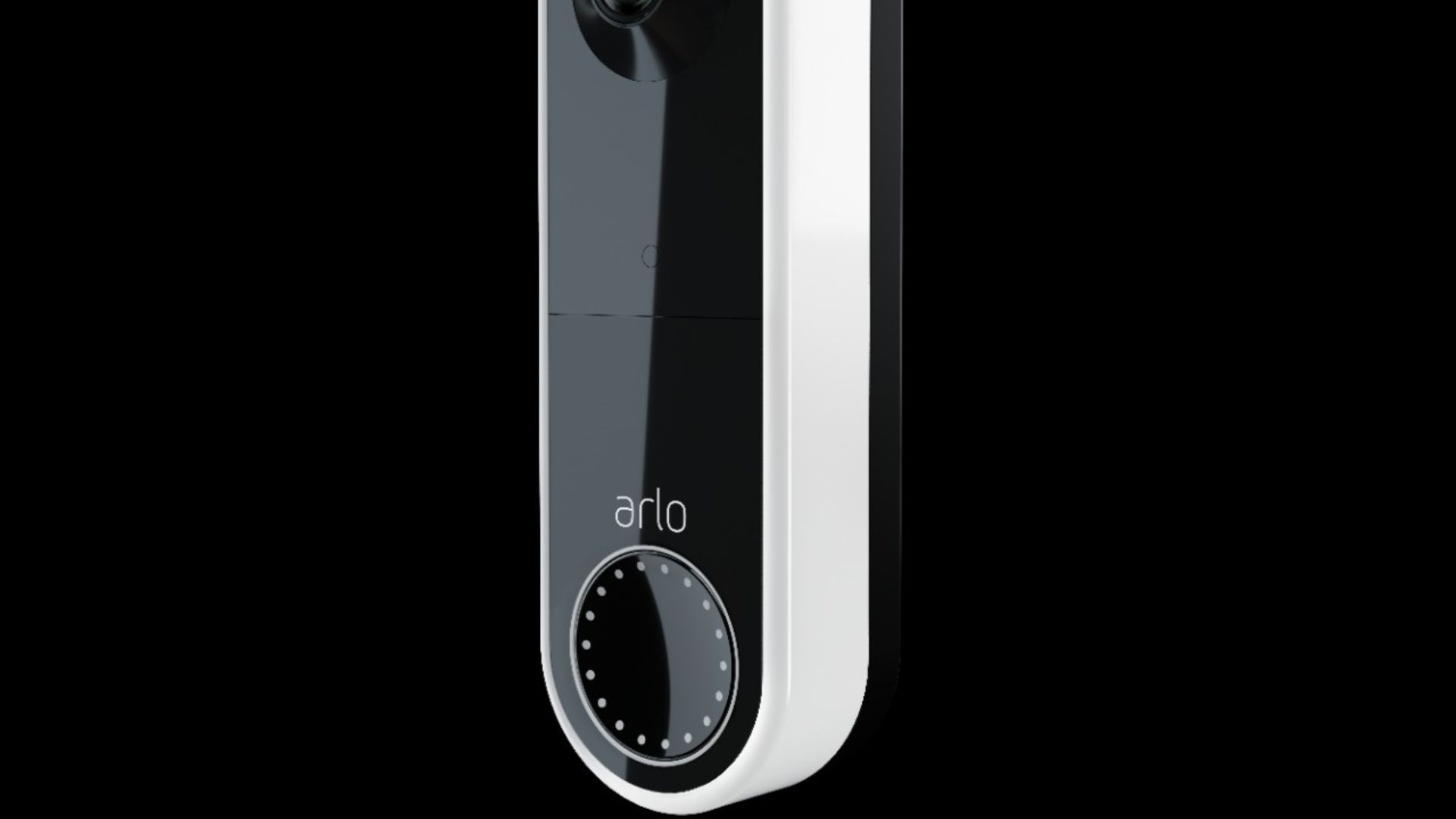
Video doorbells have quickly gone from a novelty to a common sight in neighborhoods across North America. Many homeowners install them to deter package theft, monitor deliveries, or simply see who's at the front door. The downside is that today's wide-angle cameras often capture much more than the owner's front porch.
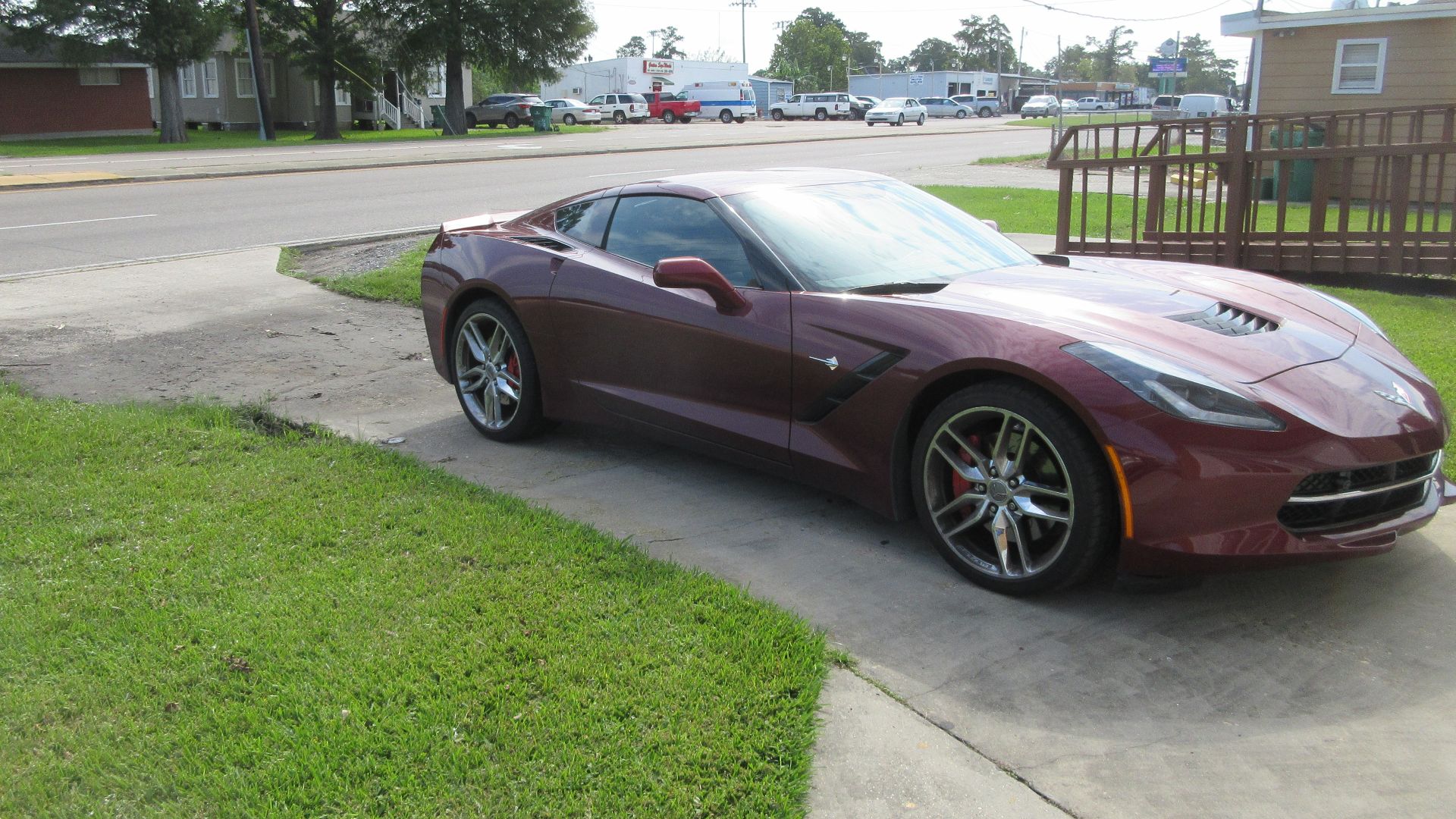
Your Driveway Isn't Always Considered Private
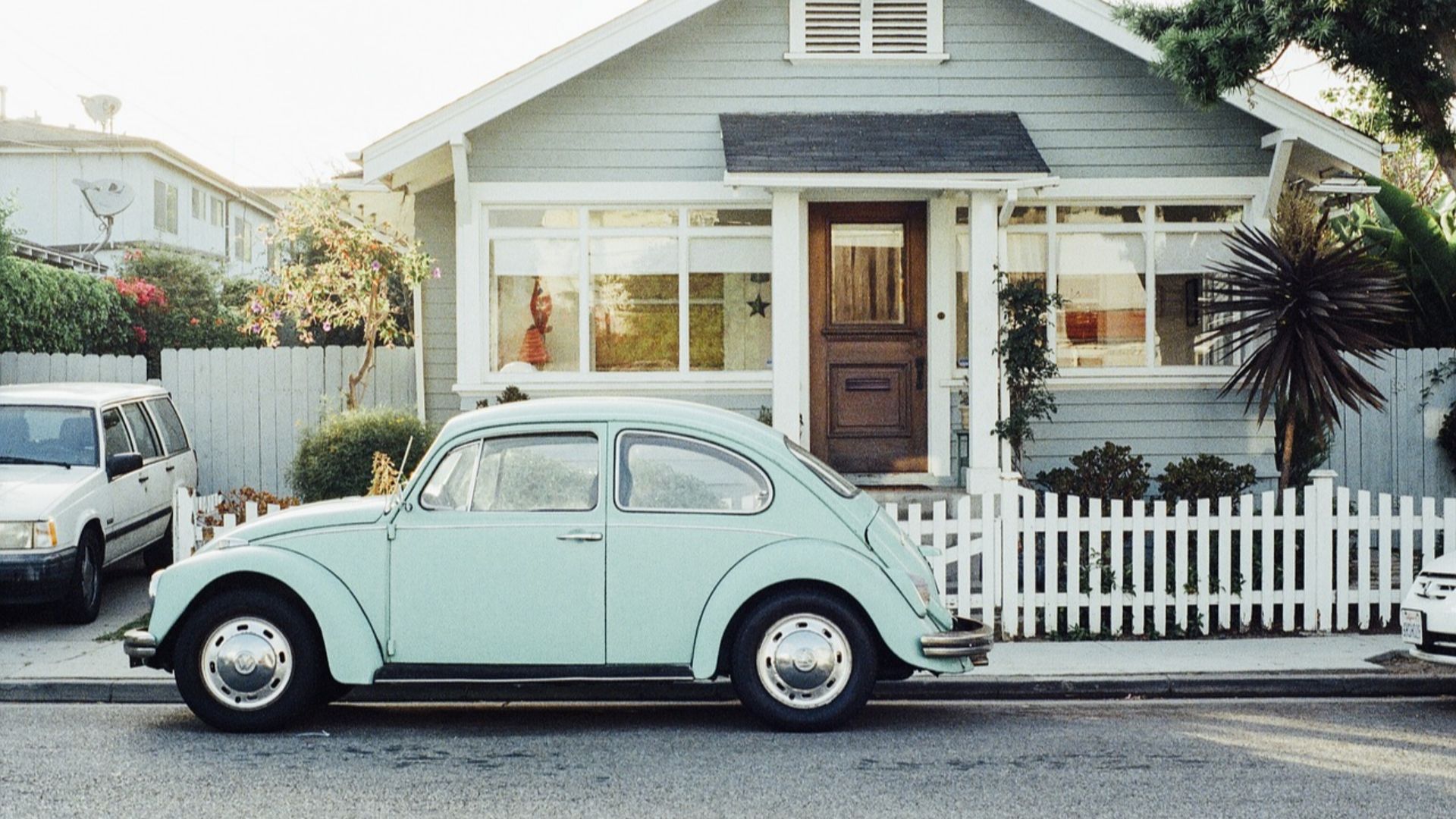
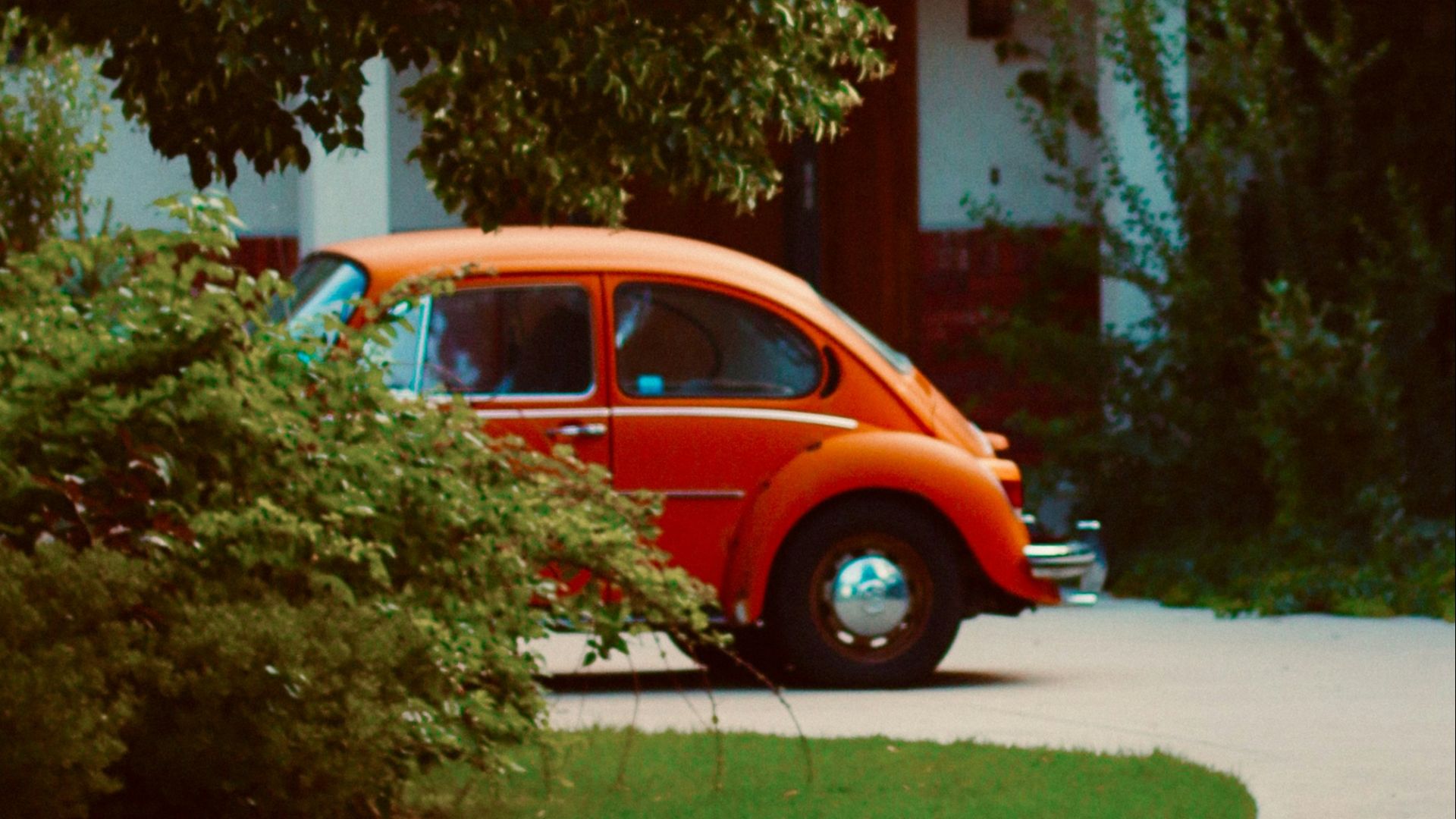
This surprises a lot of homeowners. If part of your driveway can be seen from the street, courts have often found there's a lower expectation of privacy than there would be inside your home or behind a privacy fence. That's one reason these situations aren't always straightforward.
But Cameras Don't Get Unlimited Freedom
Just because someone owns a security camera doesn't mean they can point it anywhere they want. Privacy laws still exist, especially when cameras begin recording areas where people reasonably expect privacy, such as inside homes or enclosed backyards. Where that line is drawn depends on where you live.
Here's Where Things Start Getting Confusing
Many people assume a camera is either perfectly legal or completely illegal. In reality, the answer often depends on what the camera records, why it's recording it, and whether it's capturing more than is reasonably necessary for home security.
 RV Roddy (No Human Input was involved), Wikimedia Commons
Recording Cars Isn't Quite The Same As Recording People
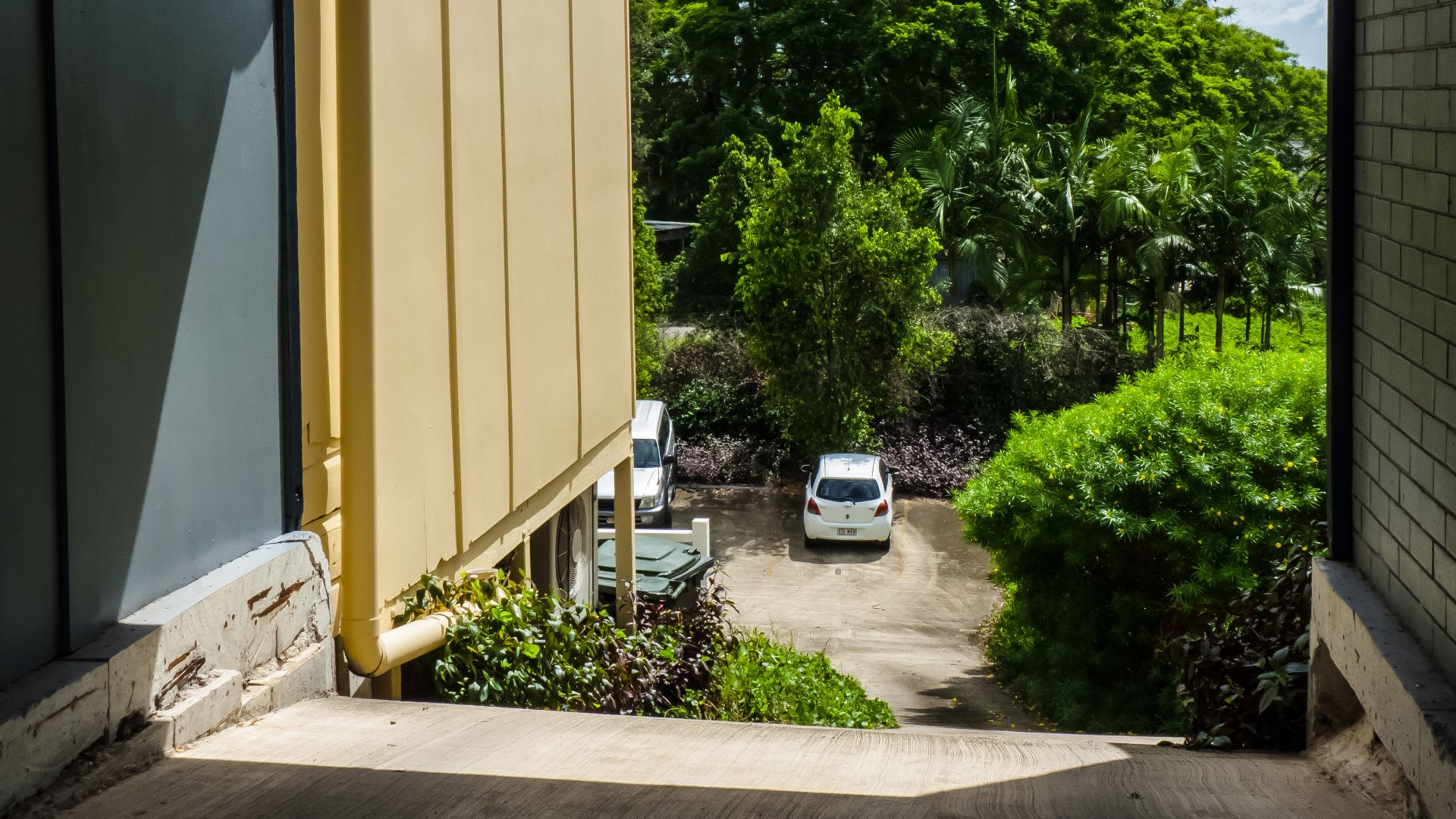
A camera that occasionally captures vehicles entering a neighboring driveway is generally viewed differently than one intentionally aimed into bedroom windows or private outdoor living spaces. Intent and camera placement can make a significant difference.
 John Robert McPherson, Wikimedia Commons
Audio Can Change The Situation
Many smart doorbells don't just record video—they also record sound. Depending on your state or province, audio recording may be subject to stricter privacy or consent laws than video recording alone, making it an important detail many homeowners overlook.
 Infrogmation of New Orleans, Wikimedia Commons
Before Assuming The Camera Is Aimed At You...
Take a closer look at where it's mounted. Many popular doorbell cameras use extremely wide viewing angles, sometimes exceeding 150 degrees. Your driveway may simply fall within the edge of the camera's field of view rather than being its intended focus.
 Robert Nelson from Tarpon Springs, Florida, USA, Wikimedia Commons
Your Neighbor May Be Able To Fix It In Minutes
Most modern video doorbells allow owners to adjust motion zones, reduce motion sensitivity, or create privacy zones that block parts of the image. Your neighbor may not even realize your driveway is being recorded until you mention it.

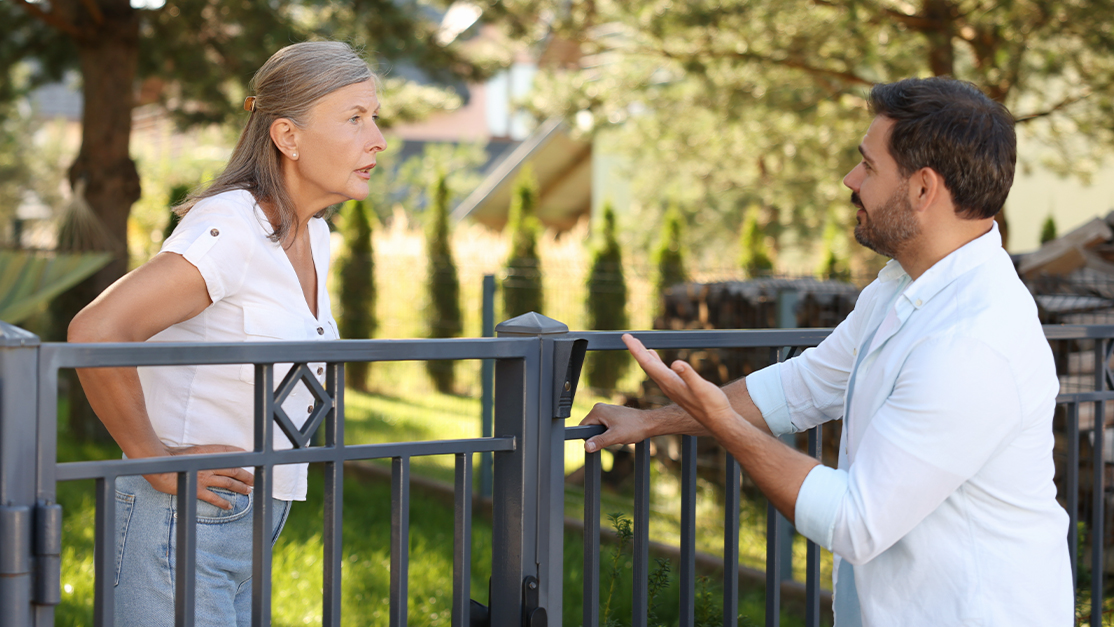
A Friendly Conversation Is Usually The Best First Step
It can feel awkward bringing it up, but many neighbors are happy to adjust a camera once they understand the concern. Solving the issue with a simple conversation is often much easier than turning it into a legal dispute.
Can You Just Block The Camera?
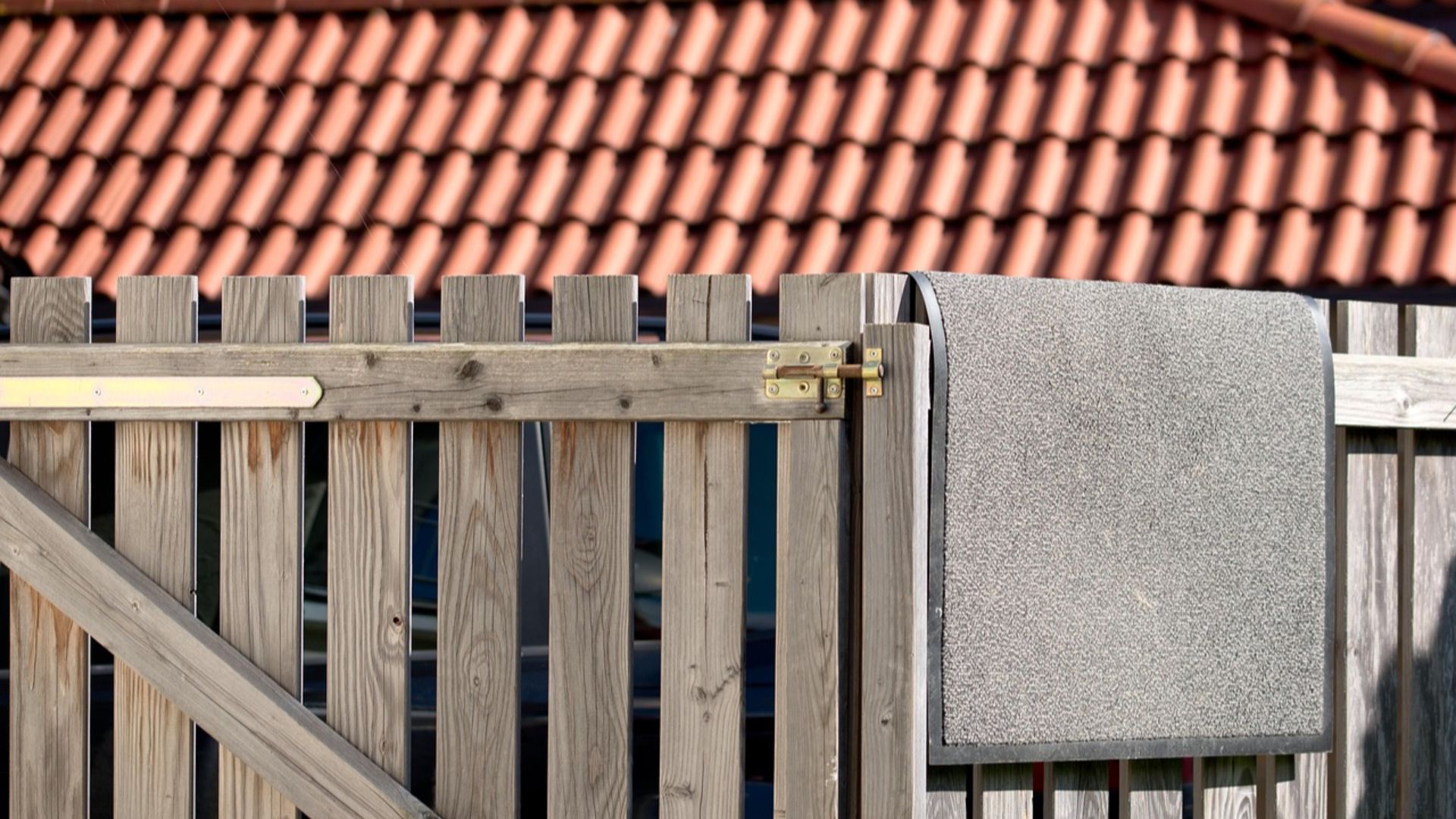
Not exactly. You generally have every right to install a fence, plant shrubs, or add landscaping on your own property, provided you follow local rules. But covering, damaging, or tampering with someone else's camera could create legal problems of your own.
Landscaping Can Give You More Privacy
Trees, hedges, decorative screens, pergolas, and privacy fencing can all reduce what neighboring cameras can see. Even if the camera stays where it is, thoughtful landscaping can often solve the problem while making your property more enjoyable.
What If Your Neighbor Refuses?
If you've politely asked and nothing changes, you may want to check whether your homeowners' association, condominium corporation, or municipality has rules governing security cameras. Some communities have additional guidelines beyond general privacy laws.
 Christina @ wocintechchat.com M, Unsplash
Keep Good Records If The Problem Continues
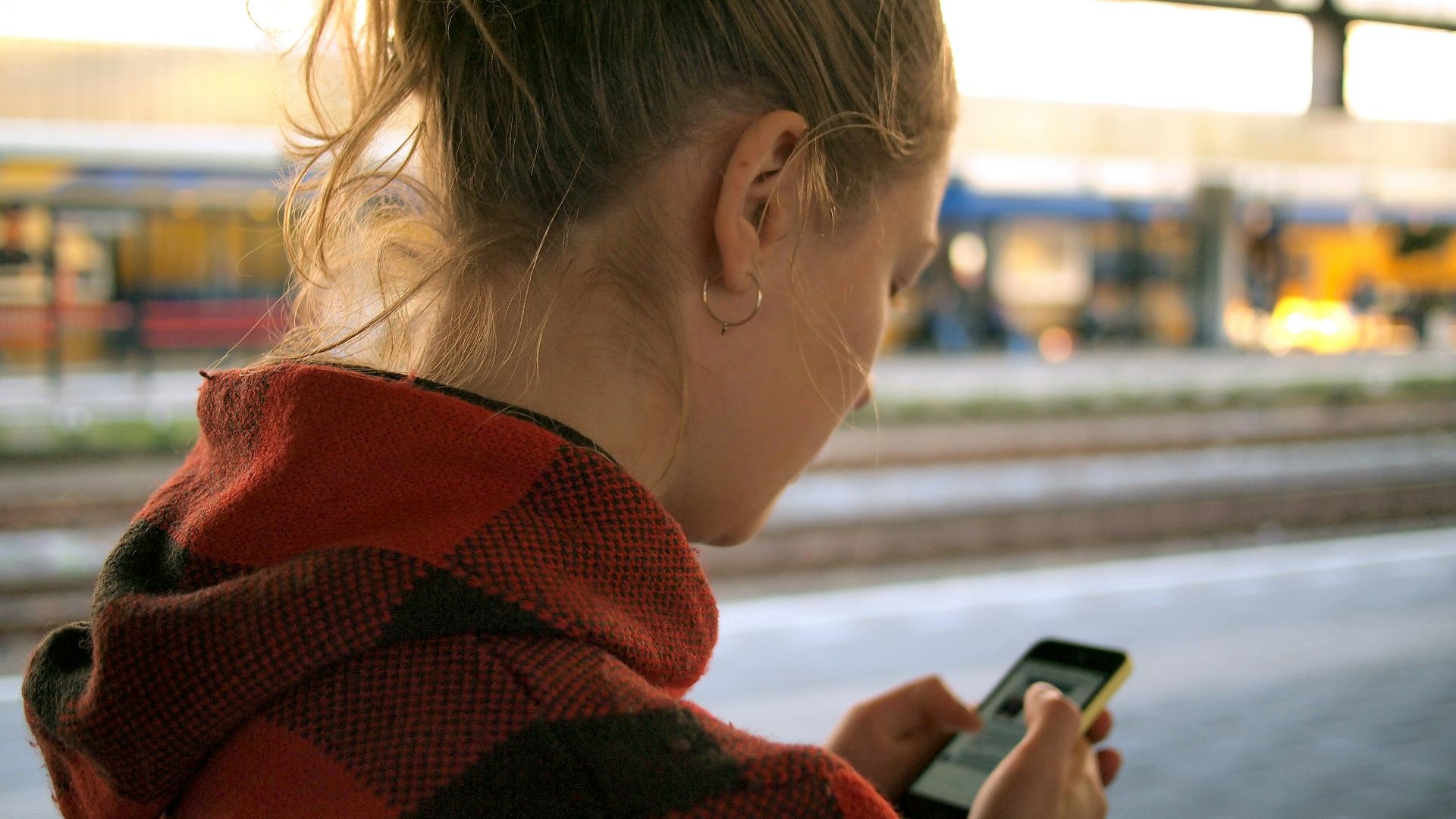
If you genuinely believe the camera is invading your privacy, keep notes about when the issue occurs and any conversations you've had. Having clear documentation can be helpful if you eventually need to raise the matter with an HOA, condo board, mediator, or attorney.
 Daria Nepriakhina 🇺🇦, Unsplash
Sometimes This Isn't Really About The Camera
In many neighborhoods, disputes like this become bigger than the technology itself. What often frustrates homeowners most isn't being recorded—it's feeling like their concerns aren't being taken seriously.

Camera Technology Keeps Changing
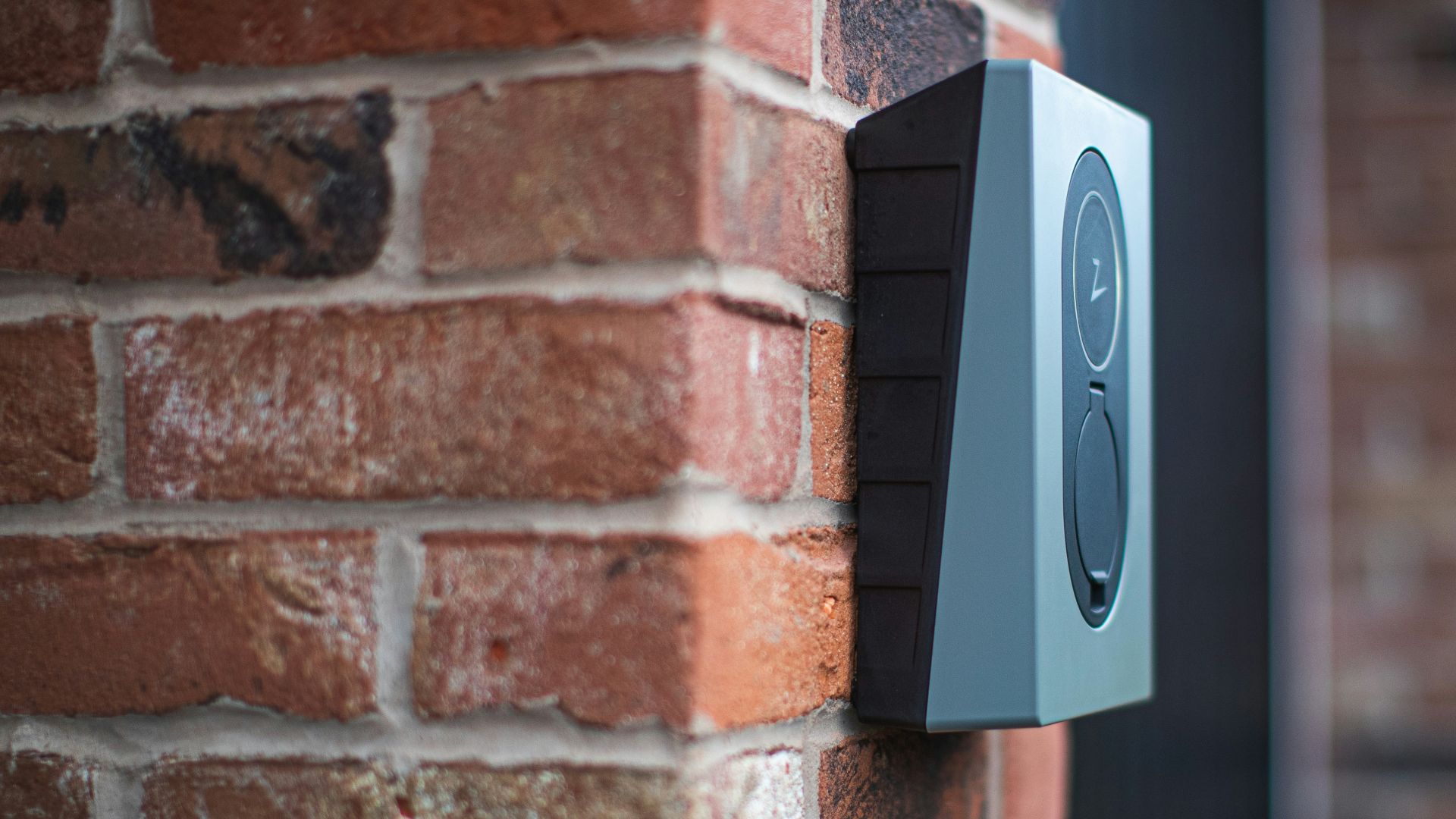
Today's security cameras are becoming smarter every year. Many now include AI-powered person detection, customizable activity zones, and privacy masking features that didn't exist just a few years ago, making it easier than ever to balance security with privacy.
It Helps To Separate Security From Surveillance
Most homeowners install cameras to protect their own property, not to watch their neighbors. The challenge is making sure the camera only captures what's reasonably necessary without unnecessarily recording someone else's daily routine.
 CrabcakesCreator, Wikimedia Commons
So... Are These Cameras Allowed To Film Anything?
Usually not. In many places, homeowners can legally record areas that are visible from public spaces or from their own property, but that doesn't give them unlimited permission to record wherever they choose. If a camera captures more of your property than necessary, or records areas where privacy is reasonably expected, there may be options available depending on your local laws. Often, though, a respectful conversation and a simple camera adjustment solve the problem long before lawyers become involved.
 SalariéVerisure, Wikimedia Commons
The Best Solution May Be Simpler Than You Think
Before assuming your only option is a legal fight, ask whether the camera can be repositioned or whether privacy zones can be enabled. In many cases, both neighbors simply want to feel secure—and with a little communication, it's often possible for everyone to get exactly that.

You May Also Like: