Detroit Let Buyers Get Weird
American automakers have always loved a long options sheet. Most buyers chose sensible extras like air conditioning, power windows, or a better radio. Others paid for record players, floral roofs, gasoline heaters, and tents attached to hatchbacks. Which of these wonderfully strange choices would you have ordered?
 Christopher Ziemnowicz, CC BY-SA 4.0 , via Wikimedia Commons
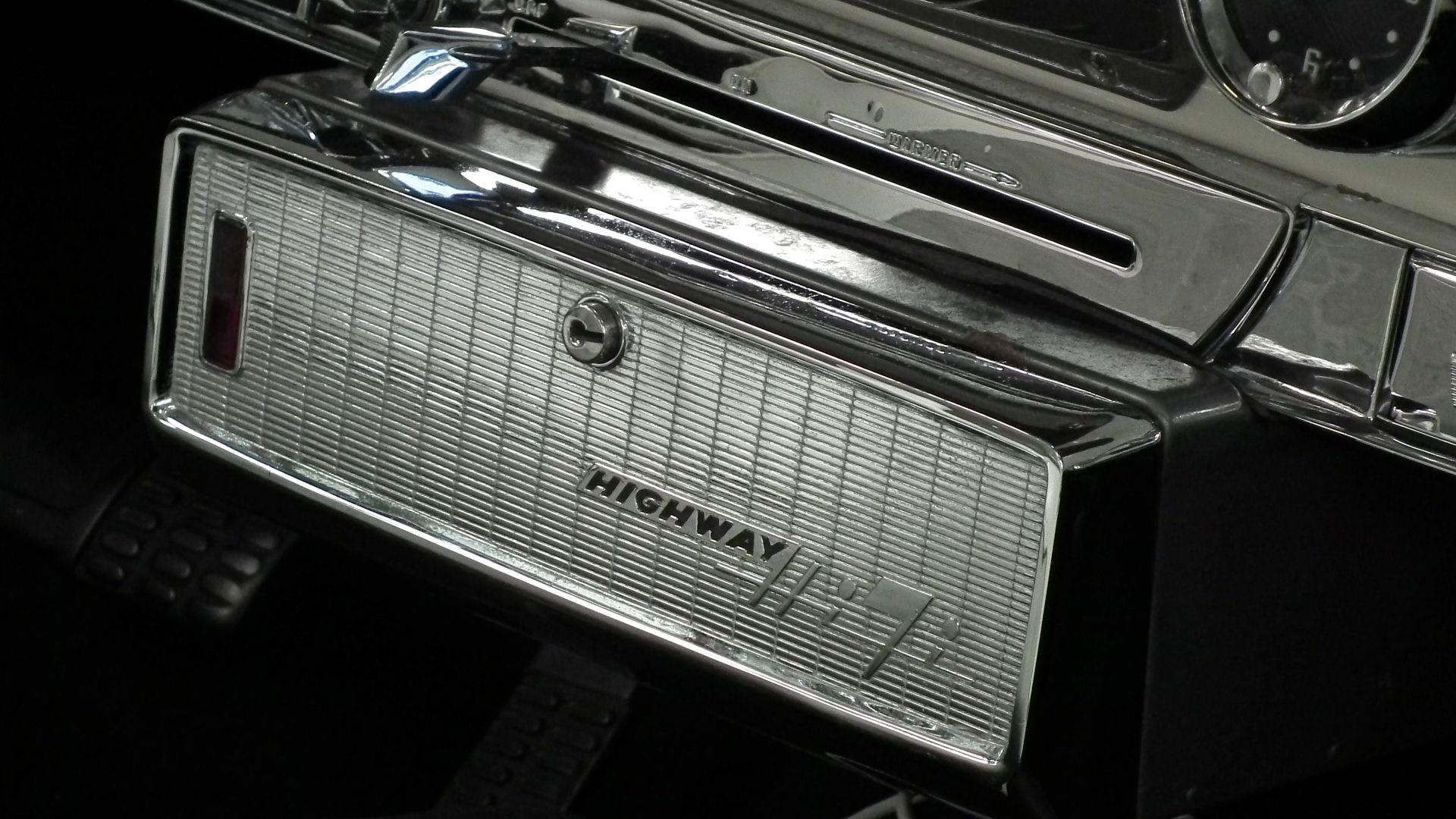
Chrysler’s Dashboard Record Player
In 1956, Chrysler offered Highway Hi-Fi, a record player mounted beneath the dashboard. Special slow-playing records provided roughly an hour of music per side and supposedly resisted skipping. The selection was limited, the equipment was troublesome, and rough roads remained the natural enemy of vinyl.
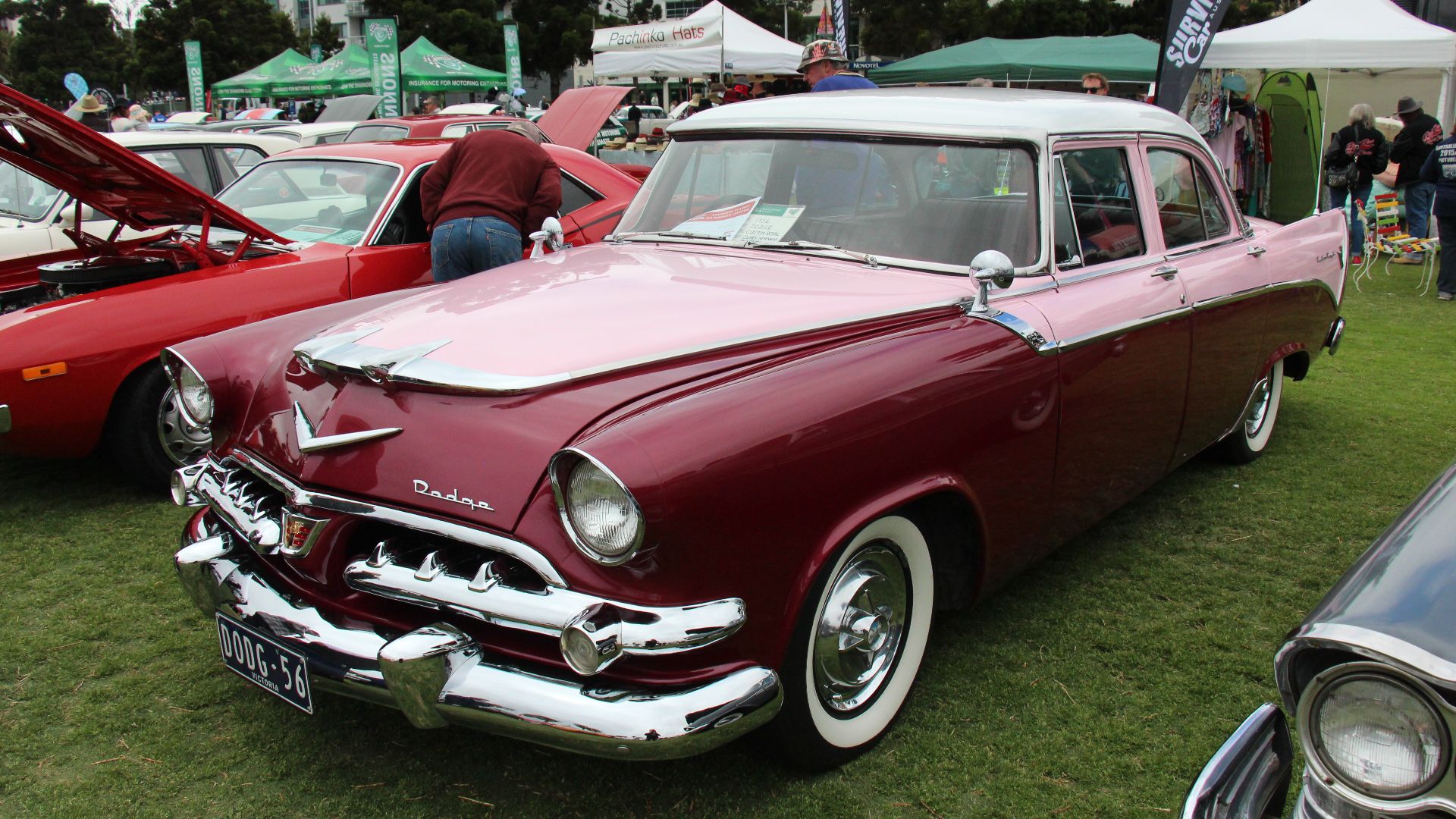
The Dodge La Femme Package
Dodge believed women wanted a car with pink paint, floral upholstery, a matching purse, a cosmetics case, a raincoat, and an umbrella. The 1955 La Femme supplied all of that. The marketing feels painfully dated now, but complete examples are incredibly rare and fascinating pieces of automotive history.
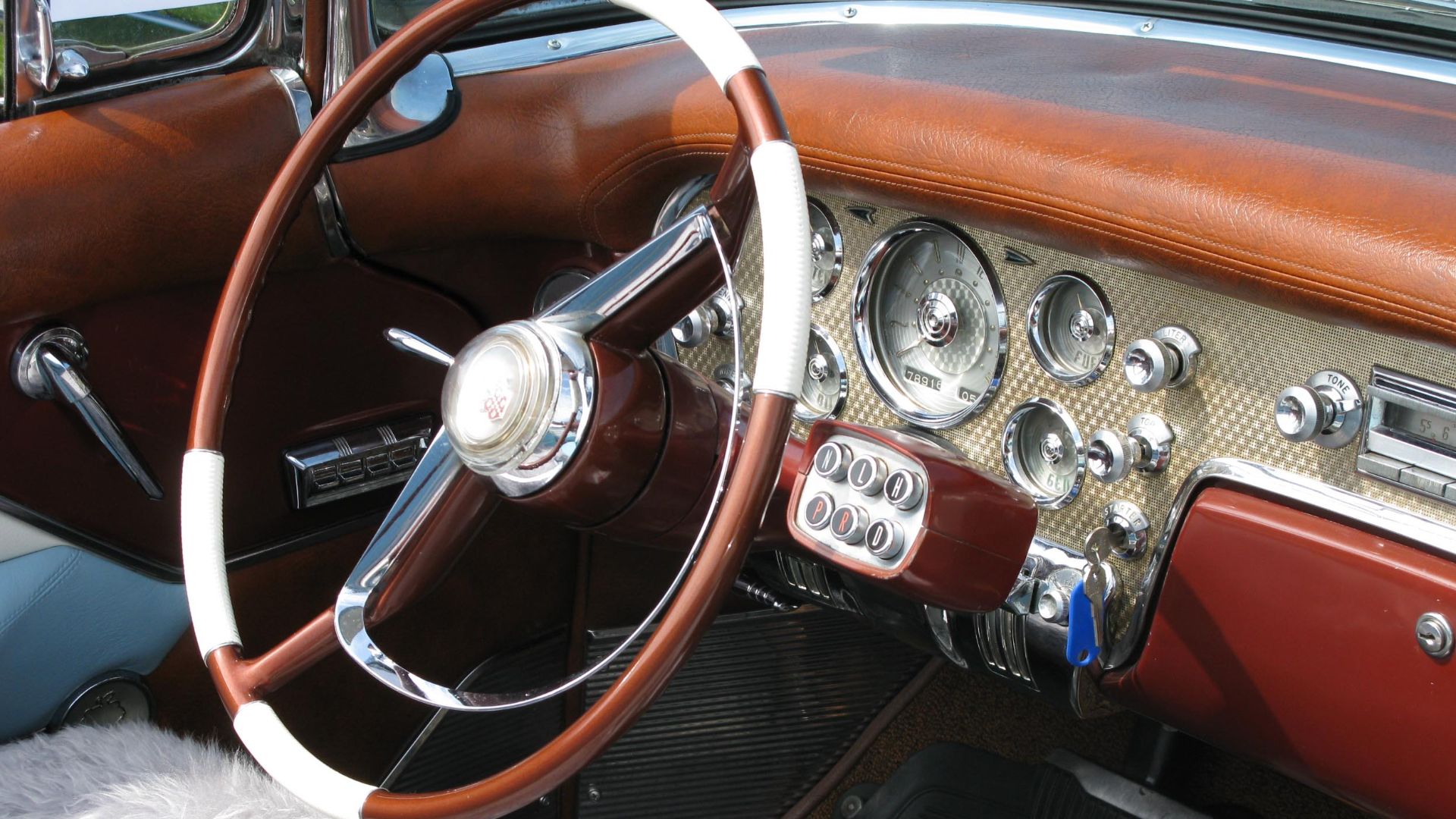
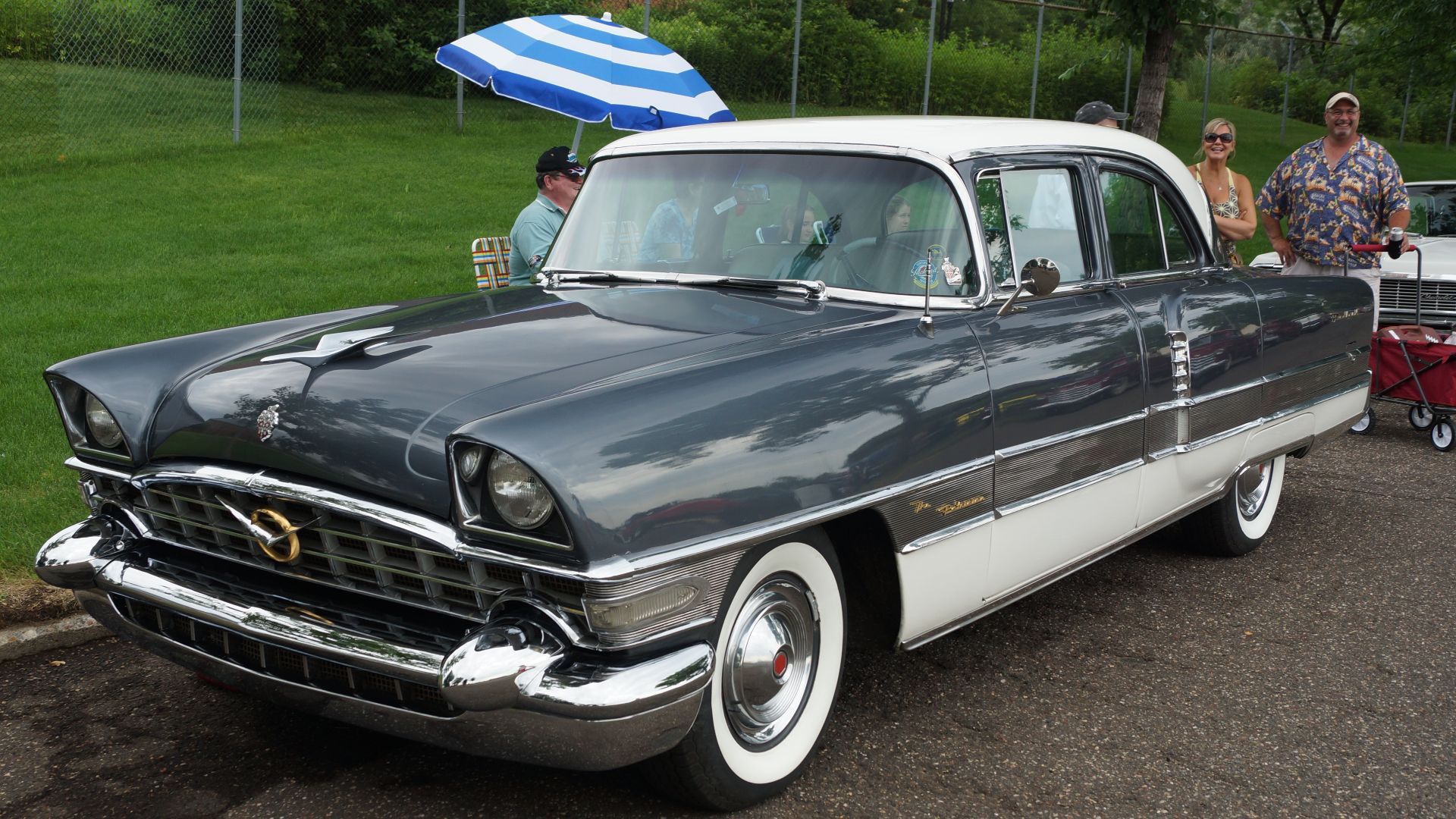
Packard’s Electric Gear Buttons
The 1956 Packard could be ordered with Touch Button Ultramatic, an electrically operated transmission selector. Instead of moving a lever, drivers pressed buttons for Park, Reverse, Drive, and other ranges. It looked futuristic, although electrical problems sometimes made selecting a gear far more exciting than Packard intended.
 Herranderssvensson, Wikimedia Commons
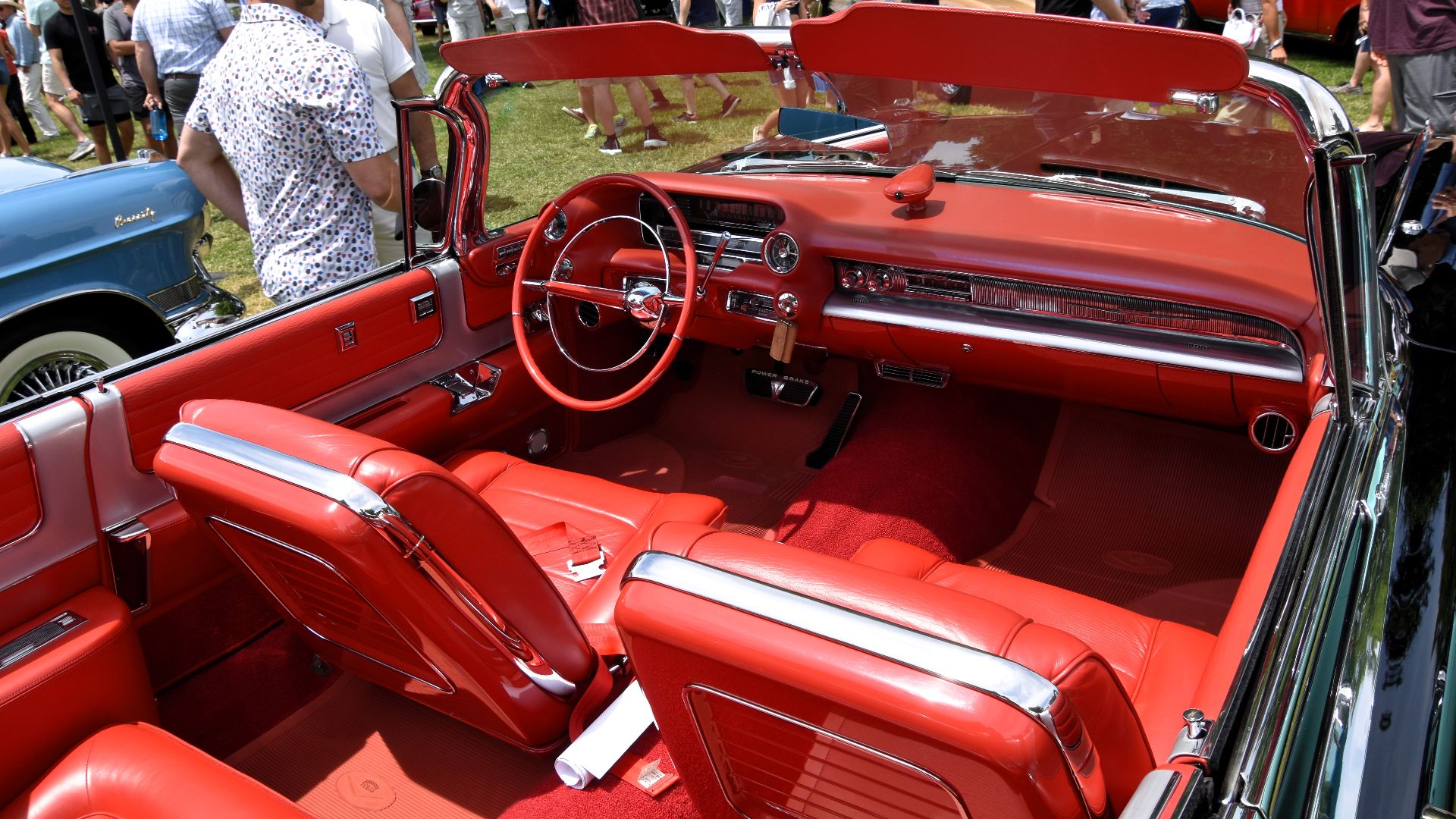
The Autronic Eye
Beginning in 1952, Cadillac and Oldsmobile offered the Autronic Eye. A strange sensor perched on the dashboard detected approaching headlights and automatically lowered the high beams. It was an early glimpse of modern automatic lighting, although streetlights, reflections, and roadside signs could sometimes confuse it.
 Charles from Port Chester, New York, Wikimedia Commons
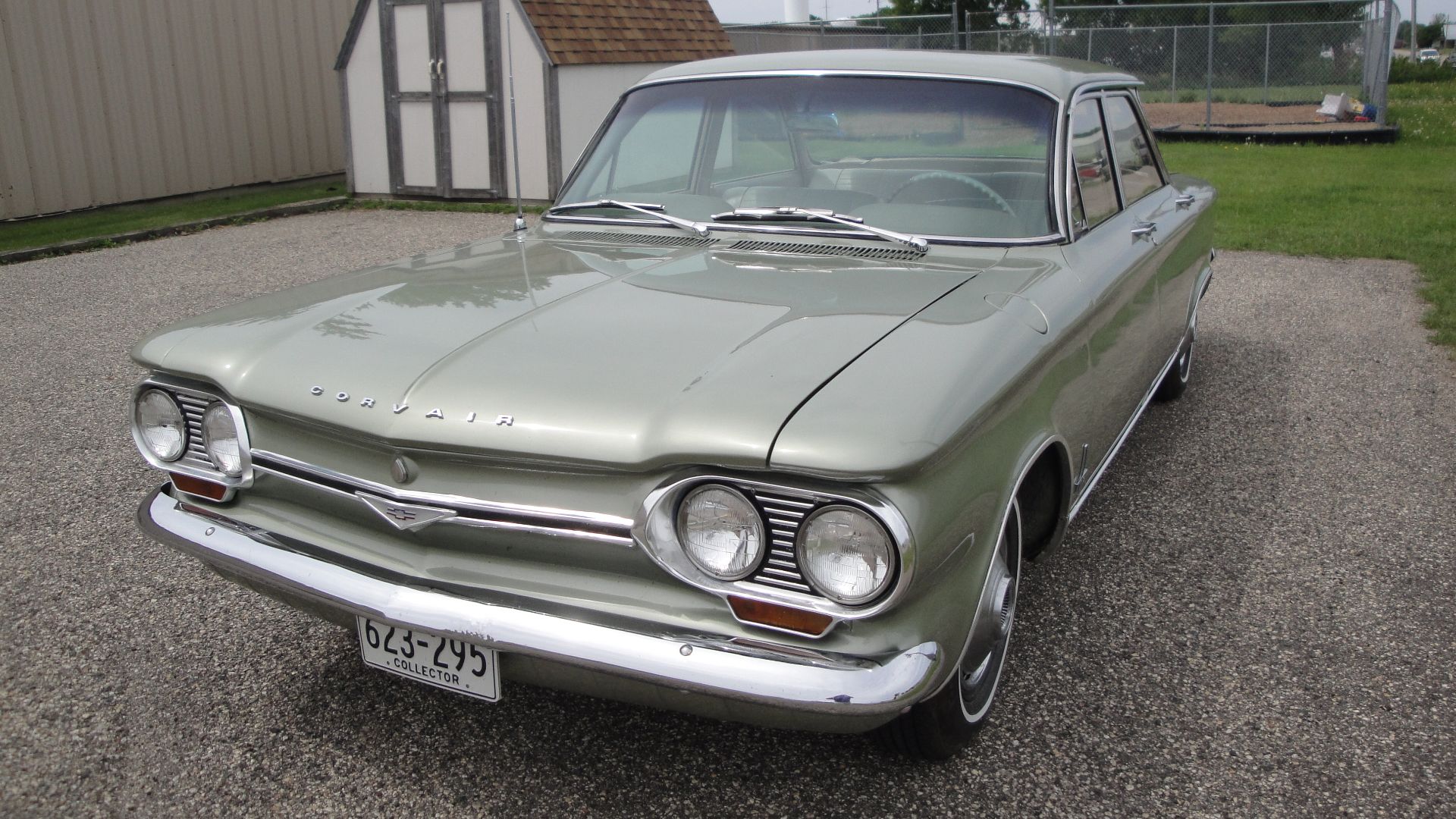
A Gasoline-Burning Heater
Early Chevrolet Corvairs could be equipped with a heater that burned gasoline drawn from the car’s fuel supply. Located in the front trunk, it warmed the cabin quickly without waiting for the air-cooled engine. It worked well, but “gasoline fire beneath the luggage” was hardly a comforting sales pitch.
 Greg Gjerdingen from Willmar, USA, Wikimedia Commons
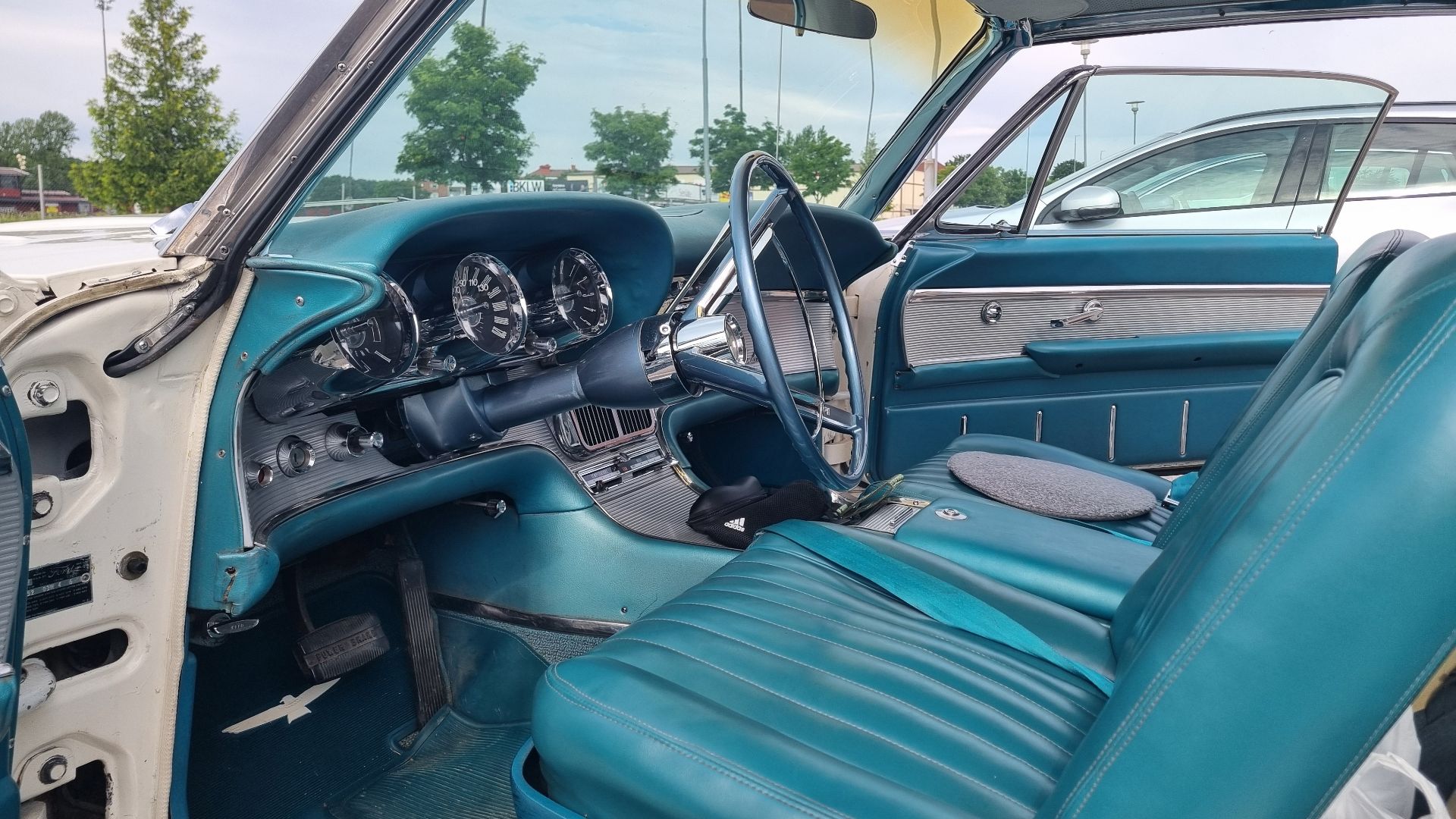
The Swing-Away Steering Wheel
Ford’s 1961 Thunderbird offered a steering wheel that slid sideways when the transmission was in Park. The extra space helped drivers climb into and out of the low-slung cabin. It was genuinely useful, but watching the entire wheel move toward the passenger seat still feels like witnessing a mechanical magic trick.
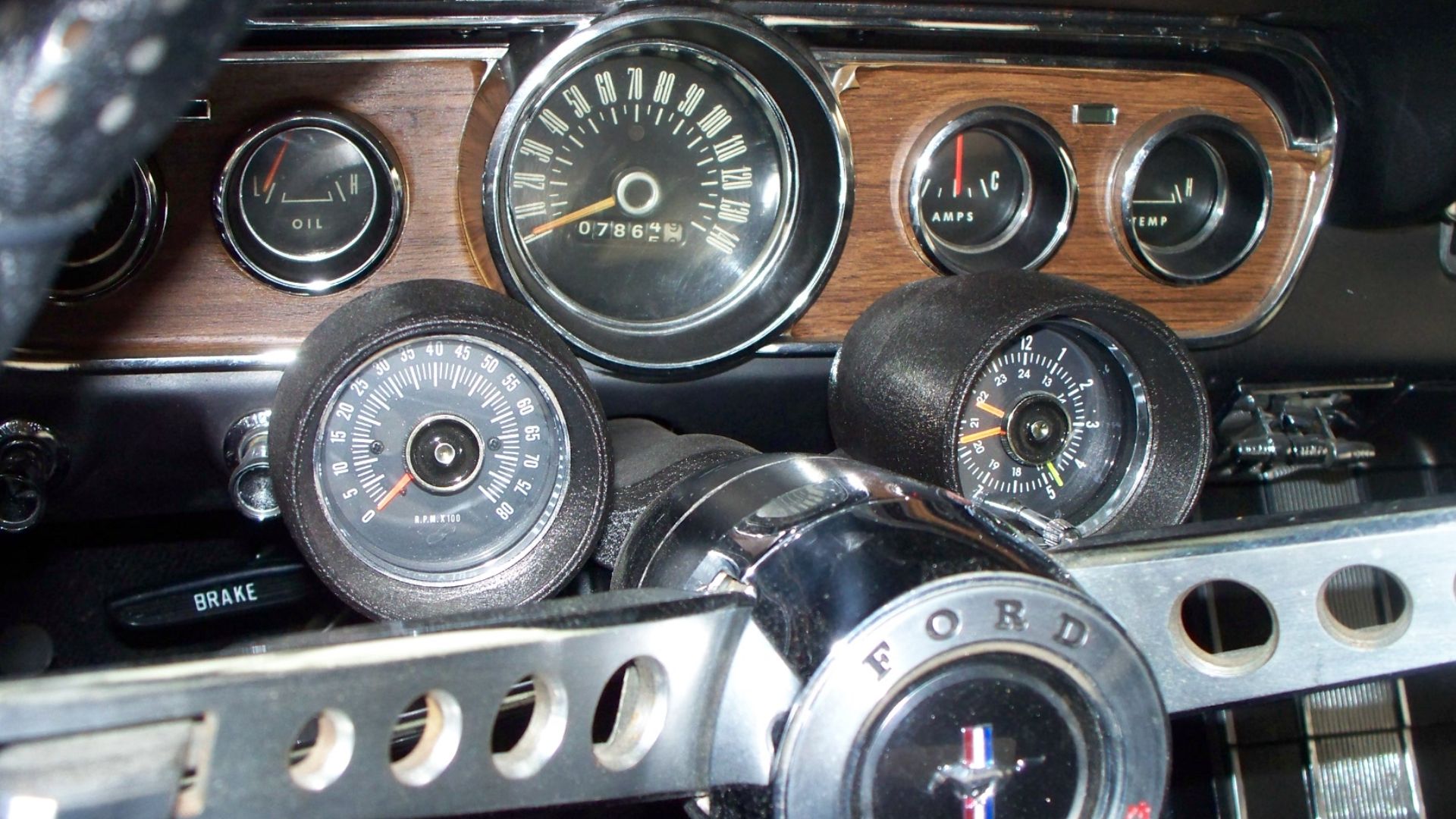
The Mustang Rally-Pac
Early Mustang buyers could add a Rally-Pac containing a tachometer and clock. Instead of placing the gauges neatly inside the dashboard, Ford strapped the twin pods around the steering column. It looked sporty, slightly improvised, and exactly like something a teenager might have installed in the driveway.
 PMDrive1061, Wikimedia Commons
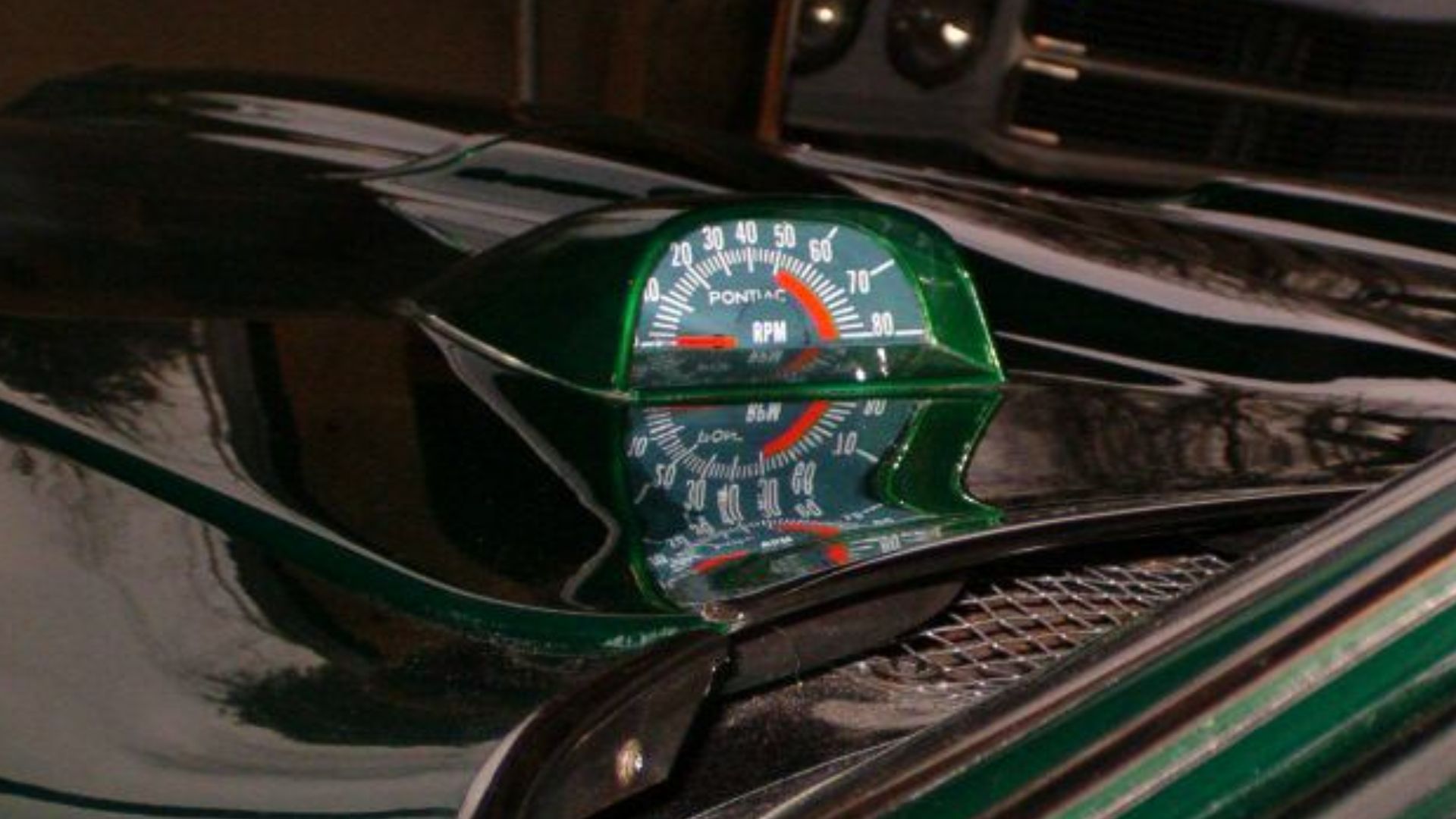
Pontiac’s Hood-Mounted Tachometer
Why place the tachometer inside the car when it could live outside in the rain? Pontiac offered a hood-mounted tach beginning in 1967, putting engine speed directly in the driver’s sightline. It looked fantastic, although weak lighting, vibration, weather, and repeated hood slamming were not ideal for accuracy.
 Geneb1955 at English Wikipedia, Wikimedia Commons
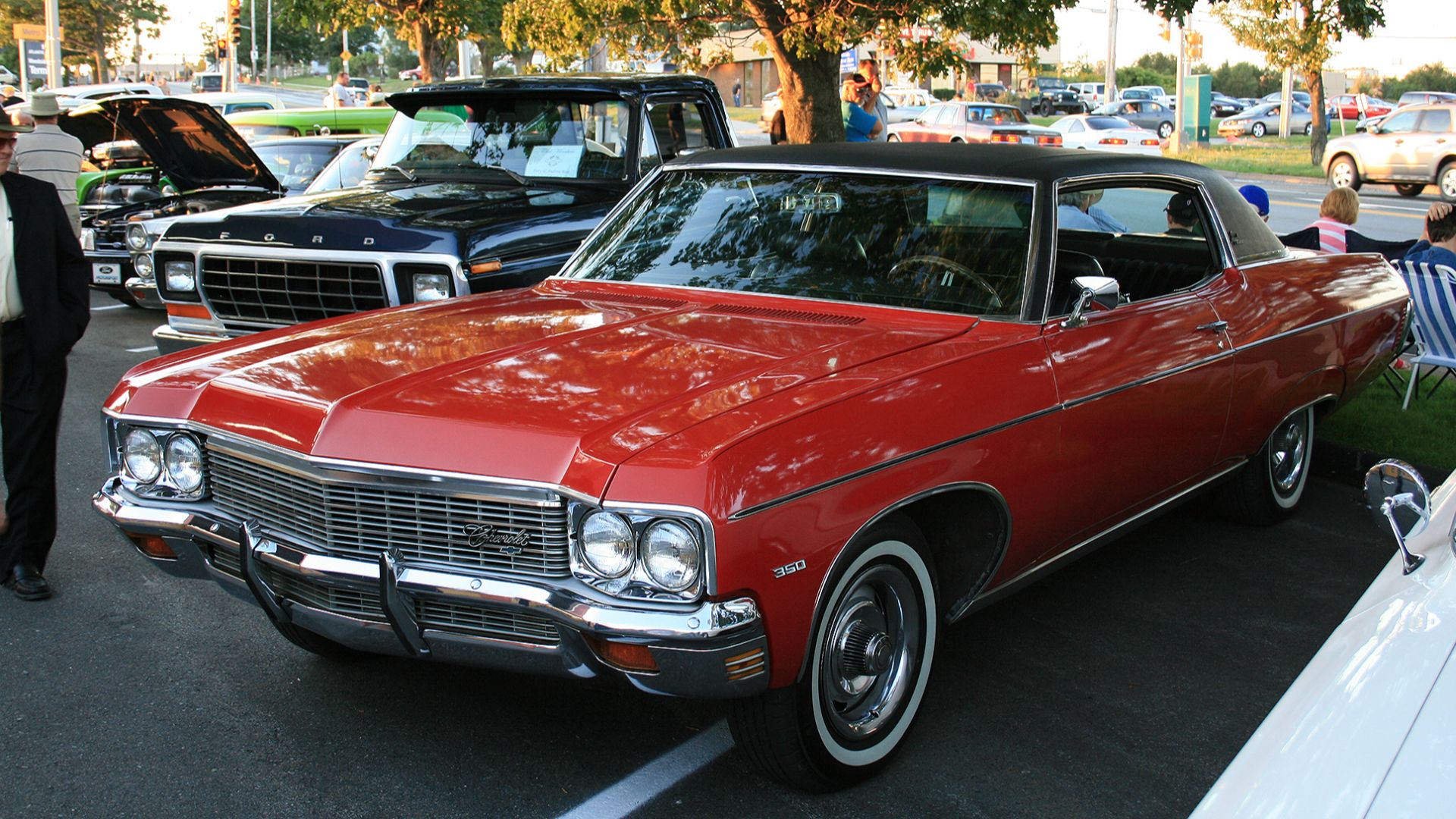
Chevrolet’s Liquid Tire Chain
Chevrolet’s 1969 Liquid Tire Chain option sprayed a chemical compound ahead of the rear tires when the driver pressed a button. The substance supposedly improved traction on ice and snow. Few buyers trusted this mysterious alternative to proper chains, and the system disappeared from the options list after one year.
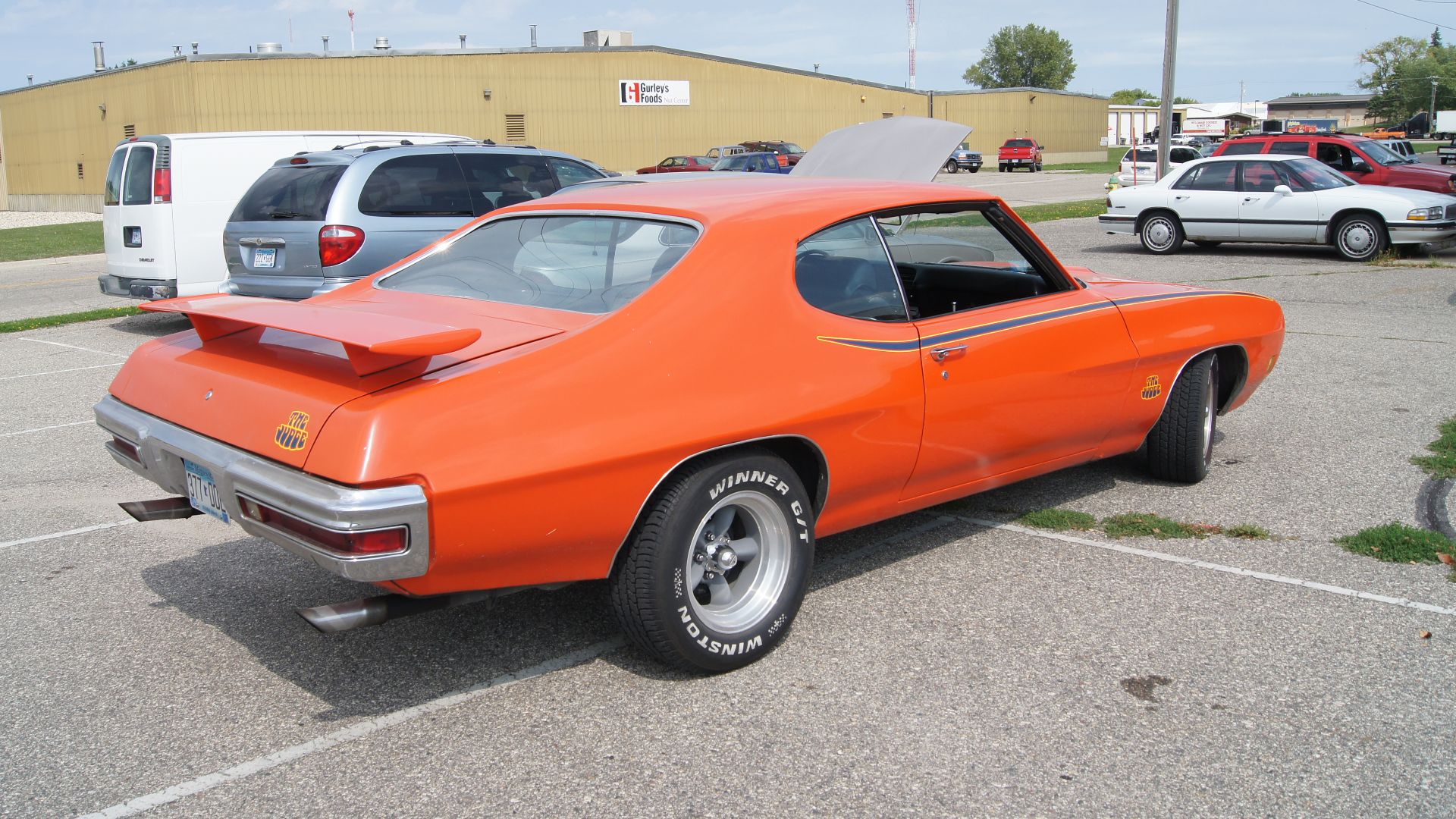
Pontiac’s Secret Loud Mode
The 1970 Pontiac GTO briefly offered Vacuum Operated Exhaust. Pulling a small control beneath the dashboard opened internal muffler passages, creating more noise and improving airflow. It was essentially a factory-installed “annoy the neighbors” switch, which helps explain why Pontiac withdrew it almost immediately.
 Greg Gjerdingen from Willmar, USA, Wikimedia Commons
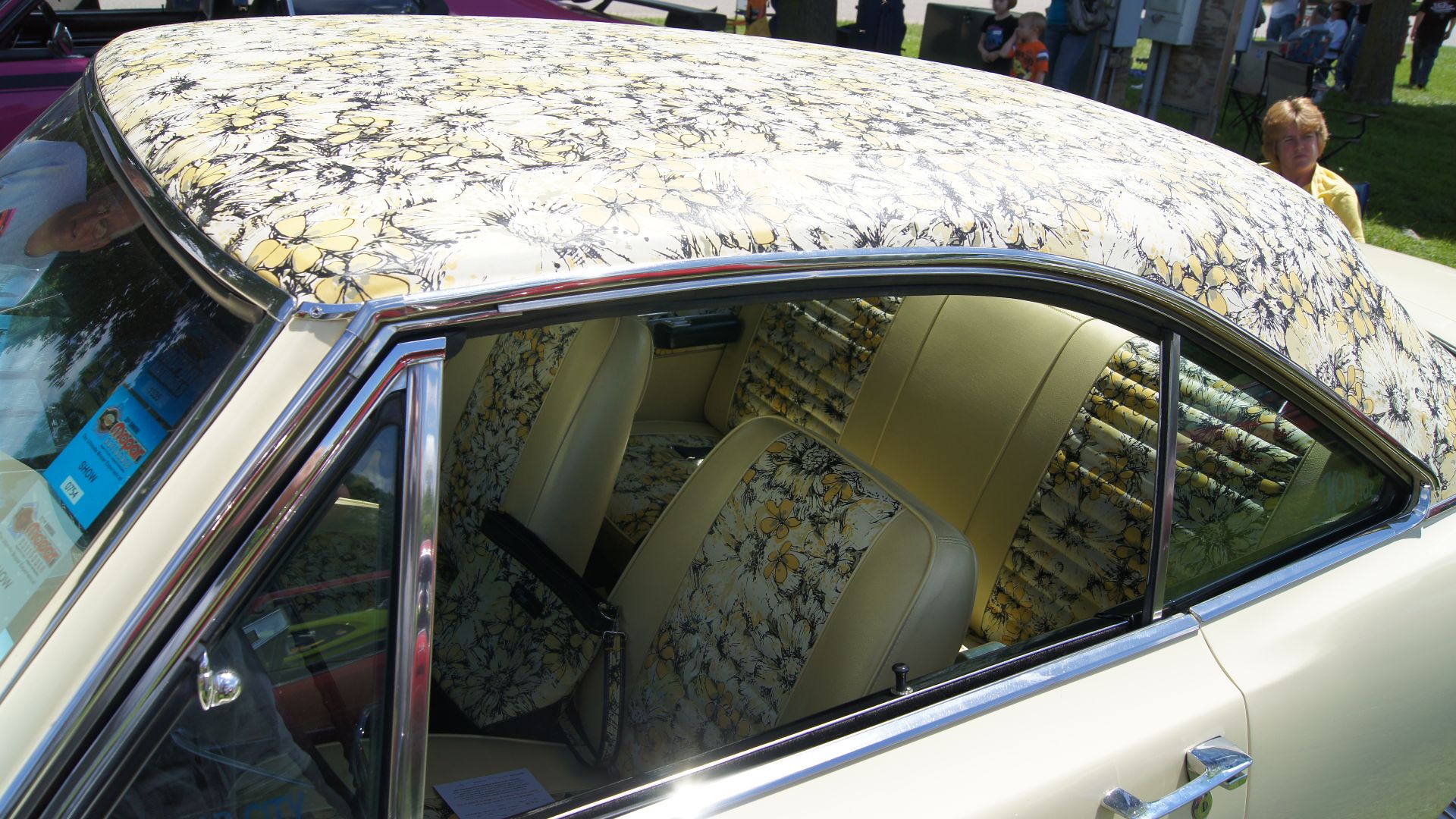
Mopar’s Floral Mod Top
During 1969 and 1970, certain Dodge and Plymouth models could wear the Mod Top, a brightly colored floral vinyl roof. Matching flower-patterned seat inserts were also available. Nothing says serious muscle car quite like a roaring V8 surrounded by upholstery that resembles somebody’s psychedelic kitchen curtains.
 Greg Gjerdingen from Willmar, USA, Wikimedia Commons
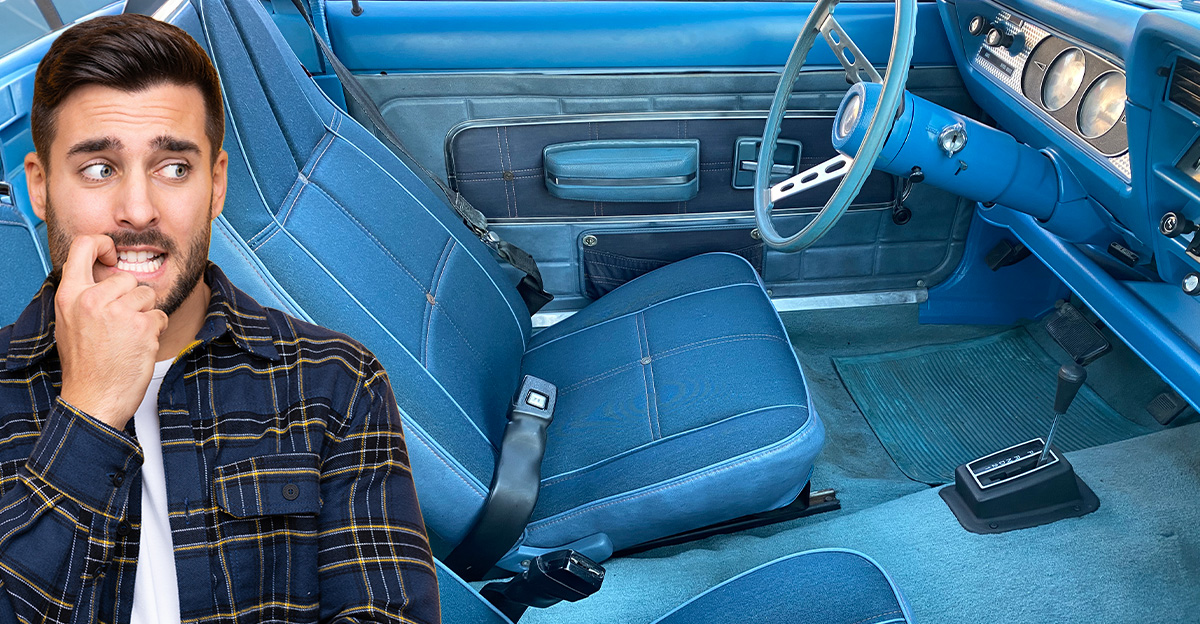
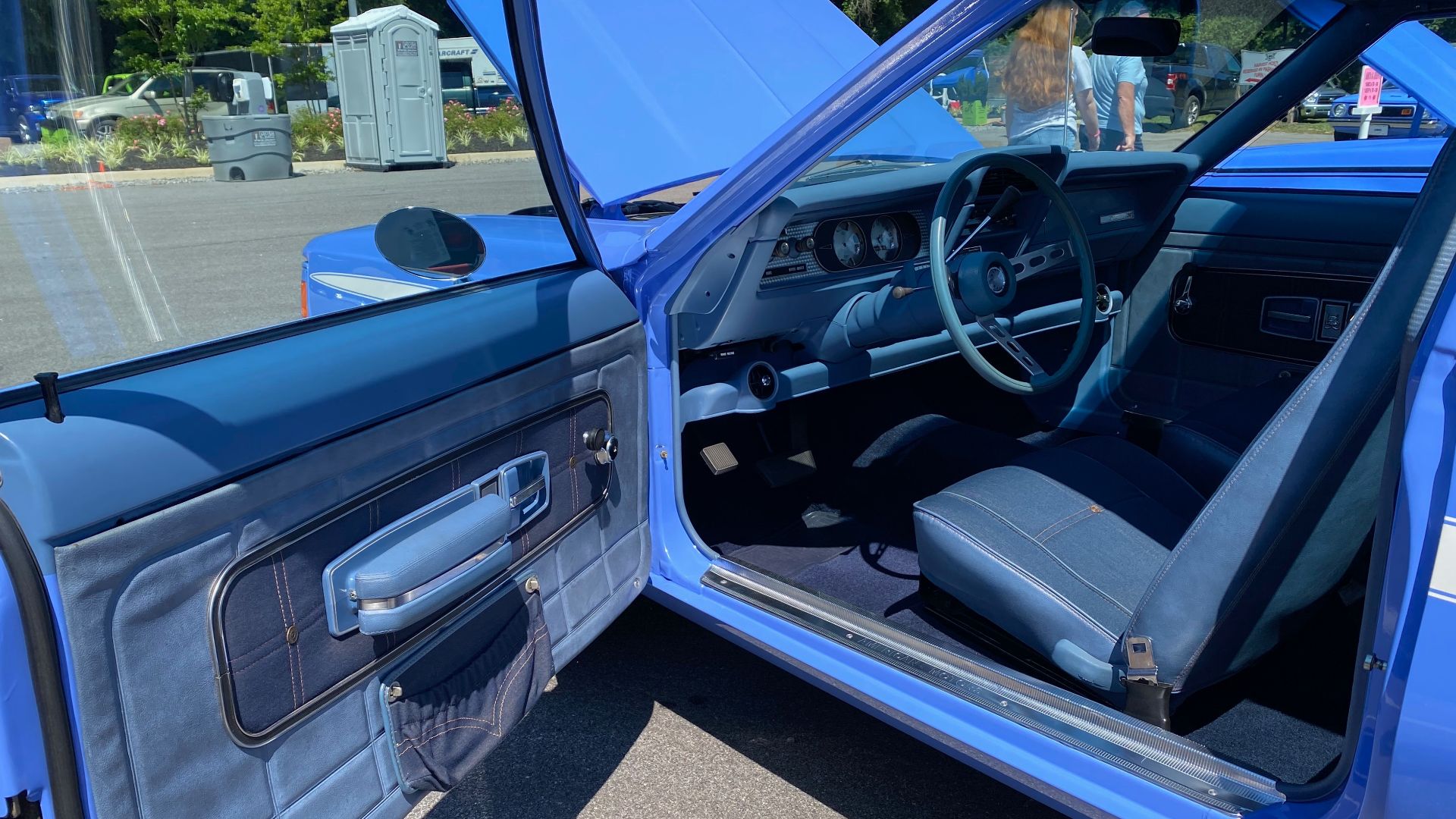
The Levi’s Gremlin Interior
AMC offered Gremlin buyers an interior designed to resemble Levi’s blue jeans. The seats used fire-resistant nylon rather than real denim, but they featured copper-colored stitching, buttons, pockets, and Levi’s tags. It was either charmingly fashionable or the automotive equivalent of wearing a Canadian tuxedo.
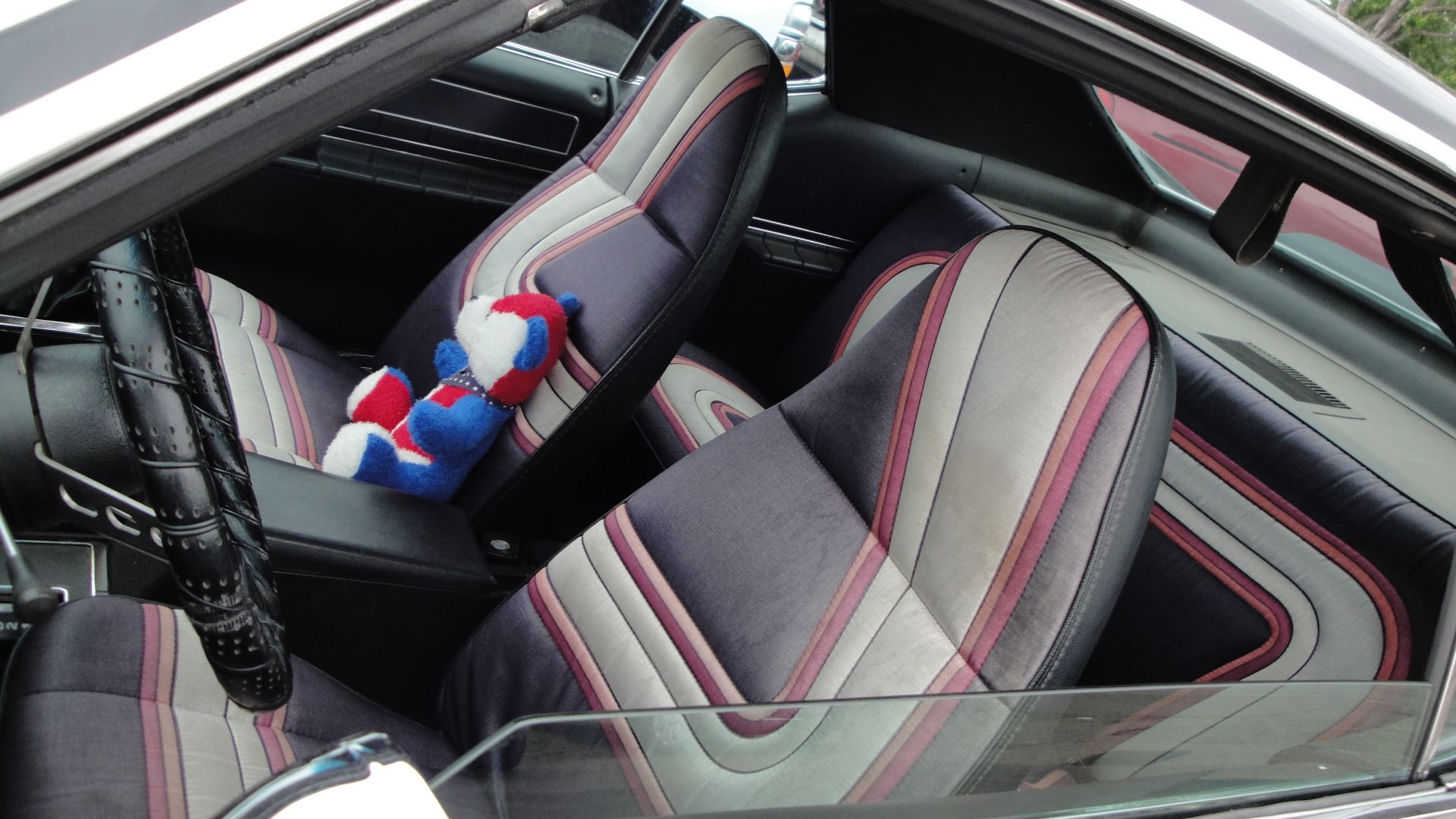
The Pierre Cardin Javelin
The AMC Javelin’s optional Pierre Cardin interior featured colorful stripes flowing across the seats, door panels, and headliner. The design was dramatic enough to make an already bold pony car look like a fashionable airport lounge. More than 4,000 Cardin Javelins were produced for 1972 and 1973.
 Greg Gjerdingen from Willmar, USA, Wikimedia Commons
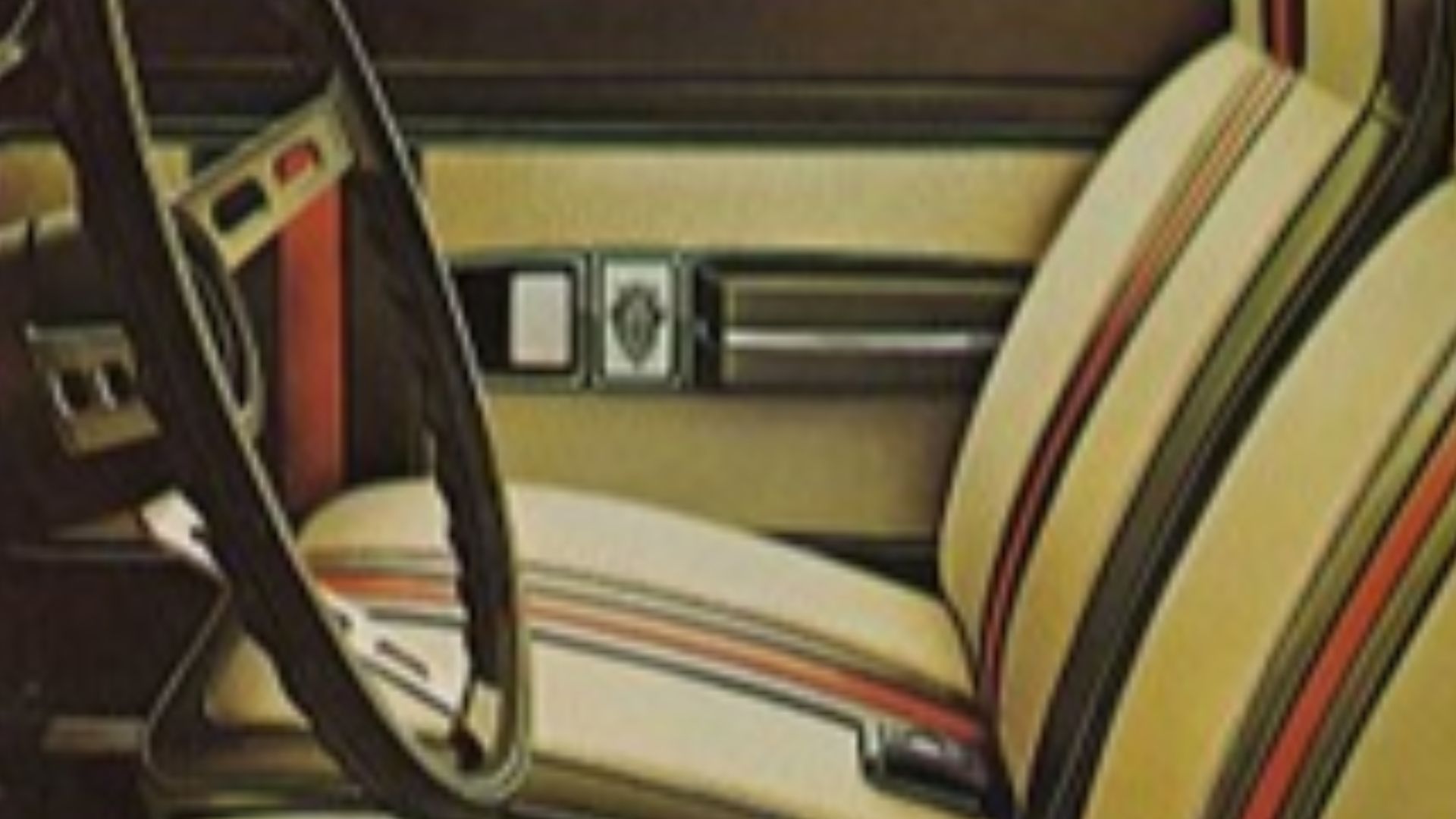
The Gucci Hornet Wagon
AMC’s partnership with Gucci produced one of history’s strangest luxury cars: a designer-trimmed Hornet station wagon. The Sportabout received green-and-red accents, special upholstery, Gucci badges, and distinctive interior details. It was practical enough for groceries but fashionable enough to make those groceries feel strangely expensive.
 American Motors Corporation (AMC) sales brochure, Wikimedia Commons
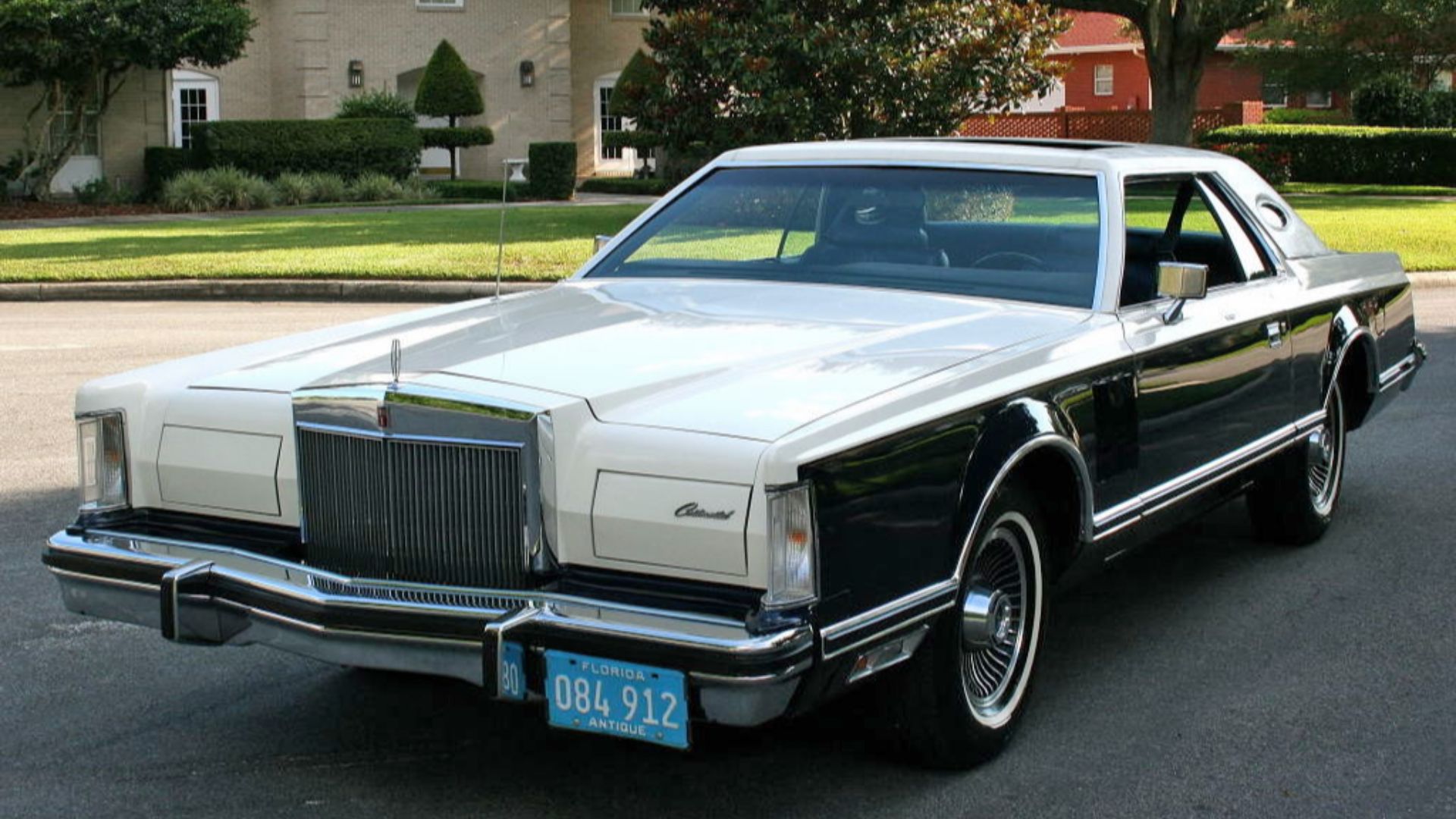
Lincoln’s Designer Editions
Lincoln took fashion branding even further with Continental Mark editions connected to Cartier, Bill Blass, Givenchy, and Emilio Pucci. Each package combined exclusive colors, fabrics, trim, signatures, and badges. Buyers could effectively match their enormous luxury coupe to the name printed on their clothing or luggage.
 That Hartford Guy, Wikimedia Commons
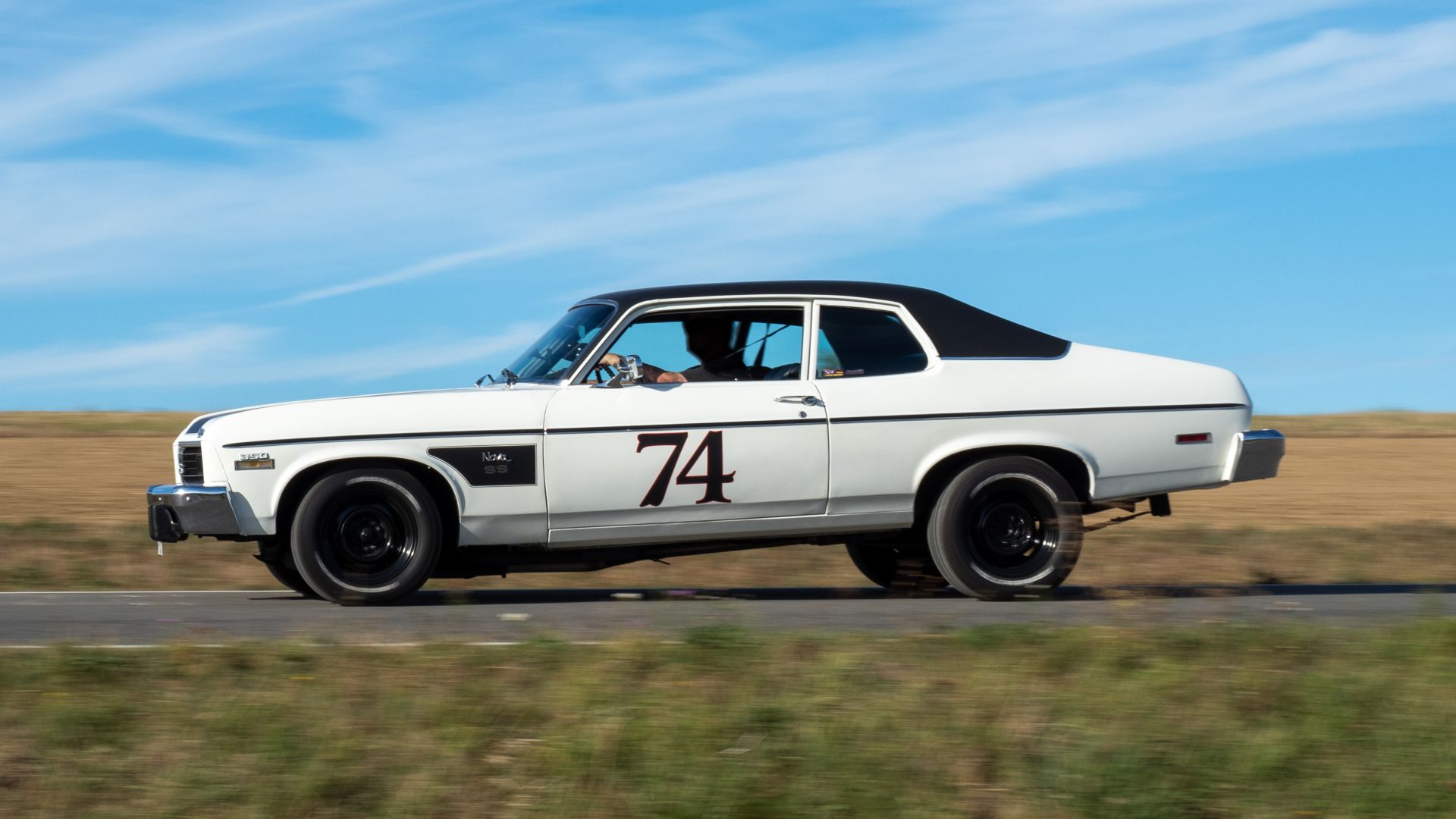
Chevrolet’s Hatchback Hutch
Chevrolet offered a tent that attached to the open rear hatch of models including the Vega and Nova. Called the Hatchback Hutch, it turned an economy car into extremely compact overnight accommodation. It was clever, affordable, and perfect for campers who enjoyed sleeping beside gasoline fumes and 1970s interior plastics.
The Corvette CB Radio
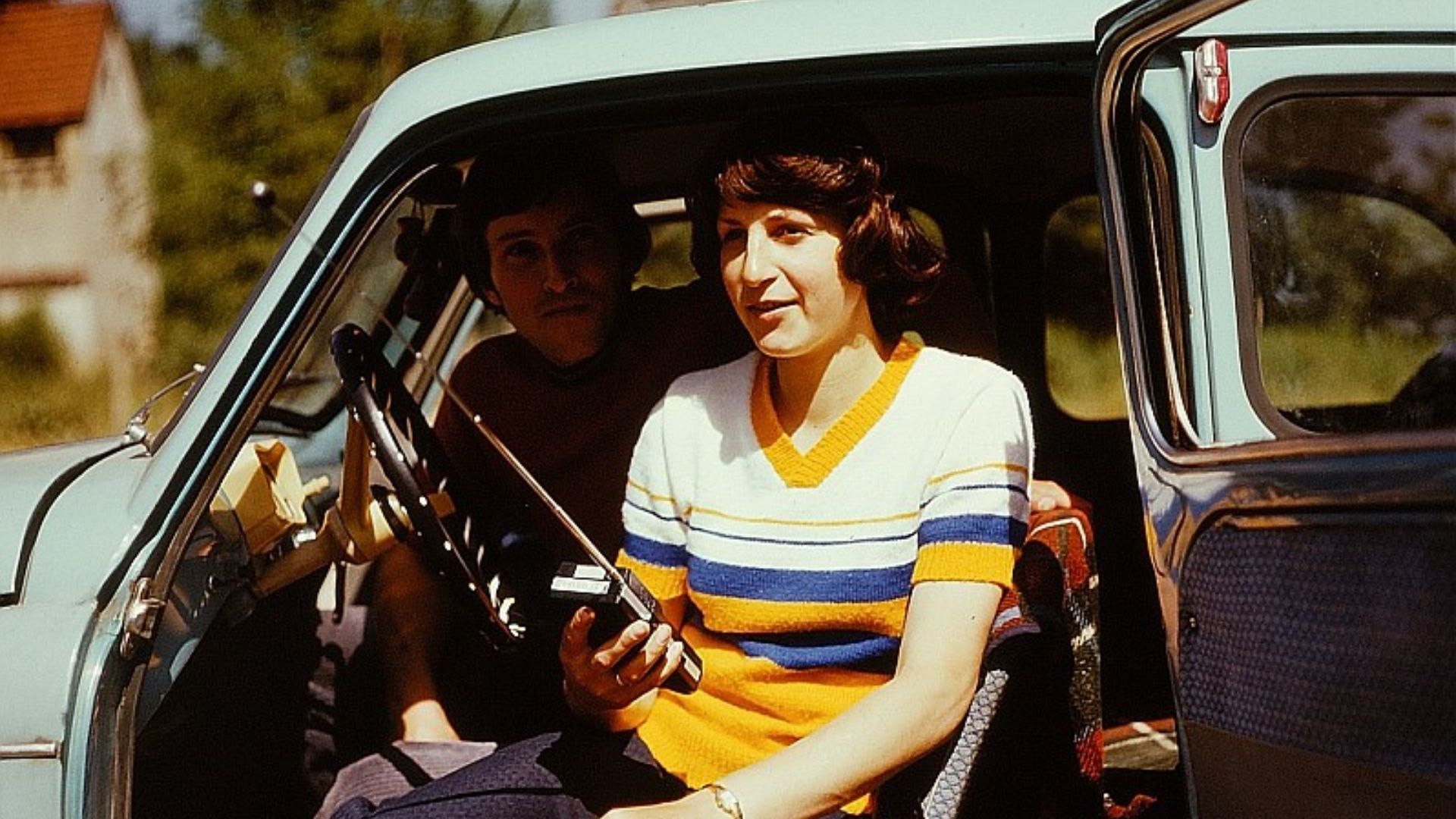
During the CB-radio craze, Corvette buyers could order a factory Delco system combining AM/FM entertainment with citizens-band communication. A sports car owner could cruise while discussing traffic, speed traps, and mysterious “smokies” with truckers. The installation was undeniably period-correct, even if the microphone cluttered the glamorous cabin.
 Eugen Nosko, Wikimedia Commons
Cadillac’s Track Master Brakes
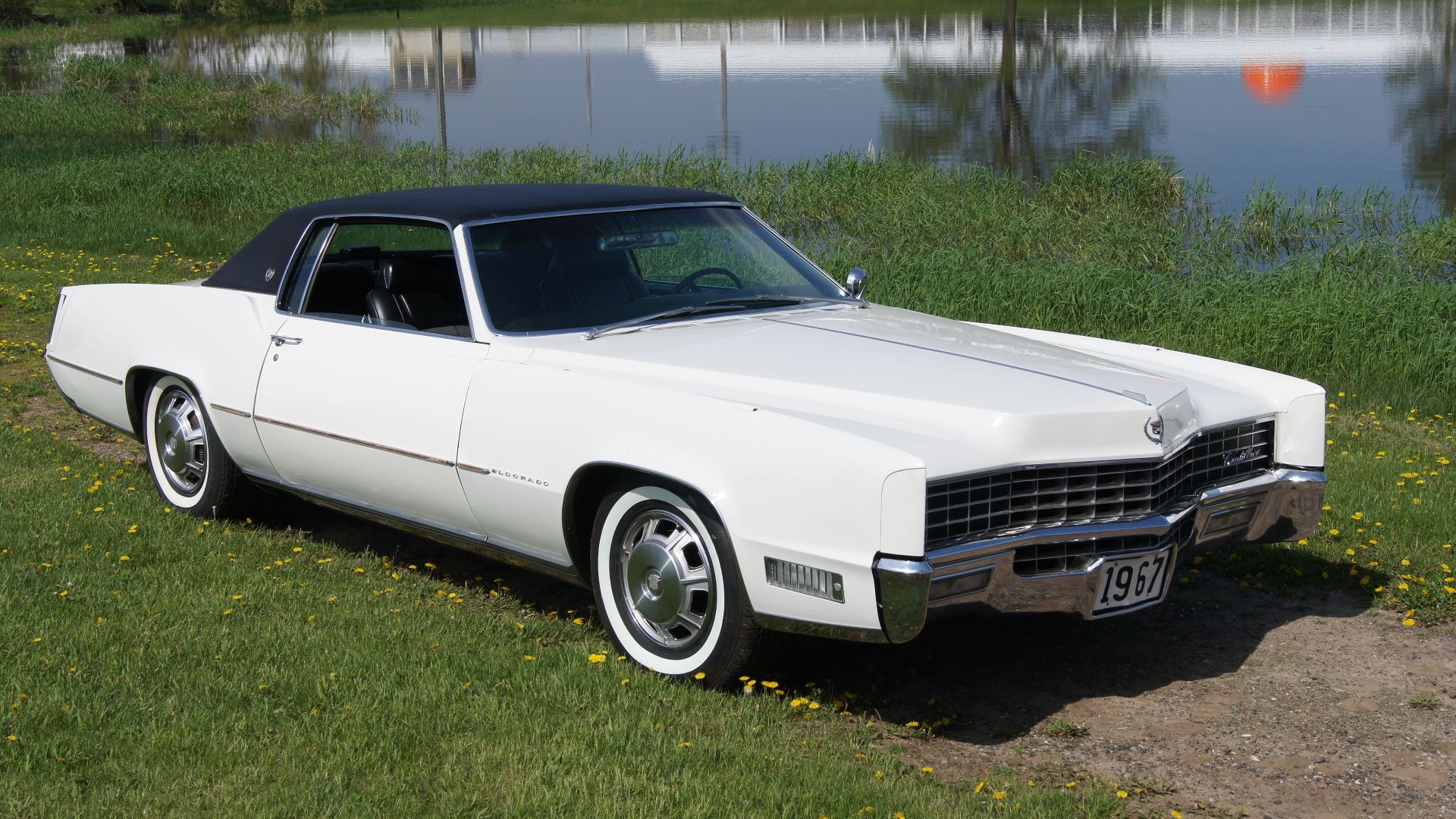
Cadillac introduced optional computer-controlled rear anti-lock brakes in 1971. Called Track Master, the system attempted to prevent the rear wheels from locking during hard stops. It was impressively advanced for its time, although asking an early-1970s computer to control a two-and-a-half-ton Cadillac required considerable faith.
 Greg Gjerdingen from Willmar, USA, Wikimedia Commons
Buick’s MaxTrac System
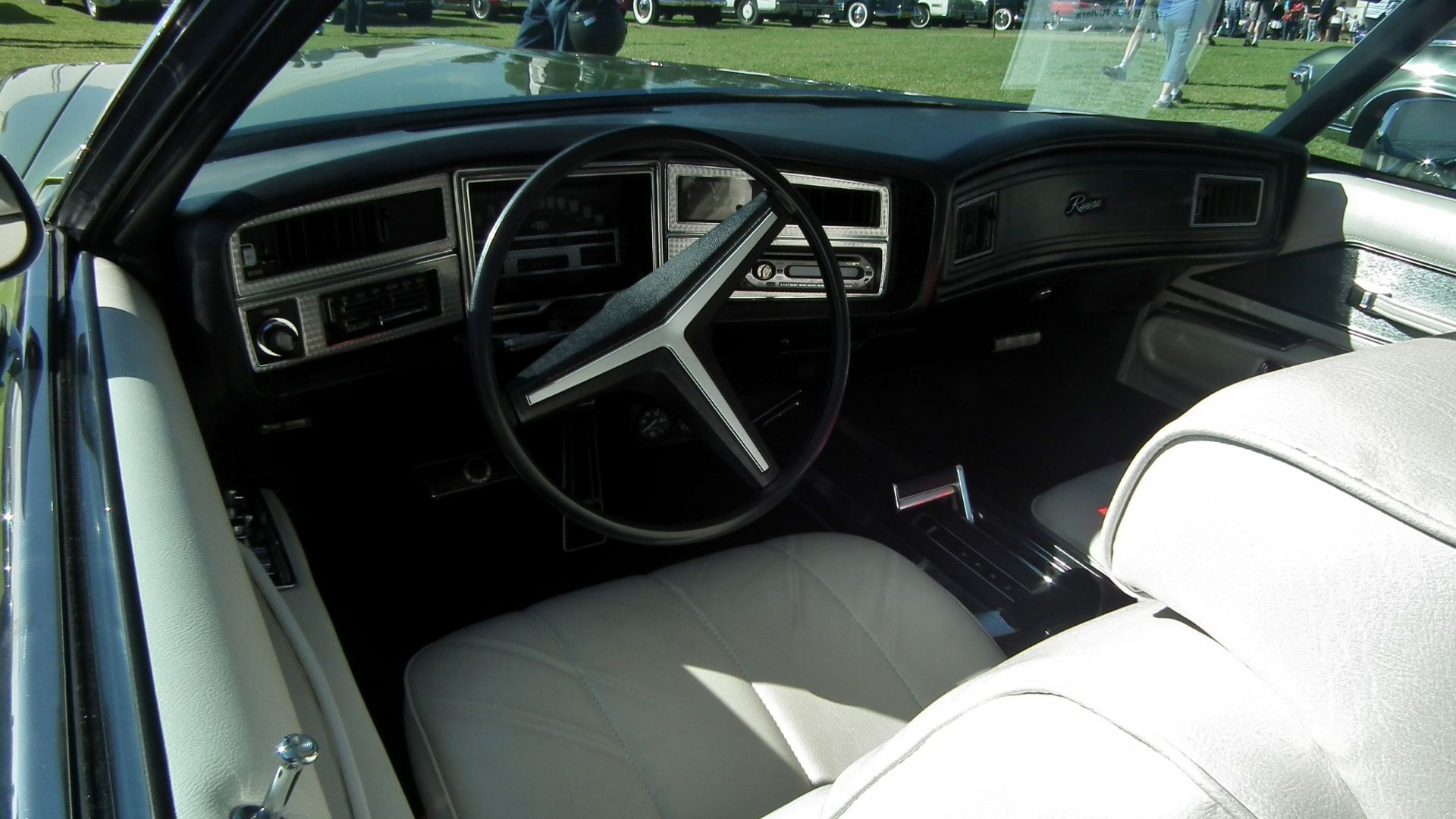
Buick’s 1971 MaxTrac option used an analog computer to compare wheel speeds and reduce engine power when the rear tires began spinning. It was an early form of traction control fitted to cars with enormous V8 engines. The technology was clever, complicated, and several decades ahead of widespread demand.
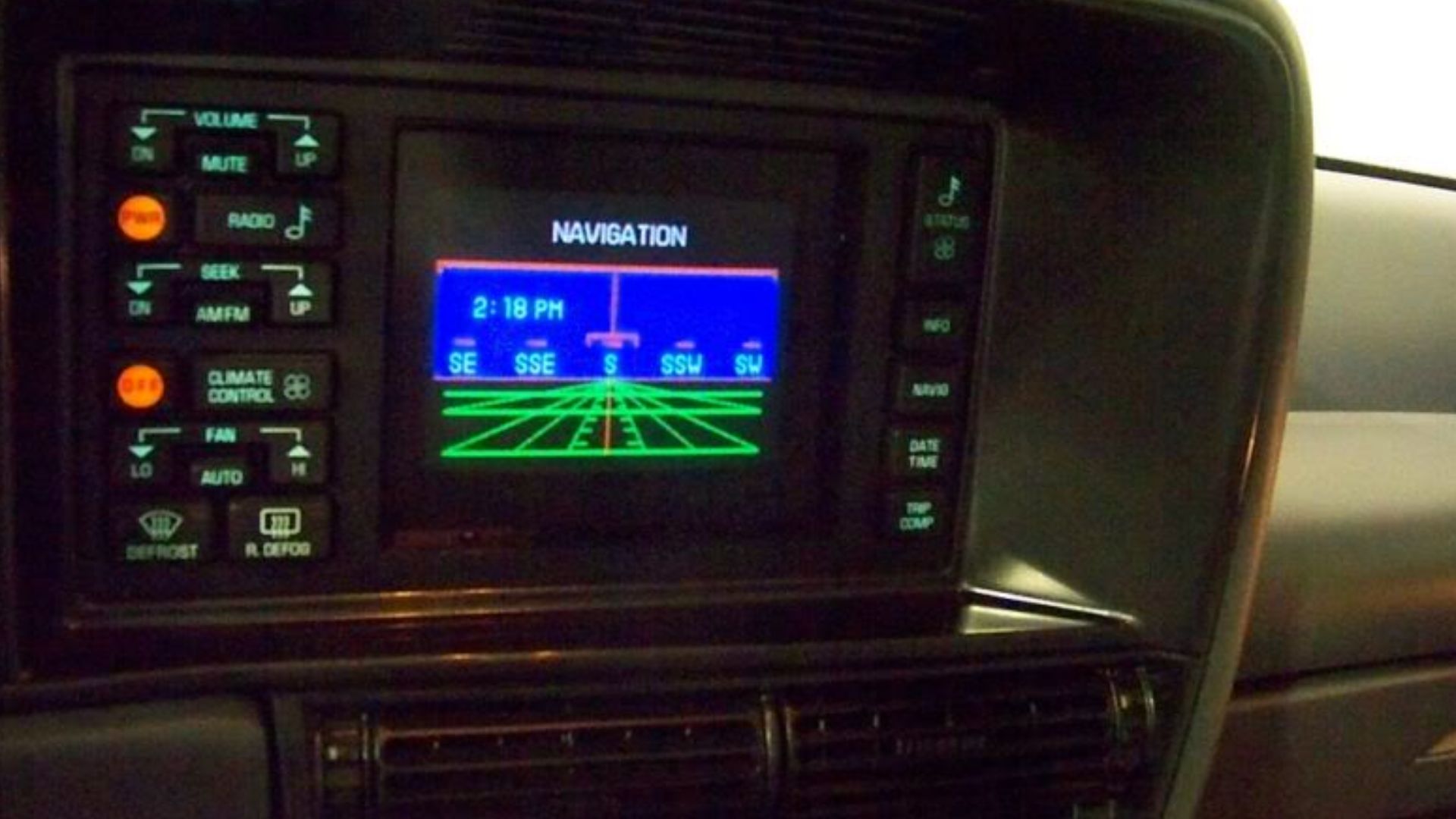
Oldsmobile’s Touchscreen
The 1989 Oldsmobile Toronado Trofeo offered a six-inch color touchscreen called the Visual Information Center. Drivers could adjust the stereo, view vehicle information, and access several controls through the screen. It sounds completely normal today, but in 1989 it looked like technology borrowed from a science-fiction movie.
 General Motors., Wikimedia Commons
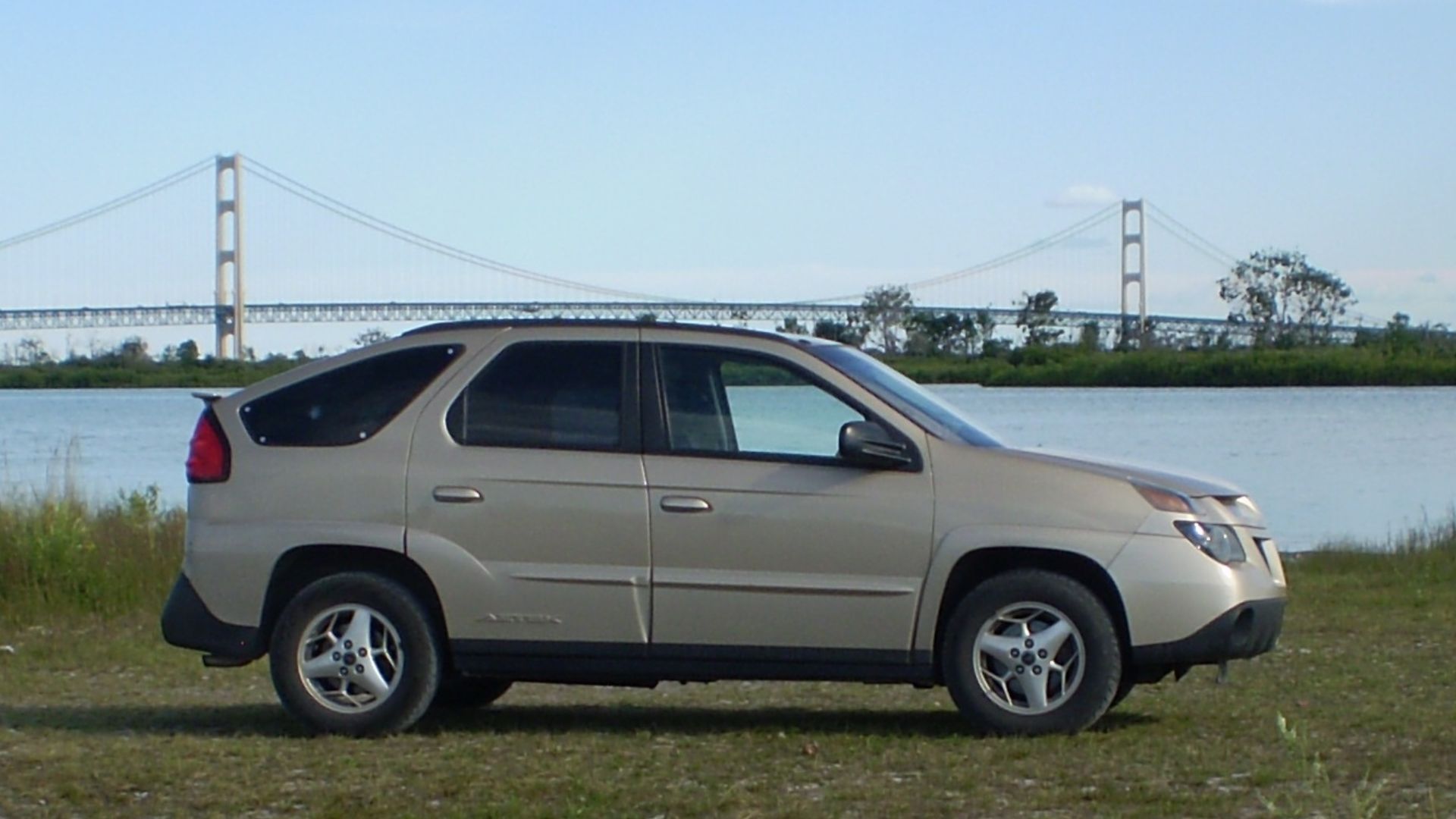
The Pontiac Aztek Tent
Pontiac leaned into the Aztek’s adventure theme by offering a tent that attached to the rear hatch. The package included an awning and inflatable mattress, allowing owners to sleep partly inside the vehicle. Mock the Aztek’s styling all you like; this option was surprisingly practical for weekend camping.
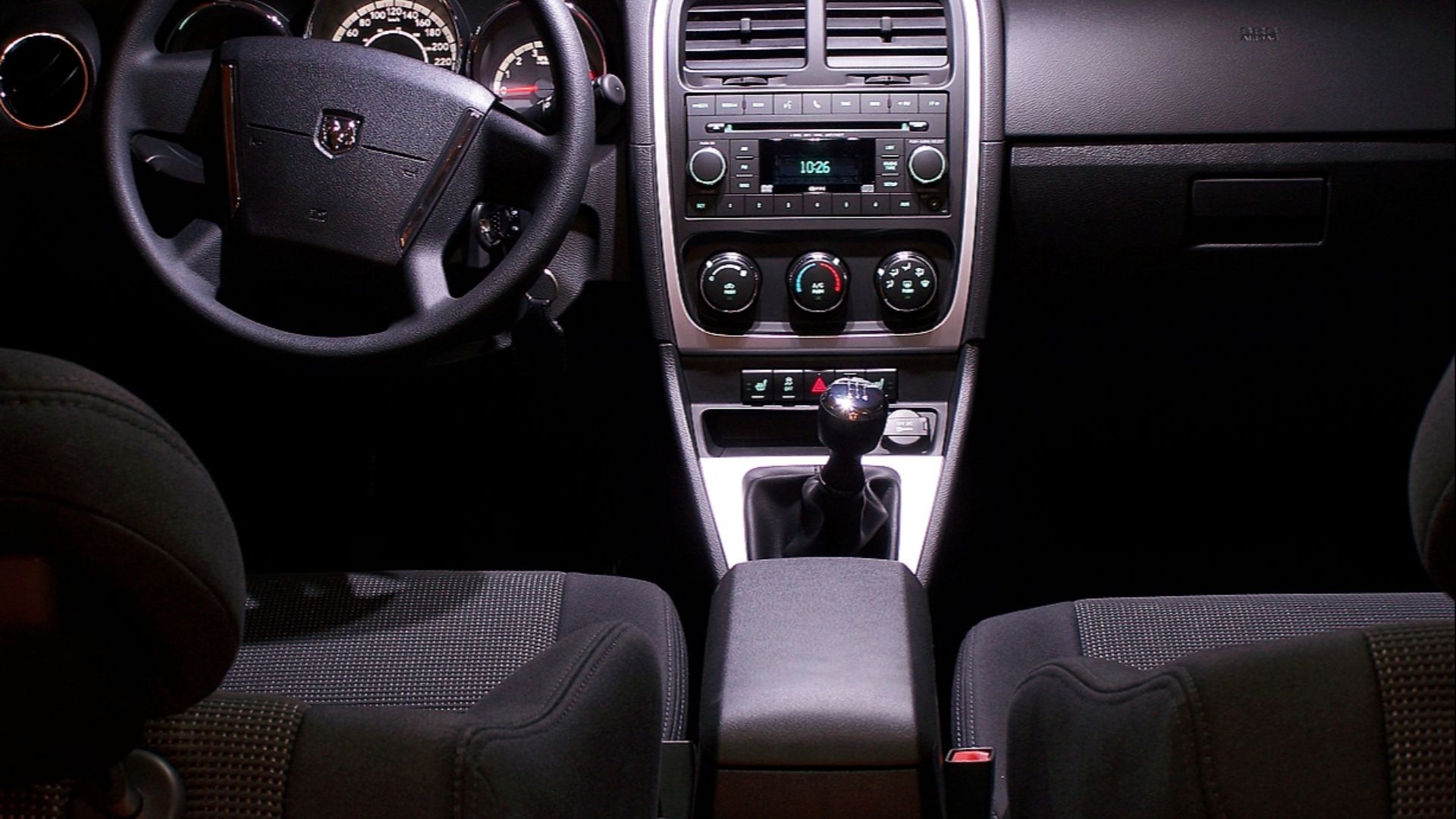
Dodge’s Chill Zone
The Dodge Caliber could be equipped with the Chill Zone, a glovebox compartment cooled by the air-conditioning system. It held several bottles or cans, although it was not a true refrigerator. Still, a dashboard beverage cooler was one memorable feature in a car not otherwise famous for luxury.
 Enrico Stirl aka Germaneon, Wikimedia Commons
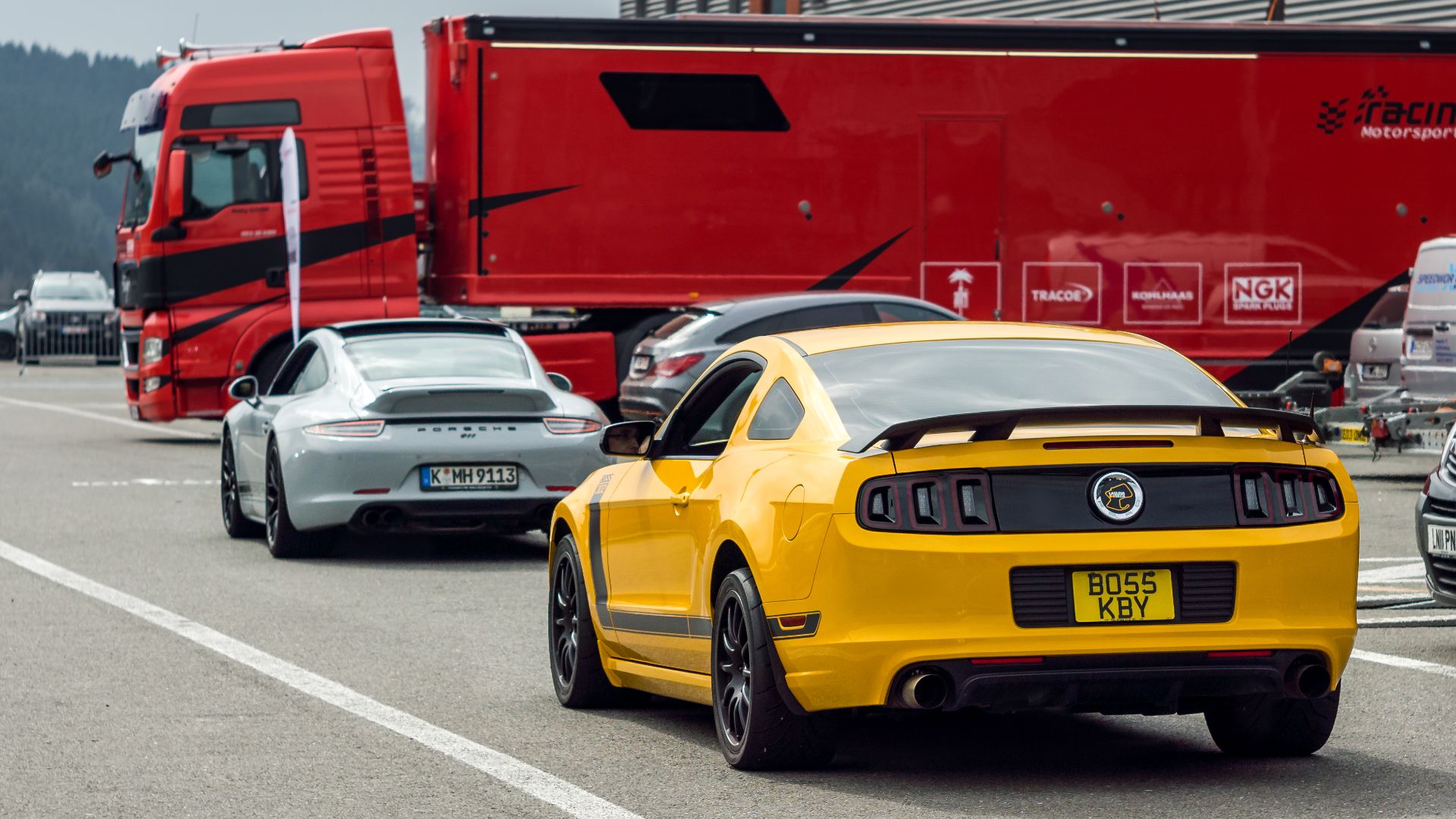
Ford’s Red TracKey
Owners of the revived Mustang Boss 302 could purchase a special red TracKey. Starting the car with it activated a more aggressive engine calibration, launch control, stronger engine braking, and a wonderfully uneven idle. One key produced the everyday Mustang; the other woke up its track-ready personality.
Inflatable Rear Seat Belts
The 2011 Ford Explorer offered rear seat belts containing inflatable airbags. During a collision, the belts expanded across the passenger’s torso to spread crash forces over a wider area. It was a sensible safety development, although explaining that the seat belt itself might suddenly inflate sounded rather alarming.
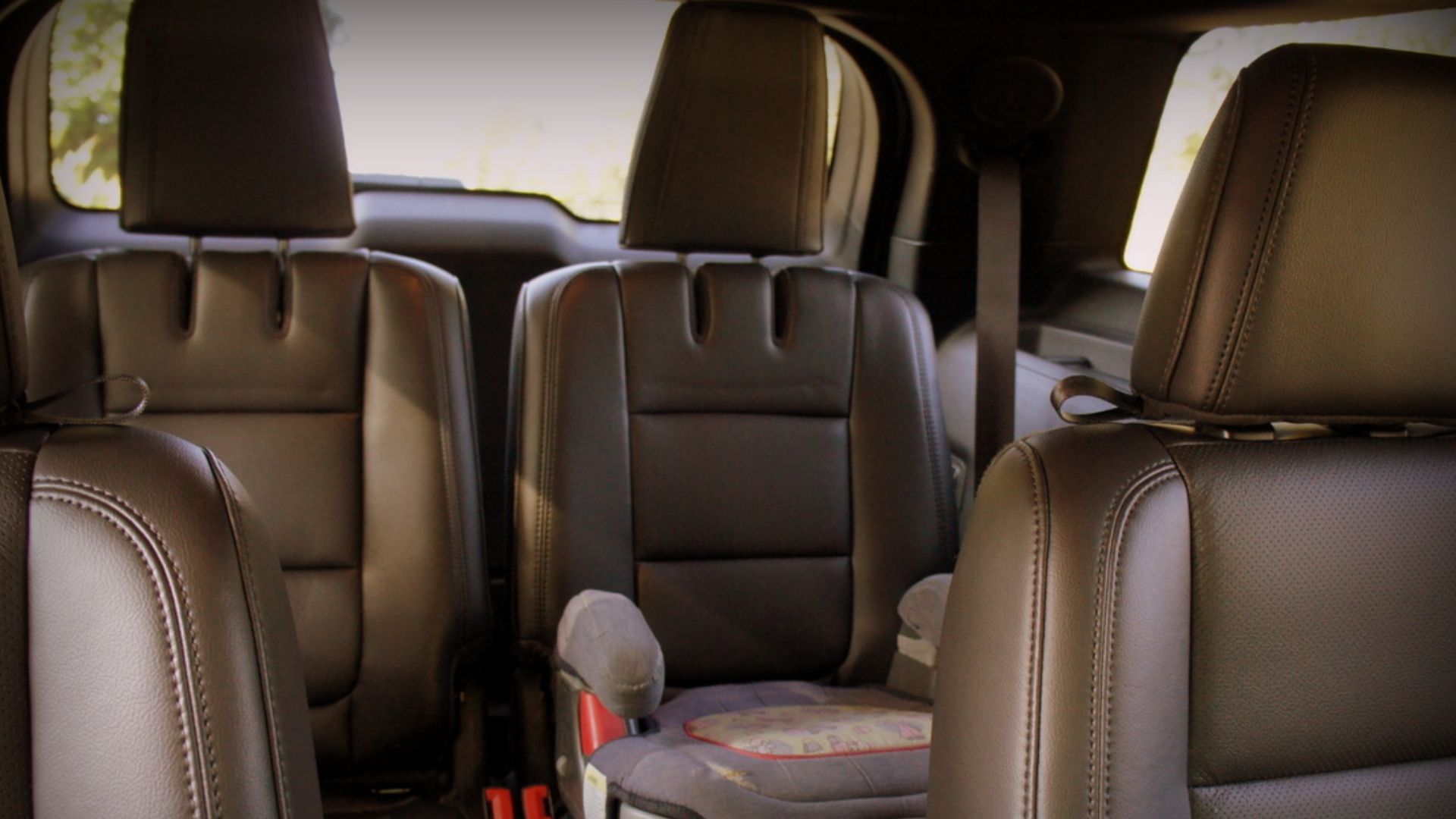 Michael Sheehan, Wikimedia Commons
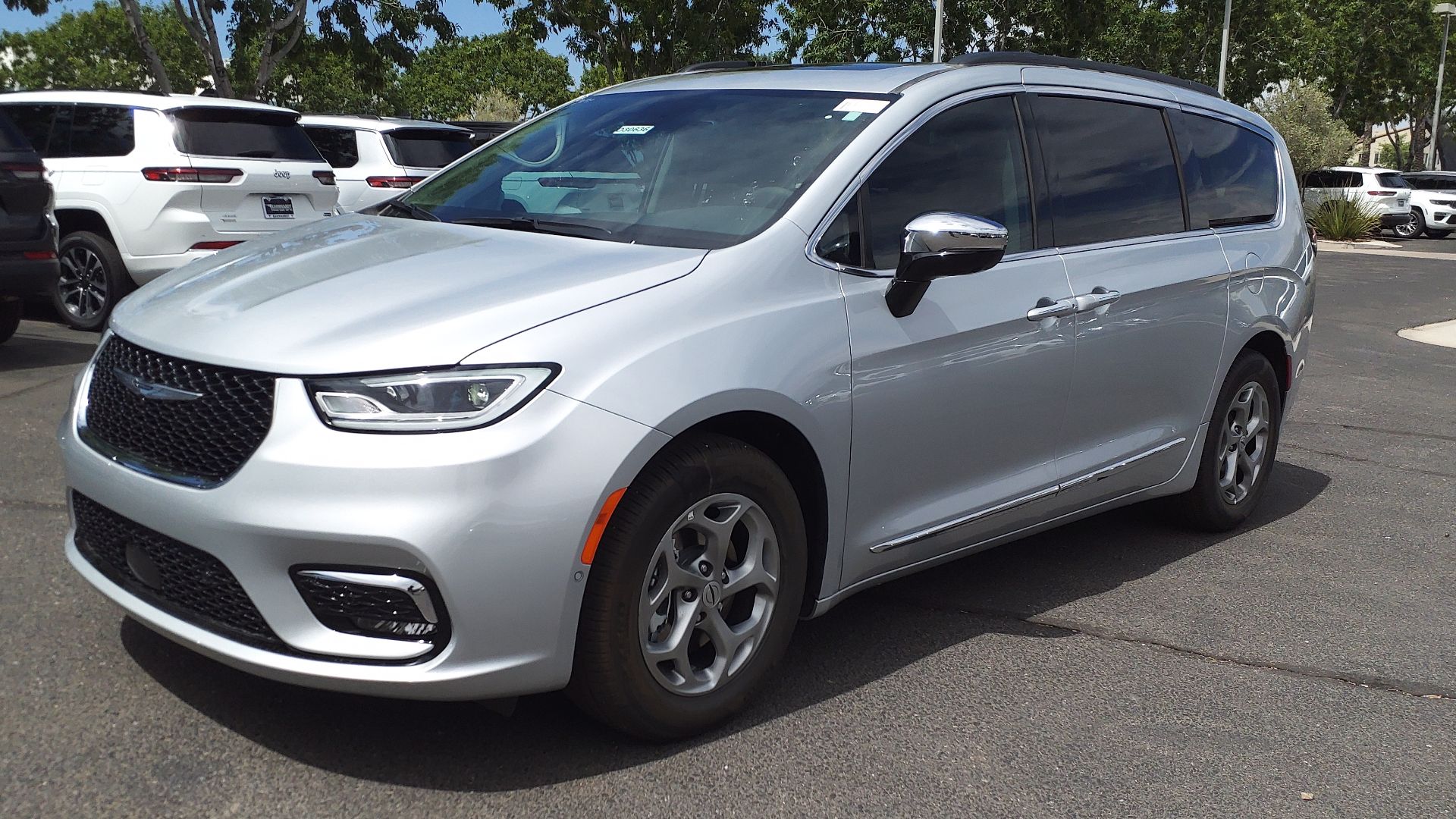
Chrysler’s Built-In Vacuum
Certain Chrysler Pacifica models included Stow ’n Vac, a factory-installed vacuum cleaner hidden inside the minivan. Parents could clean crumbs, dirt, and snack disasters without searching for an outlet. It may lack the glamour of a hood tach, but anyone who has transported children probably considers it the smartest option here.
Which Boxes Would You Check?
Some of these ideas were brilliant, some were ridiculous, and several were both. That is what makes old options sheets so entertaining. Given the chance, would you choose the record player, floral roof, dashboard exhaust switch, camping tent, or built-in vacuum—or play it safe with air conditioning?
 Greg Gjerdingen from Willmar, USA, Wikimedia Commons
You May Also Like:
My City Introduced New Traffic Patterns, And All The Drivers Are Confused. Isn't That Unsafe?
My car’s dashboard warning lights keep appearing and disappearing. How do I know what is urgent?
Sources: 1, 2, 3