My Building Promised EV Charging, But There's A Problem
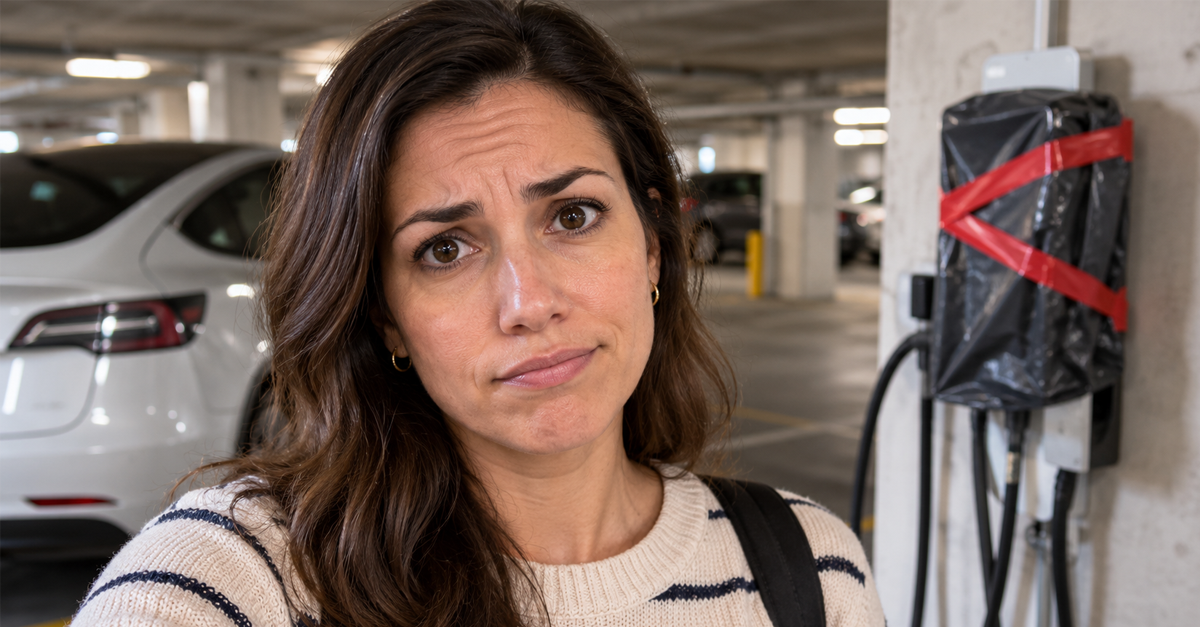
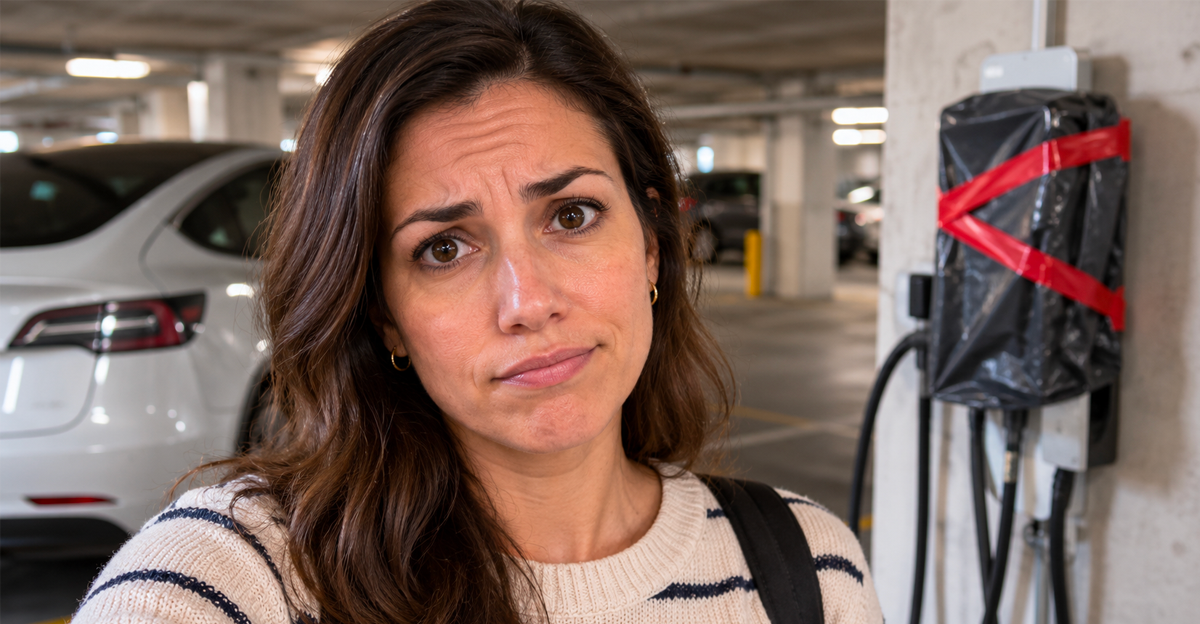
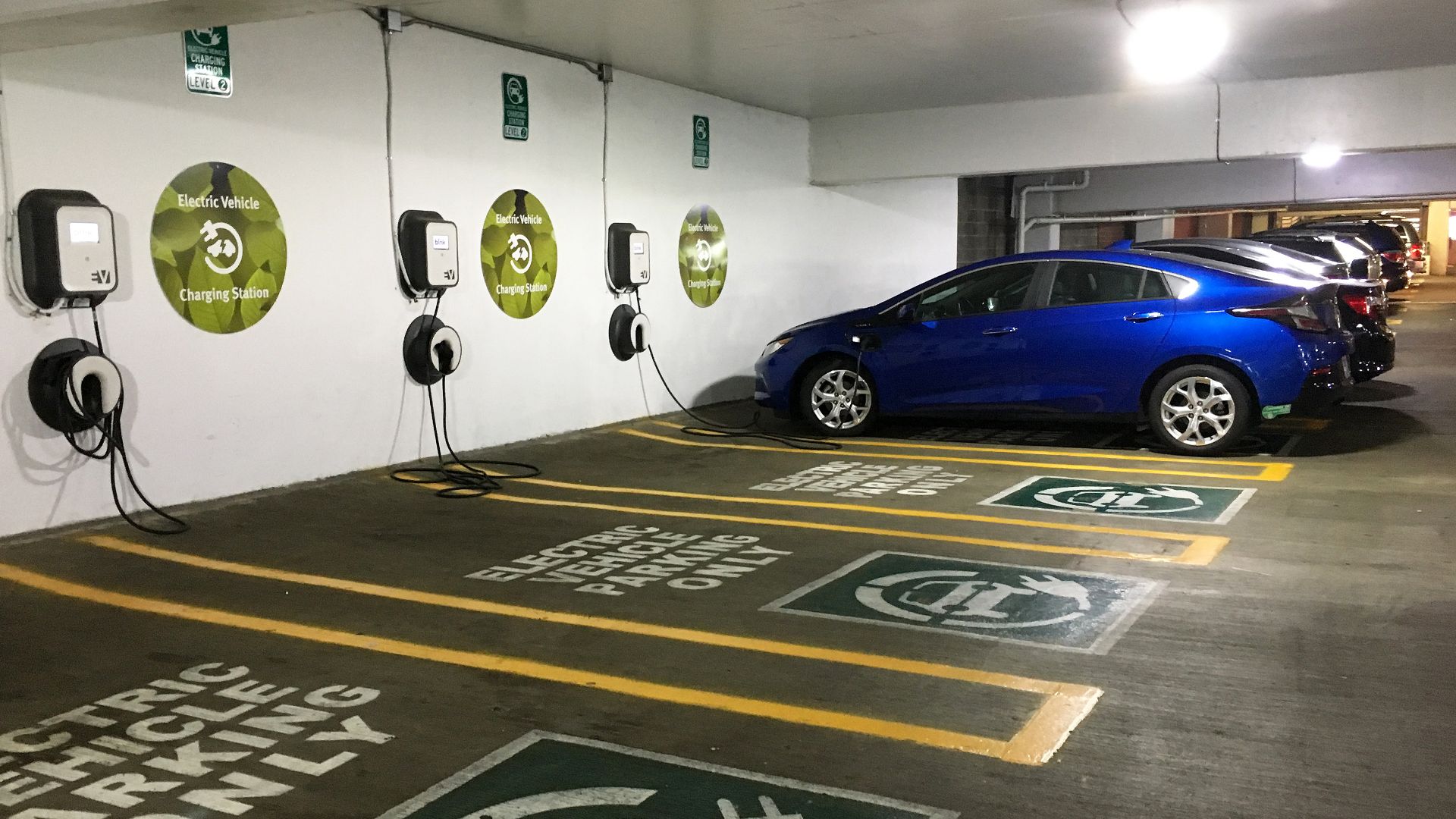
When you rented the apartment, having an EV charger in the garage was a major selling point. Now that charger has been broken for two months, and management still claims that they offer EV parking as part of the amenities we pay for. Can they really promote an amenity that residents cannot use?
Two Months Is More Than A Minor Inconvenience
Electric vehicle charging equipment occasionally needs maintenance, but an extended outage creates real problems for drivers who depend on it. The U.S. Department of Energy recommends that charging maintenance contracts specify repair response times and uptime requirements. Those details matter when equipment stays broken.
The Answer Depends On What Management Promised
There is no universal rule requiring every apartment charger to work continuously. However, a landlord's obligations may depend on advertising claims, lease provisions, and local consumer protection laws. The important question is whether residents were promised a functioning service rather than merely parking spaces.
EV Parking And EV Charging Aren't Necessarily The Same Thing
A designated EV parking space does not automatically guarantee access to a working charger. Some properties provide charging equipment, while others offer parking intended for future electrical upgrades. Before challenging management, establish exactly what the building advertised and what your rental agreement promises.
Advertising Rules Could Work In Your Favor
The Federal Trade Commission requires advertising to be truthful and not misleading. An advertisement may be deceptive if it misleads reasonable consumers about something important to their purchasing decision. Advertising working EV charging while knowingly leaving an extended outage undisclosed could raise concerns.
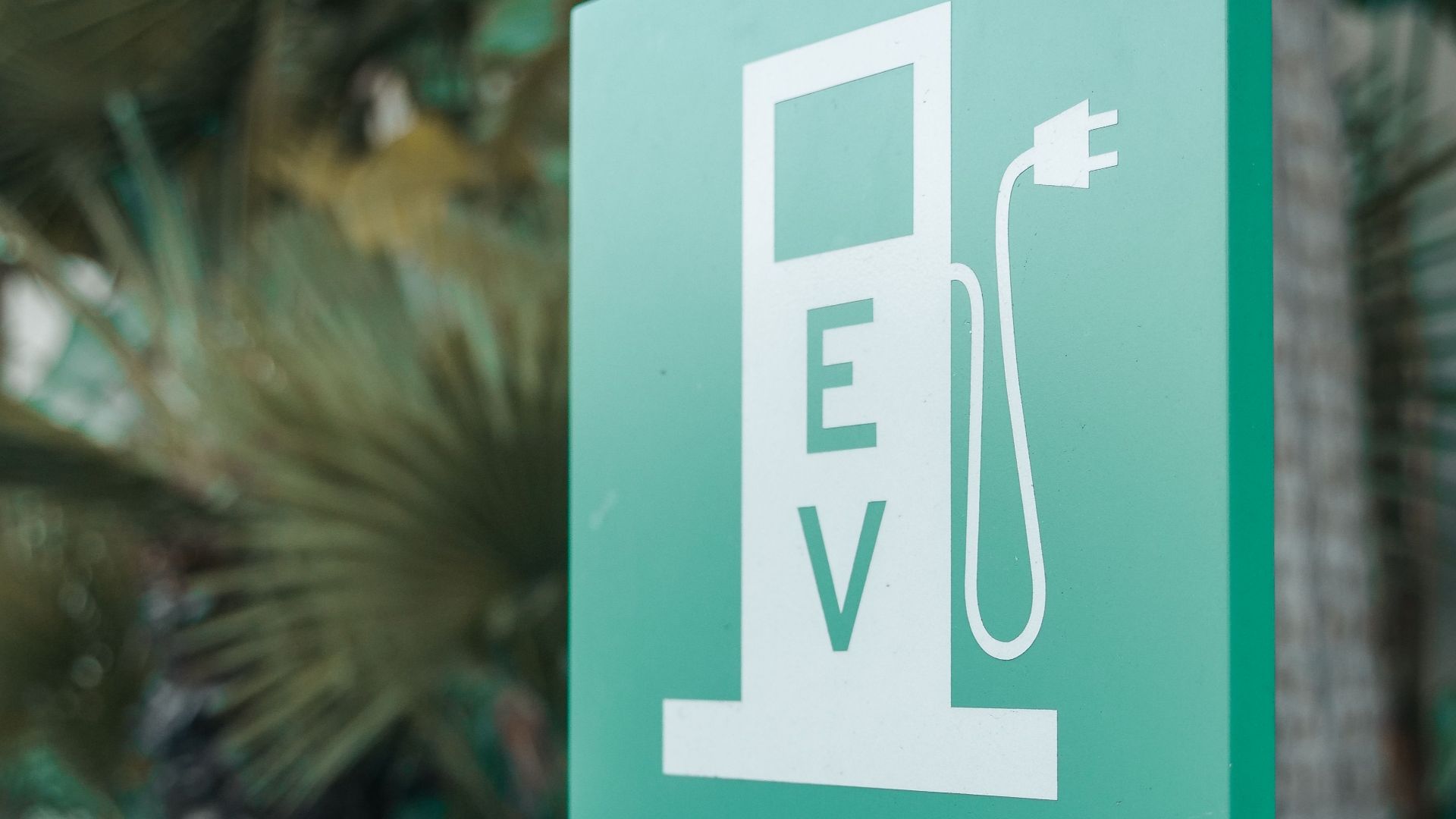
Having A Charger Doesn't Tell The Whole Story
Management might argue that the property technically has EV charging equipment, even if it currently doesn't work. However, the FTC examines the overall impression advertisements create, including important information they leave out. A broken charger is particularly relevant when convenient charging influenced someone's rental decision.
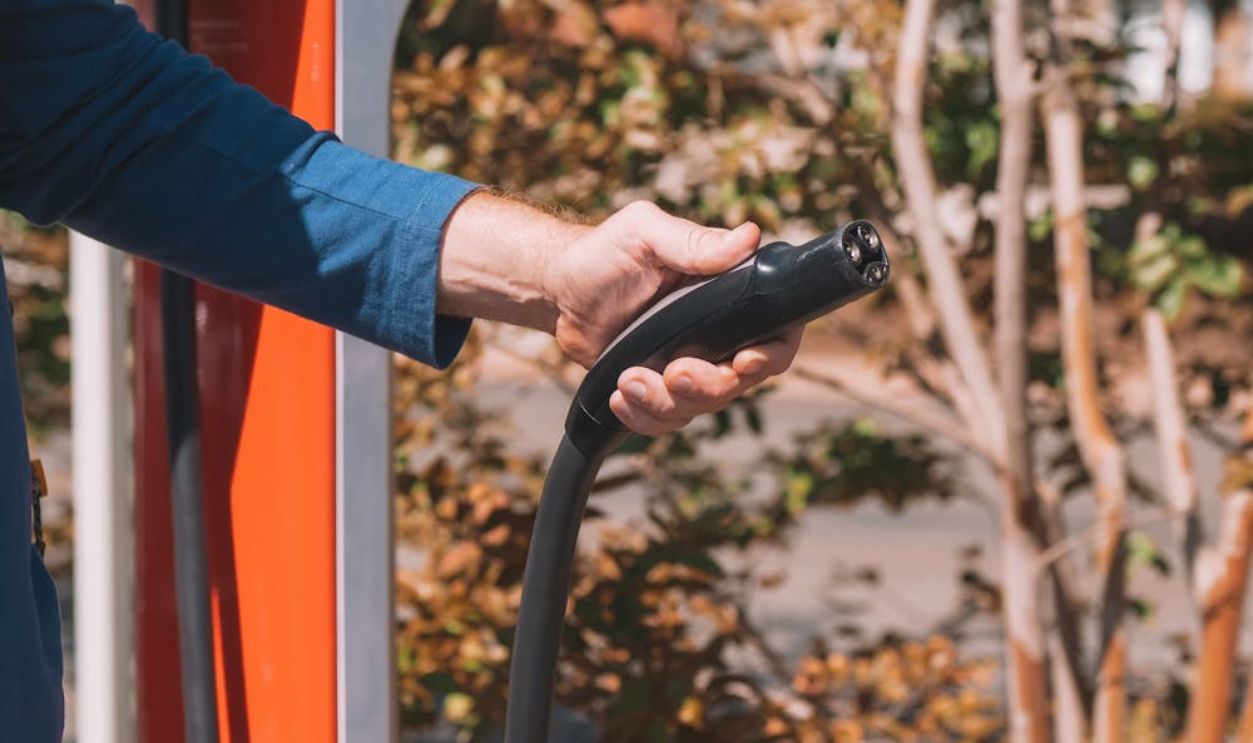
Start By Reading Your Lease Carefully
Your rental agreement is one of the most important documents in this dispute. Look for references to EV charging, parking facilities, included amenities, maintenance obligations, and service interruptions. California's tenant guidance confirms that agreements concerning amenities can create enforceable obligations between landlords and tenants.
 https://kaboompics.com/, Pexels
Don't Forget The Separate Parking Agreement
Some apartment buildings charge separately for parking or require residents to sign additional agreements. New York's housing regulator recognizes that garage parking may be included in rent or offered under a separate agreement. Check both documents before deciding what management owes you.
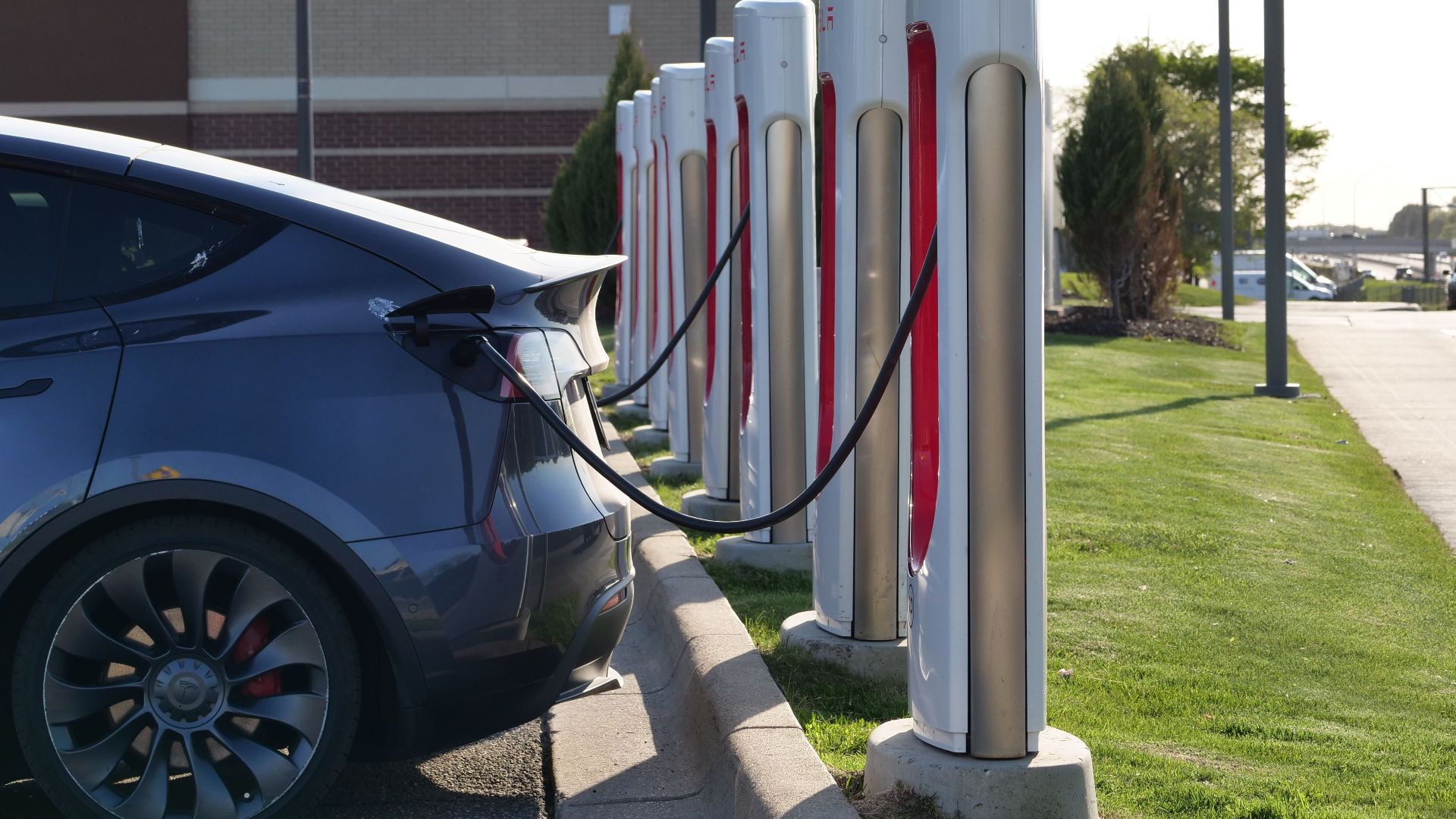
The Original Advertisement Could Become Important Evidence
Find the apartment listing, promotional emails, screenshots, or brochures that mentioned EV charging before you moved in. Compare those promises with your signed agreement and the property's current advertisements. Specific statements about charging availability provide a stronger basis for questioning management than vague promotional language.
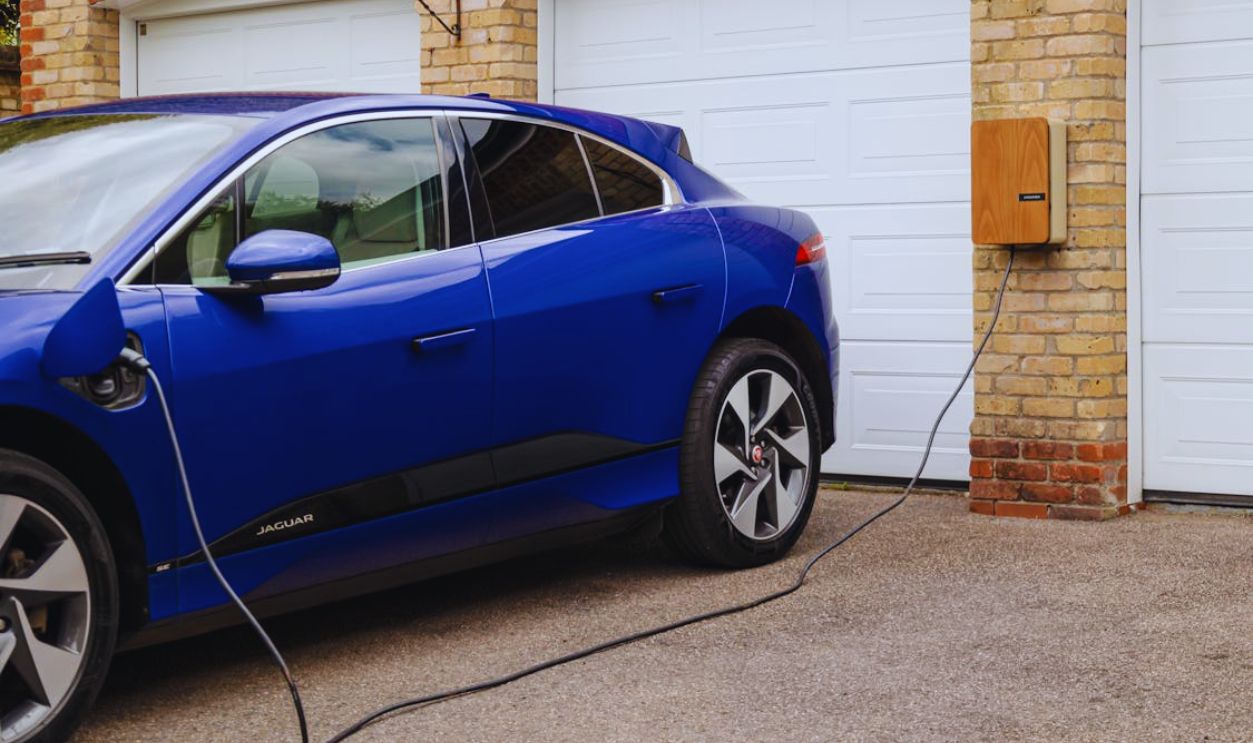
A Broken Charger Isn't Usually A Habitability Emergency
Losing EV charging access is frustrating, but it generally differs from losing essential household services. California's Department of Real Estate distinguishes amenities such as parking and swimming pools from conditions making housing uninhabitable. Nevertheless, landlords can still have contractual obligations concerning those amenities.
 Haberdoedas Photography, Pexels
California Tenants May Have A Stronger Argument
California's tenant guidance explains that rental agreements concerning amenities are generally enforceable according to their terms. It also recognizes that renters may qualify for reduced rent when certain promised amenities disappear. Whether an EV charger qualifies depends on the agreement and applicable local rules.

New York Has Its Own Protections
New York's rent regulation system requires covered landlords to maintain certain services, including qualifying garage facilities. Tenants experiencing reductions in required services can file complaints with the state's housing regulator. However, an EV charger is not automatically a protected service simply because the building has one.
What If Another Company Operates The Charger?
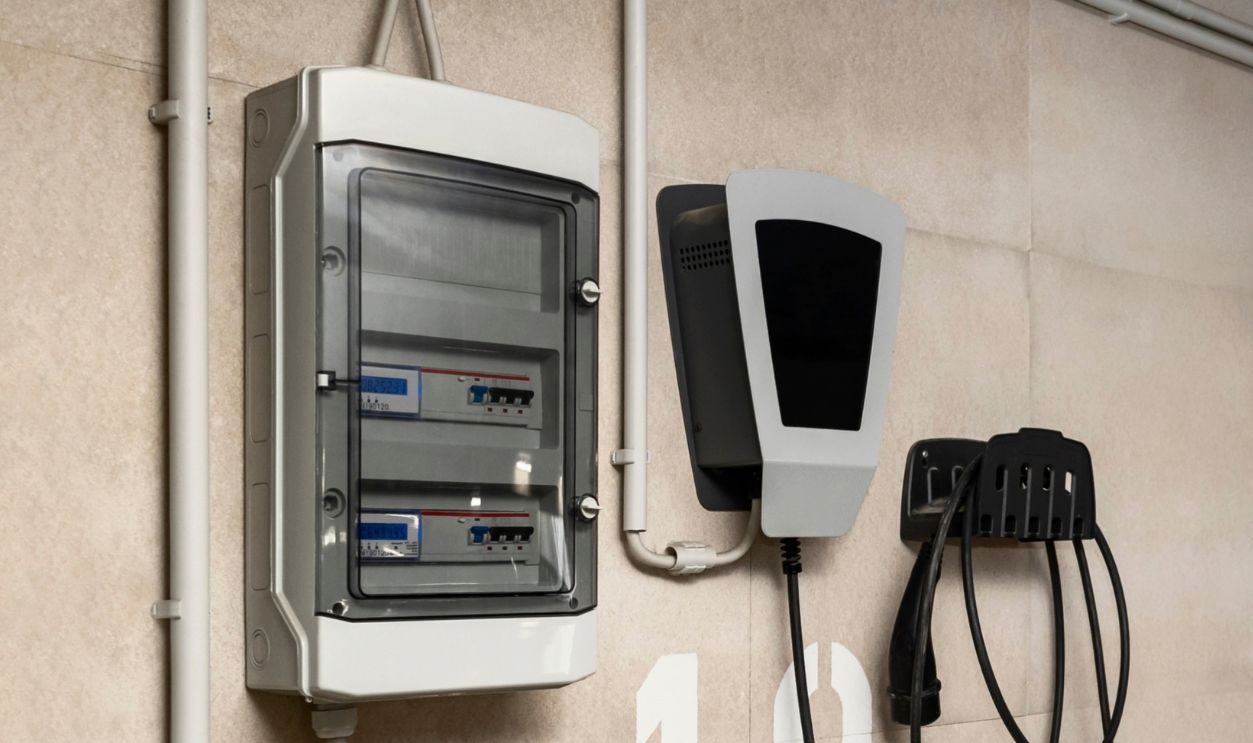
Apartment charging equipment may involve several businesses, including the property owner, installation contractor, and charging network. The Department of Energy recommends establishing responsibility for maintenance among these parties. Ask management who owns the charger and which company is responsible for repairing it.
 Mariana Serdynska, Shutterstock
Sometimes The Problem Isn't The Charger Itself
Network-connected EV chargers rely on communications systems that can handle payments, monitoring, and customer support. A charging failure may therefore involve software or networking rather than damaged electrical equipment. Knowing which system has failed can help residents ask more useful questions about the repair.
Management Should Be Able To Explain The Delay
The Department of Energy advises charging operators to establish maintenance arrangements that include response times, repair times, and uptime expectations. A two-month outage makes those arrangements worth questioning. Ask whether management has opened a service ticket and received an estimated repair date.

Start Putting Your Complaint In Writing
If your previous complaints were verbal, send management a written request immediately. California's tenant guidance recommends describing the problem, dating the notice, and keeping copies of correspondence. Written communication establishes when management received notice and helps document how long the problem remains unresolved.

Photographs Can Help Establish Your Case
Take clear photographs of the charger, particularly any error messages, damage, or out-of-service notices. Record the dates when you attempted to charge and what happened. California's Department of Real Estate specifically recommends photographic documentation when tenants encounter unresolved maintenance problems.

Keep Every Receipt From Alternative Charging
If you've been using public chargers instead, save the receipts and record your additional expenses. Include parking charges, charging fees, and any other documented costs directly attributable to the outage. These records can support a request for compensation, although reimbursement is not automatically guaranteed.
 Evgeny Atamanenko, Shutterstock
Ask For A Specific Repair Schedule
Rather than accepting another vague promise, request written details about the repair. Ask when the problem was reported, whether a technician has inspected the equipment, and when service should resume. Charging maintenance agreements should address both response times and completion times, according to federal guidance.

Management Could Offer A Temporary Solution
A reasonable next request is temporary charging access while repairs continue. Management might be willing to arrange access elsewhere, reimburse some charging expenses, or reduce parking charges. These are potential negotiated solutions rather than automatic legal entitlements, so request any agreement in writing.

Public Charging May Be Your Best Short-Term Option
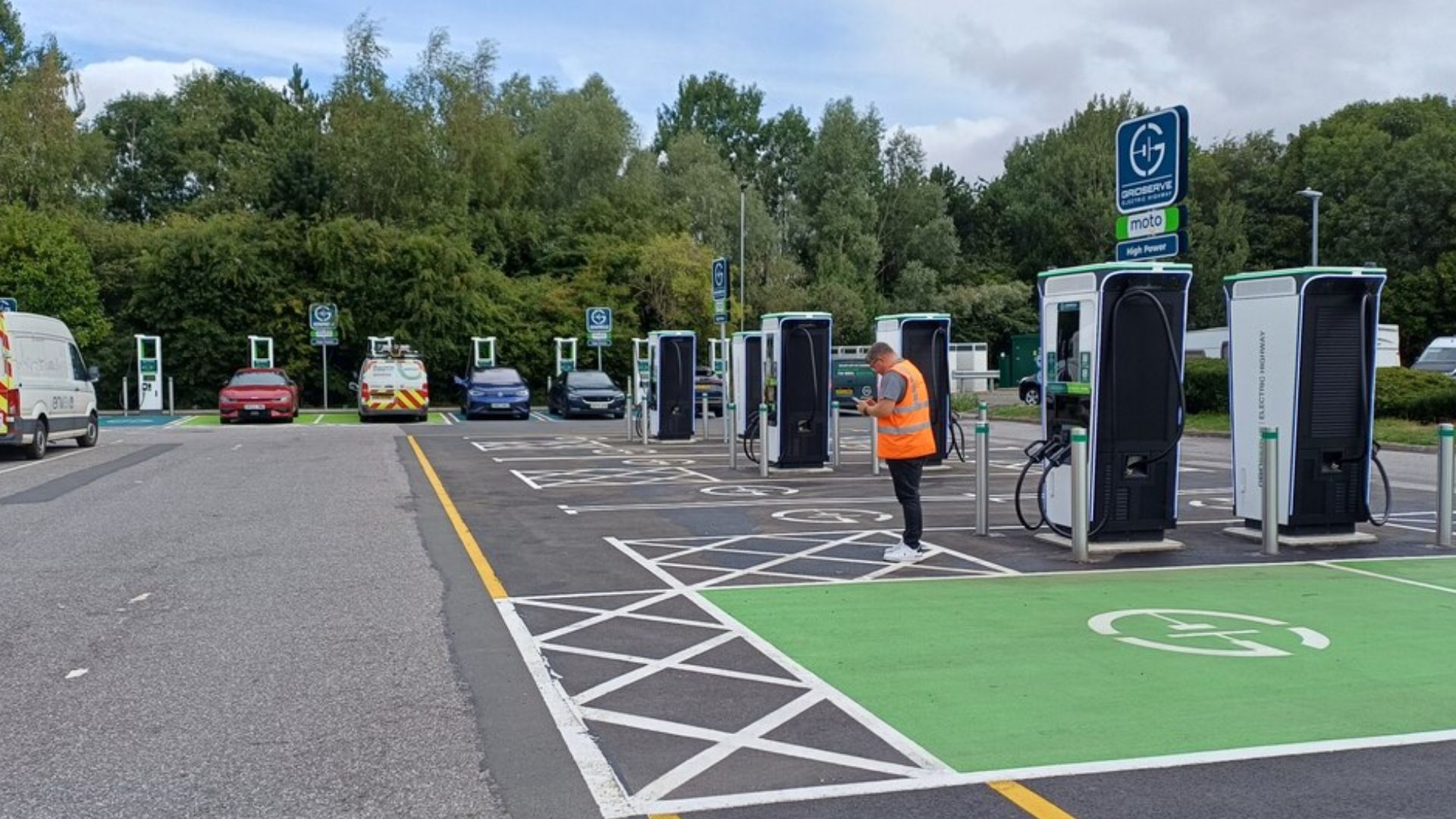
The Department of Energy maintains an Alternative Fueling Station Locator that helps drivers find nearby charging locations. Search for stations compatible with your vehicle and its charging connector. Check the charging network's current availability information before driving there to avoid another frustrating surprise.
 David Martin , Wikimedia Commons
But Public Charging Isn't Always An Equal Replacement
Level 2 charging and DC fast charging offer different charging speeds, and the available equipment must be compatible with your vehicle. Public charging also changes where and when you replenish your battery. Consider those differences when assessing whether management's proposed alternative meets your needs.
You Can Request A Refund Of Parking Charges
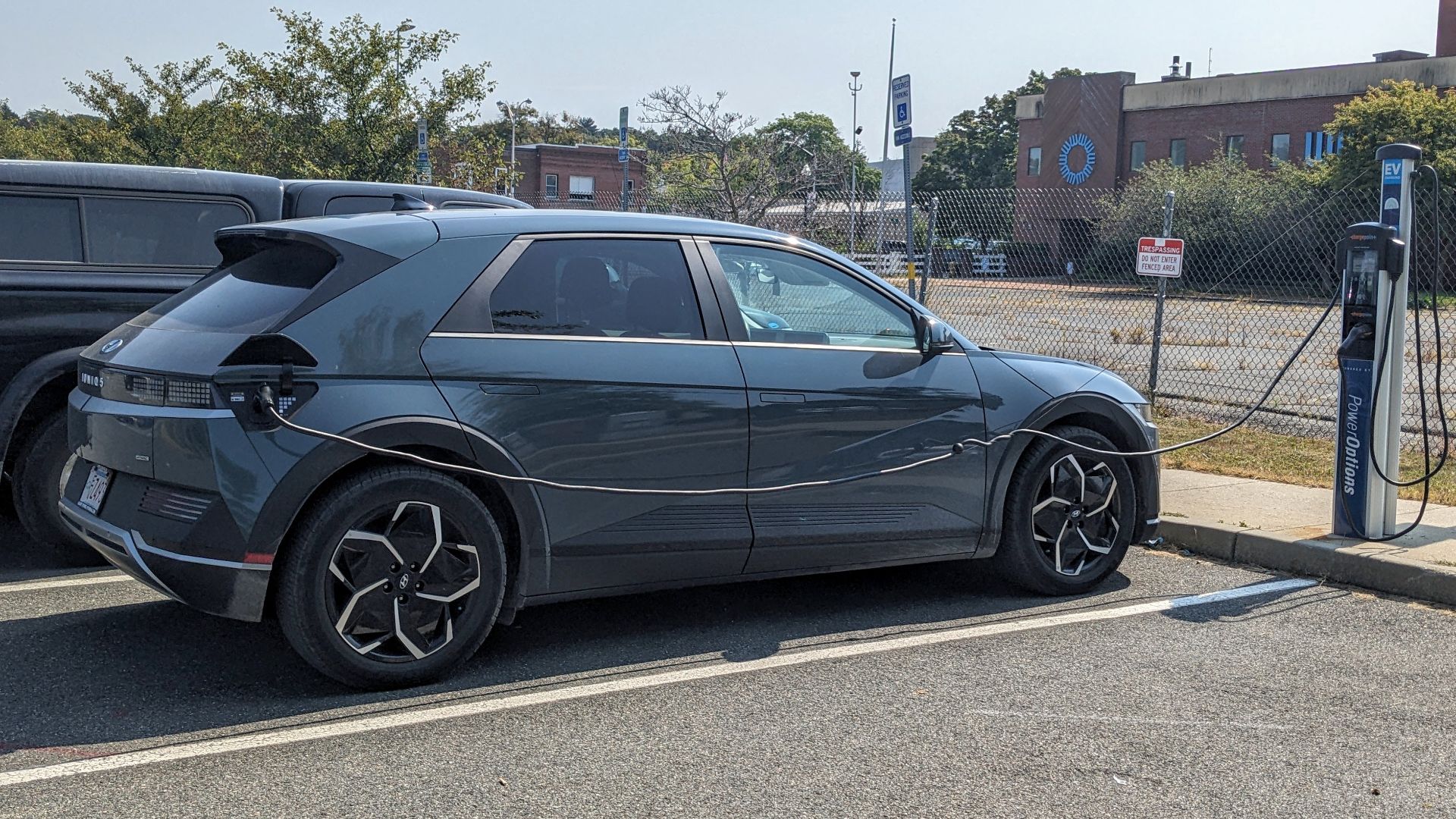
If you pay extra specifically for an EV-equipped space, review the agreement before requesting a refund. Separate parking charges may provide a practical basis for negotiation when charging access disappears. Ask management to refund or waive the relevant fee for the documented outage period.
 Mariordo (Mario Roberto Durán Ortiz), Wikimedia Commons
What About A Reduction In Your Monthly Rent?
A rent reduction may be possible when a landlord fails to provide an amenity included in the rental agreement. California's official tenant guide expressly recognizes this possibility. However, the outcome depends on the applicable law, the lease, and whether the unavailable service qualifies.
 Summit Art Creations, Shutterstock
Don't Stop Paying Rent Without Legal Advice
It might seem reasonable to withhold rent until management repairs the charger, but that approach can be dangerous. California's guidance limits rent withholding remedies to qualifying serious habitability problems. An ordinary amenity dispute may not meet those requirements, potentially exposing tenants to eviction proceedings.

Don't Attempt To Fix The Charger Yourself
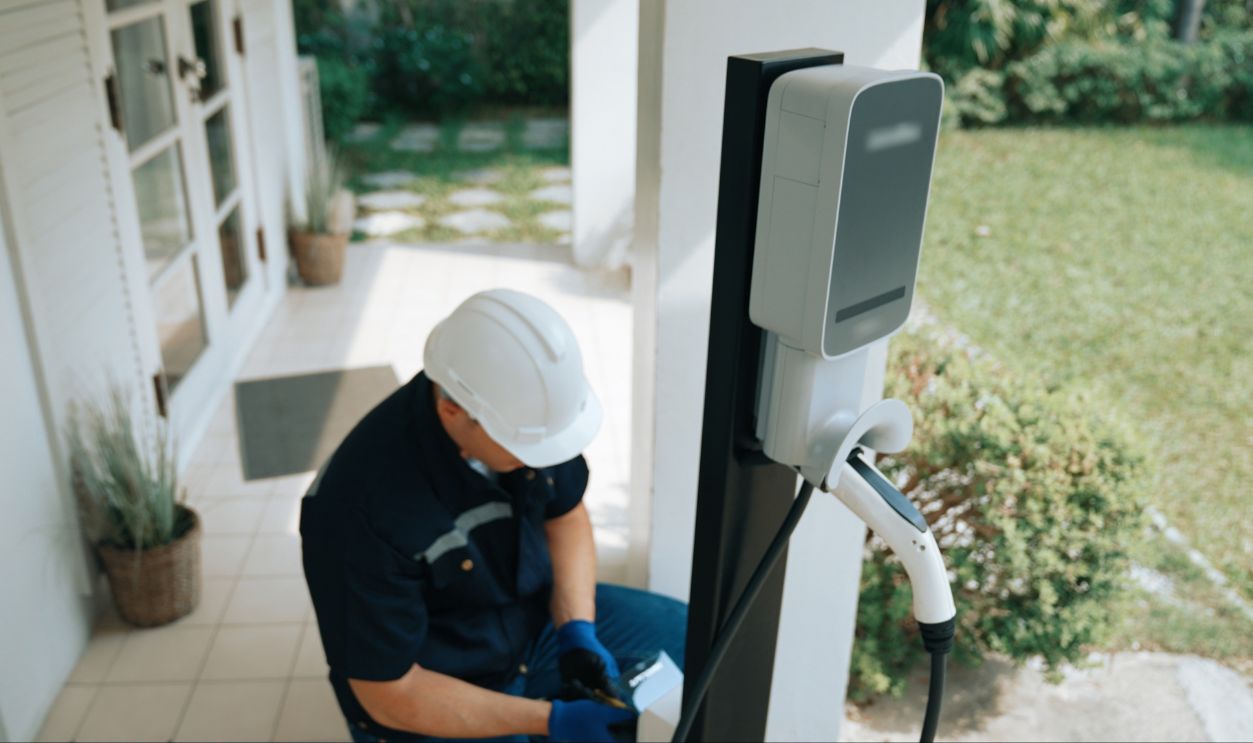
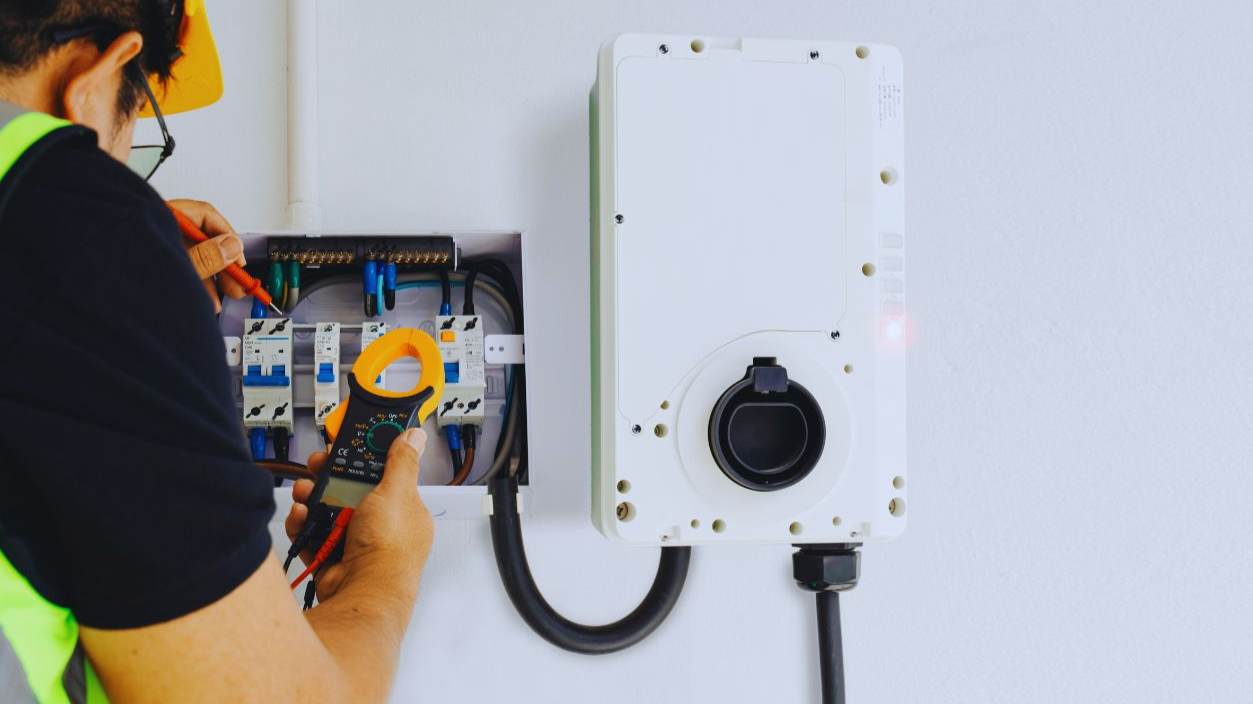
Avoid opening the charging equipment, modifying its wiring, or connecting an improvised extension cord. The Electrical Safety Foundation International warns against damaged chargers and extension cords used for EV charging. Repairs and installation work should be handled by qualified electricians following appropriate safety standards.
California Residents Have Another Potential Option
California law generally requires landlords at qualifying properties to approve compliant written requests to install EV charging equipment in assigned parking spaces. Certain exceptions apply, and tenants can be responsible for installation and operating costs. This offers a possible alternative, not an automatic repair remedy.
 https://kaboompics.com/, Pexels
Colorado Offers Similar Charging Protections
Colorado also permits tenants to install qualifying Level 1 or Level 2 charging equipment at their own expense. Landlords may impose reasonable requirements and collect certain associated costs. These provisions demonstrate why checking your state's EV charging laws can be worthwhile when management refuses to cooperate.

Know Where To Escalate Your Complaint
If management continues ignoring your requests, contact your state's housing agency, tenant rights office, or legal aid provider. USAGov offers guidance on resolving landlord disputes. If the property continues making potentially misleading advertising claims, you can also report the business practice to the FTC.

So Can Management Really Keep Advertising EV Parking?
They may be able to advertise EV-designated parking, but promoting currently usable charging when equipment has been broken for months raises legitimate questions. The strongest response is to document the promises, demand a repair schedule, and request compensation. Your lease and local law determine what you can enforce.