The Car May Still Drive, But The Warning Light Changes The Equation
Nothing deployed during the collision, and the car was able to leave the scene without being totaled. So why is the airbag light still on—and how seriously should you take it?
The Airbags Not Deploying Isn't Automatically A Problem
Airbags aren't supposed to inflate in every collision. NHTSA explains that deployment depends on factors such as impact severity, direction, vehicle design, and sensor readings. A relatively moderate crash may be handled primarily by the seat belts, while a rear or certain side impact may not trigger the frontal bags at all. Nondeployment by itself doesn't prove something malfunctioned, but it also doesn’t mean you’re out of the woods when it comes to safety.
The Warning Light Is A Different Issue
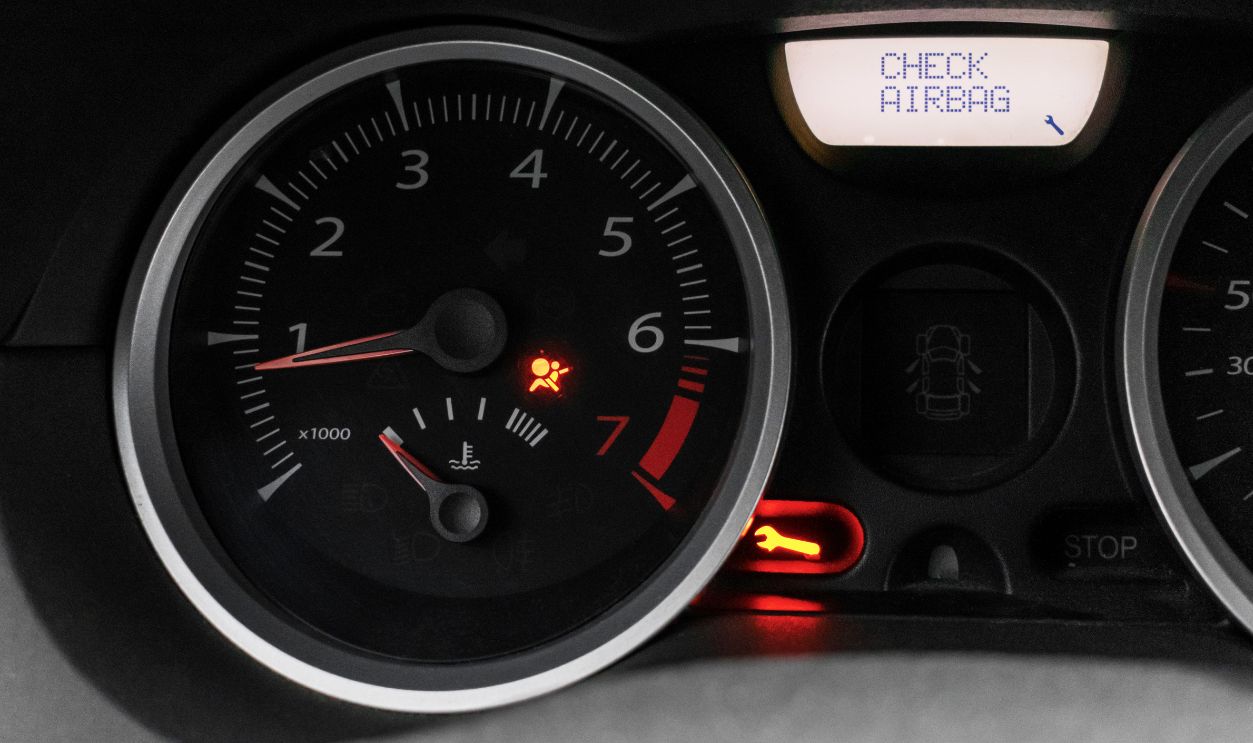
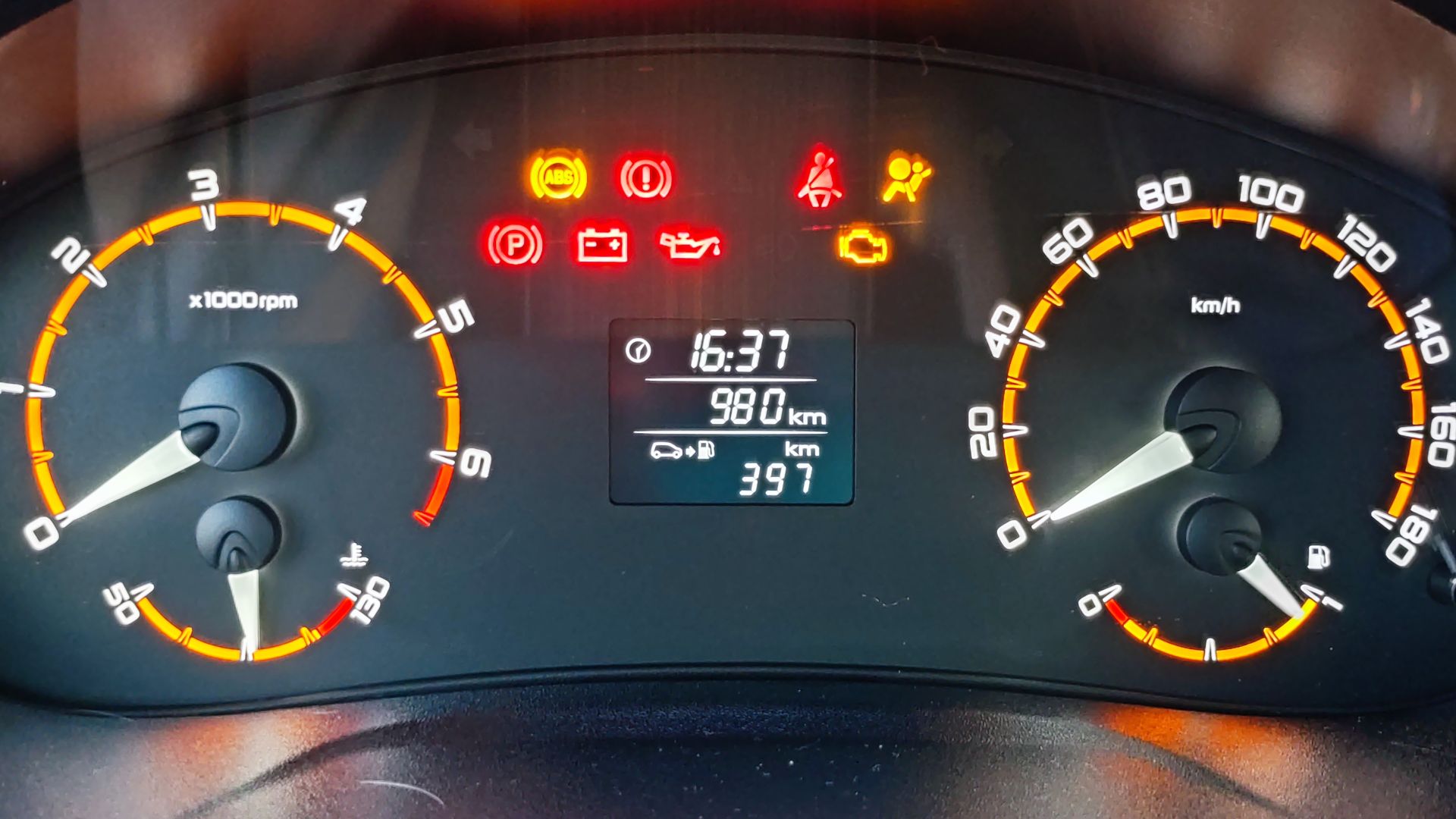
What matters now is that the airbag light stayed illuminated after the crash. Vehicle restraint computers continuously monitor the system, and manufacturers warn that a persistent SRS or airbag light means a fault has been detected that could prevent the system from operating correctly. Even if the airbags correctly remained unused during the first collision, something may now be wrong before the next one.
Yes, The Car Can Be Mechanically Drivable
An SRS fault doesn't normally shut down the engine simply because an airbag might not deploy. Your conventional brakes, steering, tires, seat belts, and other systems may still function normally. That's why a vehicle with an illuminated airbag light can often still start and move under its own power. But “it moves normally” and “all of its safety systems are working properly” are two very different statements.

Drivable Doesn't Mean Fully Protected
Think of the airbag system as another layer of crash protection rather than something required to make the wheels turn. You can technically drive without that layer, just as an older car without modern airbags can still be operated. The difference is that your vehicle was designed and crash-tested expecting its airbags and related restraint systems to work together. Driving with a known fault means accepting less predictable protection.

Your Seat Belts Are Still The First Line Of Defense
Seat belts remain enormously important even when airbags are functioning perfectly. NHTSA describes airbags as supplemental protection designed to work with seat belts, not replace them. If the ordinary belt webbing, buckle, and mounting points weren't damaged, the belt can still provide significant protection. That doesn't make the airbag problem harmless, but it does mean you aren't necessarily driving with no occupant protection whatsoever.

The Pretensioners Could Be Part Of The Same Problem
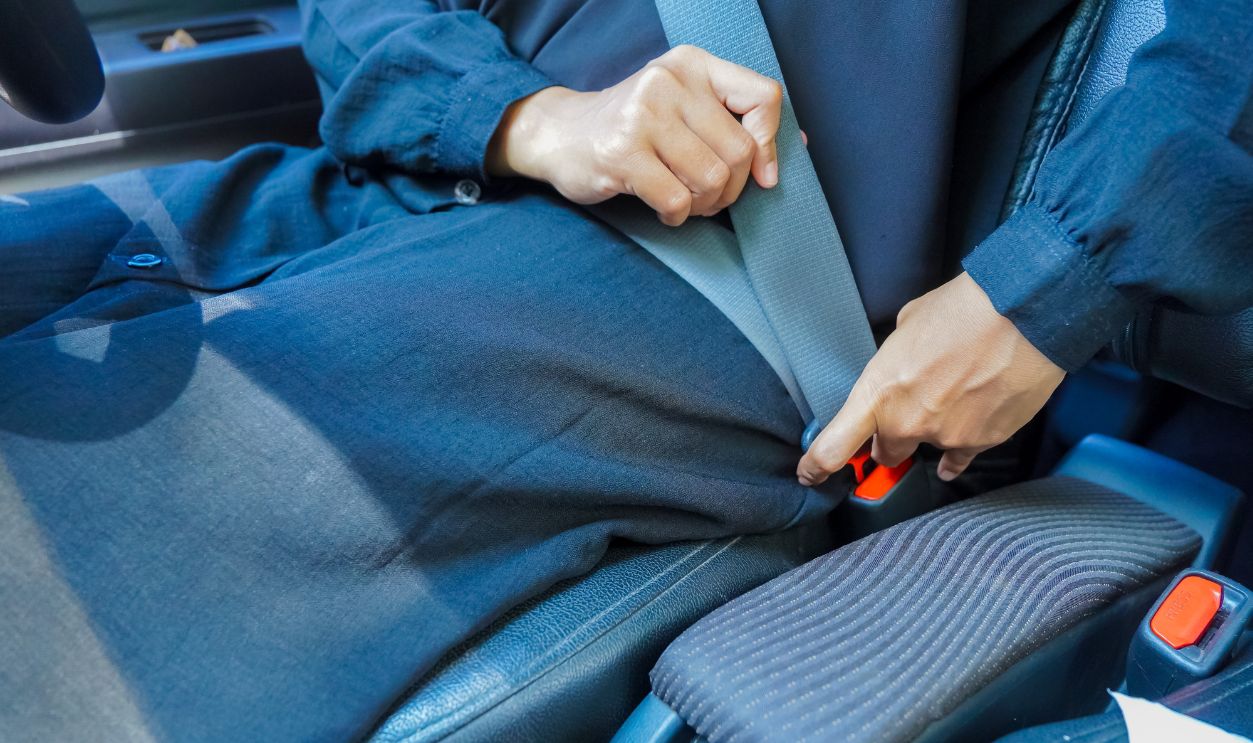
Modern seat belts often contain pretensioners that rapidly tighten the belt during certain collisions. Those devices commonly communicate with the same supplemental restraint system that controls the airbags. Some manufacturer manuals specifically warn that an SRS fault can affect both airbags and seat-belt pretensioners. So don't assume the seat belt system is completely unaffected simply because the buckle still clicks normally.
ABS Is Usually A Separate System
Anti-lock brakes are generally controlled by a different electronic system, so an airbag fault doesn't automatically mean ABS has stopped working. If the ABS warning light is off and the system has no other faults, it may continue operating normally. The same basic principle applies to many other active safety systems: one warning light doesn't necessarily disable everything else in the car.
Stability Control And Other Features May Still Be Available Too
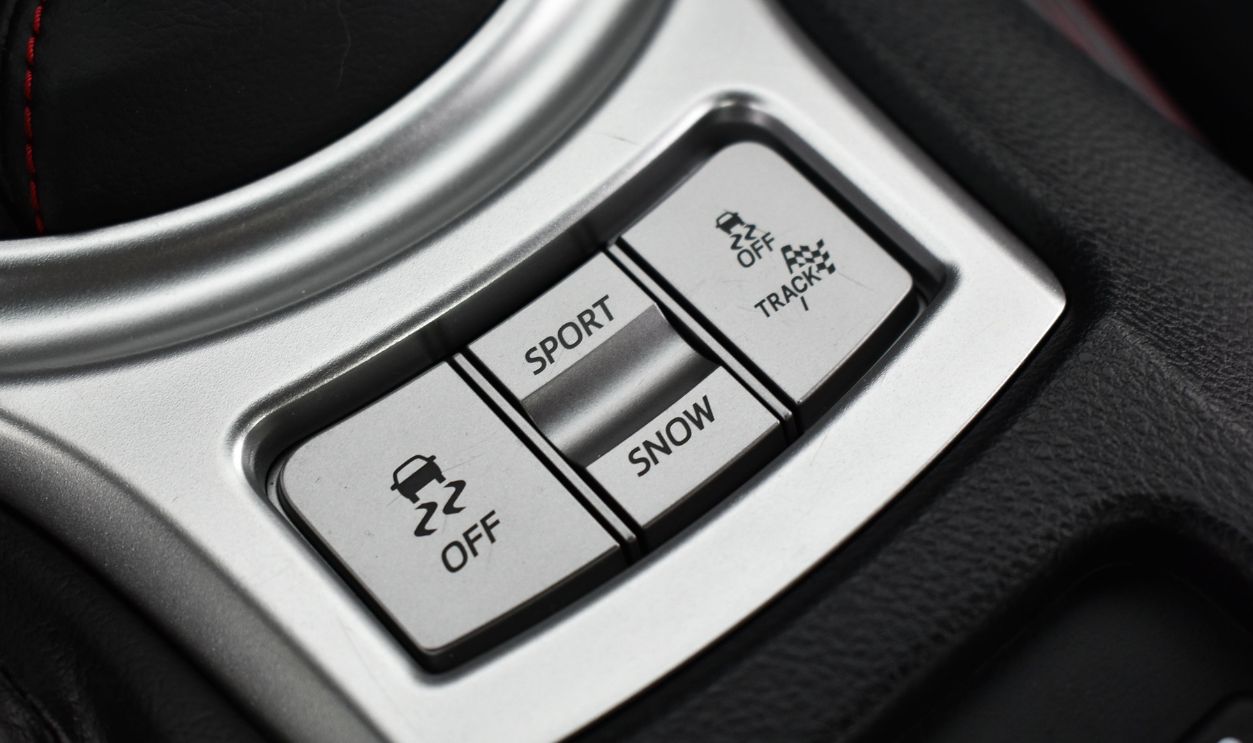
Electronic stability control, traction control, automatic emergency braking, and other crash-avoidance technologies can remain functional even when the SRS has a fault. Those systems can help prevent a collision from happening in the first place. But they aren't substitutes for airbags if a crash does occur, and collision damage can sometimes affect multiple sensors or systems at once.
Airbags Protect Areas Seat Belts Can't Completely Cover
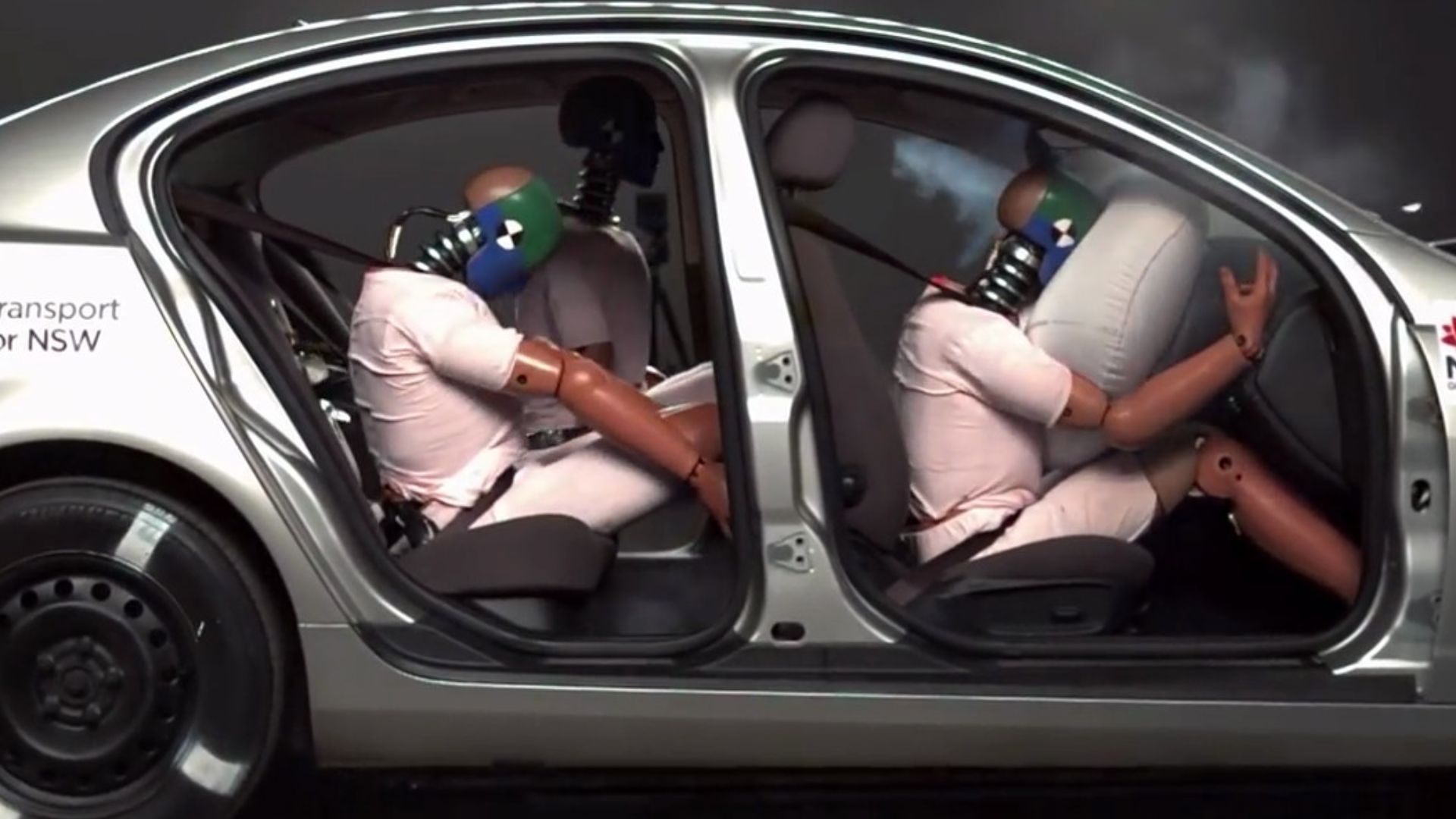
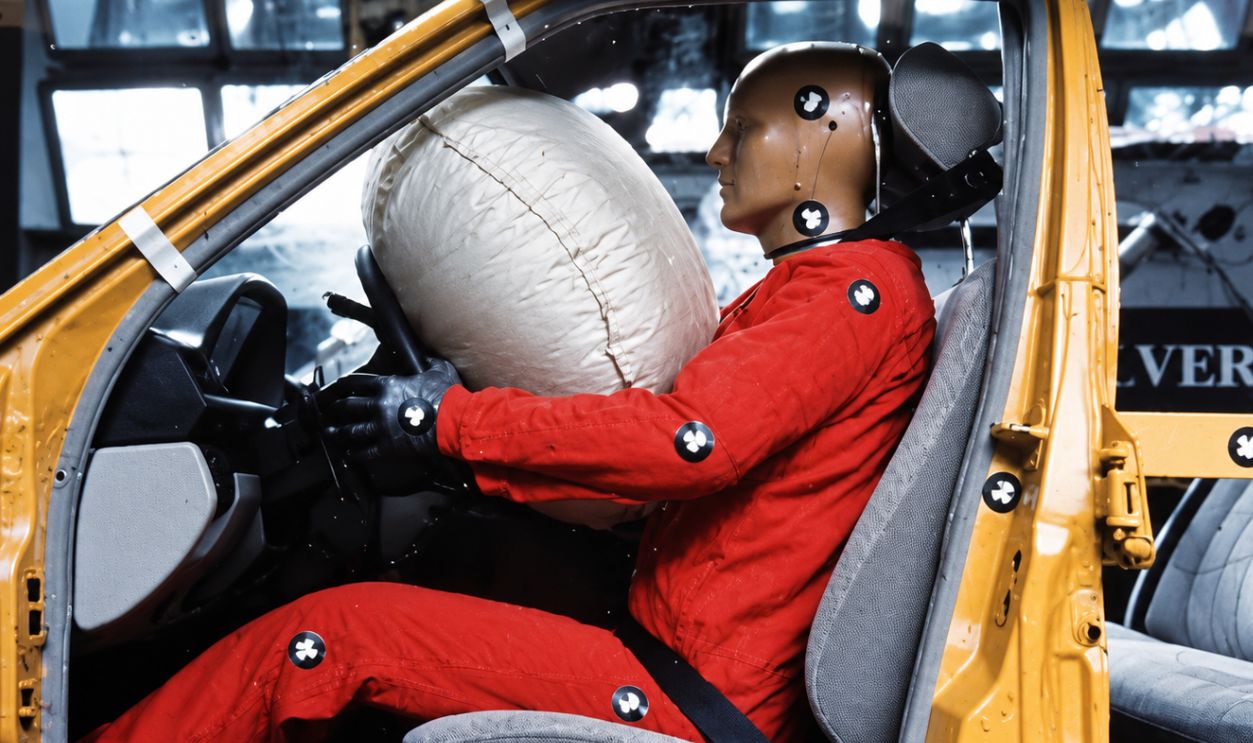
Frontal airbags are designed to reduce the chance that the driver's or passenger's head and upper body strike hard interior surfaces such as the steering wheel or dashboard. IIHS notes that airbags and seat belts work together to manage crash forces and keep occupants positioned properly. Losing that additional cushion can make a subsequent moderate or severe collision considerably more dangerous.
 Transport For NSW (https://www.transport.nsw.gov.au/), Wikimedia Commons
Side And Curtain Airbags Matter Too
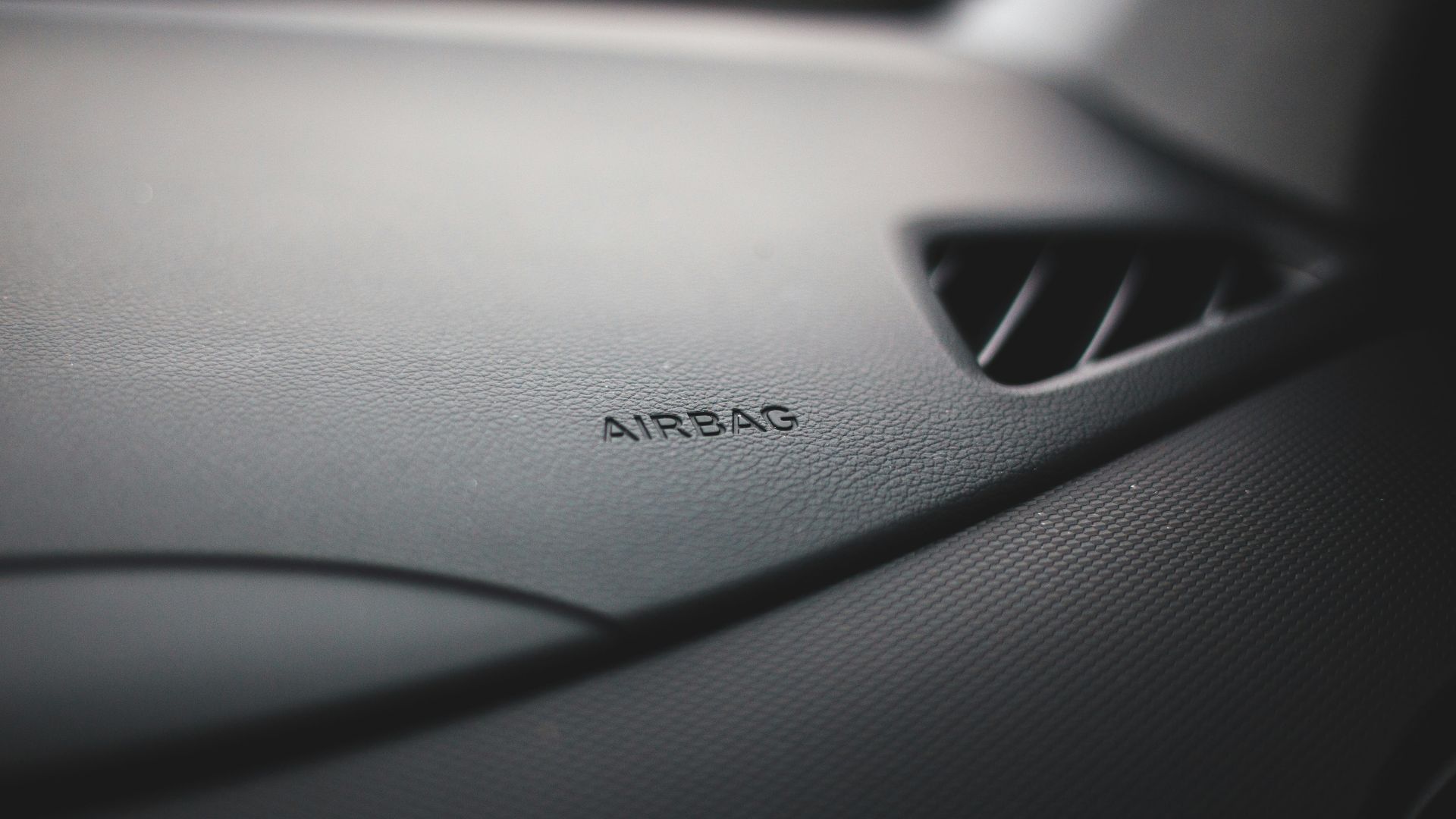
The airbag symbol on the dashboard doesn't necessarily refer only to the bag inside the steering wheel. Modern cars can have knee airbags, seat-mounted side airbags, curtain airbags, and passenger airbags controlled by the same broader restraint system. A fault involving a sensor, wiring harness, or control unit could potentially affect protection in collisions very different from the one you just experienced.
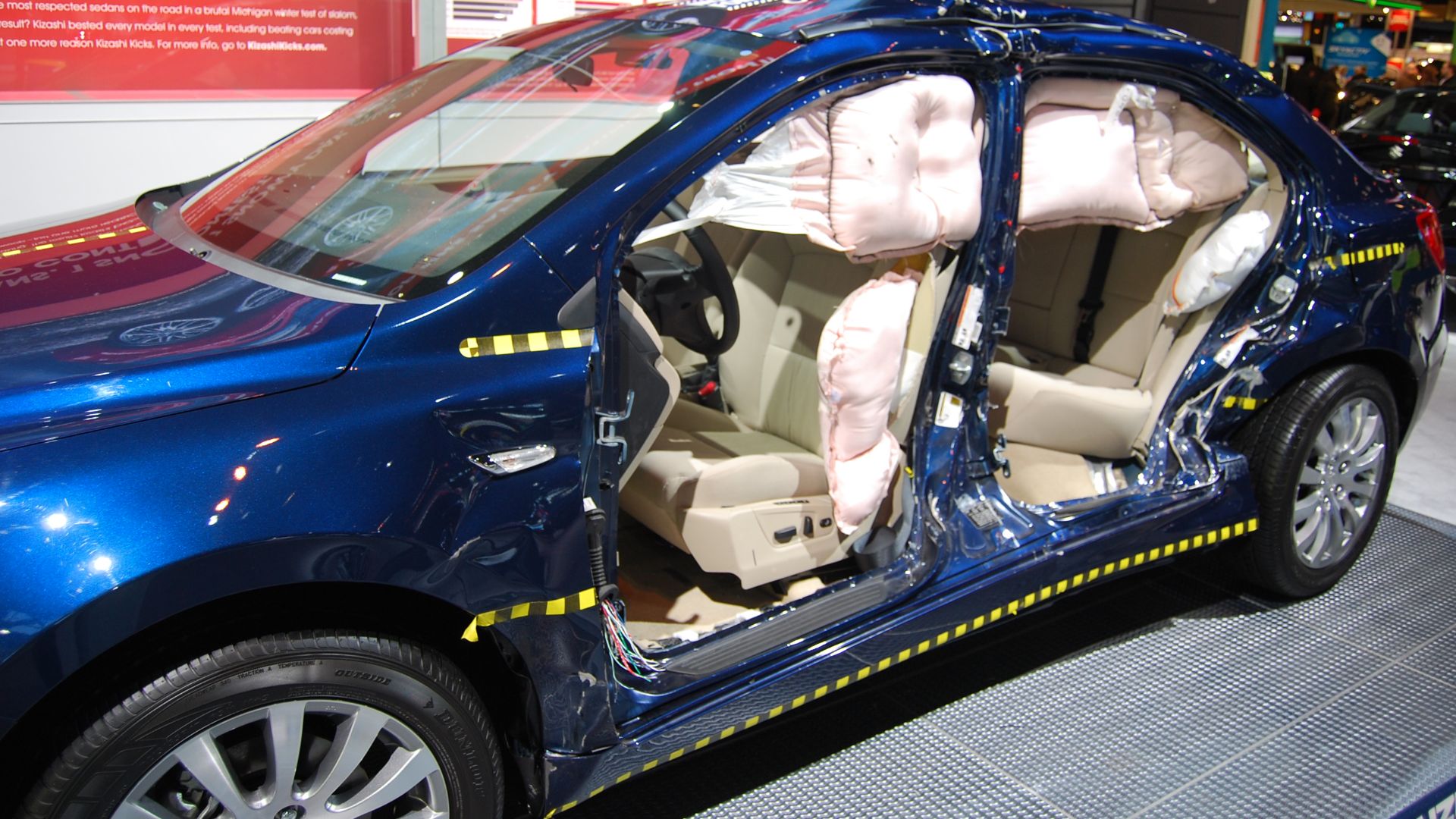
The Next Crash Is The One You Need To Think About
The danger isn't that the warning light makes today's commute mechanically impossible. It's that you can't choose when another driver runs a red light or when you encounter a serious crash. A restraint fault that feels easy to postpone while the car drives normally can become enormously important in the fraction of a second when the system is actually needed.
 DaimlerChrysler AG Original uploader was Cete at de.wikipedia, Wikimedia Commons, Enhanced
The Collision May Have Damaged A Sensor
Airbag systems rely on impact sensors located around the vehicle. Depending on the model and where the collision occurred, a sensor or its mounting area may have been damaged even though the crash didn't meet the threshold for deployment. Manufacturer repair procedures can require sensors in damaged areas to be inspected or replaced after certain collisions.
Wiring And Connectors Can Be Damaged Too
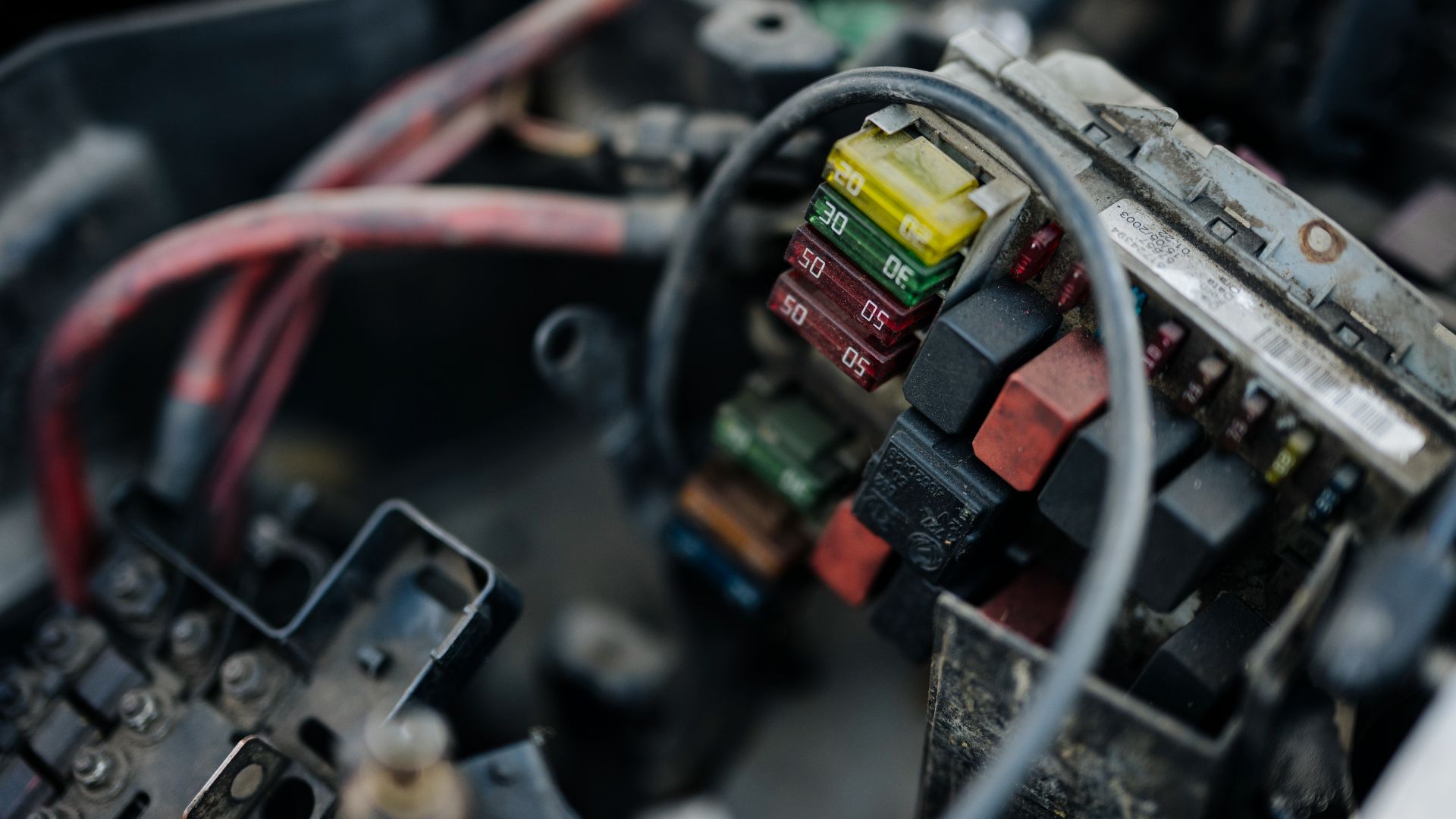
Collision forces can stretch wiring, damage connectors, pinch harnesses, or disturb components behind bumpers, seats, dashboards, and interior trim. An airbag light following body repair may therefore come from something much less dramatic than a bad airbag itself. That doesn't make it safe to ignore. The computer has detected a fault somewhere in a system that needs reliable electrical connections to work within milliseconds.
 Shixart1985, Wikimedia Commons
The Steering-Wheel Clock Spring Is Another Possibility
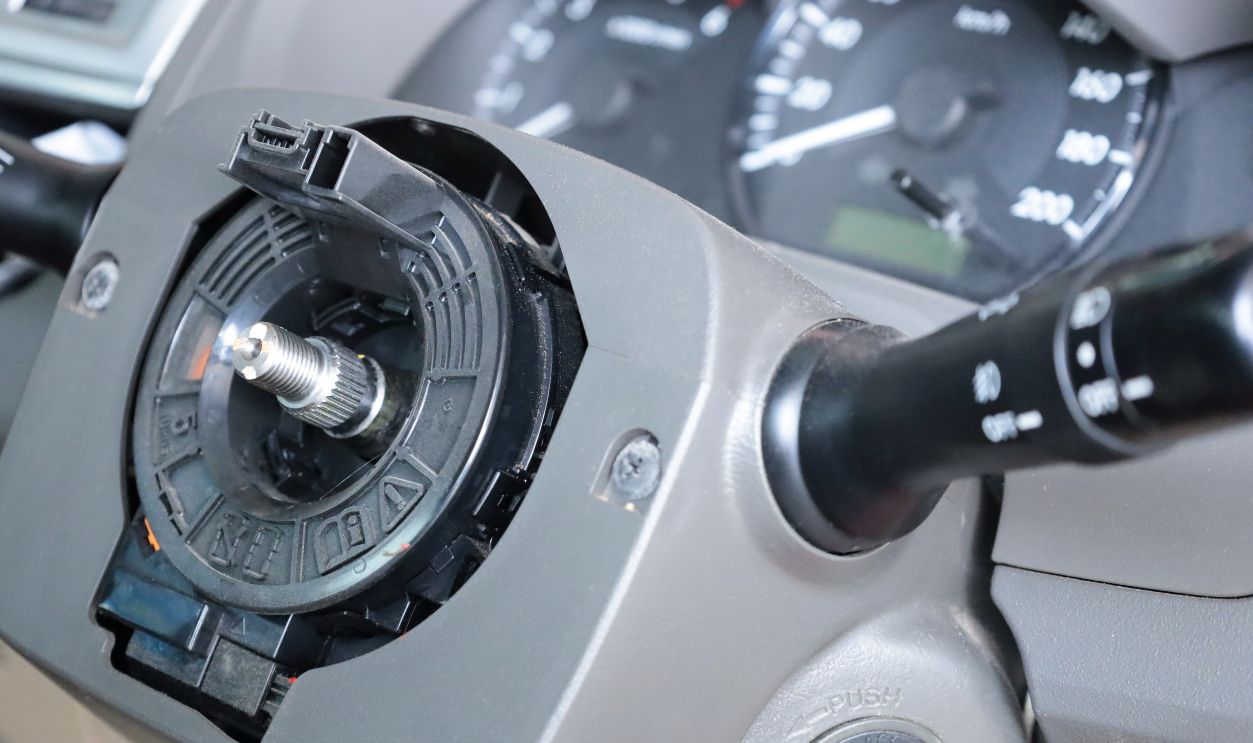
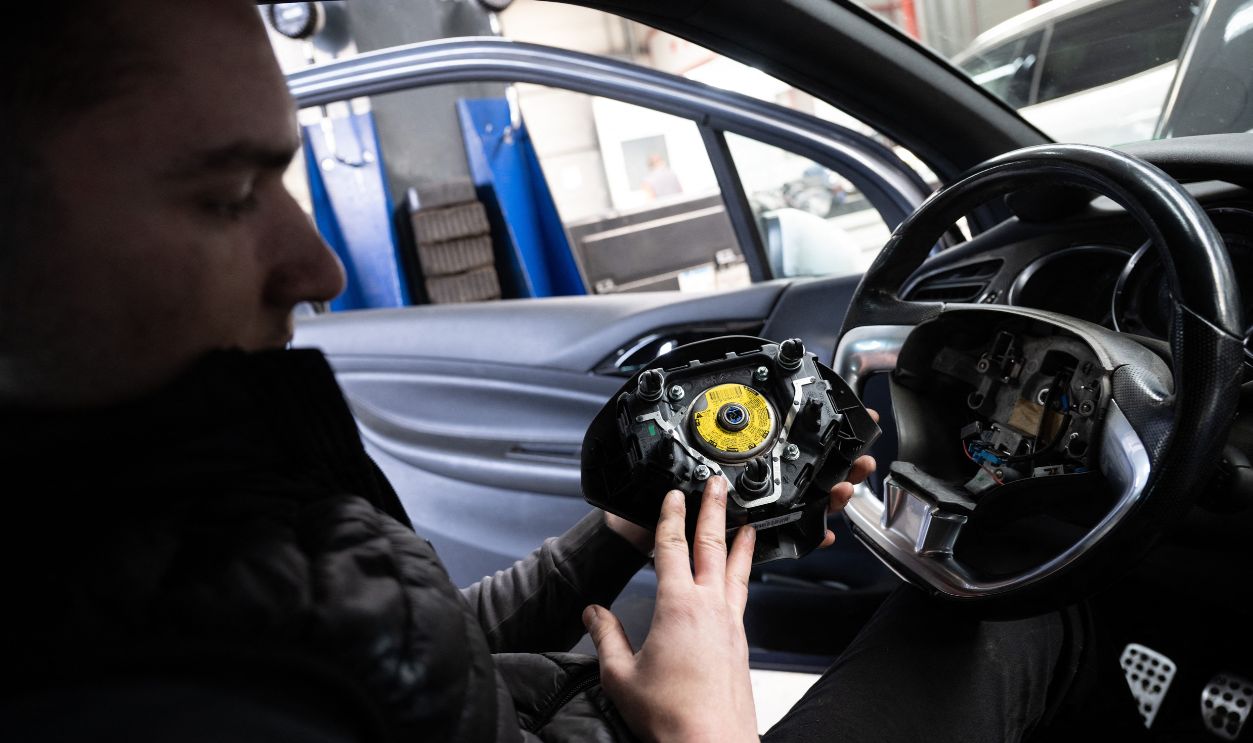
The driver's airbag must maintain an electrical connection while the steering wheel turns, which is one job of the clock spring behind the wheel. Damage or failure there can illuminate the SRS light and potentially interrupt the driver's airbag circuit. Depending on the vehicle, other clues can include horn or steering-wheel button problems, although symptoms vary.
Passenger-Detection Sensors Can Trigger The Light Too
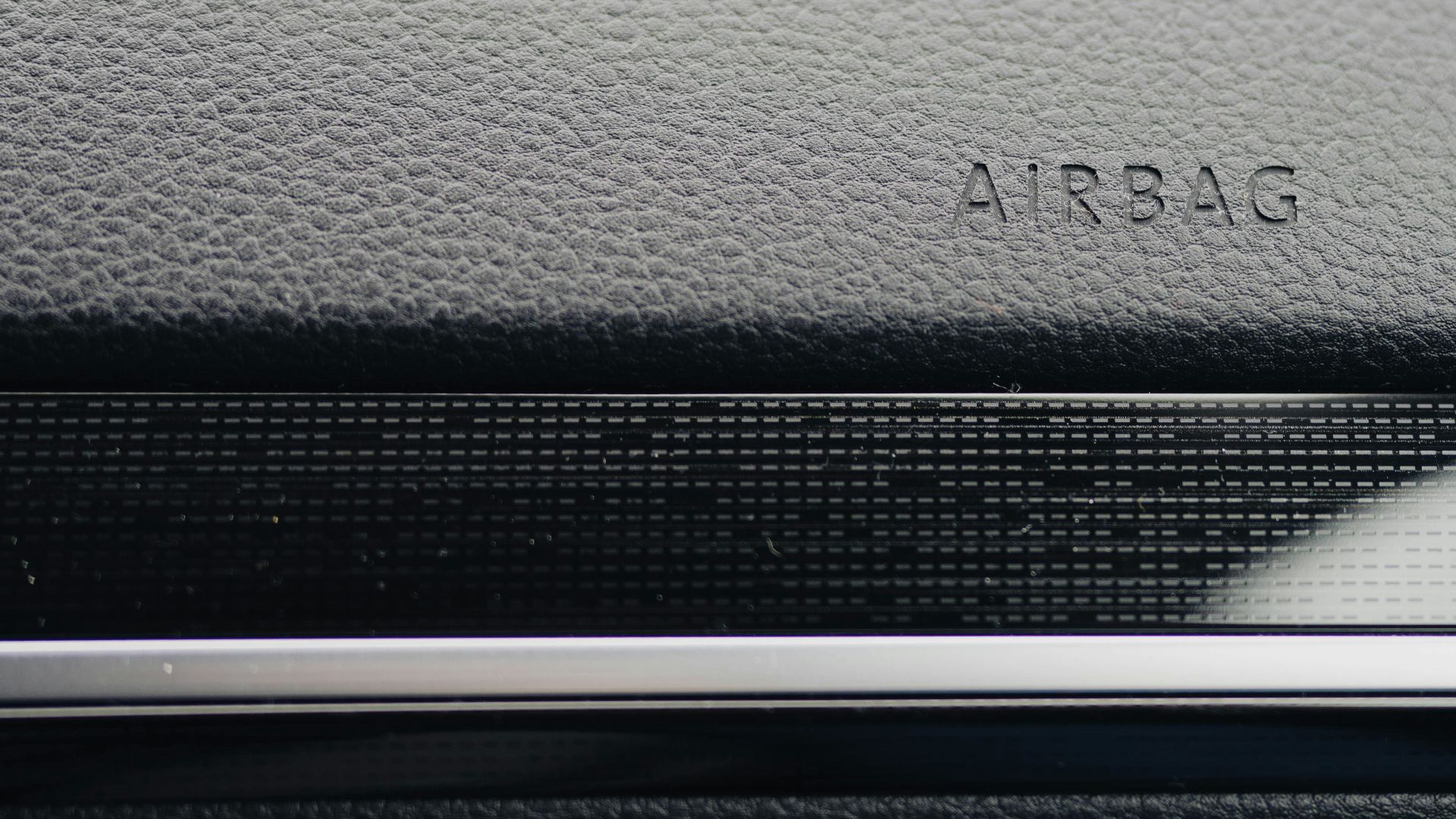
Many newer vehicles use occupant-classification sensors to determine whether someone is sitting in the passenger seat and how the passenger airbag should operate. A damaged seat sensor, wiring connection, or related component can produce an SRS warning. NHTSA notes that advanced passenger airbags depend on occupant sensing to make deployment decisions, so this isn't simply an annoying seat warning.
Don't Assume The Light Just Needs To Be Reset
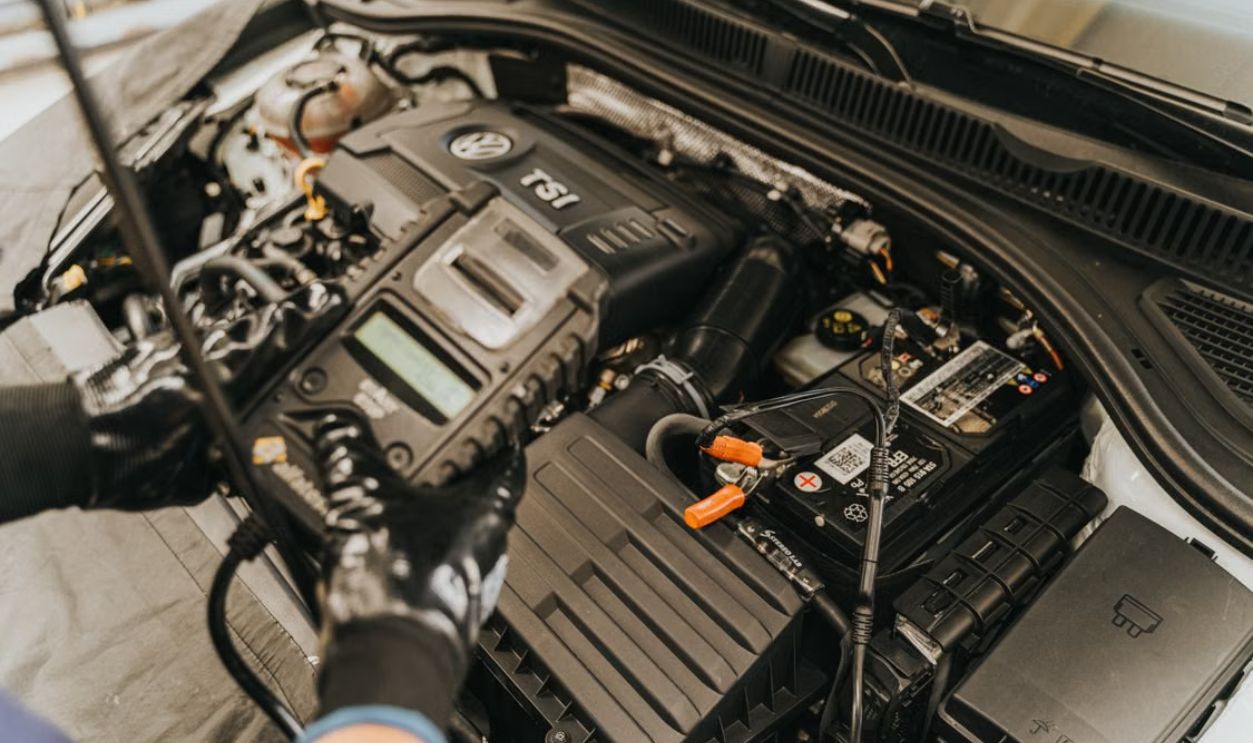
It's tempting to think the crash stored a harmless code that simply needs clearing. Sometimes a temporary electrical problem does leave a code behind, but clearing the warning without diagnosing its cause doesn't repair anything. If the light returns, the fault is still present. Even if it stays off briefly, the system should be checked according to the manufacturer's diagnostic procedure.
The Shop Needs A Scanner That Can Read SRS Codes
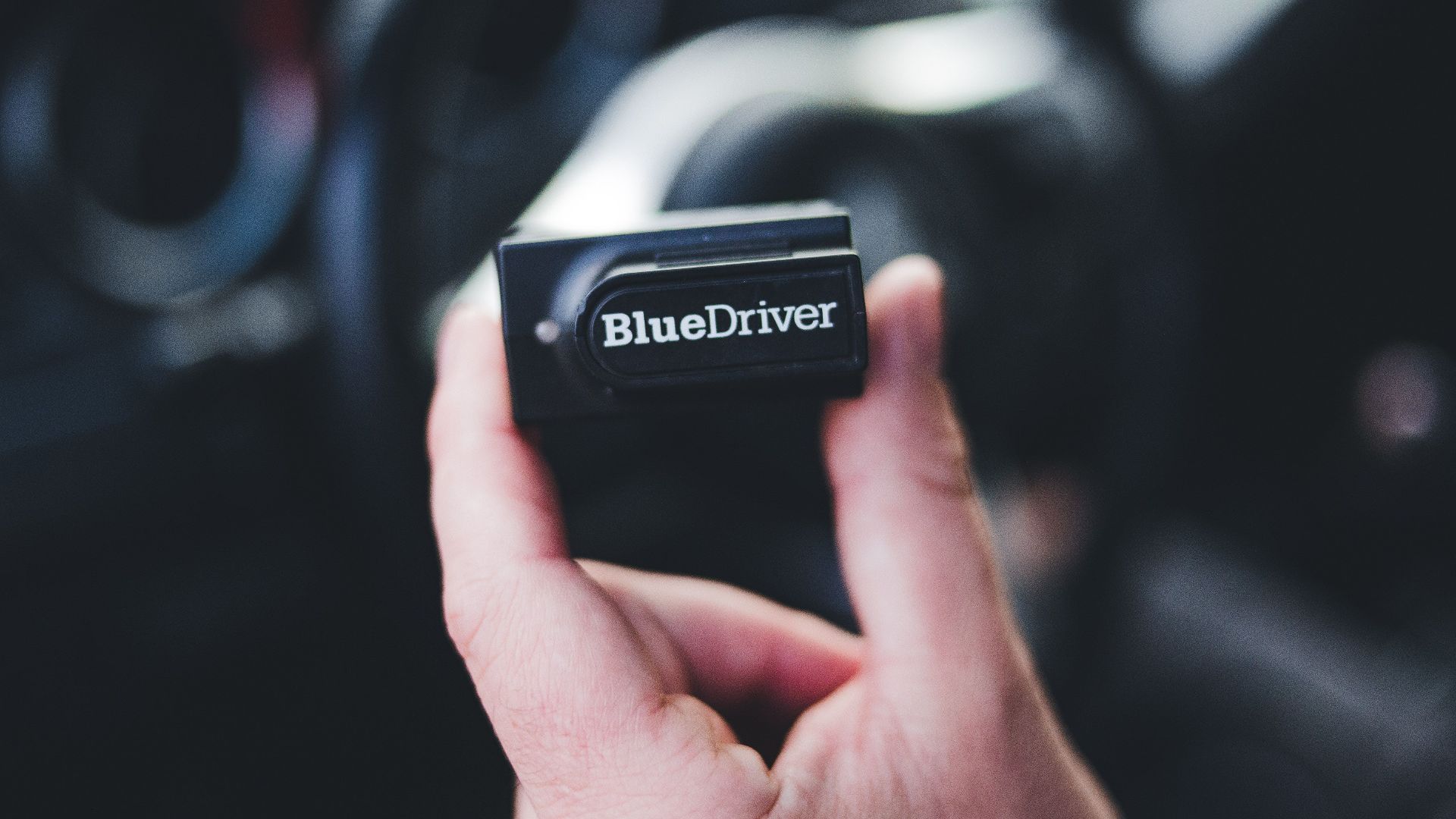
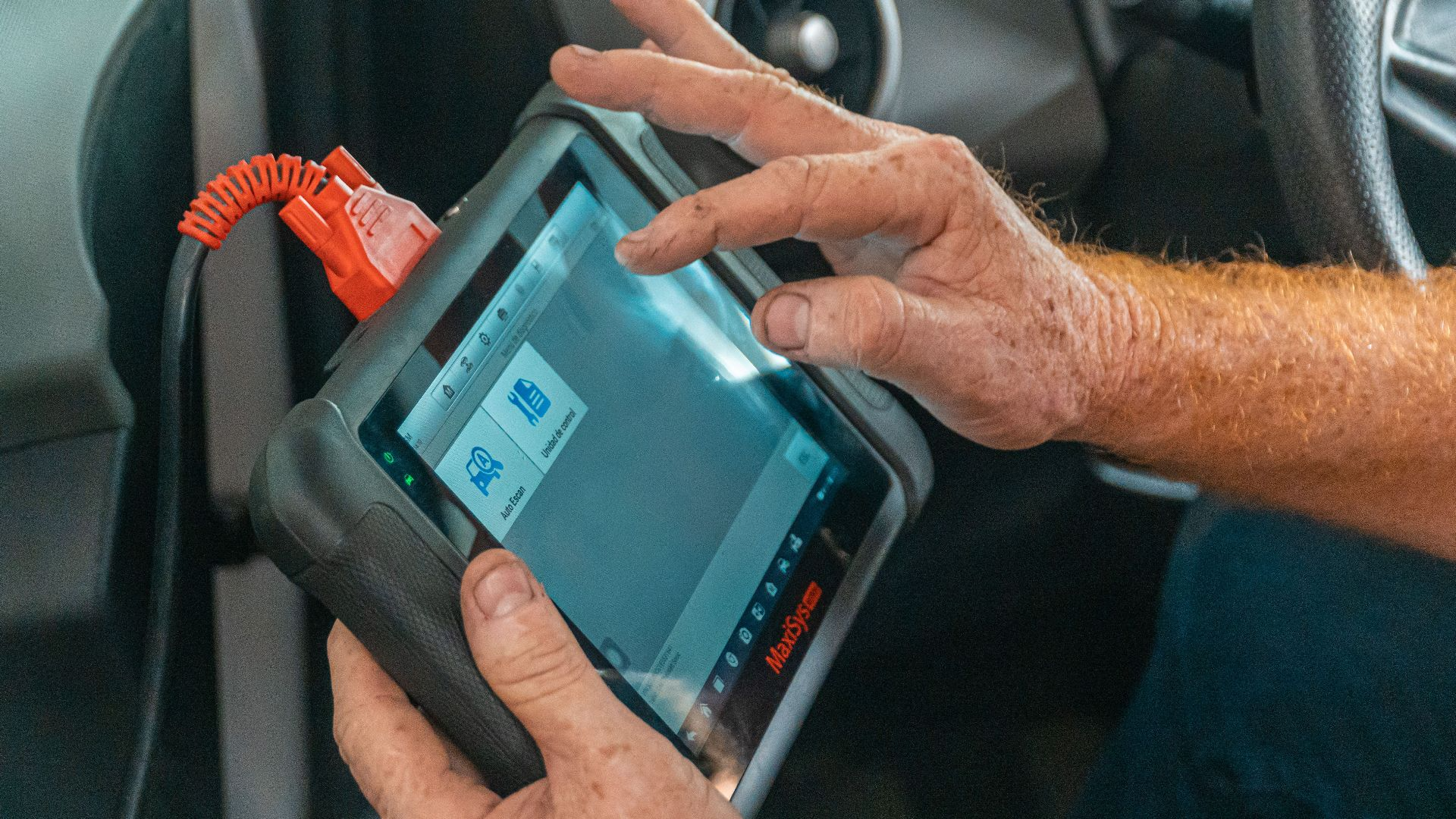
A basic code reader designed mainly for check-engine lights may not be able to access the airbag control module. I-CAR notes that diagnosing restraint systems often requires a scan tool capable of reading SRS diagnostic trouble codes, sometimes with manufacturer-specific capabilities. Ask the shop for the actual SRS fault codes rather than accepting a guess based only on the dashboard light.
Get The Codes In Writing
Ask the technician to print or write down every restraint-system diagnostic trouble code before anything is erased. Codes can point toward a particular sensor, circuit, pretensioner, airbag module, occupancy sensor, or control unit. Having them documented also makes getting a second opinion much easier and can help connect the warning light to collision repairs that were recently performed.
 Jose Ricardo Barraza Morachis, Pexels
A Collision-Repair Specialist May Be The Better Shop
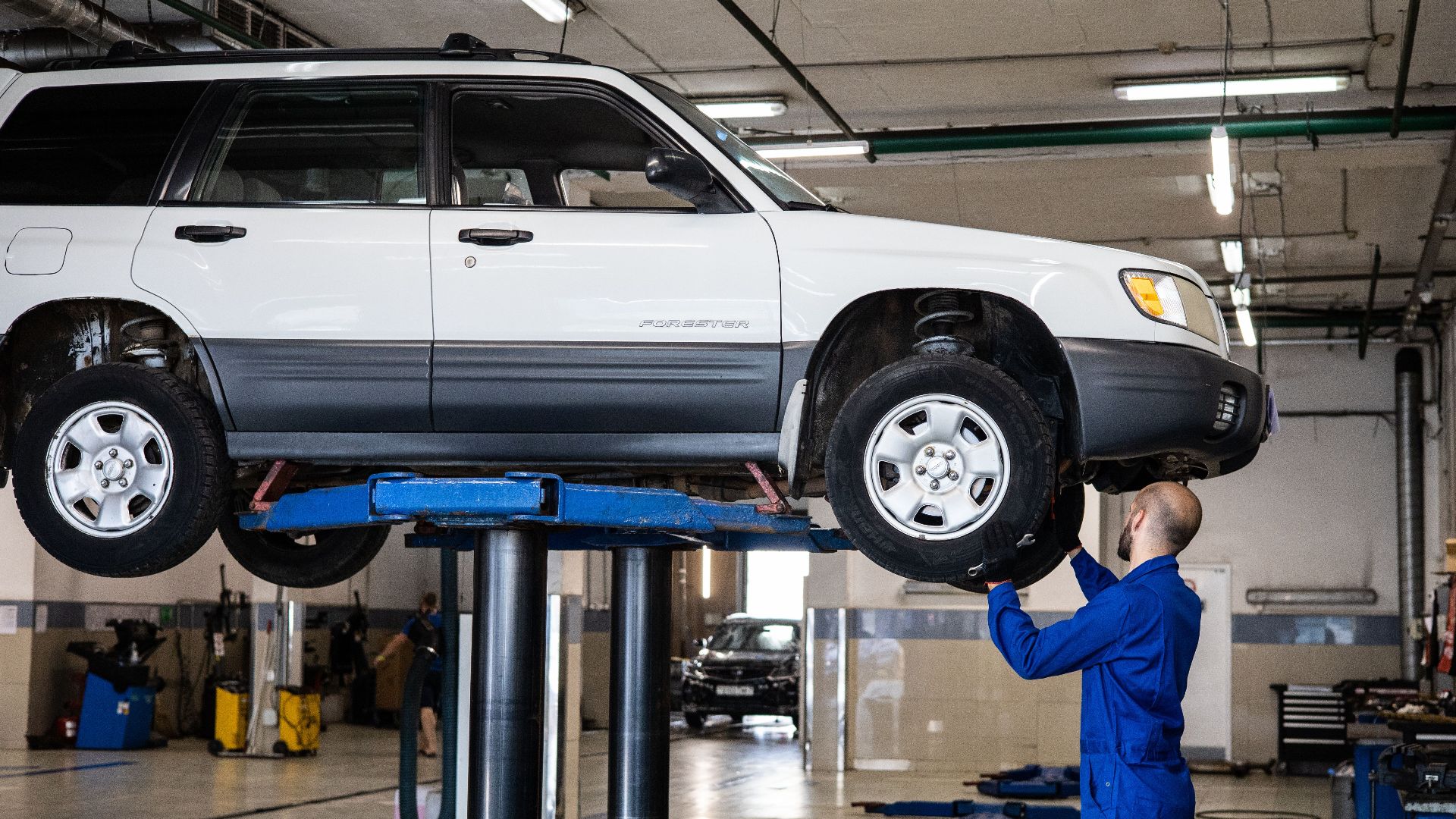
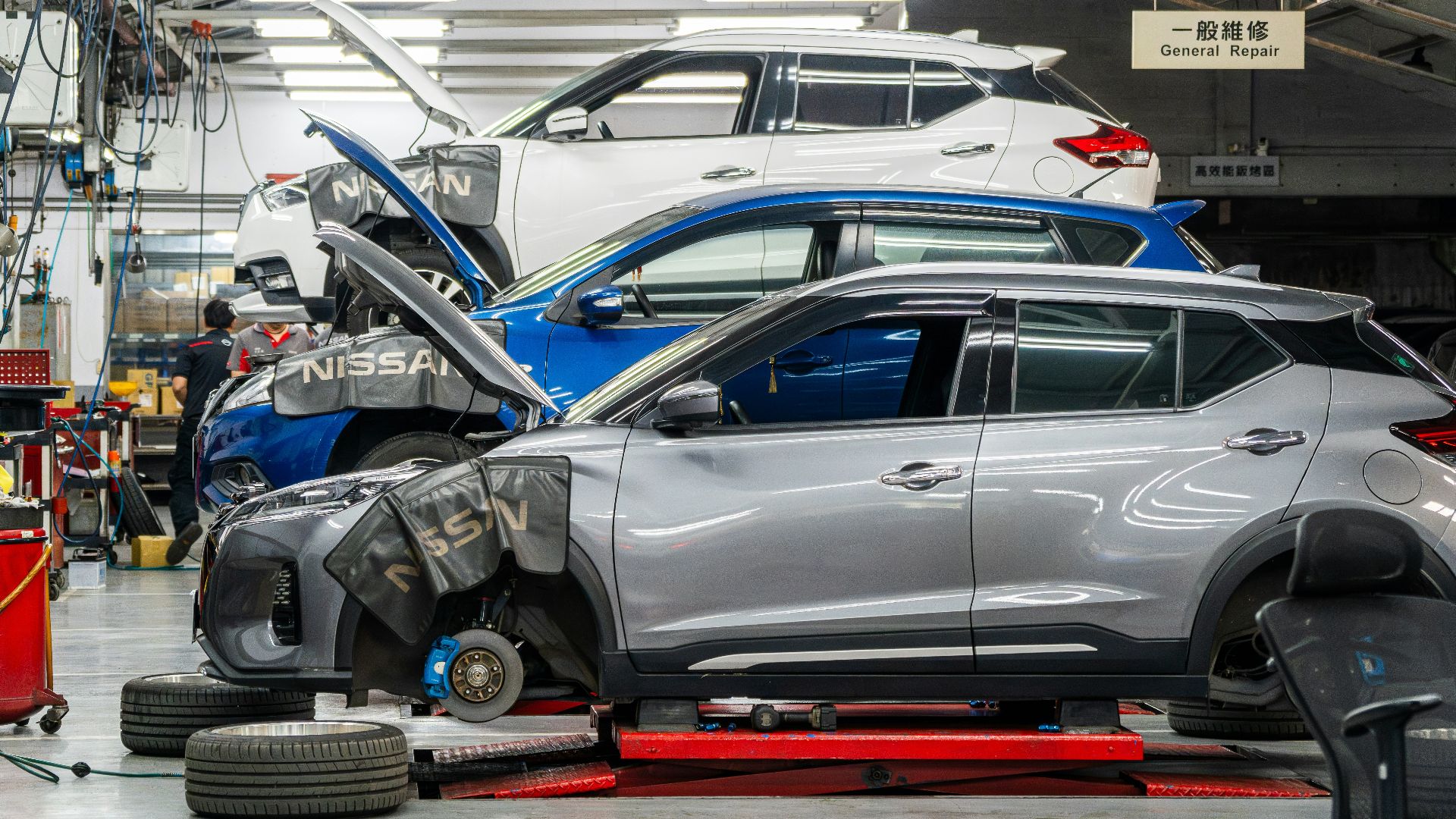
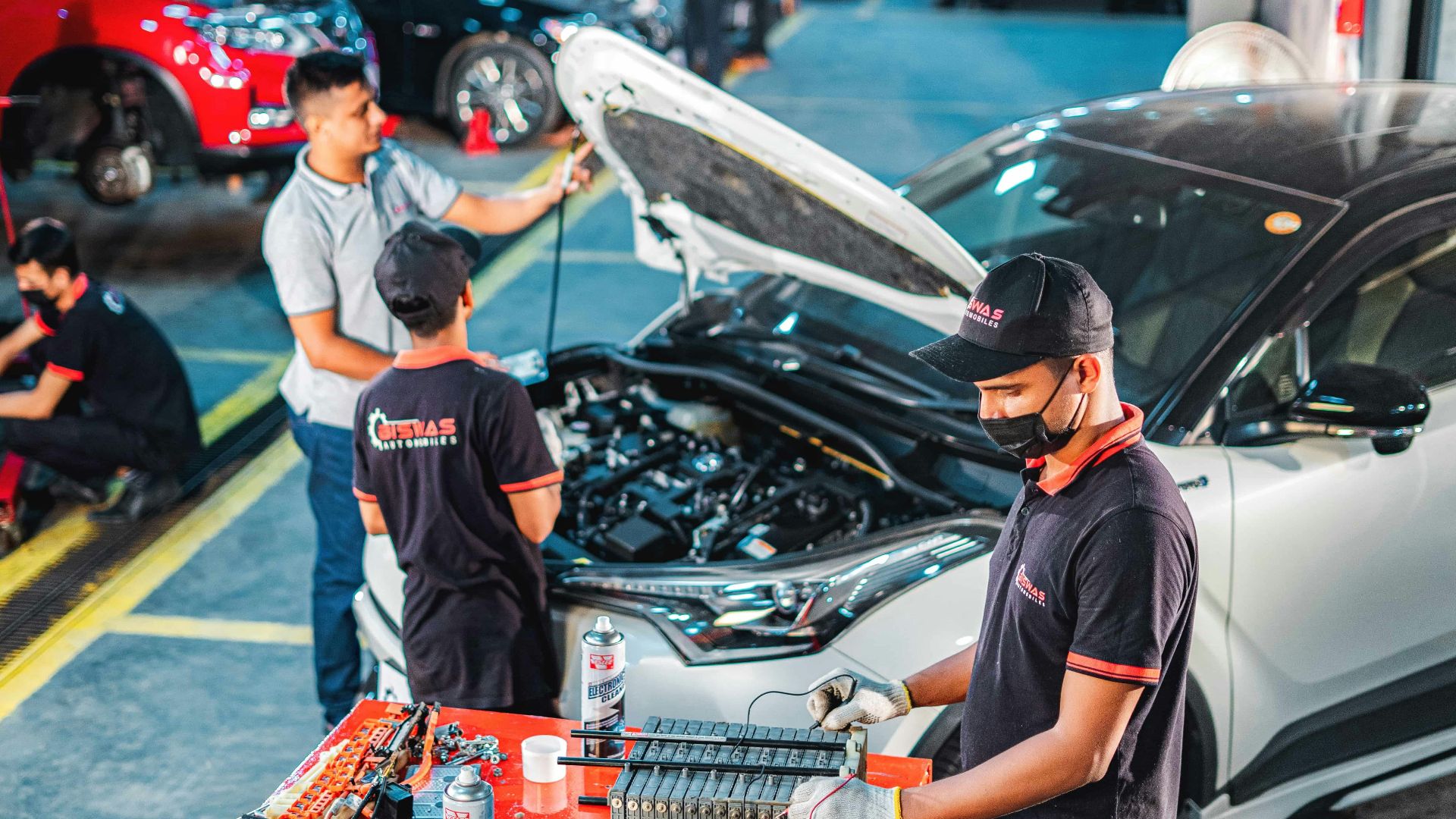
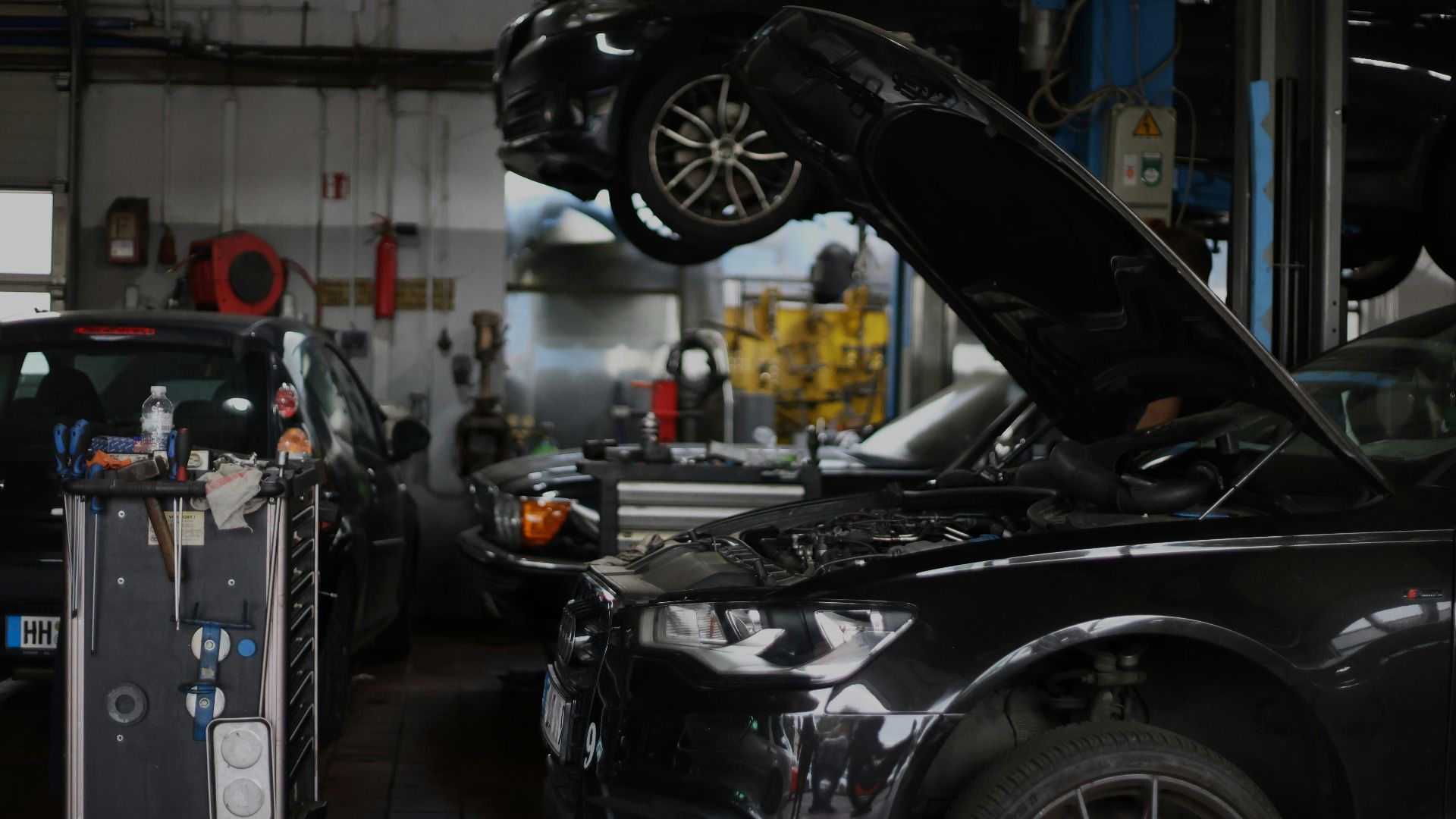
Not every general mechanic works regularly with post-collision restraint systems. A reputable collision repair facility or dealership familiar with your specific make may have better access to factory repair procedures, scan equipment, calibration information, and replacement requirements. That becomes particularly important because the parts that require inspection after a collision vary considerably between manufacturers and models.
Follow The Manufacturer's Post-Collision Procedure
There isn't one universal list of parts that every crashed car needs. I-CAR's manufacturer-specific guidance shows that automakers may require inspection or replacement of different combinations of impact sensors, restraint modules, wiring, seat belts, pretensioners, steering components, and airbags depending on the collision. The repair should follow the procedure written for your exact year and model rather than a generic rule of thumb.
 Biswas Automobiles BD, Unsplash
If The Light Appeared After Body Repairs, Go Back To The Repairer
If the warning wasn't present before the accident and remained after the collision repair, contact the body shop that handled the claim. Ask whether the SRS was scanned before and after repairs and whether the warning was documented when the car was returned. If collision damage or repair work caused the fault, there may be additional repair work that needs to be addressed through the original shop or insurer.
Be Very Careful With Cheap Replacement Airbag Parts
If the repair eventually requires an airbag or inflator, don't shop solely by price. NHTSA has issued serious warnings about substandard replacement inflators installed in previously crashed vehicles. Some have failed to protect occupants and have caused fatal injuries. Use a reputable repairer and ask where replacement restraint components are being sourced rather than buying an unusually cheap airbag online.
Know When The Car Should Be Towed Instead
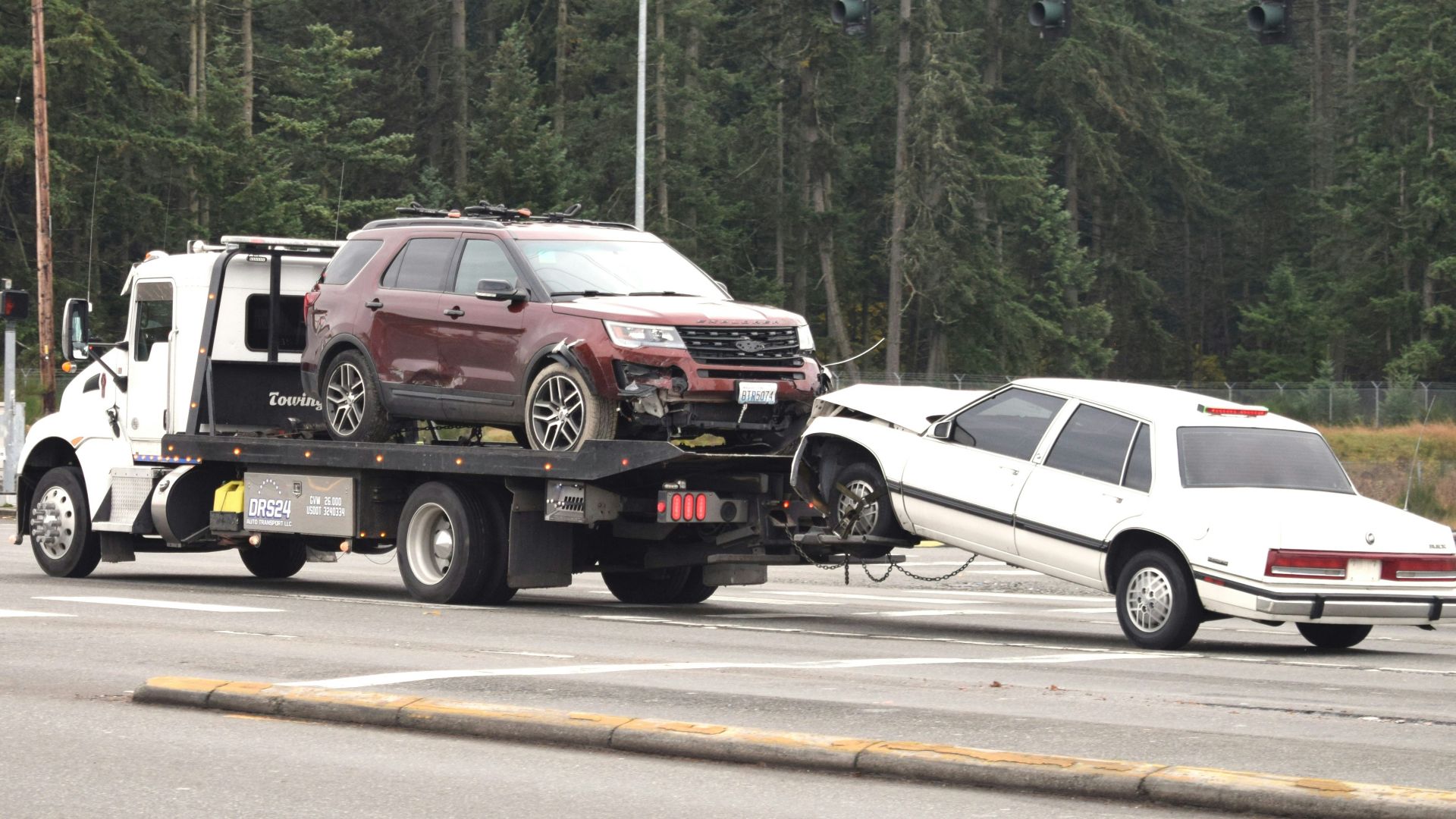
An airbag light by itself may not make the vehicle physically incapable of being driven to a repair appointment. But if the collision also left steering problems, braking warnings, structural damage, leaking fluids, damaged tires, unusual noises, multiple warning lights, or anything affecting control of the vehicle, don't treat this as merely an airbag issue. In that situation, towing is the safer choice.
Your Mechanic Is Only Partly Right
The car may indeed be mechanically drivable because airbags aren't what make it accelerate, steer, or stop, and other protections such as conventional seat belts, ABS, stability control, and the vehicle's structure may still be functioning. But an illuminated airbag light means you can't count on the supplemental restraint system working properly in another collision, and pretensioners or other components may be involved too. Get the SRS codes read, have the collision-related components inspected according to manufacturer procedures, and repair the fault rather than simply living with the warning. Until then, “the car still drives” should be treated as a description of its mechanics, not an assurance that it's as safe as it was before the crash.

You May Also Like:
My friend says jump-starting a modern car can fry its electronics. Is that true?