Why Your Garage Cares About a Tire Leaning Against a Wall
If your parking garage says you can’t keep a spare tire next to your car, it may sound picky. But the rule usually comes down to fire risk, smoke, and how fast a garage fire can get dangerous. A loose tire is not likely to be the thing that starts a fire, but if rubber catches, it adds heat, thick smoke, and extra problems for firefighters.

The Rule Is Usually About Storage, Not Your Mounted Tires
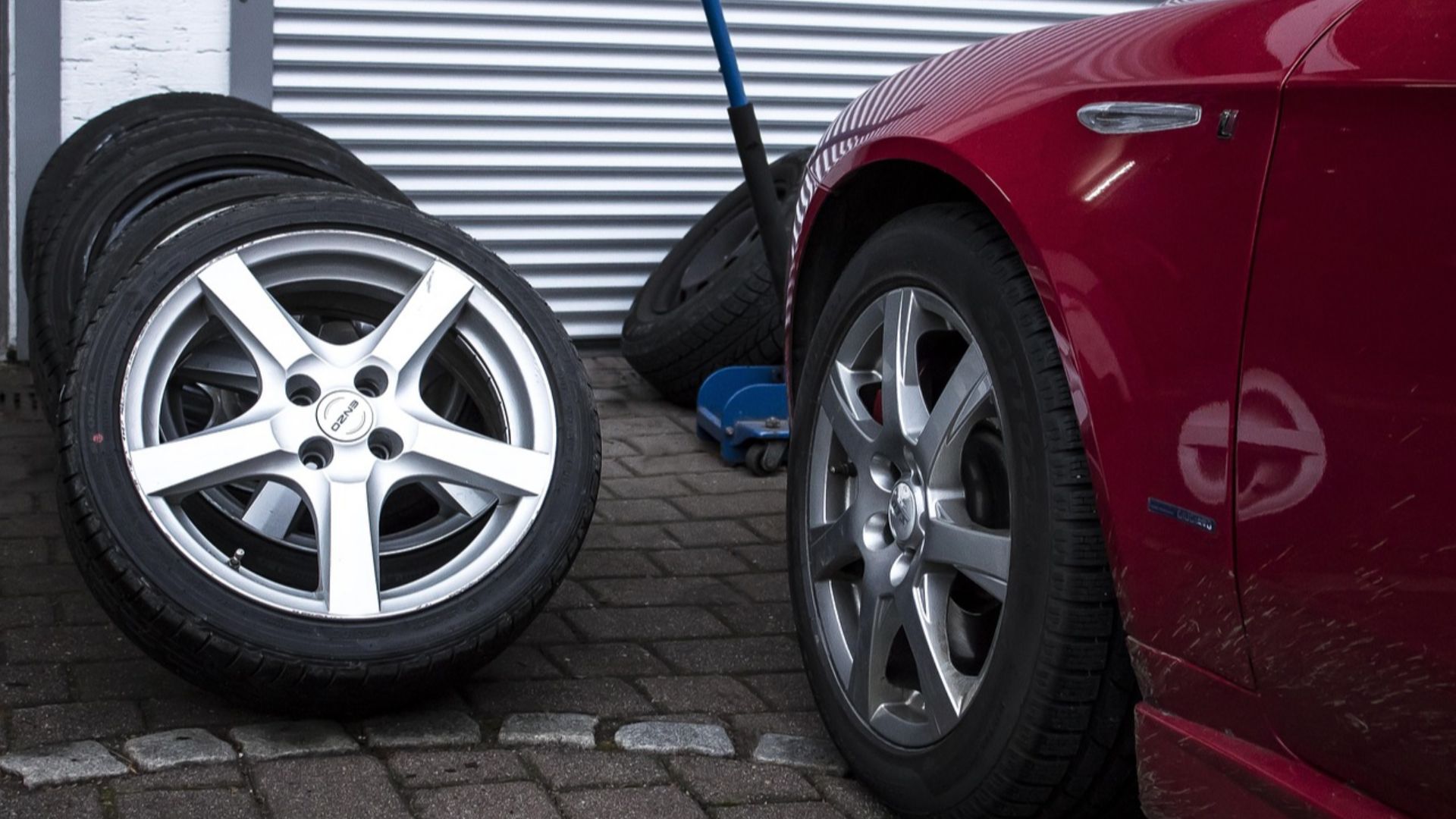
Garages are built with the expectation that cars will be there, including the tires attached to them. What many operators do not want is extra combustible stuff stored in parking spaces, especially in enclosed garages. A spare tire beside a car is treated more like stored property than part of the vehicle.
What Makes Tires a Fire Issue at All
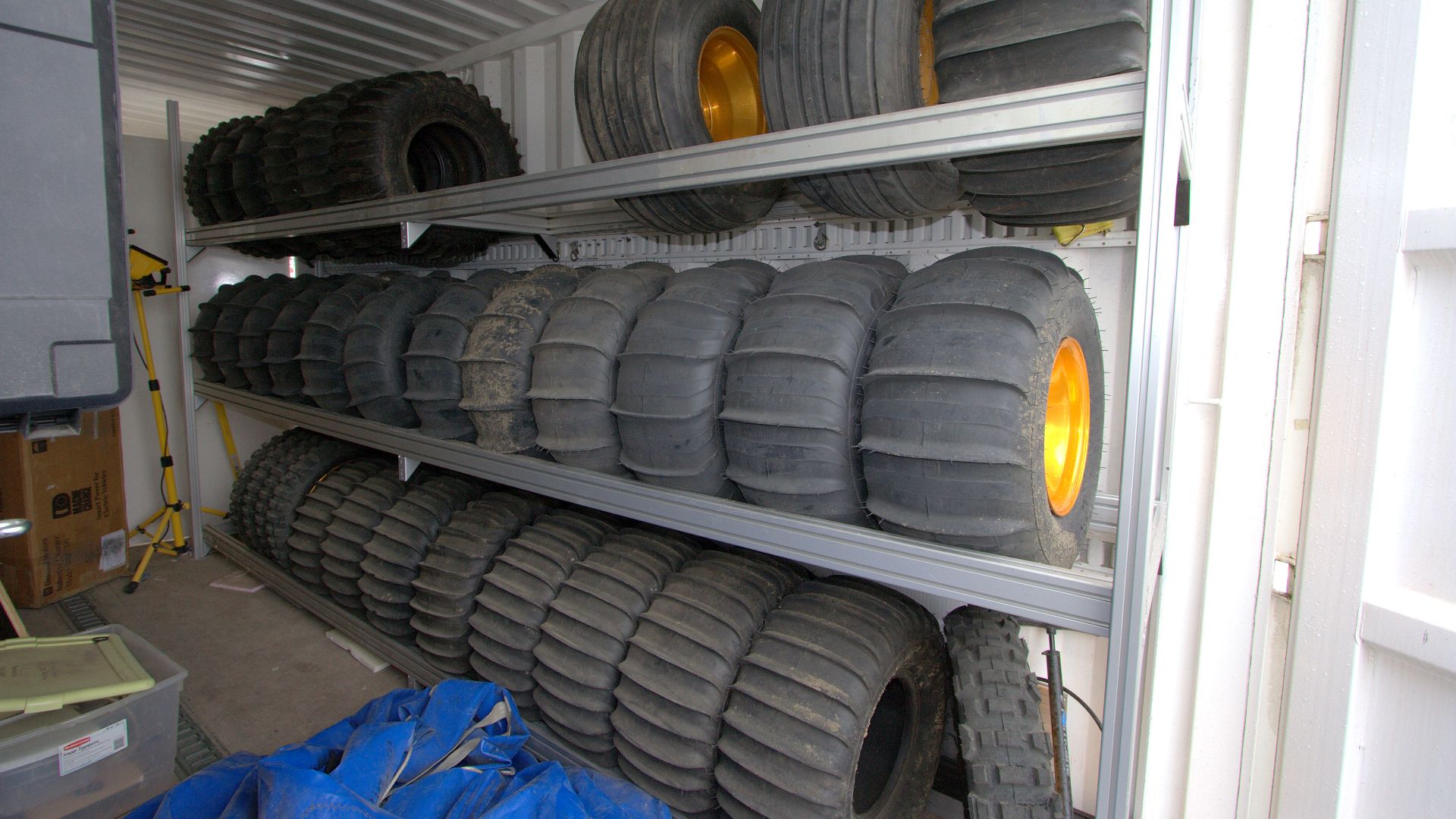
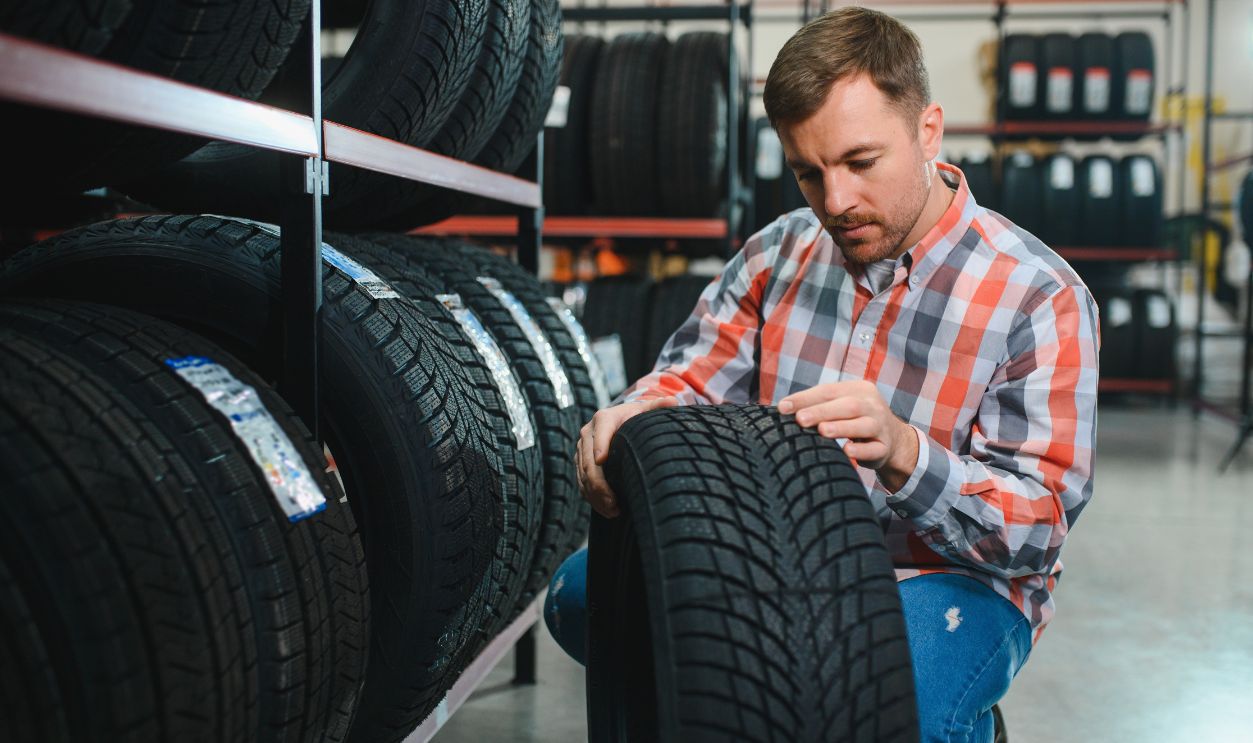
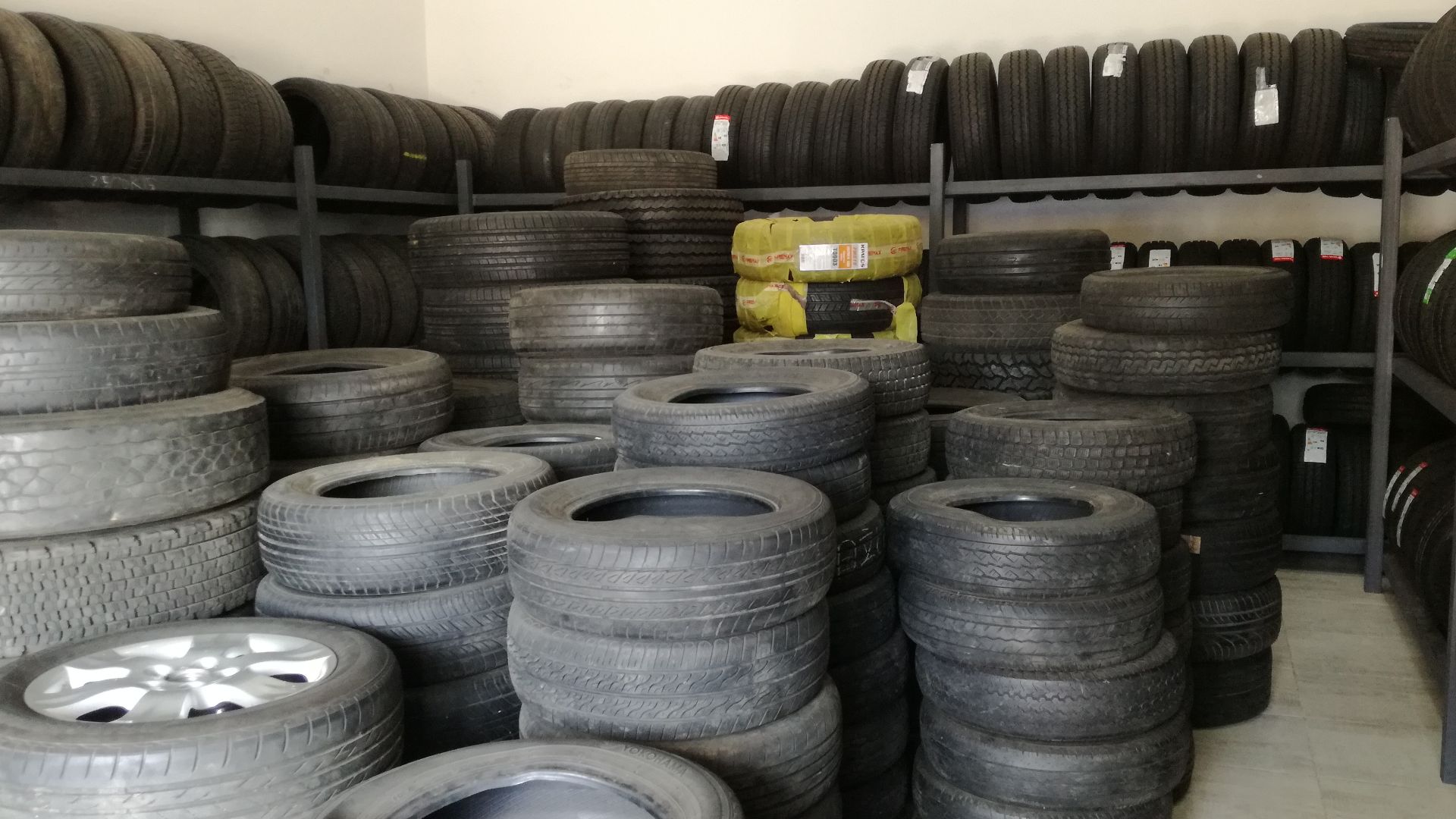
Tires are made from rubber compounds, carbon black, steel, textiles, and chemical additives. Those materials hold a lot of fuel energy once a fire starts. Fire agencies and code groups have long treated stored tires as a major combustible material when they are kept in quantity.
 Hryshchyshen Serhii, Shutterstock
A Single Spare Is Not the Same as a Tire Pile
It helps to separate normal life from the image of a huge tire fire. The worst tire fires in history involved massive outdoor stockpiles with thousands or even millions of tires, not one spare in a condo garage. Even so, many building managers use broad rules because they want to avoid any extra combustible storage in a shared structure.

Why Rubber Fires Get So Much Attention
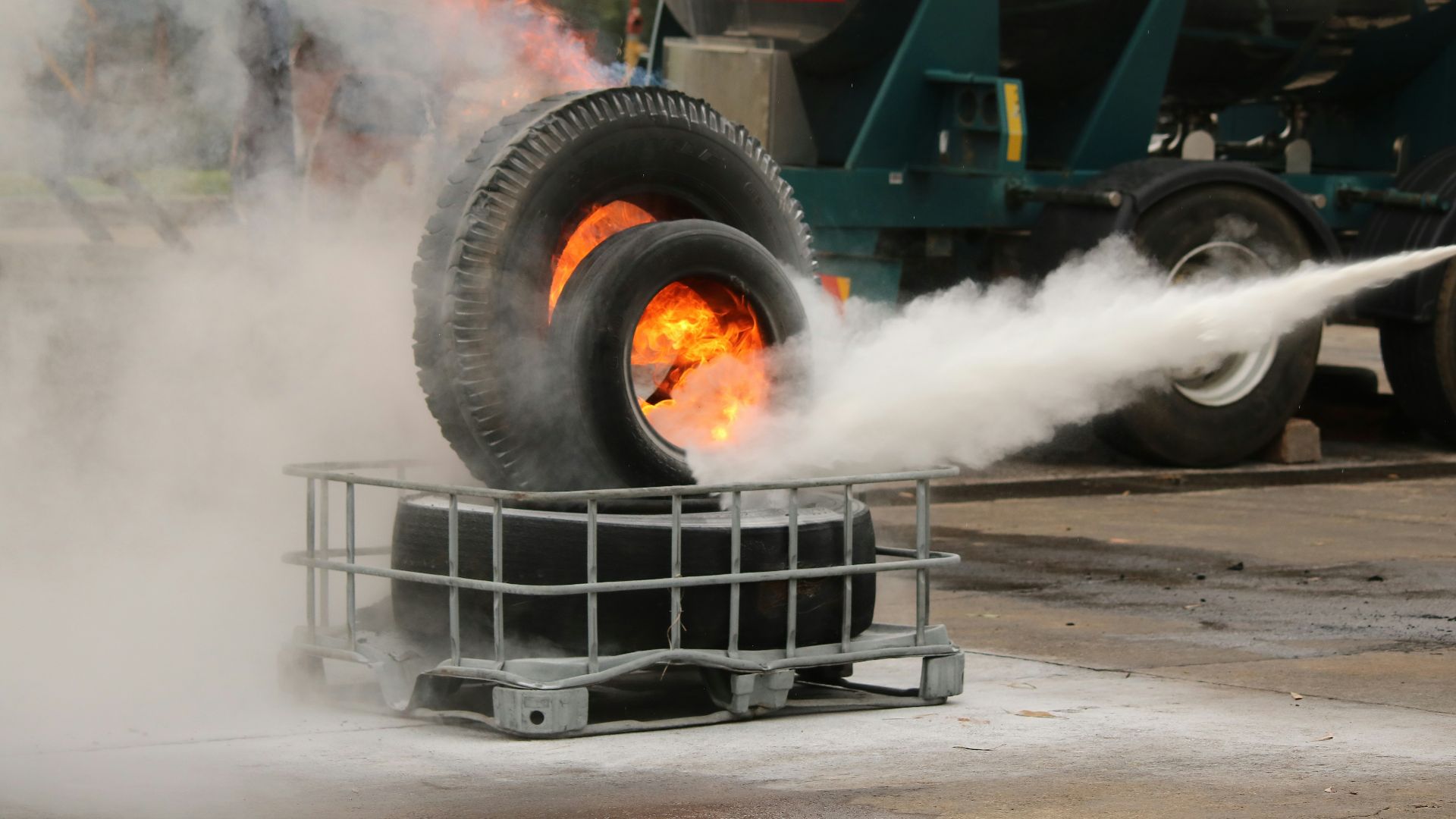
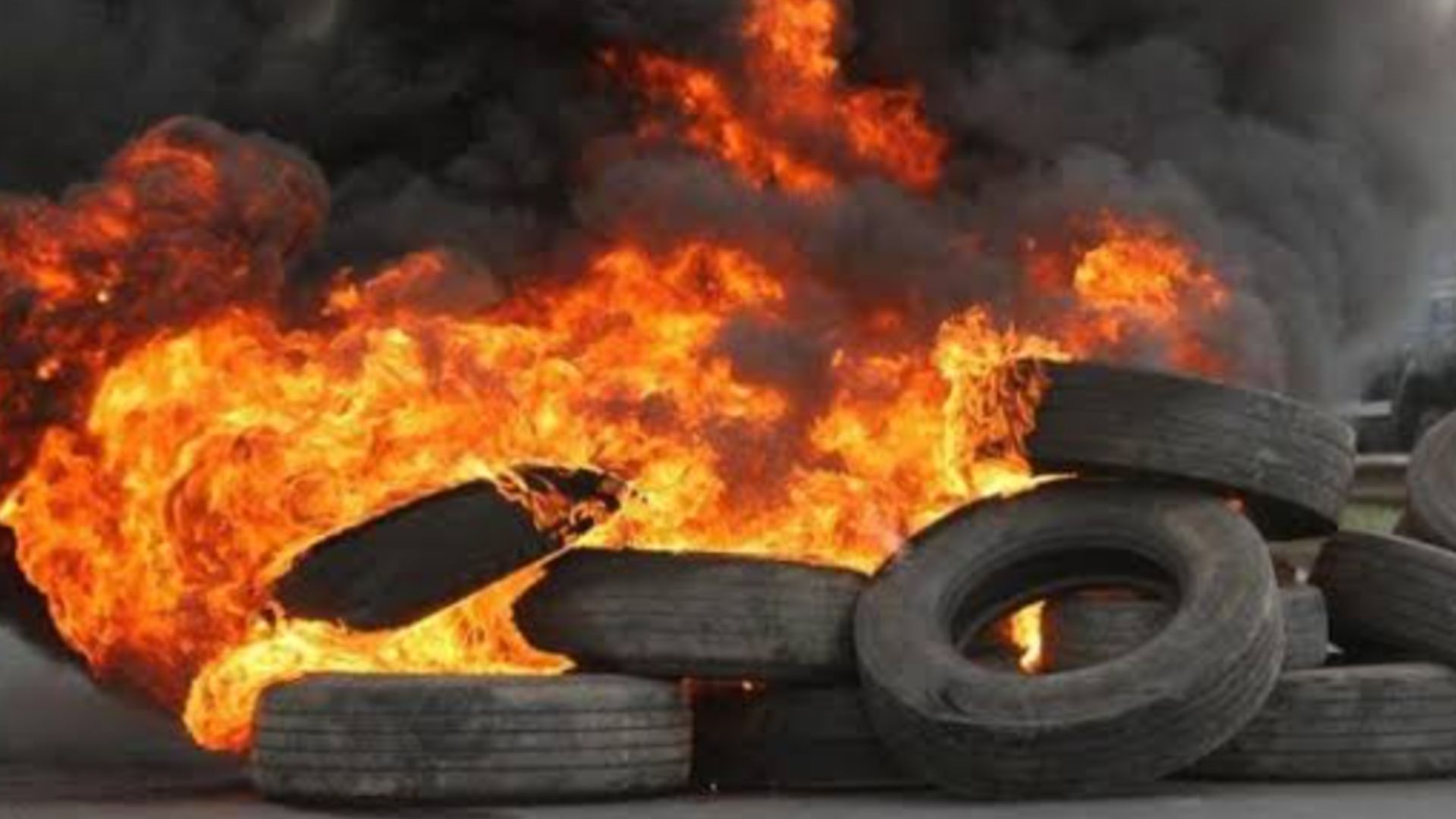
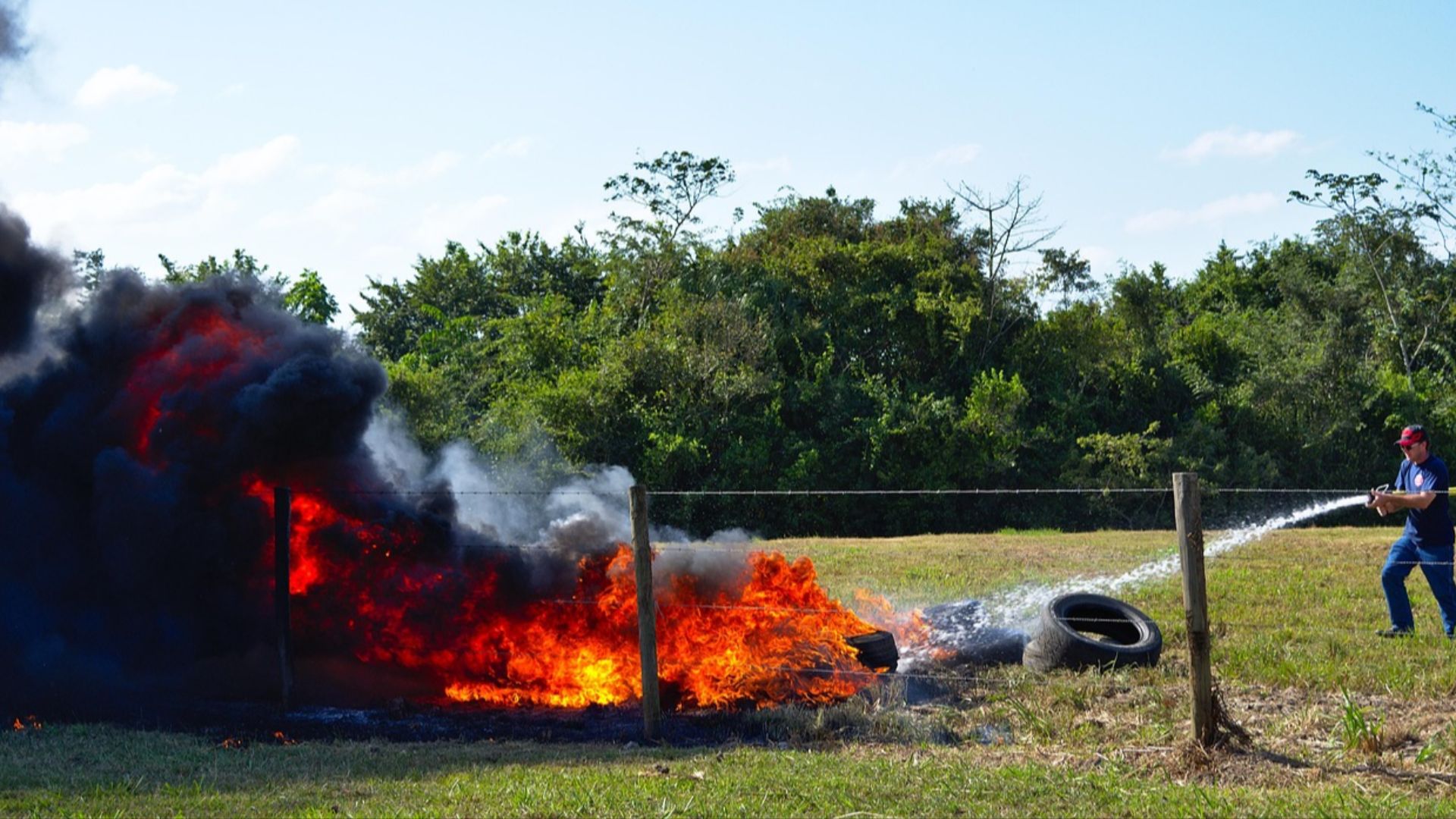
Burning tires create dense black smoke and a lot of heat. The U.S. Environmental Protection Agency has documented that tire fires can also cause oil runoff and air pollution problems, especially at larger scales. Even in a much smaller garage fire, the same basic chemistry is why responders take burning rubber seriously.
The Big Historical Lesson Came in the 1980s
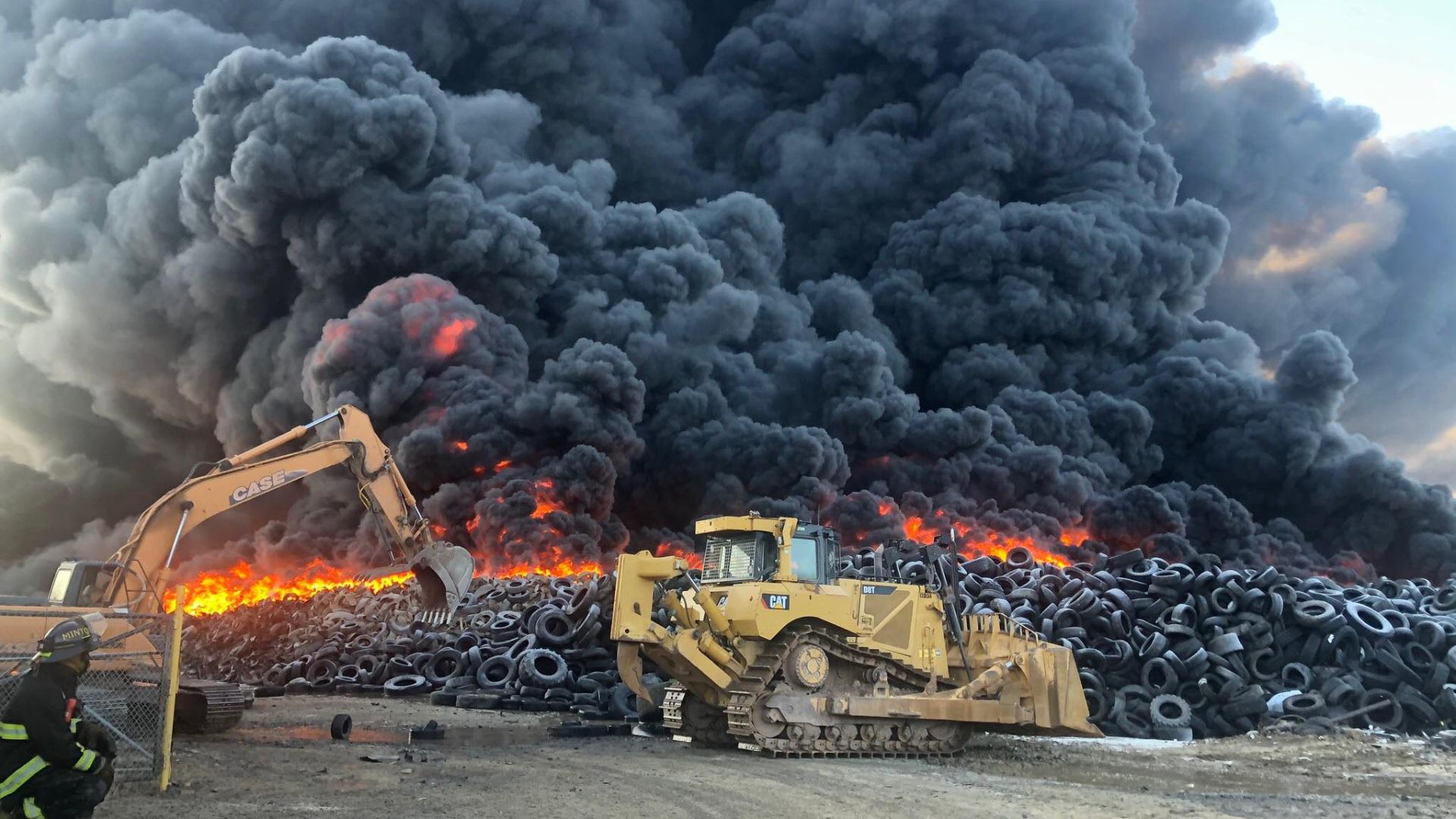
One event that shaped public awareness was the Winchester, Virginia tire fire in 1983. It involved a huge stockpile and burned for months, drawing national attention to the environmental damage and firefighting challenges these fires can cause. The EPA later pointed to major tire fires like this as part of the reason scrap tire storage needed tighter control.
 New Brunswick / Nouveau-Brunswick, Wikimedia Commons
Another Wake-Up Call Hit in Hagersville in 1990
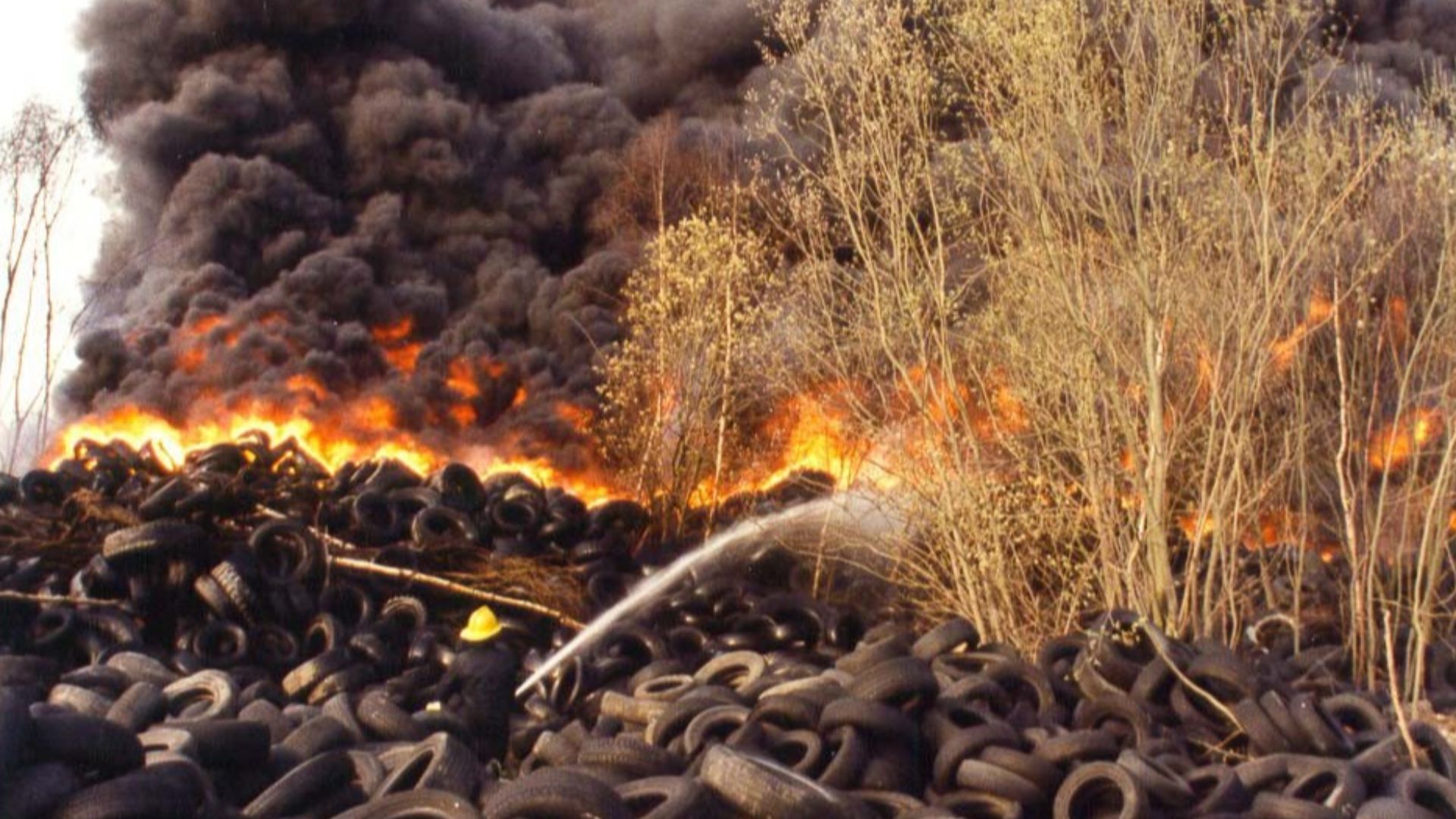
In February 1990, a massive tire fire in Hagersville, Ontario became one of North America’s best-known examples. It burned for weeks and forced evacuations, with heavy media coverage in both Canada and the United States. Fires like Hagersville helped lock in the idea that once tires are burning, they are anything but harmless clutter.
Those Famous Tire Fires Were About Scale
That scale matters. A giant stockpile burns differently from a single spare because a pile traps heat, shields the flames, and can keep the fire going for a long time. Your garage is not banning one tire because it expects a Hagersville-sized disaster. It is banning it because many rules treat all extra combustibles as avoidable risk.
 Julio nerd da química, Wikimedia Commons
Parking Garages Already Present Tough Fire Conditions
Enclosed garages are tricky because they can fill with smoke fast and may be hard for firefighters to access. The National Fire Protection Association has noted that parking structures are not risk-free and that vehicle fires can spread under some conditions. Any extra combustible item in a parking space can add smoke and heat if a fire starts nearby.
 Collins Musonda, Wikimedia Commons
Modern Cars Changed the Fire Conversation
Today’s cars contain far more plastic than older models, along with synthetic interiors, wiring insulation, fluids, and in some cases high-voltage battery systems. Researchers and fire investigators have found that modern vehicle fires can become intense enough to threaten nearby cars. In that setting, a stored tire is one more thing a fire can feed on.

What Experts Mean by Fire Load
Fire load is the amount of burnable material available in a space. Building managers and fire officials try to keep that load predictable in garages by limiting storage in parking stalls. A spare tire may not look like much, but it still adds fuel in a place meant for parking, not storage.
Codes Often Restrict Storage in Garages for This Reason
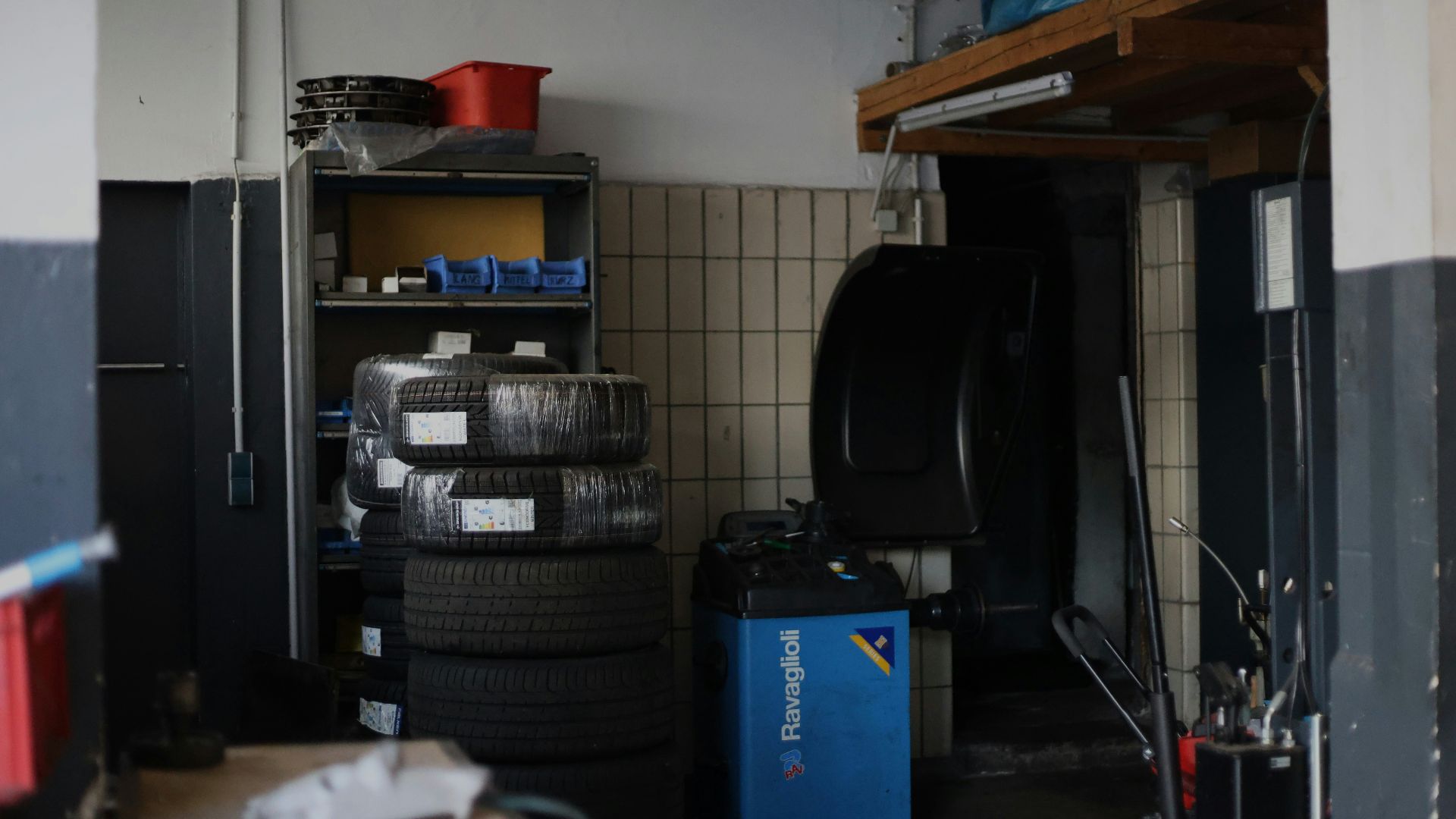
Fire codes often limit what can be stored in parking garages, especially in parking spaces, service areas, and paths of exit. The exact rules vary by city and by which code edition is in force. That is why the most accurate answer for your building is usually in the local fire code, lease, or condo rules.
Insurance and Liability Also Shape These Policies
Many garage rules are not written because one spare tire is uniquely dangerous. They exist because insurers, property managers, and fire marshals prefer clear limits that are easy to enforce. A blanket ban cuts off arguments over whether one tire, two tires, a shelf, or a box of supplies should be allowed.

There Is Also a Housekeeping Angle
A tire left beside a car can roll away, get in the way of maintenance, or become an obstacle during an emergency. In some garages, anything stored outside the vehicle can interfere with cleaning, inspections, sprinklers, or drainage. Managers often roll those practical issues together with fire safety into one simple rule.
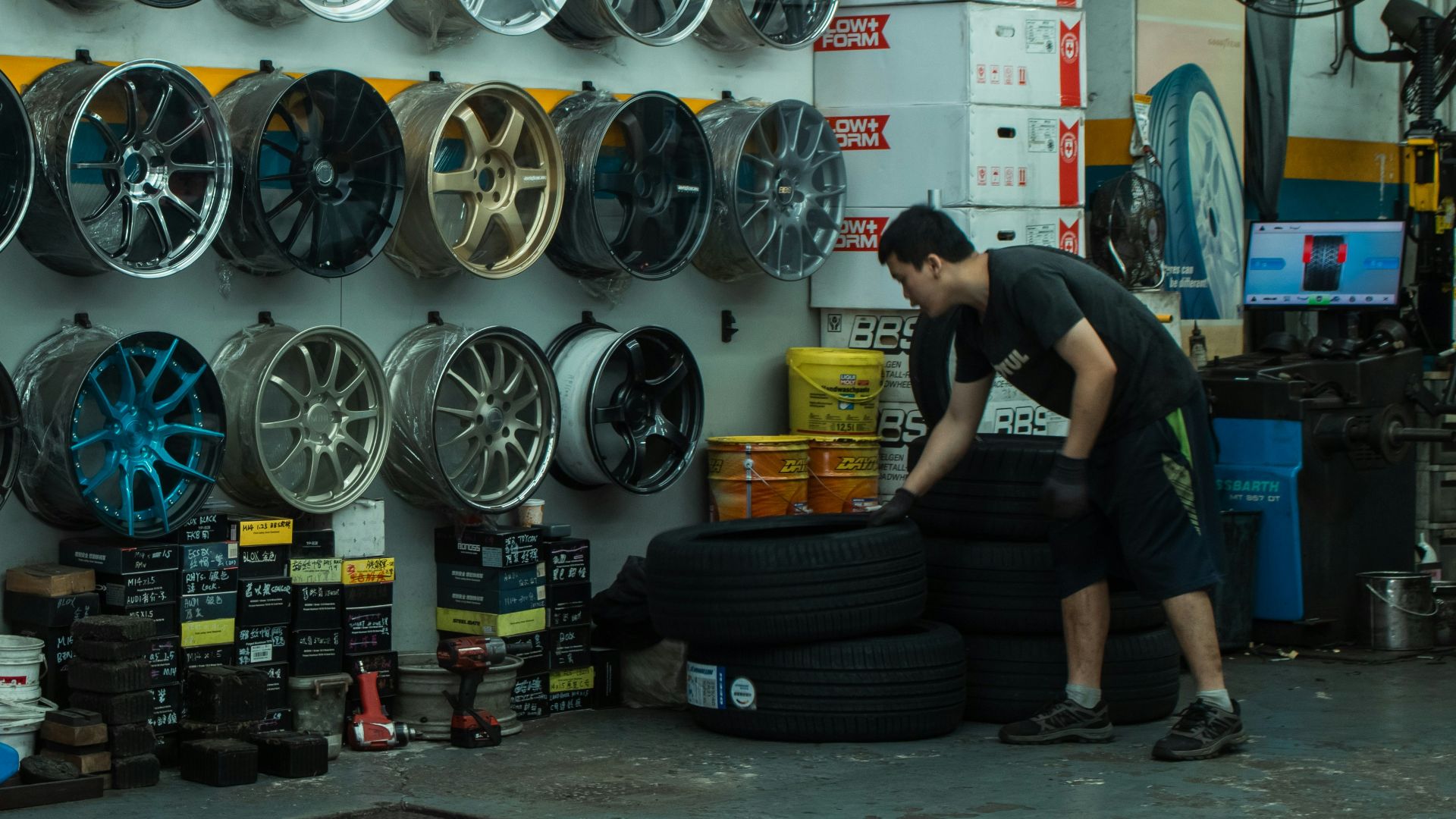
How Tire Fires Usually Start
Tires do not usually burst into flame on their own in normal garage conditions. They typically ignite because something else is already burning, such as a vehicle fire, arson, hot work, an electrical failure, or another nearby combustible item. So the spare tire is usually not the first domino, but it can become fuel once trouble starts.
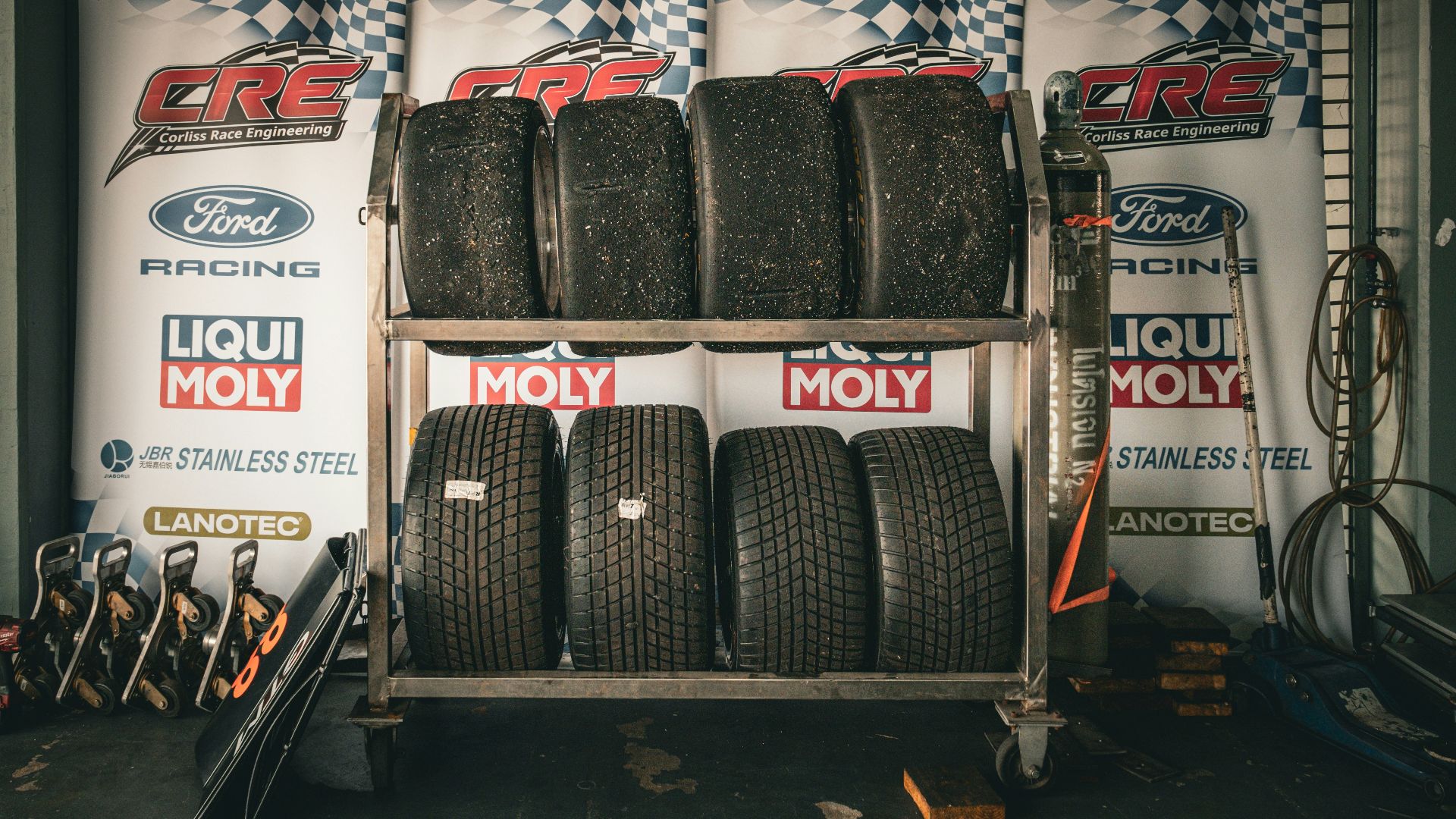
Can a Tire Beside a Car Make a Bad Fire Worse
Yes. If a nearby car or stored item catches fire, the spare tire can add more combustible mass and heavy smoke. In an enclosed garage, that matters because smoke can cut visibility, slow evacuation, and make the fire harder to control.
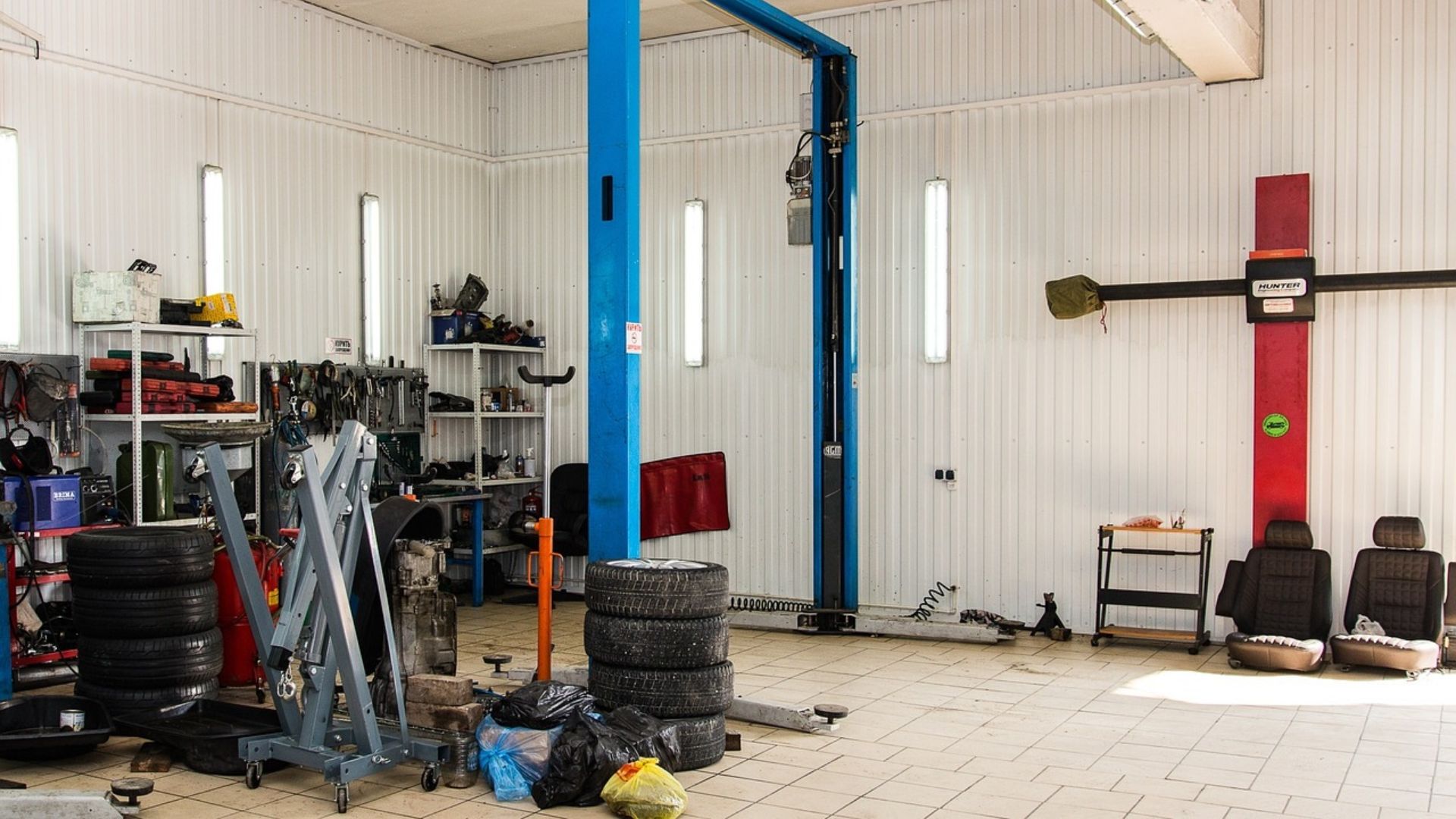
The Smoke Is Part of the Real Concern
Rubber fires are known for thick, sooty smoke. Health and fire agencies warn that tire smoke contains a mix of hazardous combustion products, and larger fires can also leave oily residue and polluted runoff. Even in a smaller incident, smoke is one of the main reasons managers try to keep nonessential combustibles out of enclosed structures.
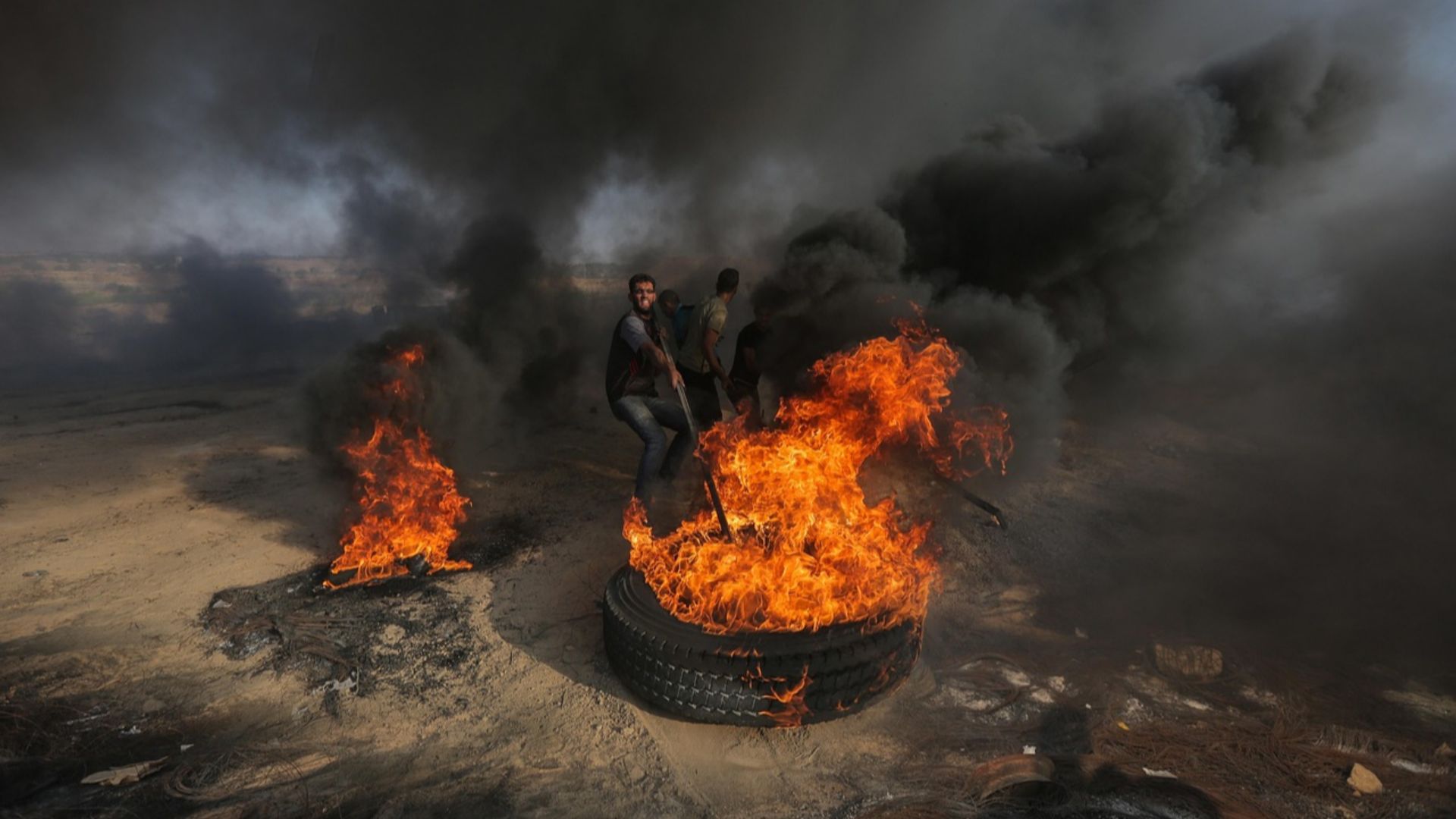
What About the Tire Mounted on Your Car
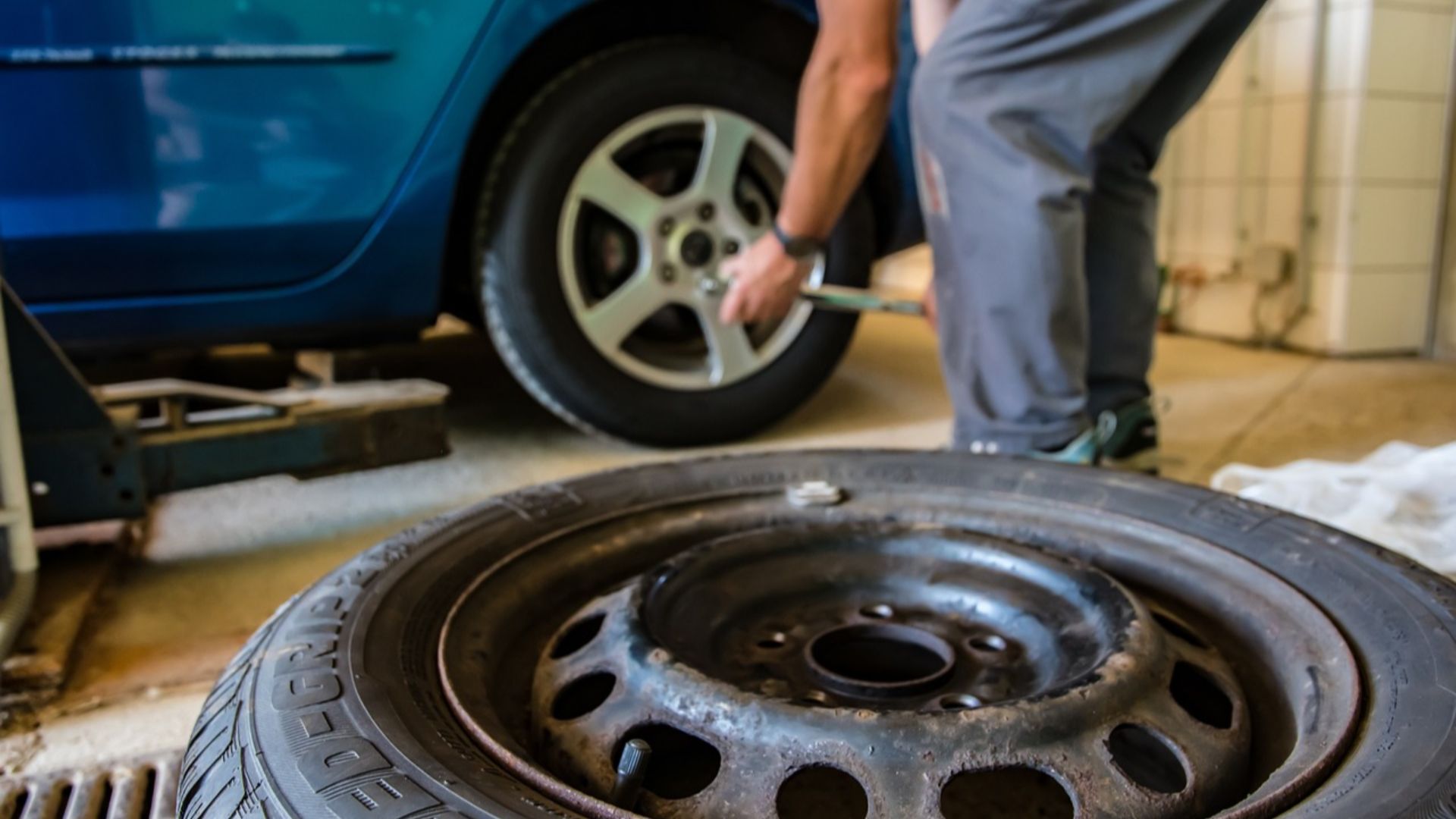
Your garage obviously cannot ban the four tires holding up your car, and if your spare is mounted under an SUV or stored in the trunk, it is part of the vehicle as designed. The concern is loose items left in the stall. Rules often draw a line between the car itself and belongings stored around it.
If the Spare Is Inside the Trunk, the Rule May Read Differently
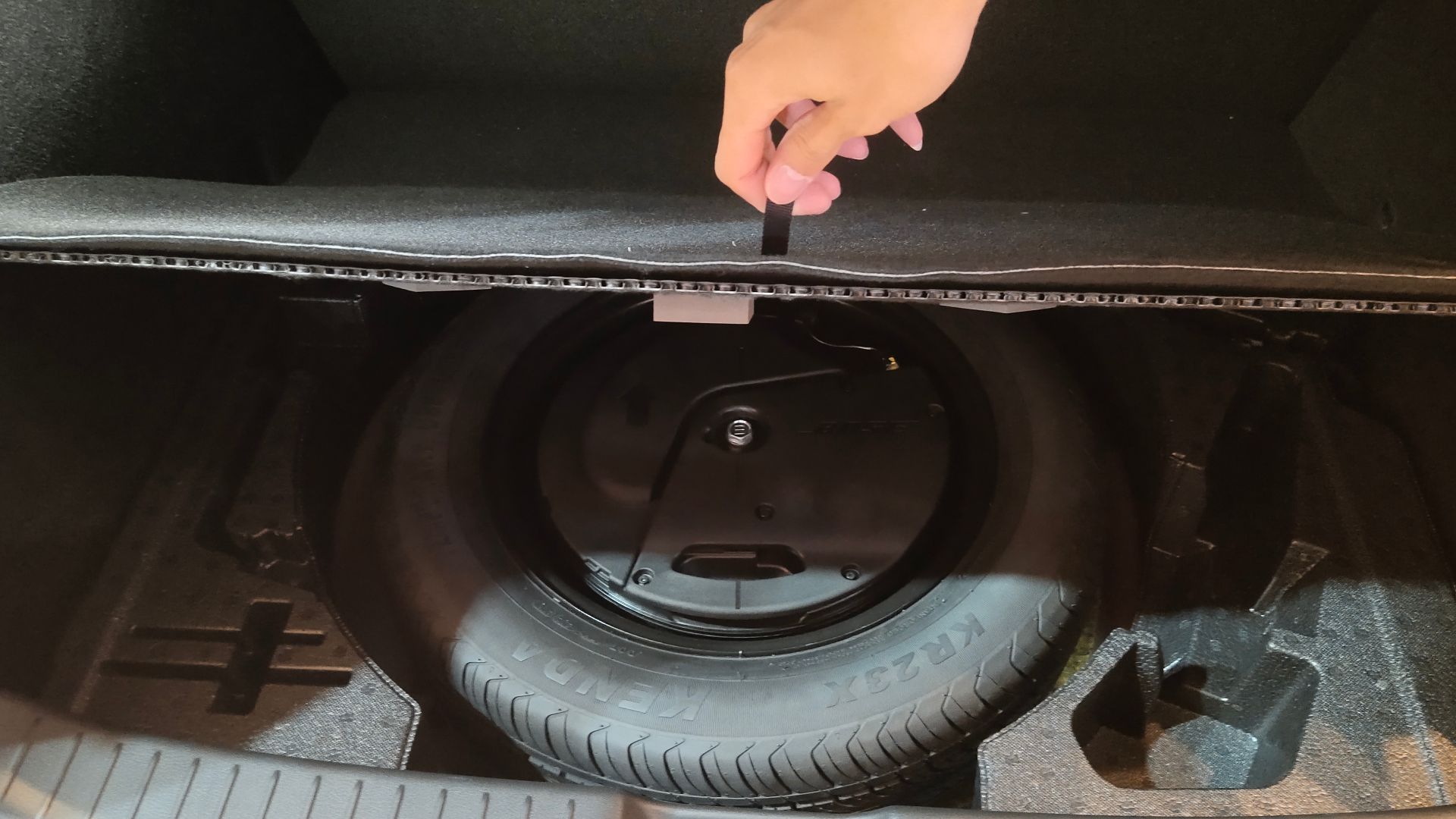
Many garages focus on what is stored outside the vehicle rather than what is secured inside it. A spare tire in the trunk or cargo area is often less likely to count as a storage violation than one leaning against a wall. Still, it is worth checking the exact wording, because some facilities regulate all stored vehicle parts.
Where the Science and the Policy Meet
The science says tires burn, and when they do, they make nasty smoke. The policy side says garages are safer when operators limit extra fuel sources and keep spaces clear. Put those together, and a rule against storing a spare beside your car starts to make a lot more sense.
What Fire History Says Without Overdoing It
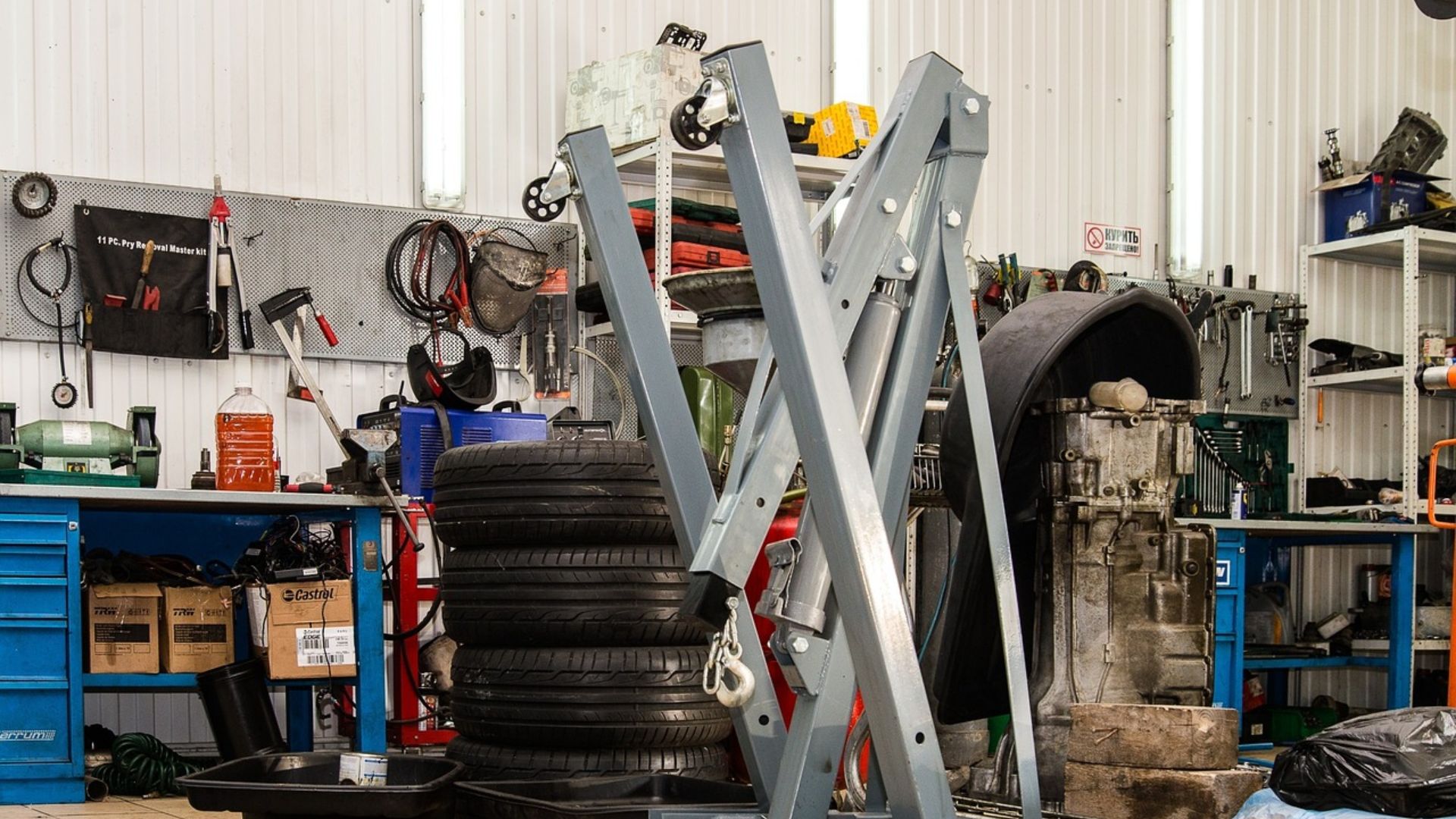
The historical record clearly shows that burning tires can become a serious fire and environmental problem. It does not mean one spare tire in every garage is a disaster waiting to happen. The more practical takeaway is narrower: a loose tire is an unnecessary combustible item in a place that already holds cars, fuel, and electrical systems.
What to Ask Your Garage Manager
If you want a straight answer, ask whether the rule comes from local fire code, building policy, insurance requirements, or some mix of all three. Request the written policy and see whether it bans all stored property in parking spaces or specifically names tires and vehicle parts. That can tell you whether the issue is mainly fire safety, housekeeping, or liability.

What to Check in Your Local Rules
Look up your city or county fire code, then check sections on parking garages, combustible storage, obstructions, and hazardous materials. Many places base their rules on versions of the International Fire Code or NFPA standards, but local changes matter. Your building may also be enforcing a rule that goes beyond the minimum code.

Practical Alternatives If You Need to Keep a Spare
If your vehicle does not have room for a spare, ask whether the building has a storage locker or another approved area. A private storage unit is often the simplest solution if you rotate winter tires or keep a full-size spare. In most cases, the best move is to store it somewhere meant for storage, not in the parking stall.
 Supavadee butradee, Shutterstock
So, Is It a Real Fire Concern
Yes, with some important context. A single spare tire beside a parked car is not likely to start a fire by itself, but it is still extra combustible material that can make smoke and heat worse if a garage fire happens. For many property managers, insurers, and fire officials, that is reason enough to ban it.
The Bottom Line for Drivers
Your garage is probably not overreacting, even if the rule feels fussy. Tire fires have a long, well-documented history of producing intense heat, heavy smoke, and environmental damage, and enclosed garages are exactly the kind of place where managers want less fuel, not more. If you can keep the spare inside the vehicle or in an approved storage area, that is usually the smartest option.