Just When You Thought Finding Parking Couldn't Get Worse
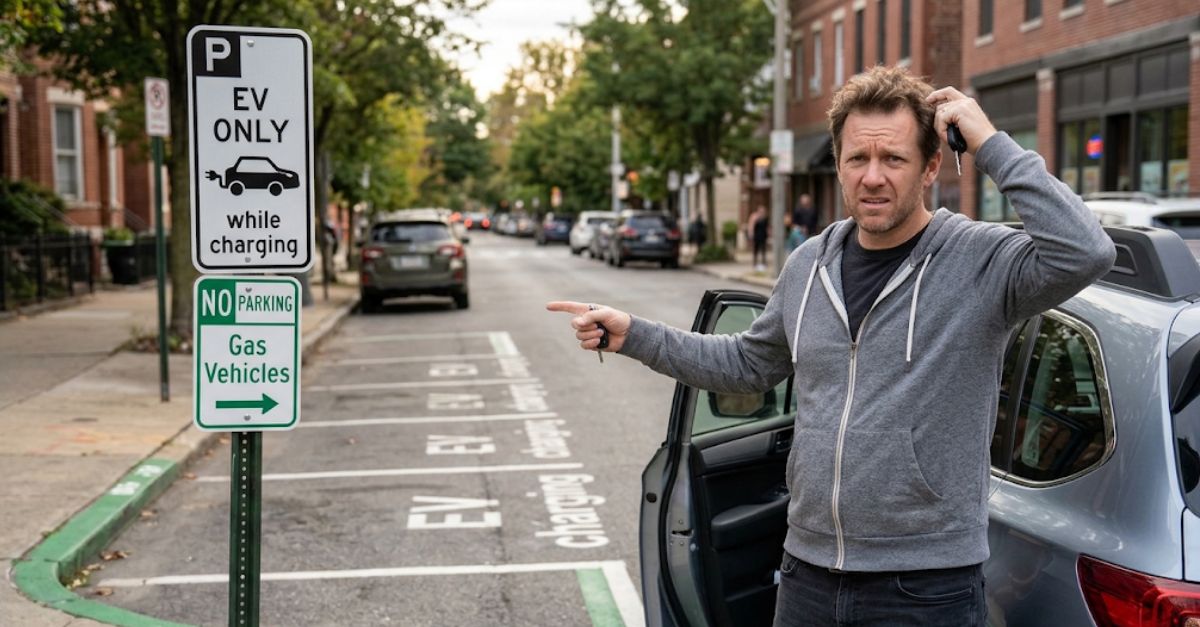
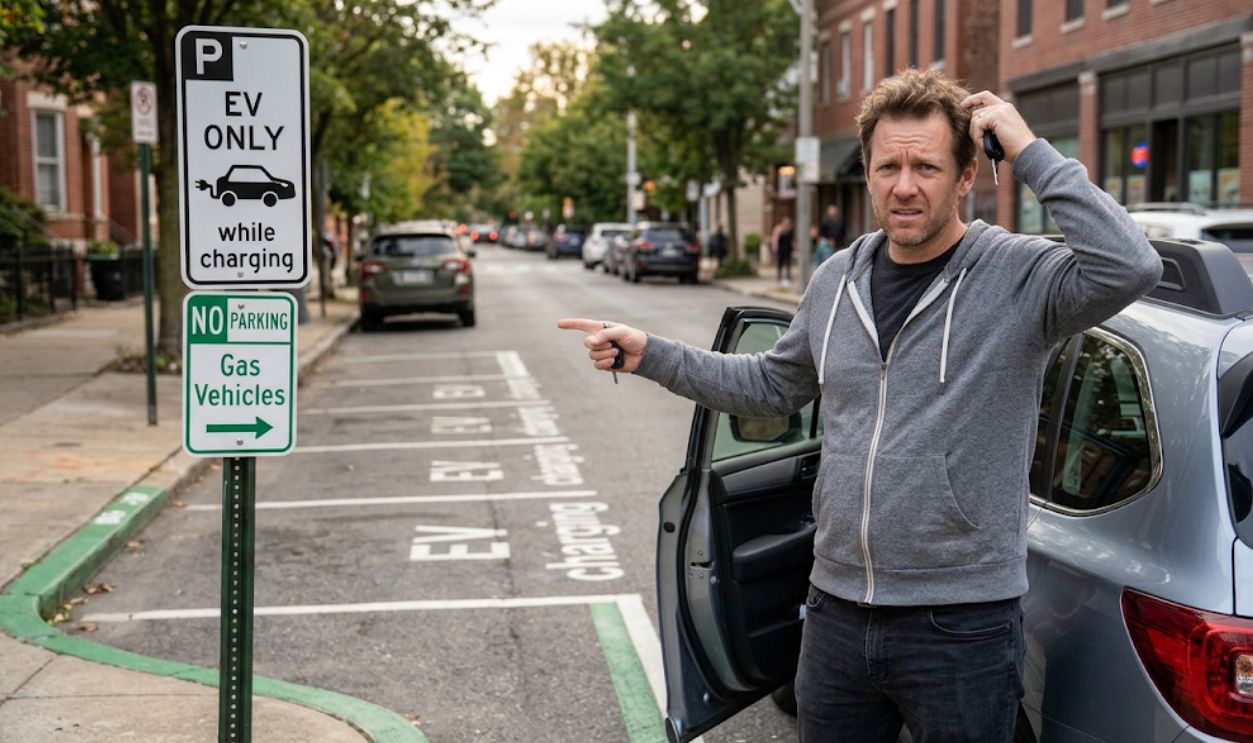
Circling the block looking for street parking will already set you on edge, so finally finding an empty space and realizing only electric cars can park there could set anyone off. But can a city really turn public curb parking into EV-only space and keep everyone else out like that?
They Sure Can
In most places, yes, they can absolutely create EV-only parking spaces. Cities usually have broad power to manage curb space for specific public uses, including loading zones, bus stops, accessible parking, carshare spaces, and now EV charging. Whether a gas car can be ticketed or towed from one of those spaces depends on state law, local rules, and the exact wording on the sign.
 https://kaboompics.com/, Pexels
The Curb Is Not A Free-For-All
Public curb parking may feel like shared space, but legally it is regulated. Cities regularly set aside curb areas for deliveries, street sweeping, snow emergencies, taxis, transit, and disabled parking. EV-only spaces fall into that same long-standing pattern of cities deciding who can use a street space and when.
What Usually Makes EV-Only Rules Legal
The legal point is not that EVs get special treatment just because they are EVs. It is that cities can regulate parking to support transportation, air quality, and infrastructure goals. If a city has authority under state law to install and regulate curbside charging, it can often limit those spaces to vehicles that actually need the charger.

Federal Law Helped Set The Stage
A major shift came in 2021, when Congress passed the Infrastructure Investment and Jobs Act. The law created big funding streams for charging, including the National Electric Vehicle Infrastructure formula program. It did not require cities to create EV-only curb spaces, but it sped up the charging buildout that made the issue much more common.

Why Cities Want Curbside Chargers
Not every driver has a garage or driveway. In dense neighborhoods, curbside charging may be the only realistic way for apartment residents to own an EV. That is one reason cities from Los Angeles to New York have tested or expanded curbside charging in recent years.
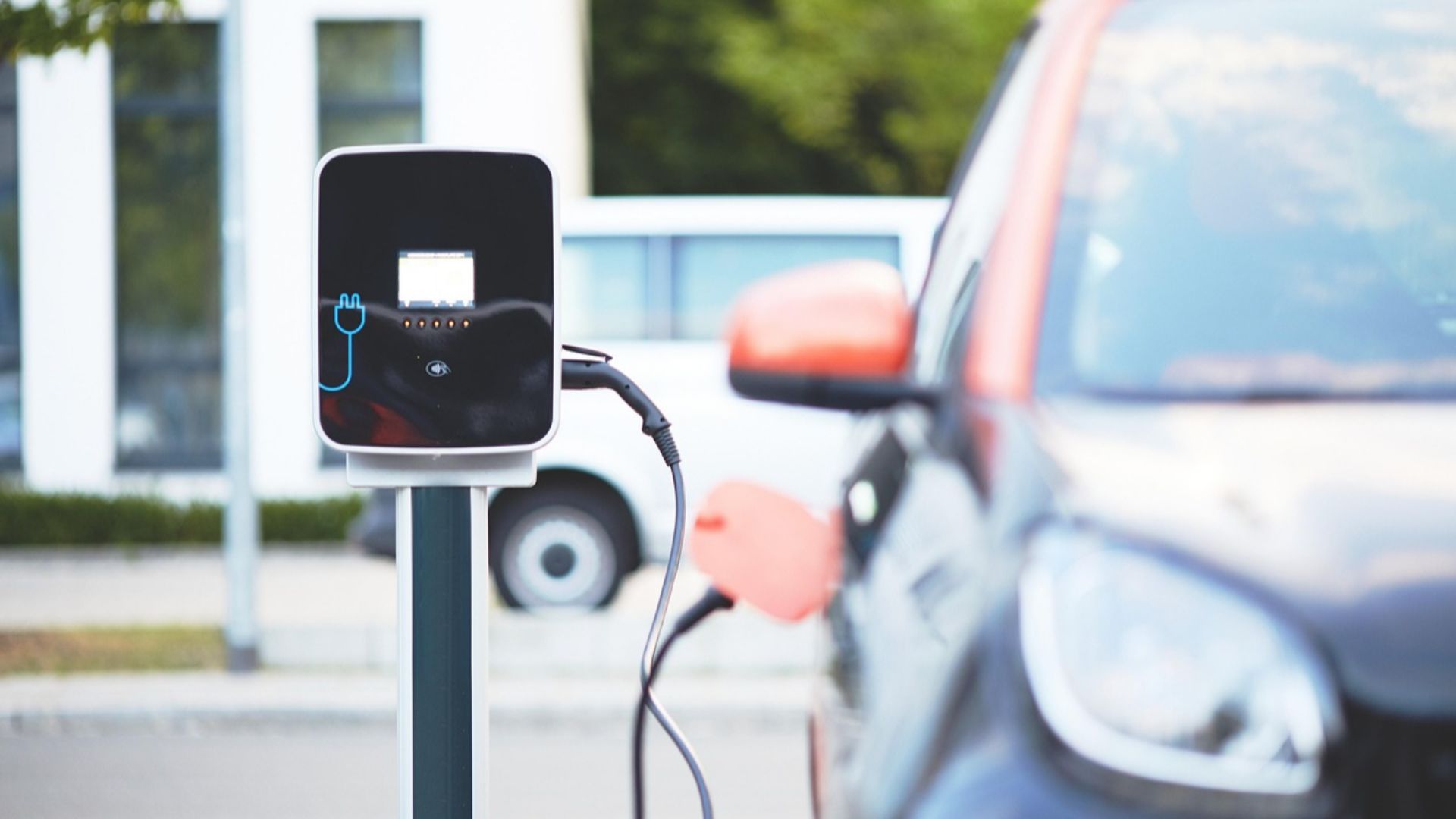
Los Angeles Put Real Curb Space Into Play
In 2022, the Los Angeles Department of Transportation announced a pilot that let residents request EV chargers in the public right of way near their homes. The city said the program was meant to expand access for people who cannot charge at home. Once a charger takes over curb space, the city can regulate that spot for charging instead of general parking.
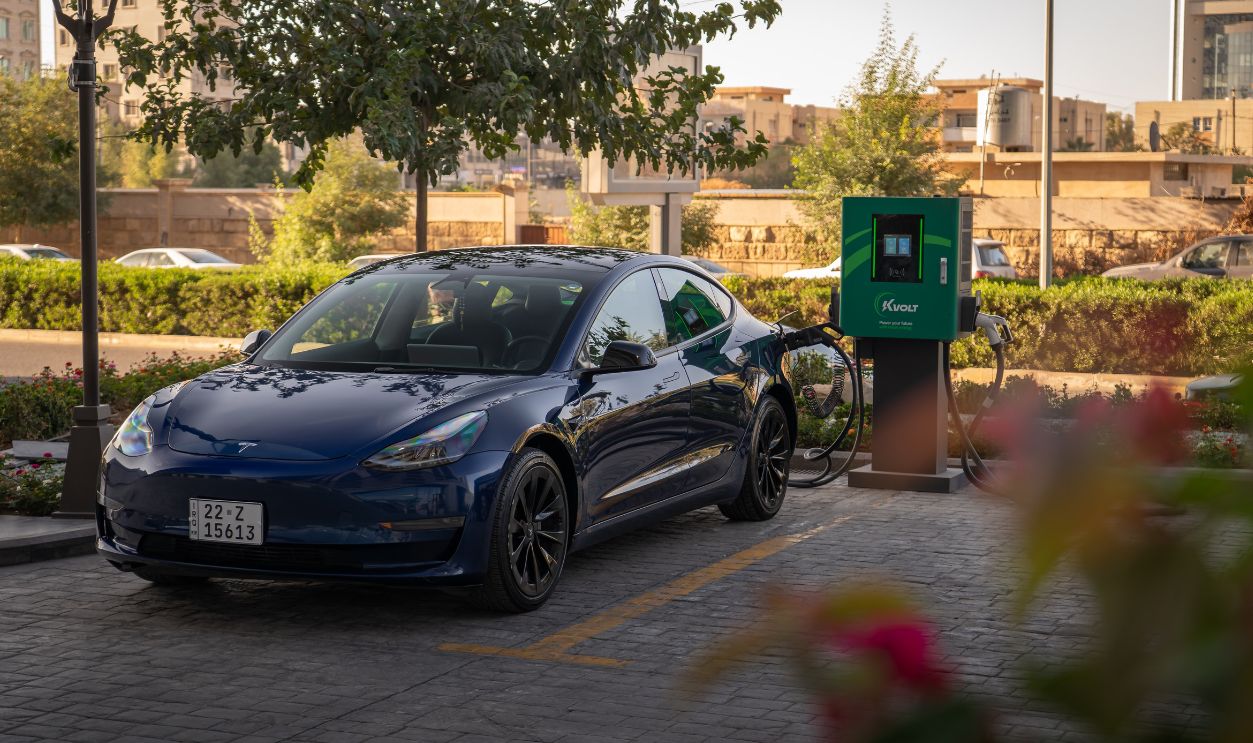
New York City Took A Similar Path
New York City has also moved toward curbside charging pilots through partnerships with private providers and city agencies. The basic idea is simple. If a curb space is working as refueling infrastructure, cities tend to treat it more like a utility space and less like ordinary first-come, first-served parking.

State Laws Often Spell Out The Rules
Some states are very clear. California Vehicle Code section 22511 lets local authorities, by ordinance or resolution, designate stalls or spaces for charging and parking tied to electric vehicle charging infrastructure. It also allows restrictions and signage, which is why the wording on the pole matters so much.

California Is A Strong Example
California law goes beyond broad encouragement. It allows local authorities to restrict those spaces to vehicles connected for electric charging purposes and to impose penalties for improper use. In plain English, a gas car parked there can be cited if the city set the rules up the right way.
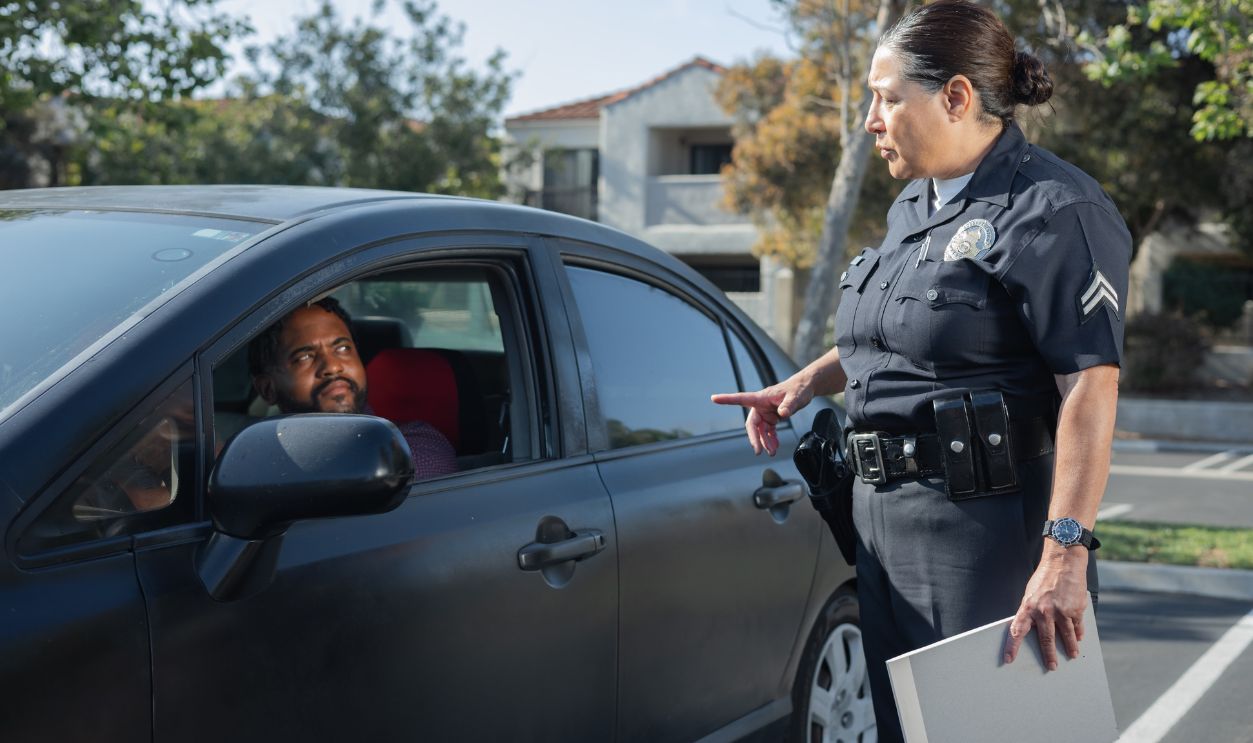
Florida Shows How Common This Has Become
Florida Statutes section 366.94 also deals with parking at EV charging stations. It bars a person from parking a vehicle in a designated EV charging station space unless the vehicle is capable of using the station. So excluding gas-only vehicles is not some legal oddball. In some places, it is written straight into state law.

Washington State Uses Similar Language
Washington law also recognizes restrictions around electric vehicle charging stations. State rules and local enforcement systems allow penalties when vehicles block charging spaces without proper use. The bigger pattern is hard to miss: EV-only charging spots are increasingly treated as regulated infrastructure, not ordinary public parking.
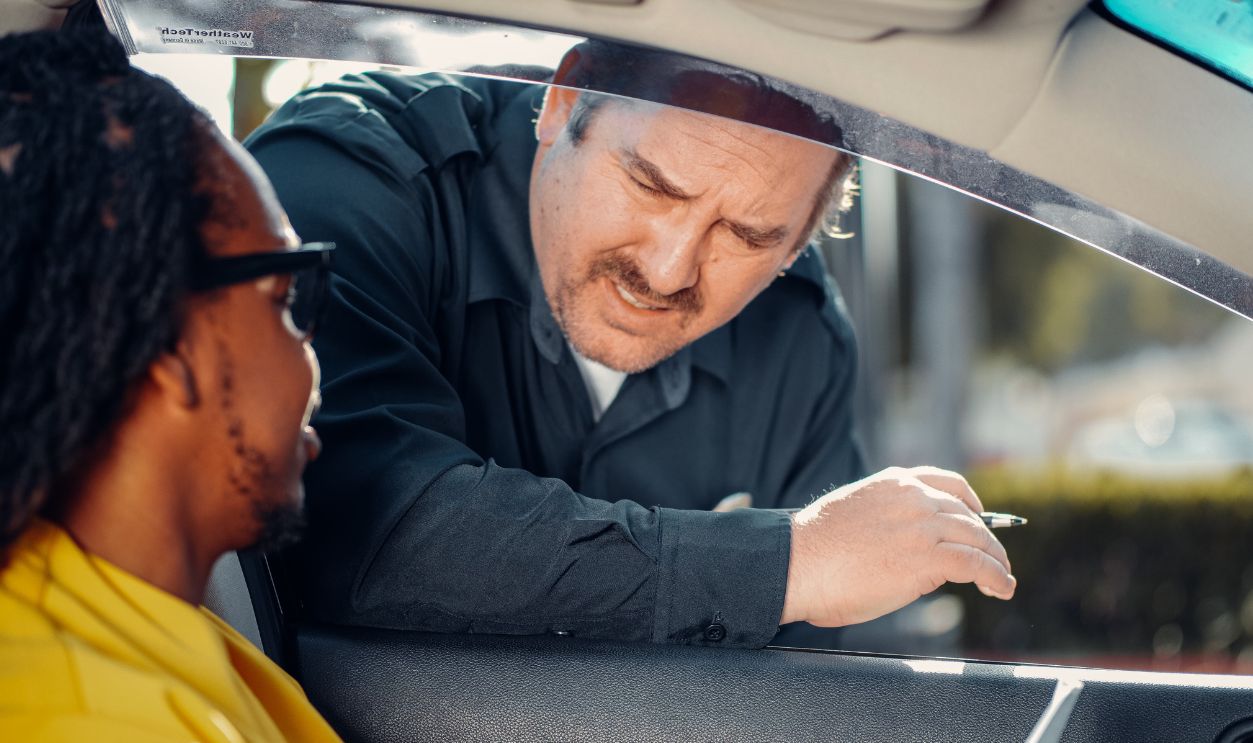
Signs Matter More Than Drivers Realize
If you are wondering whether a ticket would stick, start with the sign. Courts and parking enforcement usually care about whether the city posted a clear restriction, whether local law allows it, and whether the driver had notice. A sign that says parking is for EV charging only, with hours and time limits, is much easier to enforce than a vague painted curb.

Charging Only Is Not The Same As EV-Only Always
This is where a lot of drivers get tripped up. Some spaces are reserved for electric vehicles only while they are actively charging. Others may be reserved for EVs more generally, even if they are not plugged in, depending on local rules. The exact restriction can change from one city to the next, so reading the posted language matters.
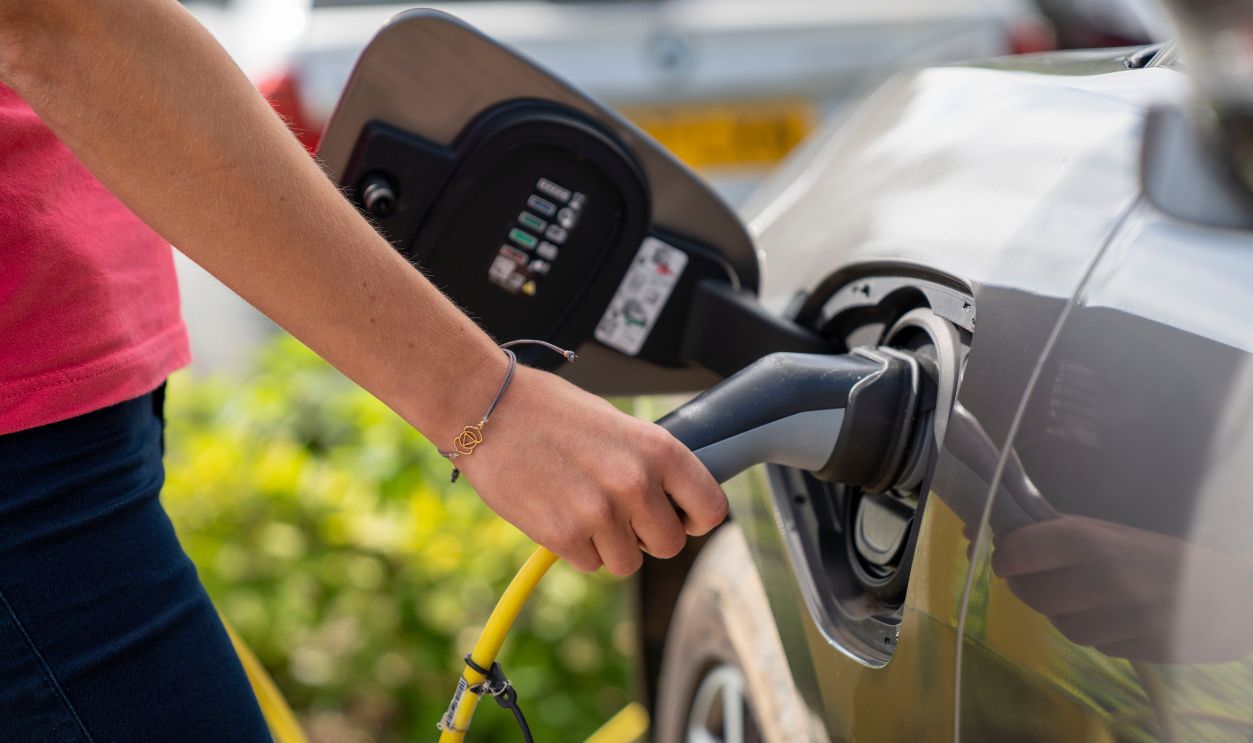
A Gas Car Can Usually Be Excluded
If the space is marked for EV charging and the city has legal authority, a gas car can usually be kept out. That can mean a ticket, a civil penalty, or even towing in some places. The legal logic is similar to blocking a bus stop or parking in an accessible space without permission. The curb is public, but its use is controlled.
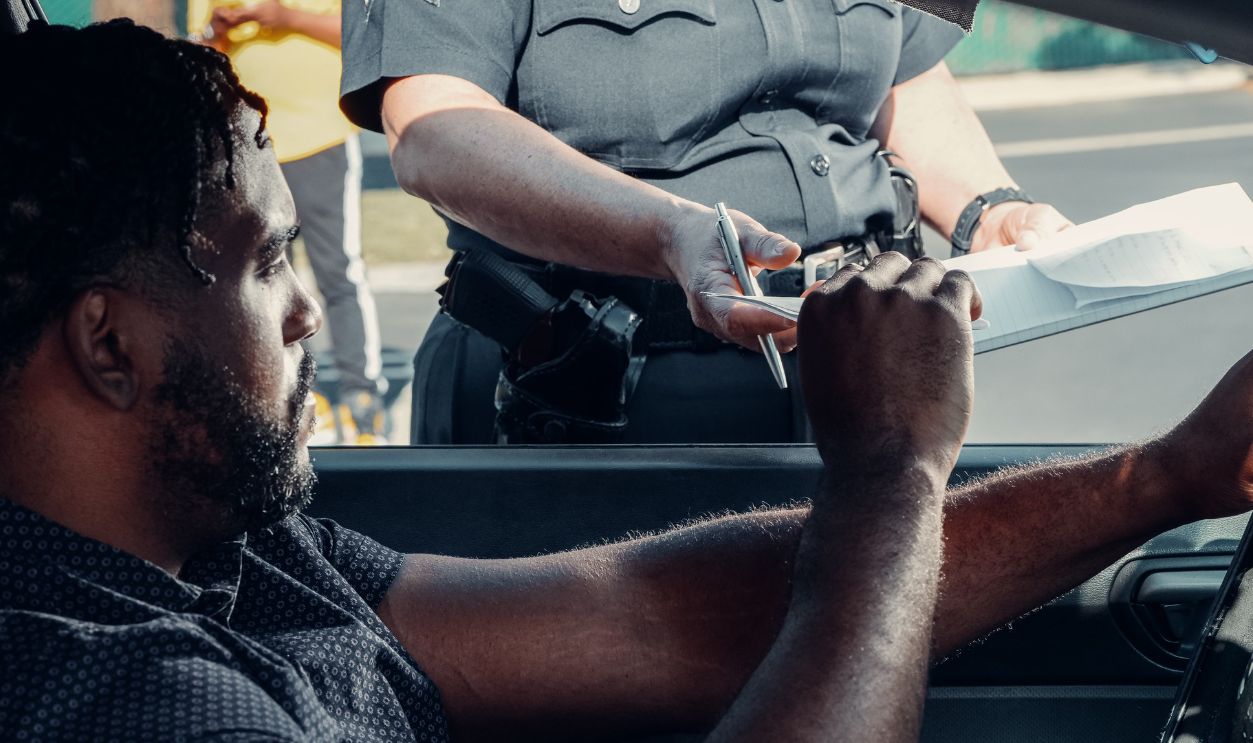
What About Hybrid Vehicles
Plug-in hybrids often qualify if the local rule covers vehicles that can charge from the station. Traditional hybrids that cannot plug in usually do not. Again, the answer depends on the wording of state law and local signs, but the key question is usually whether the vehicle can use the charger.

Do These Rules Raise Equal Protection Problems
Usually not. Cities do not have to treat every kind of vehicle exactly the same when regulating parking. As long as there is a rational public purpose, like supporting charging access, cutting emissions, or managing limited infrastructure, EV-only spaces are generally on firm legal ground.
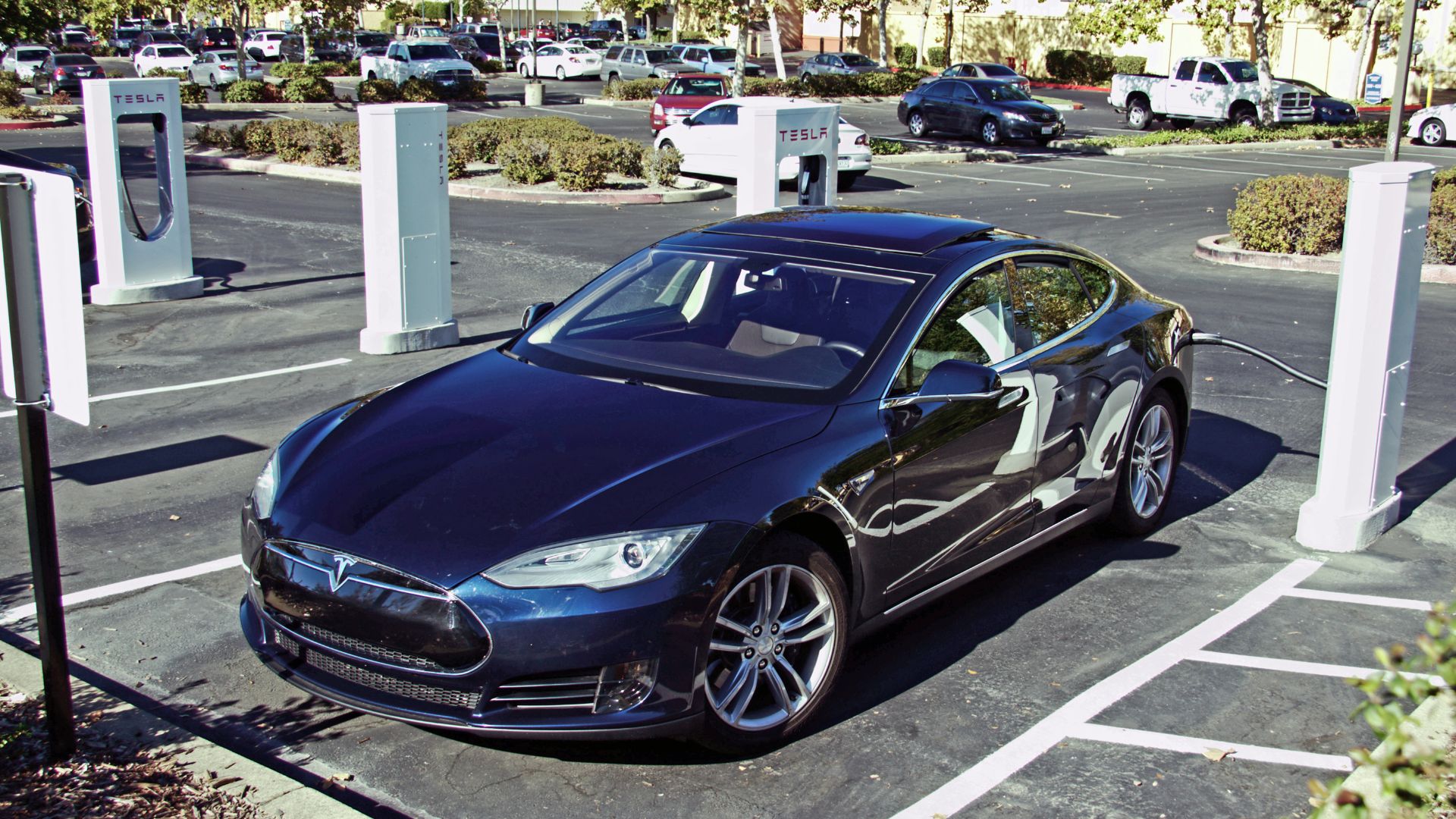
How Courts Tend To View Parking Restrictions
Courts usually give local governments a lot of room to manage streets and parking. They have long upheld different uses of curb space when tied to traffic flow, safety, commerce, and public welfare. EV-only charging spaces fit neatly into that broader framework, especially when a statute backs them up.

Why Some Drivers See It As Unfair
The frustration is easy to understand. Curb parking is already hard to find in many neighborhoods, and every reserved space can feel like one less option for everyone else. But cities would say these spots are not regular parking inventory. They are refueling infrastructure for a growing share of drivers.

The Real Flash Point Is Street Parking Scarcity
Most fights over EV-only spots are really fights over limited curb space. In neighborhoods where parking is easy, the policy may barely register. In crowded areas, one charging spot can turn into a symbol of a much bigger argument about who streets are for and how cities should divide them up.
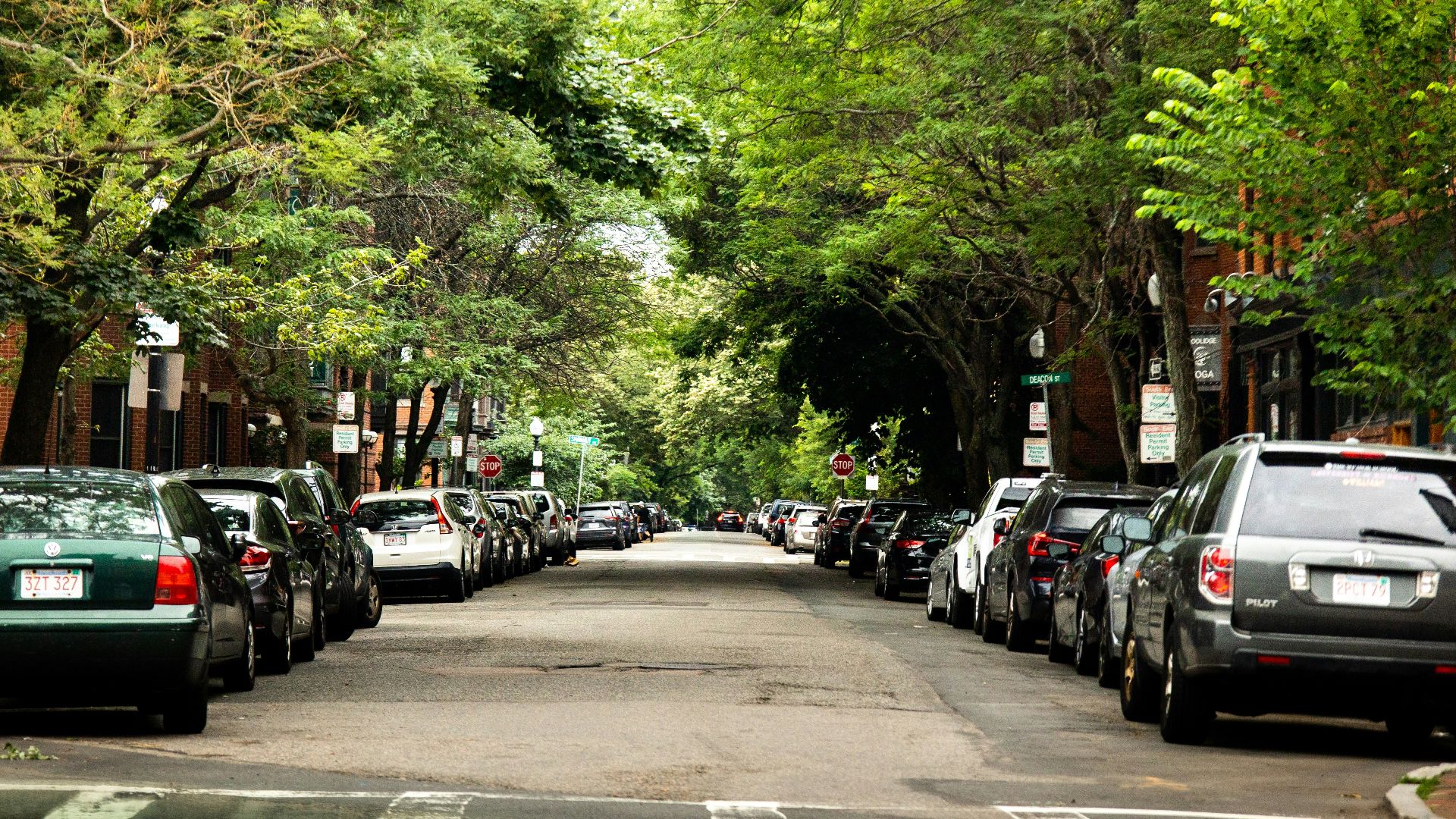
Cities Usually Build In Time Limits
Many curbside charging spaces come with time limits to keep one car from sitting there all day. That helps turnover, but it also creates another trap for drivers who assume they can stay as long as they want once charging is done. An EV can get ticketed too if it breaks the posted rules.
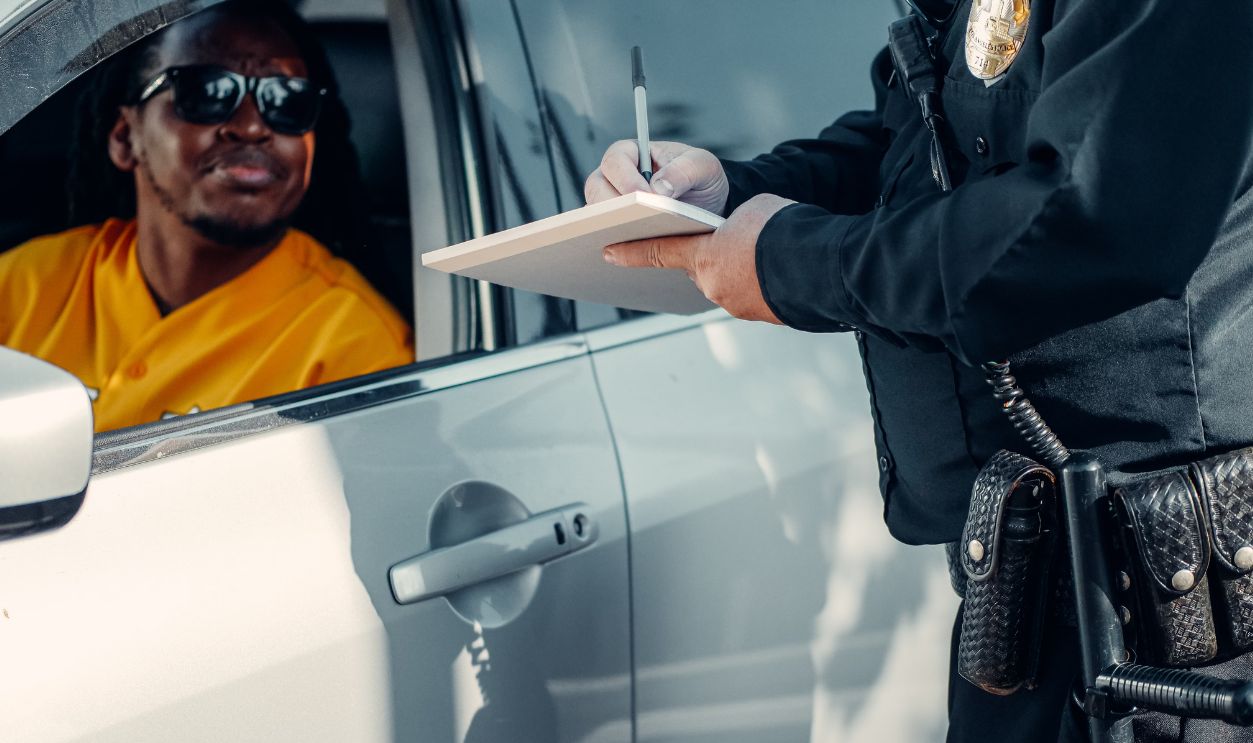
ICEing Is The Behavior Cities Are Trying To Stop
There is even a name for gas cars blocking charging spaces: ICEing, a reference to internal combustion engine vehicles. Laws and ordinances aimed at misuse of charging spaces are meant to stop exactly that, because a blocked charger makes the space useless for its intended purpose.

Accessibility And Equity Are Part Of The Conversation
There is also a bigger equity issue. Renters and apartment residents often have fewer charging options than homeowners with garages. Public curbside charging is one of the few ways to close that gap, which is why cities and federal agencies have stressed access in charging plans and pilot programs.
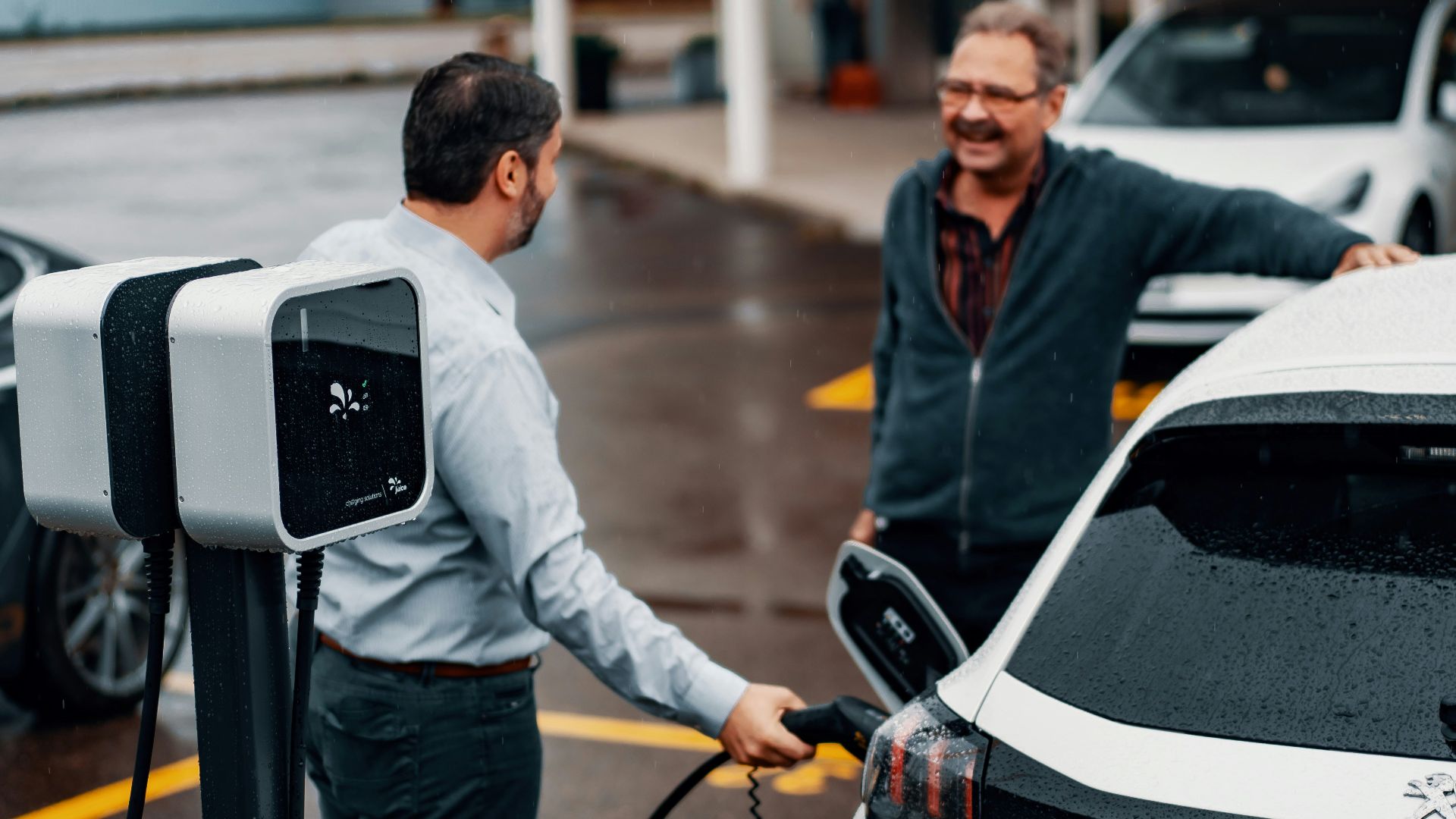
What To Check In Your Own City
If you want to know whether your city can legally exclude gas cars, check three things. First, look at your state vehicle code for EV charging station parking rules. Second, check your city code or parking authority rules. Third, read the sign on the street, because enforcement often turns on those details.

Can You Fight A Ticket
Sometimes. If the sign was missing, unclear, contradictory, or not backed by local law, you may have grounds to challenge the ticket. But if the city has proper authority and the restriction was clearly posted, arguments based only on fairness usually do not go very far.

Can Residents Push Back Politically
Yes. Even when a rule is legal, residents can still object at city hall, at parking commission meetings, or during pilot program reviews. Questions about how many EV spots are appropriate, where they should go, and whether they should be charging-only or general EV parking are policy choices, not just legal ones.

The Bottom Line For Gas-Car Drivers
Yes, gas cars can often be excluded from public curb spaces that have been designated for EV charging. The practice is increasingly backed by state law, local ordinances, and public charging programs that expanded sharply after 2021. If the sign is clear and the city has authority, that open curb spot is probably not open to everyone after all.