One Tiny Hole Was Enough
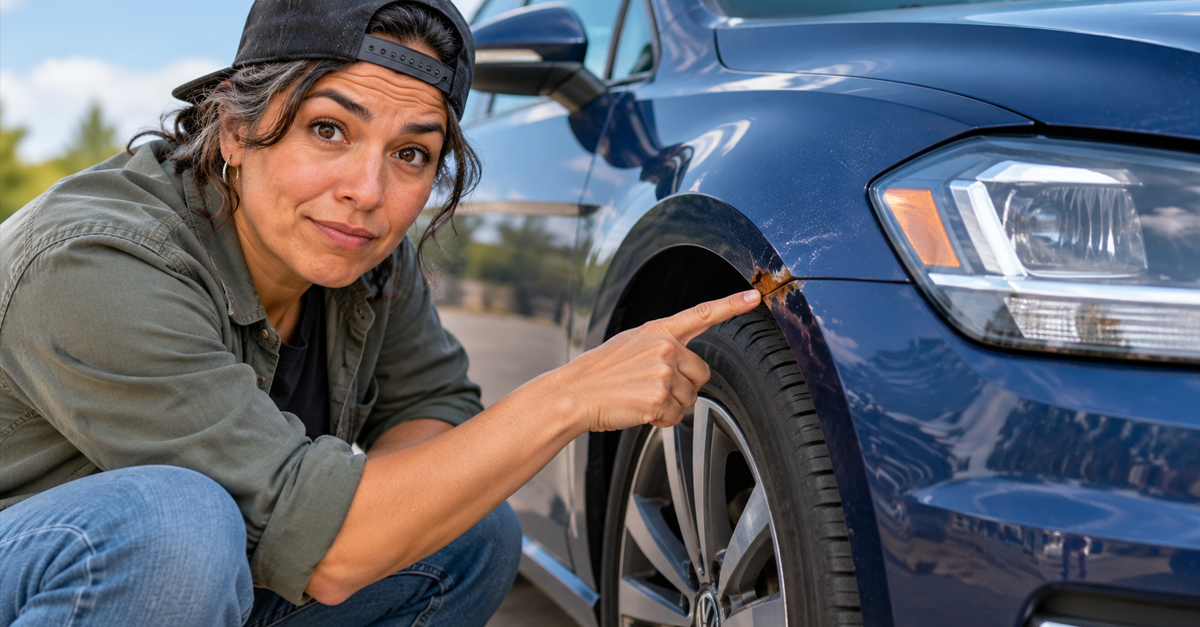
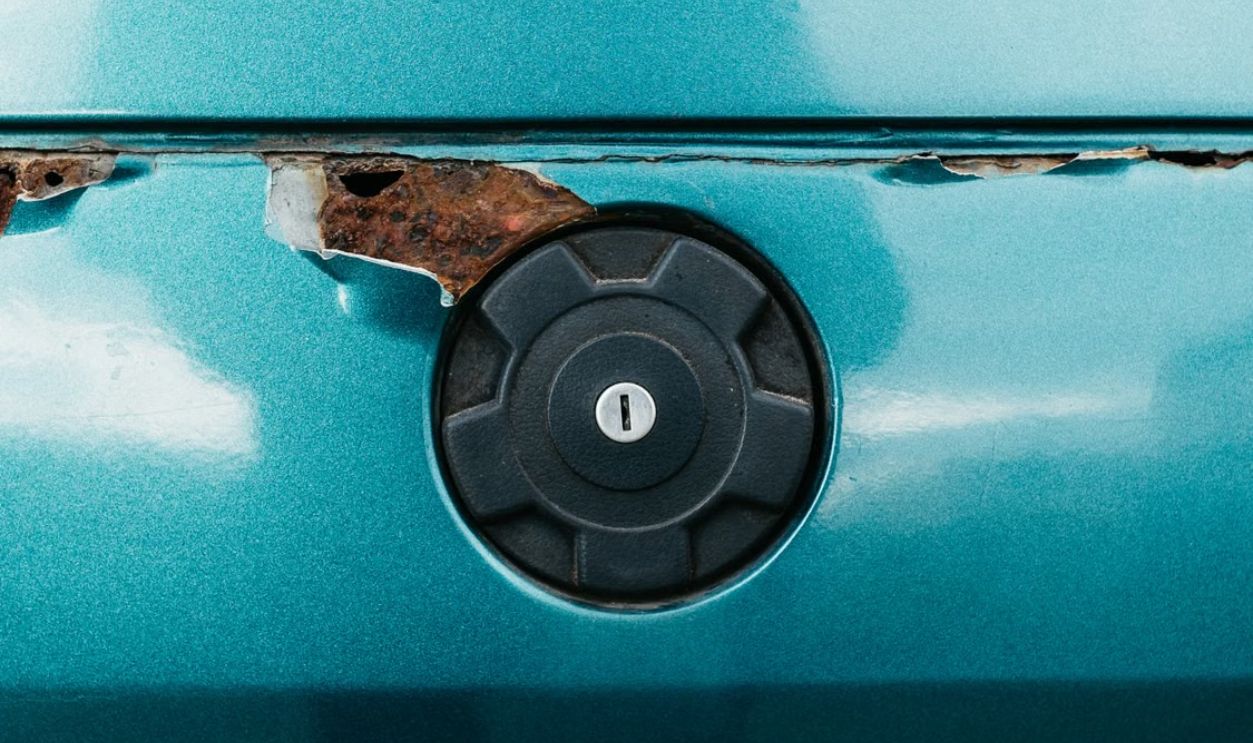
Your car seemed perfectly fine until inspection day. Then one tiny rust hole was enough to fail it. It might feel ridiculous, but inspectors care about more than the size of the hole. Where the rust appears, and what that metal is supporting, can determine whether a small spot is just annoying or a real safety concern.
Not All Rust Is Equal
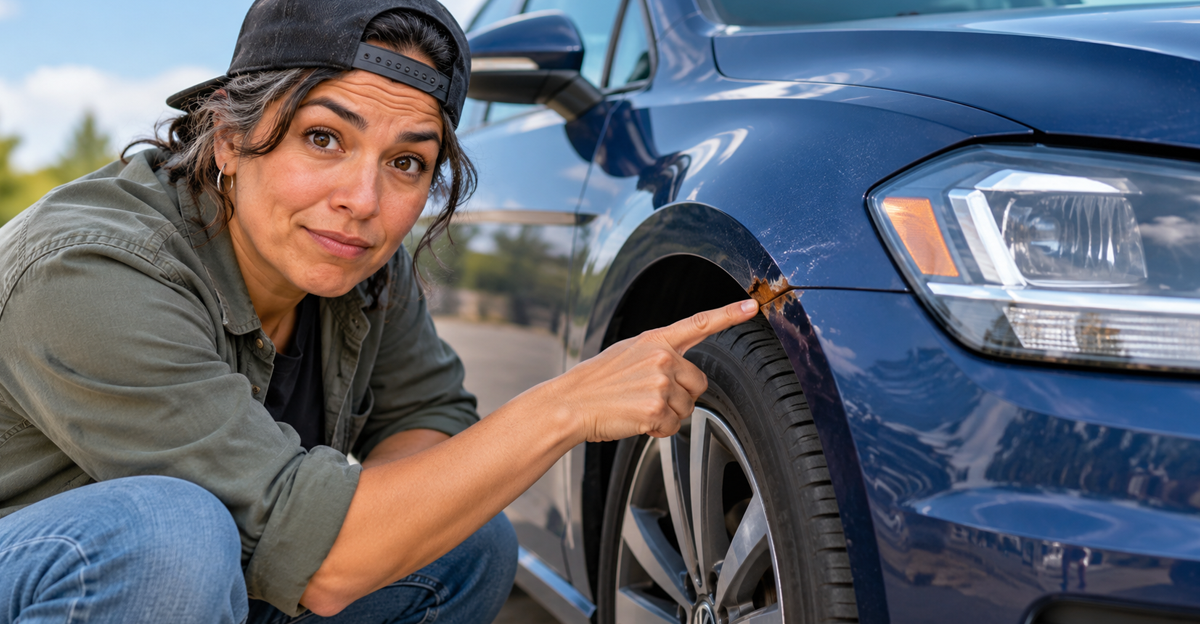
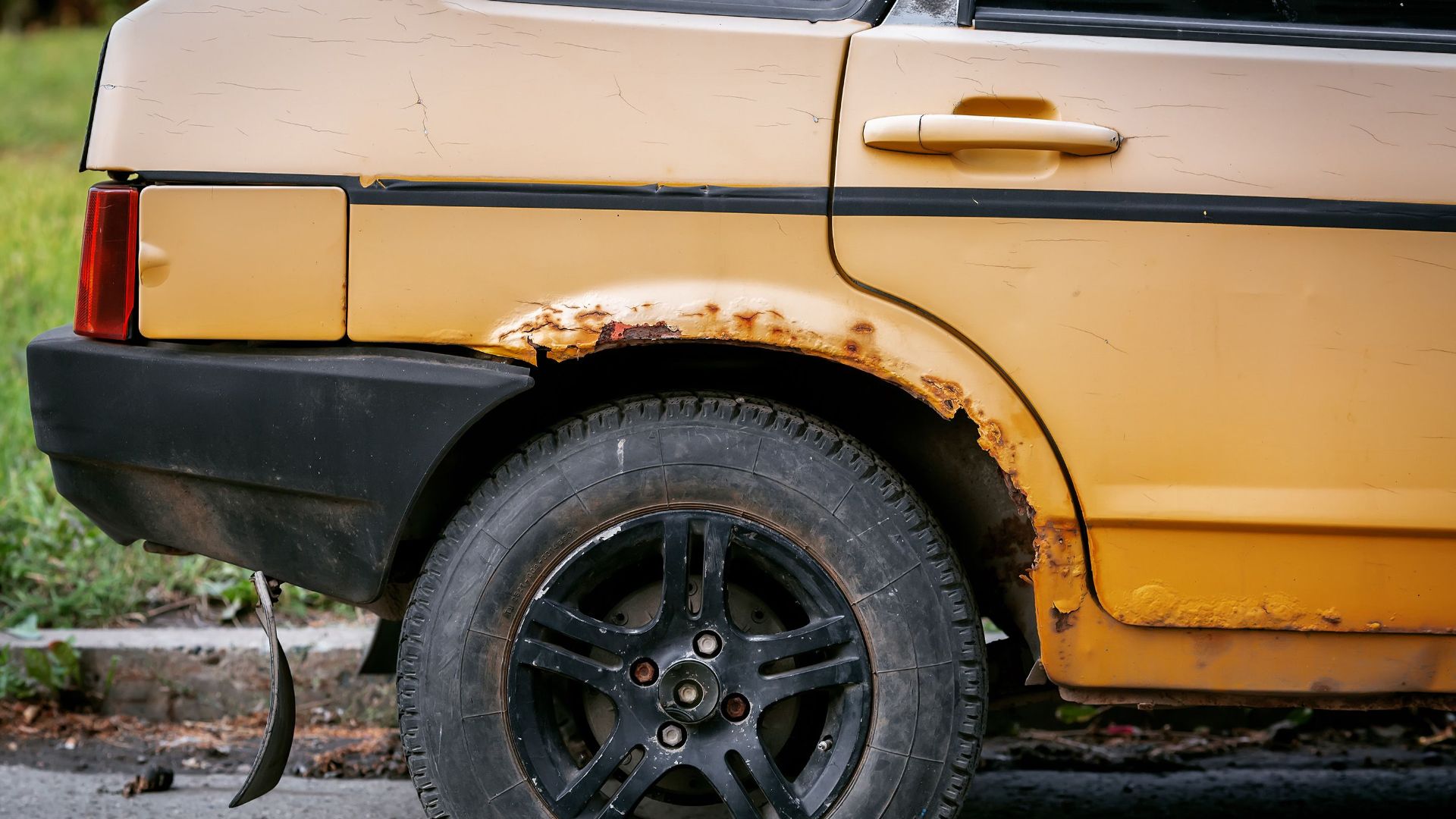
A little orange discoloration does not mean your car is falling apart. Surface rust is very different from corrosion that has eaten deeply into the metal. The real concern starts when rust reduces the thickness or strength of the steel. A visible hole means the damage has already moved beyond the surface.
Moisture Keeps Rust Moving
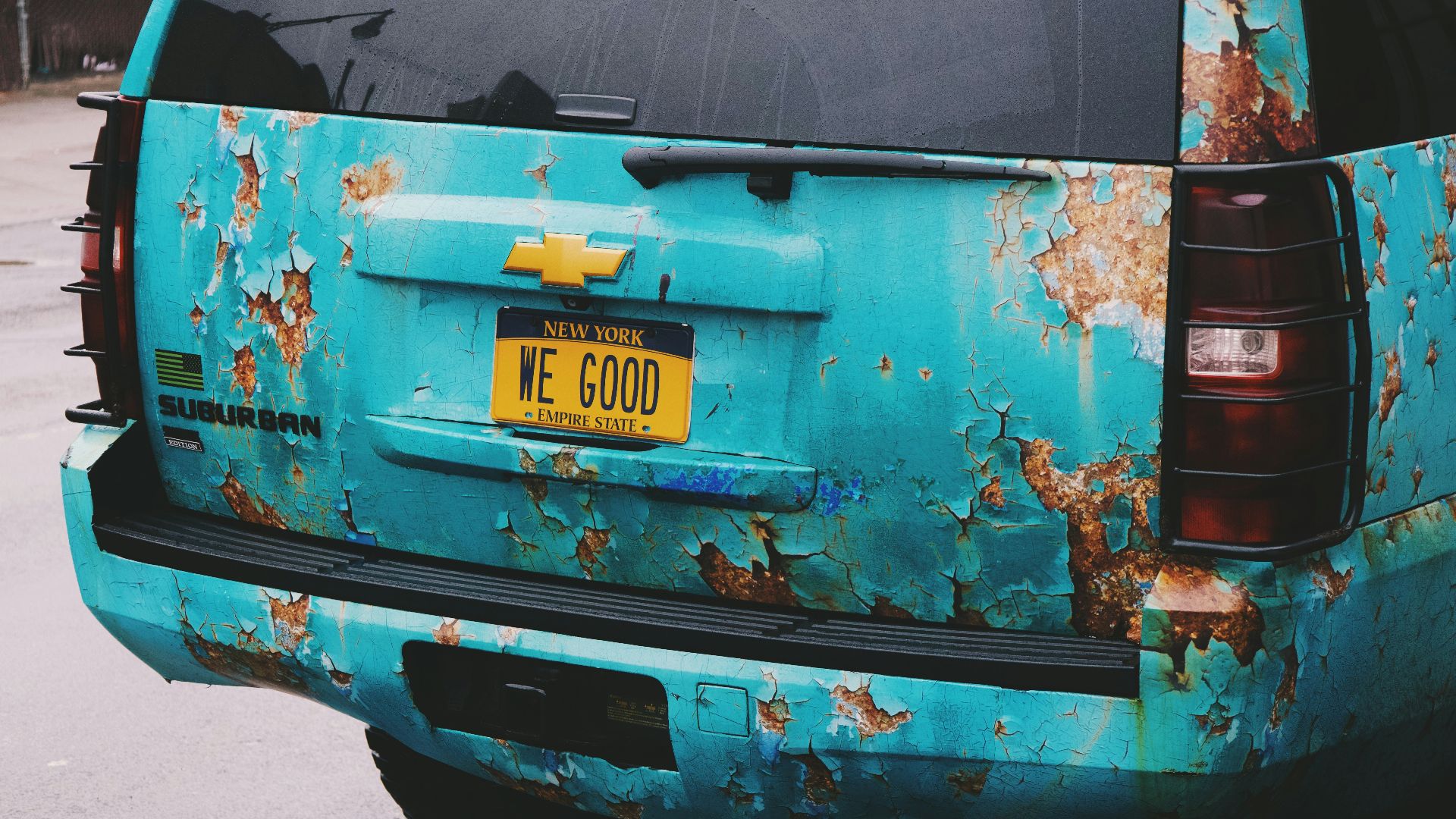
Rust forms when iron reacts with oxygen in the presence of water. Once protective paint or coatings are damaged, exposed automotive steel becomes vulnerable to rain, snow, condensation, and road spray. Unlike some metal oxides, ordinary rust does not form a reliable protective barrier. If moisture keeps reaching the steel, corrosion can continue.
Road Salt Can Speed Everything Up
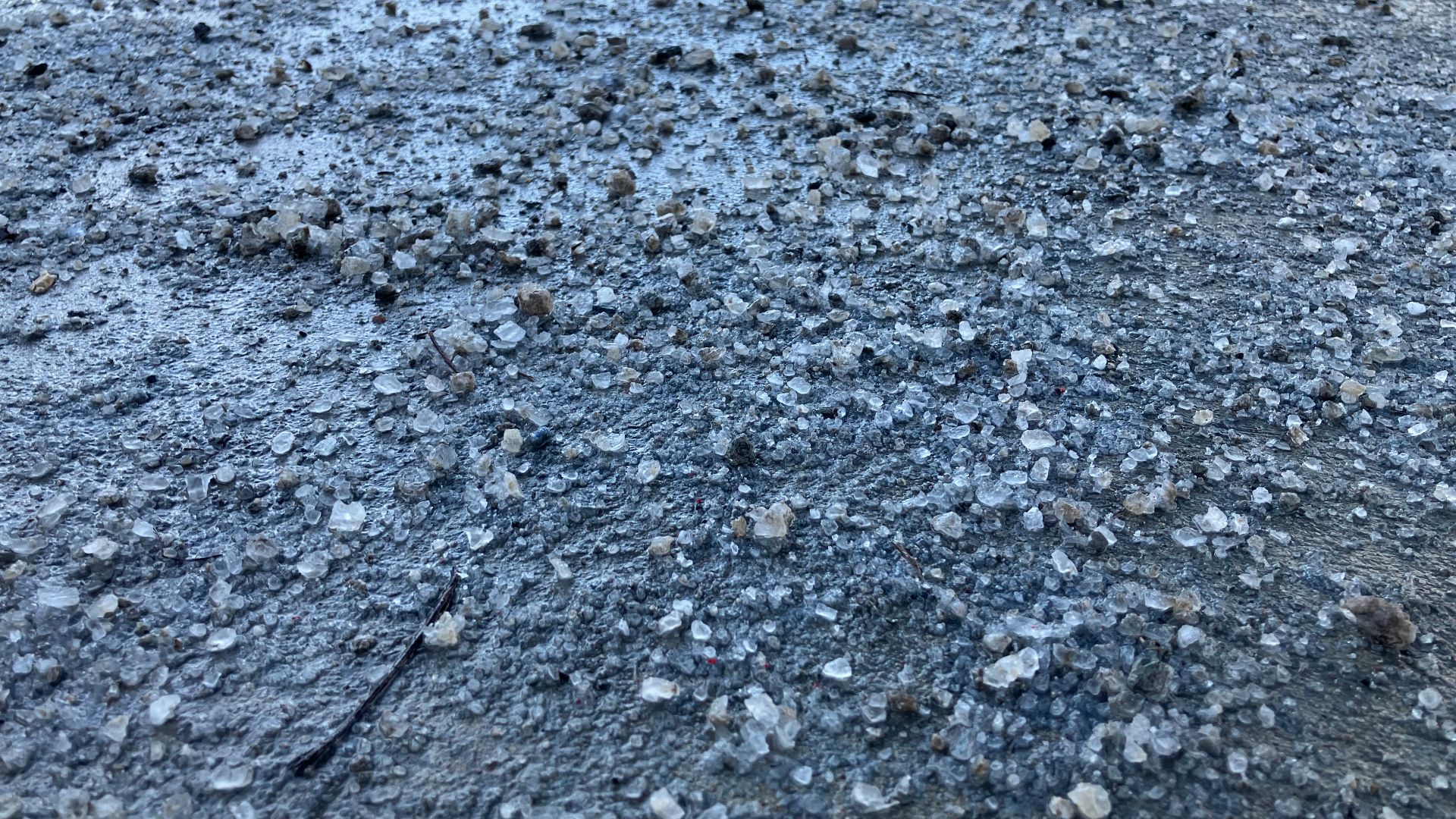
Road salt and other de-icing chemicals can accelerate that process. Salty water gets sprayed into wheel wells, seams, and hidden areas underneath the car. By the time rust breaks through and creates a hole, the surrounding metal may also need to be checked for deterioration. That is why inspectors often look beyond the visible opening.
Location Matters More Than Size
A hole in a cosmetic panel is very different from one in a load-bearing area. Pennsylvania inspection guidance says rust can become a failure issue when it weakens the frame or structural body components. On unibody vehicles, some body panels also contribute to structural strength. So two similar-looking holes can have very different consequences.
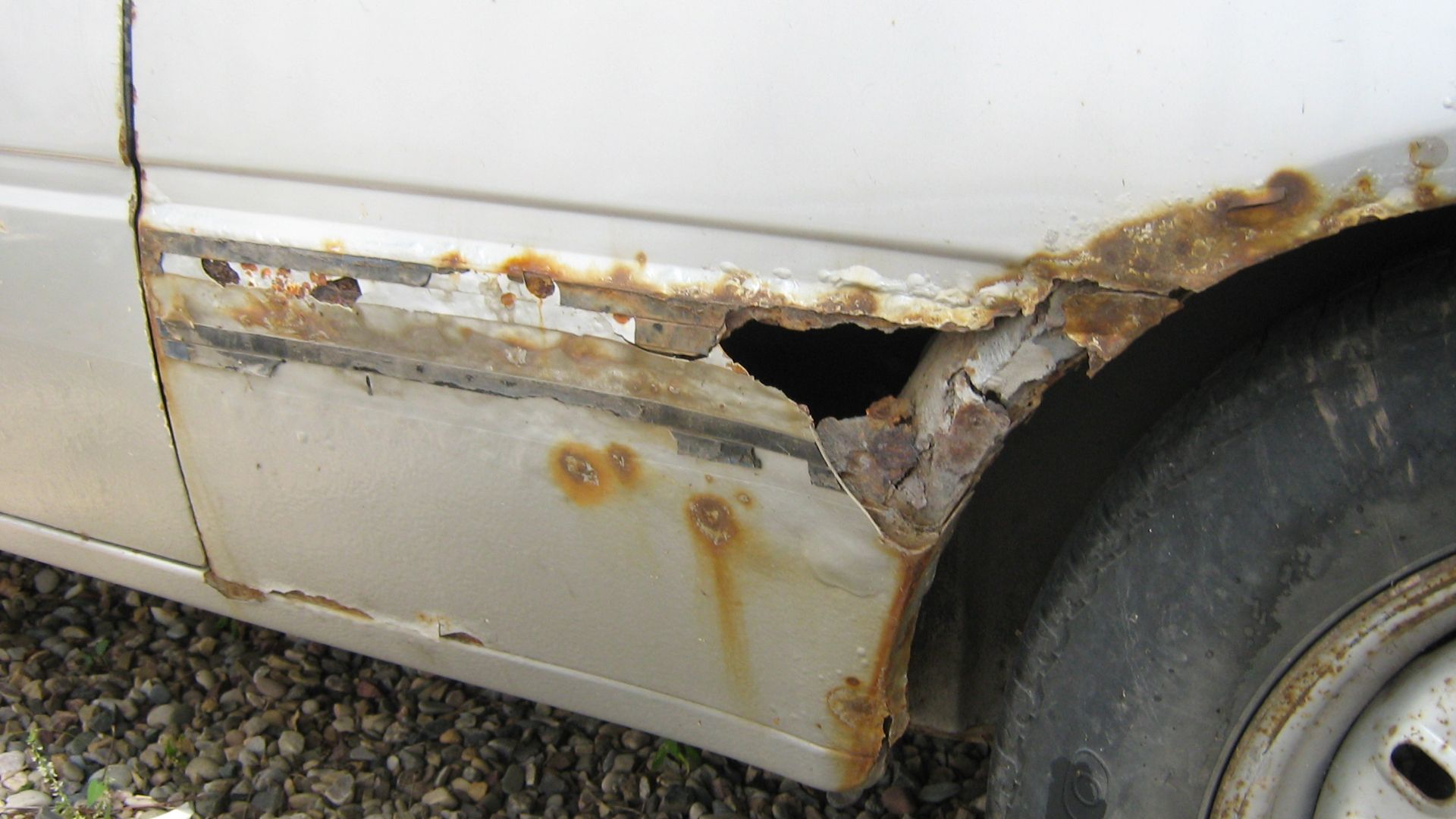 dave_7 from Lethbridge, Canada, Wikimedia Commons
Rocker Panels Deserve Attention
The sections running beneath the doors are commonly called rockers or sills. On many unibody vehicles, portions of this area contribute to the body structure, although their importance varies by design. Corrosion there can therefore be more significant than rust on a nonstructural outer panel. The exact construction of the vehicle matters.
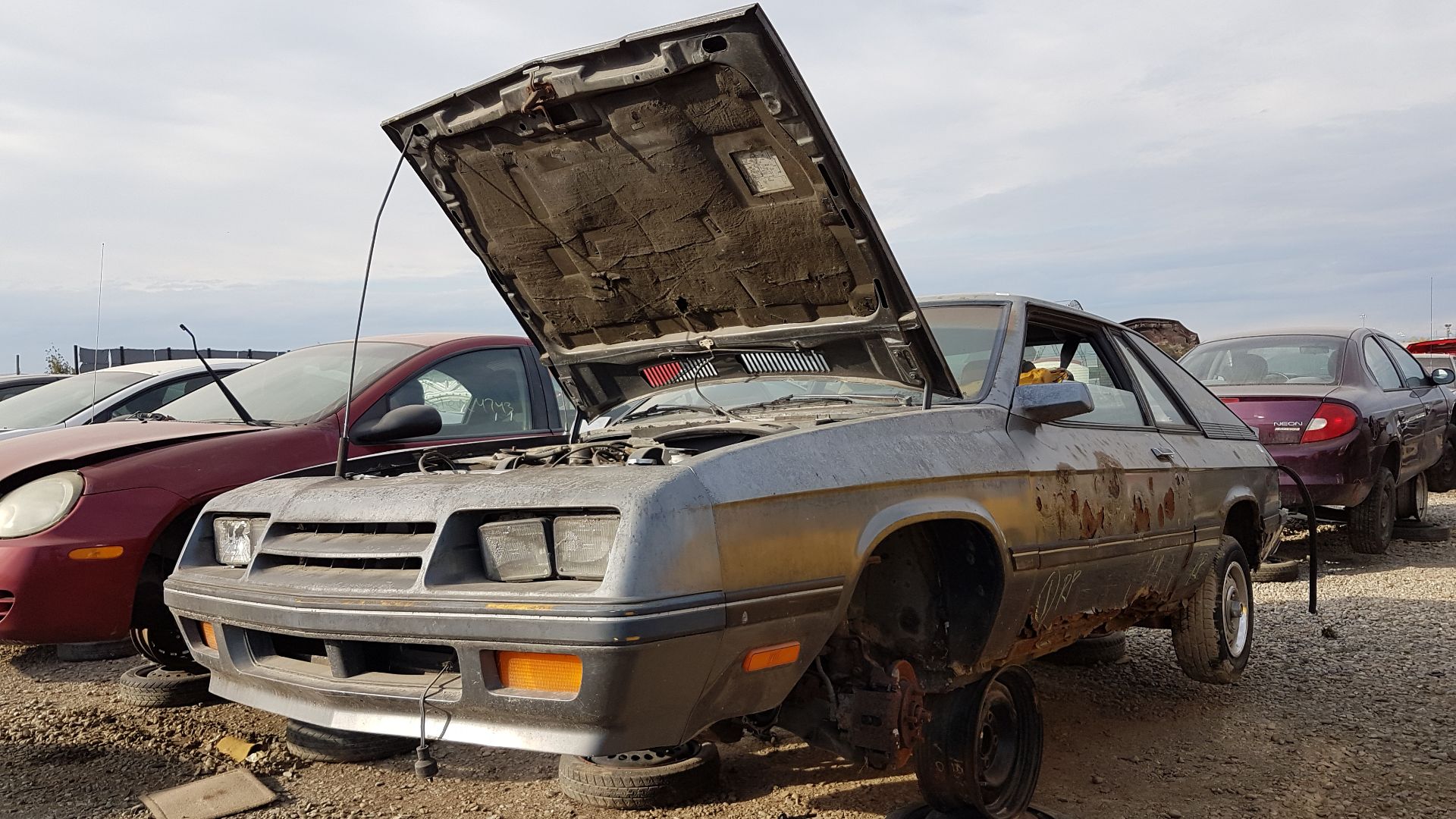 dave_7 from Canada, Wikimedia Commons
Rust Can Start Where You Cannot See It
Corrosion does not always begin on the visible side of a panel. Areas such as lower hem flanges and pinch welds can trap water and develop corrosion internally when protection is inadequate. Similar vulnerable seams and cavities exist around vehicle bodies. By the time rust becomes obvious outside, deterioration may already exist in hidden areas.
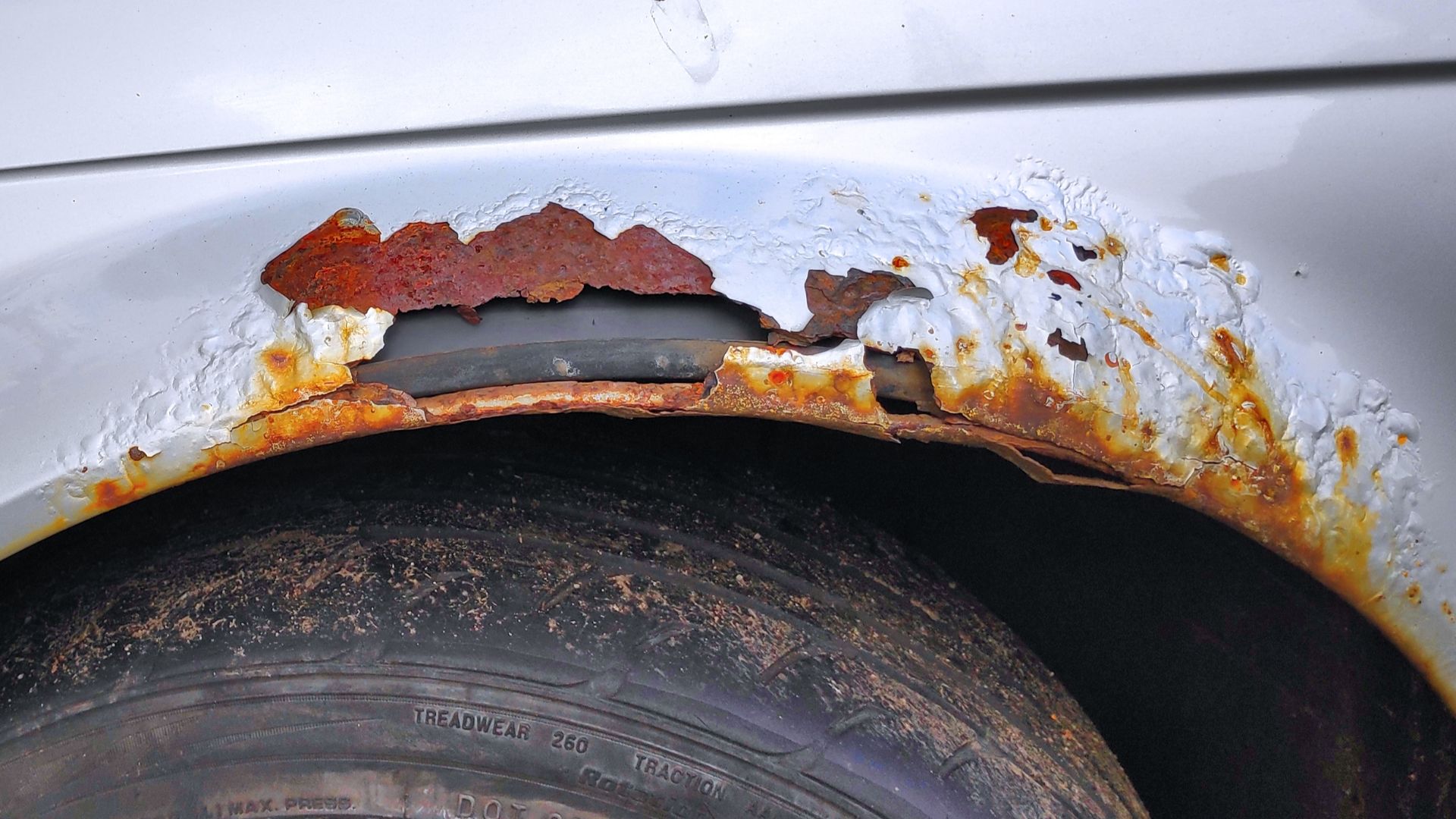 Marek Slusarczyk (Tupungato) Photo portfolio, Wikimedia Commons
Tiny Drain Holes Have A Job
Vehicles have drain openings that allow water to escape from certain body cavities. Damaged or blocked drains can create water pockets that encourage corrosion. Dirt and debris can make the problem worse by holding moisture. Keeping drainage paths clear can help reduce the conditions rust needs.
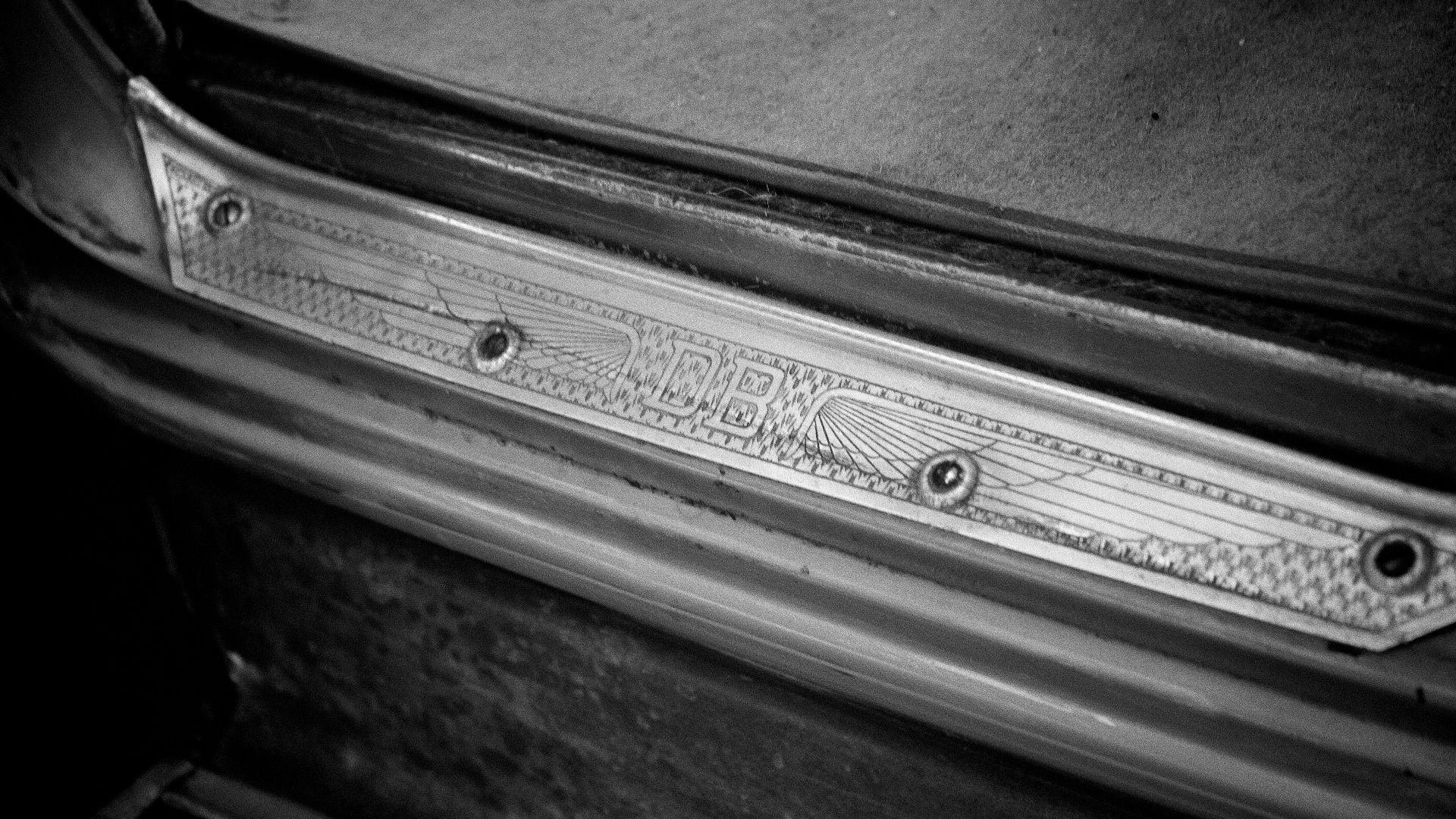
Unibody Cars Depend On Their Body Structure
Most modern passenger cars use unibody construction, where the body and underlying structure work together rather than sitting on a separate full frame. That means certain panels, seams, rails, and mounting areas can contribute directly to structural strength. Corrosion in those areas can matter more than rust on a purely cosmetic panel. The exact risk depends on where the damage is located.
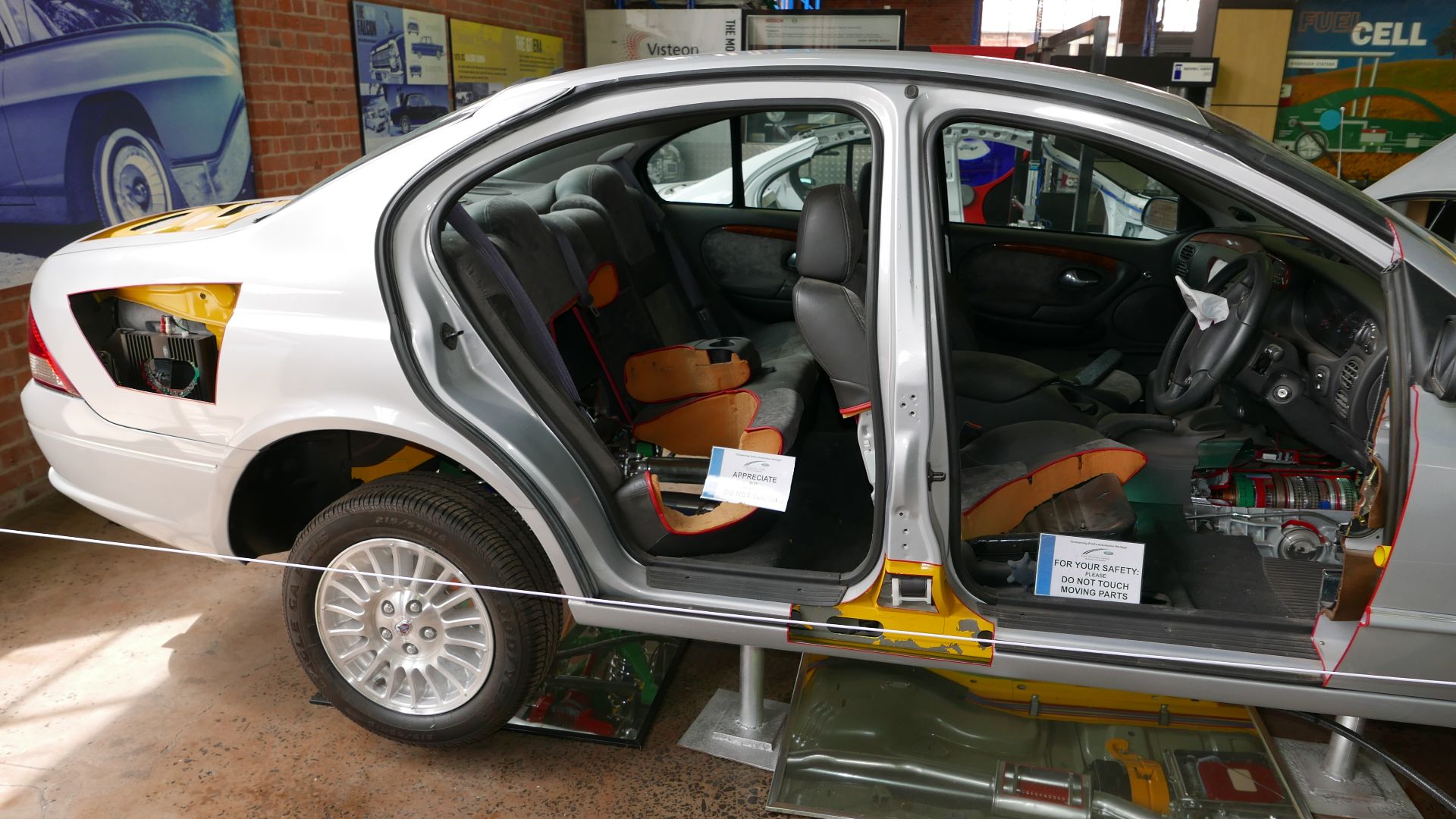
Suspension Areas Are Especially Important
Suspension mounting points carry significant loads while a vehicle is moving. Inspection guidance consequently pays close attention to corrosion in structures associated with suspension, steering, brakes, and axles. Severe deterioration around these locations can compromise the metal supporting important components. That makes corrosion here much more than a cosmetic problem.
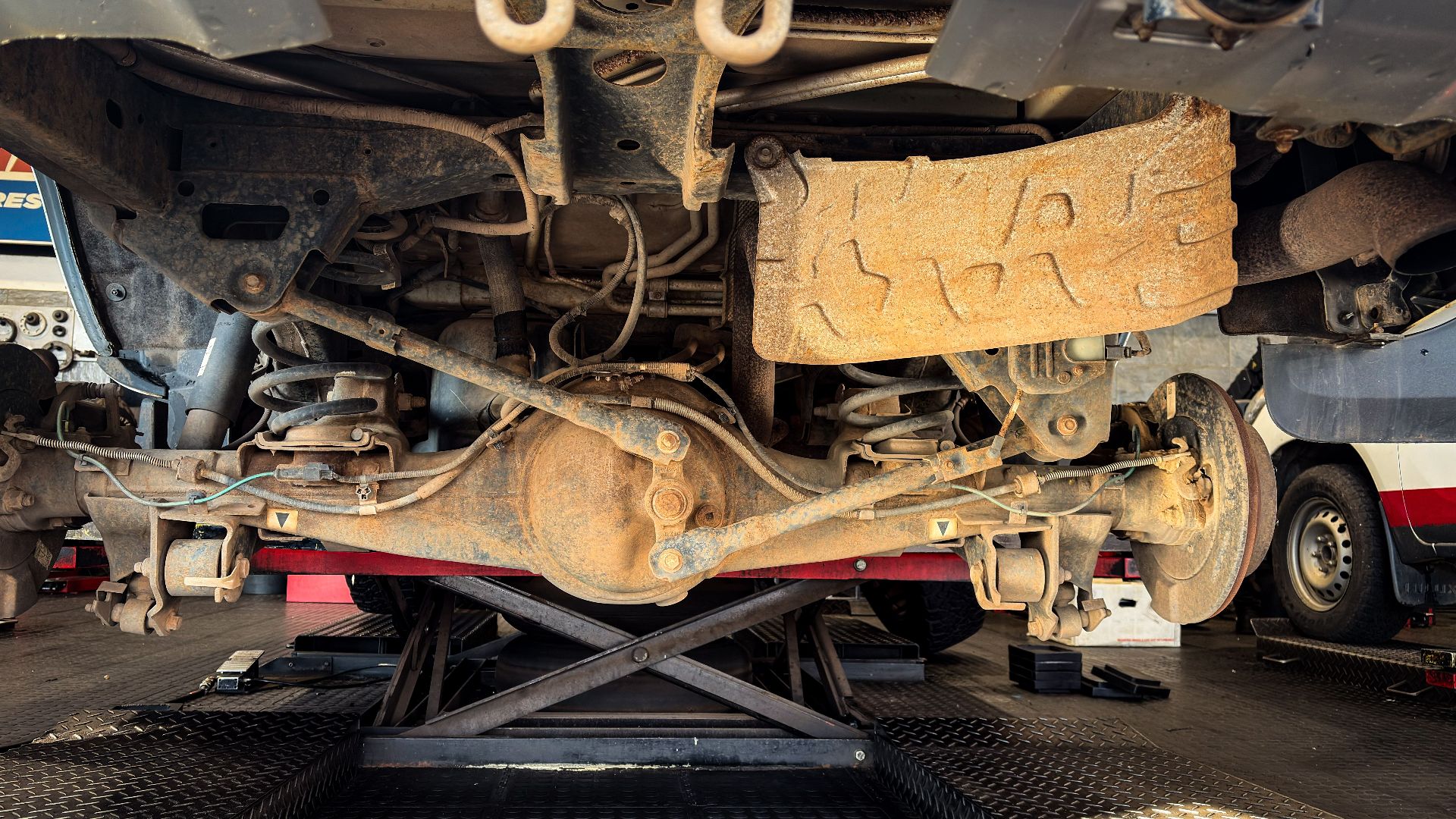
Seat Belt Mountings Matter Too
Rust near seat belt anchorages can be especially concerning because the surrounding metal helps secure the restraint system. Pennsylvania inspections include the vehicle body and chassis as part of the overall safety check. If corrosion has badly weakened a mounting area, it deserves prompt attention.

Brake Lines Can Corrode
Bodywork is not the only steel vulnerable underneath a vehicle. AAA identifies brake lines among the critical components that can suffer corrosion from road salt and de-icing chemicals. A badly corroded hydraulic line can eventually leak. A soft or spongy brake pedal is one warning sign that deserves immediate attention.
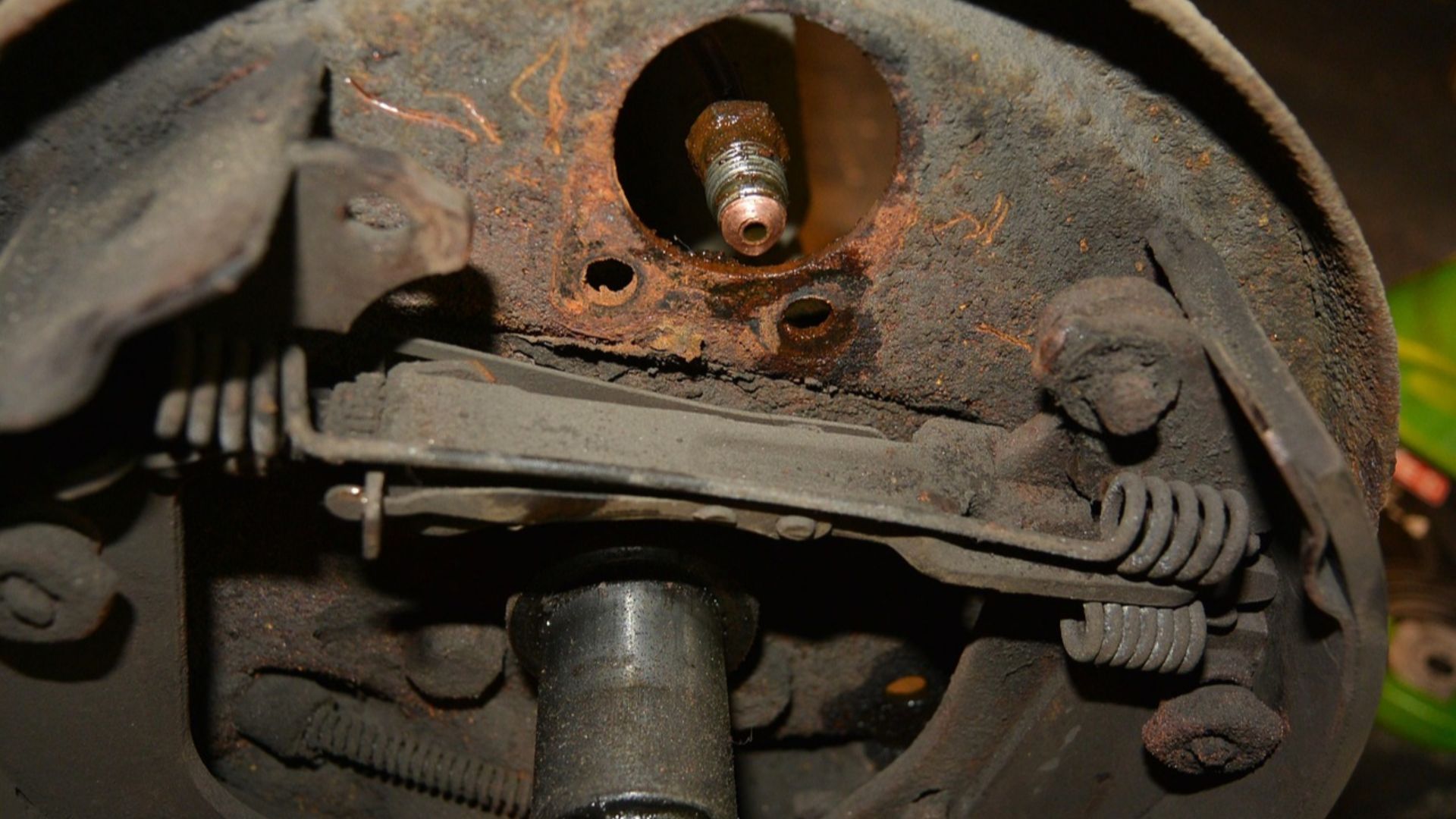
Your Exhaust And Fuel System Are Vulnerable
Salt-related corrosion can also affect exhaust components, fuel tanks, and exposed electrical connections. AAA advises drivers to pay attention to fuel odors, unusually loud exhaust noise, and fumes around the vehicle. Those symptoms deserve prompt investigation. Rust underneath a car can therefore create problems far beyond sheet metal.
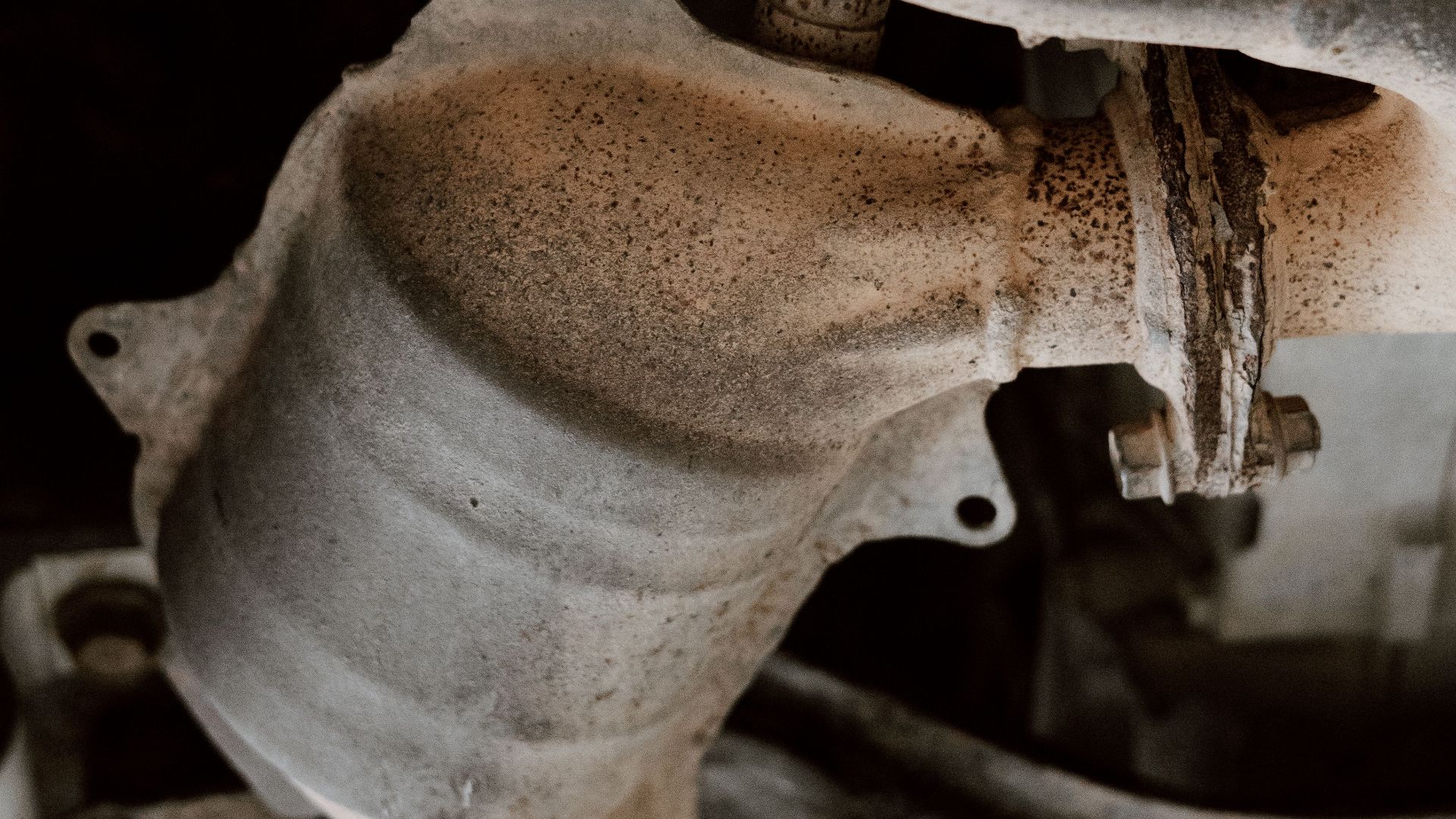
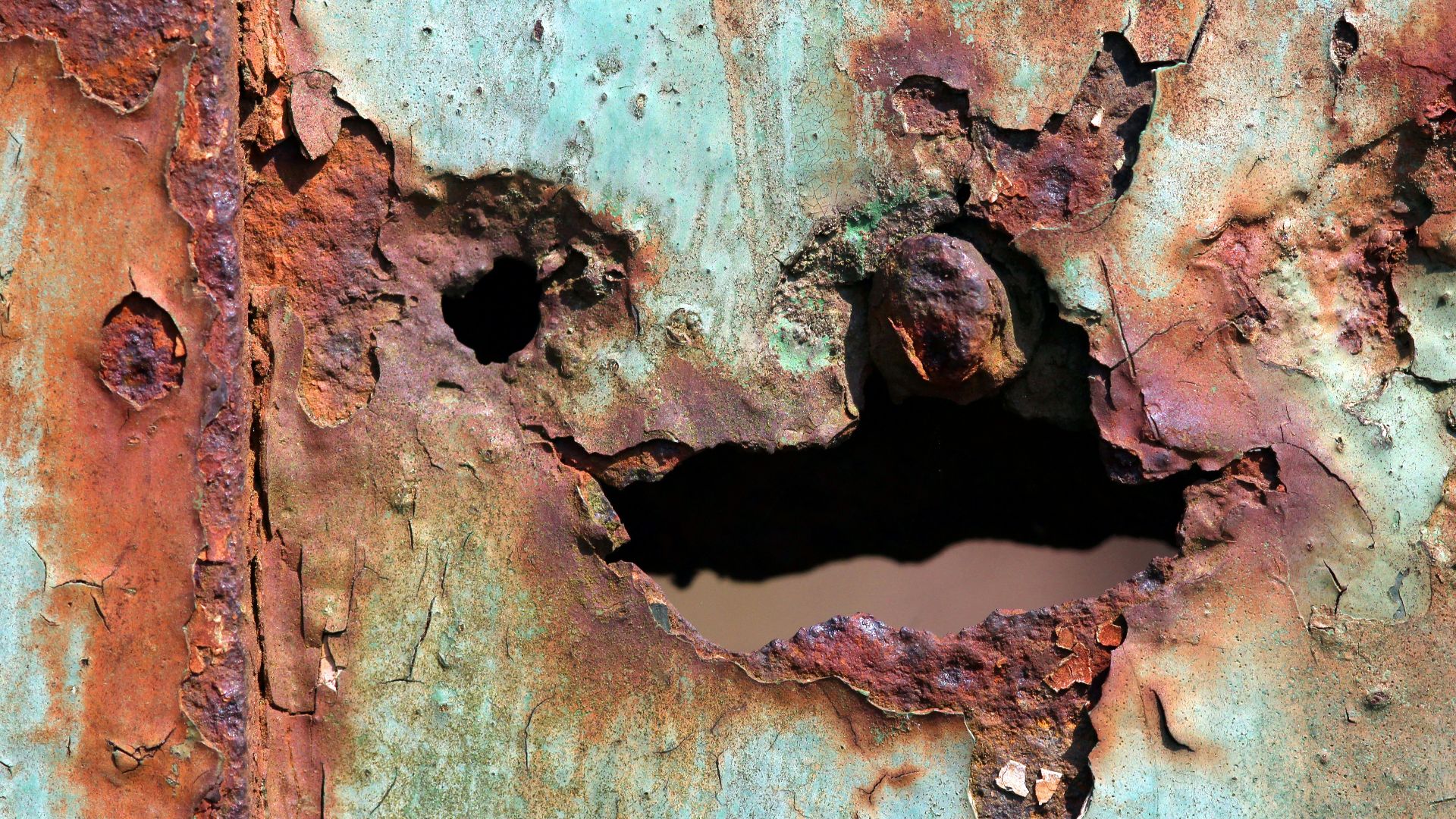
A Tiny Hole Can Still Trigger A Failure
Inspection standards vary, but structural corrosion can cause a failure. Ontario rejects certain frame components when rust has perforated or seriously weakened them, while Pennsylvania also rejects deteriorated structural components. A rust hole does not have to look dramatic to become an inspection problem.
Inspection Rules Are Not Universal
There is no single corrosion standard covering every vehicle everywhere. Provinces, states, and countries have different inspection programs, and some places do not require periodic passenger-vehicle safety inspections. Even within an inspection system, location and severity can change the outcome. Drivers should check the exact standards where their vehicle is registered or inspected.

Hiding The Hole Does Not Fix It
Making a rust hole disappear visually does not restore the strength of weakened metal. Structural repairs need to remove or reinforce damaged areas and tie into solid metal. Simply covering the opening with filler may improve appearance without fixing the underlying corrosion.
The Surrounding Metal Needs Checking
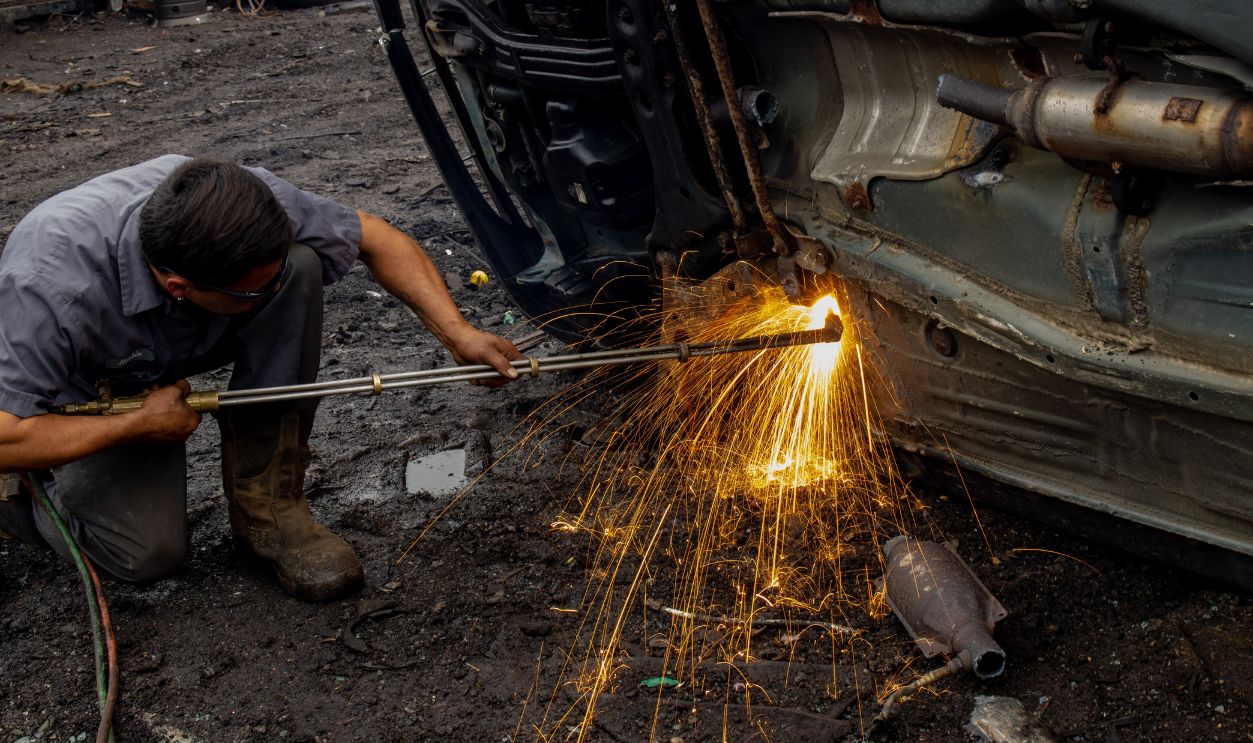
A technician needs to determine whether corrosion extends beyond the obvious opening. Inspection procedures can include visual examination and careful assessment of the firmness of surrounding material. Metal that looks intact may have been significantly thinned by corrosion. Finding the true boundary of the damage helps determine what must actually be repaired.

Repairs Need Solid Metal
When structural steel has perforated, a durable repair generally needs to connect with sound material. British inspection guidance requires structural repairs to restore adequate strength and extend into sound parts of the structure. The appropriate method depends on the vehicle, location, and manufacturer repair procedures. Cosmetic patches are not substitutes for proper structural work.
Corrosion Protection Must Be Restored
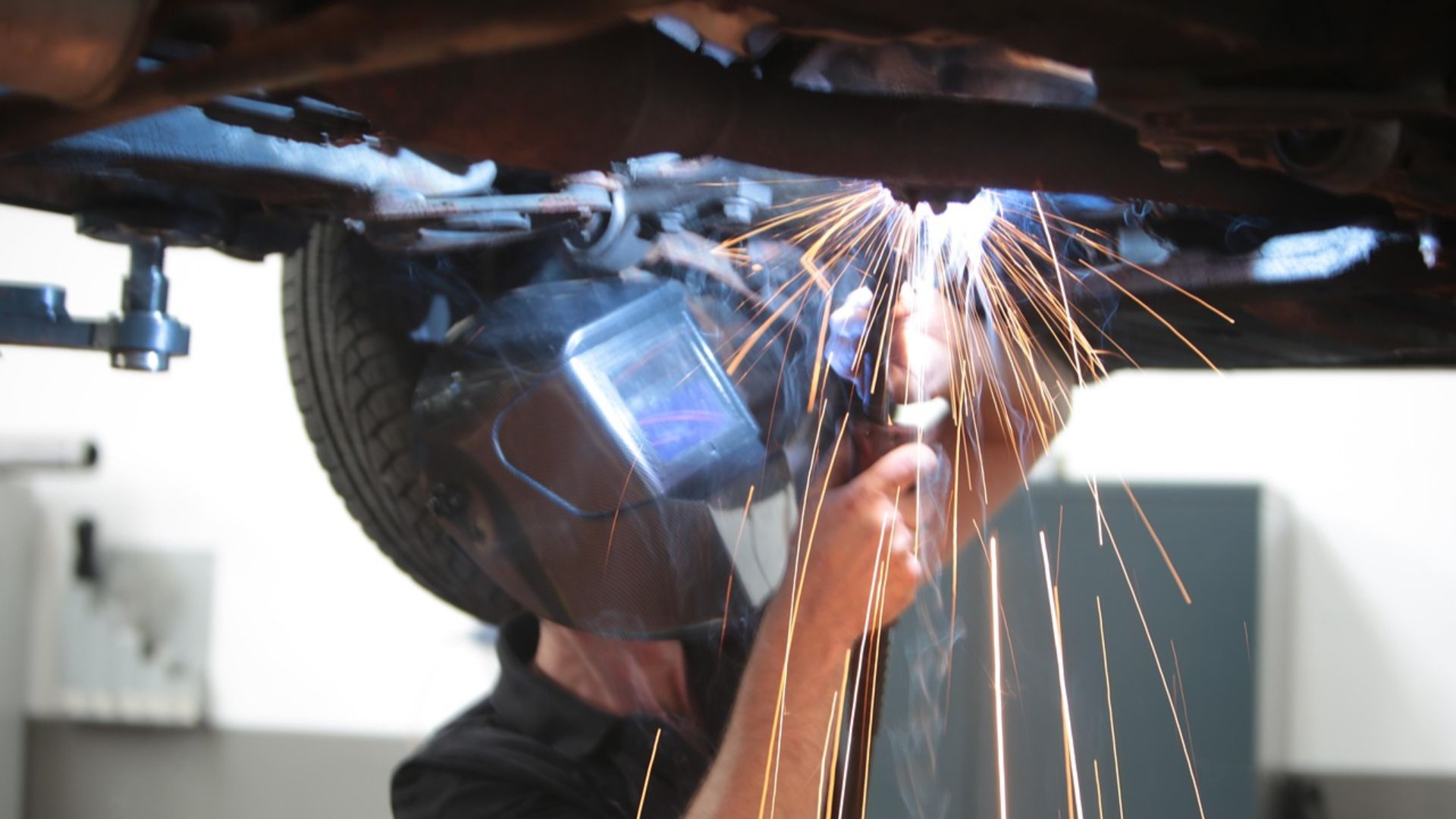
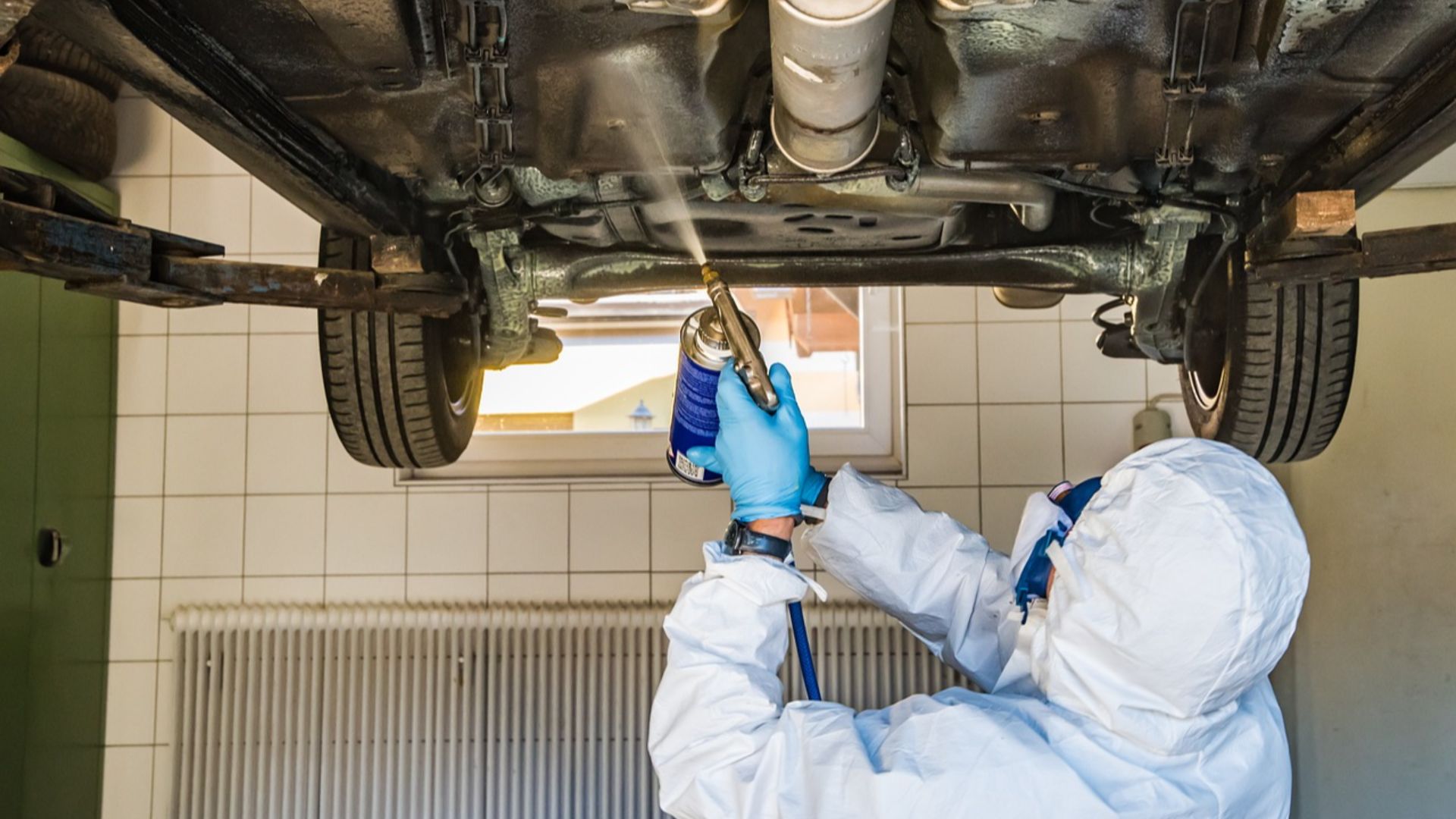
Repairing the metal is only part of the job. Cutting, grinding, or welding can remove protective coatings around the repair. Those areas need fresh corrosion protection afterward. Otherwise, moisture can start attacking the newly exposed metal again.
Washing Helps Fight Road Salt
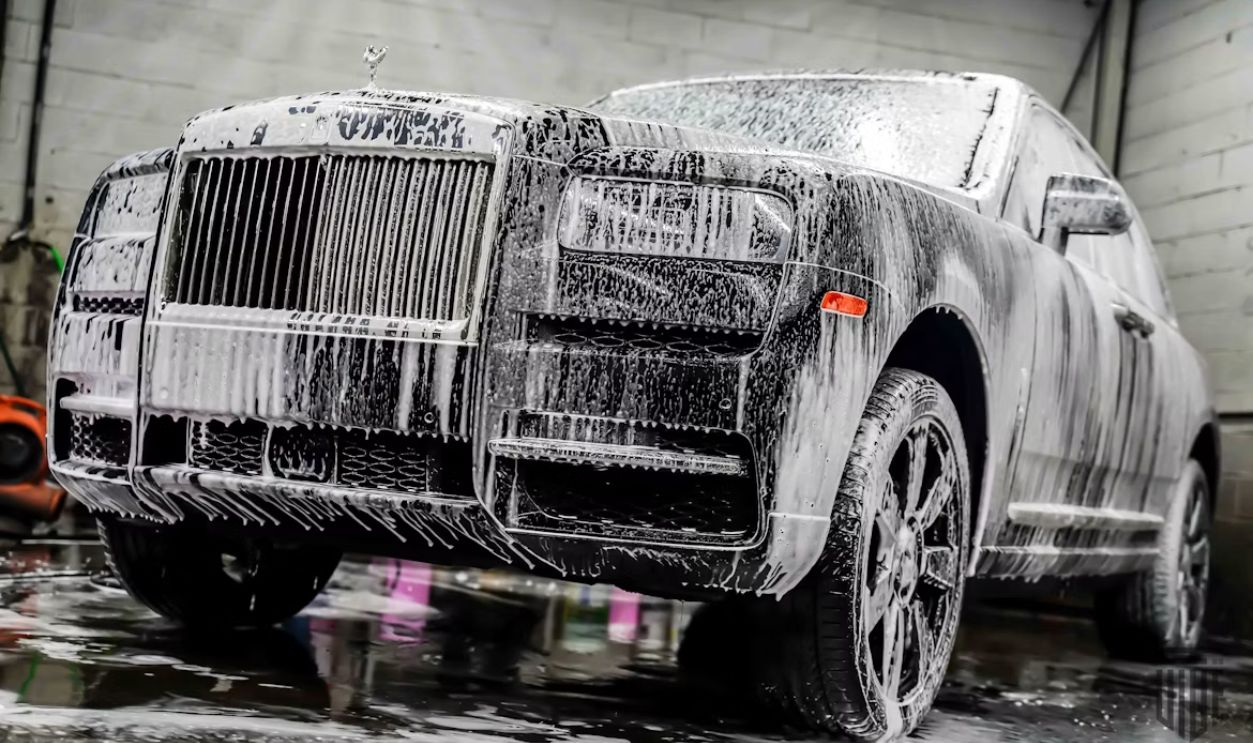
Washing cannot restore steel that has already rusted away. It can, however, remove salt that encourages additional corrosion. AAA recommends regular winter washing with attention to the vehicle's undercarriage. An underbody rinse can reach areas that an ordinary exterior wash misses.
Small Paint Chips Are Worth Fixing
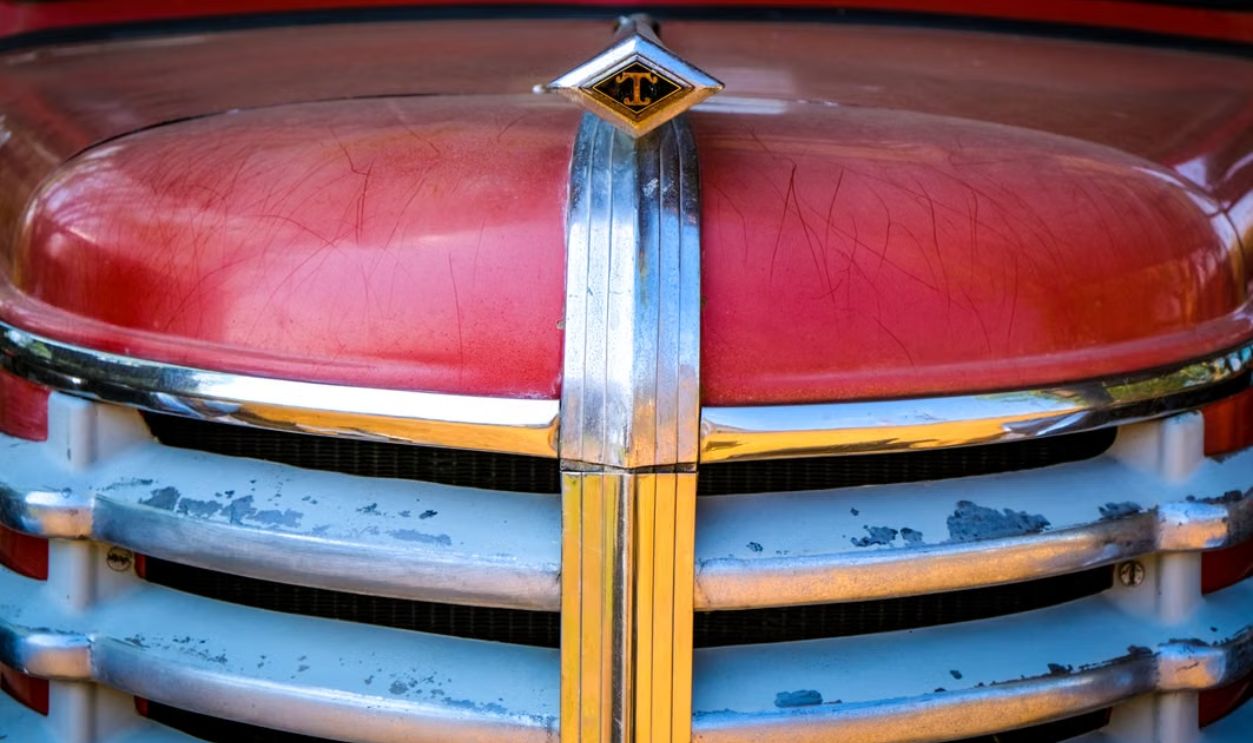
Paint helps protect automotive steel from moisture. When a chip or scratch exposes bare metal, rust can begin forming underneath. Fixing small paint damage early can help prevent a much bigger corrosion problem later.
Rust Is Not Just A Winter Problem
Winter road salt is especially aggressive, but corrosion can occur in other environments too. Moisture, coastal salt exposure, standing water, and debris trapped in body cavities can all contribute. Where and how a vehicle is used can influence how quickly rust develops.

Small Rust Repairs Can Get Expensive Fast
A repair can become much more expensive when corrosion reaches structural seams, mounting points, or larger sections of metal. Those jobs may require cutting out damaged steel, fabricating replacement sections, and welding them into place. Labor often grows quickly as the affected area becomes more complex. That is why a small visible hole can sometimes lead to a much larger repair bill.
When Is Rust Not Worth Repairing?
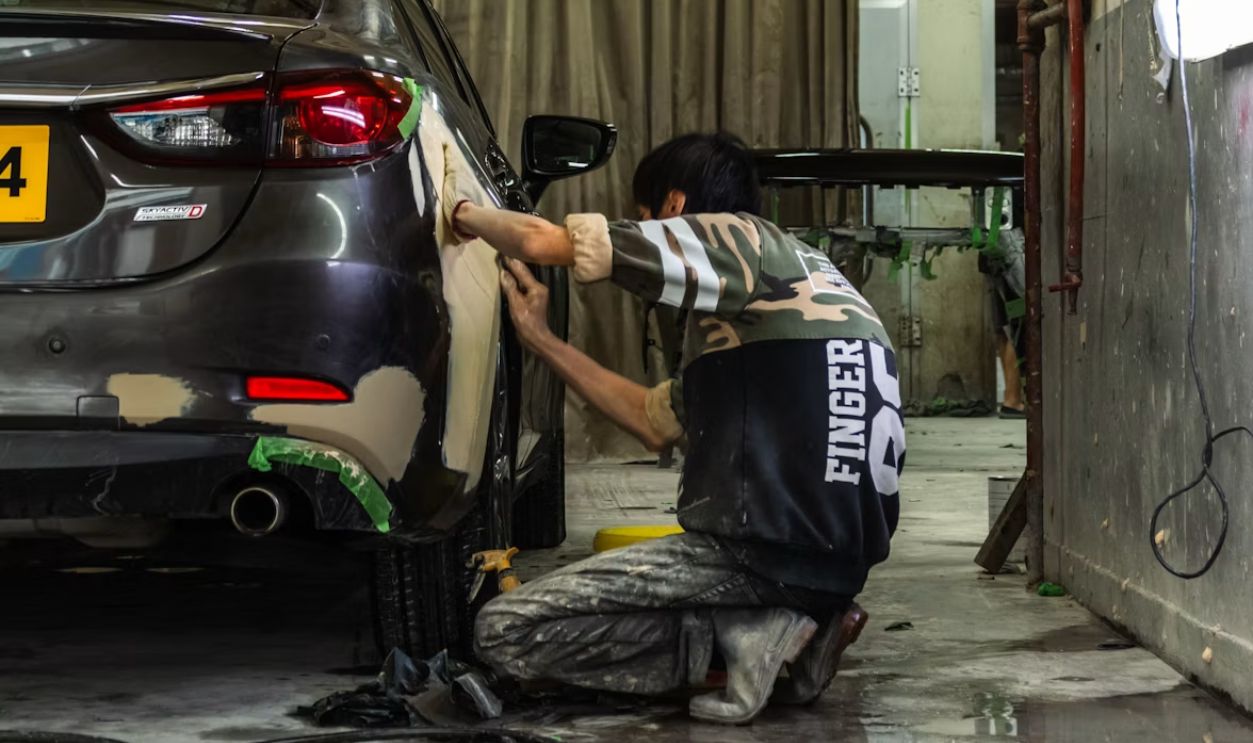
There is no universal point when a rusty vehicle becomes uneconomical to save. The answer depends on the extent and location of the corrosion, the required repair, the vehicle's condition and value, and the availability of replacement sections. Extensive structural corrosion can require substantial cutting, fabrication, and welding. Getting a professional estimate allows an owner to compare that cost with the value and condition of the vehicle.
Check The Repair Afterward
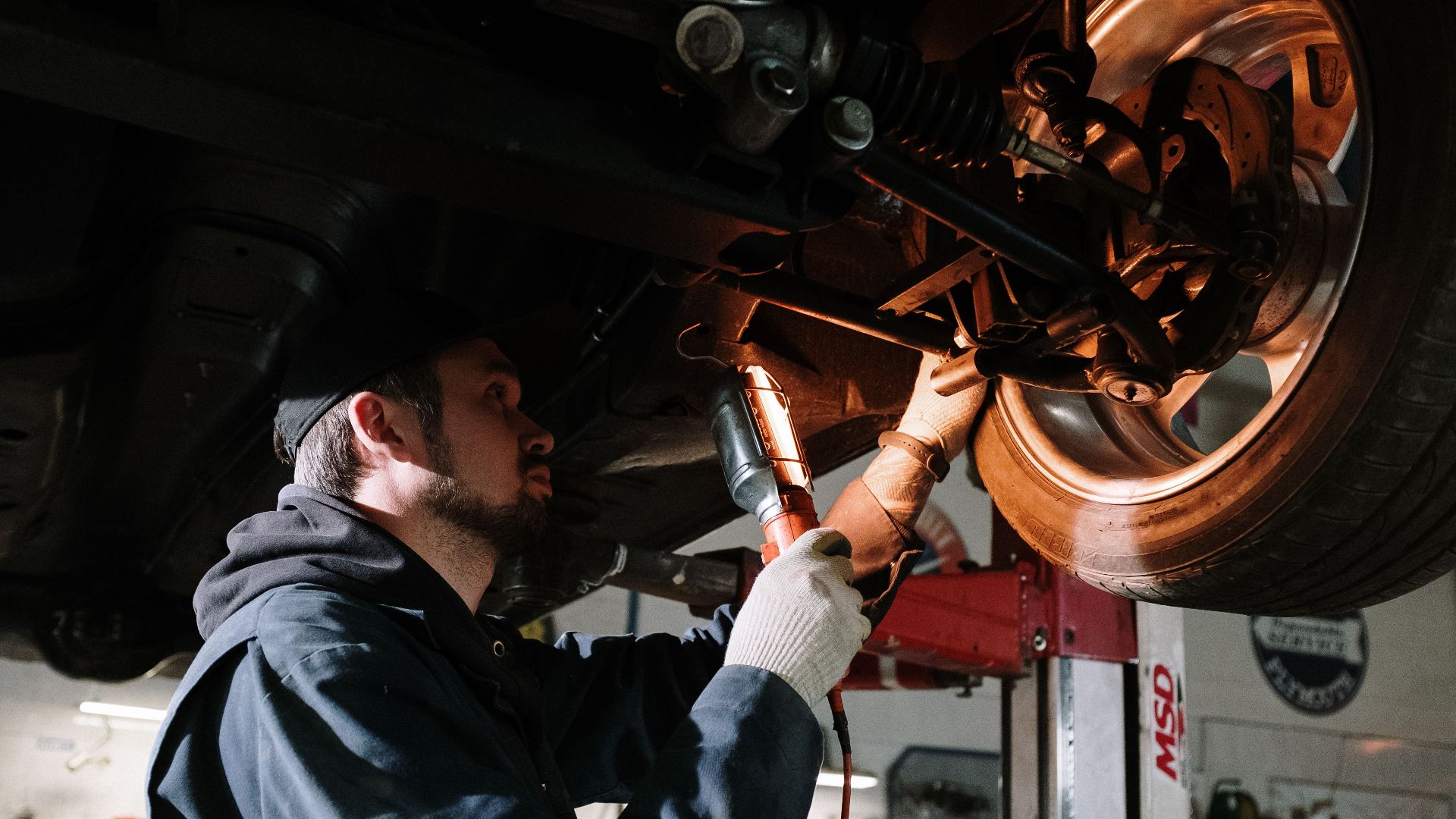
A completed rust repair should not be treated as something you never need to look at again. Watch the repaired area for bubbling paint, staining, swelling, or fresh corrosion around nearby seams. It is also worth checking whether drains remain clear and protective coatings are still intact. Catching new rust around a repair early can prevent another small problem from spreading.
That Tiny Hole Was A Warning
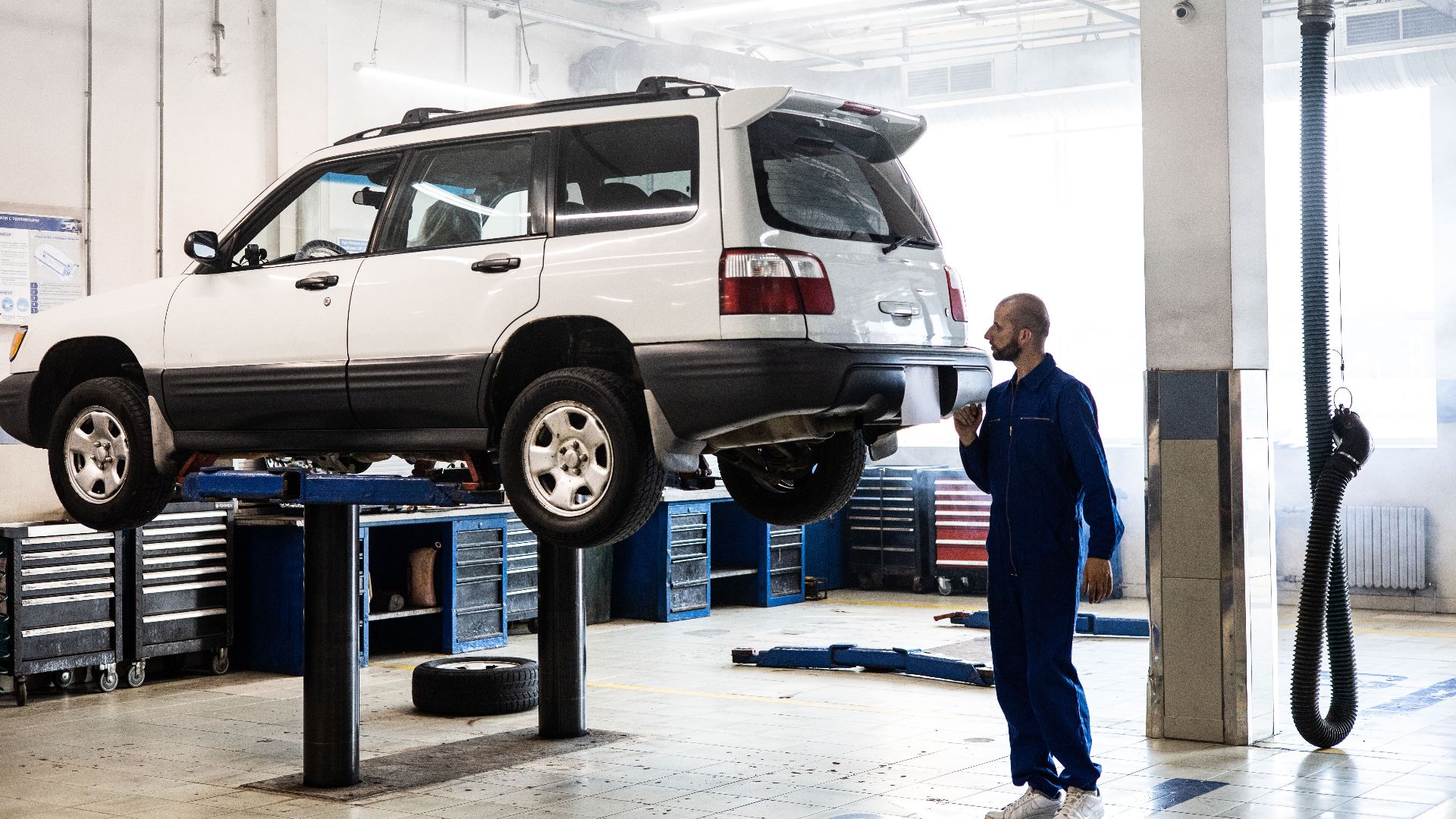
A failed inspection over a tiny rust hole can feel excessive, but the opening itself is only part of the story. Perforation means corrosion has already removed metal, while the location determines whether that loss is mostly cosmetic or potentially serious. Ignoring it gives continuing corrosion more time to attack exposed steel. Finding out how far it extends is a much better move than waiting to see how large the hole becomes.
You May Also Like: