
Convenience Can Come With A Repair Bill
Modern vehicles can do things that would have seemed luxurious not long ago, from opening the tailgate with a foot gesture to adjusting suspension height automatically. The catch is that every extra motor, sensor, actuator, computer, and piece of moving hardware creates another possible failure point. Consumer Reports mechanic and reliability coverage repeatedly shows that some sophisticated features can make repairs more complicated or expensive, even though many work perfectly well for years.

Giant Wheels Can Be An Expensive Fashion Statement
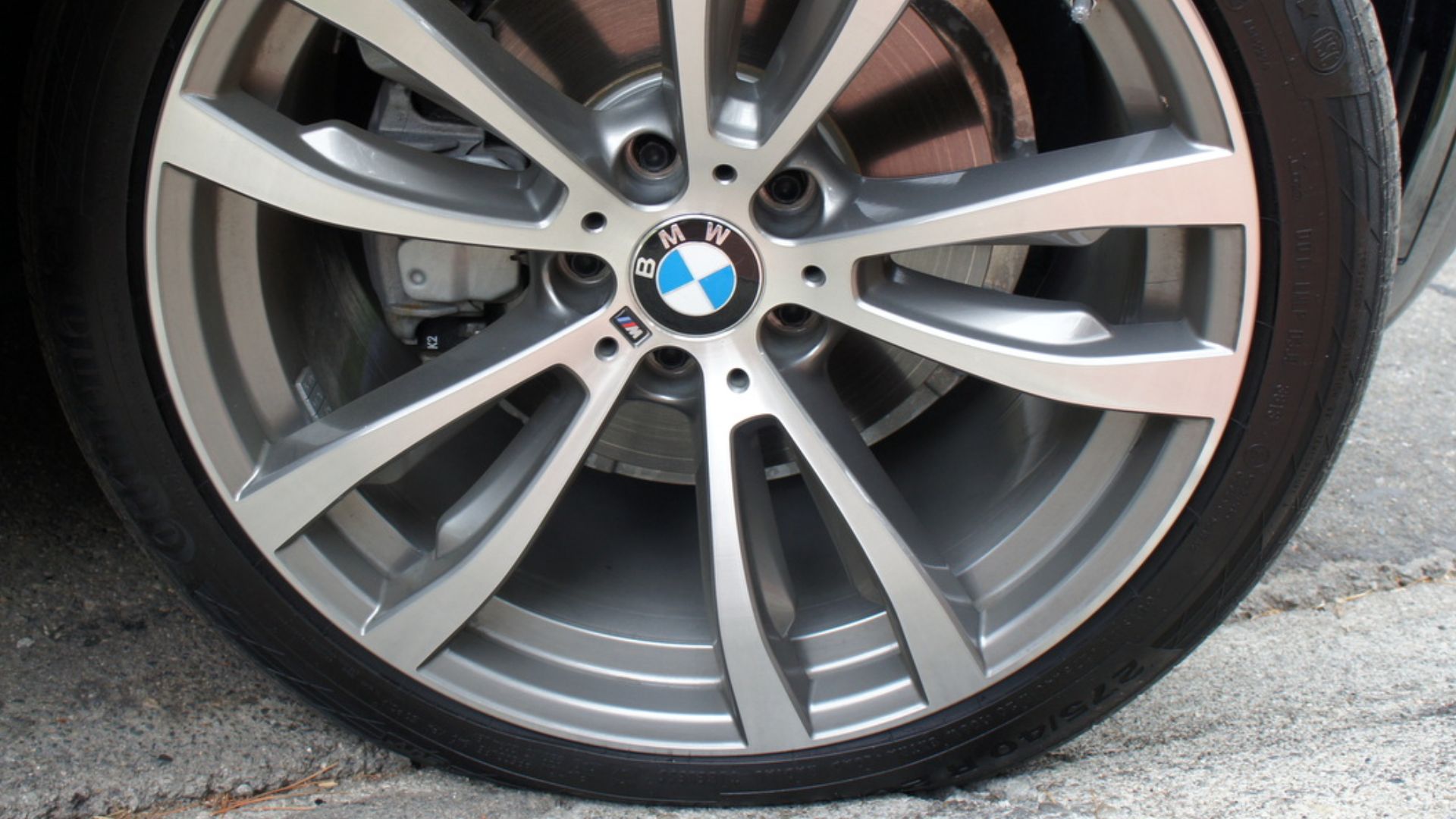
Large wheels paired with low-profile tires give many new cars and SUVs a dramatic appearance, but there is less tire sidewall available to absorb impacts. Consumer Reports specifically recommends considering smaller wheels because low-profile tires and larger rims are more susceptible to damage from potholes and curbs. They can also produce a firmer ride, making this one upgrade where appearance can come with practical compromises.

Run-Flat Tires Trade Simplicity For Security
Run-flat tires can keep a vehicle moving for a limited distance after losing air, potentially eliminating an unpleasant roadside tire change. Their reinforced sidewalls, however, tend to produce a harder ride than conventional tires, according to Car and Driver. Some vehicles designed around run-flats also lack a dedicated place for a conventional spare, which complicates switching back to ordinary tires.
 Michael Sheehan, Wikimedia Commons
Air Suspension Gets Complicated Fast
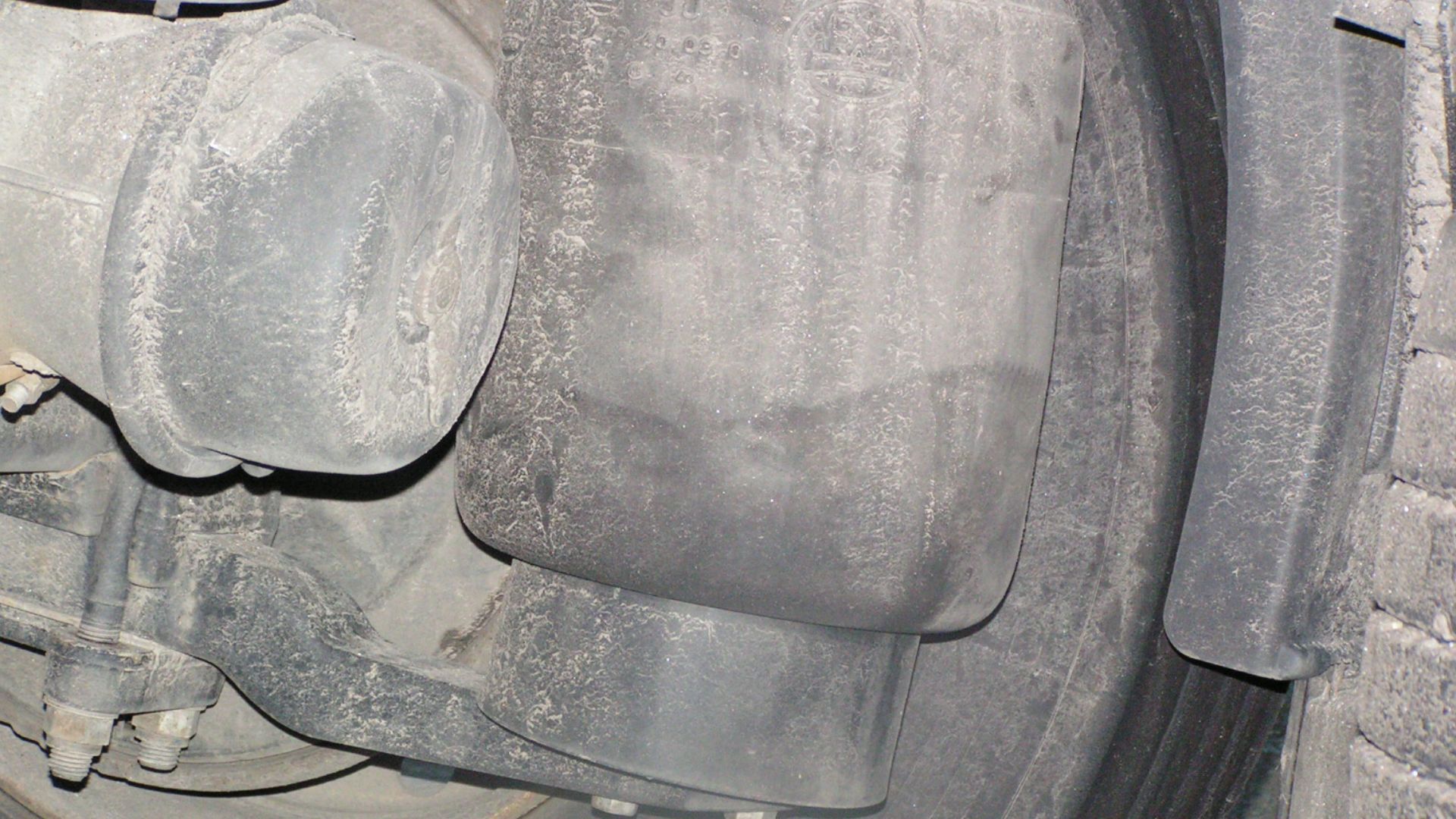
Air suspension can deliver an impressively smooth ride while allowing manufacturers to alter vehicle height or suspension behavior. Consumer Reports notes that these systems are more complex than conventional suspensions and contain expensive components, while its reliability data include owner reports of air-suspension leaks requiring costly repairs. Traditional springs may lack the same tricks, but they eliminate compressors, air lines, and air springs from the equation.
Adaptive Suspension Adds Another Pricey Layer
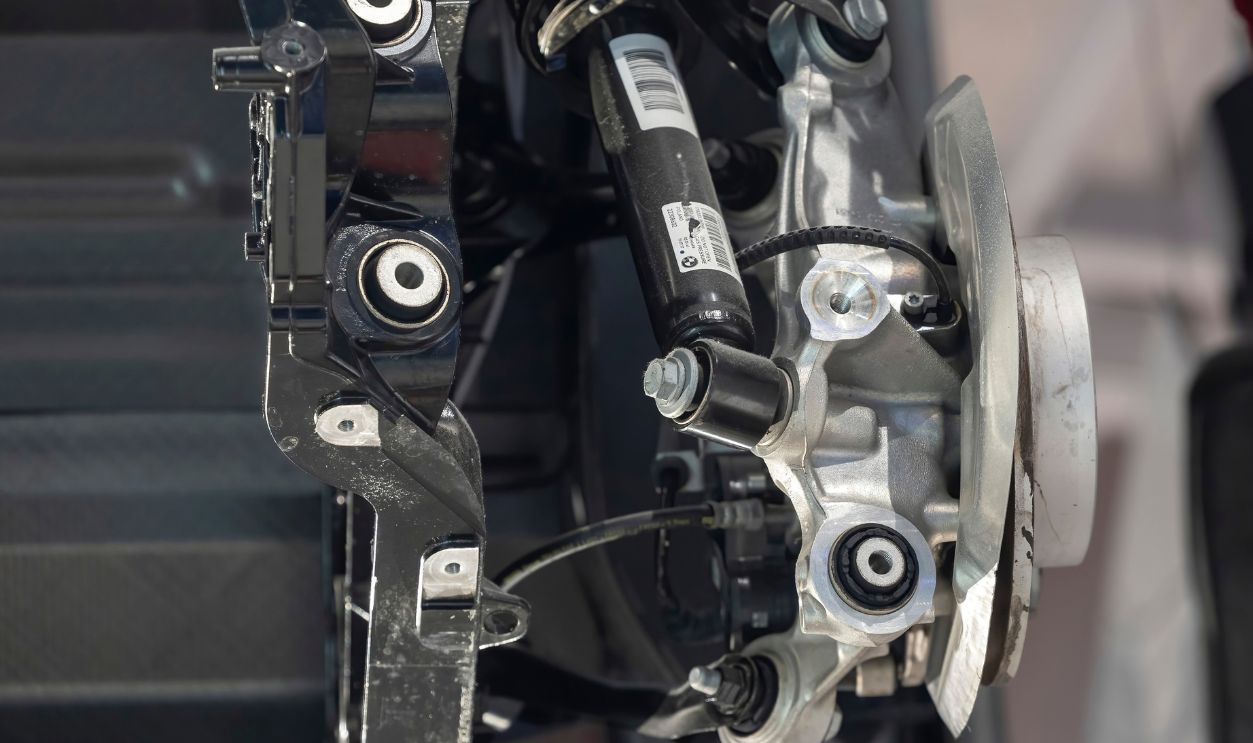
Electronically controlled dampers can transform how a vehicle rides and handles, particularly in luxury and performance models. The downside becomes apparent when the suspension eventually needs service, because Consumer Reports warns that adaptive suspension components can make shock and strut replacement more expensive. Drivers who keep cars well beyond their warranty periods may therefore want to investigate replacement-part prices before paying extra for an adaptive setup.
 Karolis Kavolelis, Shutterstock
Panoramic Roofs Put A Lot Of Glass Overhead
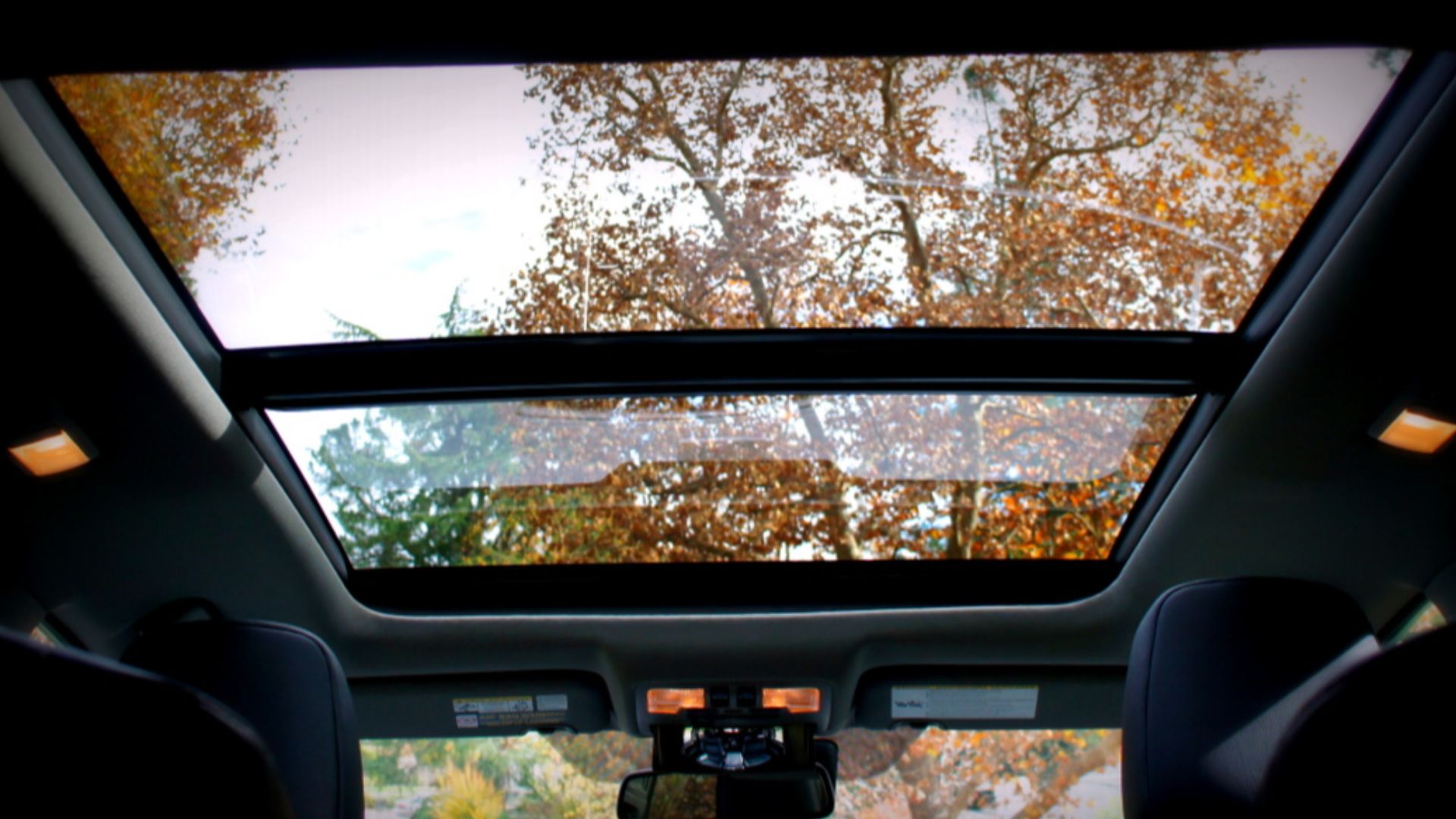
A panoramic roof can make a dark cabin feel remarkably spacious, but its size adds glass, seals, tracks, motors, and drainage hardware. A NHTSA industry review covering roughly 10 million vehicles with large panoramic roofs found more than 4,000 manufacturer-reported complaints involving spontaneous glass shattering, although crashes and serious injuries were rare. Consumer Reports has also documented the history of panoramic-roof shattering complaints across numerous brands, showing why buyers should not assume the feature is maintenance-free.
 Michael Sheehan, Wikimedia Commons
Touchscreens Have Become A Reliability Category
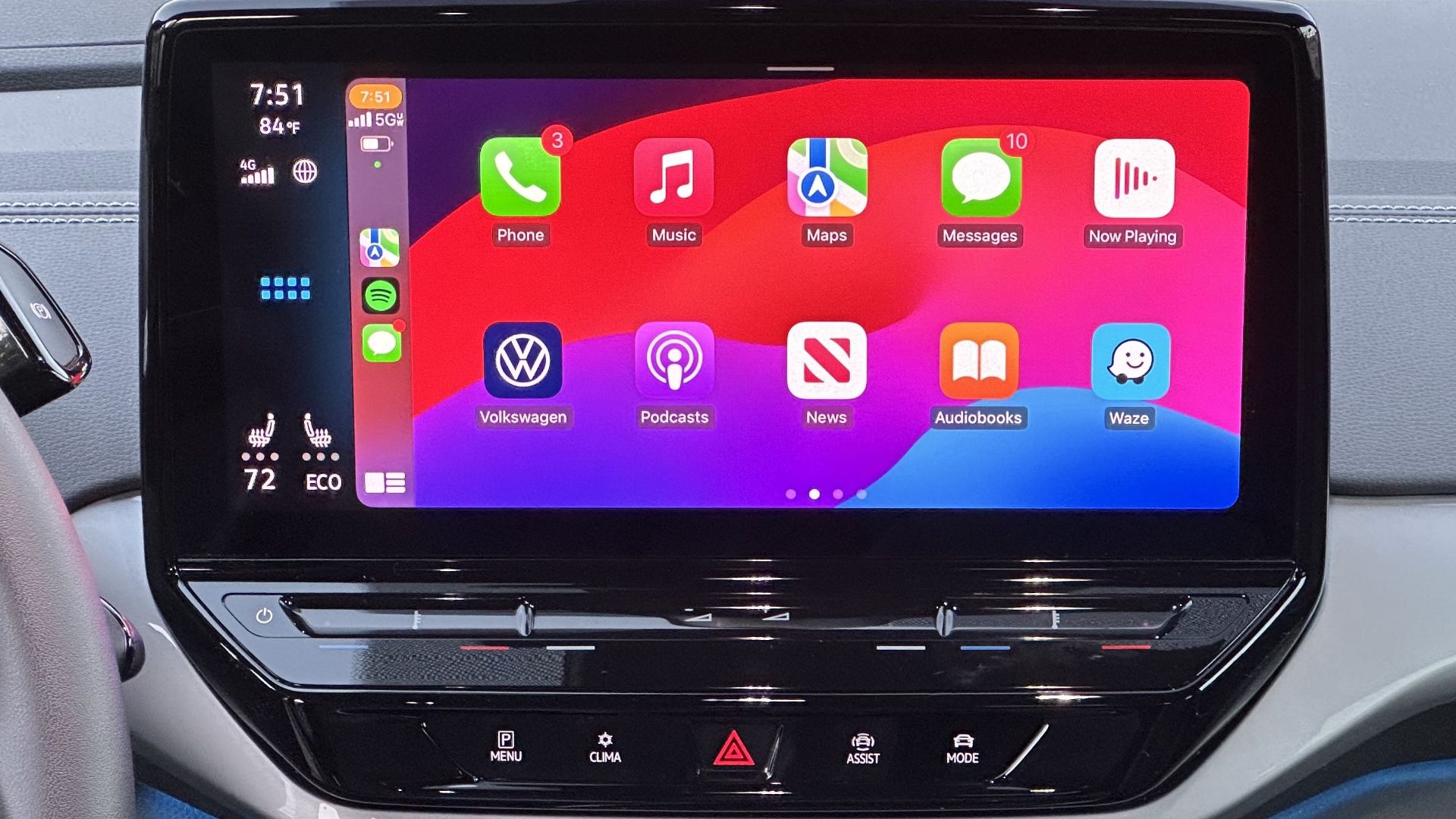
Today's central screens may control audio, navigation, phone connections, vehicle settings, and sometimes climate functions. Consumer Reports says infotainment problems are among the most common complaints in its reliability surveys, including frozen or blank displays and connection failures. A malfunction that once might have affected only the radio can therefore interfere with several cabin functions when manufacturers concentrate everything into one interface.
 Sunnyboy122, Wikimedia Commons
Touch Controls Can Replace Simple Buttons With Problems
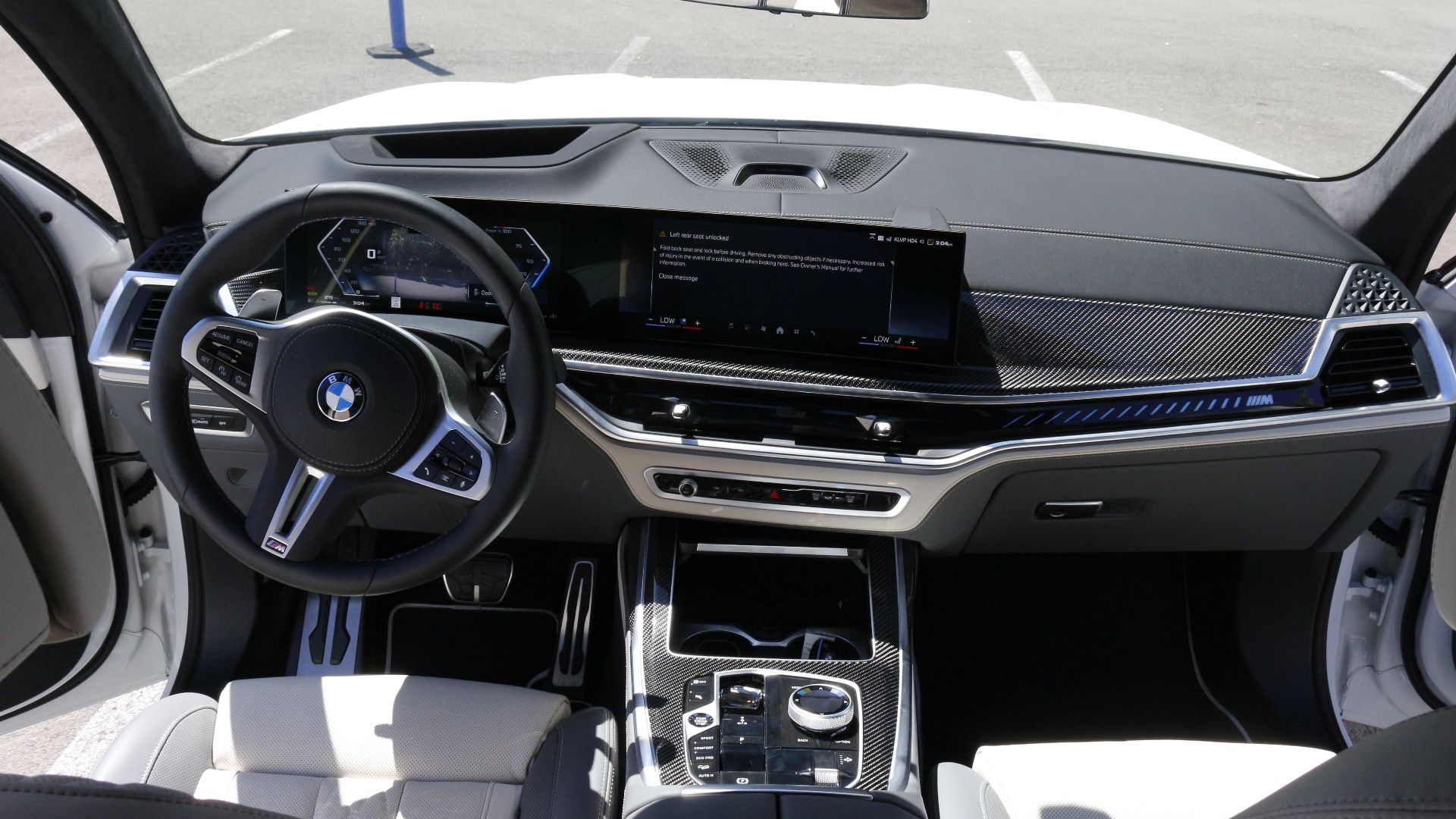
Capacitive and haptic controls look sleek because manufacturers can eliminate rows of physical switches. Car and Driver's long-term BMW X7 experienced intermittent trouble with haptic controls that affected functions including drive modes, stop-start, traction control, and the parking-brake auto-hold system. The dealer ultimately traced that particular problem to debris beneath the control panel, illustrating how a sophisticated interface can create unusual failure modes that an ordinary mechanical switch avoids.
 Pixelatedfacealex, Wikimedia Commons
Built-In Navigation Is Losing Its Argument
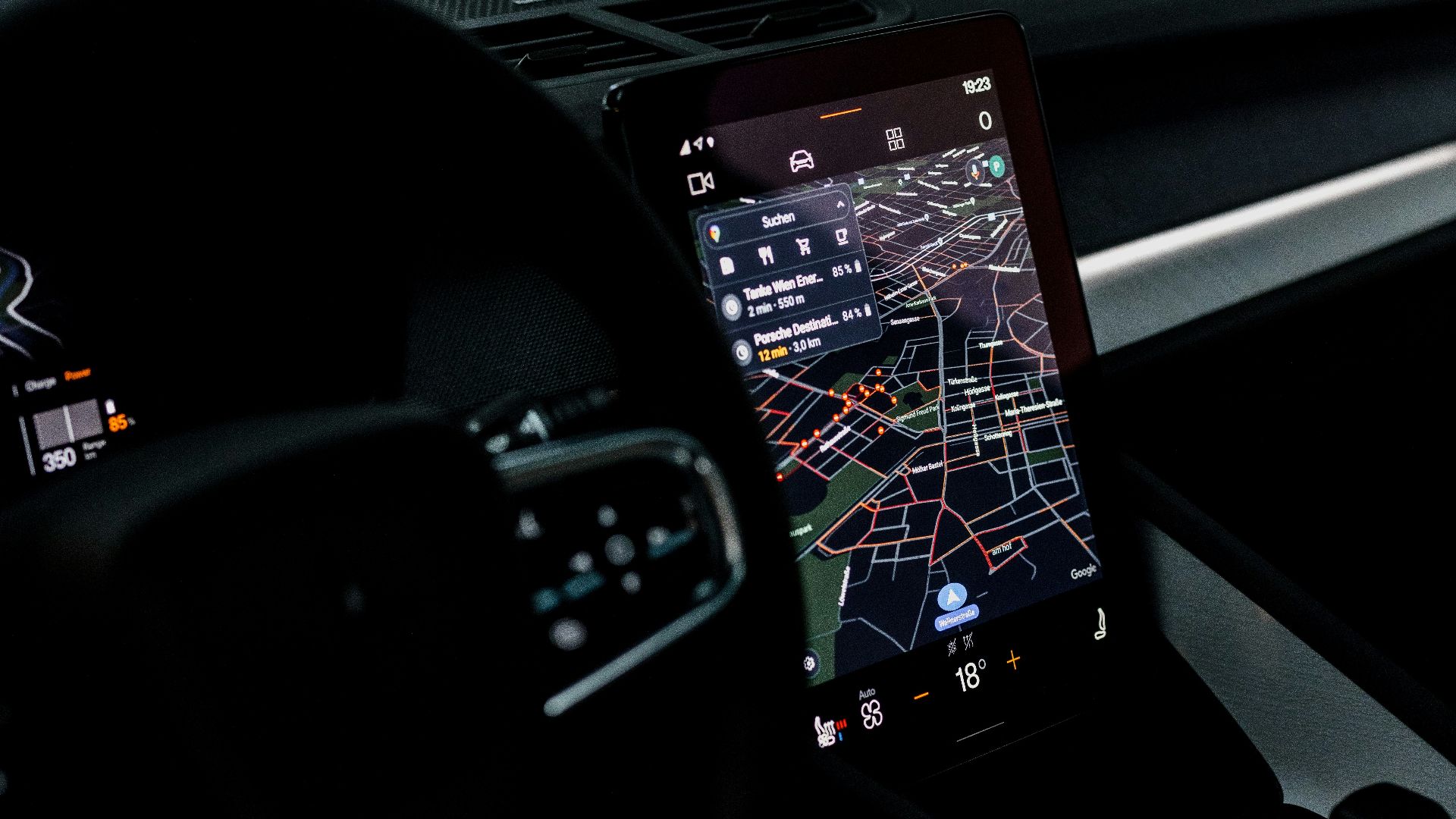
Factory navigation once seemed like an essential luxury-car option, but smartphone integration has changed the equation. Consumer Reports recommends skipping many built-in navigation systems because they can be expensive and may require map updates, while Apple CarPlay and Android Auto can provide navigation through a connected phone. For owners trying to minimize long-term complexity, paying extra for another proprietary system may offer less value than it once did.
Automatic Stop-Start Works The Battery Harder
Stop-start technology shuts the engine off while the vehicle is stationary and restarts it when the driver is ready to move. AAA explains that the repeated discharge and recharge cycles place demands on the battery that conventional lead-acid designs are poorly suited to handle, which is why many stop-start vehicles use enhanced AGM batteries. Those batteries can cost substantially more than conventional batteries, turning an efficiency feature into an additional consideration at replacement time.
 User:Bullenwschter, Wikimedia Commons
Electronic Parking Brakes Add An Actuator
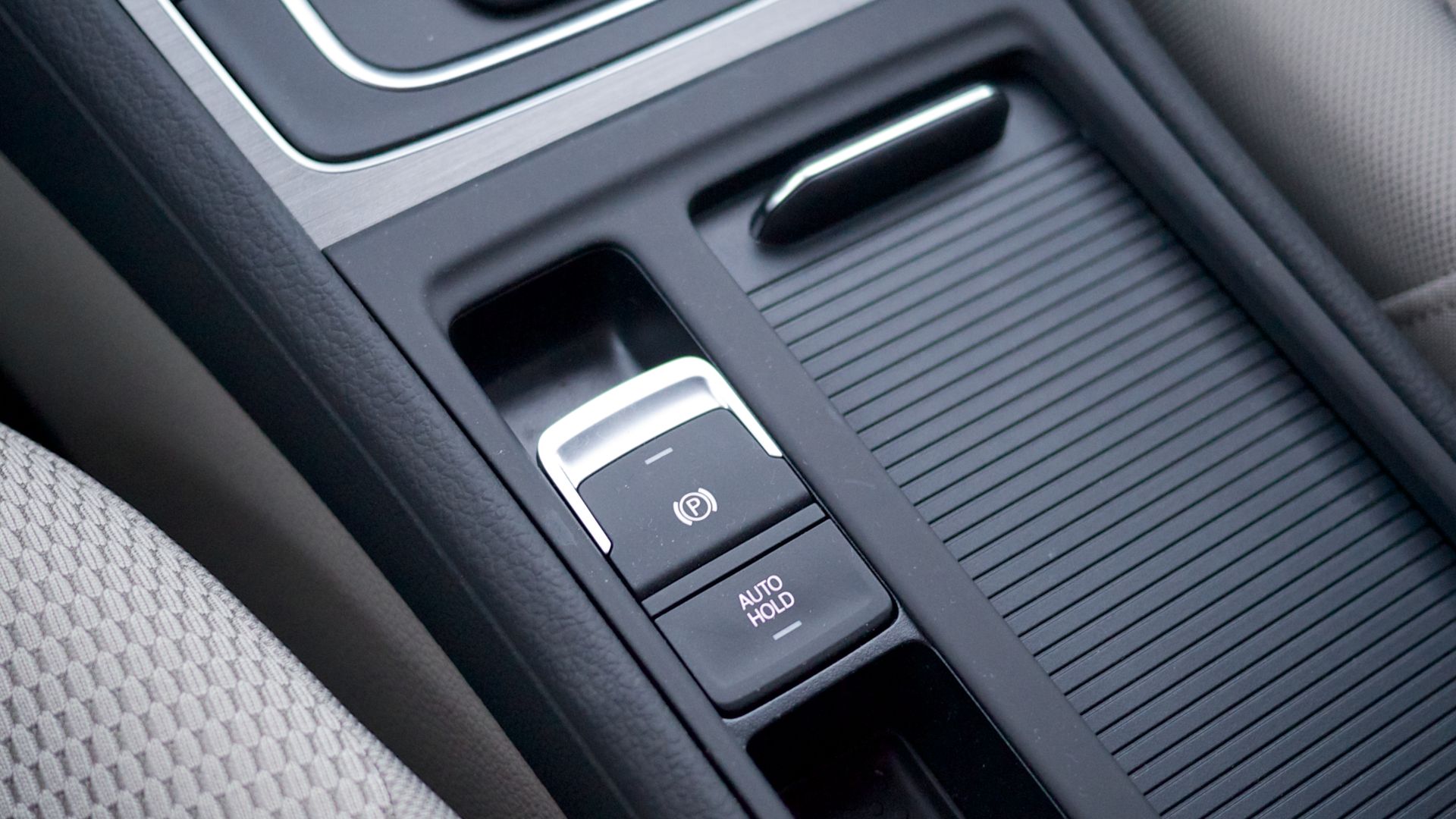
An electronic parking brake replaces the familiar hand lever or foot pedal with a switch and electrically operated hardware. Most work without drama, but failures can be more complicated than a traditional cable problem because the system includes actuators and electronic controls. One NHTSA recall report, for example, documented an electronic parking-brake defect that could prevent the brake from engaging or disengaging and potentially leave the vehicle immobilized.
 Karlis Dambrans from Latvia, Wikimedia Commons
Hands-Free Liftgates Can Get Confused
Waving a foot beneath the bumper sounds wonderfully convenient when both hands are carrying groceries. Ford issued a technical service bulletin for certain Edge and Lincoln MKX models after some hands-free liftgates could open or close when a rear door was slammed or when the rear bumper area was contacted while the key was nearby. A regular manual hatch does not need sensors and electronic logic to decide whether you actually intended to open it.

Power Liftgates Add Hardware To A Simple Door
Even without hands-free activation, a power liftgate requires electrical wiring and powered hardware that a basic manually operated hatch does not. Consumer Reports includes tailgates, trunks, hatches, and related body hardware among the areas tracked in its reliability surveys, and owners of newer vehicles sometimes report problems with liftgate supports or operation. Power operation is convenient, but shoppers planning to keep a vehicle for many years should remember that the system contains more serviceable components than a conventional hatch.

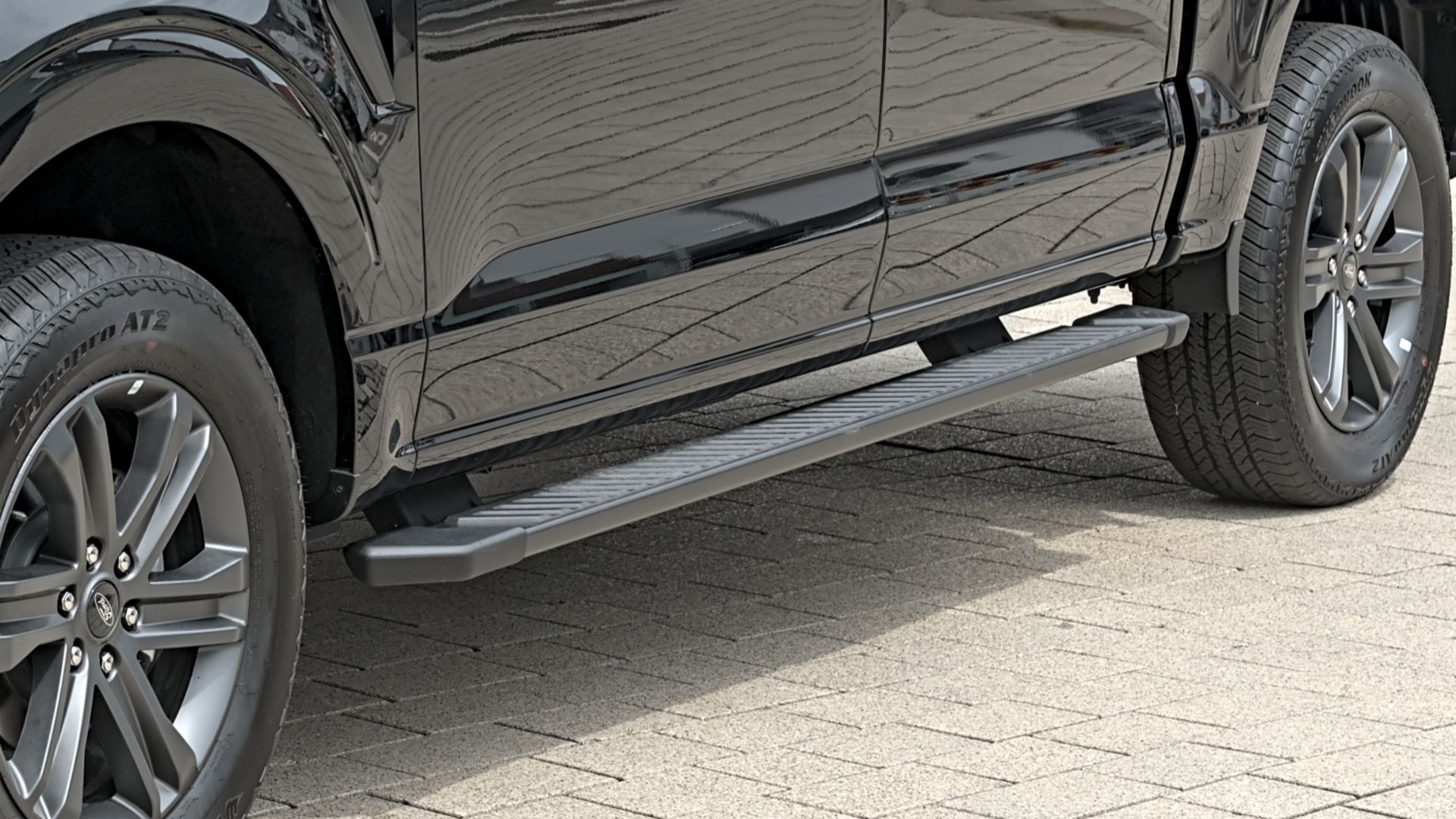
Power Running Boards Have A Mind Of Their Own Sometimes
Deployable running boards disappear beneath a truck when they are not needed, preserving ground clearance and creating a cleaner appearance. Ford has published service information covering power running boards that remained deployed, moved out of sequence, or became disabled on certain F-150, Expedition, Navigator, and Super Duty models. Fixed steps may not look as sophisticated, but they do not require control modules and powered deployment mechanisms.
 Alexander Migl, Wikimedia Commons
Power-Folding Mirrors Add Motors To An Easy Job
Power-folding mirrors are handy in garages and tight parking spaces, especially on wide SUVs and trucks. They also introduce switches, wiring, gears, and motors into something that can otherwise be moved by hand. Stellantis issued a 2024 technical service bulletin for certain Jeep Renegades whose power-folding mirrors could intermittently fail to fold or unfold, while Consumer Reports has documented owners facing costly replacement of powered mirror assemblies on other vehicles.

Rain-Sensing Wipers Can Misread The Weather
Automatic wipers use an optical sensor near the windshield to determine when moisture is present and activate the wipers. Manufacturer service information shows that dirt, optical conditions, sensor installation, calibration, electrical connections, and even air bubbles between a sensor and windshield can interfere with operation. Conventional intermittent wipers ask more of the driver, but they avoid an additional sensor and its associated diagnosis.
 Joegoodfriend, Wikimedia Commons
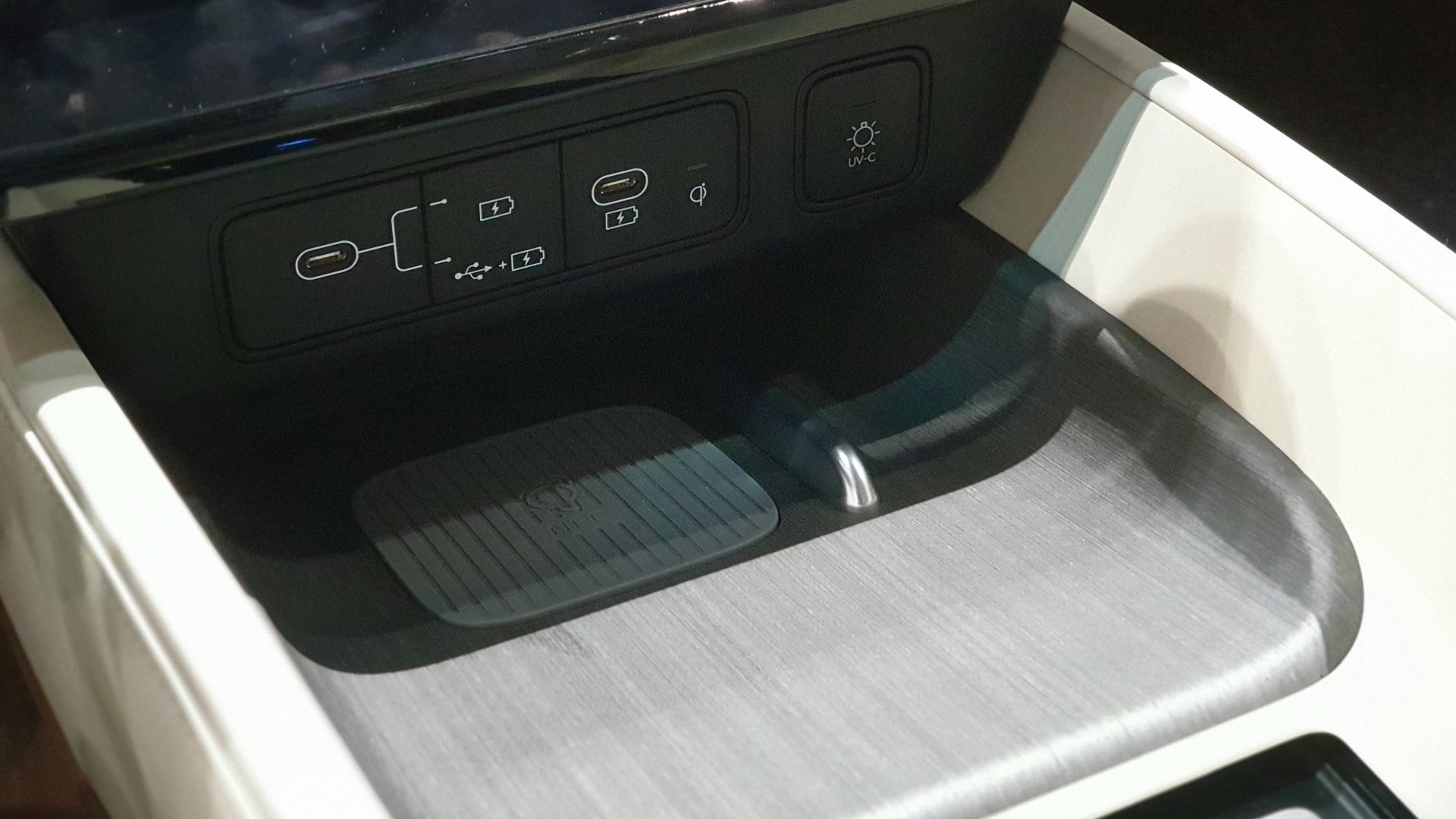
Wireless Charging Pads Are Not Always Effortless
Dropping a phone onto a charging pad seems much easier than plugging in a cable. Hyundai's service information, however, identifies several things that can stop wireless charging, including incompatible phones, thick cases, foreign objects, settings, electrical connections, key-fob activity, and excessive temperature. The same bulletin says the system can shut down when the charging pad becomes too hot, making an old-fashioned cable look refreshingly straightforward.
 Damian B Oh, Wikimedia Commons
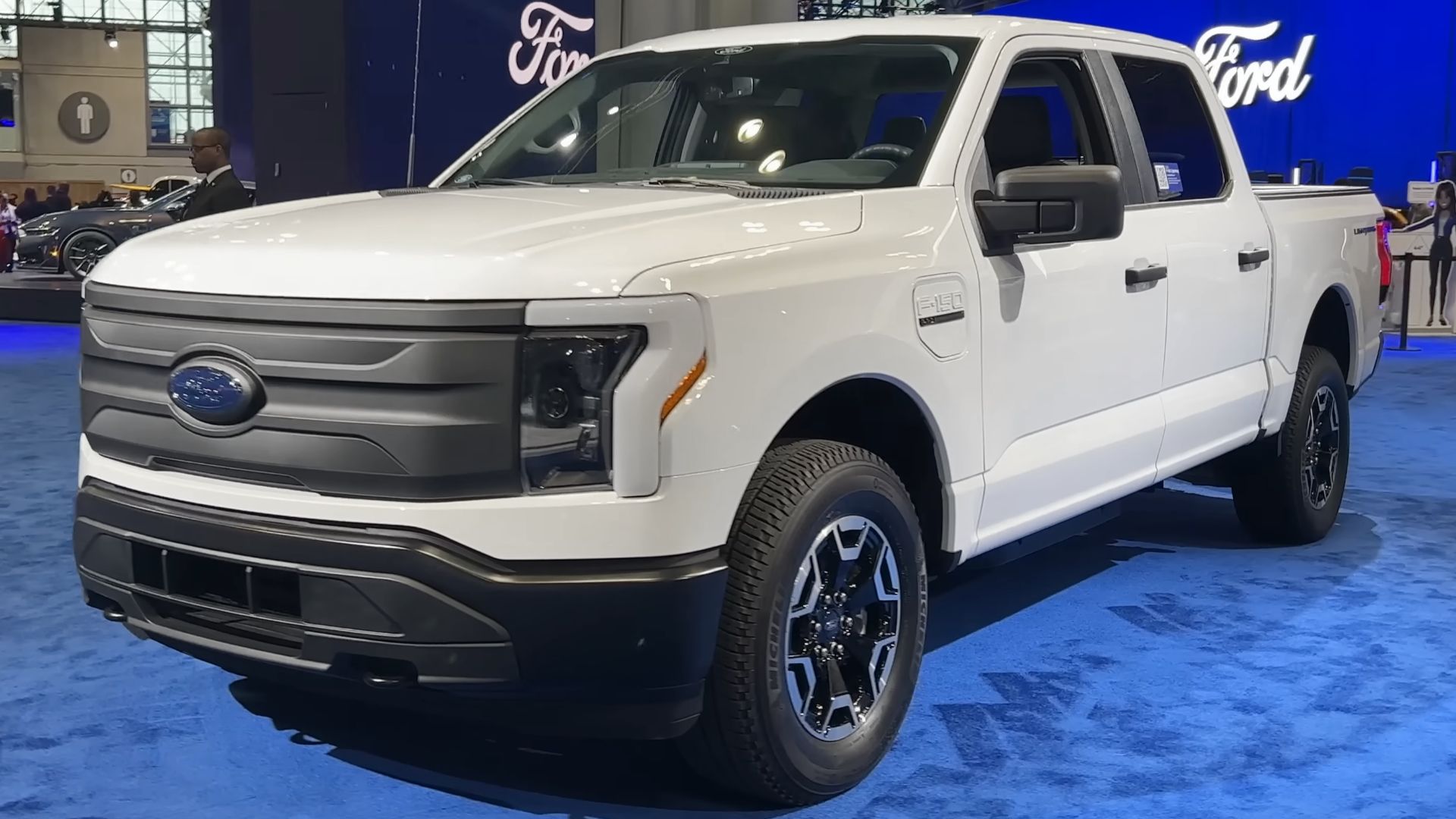
Active Grille Shutters Hide Behind The Bumper
Active grille shutters open and close to manage airflow and improve aerodynamic efficiency, usually without the driver noticing them. Nissan extended warranty coverage on certain Altimas after shutter shafts could twist or crack, leaving the shutters closed and illuminating the malfunction indicator light, while Ford has issued service information for shutter-related trouble codes on recent F-150s. The efficiency benefit is real, but the system adds another electric actuator and set of moving parts to the front of the vehicle.
 Autosdeprimera, Wikimedia Commons
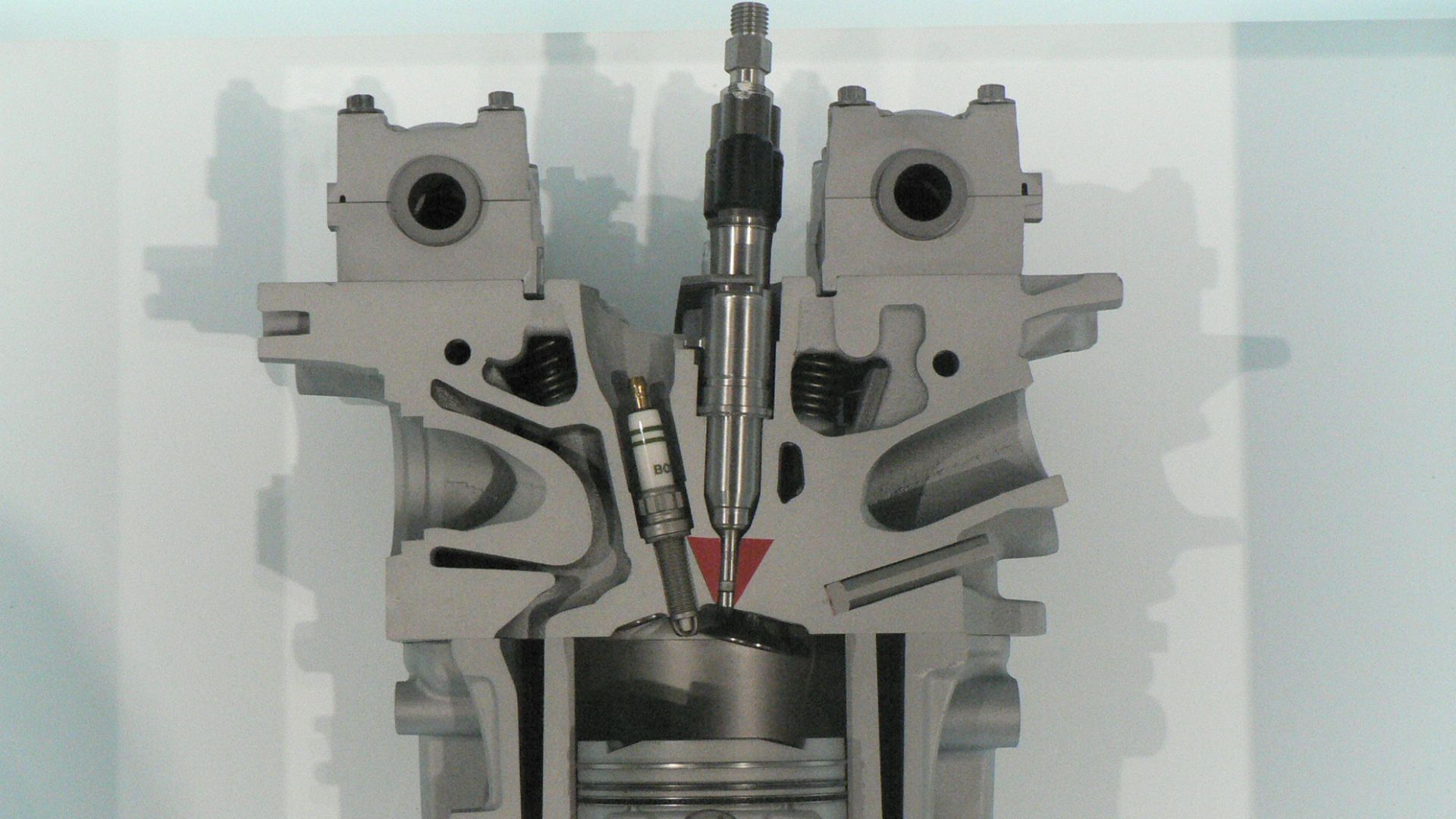
Direct Injection Can Bring Carbon Complications
Gasoline direct injection can improve engine performance and efficiency by spraying fuel directly into the combustion chamber. Consumer Reports has documented complaints involving carbon buildup on some direct-injection engines, noting that not every DI engine develops the problem. Because fuel in a direct-injection-only design does not wash over the backs of the intake valves, certain engines may eventually require additional cleaning or repairs when deposits accumulate.
 Ton1~commonswiki, Wikimedia Commons
Cylinder Deactivation Adds Special Valvetrain Hardware
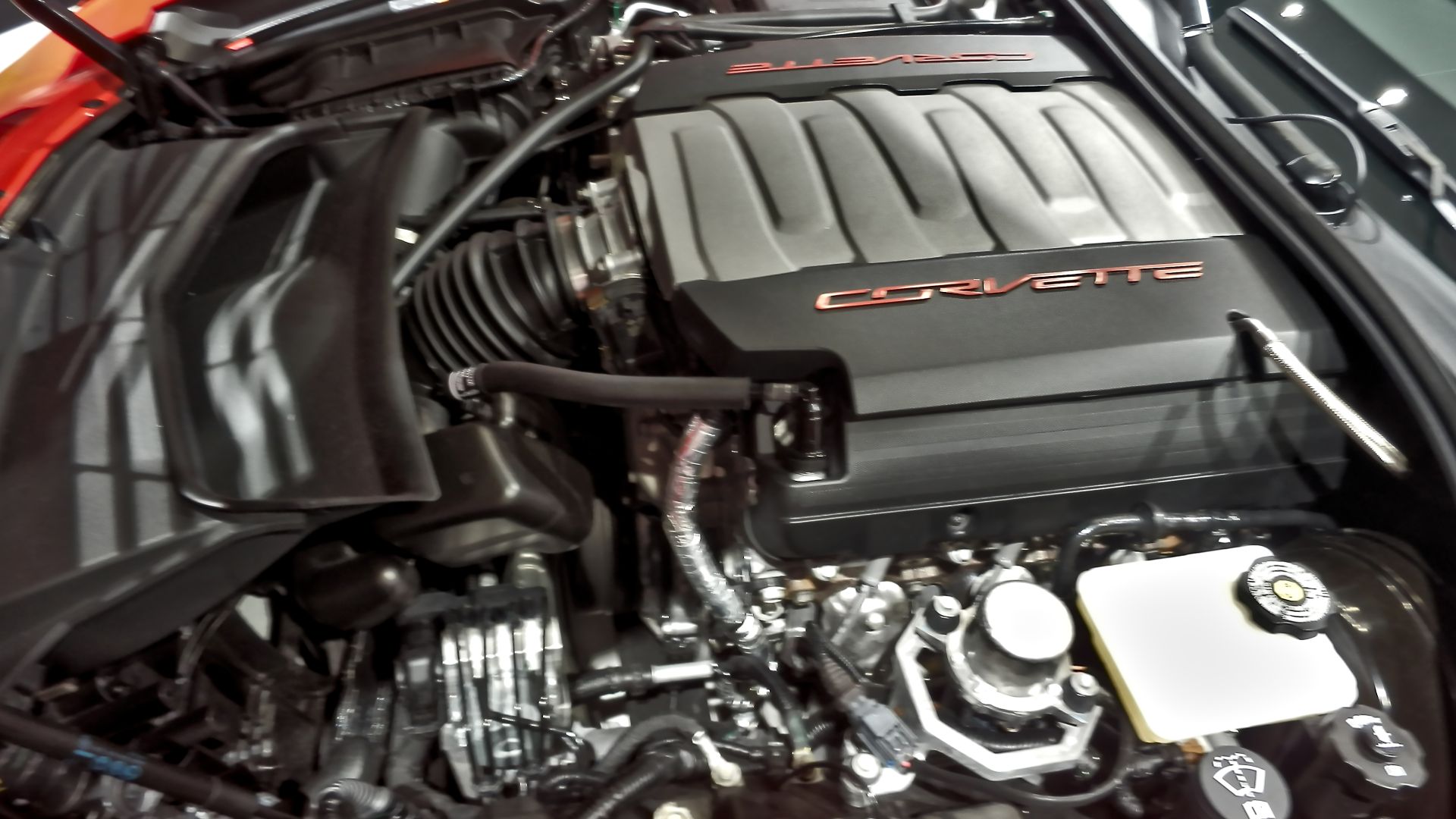
Cylinder deactivation attempts to save fuel by shutting off selected cylinders when full engine power is unnecessary. The technology does not automatically make an engine unreliable, and General Motors has reported that testing did not show appreciably different cylinder or valvetrain wear simply from deactivation. However, GM service documentation also contains diagnostic procedures for mechanically collapsed or stuck Active Fuel Management lifters, showing how the specialized hardware creates failure possibilities that an ordinary fixed valvetrain does not have.
 Alexander Migl, Wikimedia Commons
Turbochargers Deliver Power With Added Complexity
Turbocharging lets a relatively small engine produce substantial power by using exhaust energy to force additional air into the engine. Consumer Reports says many turbocharged engines are reliable, but its survey data have also found turbocharger and engine-computer problems in certain models, with Jake Fisher noting that the added complexity can sometimes lead to trouble. Turbo engines may therefore be excellent choices, but buyers should research the reliability record of the specific engine rather than assuming every downsized turbo will be cheaper to own.
 Ton1~commonswiki, Wikimedia Commons
Heated And Ventilated Seats Are Not Just Cushions
Seat heating feels simple from the driver's perspective, but the system relies on heating elements, wiring, switches, sensors, and control electronics. Consumer Reports reliability reports include owner complaints about heated or cooled seats failing and, in some cases, being difficult or expensive to repair. Ventilated seats add fans and airflow hardware, giving the seat yet another collection of components that can eventually need attention.
Soft-Close Doors Turn A Slam Into A System
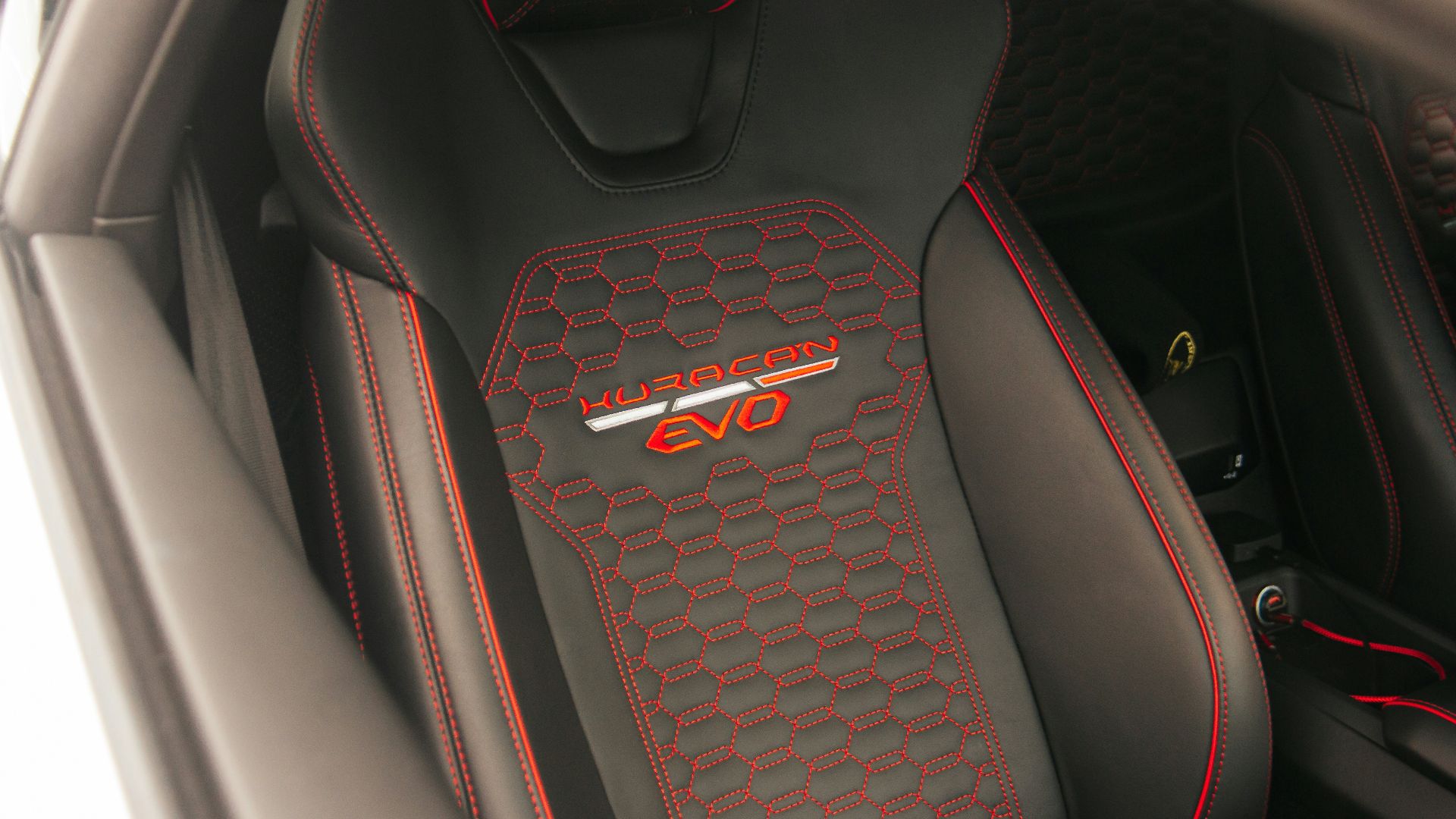
Soft-close doors automatically pull a partially latched door completely shut, a feature most commonly associated with luxury vehicles. That effortless action requires powered mechanisms and control logic that conventional door latches do not need. Automaker technical information includes diagnostic procedures specifically addressing soft-close door failures, demonstrating that the convenience also creates another specialized system for technicians to troubleshoot.
More Electronics Mean More Diagnostic Possibilities
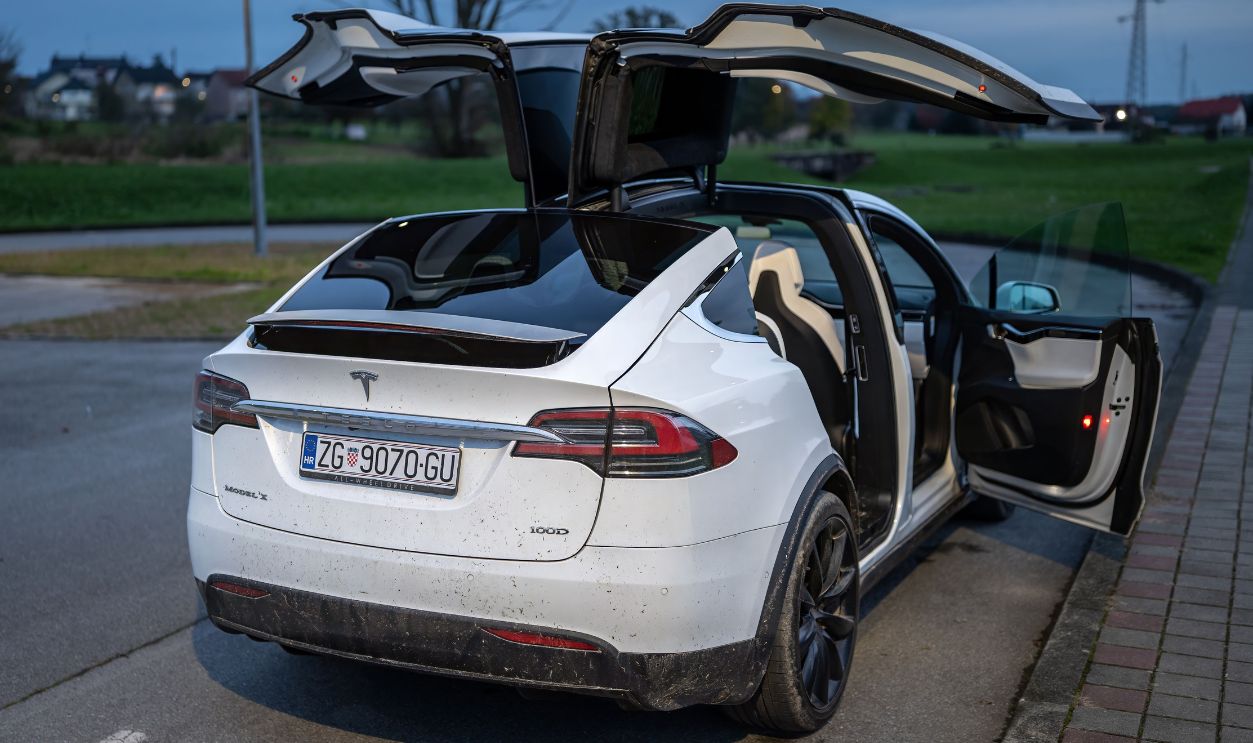
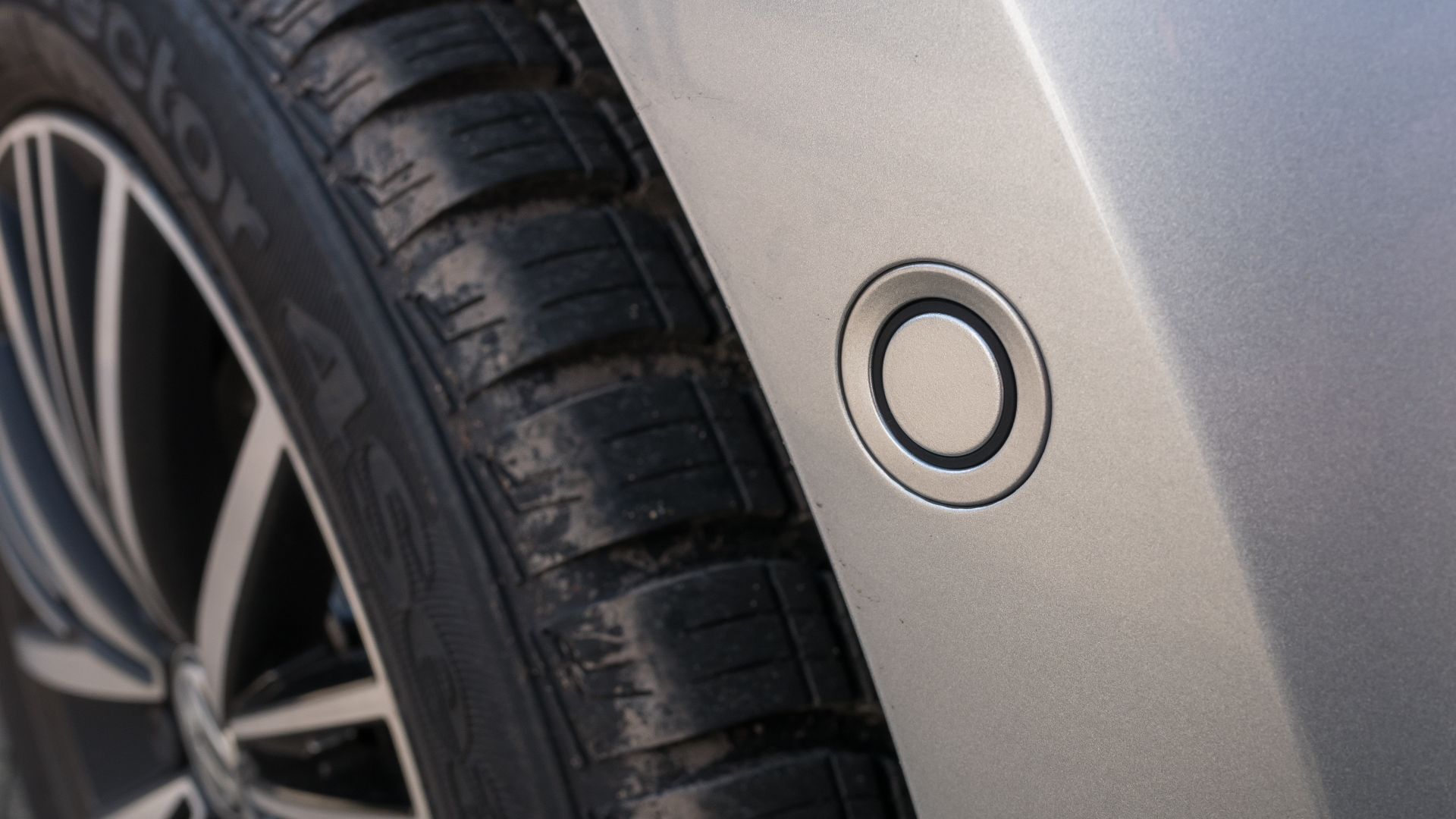
Keyless entry, automatic lighting, heated steering wheels, cameras, parking sensors, wireless chargers, remote starting, and similar conveniences can make everyday driving much easier. Consumer Reports now tracks a long list of these items under electrical accessories and in-car electronics because failures involving sensors, displays, modules, cameras, and connectivity are part of modern vehicle reliability. The lesson is not that electronics should be avoided, but that a heavily optioned vehicle inevitably contains more components capable of developing faults than a simpler version of the same car.
Simpler Can Be A Feature Too
None of these technologies automatically makes a vehicle a bad purchase, and many owners will happily accept additional repair risk in exchange for comfort, performance, or convenience. Reliability often depends on the particular manufacturer's engineering, which is why Consumer Reports stresses that advanced technologies can perform very differently from one automaker to another. Before paying for every available option, long-term owners can benefit from checking model-specific reliability data and asking what the feature will cost to repair once the warranty is gone.

You May Also Like: