The Timing Makes The Dashcam Look Guilty
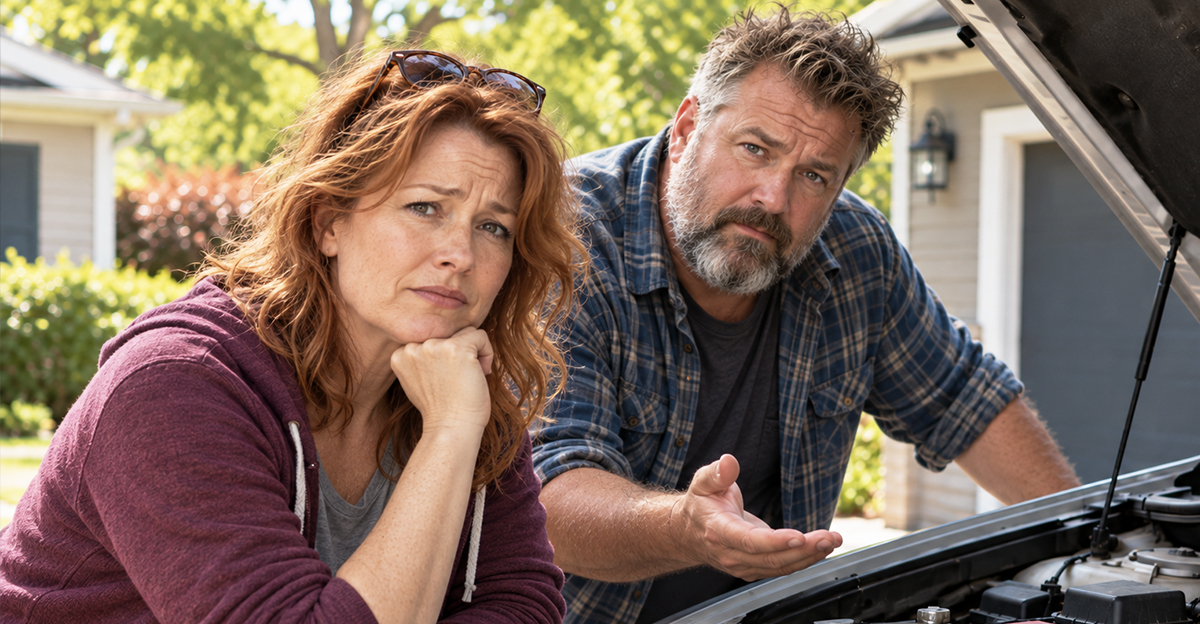
A battery that keeps dying overnight can turn a small annoyance into a daily headache fast. The new dashcam might be involved, but it’s not the only possibility worth checking before blaming one accessory.
Start By Confirming What “Dead” Actually Means
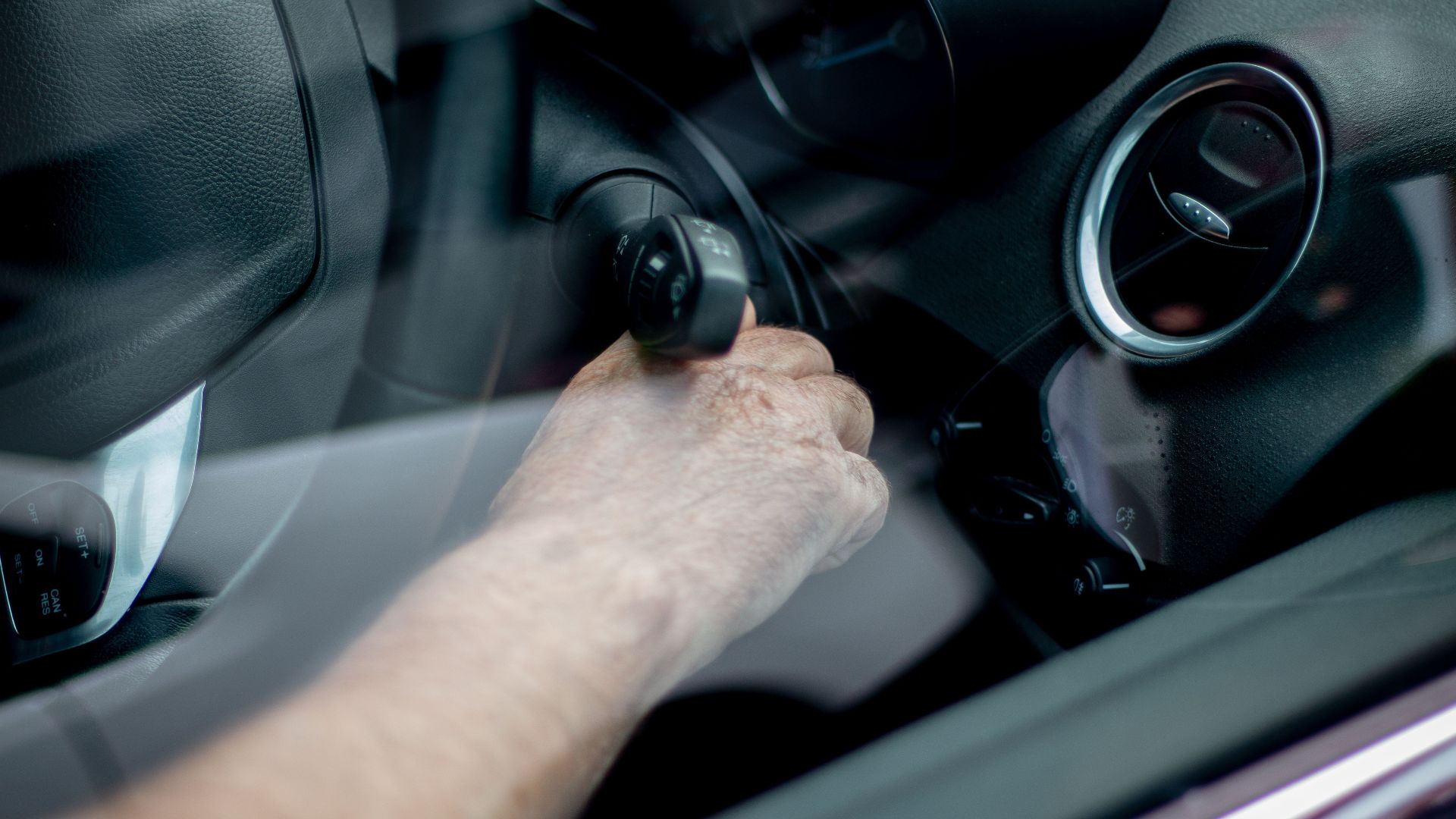
Pay attention to what happens the next morning. Does the starter click rapidly, crank slowly, or do absolutely nothing? Are the interior lights dim? Does a jump-start immediately bring the car back to life? Those symptoms point toward a discharged battery, but repeated no-starts can also involve a failing battery, charging system, starter, or poor electrical connection. Don't diagnose the dashcam solely because the car won't start.
The Dashcam Is A Plausible Suspect
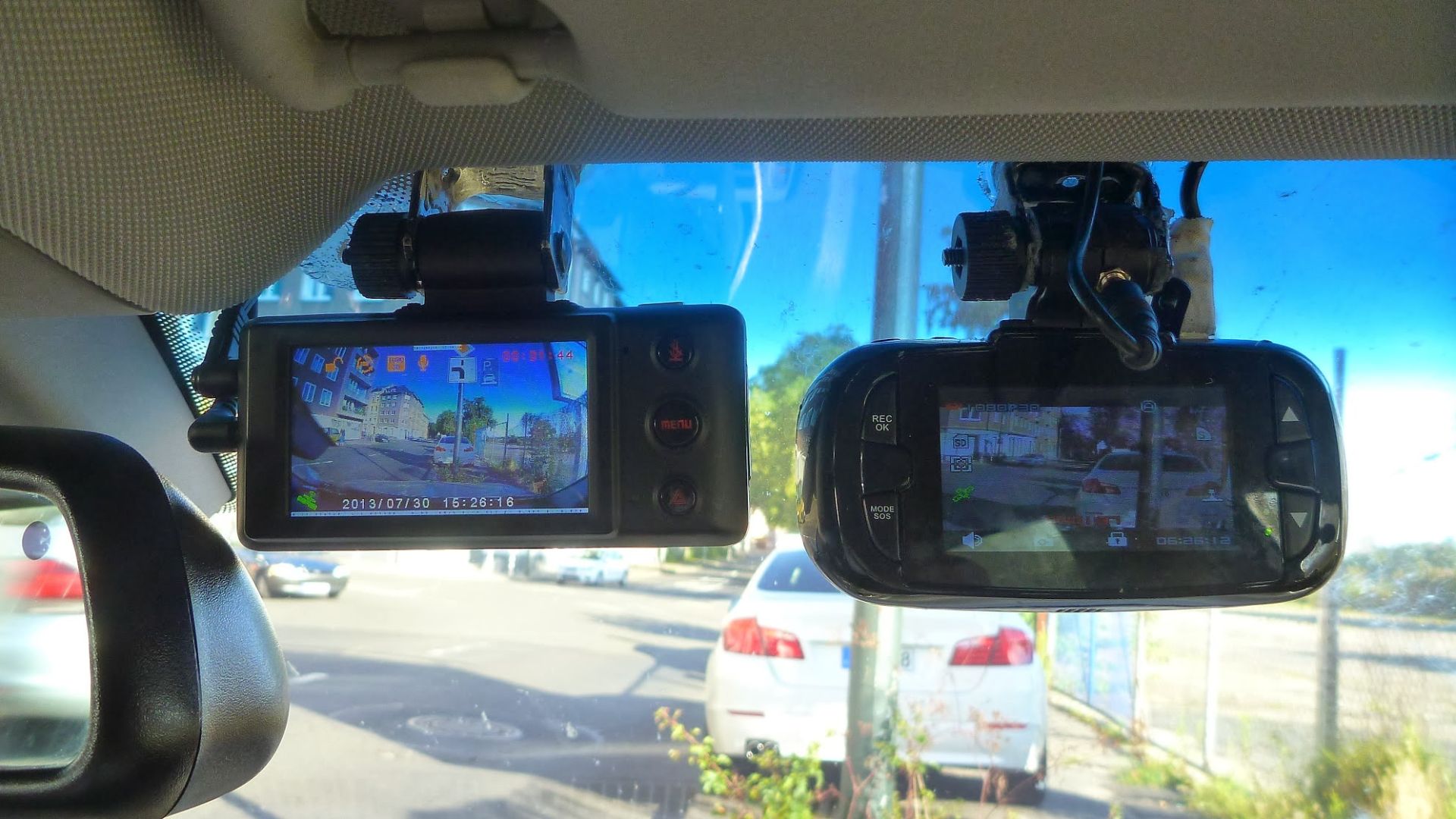
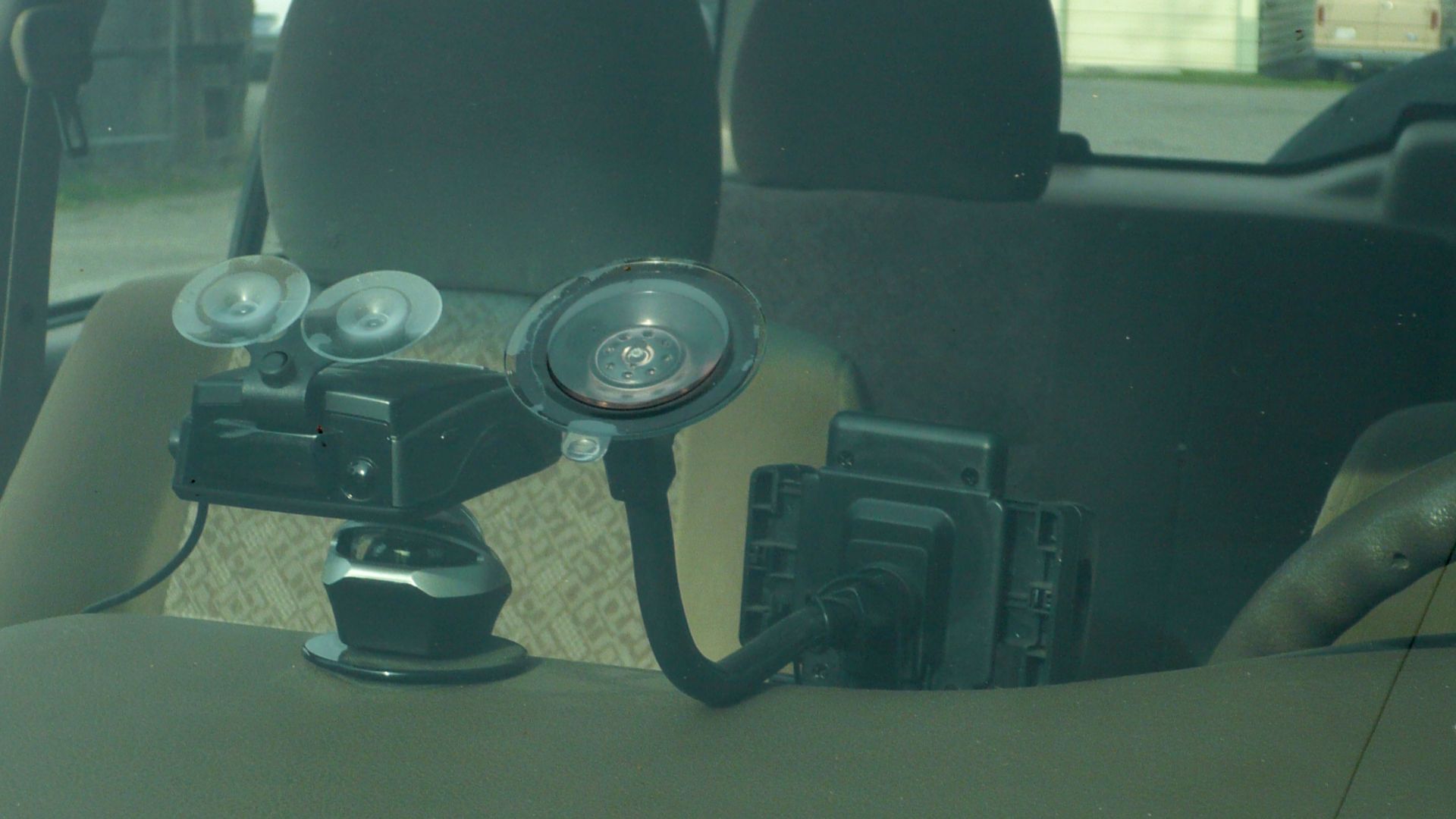
Aftermarket equipment is a well-known potential source of parasitic draw, and Interstate Batteries specifically includes dashcams among accessories that can drain a parked vehicle. A camera running continuously overnight doesn't consume enormous power by household-appliance standards, but a car's starting battery isn't designed to supply accessories indefinitely with the engine off.
Parking Mode Is Designed To Keep The Camera Awake
Many dashcams offer motion detection, impact recording, time-lapse recording, or other surveillance while the vehicle is parked. That requires electrical power after you've taken the key away. A properly installed system should manage that consumption carefully, but a parking-mode camera is intentionally doing something most factory accessories stop doing: continuing to operate for hours after the car is parked.
 Danielrayyan09, Wikimedia Commons
Find Out How The Camera Is Powered
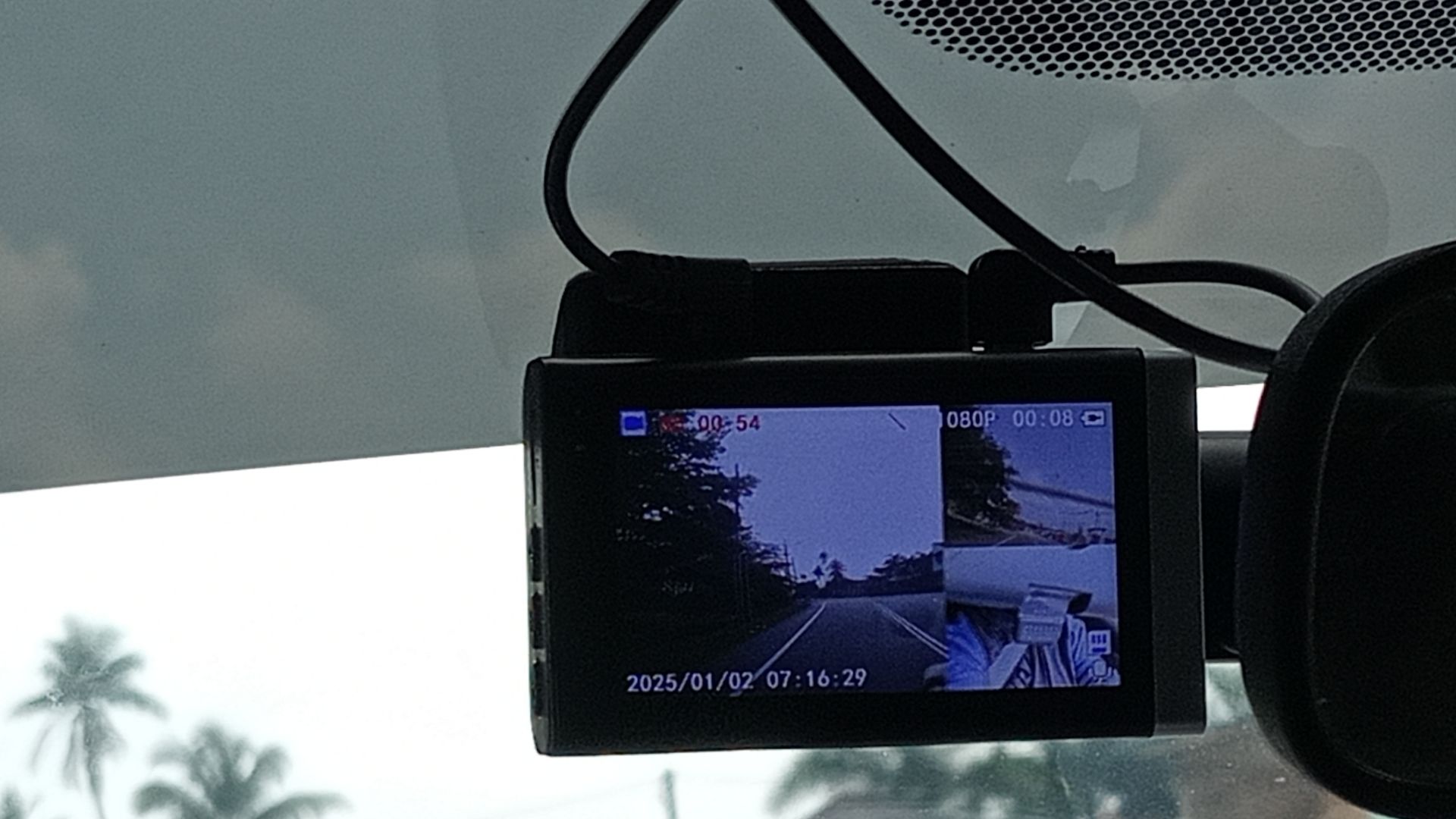
The installation method matters enormously. Your dashcam may plug into a 12-volt accessory socket, use an OBD-II power adapter, connect to a dedicated battery pack, or be hardwired directly into the fuse box. Look at the receipt or installation instructions and identify the setup. You can't meaningfully diagnose the drain until you know where the camera gets power after the ignition shuts off.
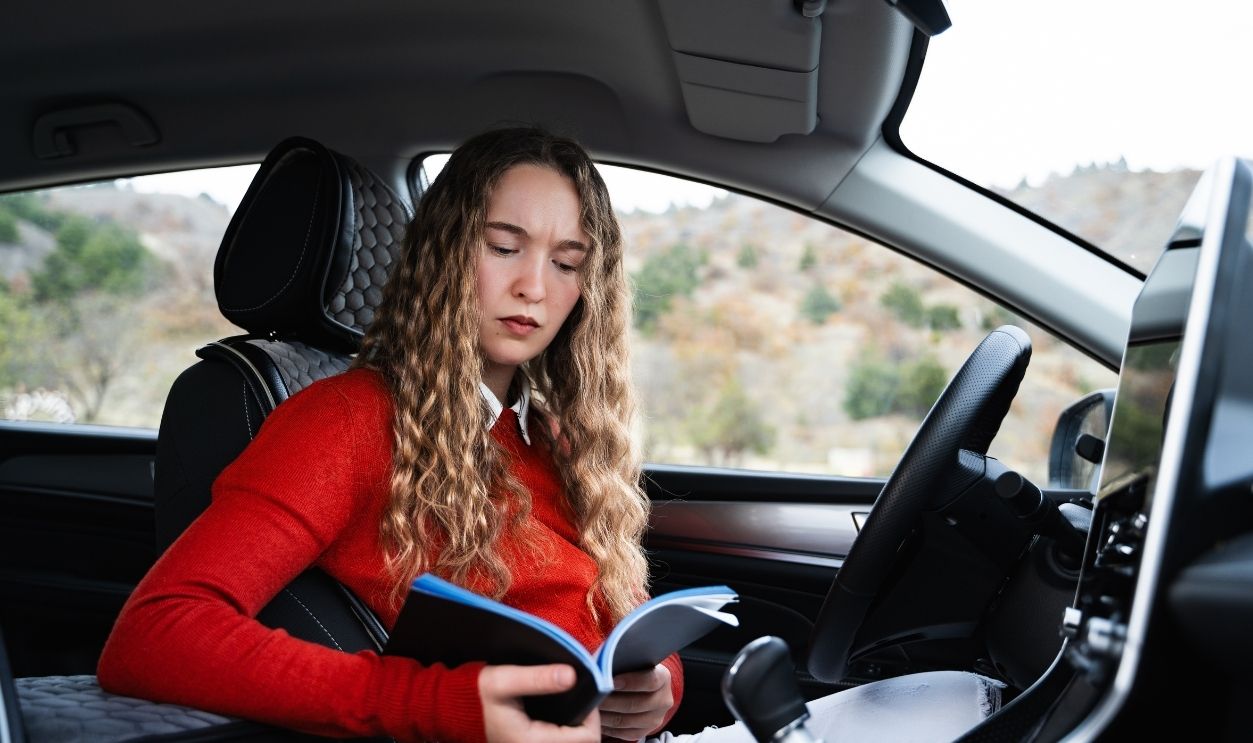
Check Whether The 12-Volt Socket Stays Live
Some vehicles shut their accessory outlet off when the ignition is turned off. Others leave it powered continuously. If your camera is plugged into an always-live socket, it may continue operating normally long after you walk away. Watch the camera after locking the car or check your owner's manual to determine whether that outlet remains powered
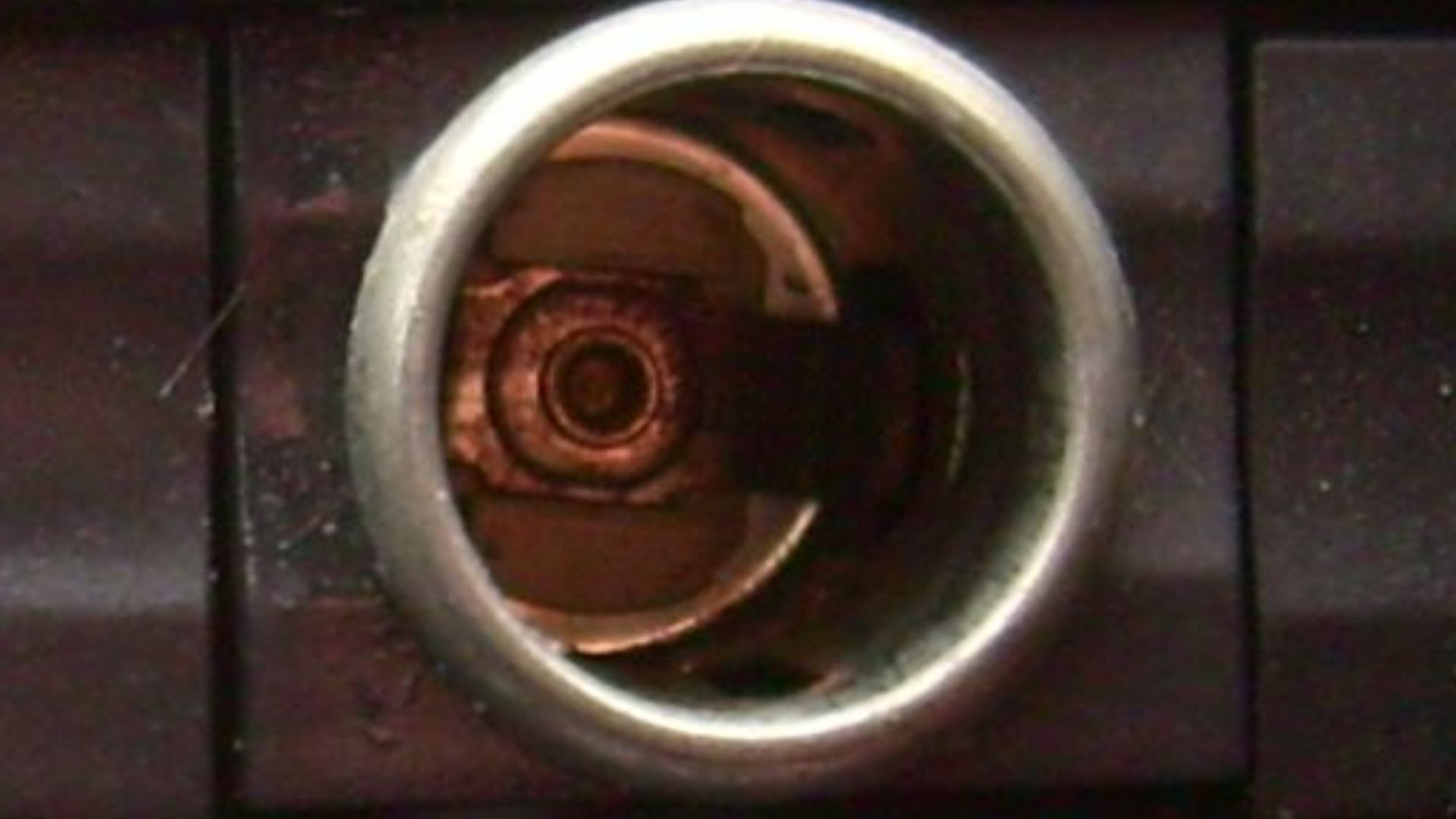 Hundehalter, Wikimedia Commons
A Hardwired Camera Can Be Connected Incorrectly
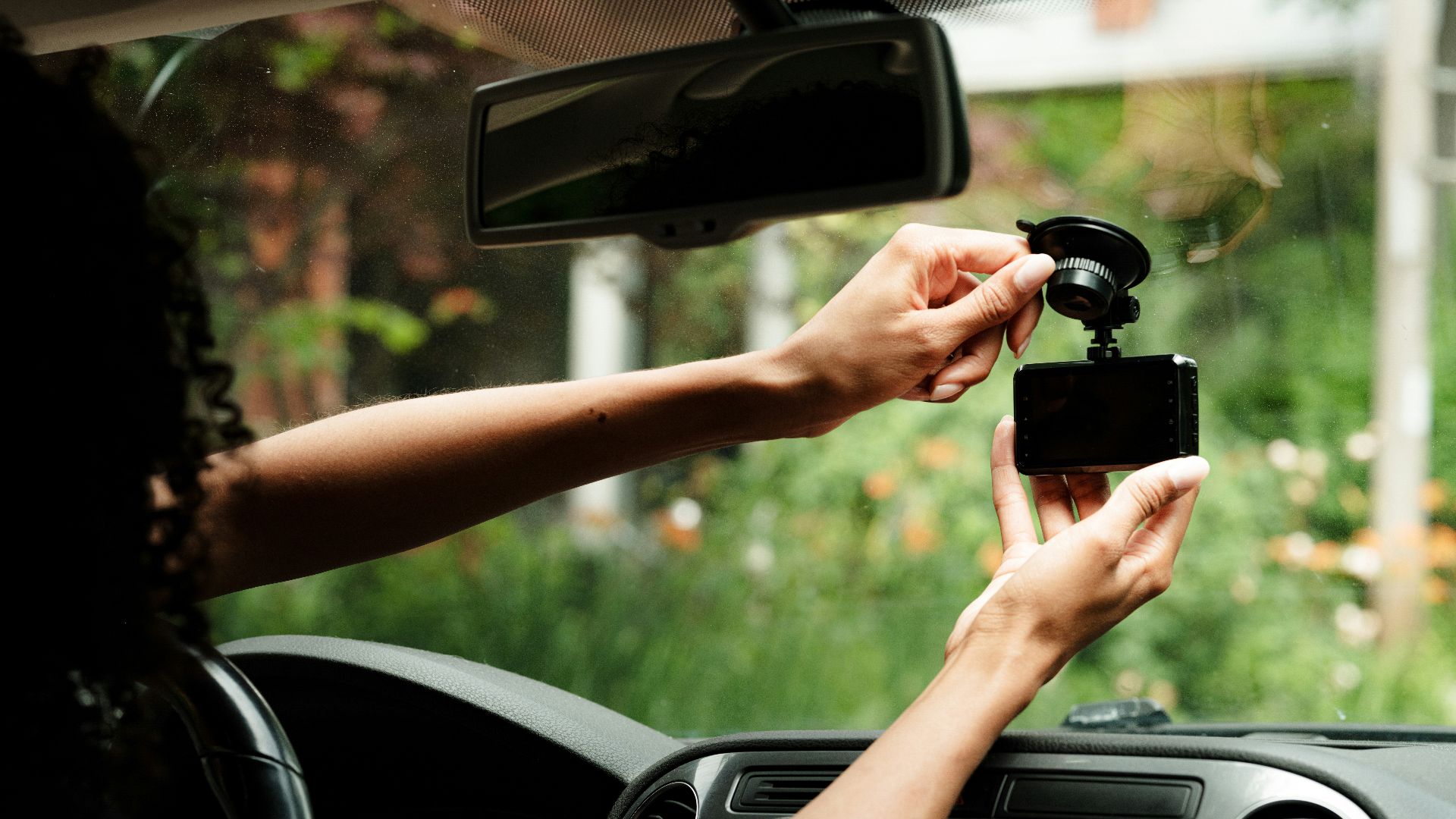
Parking-mode installations commonly use both constant and accessory-switched power so the camera knows when the vehicle has been turned off. Thinkware warns that if the accessory-power wire is mistakenly connected to a constant-power circuit, its cameras may remain in full continuous-recording mode rather than switching into a lower-power parking mode. That can increase overnight consumption substantially.
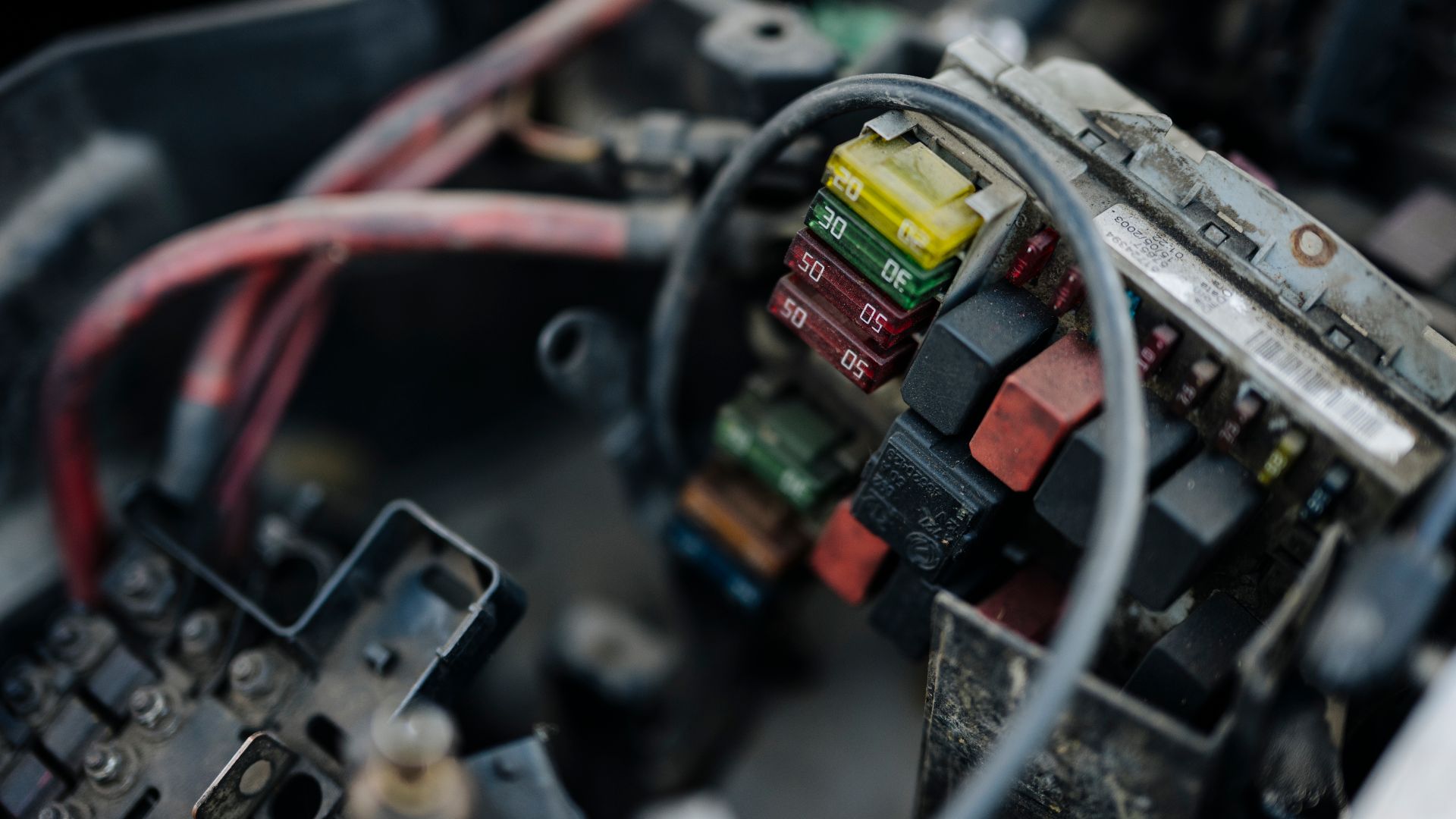 Shixart1985, Wikimedia Commons
Make Sure Parking Mode Actually Activates
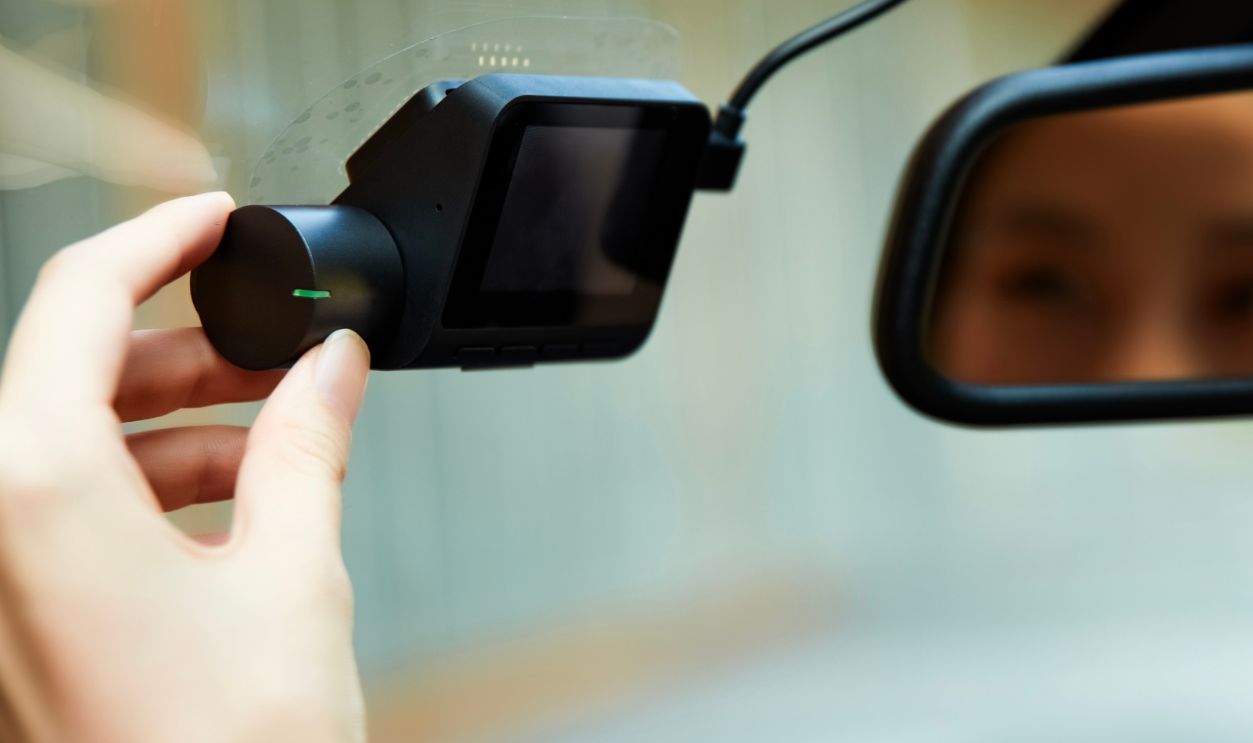
Check the dashcam's indicator lights, app, screen, or voice prompts after shutting off the engine. Does it report that it has entered parking mode, or does it behave exactly as it did while you were driving? Consult the manual for your particular model. If it's remaining in full recording mode all night, the installation deserves immediate attention.
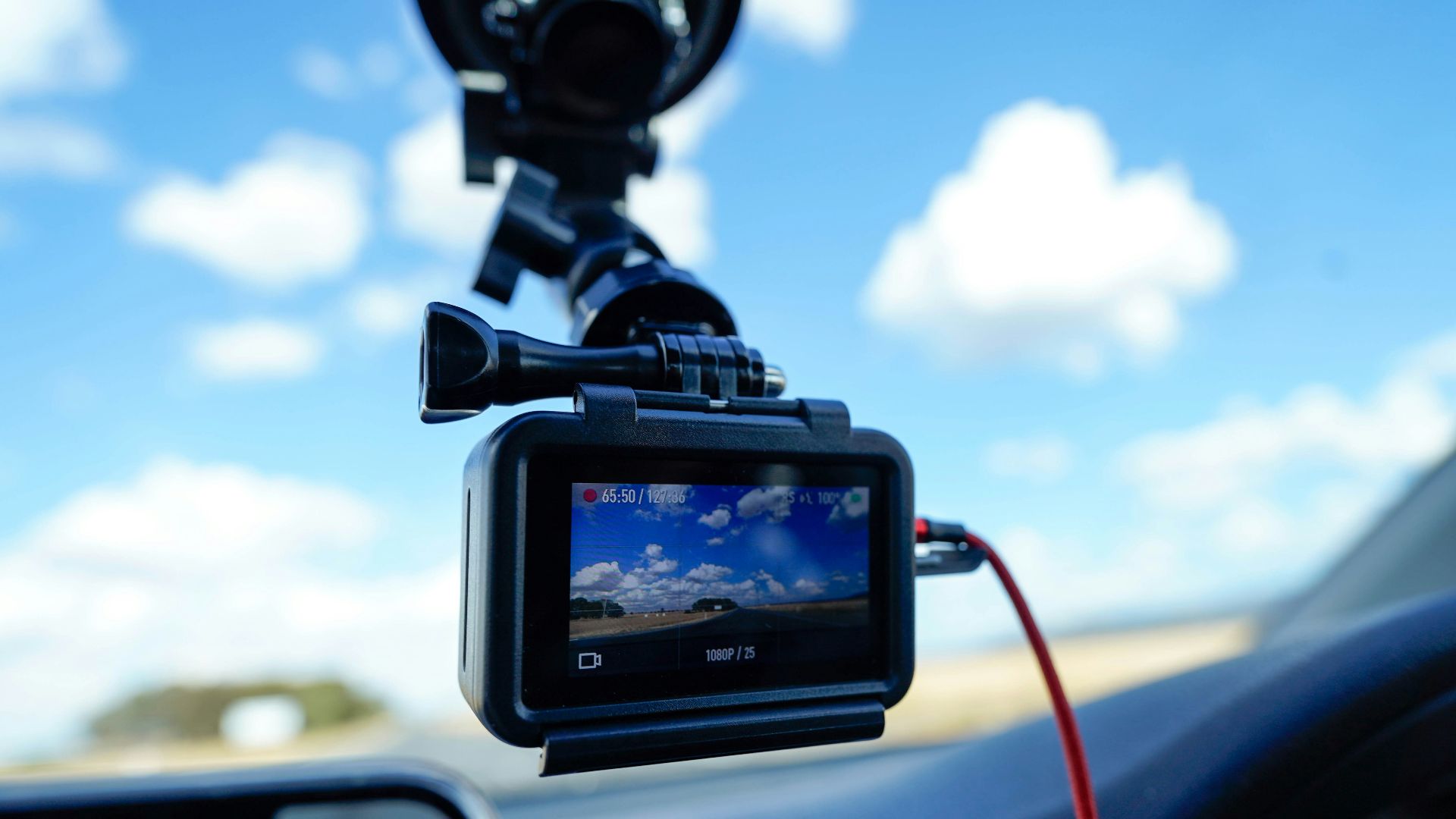
Look For A Low-Voltage Cutoff Setting
Many hardwired dashcam systems include battery-protection settings designed to switch the camera off before the vehicle battery becomes too depleted to start the engine. Thinkware, for example, lets users configure a voltage cutoff on supported cameras. If your system has this feature, confirm that it's actually enabled rather than assuming the installer turned it on.
The Cutoff Setting Matters Too
A protection feature set too low may still allow an older battery to become too weak to start the engine reliably. Thinkware itself cautions that very low cutoff settings can leave older batteries unable to start the vehicle. Check the camera manufacturer's recommended setting for your vehicle rather than selecting the lowest voltage simply because it provides the longest parking recordings.
Try The Simplest Test First
Disconnect or completely disable the dashcam before parking overnight. Fully charge the car battery first if it has already been repeatedly drained, then leave the camera disconnected for several nights under otherwise similar conditions. If the car suddenly starts reliably every morning, you've learned something useful without replacing a single component.
One Successful Morning Doesn't Prove Everything
Electrical drains can be intermittent. A control module may stay awake only occasionally, a trunk switch may behave differently depending on how the lid closes, or the battery may survive one mild night and fail during a colder one. Test long enough to establish a pattern rather than declaring victory after one start.

Get The Battery Tested Before Blaming Anything Else
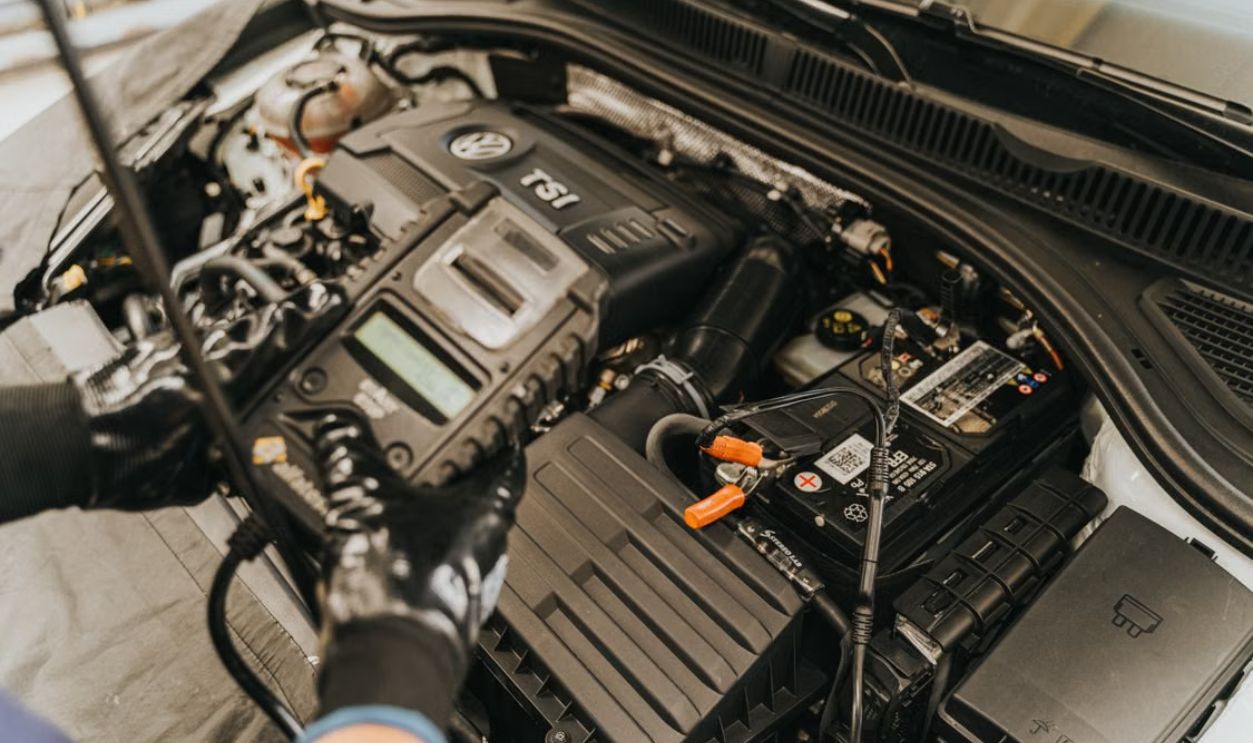
An aging battery can make a relatively small electrical load look like a huge problem. AAA recommends having a battery tested when it repeatedly requires jump-starts because the battery itself may be deteriorating. A healthy battery and one near the end of its life can react very differently to the exact same overnight dashcam load.
Repeated Deep Discharges Can Damage The Battery Further
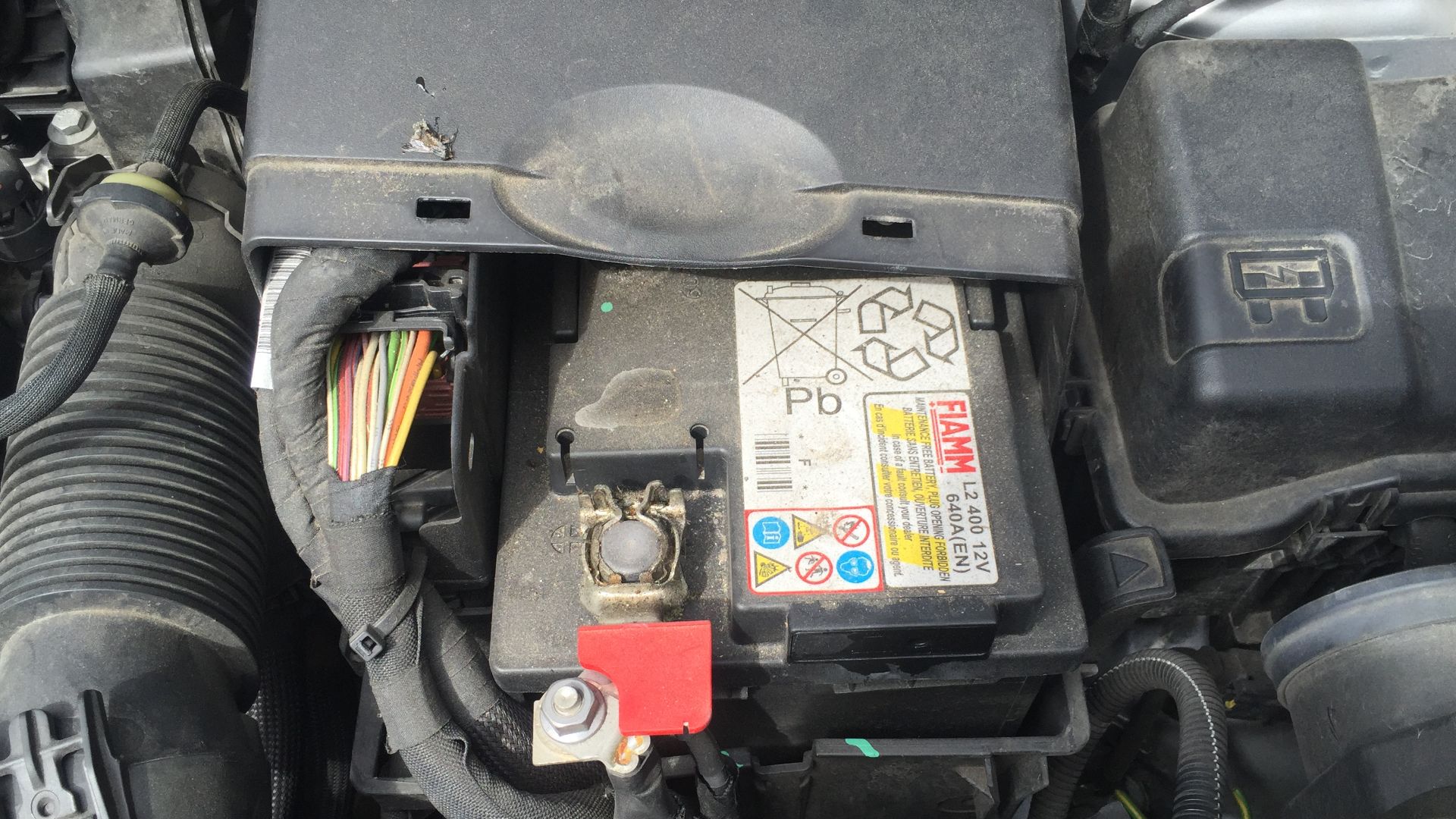
Even if the dashcam originally caused the problem, several nights of running the battery nearly flat can leave the battery itself weakened. Lead-acid starting batteries don't appreciate repeated deep discharges. That means correcting the camera installation may not completely solve the no-start problem if the battery has already lost substantial capacity.
 Benoît Prieur, Wikimedia Commons
Short Trips Can Make The Situation Worse
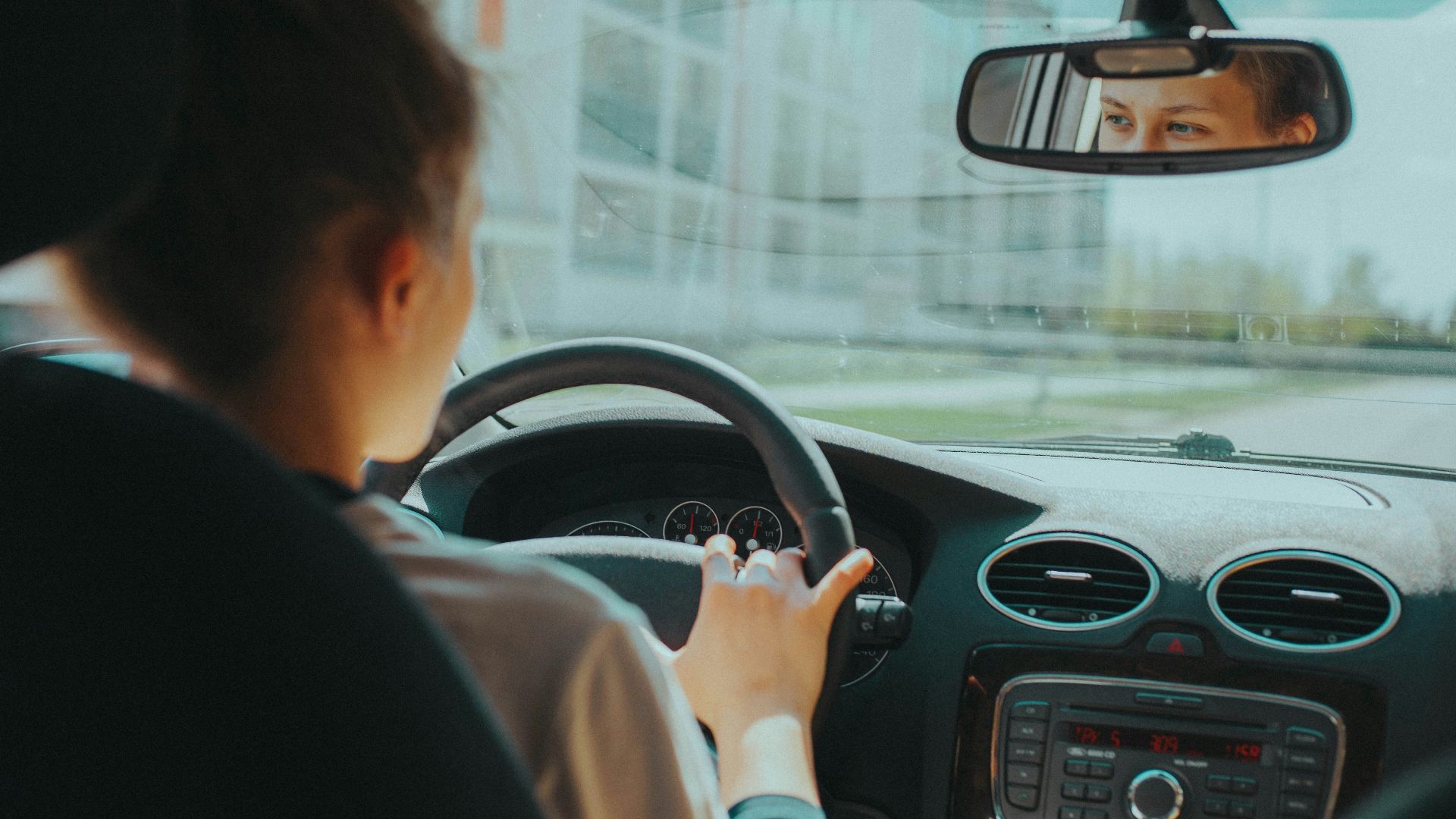
If your normal routine consists of ten-minute drives, the alternator may not have enough time to fully replenish energy used during starting and overnight parking. AAA notes that repeated short trips can leave a battery chronically undercharged. Add a parking-mode dashcam and the battery can spend every day losing slightly more energy than it gets back.
Check The Charging System Too
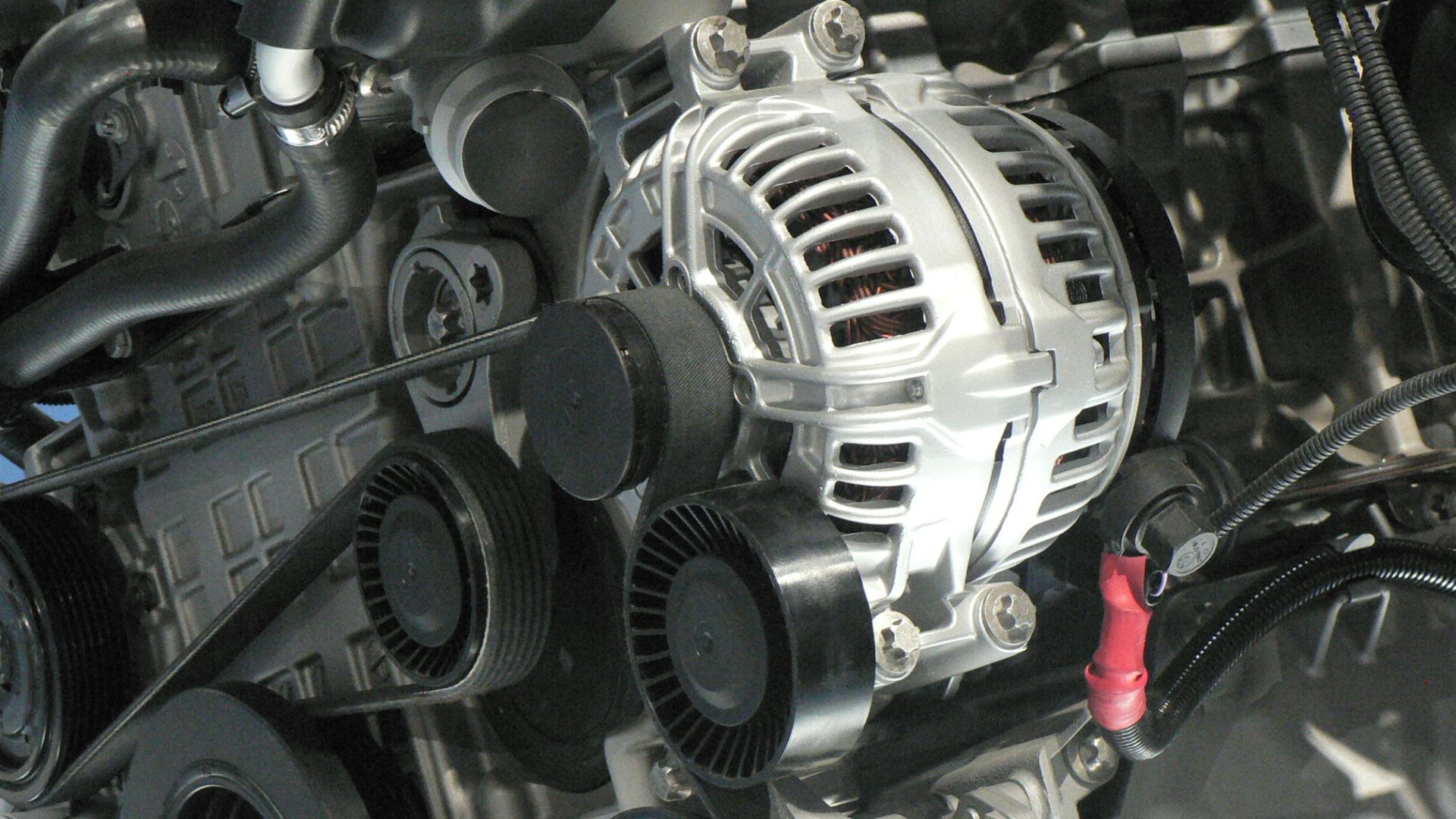
A good battery won't stay charged if the alternator isn't replenishing it properly. AAA notes that repeated battery failures can point to alternator or charging-system problems as well as the battery itself. Have the charging voltage and alternator output tested, particularly if you've noticed dim lights, a charging warning, electrical glitches, or a battery that goes flat even after long drives.
 Ton1~commonswiki, Wikimedia Commons
Don't Forget Ordinary Lights
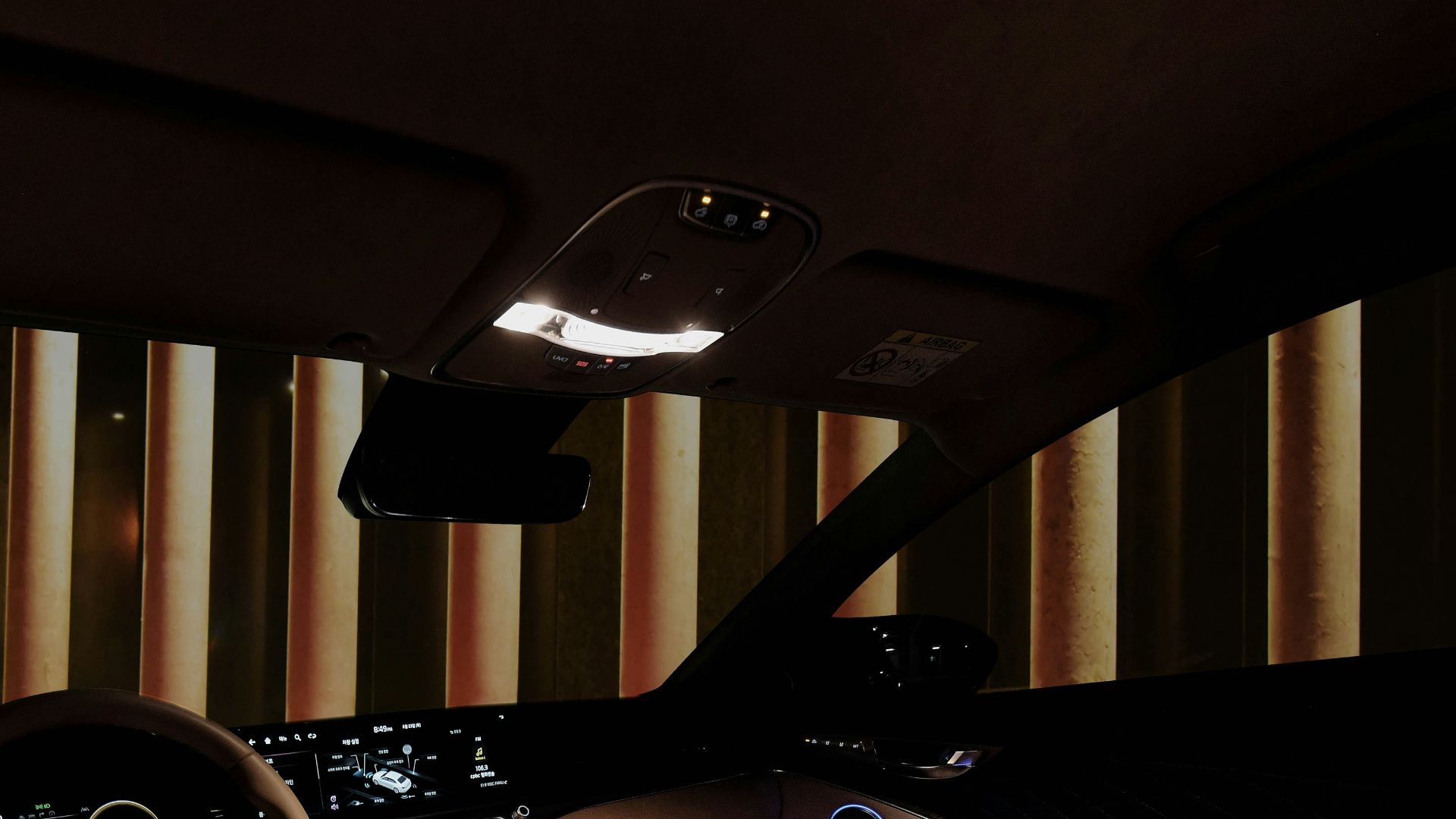
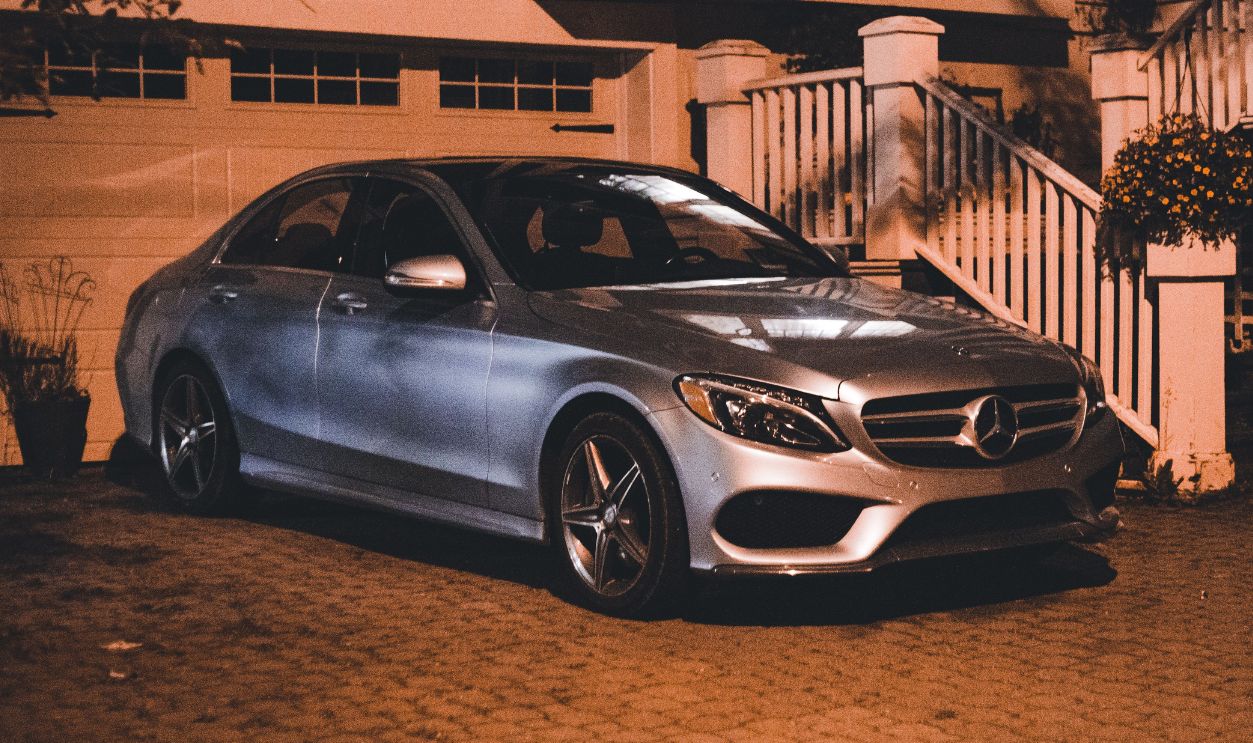
The culprit can be embarrassingly simple. A glove-box light, trunk light, vanity mirror, interior lamp, or cargo-area light can stay illuminated because of a faulty switch or improperly closed panel. AAA has specifically cited malfunctioning trunk lights as a source of constant battery load. Check the easy possibilities before paying someone for hours of electrical diagnosis.
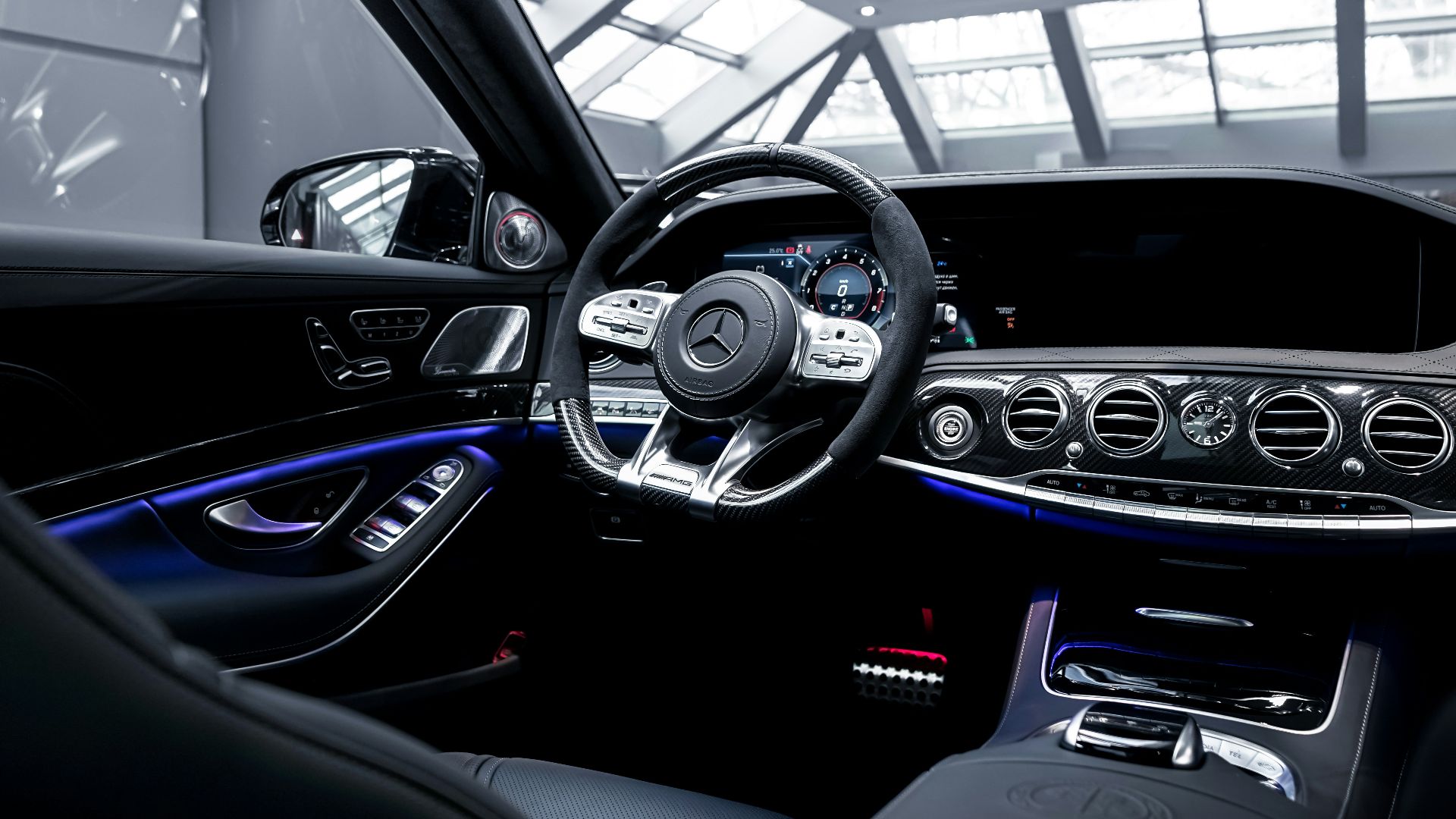
Modern Cars Never Completely Turn Off
A parked modern vehicle normally draws some electricity for security systems, keyless entry, computers, clocks, telematics, and memory functions. AAA notes that these systems continue consuming small amounts even when the car isn't being driven. The diagnostic question isn't whether current is flowing. It's whether significantly more current is flowing than the vehicle was designed to tolerate.
A Parasitic-Draw Test Can Measure The Difference
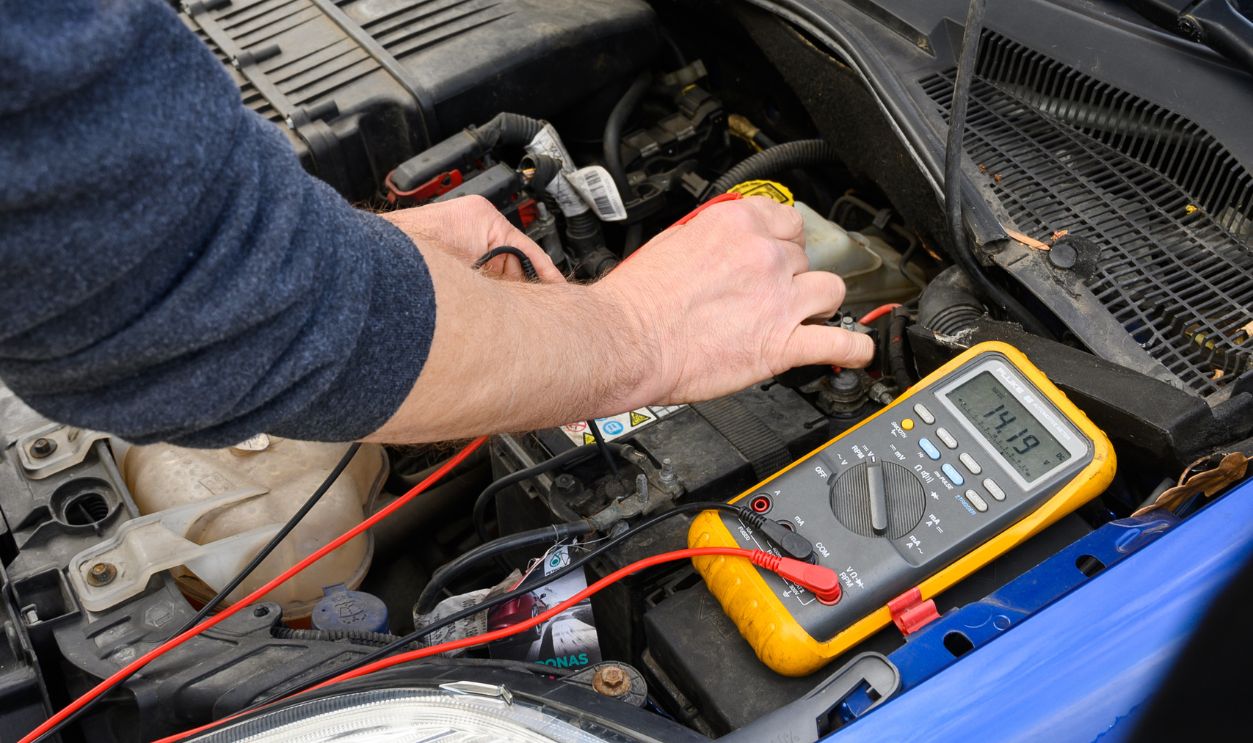
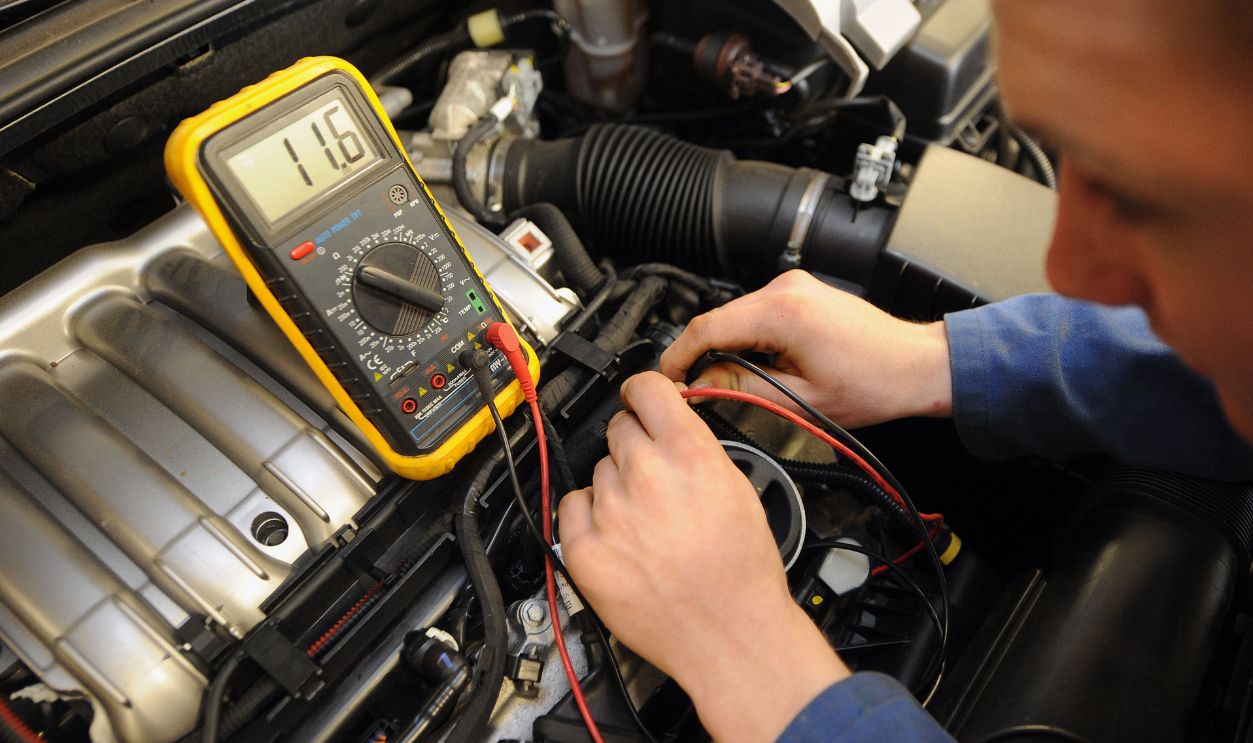
A technician can measure how much current the vehicle consumes after everything is shut down and the electronic modules have entered sleep mode. Fluke describes less than roughly 50 milliamps as a typical normal draw in many vehicles, while more than about 100 milliamps warrants investigation. Those aren't universal specifications, so the technician should compare the result with information for your particular car.
 picture alliance, Getty Images
The Car Needs Time To Fall Asleep
You can't necessarily shut the door and measure immediately. Modern modules may remain awake for several minutes while they communicate, save information, or complete shutdown routines. Fluke recommends allowing roughly 10 to 45 minutes for vehicle systems to sleep before evaluating parasitic current. Opening a door or waking the keyless-entry system during testing can restart the process.
Pulling Fuses Can Narrow Down The Circuit
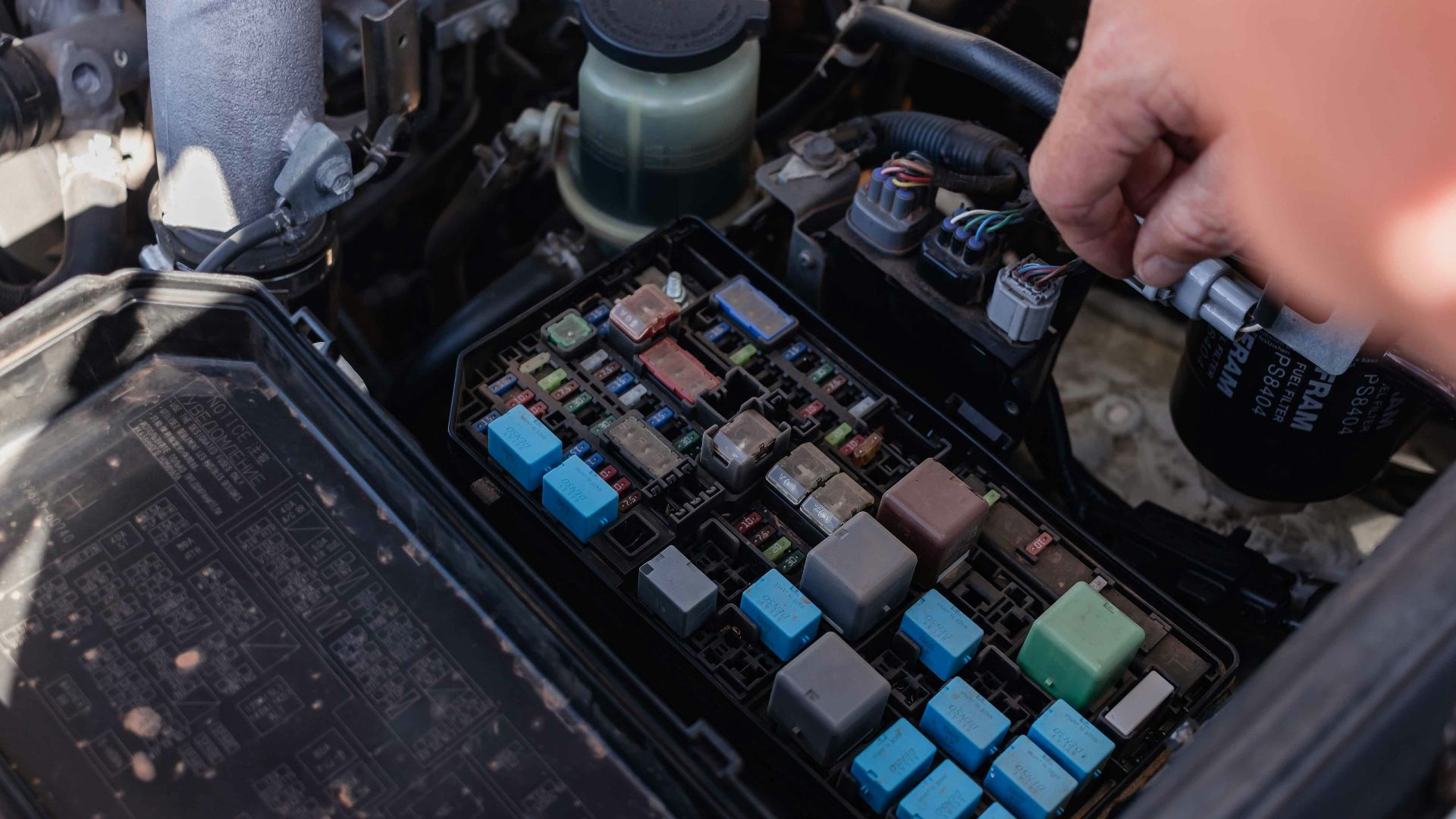
When excessive draw is confirmed, a technician can isolate it by checking individual fused circuits. If the current suddenly drops when one fuse is removed, the problem lies somewhere on that circuit. If pulling the dashcam's fuse makes the abnormal draw disappear, the camera or installation becomes a much stronger suspect. If nothing changes, the investigation moves elsewhere.
This Test Is Easy To Do Wrong With A Multimeter
Parasitic-draw testing sounds simple, but connecting a meter incorrectly can short its internal fuse or potentially cause other problems. Fluke specifically warns not to crank the engine or operate high-current equipment while a meter is connected in current-measurement mode. If you're unfamiliar with automotive electrical testing, paying a technician to perform the test is safer than learning by trial and error.
The Dashcam May Need Its Own Battery
Drivers who want lengthy parking surveillance can reduce the strain on the starting battery by using a dedicated dashcam battery pack designed for that purpose. These packs charge while the vehicle is running and power the camera while parked. That lets the starting battery focus on its primary job instead of supporting hours of surveillance every night.
 Ellin Beltz, Wikimedia Commons
Cold Weather Can Expose A Marginal Setup
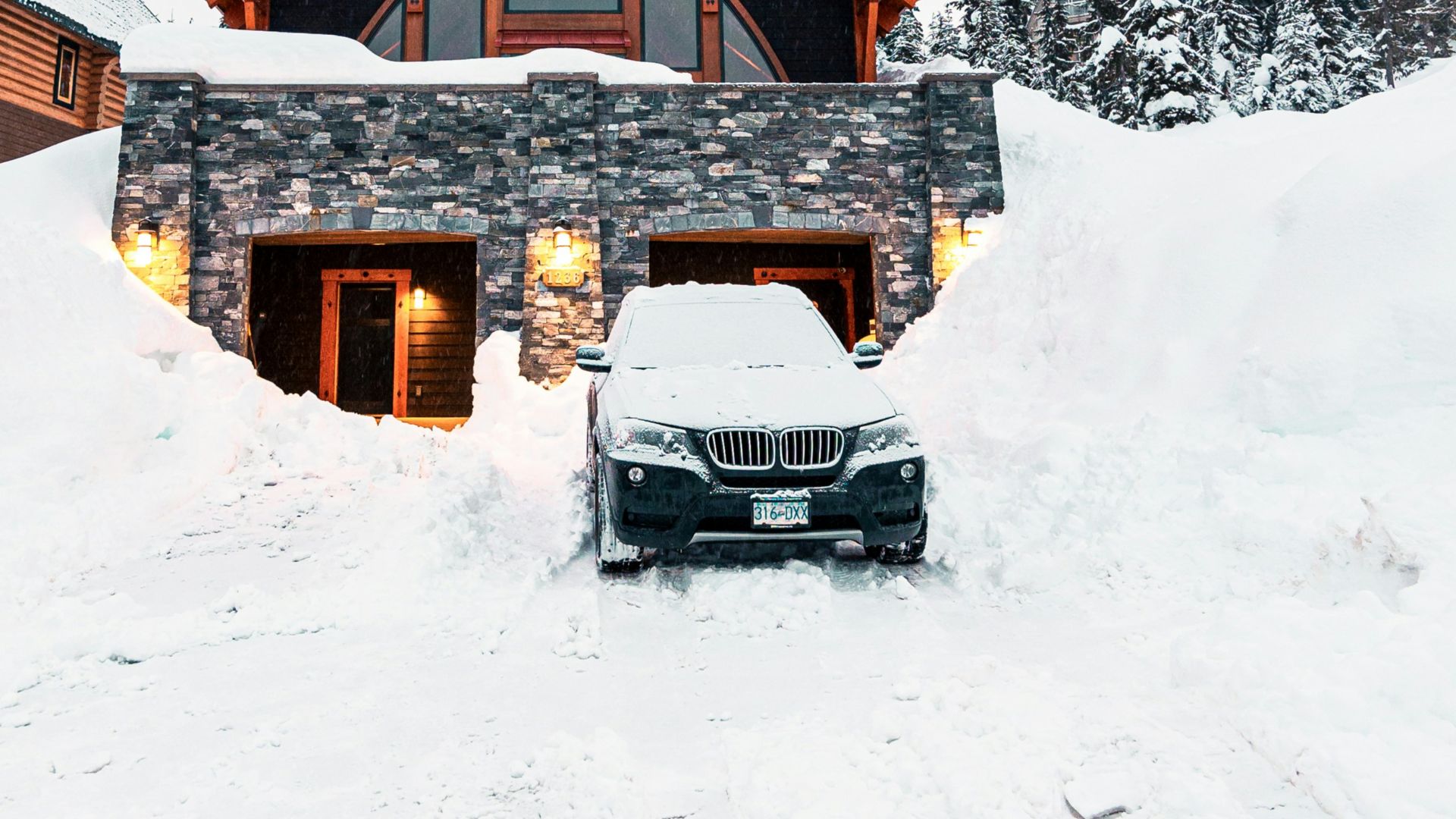
A camera installation that seems fine in summer may suddenly create no-starts during winter. Cold weather reduces a battery's available starting performance while the engine can require more energy to crank. Some dashcam systems provide winter battery-protection settings for exactly this reason. If the problem appears mainly on cold mornings, don't overlook the combination of an aging battery and overnight accessory use.
Don't Keep Replacing Batteries Until Someone Measures The Draw
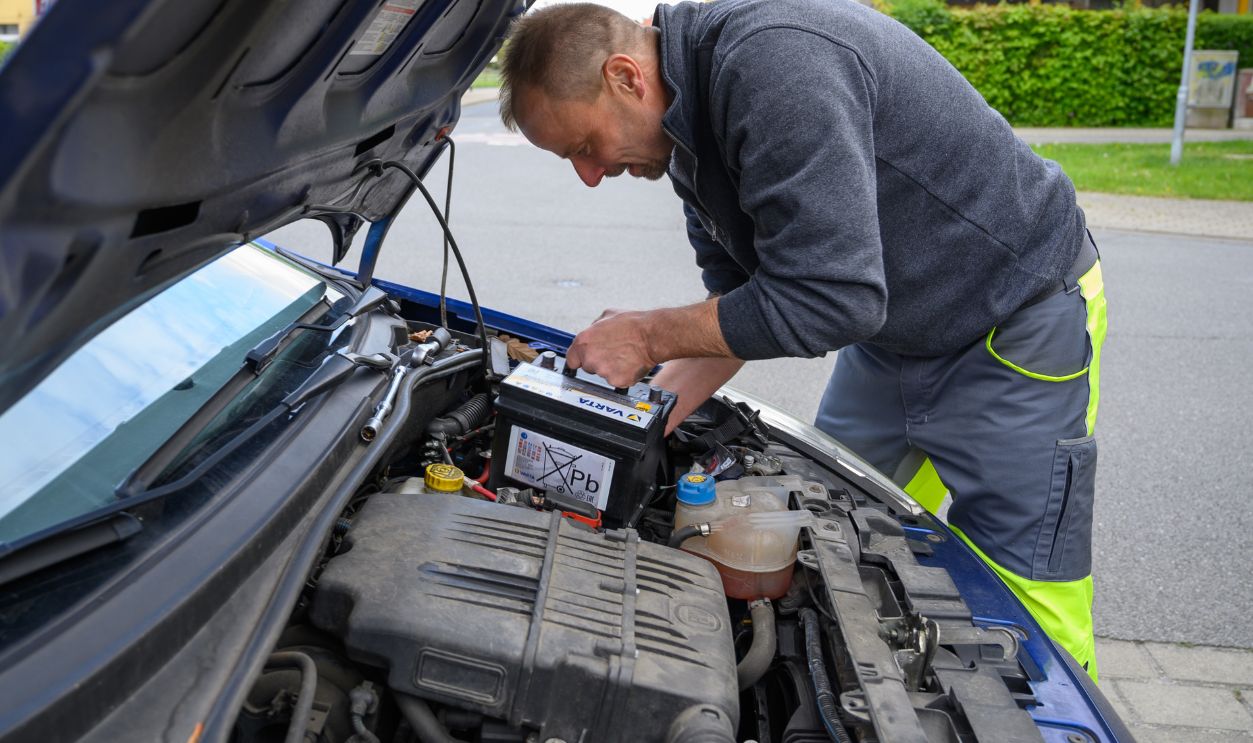
Installing a new battery may temporarily make the problem disappear because the replacement has greater capacity. If an excessive parasitic load remains, however, the new battery can eventually end up discharged too. Ask the shop to test battery condition, charging-system output, and key-off parasitic draw rather than treating every dead morning as proof that another battery is needed.
 picture alliance, Getty Images
The Dashcam May Be Guilty, But Make It Prove It
Because the problem appeared after the camera was installed, disconnecting it is the logical first experiment. But don't stop there if the battery still dies or if removing the camera only partly improves things. Verify the battery's health, confirm the alternator is charging properly, measure the vehicle's sleeping current draw, and isolate the affected circuit. The useful answer isn't winning an argument about the dashcam. It's finding exactly where the electricity is going after everyone goes to bed.

You May Also Like:
I Keep Replacing My Car Battery Every Two Years. What Am I Doing Wrong?