A Discount That Comes With A Catch
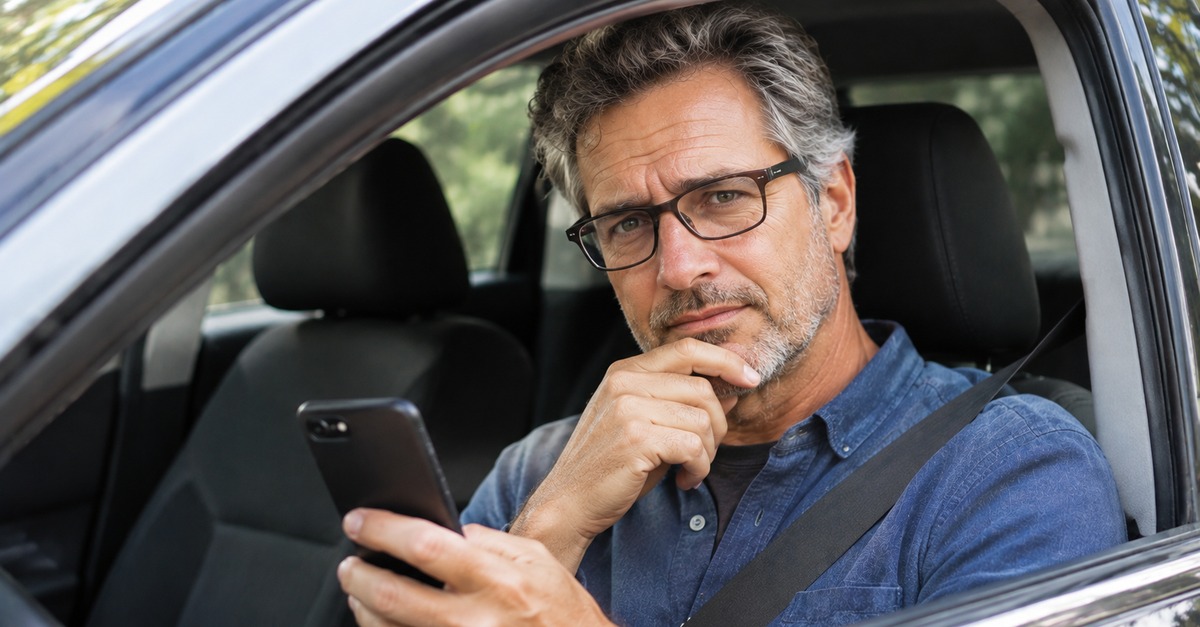
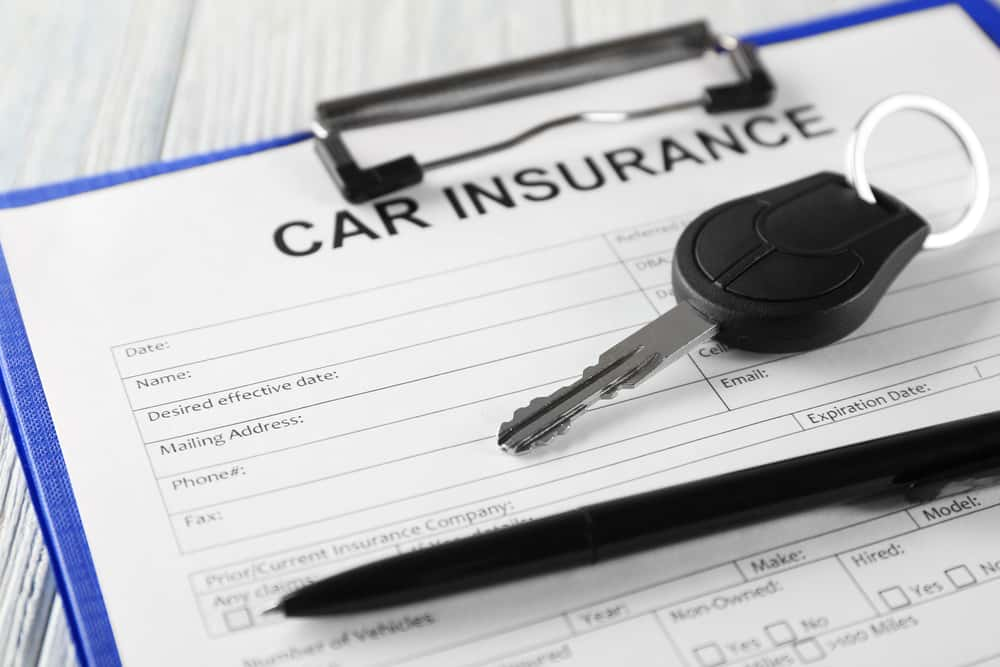
When my insurance company offered me a discount for installing a driving tracker, I was immediately interested. Saving money on car insurance sounded great, especially when the only requirement seemed to be downloading an app. But then I started wondering exactly what the insurer would learn about my driving, and whether that information could eventually cost me more than the discount was worth.

Your Insurance Company Wants More Information
Traditional auto insurance pricing relies on factors such as driving history, vehicle characteristics, location, and coverage choices. Usage-based insurance adds information about how, when, and sometimes where a vehicle is driven. Programs such as Progressive Snapshot and Allstate Drivewise use this information to evaluate driving behavior. That means agreeing to participate involves sharing considerably more information than a typical insurance application requires.

The Tracker Might Already Be Your Phone
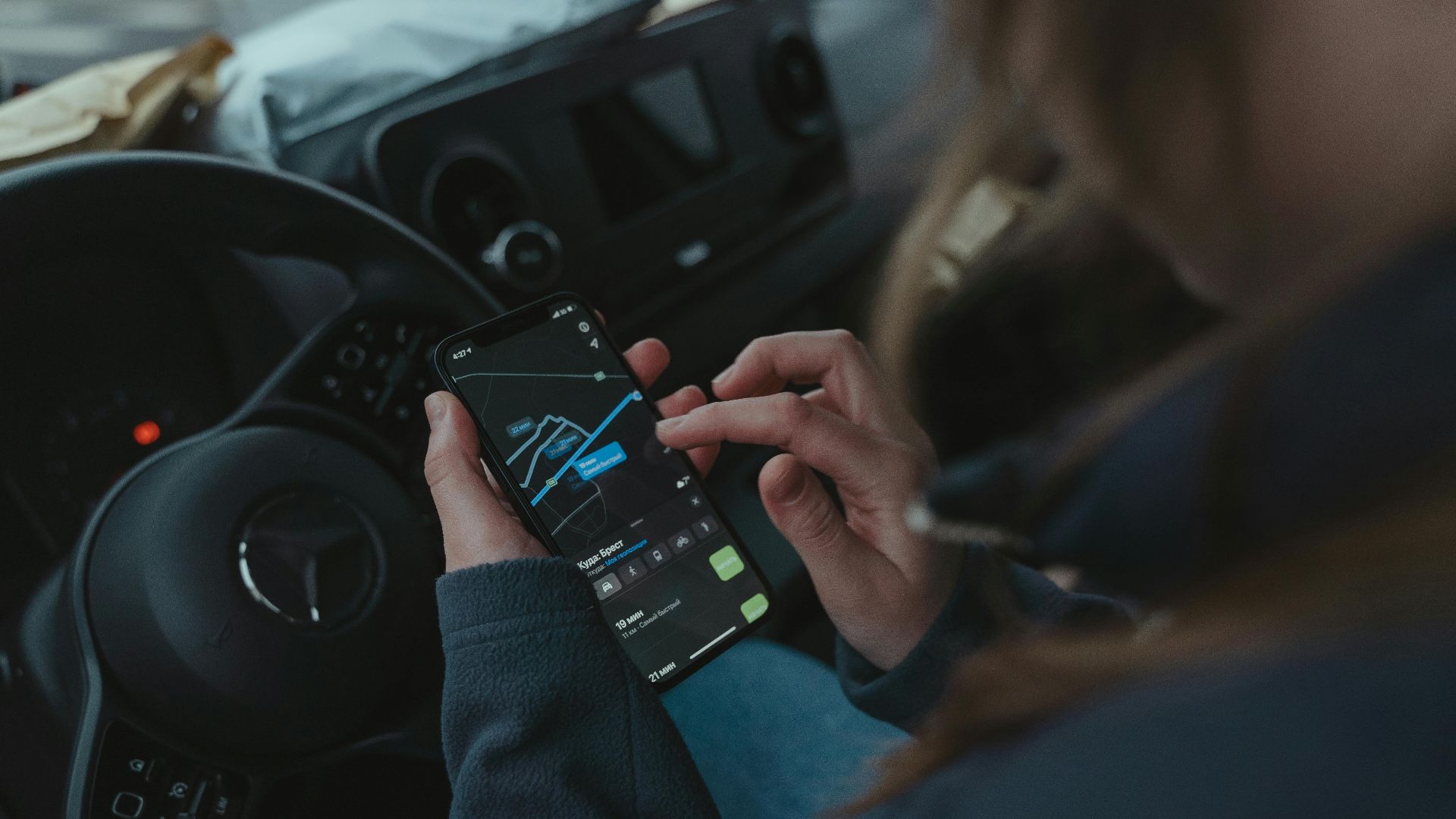
Not every driving tracker is a physical device installed inside a vehicle. Progressive offers both a plug-in device and a smartphone-based version of Snapshot, while Allstate Drivewise operates through a mobile app. These programs use available technology to collect information during trips. Depending on the insurer, signing up could mean keeping an app running in the background rather than attaching equipment to the car.
It Watches More Than Your Speed
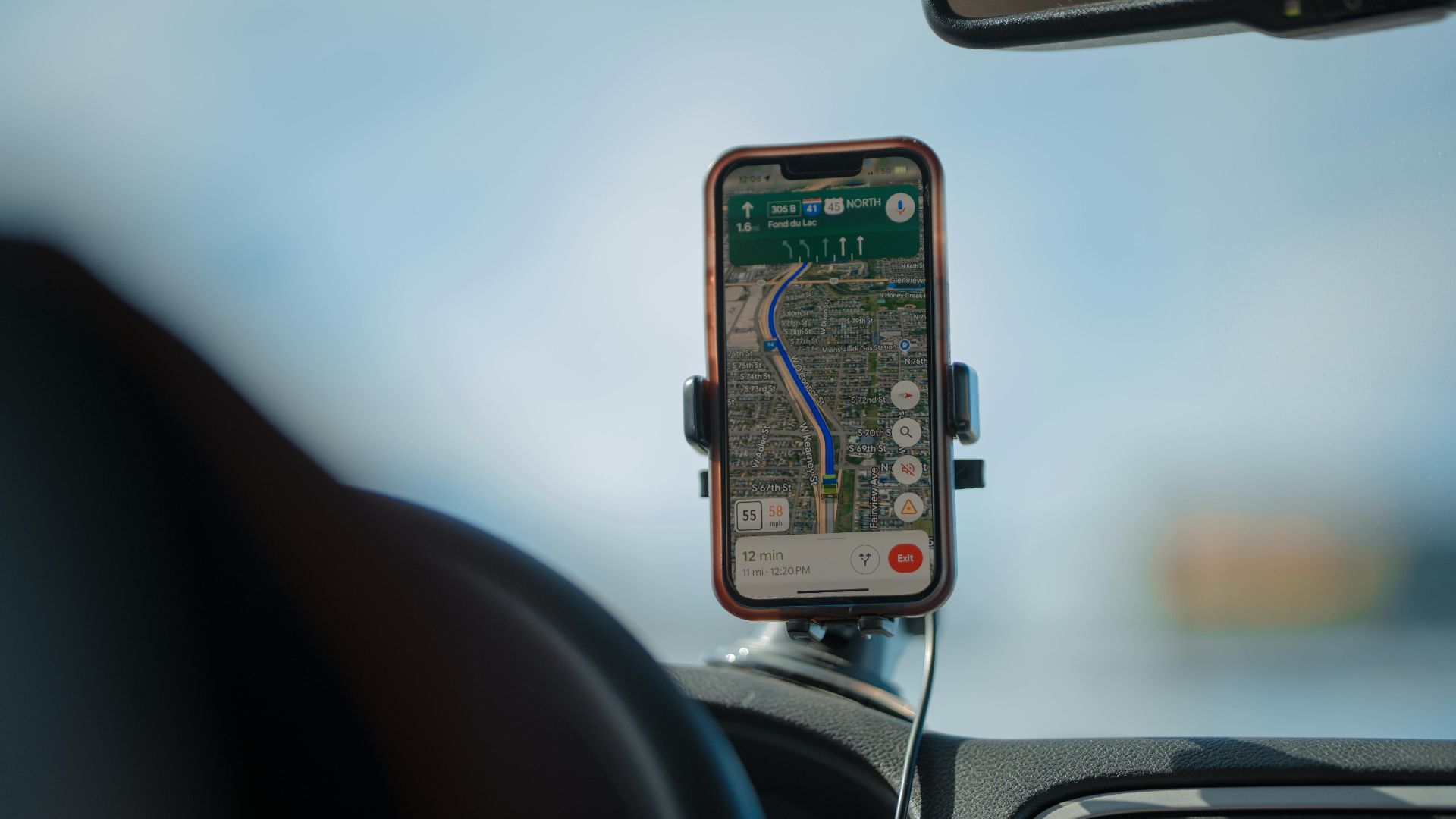
Speed is only one of several measurements insurers may use to evaluate driving behavior. Progressive Snapshot tracks factors such as braking, acceleration, mileage, and driving times, while its mobile version also collects information about handheld phone use. Allstate Drivewise considers speeding, hard braking, phone activity, and the time of day. The exact measurements vary between programs, making the enrollment agreement important reading.
Sudden Braking Could Affect Your Score
Slamming on the brakes to avoid another vehicle might seem like responsible driving. However, telematics programs can register rapid deceleration as a hard-braking event. State Farm explains that frequent hard stops can indicate following too closely or driving too fast, although not every hard stop necessarily reflects poor judgment. Drivers who regularly encounter unpredictable traffic may want to understand how their insurer evaluates these events.
Accelerating Quickly Can Also Count
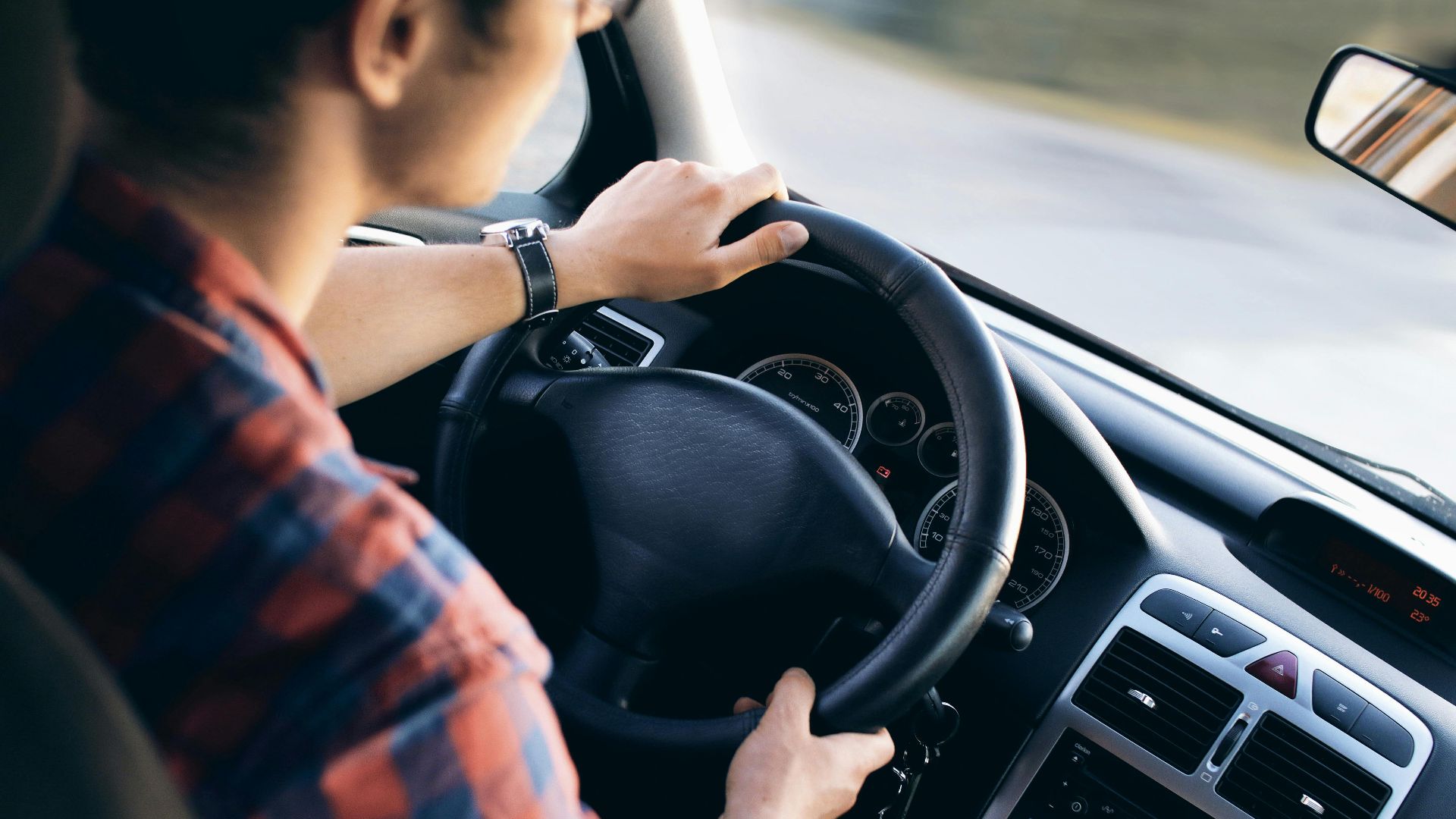
Some insurers monitor how aggressively a vehicle accelerates. State Farm's Drive Safe & Save program provides feedback about rapid acceleration, while Progressive Snapshot also considers acceleration behavior. These measurements are intended to identify driving patterns associated with greater risk. A driver who frequently accelerates sharply may therefore receive a different assessment from someone who drives more smoothly.
Driving Late At Night May Work Against You
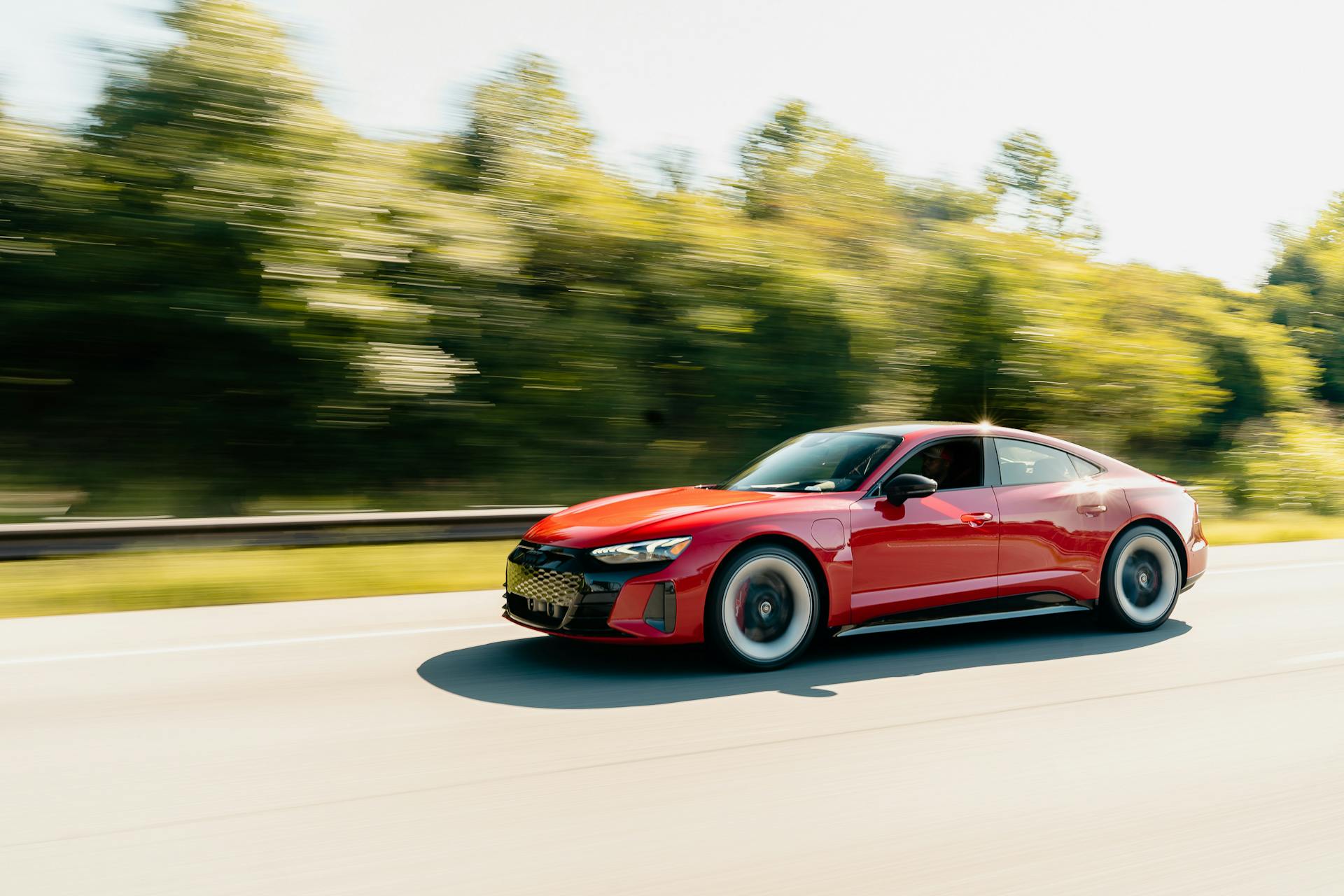
The time you drive can matter almost as much as how you drive. Allstate Drivewise identifies late-night hours as higher-risk periods and includes driving time in its performance calculations. This can create an important consideration for people who work overnight shifts or regularly travel after midnight. Even a careful driver may have less flexibility to avoid the hours an insurer considers risky.
 Volodymyr Proskurovskyi, Unsplash
Your Phone Habits Are Part Of The Deal
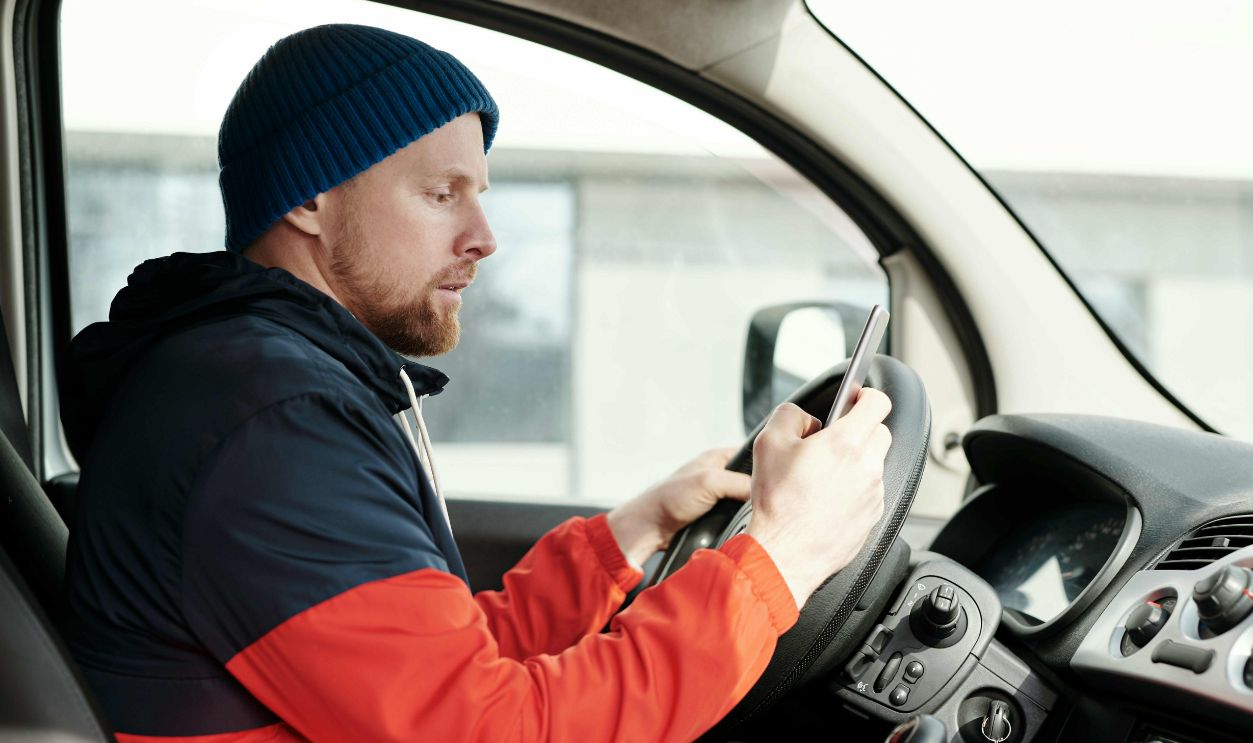
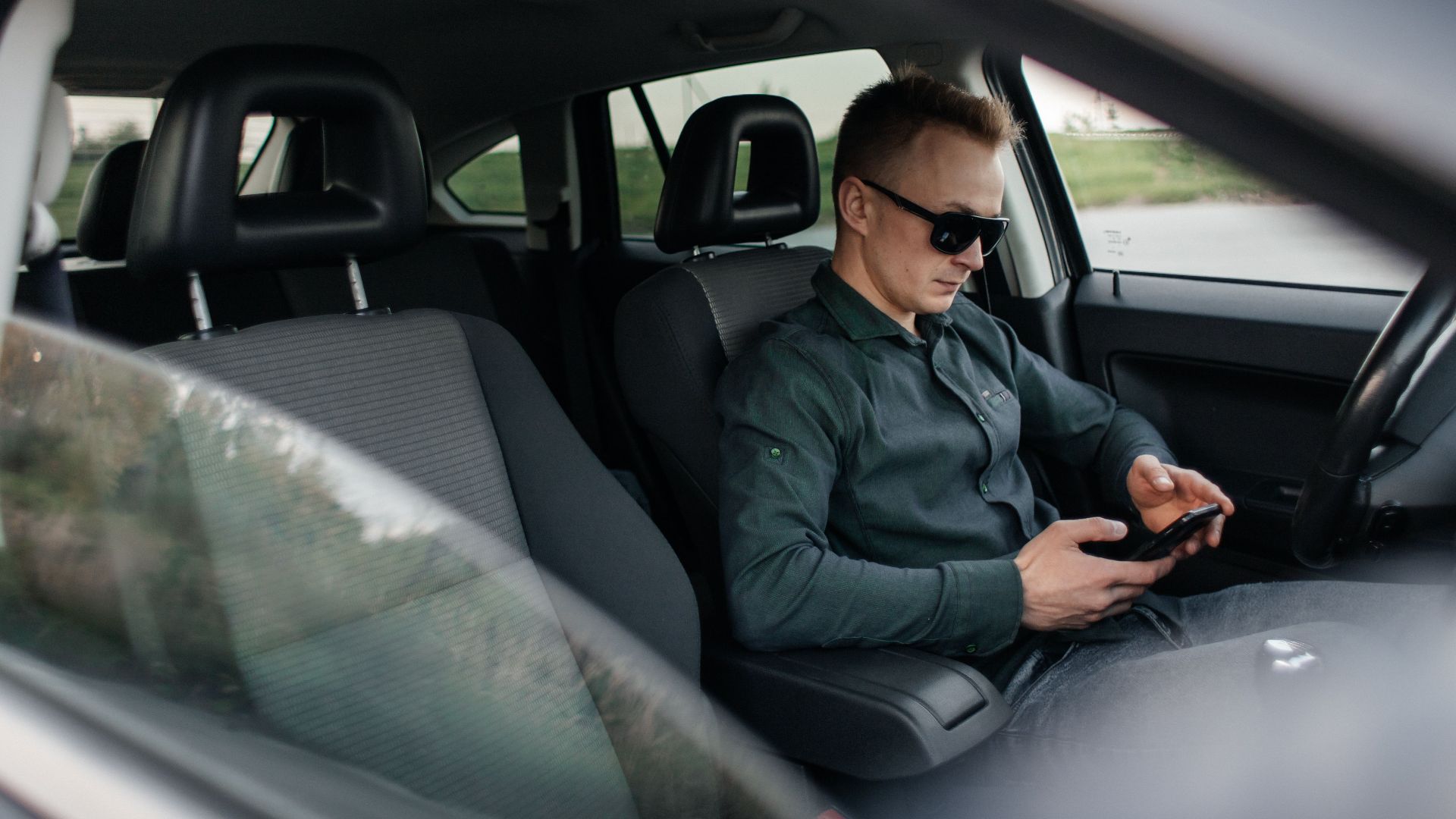
A driving-tracker app may also monitor phone activity while a vehicle is moving. Allstate's U.S. Drivewise program uses phone activity when calculating driving scores, and Progressive's mobile Snapshot program collects information about handheld phone use. That means scrolling or handling a phone during a trip could influence an insurance assessment. Drivers should check exactly which activities are recorded and whether they affect pricing.
The App Might Know Where You Go
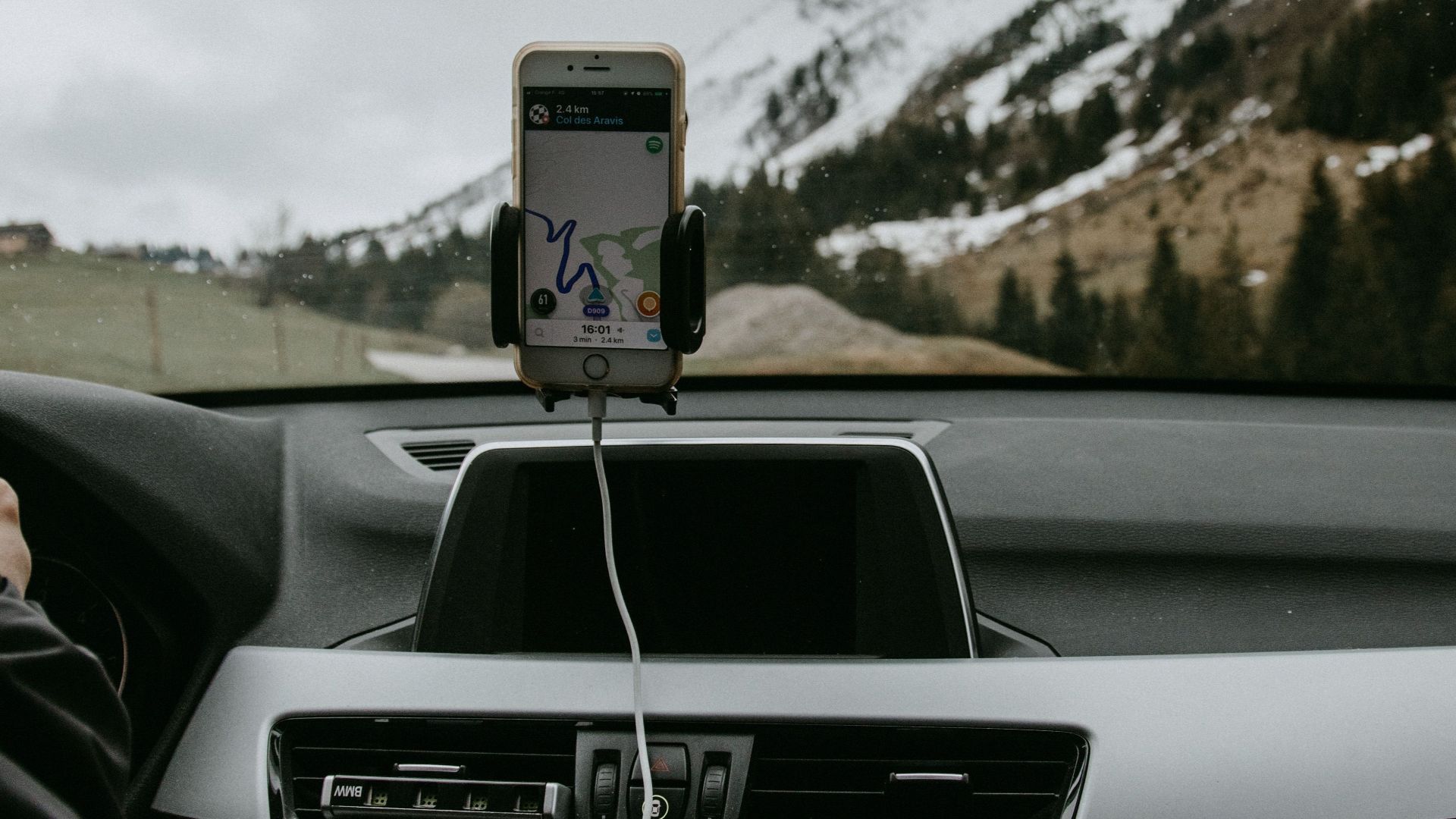
Location tracking is another important part of the agreement. Progressive's Snapshot terms explain that its device collects GPS location information, although the company says where customers drive does not directly determine their personalized Snapshot rate. Location information may still be used for purposes such as underwriting, accident detection, and claims handling. The distinction between collecting location data and using it to calculate a driving score is worth understanding before enrolling.
Even Your Regular Routes Can Be Recorded
State Farm's Drive Safe & Save program provides trip maps showing where driving events occurred. These maps can help customers identify behaviors such as hard braking or rapid acceleration. However, they also demonstrate how detailed a driving record can become. Before joining, I'd want to know whether route information is stored, who can access it, and how long it remains available.
The Initial Discount Isn't The Final Discount
Some programs offer savings simply for enrolling, but that introductory benefit may change later. State Farm advertises an initial participation discount before adjusting savings based on driving information. Progressive Snapshot similarly offers participation discounts in eligible states before applying personalized pricing. The amount saved at signup therefore shouldn't be mistaken for a guaranteed long-term reduction.
 Harrison Keely, Wikimedia Commons
Your Premium Could Actually Increase
One of the biggest questions is whether a tracker can make insurance more expensive. Progressive explicitly states that Snapshot can result in a surcharge in certain states, depending on driving behavior and program rules. Other programs have different restrictions, and some promise that participating will not directly increase premiums through the tracking program. It's essential to distinguish a discount-only arrangement from one that can produce higher rates.

The Rules Depend On Where You Live
Driving-tracker programs don't operate under identical rules everywhere. State Farm notes that Drive Safe & Save availability and discounts vary by state, while Progressive's Snapshot terms describe different pricing arrangements depending on jurisdiction. Allstate's Canadian Drivewise program also has different terms from its U.S. counterpart. Before comparing advertised savings, drivers should examine the specific agreement that applies to their location and policy.
 Raysonho @ Open Grid Scheduler / Grid Engine, Wikimedia Commons
Other Drivers Could Influence Your Results
A household with multiple drivers introduces another complication. Allstate explains that qualifying Drivewise participants on the same policy can collectively influence the policy's performance rating. Progressive's mobile Snapshot program also has enrollment requirements involving rated drivers on eligible policies. Someone considering a tracker should ask whether a spouse, teenager, or other covered driver could affect the final insurance price.
What If The Tracker Thinks You're A Passenger?
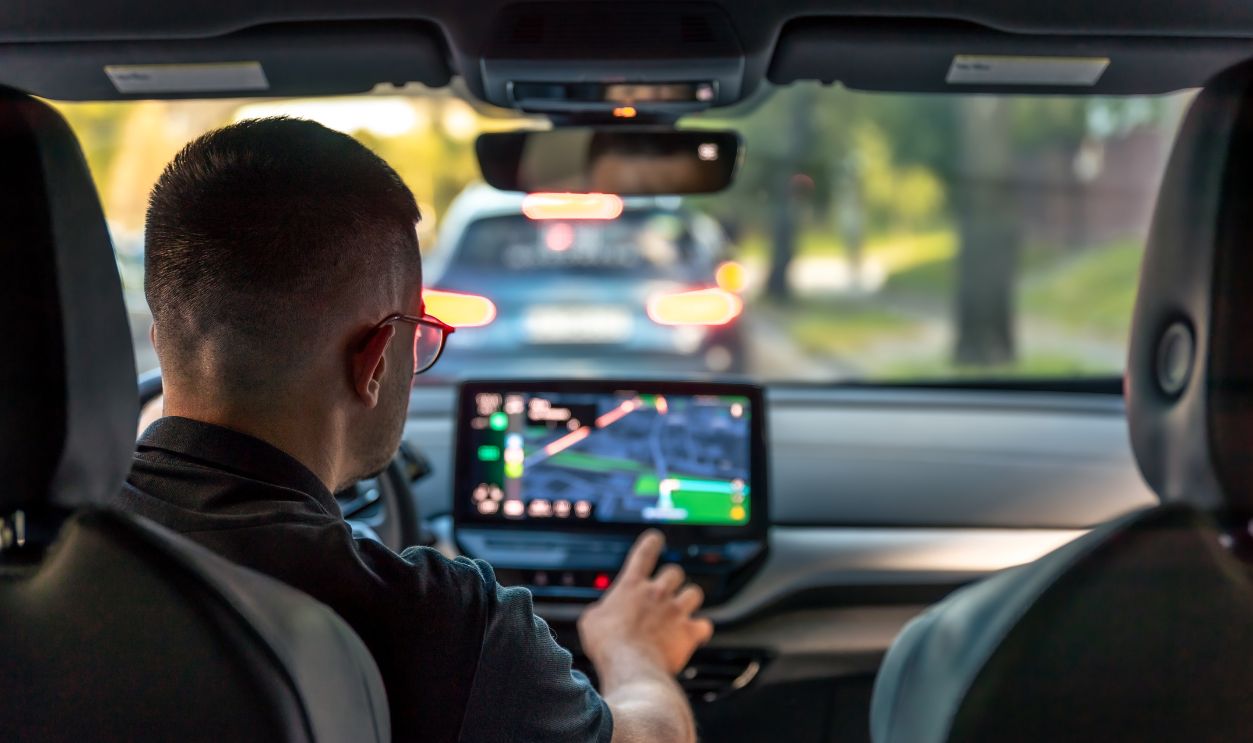
Smartphone tracking can create confusion when the policyholder isn't actually driving. Allstate acknowledges that Drivewise can detect trips taken as a passenger because the system follows the smartphone rather than a particular vehicle. Its U.S. app allows users to review and correct incorrectly classified trips. That feature matters because someone else's driving shouldn't automatically become part of your personal driving assessment.
You'll Need To Keep Certain Phone Settings Enabled
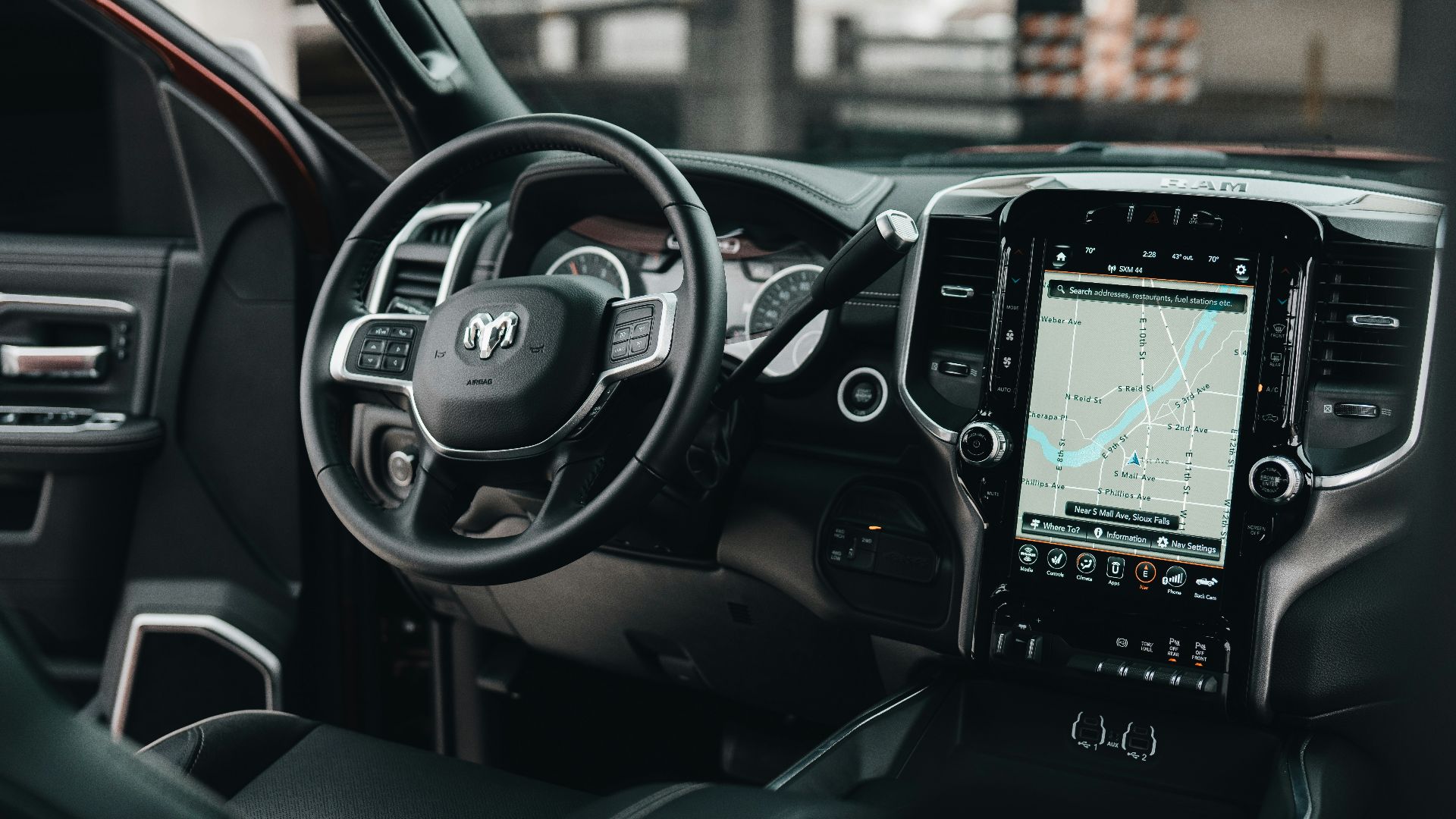
Participating in a smartphone-based tracking program may require granting permissions that some people normally prefer to restrict. Allstate Drivewise requires location access set to Always, along with certain motion or activity permissions. State Farm similarly explains that its app needs appropriate location and Bluetooth settings to record trips reliably. Turning those permissions off can interfere with participation and potentially affect savings.

Your Driving Data Might Be Used After An Accident
The information collected by a tracker may serve purposes beyond calculating discounts. Progressive's Snapshot terms explain that recorded information can help investigate accidents, verify circumstances, and resolve insurance claims. This can include examining the reported time and location of a collision. Before enrolling, drivers should understand whether the data could be used when determining liability or coverage.
 Shuets Udono, Wikimedia Commons
Could Someone Else Get Your Driving Records?
Driving information may become relevant in legal proceedings following a serious collision. Progressive's plug-in Snapshot agreement explains that recorded data may be sought by opposing parties in civil lawsuits or by police investigating accidents. The company also acknowledges that it may have to disclose information in response to a subpoena or other legal requirement. Participating in the program therefore doesn't guarantee that collected information will remain exclusively between the driver and insurer.

What Happens To The Data After Collection?
Another important question concerns how long insurers retain driving information. Progressive states that it retains information collected through Snapshot according to its record-retention policies. Those terms don't promise that every record disappears immediately when participation ends. Drivers concerned about privacy should ask for the applicable retention policy and whether they can request deletion of their information.
The Data-Sharing Controversy Is Real
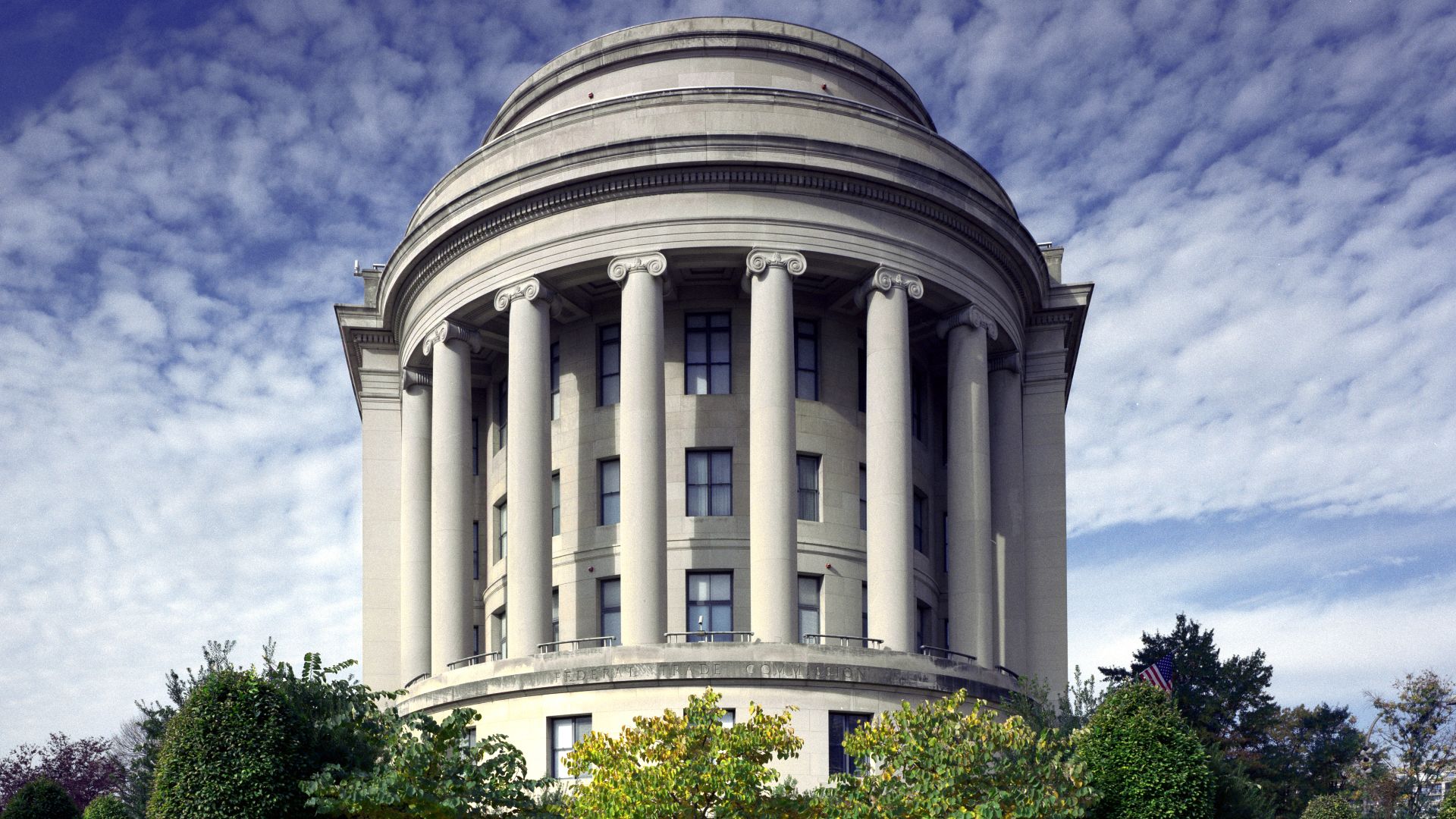
Concerns about driving data became especially prominent after the Federal Trade Commission investigated General Motors and OnStar. In January 2026, the FTC finalized an order settling allegations that the companies collected and sold precise location and driving-behavior information without adequate notice and affirmative consent. The case involved connected-vehicle services rather than every insurer-operated tracking program. Nevertheless, it illustrates why drivers should examine exactly who receives their information and how it may be used.
 Carol M. Highsmith, Wikimedia Commons
Not Every Insurer Sells Your Information
It's important not to assume every tracking program handles personal information identically. State Farm says it does not sell Drive Safe & Save information, although it acknowledges sharing information with third parties in limited circumstances. Allstate Canada's Drivewise program also describes restrictions on using collected information outside the program without consent, subject to stated exceptions. The appropriate question isn't simply whether data is sold, but what collection, sharing, and retention practices the agreement permits.

What Happens If You Change Your Mind?
Drivers should investigate cancellation rules before signing up. Progressive says customers can opt out of Snapshot, but its terms explain that leaving after certain deadlines may still affect how previously collected driving information influences future pricing. In some circumstances, withdrawing can also mean losing a participation discount. Canceling the program therefore isn't necessarily the same as erasing its financial consequences.
 Natallia Ustsinava, Shutterstock
You Might Still Be Paying For The Discount Later
The effect of tracking may continue beyond the initial monitoring period. Progressive's terms describe situations where a calculated driving score continues to influence renewal pricing after data collection ends. State Farm also recalculates its Drive Safe & Save adjustment at renewals using available driving information. Understanding how long the results remain relevant is just as important as knowing how long the tracker stays active.

The Advertised Savings Aren't Guaranteed
Insurers often promote their telematics programs using the largest discounts available to qualifying customers. State Farm advertises potential savings of up to 30%, while Allstate Canada's Drivewise program also promotes savings of up to 30%. Those figures represent possible outcomes rather than promises that every participant will receive the maximum reduction. The actual savings depend on program rules, driving results, and eligibility.
 Warren LeMay from Cincinnati, OH, United States, Wikimedia Commons
Calculate What The Discount Is Really Worth
Imagine my annual auto insurance premium is $1,800 and a tracker earns me a 10% discount. That would save $180 per year, or $15 per month, assuming the discount applies to the entire premium. If the program instead discounts only selected coverages, the savings could be smaller. Comparing the actual dollar benefit with the privacy and pricing conditions makes the decision much clearer.

Ask These Questions Before Signing Up
Before agreeing to a tracking program, I'd want written answers about the information collected, how it affects premiums, and whether unfavorable driving results can increase my rates. I'd also ask who receives the information, how long it is retained, and what happens if I withdraw. Progressive, Allstate, and State Farm publish program-specific explanations, but their rules aren't interchangeable. Reading the agreement for the exact program and jurisdiction is more useful than relying on an advertisement.

You Can Still Shop For Insurance Without A Tracker
A driving tracker isn't the only potential route to a lower insurance bill. State Farm lists other discount opportunities, including options related to vehicle equipment, driving history, and policy arrangements. Comparing quotes from several insurers can also help determine whether a tracking discount is competitive with an ordinary policy elsewhere. Someone uncomfortable with telematics should consider those alternatives before assuming that sharing driving data is necessary to save money.
So Is The Discount Worth Giving Up Some Privacy?
Signing up for a driving tracker isn't automatically a bad decision, especially for drivers whose habits fit the program's scoring rules. However, the agreement may involve sharing location information, recording driving behavior, allowing certain uses of the data, and accepting possible changes to future premiums. The savings are worth evaluating, but so are the limitations on how the information is handled. Before enrolling, I'd want to know exactly what I'm agreeing to and whether the potential savings justify those terms.
You May Also Like:
Classic Truck Features That Drivers Miss Now That Pickups Have Gone Luxury
Popular Vehicle Features That Mechanics Say Cause More Trouble Than They’re Worth
The Most Valuable Survivor Cars That Escaped The Crusher Against All Odds